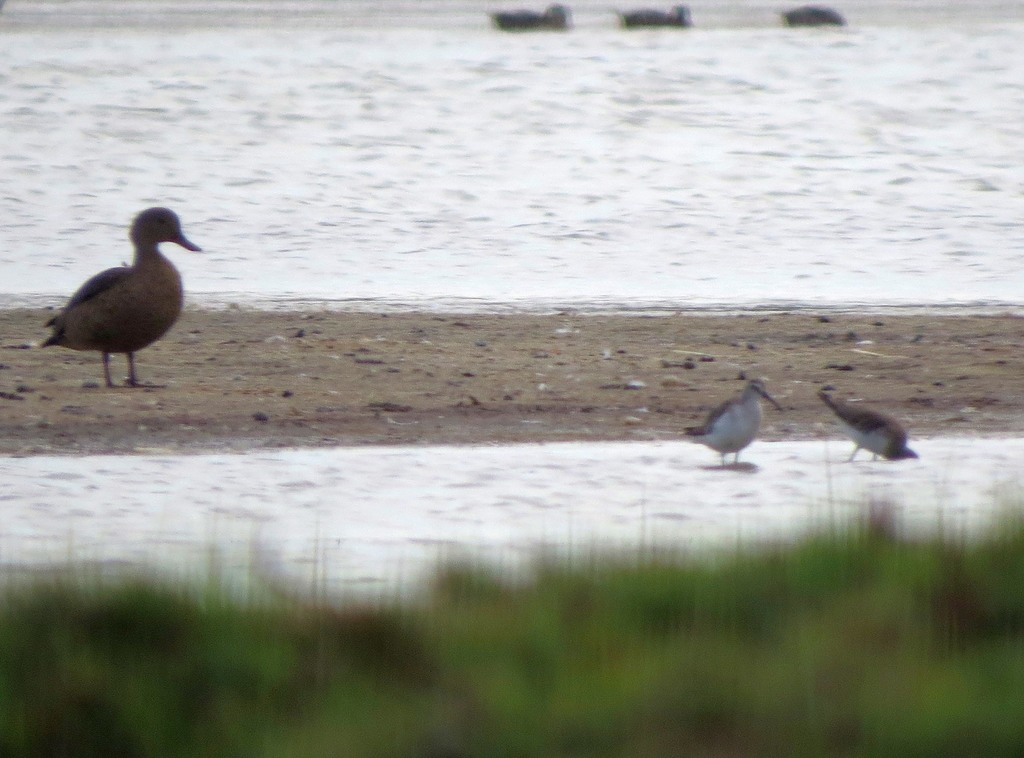
Bernier’s Teal
Photo © Micha Baum
Photo © Micha Baum — CC BY-SA 4.0 — Source: iNaturalist #38386261Identification
Bernier's teal is a small duck, measuring 40 to 45 cm in length and weighing between 320 and 405 grams, with males averaging slightly heavier than females. The most distinctive feature is its predominantly warm brown plumage. The bill is reddish, while the legs and feet are a dull reddish-orange. Adult and immature birds of both sexes look remarkably similar, making this species straightforward to identify once you know what to look for.
Range & Habitat
Bernier's teal is endemic to Madagascar, found exclusively along the west coast and extreme north-east of the island. The species is strongly tied to mangrove forests, rarely venturing into other habitats. Within these mangroves, it favors open shallow ponds and lakes, predominantly brackish in nature.
Subfossil evidence from the Holocene period reveals that this teal once had a much wider distribution across Madagascar. Today, the species is known to breed at only a few sites along the central and north-west coasts, reflecting its dramatic range contraction.
Behaviour & Diet
Bernier's teal is an active forager that spends much of the day feeding. The species wades at the edge of shallow water, filtering mud and dabbling at the surface in search of invertebrates, plant materials, and insects. Males produce characteristic whistles, while females make a "croaking quak" call.
Breeding birds show strong fidelity to mangrove habitat, nesting in holes within grey mangrove trees, typically 1 to 3 meters above the water's surface. The female alone incubates the clutch, which averages 6.75 eggs in captivity, laid directly on the cavity floor and initially covered with wood shavings or rotting wood, later supplemented with the female's own down feathers.
Best Time & Places to See It
Bernier's teal is critically endangered, with only approximately 1,500 individuals remaining in the wild. Finding this species in its natural habitat requires visiting Madagascar's west coast mangrove forests, though sightings cannot be guaranteed. The species' extreme rarity and restricted range make it a challenging target for most birdwatchers and wildlife travelers.
Photography Tips
The warm brown plumage and reddish bill provide subtle but distinctive photographic subjects against the grey mangrove environment. Early morning feeding activity offers the best opportunity to photograph birds actively foraging at water's edge. The small size and preference for shallow brackish ponds in mangroves present framing challenges—a longer lens will help capture detail while maintaining distance in this specialized habitat.
Nothing matches these filters.
Your photo, your rights. Always credited to you.
No community photos yet. Log in to add the first one.
No community observations of this species yet.