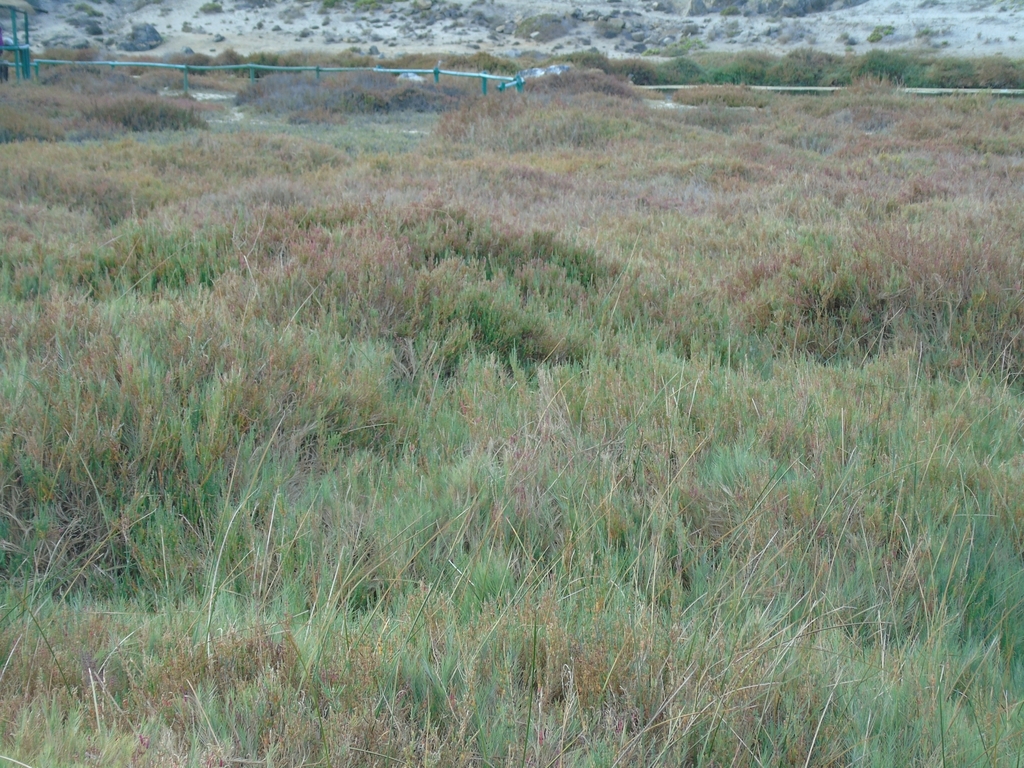
Black Rail
Photo © Álvaro Parra Valdivia
Photo © Álvaro Parra Valdivia — CC BY 4.0 — Source: iNaturalist #173405457The black rail (Laterallus jamaicensis) is a mouse-sized member of the rail family Rallidae that occurs in both North and South America. It is the smallest rail present in North America and is known for its secretive nature. == Taxonomy == The black rail was formally described in 1789 by the German naturalist Johann Friedrich Gmelin in his revised and expanded edition of Carl Linnaeus's Systema Naturae. He placed it with all the rails in the genus Rallus and coined the binomial name Rallus jamaicensis. Gmelin based his description on the "Least water hen" that had been described and illustrated in 1760 by the English naturalist George Edwards in his Gleanings of Natural History. Edwards had obtained a preserved specimen that had been brought to London from Jamaica by Patrick Browne. Browne had briefly mentioned the rail in his book "The Civil and Natural History of Jamaica". The black rail is now placed with 12 other small rails and crakes in the genus Laterallus that was introduced in 1855 by George Robert Gray. The genus name is a portmanteau of Rallus lateralis, a synonym of the binomial name for the rufous-sided crake, the type species of the genus. The specific…
Laguna del Tigre National Park
Petén, Guatemala
+399 birds+29 mammals
Where the Petén lowlands dissolve into wetland and forest, Laguna del Tigre National Park protects one of Guatemala's most ecologically vital landscapes. This sprawling reserve encompasses…
VIEW NATIONAL PARKDon Edwards San Francisco Bay National Wildlife Refuge
Fremont, United States
+286 birds+20 mammals
Where the San Francisco Bay's shallow margins dissolve into tidal salt marshes and mudflats, this wildlife sanctuary preserves one of California's most ecologically vital estuarine systems.…
VIEW WILDLIFE SANCTUARYBitter Lake National Wildlife Refuge
Chaves County, United States
+284 birds+10 mammals
Across the high desert floor of southeastern New Mexico, where elevation and aridity shape every living thing, shallow alkaline lakes and marshes form an unexpected oasis…
VIEW WILDLIFE SANCTUARYSt. Marks National Wildlife Refuge
Saint Marks, United States
+324 birds+16 mammals
Where the Apalachee Bay begins to define the Florida coastline, salt marshes and freshwater impoundments merge into one of the southeastern United States' most productive wildlife…
VIEW WILDLIFE SANCTUARYNo community photos yet. Log in to add the first one.
No community observations of this species yet.