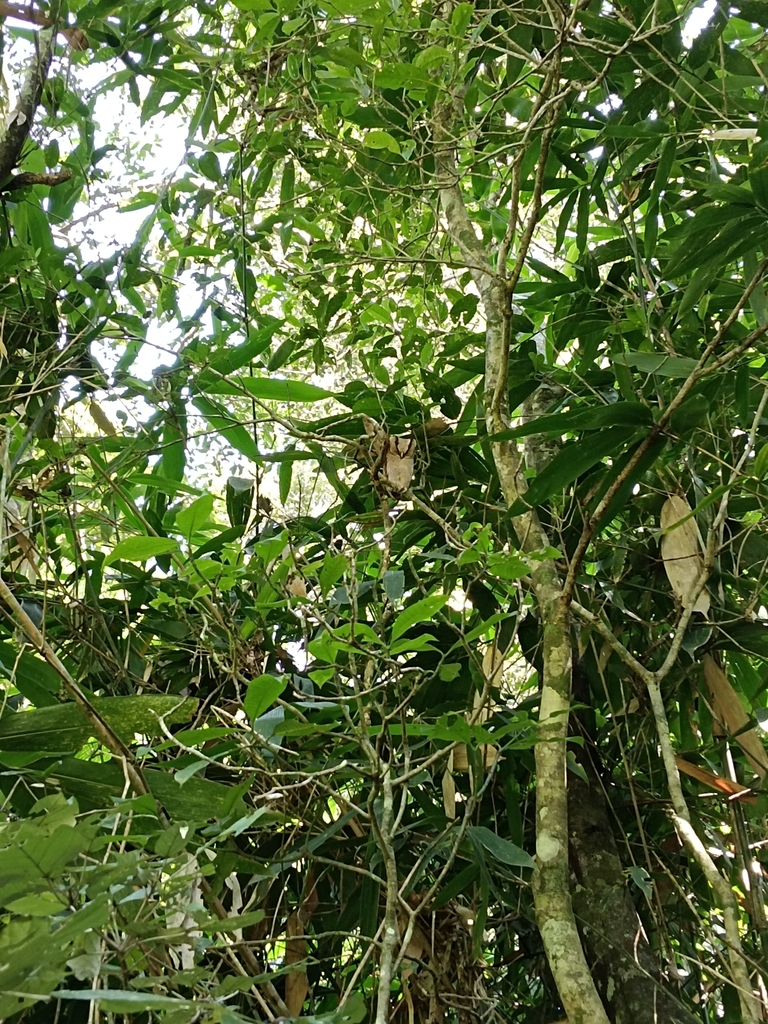
Sri Lanka Bay Owl
Photo © renjus box
Photo © renjus box — CC BY 4.0 — Source: iNaturalist #147957511Identification
The Sri Lanka bay owl is a small, secretive owl belonging to the barn-owl family. Until recently, it was considered merely a subspecies of the Oriental bay owl, but it is now recognized as a distinct species based on differences in its call and plumage. Two subspecies are recognized: Phodilus assimilis ripleyi in the Western Ghats of India, and Phodilus assimilis assimilis in central and southern Sri Lanka. Like other bay owls, this species is cryptic and difficult to observe in the field, making identification in the wild particularly challenging for most birdwatchers.
Range & Habitat
The Sri Lanka bay owl is endemic to the island of Sri Lanka and the Western Ghats region of southwestern India, particularly in Kerala. This highly restricted range makes it a species of special interest to birders visiting these regions. The owl inhabits subtropical and tropical moist montane forests as well as subtropical and tropical high-altitude grasslands, favoring the cool, wet forests of higher elevations. In India, the species is found along the Western Ghats mostly south of Goa, though records are sparse due to its secretive nature. The Indian subspecies is so elusive that its presence has often been detected only upon the discovery of injured individuals, highlighting how little is known about its population status and distribution.
Behaviour & Diet
The Sri Lanka bay owl is nocturnal and highly secretive, making direct observation difficult. The most reliable way to detect the species is by listening for its distinctive call during the breeding season, which occurs in winter. The owl produces a characteristic song consisting of multiple whistles with inflections, quite different from its Oriental bay owl relative. This vocal difference was one of the key reasons for its elevation to full species status. Like other owls, it is a carnivorous hunter, though detailed information about its specific prey preferences and hunting behavior remains limited due to the difficulty of studying this reclusive bird.
Best Time & Places to See It
Winter is the best season to encounter the Sri Lanka bay owl, as this is when breeding birds are most vocal. Patient listeners in suitable habitat may hear the distinctive whistling song, which offers the best chance of detection. In Sri Lanka, the central and southern montane forests offer the most likely locations, while in India, the Kerala region of the Western Ghats is the primary range. However, travelers should prepare for challenging conditions: this owl is genuinely difficult to find due to its secretive habits and preference for remote forested areas. Guided night walks in appropriate montane forests during winter, led by experienced local naturalists, offer the best opportunity for encounters.
Photography Tips
Photographing the Sri Lanka bay owl presents significant challenges due to its nocturnal habits and secretive behavior. Audio recording equipment may be more useful than cameras for documenting this species, particularly during breeding season when its distinctive call can be captured. If attempting night photography, infrared or thermal imaging equipment would be necessary, though such specialized equipment is rarely used for general wildlife tourism. Your best approach is to listen carefully for the bird's whistling song during winter nights in montane forest habitat, and be prepared for the possibility that you may hear this owl without ever seeing it—a memorable experience in itself for dedicated birders.
No community photos yet. Log in to add the first one.
No community observations of this species yet.