Identification
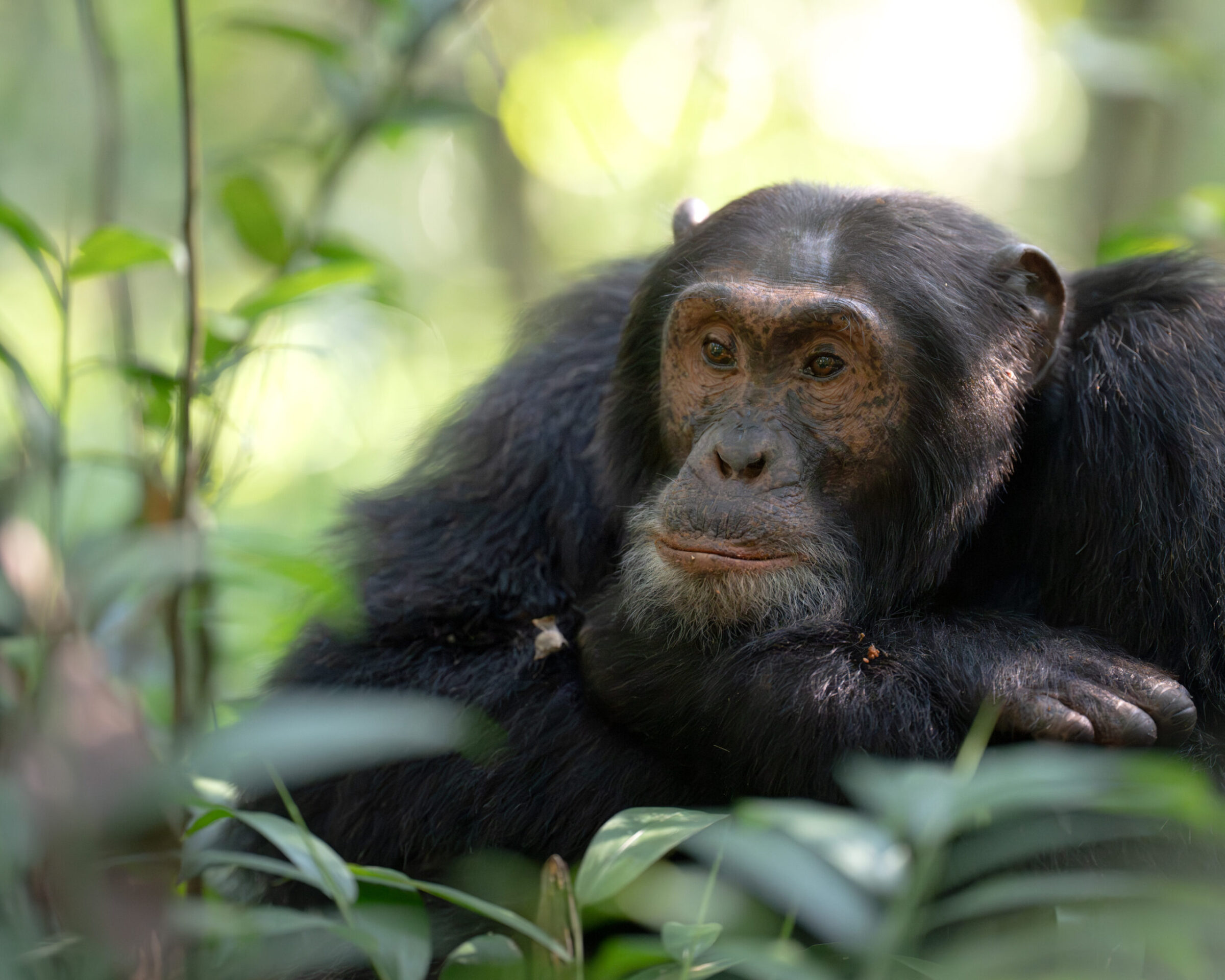
The chimpanzee is a medium-sized great ape covered in coarse black hair, with distinctive bare skin on its face, fingers, toes, palms, and soles of the feet. It is larger and more robust than its closest relative, the bonobo. Along with the bonobo, the chimpanzee represents the only species in the genus Pan, and DNA evidence confirms that these two species are humanity's closest living relatives in the animal kingdom.
Range & Habitat
Chimpanzees are found in the forests and savannas of equatorial Africa, with four confirmed subspecies and a fifth proposed. Fossil evidence indicates that chimpanzees were once more widely distributed across Africa, with remains discovered in Kenya suggesting that both chimpanzees and early humans inhabited the East African Rift Valley during the Middle Pleistocene.
Behaviour & Diet
Chimpanzees live in groups ranging from 15 to 150 members, though individuals forage and travel in much smaller groups during the day. They maintain a strict male-dominated hierarchy where disputes are typically settled without violence. Nearly all chimpanzee populations use tools—modifying sticks, rocks, grass, and leaves to hunt, acquire honey, extract termites and ants, crack nuts, and collect water. Remarkably, some populations have been observed creating sharpened sticks to spear small mammals.
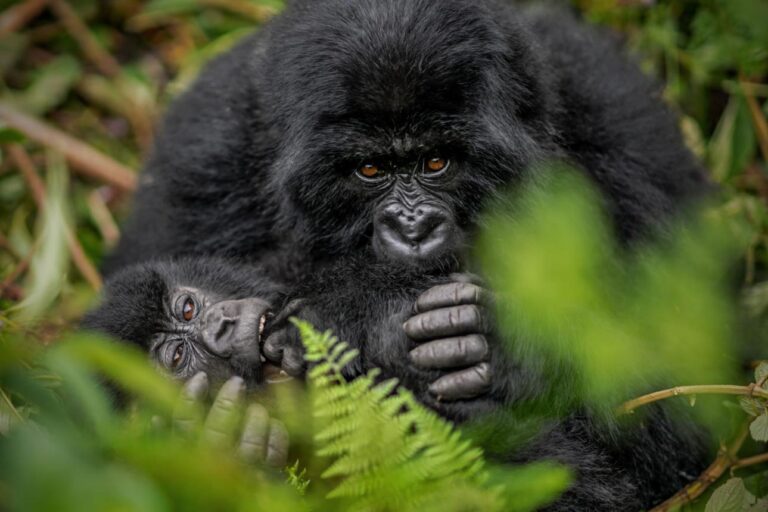
Infants have a gestation period of eight months and are weaned at around three years old, though they typically maintain close bonds with their mothers for several years beyond weaning.
Best Time & Places to See It
The chimpanzee is listed as endangered by the IUCN Red List, with an estimated population of between 170,000 and 300,000 individuals across its range in equatorial Africa. The species faces severe threats from habitat loss, poaching, and disease, making encounters increasingly precious for wildlife travellers seeking to observe these remarkable primates in their natural habitat.
Photography Tips
Photographing chimpanzees rewards patience and respect for their space. Their expressive bare faces and distinctive hand gestures provide compelling compositional opportunities. Capture behavioural moments such as tool use, social interactions within groups, and the distinctive movements of mothers with dependent young. Early morning light in forest and savanna settings will best illuminate their dark fur and emphasise the striking contrast of their bare facial features.