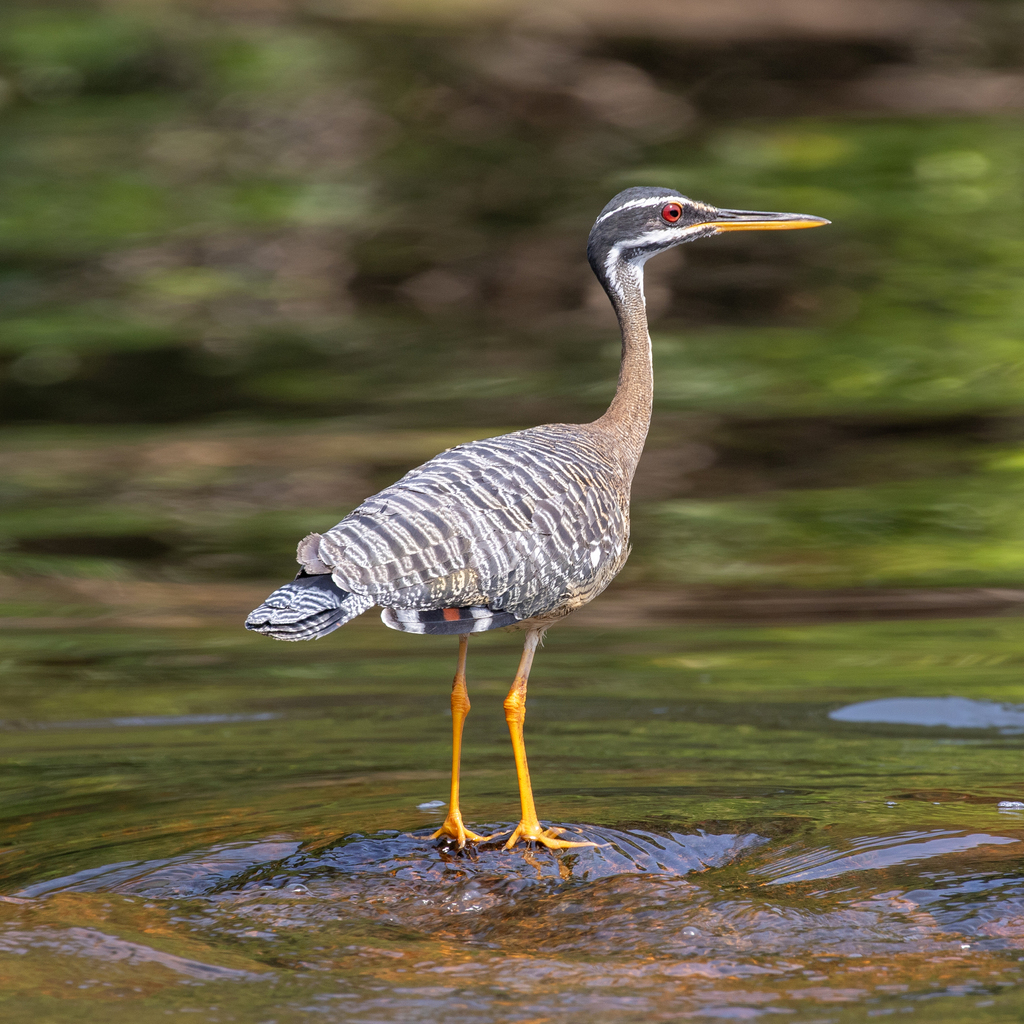
Sunbittern
Photo © Dan Vickers
Photo © Dan Vickers — CC BY 4.0 — Source: iNaturalist photo #468741304Identification
The sunbittern is a cryptic, bittern-like bird with subdued plumage dominated by fine linear patterns of black, grey, and brown. Its most striking feature is hidden until display: when wings are fully spread, the remiges reveal vividly colored middle webs with bright eyespots in red, yellow, and black—used in courtship, threat displays, and to startle predators. The bird has a long, pointed black bill (with orange-yellow on the lower mandible in lowland subspecies), orange-yellow legs in eastern populations, and notably short hallux like shorebirds and rails. Males and females differ subtly in throat and head feather patterns. Like the kagu of New Caledonia, sunbitterns possess powder down.
Range & Habitat
The sunbittern is found throughout tropical Central and South America, from Guatemala to Brazil, with three recognized subspecies distributed allopatrically. The nominate race (E. h. helias) inhabits lowland regions east of the Andes, from the Orinoco and Amazon basins through the Pantanal. E. h. meridionalis occurs along the East Andean slope in south-central Peru at 800–1,830 m elevation. E. h. major ranges from southern Guatemala through Central America and the Chocó to western Ecuador, possibly reaching southern Mexico. The species favors humid Neotropical forests with open understories, typically near rivers, streams, ponds, or lagoons.
Behaviour & Diet
Sunbitterns are elusive hunters with a remarkably varied diet. They consume numerous insects—cockroaches, dragonfly larvae, flies, katydids, water beetles, and moths—alongside other invertebrates including crabs, spiders, shrimps, and earthworms. They also take vertebrate prey: fish, tadpoles, toads, frogs, eels, and lizards. Notably, sunbitterns are among only 12 bird species known to use bait or lures to attract prey within striking distance—a form of tool use documented so far only in captive individuals. When threatened, cryptic sunbitterns deploy their spectacular wing display, revealing eyespot patterns that resemble a predator's face to startle attackers.
Best Time & Places to See It
Sunbitterns begin nesting in the early wet season, and before this period they perform impressive flight displays 10–15 m high in the forest canopy, offering prime viewing opportunities. Search humid lowland and foothill forests near water sources—streams, rivers, and forest pools are favored hunting grounds. The species' cryptic nature demands patience and attention to movement along waterways in shaded understory habitats. Early morning visits to suitable forest streams across the Amazon, Orinoco, and Central American regions offer the best chances for encounters.
Photography Tips
The sunbittern's cryptic plumage and preference for shaded forest understory present considerable photographic challenges. Position yourself quietly near streams and water features where birds hunt, using natural cover. Patience is essential—movement is often slight and deliberate. If you witness a wing display, rapid autofocus and continuous shooting will help capture the vivid eyespot patterns in red, yellow, and black. Early morning light filtering through forest canopy can enhance detail in the bird's fine linear markings. A longer lens (200mm+) and high shutter speed suit the bird's active hunting behavior in dappled light.
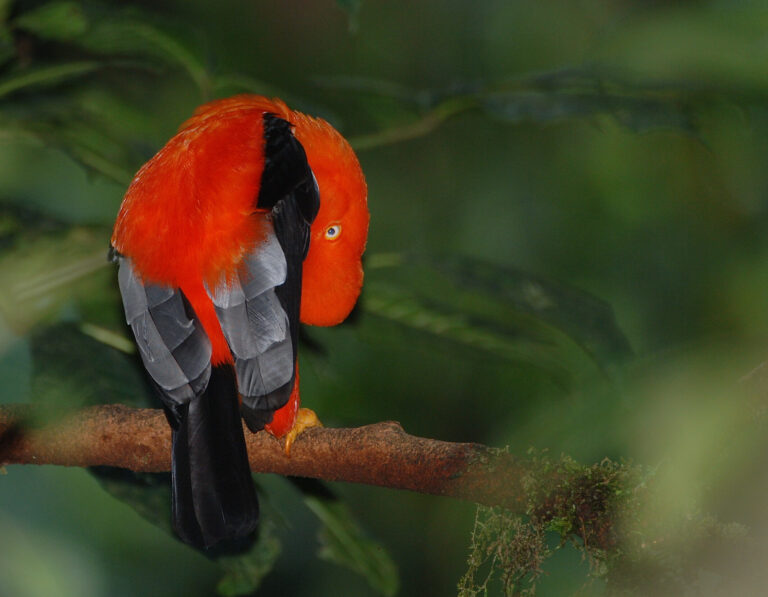
Birdwatching in Peru
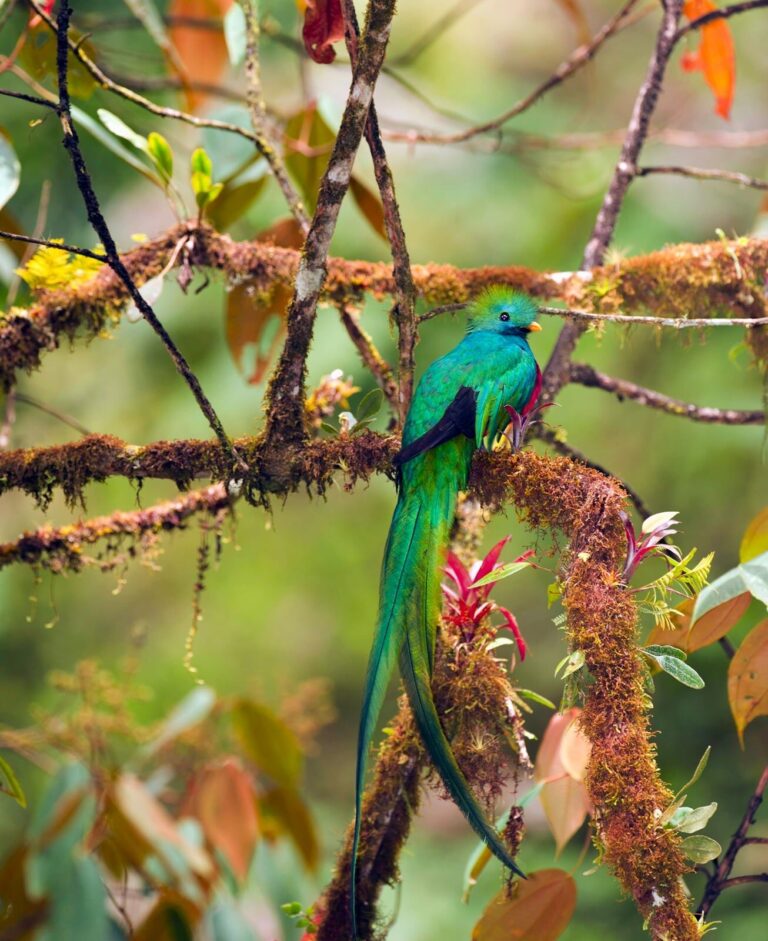
Costa Rica Sampler
Nothing matches these filters.
Amacayacu National Park
Amazônia National Park
Anavilhanas National Park
Arenal Volcano National Park
Bahuaja Sonene National Park
Barbilla National Park
Barra del Colorado National Wildlife Refuge
Braulio Carrillo National Park
Cahuita National Park
Nothing matches these filters.
No community photos yet. Log in to add the first one.
No community observations of this species yet.