Peru
Peru is one of South America’s most extraordinary wildlife destinations, renowned for its exceptional biodiversity and remarkable variety of ecosystems. From the snow-capped Andes and cloud forests to the vast Amazon Rainforest and the Pacific coastline, the country offers some of the richest wildlife experiences on the continent.
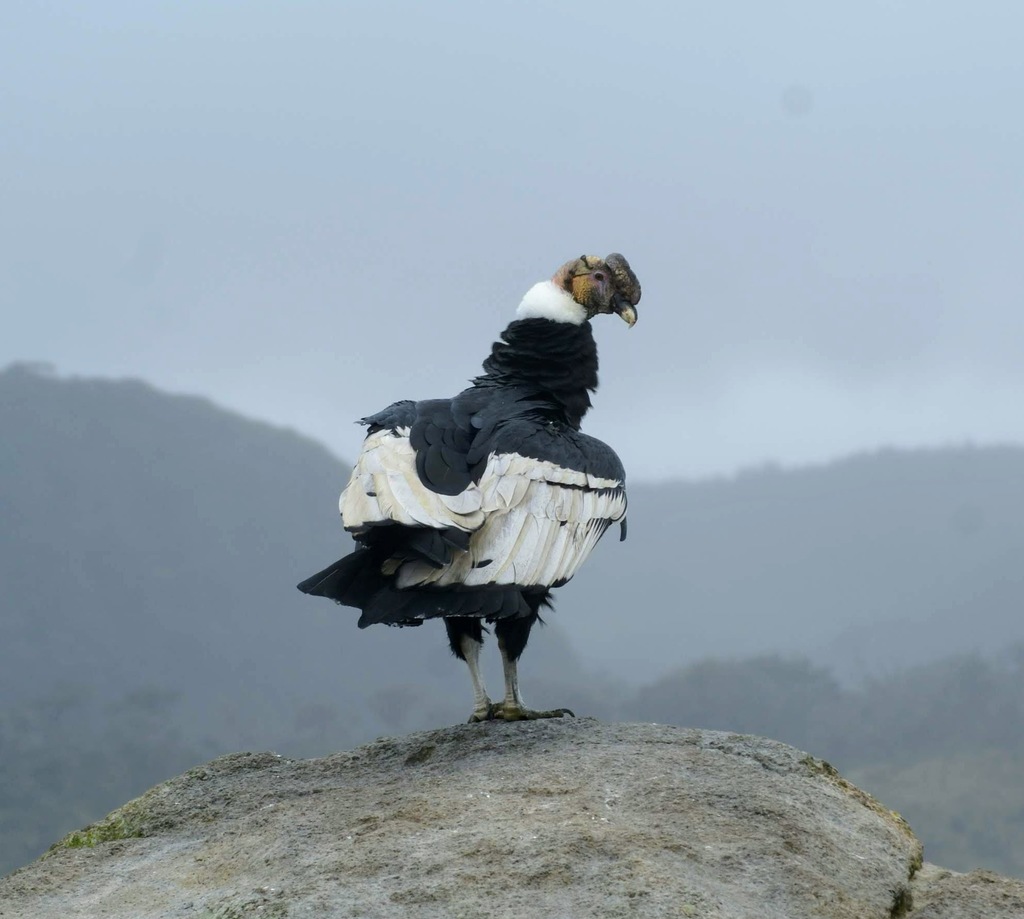
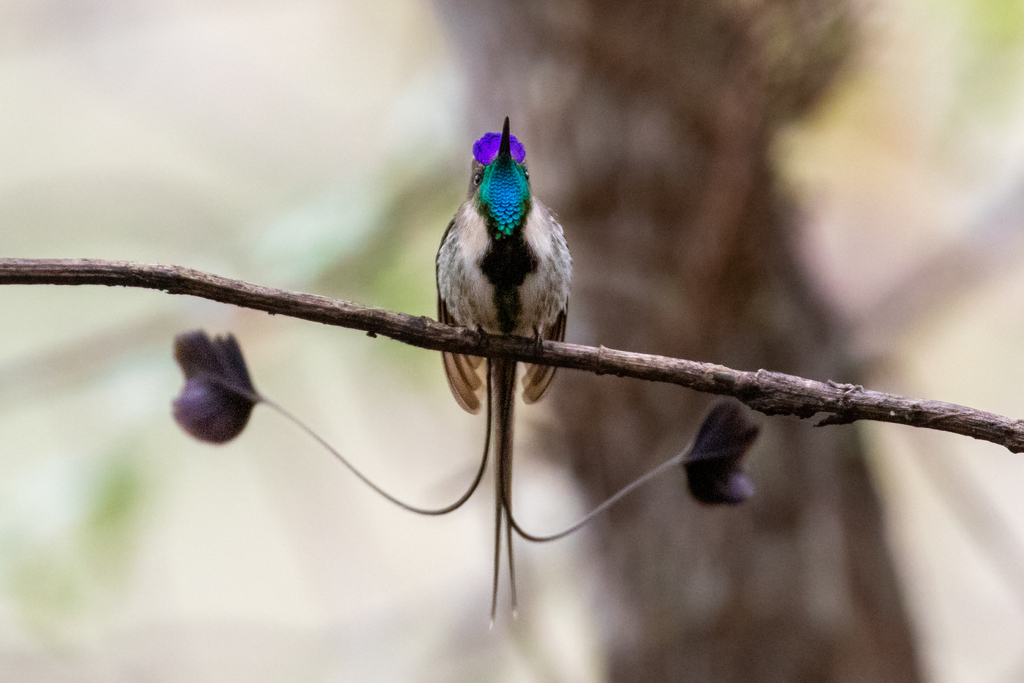
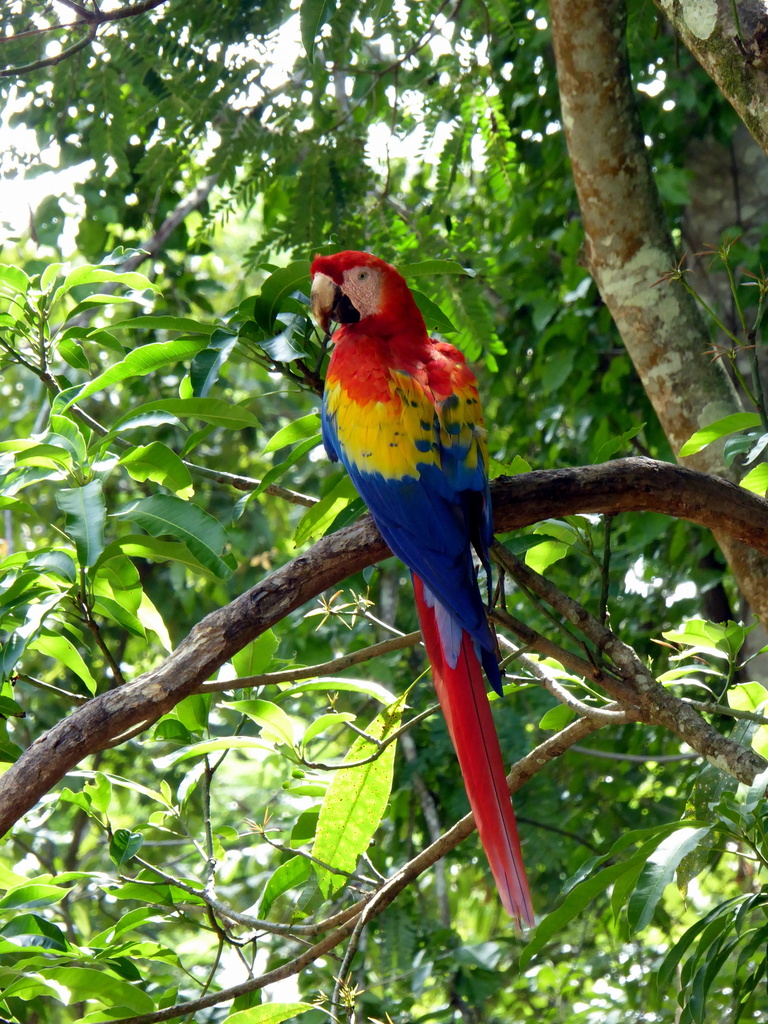
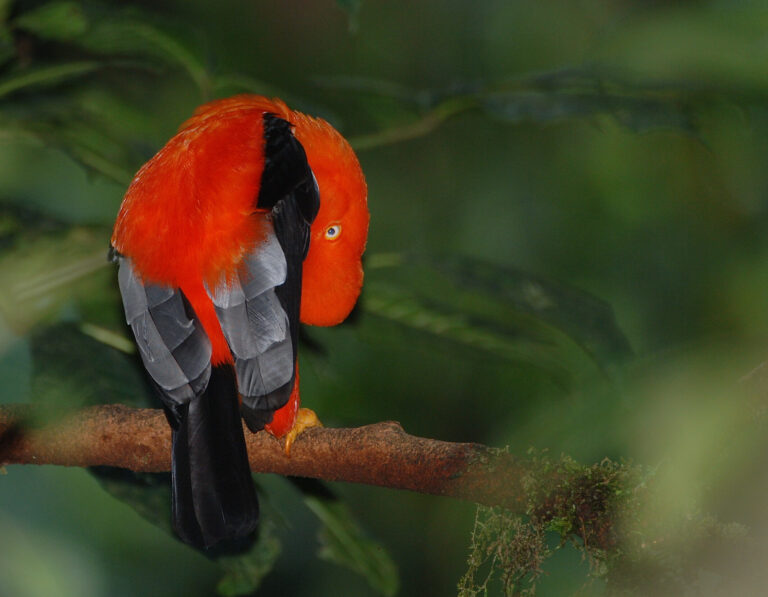
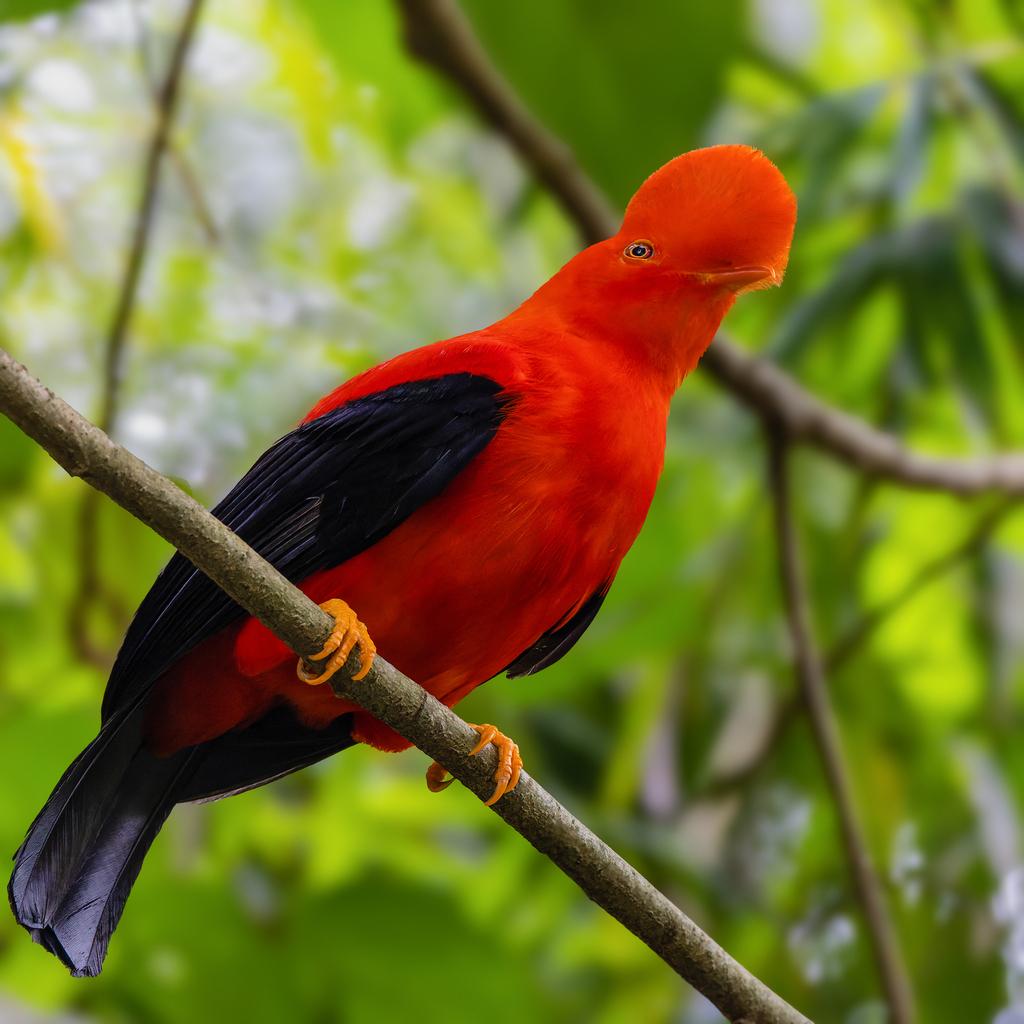
Peru is particularly famous among birdwatchers, hosting more than 1,800 recorded bird species. Iconic birds such as the Andean Cock-of-the-rock, Andean Condor, Marvelous Spatuletail, Harpy Eagle, and numerous macaws attract enthusiasts from around the world. The country’s cloud forests and Amazonian lowlands are considered among the finest birding destinations on Earth.
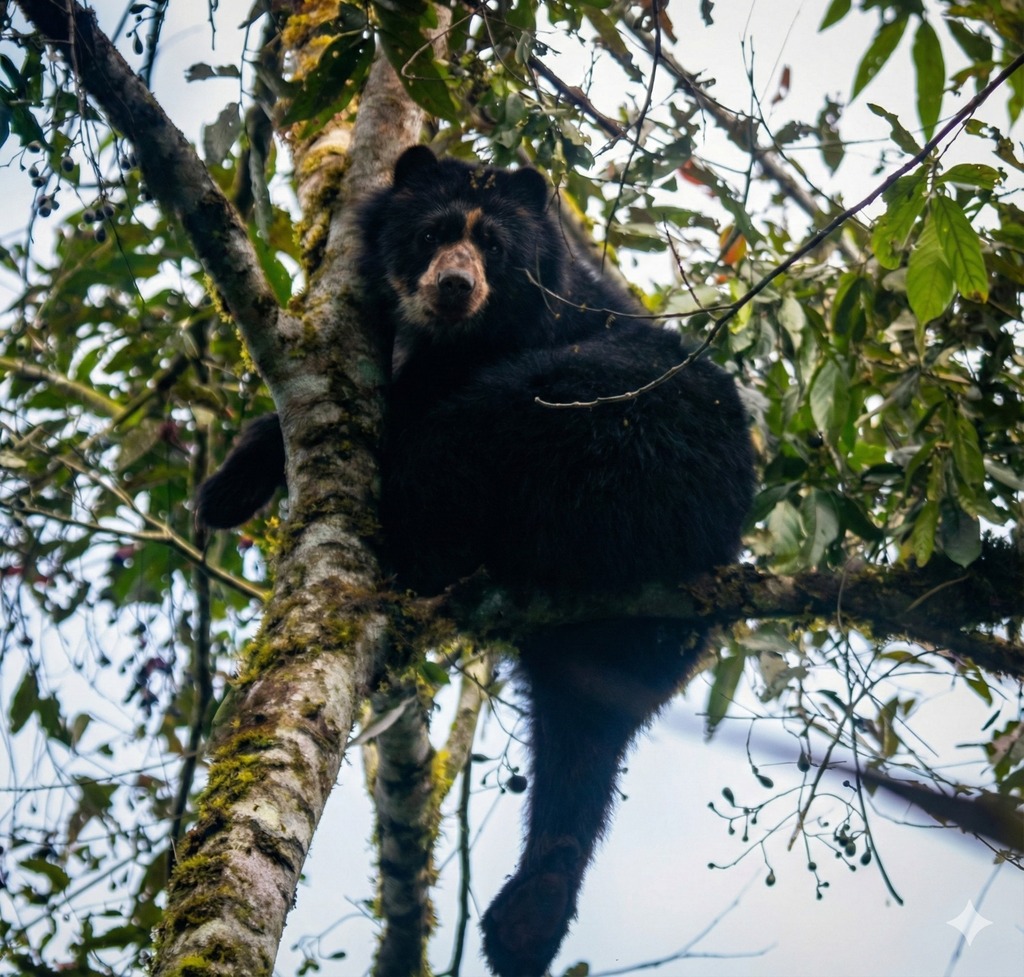
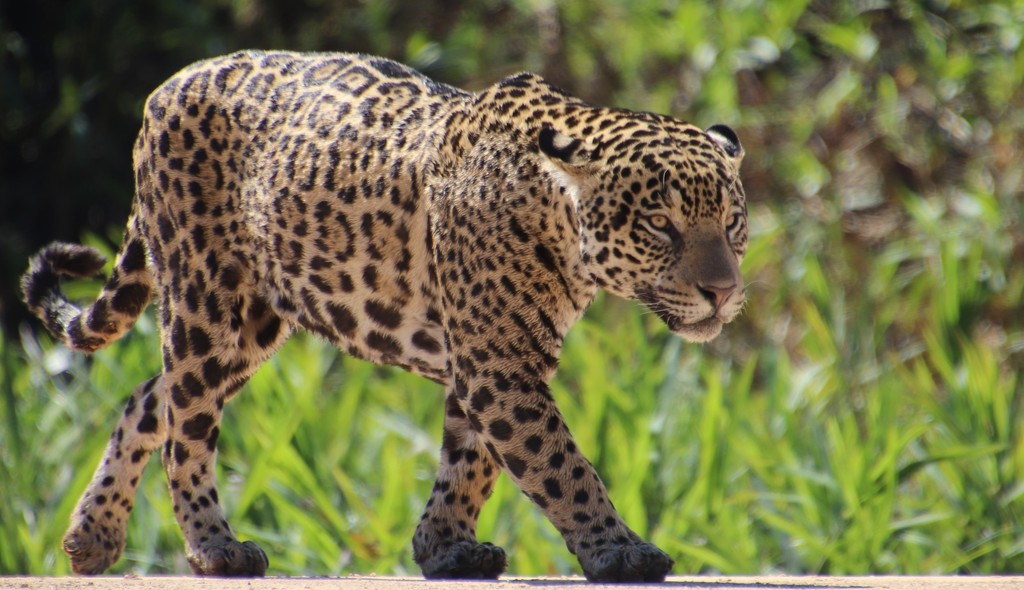
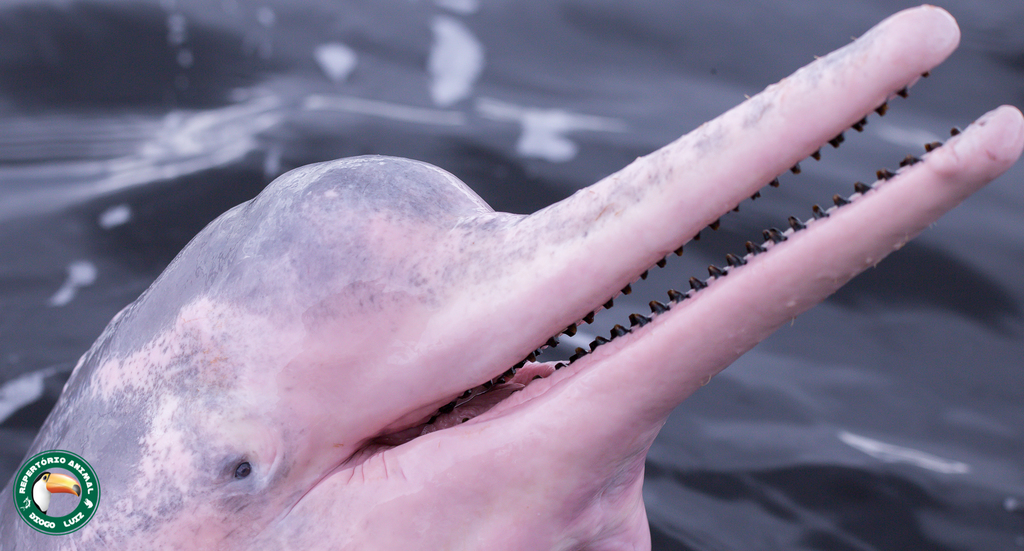
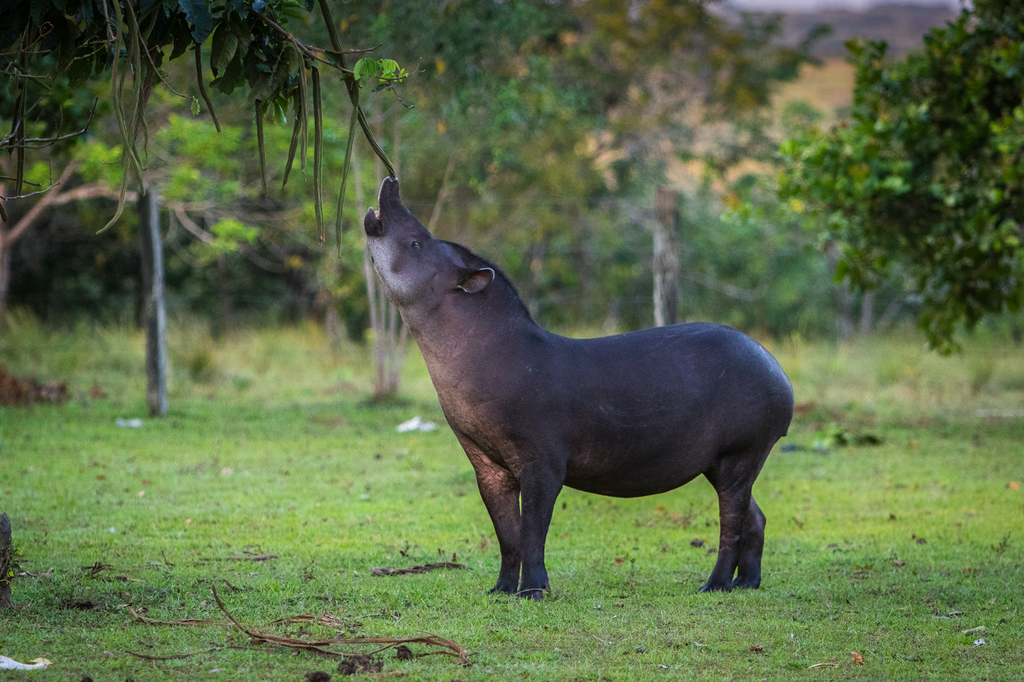
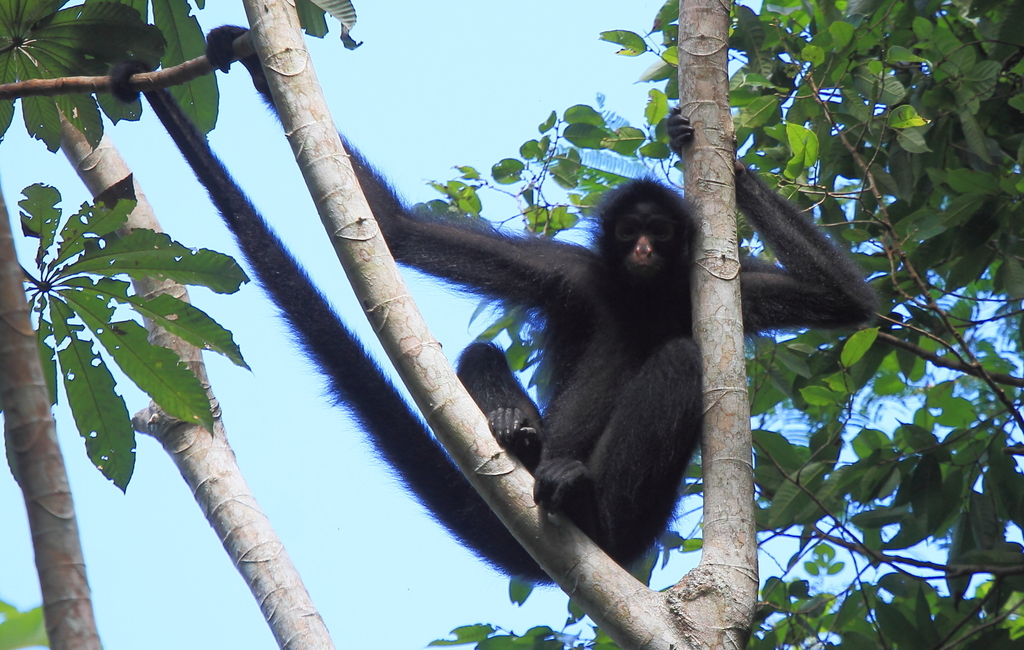
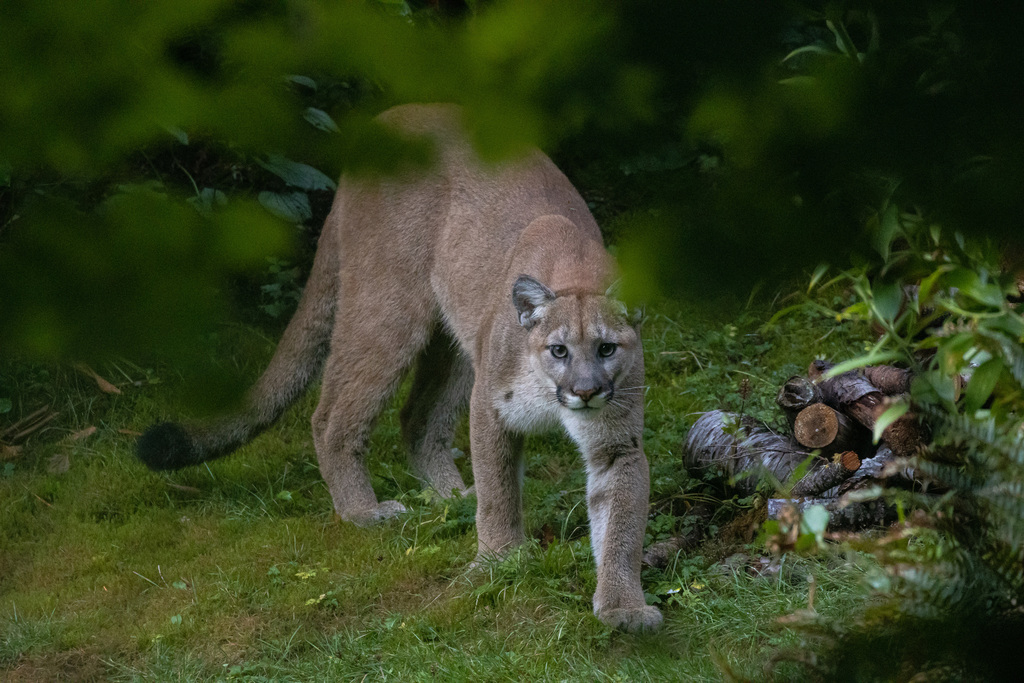
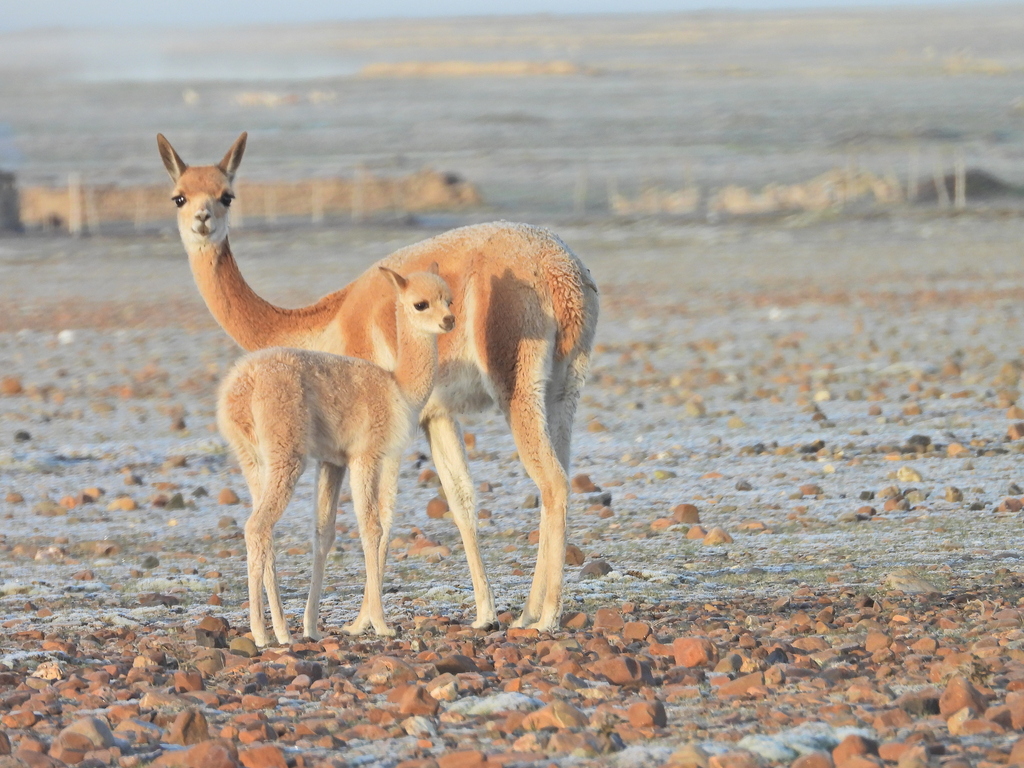
The country’s mammal diversity is equally impressive. The Amazon basin supports Jaguars, Giant Otters, Tapirs, Pink River Dolphins, Spider Monkeys, and an extraordinary variety of primates. In the Andes, visitors may encounter the elusive Spectacled Bear, Puma, Vicuña, and other high-altitude specialists adapted to some of South America’s most dramatic landscapes.
Peru is also home to several globally important protected areas, including Manu National Park, one of the most biodiverse regions on the planet, and Tambopata National Reserve, famous for its wildlife-rich rainforests and spectacular macaw clay licks.
Combining world-class birdwatching, iconic mammals, immense ecological diversity, and breathtaking scenery, Peru stands among the world’s premier destinations for wildlife travel, nature photography, and unforgettable encounters with some of South America’s most remarkable species.
Birdwatching in Peru
Nothing matches these filters.
Bahuaja Sonene National Park
Cordillera Azul National Park
Huascarán National Park
Ichigkat Muja – Cordillera del Cóndor National Park
Manu National Park
Otishi National Park
Sierra del Divisor National Park
Tingo Maria National Park
Yaguas National Park
Nothing matches these filters.
No community observations in this country yet — visit a hotspot and start an observation list.