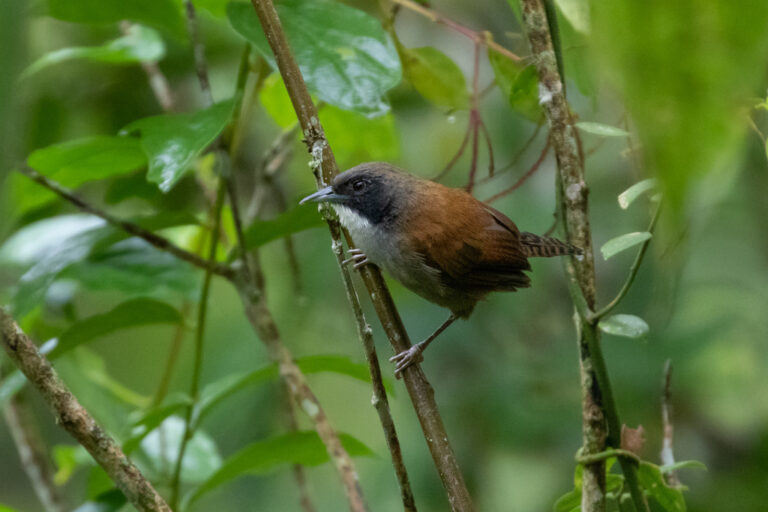
Yaguas National Park
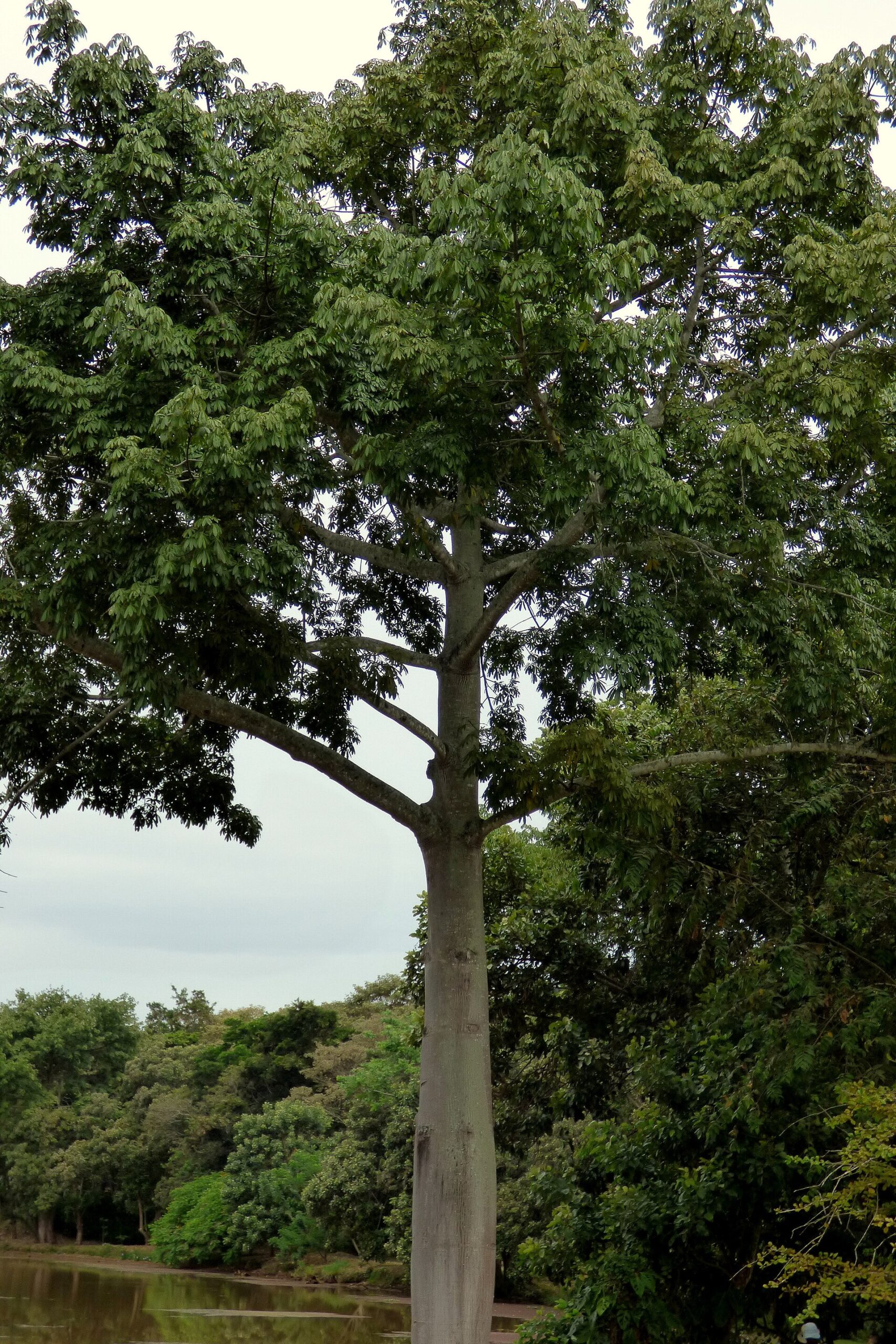
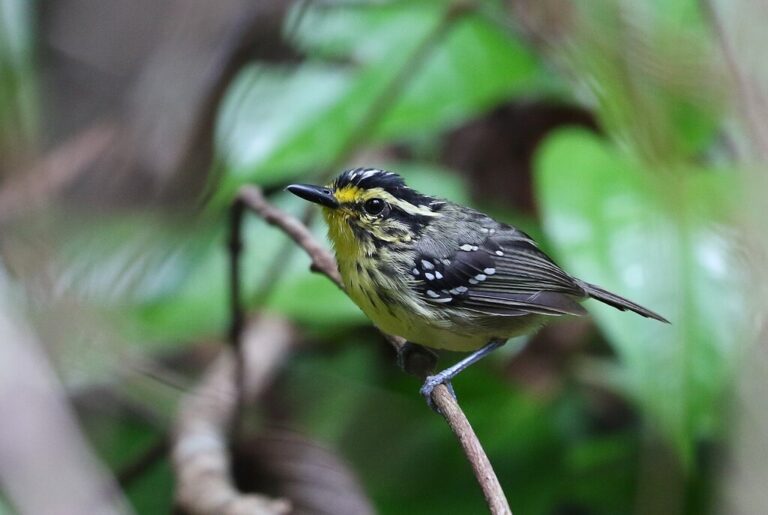
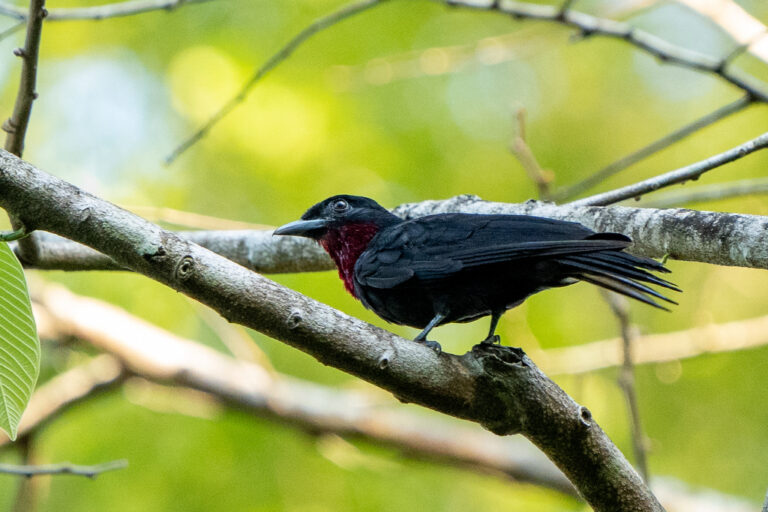
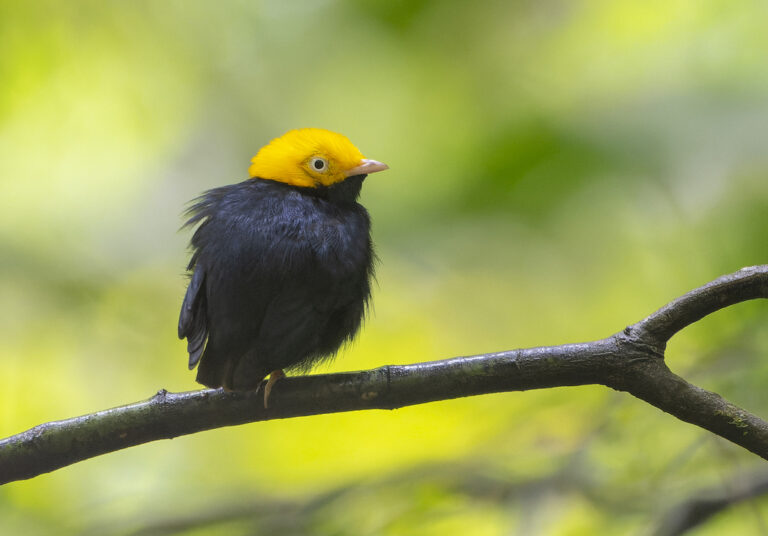
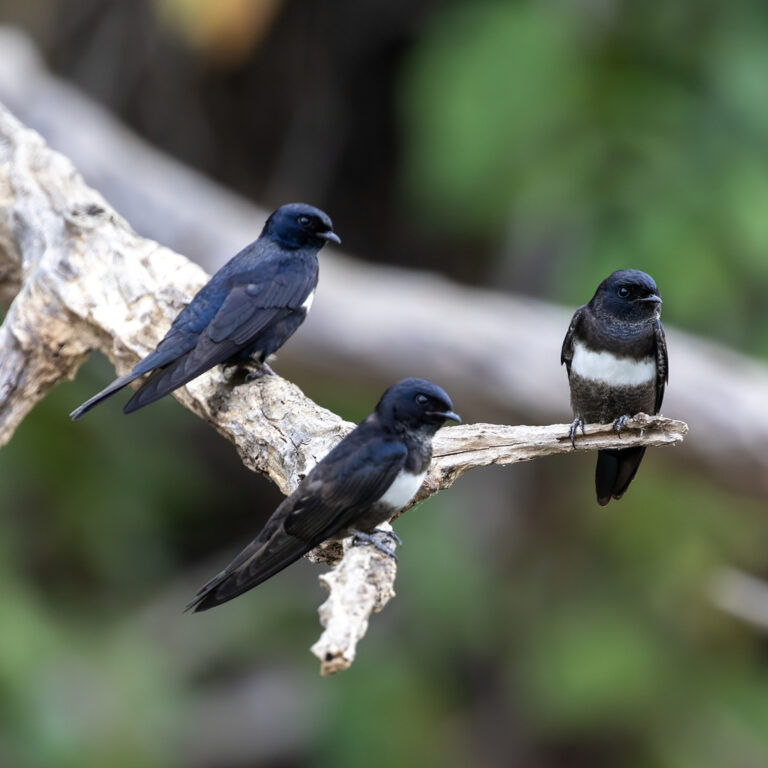
Photo © Alejandro Bayer Tamayo from Armenia, Colombia
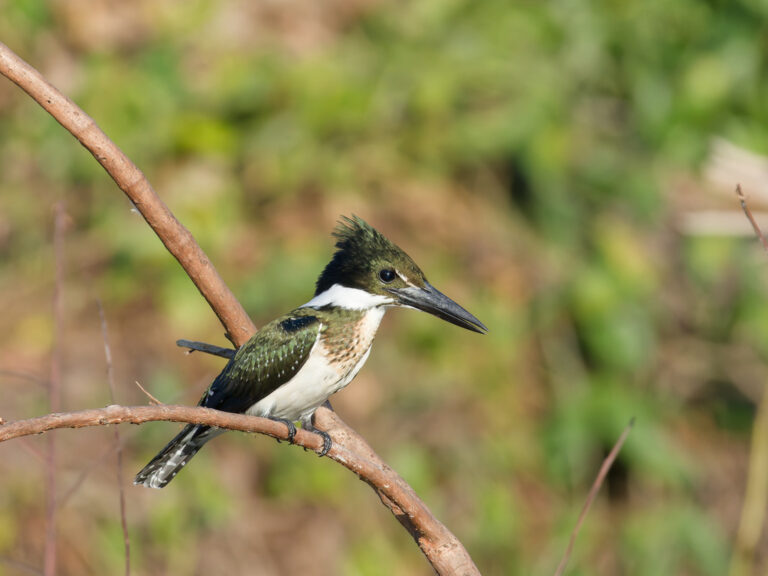
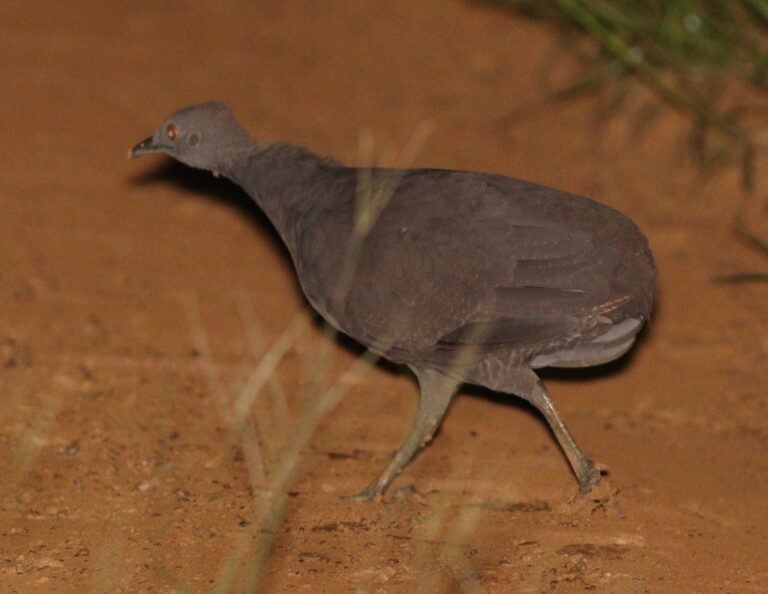
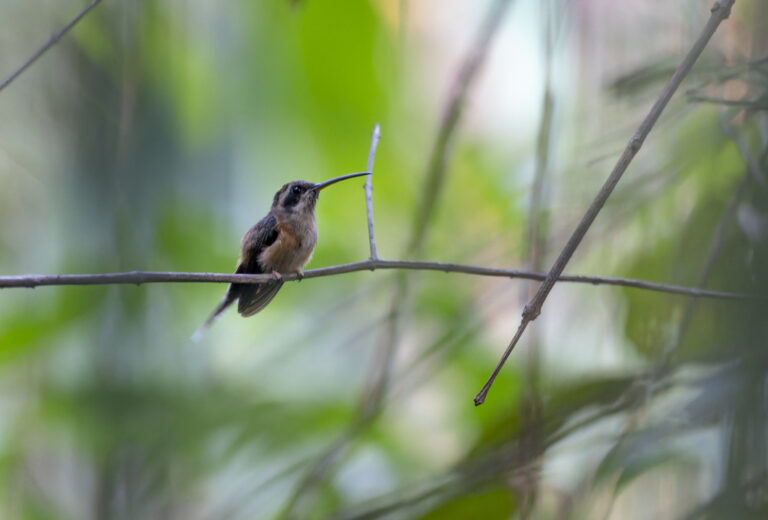
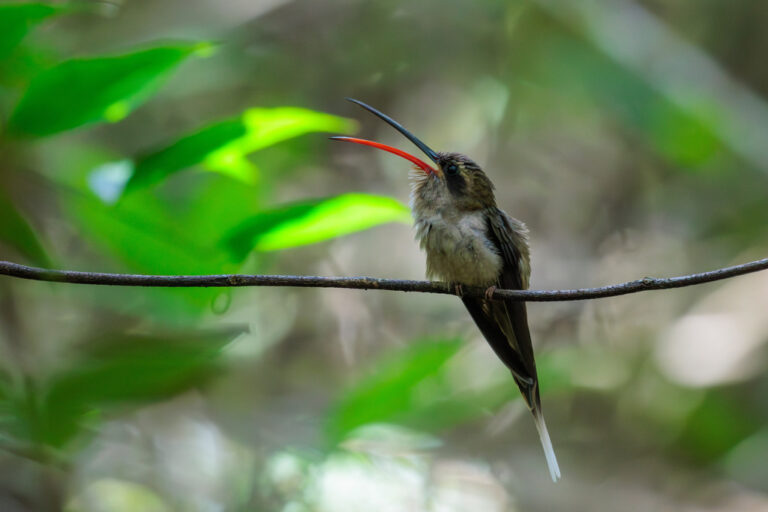
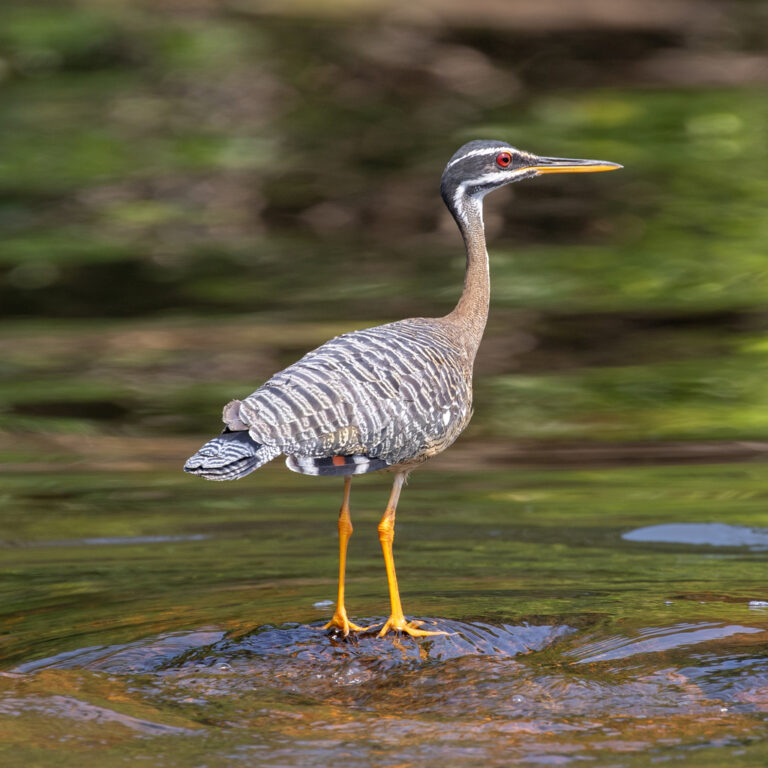
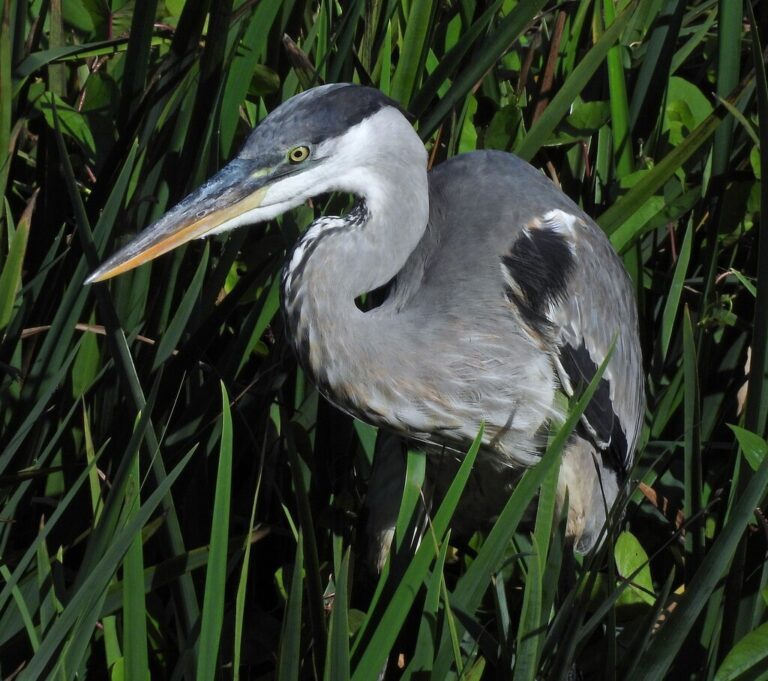
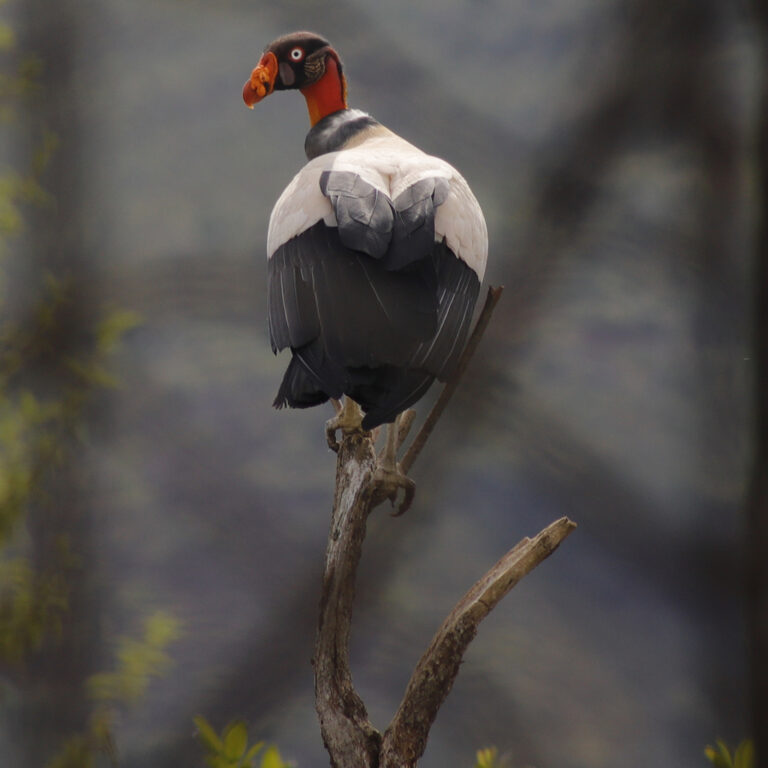
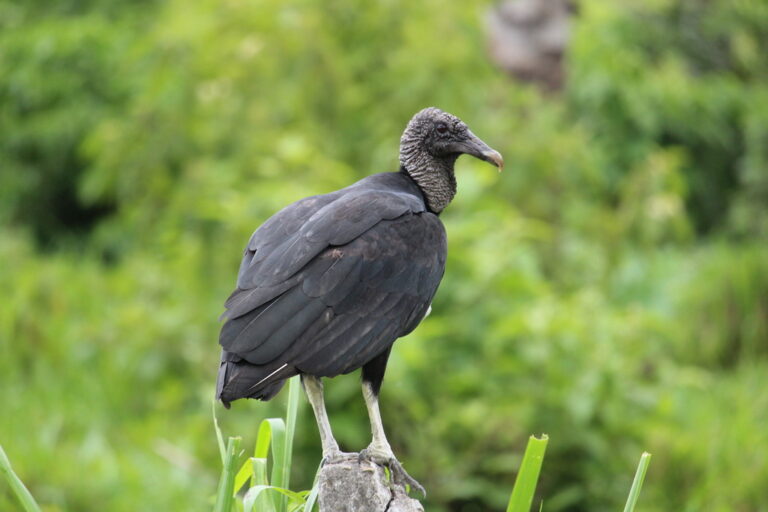
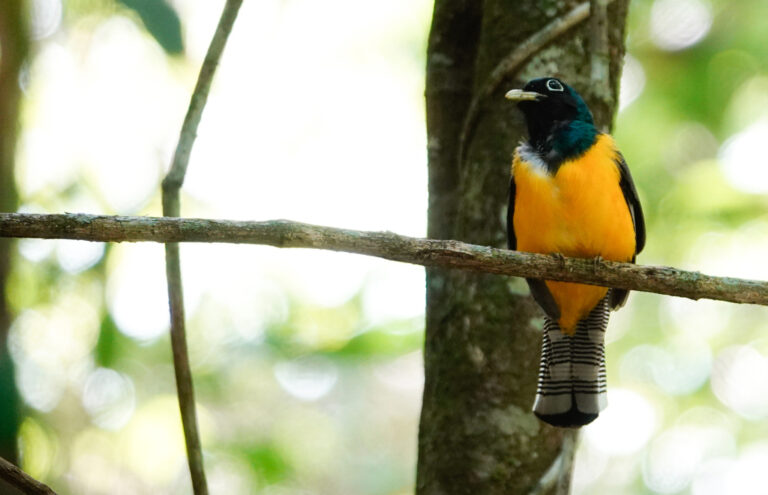
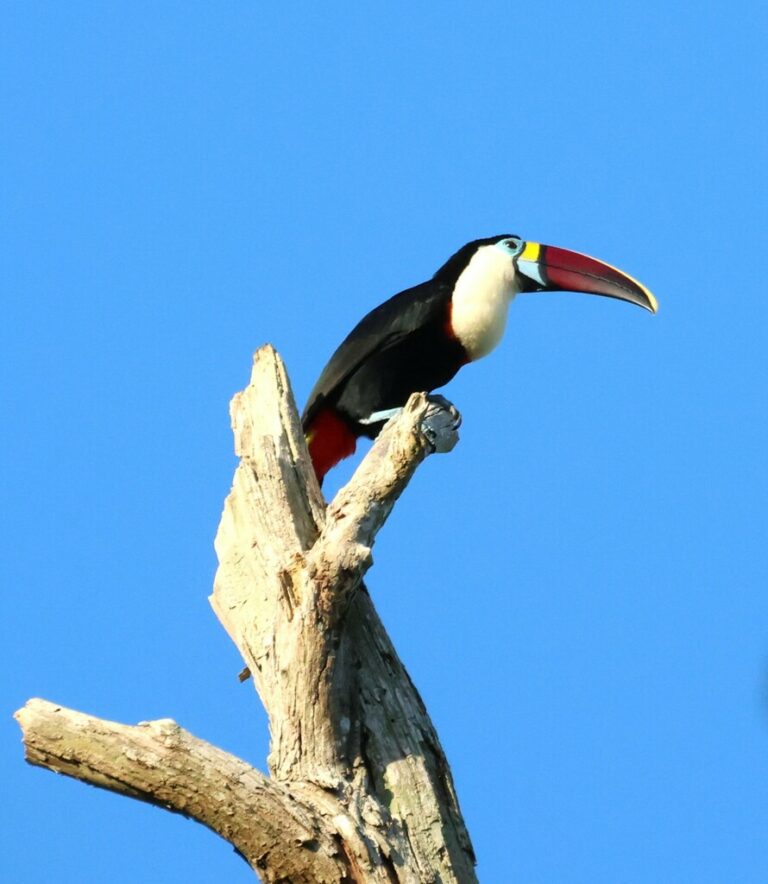
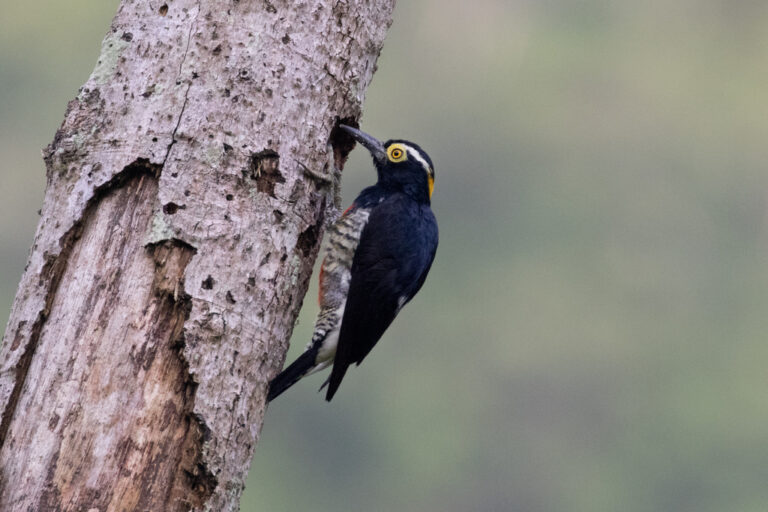
Photo © Alejandro Bayer Tamayo from Armenia, Colombia — CC BY-SA 4.0 — Source: Wikimedia CommonsWhere the western Amazon transitions into terra firme uplands, Yaguas National Park sprawls across more than 16,000 square kilometres of northwestern Peru, a vast tract of humid tropical forest that anchors one of the planet's most biodiverse regions. The park's terrain is a mosaic of flooded forest, seasonally inundated tributaries, and elevated forest ridges that rise gradually eastward, creating a complex hydrological system fed by persistent Andean rainfall. Within this landscape lives an extraordinary assemblage of tropical wildlife: canopy-dwelling primates moving through the upper storey, insectivorous birds and mixed-species feeding flocks working the mid-storey branches, small forest mammals patrolling the leaf litter and hollow logs, and birds of prey hunting from emergent trees above. The park's remoteness and vast unbroken canopy have preserved ecological processes largely intact, making it a functioning piece of intact Amazonian wilderness where predator-prey relationships and seed-dispersal networks operate much as they have for millennia.
For wildlife photographers and birders willing to undertake a serious jungle expedition, Yaguas offers unparalleled access to genuine tropical forest ecology. The diversity of habitat types—from nutrient-poor white-sand forests to clay-rich upland areas—concentrates different ecological communities across modest distances, allowing observant visitors to encounter a remarkable range of forest birds, forest mammals, and nocturnal species within a single journey. The region's wet season brings increased activity and congregations of water birds and arboreal species seeking fruiting trees, while the dry season offers clearer sightlines through the canopy and easier foot travel along established trails. Reaching Yaguas demands logistical commitment and experienced field guides who understand the park's vast interior, but for naturalists prepared for genuine wilderness immersion, few places on Earth deliver such unmediated contact with the living Amazon.
No community observations yet — be the first to log a sighting here.
Yaguas National Park
Warm throughout the year, with rainfall patterns shaping the seasons.
A year of temperatures
Monthly means, with the coldest and warmest highlighted
Terrain and elevation
107 m · LowlandAverage terrain elevation estimate across the hotspot; the figure does not represent its highest summits.
Lowland