Hide 9 Pins
Iberian Green Woodpecker · Great Spotted Woodpecker+17
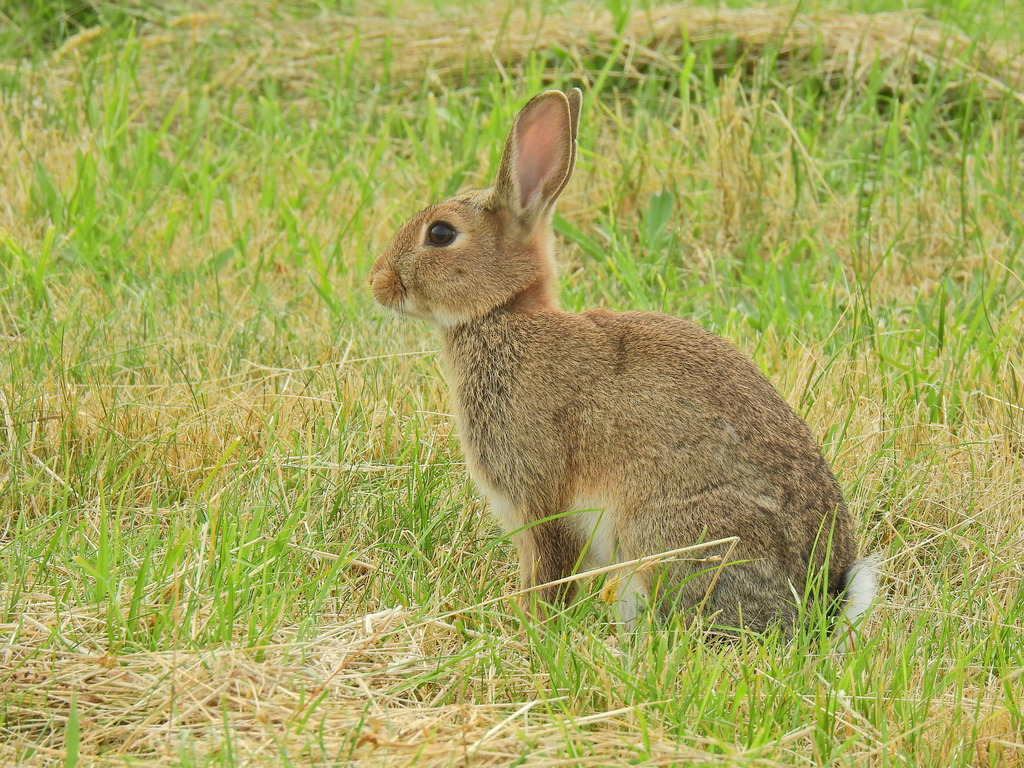
The European rabbit is a small to medium-sized lagomorph, generally smaller than the European hare, though size and weight vary considerably depending on habitat and diet. Wild and domesticated European rabbits show remarkable variation in size, shape, and colour. The species is distinguished from hares by several key characteristics: it digs extensive burrow networks, has blind and helpless young at birth, and possesses a relatively narrow nasal opening. The two recognized subspecies are the common rabbit and the smaller Iberian rabbit, the latter displaying more pronounced reverse sexual dimorphism.
The European rabbit is native to the Iberian Peninsula and southwestern France, with two subspecies occupying distinct regions: the common rabbit in parts of southern France and northeast Spain, and the Iberian rabbit in southwest Spain, Portugal, and Andorra. However, this species has been introduced to hundreds of locations worldwide, establishing populations on at least 800 islands and every continent except Antarctica. The common rabbit subspecies is particularly widespread globally.
European rabbits prefer grassland habitats where they can forage and burrow. They are highly social animals, living in colonies centred around territorial females and spending most of their time in warren systems—networks of interconnected burrows—when not actively feeding.
European rabbits are herbivorous grazers, feeding primarily on grasses and leaves. They supplement their diet with berries, tree bark, and field crops such as maize when available. They are preyed upon by a diverse range of predators including birds of prey, weasels, cats, and canids; their primary defence is to run and hide using vegetation and burrows for cover.
These rabbits are born blind and helpless, requiring extensive maternal care within the warren until they are ready to leave the nest. Adult rabbits in established social groups rarely venture far from their home warren, with females leaving mainly to establish separate nesting sites for raising young.
European rabbits are best observed in grassland habitats where warrens are active. Early morning and late evening are typically the most productive observation times, as rabbits emerge to feed during cooler parts of the day. The Iberian Peninsula and southwestern France represent the species' native range, though introduced populations exist on numerous islands and continents worldwide. Look for signs of warren activity such as multiple burrow entrances and well-worn feeding areas surrounding colonies.
Patience and early arrival are essential for photographing wild European rabbits. Position yourself quietly downwind near active warrens during dawn or dusk when rabbits are most active. Use a telephoto lens to maintain distance and avoid disturbing these wary animals. Focus on capturing natural behaviours such as grazing, alert postures, and interactions within social groups. Overcast conditions can provide flattering light for fur detail, while backlit early morning or late evening light can create atmospheric habitat shots showcasing the grassland environment these rabbits prefer.
Nothing matches these filters.
Nothing matches these filters.
No community photos yet. Log in to add the first one.
No community observations of this species yet.
We'd love to hear from you. We'll reply as soon as possible.
Found an error? Have a suggestion? We read every message.
A compact view of how this species lives, moves and responds to its environment.
Select a card to explore the details.
Please confirm the photo rights and credit terms first.
I'm the author of this photo or hold the rights to it, and I keep full ownership. I grant Wild Atlas Guide a free, non-exclusive licence to display it on the site and in Wild Atlas Guide's own channels, including social media, always credited to me by my display name or the Instagram handle I choose to provide. I confirm it does not reveal a sensitive wildlife location or a recognisable person without their permission. I can withdraw future social use for this photo or ask for it to be removed at any time.
Please accept the photo rights and credit terms to continue.
Uploading…
We use cookies to measure traffic and improve Wild Atlas Guide. You decide. Privacy policy