Average annual temperature
1.3 °C
Average of the twelve monthly means
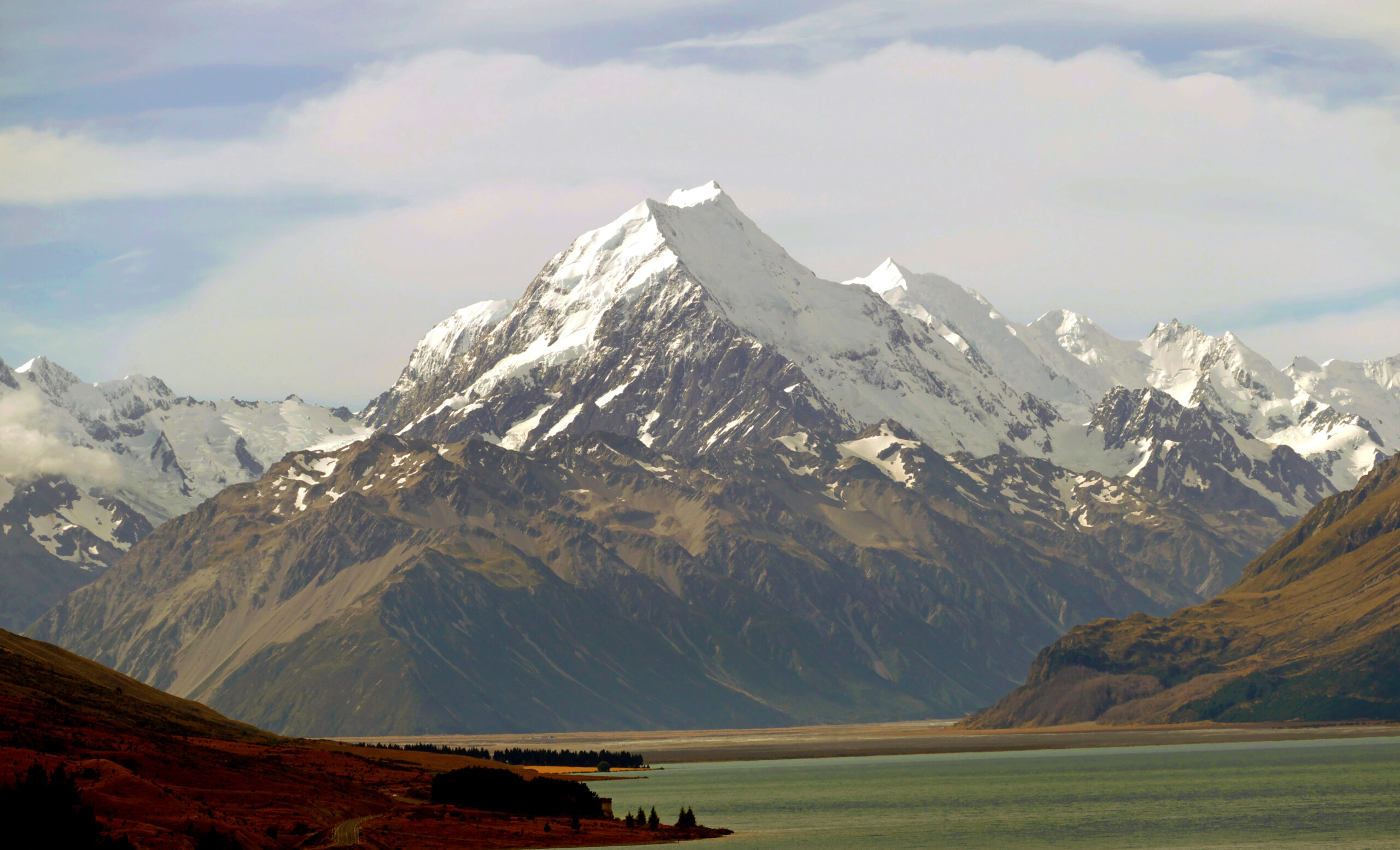
Aoraki / Mount Cook National Park
Photo © Bernard Spragg. NZ from Christchurch, New Zealand
Photo © Bernard Spragg. NZ from Christchurch, New Zealand — CC0 1.0 — Source: Wikimedia Commons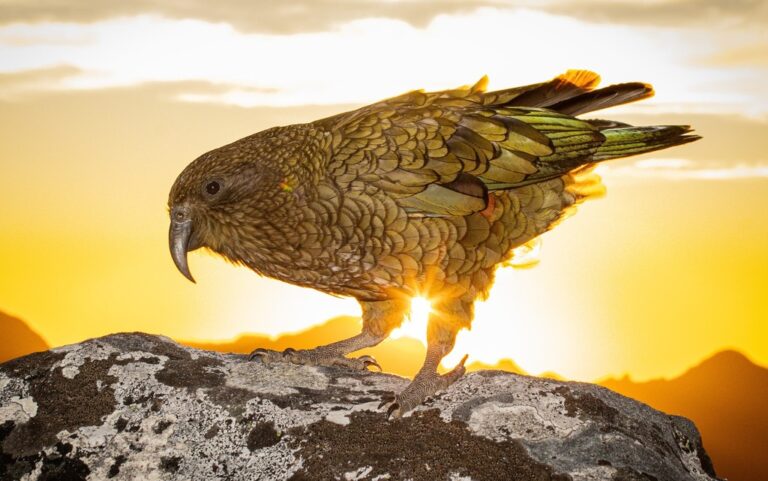
Nestor notabilis
♥
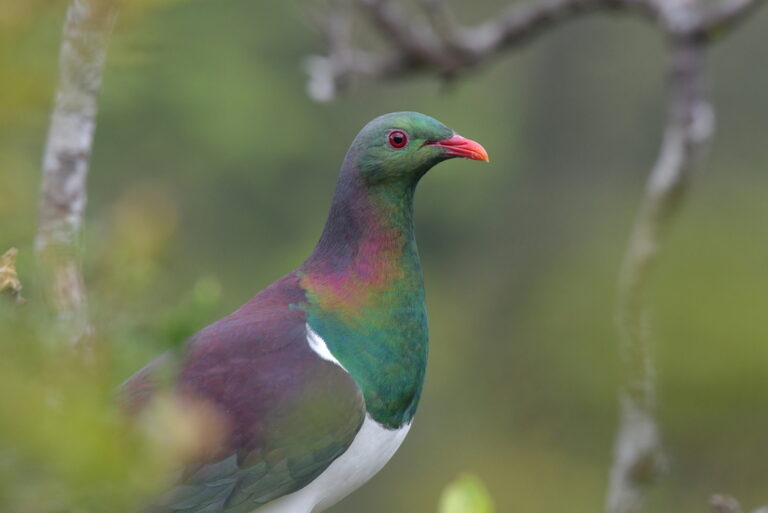
Hemiphaga novaeseelandiae
♥
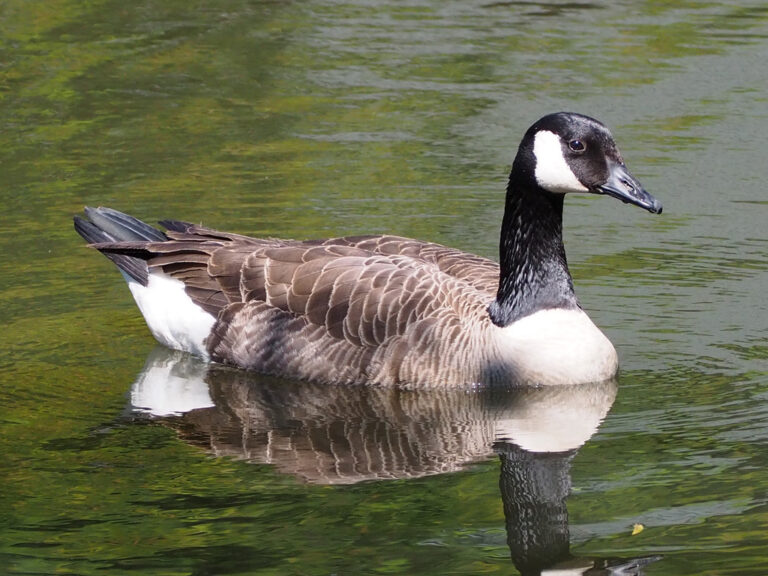
Branta canadensis
♥
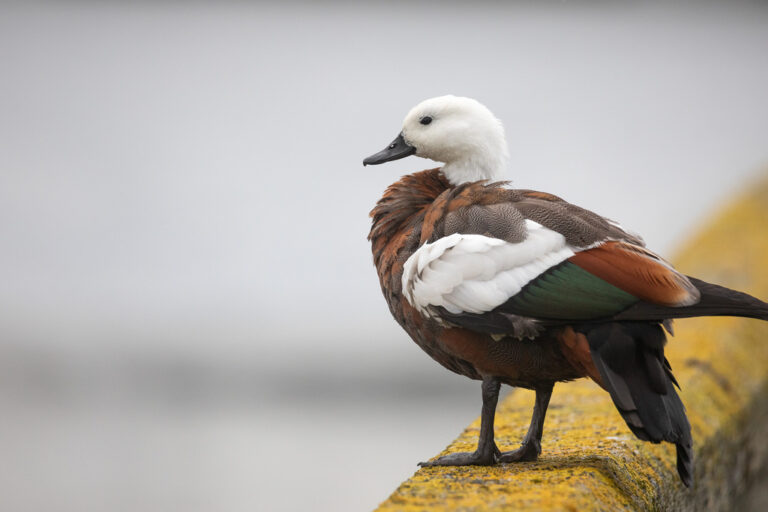
Tadorna variegata
♥
Aythya novaeseelandiae
♥
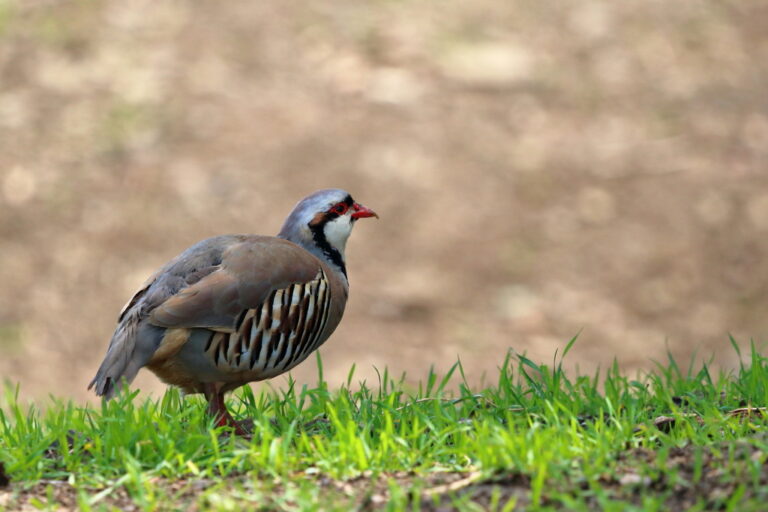
Alectoris chukar
♥
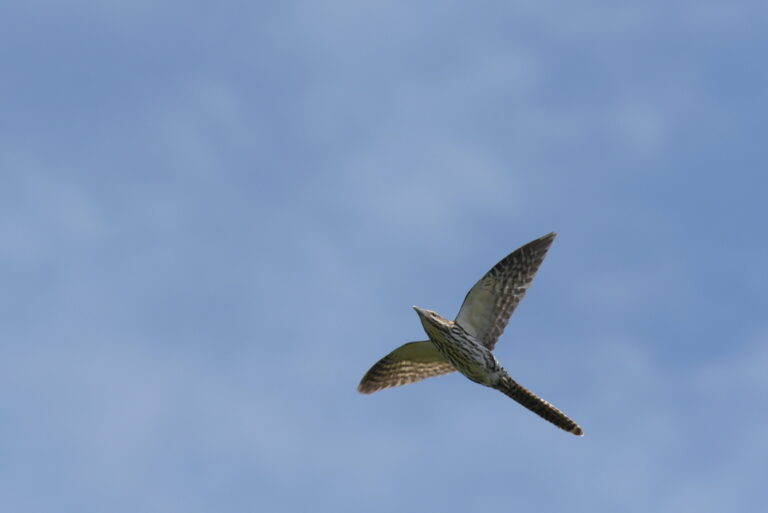
Urodynamis taitensis
♥
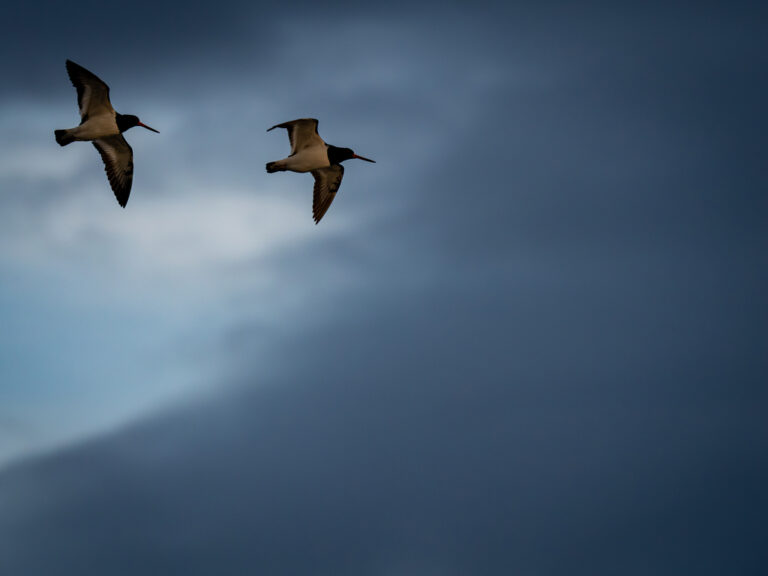
Haematopus finschi
♥
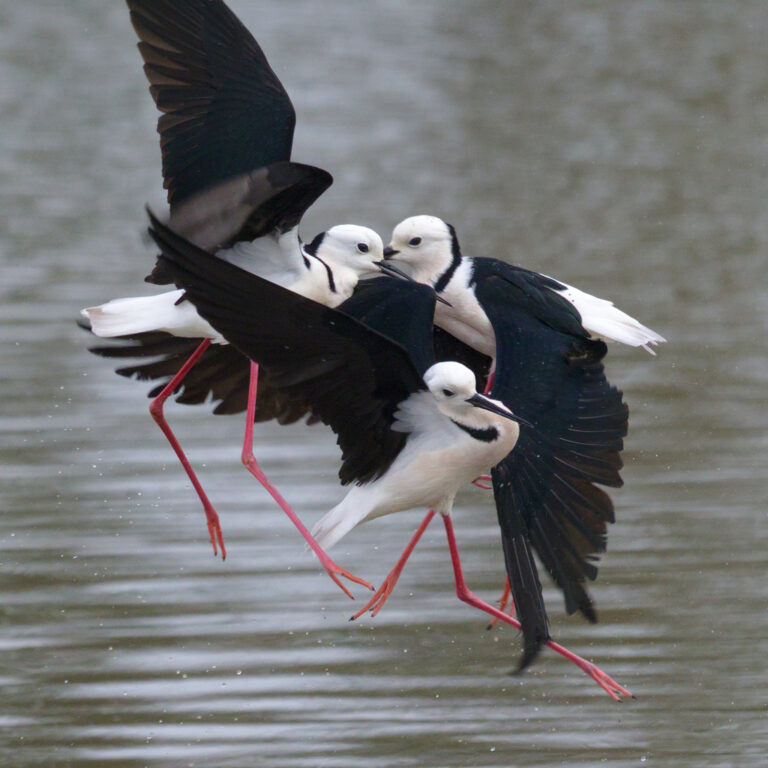
Himantopus leucocephalus
♥
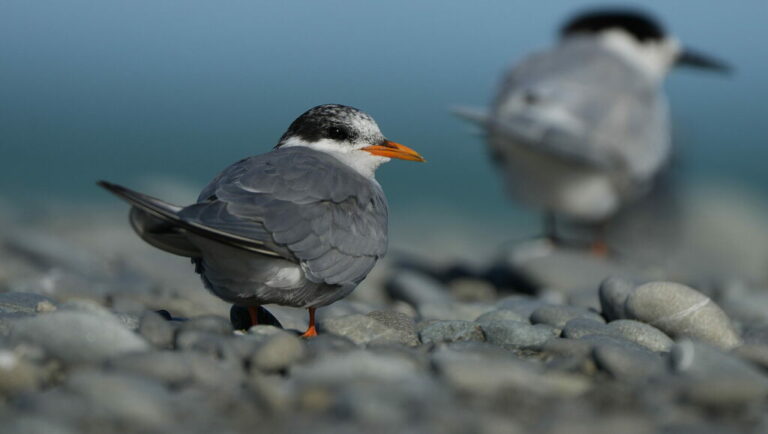
Chlidonias albostriatus
♥
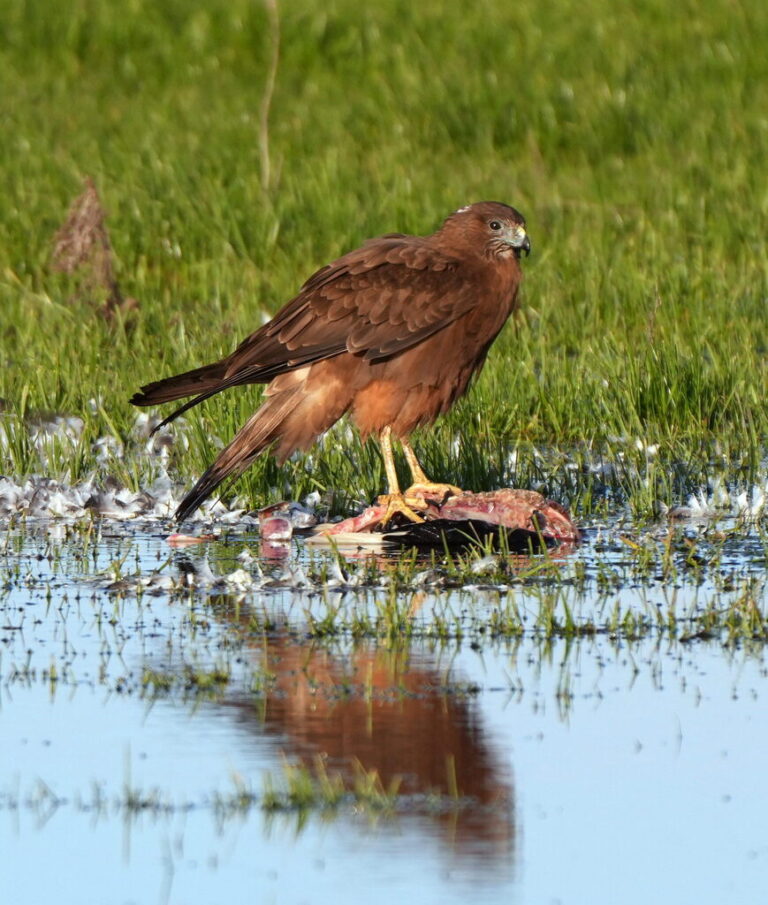
Circus approximans
♥
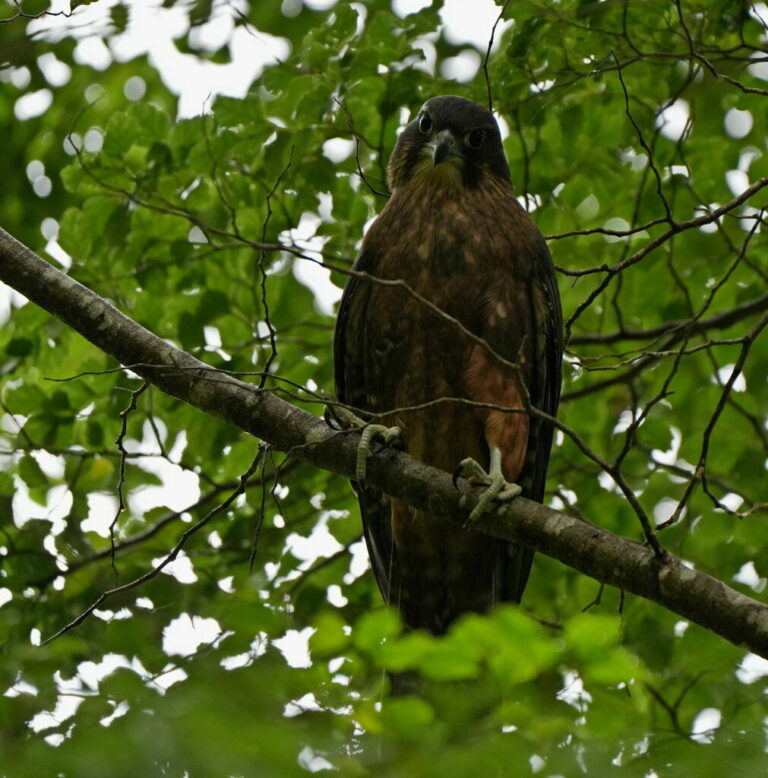
Falco novaeseelandiae
♥
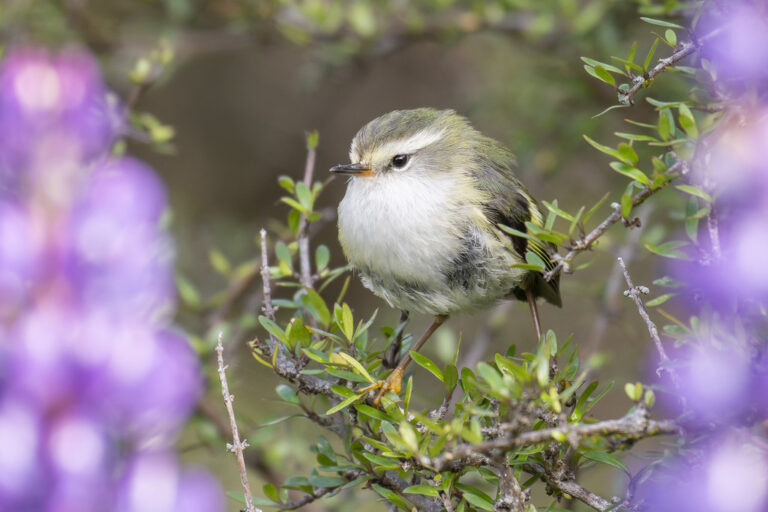
Acanthisitta chloris
♥
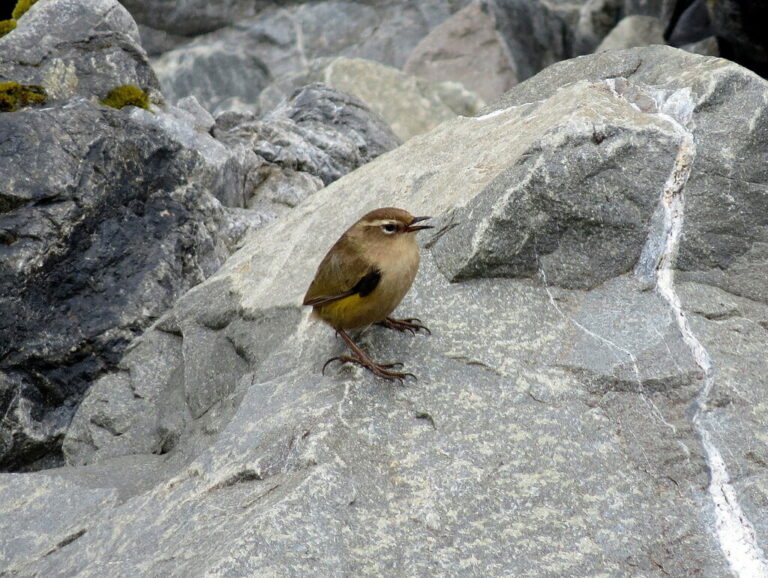
Xenicus gilviventris
♥
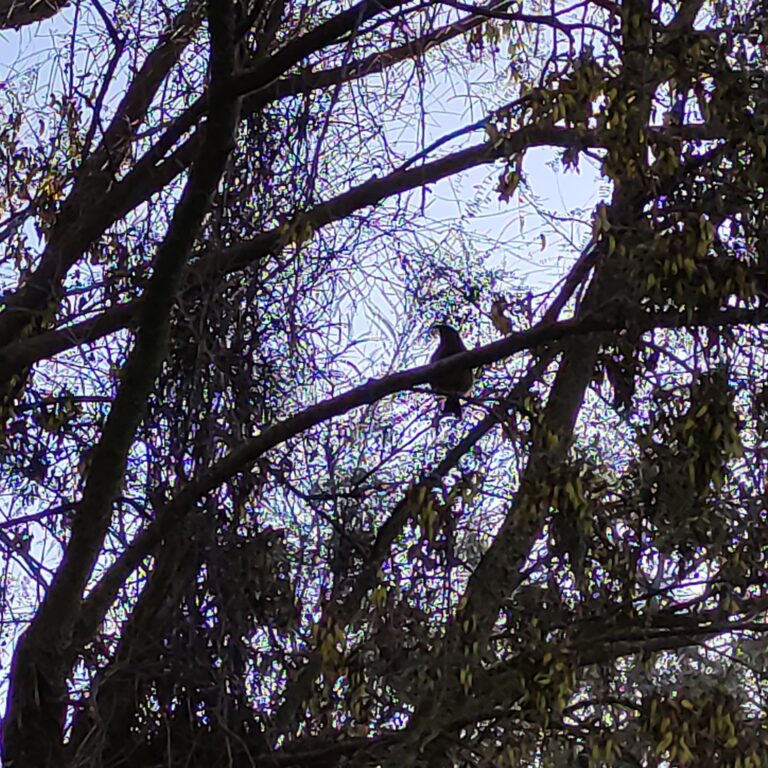
Anthornis melanura
♥
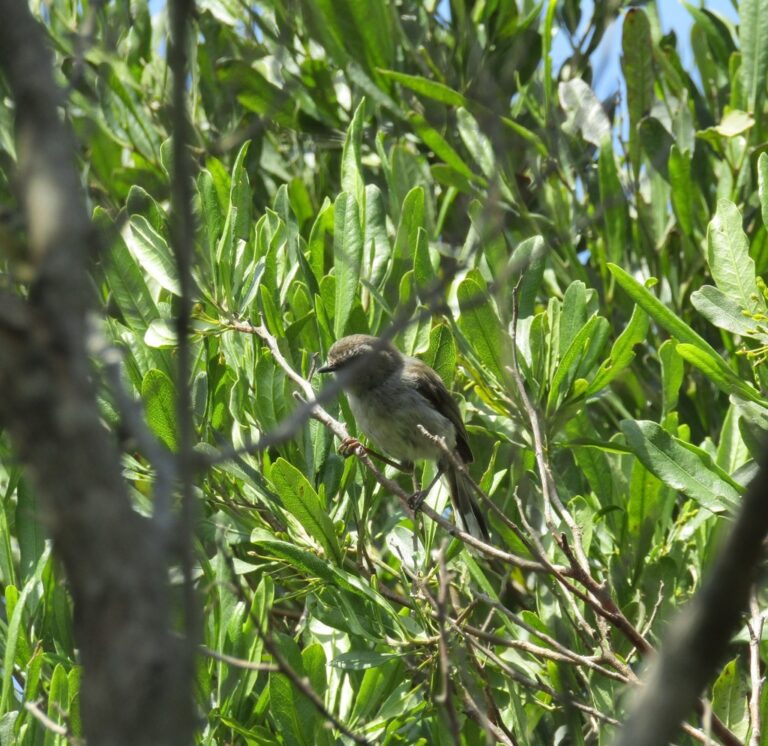
Gerygone igata
♥
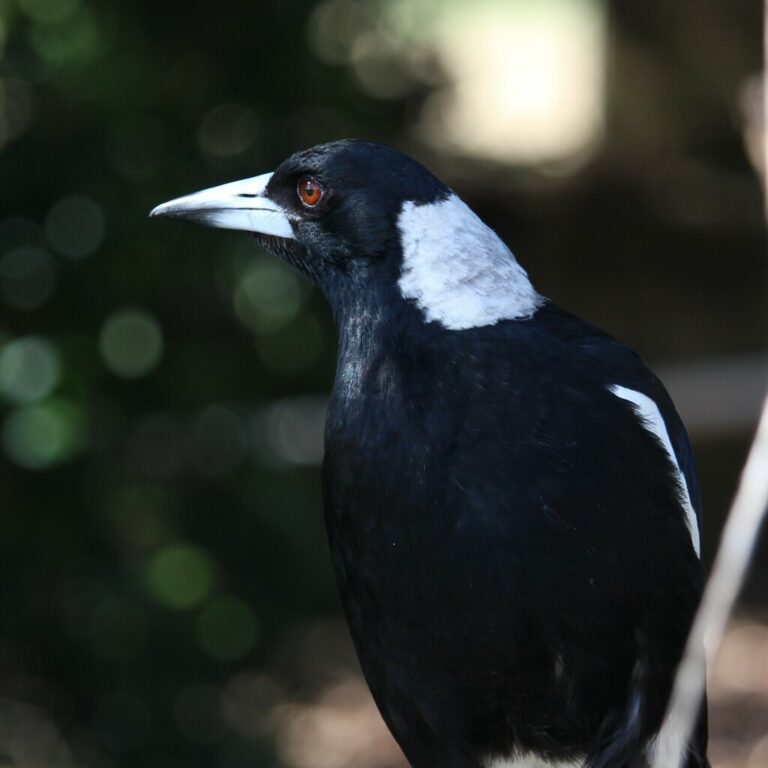
Gymnorhina tibicen
♥
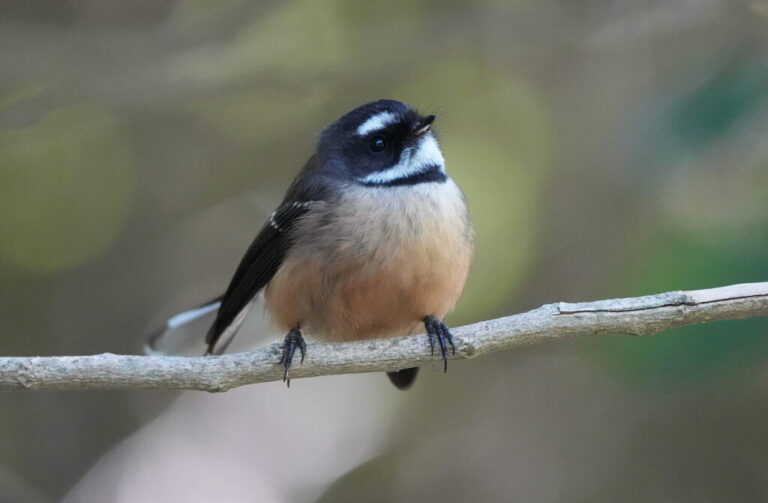
Rhipidura fuliginosa
♥
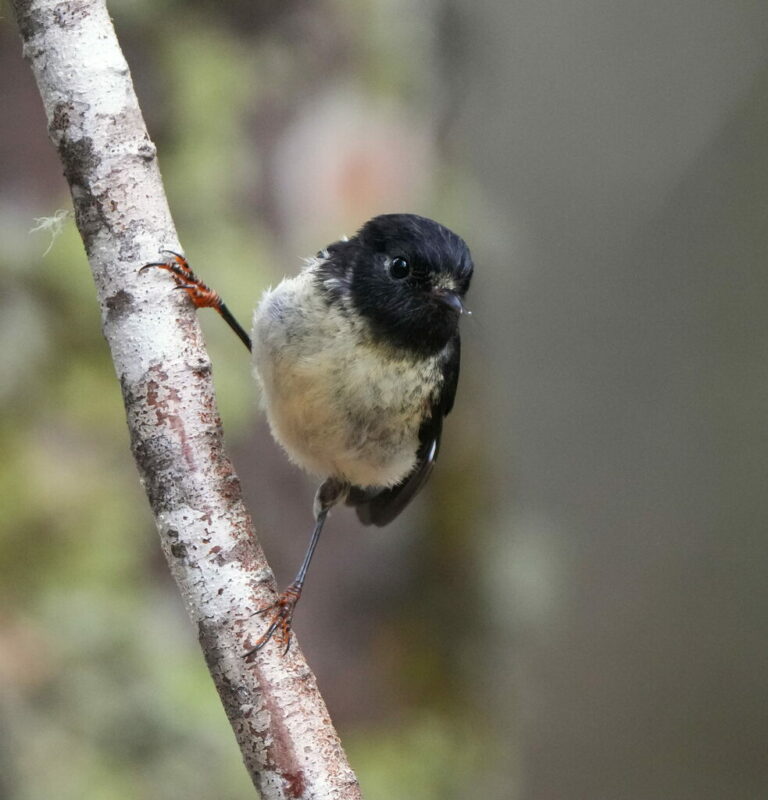
Petroica macrocephala
♥
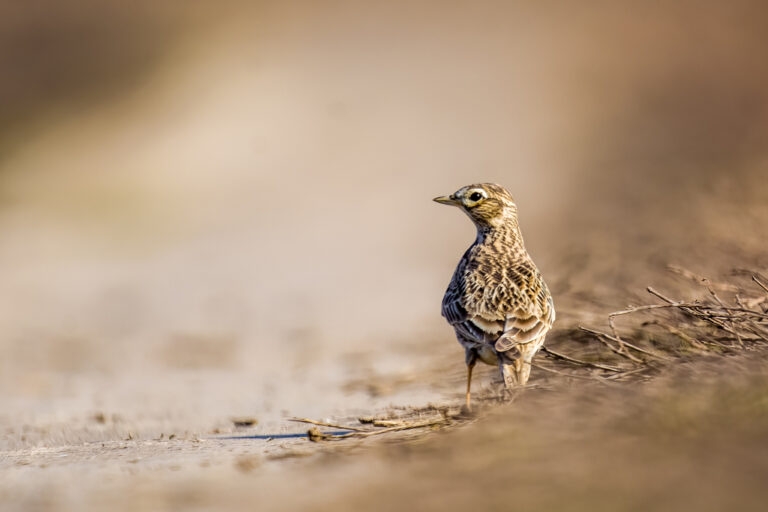
Alauda arvensis
♥
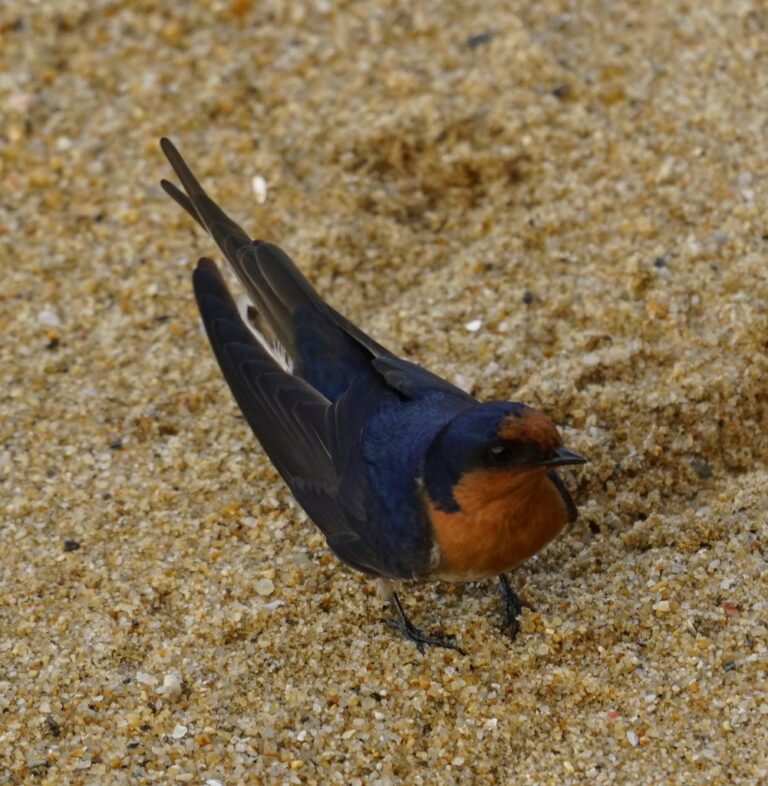
Hirundo neoxena
♥
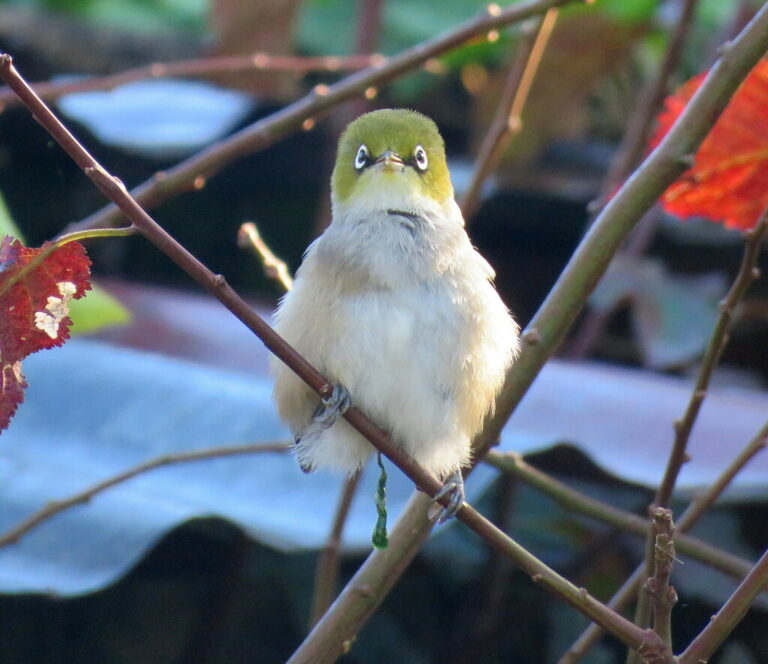
Zosterops lateralis
♥
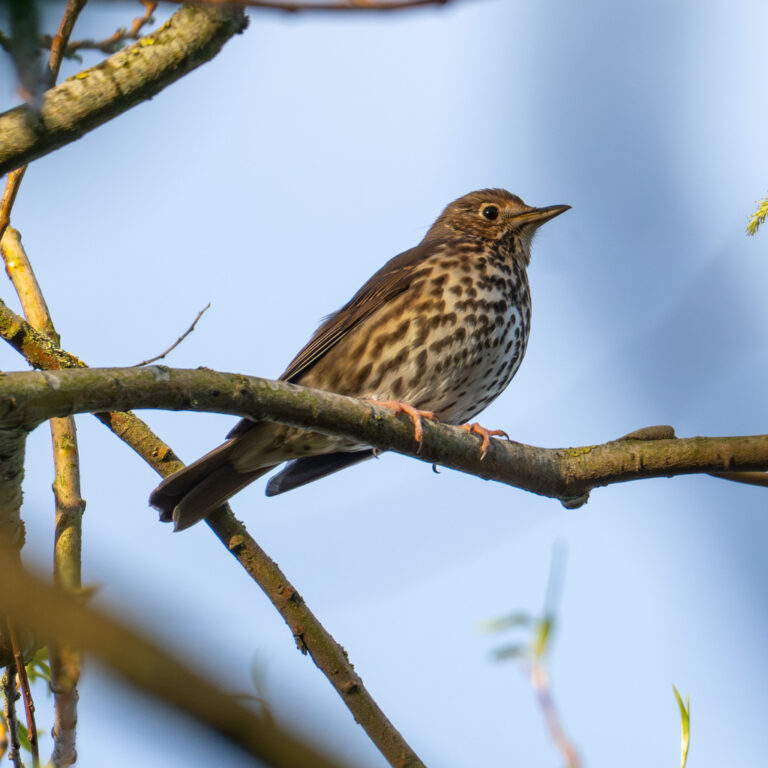
Turdus philomelos
♥
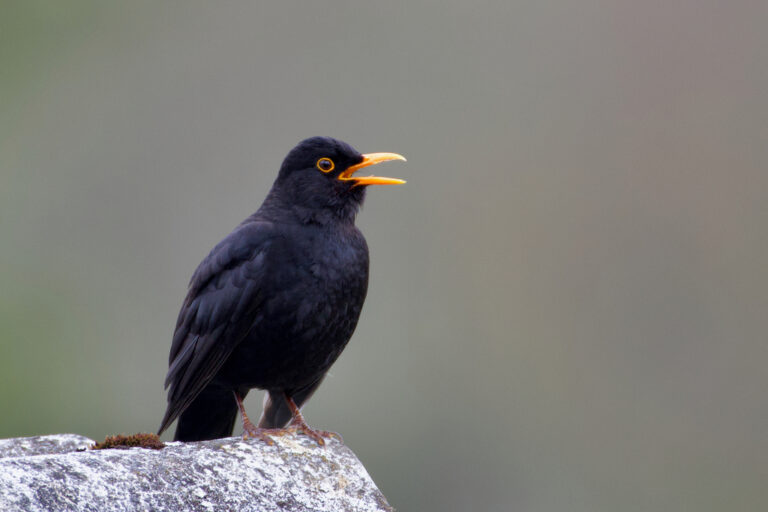
Turdus merula
♥
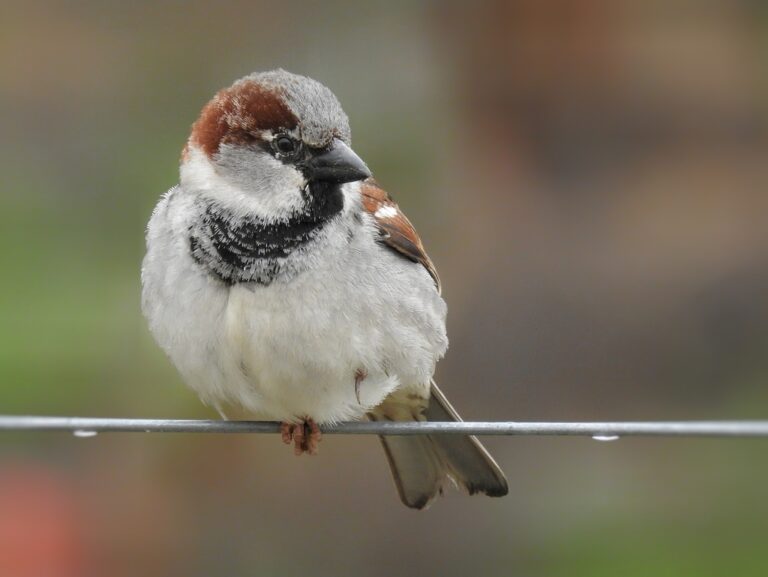
Passer domesticus
♥
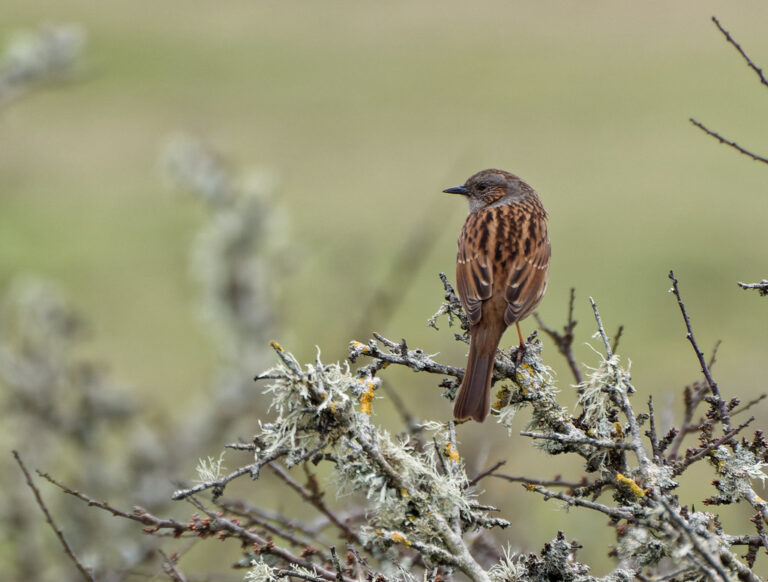
Prunella modularis
♥
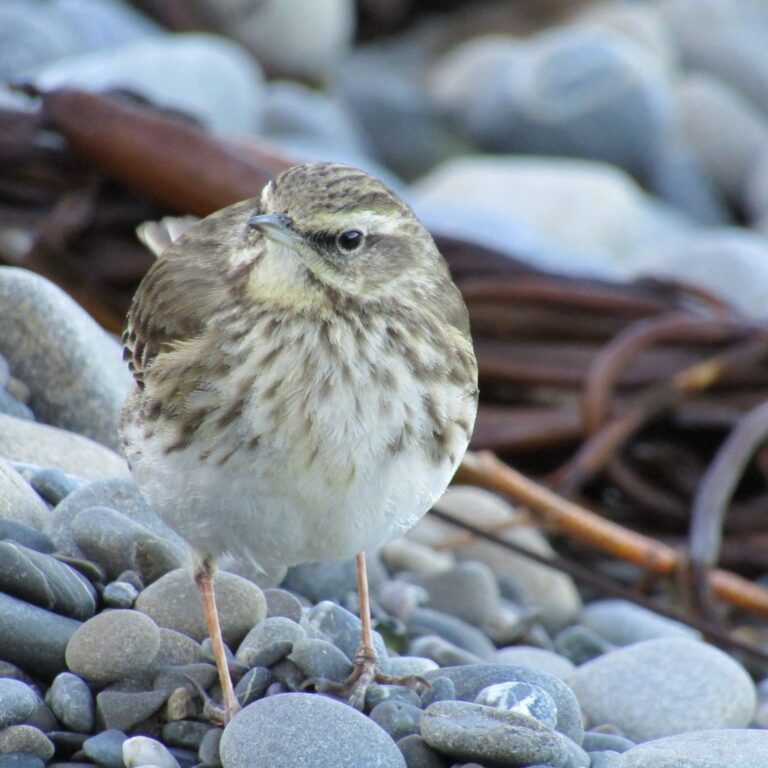
Anthus novaeseelandiae
♥
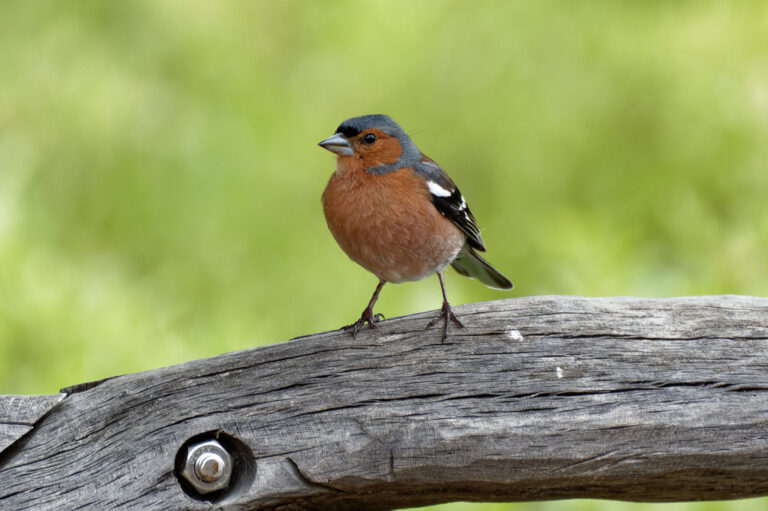
Fringilla coelebs
♥
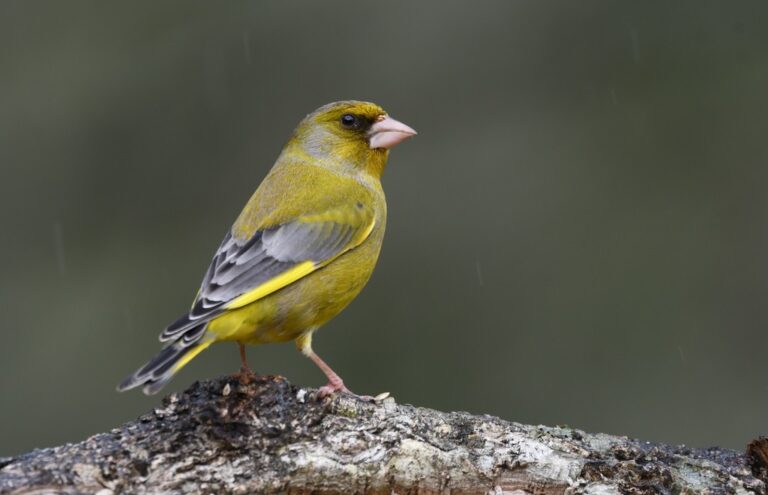
Chloris chloris
♥
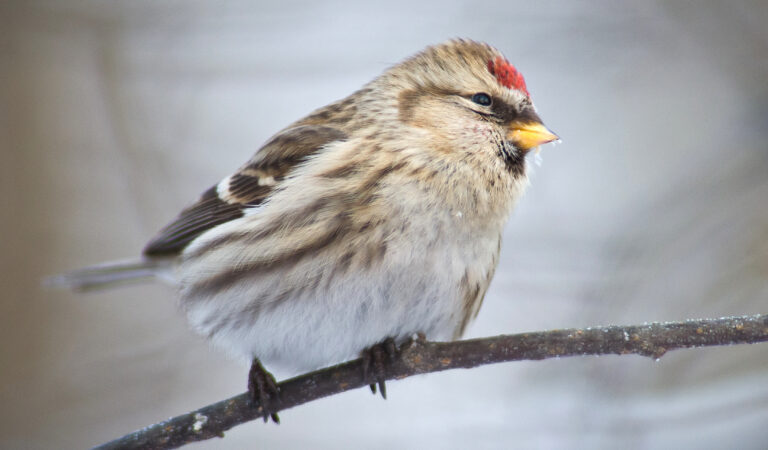
Acanthis flammea
♥
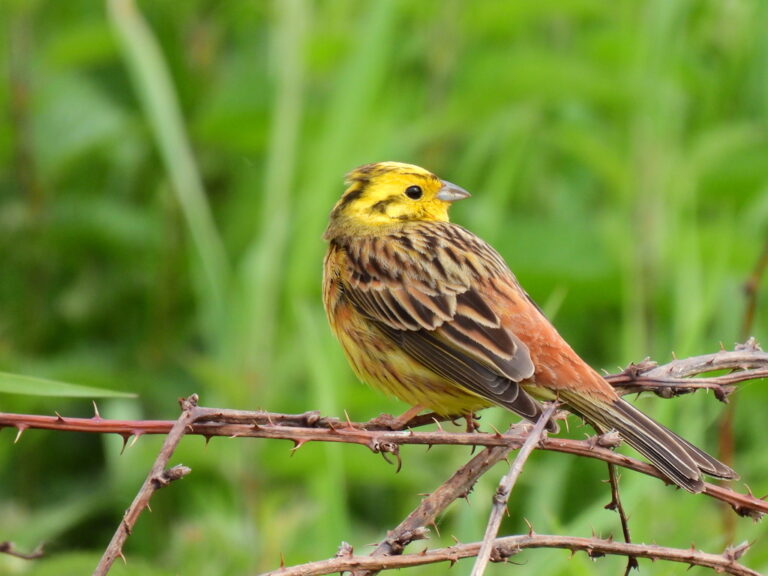
Emberiza citrinella
♥
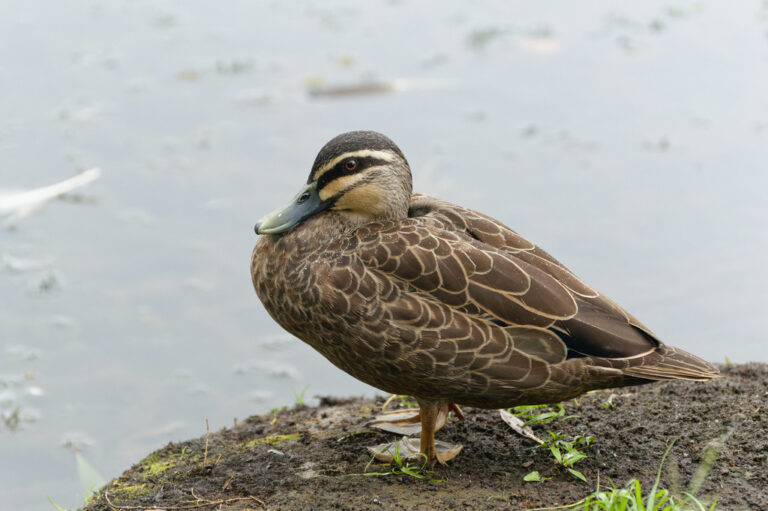
Anas superciliosa
♥
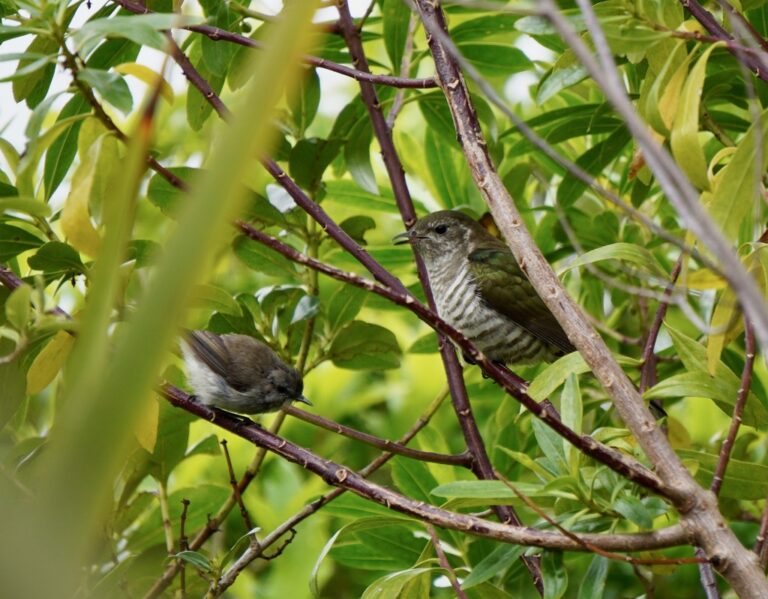
Chalcites lucidus
♥
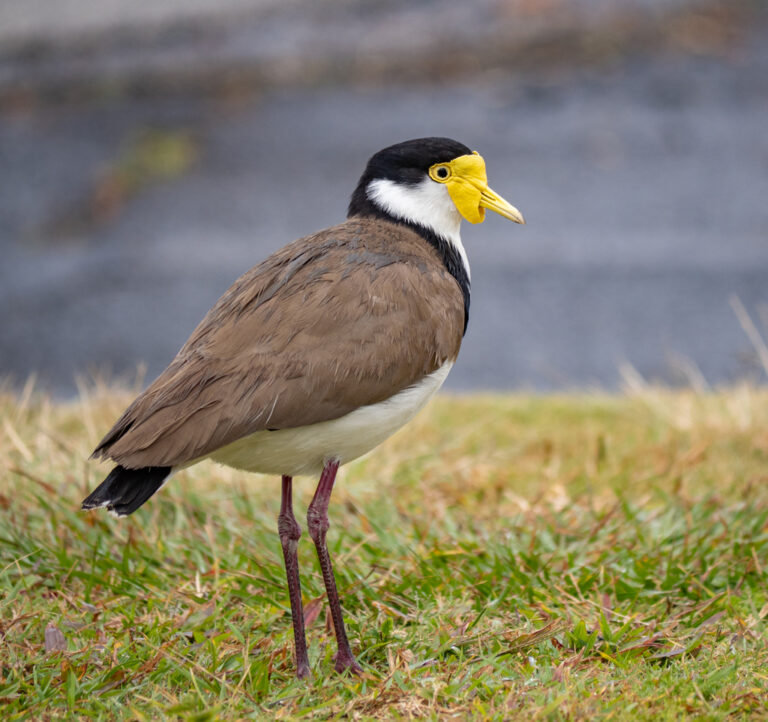
Vanellus miles
♥
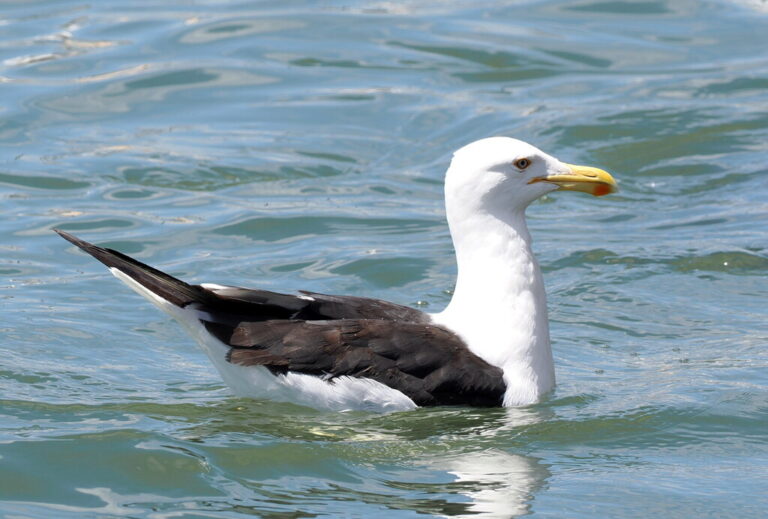
Larus dominicanus
♥
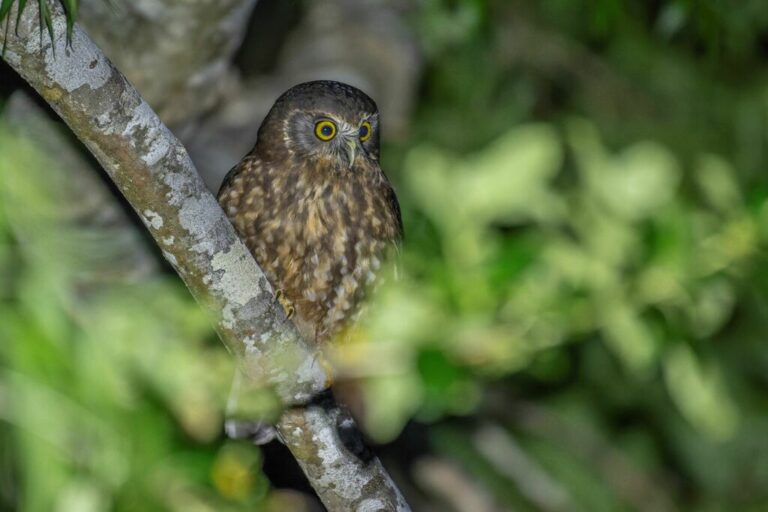
Ninox novaeseelandiae
♥
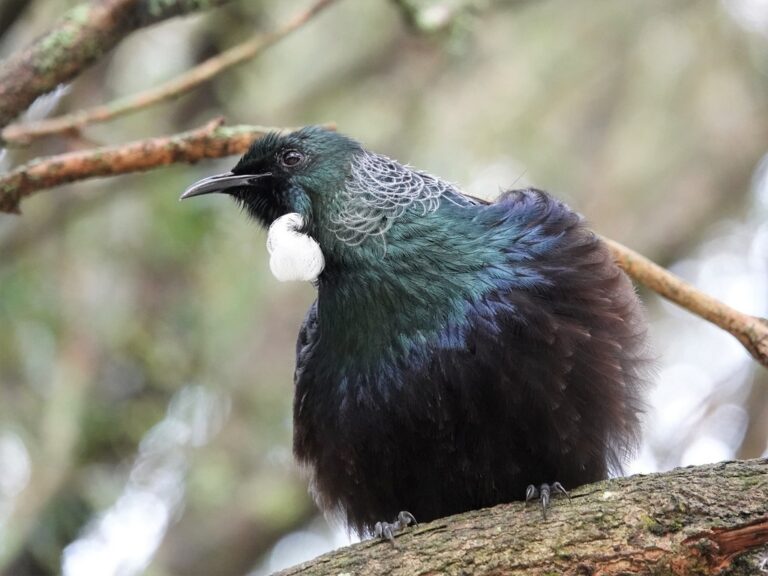
Prosthemadera novaeseelandiae
♥
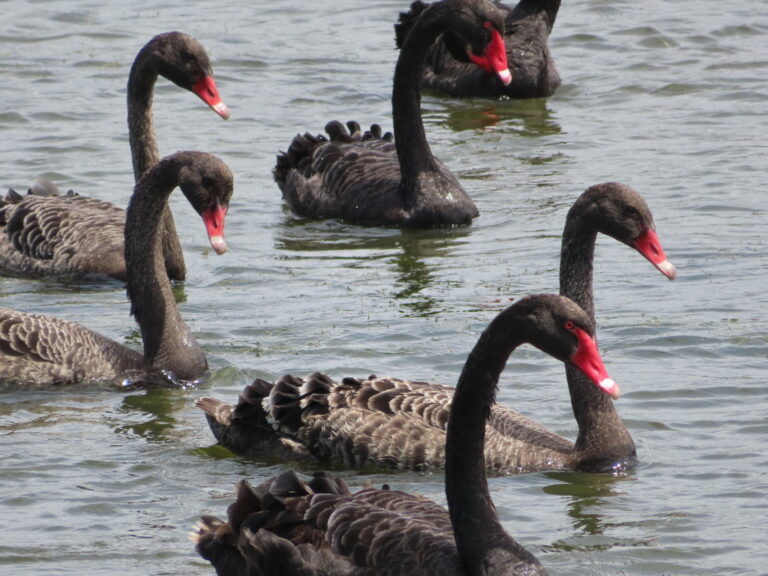
Cygnus atratus
♥
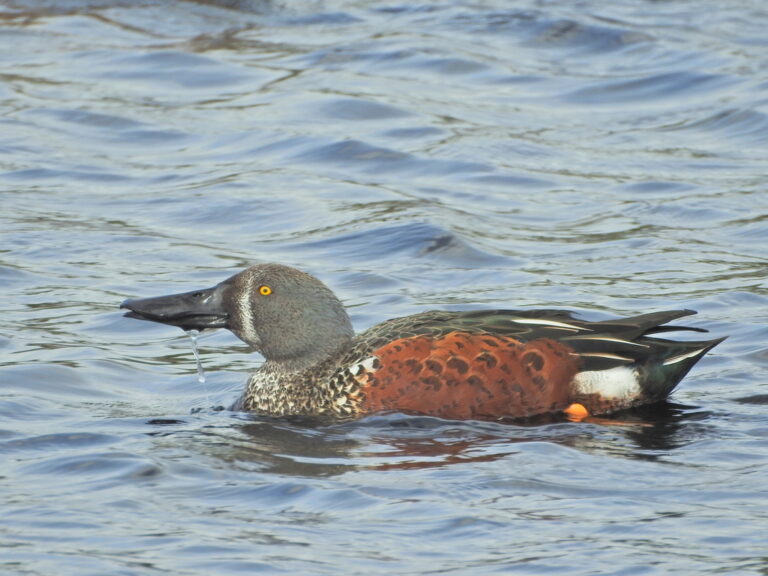
Spatula rhynchotis
♥
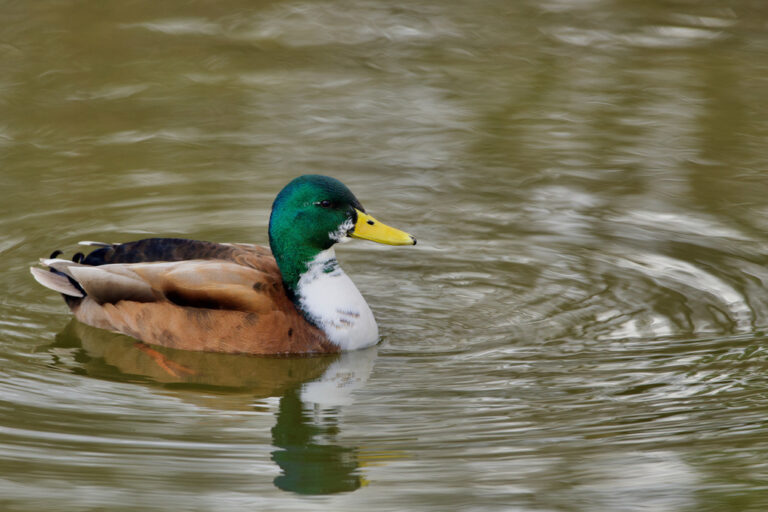
Anas platyrhynchos
♥
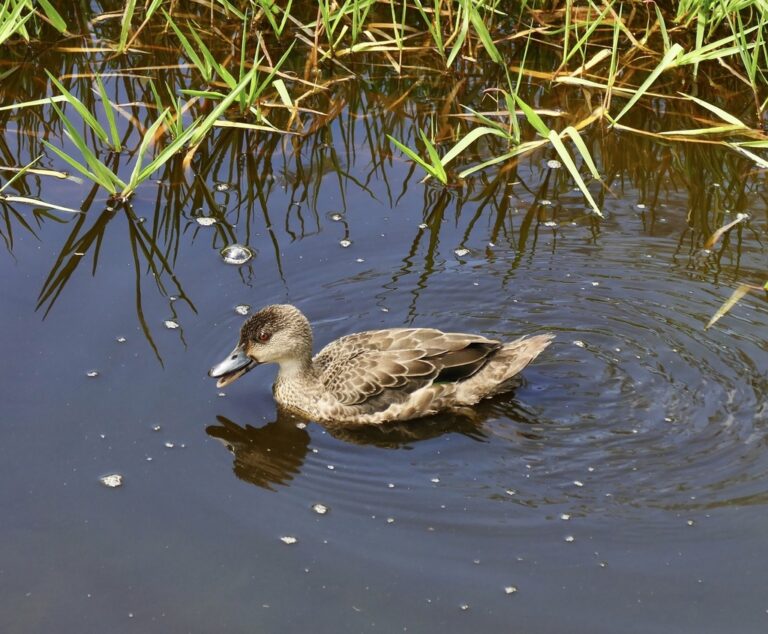
Anas gracilis
♥
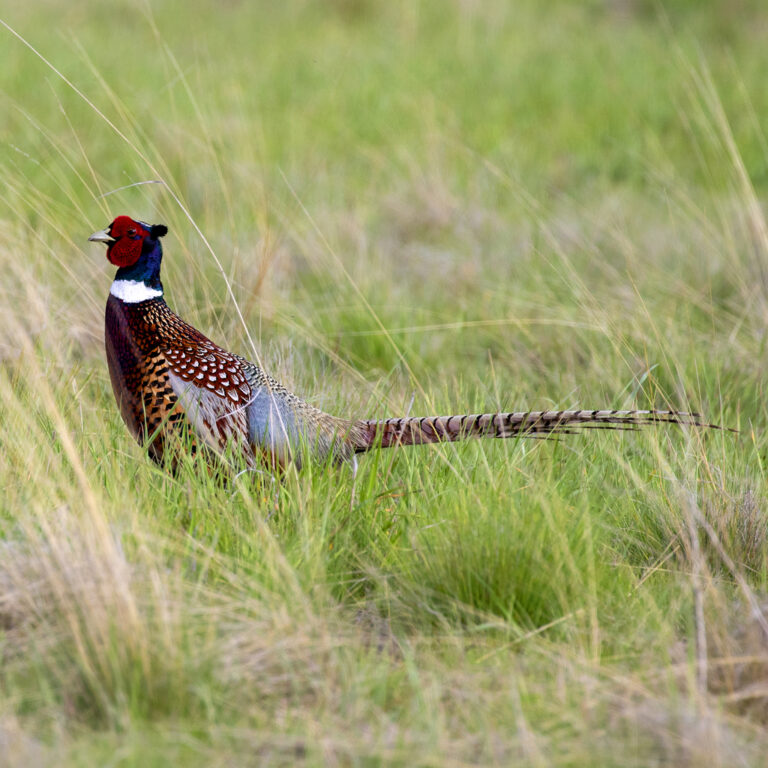
Phasianus colchicus
♥
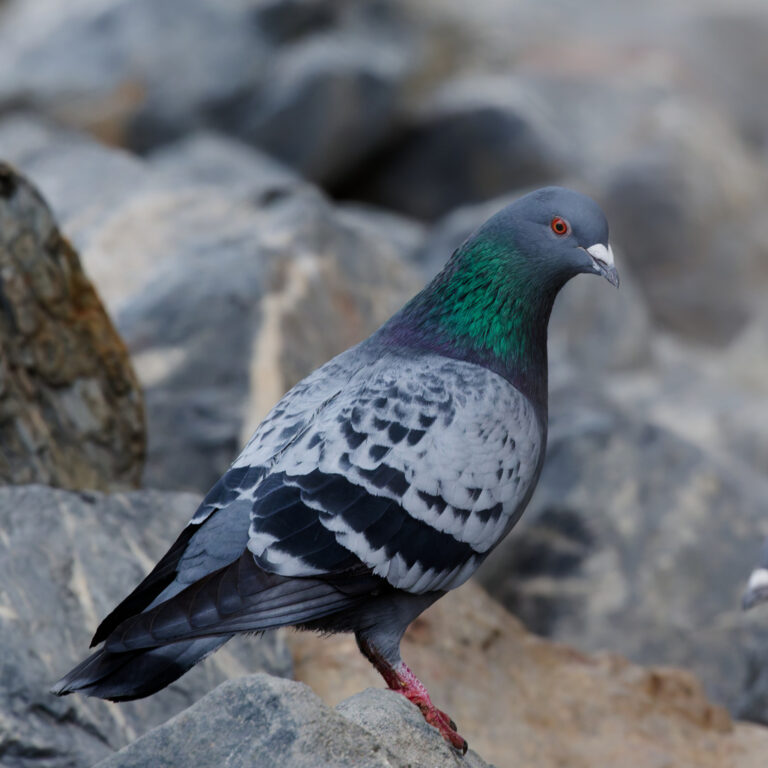
Columba livia
♥
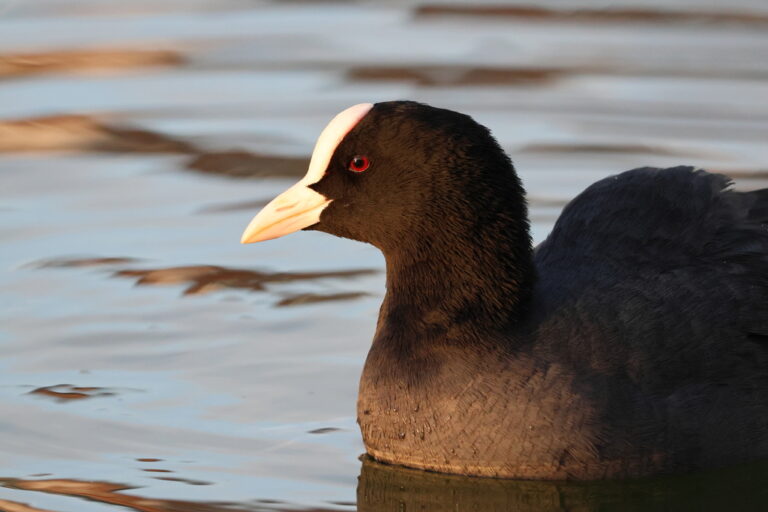
Fulica atra
♥
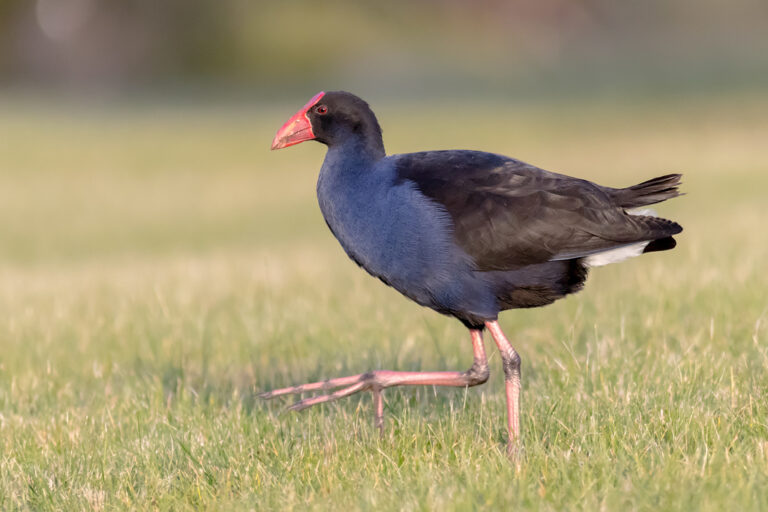
Porphyrio melanotus
♥
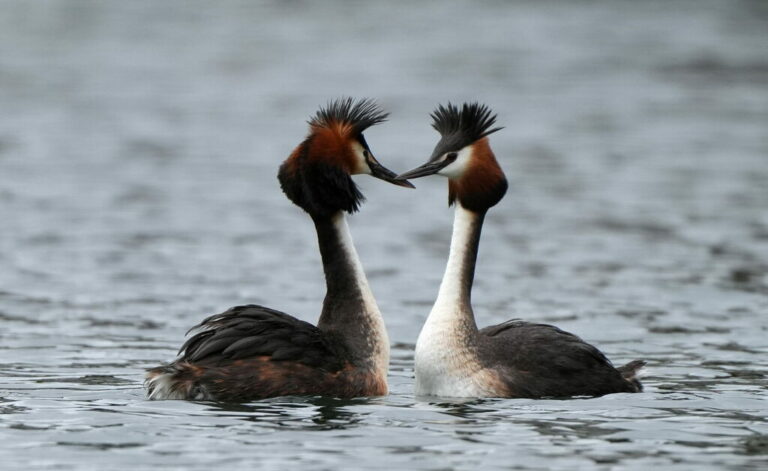
Podiceps cristatus
♥
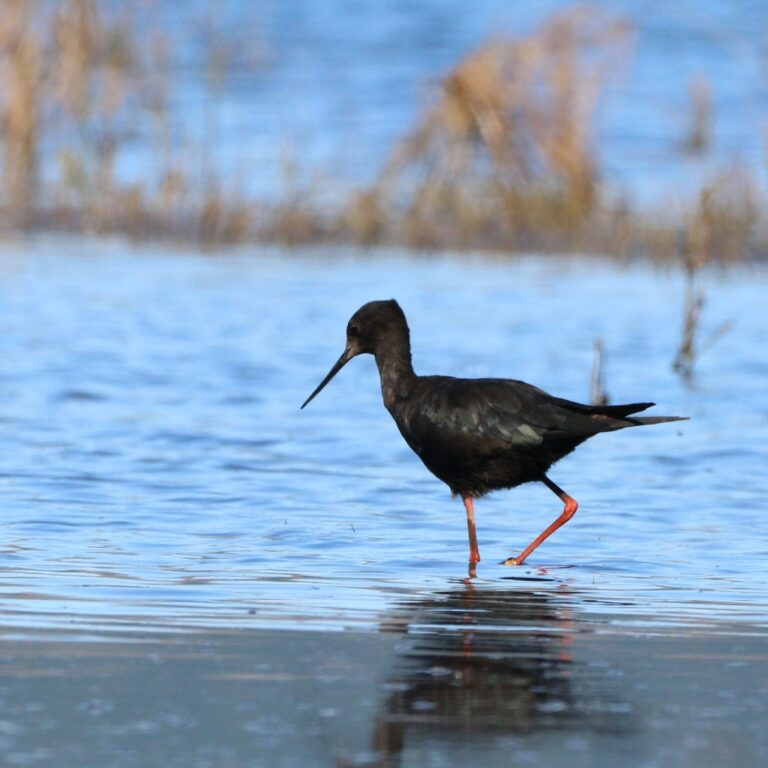
Himantopus novaezelandiae
♥
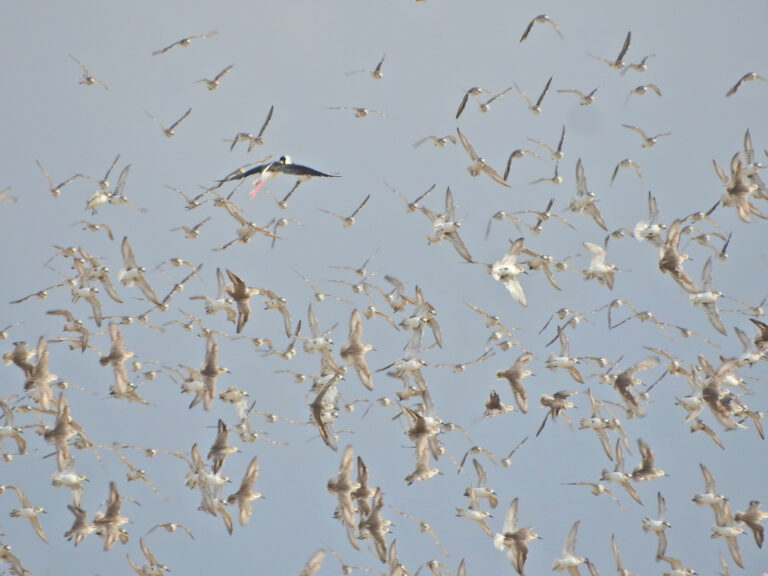
Anarhynchus frontalis
♥
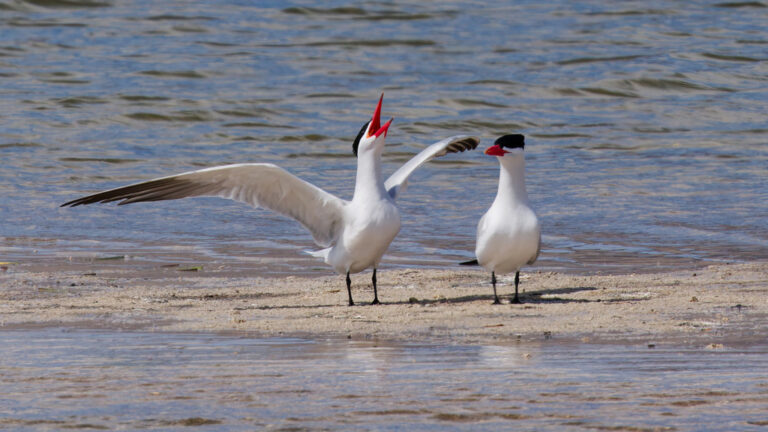
Hydroprogne caspia
♥
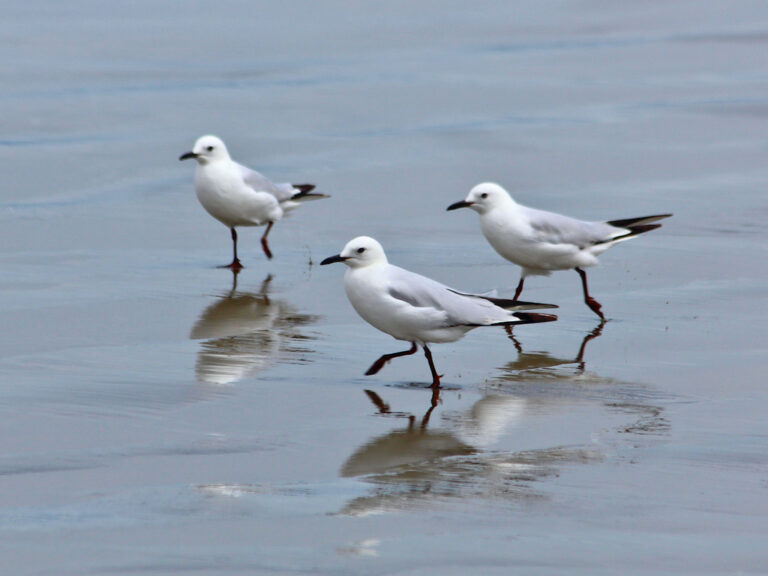
Chroicocephalus bulleri
♥
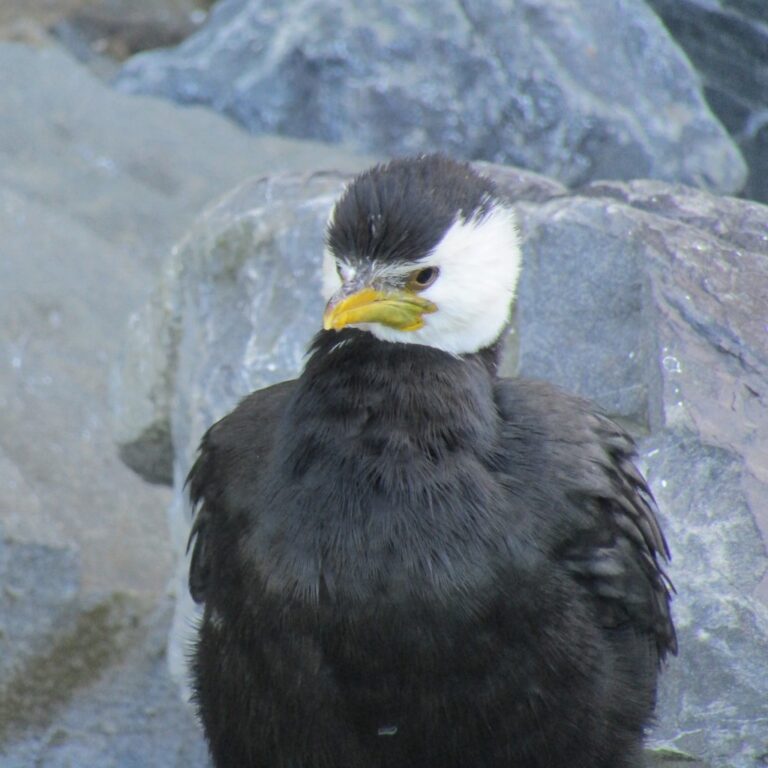
Microcarbo melanoleucos
♥
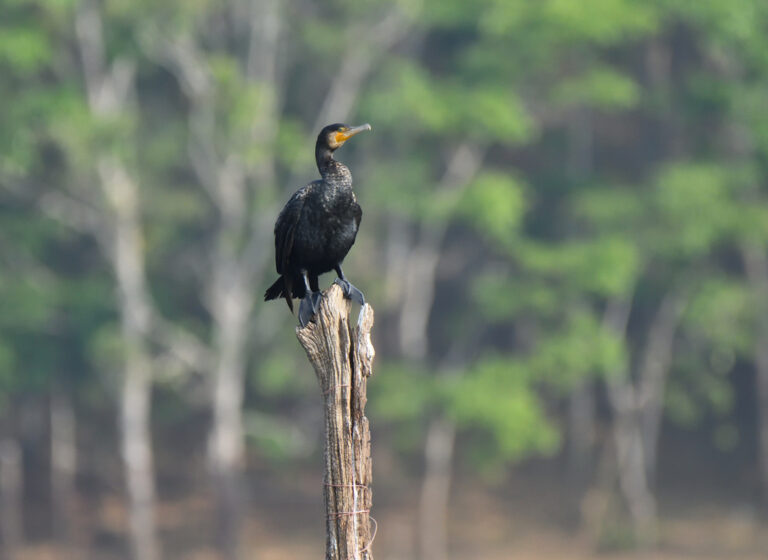
Phalacrocorax carbo
♥
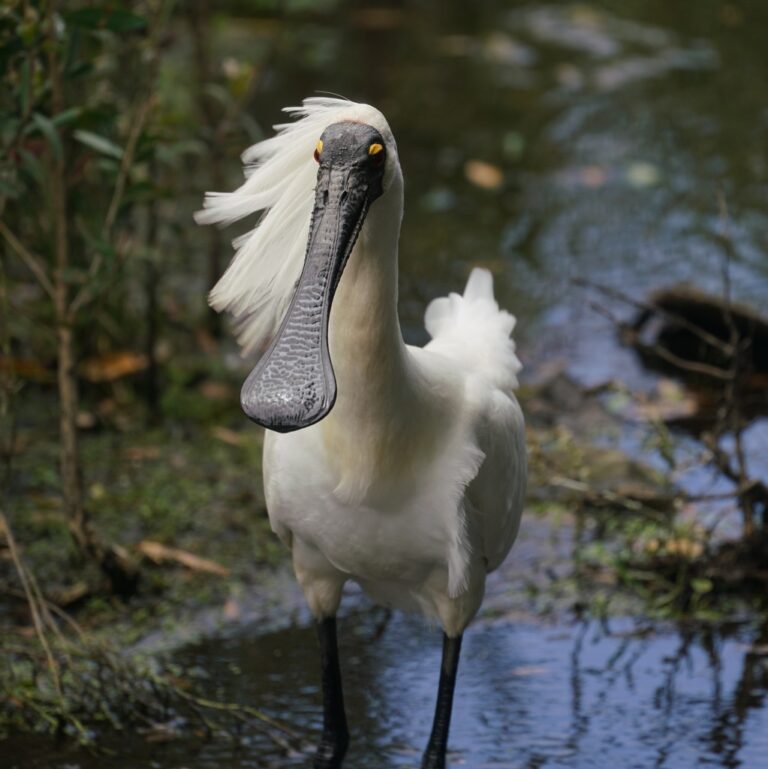
Platalea regia
♥
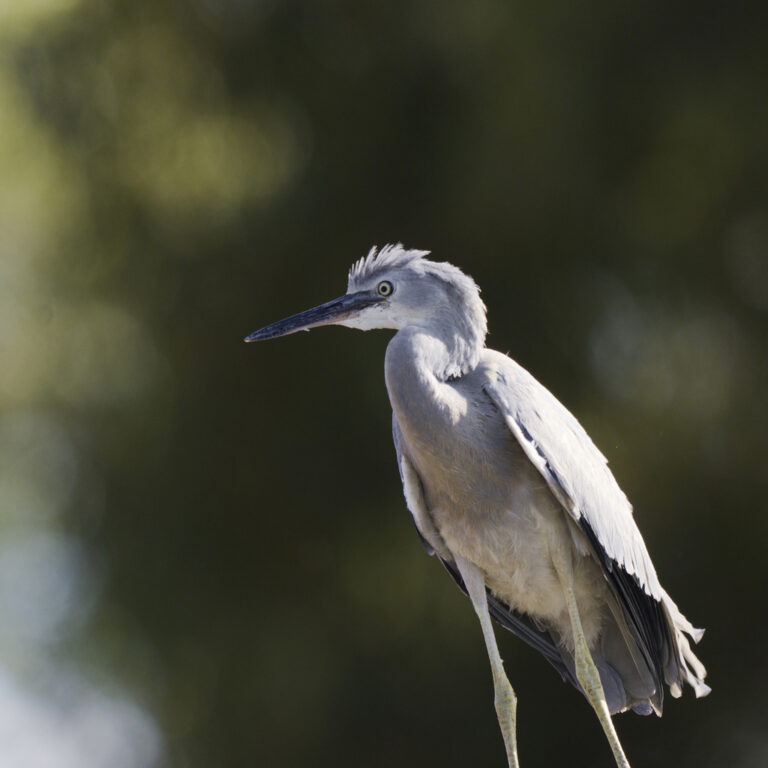
Egretta novaehollandiae
♥
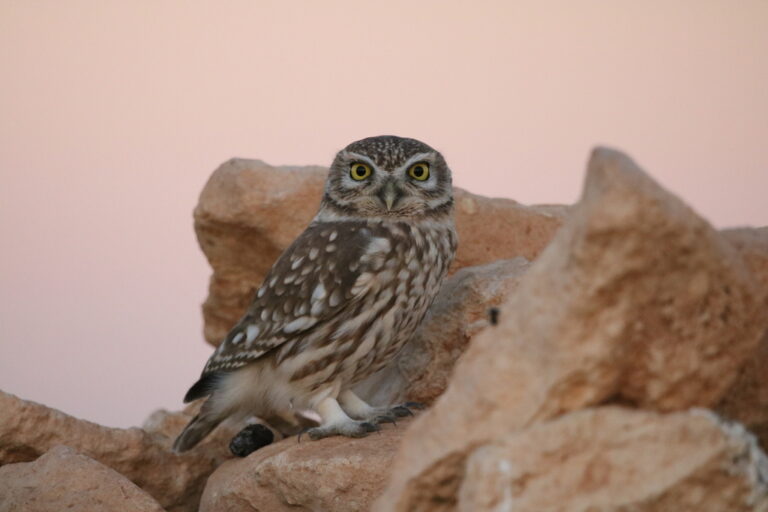
Athene noctua
♥
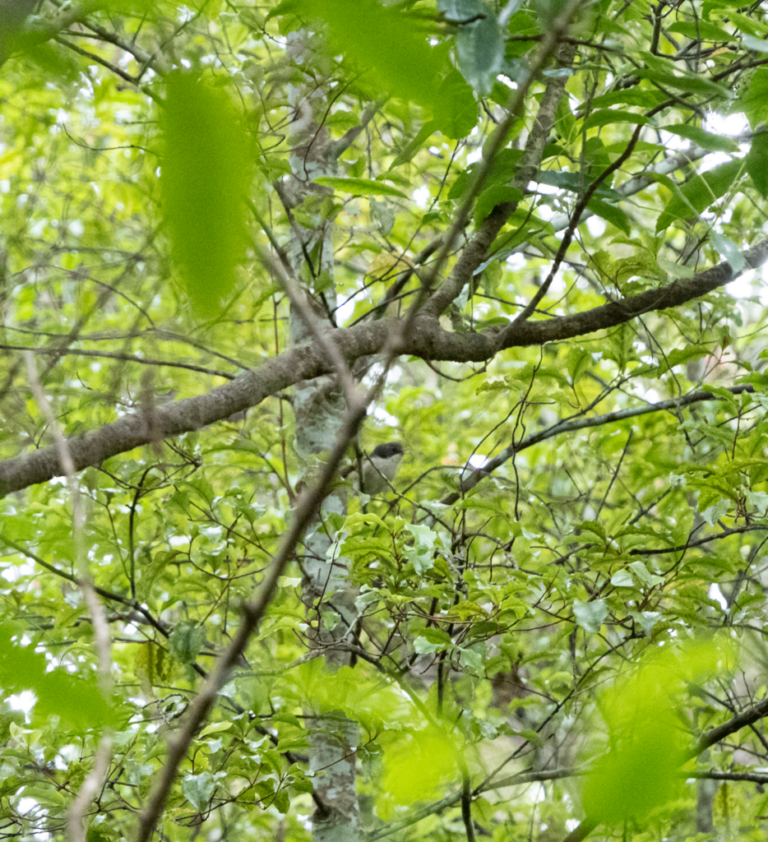
Mohoua novaeseelandiae
♥
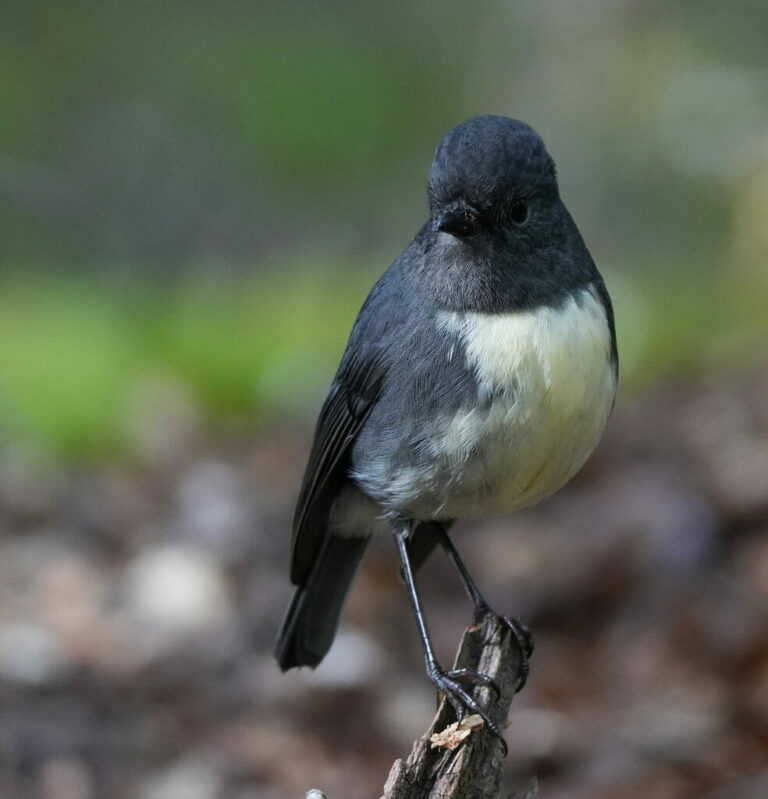
Petroica australis
♥
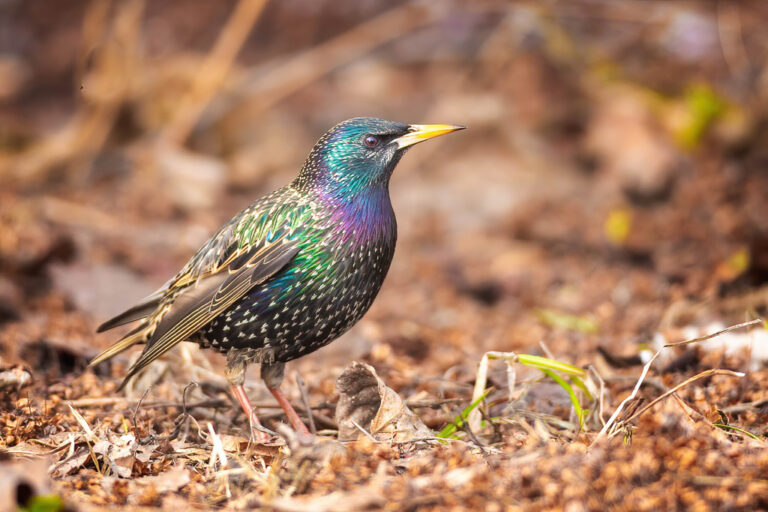
Sturnus vulgaris
♥
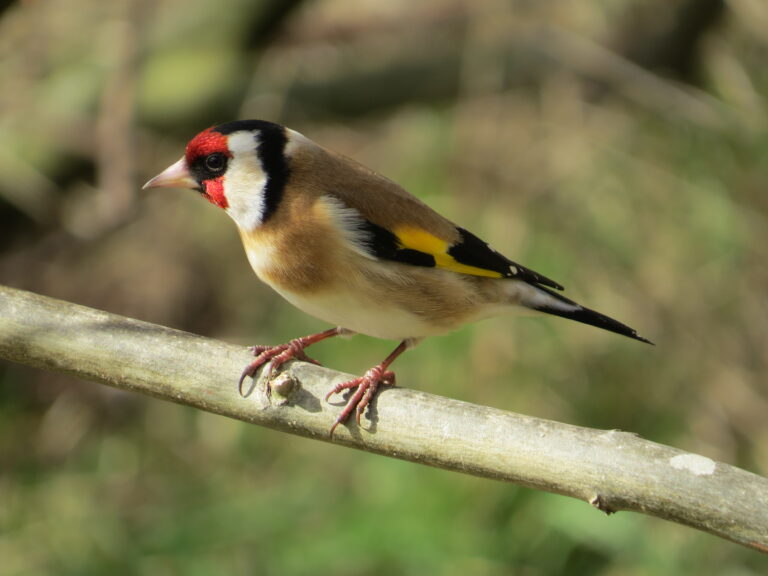
Carduelis carduelis
♥
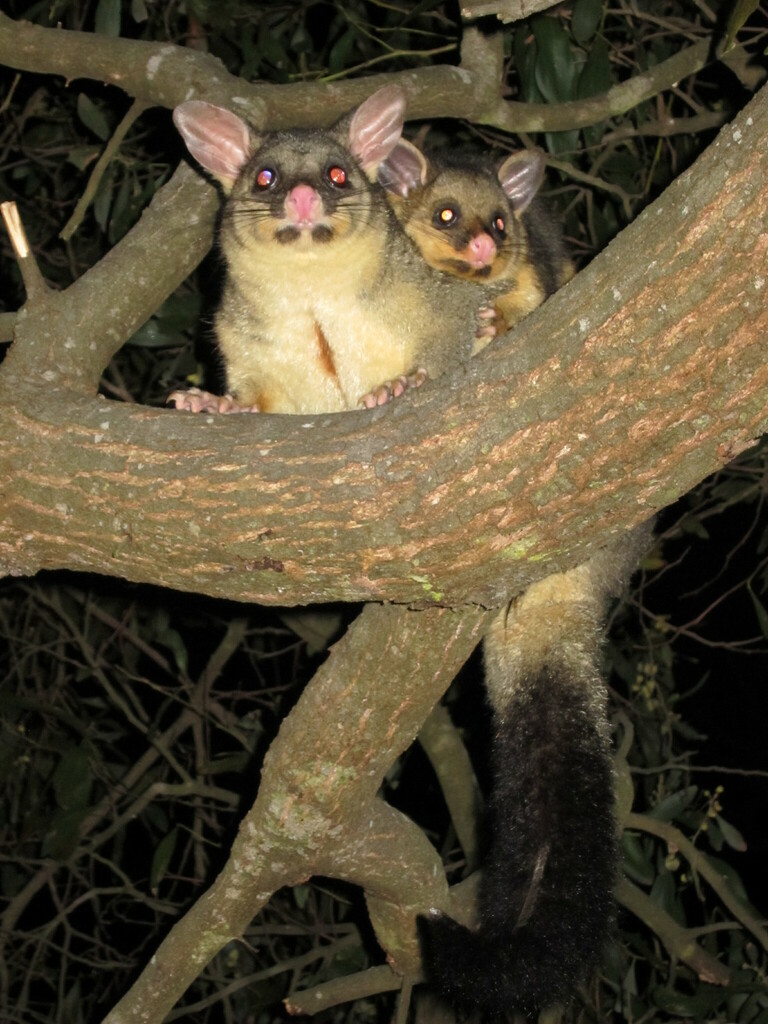
Trichosurus vulpecula
♥
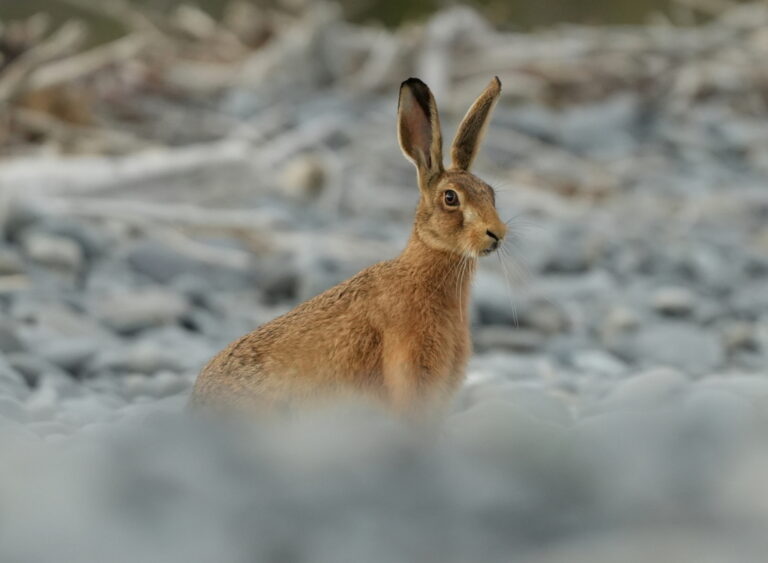
Lepus europaeus
♥
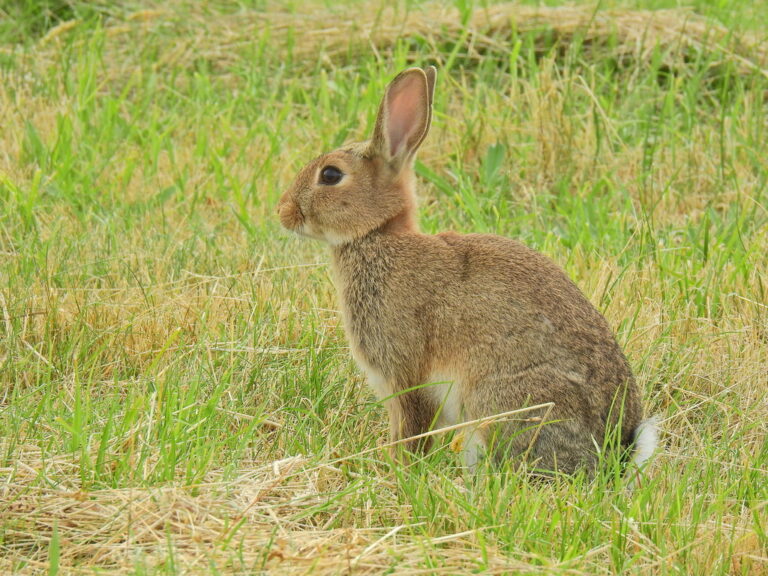
Oryctolagus cuniculus
♥
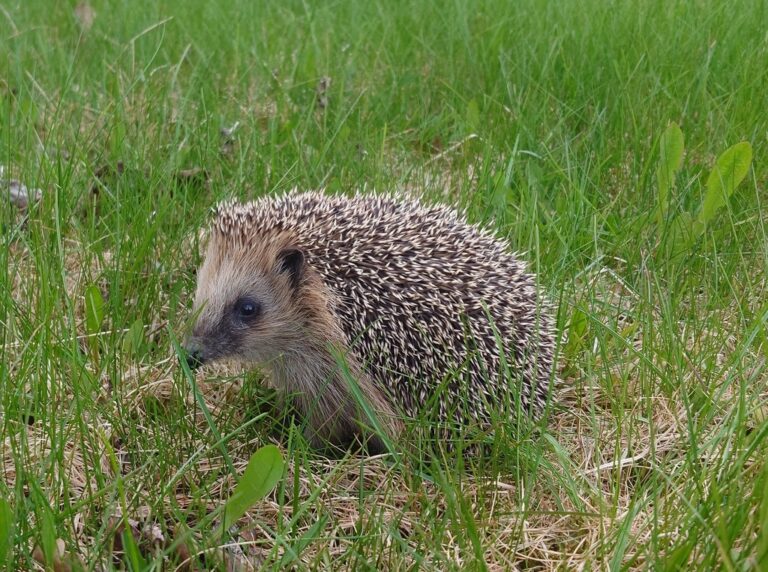
Erinaceus europaeus
♥
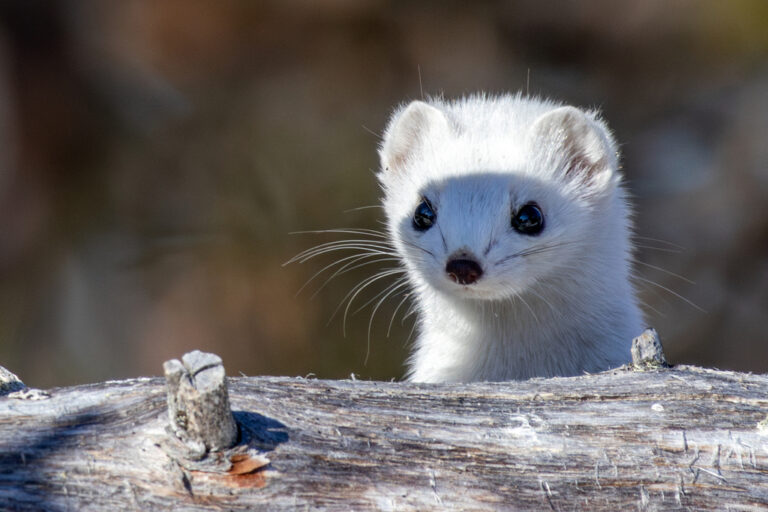
Mustela erminea
♥
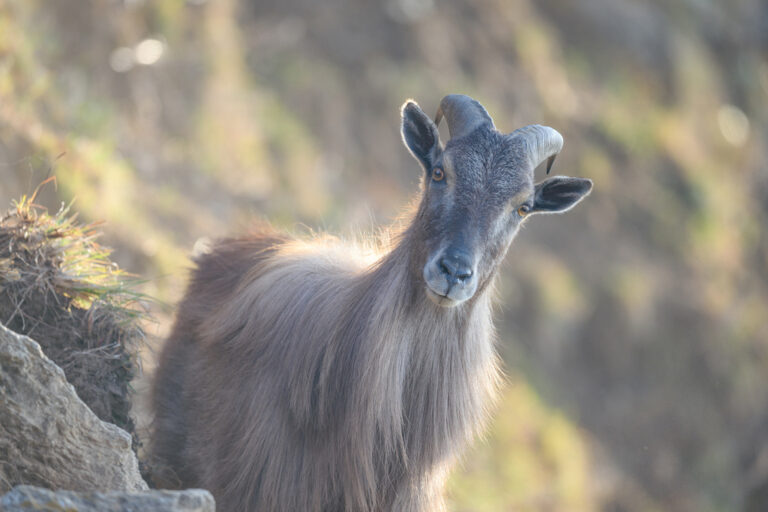
Hemitragus jemlahicus
♥