Eurasian Blackcap
Sylvia atricapilla
Photo © Thomas Ebner
Photo © Thomas Ebner — CC BY 4.0 — Source: iNaturalist photo #66772677ABOUT
Subspecies of Eurasian Blackcap
European BlackcapMadeira BlackcapIsland BlackcapMediterranean BlackcapEastern Blackcap
Identification
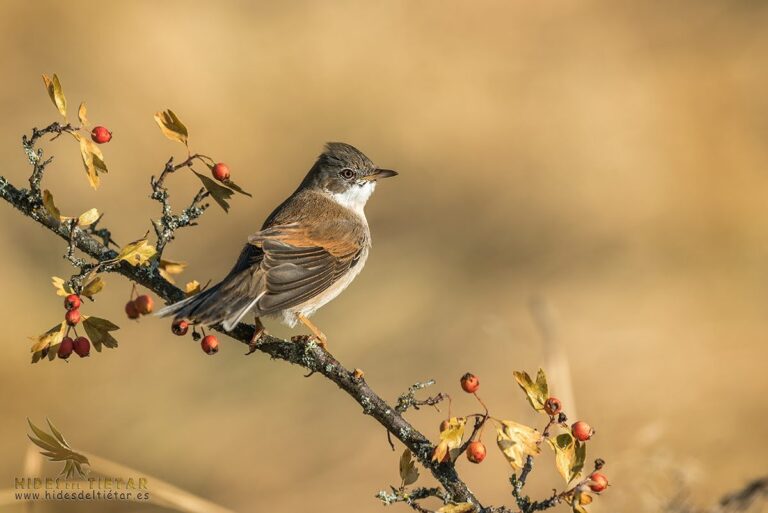
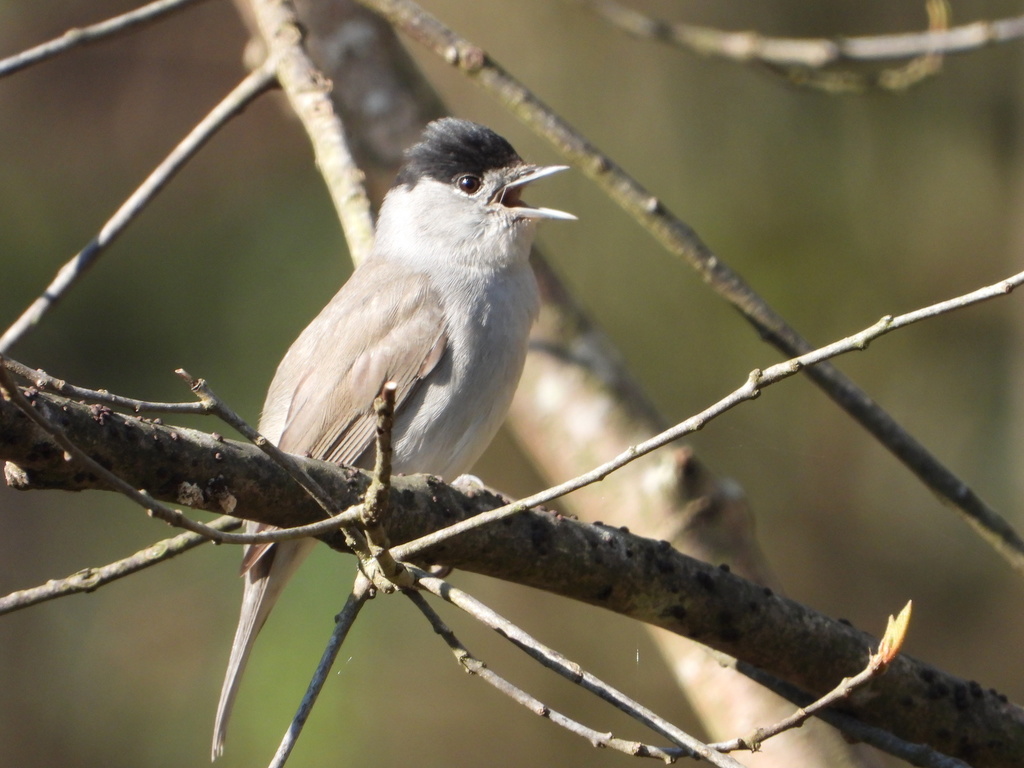
The Eurasian blackcap is a small warbler, typically 13 cm long, with mainly olive-grey upperparts and pale grey underparts. The most distinctive feature is its neat coloured cap: jet black in males, reddish-brown in females. Both sexes have a paler grey nape, silvery-white chin and throat, and a dark grey tail with an olive tint. The bill and long legs are grey. Juveniles resemble females but have a slight rufous tinge to their upperparts and a more olive tone to the breast and flanks. At 16–25 grams, they are lightweight and elegant. This species is unmistakable among its close relatives; other dark-headed warblers like the Sardinian warbler have more extensive black on the head and are noticeably larger with white tail edges.
Range & Habitat
The blackcap breeds across much of Europe, western Asia and northwestern Africa, with its preferred habitat being mature deciduous woodland. The species is a partial migrant, with birds from colder regions wintering in scrub or trees in northwestern Europe, around the Mediterranean, and in tropical Africa. Remarkably, some populations from Germany and western continental Europe have adapted to wintering in gardens throughout Great Britain and Ireland, representing a significant recent range shift.
Males hold territories during breeding season, defending them vigorously against both other blackcaps and their closest relatives, garden warblers. The neat cup-shaped nest is built low in brambles or scrub, typically containing 4–6 buff-coloured eggs that hatch in about 11 days.
Behaviour & Diet
The blackcap is celebrated for its rich musical warbling song, typically featuring a loud high-pitched crescendo, which has earned it the poetic nickname "mock nightingale." Interestingly, birds in isolated alpine valleys sing a simpler version. During breeding season, insects form the main diet, but for the rest of the year blackcaps survive primarily on small fruit. Those visiting gardens in winter have adapted to eating bread, fat and peanuts.
Both adults care for chicks after fledging, which occurs at 11–12 days old. The species undergoes a complete moult in breeding areas during August and September prior to migration, with some birds—particularly those traveling the furthest distances—having a partial second moult between December and March.
Best Time & Places to See It
The blackcap is common and widespread throughout its breeding range in Europe, western Asia and northwestern Africa. Spring and early summer are ideal for observing breeding birds in their preferred mature deciduous woodland habitats. In winter, the species is increasingly visible in gardens across Great Britain and Ireland, where adapted populations now regularly visit feeders. Mediterranean scrublands and tropical African woodlands also host wintering populations during the colder months.
Photography Tips
The blackcap's small size and preference for dense woodland can make photography challenging. Early morning visits to mature deciduous woods during breeding season offer the best opportunities, as males sing from exposed perches to defend territories. The stark contrast between the male's black cap and pale underparts provides excellent photographic potential in good light. Winter garden visitors are often more approachable and predictable, making them ideal subjects for patient photographers. Capturing the bird's characteristic posture and the neat cap markings requires a telephoto lens and a quiet approach. The reddish-brown cap of females is subtler than the male's black cap, so pay attention to lighting to bring out its warm tones.
HIDES
Sort by
80 €/ person
Book nowNothing matches these filters.
EXPERIENCES
Sort by
Birding TourEasy
GAMBIA & SENEGAL BIRDS TOURS
Private Full-Day Kotu Birdwatching Experience: An Introduction to Kotu’s Diverse Birdlife
Full day tour start at 6:30am and ends at 5.30pm
7
EN
Greater Painted-snipe · Oriole Warbler +43
197,45 €/ person
Book nowNothing matches these filters.
HOTSPOTS
Country
Type
Sort by
5,0 (1)
National Park
Bwindi Impenetrable National Park
Kanyashogi·Uganda
+603 birds+26 mammals
5,0 (1)
National Park
Lake Mburo National Park
Uganda
+505 birds+24 mammals
5,0 (1)
National Park
Queen Elizabeth National Park
Uganda
+672 birds+30 mammals
National Park
Aberdare National Park
Mweiga ward·Kenya
+394 birds+30 mammals
National Park
Abijata-Shalla Lakes National Park
Ethiopia
+438 birds+7 mammals
National Park
Abruzzo, Lazio and Molise National Park
Pescasseroli·Italy
+139 birds+18 mammals
National Park
Aggtelek National Park
Szin·Hungary
+119 birds+13 mammals
Natural Park
Alpilles Regional Nature Park
Saint-Rémy-de-Provence·France
+219 birds+37 mammals
National Park
Alta Murgia National Park
Bari·Italy
+168 birds+6 mammals
Nothing matches these filters.
COMMUNITY
Share your photo of this species
Sort by
No community photos yet. Log in to add the first one.
0
Observed by
0
Hotspots reported
0
Countries
No community observations of this species yet.