Brown Bear
Ursus arctos
Photo © Лариса Артемьева
Photo © Лариса Артемьева — CC0 1.0 — Source: iNaturalist photo #405714763ABOUT
Subspecies of Brown Bear
Grizzly BearEurasian Brown BearKamchatka Brown BearUssuri Brown BearABC Islands Brown BearKodiak Brown BearSiberian Brown BearMarsican Brown BearHimalayan Brown BearTibetan Brown BearGobi Brown BearAfrican Brown Bear
Identification
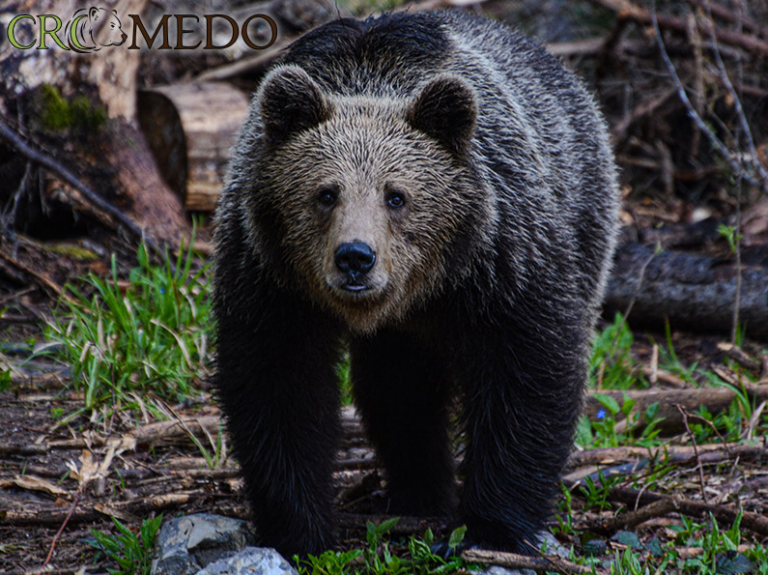
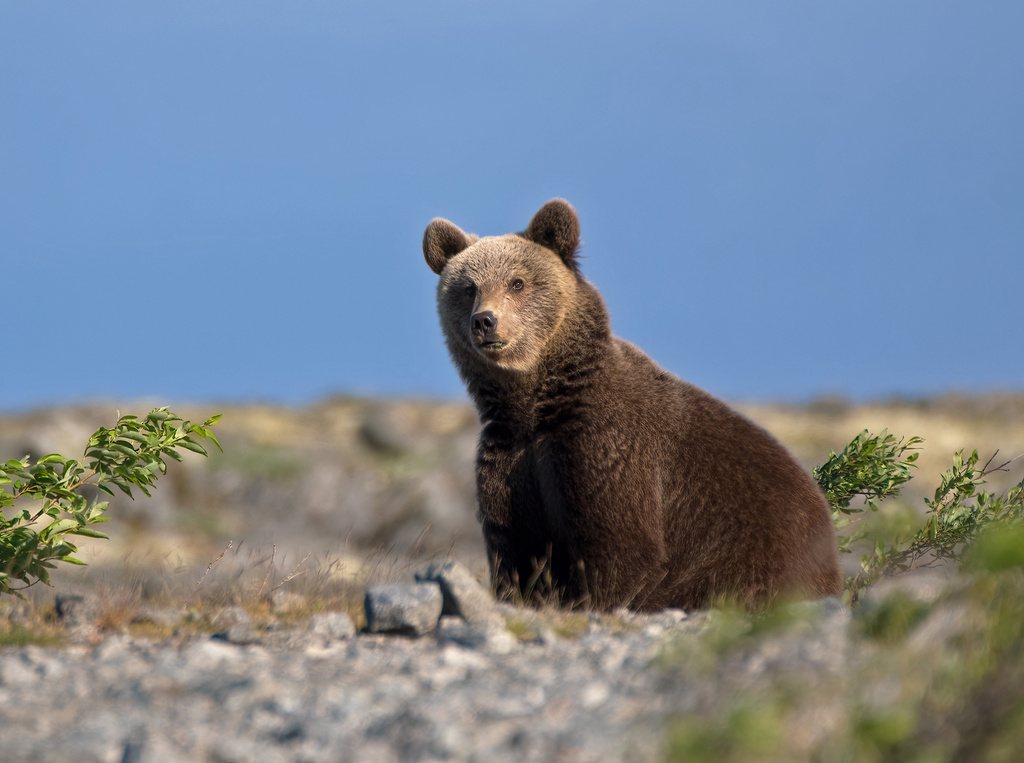
The brown bear is one of the largest land carnivores, rivaled in size only by the polar bear. It is a sexually dimorphic species, with adult males noticeably larger and more compactly built than females. The most distinctive feature is a large hump of muscle on its shoulders, unique among bears. The fur ranges widely in color from cream to reddish to dark brown, making color alone an unreliable identification feature. Brown bears have remarkably large paws, reaching up to 21 cm wide and 36 cm long, which they use to excavate food from the ground with impressive efficiency.
Range & Habitat
The brown bear is native to Eurasia and North America, though its range has shrunk considerably and several populations have been hunted to extinction. Throughout its remaining range, the species inhabits mainly forested habitats, occupying elevations up to 5,000 meters. While populations across much of Eurasia are highly endangered, the species remains listed as least concern overall, with an estimated global population of 110,000 bears as of 2017. Notable populations include isolated groups in central Italy and the critically endangered Himalayan brown bear, which occupies only 2% of its former range.
Behaviour & Diet
Contrary to popular belief, brown bears are primarily herbivorous, deriving 90% of their diet from plants. Despite this, they are opportunistic feeders, consuming everything from insects and rodents to large prey such as moose and muskoxen. In coastal Alaska, populations concentrate on spawning salmon that gather near shore to breed. For most of the year, brown bears are solitary animals, associating with others only during mating or while females are raising cubs. Females typically give birth to one to three cubs, which remain dependent for 1.5 to 4.5 years. Brown bears are long-lived, averaging 25 years in the wild, and attacks on humans, though widely publicized, are generally rare.
Best Time & Places to See It
Brown bears are found across forested regions of Eurasia and North America, with the most robust populations in Russia, Alaska, and Canada. Coastal areas of Alaska are particularly rewarding for viewing, especially during salmon spawning seasons when bears congregate at rivers and streams. Mountain forests at higher elevations also support populations. Travelers should consult local guides and current information about specific regions, as bear populations and viewing opportunities vary significantly by location and season.
Photography Tips
Brown bears present dramatic photographic subjects due to their impressive size and distinctive shoulder hump. Their varied coloration—from cream to dark brown—can present different lighting challenges depending on the individual and habitat. The large paws and muscular build are striking features worth capturing. Always prioritize safety by maintaining appropriate distance and working with experienced guides who understand bear behavior and local conditions. Early morning and evening light often provides the best conditions for wildlife photography in forested habitats.
HIDES
Sort by
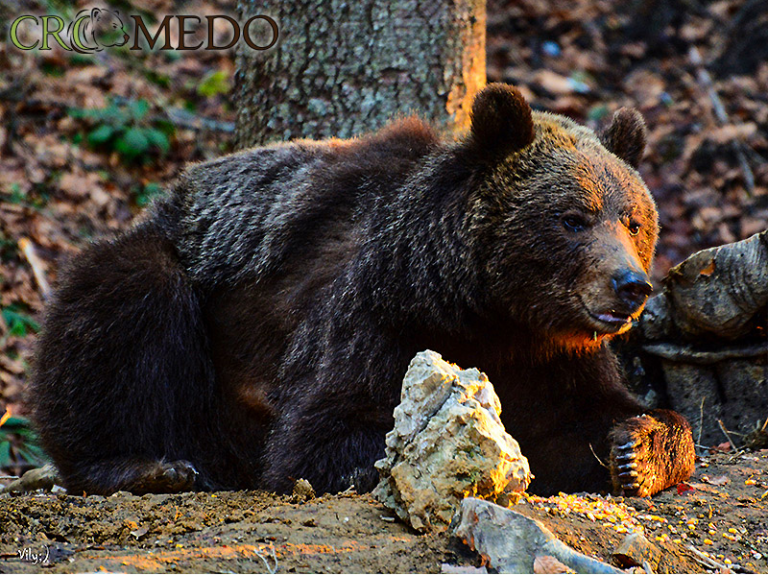
Bear photo hunting for photographers
CroMedo Bearwatching·Čabar·Croatia
Brown Bear · Western Roe Deer+3
21 max.Apr–Oct
240 €/ personfrom 180 €
Book nowNothing matches these filters.
EXPERIENCES
Country
Sort by
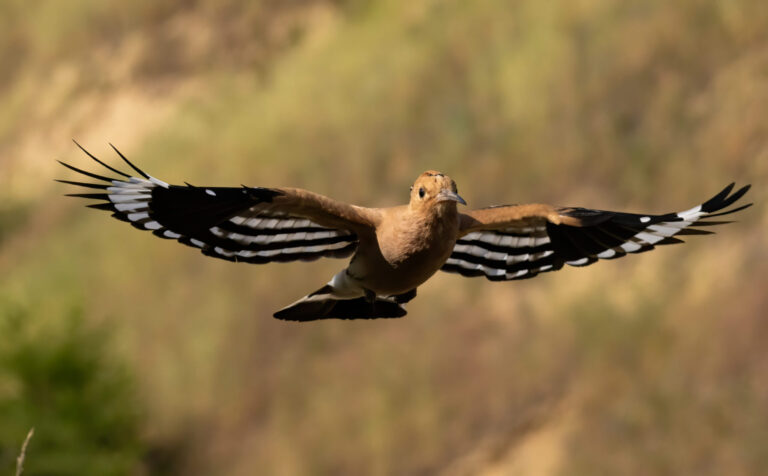
Birding TourEasy
Traventuria
Bulgaria & Northern Greece: Spring Migration Magic
Traventuria·Bulgaria·Greece
23 Apr – 1 May 2027
9 days
7
EN
Wallcreeper · Eastern Imperial Eagle +8
1.295 €/ person
Book nowNothing matches these filters.
STAYS
Sort by
Nothing matches these filters.
HOTSPOTS
Country
Type
Sort by
5,0 (1)
Nature Reserve
Tombstone Territorial Park
Dawson City·Canada
+150 birds+17 mammals
National Park
Abruzzo, Lazio and Molise National Park
Pescasseroli·Italy
+139 birds+18 mammals
Wildlife Sanctuary
Alaska Maritime National Wildlife Refuge
Alaska·United States
+391 birds+58 mammals
Natural Park
Alt Pirineu Natural Park
Cassibrós·Spain
+159 birds+23 mammals
Wildlife Sanctuary
Arctic National Wildlife Refuge
Arctic Village·United States
+132 birds+15 mammals
National Park
Banff National Park
Improvement District No. 9·Canada
+264 birds+33 mammals
Wildlife Sanctuary
Becharof National Wildlife Refuge
United States
+146 birds+2 mammals
National Park
Central Balkan National Park
Zhidov dol·Bulgaria
+135 birds+16 mammals
National Park
Denali National Park
Denali Borough·United States
+144 birds+18 mammals
Nothing matches these filters.
COMMUNITY
Share your photo of this species
Sort by
No community photos yet. Log in to add the first one.
1
Observed by
0
Hotspots reported
0
Countries