Average annual temperature
4.6 °C
Average of the twelve monthly means
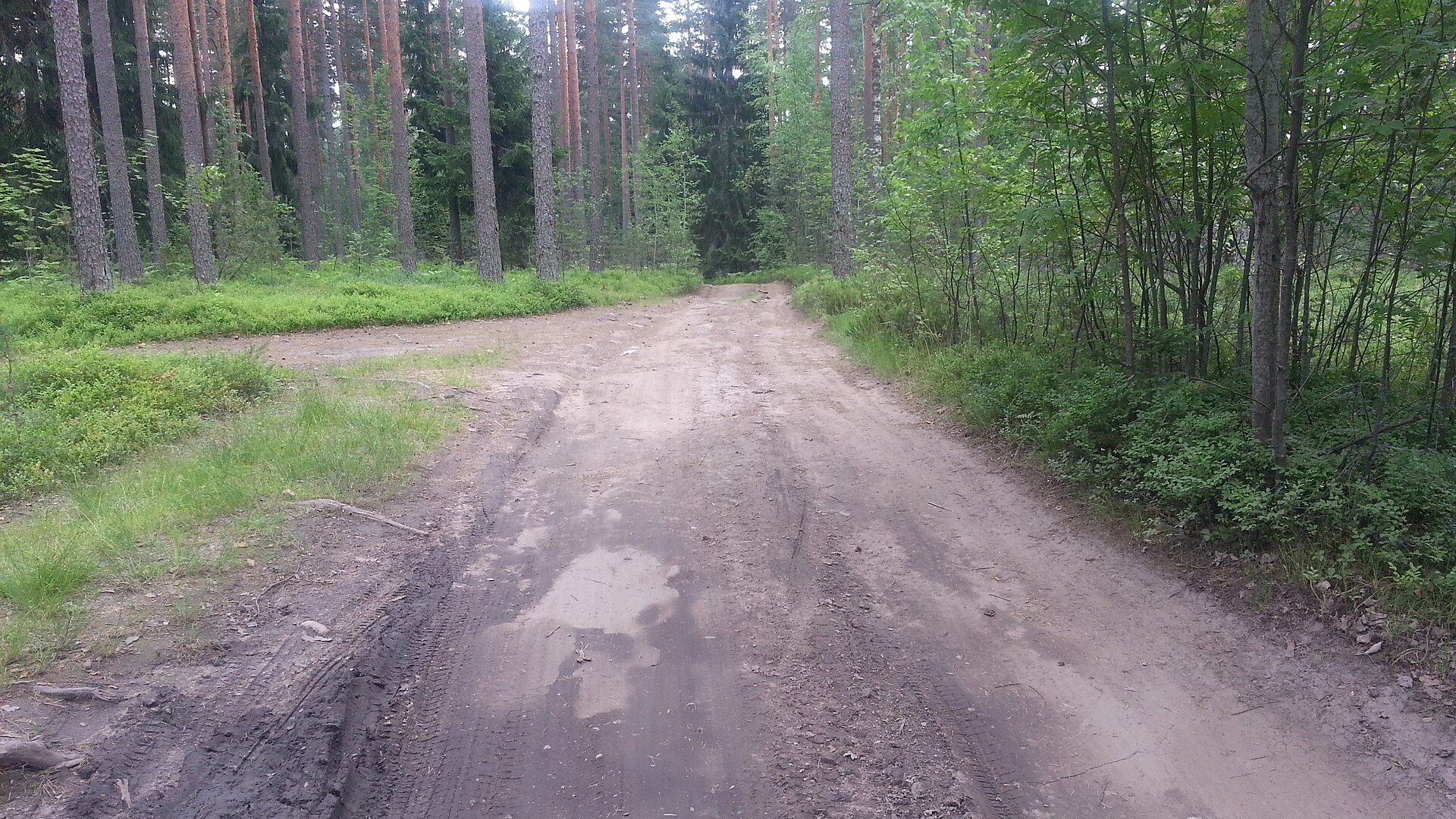
Ozyornoe Wildlife Refuge Marsh
Wildlife Sanctuary
·
Russia
Photo © Ocelop
Photo © Ocelop — CC BY-SA 4.0 — Source: Wikimedia CommonsABOUT
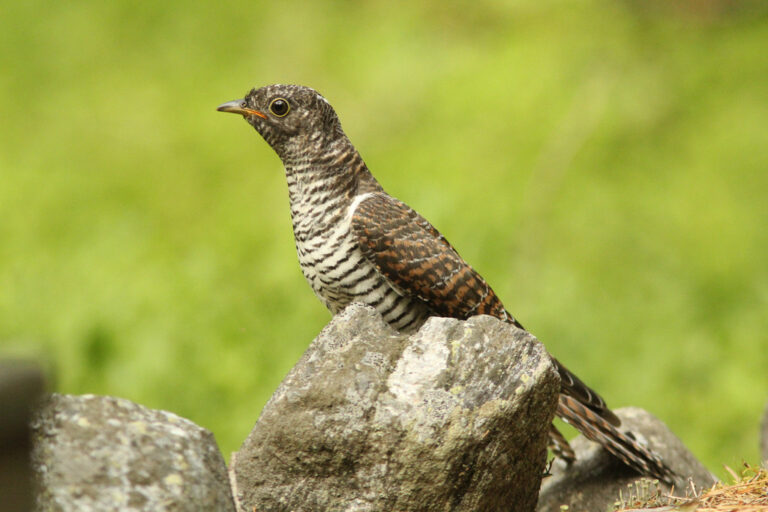
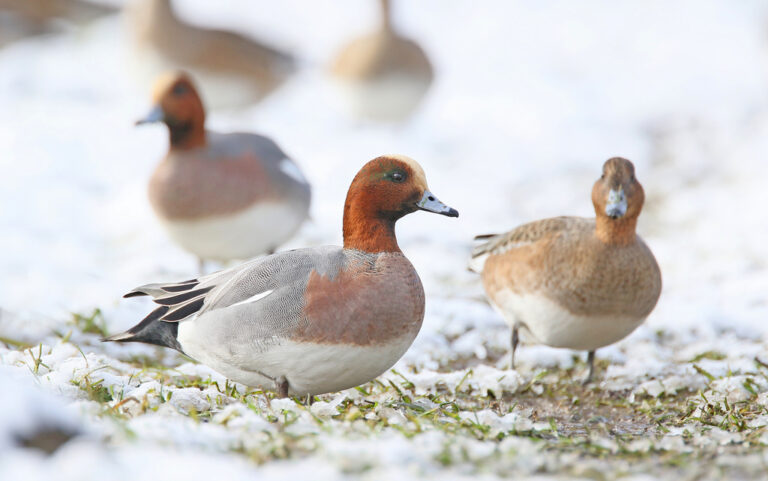
Where the flat northwestern margins of Leningrad Oblast meet the waters of the Gulf of Finland, a vast marshland unfolds across some 16 square kilometers—a landscape of reed beds, shallow pools, and wet meadows that forms one of the region's most vital wetland sanctuaries. Ozyornoe Wildlife Refuge Marsh embodies the classic character of Baltic bog country, where waterlogged peat substrates support dense stands of emergent vegetation and open water bodies that shift seasonally with precipitation and drainage patterns. The sanctuary's ecological pulse beats strongest during the warmer months, when the marsh becomes a hive of breeding activity: waterfowl and waders nest among the reed beds, songbirds occupy the drier hummocks and shrubby margins, and small mammals move through the tangle of vegetation that offers both shelter and hunting grounds for raptorial birds. The sanctuary's position within a major flyway means that migratory species pass through in impressive numbers during spring and autumn, transforming the refuge into a temporary haven for birds in transit between their arctic breeding grounds and southern wintering territories. The marsh's hydrology—its intricate mosaic of open water, fen vegetation, and transitional zones—creates habitat diversity that supports a remarkable range of ecological niches within a relatively compact area.
For wildlife photographers and birders willing to embrace the particular challenges of wetland access, the refuge demands patience and timing. The light in these northern latitudes during the breeding season—with long days and soft, diffuse illumination—favors patient observation of birds in dense vegetation; early morning and late evening push offer the best activity and the most favorable angle of light for capturing waterfowl and waders as they feed in shallows. Spring migration, when the ice retreats and breeding displays intensify, and autumn passage, when concentrations of waders and dabbling birds can reach impressive densities, frame the two supreme seasons for visits. Access to the sanctuary requires respect for its protected status and typically involves coordination with local authorities; many photographers and naturalists approach via marked observation points or guided arrangements rather than random tramping through the marsh itself. The refuge's remote location and limited infrastructure mean that serious visitors come prepared—waterproof clothing, sturdy footwear rated for boggy terrain, and optics suitable for working across open water and through reed beds are essentials. Yet this very isolation, combined with the habitat's ecological integrity, ensures that those who make the effort encounter wetland wildlife in a setting minimally disrupted by human presence.
Website
paslo.ru
WILDLIFE
COMMUNITY
0
Community observations
No community observations yet — be the first to log a sighting here.
Natural environment
Ozyornoe Wildlife Refuge Marsh
Strong seasonal contrast, with cold winters and warmer summers.
Usual climateCold humid with mild summersLowland
Average elevation
58 m
Lowland
Climate pattern
Cold humid with mild summers
Main environment around this hotspot
A year of temperatures
Monthly means, with the coldest and warmest highlighted
Monthly minimum · February -7.1 °C Monthly maximum · July 17.7 °C
Global temperature scale
−40°−20°0°20°40°
Terrain and elevation
58 m · LowlandAverage terrain elevation estimate across the hotspot; the figure does not represent its highest summits.
Elevation scale
58 m
02,0004,0006,0008,000m
Lowland