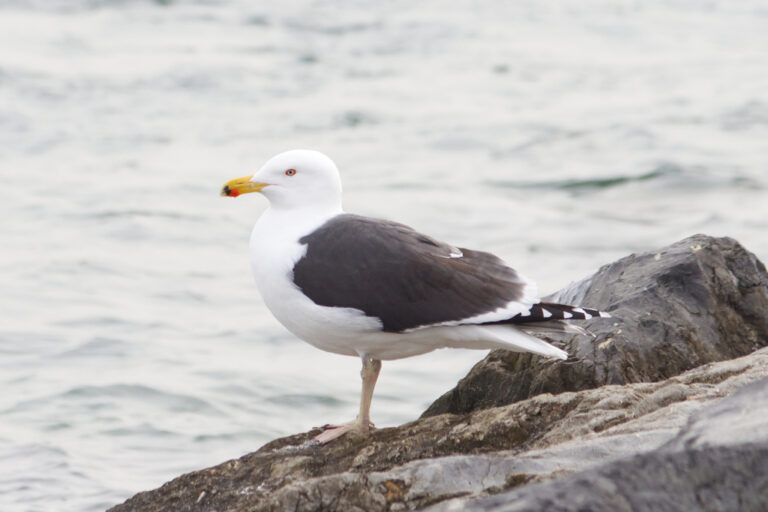
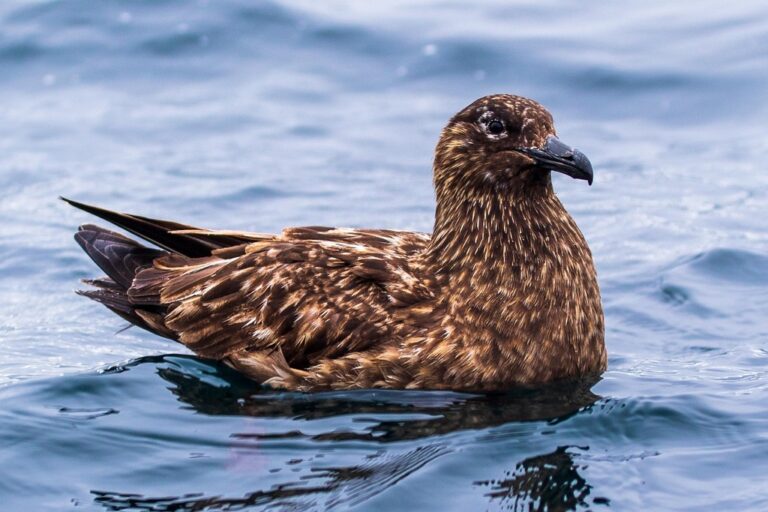
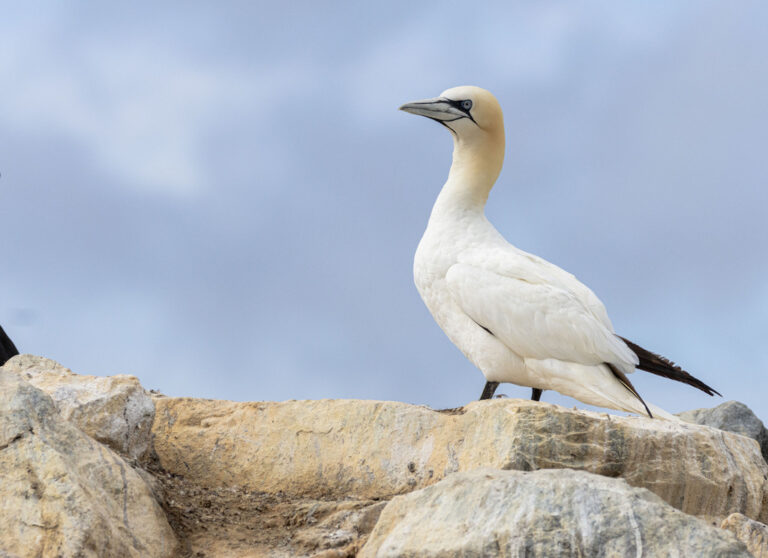
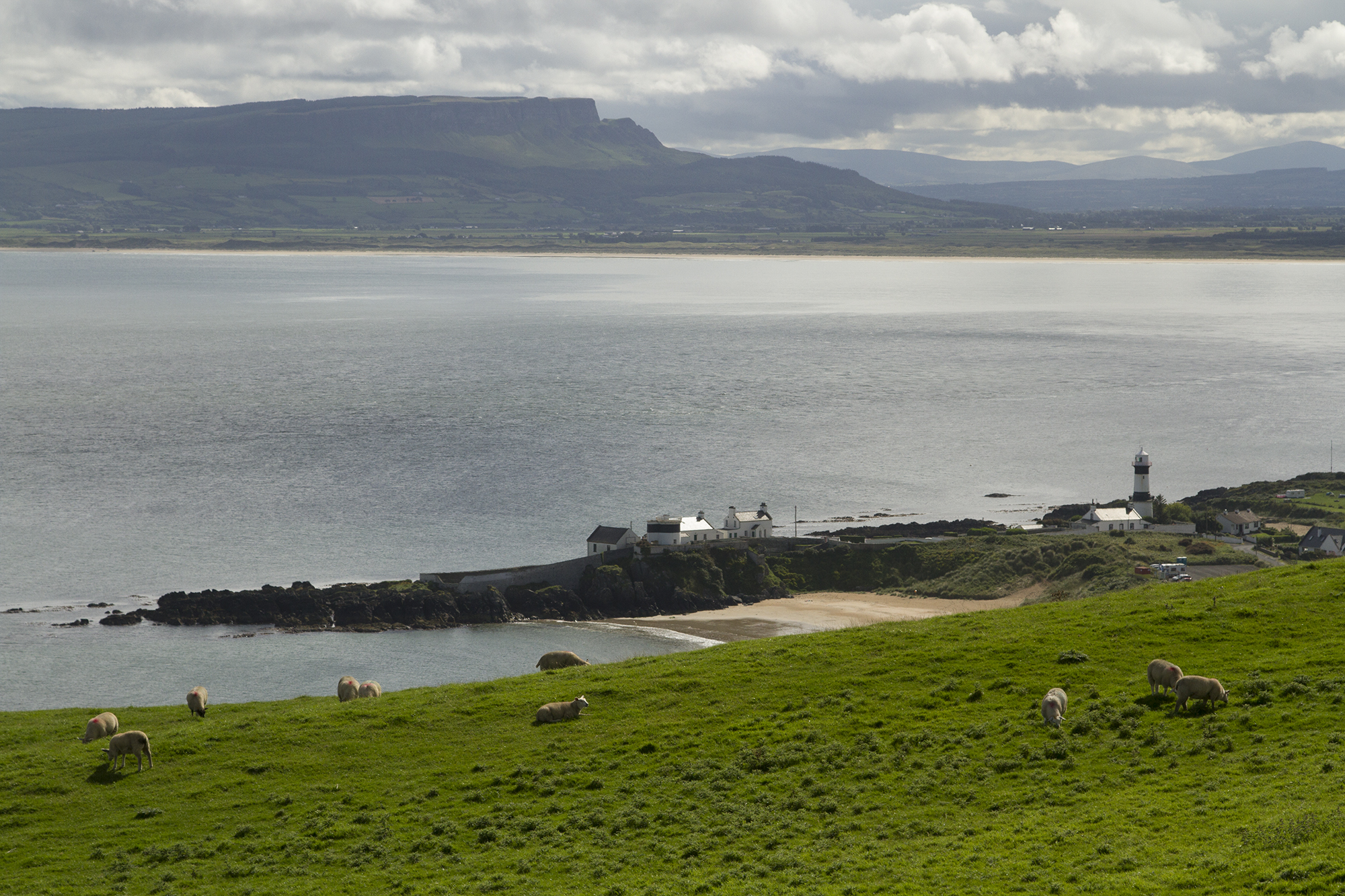
Granite cliffs tear from the Atlantic at Inishtrahull, an uninhabited island reaching into the northern approaches of the Inishowen Peninsula. The island's rocky shores and low coastal heath form a stark landscape shaped by unrelenting oceanic winds, where the climate delivers moisture year-round without true seasonal drought. Salt-laden gusts and acidic soils have sculpted a windswept flora of prostrate heathers, maritime grasses, and low herbaceous plants that cling to crevices and sheltered hollows. The surrounding waters and rocky substrates support diverse marine life, while the island's relative isolation has long attracted breeding populations of seabirds—auks, gulls, cormorants, and shearwaters—that arrive seasonally to nest on ledges and burrows. Smaller seabirds and migratory waders exploit tidal zones and shallow waters, while marine mammals occasionally patrol the surrounding channels. The island itself hosts few terrestrial vertebrates, though visiting raptors hunt the abundant avian colonies.
For photographers and marine naturalists, Inishtrahull demands respect and timing. Summer months bring peak nesting activity, transforming the bare rock into a cacophony of colonial breeders, though access remains challenging and weather-dependent; winter offers solitude but reduced wildlife visibility. The island's exposure means light conditions can shift dramatically within hours, rewarding those prepared for rapid cloud cover and salt-laden atmospheric effects that imbue the seabird colonies with theatrical intensity. Boat access from the Inishowen coast is the only realistic approach, requiring local expertise and calm seas—constraints that have preserved the island's wilderness character and ensured that only committed naturalists and photographers reach this remote Atlantic outpost.