Identification
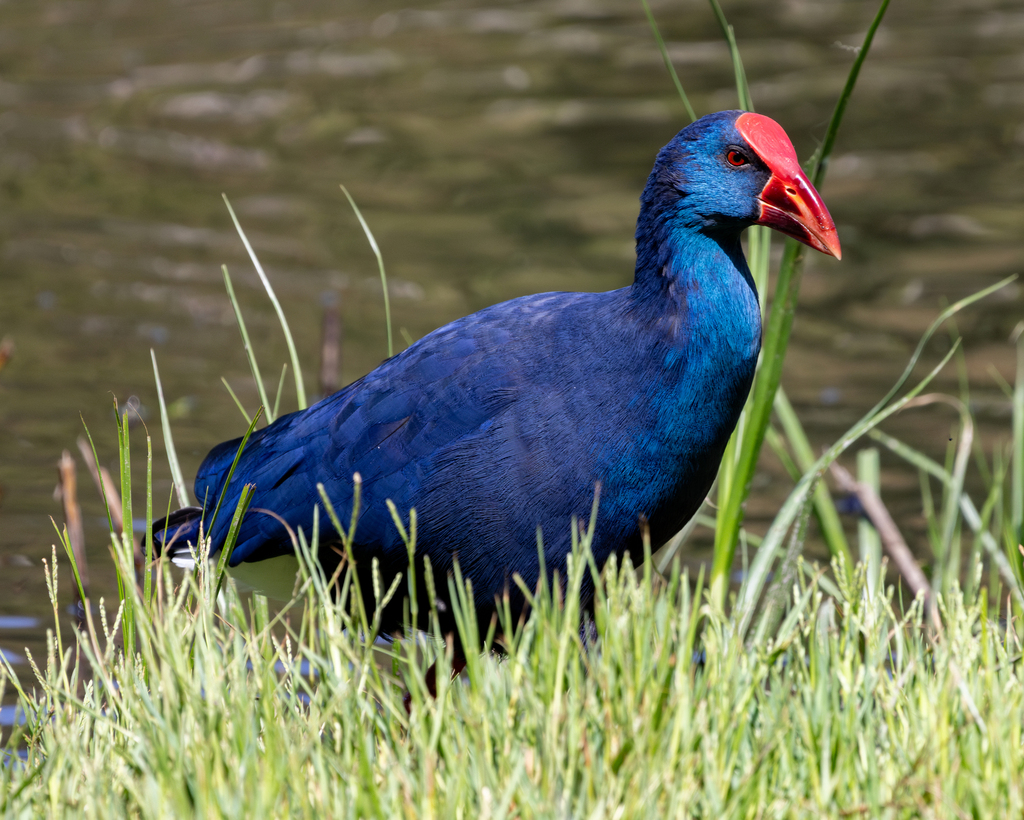
The western swamphen is a chicken-sized bird that stands out unmistakably in its native wetlands. Its striking appearance is dominated by bright purple plumage, complemented by a distinctive red bill and red frontal shield on the face. The bird's large feet are another key feature that aids identification. These conspicuous markings make it easily recognisable to observers, even those new to birdwatching in Mediterranean wetland regions.
Range & Habitat
This species is found exclusively in wetland habitats across the western Mediterranean region. Its range spans Spain (which supports the largest population), Portugal, southeastern France, Italy (specifically Sardinia and Sicily), and northwestern Africa including Morocco, Algeria, and Tunisia. The bird shows a strong preference for wet areas with high rainfall, frequenting swamps, lake edges, and damp pastures where dense reed beds and aquatic vegetation provide ideal cover.
Behaviour & Diet
Western swamphens are vocal birds, producing loud, quick bleating and hooting calls that are distinctly un-bird-like in tone, particularly during the breeding season. Despite appearing clumsy in flight, they are capable fliers able to cover long distances, and they are excellent swimmers despite lacking webbed feet. These birds generally breed seasonally, with breeding patterns often correlating with peak rainfall or summer conditions in temperate areas. They nest in large pads of interwoven reeds built on floating debris or matted vegetation slightly above water level, where both parents incubate 3–6 speckled eggs for 23–27 days.
The western swamphen is primarily herbivorous, clamoring through reeds to feed on tender shoots and vegetable matter. However, their diet is opportunistic and occasionally includes eggs, ducklings, small fish, and invertebrates such as snails. Interestingly, they characteristically use one foot to bring food to their mouth rather than feeding directly from the ground. In areas where they are not persecuted, these birds readily become tame and can be observed in towns and cities.
Best Time & Places to See It
For the best chance of encountering western swamphens, Spain is the primary destination, where the species is now locally common and expanding its range. The breeding season offers excellent opportunities to observe them, as their loud and frequent calling makes them more conspicuous. Southeastern France, Sardinia, and northwestern Africa also support populations, though these are generally smaller and more localised. Early morning visits to reed beds and wetland margins during breeding season will maximise your chances of sightings.
Photography Tips
The western swamphen's bold colouration and large size make it an attractive photographic subject. Position yourself quietly near reed beds and wetland edges during low-light hours when the birds are most active. Their habit of using their large feet to manipulate food offers excellent behavioural photography opportunities. Where birds have become habituated to human presence in towns and cities, closer approach is possible. The bright red bill and facial shield are striking features worth capturing, and the bird's distinctive posture while clambering through vegetation provides dynamic compositional possibilities.