
Lisbon Estuaries, Alentejo, International Douro & Douro Valley
Portugal offers a fantastic diversity of habitats and consequently of birds in a relatively small area, so the birding programmes designed by Birds & Nature Tours Portugal enable you to visit several species rich areas without needing to travel long distances.
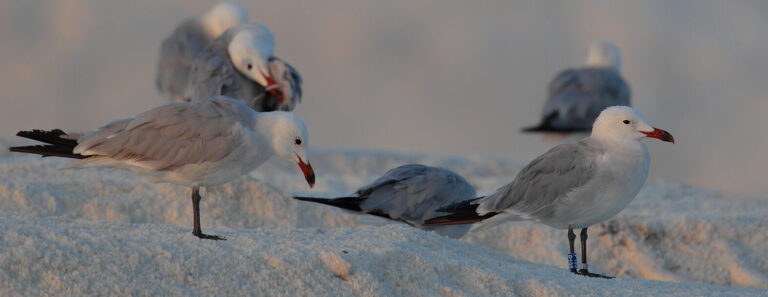
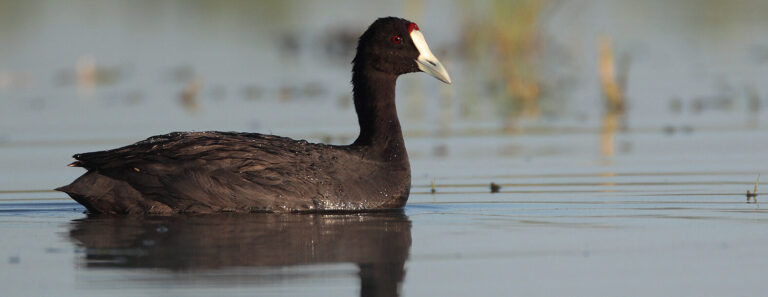
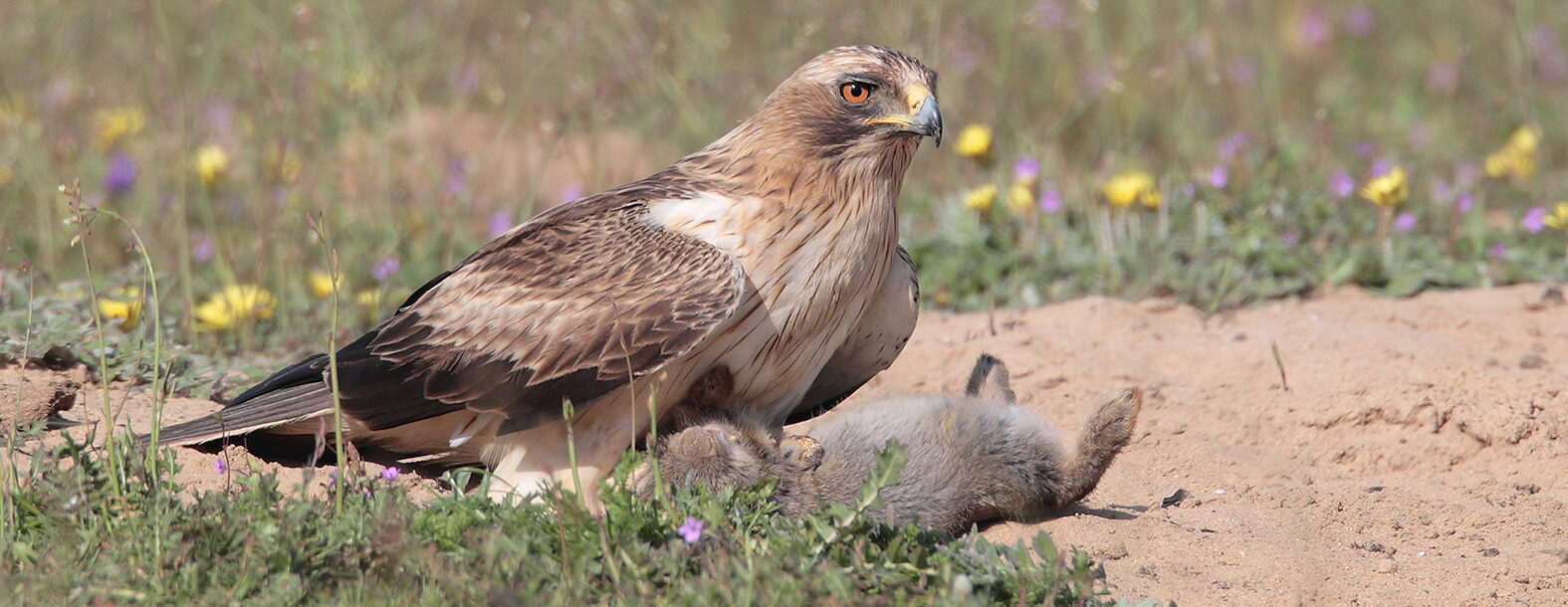
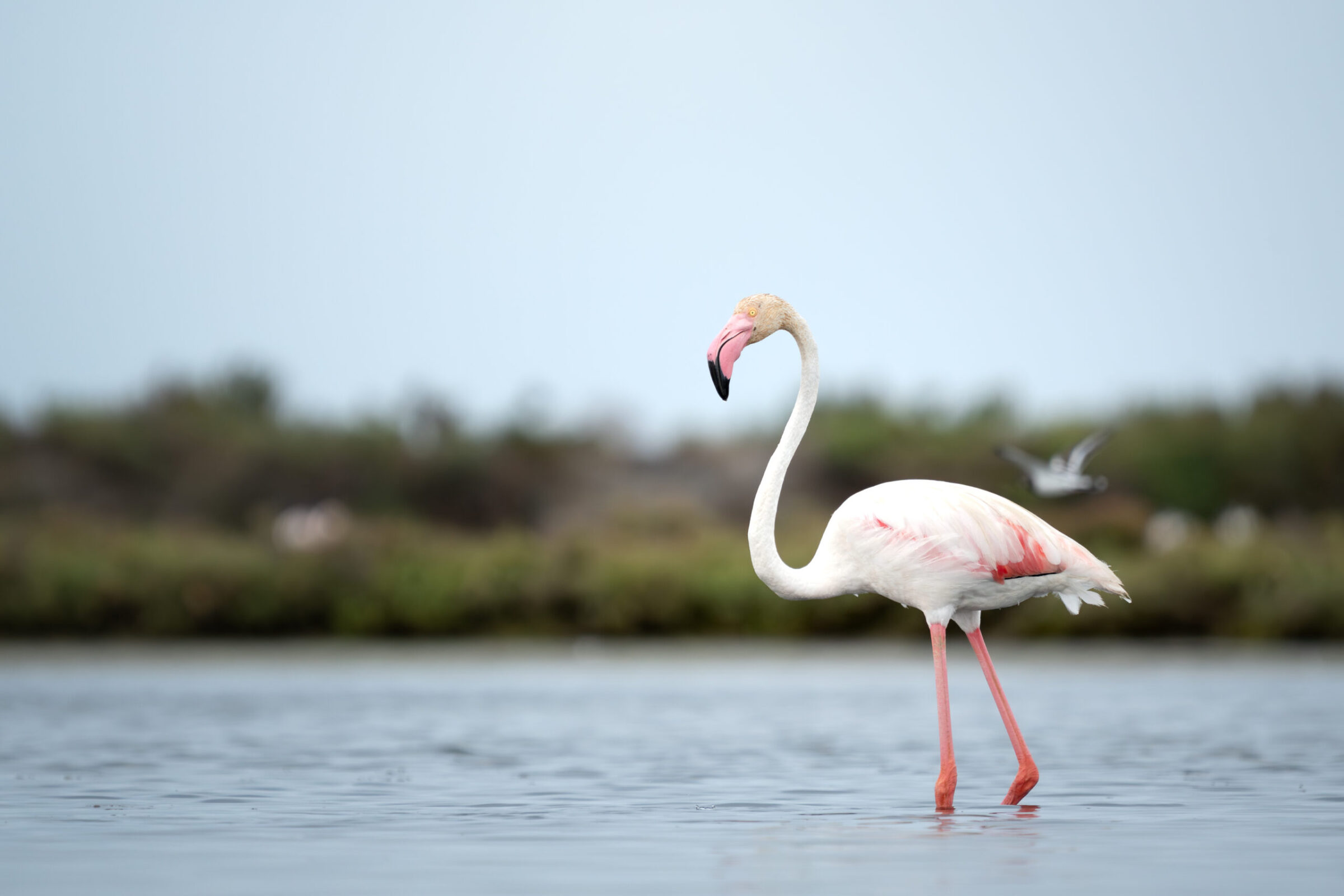
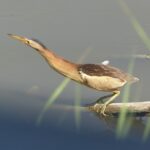
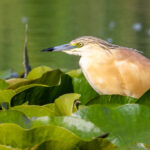
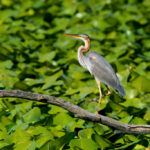
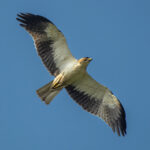
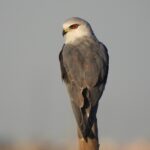
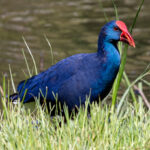
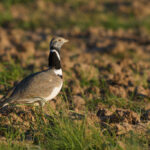
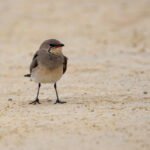
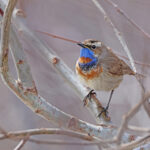
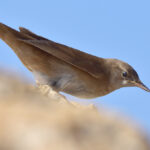
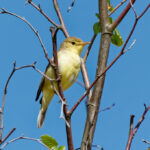
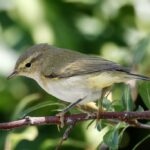
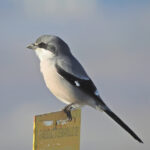
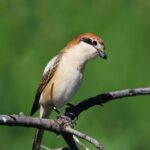
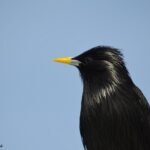
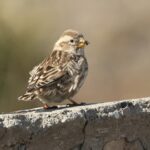
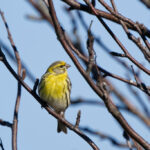
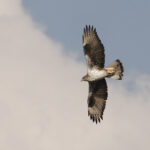
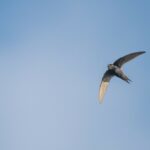
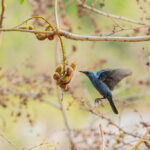
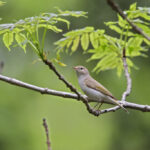
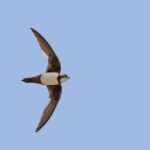
In practical terms, the Tagus Estuary Natural Reserve is a mere 20 minutes’ drive from Lisbon’s city centre and its International Airport. This remarkable protected wetland area has an extensive bird list that include Greater Flamingo, White Stork, Eurasian Spoonbill, Glossy Ibis, Little Bittern, Squacco and Purple Herons, Booted Eagle, Black-winged Kite, Western Swamphen, Little Bustard, Collared Pratincole, Pallid Swift, Bluethroat, Savi’s and Melodious Warblers, Iberian Chiffchaff, Iberian Grey and Woodchat Shrikes, Spotless Starling, Rock Sparrow, European Serin and an excellent selection of ducks, waders, gulls and terns.
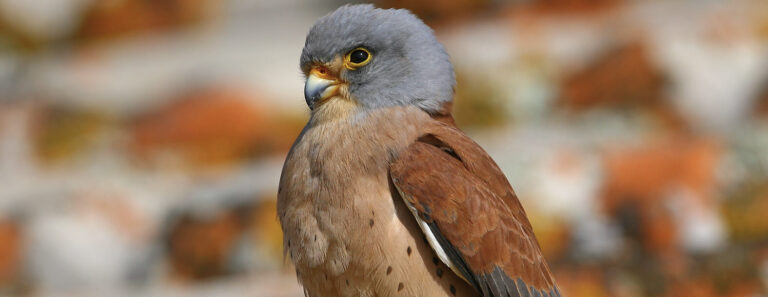
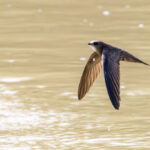
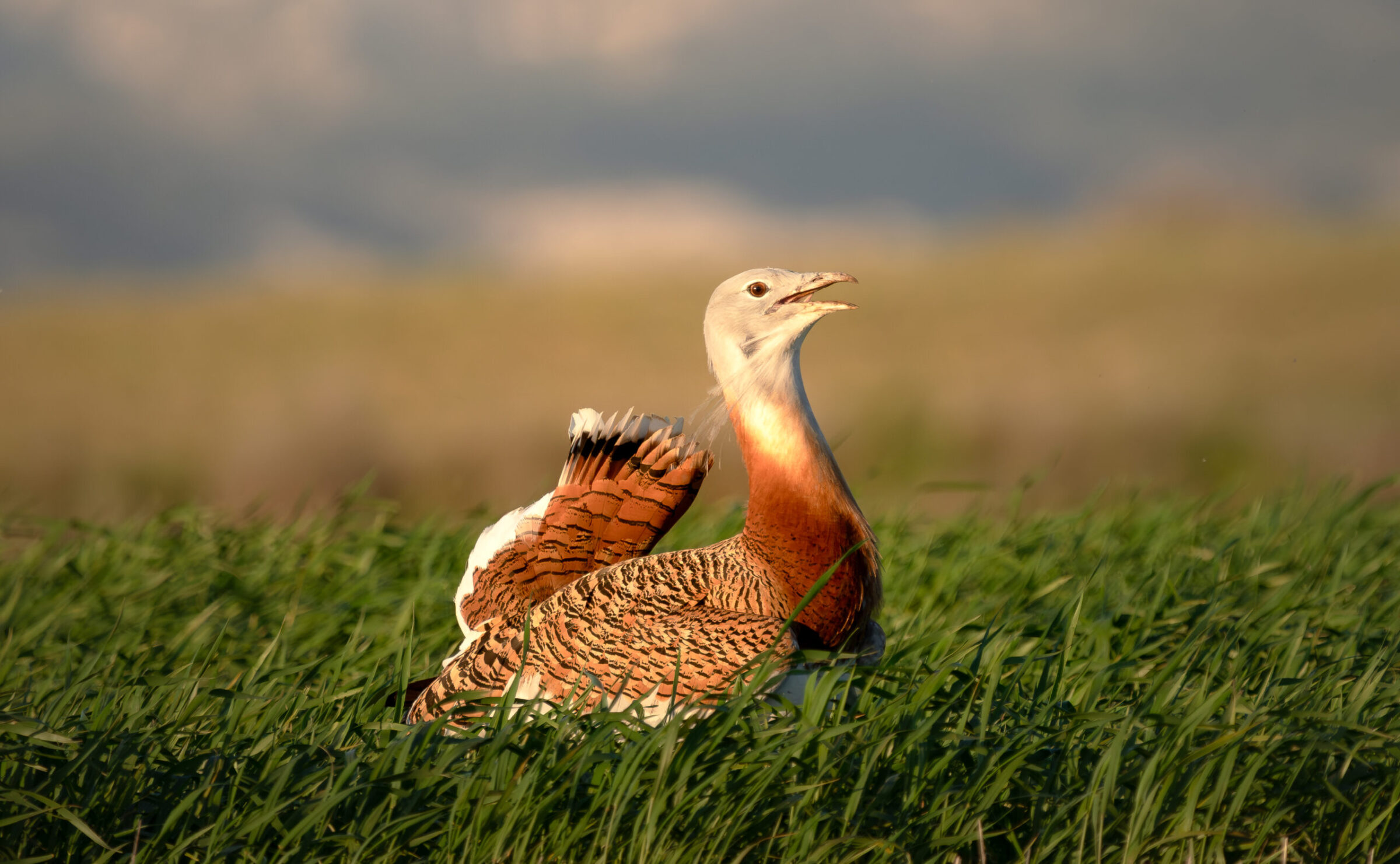
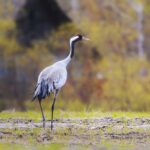
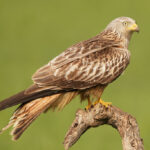
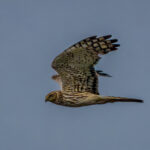
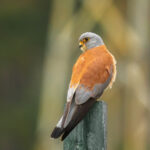
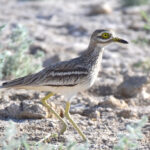
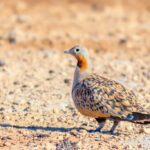
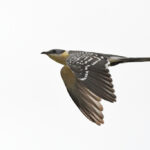
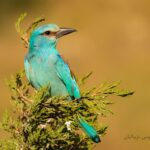
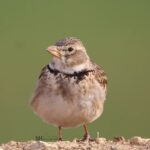
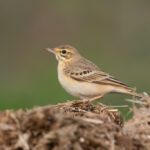
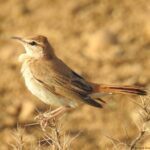
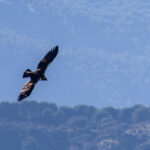
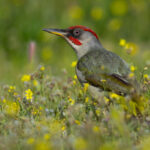
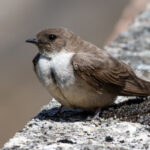
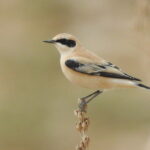
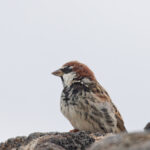
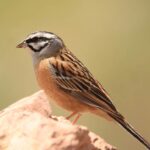
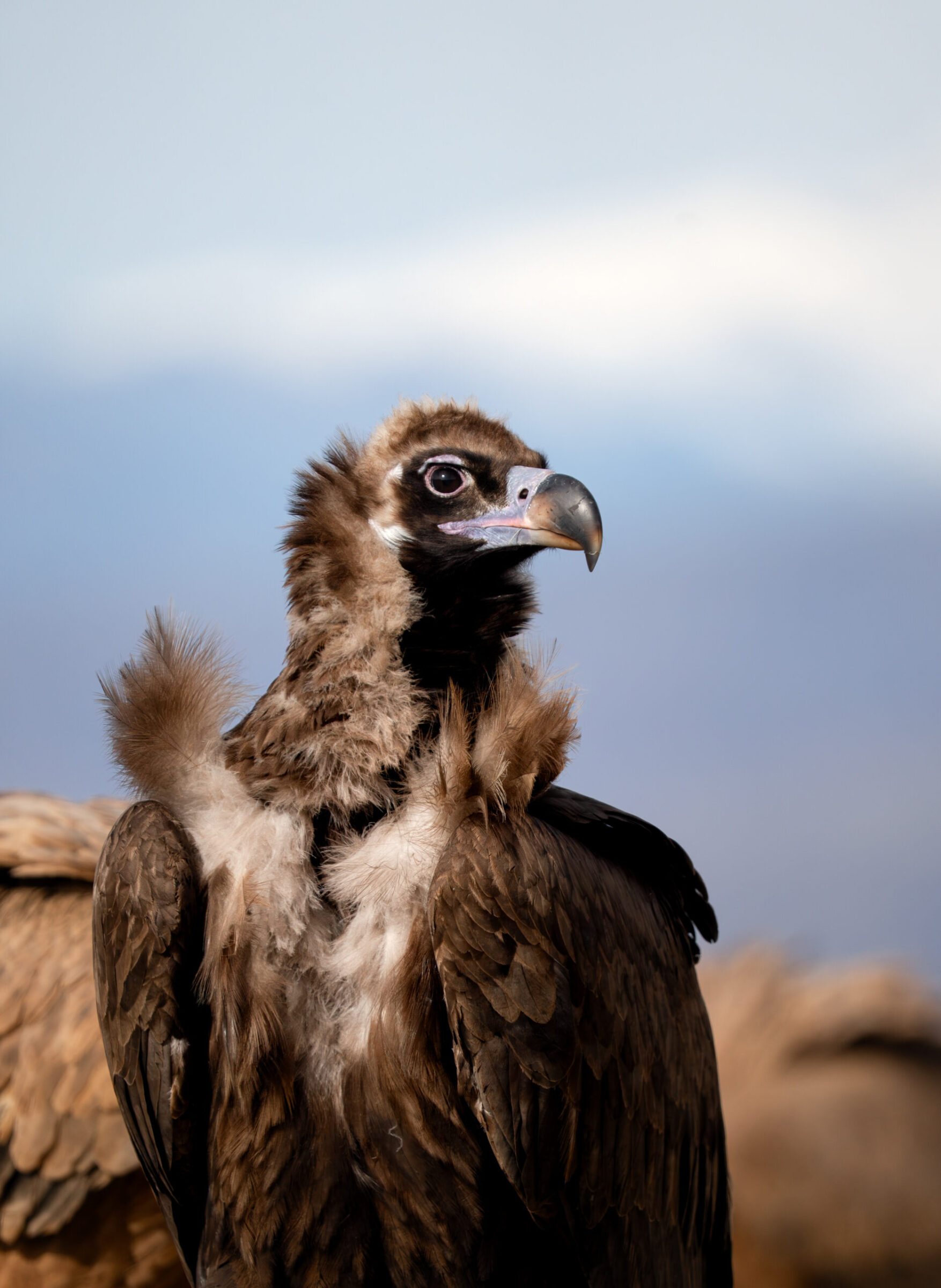
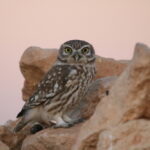
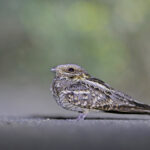
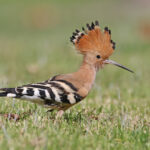
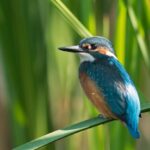
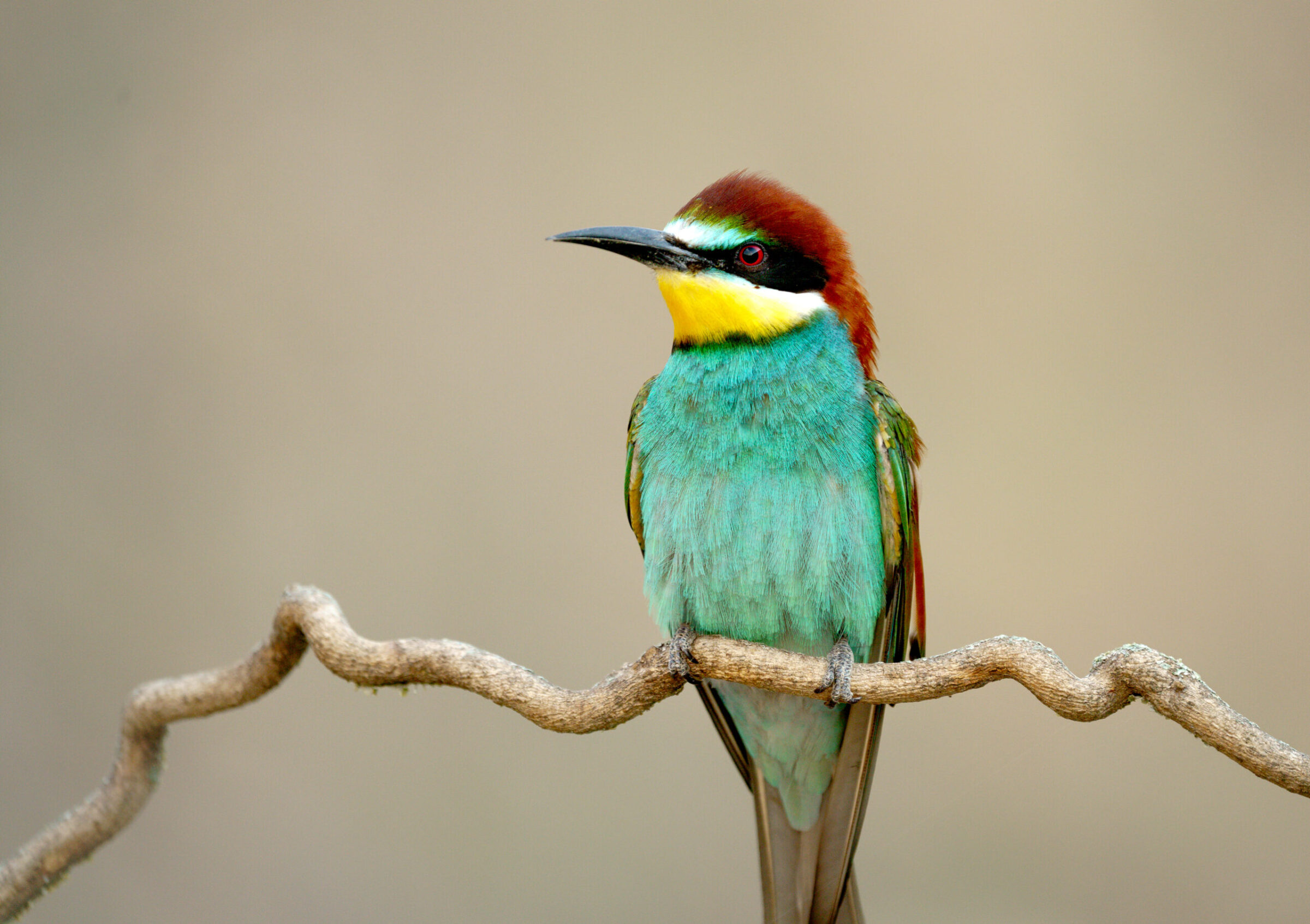
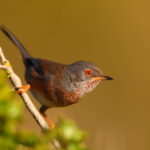
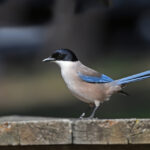
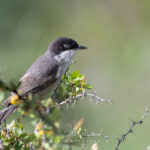
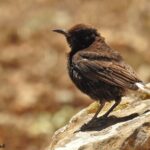
A further one hour’s drive takes you to complementary biotopes and consequently new bird species in the Alentejo. Here, you will visit both the rolling plains of Castro Verde (the home of Great Bustard, Common Crane, Red Kite, Montagu’s Harrier, Lesser Kestrel, Eurasian Stone-curlew, Black-bellied Sandgrouse, Great Spotted Cuckoo, European Roller, Calandra Lark, Tawny Pipit, Rufous Bush Robin, etc…) and the bluffs and hills of the Guadiana Valley Natural Park, noted for species like Iberian Imperial, Golden and Bonelli’s Eagles, White-rumped Swift, Iberian Green Woodpecker, Eurasian Crag Martin, Red-rumped Swallow, Black-eared Wheatear, Blue Rock Thrush, Spanish Sparrow and Rock Bunting. After visiting these south Alentejo biotopes, we shall visit the north Alentejo, a contrasting region rich in different habitats, including Pyrenean Oak and Sweet Chestnut woods, characteristic of the Serra de São Mamede Natural Park. In this area we should find species like Cinereous Vulture, Little Owl, Red-necked Nightjar, Eurasian Hoopoe, Common Kingfisher, European Bee-eater, Sardinian, Spectacled, Subalpine, Dartford and Western Bonelli’s Warblers and Iberian Magpie.
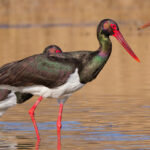
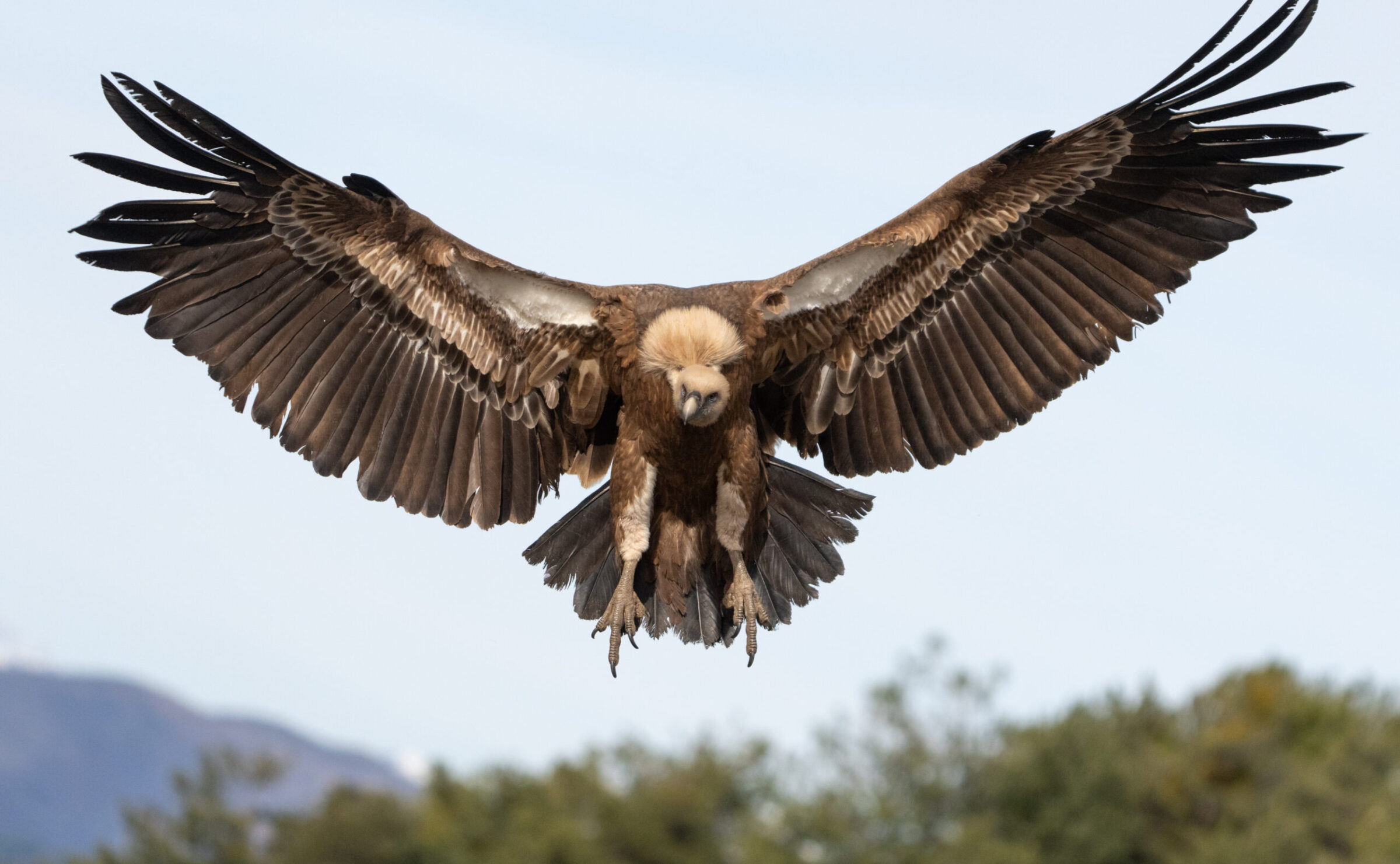
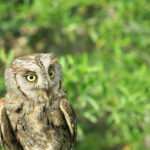
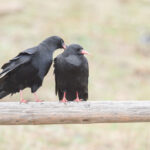
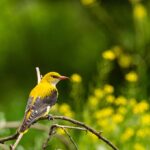
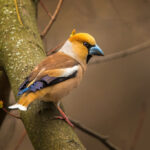
After exploring these Alentejo habitats, a two and a half hour drive takes you to the beautiful International Douro Natural Park, a prime protected area in Portugal for rock loving birds and especially rewarding for species like Black Stork, Griffon and Egyptian Vultures, European Turtle Dove, Eurasian Eagle-Owl, Eurasian Scops Owl, Alpine Swift, Western Orphean Warbler, Red-billed Chough, Golden Oriole and Hawfinch. Here, we shall visit the most important open-air Palaeolithic rock art site in the world, the Foz Côa Valley, a World Heritage Site.
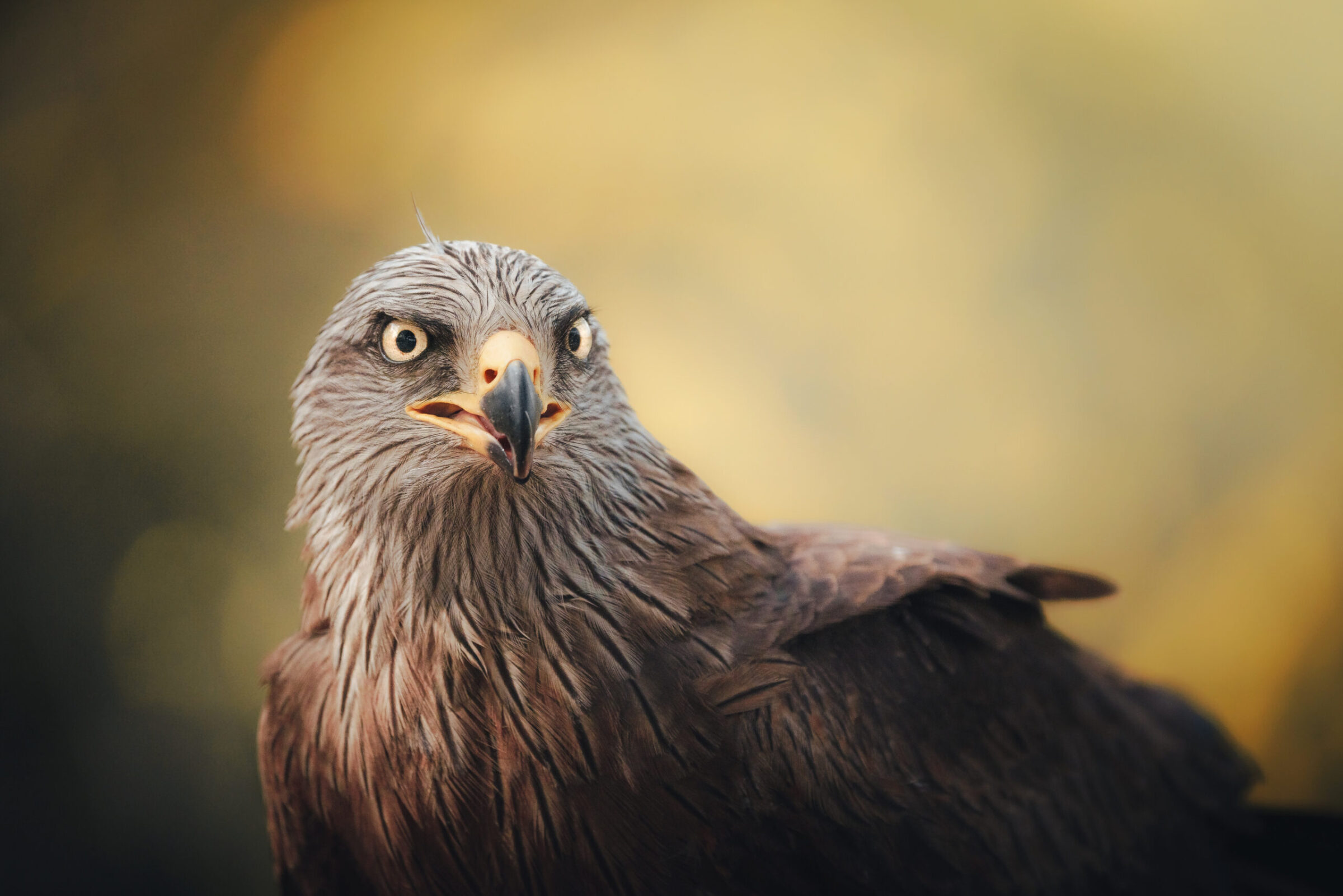
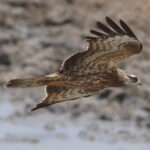
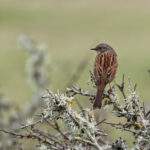
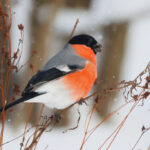
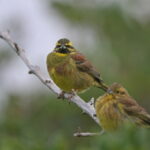
The last days of the tour will be spent in the World Heritage Alto Douro Region, where the wine has been produced for some 2.000 years. Since the 18th century, its main product, Port wine, has been famous for its quality. This long tradition of viticulture has produced a unique landscape of outstanding beauty. The region is also good for bird species like Black Kite, Honey Buzzard, Dunnock, Black Wheatear, Eurasian Bullfinch and Cirl Bunting.
All this birding activity is combined with visits to some of the most important wine producers in the main wine regions of Portugal (including the Douro, for Port wine), giving an opportunity throughout the whole of our route to better understand the country’s rich wine heritage. At various times we’ll be joined by qualified wine makers who will help us learn to discern the subtle differences between the various regions, terroirs, wines and grapes. And besides the great wines, we’ll have numerous opportunities to sample Portugal’s many culinary delights.
Photos by Pedro Marques
✓ What's included
Guide fees (including a professional historian guide in Foz Côa)
Transfer from the airport/hotel
Ground transport (in air-conditioned vehicles)
Accommodation (including breakfast)
Meals (lunches in local cafes and dinners in local restaurants, including quality wine at dinner)
Visits to vineyards, cellars and wine tasting sessions as detailed in the programme
Visit to the open air Palaeolithic rock art site in the Foz Côa Valley
Bottled water throughout the tour
Free use of optical equipment (quality binoculars and telescopes)
Field guides
Bird list
Entrance fees to private or protected areas
A contribution of 60 Euros to our Conservation Project in the Guadiana Valley Natural Park (Portugal)
Participant’s accident insurance and VAT.
✕ Not included
Single supplement: 660 Euros.
Flights and items of a personal nature.