Identification
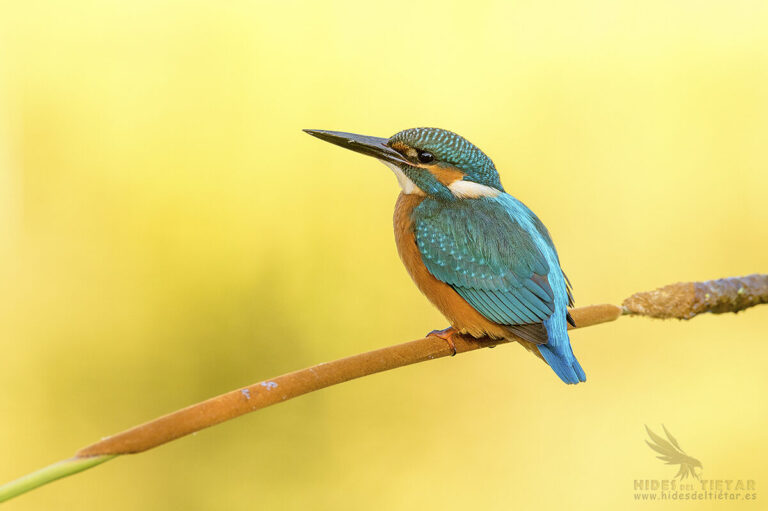
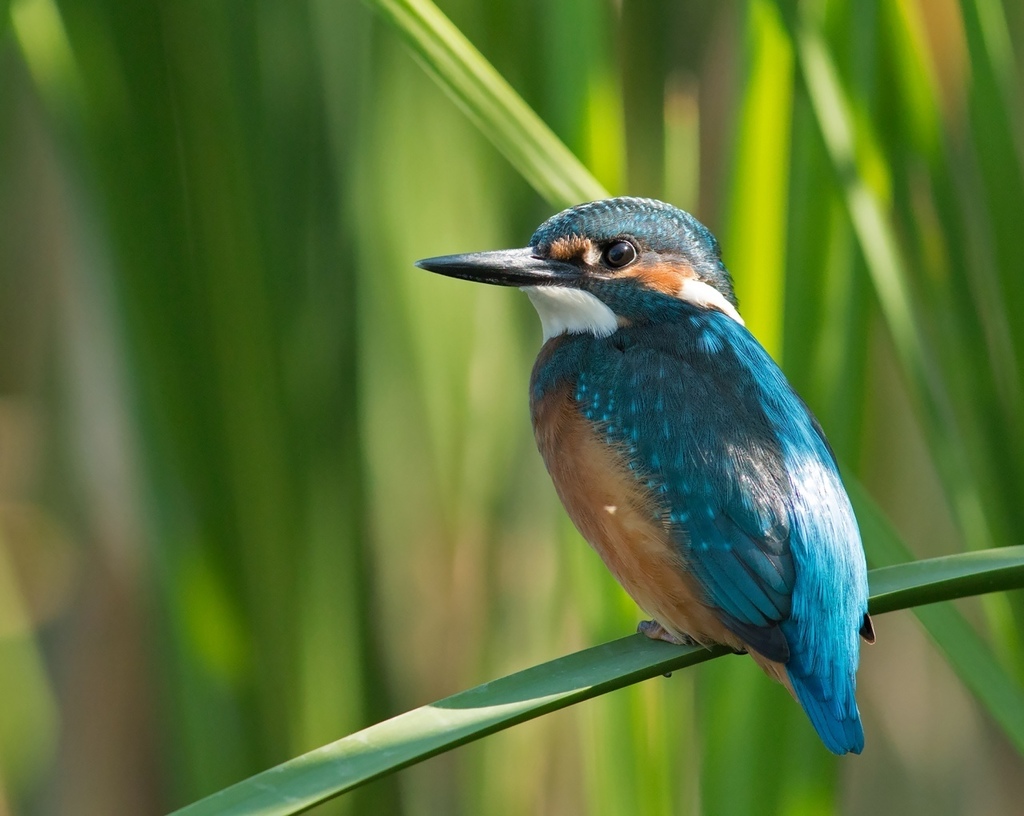
The common kingfisher is a small, sparrow-sized bird with the characteristic kingfisher profile: short-tailed, dumpy-bodied, large-headed, and equipped with a long bill. The adult male of the western European subspecies displays striking plumage with green-blue upperparts, a pale azure-blue back and rump, and a distinctive rufous patch beside the bill base and ear-patch. The underparts are rufous, contrasting sharply with a white neck blaze and throat. Its bill is black with some red at the base, and its legs and feet are bright red. Females are identical to males except for an orange-red lower mandible with a black tip. Measuring about 16 cm in length with a wingspan of 25 cm and weighing 34–46 grams, this is a truly diminutive but brilliantly colored hunter. In flight, the kingfisher's short, rounded wings beat rapidly in a direct, low trajectory over water, revealing an electric-blue flash down the back—a mesmerizing sight that identifies the species instantly.
Range & habitat
The common kingfisher is widely distributed across Eurasia and North Africa, with seven recognized subspecies showing geographical variation in plumage intensity. It is resident throughout much of its range but migrates from areas where rivers freeze in winter. In temperate regions, it favors clear, slow-flowing streams and rivers, and lakes with well-vegetated banks where scrubs and bushes with overhanging branches provide hunting perches above shallow open water. In winter, the species becomes more coastal, often frequenting estuaries, harbors, and rocky seashores. Tropical populations inhabit slow-flowing rivers, mangrove creeks, and swamps.
The presence of common kingfishers serves as an indicator of freshwater ecosystem health. The highest breeding densities occur in habitats with clear water—which enables optimal prey visibility—and adequate riparian trees or shrubs. These conditions also correlate with the highest water quality, making the kingfisher a valuable biological indicator of environmental standards.
Behaviour & diet
The common kingfisher feeds mainly on fish, which it catches by diving from overhanging perches. The species possesses special visual adaptations that enable it to see prey beneath the water's surface, making it a supremely efficient hunter despite its small size. The bird has no song, but communicates through a short, sharp whistled call—"chee"—repeated two or three times in flight. Anxious birds emit a harsh "shrit-it-it" call, while nestlings produce a churring noise to beg for food.
Best time & places to see it
The common kingfisher can be observed year-round throughout much of its range, though birds in temperate areas migrate southward during harsh winters. The species is best sought along clear rivers, streams, and lakes with well-vegetated banks, particularly where overhanging branches extend above shallow water. In winter months, look for kingfishers in coastal locations such as estuaries and harbors, where they are more commonly seen than inland.
Photography tips
The kingfisher's fast, direct flight close to water makes it a challenging but rewarding photographic subject. Position yourself quietly along riverbanks or lakeshores where you can anticipate perching spots. The bird's striking plumage and brilliant colors are best captured in good natural light, which will emphasize the electric-blue upperparts and rufous underparts. Patience is essential—watch for the characteristic rapid wing beats and low flight path, and be ready to capture the distinctive blue flash as the bird moves away over water.