Identification
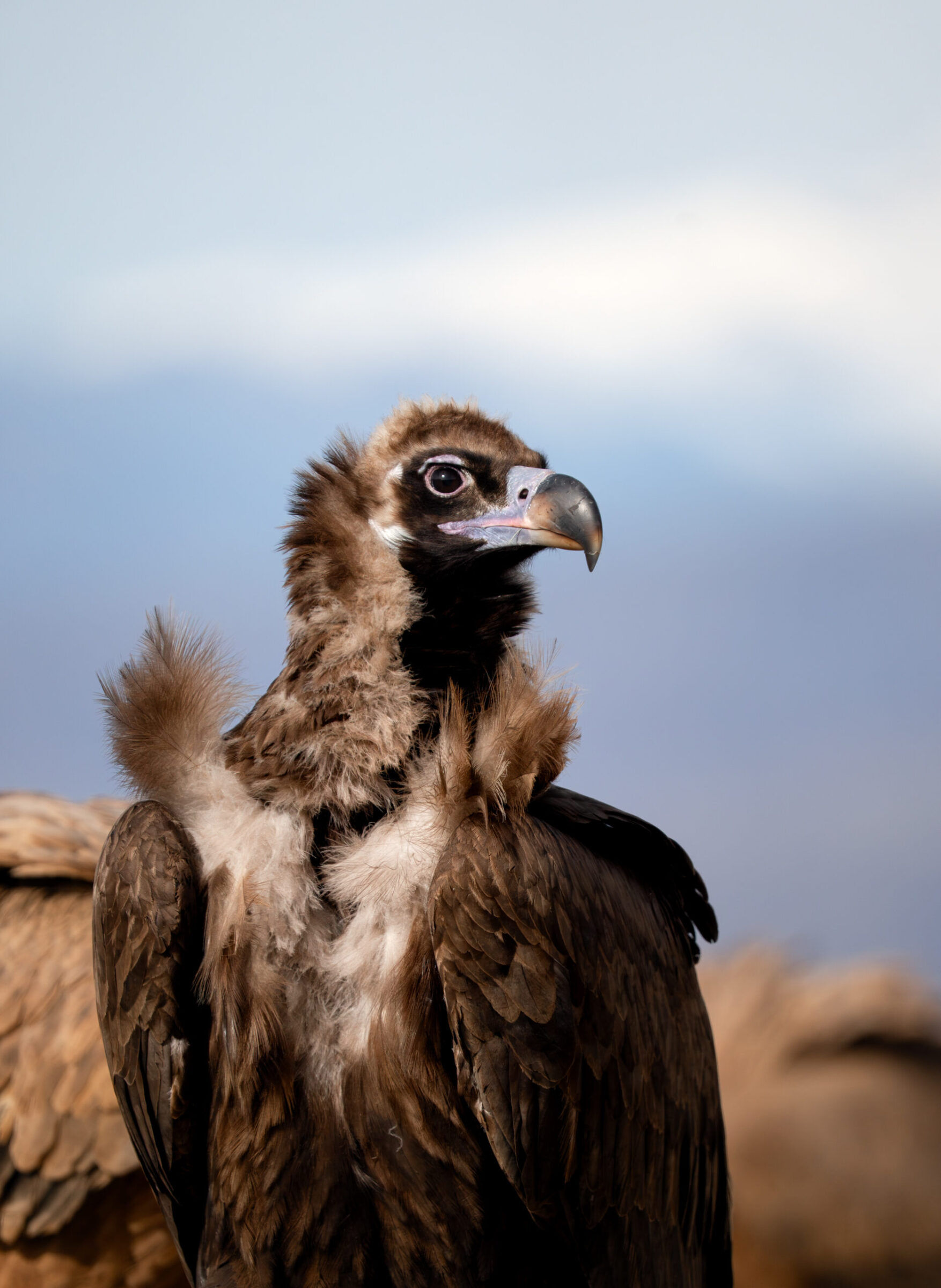
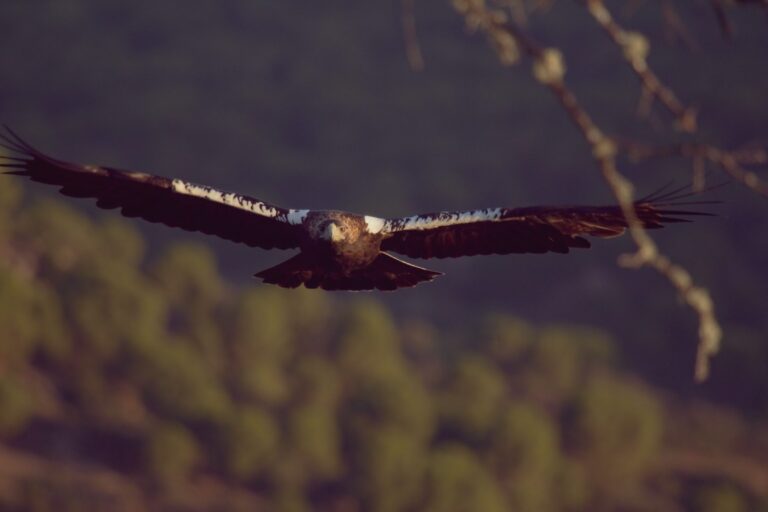
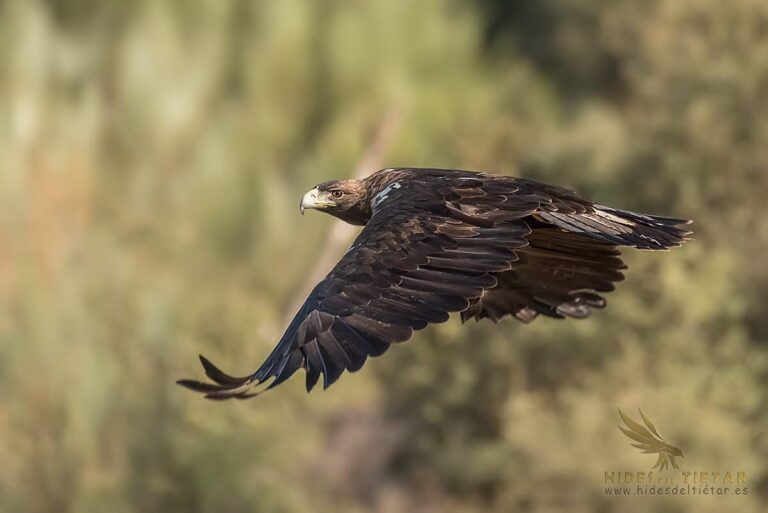
The cinereous vulture is the largest Old World vulture and the largest member of the hawk and eagle family, measuring up to 1.2 metres in body length with a wingspan reaching 3.1 metres. This enormous raptor is distinctly dark, with blackish-brown plumage across its body contrasting sharply with a pale, feathered head covered in fine blackish down. Adults display bluish-grey head and neck skin, brown eyes, and pale whitish colouring above the eye. The bill is massive—one of the largest of any living accipitrid—and appears blue-grey, complemented by pale blue-grey legs and a purplish cere. In flight, the bird's huge, broad wings with serrated leading edges are held straight or slightly arched, and from a distance flying birds often appear entirely black. Immature birds are sepia-brown above with much paler undersides, grey down on the head, pale mauve cere, and grey legs. The similar lappet-faced vulture can be distinguished by its bare, pinkish head and contrasting plumage patterns.
Range & Habitat
The cinereous vulture is distributed across much of temperate Eurasia. Body size varies geographically, with birds from southwest Europe (Spain and southern France) averaging about ten percent smaller than those from central Asia, including Manchuria, Mongolia, and northern China.
Behaviour & Diet
Like all vultures, the cinereous vulture is a carrion-feeder that plays a vital ecological role by consuming carcasses and thereby reducing disease spread. These birds are constantly exposed to numerous pathogens through their scavenging behaviour. Research into the species' biology has revealed remarkable adaptations: genetic studies comparing cinereous vultures to bald eagles identified positively selected genetic variations associated with respiration, immune defence responses, and gastric acid secretion—specialised systems that enable the vulture to safely digest carcasses. The bird's flight is characteristically slow and buoyant, with deep, heavy flaps when necessary.
Best Time & Places to See It
The cinereous vulture's broad distribution across temperate Eurasia means sightings depend on your location within its range. The species occurs from southwest Europe through to central Asia, making it a potential sight for travellers across this vast region. Best viewing opportunities typically occur in areas with suitable foraging habitat and reliable food sources in the form of carrion.
Photography Tips
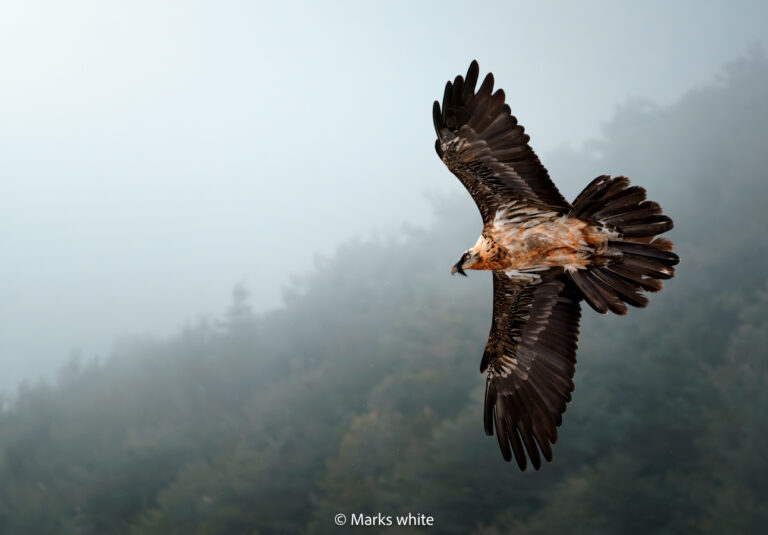
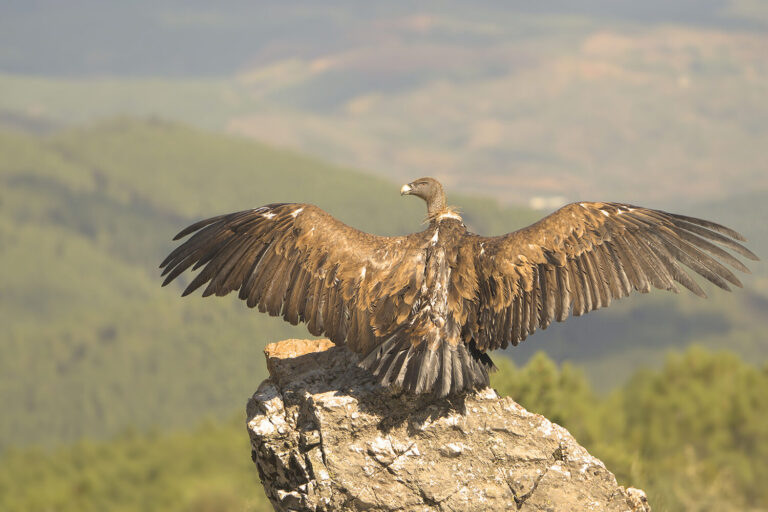
The cinereous vulture's massive size and distinctive dark plumage make it relatively conspicuous, especially against smaller raptors such as eagles or buzzards. Its characteristic slow, buoyant flight with broad "barn door wings" held straight or slightly arched offers excellent photographic opportunities. The striking contrast between the dark body and pale head is particularly striking in good light, and the bird's enormous wingspan and proportions reward telephoto lenses. Capturing the bird in soaring flight against open sky will best showcase its impressive silhouette and scale.