Identification
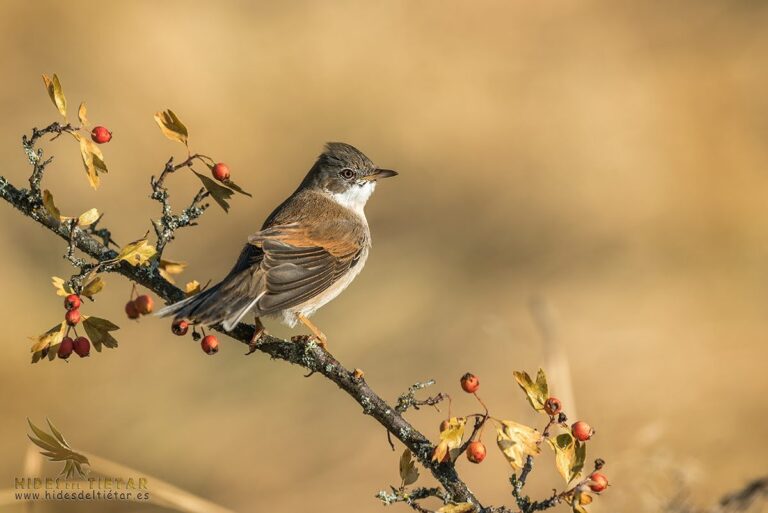
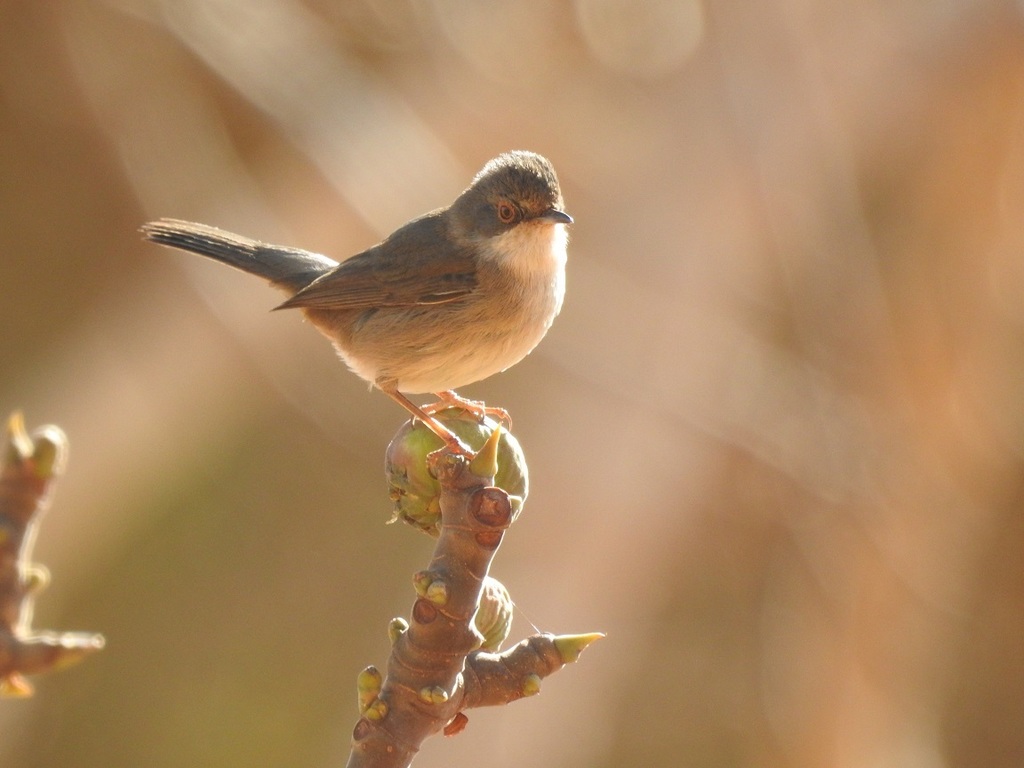
The Sardinian Warbler is a striking and sexually dimorphic species. The adult male is unmistakable, featuring a grey back, whitish underparts, a jet-black head, and a white throat that provides sharp contrast. Most notably, males display distinctive red eyes that catch the light and aid identification at distance. The female is far more subdued, appearing mainly brown above with buff underparts and a grey head. Plumages show considerable individual and subspecific variation, particularly in the intensity of reddish hues on the upper- and underside, which can range from absent to quite pronounced depending on the subspecies encountered.
Range & Habitat
This common and widespread Mediterranean warbler breeds throughout the southernmost areas of Europe and into Turkey and the eastern Mediterranean. The species is not particularly migratory; birds in northern parts of the range winter in North Africa, while southern populations remain resident. It has been recorded as a vagrant far beyond its normal range, reaching as far north as Great Britain. The Sardinian Warbler favours open country and cultivated areas dotted with bushes suitable for nesting, typically constructing its nest in low shrubs or brambles where it lays 3–6 eggs.
Behaviour & Diet
Like most warblers, the Sardinian Warbler is primarily insectivorous, though it readily supplements its diet with berries and other soft fruits. The species is perhaps most memorable for its distinctive song—a fast and rattling delivery that is highly characteristic of Mediterranean breeding habitat and impossible to mistake once learned. This vocal advertisement is a feature of the summer Mediterranean soundscape and often provides the first clue to the bird's presence in dense vegetation.
Best Time & Places to See It
The breeding season offers the best opportunities for encountering this species throughout the Mediterranean basin, when birds are vocal and active. Winter visitors to North Africa may find wintering populations, while year-round residents exist in southern parts of the range. The warbler's preference for low scrub and open country makes it relatively accessible, though patience and careful observation are required to spot this restless inhabitant of Mediterranean bush.
Photography Tips
Males are highly photogenic subjects thanks to their striking black-and-white head pattern and prominent red eyes. Early morning light will best reveal these diagnostic features and bring out the eye colour. Females present a greater challenge due to their more subtle plumage; focus on capturing the contrast between the grey head and brown back. The bird's active, low-level movements through scrub dictate a fast shutter speed and patience to capture it in open perches between bouts of foraging.