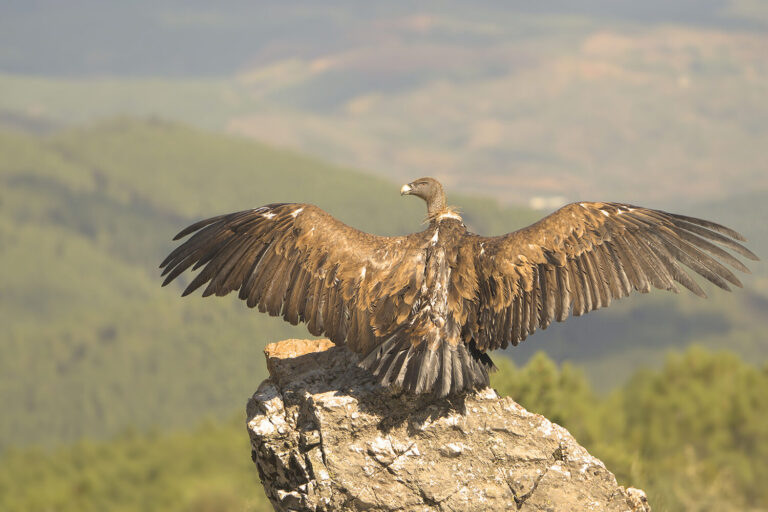
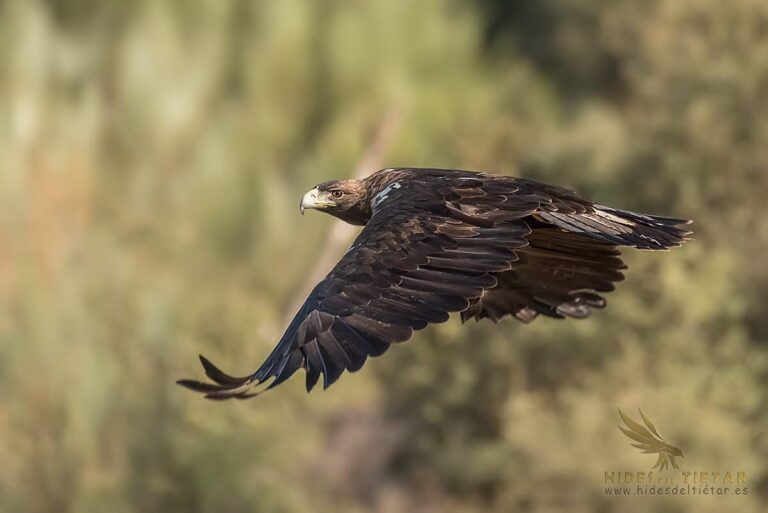
Identification
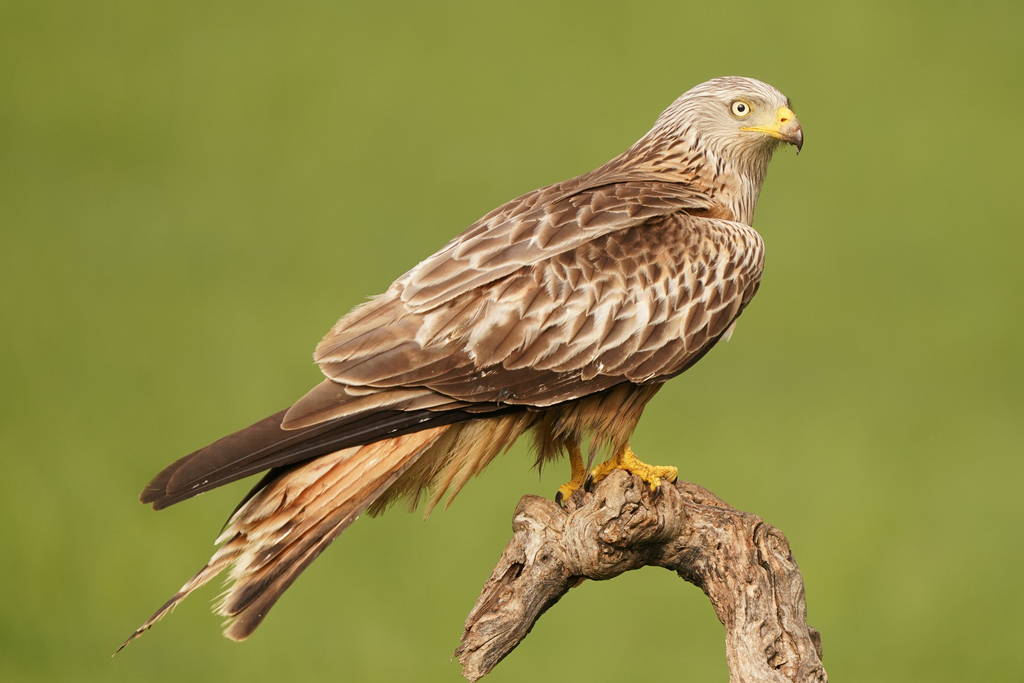
The red kite is an elegant bird of prey measuring 60 to 70 cm in length with a distinctive wingspan of 175–195 cm. Males weigh 800–1,200 g while females are slightly heavier at 1,000–1,300 g. The most striking features are its long, deeply forked tail and long wings held in a characteristic dihedral (V-shaped) position as it soars. The body, upper tail, and wing coverts are rufous in colour, contrasting beautifully with white primary flight feathers, black wing tips, and dark secondaries. In flight, you'll notice the tail twisting elegantly as the bird changes direction.
Juveniles differ noticeably from adults: they display a buff breast and belly, more washed-out overall colouration, pale rather than black breast-streaks, a less deeply forked tail with a dark subterminal band, and pale tips to greater coverts forming a narrow pale line on the wings. These juvenile characteristics persist throughout most of the first year of life. A rare white leucistic form exists, accounting for approximately 1% of hatchlings in some populations. The red kite's call is a thin piping sound, similar to but less mewling than the common buzzard.
Range & Habitat
The red kite currently breeds only in Europe, though it formerly also bred in West Asia and Northwest Africa. Historically, the species was resident only in the milder parts of Western Europe and Northwestern Africa, with northern populations migrating south and west during winter, with some reaching western Asia. However, an increasing number of northern birds now remain year-round in their breeding regions. Vagrants have been recorded as far north as Finland and as far south as Israel, Libya, and the Gambia.
Behaviour & Diet
Red kites typically first breed when two years old, though exceptionally they may breed successfully at just one year old. They are monogamous birds, and in resident populations the pair-bond is likely maintained long-term. The species is a diurnal hunter, actively seeking prey during daylight hours with its characteristic soaring flight.
Best Time & Places to See It
The red kite's presence varies seasonally depending on your location. In Western and Northwestern Europe, birds may be seen year-round as resident populations. Northern European observers should look for red kites primarily during the breeding season and summer months, as many northern birds migrate south and west during winter. Check your local region's kite populations to determine the best season for observation.
Photography Tips
Photographing red kites rewards patience and positioning. The bird's spectacular soaring behaviour—with wings held in a dihedral and tail constantly twisting—makes it a dynamic subject. Look for images that capture the distinctive contrast between the rufous body and white primary feathers against dark secondaries. The deeply forked tail is a key identifying feature worth emphasising in your shots. Early morning and late afternoon light will enhance the warm rufous tones of the plumage. Avoid confusing juveniles with adults; note the paler colouration and different tail shape if photographing younger birds.