Madagascar
Madagascar, the world's fourth-largest island, separated from the African mainland tens of millions of years ago. That long isolation produced one of the most extraordinary concentrations of endemic wildlife on Earth: the great majority of its mammals, reptiles and amphibians, and a large share of its birds, occur nowhere else. For wildlife enthusiasts and photographers, Madagascar is a world apart.
The island's habitats change dramatically from east to west. Humid rainforests line the eastern escarpment, dry deciduous forests cover much of the west, and the southwest is dominated by the remarkable spiny forest of Didiereaceae and baobabs. Highland plateaus, mangroves, wetlands and offshore islands add further diversity, and each region holds its own distinctive set of species.
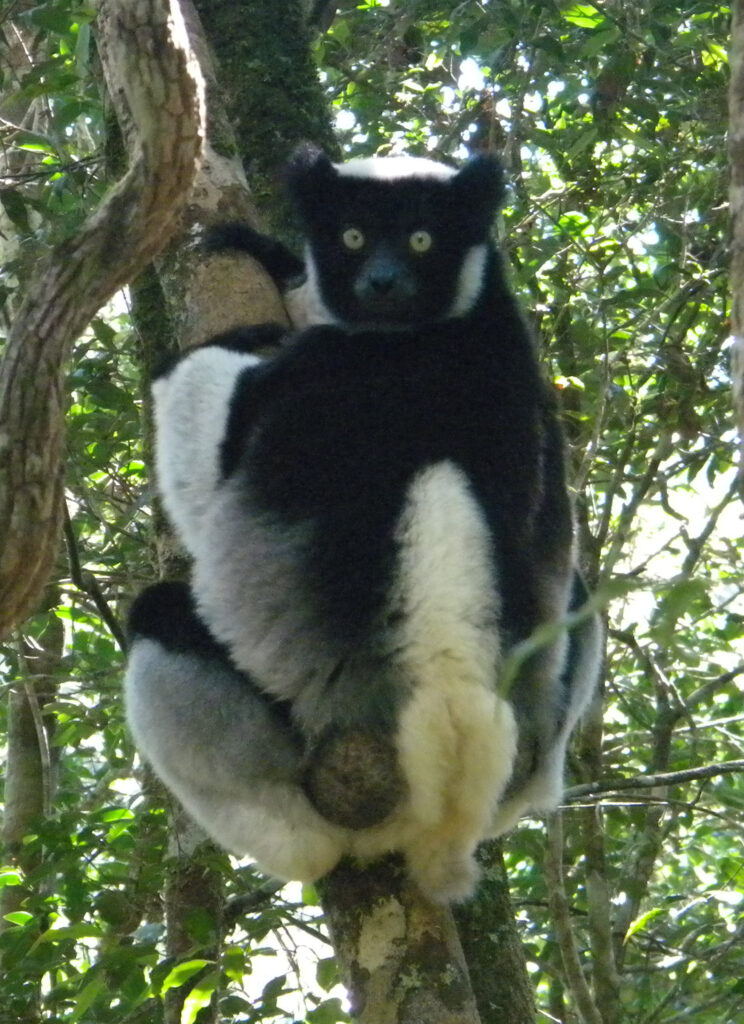
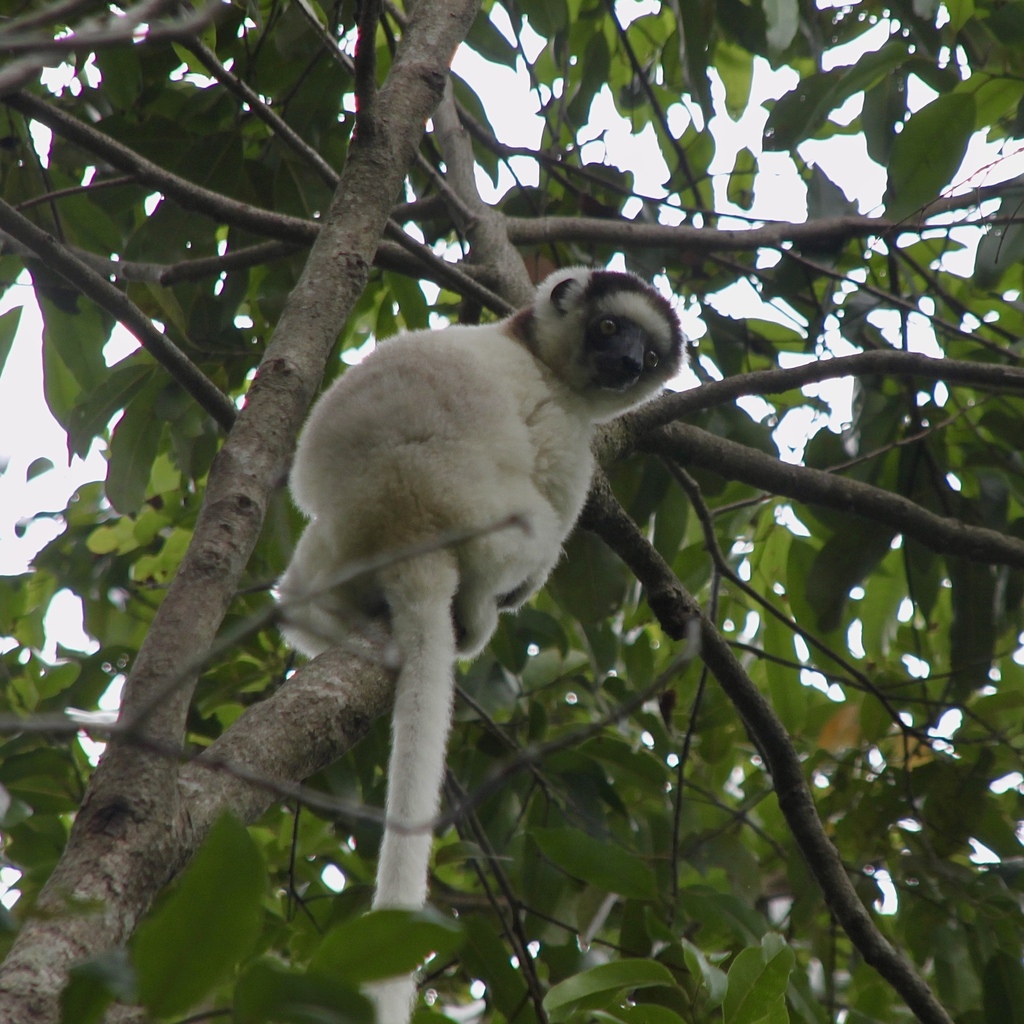
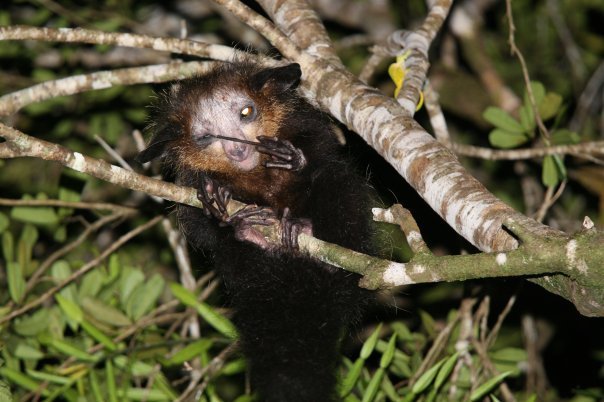
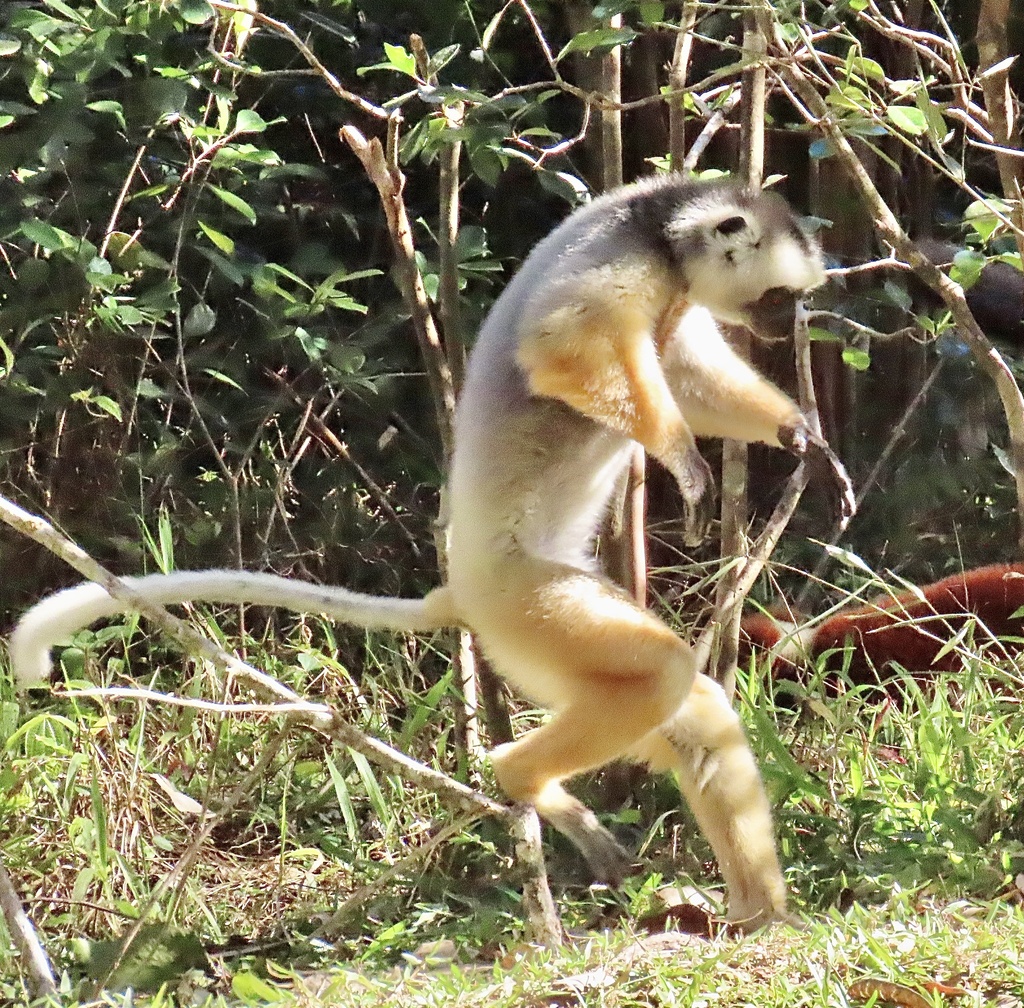
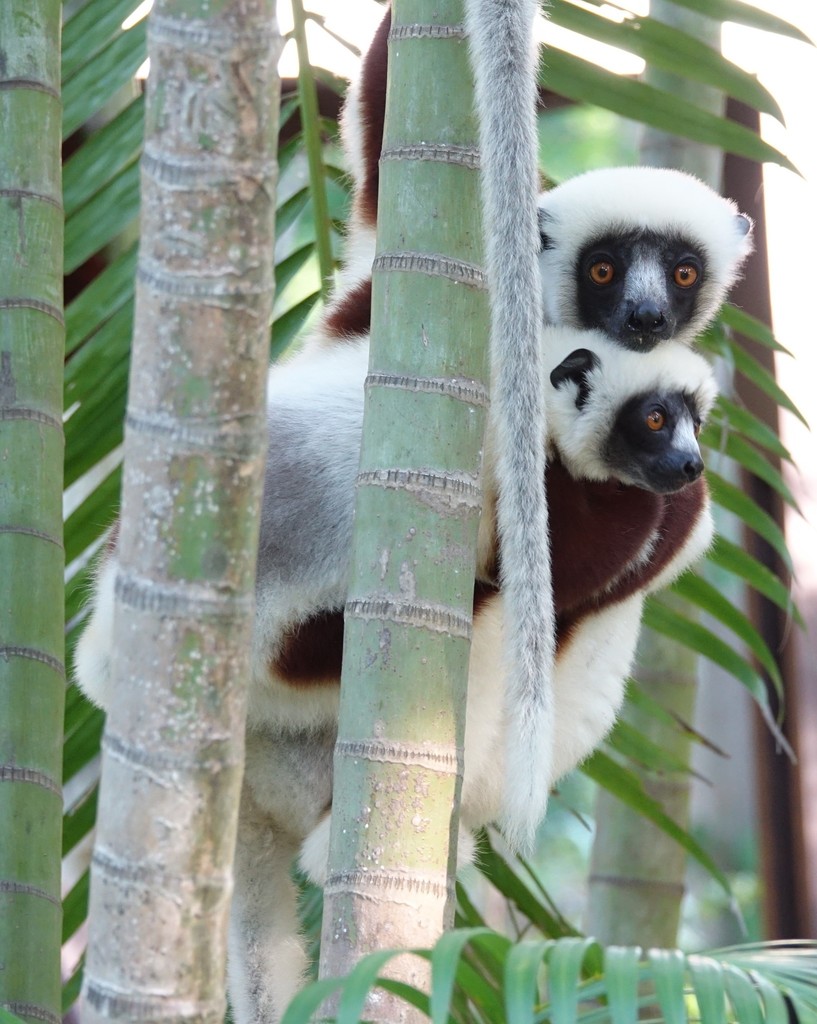
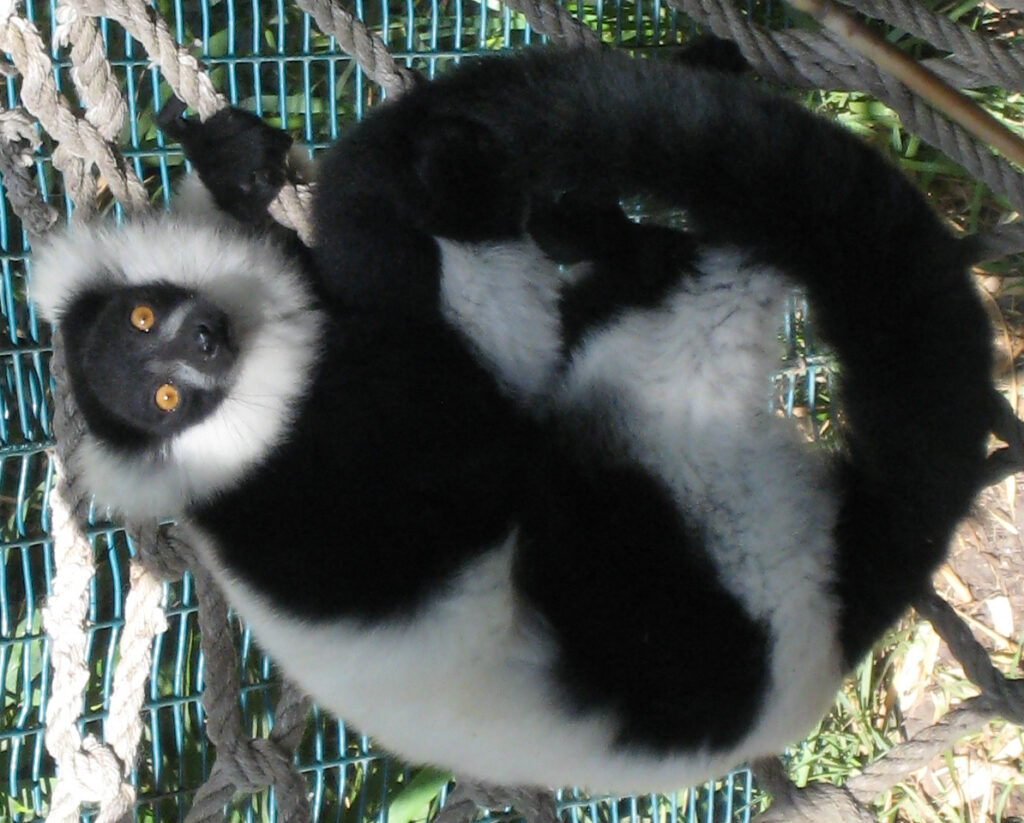
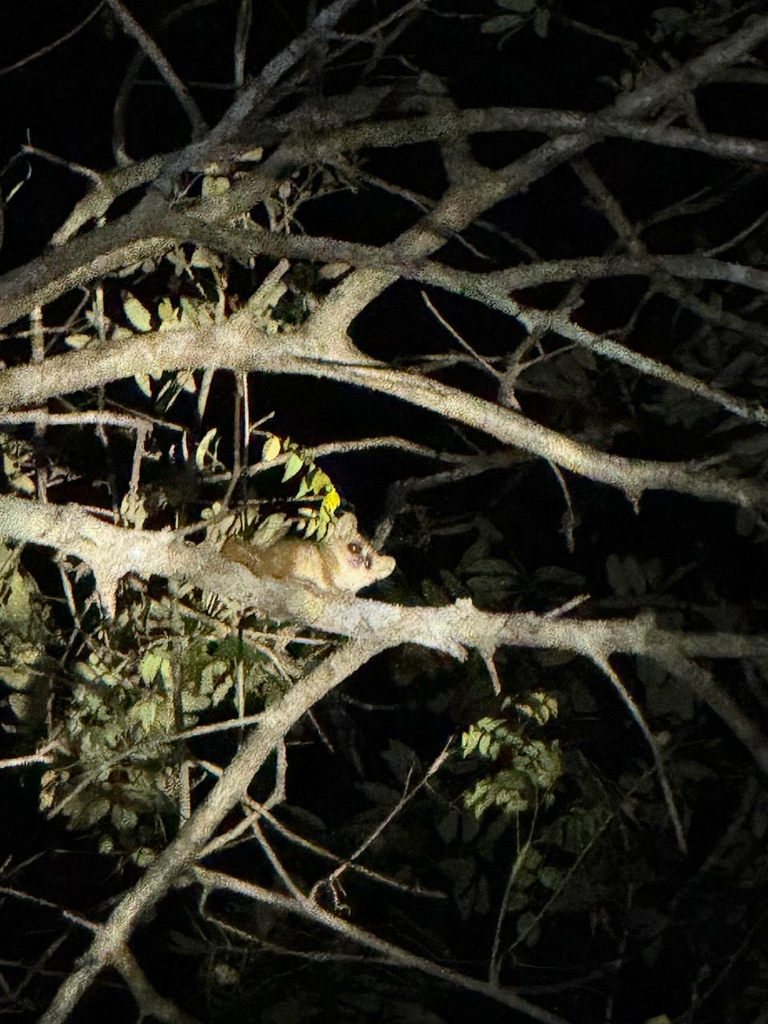
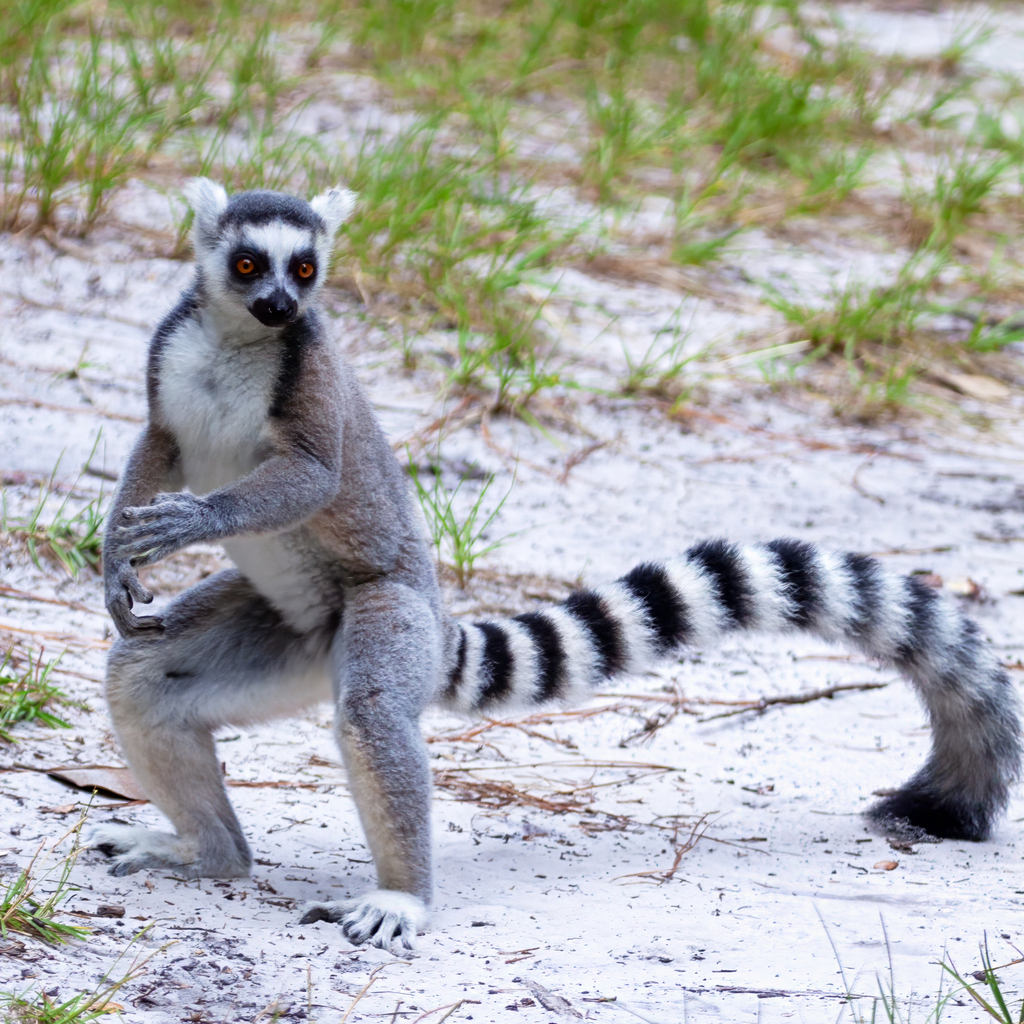
Lemurs are Madagascar's emblem. More than a hundred species and subspecies have been described, ranging from the tiny Madame Berthe's Mouse Lemur, the smallest known primate, to the Indri, whose haunting calls carry across the rainforests of Andasibe. The Ring-tailed Lemur is the icon of the dry south, Verreaux's Sifaka is famous for its sideways dancing leaps across open ground, and Coquerel's Sifaka inhabits the western dry forests. The Diademed Sifaka and the Black-and-white Ruffed Lemur are among the most striking rainforest species, while the nocturnal Aye-aye, with its specialised long middle finger, is one of the most unusual mammals in the world.
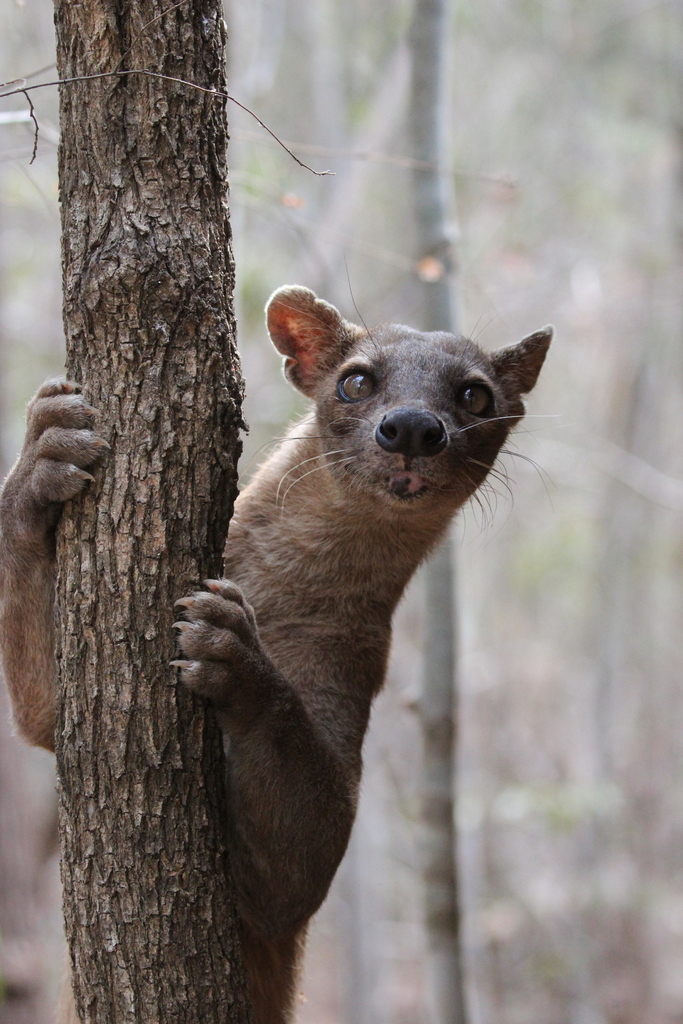
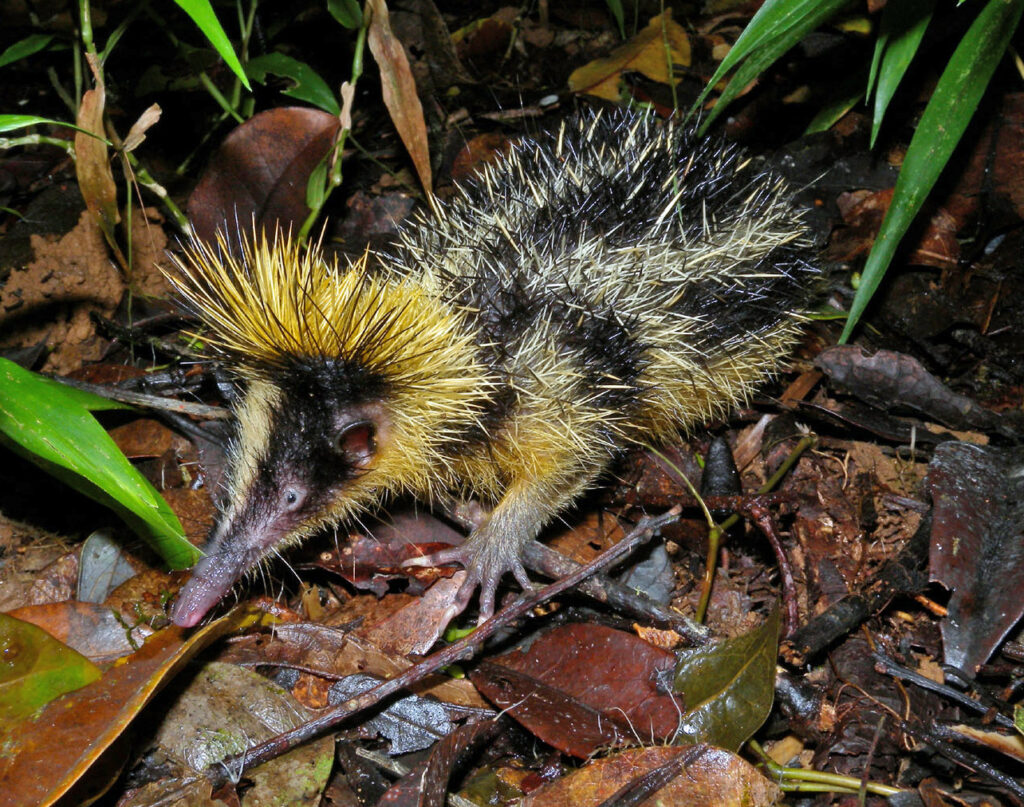
Madagascar's predators and insectivores are equally unique. The Fossa, the island's largest native carnivore, hunts lemurs in forests across the island. Tenrecs have diversified into hedgehog-like, shrew-like and aquatic forms, and the Lowland Streaked Tenrec, with its bold black-and-yellow pattern, is a favourite of night walks in eastern rainforests.
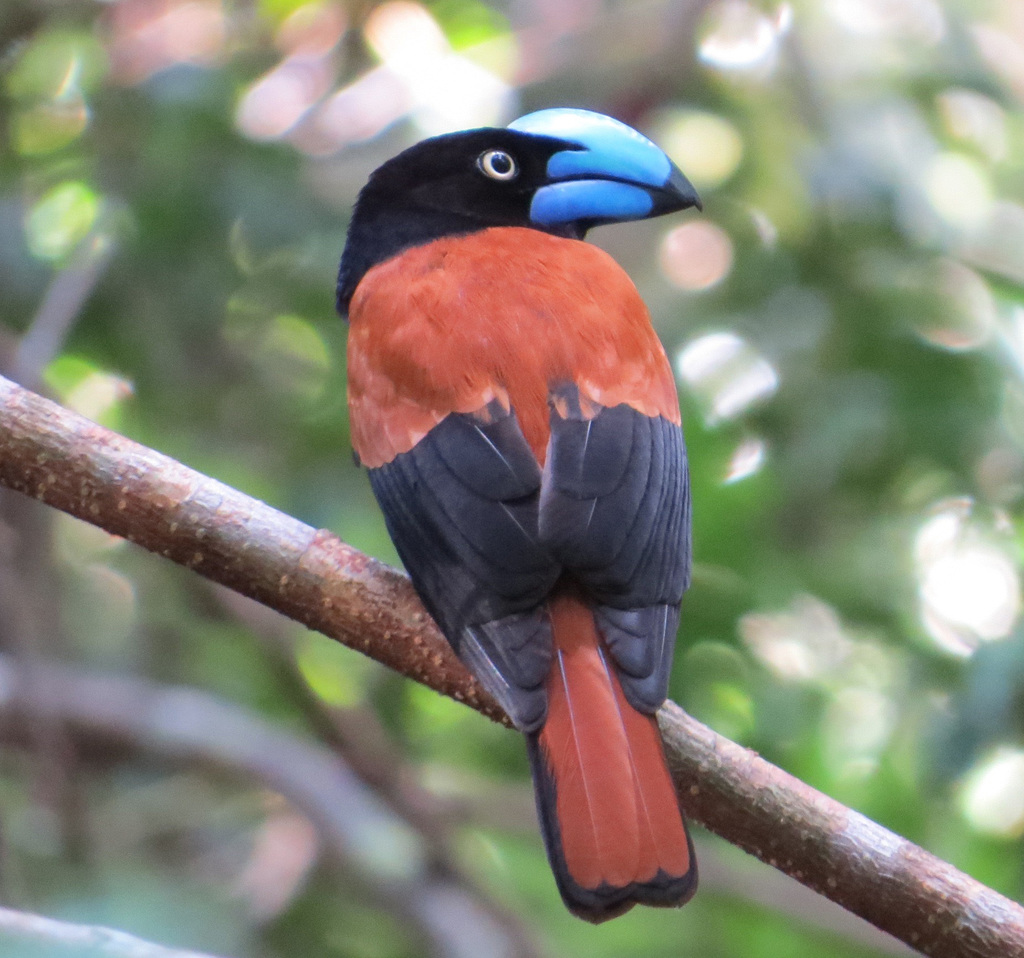
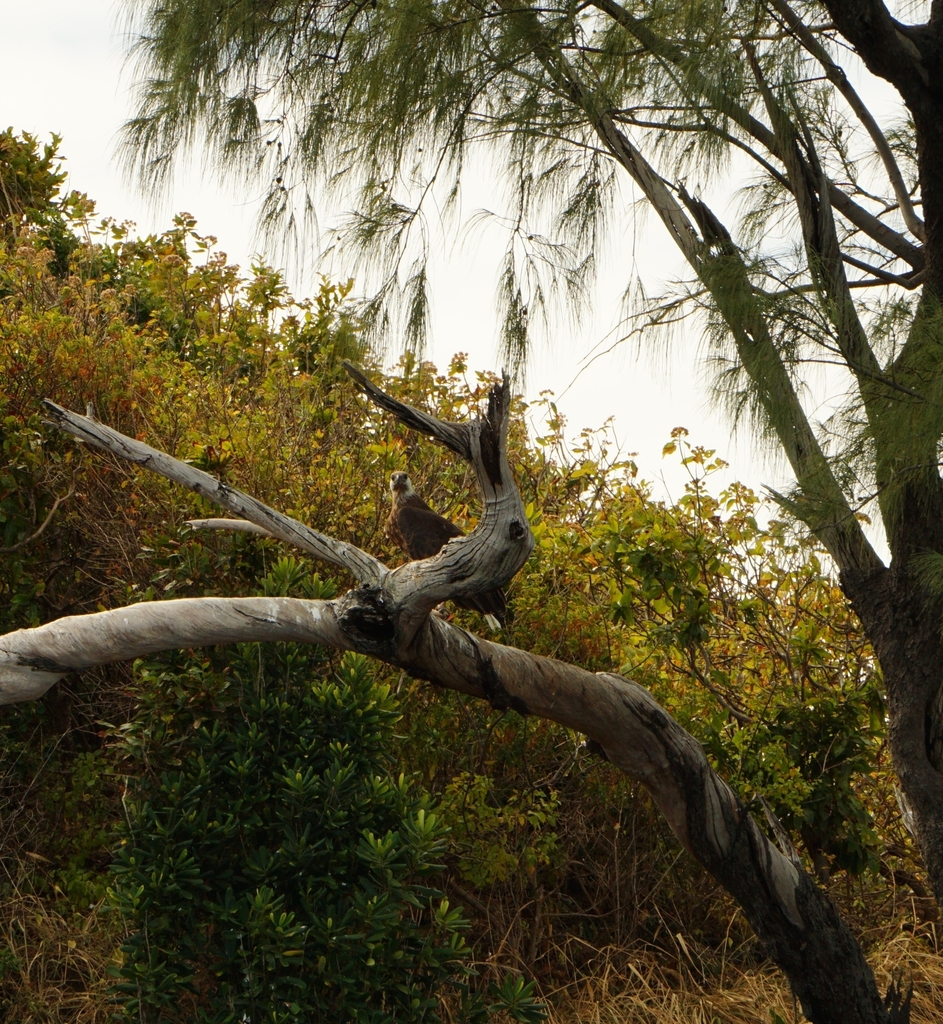
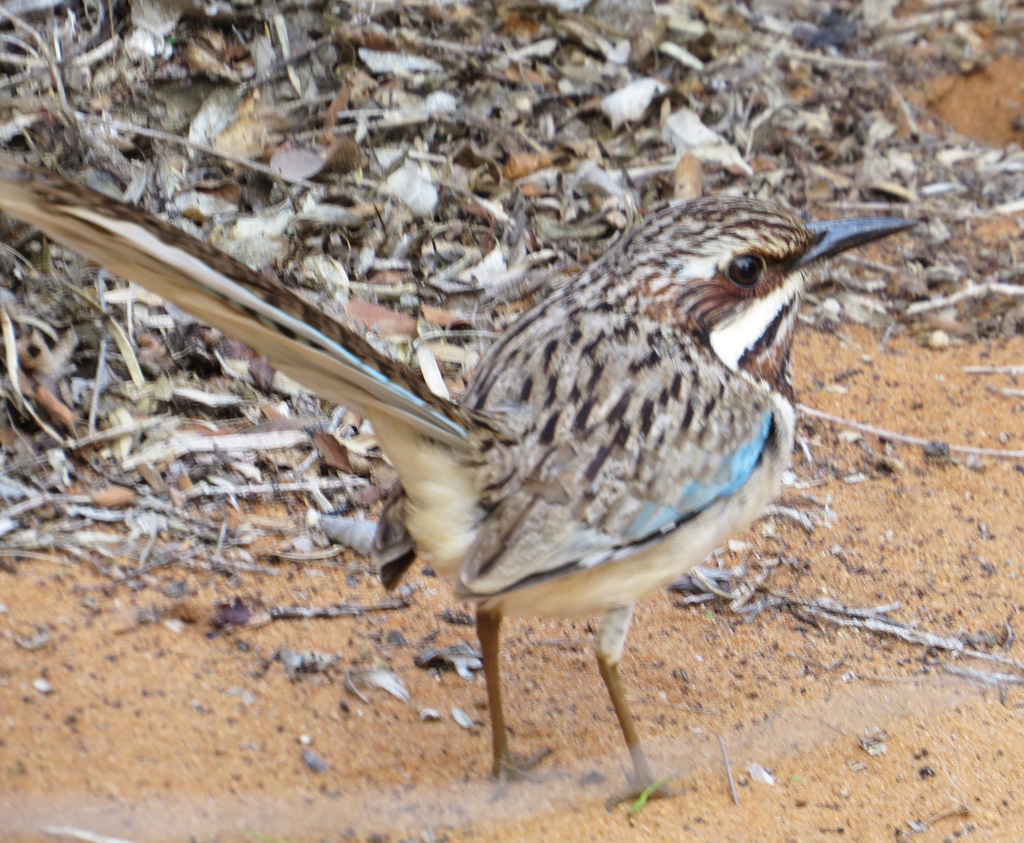
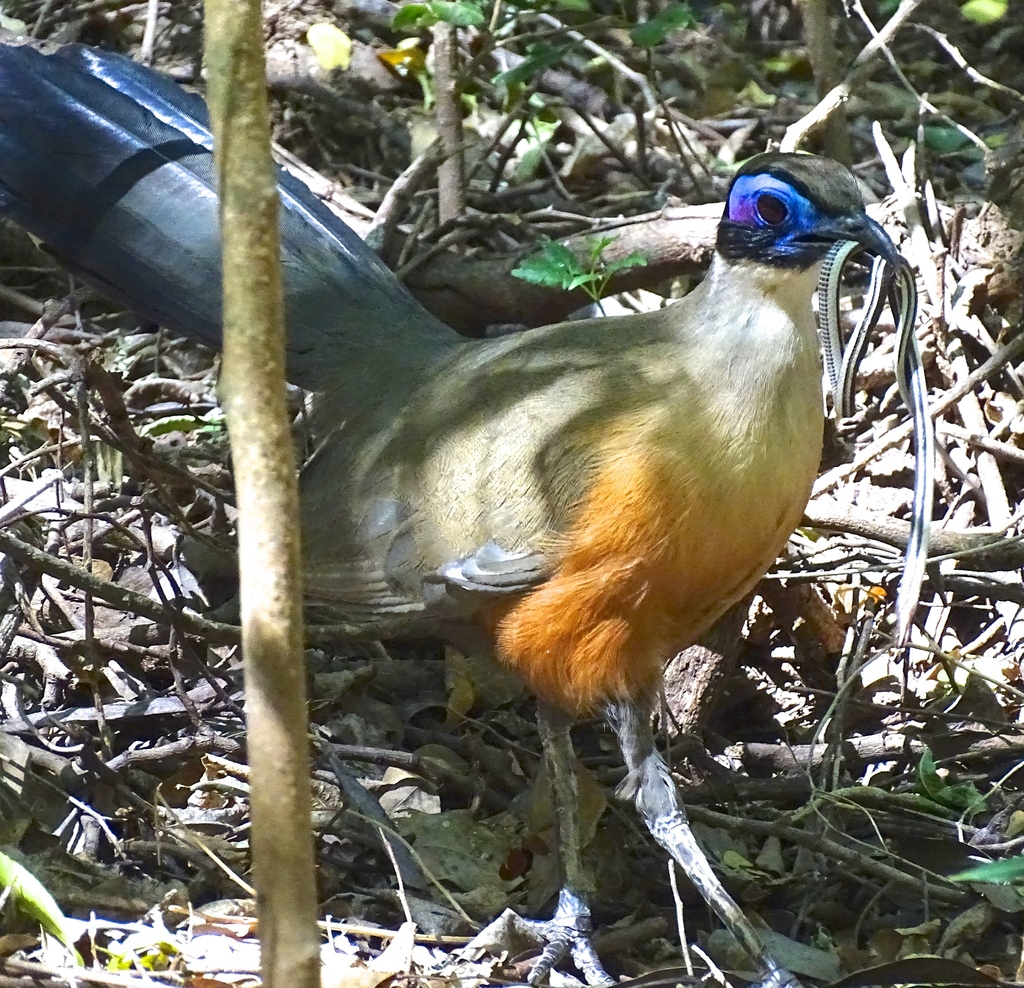
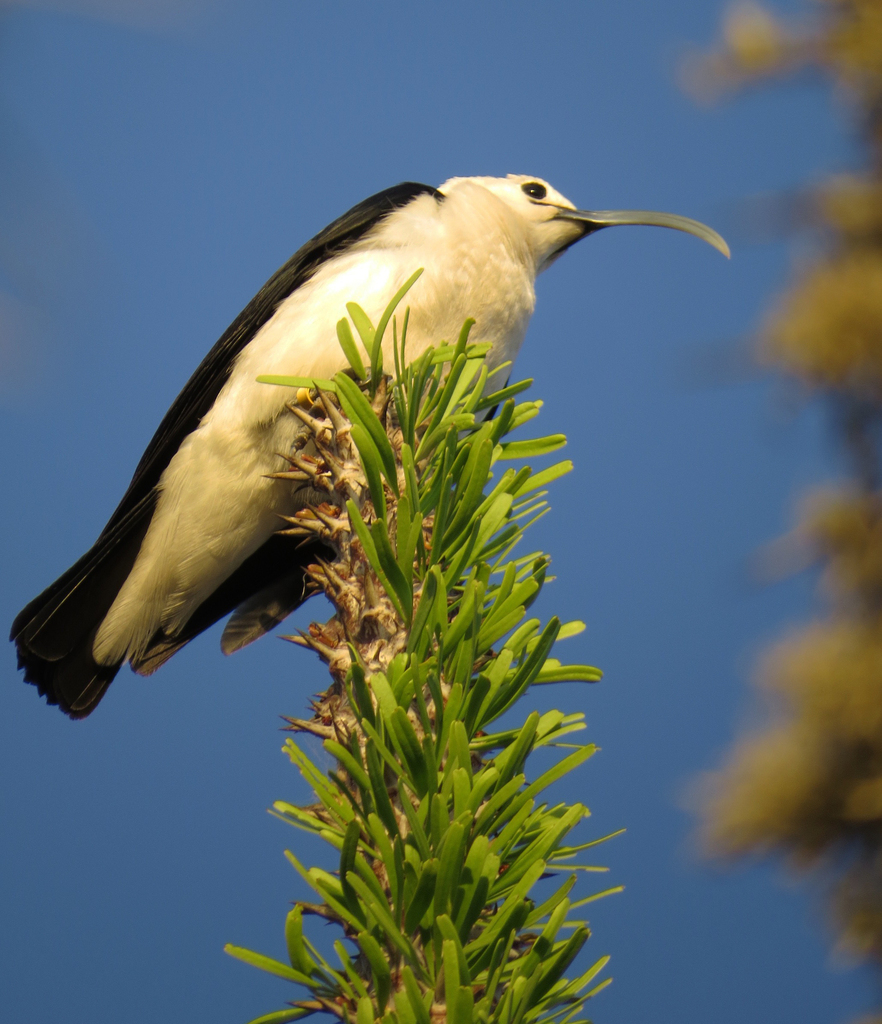
Birdlife is dominated by endemic families and radiations. The vangas show an astonishing variety of bill shapes, from the massive blue casque of the Helmet Vanga in the Masoala and Marojejy rainforests to the long, curved bill of the Sickle-billed Vanga in the dry west. Ground-rollers, couas, asities and mesites are found only on Madagascar and nearby islands. The Long-tailed Ground Roller is a prized species of the spiny forest, the Giant Coua patrols dry forest floors, and the critically endangered Madagascar Fish Eagle survives along a small number of western lakes and rivers.
Key protected areas include Andasibe-Mantadia, Ranomafana, Masoala, Marojejy, Ankarafantsika, Kirindy, Isalo, Berenty and the Tsingy de Bemaraha. The dry season, roughly from April to November, is generally the most comfortable time to travel, while the warmer, wetter months bring breeding activity for many birds and reptiles. Night walks are essential, as a large part of the island's mammals are nocturnal.
Deforestation, slash-and-burn agriculture, charcoal production and hunting have reduced Madagascar's forests considerably, and many lemurs are now among the most threatened primates in the world. Community-based conservation, protected-area management and responsible ecotourism play an important role in protecting this irreplaceable natural heritage.
Andasibe-Mantadia National Park
Andringitra National Park
Ankarafantsika National Park
Ankarana National Park
Isalo National Park
Marojejy National Park
Masoala National Park
Montagne d’Ambre National Park
Ranomafana National Park
Nothing matches these filters.
No community observations in this country yet — visit a hotspot and start an observation list.