Skip to content
Madagascar

Andringitra National Park

National Park Madagascar
No ratings yet

Write a review

— tap to pick a rating
See all reviews →
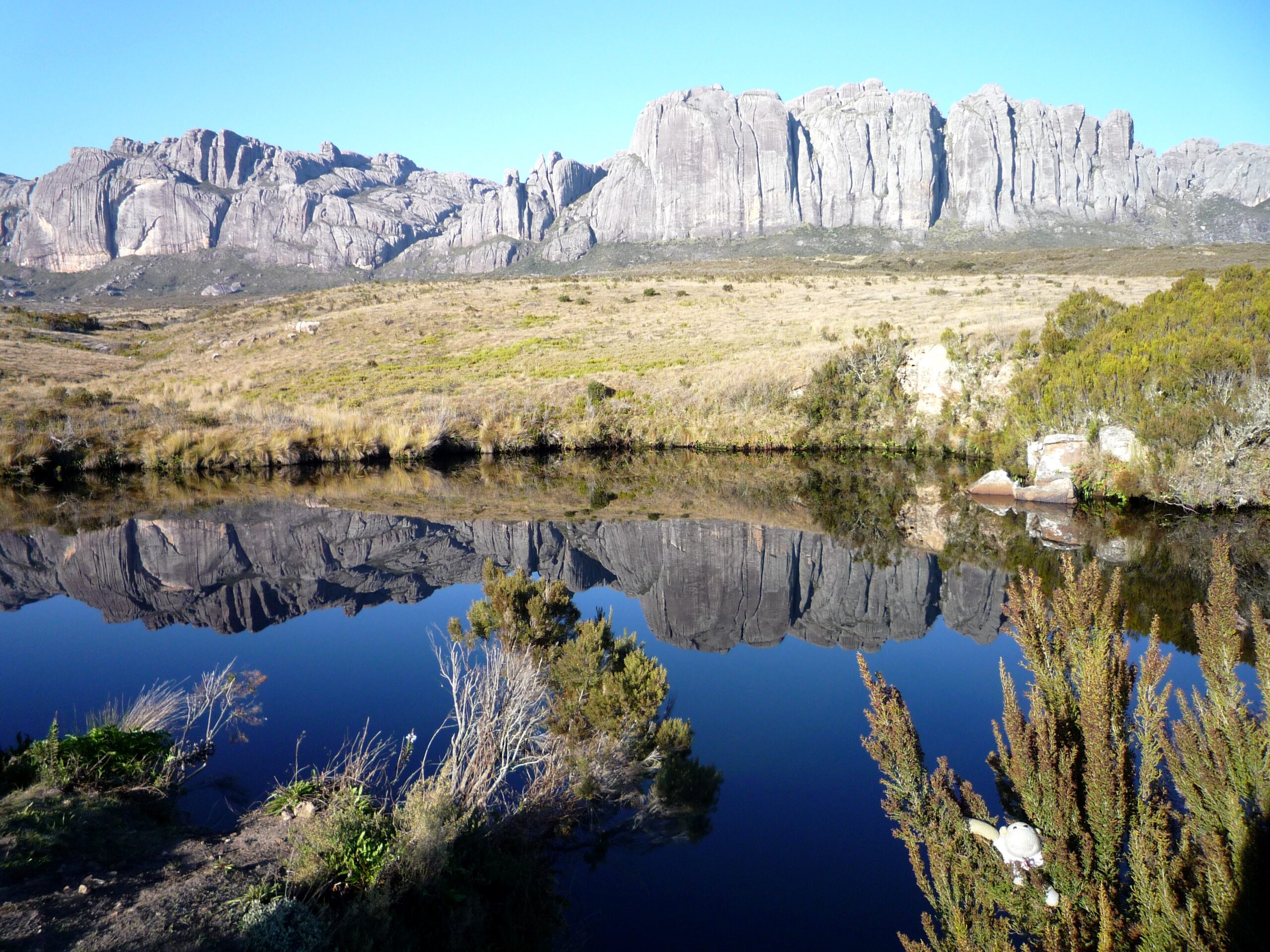
Photo © ChrisPhoto © Chris — CC BY-SA 4.0 — Source: Wikidata / Wikimedia Commons
ABOUT

Where the highlands of Madagascar fracture into a maze of granite domes, deep gorges and open grassy plateaus, a mountain world of rare ecological character reveals itself. This is a national park of dramatic vertical relief, where bare rock faces give way to montane grassland, heath-like scrub and pockets of montane forest that cling to sheltered valleys and damp ravines. Under a Cfb climate there is no true dry season; moisture arrives throughout the year, mists and cloud frequently wrap the summits, and the vegetation stays green and vigorous rather than parched. That reliable water and layered habitat support a rich community of functional groups: raptors patrolling ridgelines on updrafts, woodland and grassland songbirds, small forest mammals and shy nocturnal creatures, plus amphibians and reptiles that depend on the persistent damp. The result is an ecosystem shaped by altitude, rock and constant humidity rather than by seasonal drought.

For photographers and birdwatchers, the appeal lies in that combination of light, texture and altitude. Early mornings bring soft, low-angle illumination across the granite and grassland, while afternoon cloud and mist create moody, atmospheric conditions that reward patience and a long lens. Because the climate keeps the landscape green year-round, there is no dead season for habitat photography, though the character of the light shifts with the passage of the year. Access is by road to the park's edge and then on foot along trails that climb through the different vegetation belts, so a visit rewards those prepared for steep walking and changeable mountain weather. Birders should focus on the raptors and songbird groups of the open plateau and forest edges, and mammal watchers on the small, elusive species of the sheltered valleys. Bring waterproof layers, sturdy boots and time to wait for the mountain to clear.

Get directions
WILDLIFE
Type
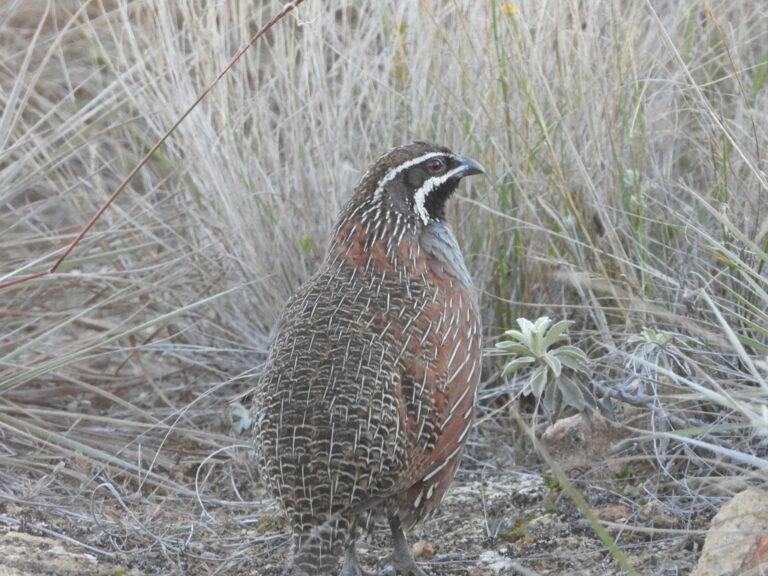
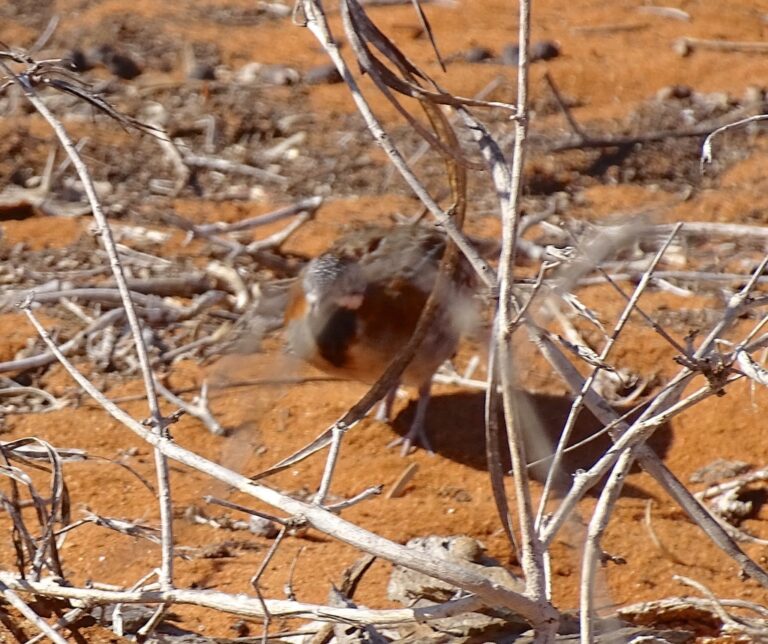
Madagascar Partridge
♥
Margaroperdix madagarensis
♥
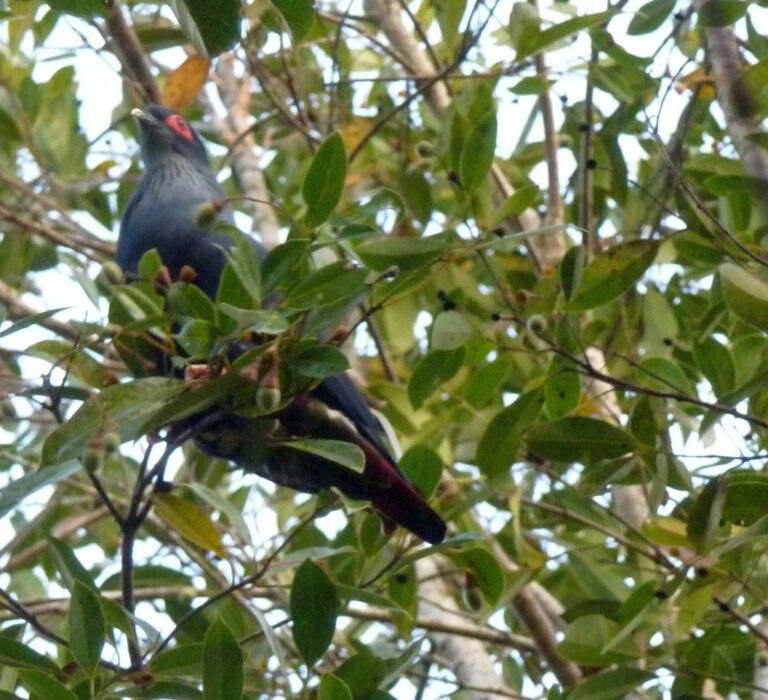
Madagascar Blue Pigeon
♥
Alectroenas madagascariensis
♥
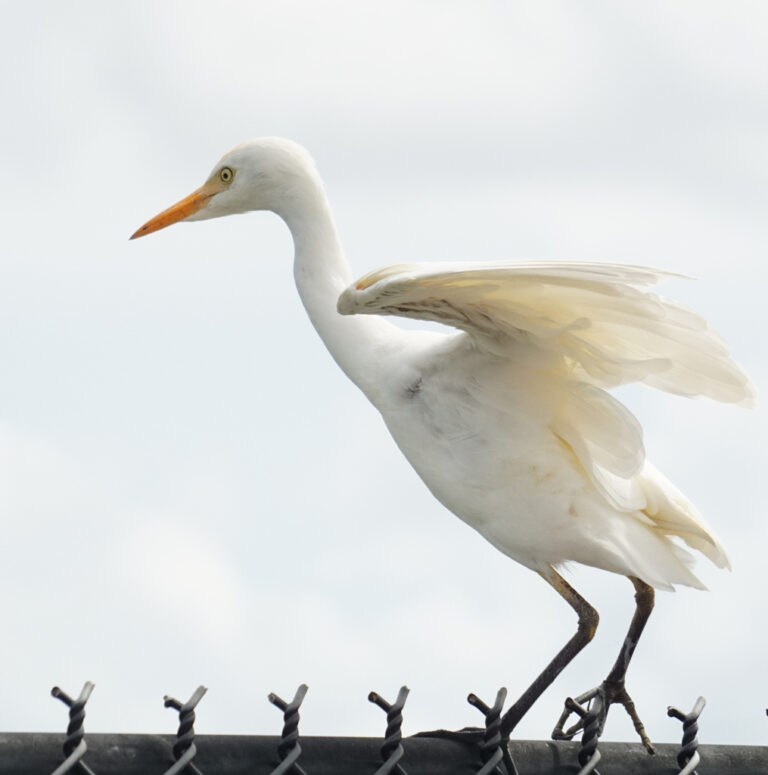
Western Cattle Egret
♥
Ardea ibis
♥
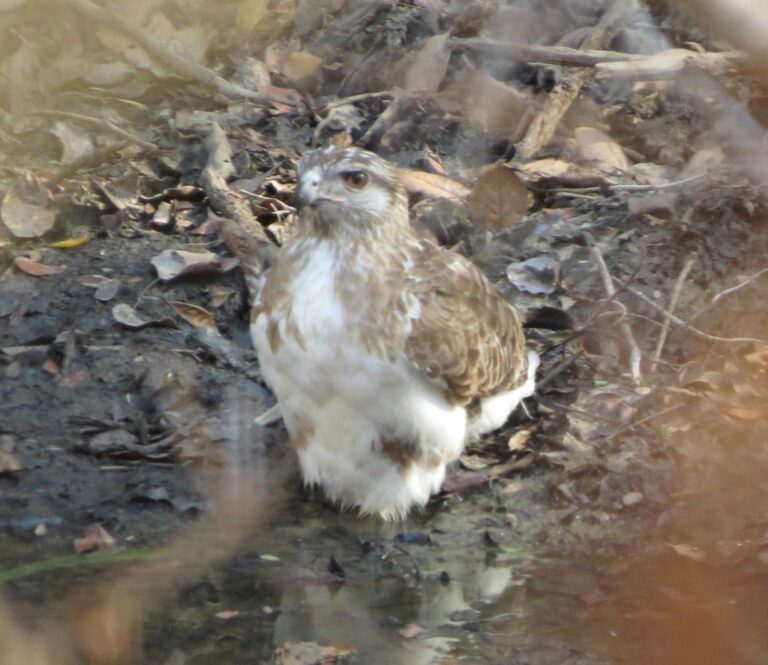
Madagascar Buzzard
♥
Buteo brachypterus
♥
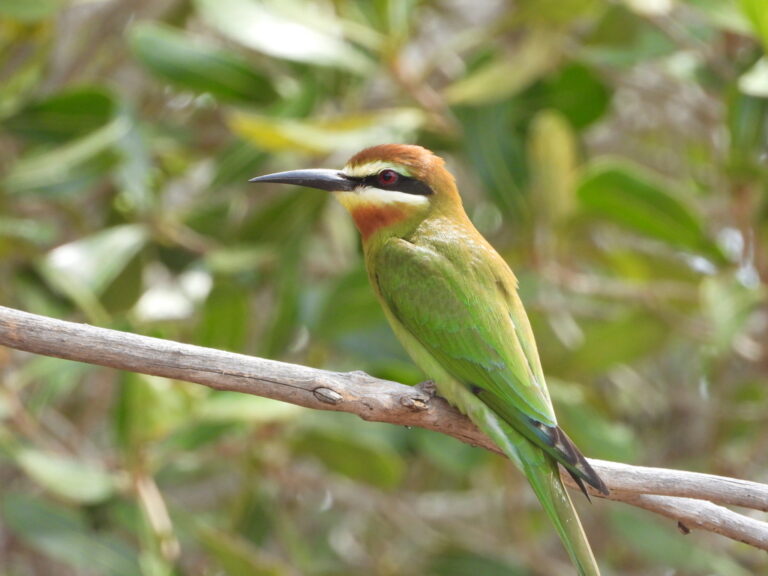
Olive Bee-eater
♥
Merops superciliosus
♥
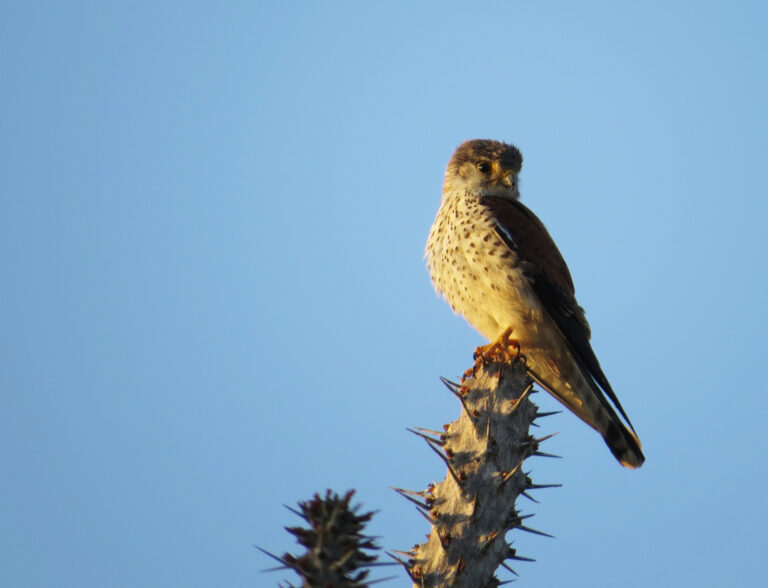
Malagasy Kestrel
♥
Falco newtoni
♥
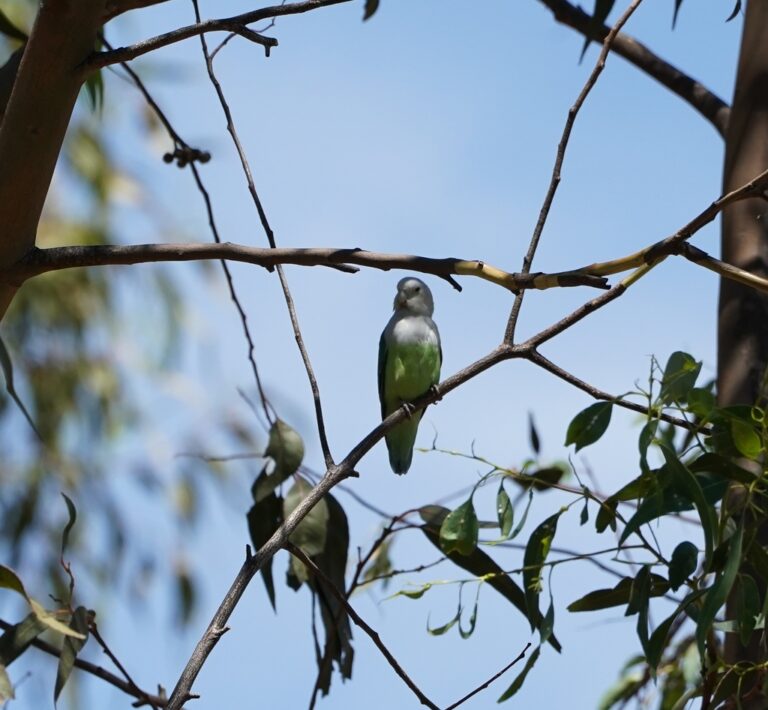
Grey-headed Lovebird
♥
Agapornis canus
♥
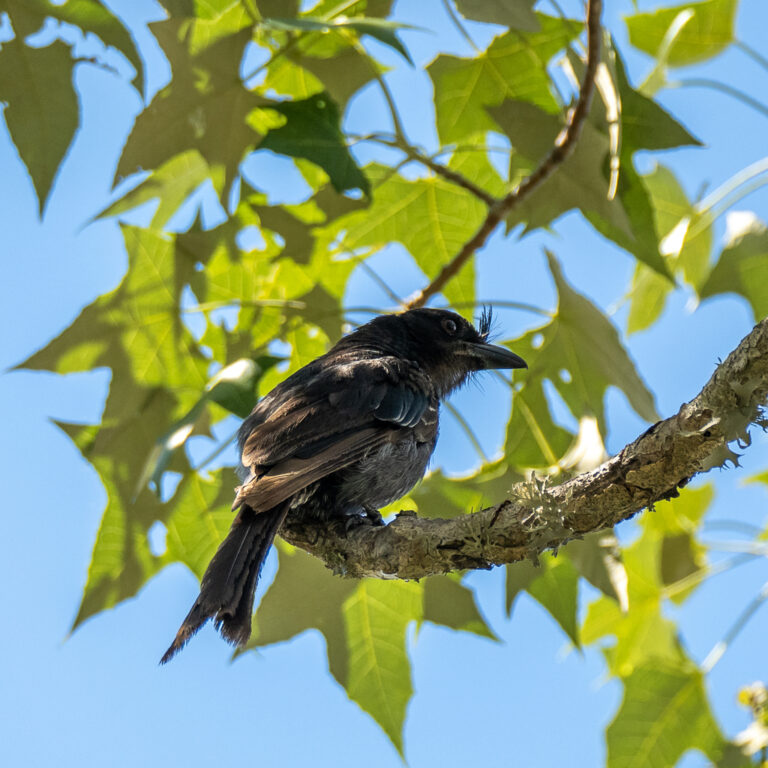
Crested Drongo
♥
Dicrurus forficatus
♥
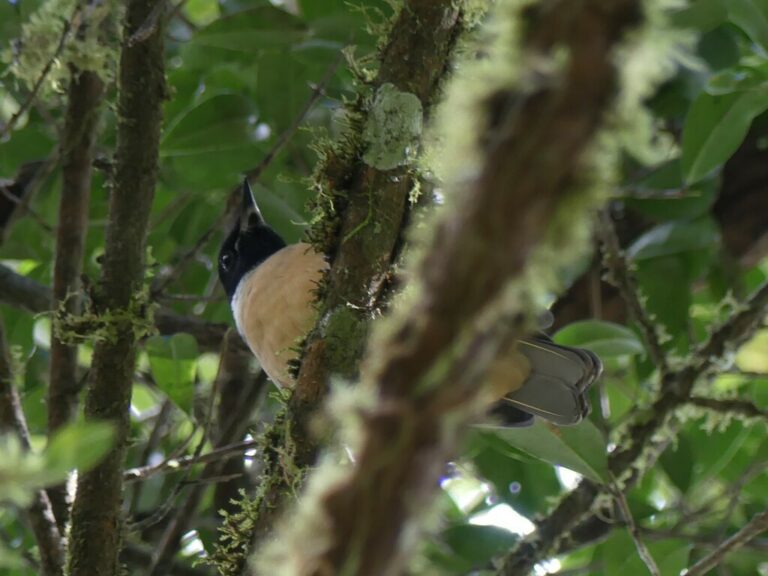
Malagasy Paradise Flycatcher
♥
Terpsiphone mutata
♥
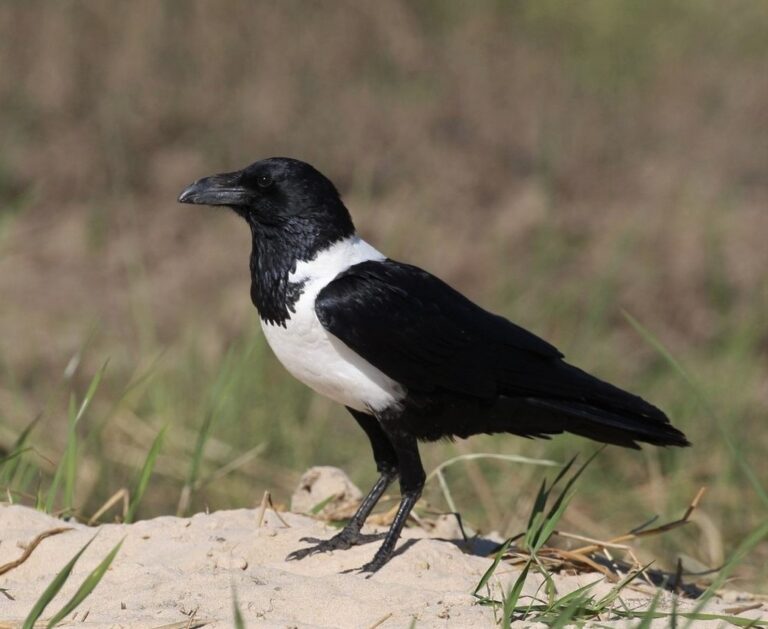
Pied Crow
♥
Corvus albus
♥
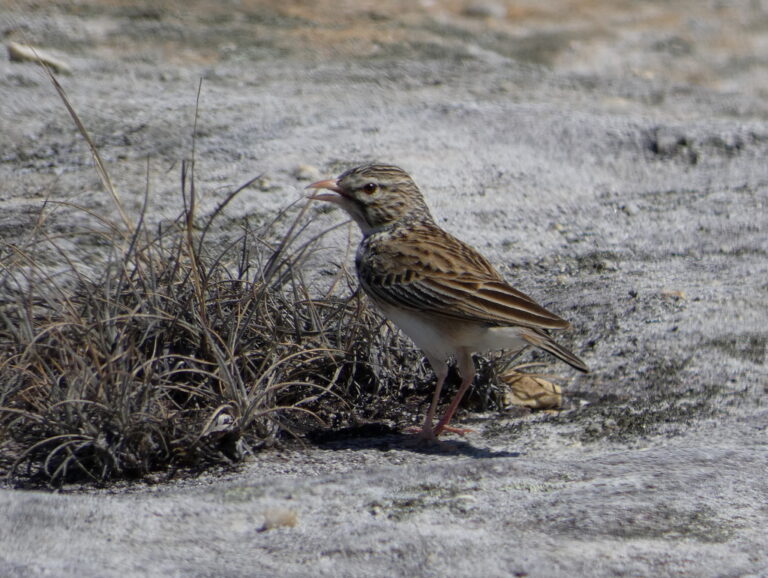
Madagascar Lark
♥
Eremopterix hova
♥
Malagasy Bulbul
♥
Hypsipetes madagascariensis
♥
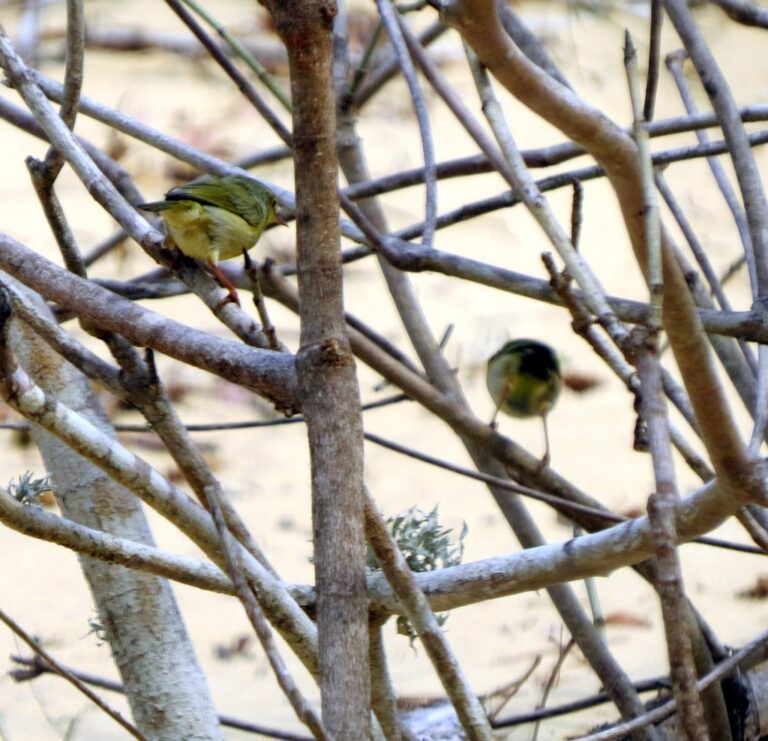
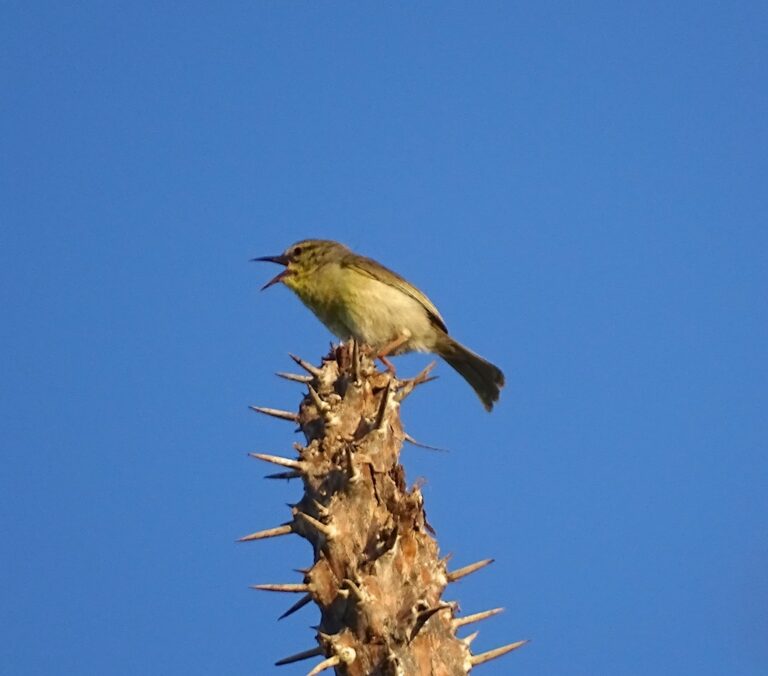
Common Jery
♥
Neomixis tenella
♥
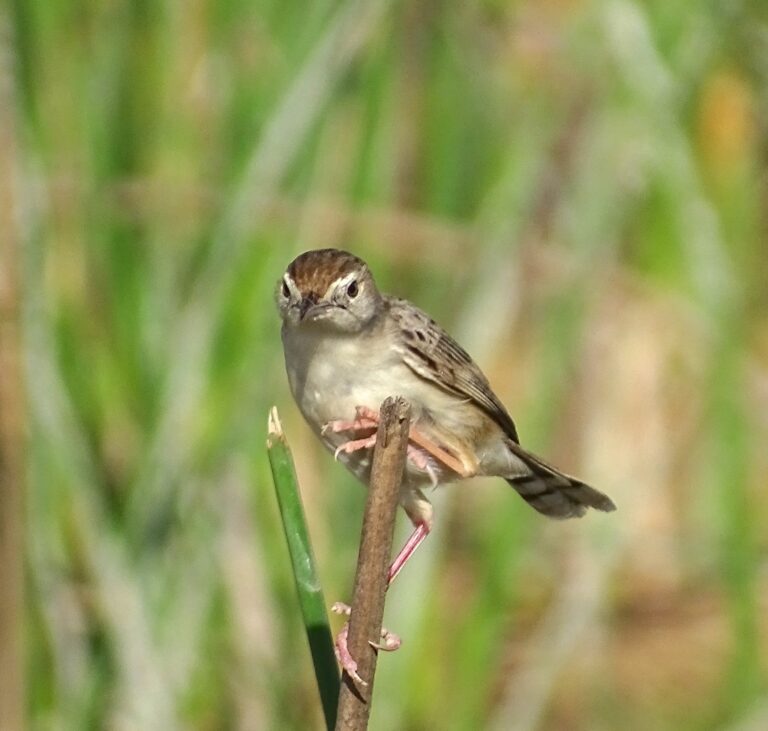
Madagascar Cisticola
♥
Cisticola cherina
♥
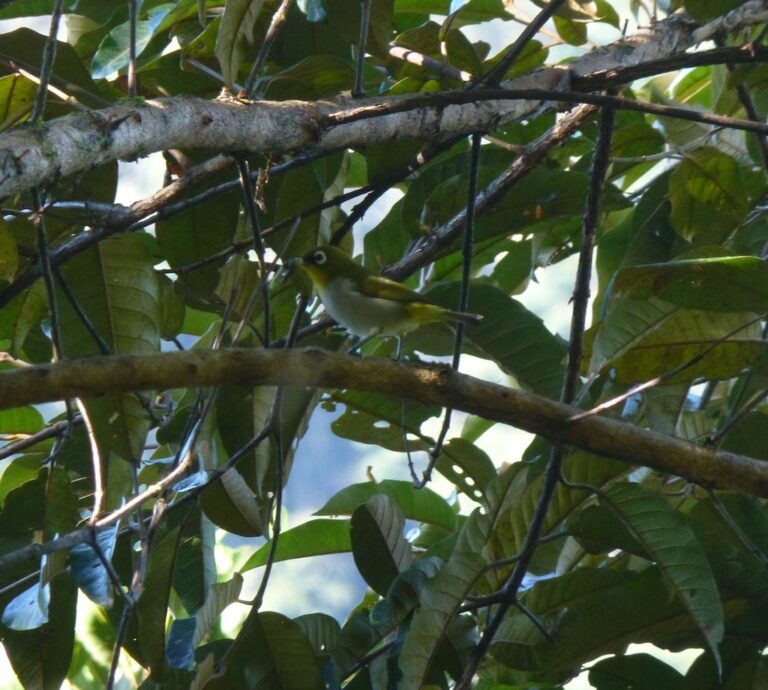
Malagasy White-eye
♥
Zosterops maderaspatanus
♥
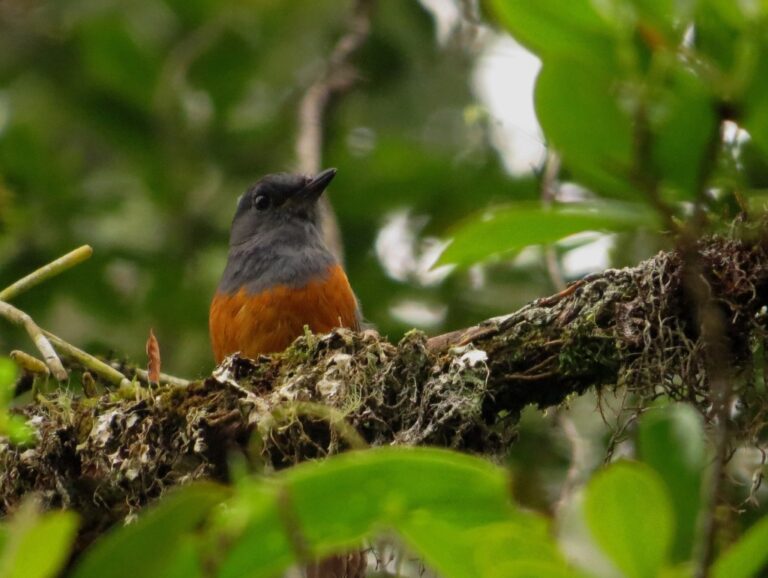
Forest Rock Thrush
♥
Monticola sharpei
♥
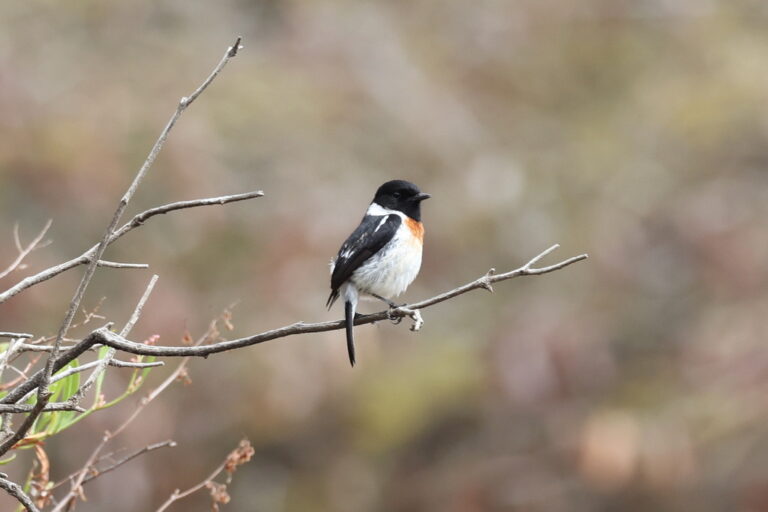
African Stonechat
♥
Saxicola torquatus
♥
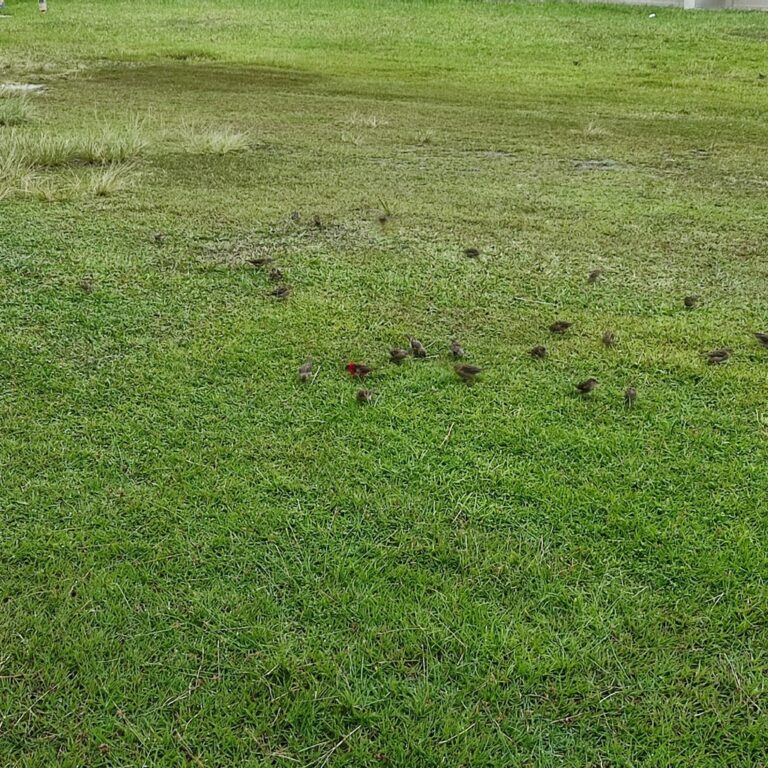
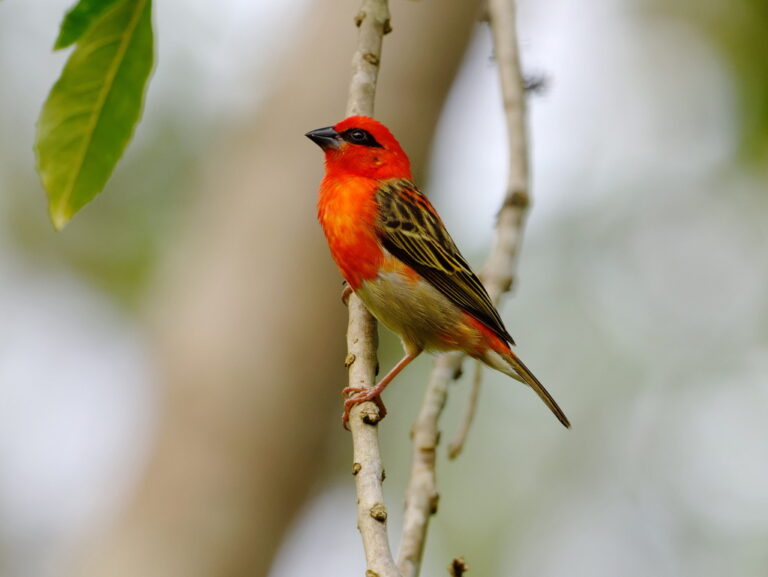
Red Fody
♥
Foudia madagascariensis
♥
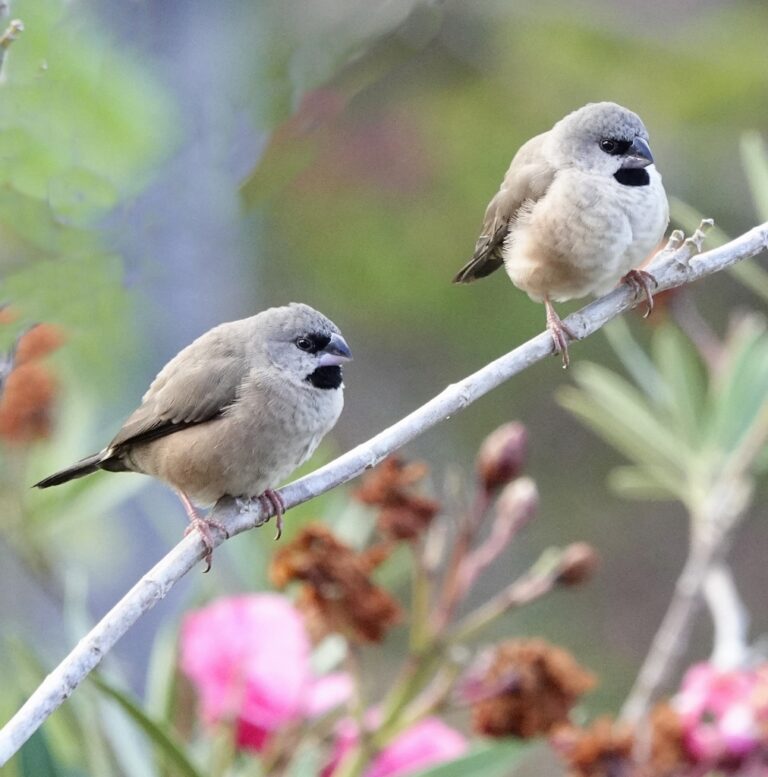
Madagascar Mannikin
♥
Lepidopygia nana
♥
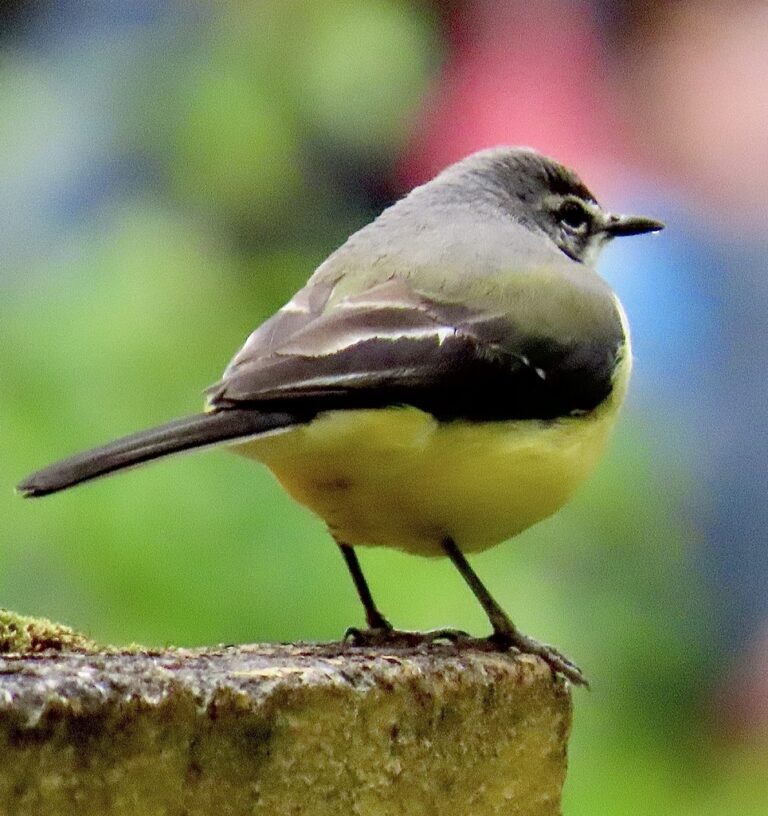
Madagascar Wagtail
♥
Motacilla flaviventris
♥
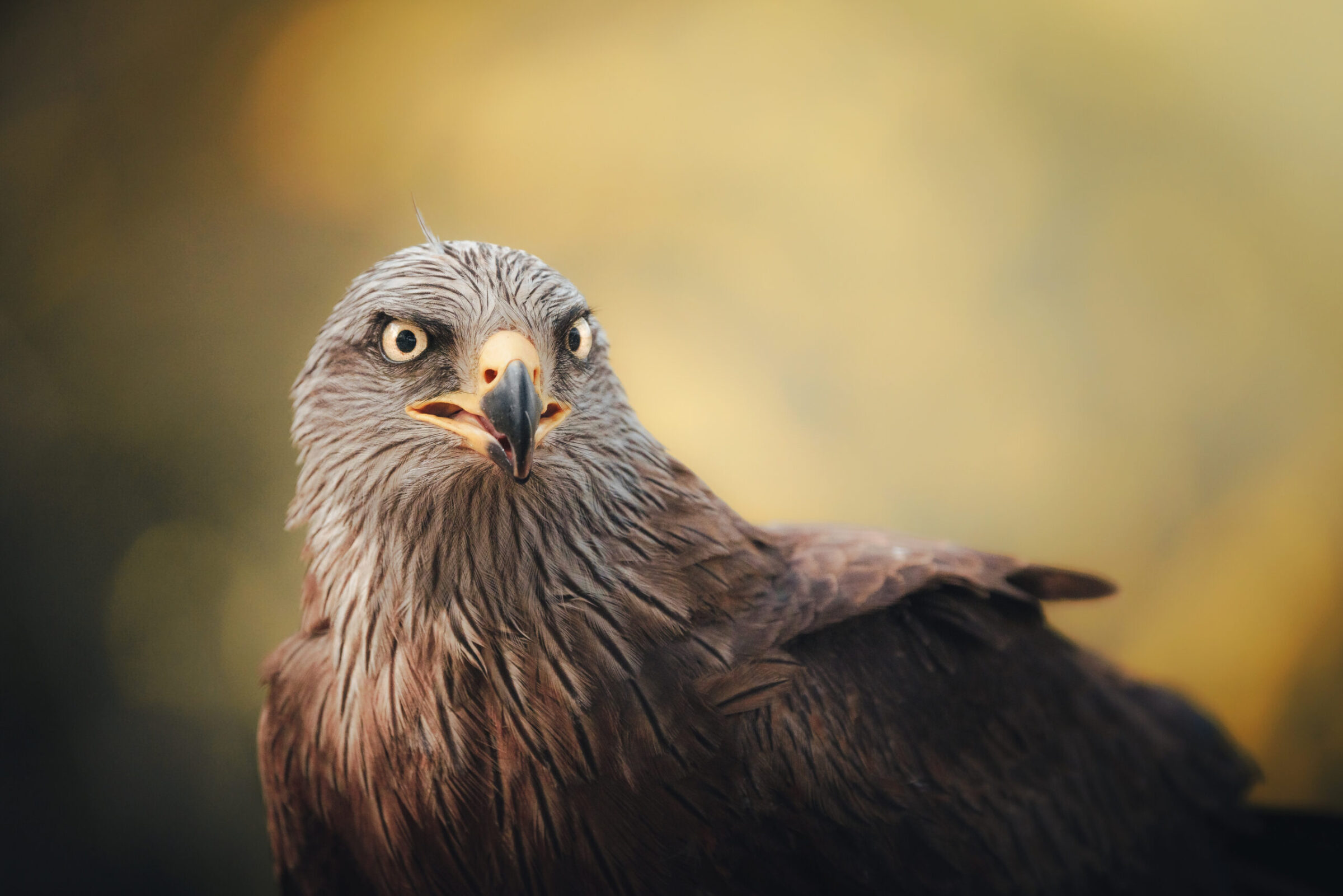
Black Kite
♥
Milvus migrans
♥
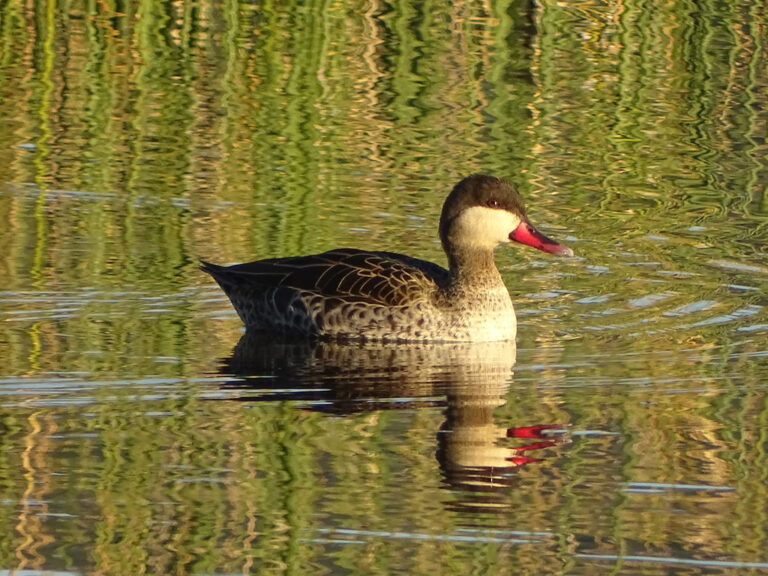
Red-billed Teal
♥
Anas erythrorhyncha
♥
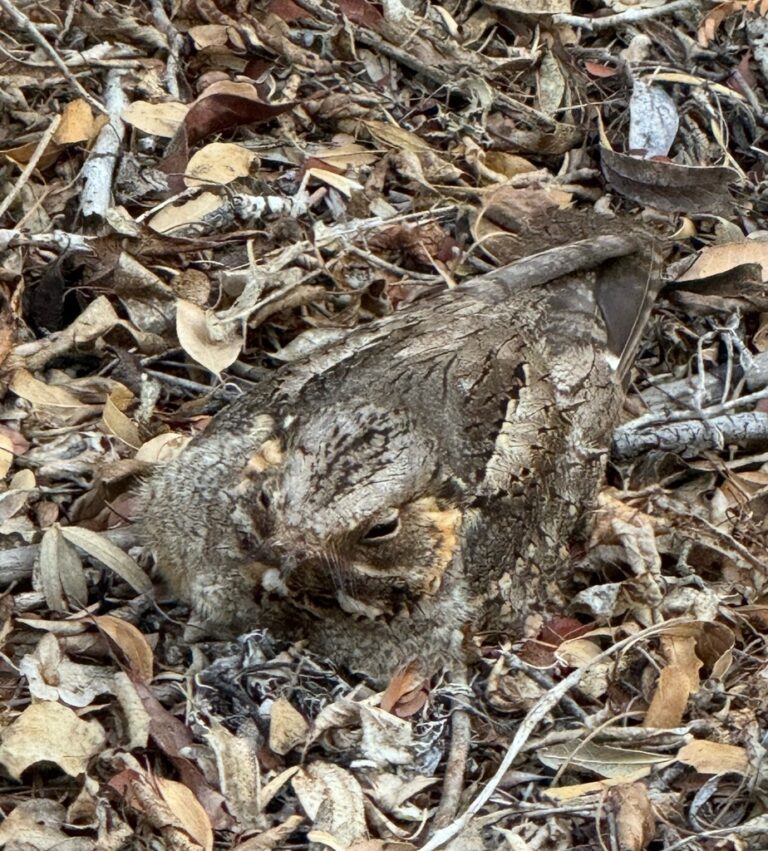
Madagascar Nightjar
♥
Caprimulgus madagascariensis
♥
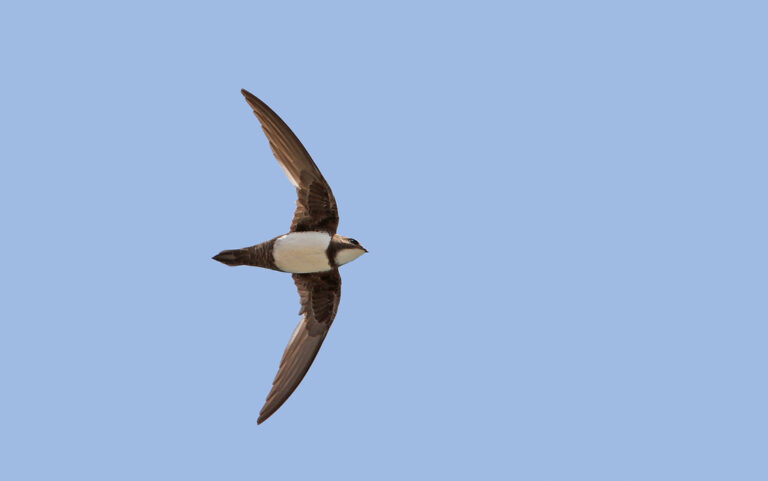
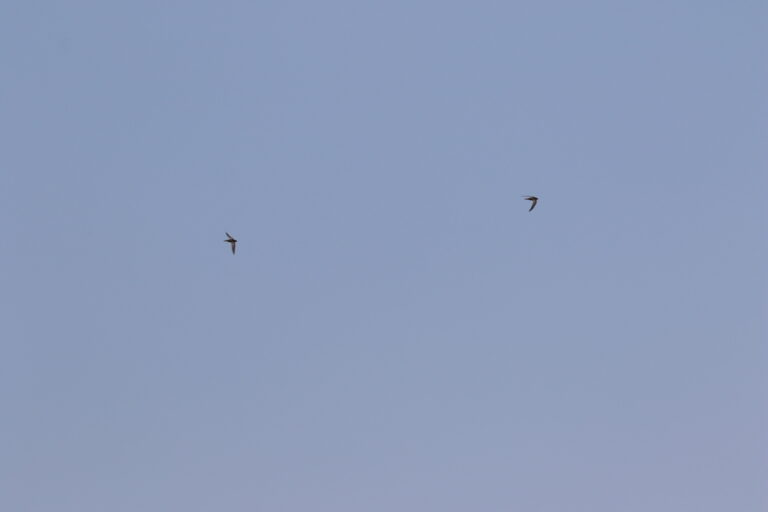
Alpine Swift
♥
Tachymarptis melba
♥
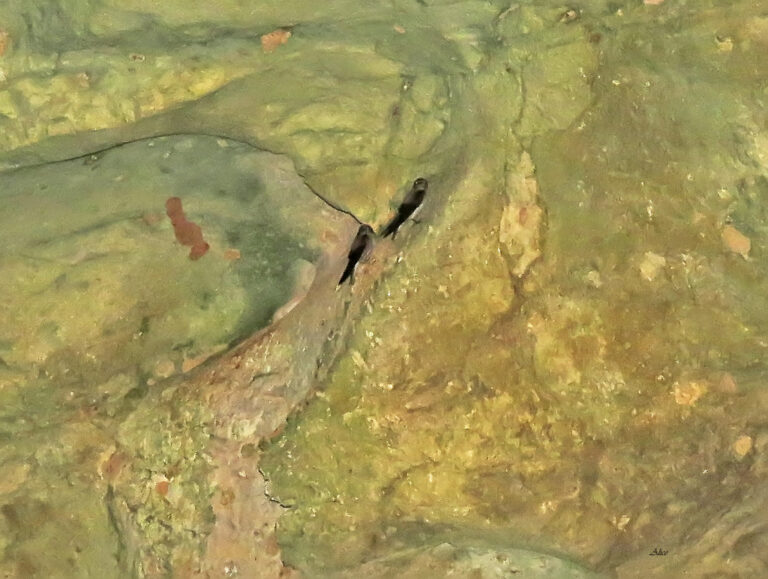
Malagasy Black Swift
♥
Apus balstoni
♥
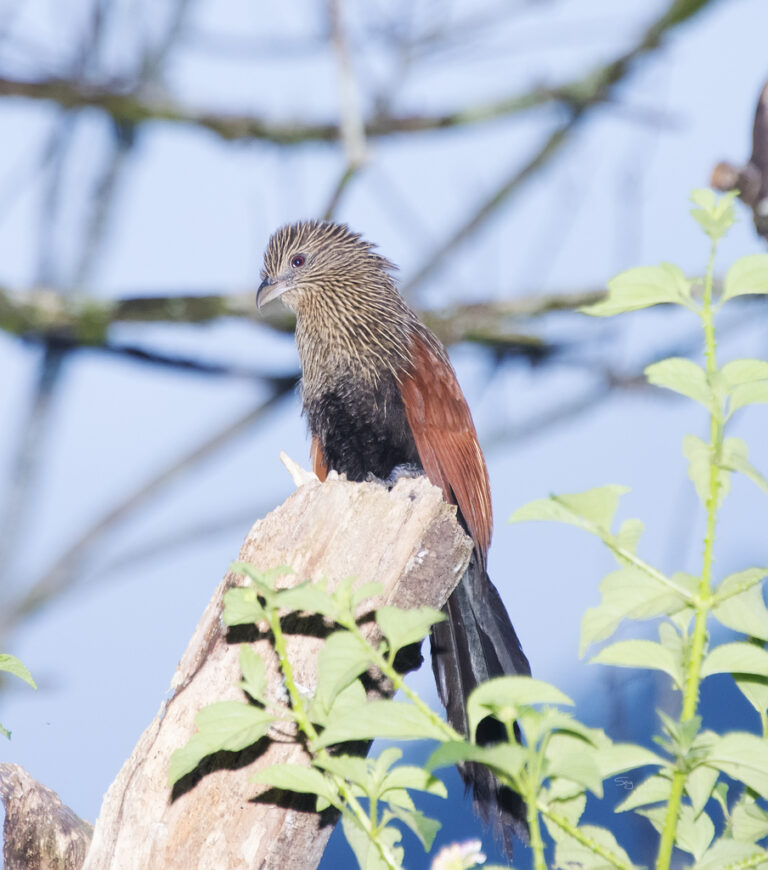
Malagasy Coucal
♥
Centropus toulou
♥
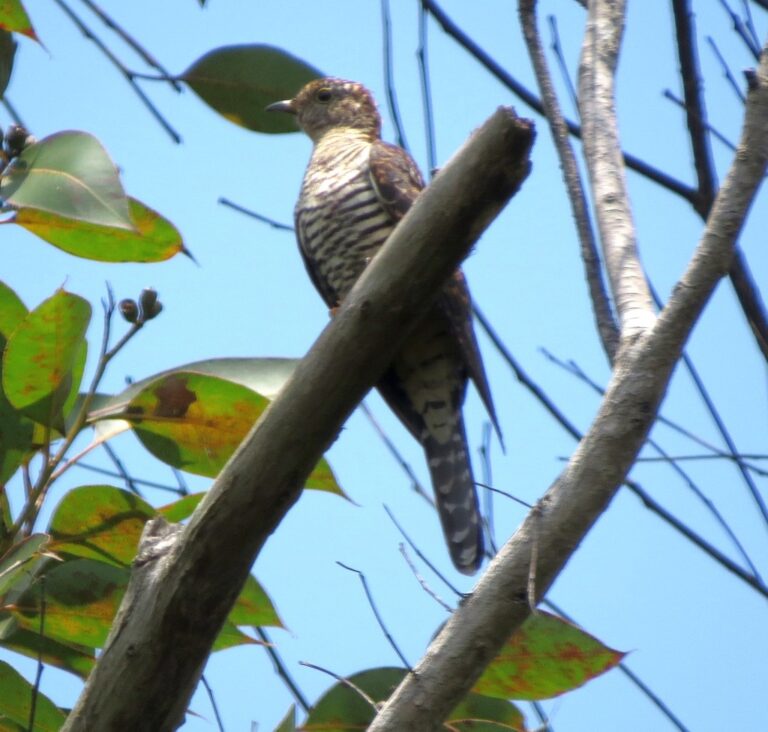
Madagascar Cuckoo
♥
Cuculus rochii
♥
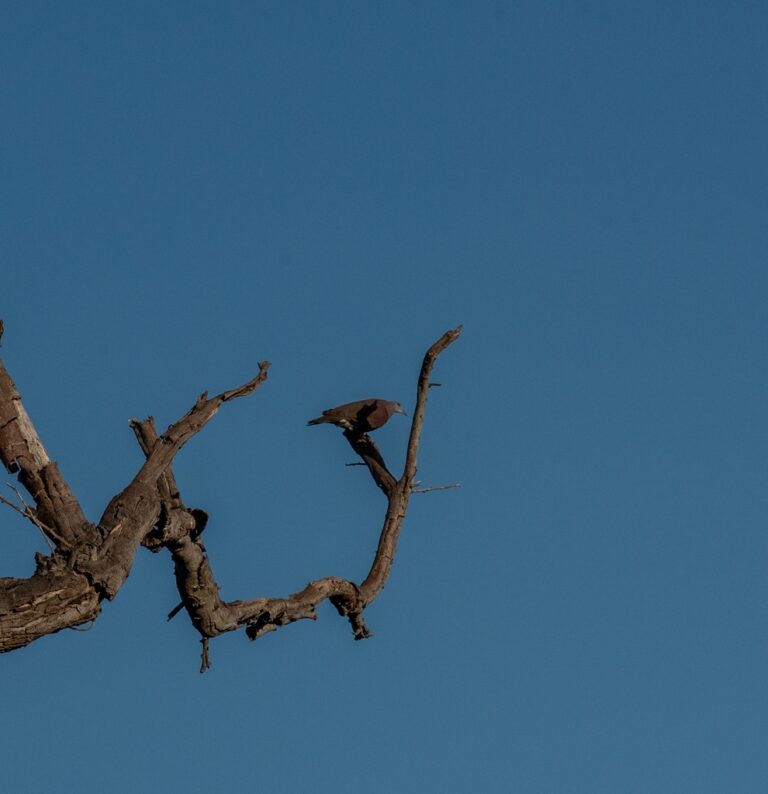
Malagasy Turtle Dove
♥
Nesoenas picturatus
♥
Madagascar Buttonquail
♥
Turnix nigricollis
♥
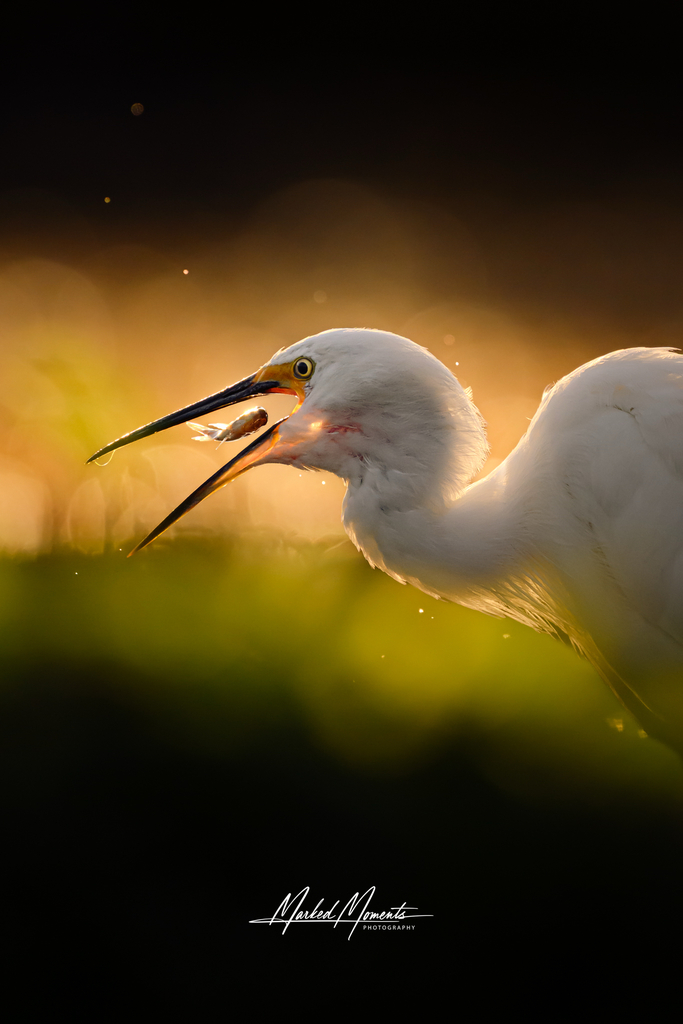
Little Egret
♥
Egretta garzetta
♥
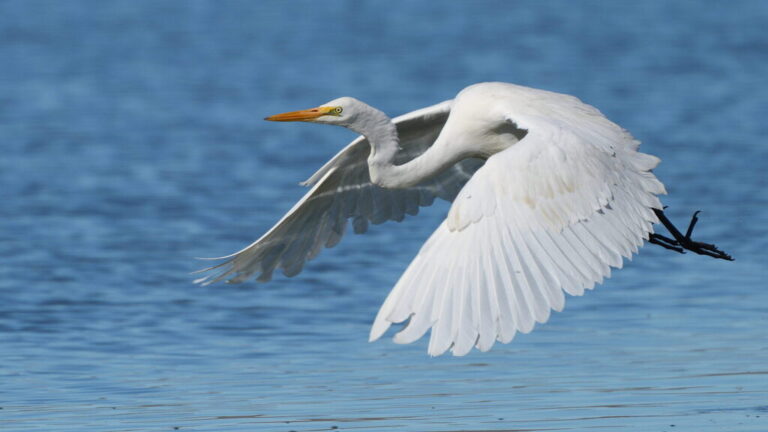
Great Egret
♥
Ardea alba
♥
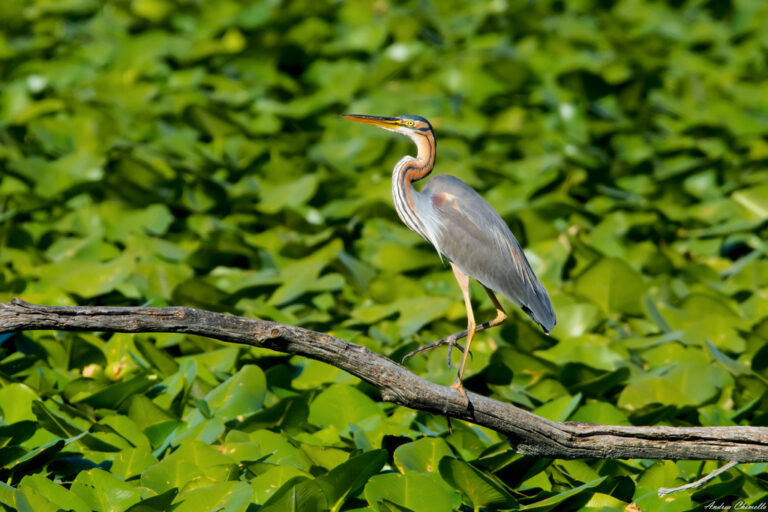
Purple Heron
♥
Ardea purpurea
♥
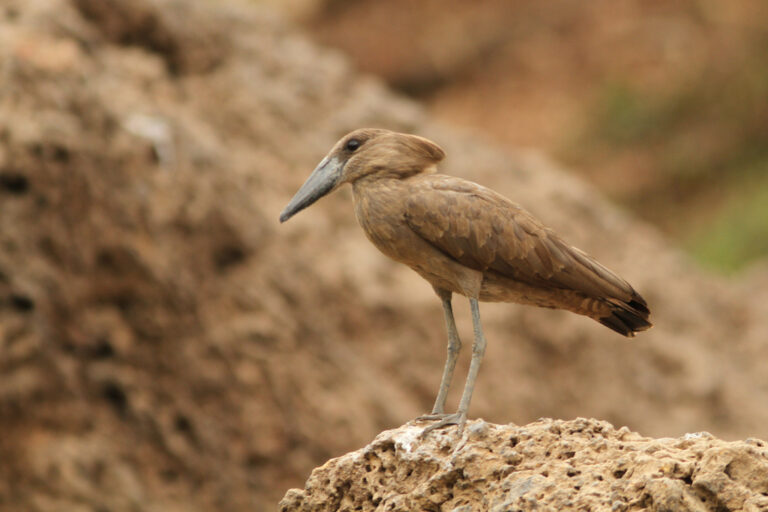
Hamerkop
♥
Scopus umbretta
♥
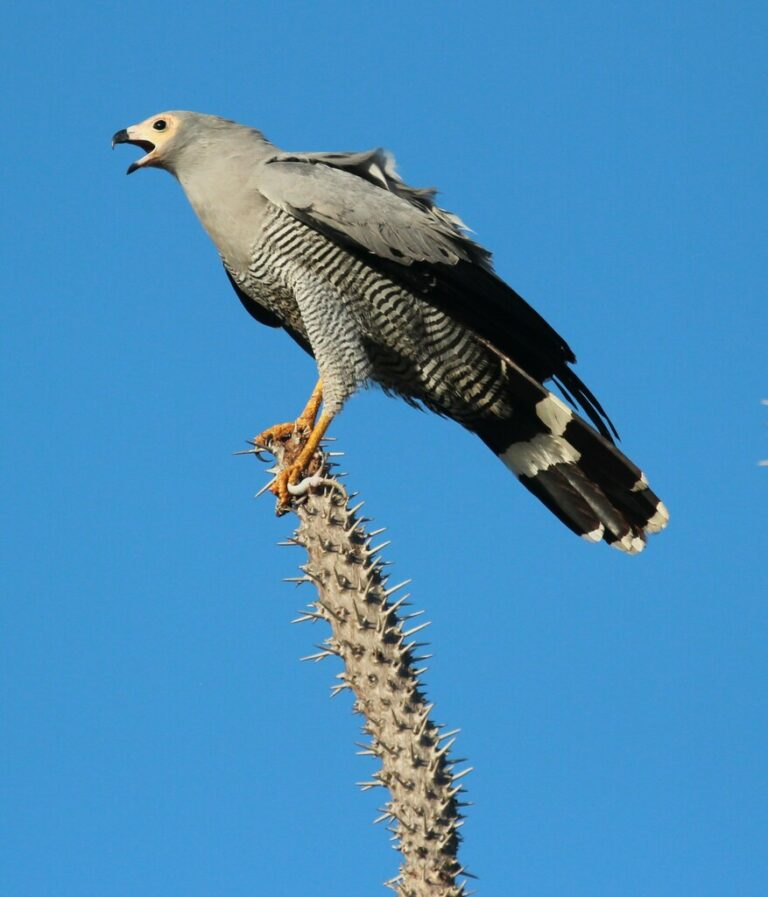
Madagascar Harrier-Hawk
♥
Polyboroides radiatus
♥
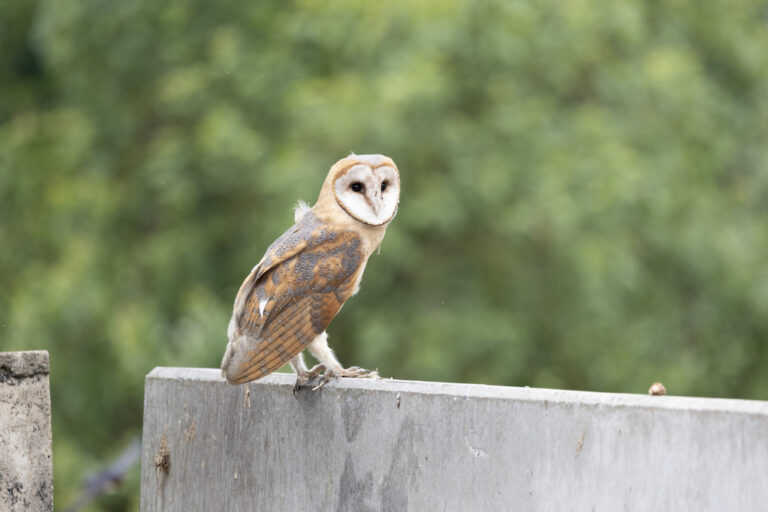
Western Barn Owl
♥
Tyto alba
♥
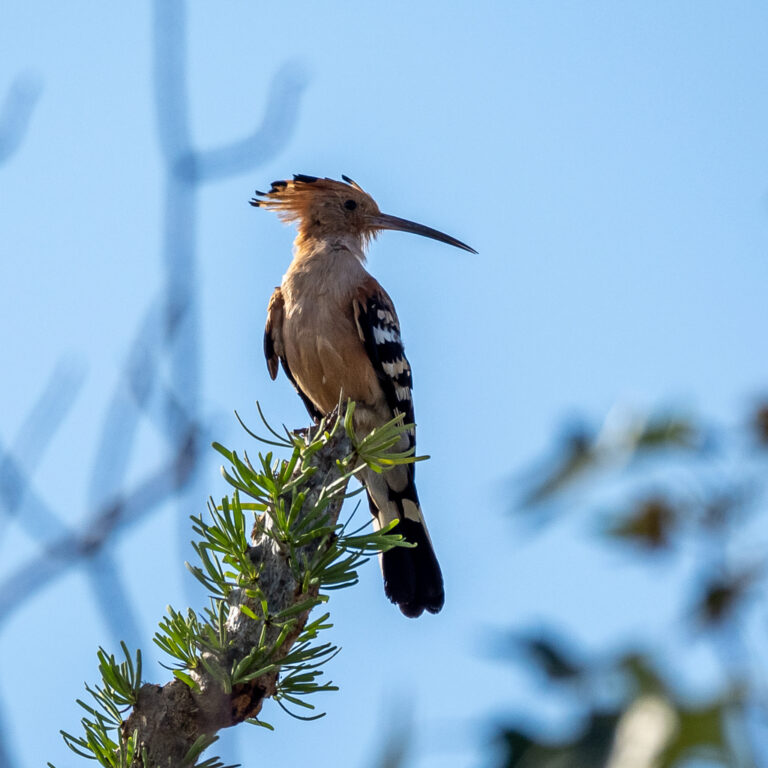
Madagascar Hoopoe
♥
Upupa marginata
♥
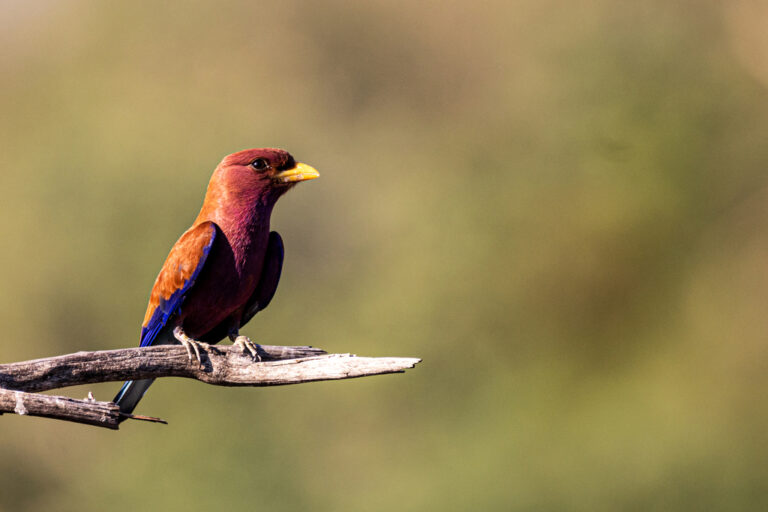
Broad-billed Roller
♥
Eurystomus glaucurus
♥
Malagasy Kingfisher
♥
Corythornis vintsioides
♥
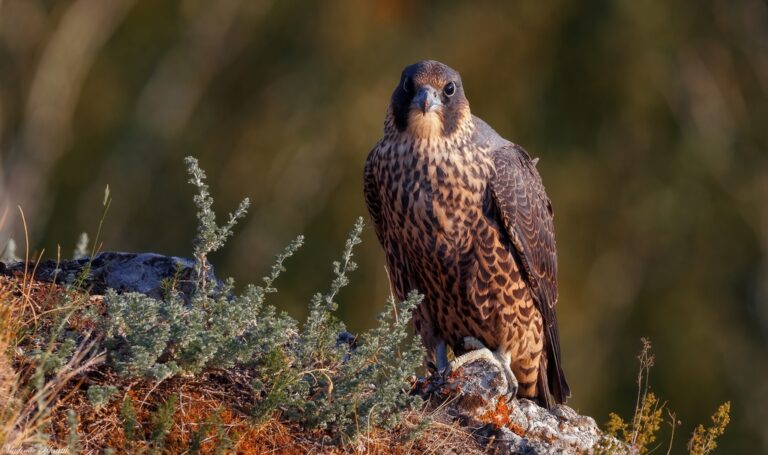
Peregrine Falcon
♥
Falco peregrinus
♥
Lesser Vasa Parrot
♥
Coracopsis nigra
♥
Tylas Vanga
♥
Tylas eduardi
♥
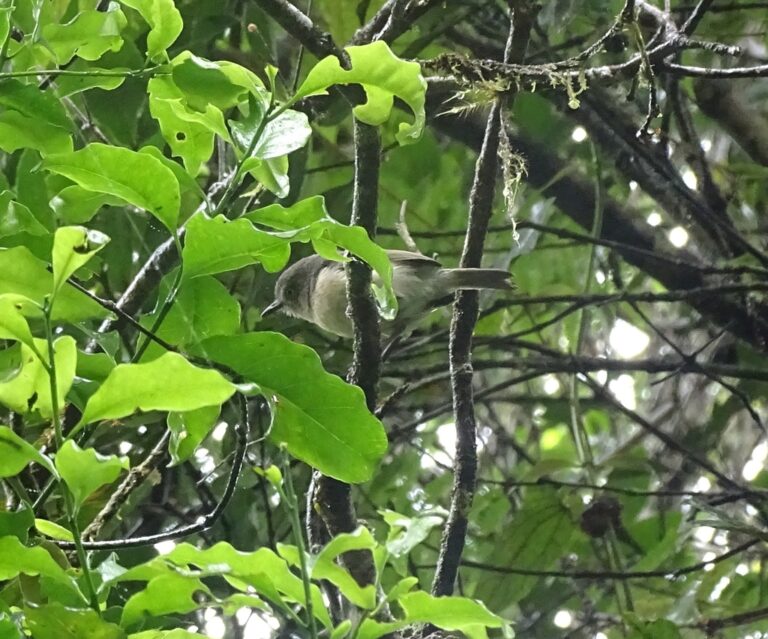
Common Newtonia
♥
Newtonia brunneicauda
♥
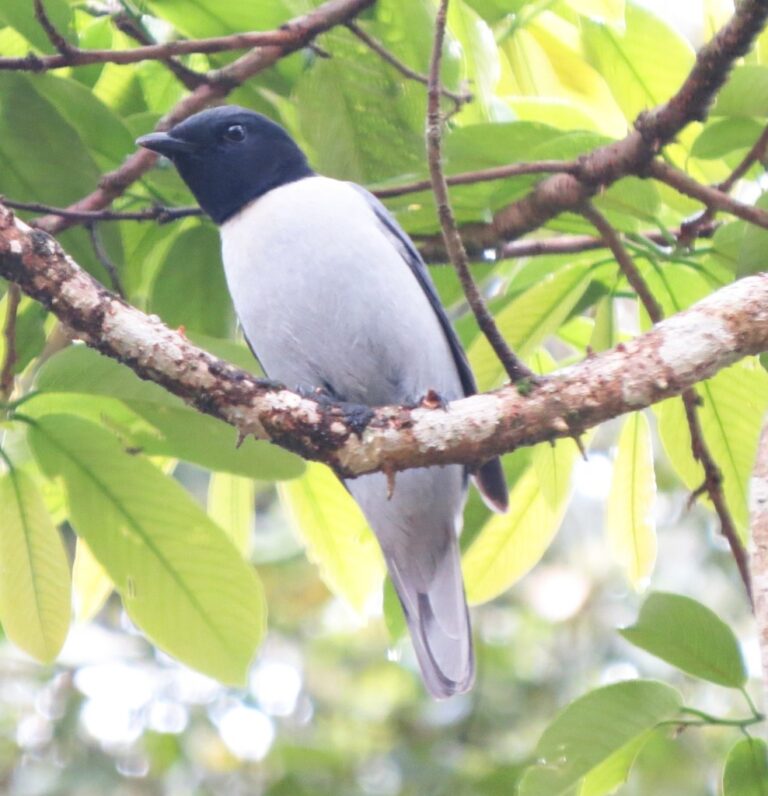
Madagascar Cuckooshrike
♥
Ceblepyris cinereus
♥
Mascarene Martin
♥
Phedina borbonica
♥
Stripe-throated Jery
♥
Neomixis striatigula
♥
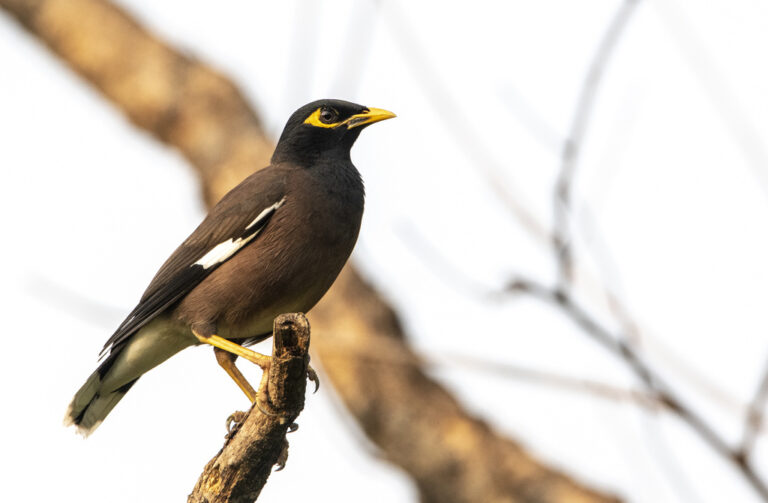
Common Myna
♥
Acridotheres tristis
♥
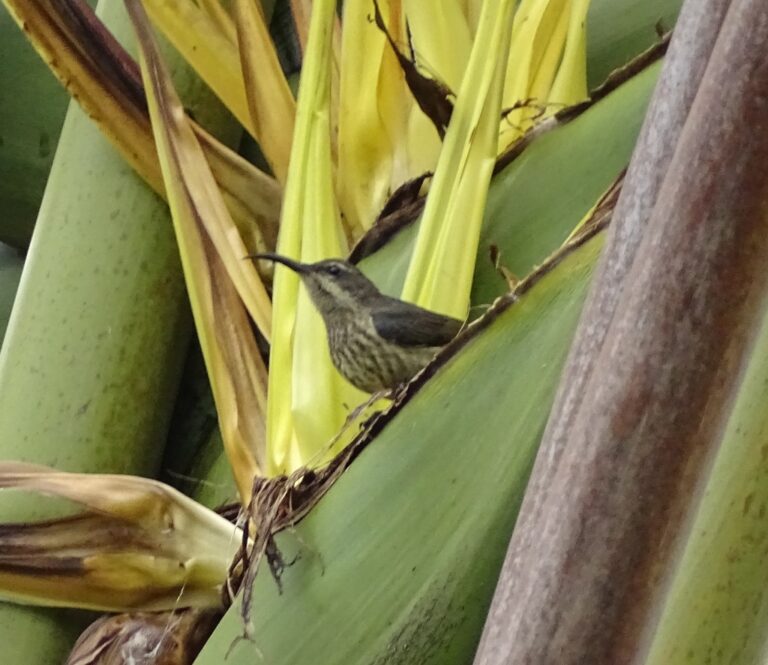
Souimanga Sunbird
♥
Cinnyris sovimanga
♥
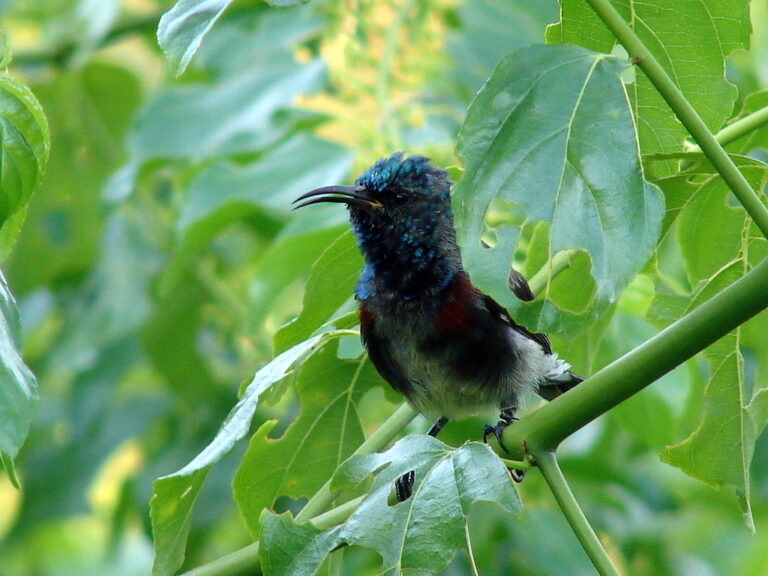
Malagasy Green Sunbird
♥
Cinnyris notatus
♥
Forest Fody
♥
Foudia omissa
♥
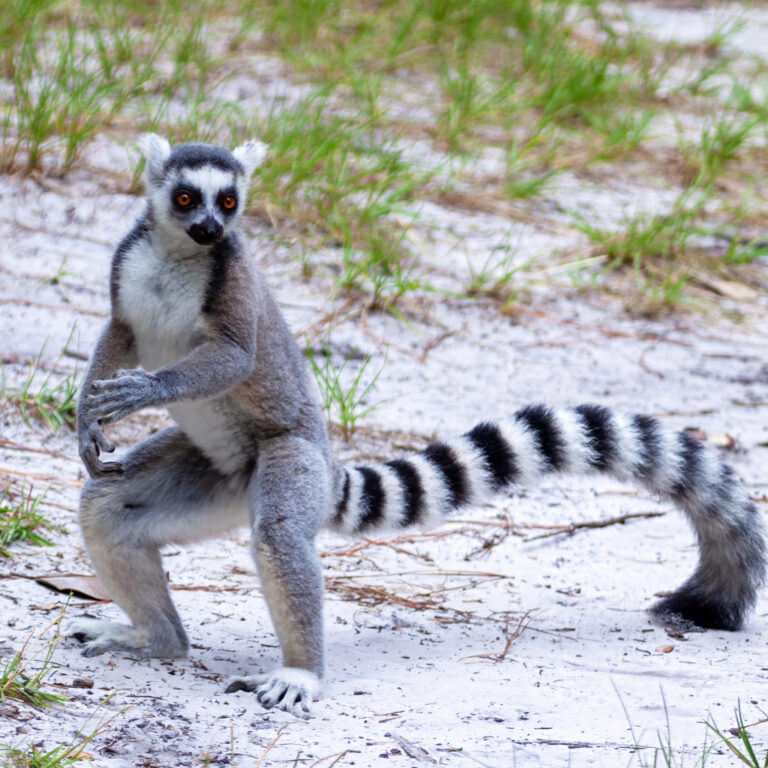
Ring-tailed Lemur
♥
Lemur catta
♥
View Complete List (44 more) →
COMMUNITY
0 Community observations

No community observations yet — be the first to log a sighting here.

Natural environment

Andringitra National Park

Elevation keeps temperatures mild within a humid tropical mountain setting.

Usual climateHumid tropical highlandMountain · Upland
Average annual temperature 14.1 °C Average of the twelve monthly means
Average elevation 1,885 m Mountain
Climate pattern Humid tropical highland Also: Temperate with dry winters and mild summers

A year of temperatures

Monthly means, with the coldest and warmest highlighted

Monthly minimum · July 10.0 °C Monthly maximum · January 17.1 °C
5°10°15°20°January: 17.1 °CFebruary: 17.0 °CMarch: 16.5 °CApril: 15.0 °CMay: 12.9 °CJune: 10.8 °CJuly: 10.0 °CAugust: 10.7 °CSeptember: 12.5 °COctober: 14.3 °CNovember: 15.7 °CDecember: 16.7 °CJanFebMarAprMayJunJulAugSepOctNovDec
Global temperature scale
−40°−20°0°20°40°

Terrain and elevation

1,885 m · Mountain

Average terrain elevation estimate across the hotspot; the figure does not represent its highest summits.

Elevation scale
1,885 m
02,0004,0006,0008,000m

Mountain

Long-term climate averages, not live weather.

Wild Atlas Guide

  • About
  • Contact
  • Privacy Policy
  • Terms of Use
  • Send Feedback

Community

  • Submit a Hotspot
  • Operators Directory
  • Add your business
  • Business Terms
© 2026 Wild Atlas Guide — Content & data compilation protected.
Privacy Policy · Cookie settings · Copyright & data use

Contact Us

We'd love to hear from you. We'll reply as soon as possible.

Send Feedback

Found an error? Have a suggestion? We read every message.

Submit a hotspot Add your business
Sign in
MENU
Sign in

or

Enter your username or email and we'll send you a link to reset your password.

or

Discover
Book
AllBirdsMammalsCountriesHotspotsHidesExperiencesOperators

We use cookies to measure traffic and improve Wild Atlas Guide. You decide. Privacy policy