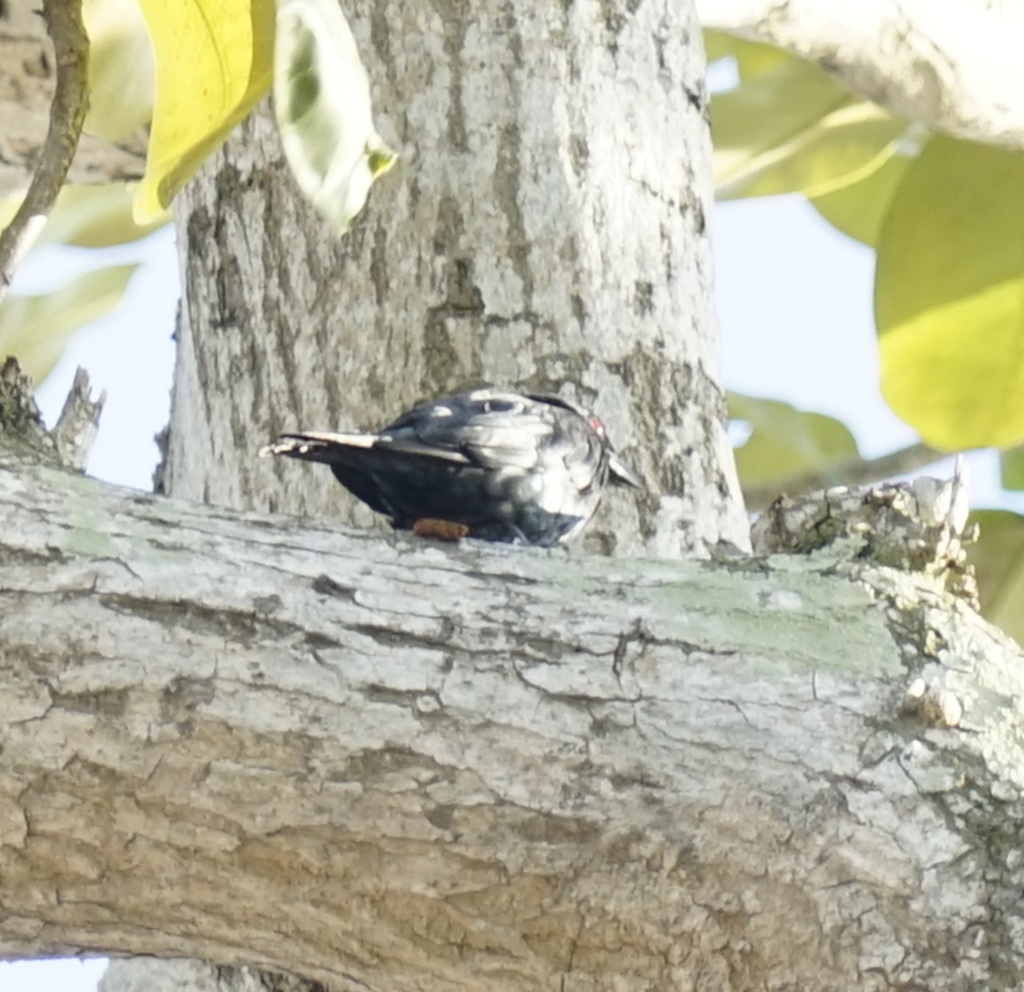
Estornino Bronceado
Photo © Tim
Photo © Tim — CC BY 4.0 — Source: iNaturalist #36766986Identificación
El estornino lustroso asiático es un estornino elegante, de tamaño mediano, con un plumaje distintivo que justifica plenamente su nombre. El ave presenta un plumaje negro lustroso u oscuro en la mayor parte de su cuerpo, lo que le confiere una apariencia elegante e iridiscente. Su característica más llamativa es un anillo ocular rojo brillante que destaca vívidamente contra la cabeza oscura, facilitando la identificación en el campo. Esta combinación de coloración oscura lustrosa y el anillo orbital rojo conspicuo crea un contraste visual impactante, particularmente evidente cuando el ave está posada bajo buena luz.
Distribución y Hábitat
El estornino lustroso asiático está ampliamente distribuido en Asia del Sur y Sureste, con un rango que abarca Bangladesh, Brunéi, India, Indonesia, Malasia, Myanmar, Filipinas, Singapur, Camboya y Tailandia. La especie también ha sido introducida en Taiwán. Sus hábitats naturales incluyen bosques húmedos tropicales y subtropicales de tierras bajas, así como bosques de manglar tropicales y subtropicales, donde prospera en ambientes cálidos y húmedos.
Sin embargo, el ave se ha adaptado exitosamente a paisajes modificados por humanos y ahora es increíblemente abundante en pueblos y ciudades en toda su área de distribución. En zonas urbanas y suburbanas, estos estorninos encuentran refugio en edificios abandonados y árboles, convirtiéndose en unas de las aves más visibles y vocales de las ciudades asiáticas. En Filipinas, donde la especie es particularmente común, se conoce con nombres locales como kulansiyang, galansiyang y kuling-dagat.
Comportamiento y Dieta
El estornino lustroso asiático es muy gregario, moviéndose frecuentemente en grupos grandes que pueden ser bastante conspicuos. Estas aves son excepcionalmente vocales y se consideran una de las especies de aves más ruidosas, produciendo llamadas fuertes y variadas que delatan su presencia incluso antes de ser vistas. Su naturaleza gregaria y comportamiento vocal las hacen notables y en ocasiones una presencia desafiante en áreas donde se congregan en grandes números.
Mejor Época y Lugares para Observarlo
El estornino lustroso asiático es común y ampliamente distribuido en su rango, lo que lo hace relativamente fácil de observar en hábitats apropiados. Busca bandadas en pueblos y ciudades en toda Asia del Sur y Sureste, donde son particularmente abundantes. Los hábitats forestales —tanto bosques húmedos de tierras bajas como bosques de manglar— también albergan poblaciones saludables. La naturaleza altamente gregaria del ave significa que los avistamientos frecuentemente involucran múltiples individuos, a veces en bandadas grandes y ruidosas.
Consejos de Fotografía
El plumaje negro lustroso y el anillo ocular rojo brillante proporcionan un excelente contraste de sujetos para la fotografía. El hábito del ave de posarse abiertamente en árboles y edificios ofrece buenas oportunidades para retratarlo. Captura imágenes en condiciones de buena luz para mostrar el carácter iridiscente del plumaje y hacer que el anillo ocular rojo destaque claramente. El comportamiento gregario ofrece oportunidades para composiciones dinámicas de grupo, particularmente en entornos urbanos donde las aves dormidas se reúnen en árboles al amanecer y atardecer.
Mu Ko Ang Thong National Park
Hat Noppharat Thara-Mu Ko Phi Phi National Park
Bako National Park
Kuching Wetlands National Park
Taman Negara National Park
Penang National Park
Taman Negara Bukit Lambir National Park
Gunung Mulu National Park
Taman Nasional Baluran
West Bali National Park
Mount Merapi National Park
Lore Lindu National Park
Aún no hay fotos de la comunidad. Inicia sesión para añadir la primera.
Aún no hay observaciones de la comunidad de esta especie.