Países Bajos
The Netherlands is one of Europe’s most distinctive wildlife destinations, characterised by its extensive wetlands, coastal ecosystems, river deltas, freshwater lakes, heathlands, forests and internationally important migratory bird habitats. Despite being one of the most densely populated countries in Europe, the Netherlands supports remarkable biodiversity, particularly among waterbirds, shorebirds and wetland-dependent species. Its strategic position along the East Atlantic Flyway makes it an essential stopover, breeding and wintering destination for millions of migratory birds.
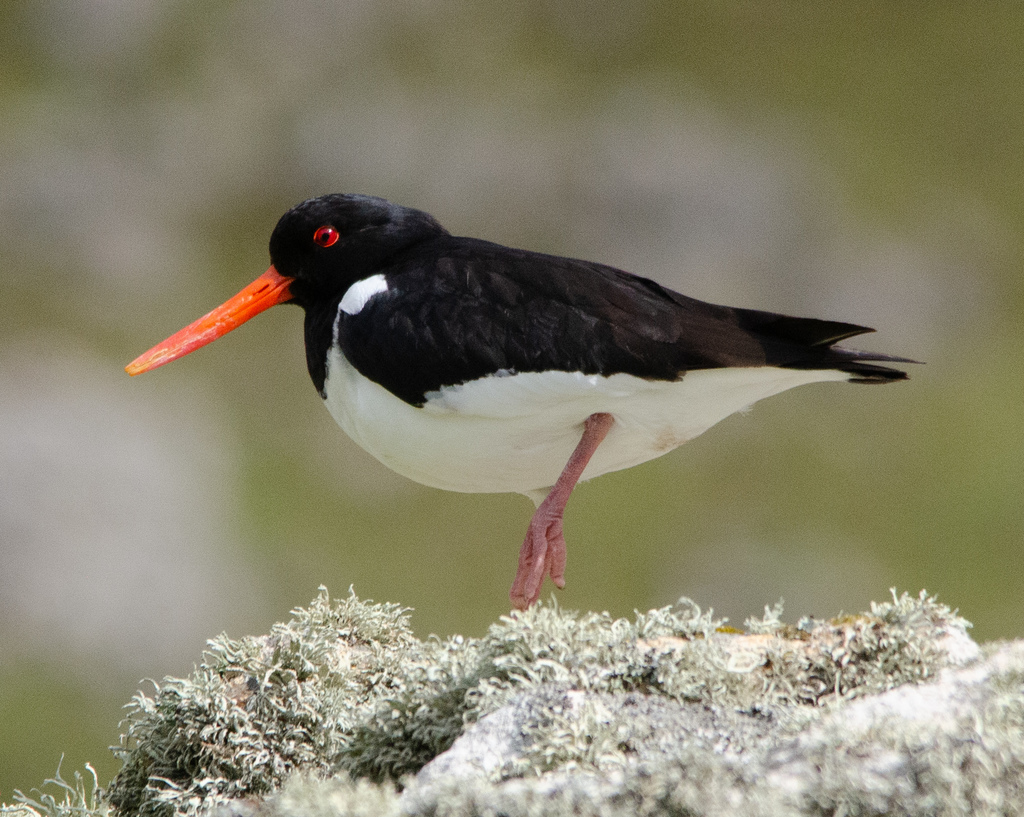
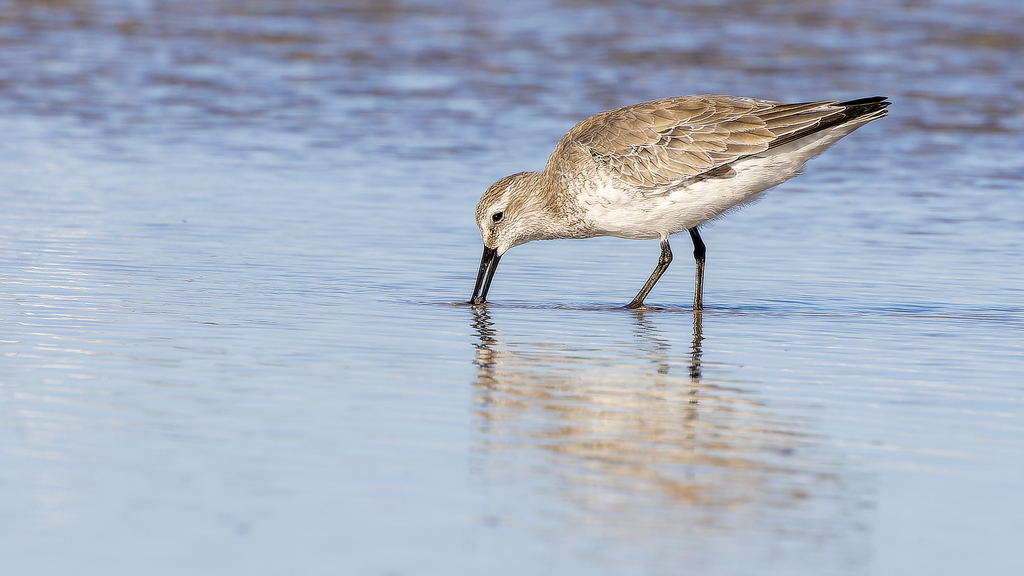
The Wadden Sea, a UNESCO World Heritage Site shared with Germany and Denmark, represents one of the country’s most important natural environments. This immense coastal ecosystem of tidal flats, salt marshes, channels and barrier islands supports extraordinary concentrations of migratory shorebirds, including Red Knots, Bar-tailed Godwits, Eurasian Oystercatchers, Dunlins and Eurasian Curlews. During migration, enormous flocks gather to feed on the rich invertebrate communities exposed by the tides. The Wadden Islands, including Texel, Vlieland, Terschelling, Ameland and Schiermonnikoog, also provide valuable breeding habitats for seabirds, terns and coastal specialists.
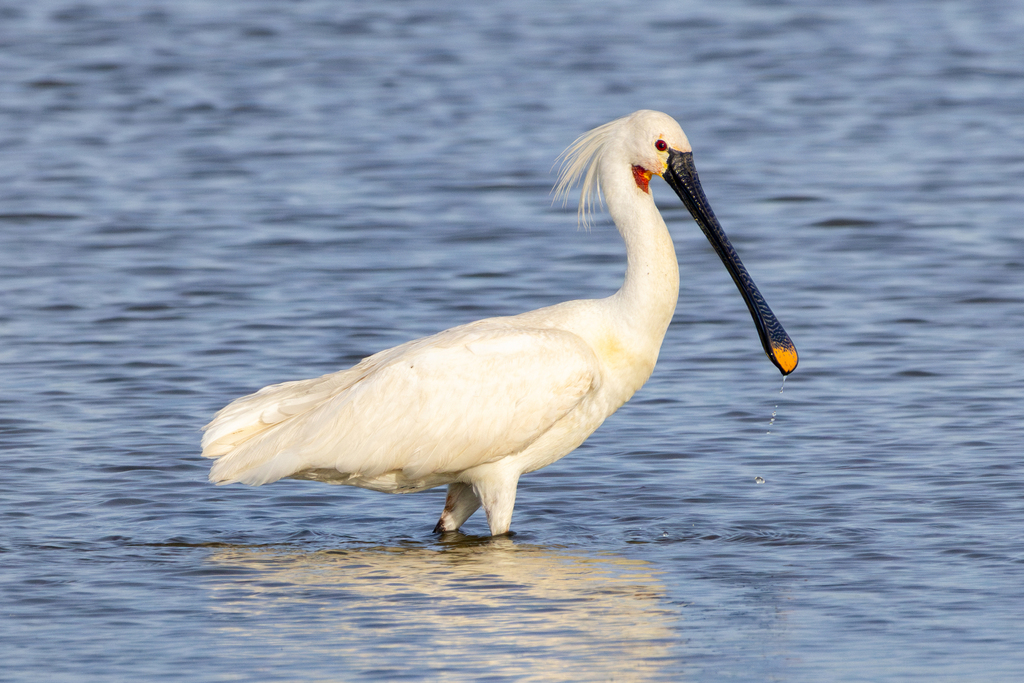
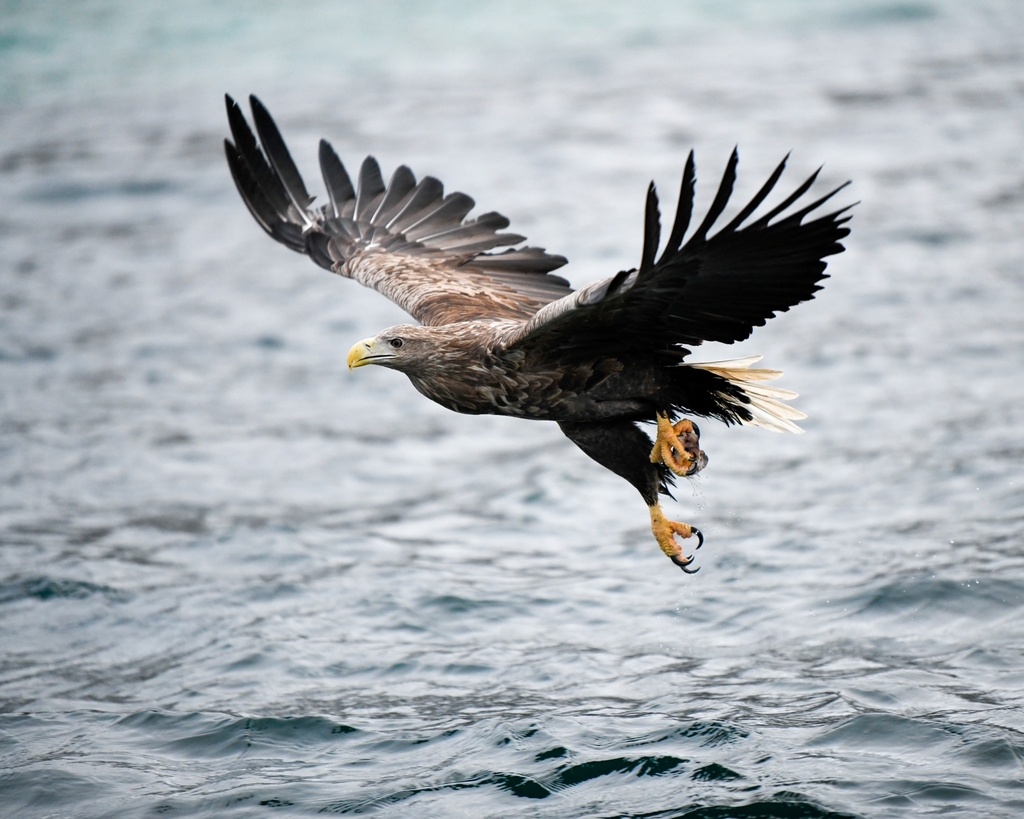
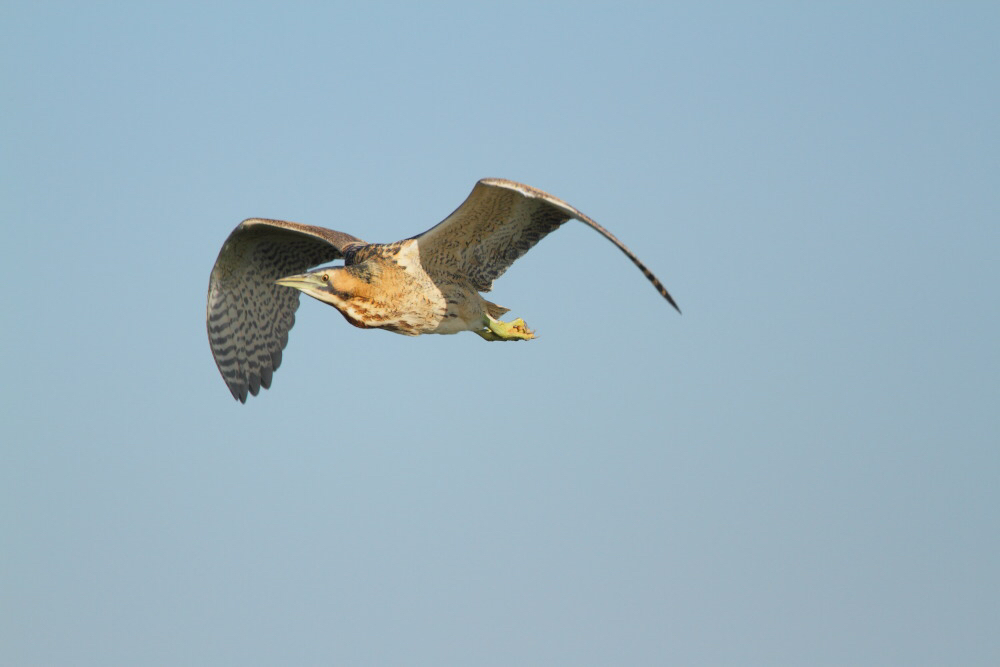
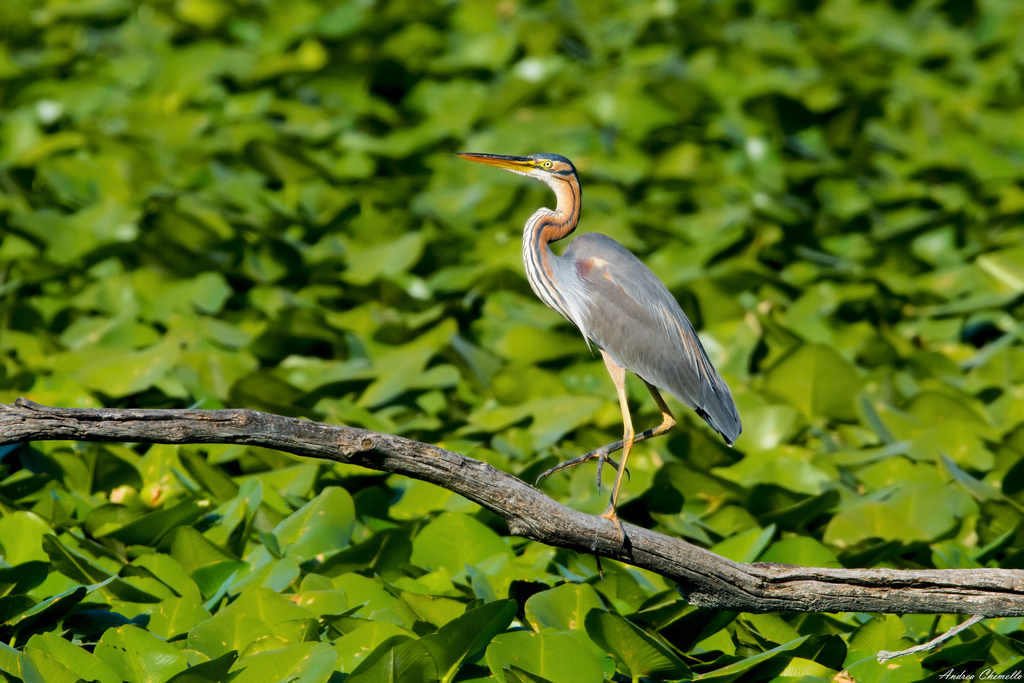
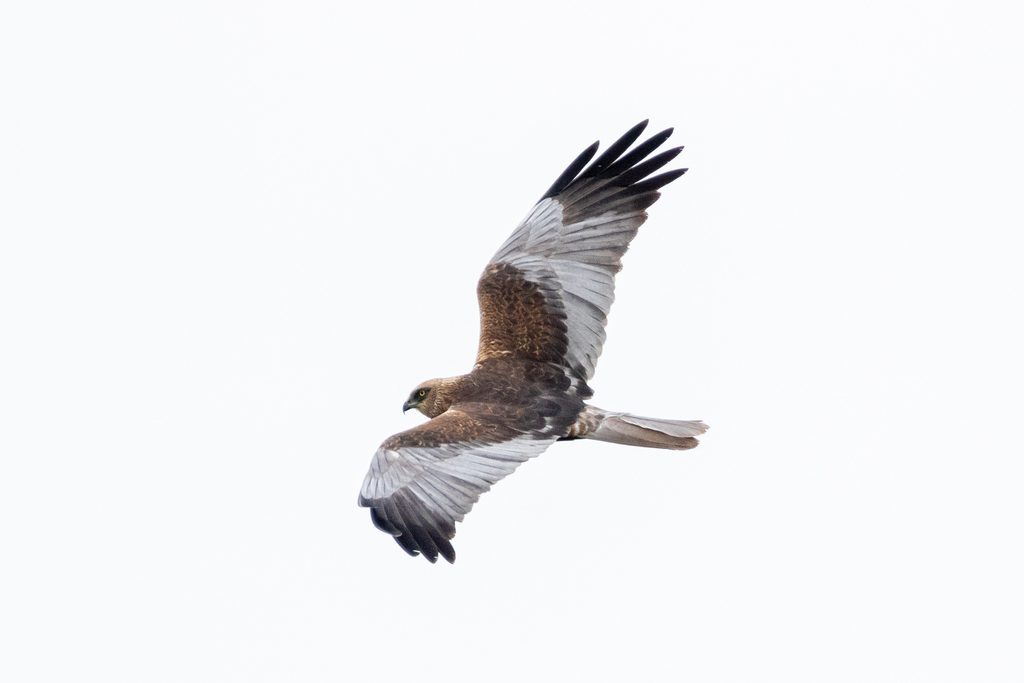
The Netherlands is particularly famous for its freshwater wetlands and reedbed ecosystems. National parks such as De Biesbosch, Weerribben-Wieden and De Alde Feanen contain extensive networks of marshes, canals, lakes, flooded woodlands and reedbeds. These habitats support species such as the Eurasian Bittern, Western Marsh Harrier, Purple Heron, Great Egret and Bluethroat. The White-tailed Eagle, once absent as a breeding species, has successfully recolonised the country and now breeds in several major wetland areas.
The Oostvaardersplassen nature reserve is another iconic wildlife destination. Created on reclaimed land in Flevoland, this extensive wetland and grassland ecosystem has become internationally recognised for its large herbivore populations and abundant birdlife. Konik horses, Heck cattle and Red Deer graze across the open landscapes, while surrounding marshes attract large numbers of geese, ducks, herons and birds of prey. The reserve offers a fascinating example of large-scale ecological management and natural processes in a human-modified landscape.
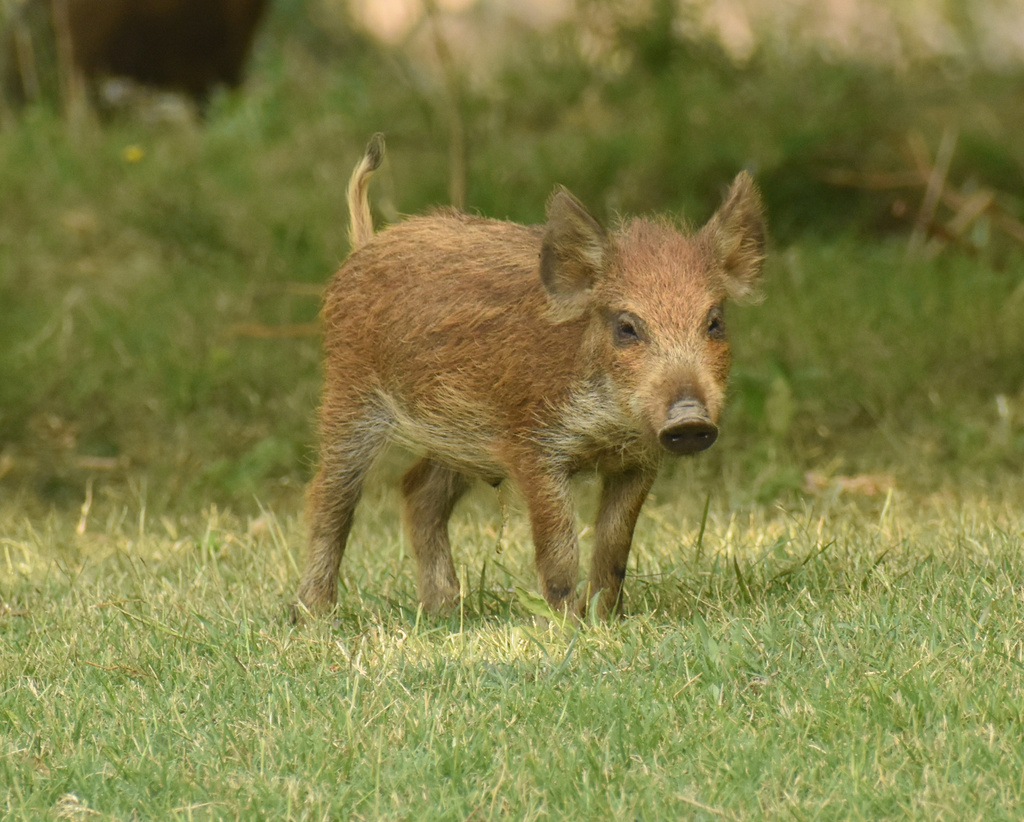
Beyond its wetlands, the Netherlands contains important forests, heathlands and sandy habitats. De Hoge Veluwe and Veluwezoom national parks protect extensive woodland, heathland and inland dune ecosystems supporting Red Deer, Roe Deer, Wild Boar, European Badger, Red Fox and numerous woodland birds. Black Woodpeckers, European Nightjars and various raptors inhabit these environments, while open heathlands provide habitat for specialised reptiles, insects and breeding birds.
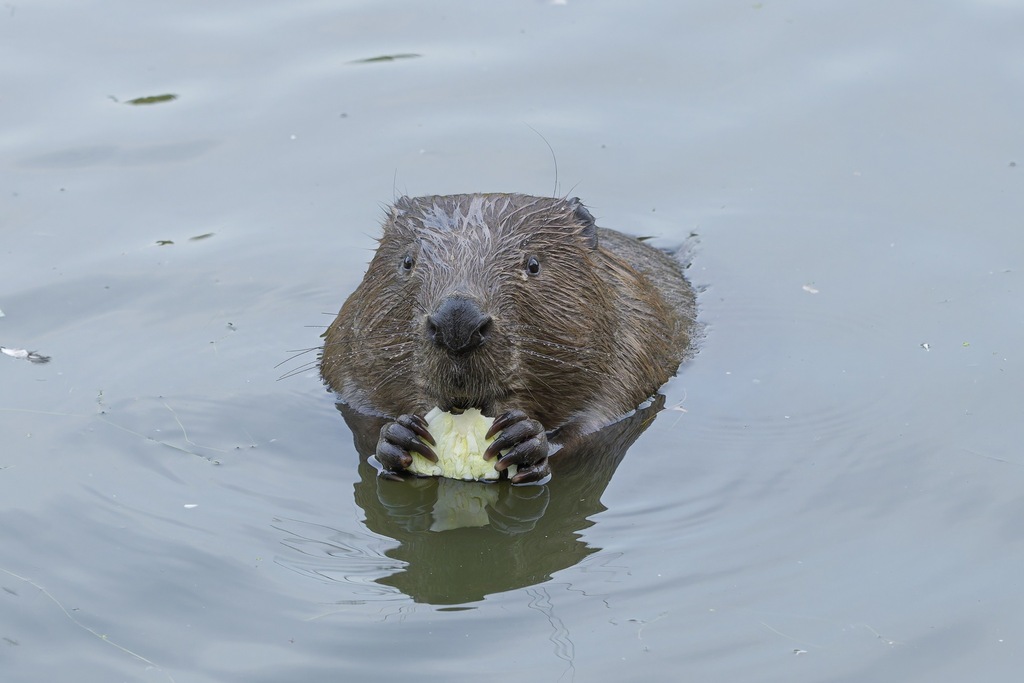
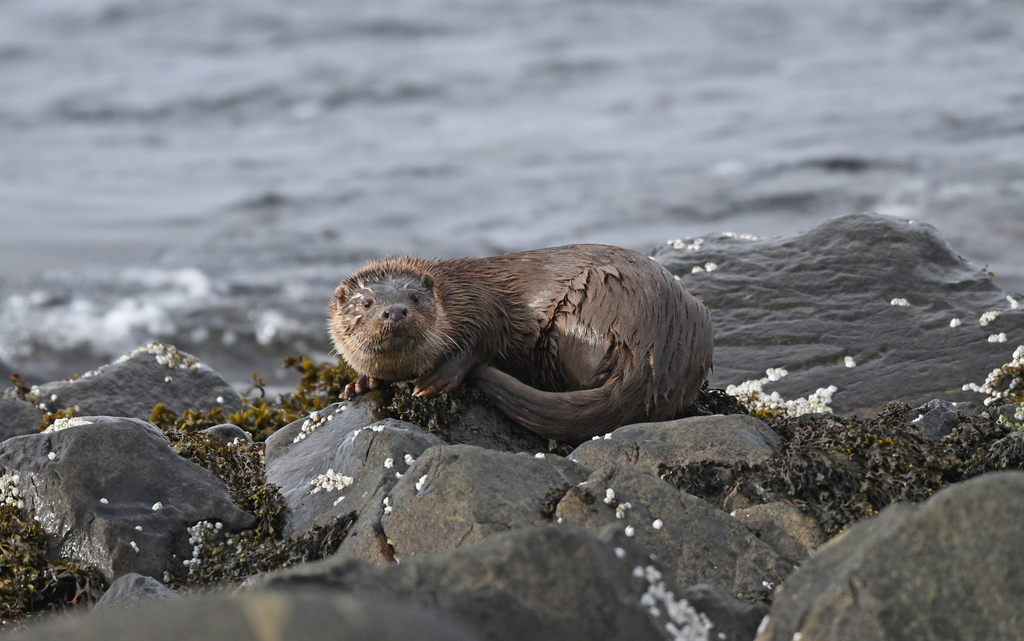
The country’s mammal fauna has experienced several notable recoveries in recent decades. The Eurasian Beaver has successfully re-established populations following reintroduction programmes, particularly in river systems and wetlands. Eurasian Otters have also returned to suitable freshwater habitats, while the Grey Wolf has naturally recolonised the Netherlands after a long historical absence. These developments highlight the ecological potential of habitat restoration and improved connectivity between natural areas.
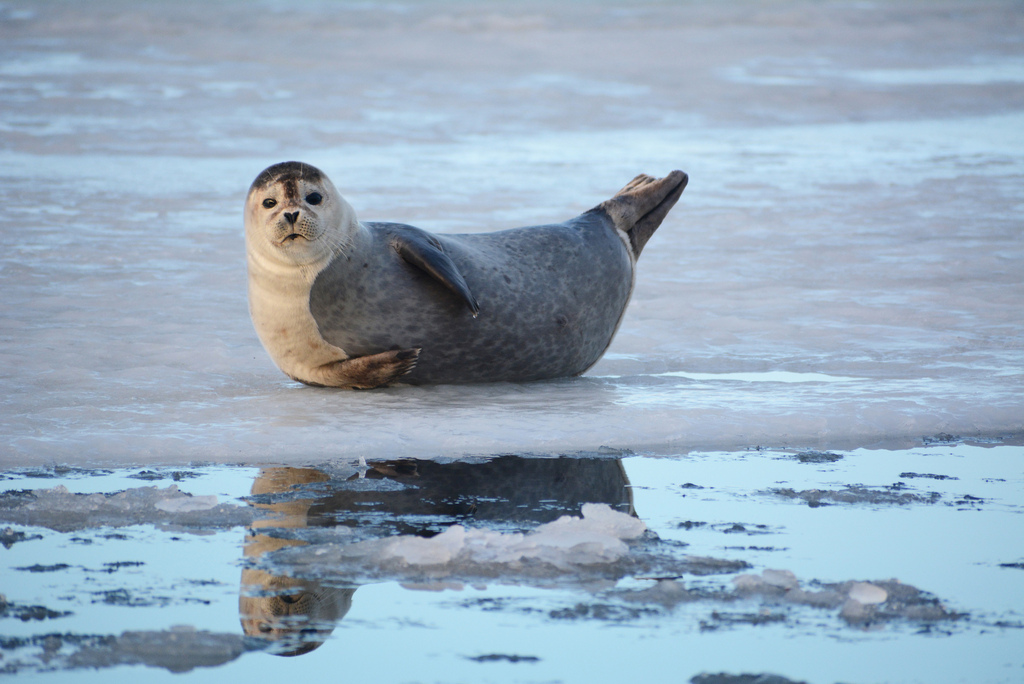
Marine wildlife is another important component of Dutch biodiversity. The North Sea coastline and Wadden Sea support populations of Harbour Seals and Grey Seals, frequently observed resting on sandbanks or swimming through tidal channels. Harbour Porpoises inhabit Dutch coastal waters, while seabirds such as Northern Gannets, Common Guillemots and various gull species can be observed offshore, particularly during migration and winter.
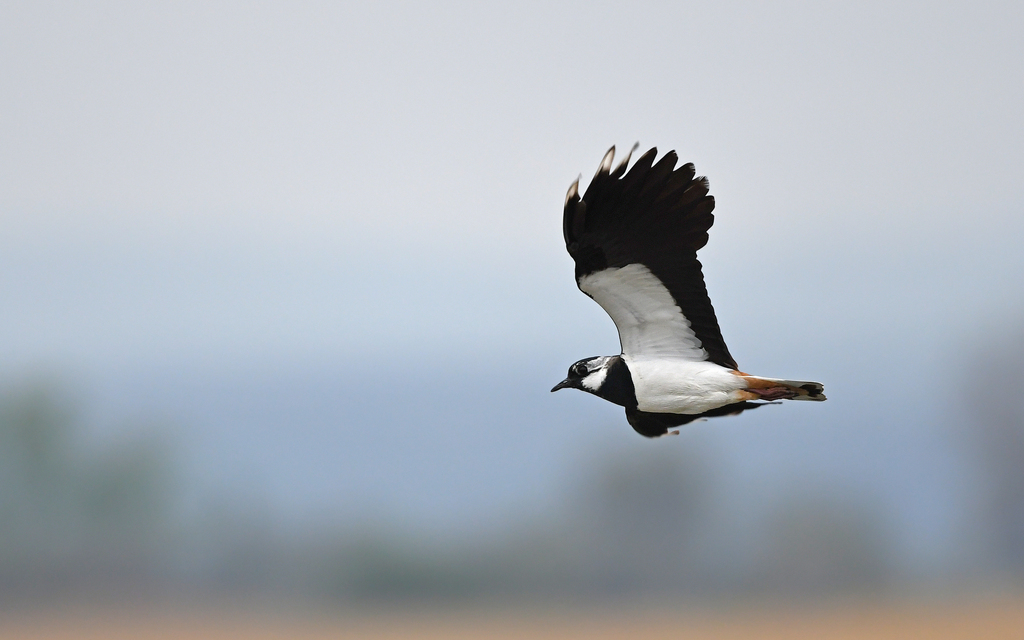
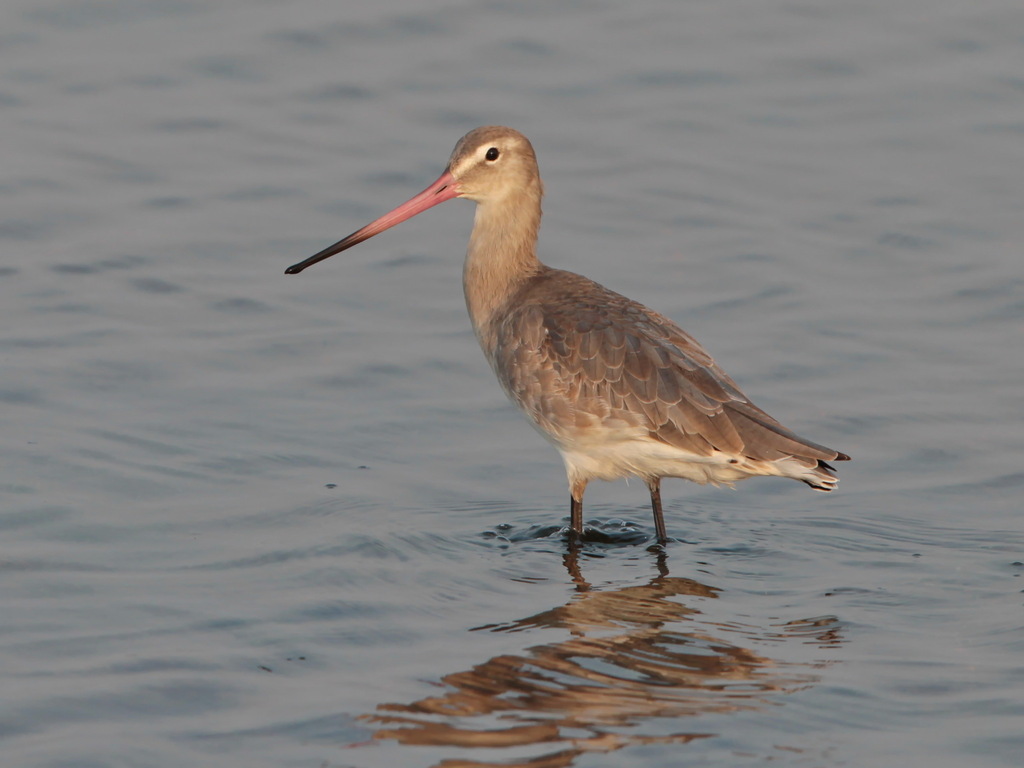
The Netherlands also plays a crucial role in European bird conservation. Its agricultural grasslands, polders and wet meadows provide breeding habitat for the Black-tailed Godwit, one of the country’s most emblematic birds. A substantial proportion of the European breeding population occurs in the Netherlands, making the conservation of traditional wet grasslands particularly important. Northern Lapwings, Common Redshanks and other meadow birds also depend on these landscapes, although agricultural intensification and habitat changes have caused significant population declines.
Seasonal changes strongly influence wildlife observation opportunities throughout the country. Spring brings breeding shorebirds, returning migratory songbirds and active wetland colonies. Summer offers excellent opportunities to observe breeding waterbirds, mammals and insects. Autumn is characterised by spectacular bird migration, particularly along the North Sea coast and Wadden Islands. Winter transforms wetlands and agricultural landscapes into major gathering areas for geese, swans, ducks and other northern visitors.
From the vast tidal flats of the Wadden Sea and the marshes of the Rhine–Meuse delta to the forests of the Veluwe and the open landscapes of Oostvaardersplassen, the Netherlands offers exceptional opportunities for birdwatching, wildlife photography and nature exploration. Its combination of accessible protected areas, internationally significant migratory routes and successful wildlife restoration initiatives makes it one of Europe’s most rewarding destinations for observing wetland and coastal biodiversity.
De Alde Feanen National Park
De Biesbosch National Park
De Groote Peel National Park
De Hoge Veluwe National Park
De Loonse en Drunense Duinen National Park
De Maasduinen National Park
De Meinweg National Park
De Weerribben-Wieden National Park
Drents-Friese Wold National Park
Nada coincide con estos filtros.
Aún no hay observaciones de la comunidad en este país — visita un hotspot y empieza una lista de observaciones.