New Zealand is one of the world’s most extraordinary wildlife destinations, renowned for its remarkable endemism, ancient evolutionary history, spectacular landscapes and exceptional marine biodiversity. Located in the southwestern Pacific Ocean, this isolated island nation consists primarily of the North Island, South Island and numerous smaller offshore islands. Its geographical isolation, which began approximately 80 million years ago with the separation of Zealandia from Gondwana, allowed wildlife to evolve along distinctive evolutionary pathways. As a result, New Zealand supports an extraordinary concentration of endemic species, particularly birds, reptiles and invertebrates, many of which occur nowhere else on Earth.
Unlike most continental ecosystems, New Zealand evolved without native terrestrial mammals other than bats. Birds consequently occupied ecological niches typically filled by mammals elsewhere, producing remarkable adaptations such as flightlessness, ground nesting and unusual feeding strategies. This evolutionary history gave rise to some of the world’s most distinctive birds, including kiwis, kākāpō, takahē and the now-extinct giant moa. Today, the country’s surviving endemic wildlife represents an irreplaceable component of global biodiversity and a major focus of international conservation efforts.
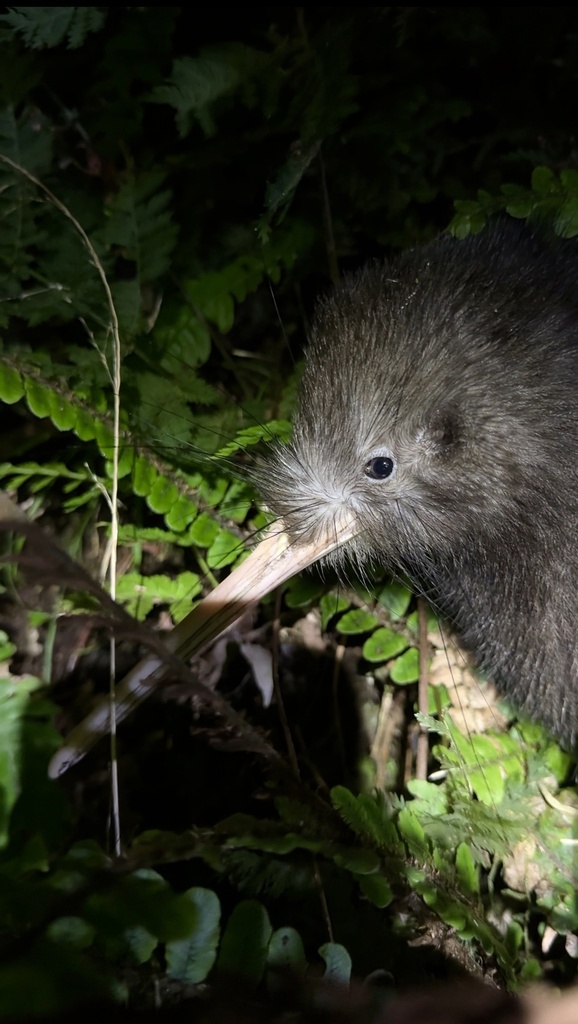
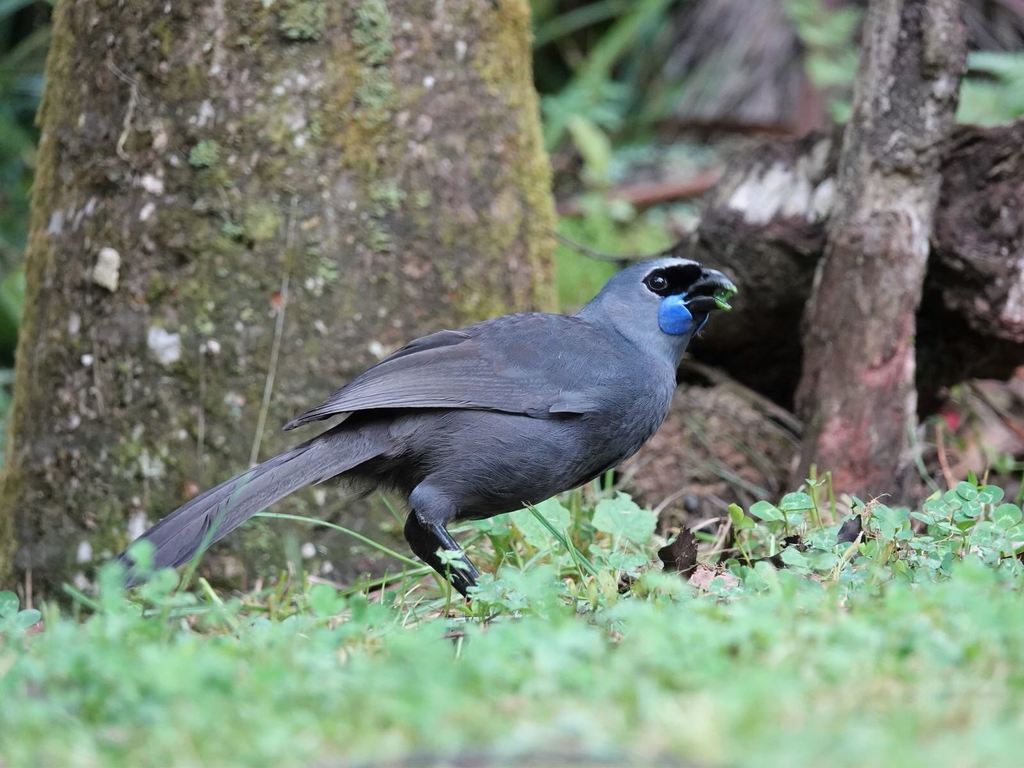
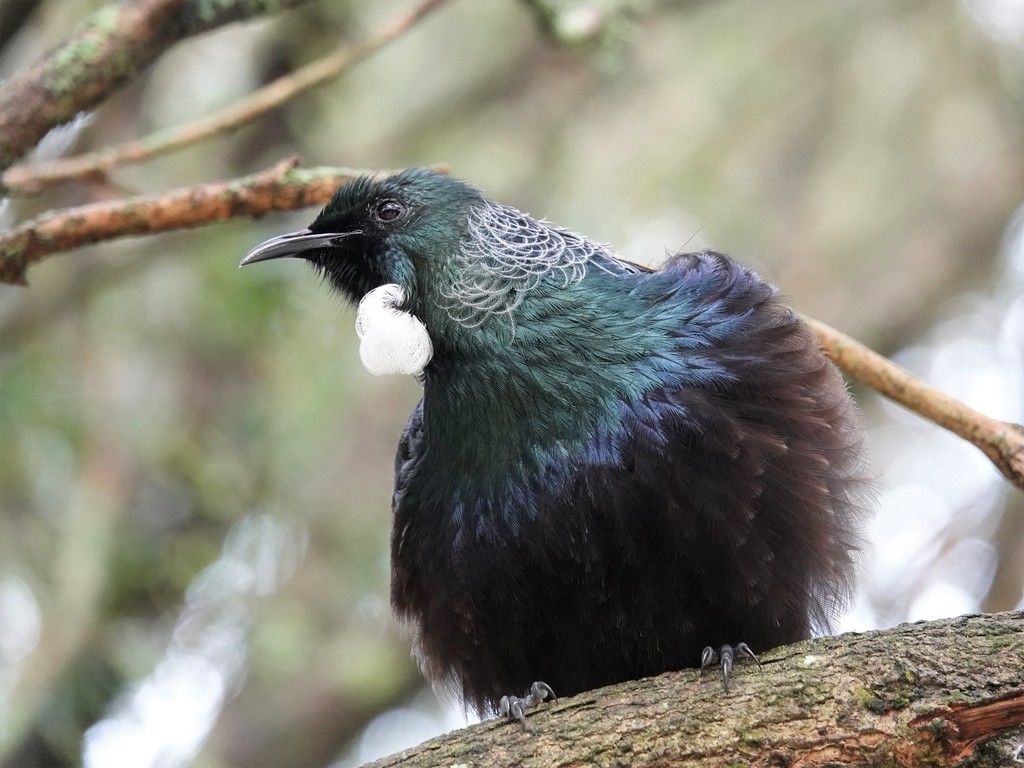
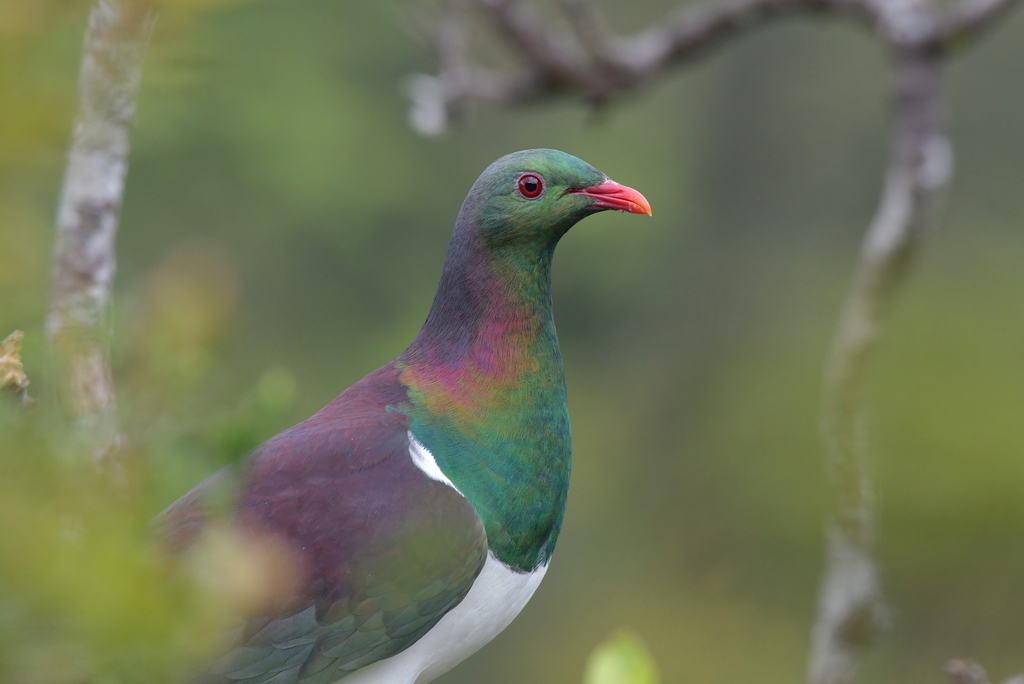
New Zealand’s forests are among its most important terrestrial ecosystems. Temperate rainforests, ancient podocarp forests, southern beech woodlands and subtropical forests support a rich diversity of endemic birds. The North Island Brown Kiwi, one of the country’s most recognisable wildlife symbols, inhabits forests and regenerating habitats where it searches for invertebrates using its highly developed sense of smell. Other forest specialists include the North Island Kōkako, Tūī, New Zealand Bellbird, Kākā, Kererū and several species of native robins, fantails and parakeets. Their distinctive calls and behaviours create a unique forest environment unlike anywhere else in the world.
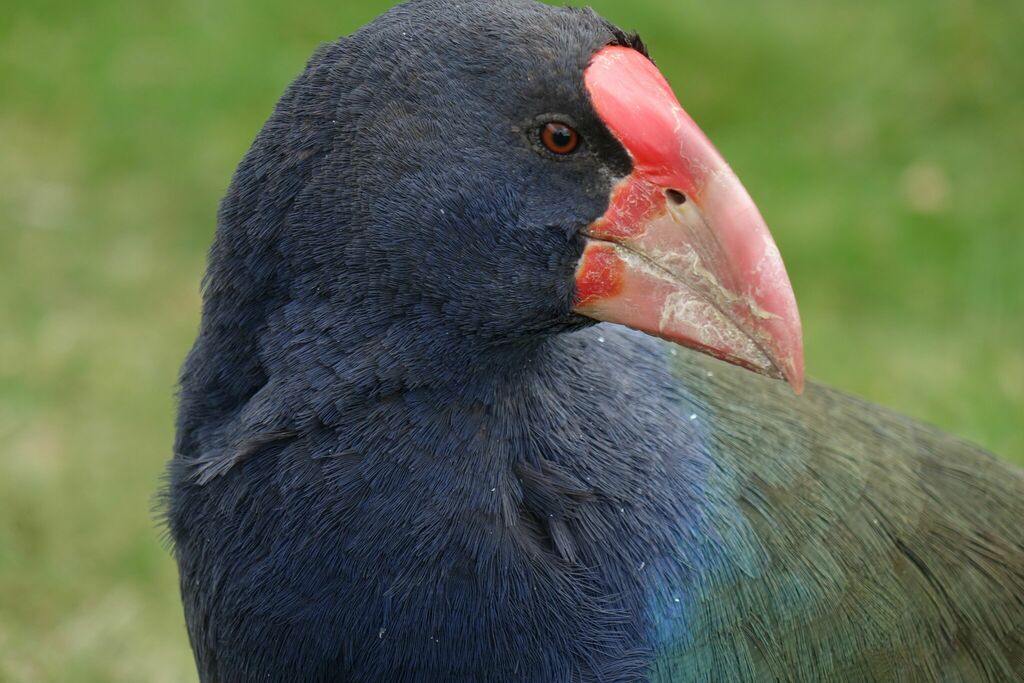
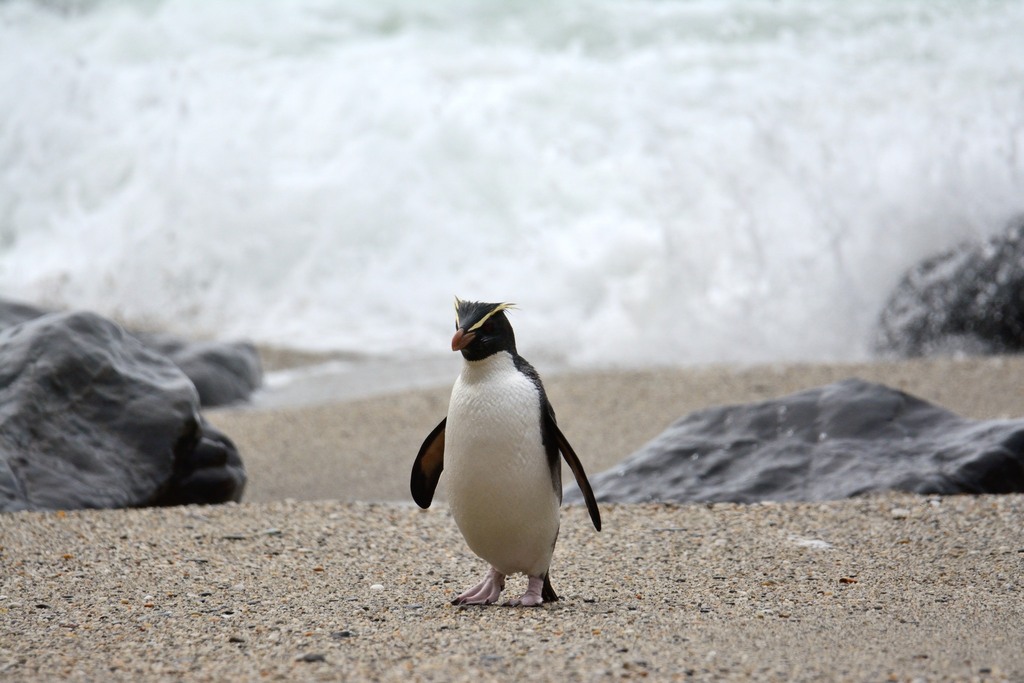
The South Island contains some of New Zealand’s most dramatic wilderness landscapes, including the Southern Alps, extensive temperate rainforests, glacial valleys, alpine grasslands and rugged fjords. Fiordland National Park, part of the Te Wāhipounamu World Heritage Area, protects vast tracts of relatively undisturbed habitat and supports several rare endemic species. The Fiordland Crested Penguin breeds along remote coastal areas, while the endangered Takahe, once believed extinct, survives through intensive conservation management in protected populations. The surrounding forests provide habitat for Kākā, Rifleman, Yellowhead and other native woodland birds.
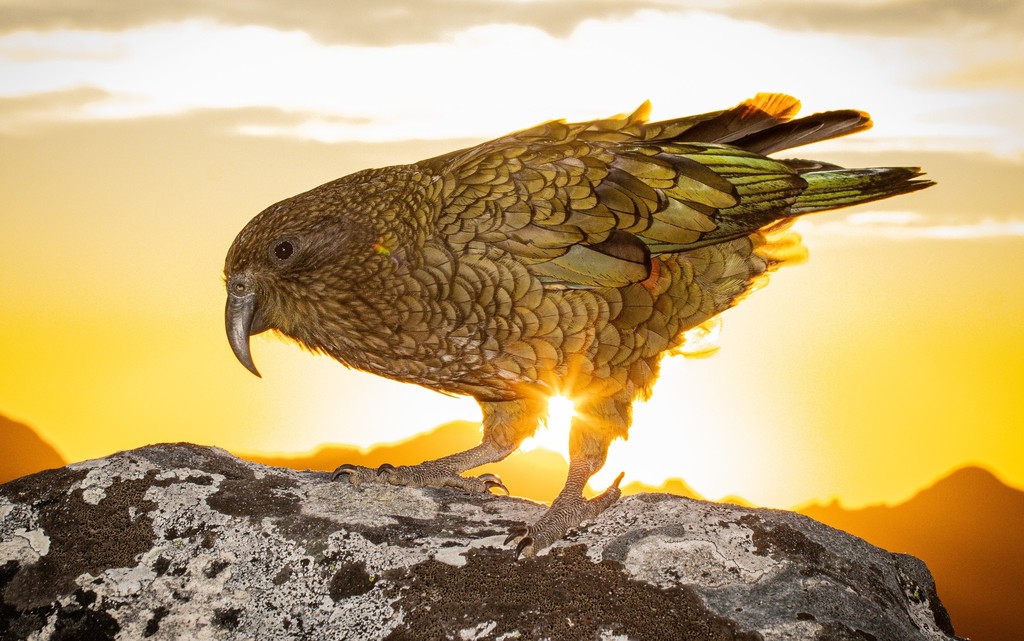
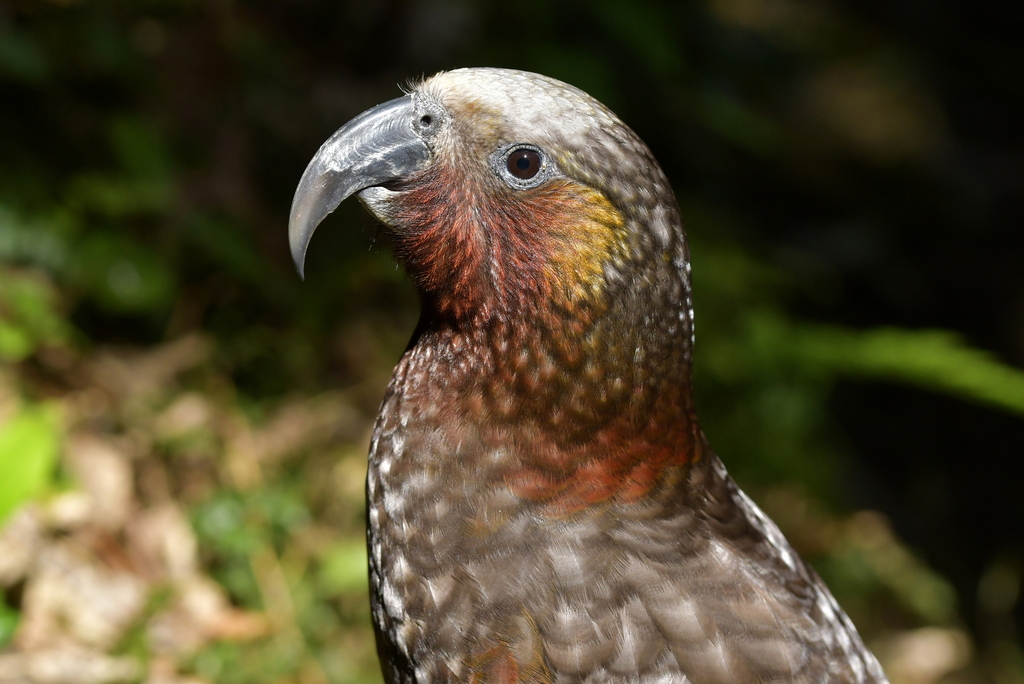
One of New Zealand’s most remarkable birds is the Kea, the world’s only alpine parrot. Found primarily in the mountainous regions of the South Island, this highly intelligent and inquisitive species is famous for its problem-solving abilities, complex social behaviour and extraordinary adaptability. Kea inhabit alpine valleys, mountain forests and high-elevation environments, where they forage across a wide variety of habitats. Their playful interactions and striking olive-green plumage make them particularly appealing to wildlife photographers and nature enthusiasts.
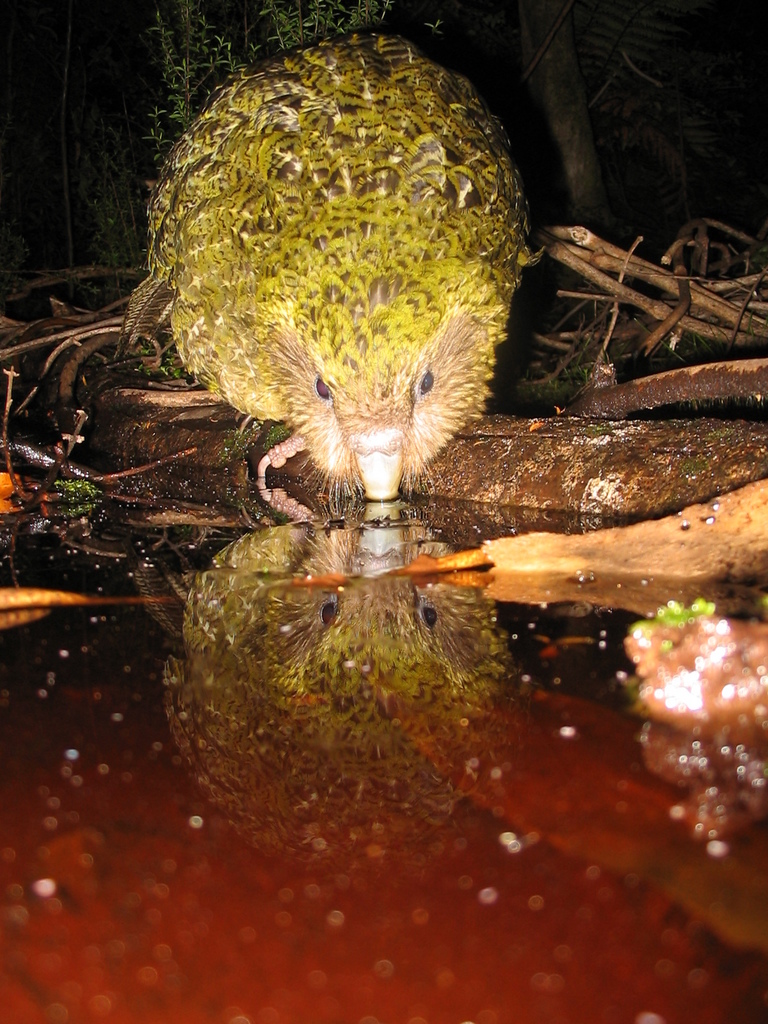
New Zealand is also internationally famous for its flightless parrots, especially the critically endangered Kākāpō. This large, nocturnal, ground-dwelling parrot is one of the rarest birds in the world and survives in intensively managed populations on predator-free islands and protected sites. Its unusual reproductive behaviour, including a lek breeding system, and its distinctive evolutionary history make it one of the most remarkable conservation stories in modern wildlife management. Although encounters are extremely restricted, the species symbolises New Zealand’s commitment to protecting its unique natural heritage.
Offshore islands play a crucial role in the conservation of New Zealand’s endemic wildlife. Islands such as Tiritiri Matangi, Kāpiti, Ulva Island and Zealandia’s predator-fenced mainland sanctuary provide important refuges for species threatened by introduced predators. These protected environments support recovering populations of rare birds, including Saddlebacks, Stitchbirds, Kōkako, Kākāriki and several kiwi species. Predator eradication and ecological restoration programmes have allowed many native species to return to habitats from which they had previously disappeared.
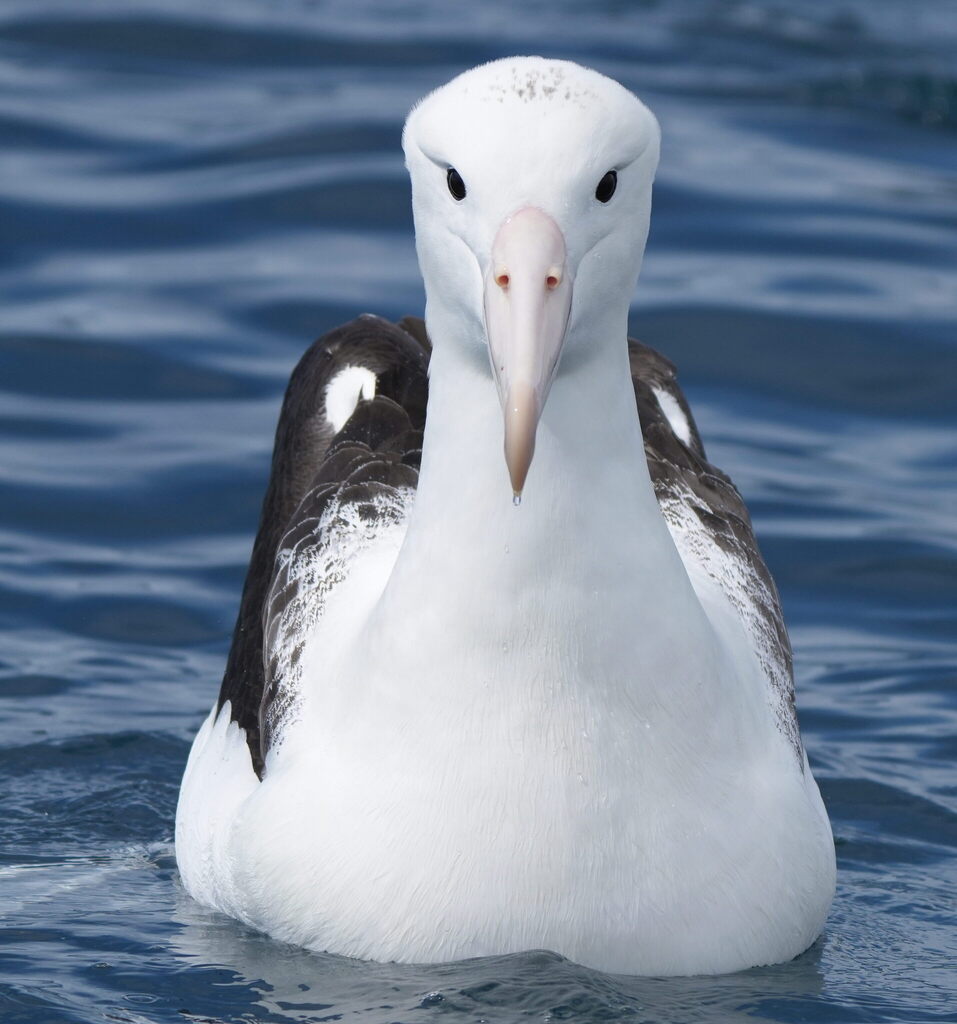
The country’s coastal environments support an exceptional diversity of seabirds. New Zealand is considered one of the world’s most important regions for seabird biodiversity, with numerous endemic breeding species of albatrosses, petrels, shearwaters and penguins. The Northern Royal Albatross breeds at Taiaroa Head on the Otago Peninsula, one of the few mainland albatross breeding colonies in the world. Other remarkable seabirds include the Buller’s Albatross, Westland Petrel, Hutton’s Shearwater and several species of prions and storm petrels. The waters surrounding the country form part of important feeding and migration routes for seabirds across the Southern Ocean and Pacific.
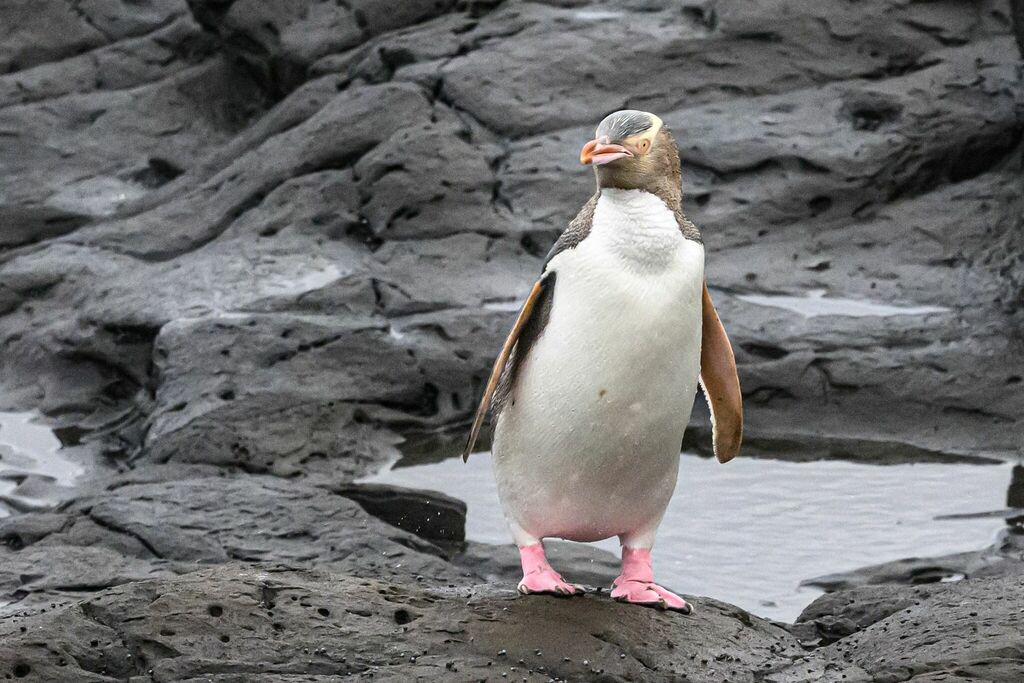
Penguins are another defining feature of New Zealand’s wildlife. The country supports several breeding penguin species, including the Little Penguin, Yellow-eyed Penguin, Fiordland Crested Penguin and Snares Penguin. The endangered Yellow-eyed Penguin, locally known as Hoiho, inhabits parts of the southeastern South Island and subantarctic islands. Its distinctive yellow facial markings and relatively solitary breeding behaviour distinguish it from many other penguin species. Coastal forests, secluded beaches and rocky shorelines provide essential nesting habitat for these remarkable birds.
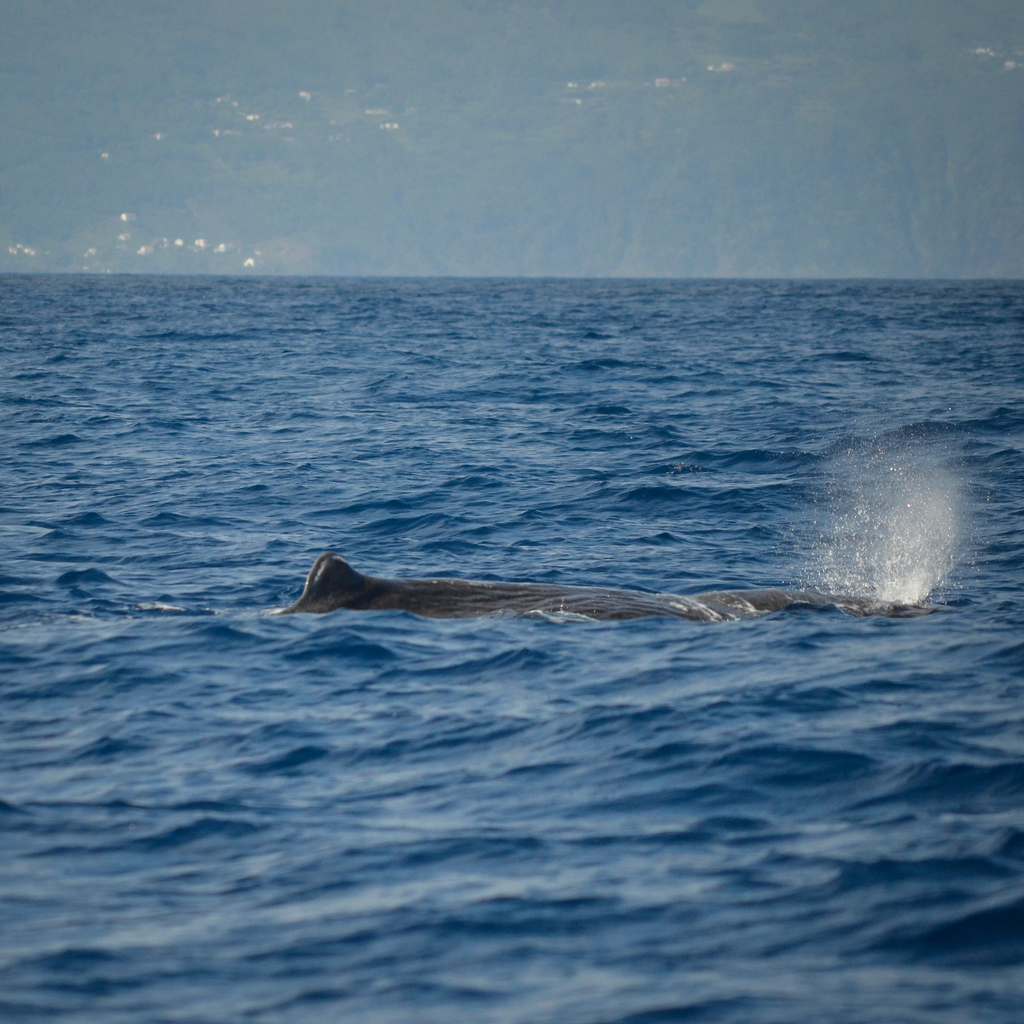
New Zealand’s marine ecosystems are equally extraordinary. The country’s extensive coastline, continental shelves, deep ocean trenches and productive marine currents support a rich diversity of marine mammals, seabirds and fish. The waters around Kaikōura are particularly famous for their deep submarine canyon, which creates highly productive feeding grounds for Sperm Whales. These impressive cetaceans can be observed throughout much of the year, making Kaikōura one of the world’s best-known destinations for whale watching. Dusky Dolphins, Common Dolphins, Humpback Whales and Orcas also occur in New Zealand waters.
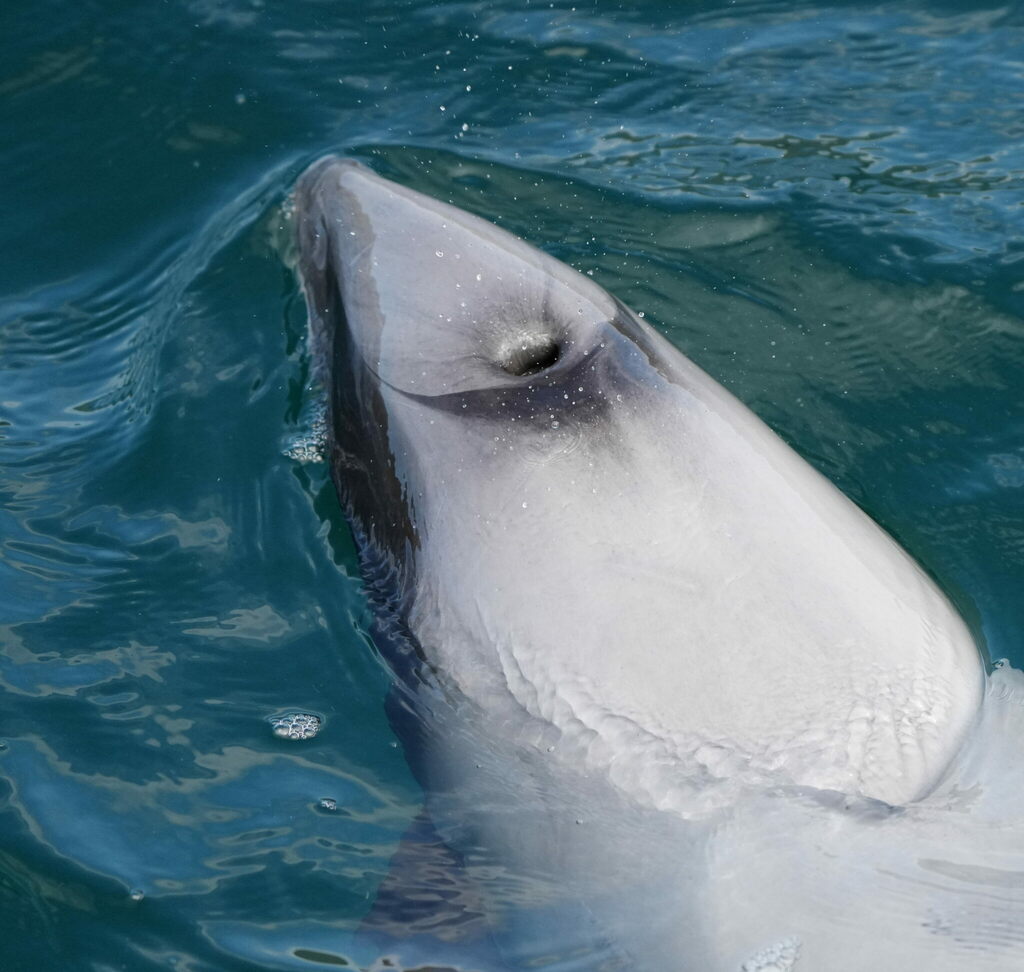
Among the country’s most distinctive marine mammals is the Hector’s Dolphin, one of the smallest and rarest dolphin species in the world. Endemic to New Zealand, it inhabits shallow coastal waters around parts of the South Island. The critically endangered Māui Dolphin, a subspecies of Hector’s Dolphin, survives in extremely small numbers along the western coast of the North Island. Both populations face significant conservation challenges, particularly from accidental entanglement in fishing gear and other human activities.
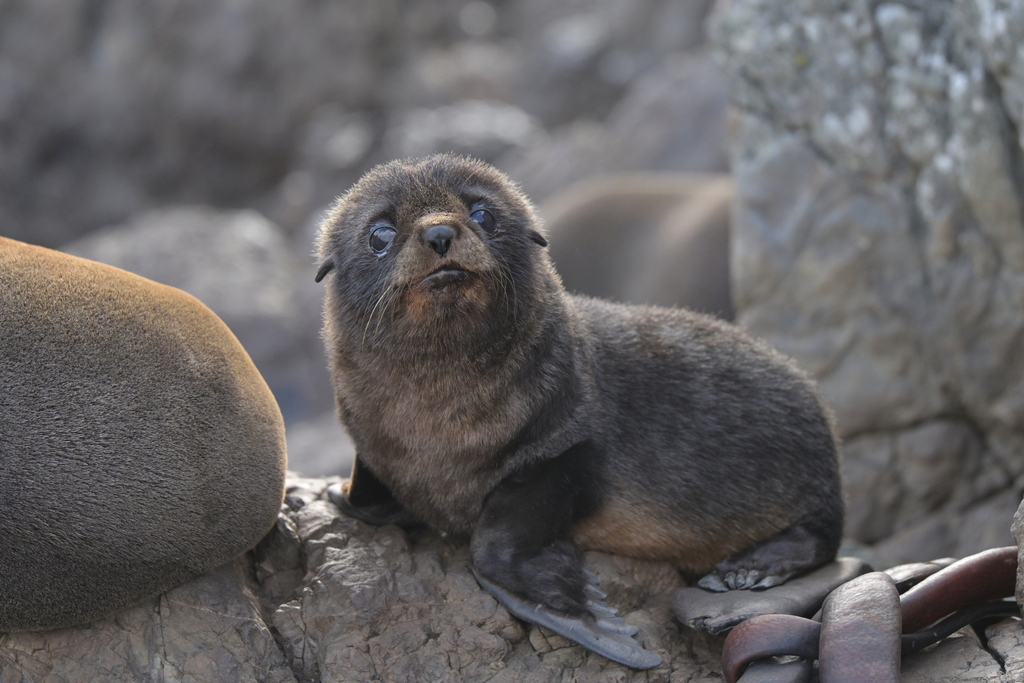
New Zealand Fur Seals are widespread along rocky coastlines, particularly around the South Island and offshore islands. Large breeding colonies can be observed in places such as Kaikōura, the Otago Peninsula and parts of Fiordland. New Zealand Sea Lions, one of the world’s rarest sea lion species, breed primarily on the subantarctic islands, although breeding has also re-established on parts of the South Island. These marine mammals provide excellent opportunities for observing natural behaviours, particularly during the breeding season.
The country’s subantarctic islands represent another extraordinary wildlife environment. The Auckland Islands, Campbell Island, Antipodes Islands, Bounty Islands and Snares Islands support globally significant seabird colonies and numerous endemic species. These remote islands provide breeding habitat for millions of seabirds, including albatrosses, penguins, petrels and shearwaters. Their isolation and relatively limited human disturbance make them internationally important for conservation and scientific research.
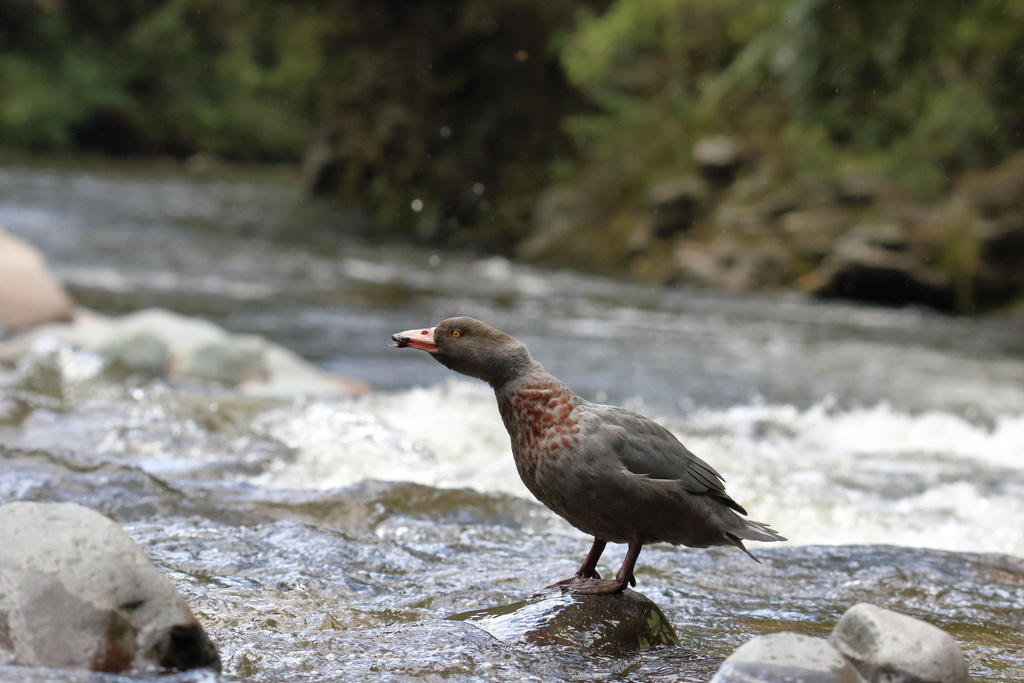
New Zealand’s wetlands, rivers and freshwater ecosystems also contain distinctive wildlife. Native waterbirds include the Paradise Shelduck, New Zealand Scaup, Australasian Bittern and the endangered Blue Duck, locally known as Whio. The Blue Duck is particularly associated with clean, fast-flowing rivers in mountainous forest environments and is considered an important indicator of freshwater ecosystem health. Wetlands also support migratory shorebirds, including the remarkable Bar-tailed Godwit, which undertakes one of the longest known nonstop migrations of any bird between Alaska and New Zealand.
Seasonal variation strongly influences wildlife observation opportunities. Spring and summer, generally extending from September to February, coincide with breeding activity for many endemic birds, seabirds and marine mammals. Penguin colonies become particularly active during their breeding seasons, while albatrosses and other seabirds return to nesting sites. Autumn and winter provide different opportunities, including whale watching, alpine wildlife observation and encounters with species that remain active throughout the colder months.
Conservation is central to New Zealand’s wildlife identity. The introduction of mammals such as rats, stoats, possums and feral cats caused severe declines and extinctions among native birds, reptiles and invertebrates. Habitat destruction and historical hunting added further pressure. Today, extensive conservation programmes focus on predator control, island restoration, captive breeding, habitat protection and the recovery of threatened species. Initiatives such as Predator Free 2050 aim to reduce the impacts of invasive predators and restore native ecosystems across the country.
For wildlife photographers and nature enthusiasts, New Zealand offers an extraordinary combination of accessible wildlife encounters and remote wilderness experiences. Visitors can photograph Kea in alpine landscapes, observe Kiwis during guided nocturnal excursions, encounter rare endemic birds in protected sanctuaries, watch penguins returning to coastal nesting areas and experience spectacular marine wildlife around Kaikōura and the Otago Peninsula. The country’s diverse landscapes, from subtropical forests and volcanic plateaus to glaciers, fjords and subantarctic islands, provide an exceptional natural setting for wildlife exploration.
From its ancient flightless birds and intelligent alpine parrots to its globally important seabird colonies, endemic dolphins and magnificent whales, New Zealand stands among the world’s most distinctive wildlife destinations. Its exceptional evolutionary heritage, high levels of endemism and ambitious conservation initiatives make it an essential destination for birdwatchers, wildlife photographers and travellers seeking encounters with species found nowhere else on Earth.