Panama
Stretching between Costa Rica and Colombia, Panama forms the narrow land bridge that connects North and South America, making it one of the most biologically important countries on Earth. Despite covering just over 75,000 square kilometres, Panama protects an extraordinary diversity of ecosystems, from Caribbean rainforests and Pacific mangroves to cloud forests, highland volcanoes and tropical dry forests. More than 30% of the country is protected, providing vital habitat for thousands of species and making Panama one of the world’s premier wildlife destinations.
Its unique geographical position has shaped both its geology and biodiversity. Millions of years ago, the formation of the Isthmus of Panama connected two continents while separating the Atlantic and Pacific Oceans, triggering one of the greatest exchanges of wildlife in Earth’s history. Today, species from both North and South America coexist, creating an exceptional concentration of mammals, birds, reptiles and amphibians.
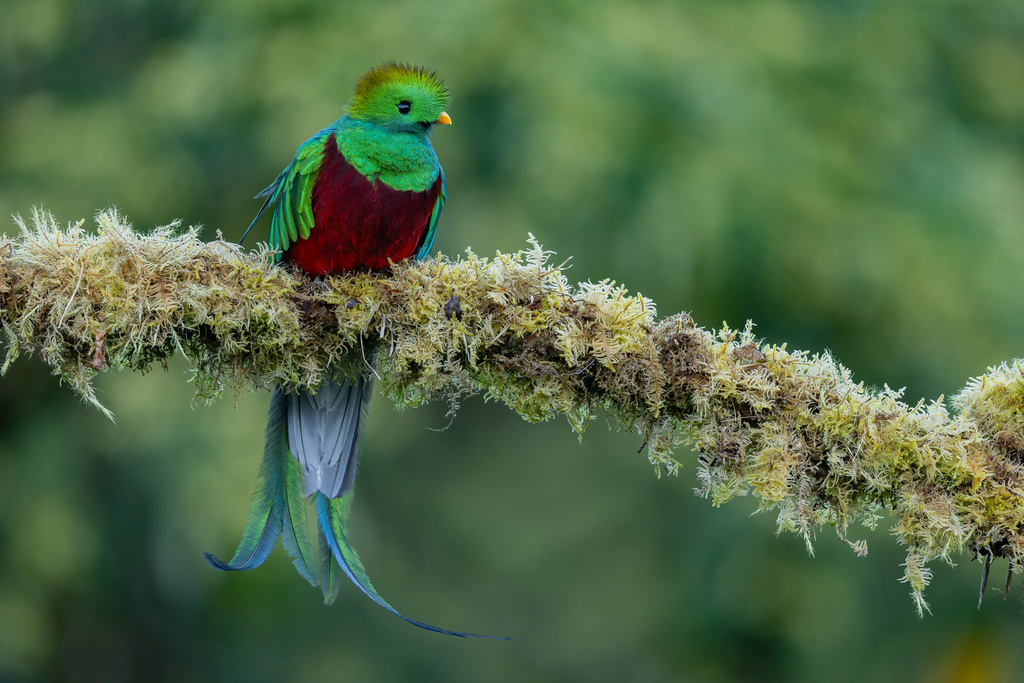
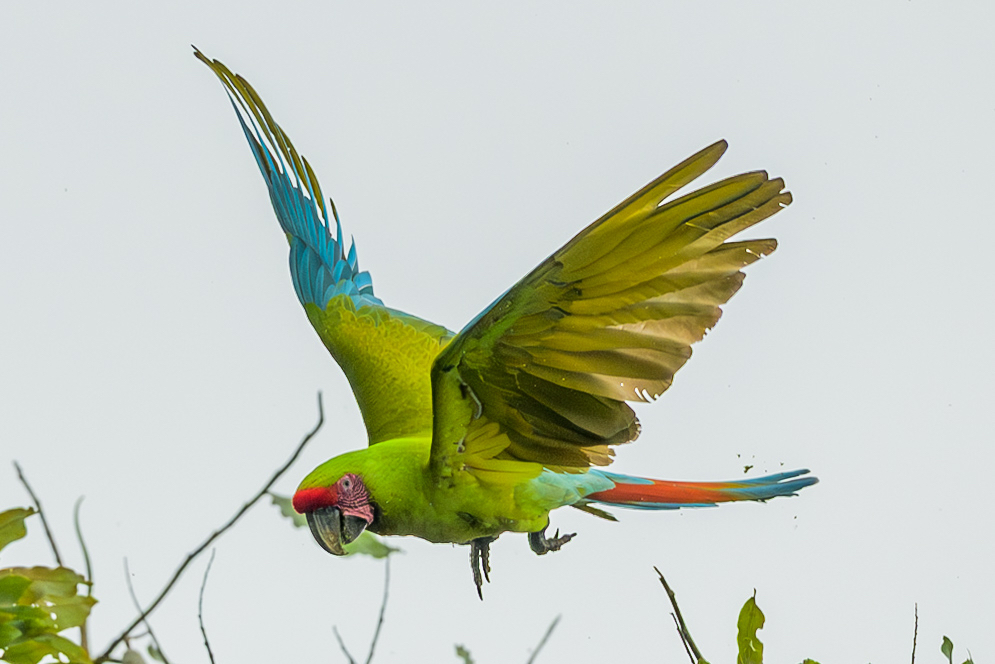
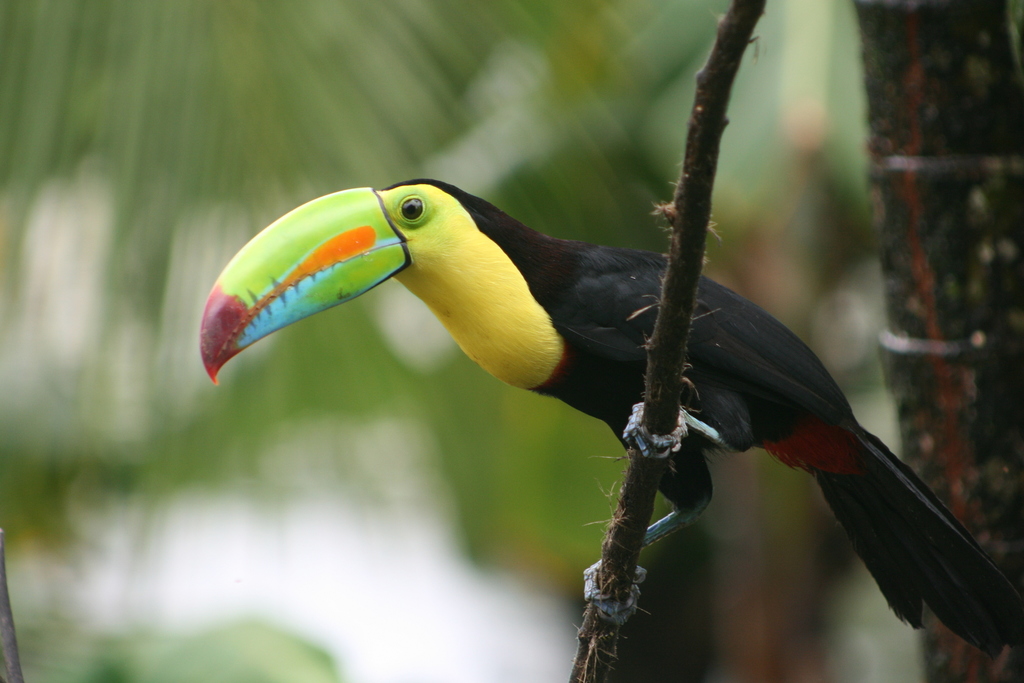
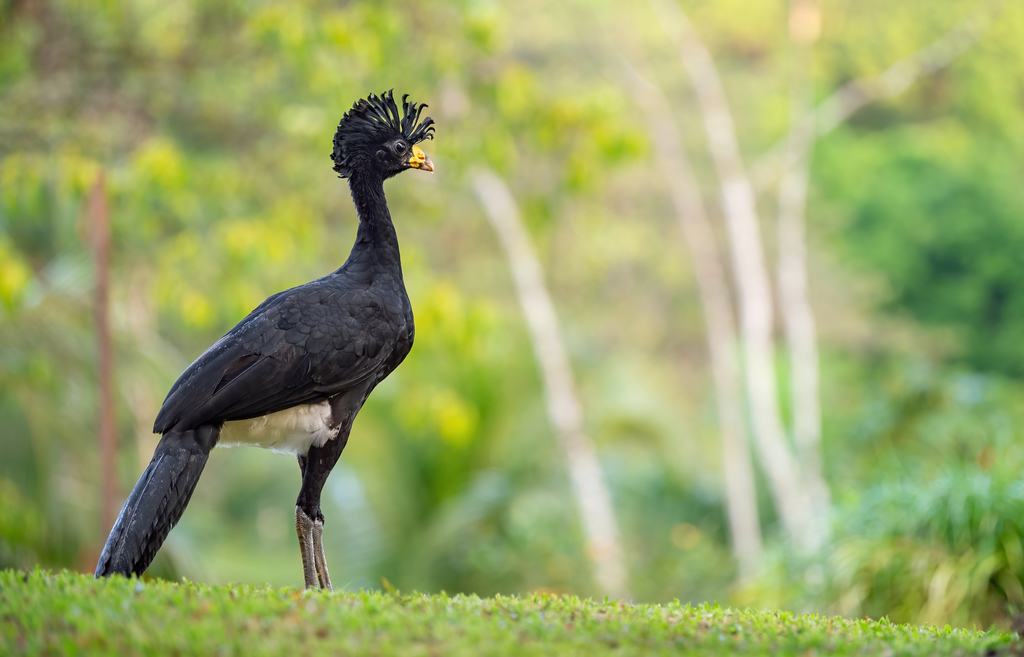
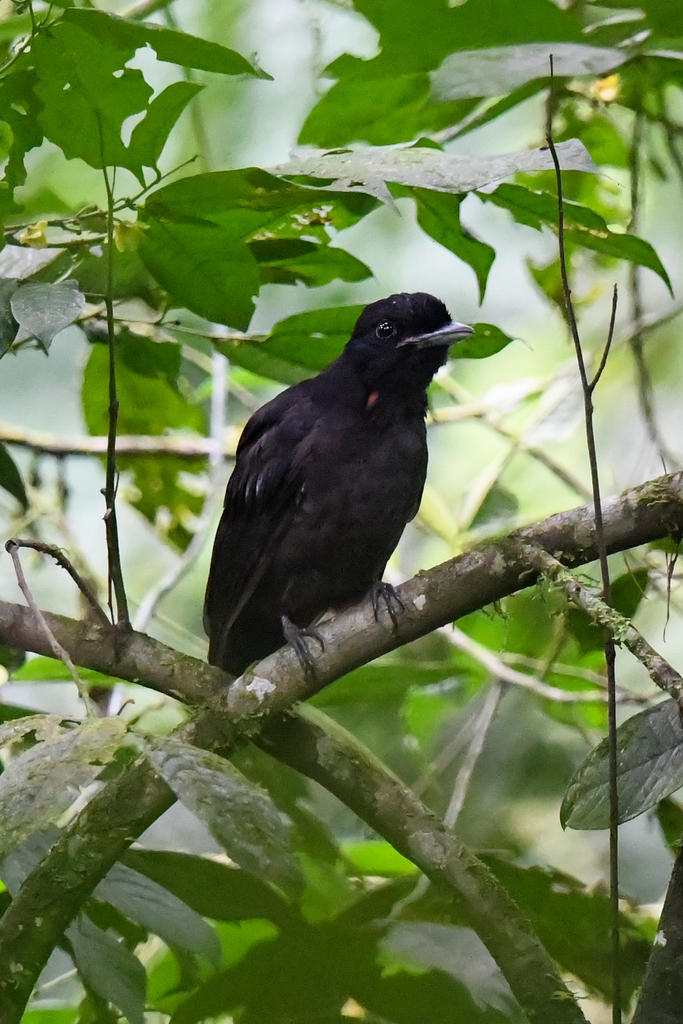
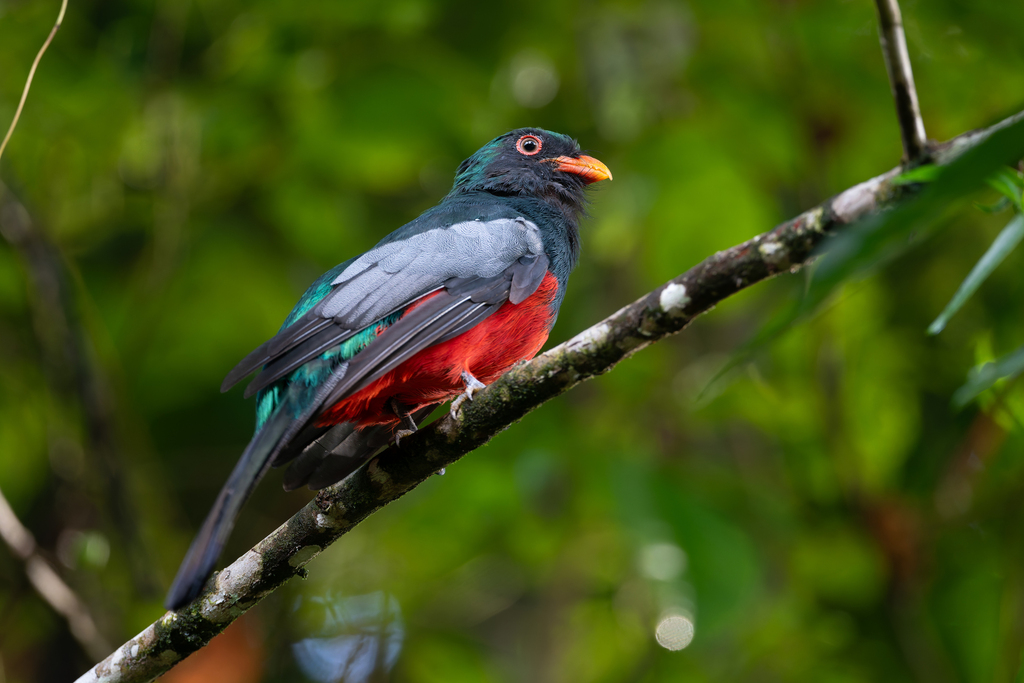
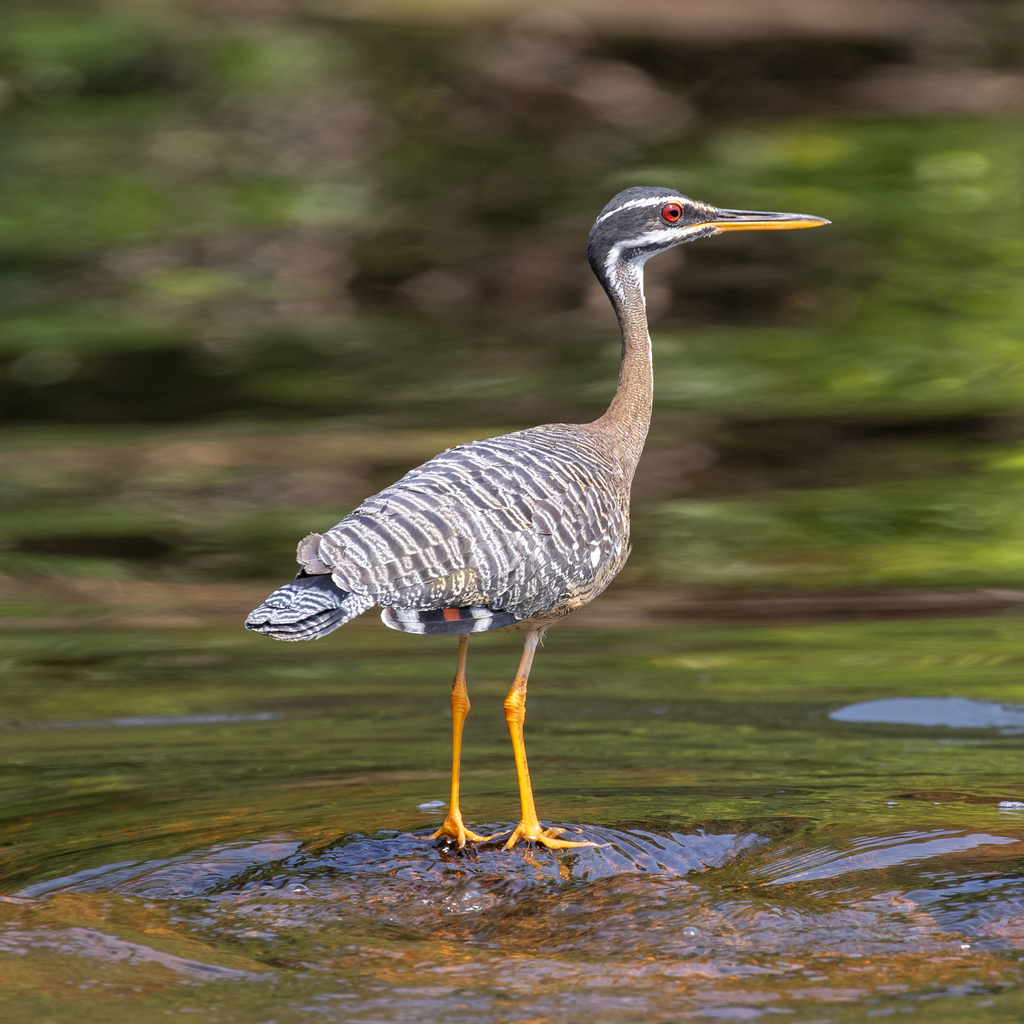
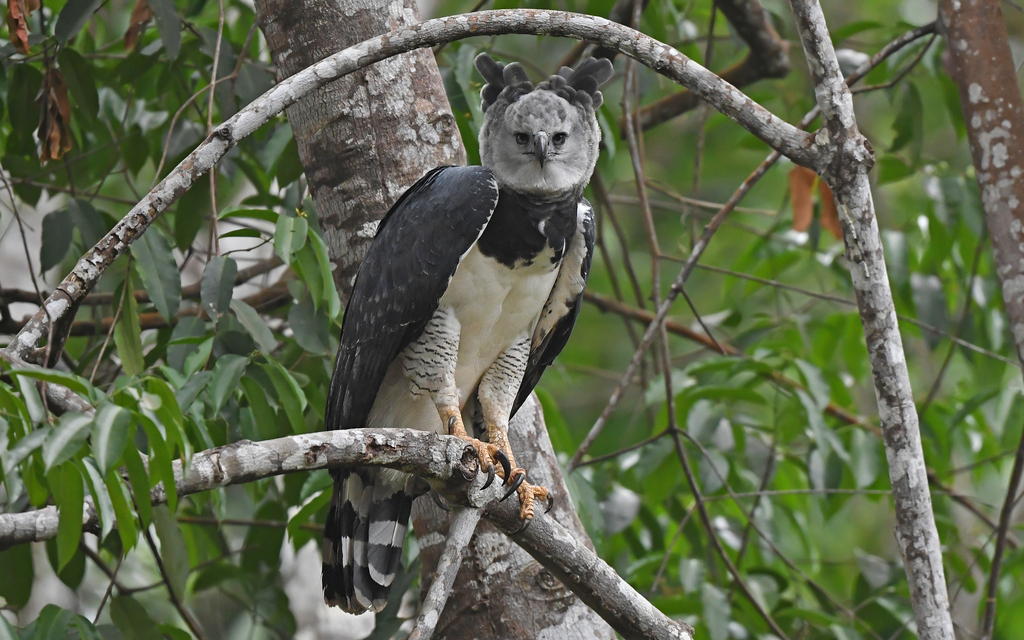
Panama is internationally renowned for birdwatching. With more than 1,000 recorded bird species, it offers one of the highest bird diversities in the Americas. Visitors can encounter colourful toucans, trogons, motmots, parrots and hummingbirds, while iconic species such as the Harpy Eagle, Resplendent Quetzal and Great Green Macaw attract birdwatchers from around the world. The country also lies on an important migratory flyway, with millions of raptors and other migratory birds passing overhead each autumn.
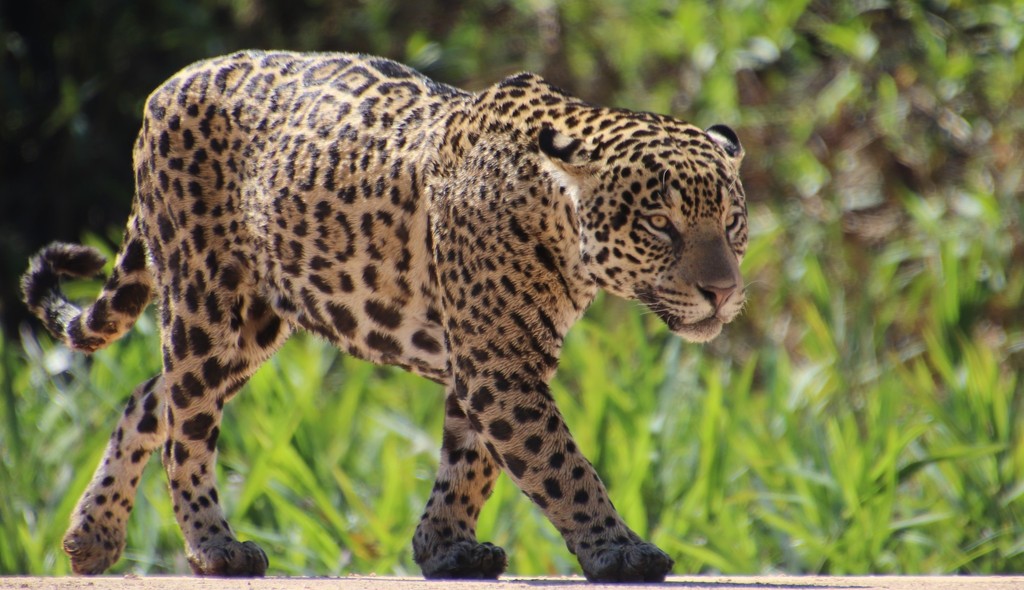
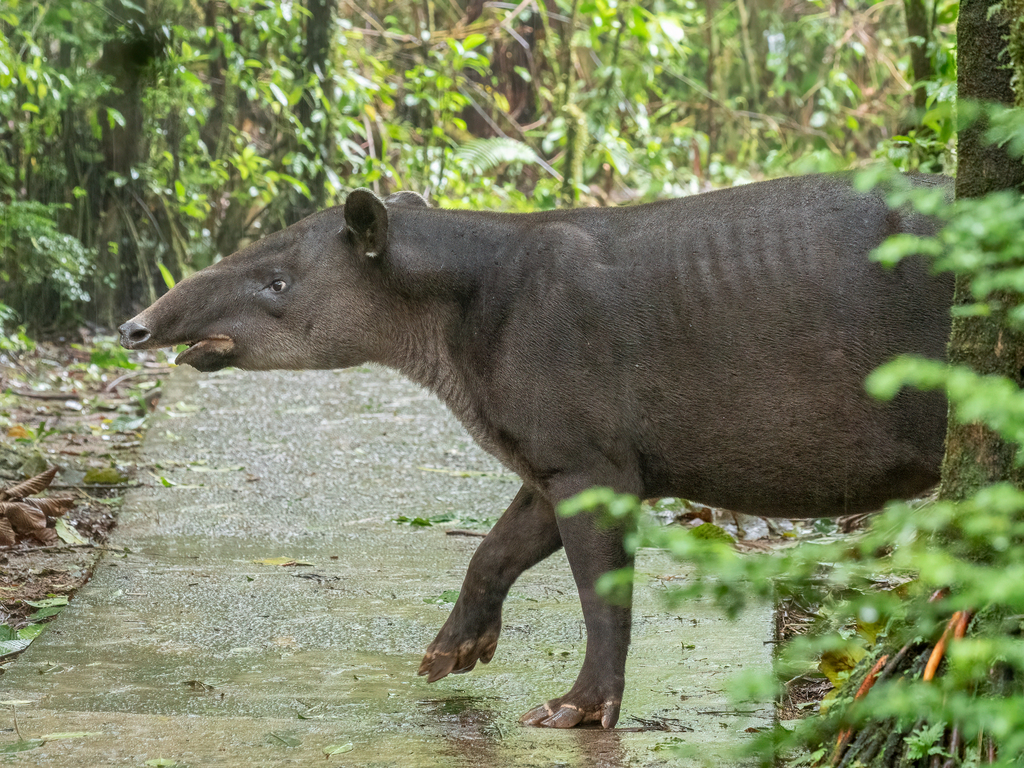
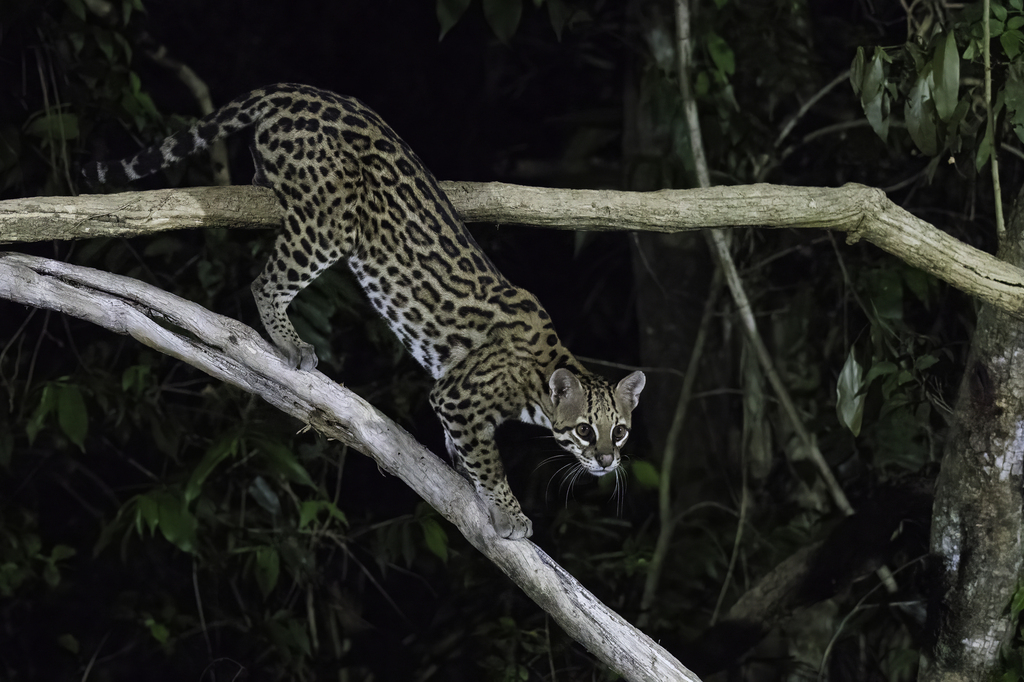
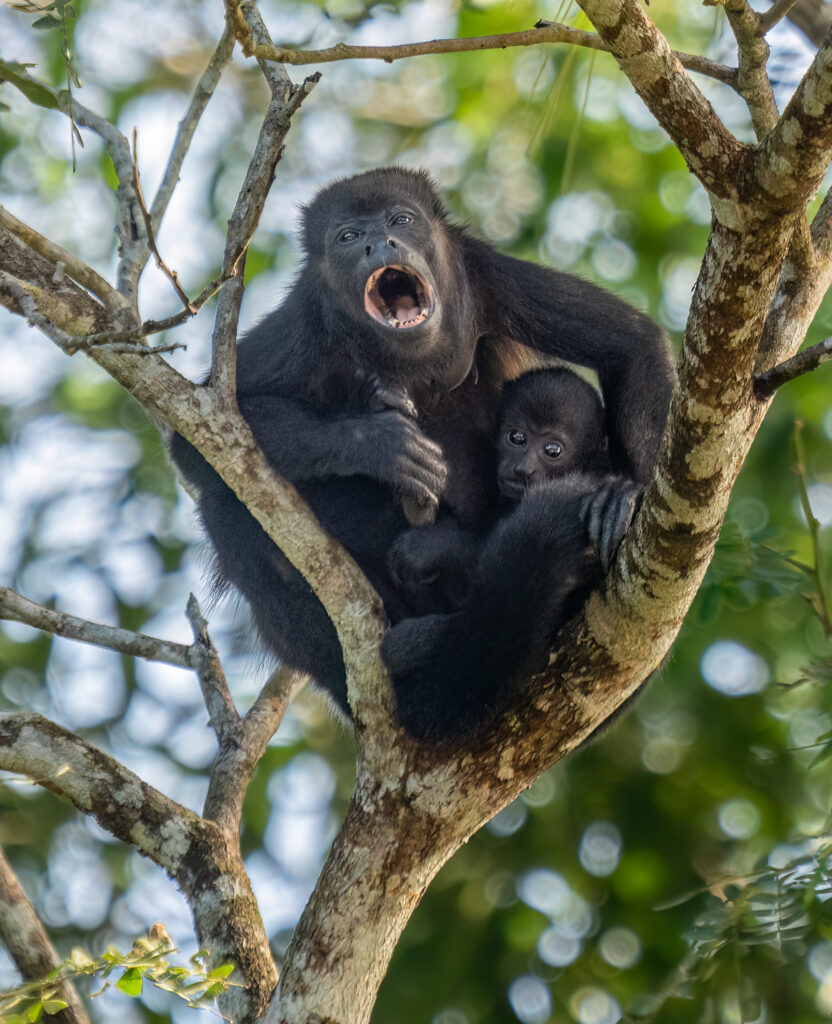
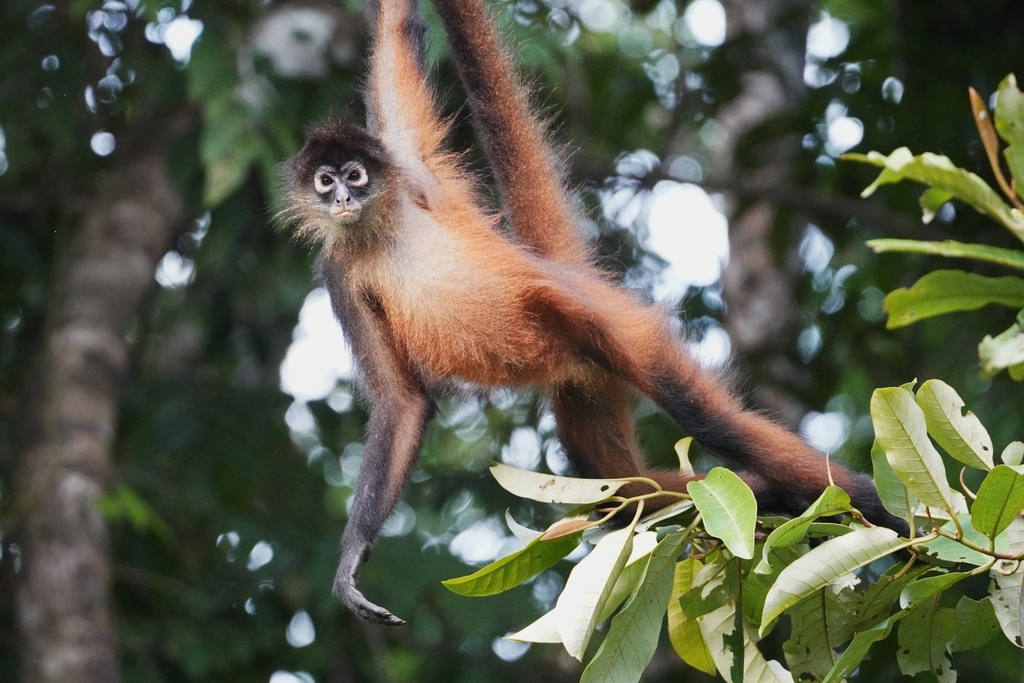
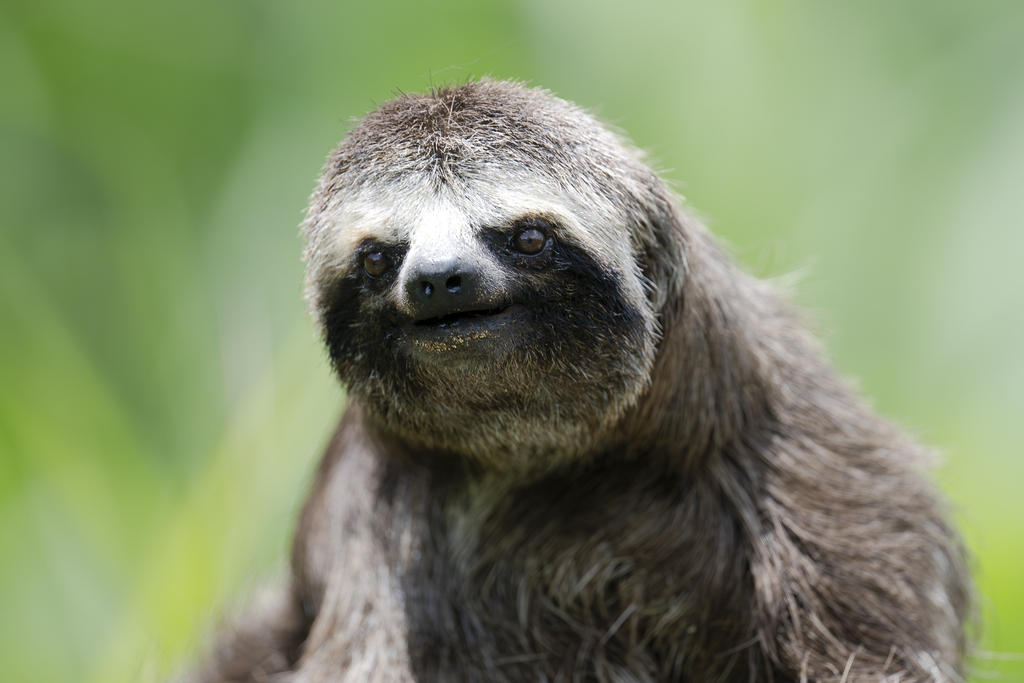
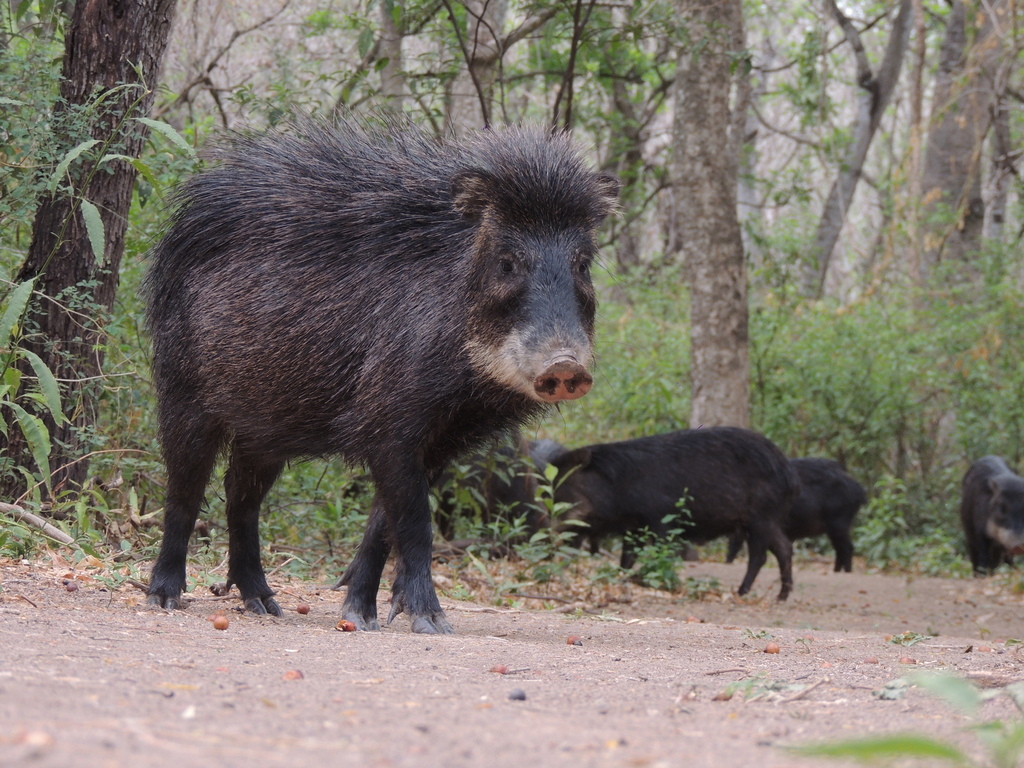
Its mammal diversity is equally remarkable. Jaguars still roam remote forests alongside pumas, ocelots and margays, while Baird’s Tapirs, White-lipped Peccaries and Central American Spider Monkeys thrive in protected areas. Two species of sloths are common throughout the country, and troops of howler, capuchin and tamarin monkeys are frequently seen in both national parks and private reserves.
Panama’s wildlife can be explored through an outstanding network of protected areas. Soberanía National Park is famous for Pipeline Road, considered one of the finest birdwatching locations in the world. Darién National Park protects one of Central America’s largest remaining wilderness areas and is a UNESCO World Heritage Site. Coiba National Park safeguards exceptional marine biodiversity, while cloud forests such as Volcán Barú and La Amistad shelter many highland endemic species.
Wildlife observation is possible throughout the year, although the dry season from December to April generally offers easier access and better hiking conditions. The wetter months, however, transform the forests into lush green landscapes and often provide excellent opportunities for amphibian photography and breeding bird activity.
Combining outstanding biodiversity, modern infrastructure and excellent accessibility, Panama stands as one of the world’s most rewarding destinations for wildlife photographers, birdwatchers and nature travellers.
Baru Volcano National Park
Cerro Punta, Panamá
+146 aves+16 mamíferos
Where mist clings to volcanic slopes and cloud forest canopy rises above 3,500 metres, Panama’s highest peak dominates a landscape […]
VER PARQUE NACIONALChagres National Park
Caimitillo, Panamá
+131 aves+30 mamíferos
Where rainforest canopy meets mountain spine, the Chagres River carves through some of Central America’s most pristine tropical wilderness. Spanning […]
VER PARQUE NACIONALCoiba National Park
Montijo, Panamá
+104 aves+7 mamíferos
Where the Pacific swallows a crown of emerald islands and pristine jungle canopy, one of Central America’s most biodiverse sanctuaries […]
VER PARQUE NACIONALDarién National Park
Tucutí, Panamá
+132 aves+30 mamíferos
Where rainforest swallows the horizon and rivers carve through primordial wilderness, one of Central America’s last great untamed frontiers unfolds […]
VER PARQUE NACIONALGeneral de División Omar Torrijos Herrera National Park
La Pintada, Panamá
+12 aves+4 mamíferos
Granite peaks pierce the Caribbean mists of central Panama where primary rainforest cloaks rugged terrain in an embrace of emerald. […]
VER PARQUE NACIONALMarino Golfo de Chiriquí National Park
Boca Chica, Panamá
+94 aves+8 mamíferos
Where mangrove-fringed islands emerge from turquoise shallows and volcanic peaks anchor the horizon, Panama’s Gulf of Chiriquí reveals one of […]
VER PARQUE NACIONALParque Internacional la Amistad
Teribe, Panamá
+18 aves+5 mamíferos
Where the Cordillera de Talamanca rises dramatically from the Caribbean lowlands to alpine peaks exceeding 3,800 metres, one of Central […]
VER PARQUE NACIONALPortobelo National Park
Portobelo, Panamá
+115 aves+16 mamíferos
Where Caribbean waters dissolve into rainforest, a protected realm of pristine coastal wilderness unfolds across 570 square kilometers of northern […]
VER PARQUE NACIONALSarigua National Park
Parita, Panamá
+69 aves+3 mamíferos
Where the Pacific’s tidal rhythms sculpt Panama’s coastline, a mosaic of mangrove forests, deciduous woodlands, and seasonally flooded wetlands creates […]
VER PARQUE NACIONALSoberanía National Park
Cristóbal, Panamá
+132 aves+30 mamíferos
Where the Chagres River cuts through lowland tropical forest mere kilometres from Panama City’s skyline, one of Central America’s most […]
VER PARQUE NACIONALAún no hay observaciones de la comunidad en este país — visita un hotspot y empieza una lista de observaciones.