Identification
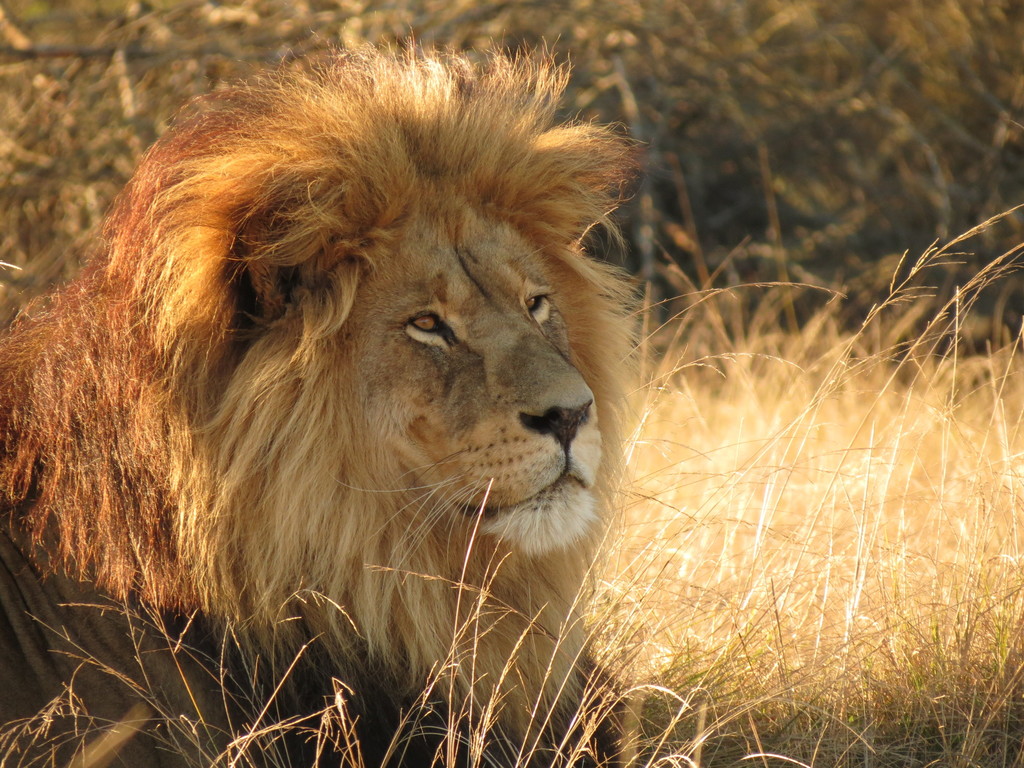
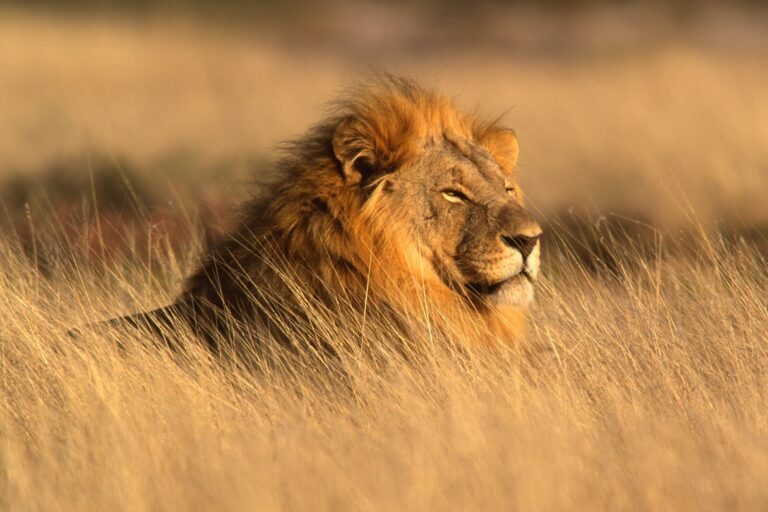
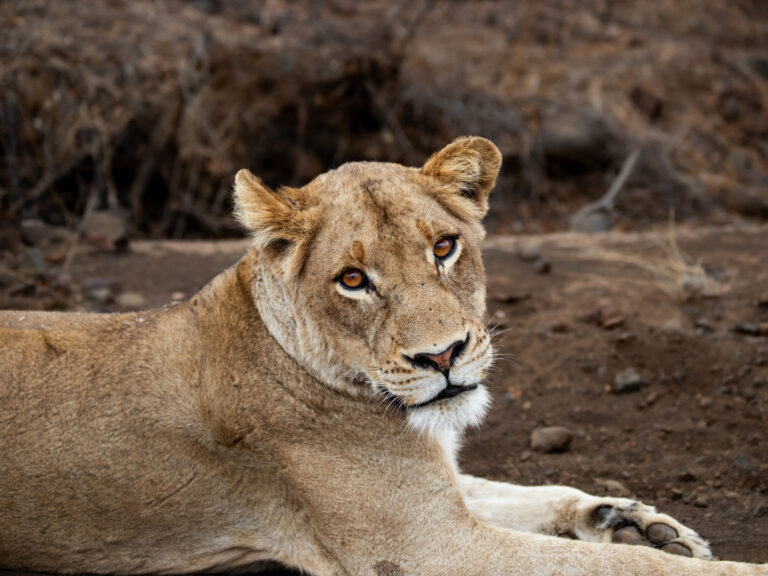
The lion is a large cat with a muscular, broad-chested body, a short rounded head, and round ears. Its most distinctive feature is the dark, hairy tuft at the tip of its tail. Lions are sexually dimorphic: adult males are considerably larger than females and display a prominent mane extending from the head down to the shoulders and chest. This impressive mane is one of the most recognizable features of any African animal and makes male lions unmistakable in the field.
Range & Habitat
Today, lions range only in Sub-Saharan Africa and India, though their distribution is fragmented. Historically, during the Neolithic period, they roamed throughout Africa and Eurasia, from Southeast Europe to India. The species now survives primarily in designated protected areas, as populations outside these reserves are considered untenable.
Lions inhabit grasslands, savannahs, and shrublands. These open and semi-open habitats provide ideal hunting grounds for the species. Habitat loss and human-wildlife conflict are the greatest threats to lion survival, contributing to a population decline of approximately 43% since the early 1990s. The lion is listed as Vulnerable on the IUCN Red List, a status it has held since 1996.
Behaviour & Diet
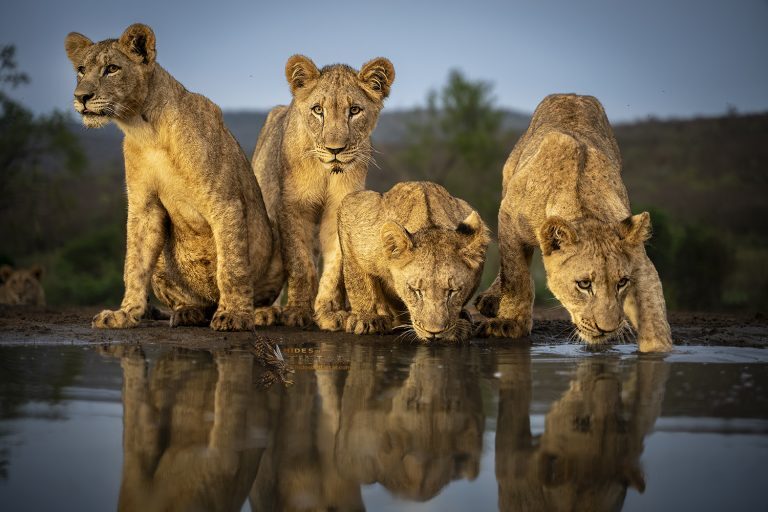
Lions are apex and keystone predators, feeding primarily on medium-sized and large hooved mammals. Unlike most wild cats, lions are typically more diurnal, but when persecuted they adapt to being active at night and during twilight hours. They are highly social animals, forming groups called prides consisting of related females and cubs, along with a few or just one adult male unrelated to the females. Groups of female lions typically hunt cooperatively together, while adult males often compete with one another to maintain or gain their place in the pride.
Best Time & Places to See It
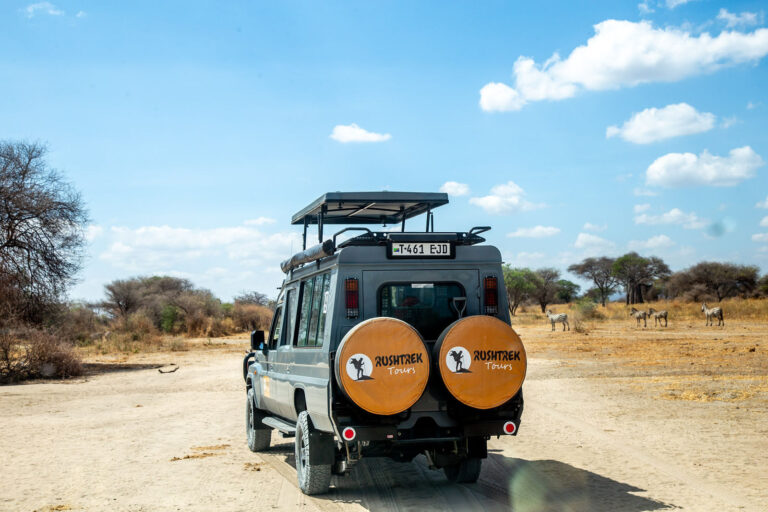
Lions are found only in Sub-Saharan Africa and India, and sightings are most reliable within designated protected areas where populations are stable. Visitors should plan trips to regions with established lion populations and visit during the dry season when animals congregate around water sources, making encounters more likely. Research specific protected areas before travel to identify locations with healthy lion populations.
Photography Tips
The lion's size, striking mane, and social behaviour make it a compelling photographic subject. The contrast between males with their impressive manes and smaller females offers varied compositional opportunities. Since lions are more active during daylight hours, photography is generally easier than with nocturnal cats. Capturing pride interactions and hunting behaviour requires patience and time in the field, ideally during visits to protected areas where lion populations are accessible.