Tanzania
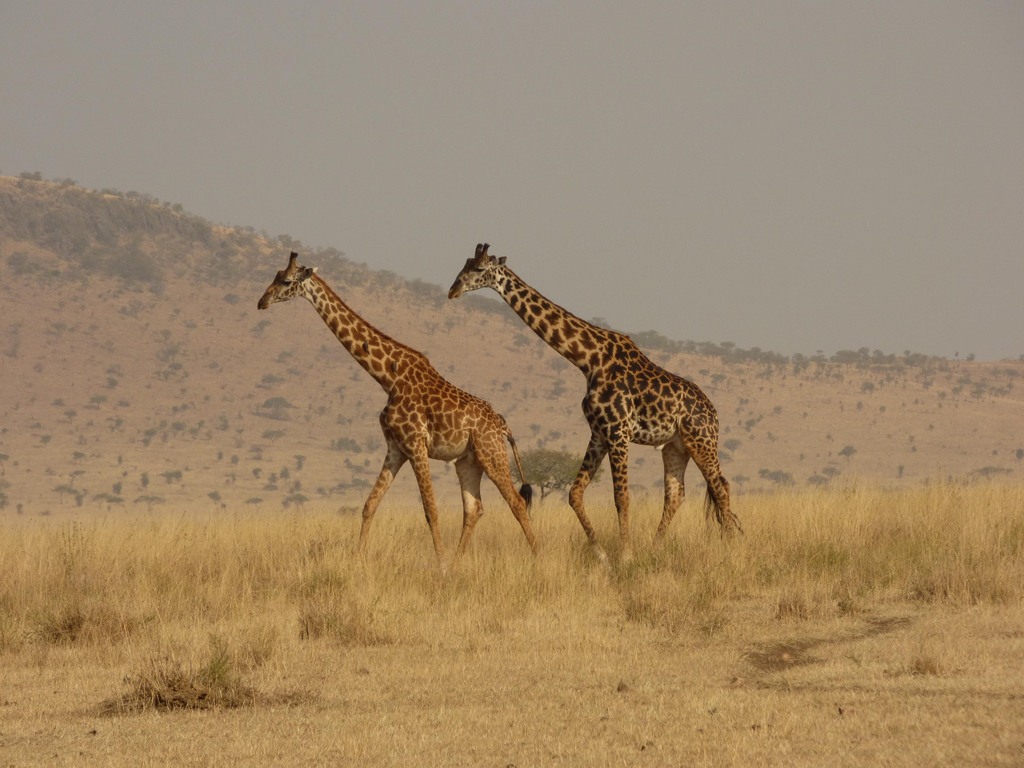
Tanzania is one of Africa’s greatest wildlife destinations, renowned for its vast protected landscapes, extraordinary biodiversity, and some of the most spectacular wildlife spectacles on Earth. From the endless plains of the Serengeti to the volcanic highlands of the Ngorongoro Conservation Area and the remote wilderness of Ruaha and Nyerere National Parks, Tanzania offers unparalleled opportunities for wildlife observation and photography.
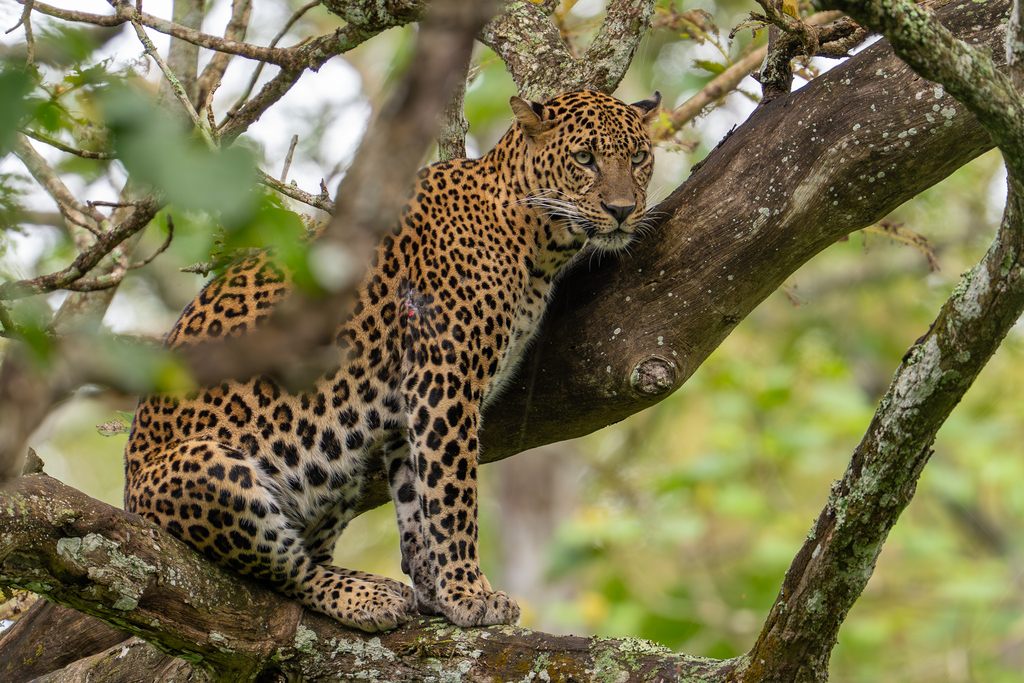
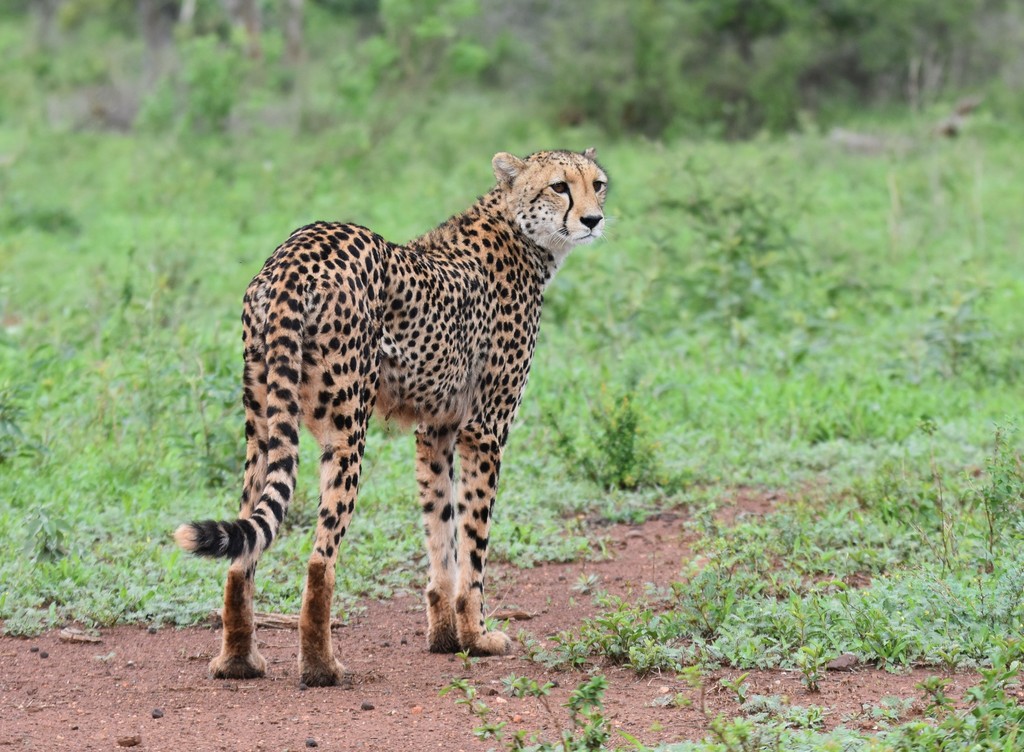
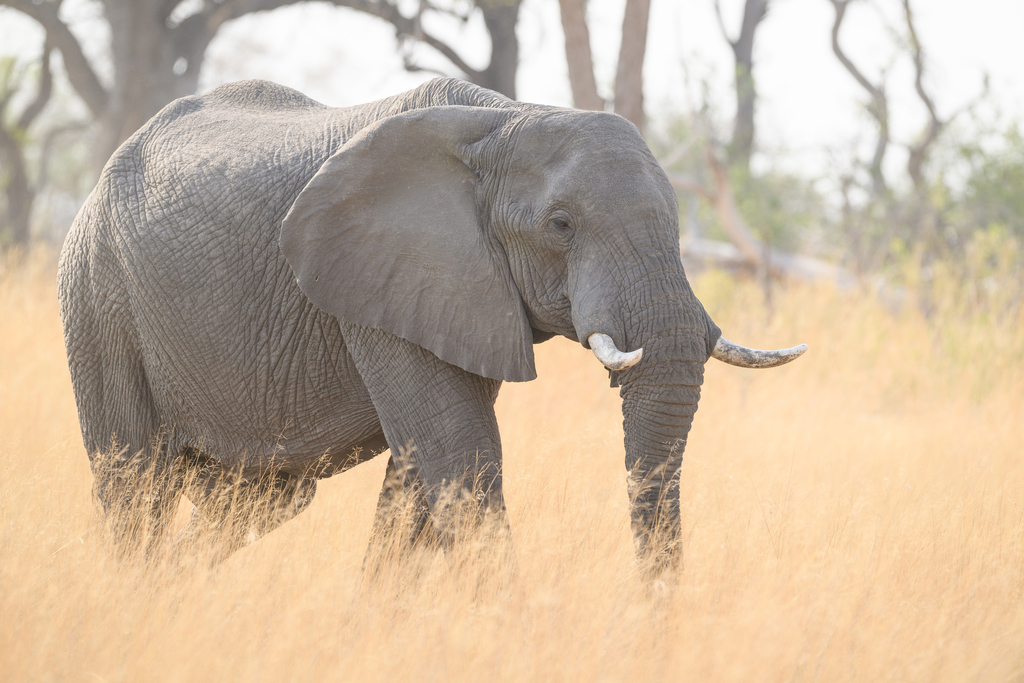
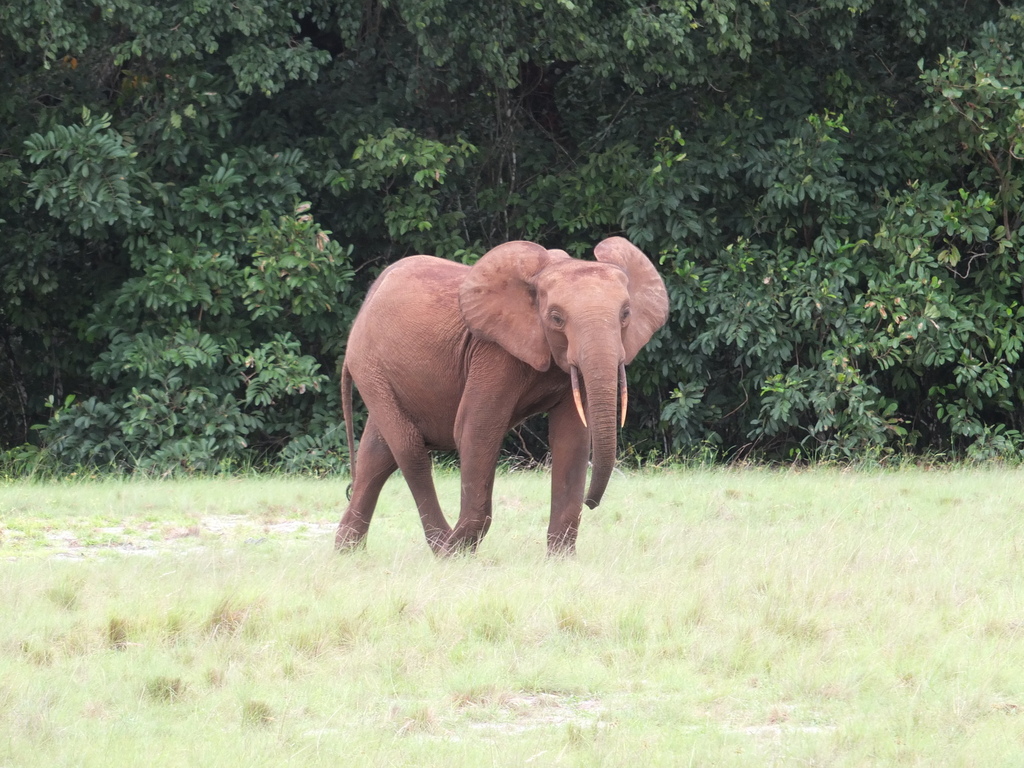
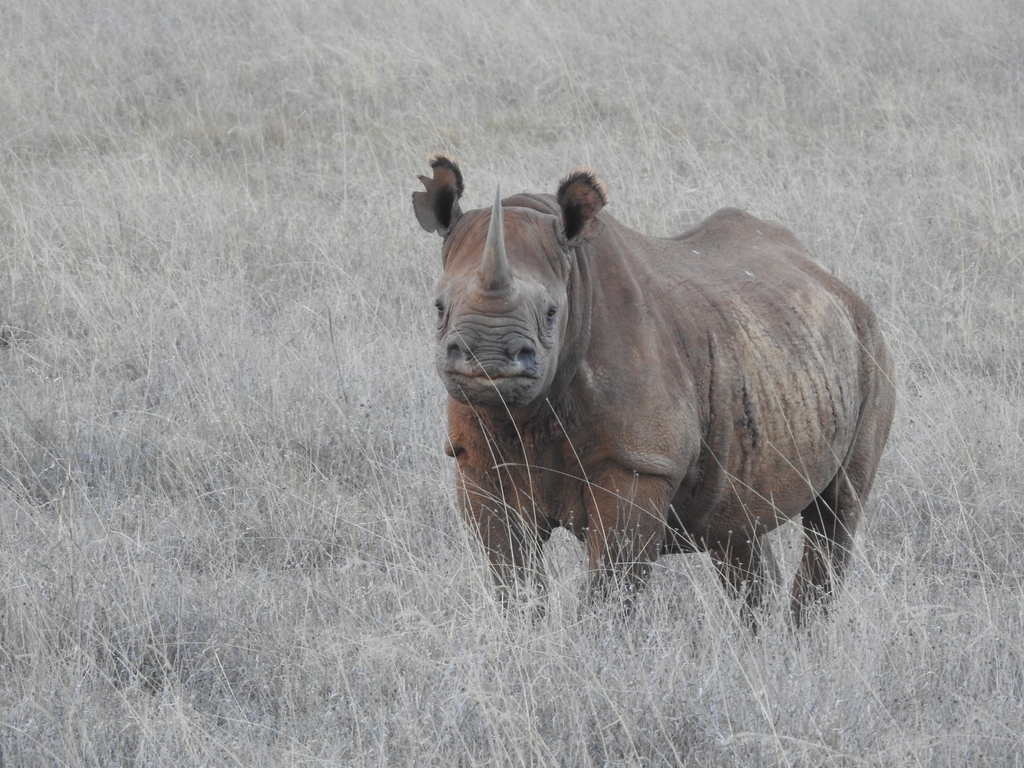
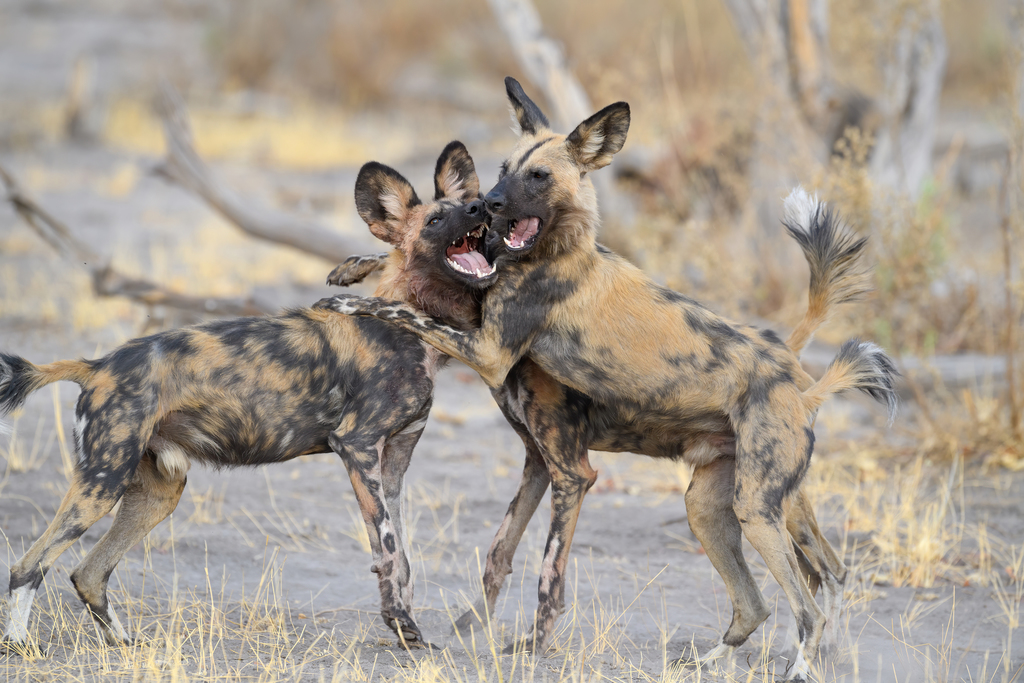
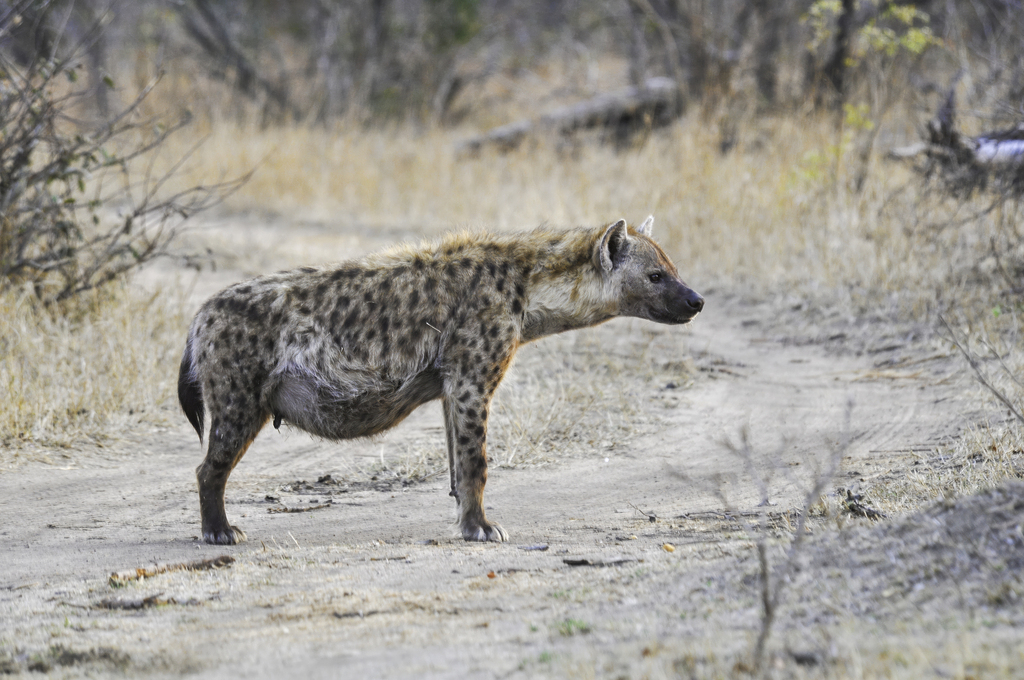
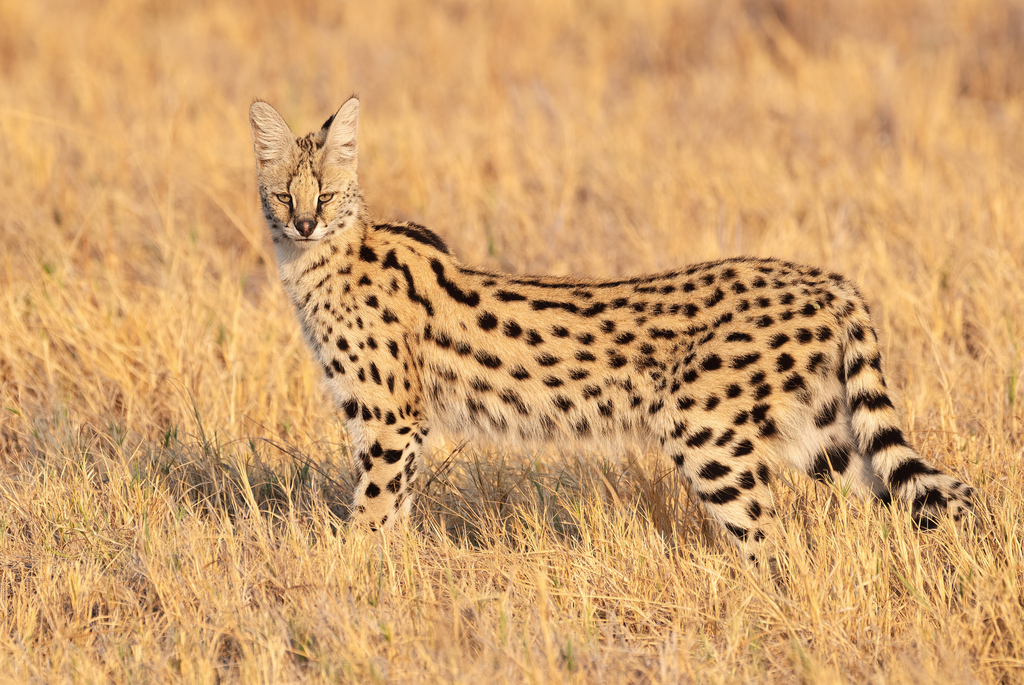
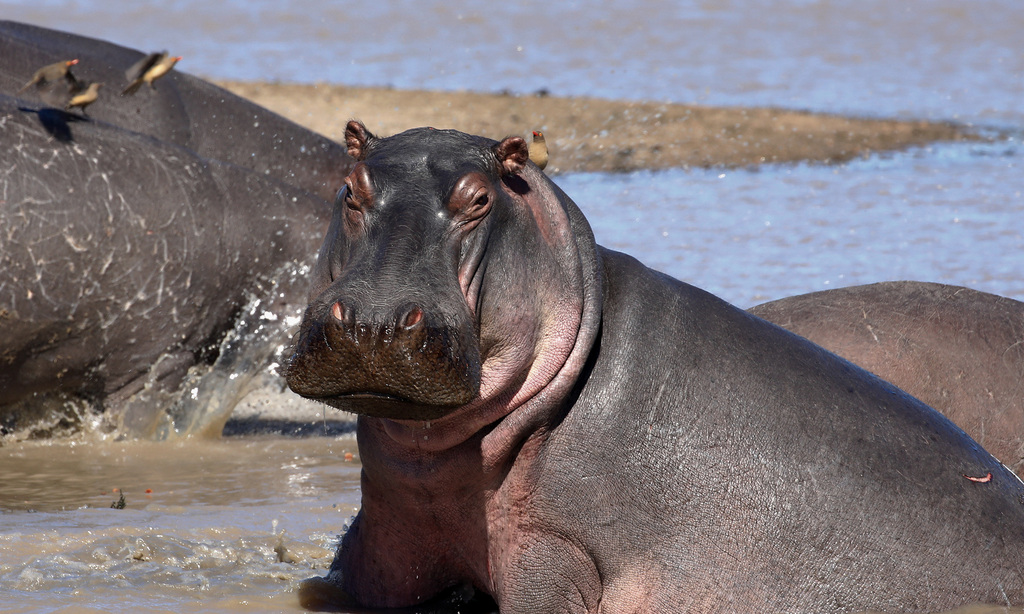
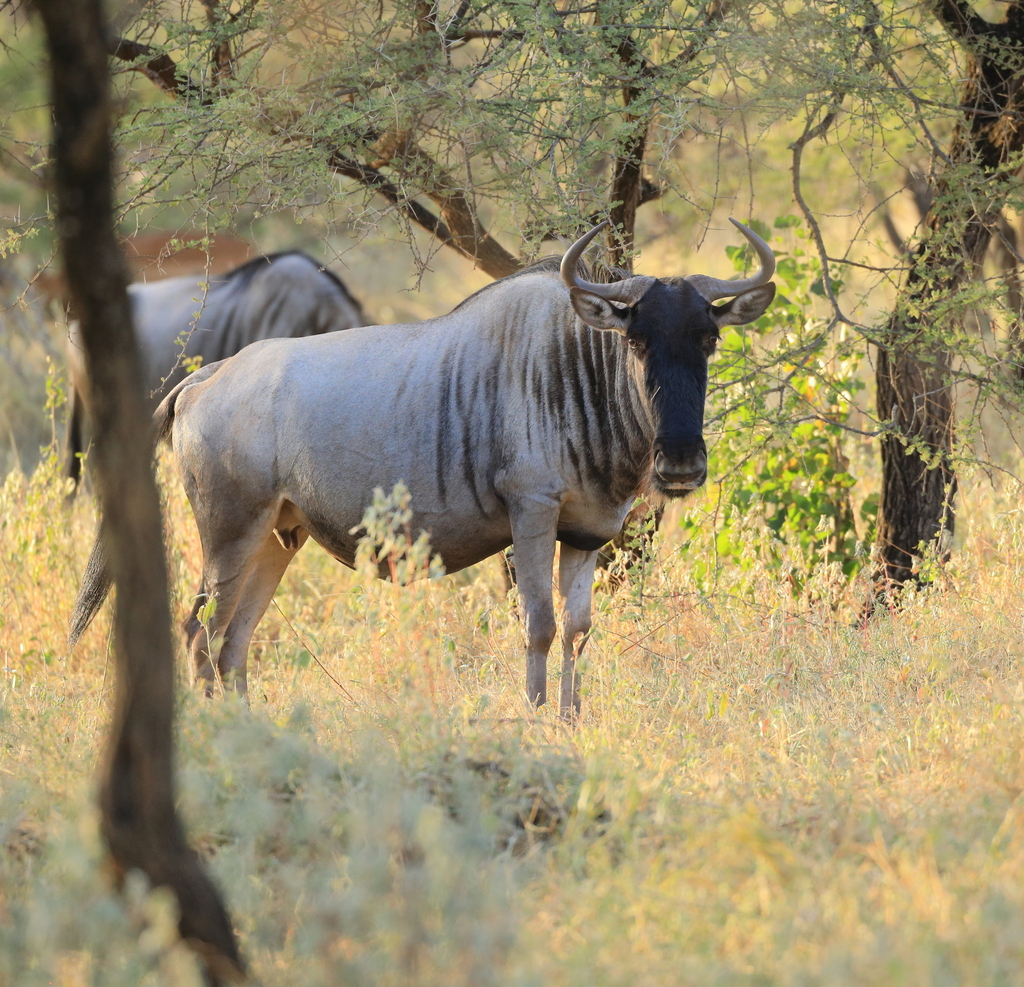
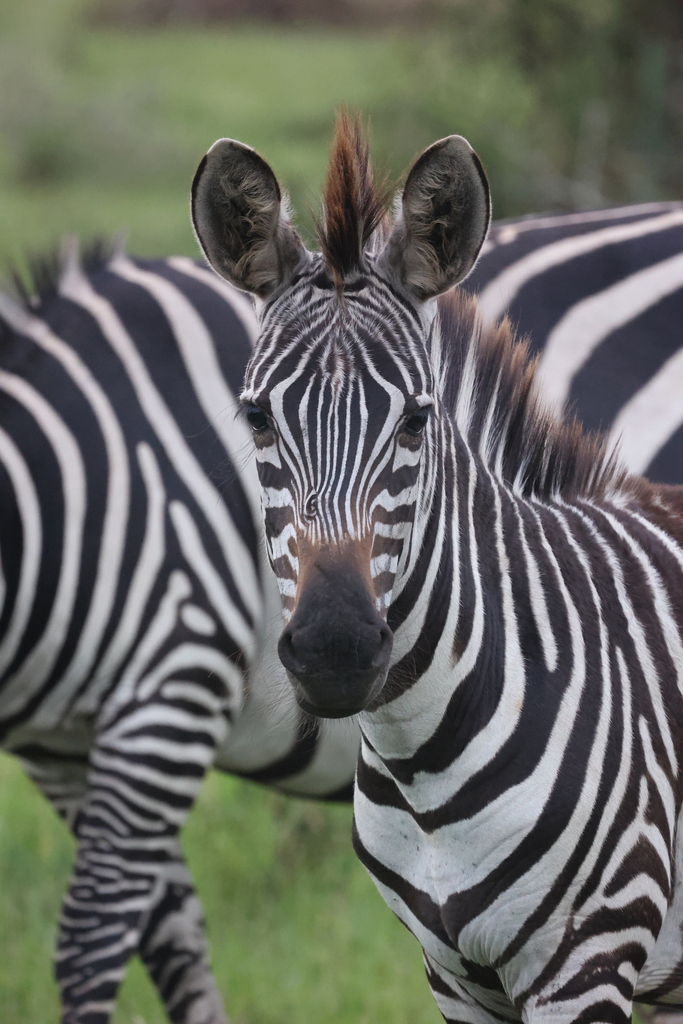
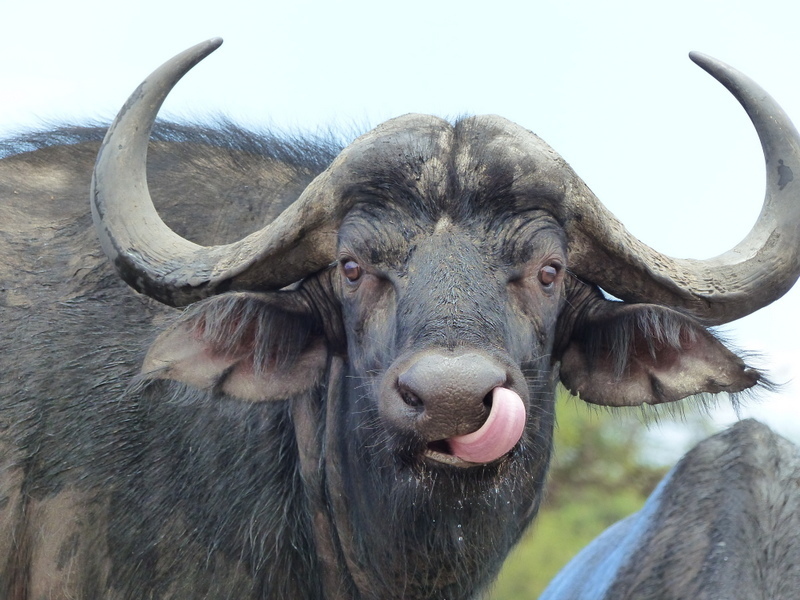
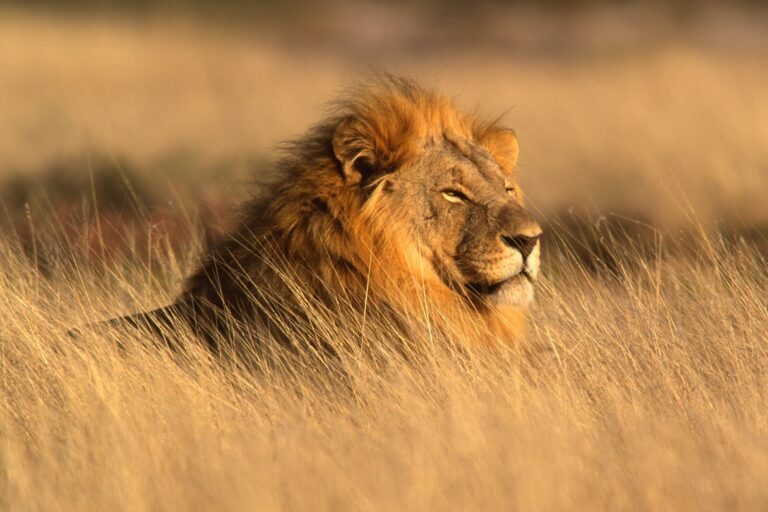
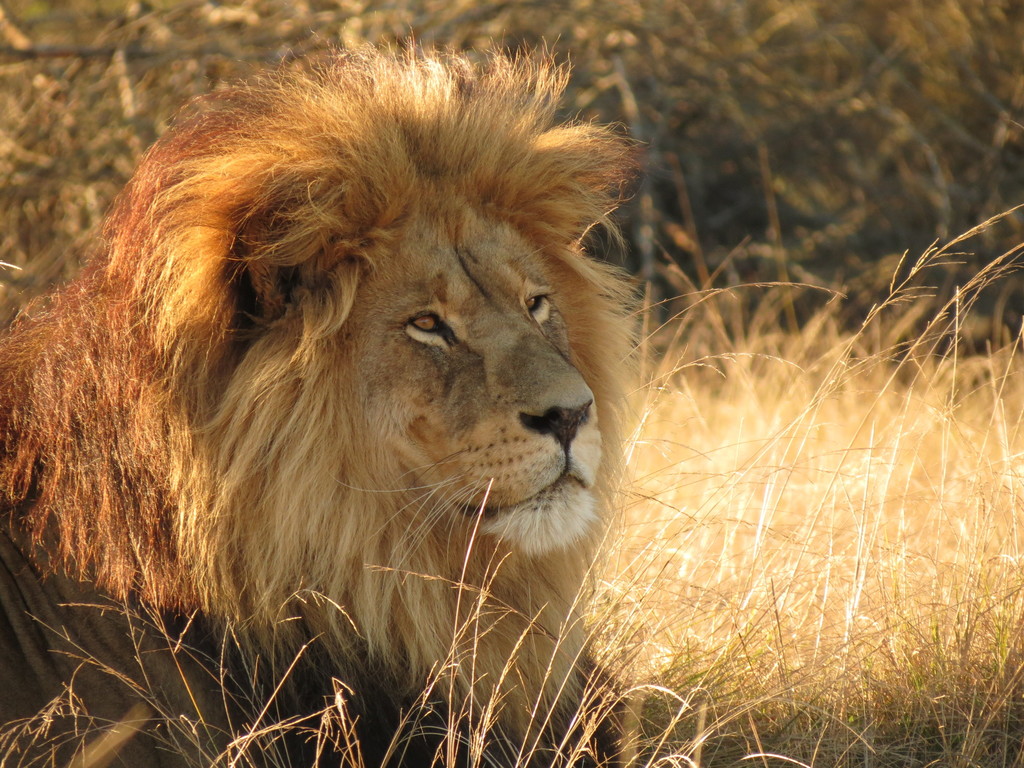
The country is best known for its exceptional populations of large mammals. Lions, Leopards, Cheetahs, African Elephants, Black Rhinoceroses, African Wild Dogs, and vast herds of herbivores thrive across Tanzania’s national parks and reserves. The Great Migration, one of the world’s most remarkable natural events, sees millions of Wildebeest, Zebras, and Gazelles move across the Serengeti ecosystem each year, attracting predators and creating unforgettable wildlife encounters.
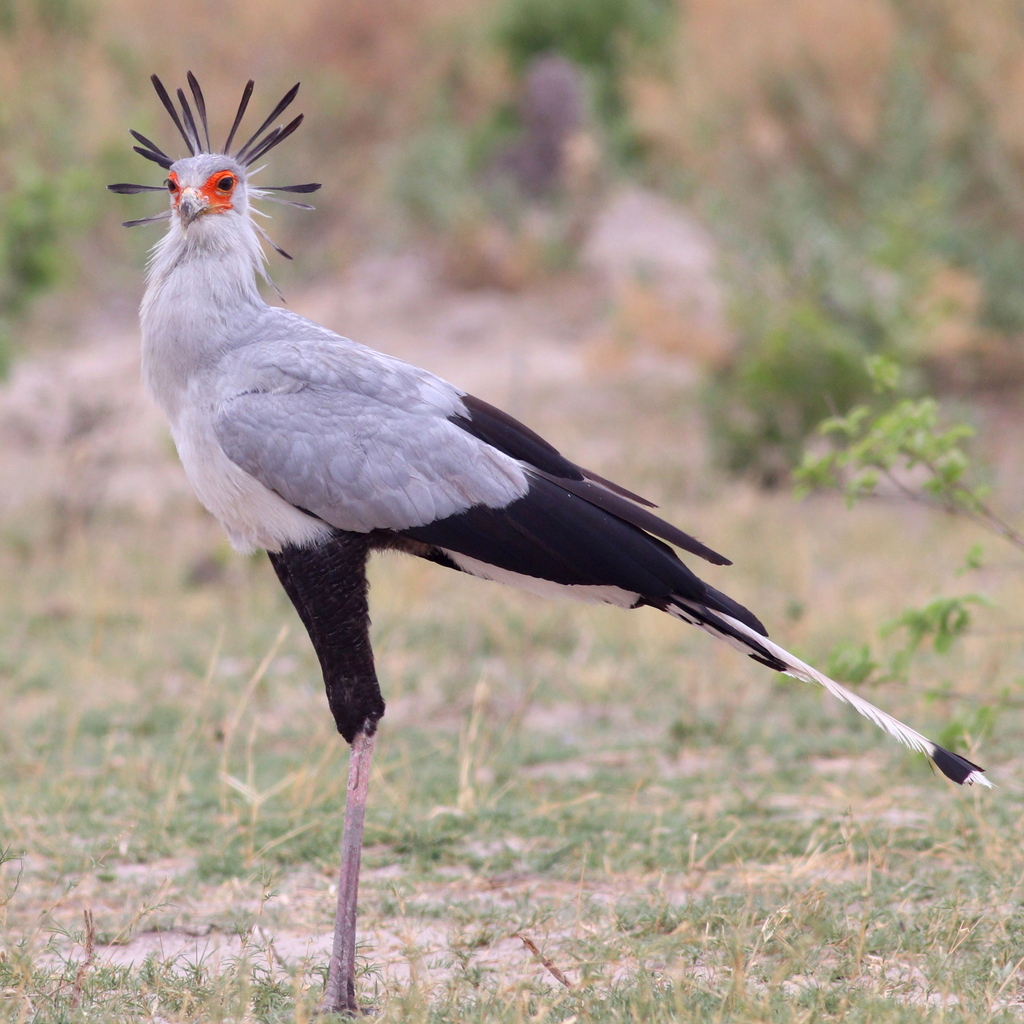
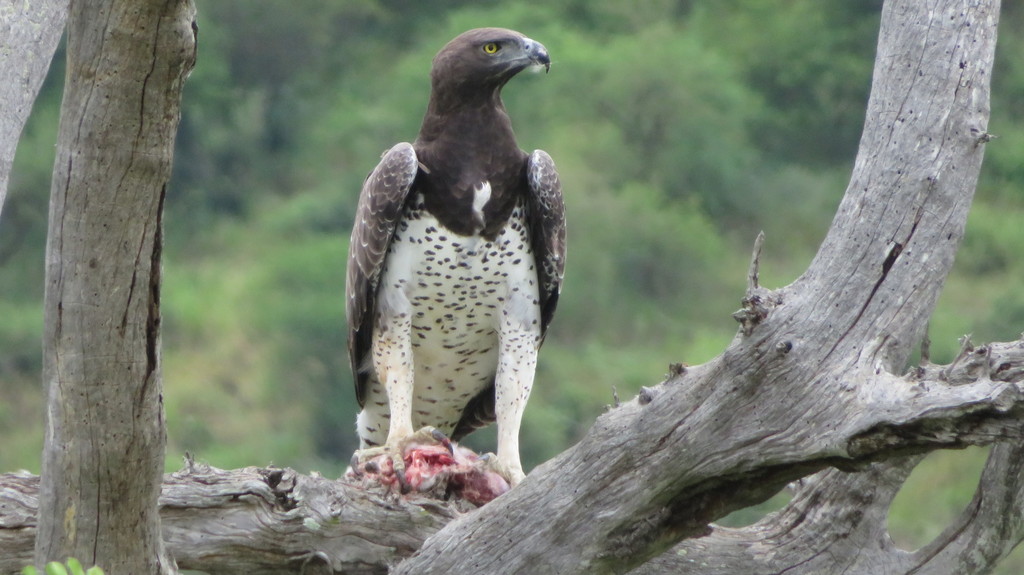
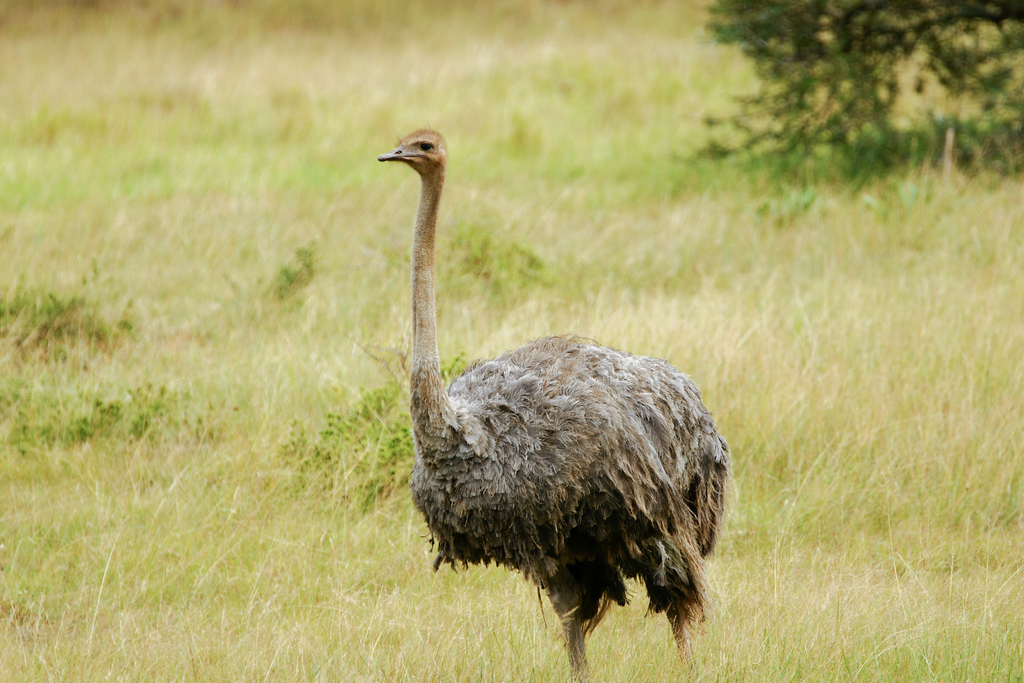
Tanzania is also a world-class birdwatching destination, with over 1,100 recorded bird species. Iconic birds include the Secretarybird, Kori Bustard, Southern Ground Hornbill, Martial Eagle, Lilac-breasted Roller, and numerous species of vultures, storks, and waterbirds. Wetlands, soda lakes, and river systems provide critical habitats for both resident and migratory species.
Beyond the famous northern safari circuit, Tanzania offers vast and less-visited wilderness areas where visitors can experience wildlife in a more remote and authentic setting.
Combining legendary safaris, exceptional birdlife, iconic mammals, and some of Africa’s most breathtaking landscapes, Tanzania stands among the world’s finest destinations for wildlife travel, birdwatching, and nature photography.
Tanzania Birding & Wildlife Safari
Nothing matches these filters.
Arusha National Park
Kitulo National Park
Lake Manyara National Park
Mkomazi National Park
Ngorongoro Conservation Area
Rubondo Island National Park
Serengeti National Park
Tarangire National Park
Nothing matches these filters.
No community observations in this country yet — visit a hotspot and start an observation list.