Average annual temperature
23.3 °C
Average of the twelve monthly means
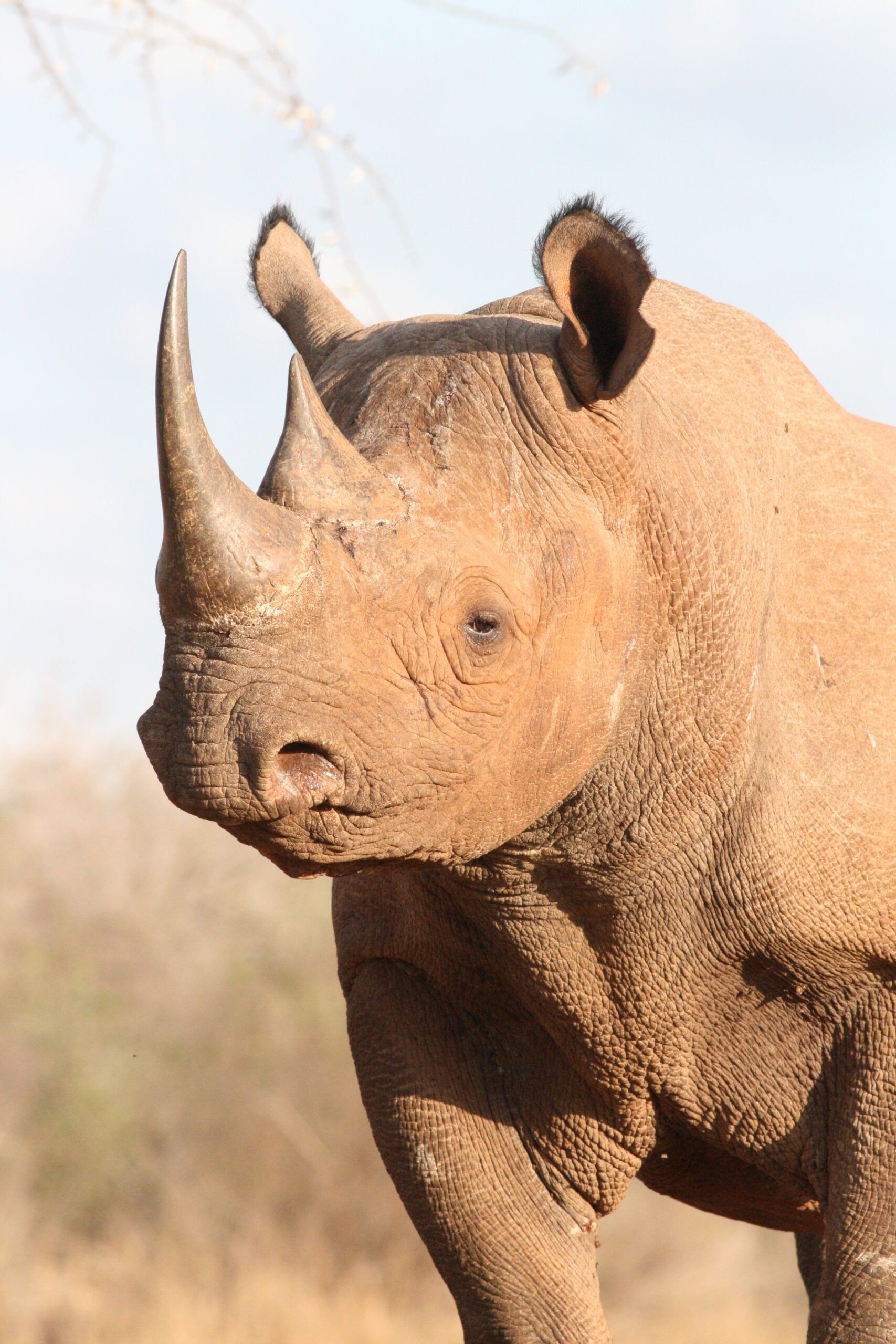
Mkomazi National Park
Photo © U.S. Fish and Wildlife Service Headquarters
Photo © U.S. Fish and Wildlife Service Headquarters — CC0 1.0 — Source: Wikidata / Wikimedia Commons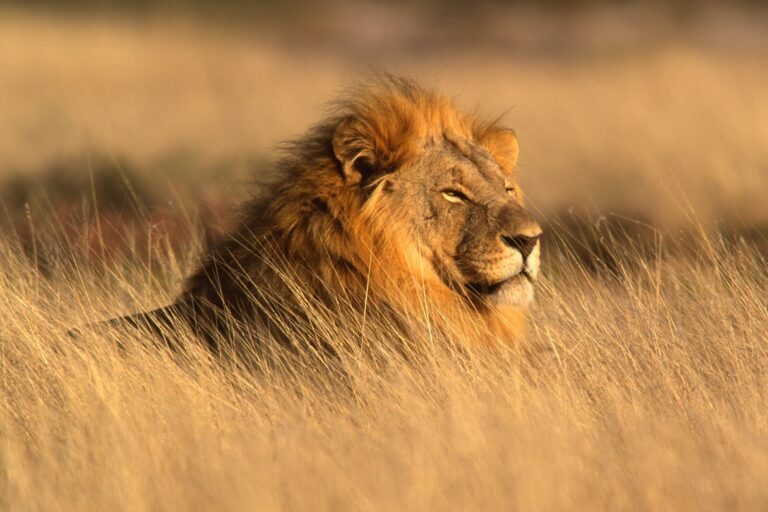
Wildlife SafariEasy
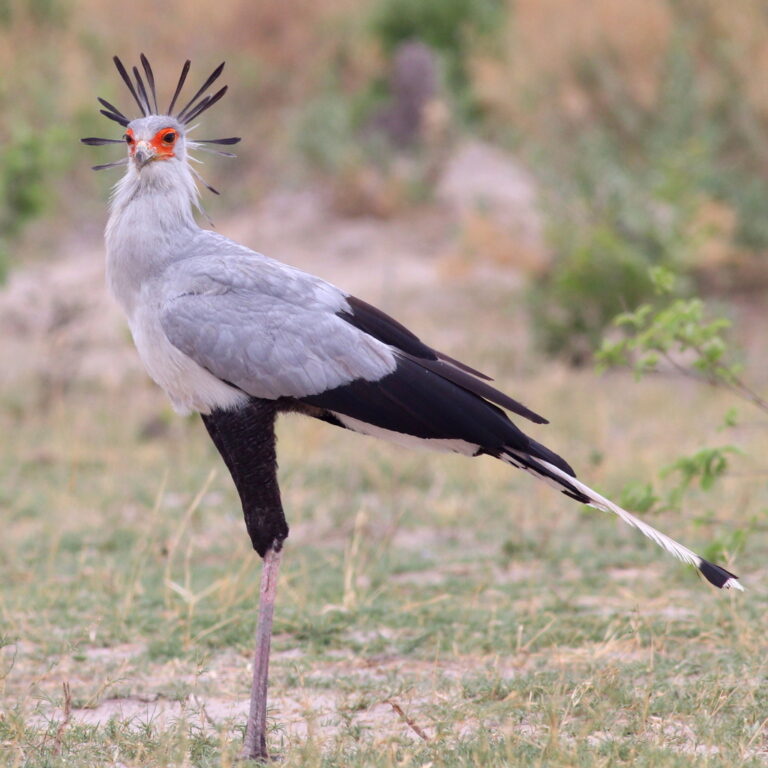
Sagittarius serpentarius
♥
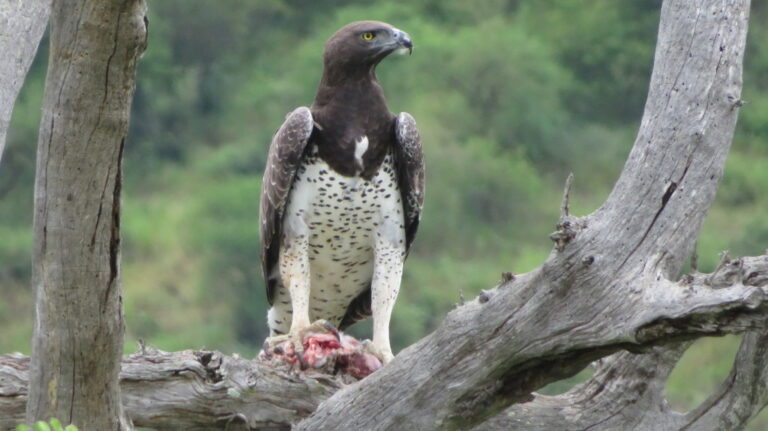
Polemaetus bellicosus
♥
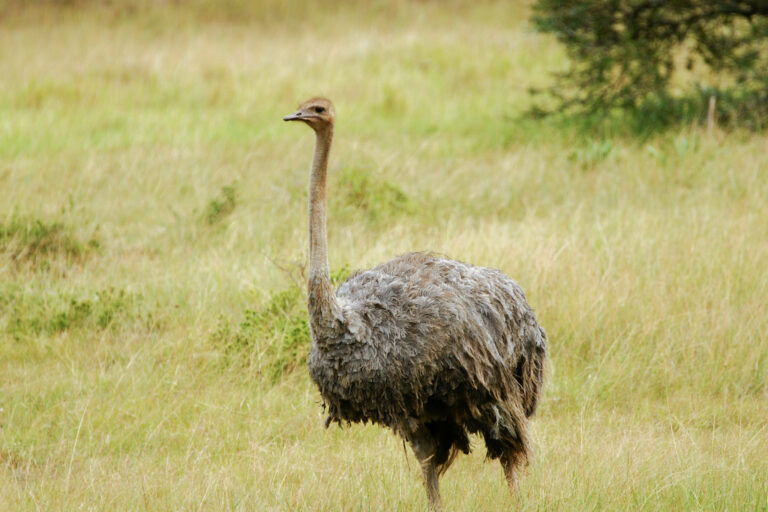
Struthio camelus
♥
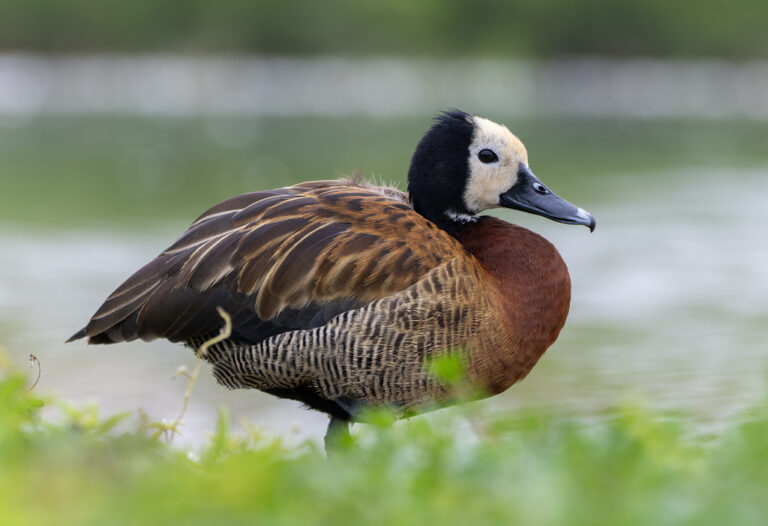
Dendrocygna viduata
♥
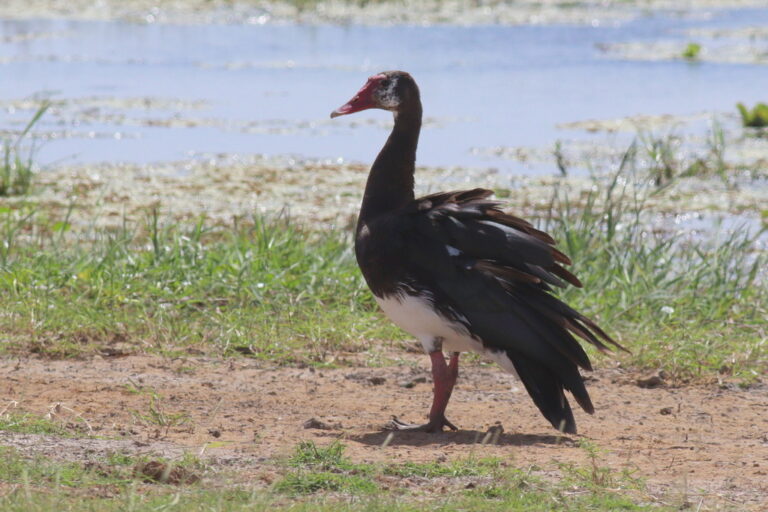
Plectropterus gambensis
♥
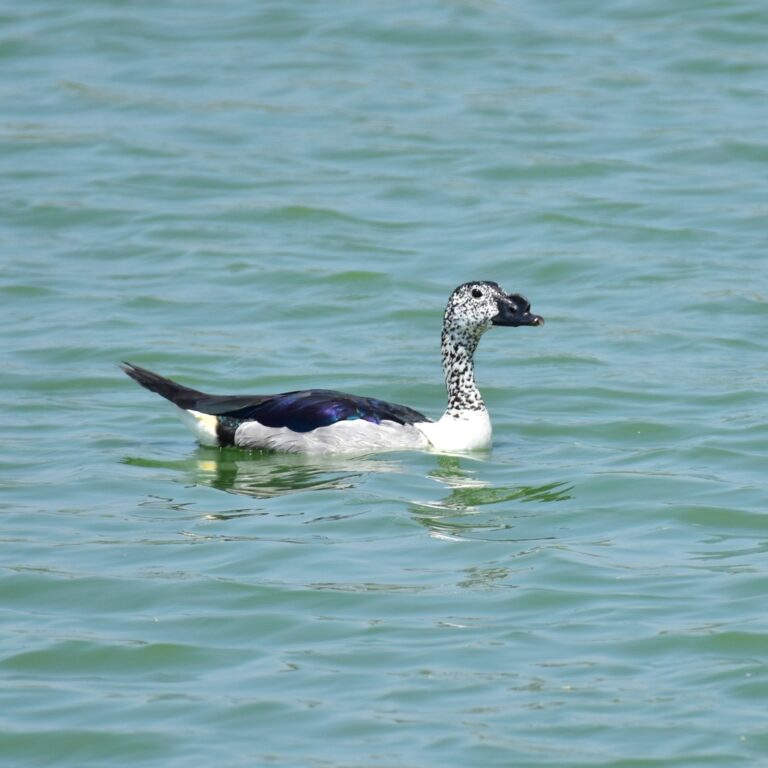
Sarkidiornis melanotos
♥
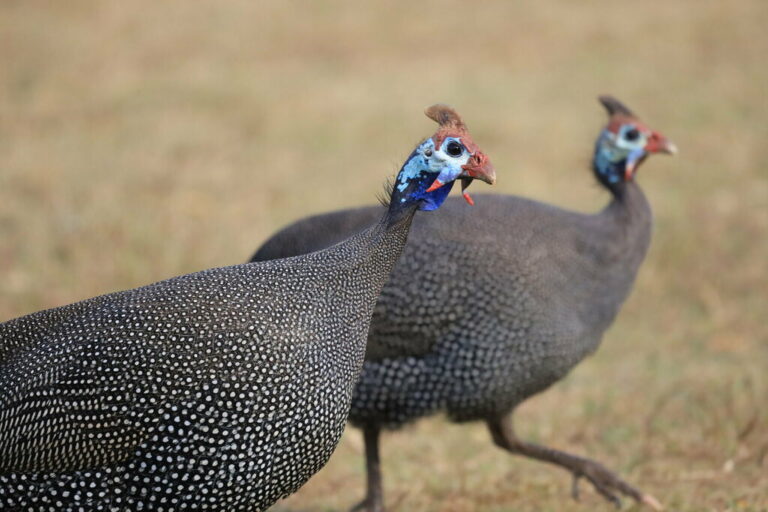
Numida meleagris
♥
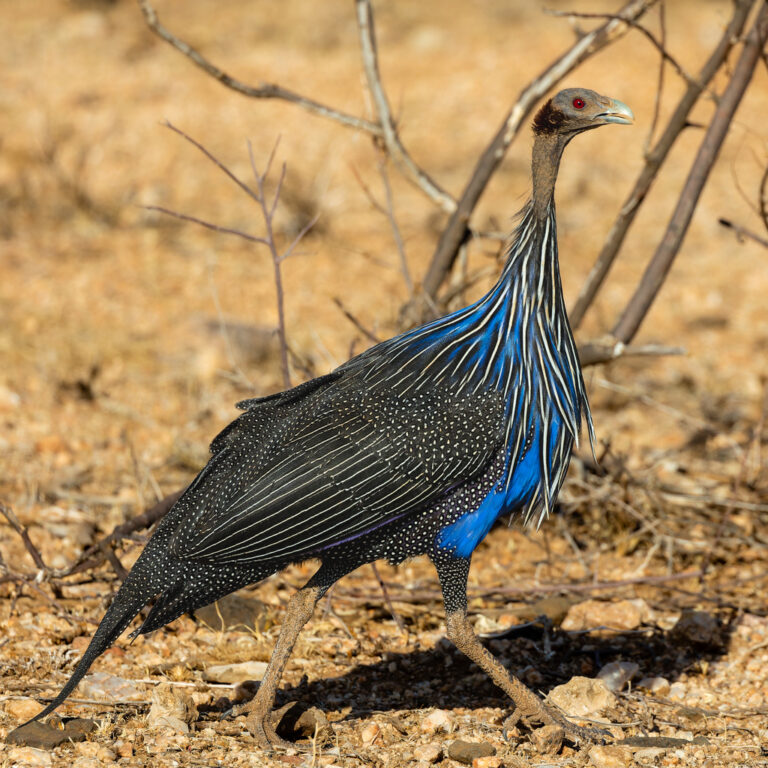
Acryllium vulturinum
♥
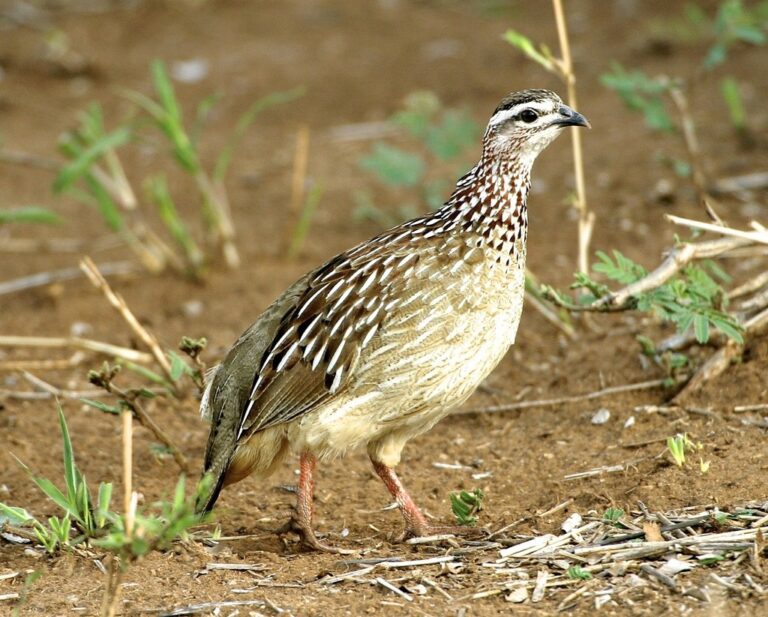
Ortygornis sephaena
♥
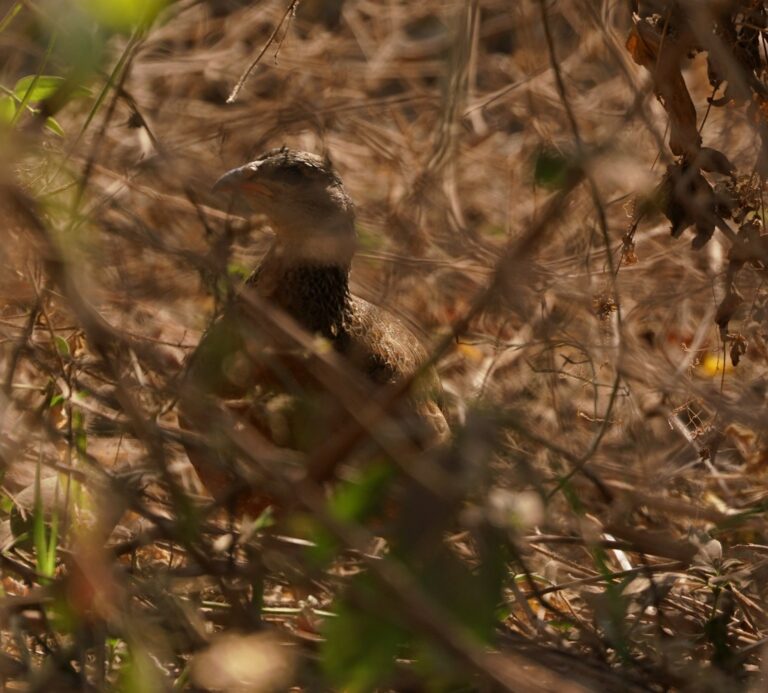
Pternistis hildebrandti
♥
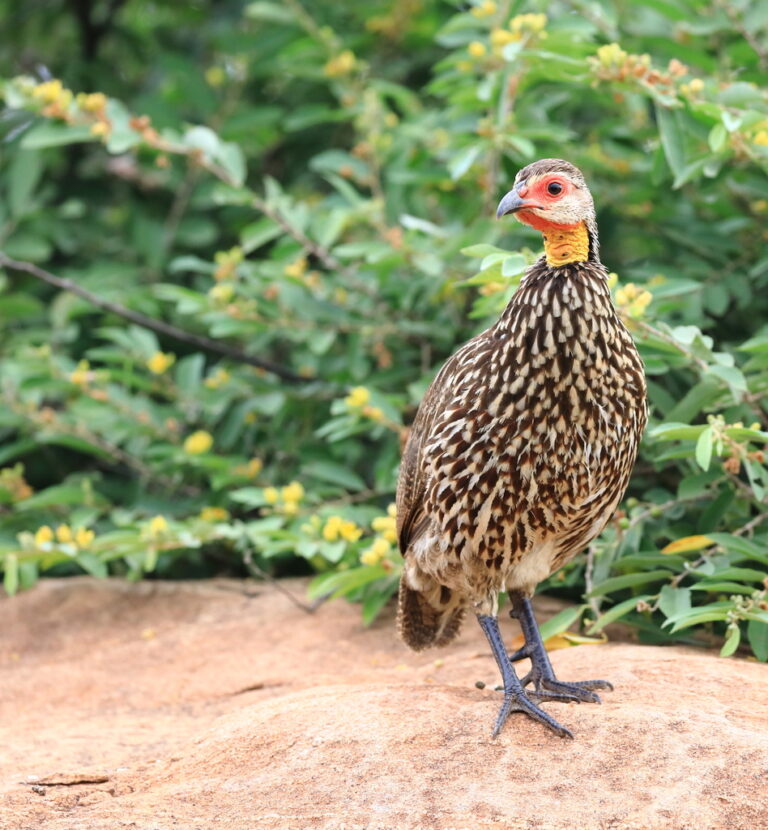
Pternistis leucoscepus
♥
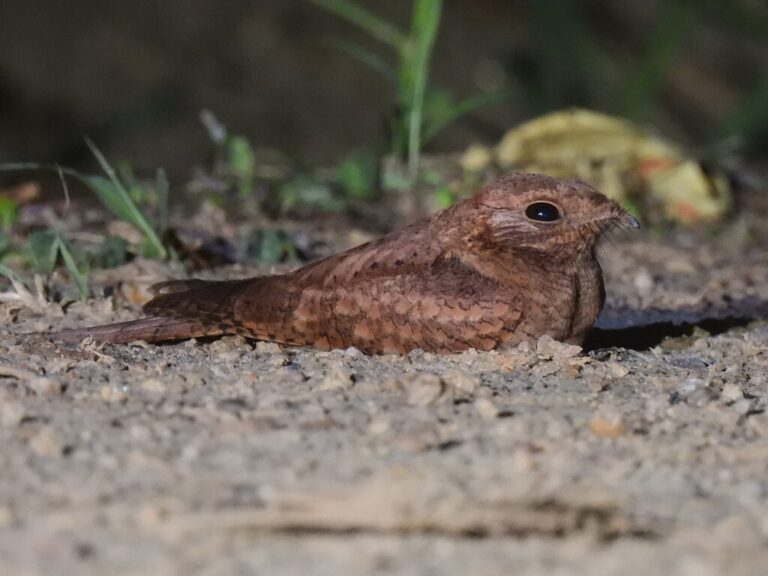
Caprimulgus inornatus
♥
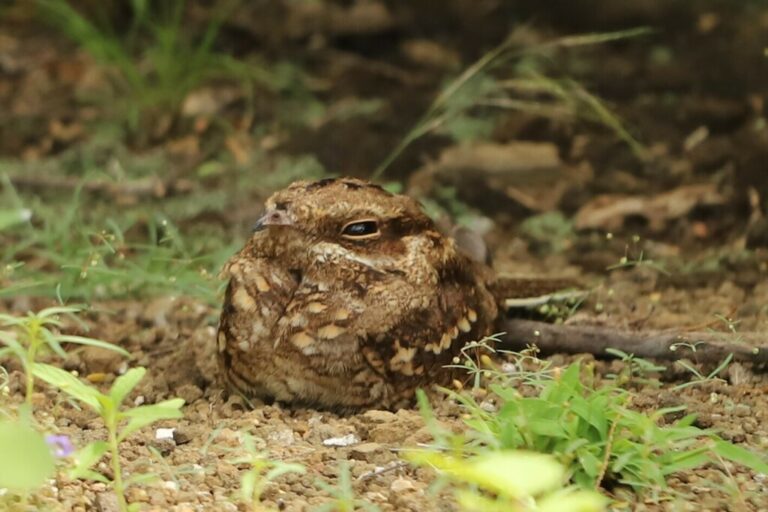
Caprimulgus clarus
♥
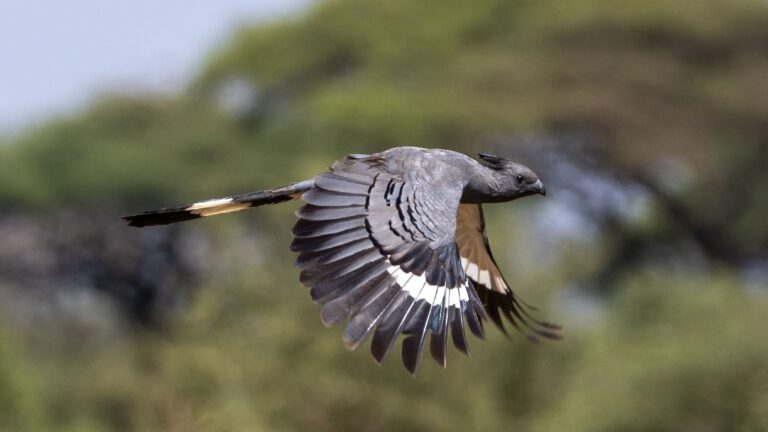
Crinifer leucogaster
♥
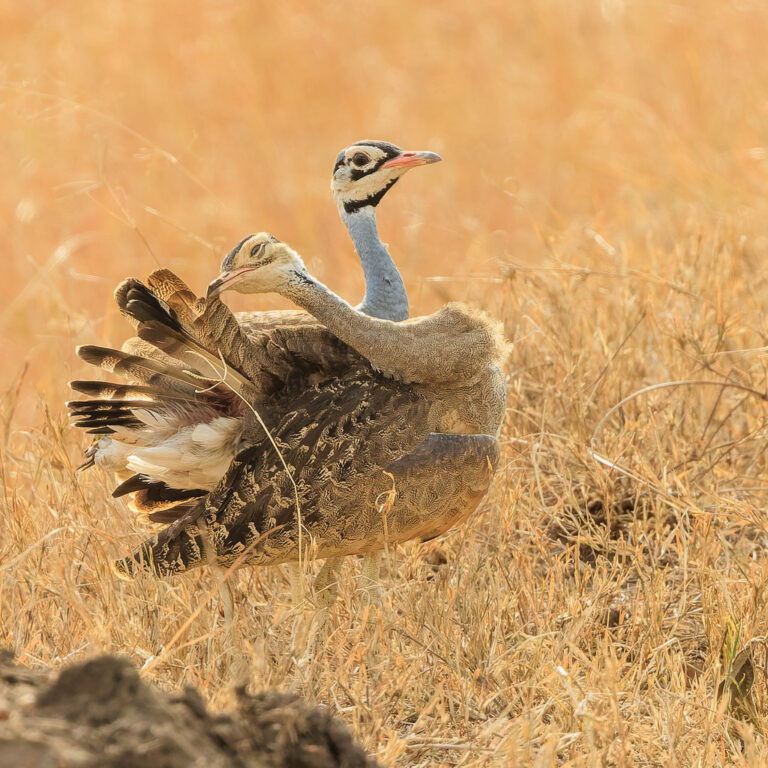
Eupodotis senegalensis
♥
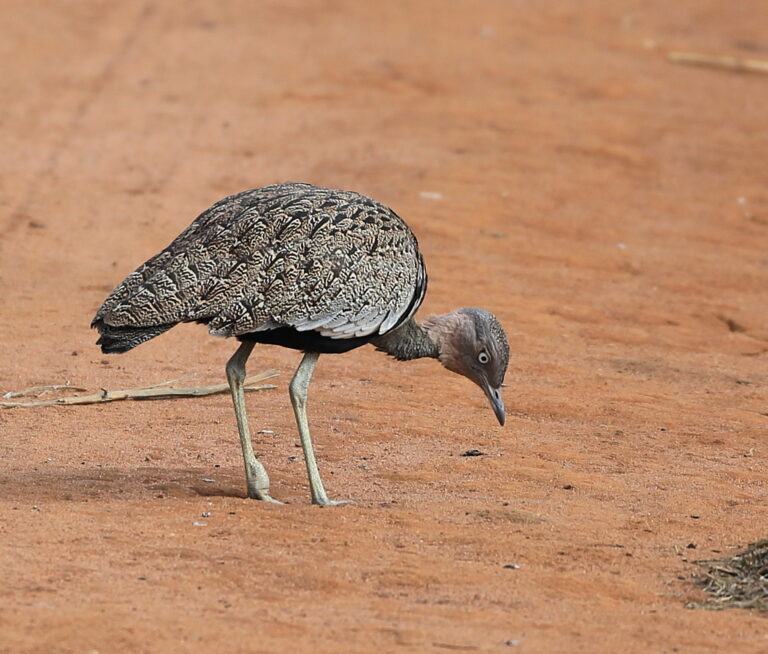
Lophotis gindiana
♥
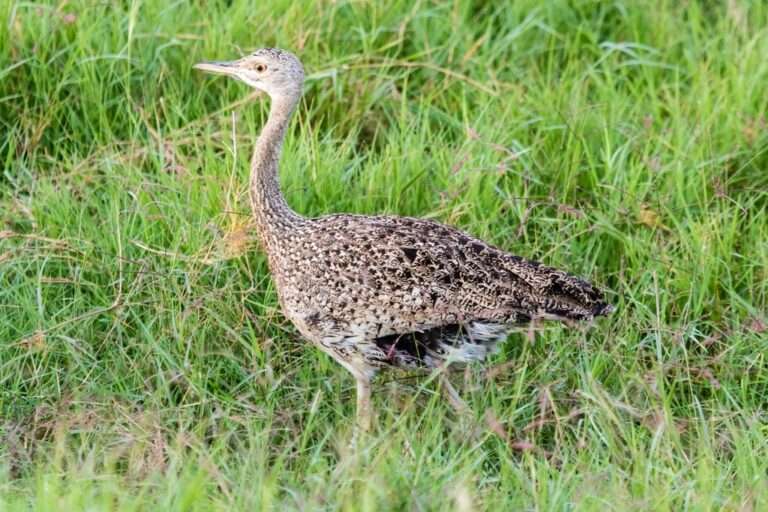
Lissotis hartlaubii
♥
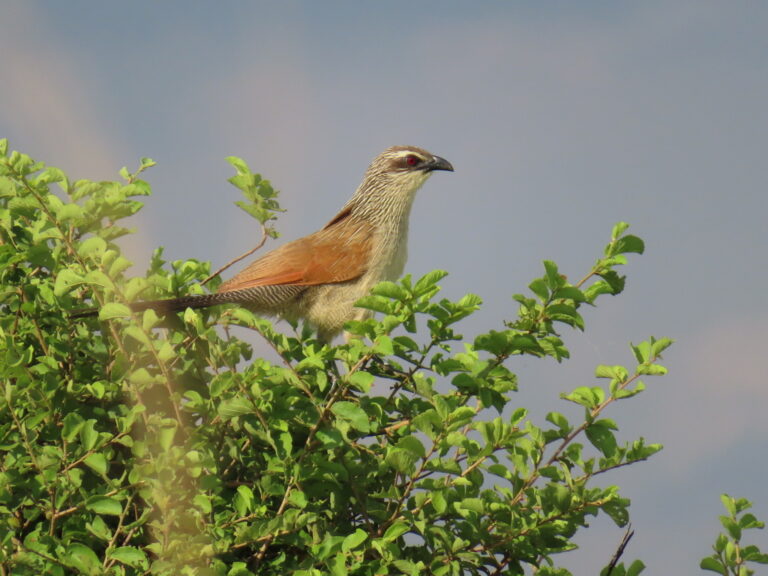
Centropus superciliosus
♥
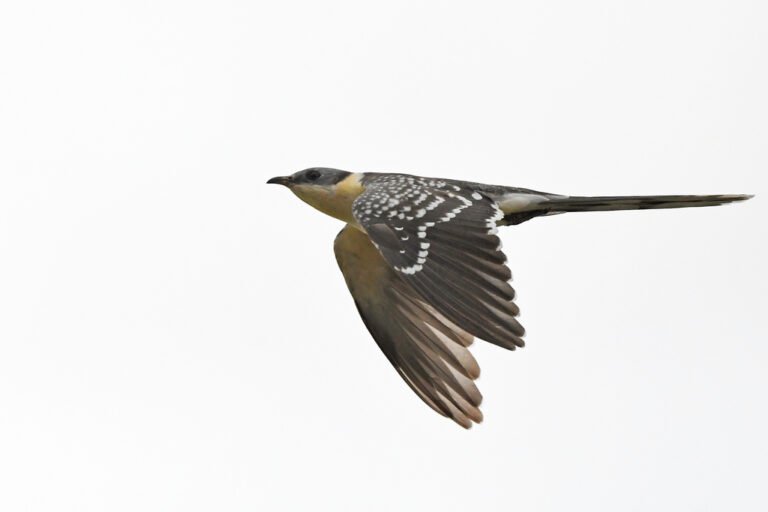
Clamator glandarius
♥
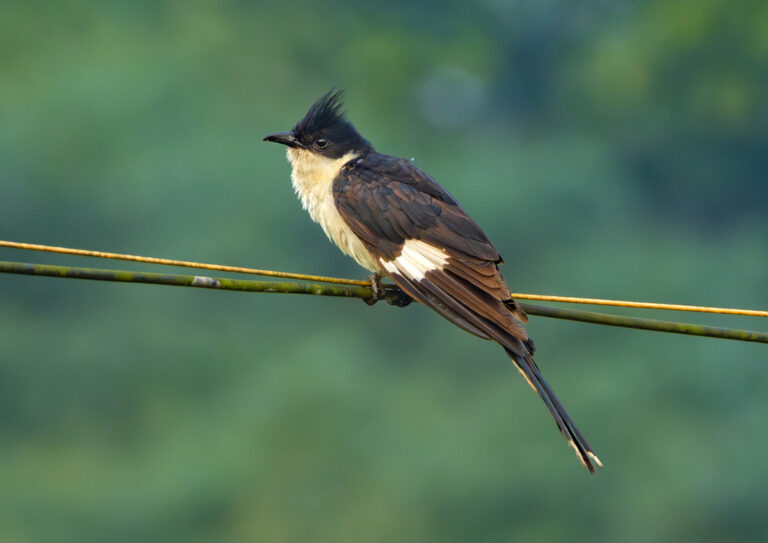
Clamator jacobinus
♥
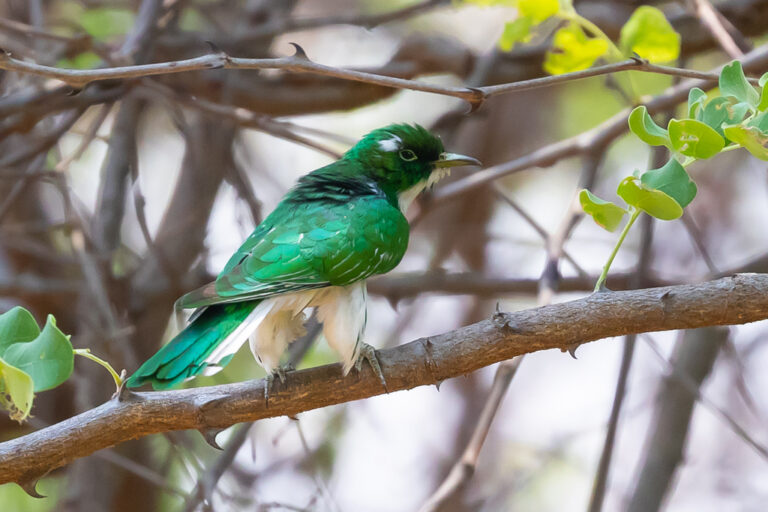
Chrysococcyx klaas
♥
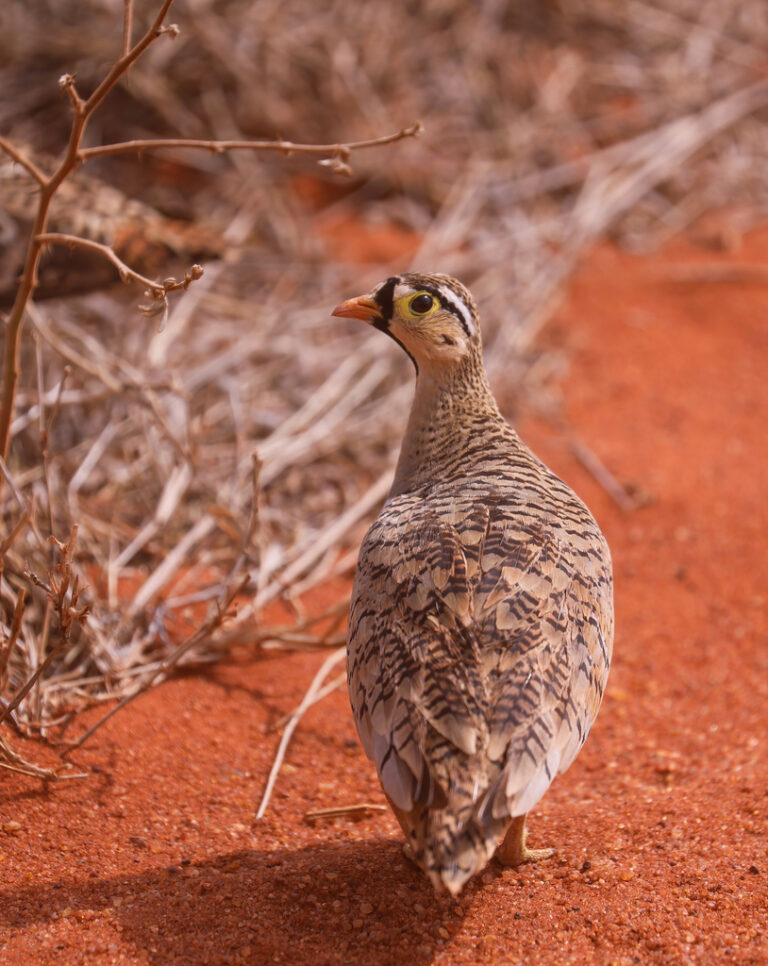
Pterocles decoratus
♥
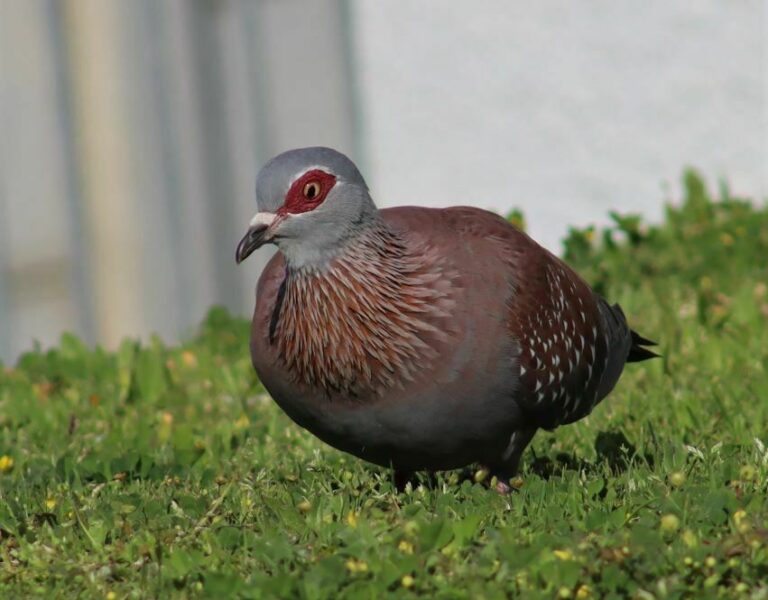
Columba guinea
♥
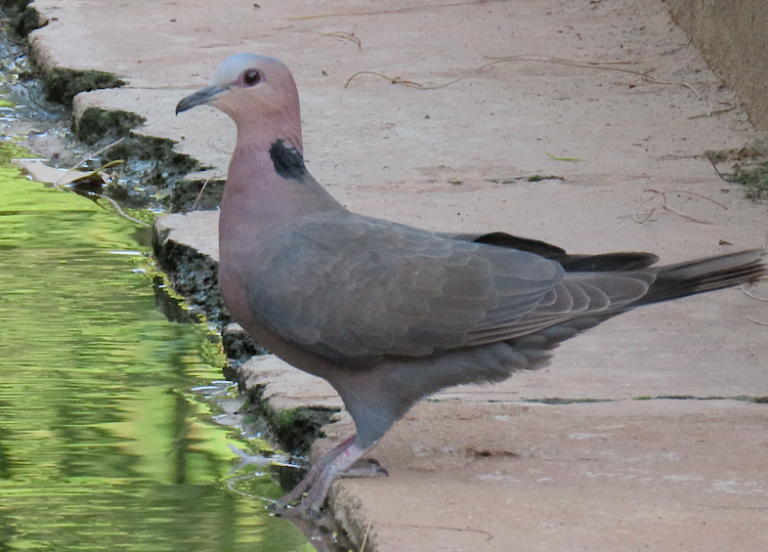
Streptopelia semitorquata
♥
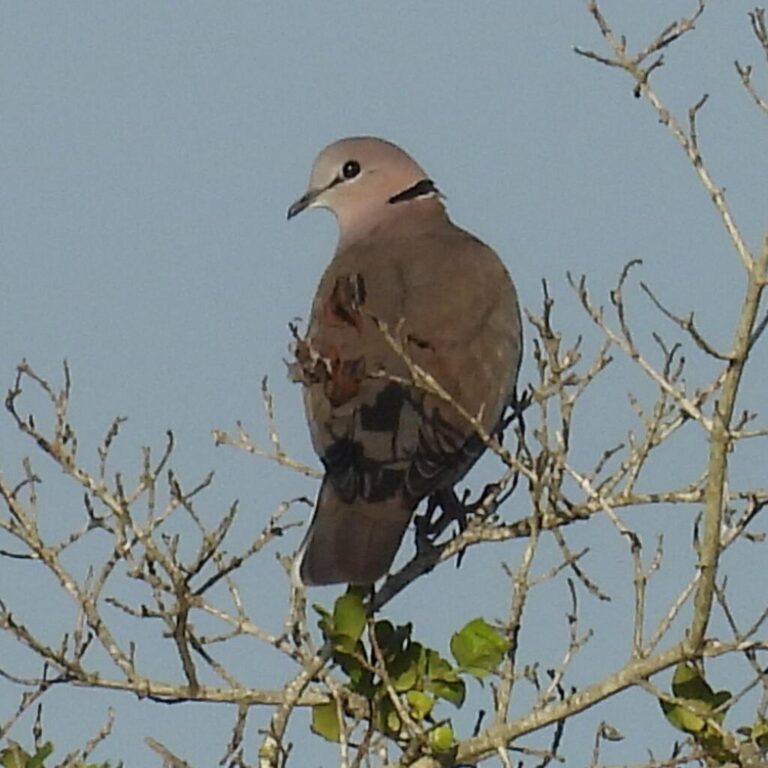
Streptopelia capicola
♥
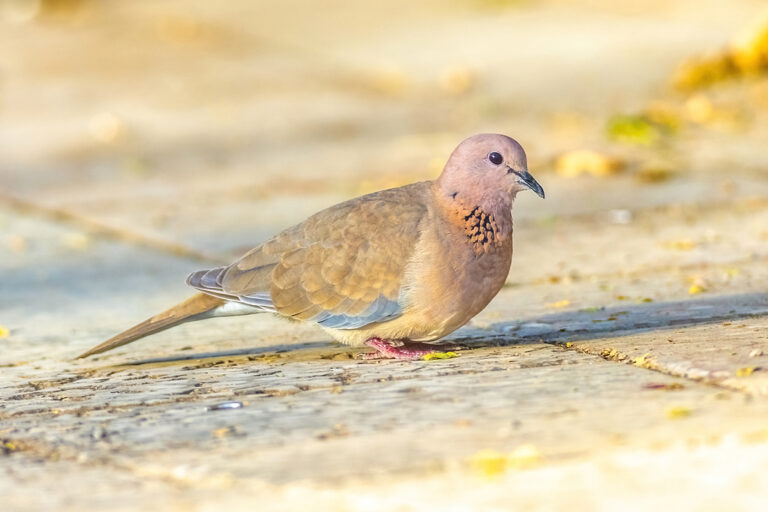
Spilopelia senegalensis
♥
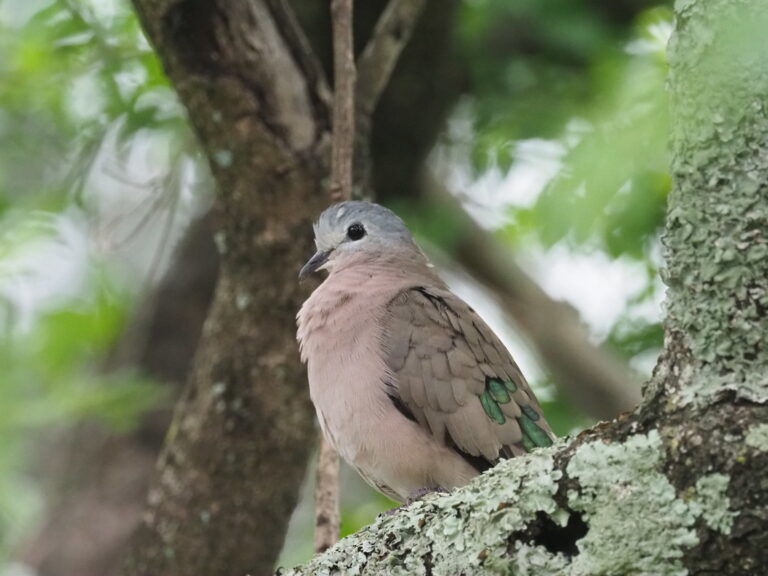
Turtur chalcospilos
♥
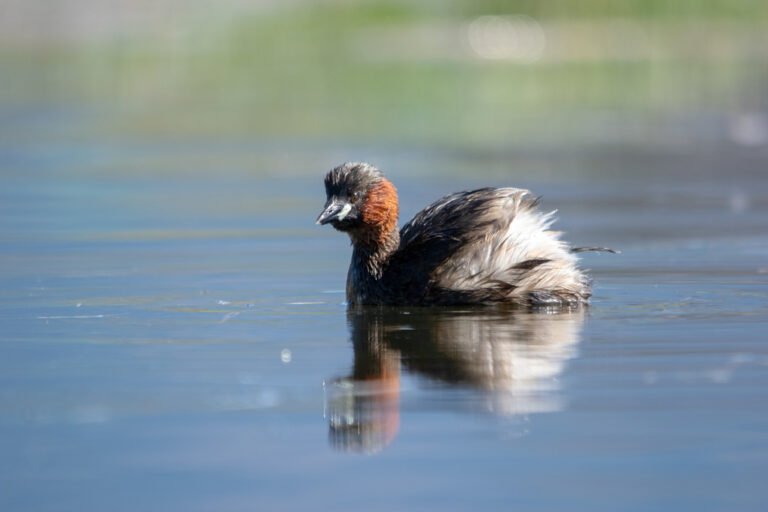
Tachybaptus ruficollis
♥
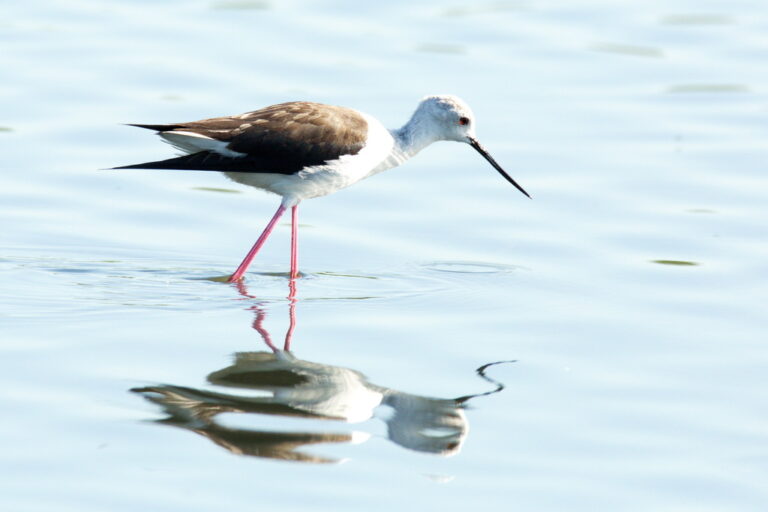
Himantopus himantopus
♥
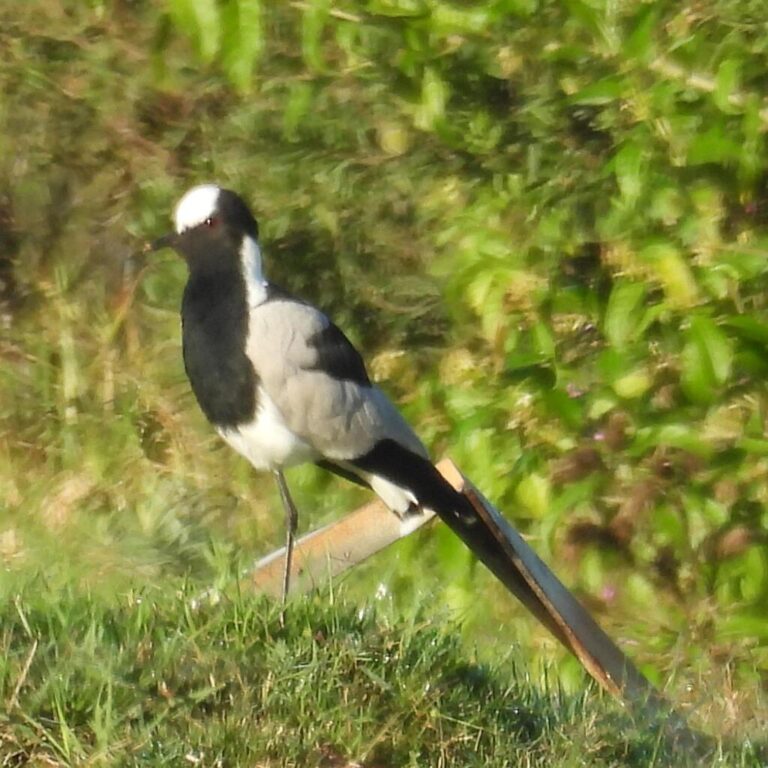
Vanellus armatus
♥
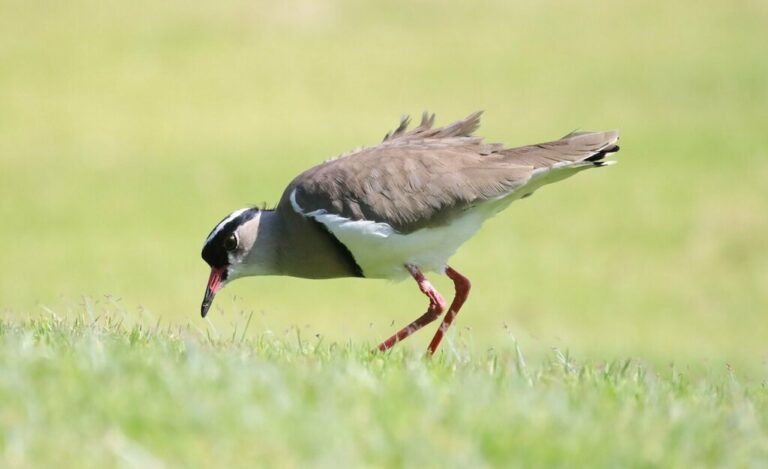
Vanellus coronatus
♥
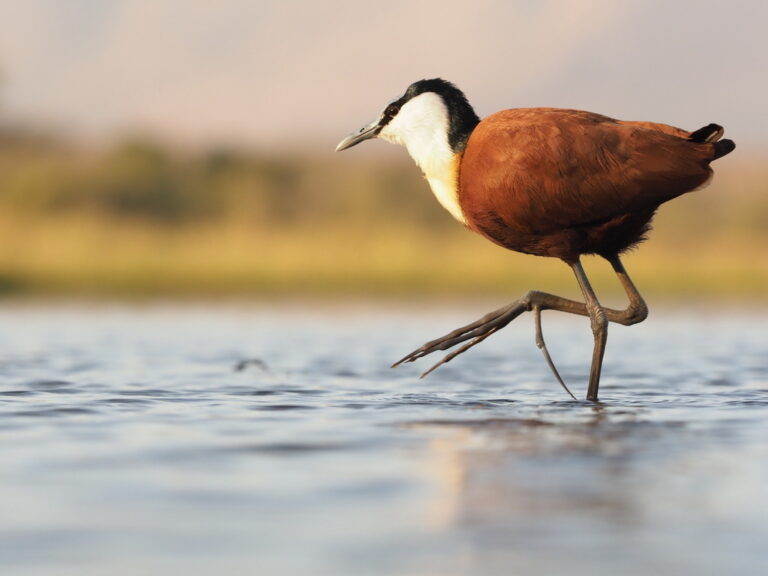
Actophilornis africanus
♥
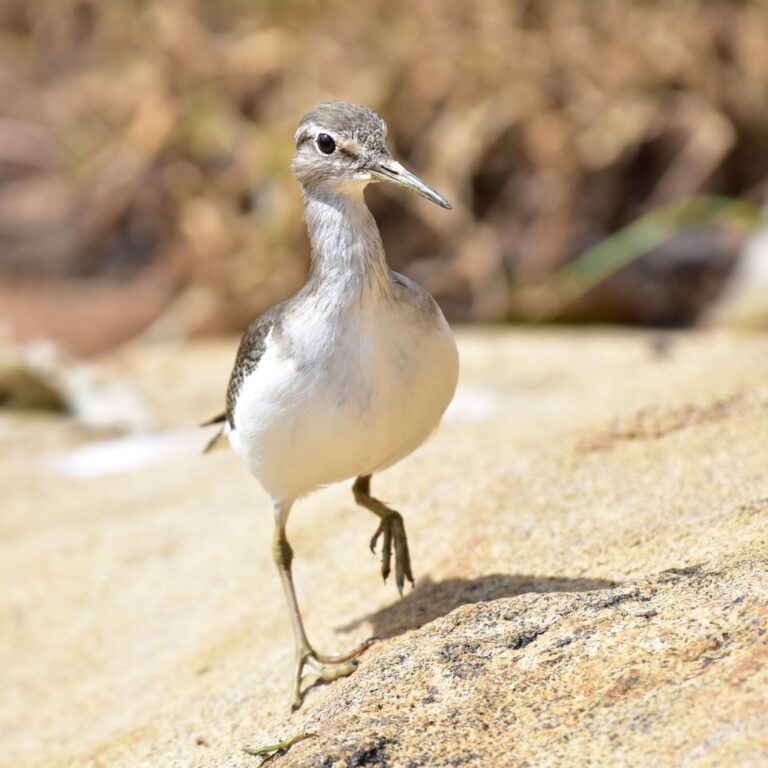
Actitis hypoleucos
♥
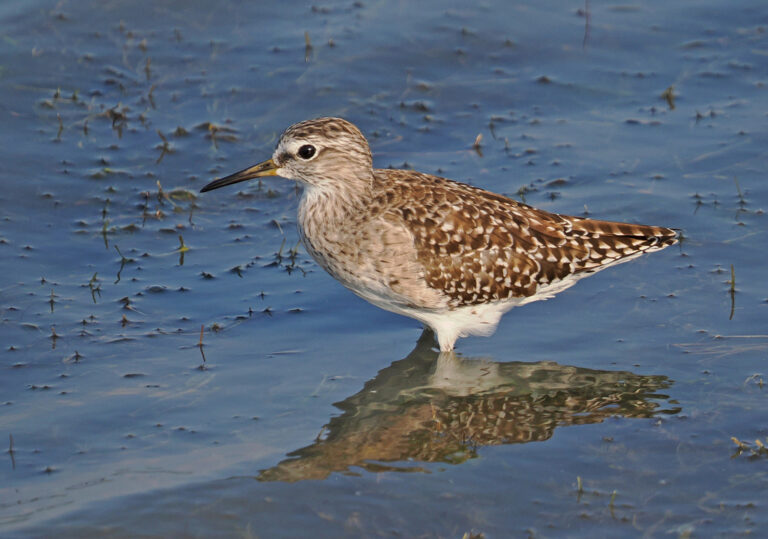
Tringa glareola
♥
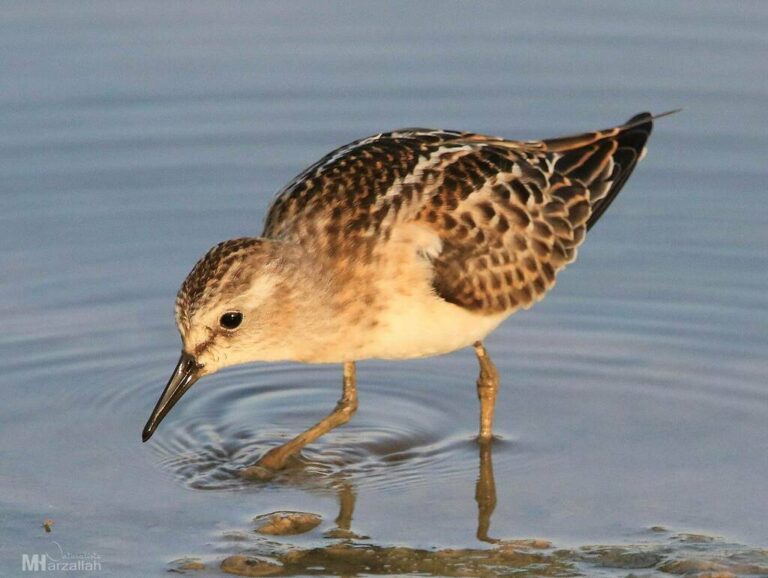
Calidris minuta
♥
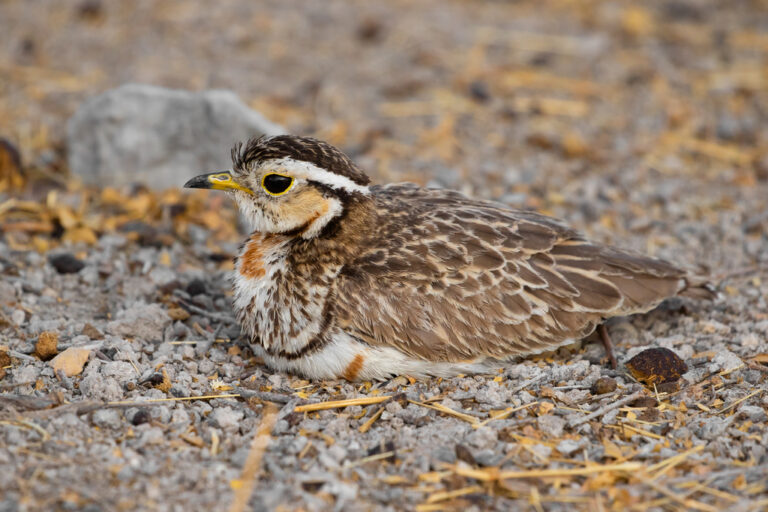
Rhinoptilus cinctus
♥
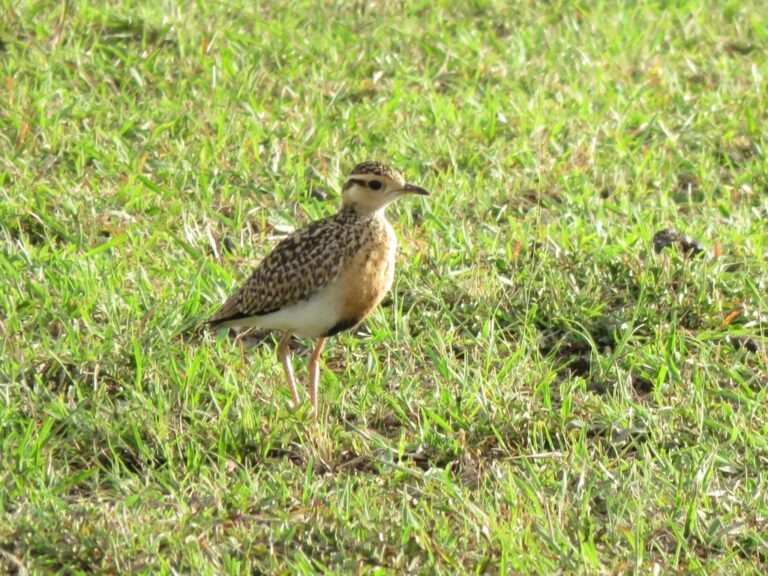
Cursorius temminckii
♥
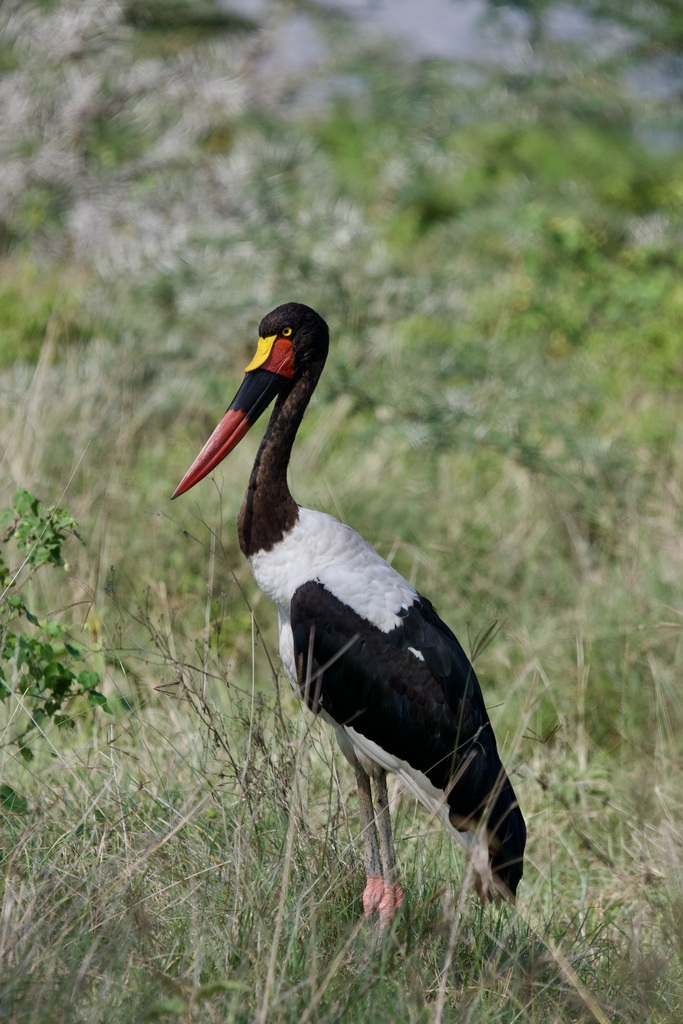
Ephippiorhynchus senegalensis
♥
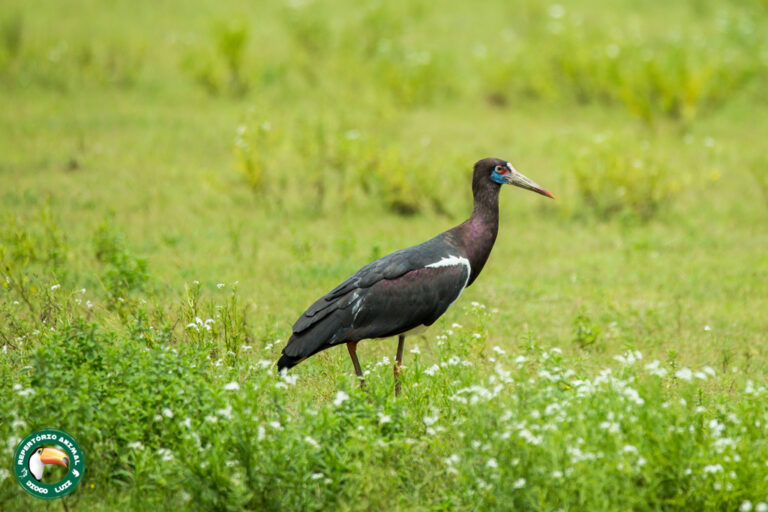
Ciconia abdimii
♥
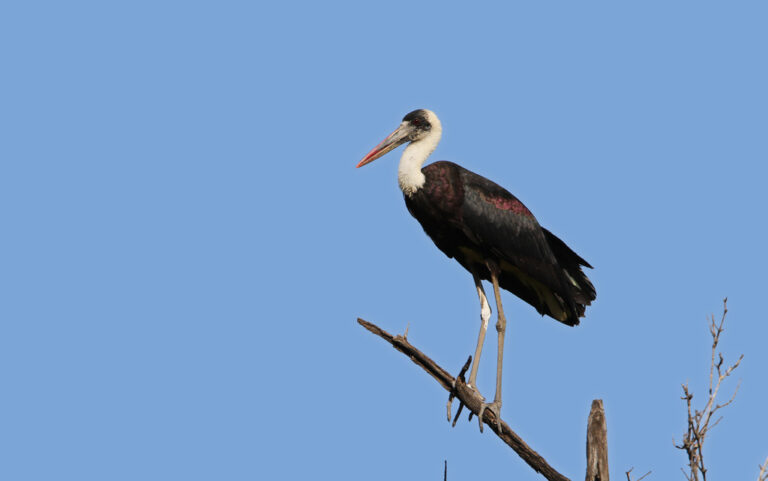
Ciconia microscelis
♥
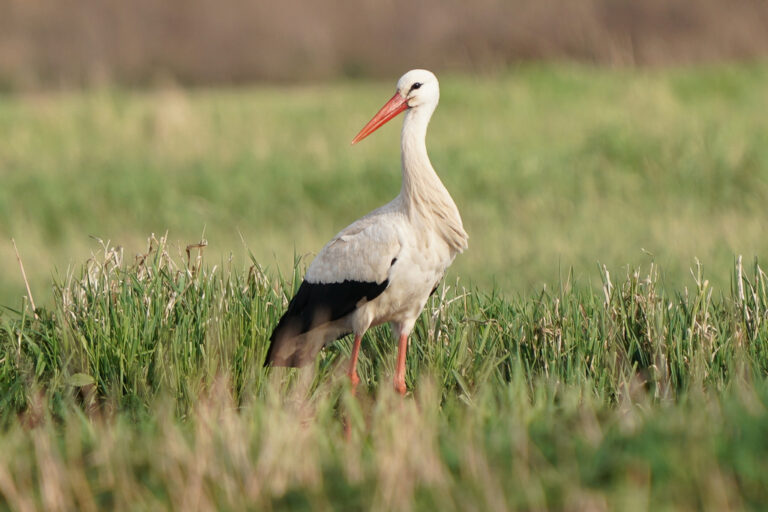
Ciconia ciconia
♥
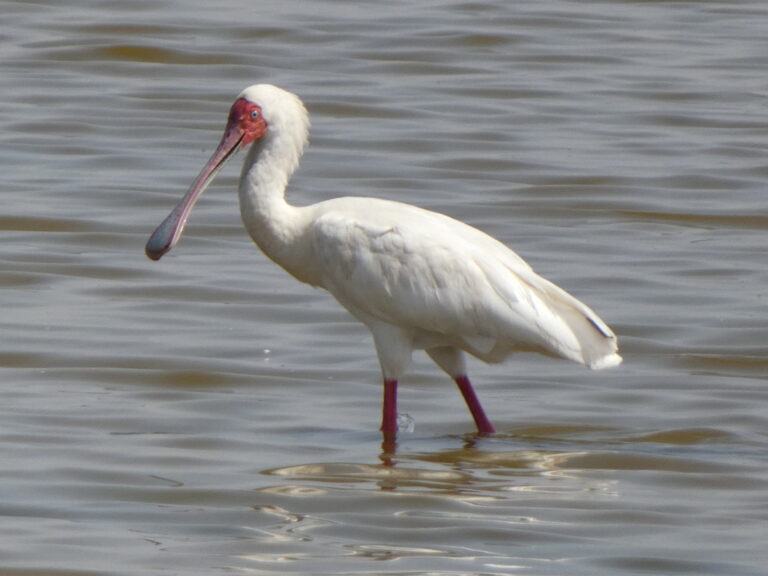
Platalea alba
♥
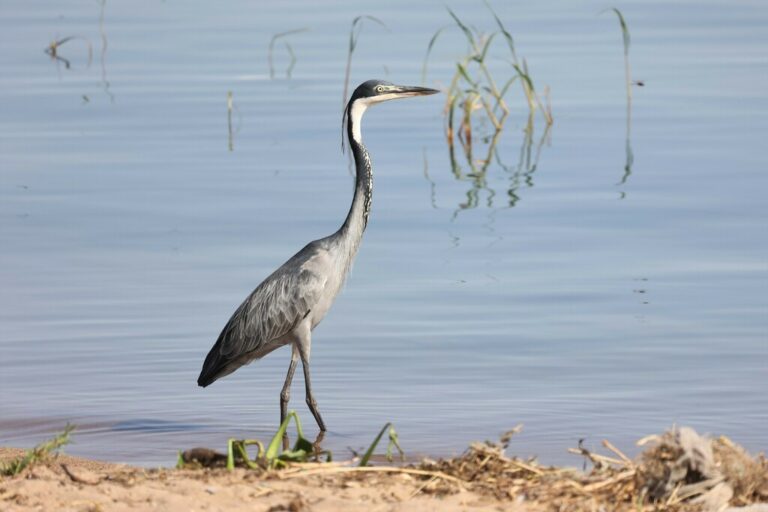
Ardea melanocephala
♥
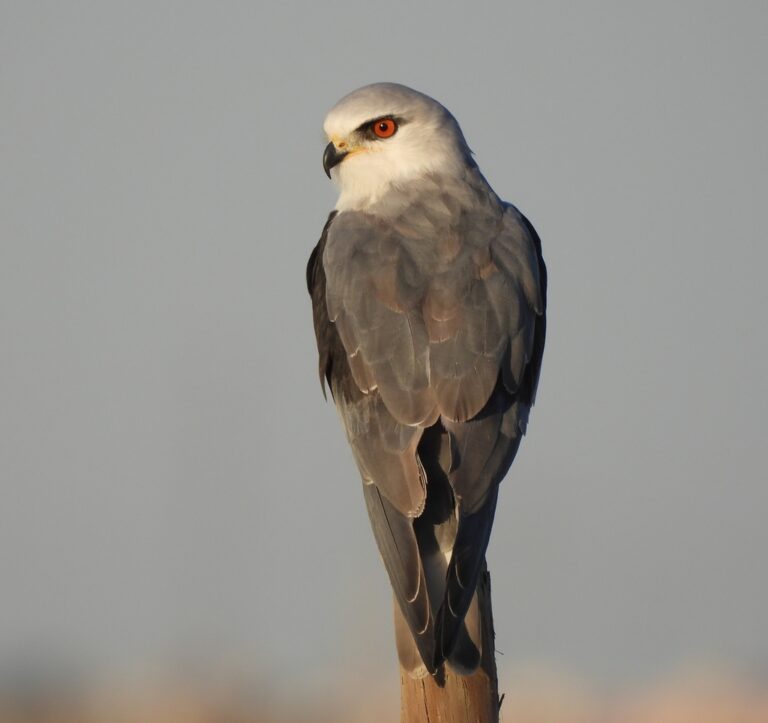
Elanus caeruleus
♥
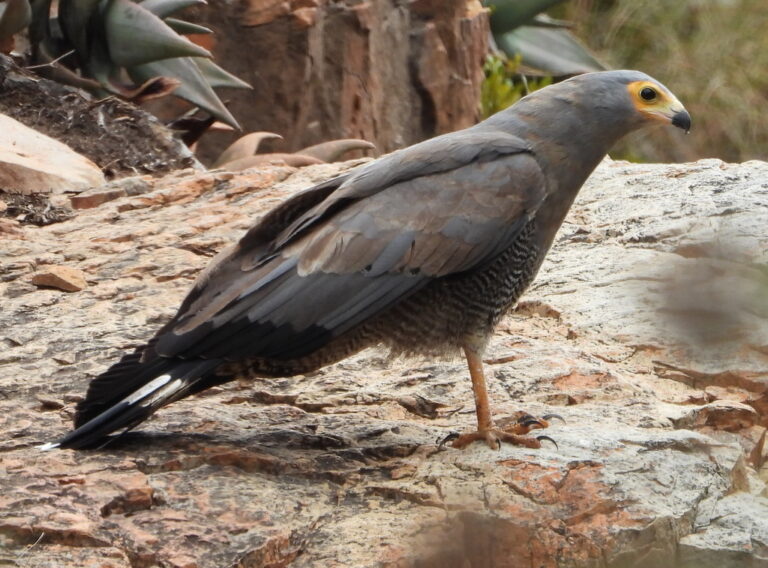
Polyboroides typus
♥
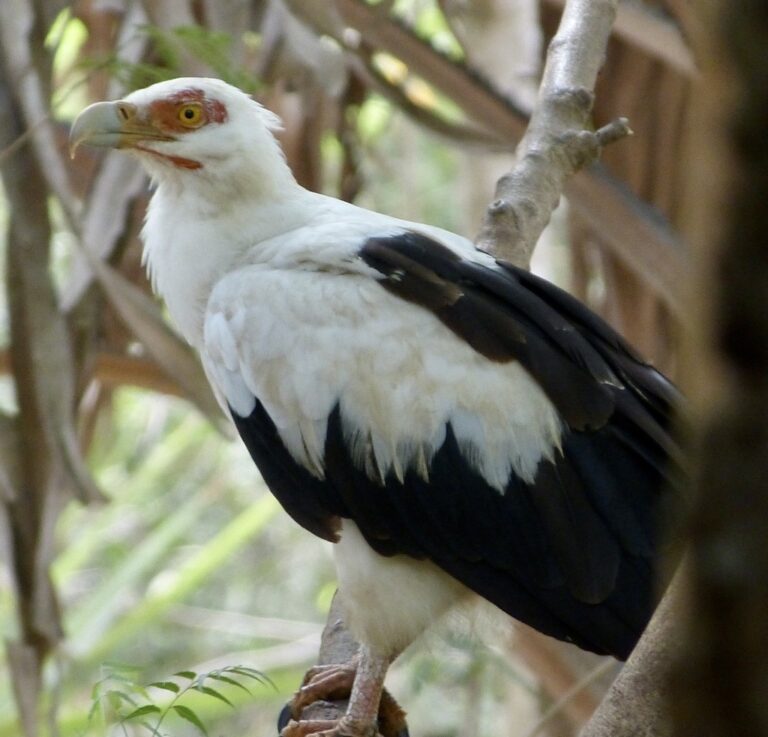
Gypohierax angolensis
♥
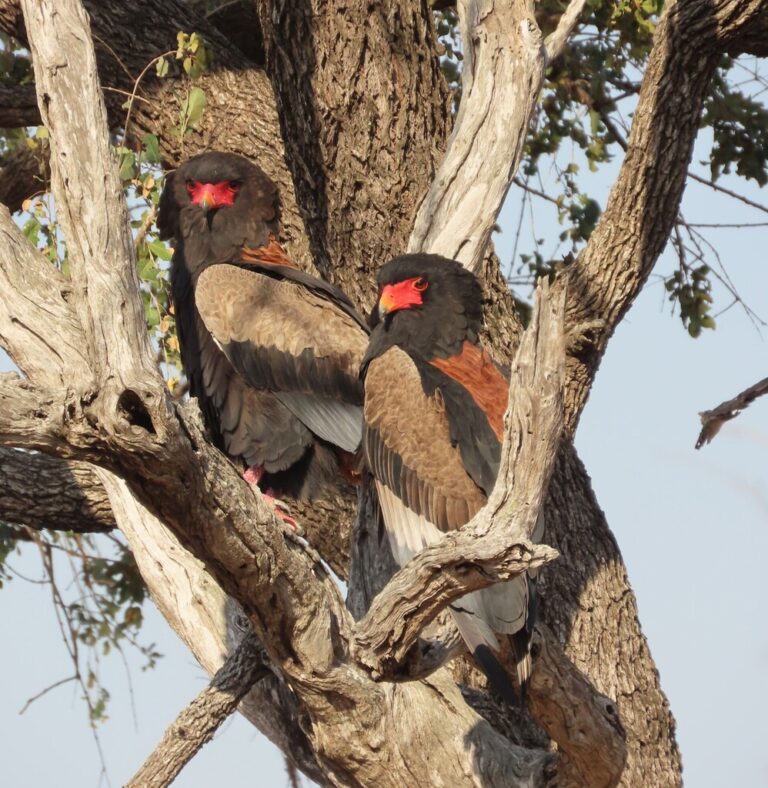
Terathopius ecaudatus
♥
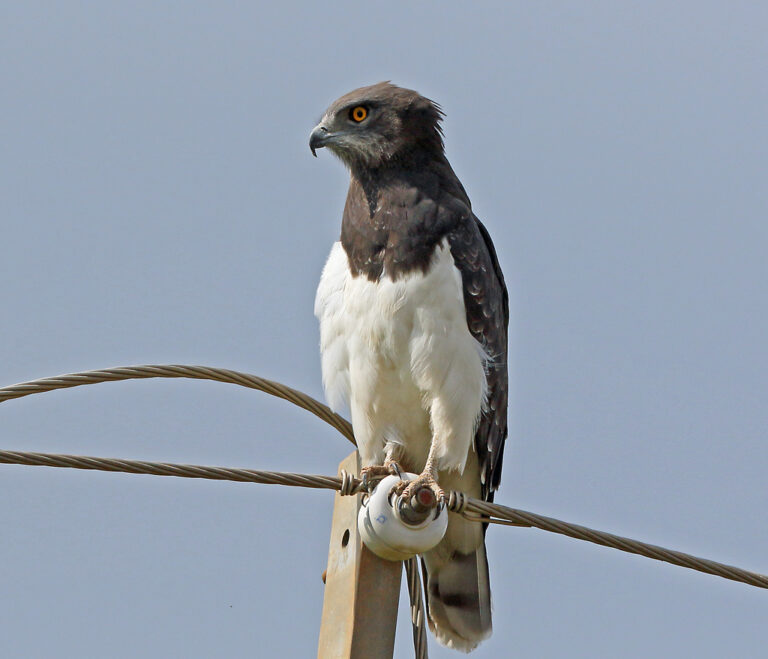
Circaetus pectoralis
♥
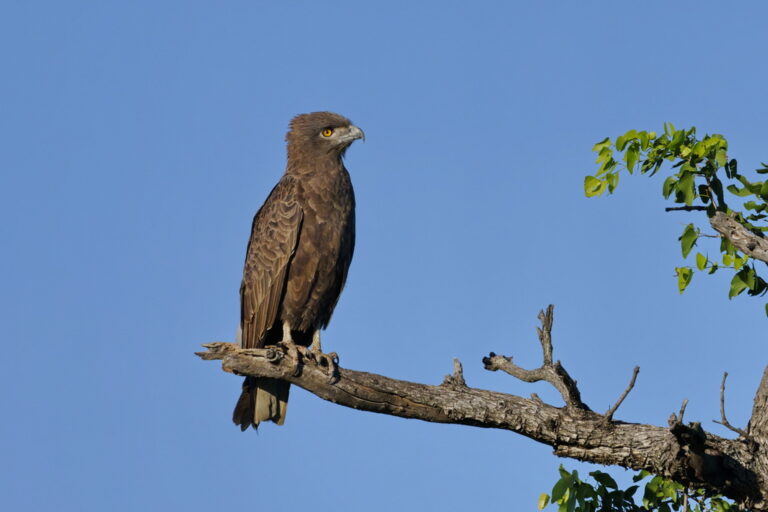
Circaetus cinereus
♥
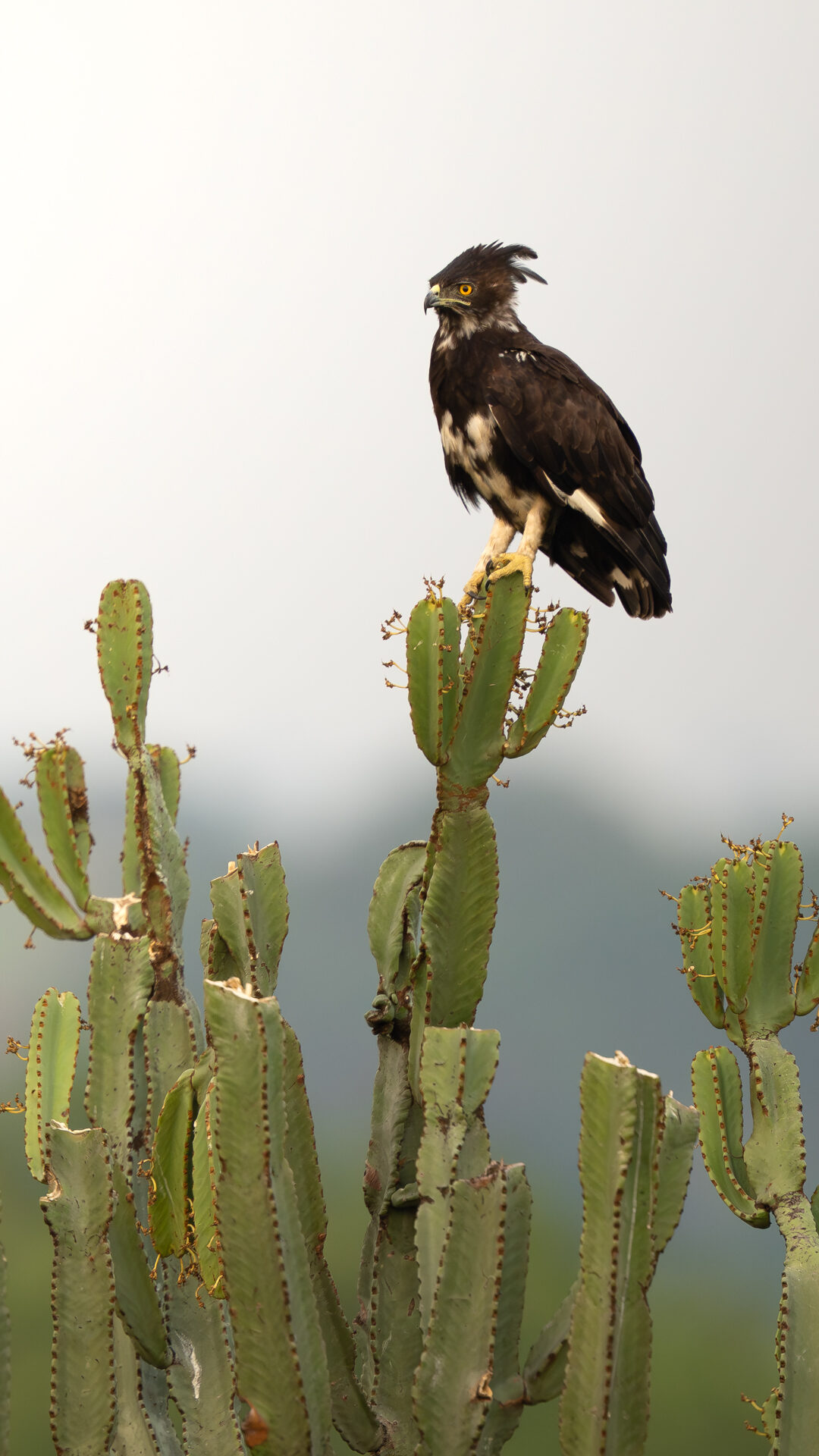
Lophaetus occipitalis
♥
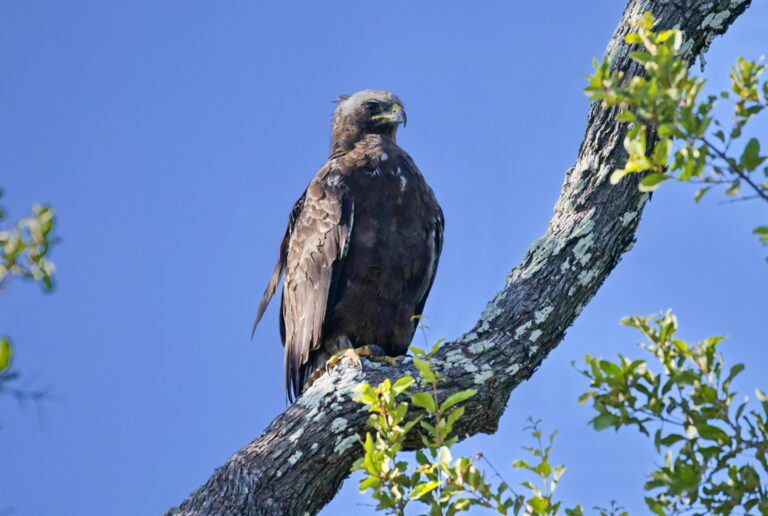
Hieraaetus wahlbergi
♥
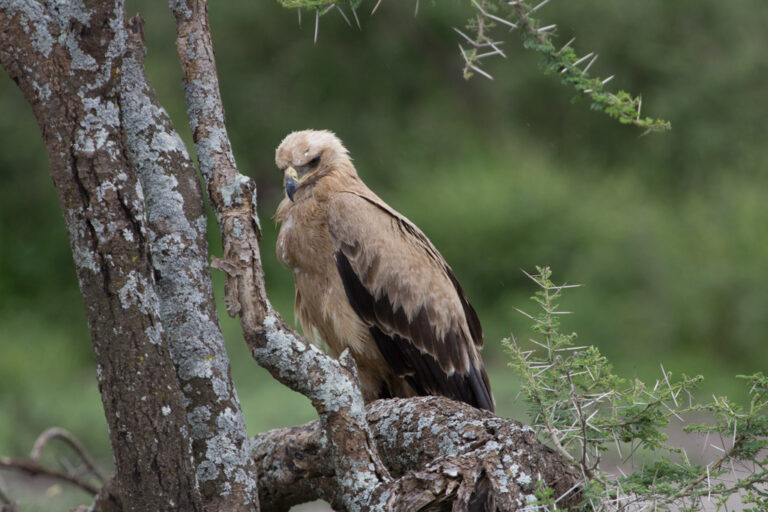
Aquila rapax
♥
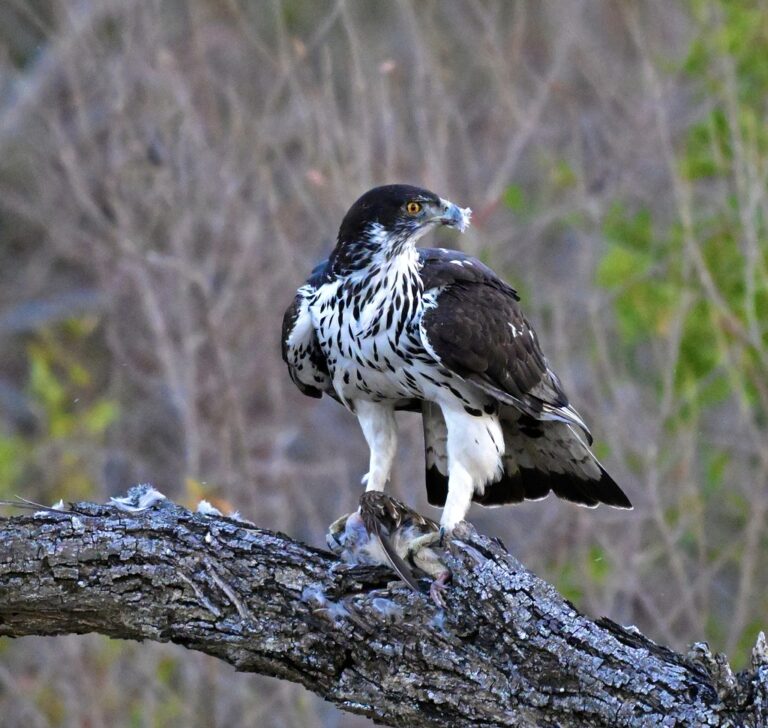
Aquila spilogaster
♥
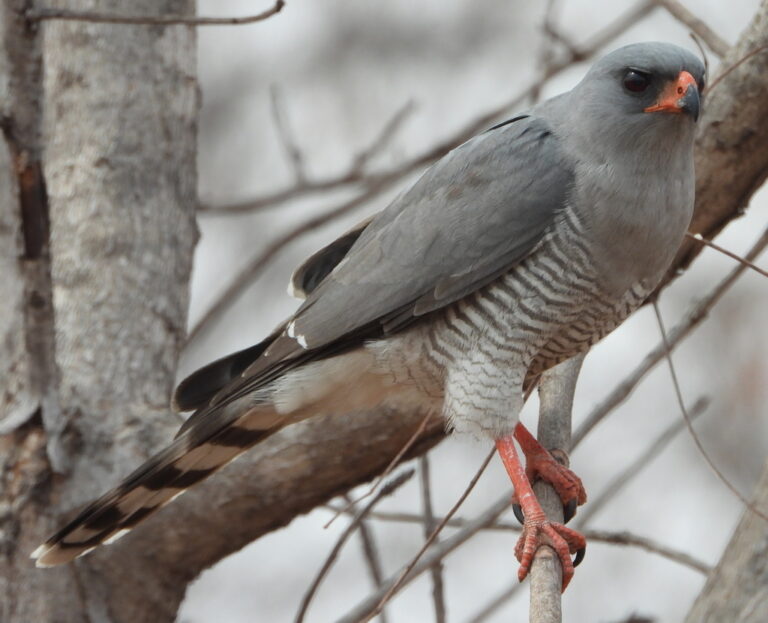
Micronisus gabar
♥
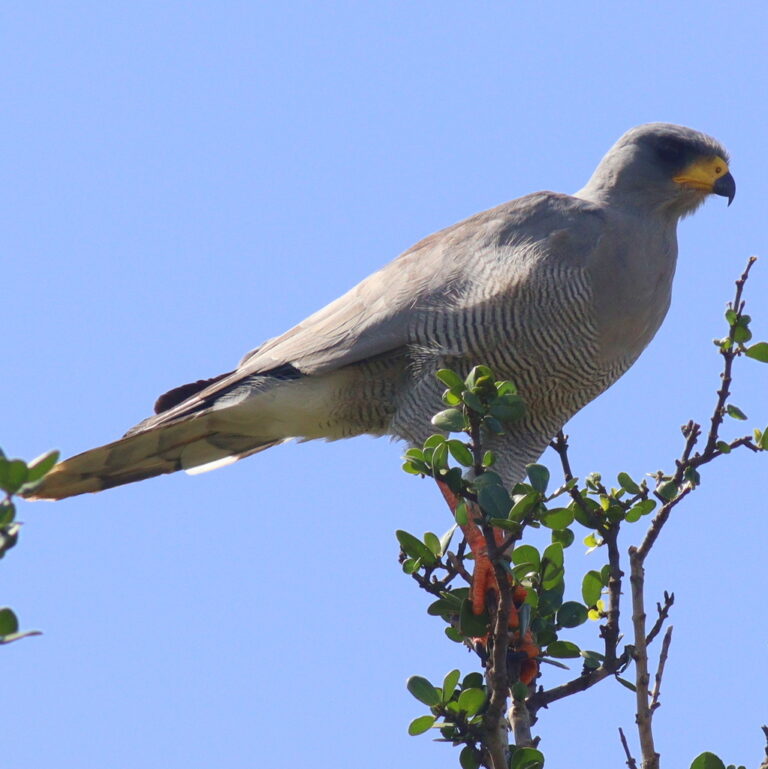
Melierax poliopterus
♥
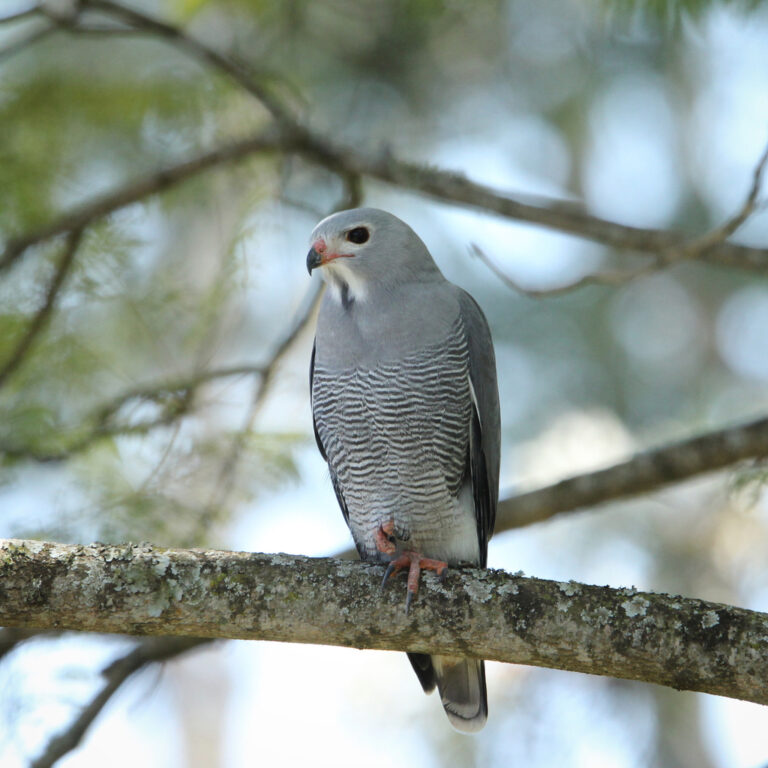
Kaupifalco monogrammicus
♥
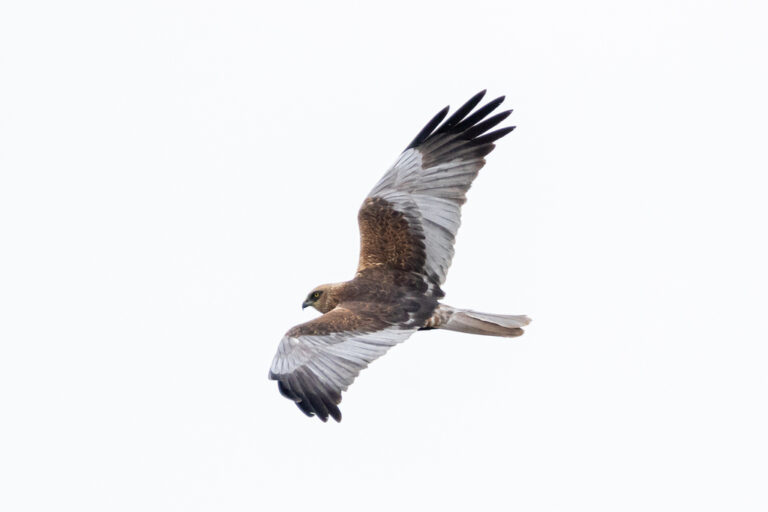
Circus aeruginosus
♥
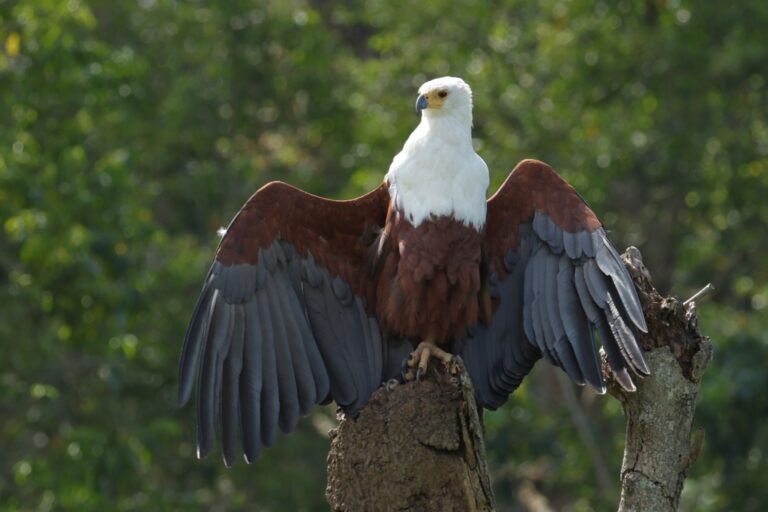
Icthyophaga vocifer
♥
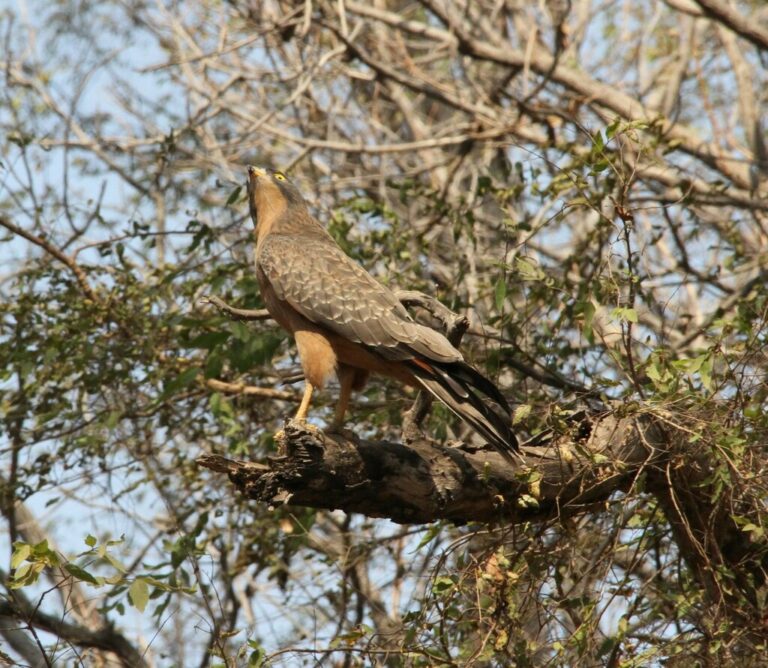
Butastur rufipennis
♥
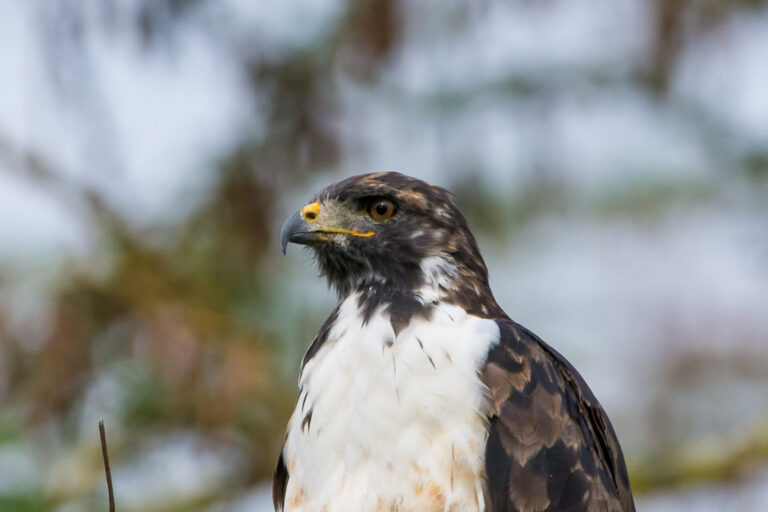
Buteo augur
♥
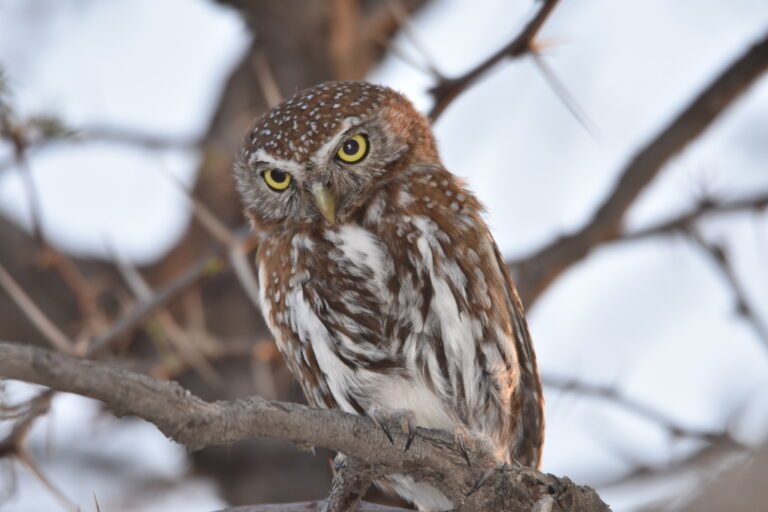
Glaucidium perlatum
♥
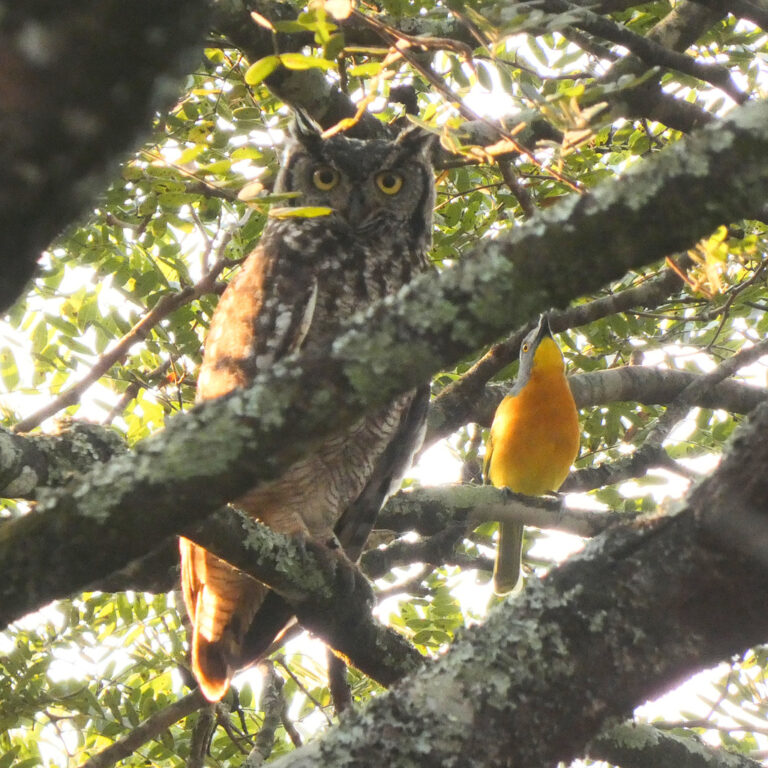
Bubo africanus
♥
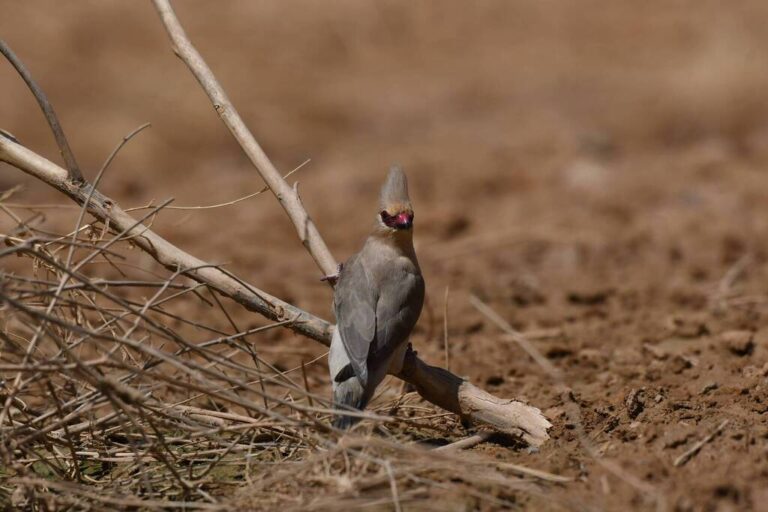
Urocolius macrourus
♥
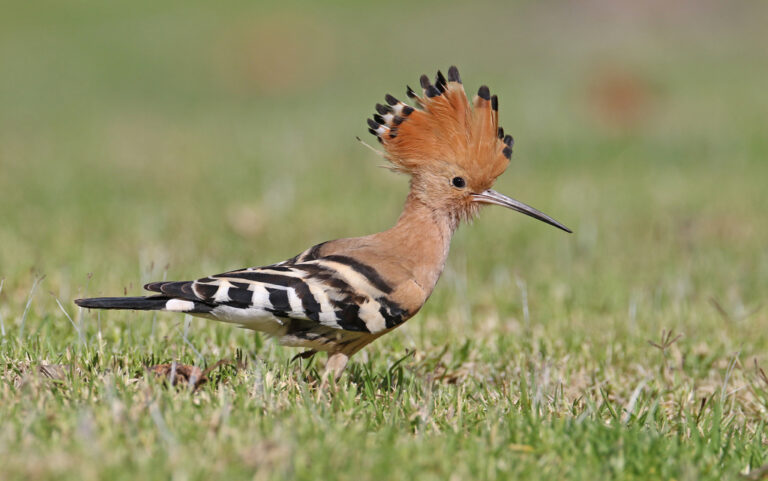
Upupa epops
♥
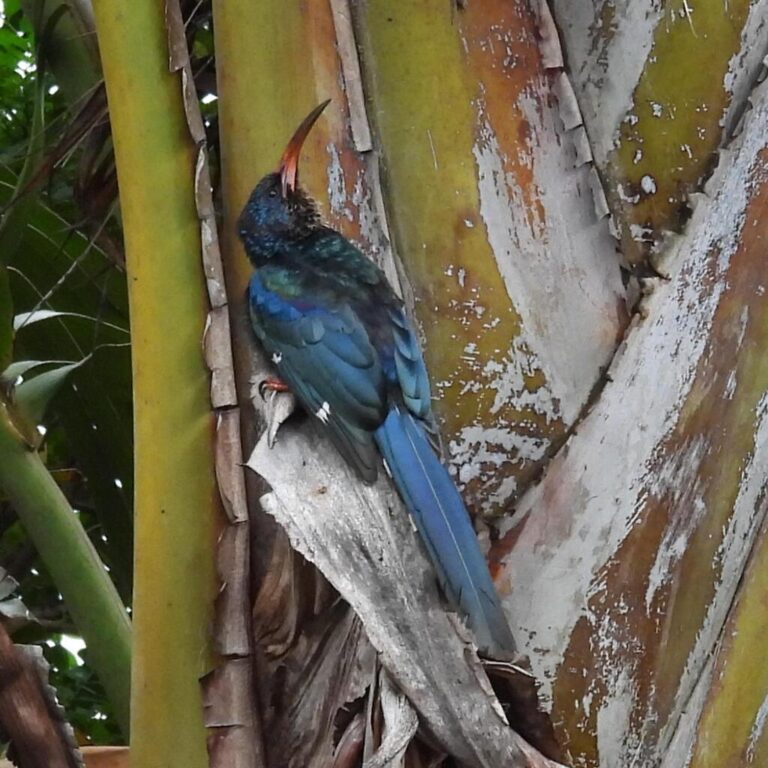
Phoeniculus purpureus
♥
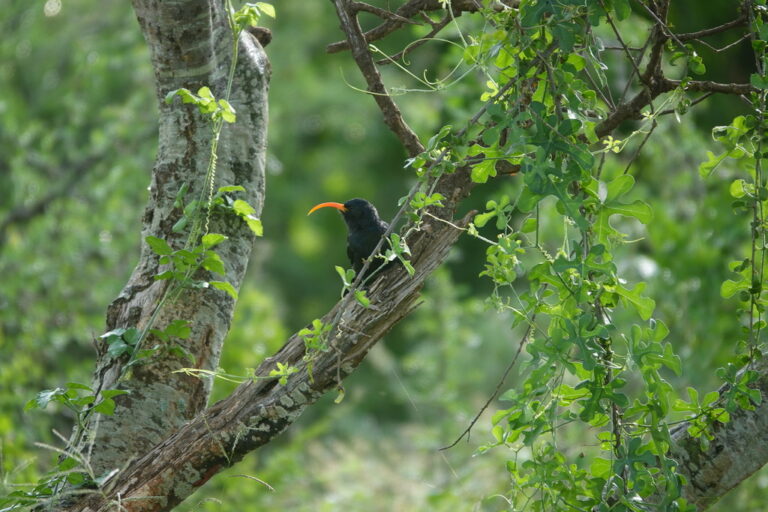
Rhinopomastus minor
♥
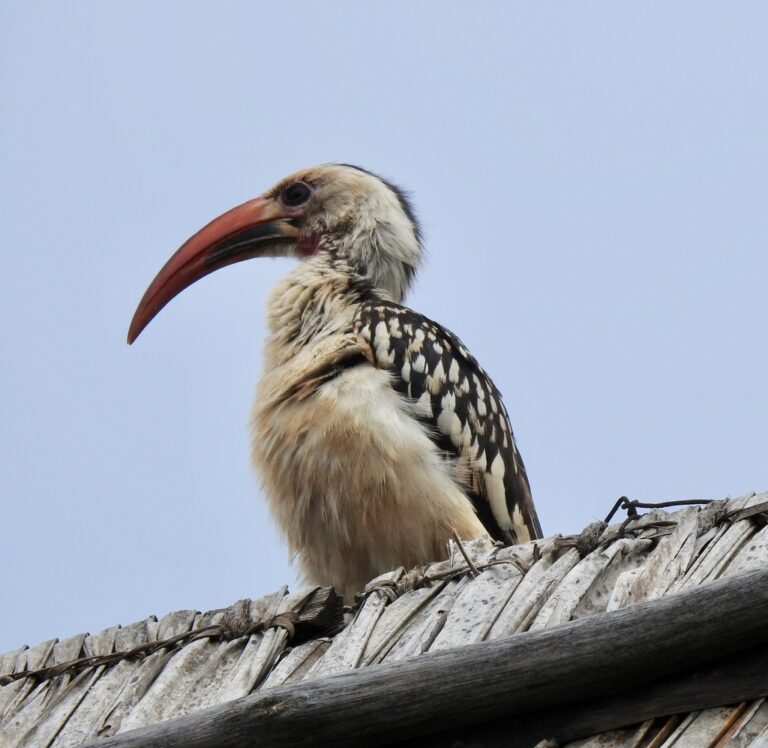
Tockus erythrorhynchus
♥
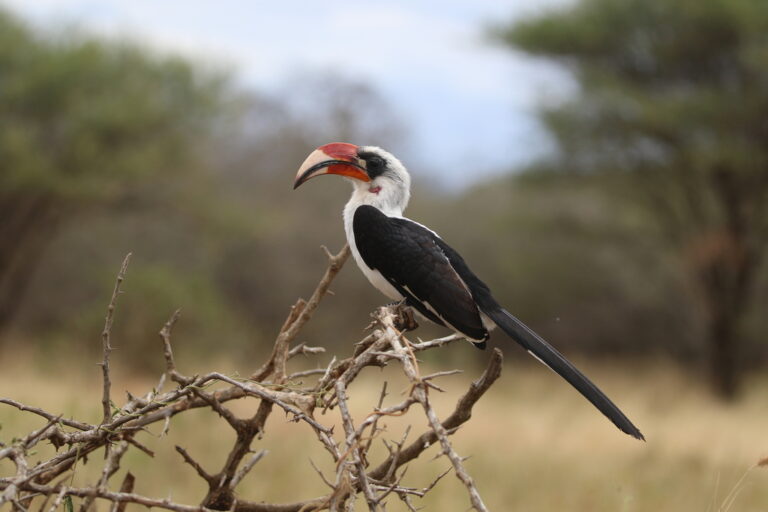
Tockus deckeni
♥
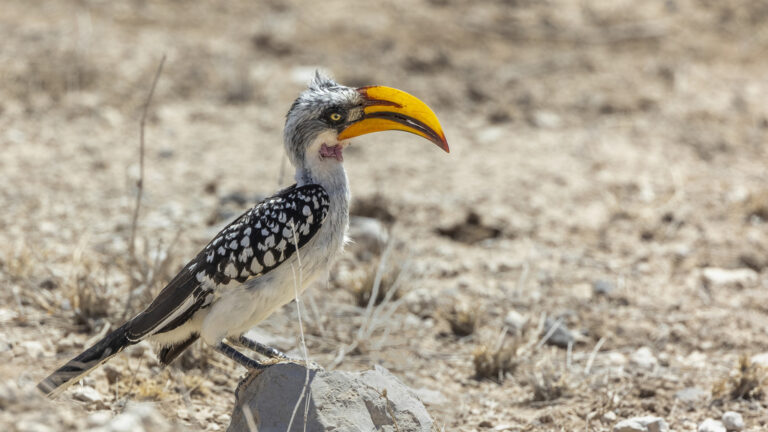
Tockus flavirostris
♥
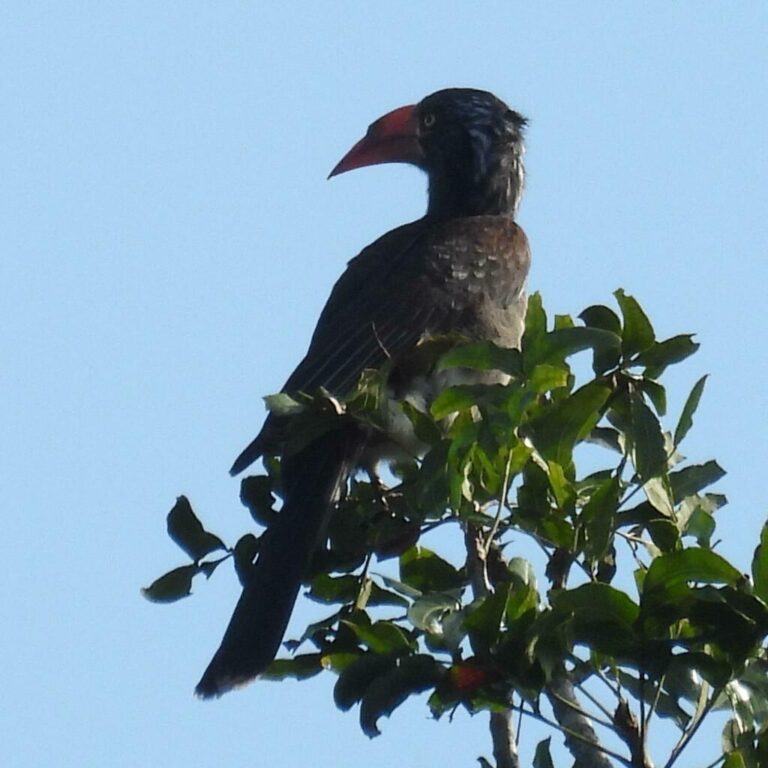
Lophoceros alboterminatus
♥
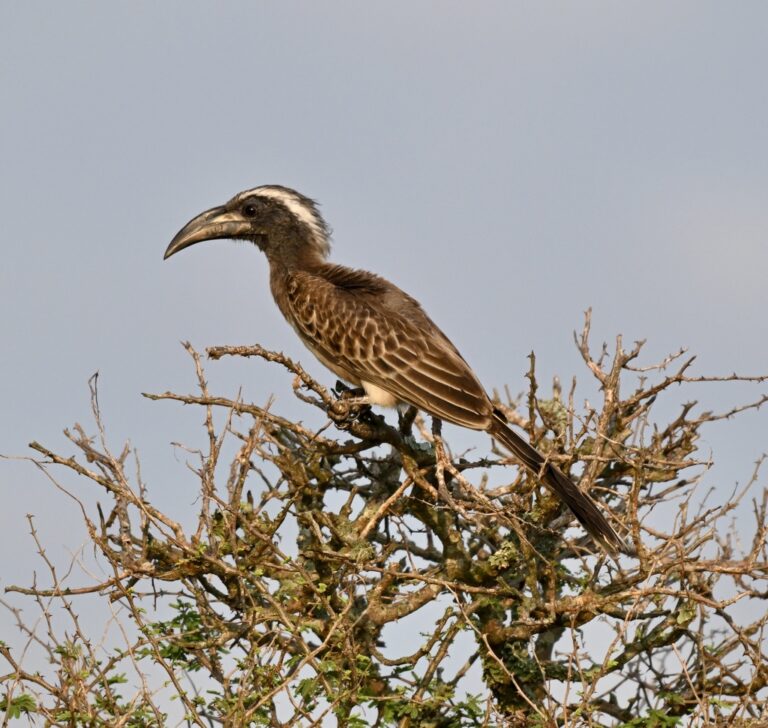
Lophoceros nasutus
♥
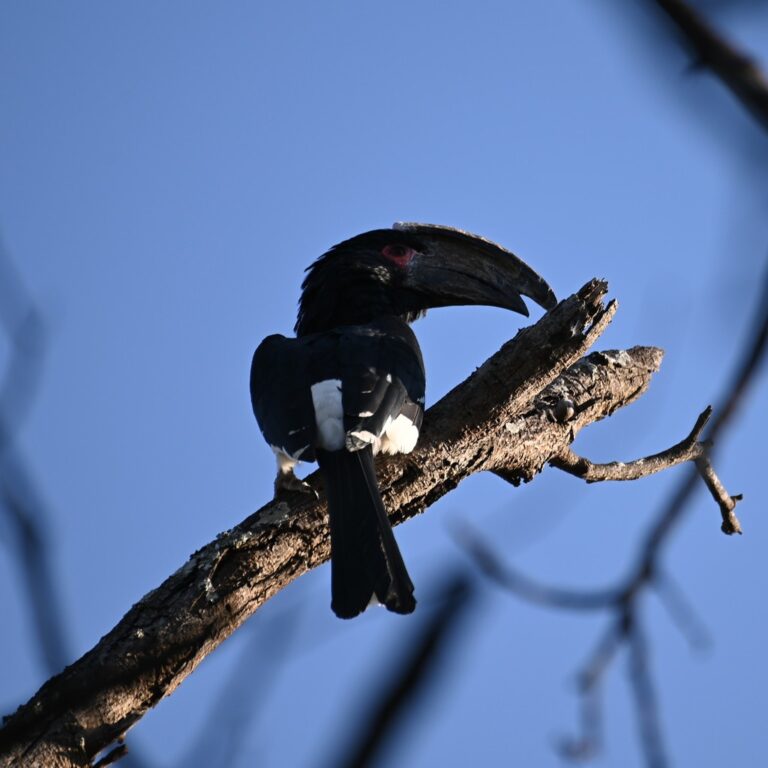
Bycanistes bucinator
♥
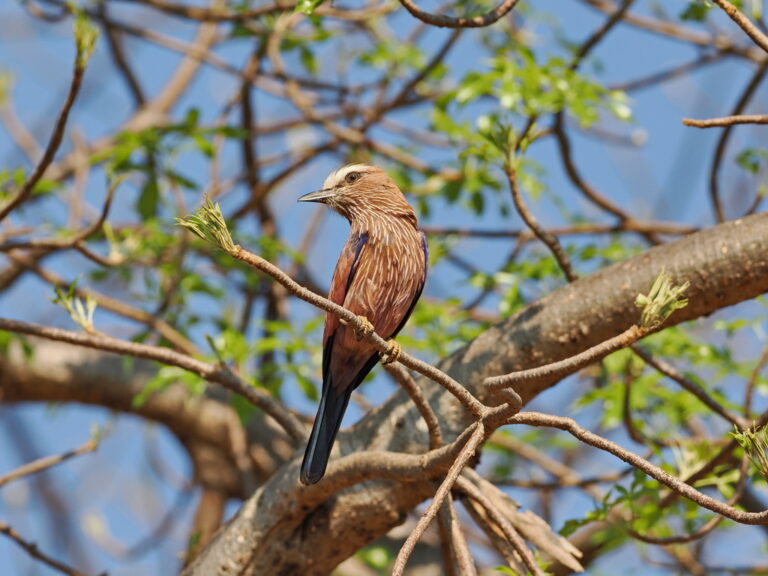
Coracias naevius
♥
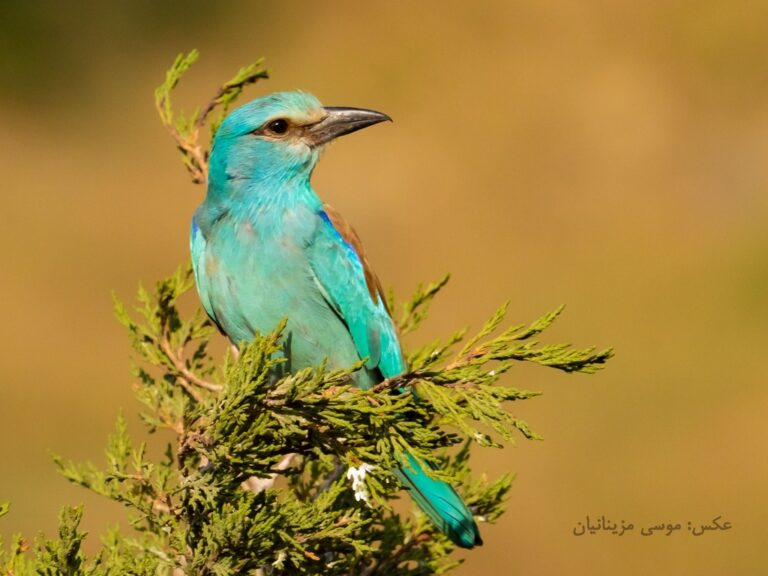
Coracias garrulus
♥
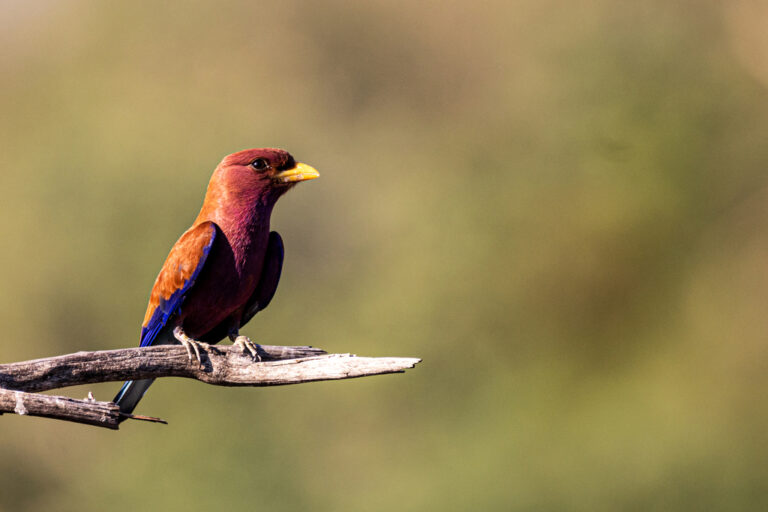
Eurystomus glaucurus
♥
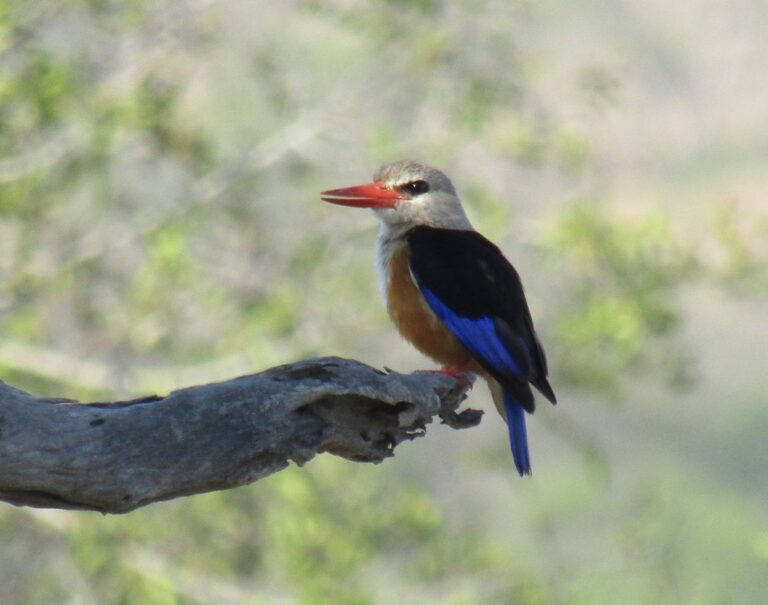
Halcyon leucocephala
♥
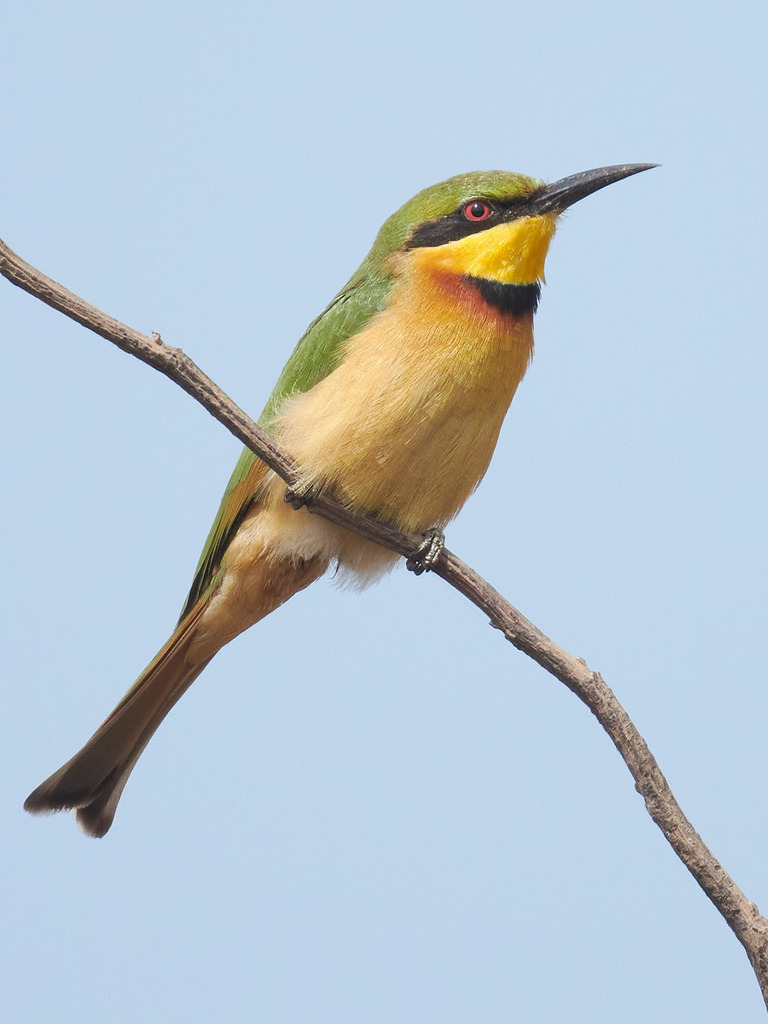
Merops pusillus
♥
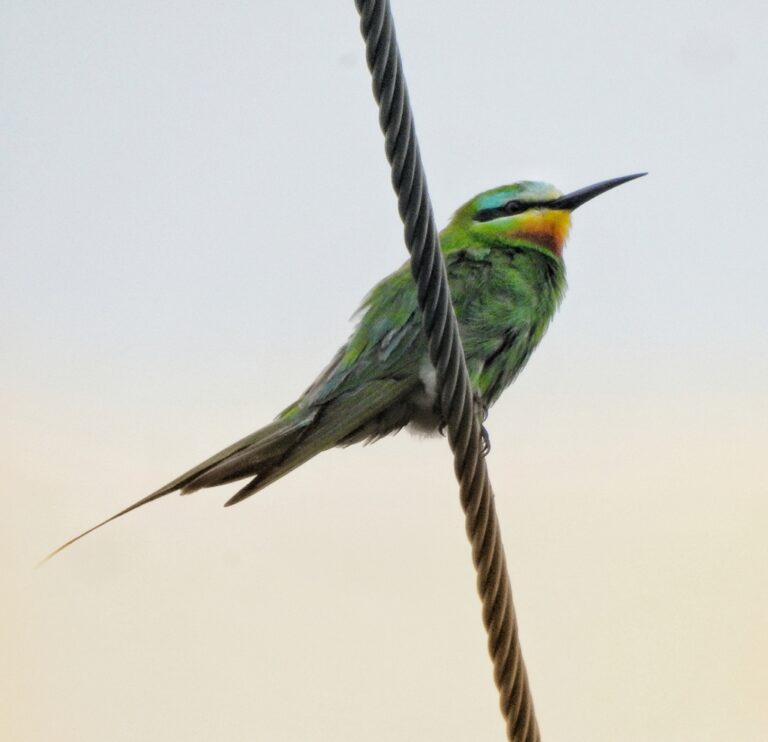
Merops persicus
♥
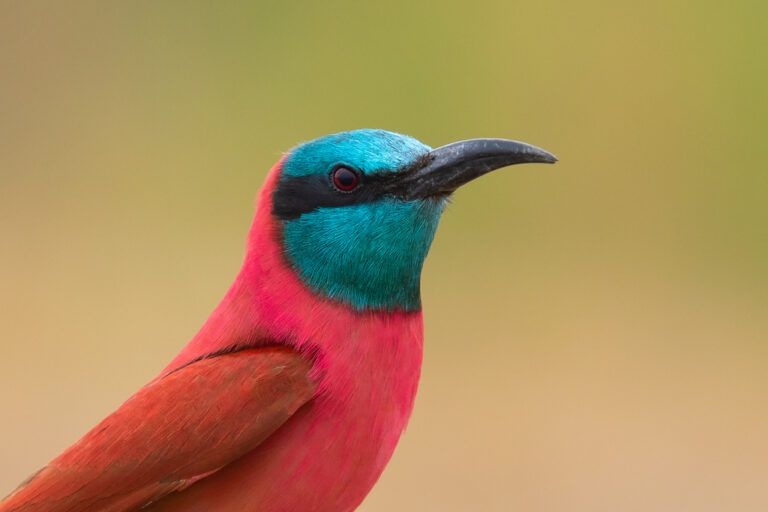
Merops nubicus
♥
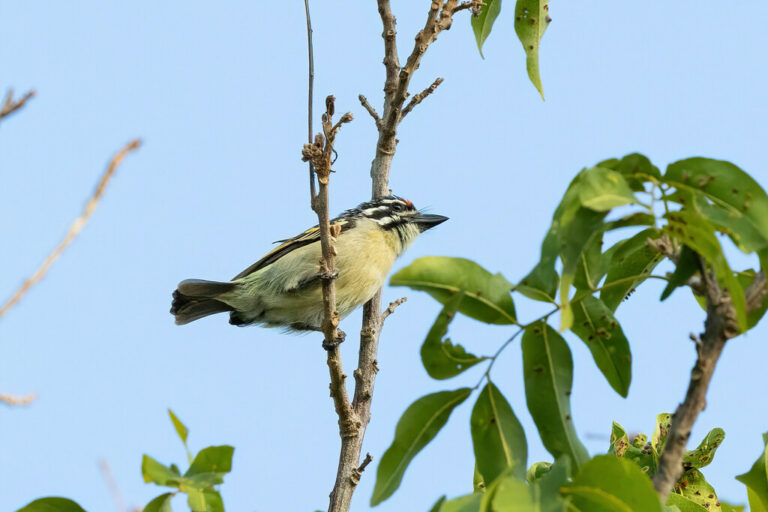
Pogoniulus uropygialis
♥
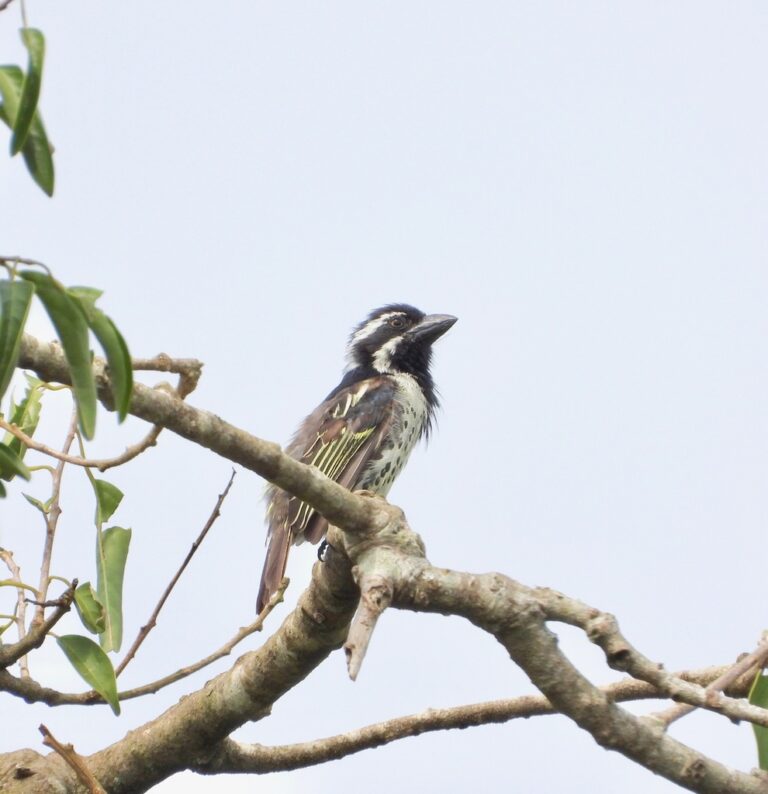
Tricholaema lacrymosa
♥
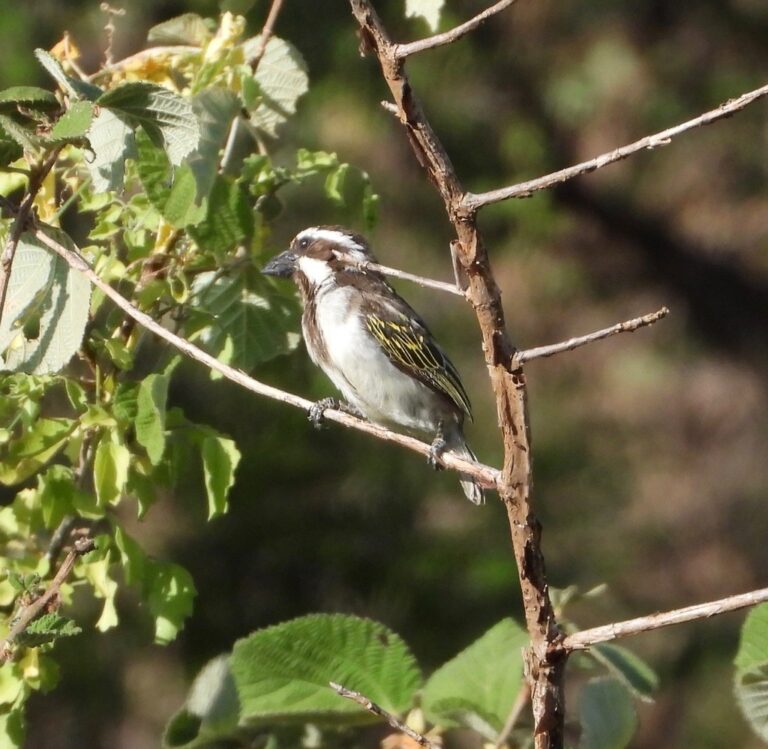
Tricholaema melanocephala
♥
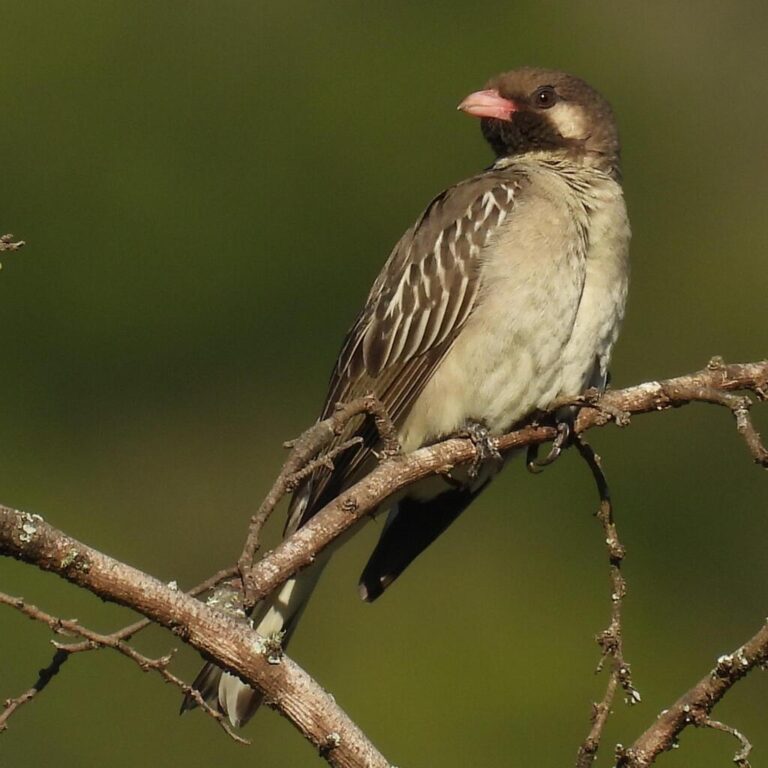
Indicator indicator
♥
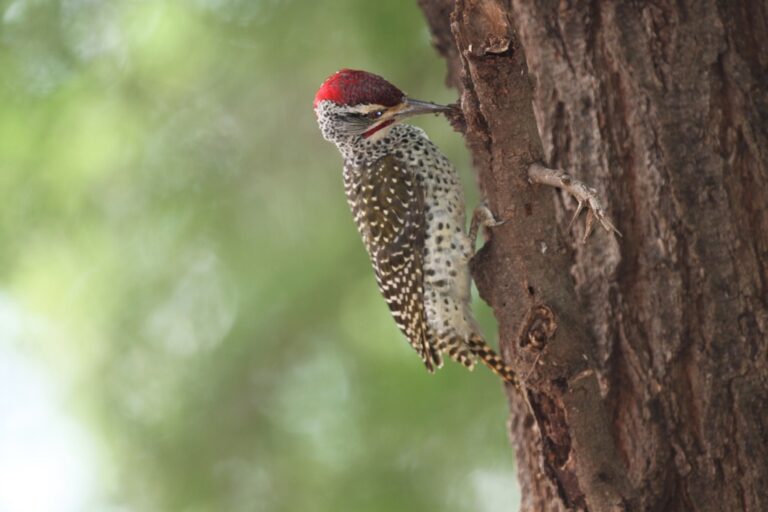
Campethera nubica
♥
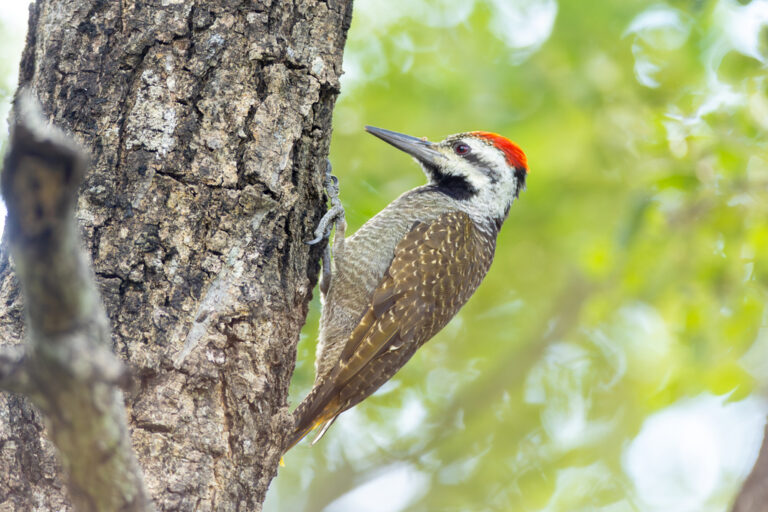
Chloropicus namaquus
♥
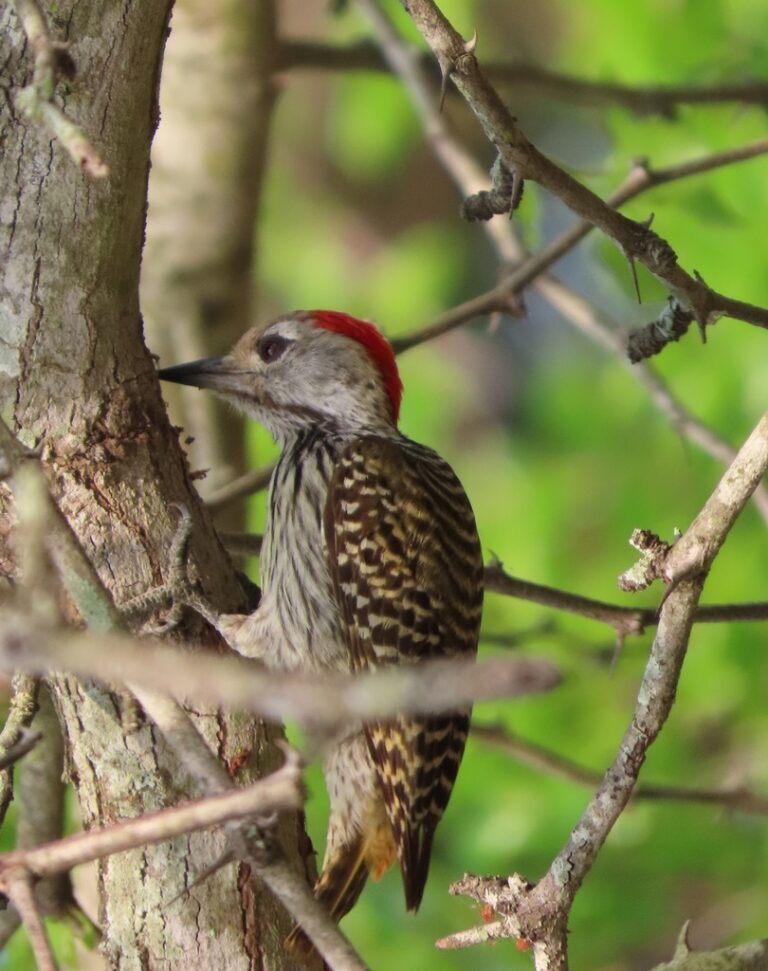
Dendropicos fuscescens
♥
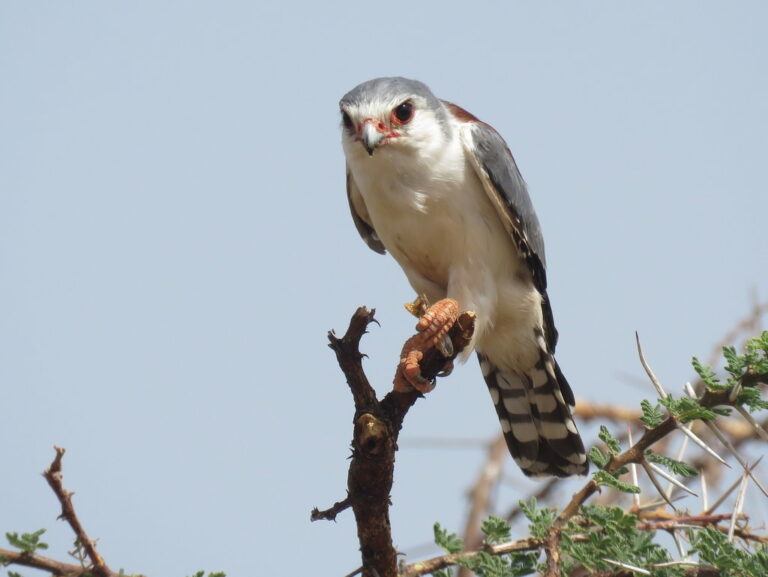
Polihierax semitorquatus
♥
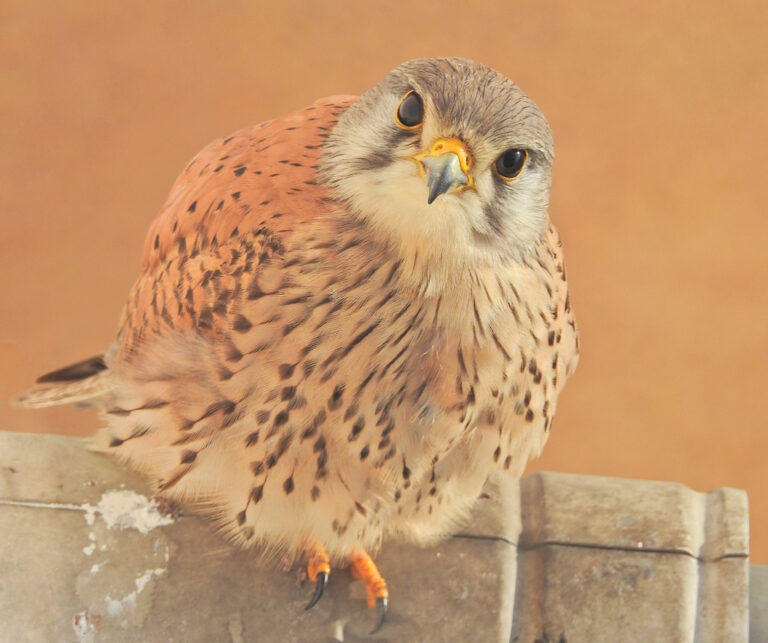
Falco tinnunculus
♥
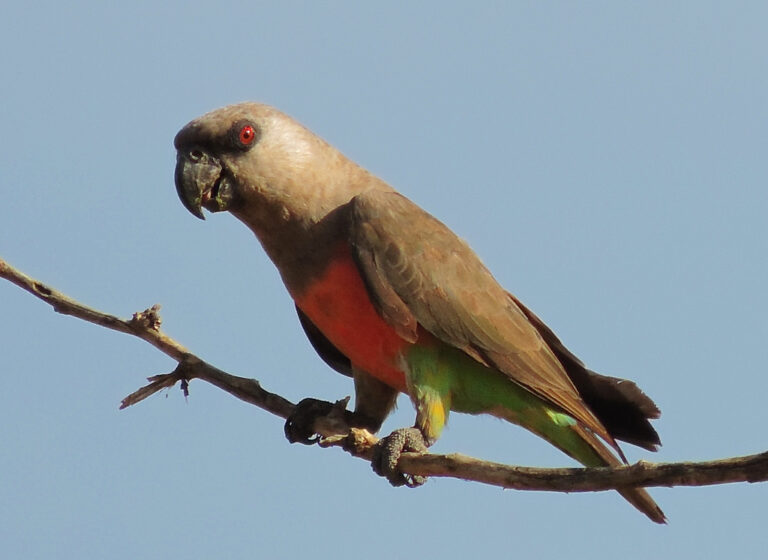
Poicephalus rufiventris
♥
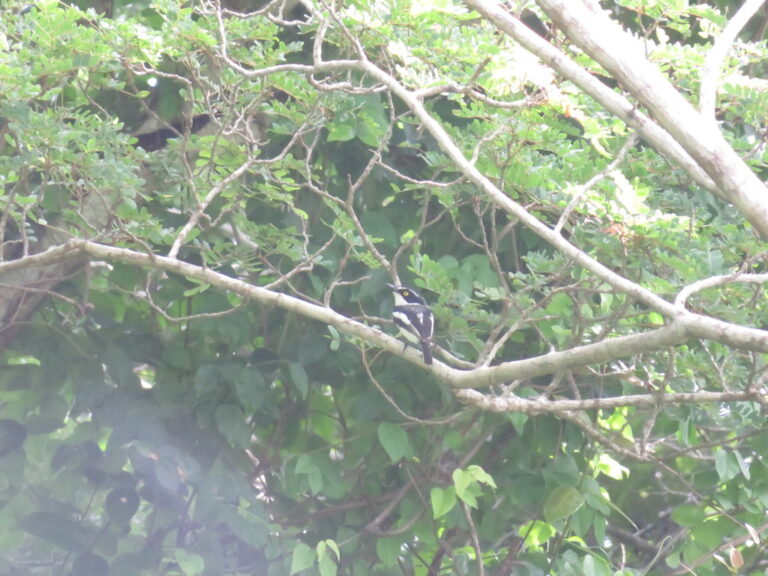
Batis minor
♥
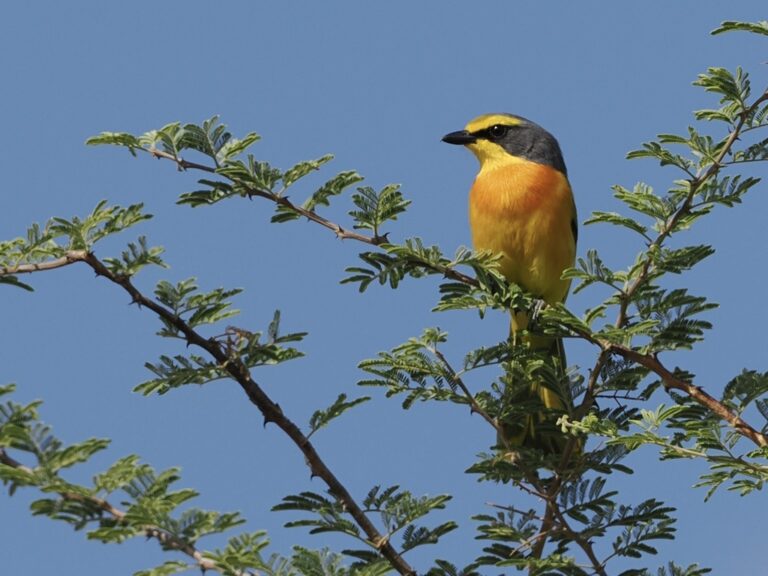
Chlorophoneus sulfureopectus
♥
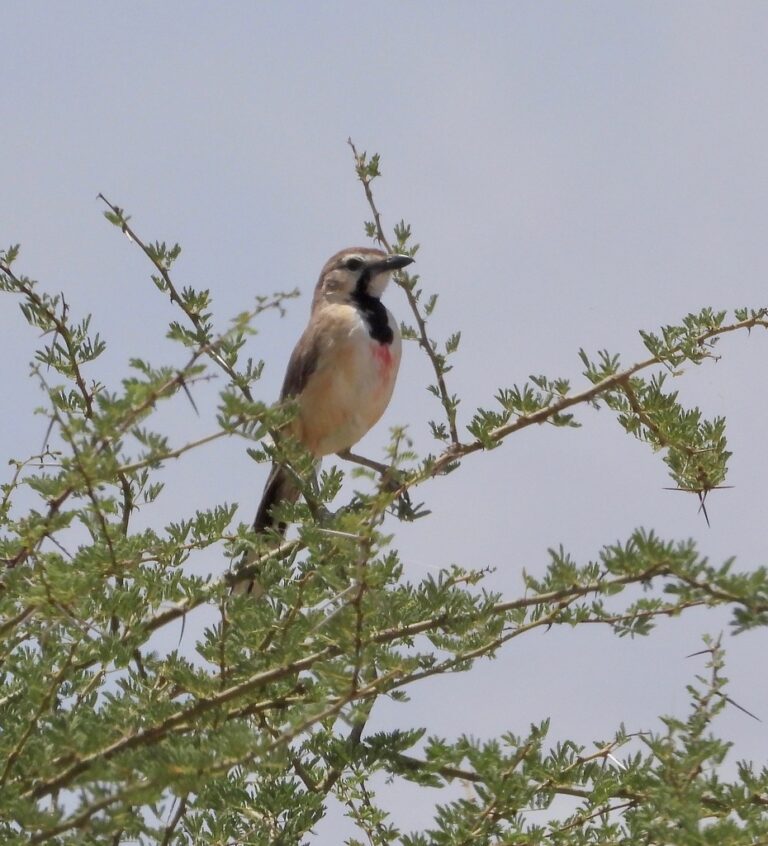
Rhodophoneus cruentus
♥
Tchagra australis
♥
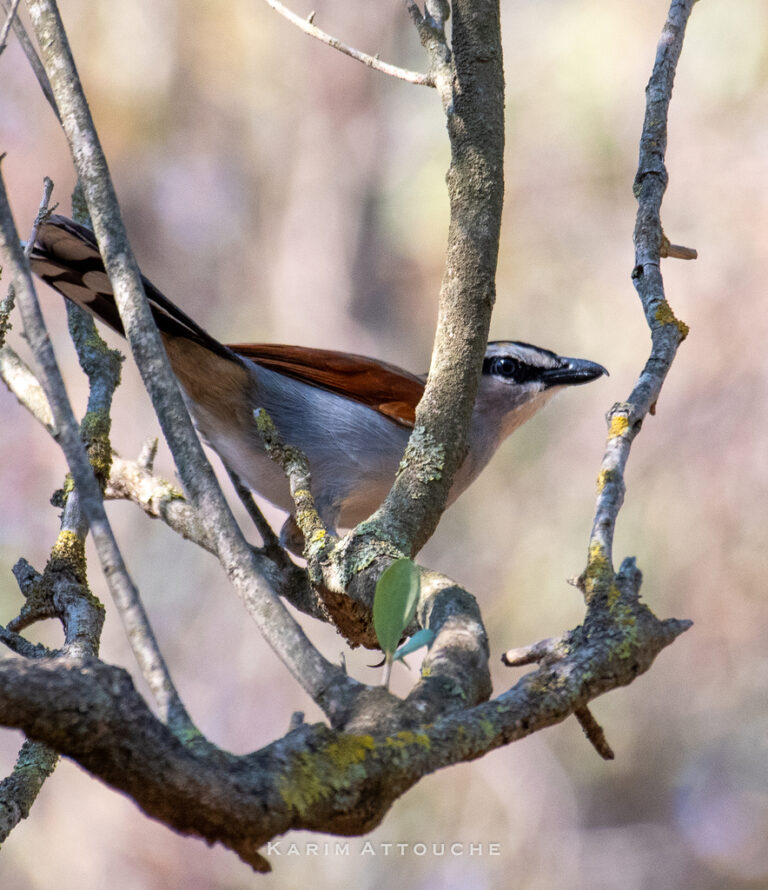
Tchagra senegalus
♥
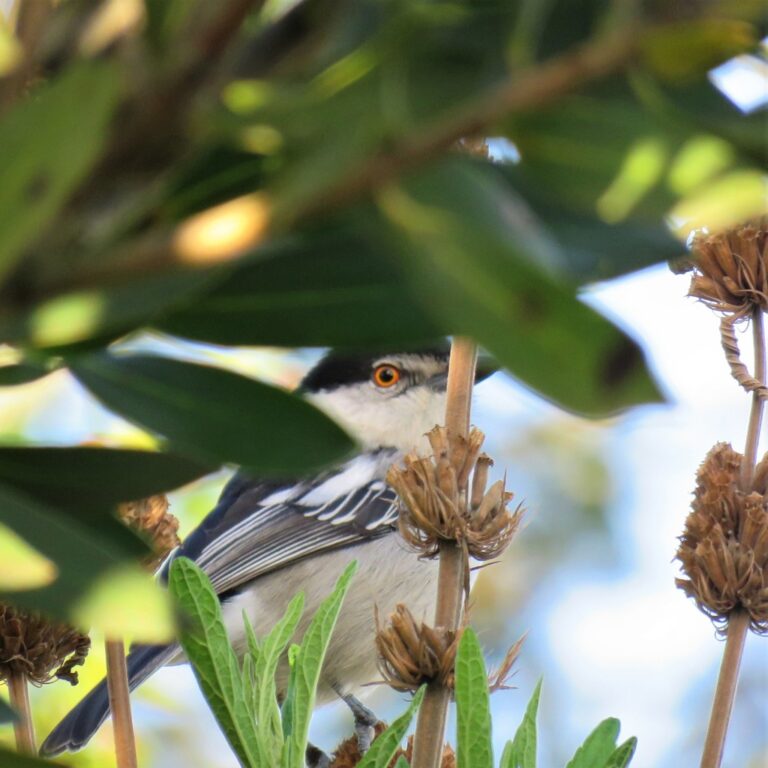
Dryoscopus cubla
♥
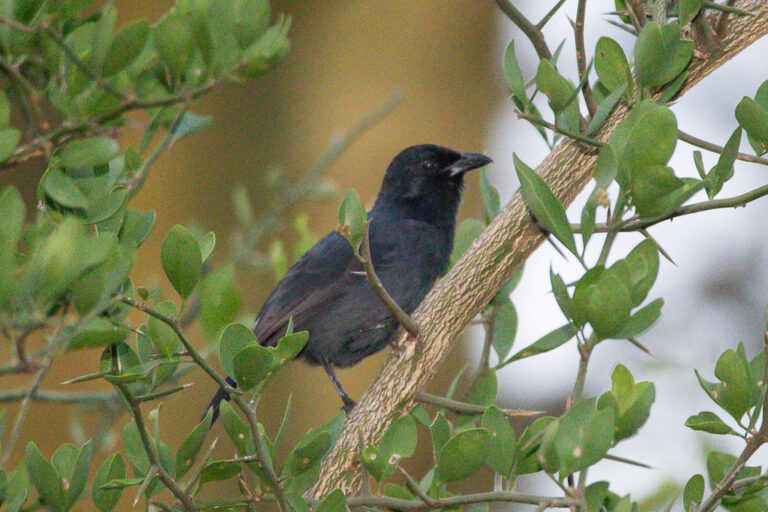
Laniarius funebris
♥
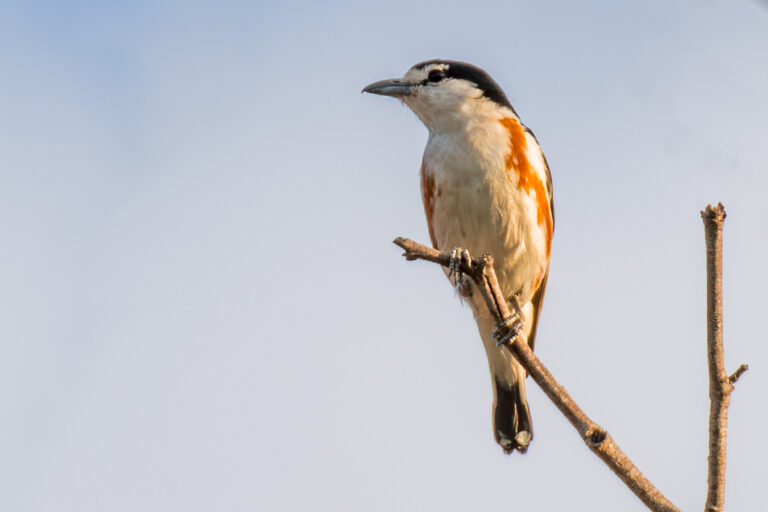
Nilaus afer
♥
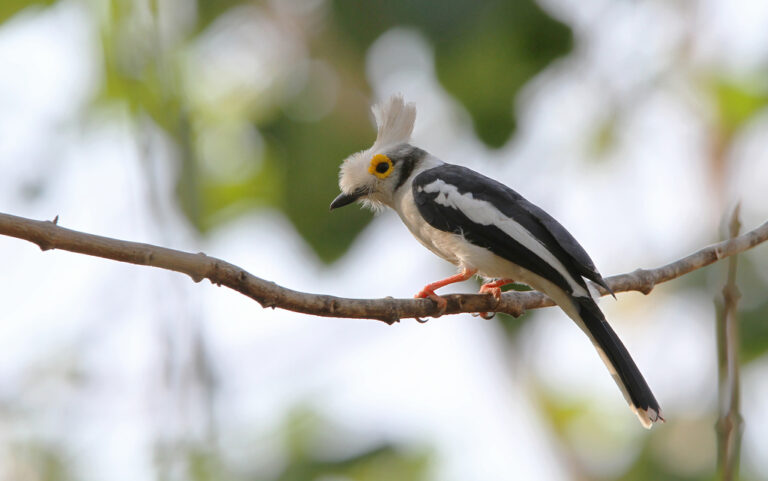
Prionops plumatus
♥
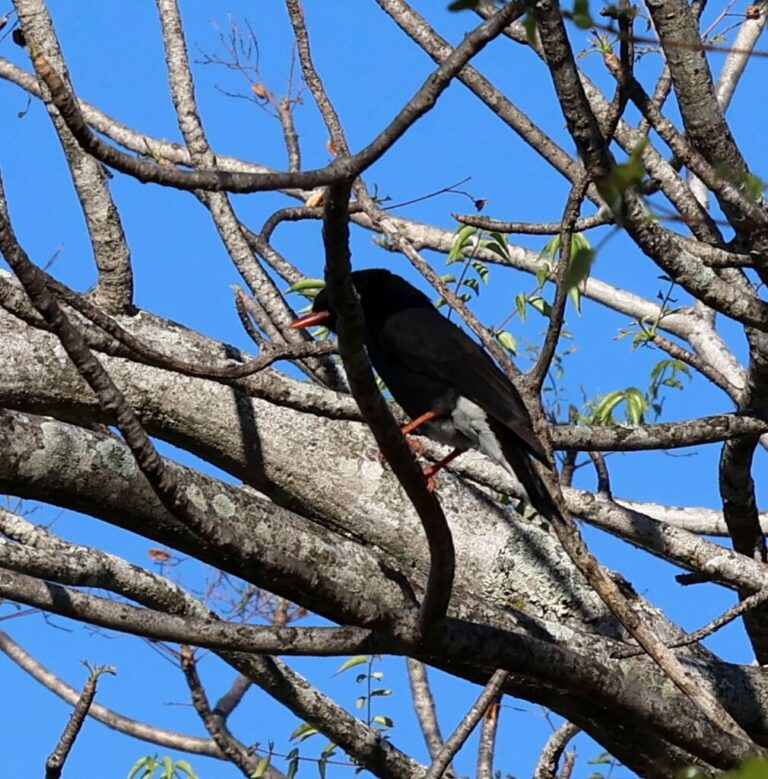
Prionops retzii
♥
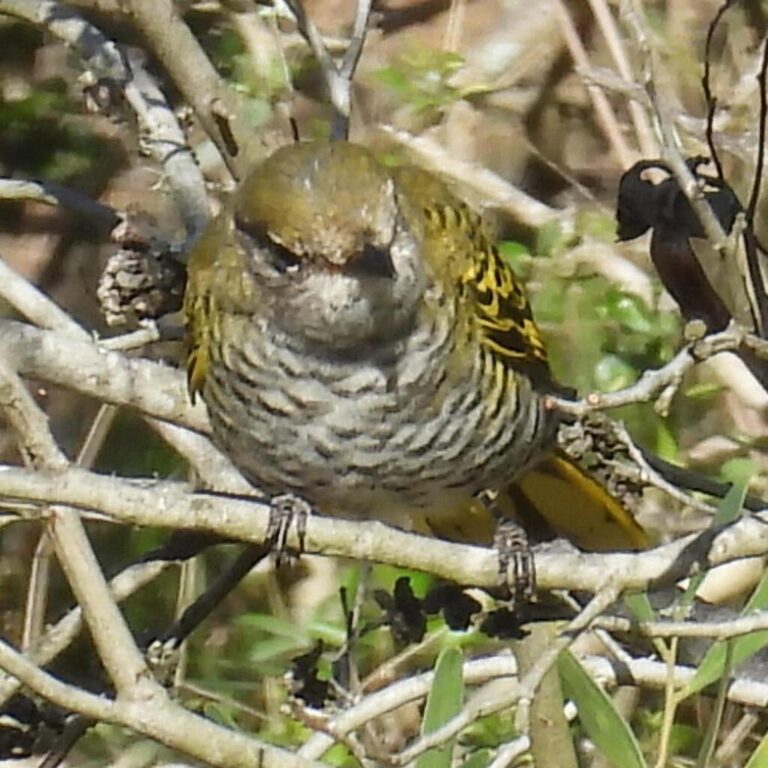
Campephaga flava
♥
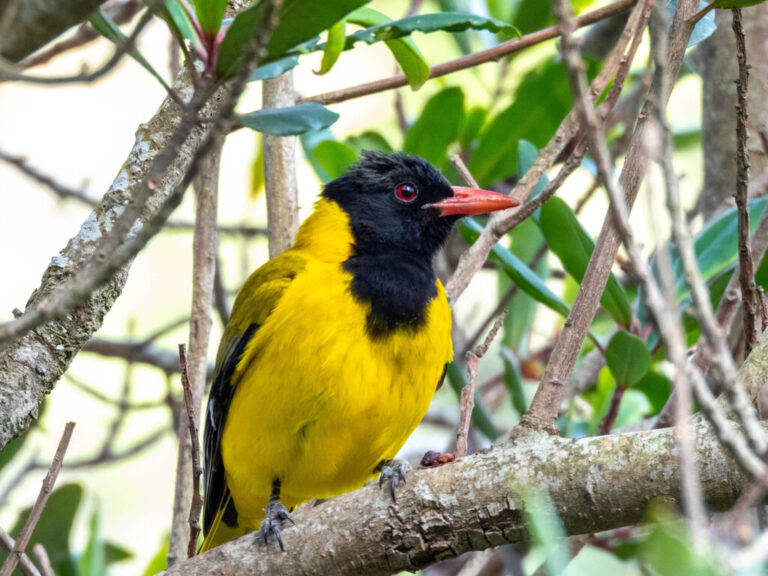
Oriolus larvatus
♥
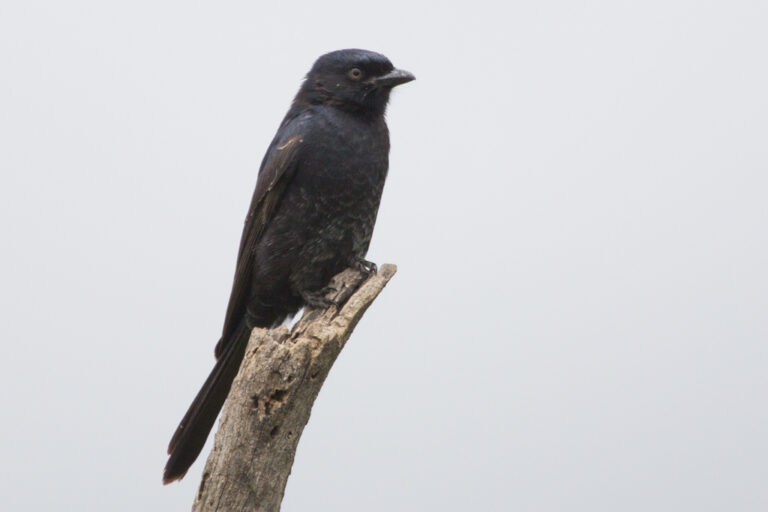
Dicrurus adsimilis
♥
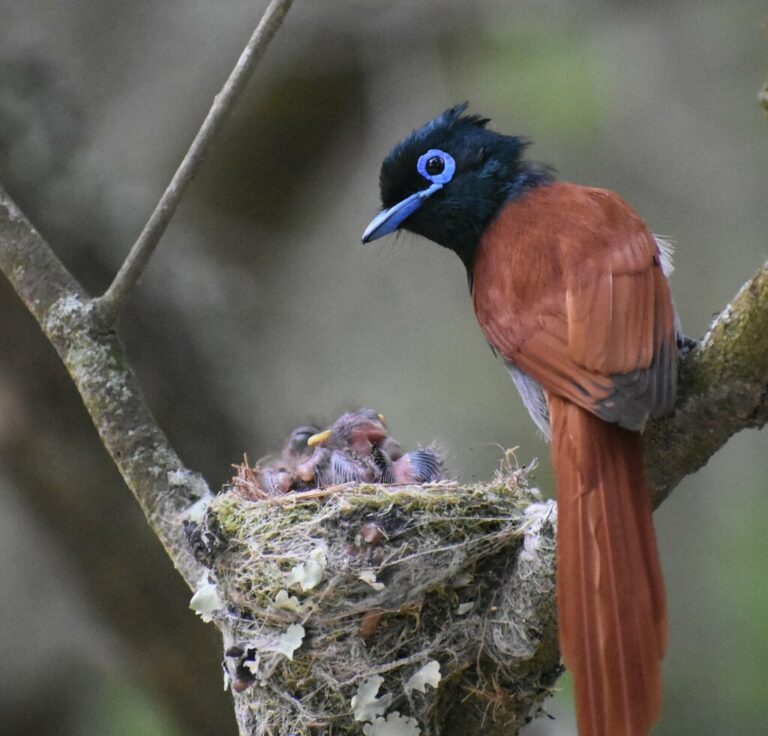
Terpsiphone viridis
♥
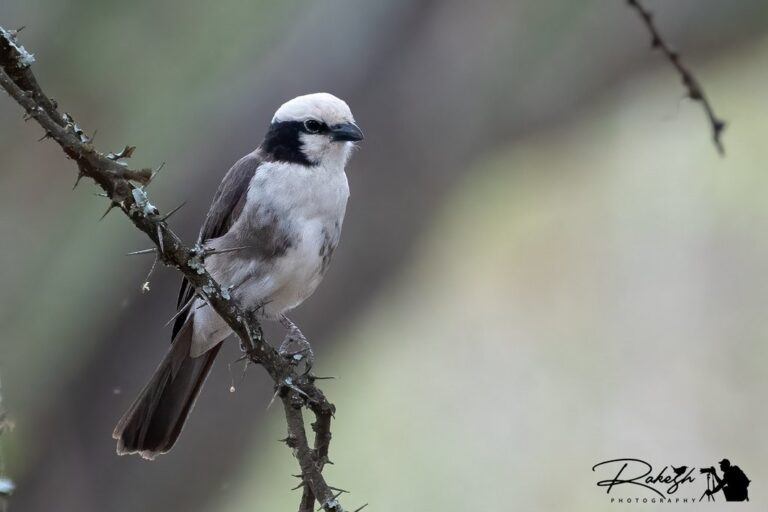
Eurocephalus ruppelli
♥
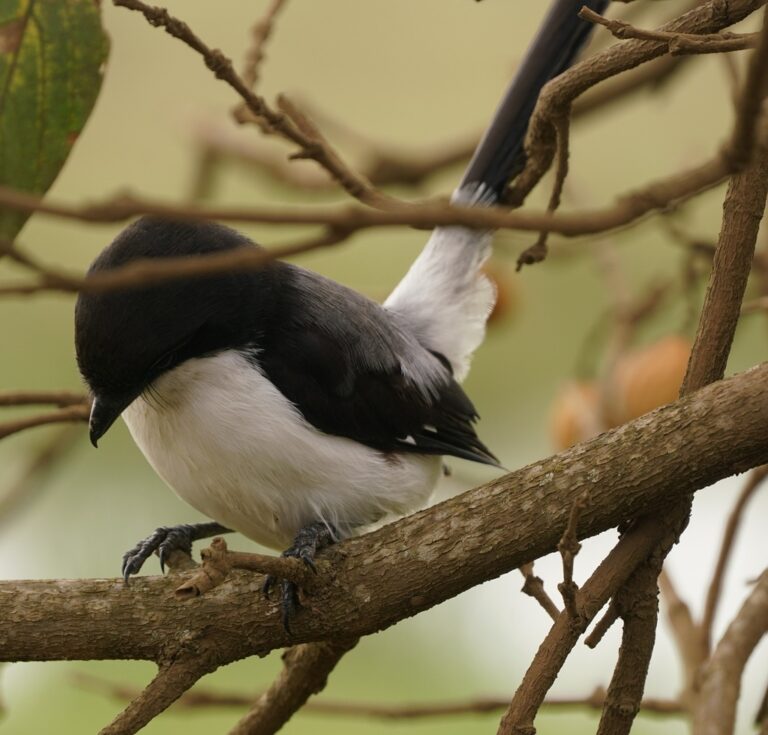
Lanius cabanisi
♥
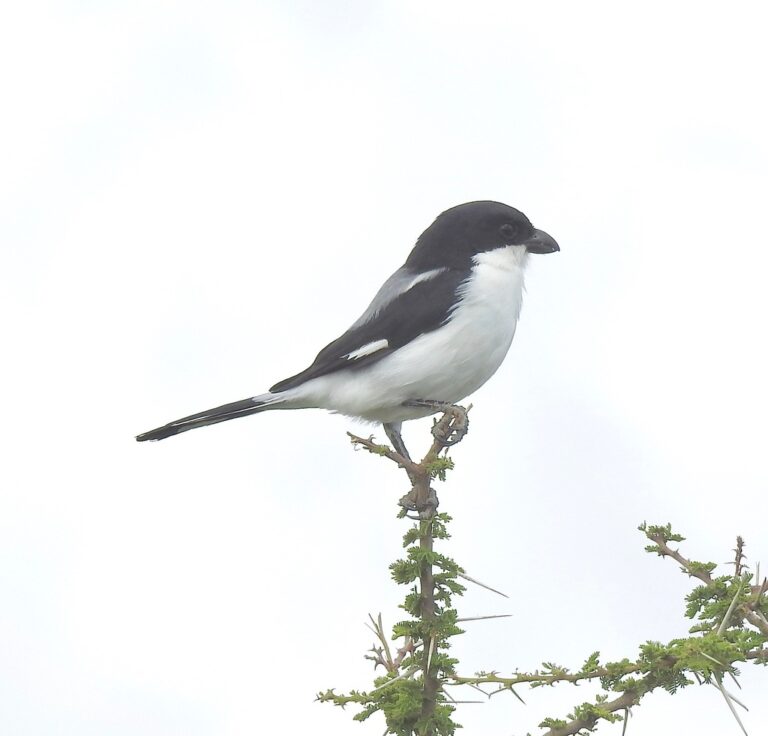
Lanius dorsalis
♥
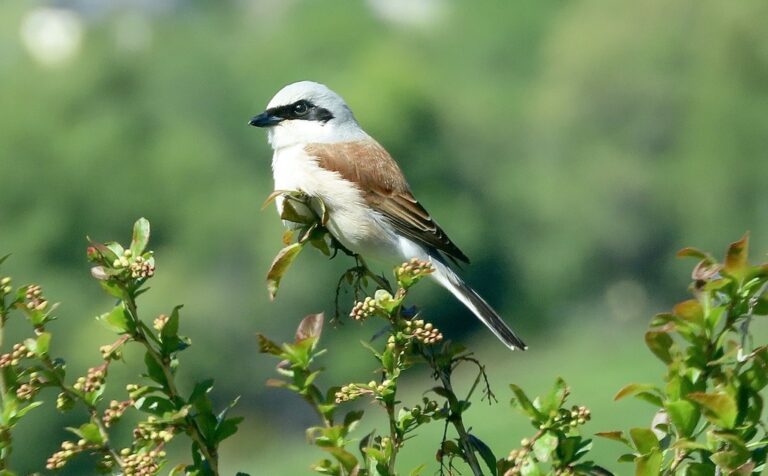
Lanius collurio
♥
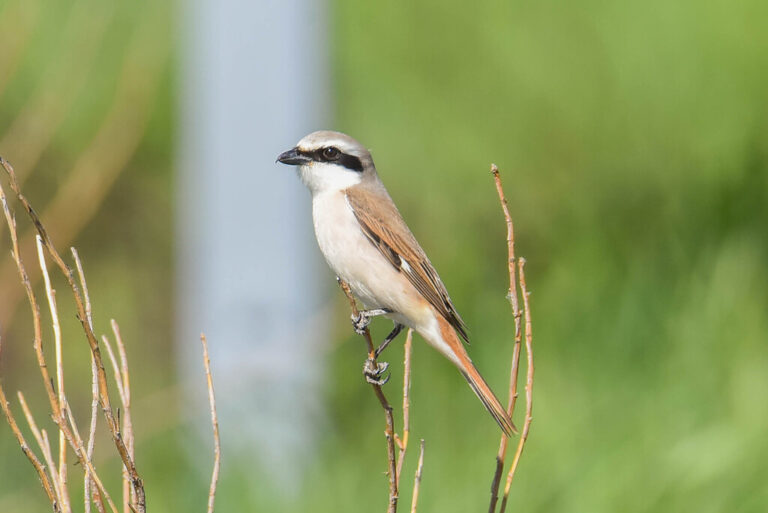
Lanius phoenicuroides
♥
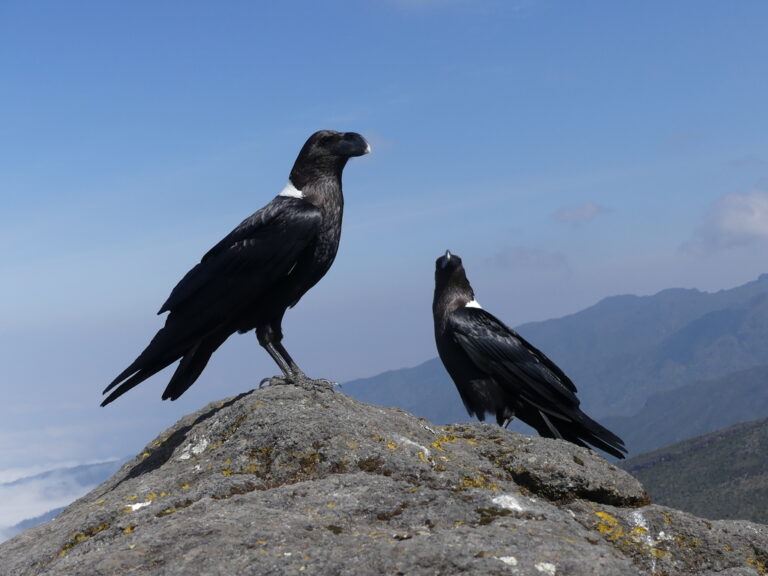
Corvus albicollis
♥
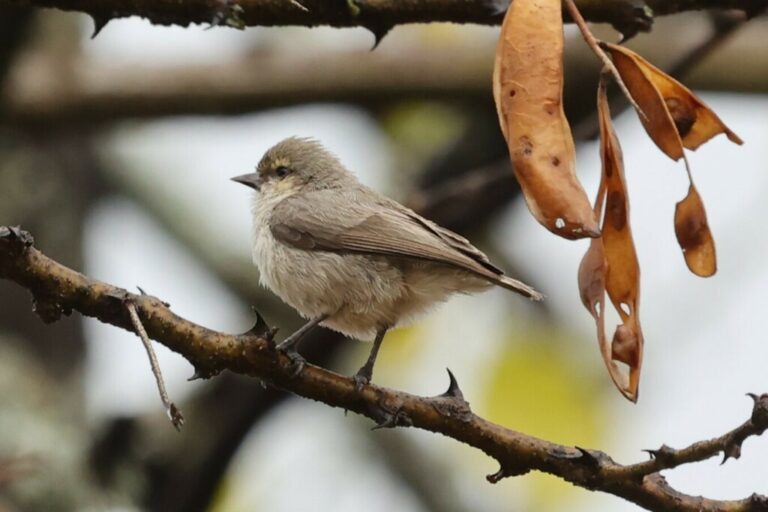
Anthoscopus musculus
♥
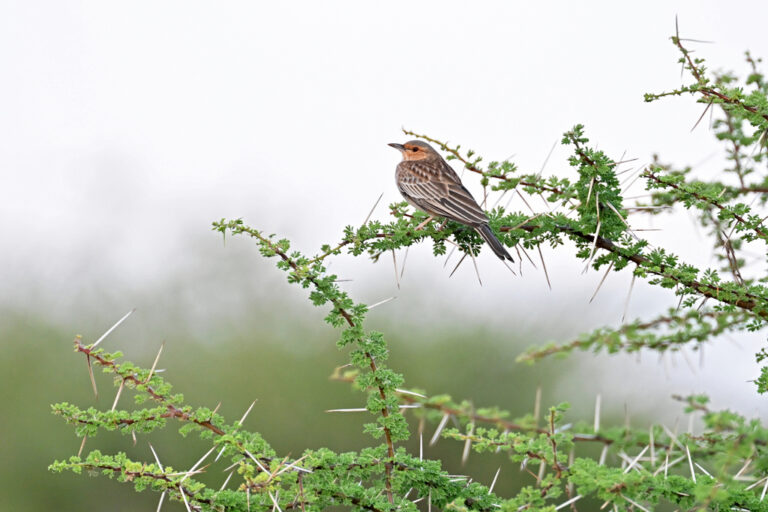
Calendulauda poecilosterna
♥
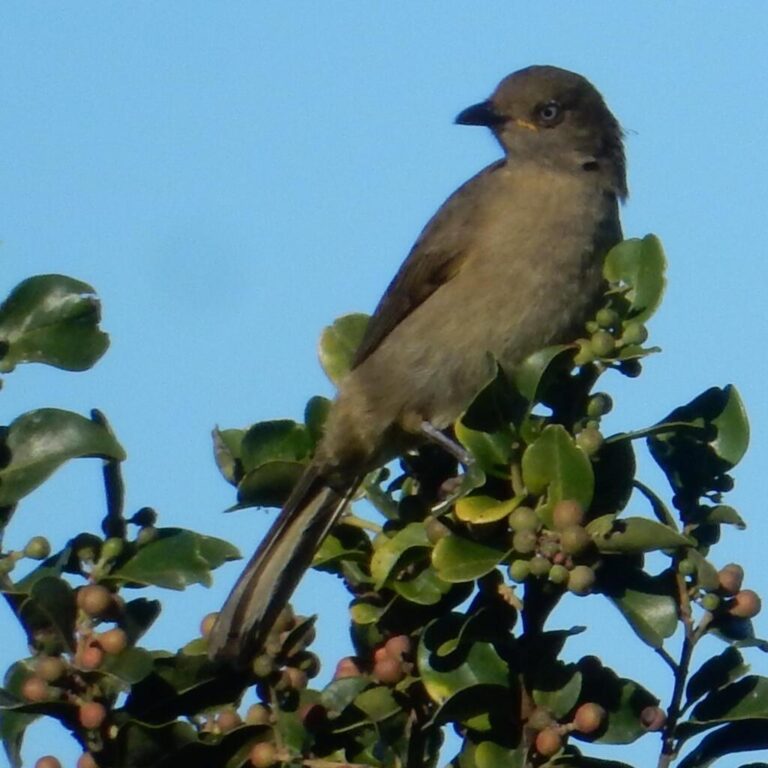
Andropadus importunus
♥
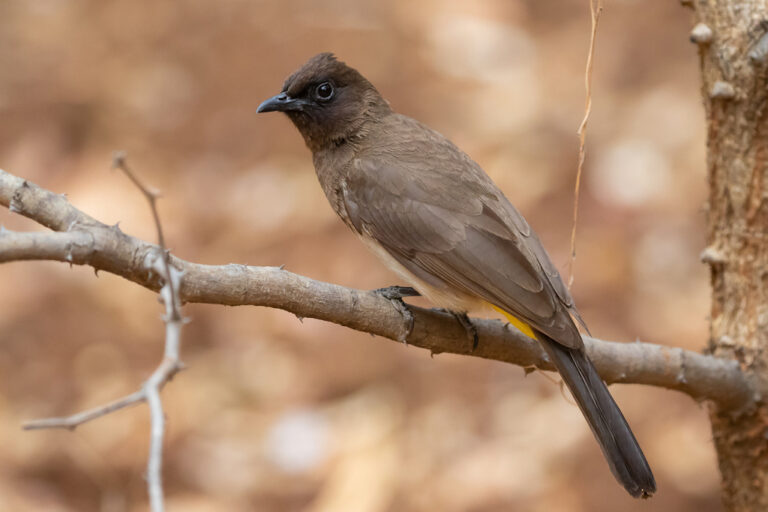
Pycnonotus barbatus
♥
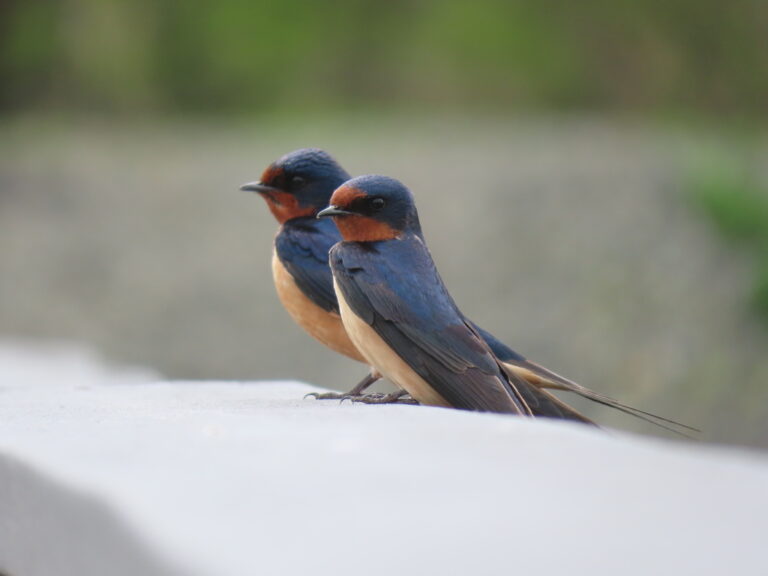
Hirundo rustica
♥
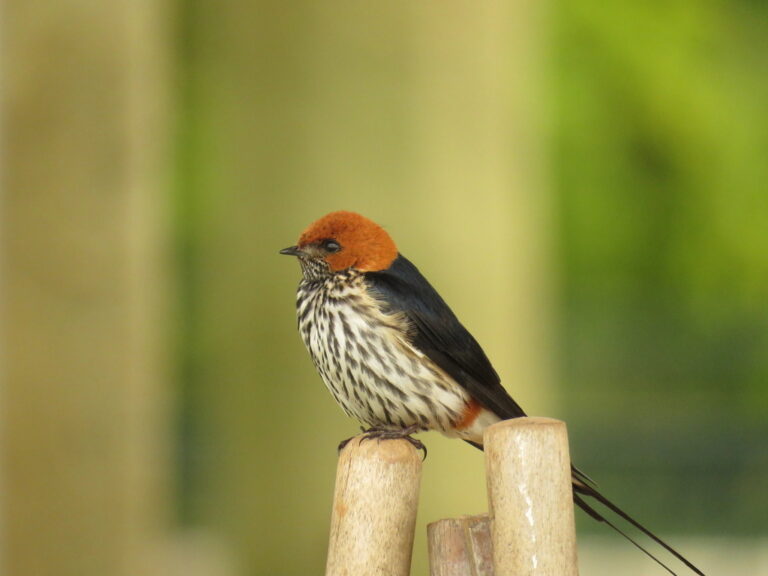
Cecropis abyssinica
♥
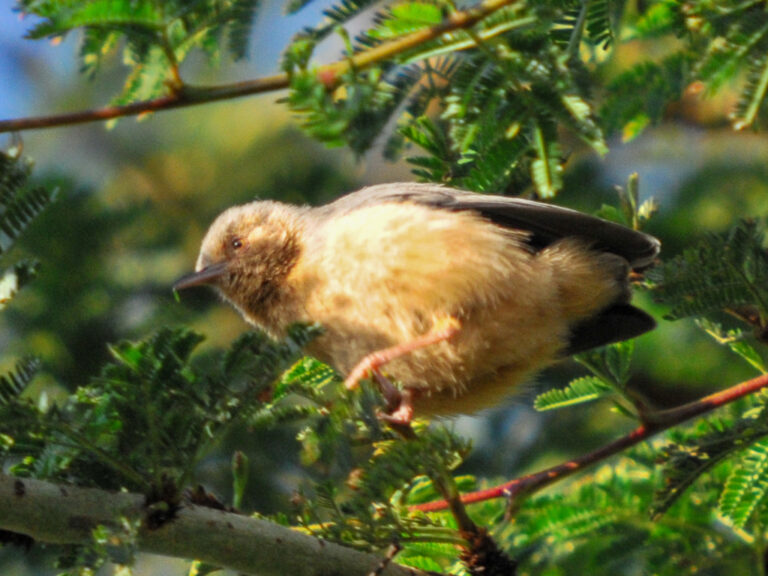
Sylvietta whytii
♥
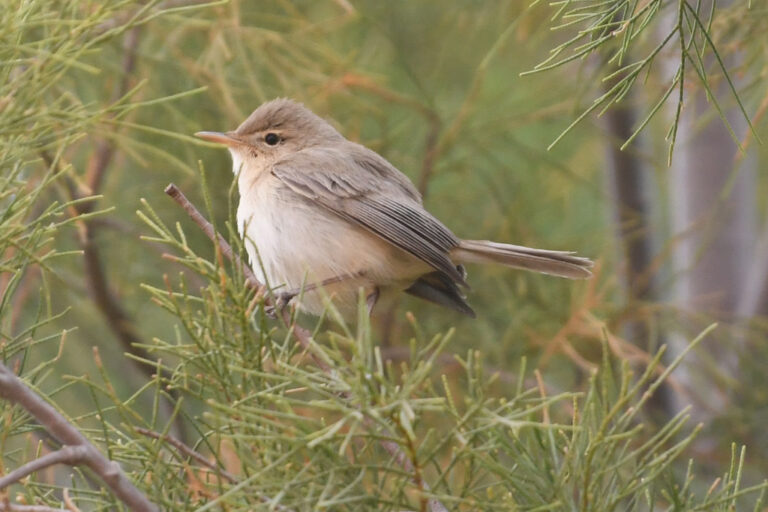
Iduna pallida
♥
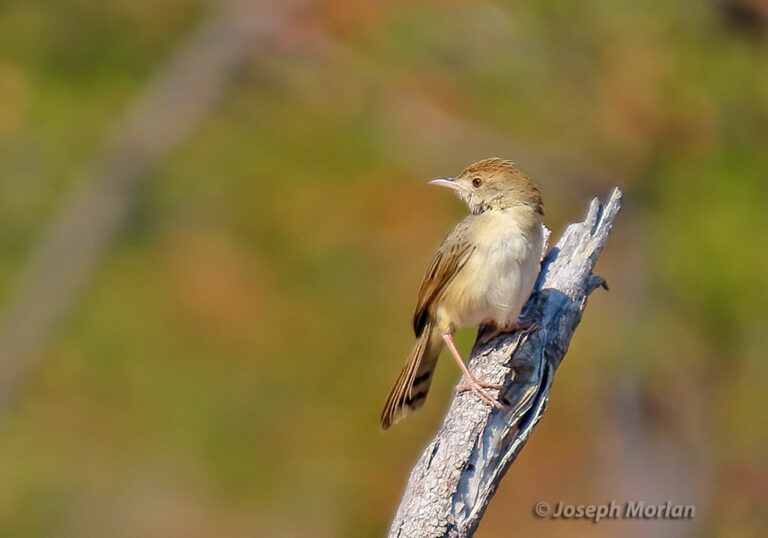
Cisticola chiniana
♥
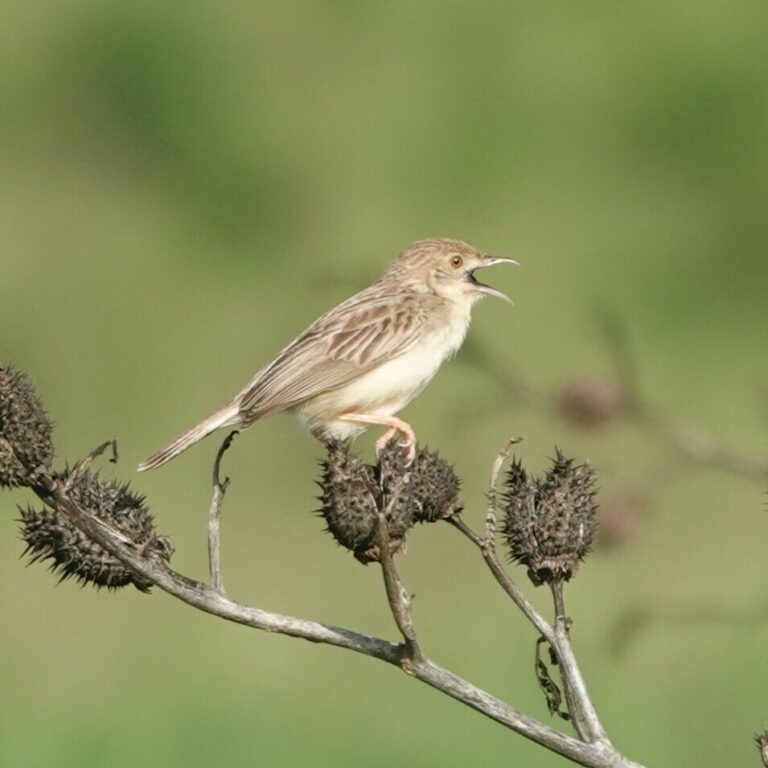
Cisticola cinereolus
♥
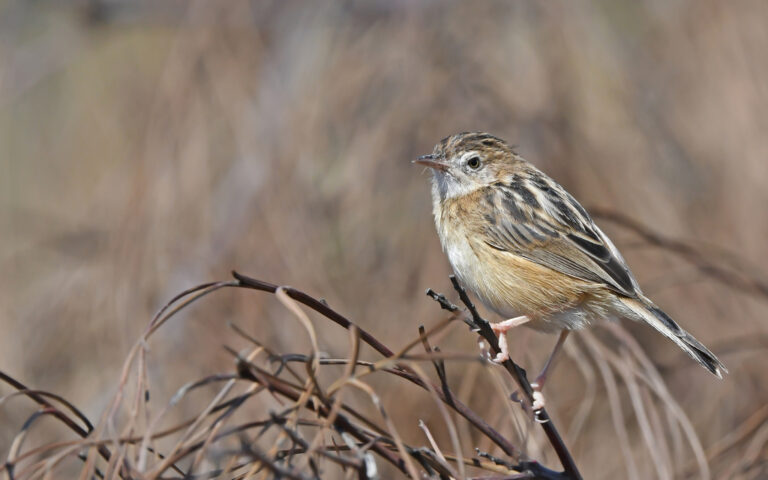
Cisticola juncidis
♥
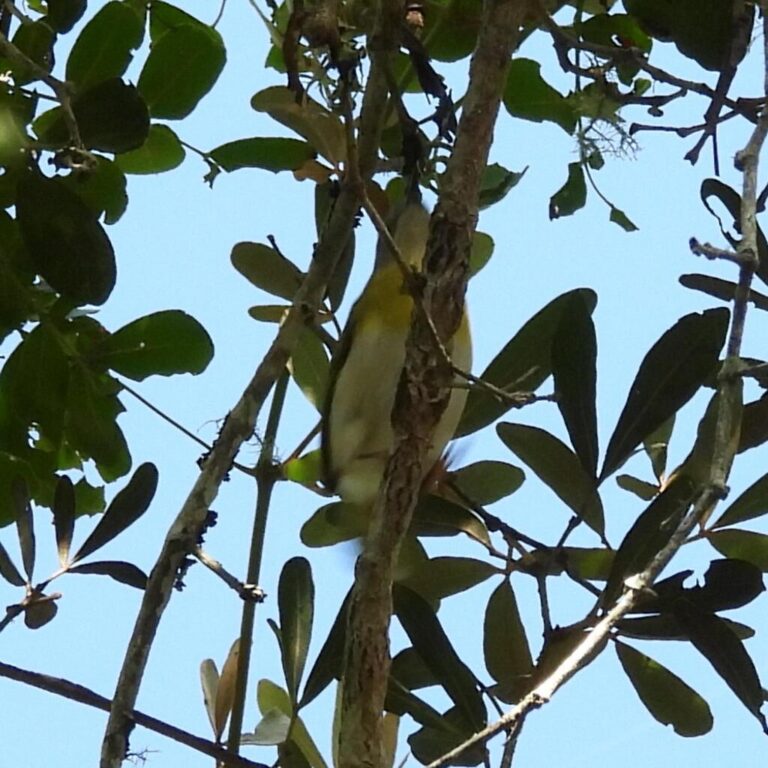
Apalis flavida
♥
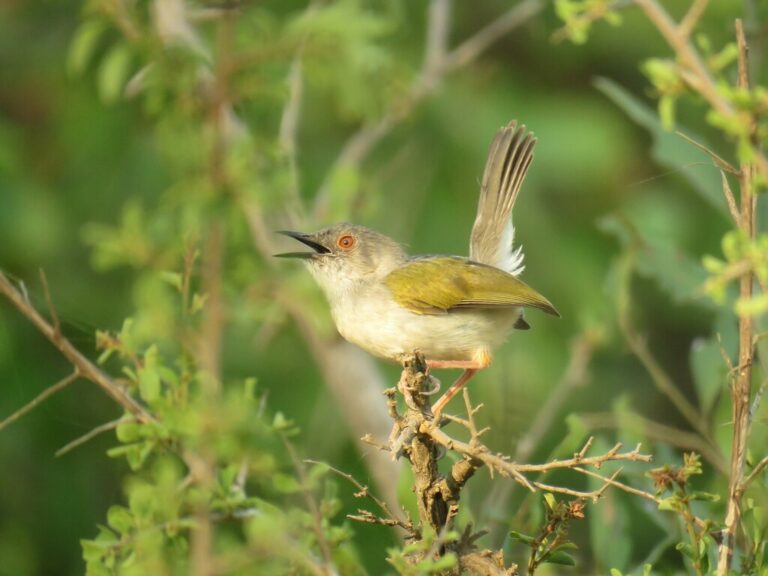
Camaroptera brachyura
♥
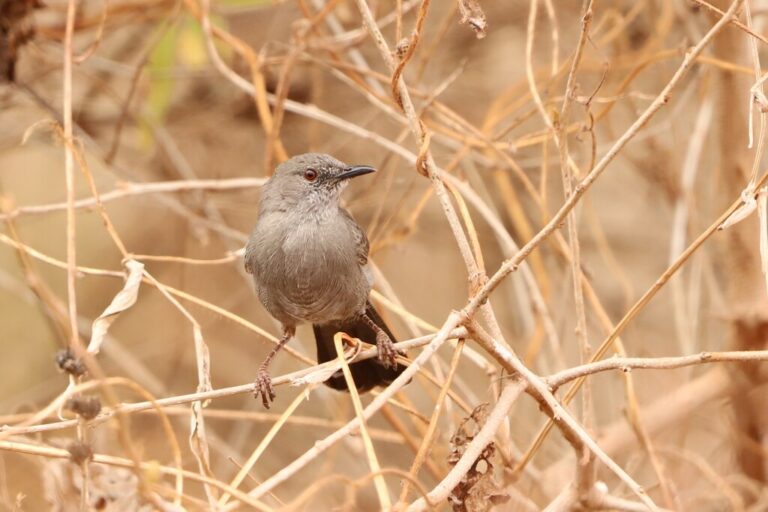
Calamonastes simplex
♥
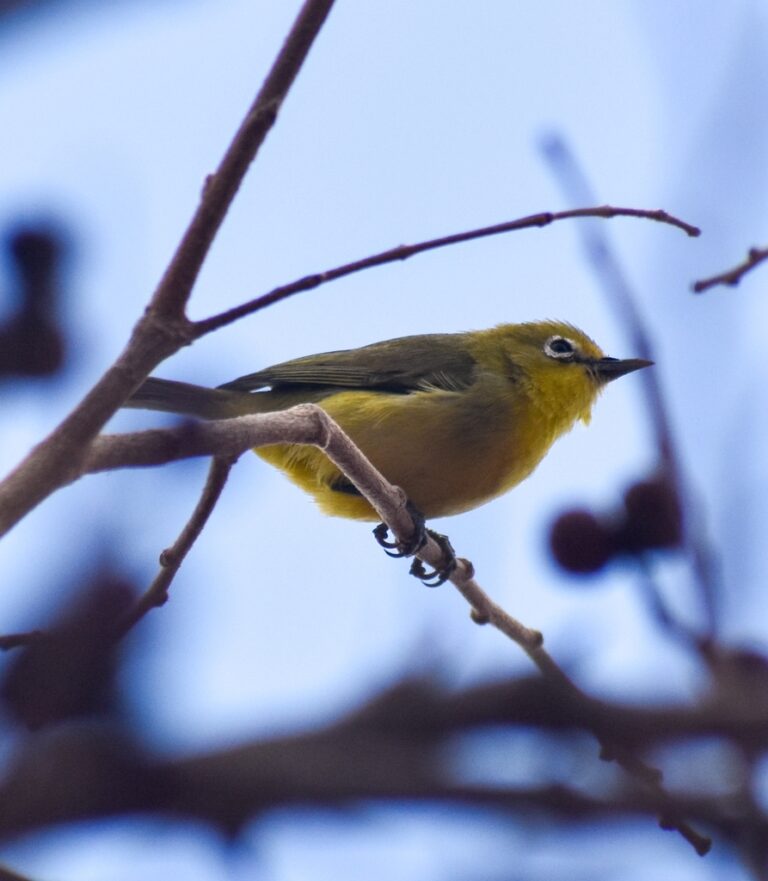
Zosterops flavilateralis
♥
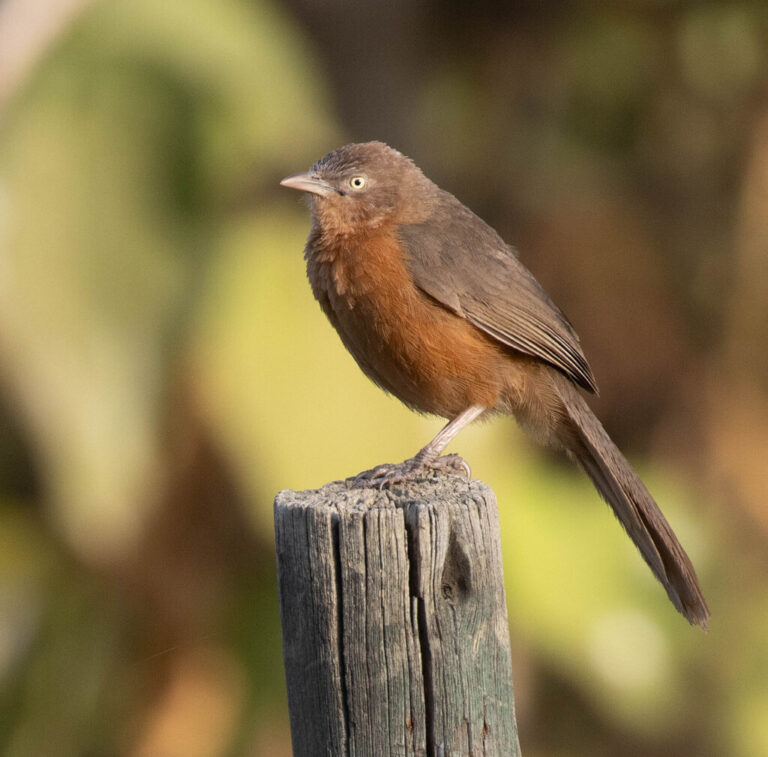
Argya rubiginosa
♥
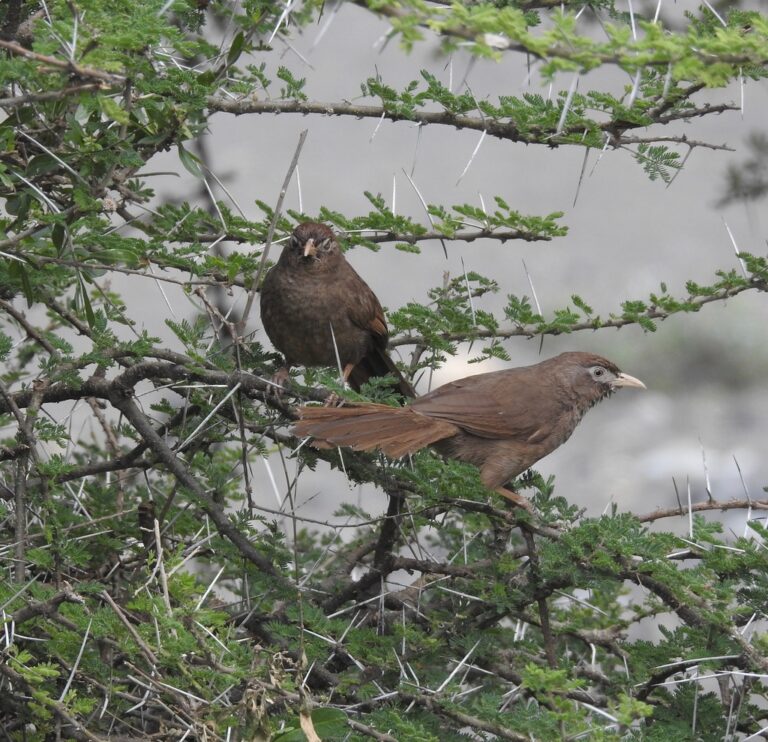
Argya aylmeri
♥
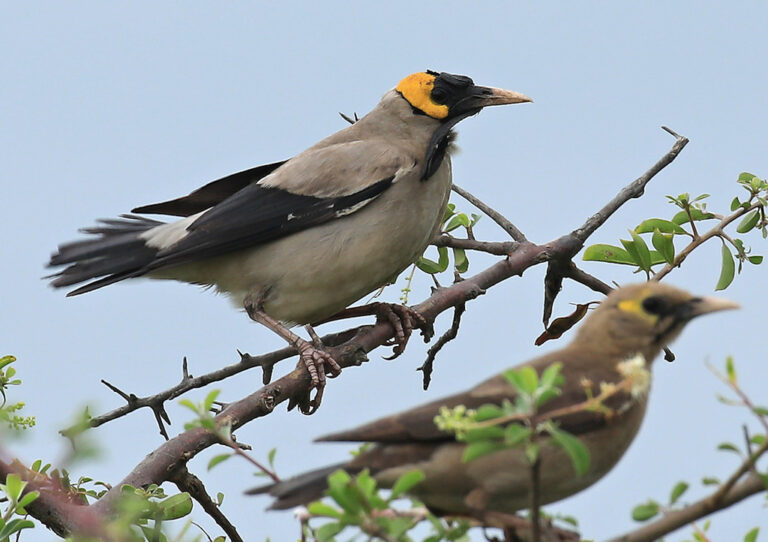
Creatophora cinerea
♥
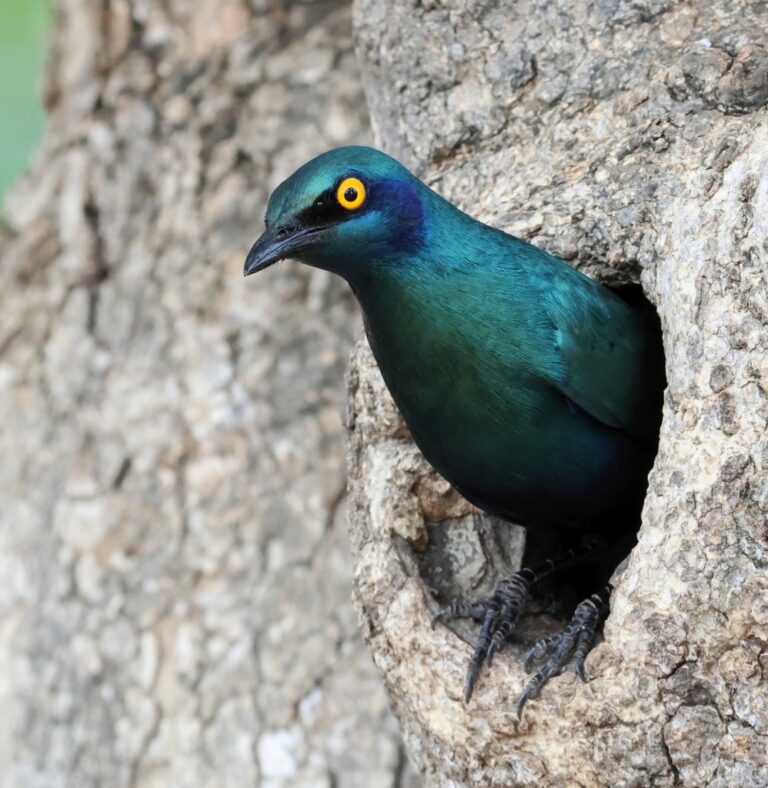
Lamprotornis chalybaeus
♥
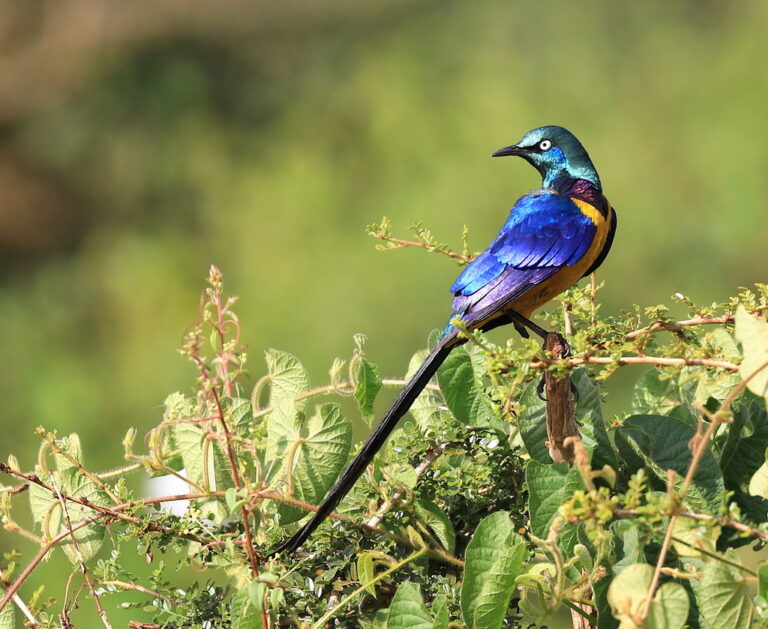
Lamprotornis regius
♥
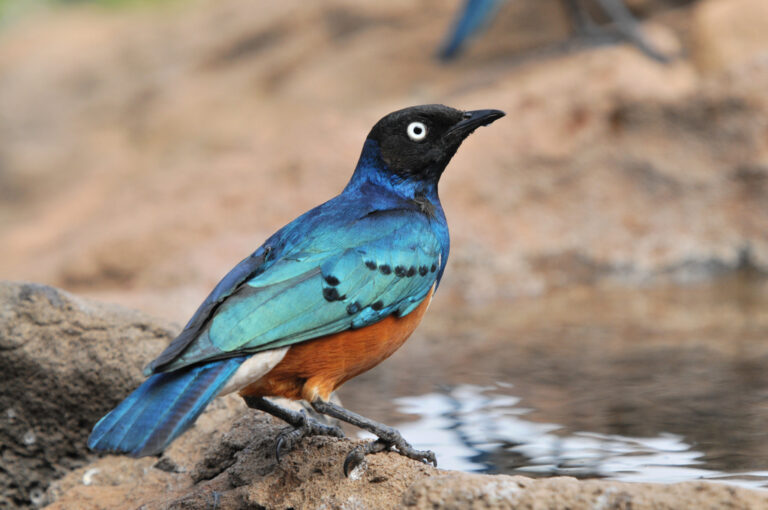
Lamprotornis superbus
♥
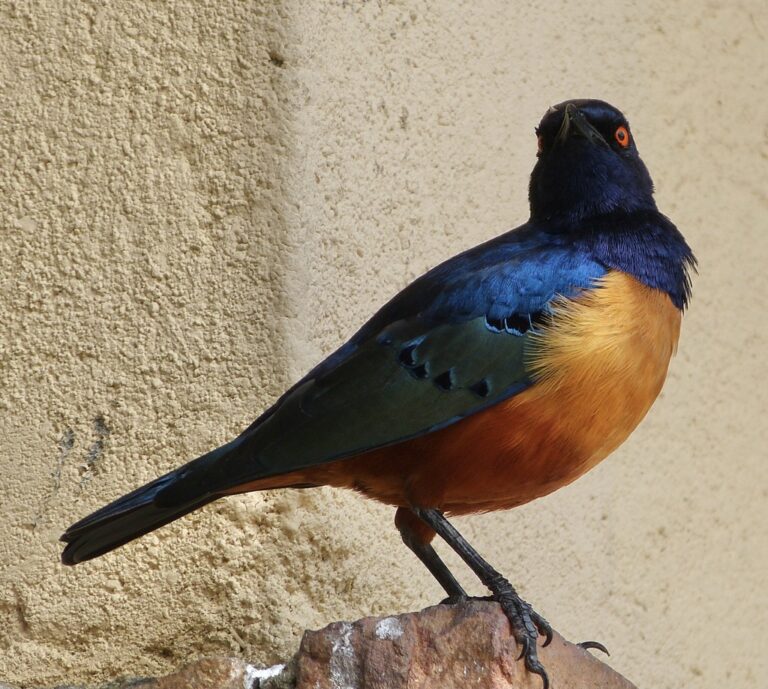
Lamprotornis hildebrandti
♥
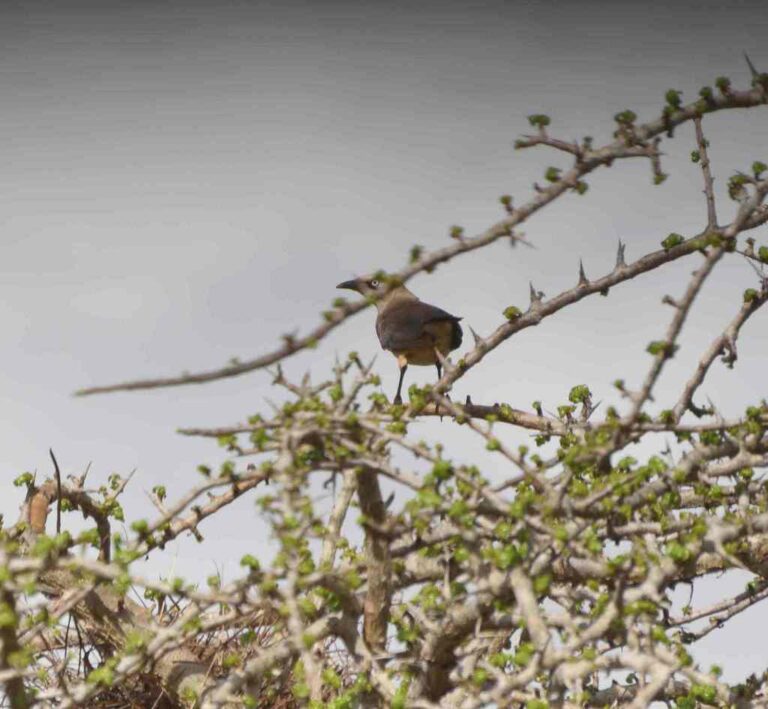
Lamprotornis fischeri
♥
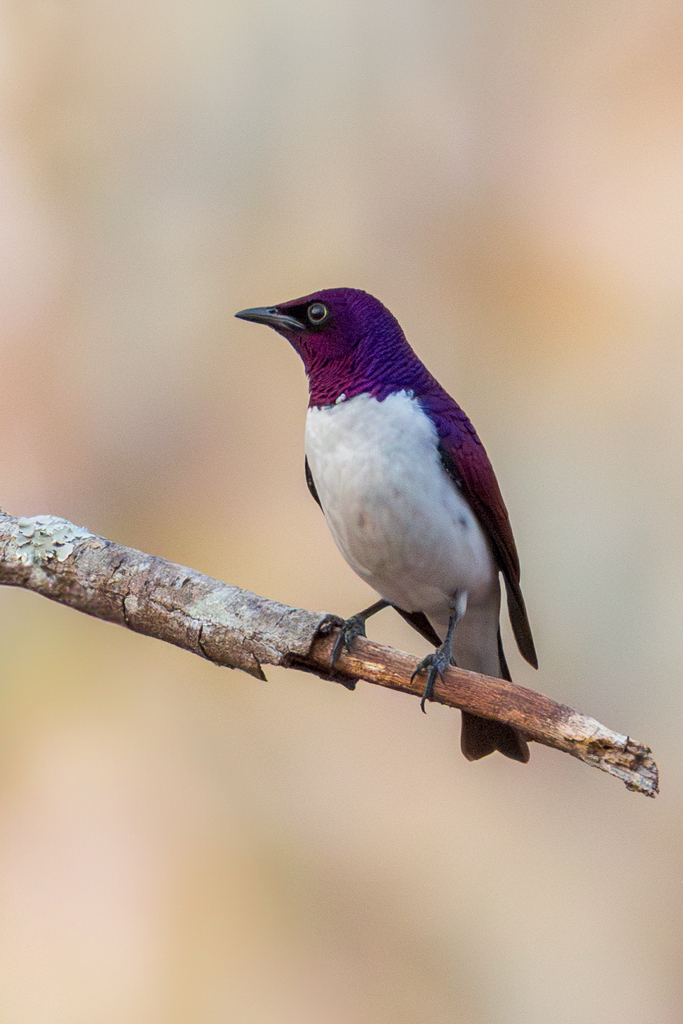
Cinnyricinclus leucogaster
♥
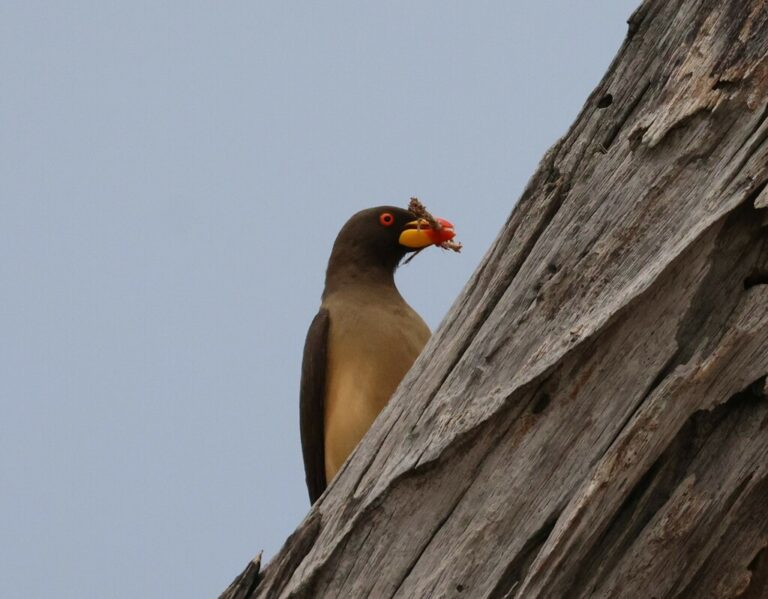
Buphagus africanus
♥
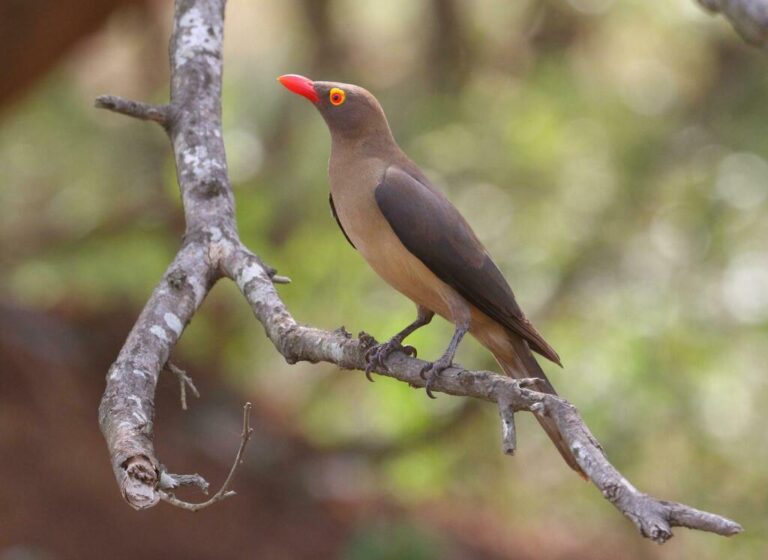
Buphagus erythroryncha
♥
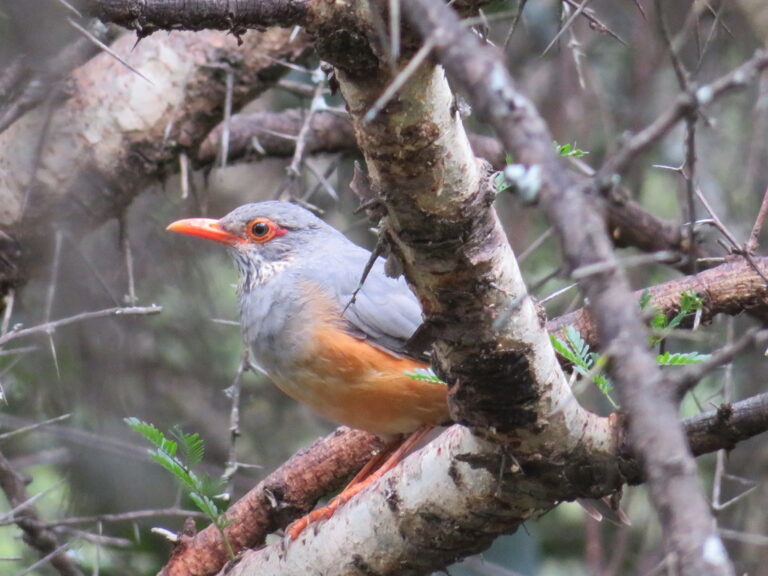
Turdus tephronotus
♥
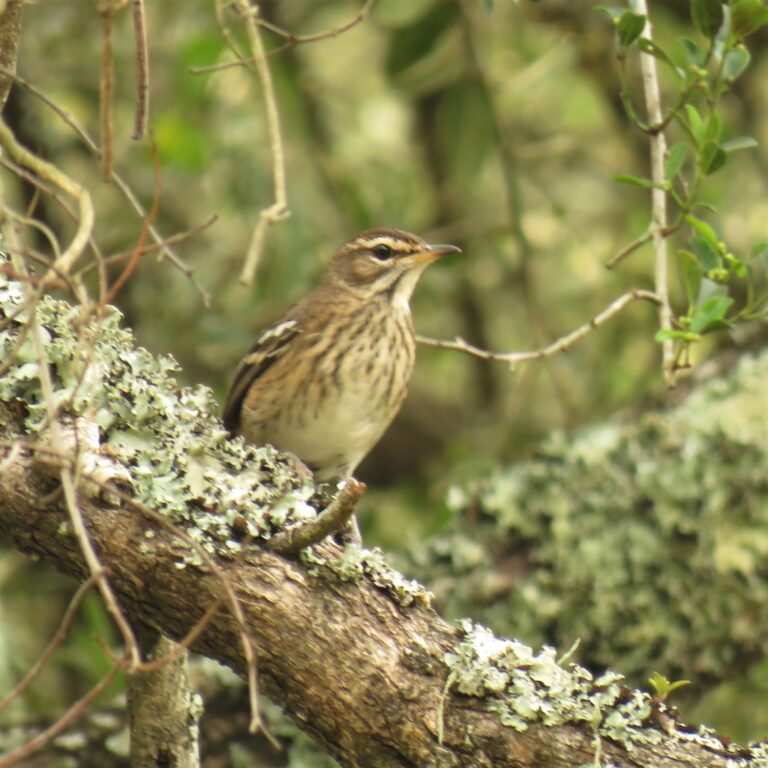
Cercotrichas leucophrys
♥
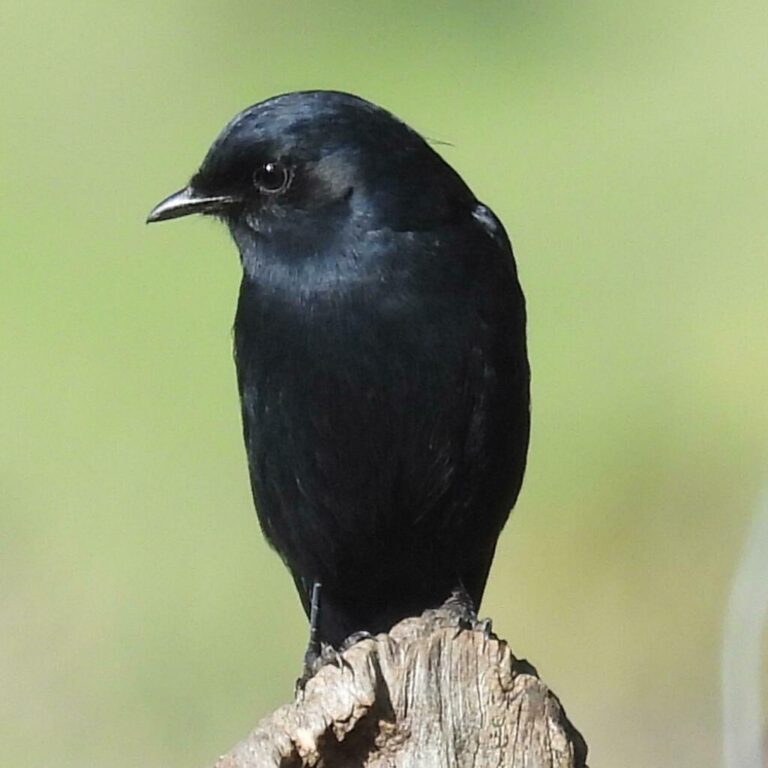
Melaenornis pammelaina
♥
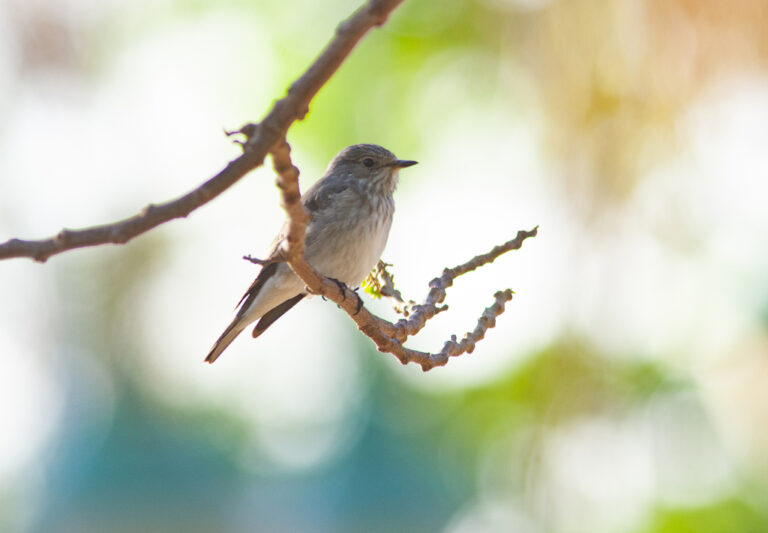
Muscicapa striata
♥
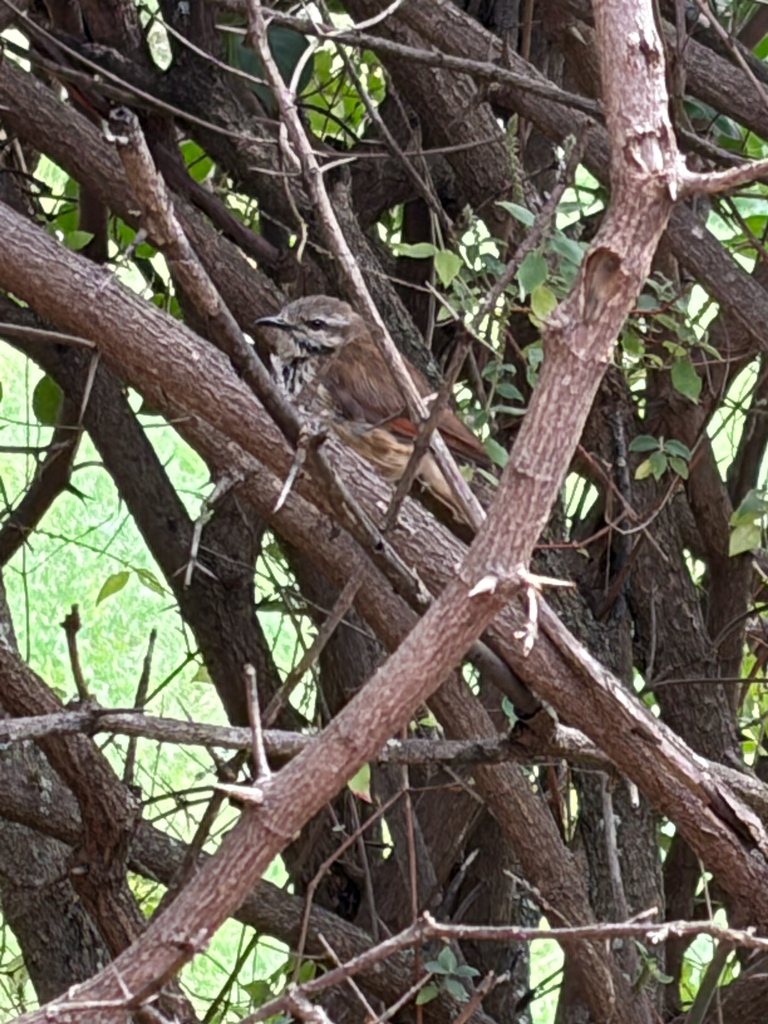
Cichladusa guttata
♥
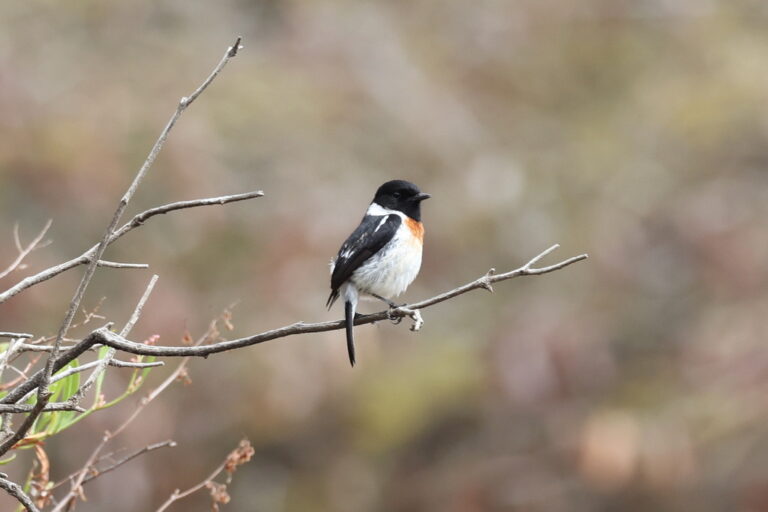
Saxicola torquatus
♥
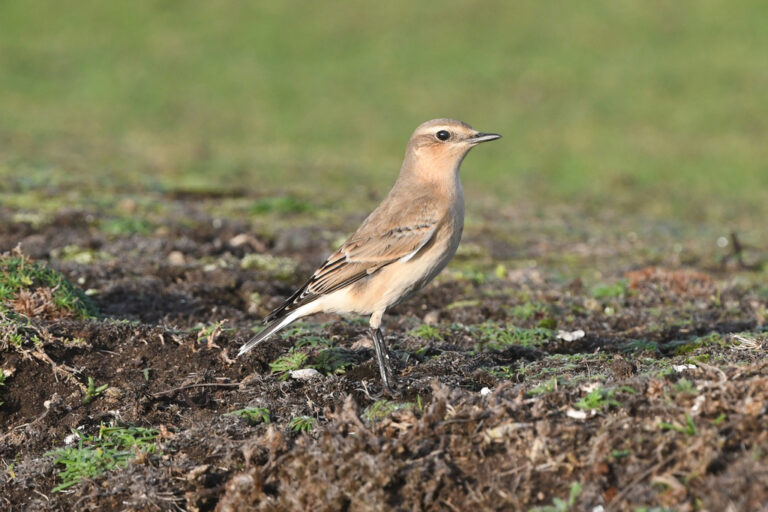
Oenanthe oenanthe
♥
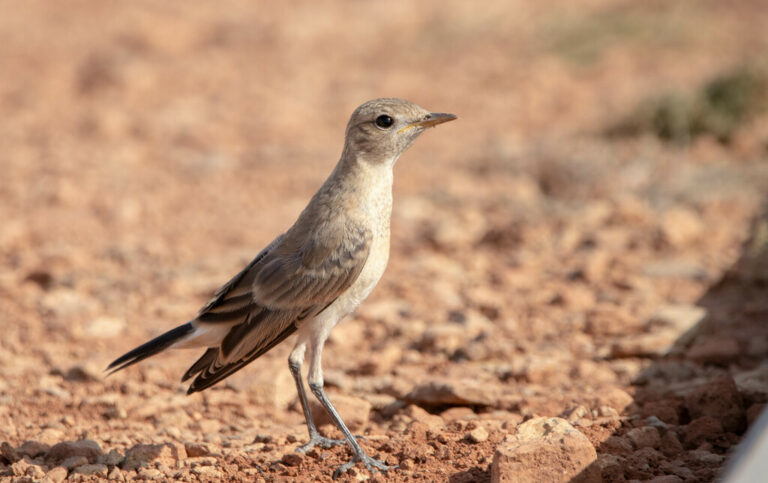
Oenanthe isabellina
♥
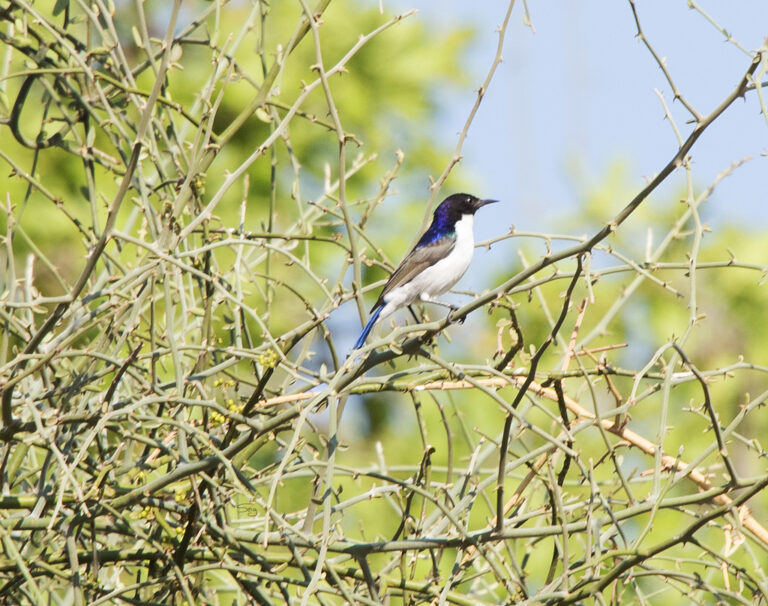
Anthreptes orientalis
♥
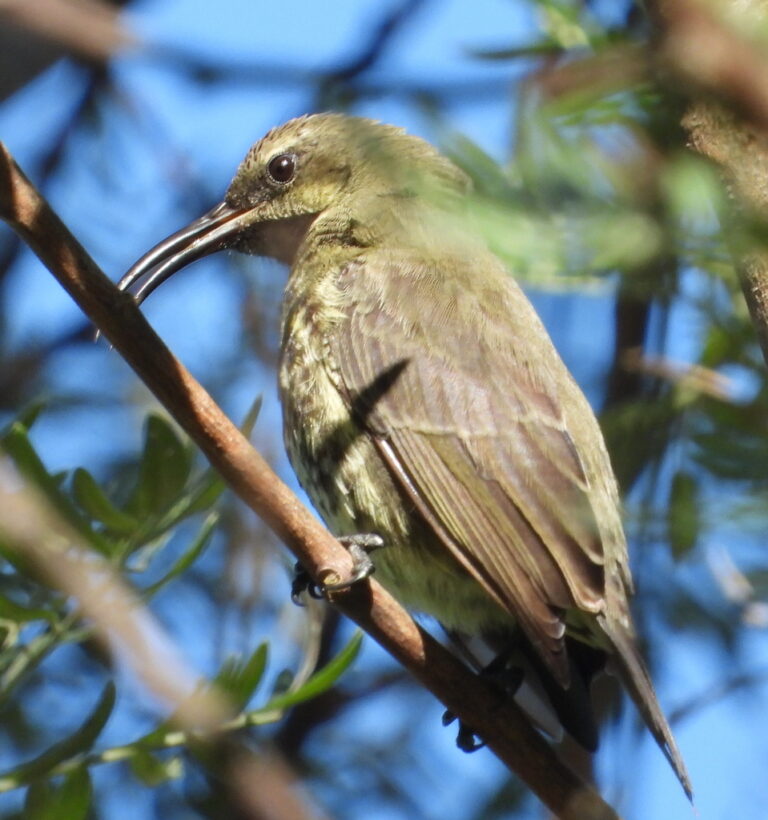
Chalcomitra amethystina
♥
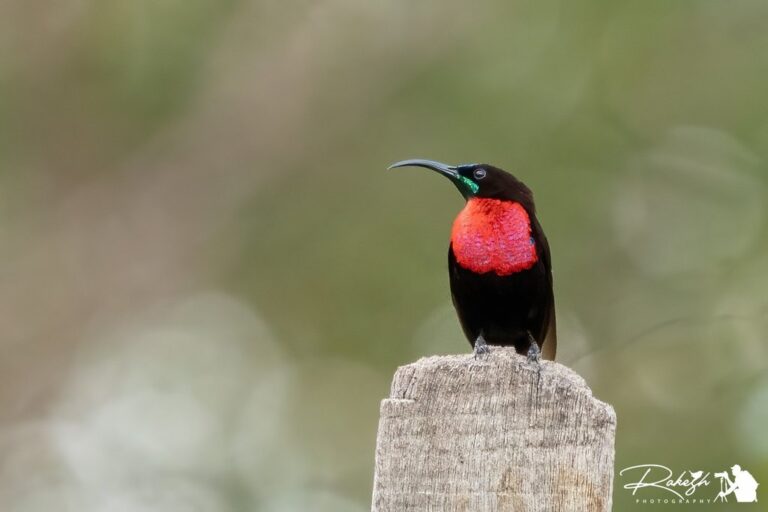
Chalcomitra senegalensis
♥
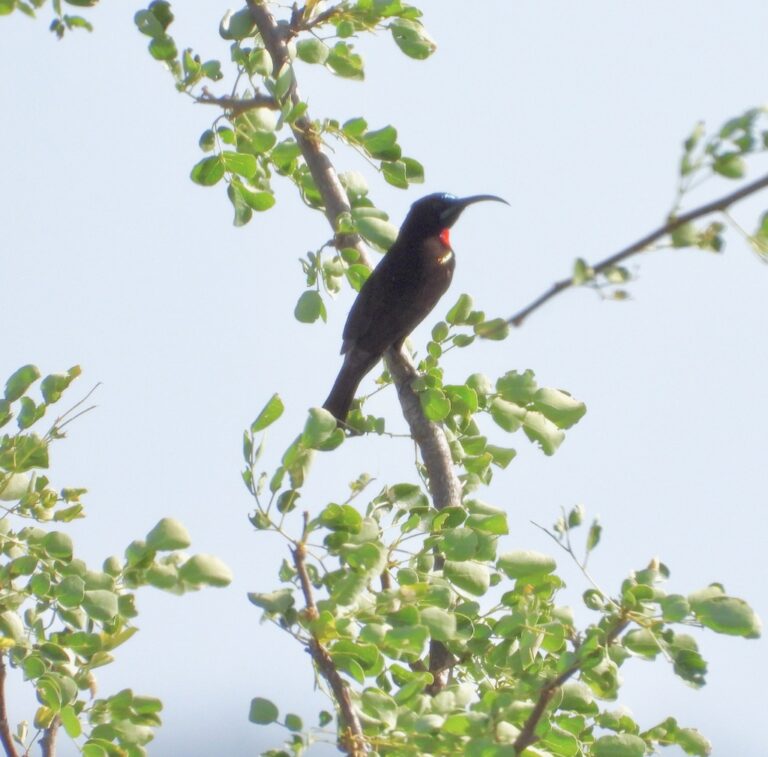
Chalcomitra hunteri
♥
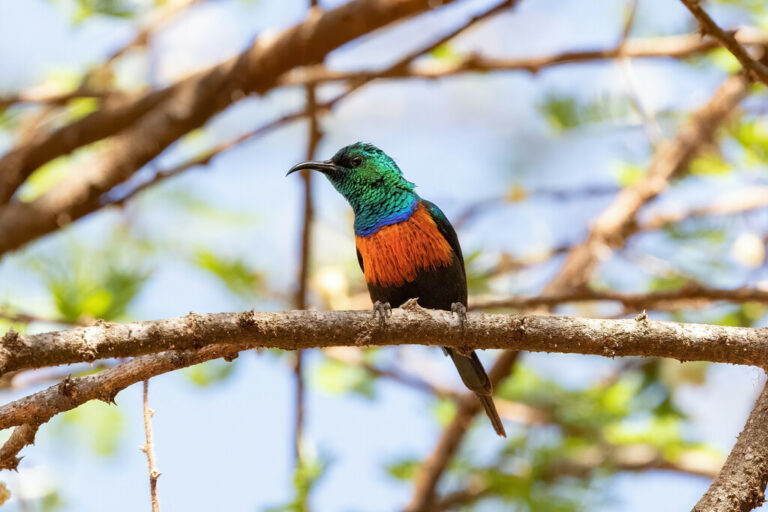
Cinnyris nectarinioides
♥
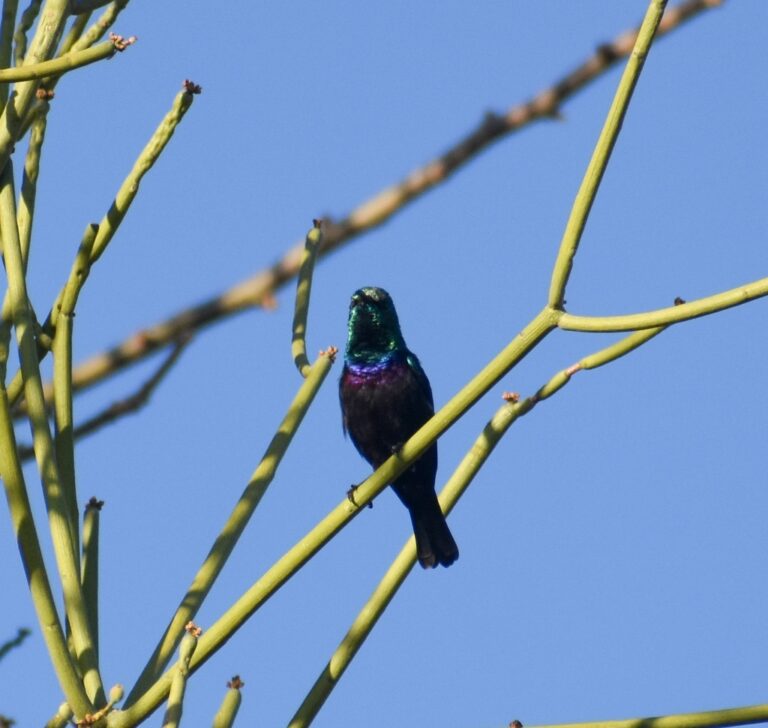
Cinnyris tsavoensis
♥
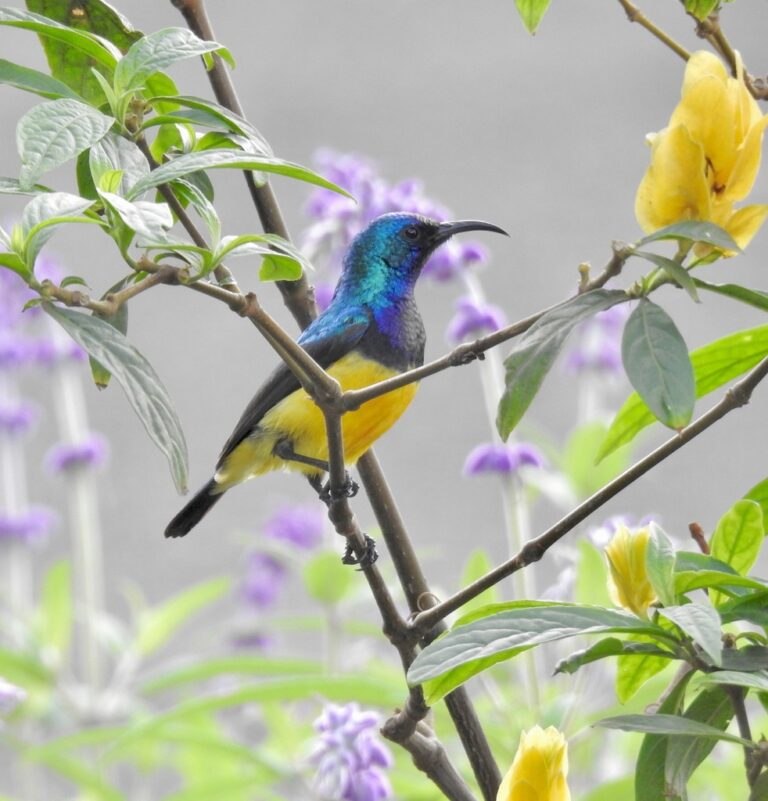
Cinnyris venustus
♥
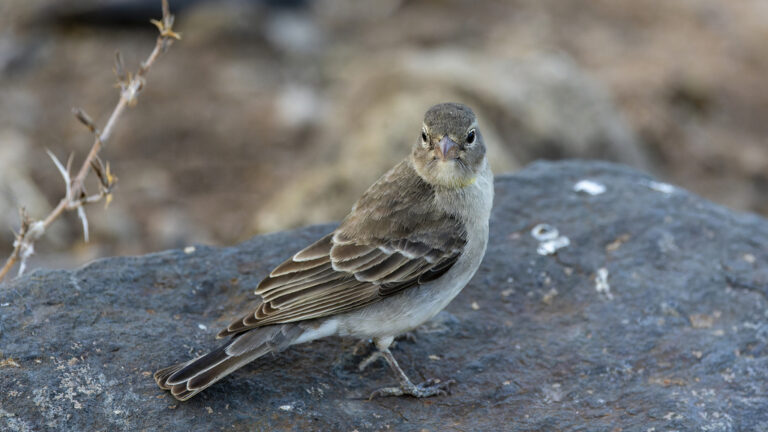
Gymnoris pyrgita
♥
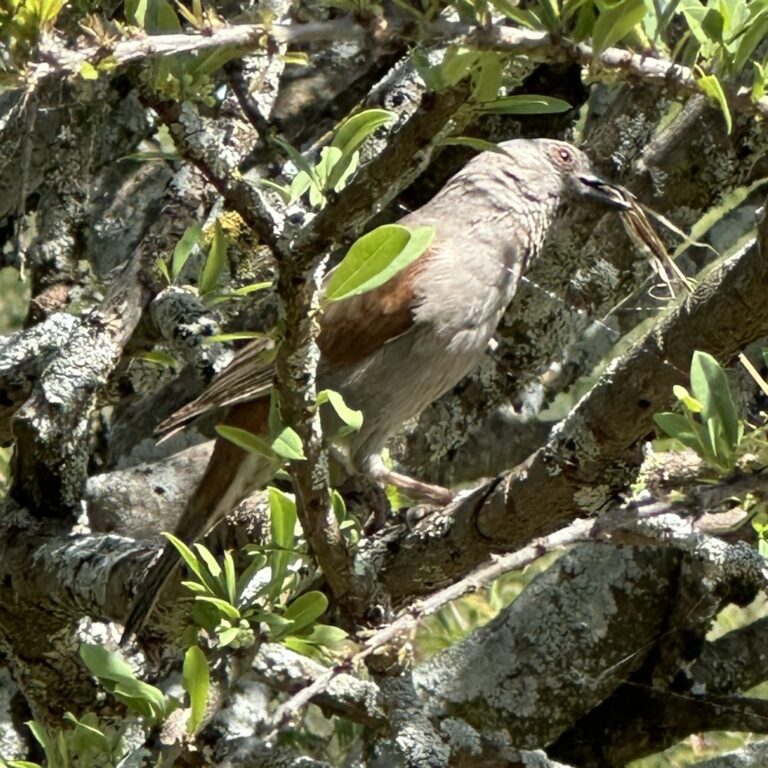
Passer gongonensis
♥
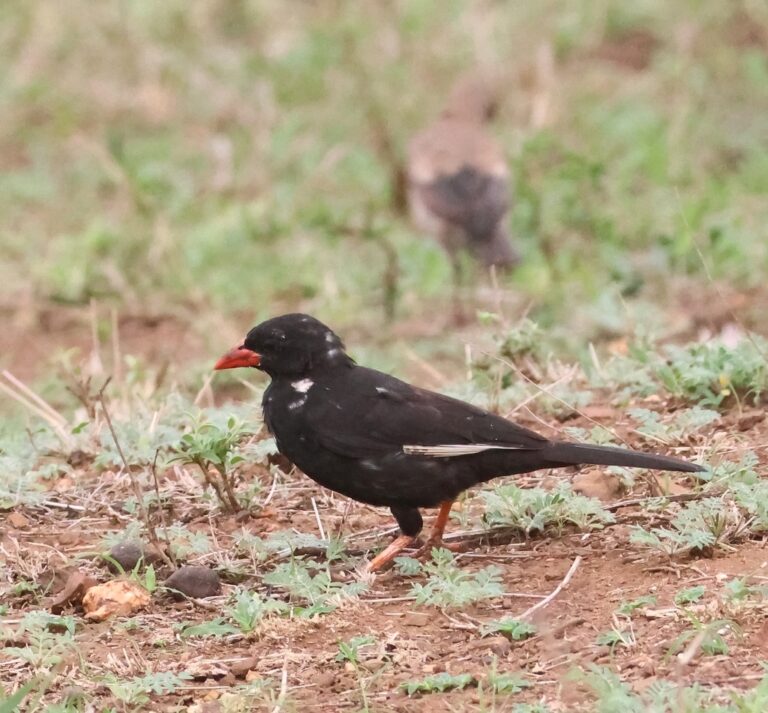
Bubalornis niger
♥
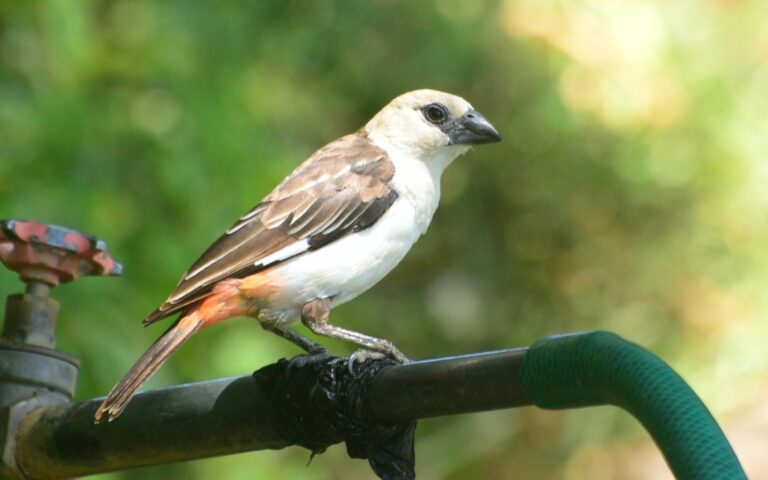
Dinemellia dinemelli
♥
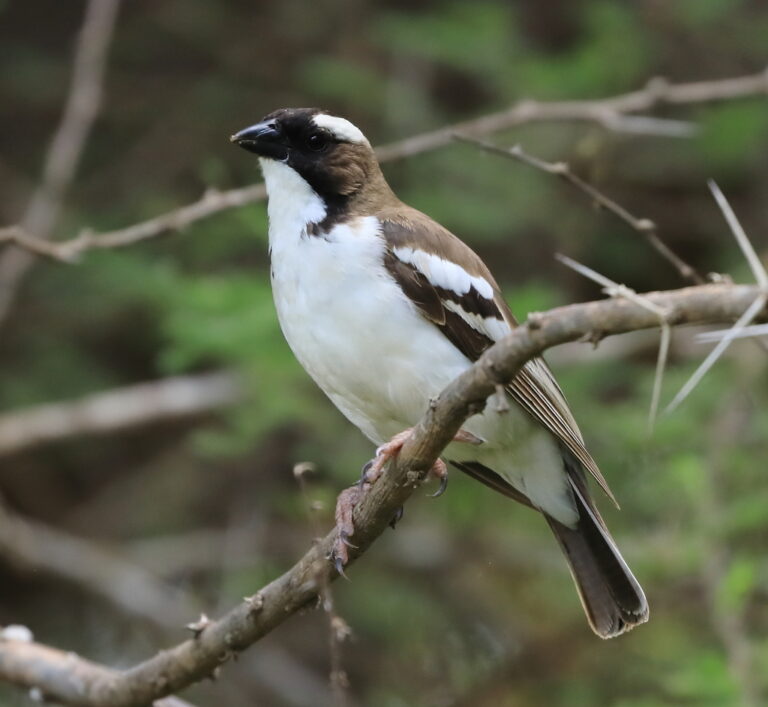
Plocepasser mahali
♥
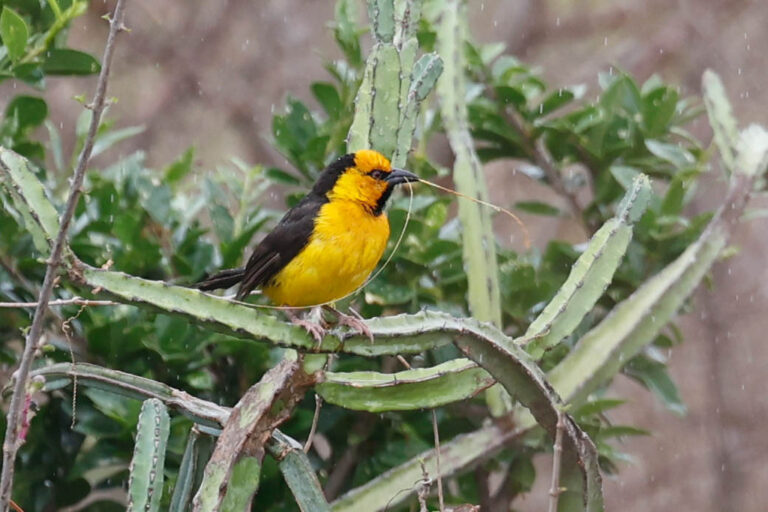
Ploceus nigricollis
♥
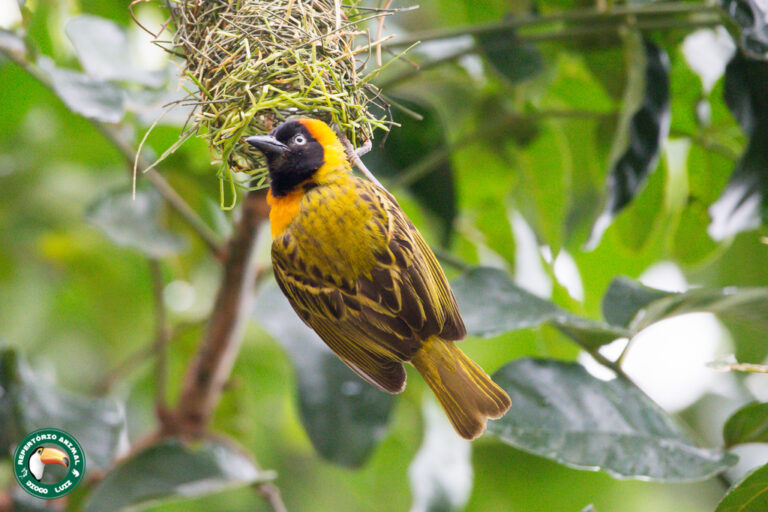
Ploceus intermedius
♥
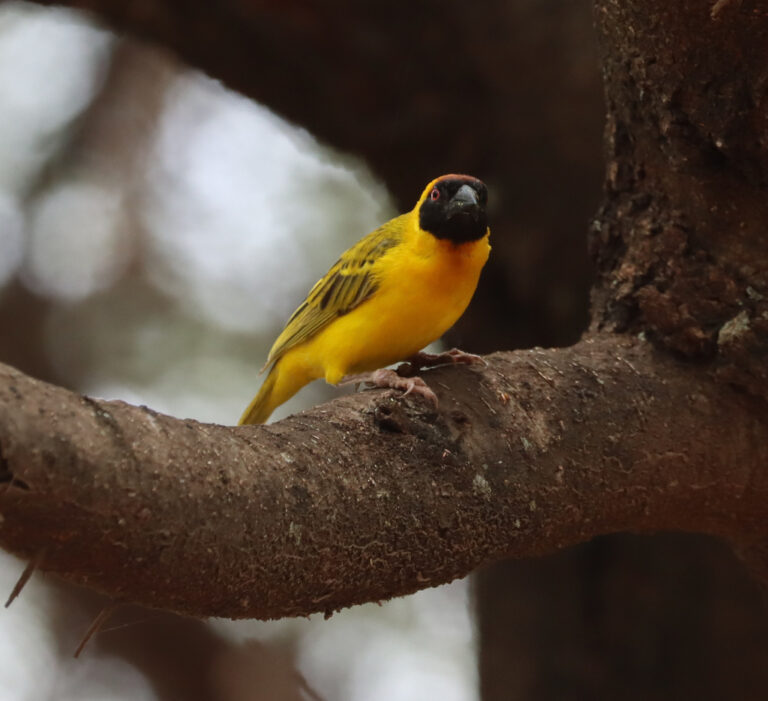
Ploceus vitellinus
♥
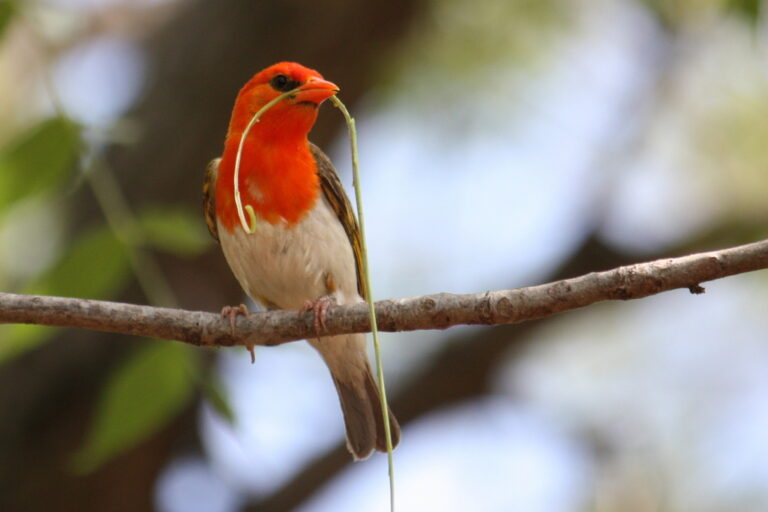
Anaplectes rubriceps
♥
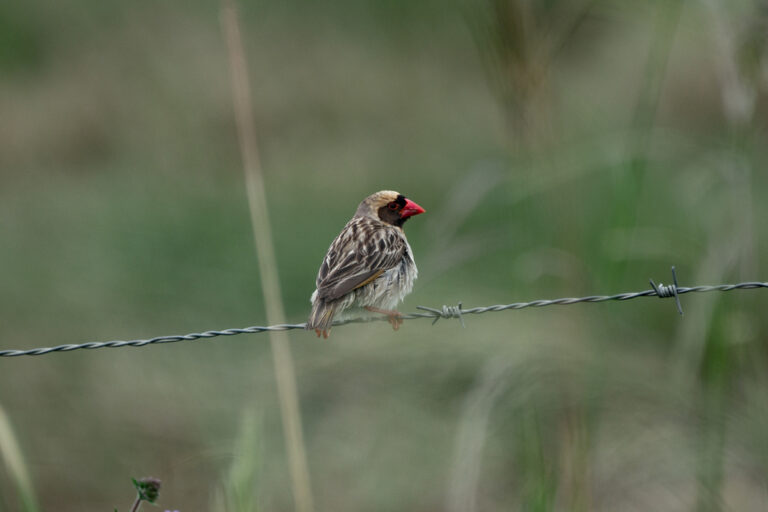
Quelea quelea
♥
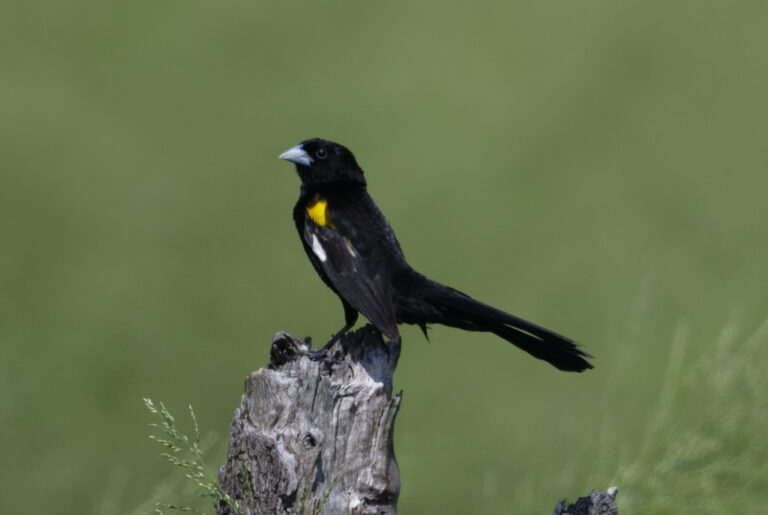
Euplectes albonotatus
♥
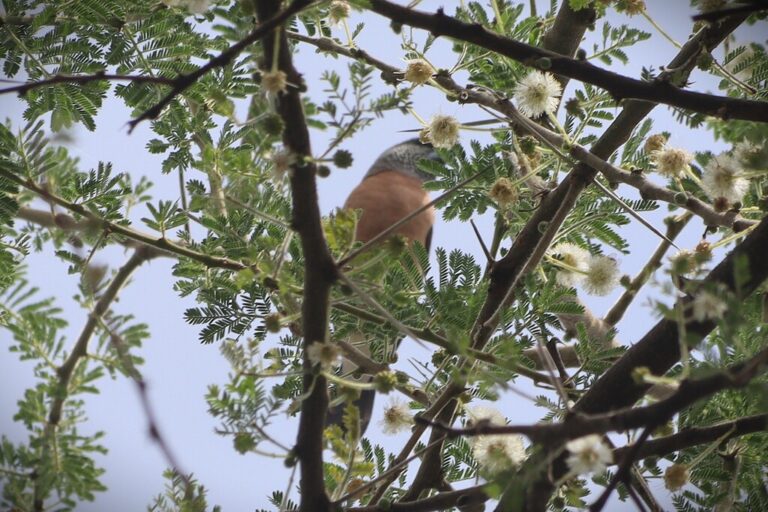
Spermestes griseicapilla
♥
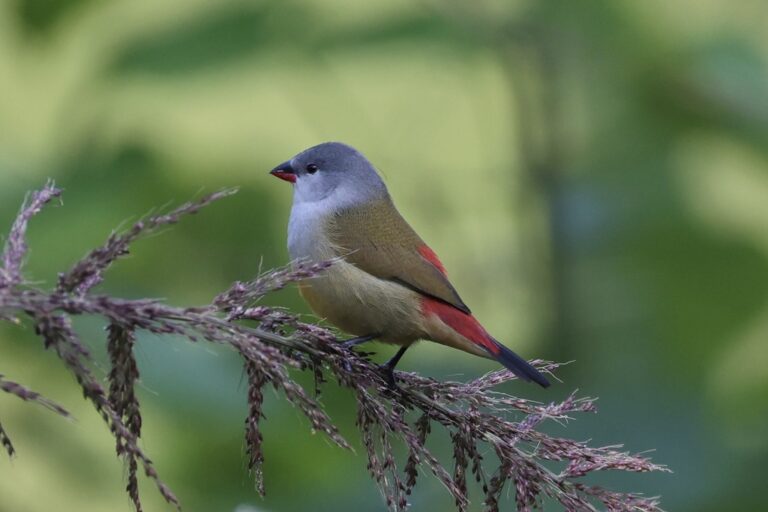
Coccopygia quartinia
♥
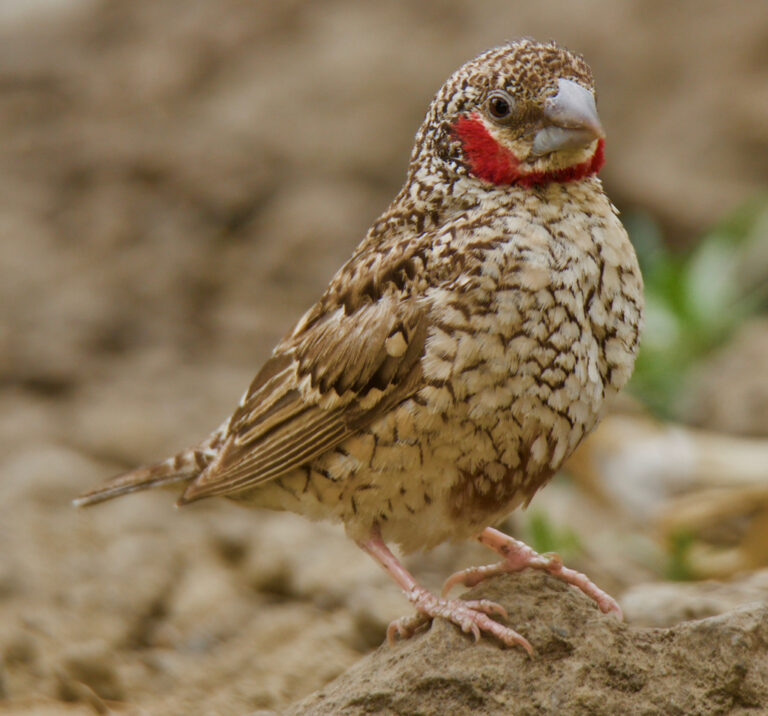
Amadina fasciata
♥
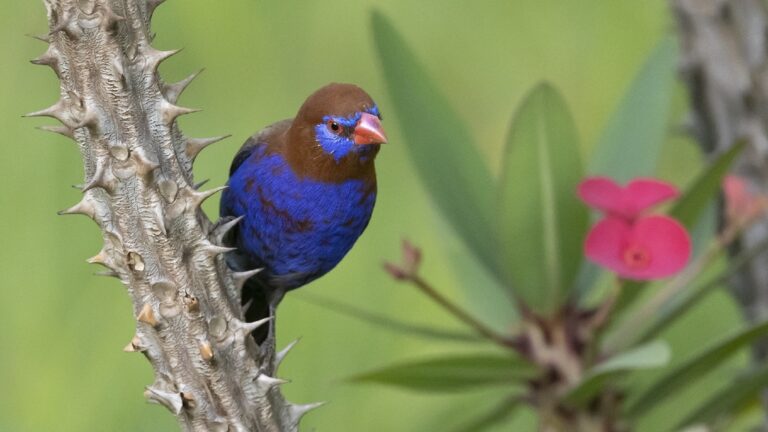
Granatina ianthinogaster
♥
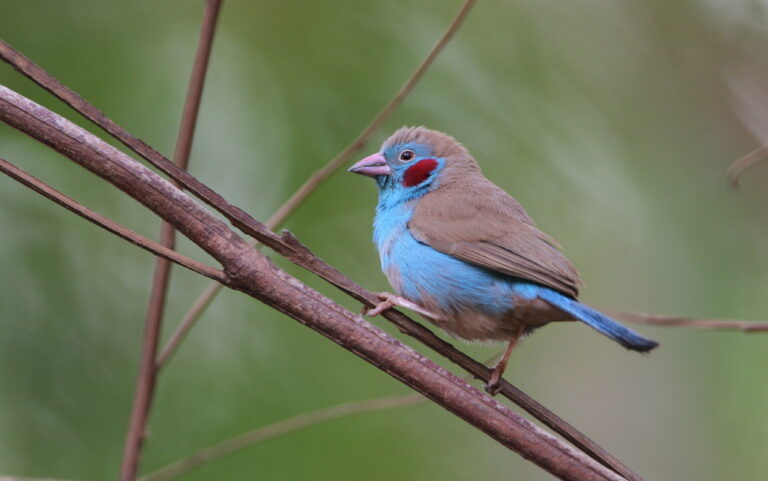
Uraeginthus bengalus
♥
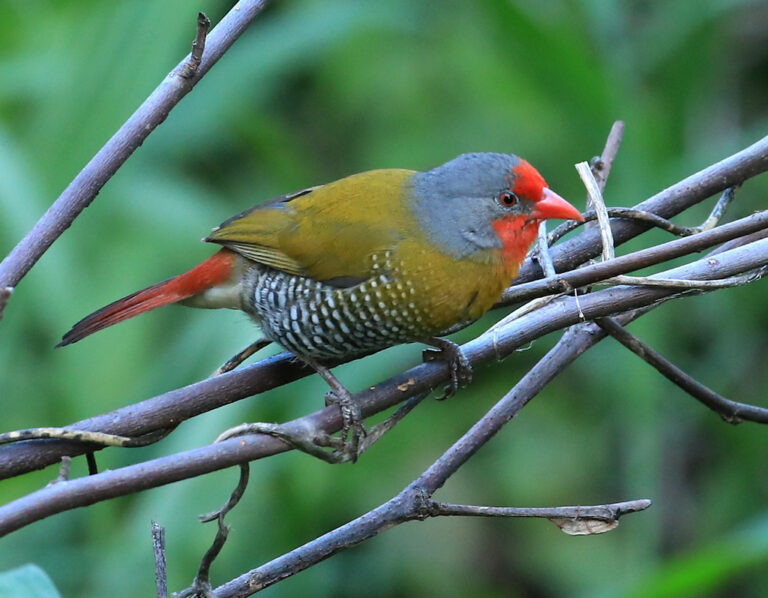
Pytilia melba
♥
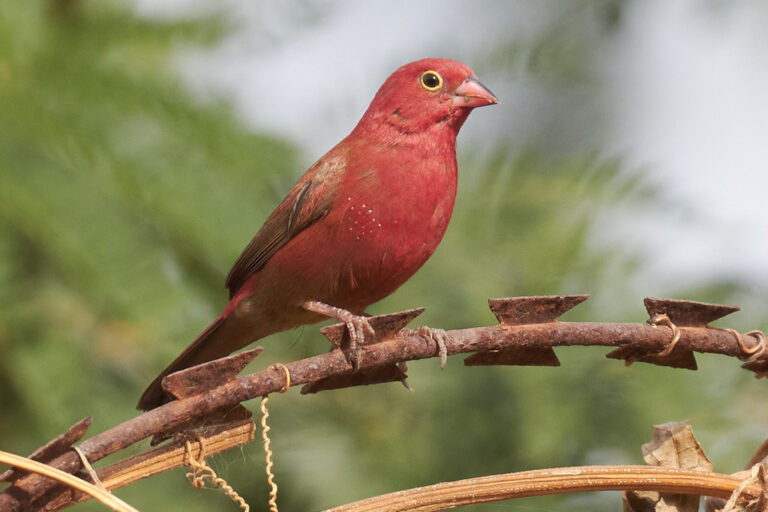
Lagonosticta senegala
♥
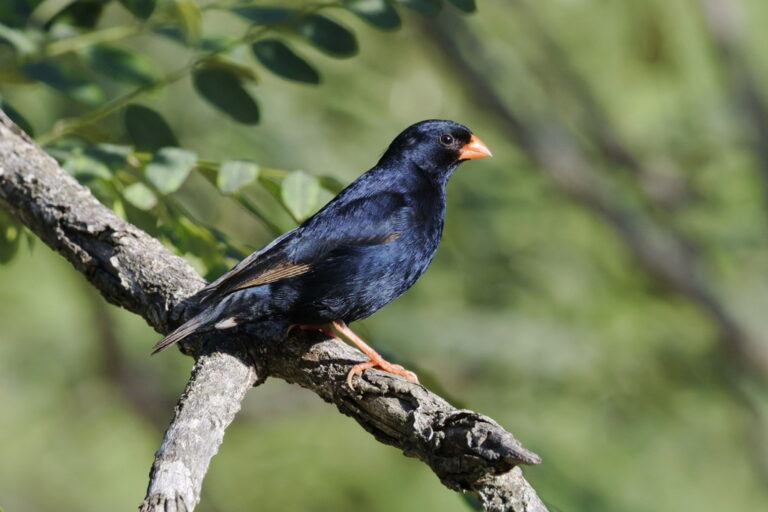
Vidua chalybeata
♥
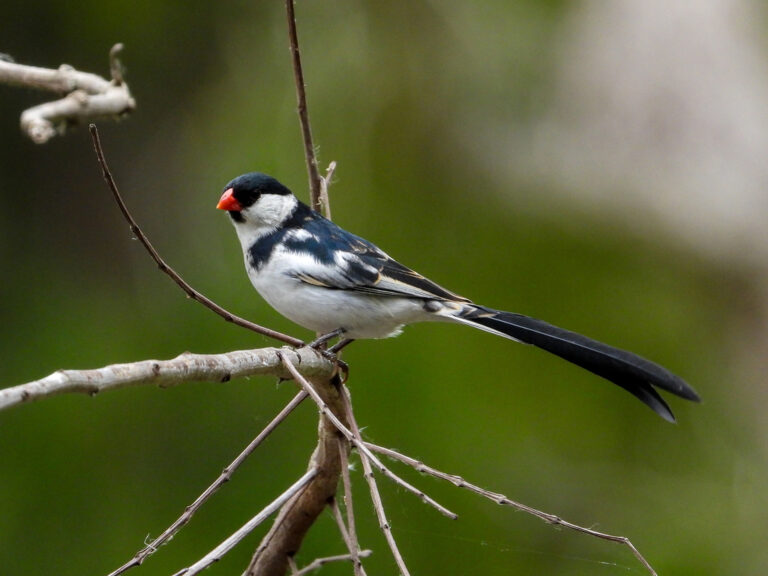
Vidua macroura
♥
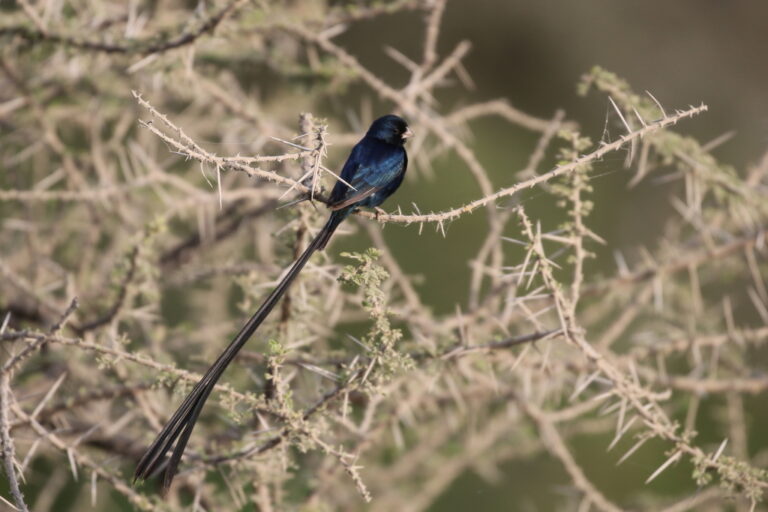
Vidua hypocherina
♥
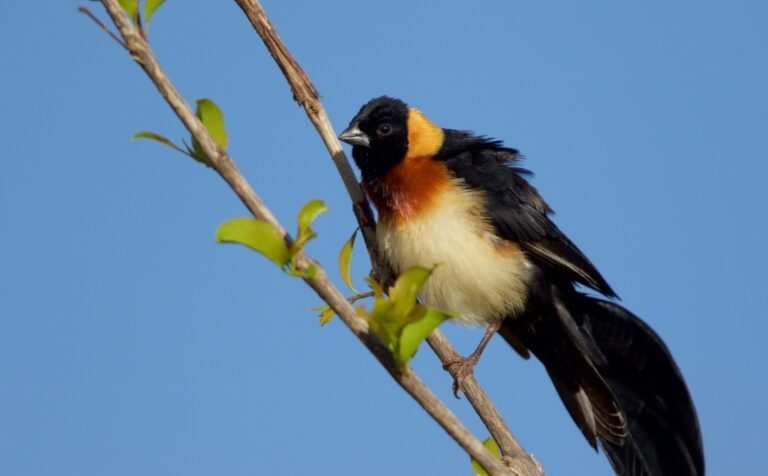
Vidua paradisaea
♥
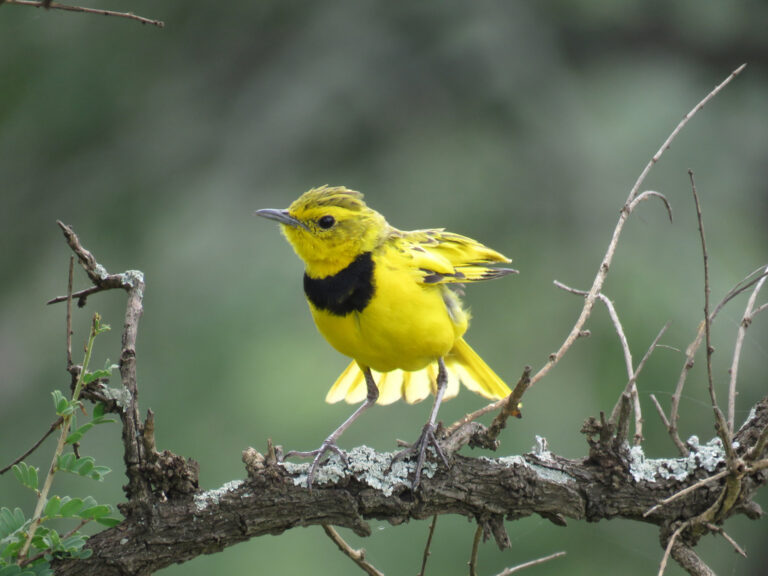
Tmetothylacus tenellus
♥
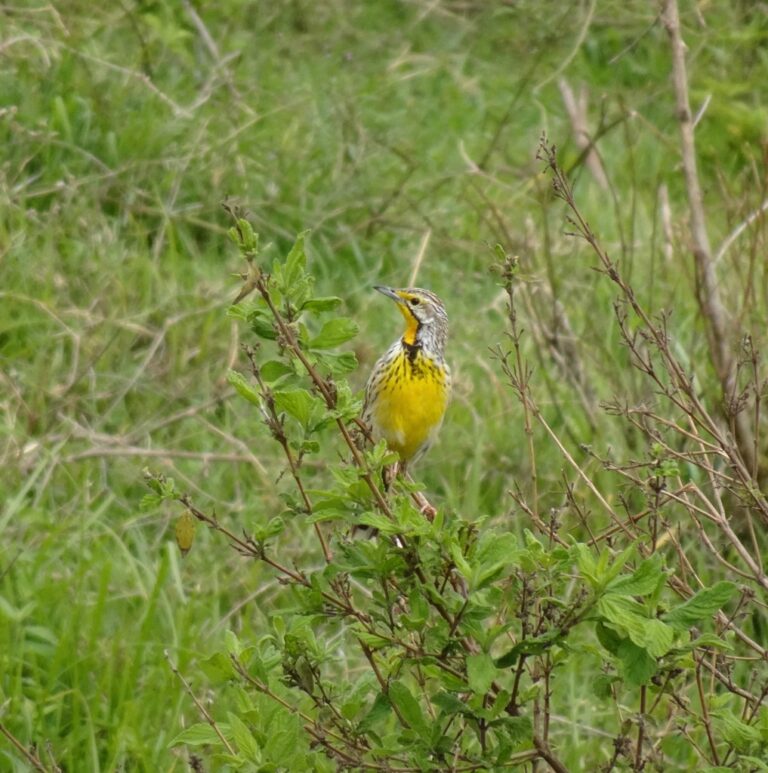
Macronyx aurantiigula
♥
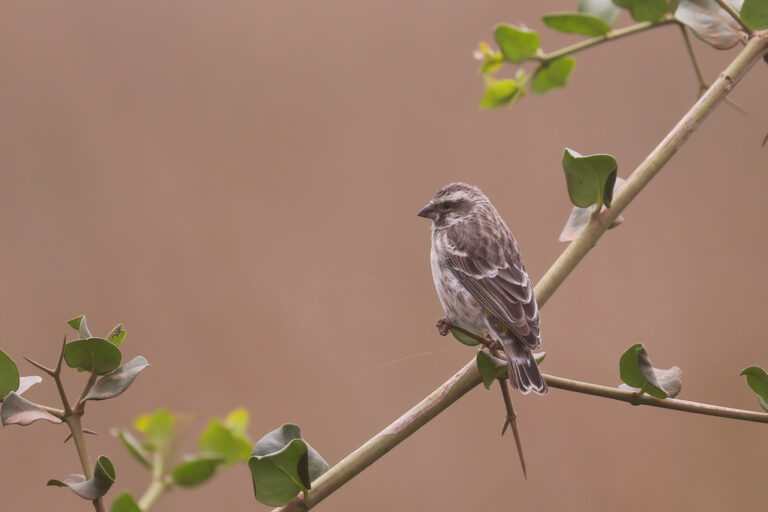
Crithagra reichenowi
♥
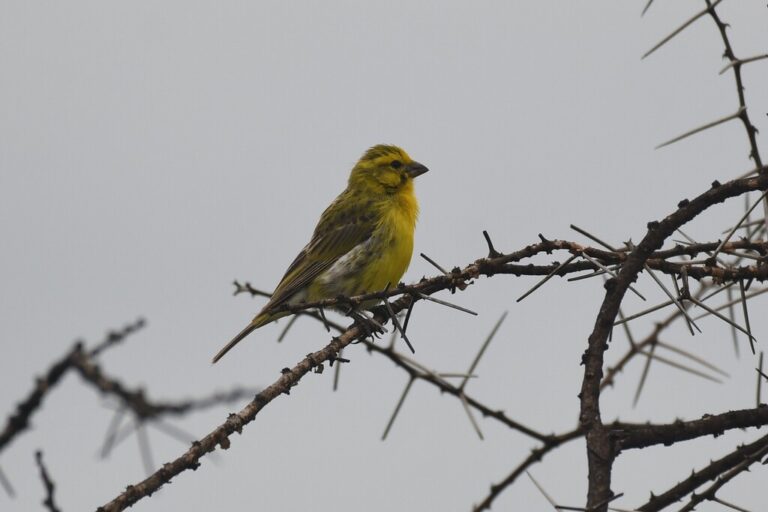
Crithagra dorsostriata
♥
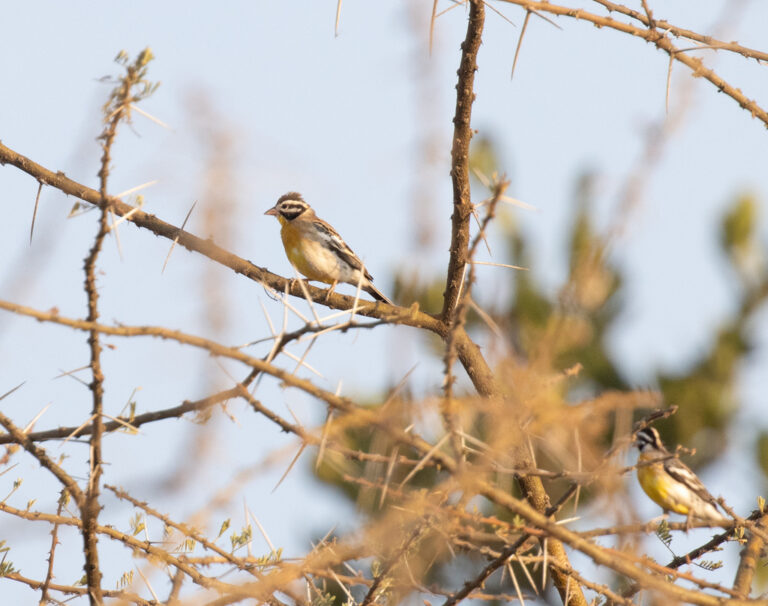
Emberiza poliopleura
♥
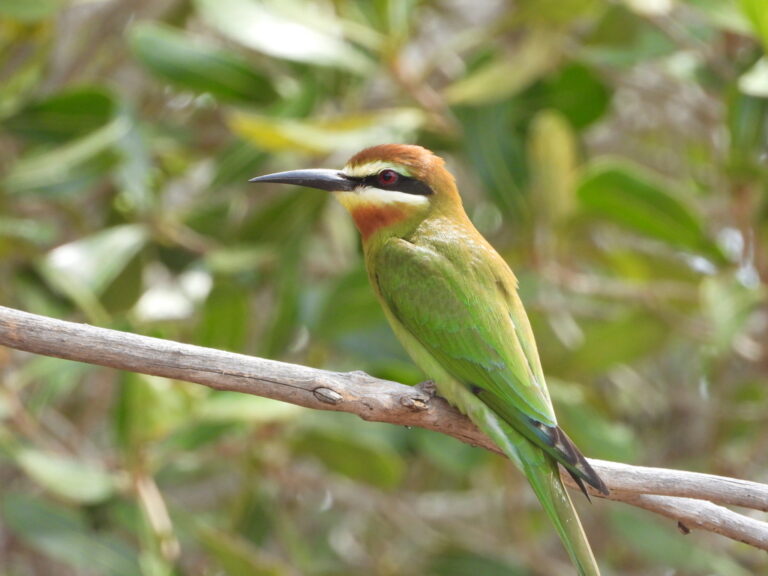
Merops superciliosus
♥
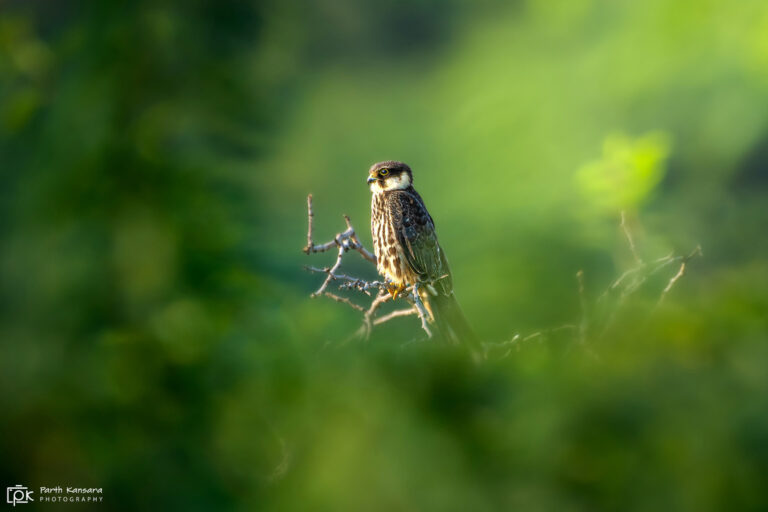
Falco subbuteo
♥
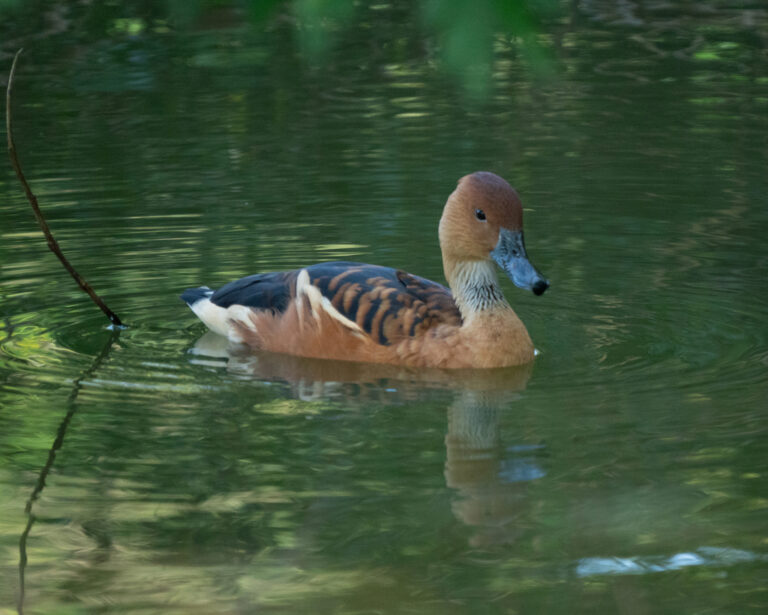
Dendrocygna bicolor
♥
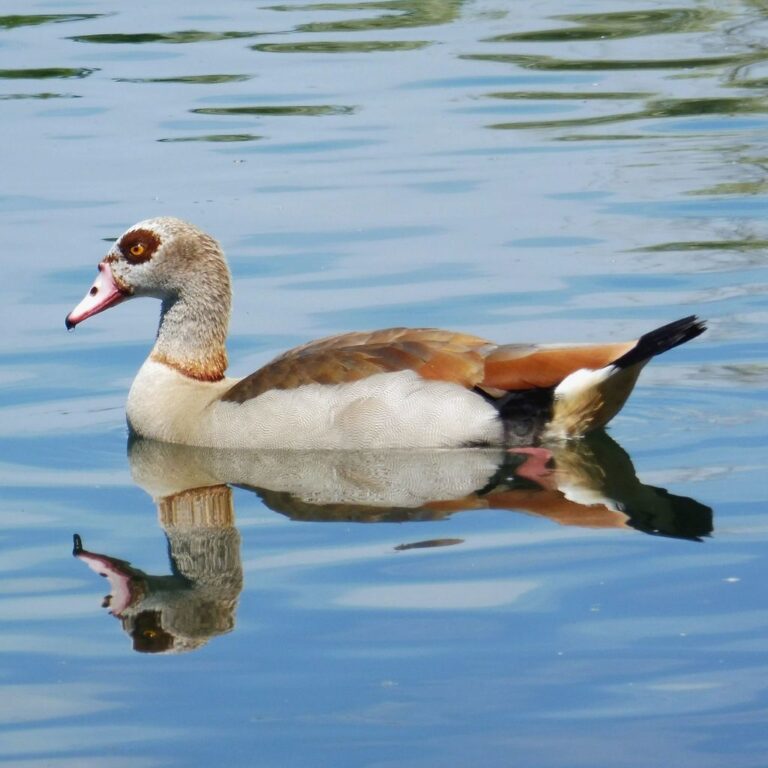
Alopochen aegyptiaca
♥
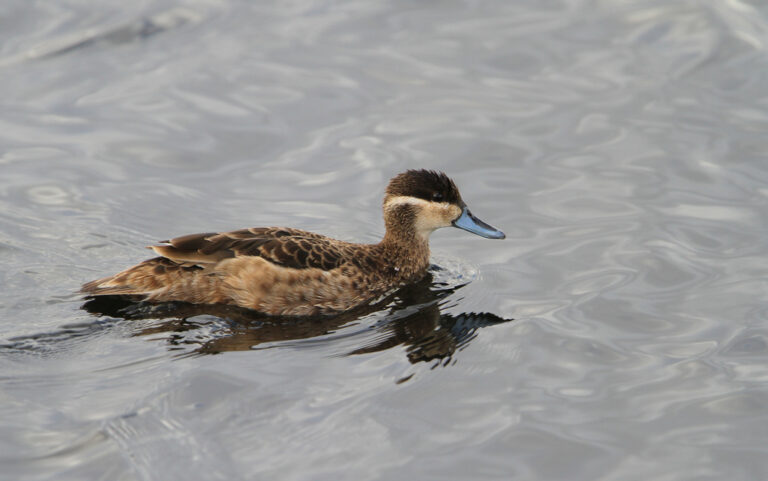
Spatula hottentota
♥
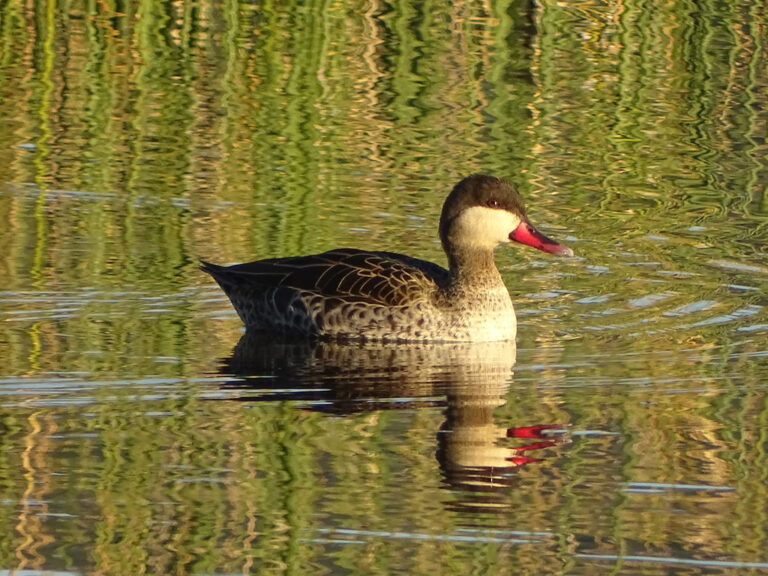
Anas erythrorhyncha
♥
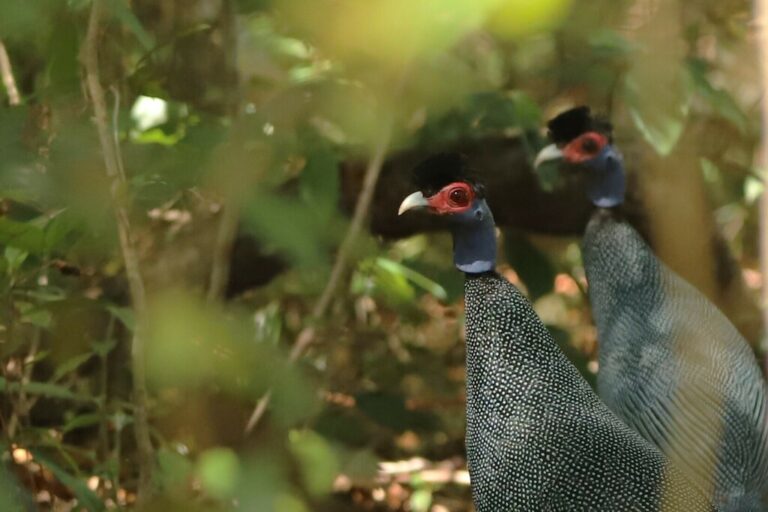
Guttera pucherani
♥
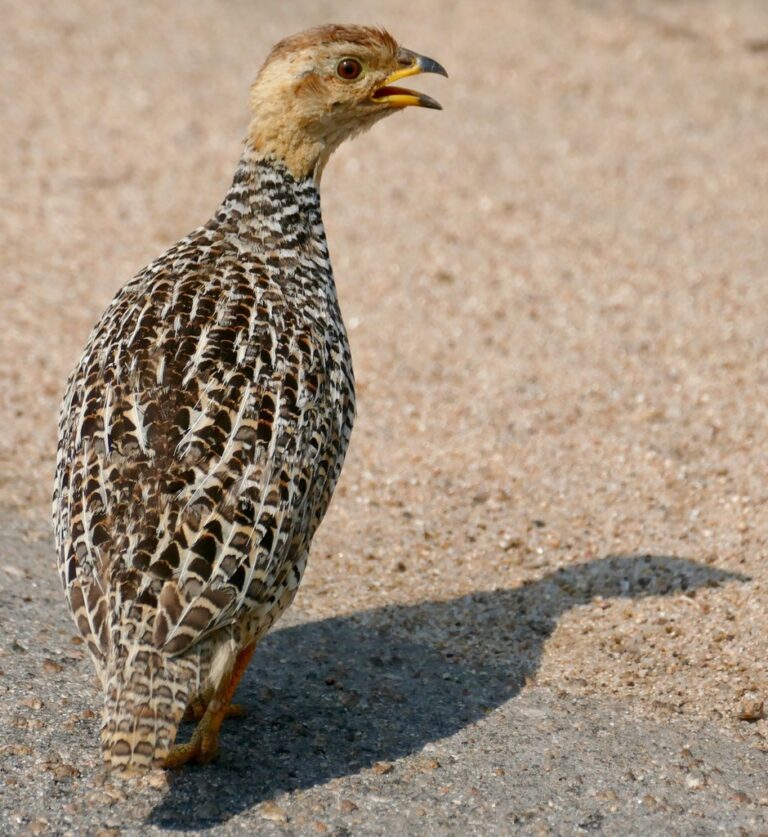
Campocolinus coqui
♥
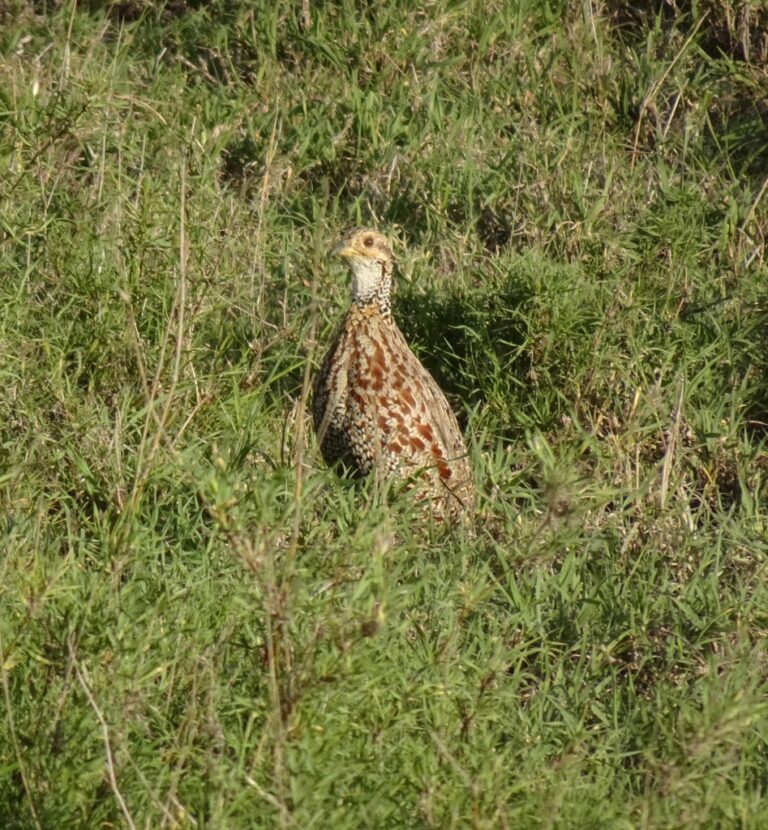
Scleroptila shelleyi
♥
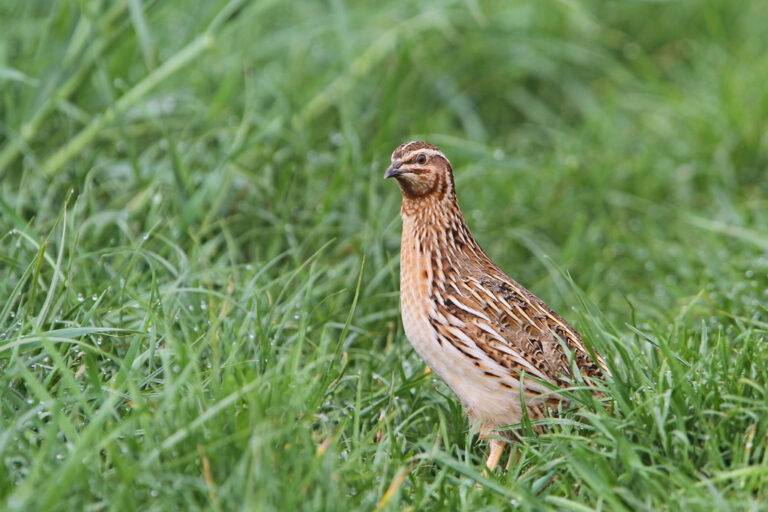
Coturnix coturnix
♥
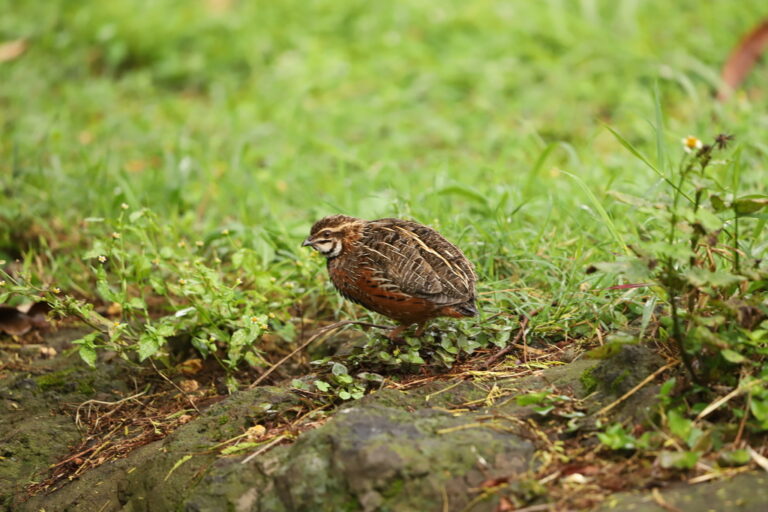
Coturnix delegorguei
♥
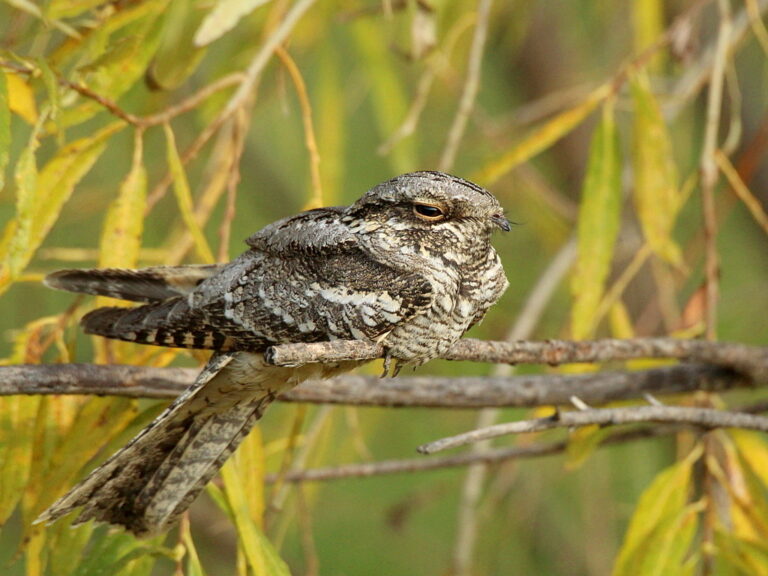
Caprimulgus europaeus
♥
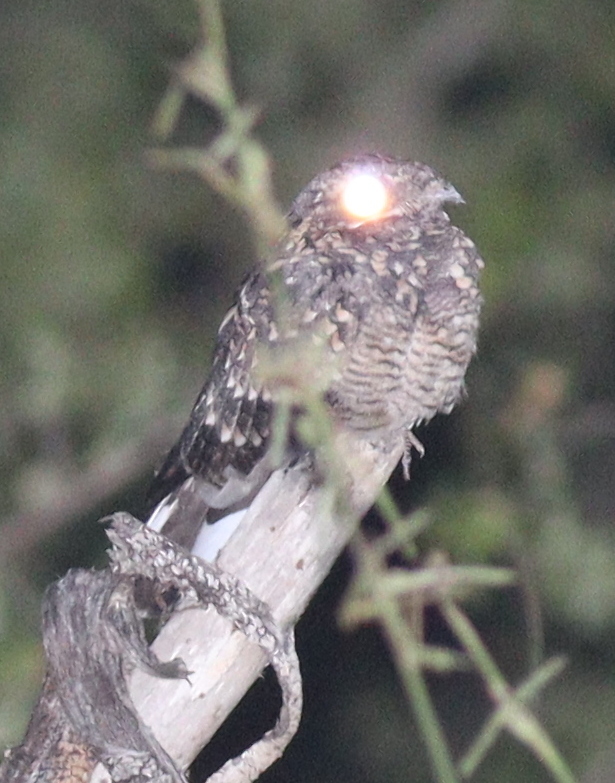
Caprimulgus fraenatus
♥
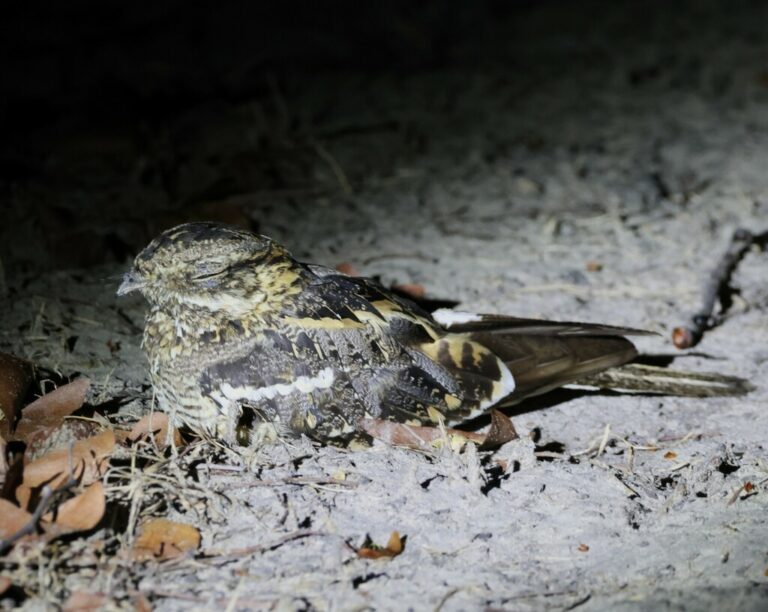
Caprimulgus fossii
♥
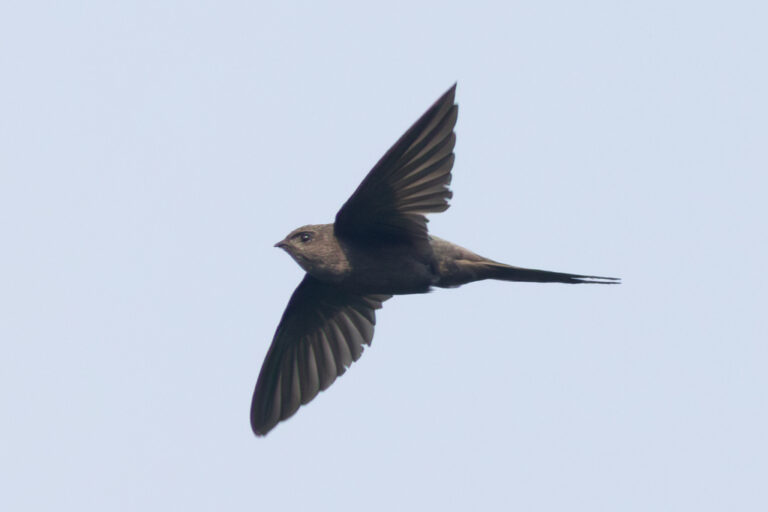
Cypsiurus parvus
♥
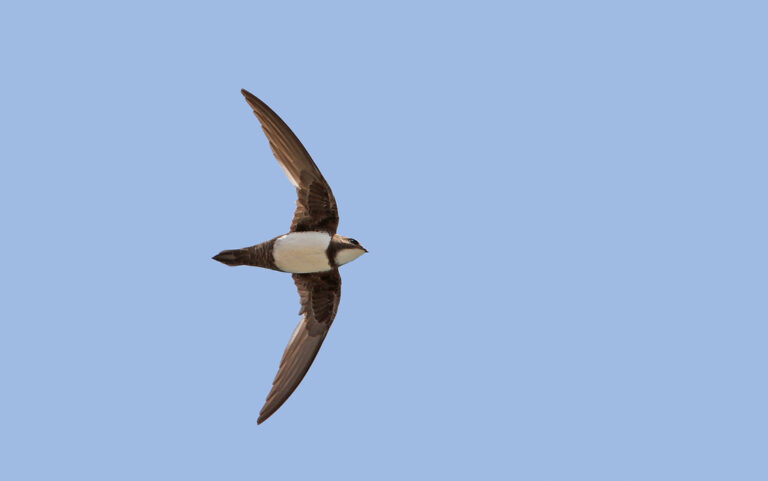
Tachymarptis melba
♥
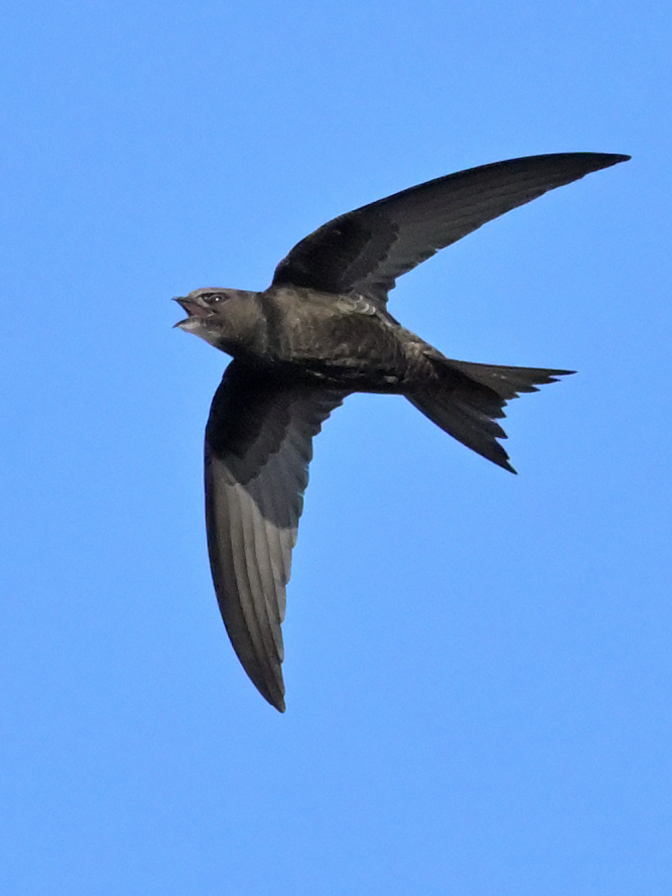
Apus apus
♥
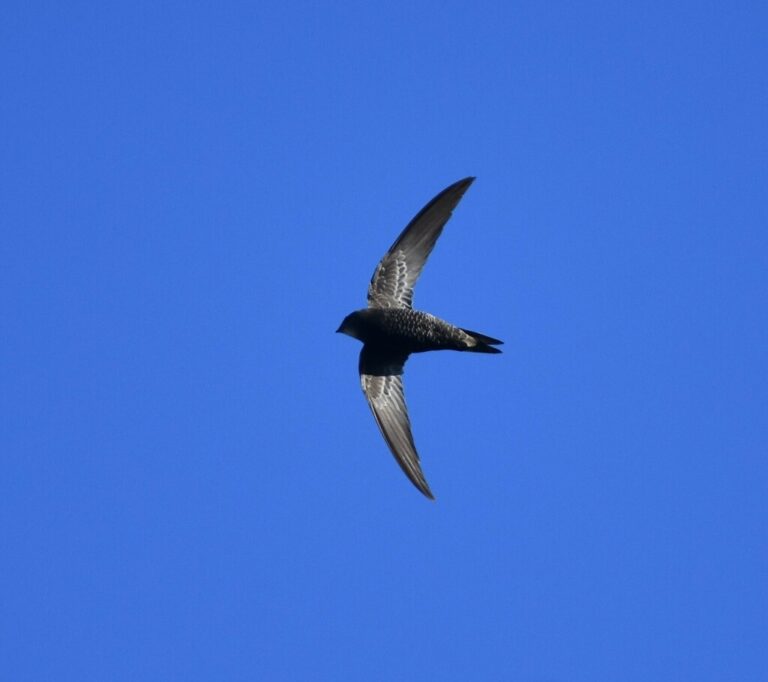
Apus barbatus
♥
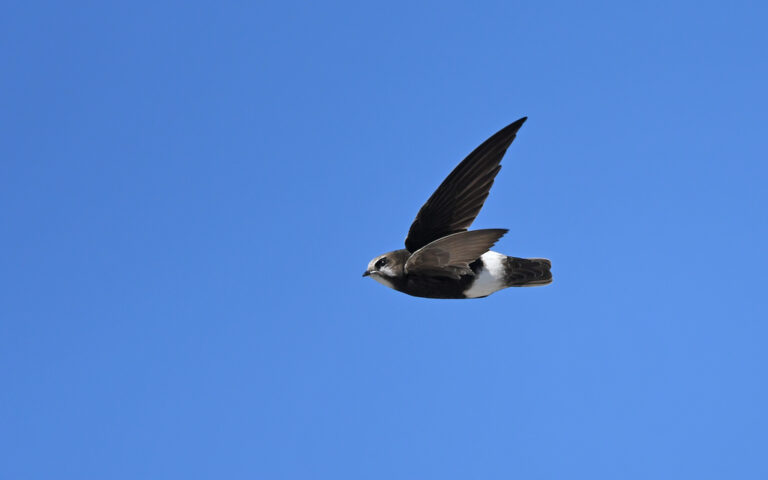
Apus affinis
♥
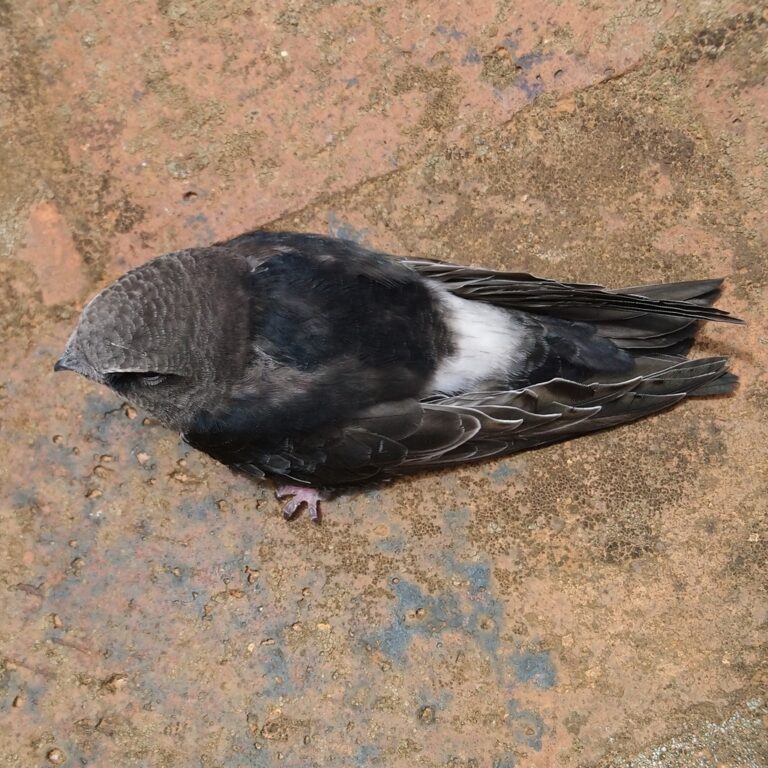
Apus horus
♥
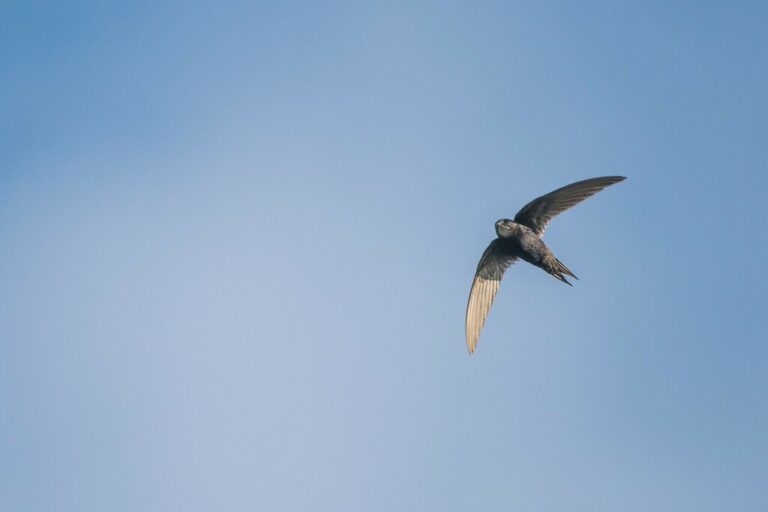
Apus caffer
♥
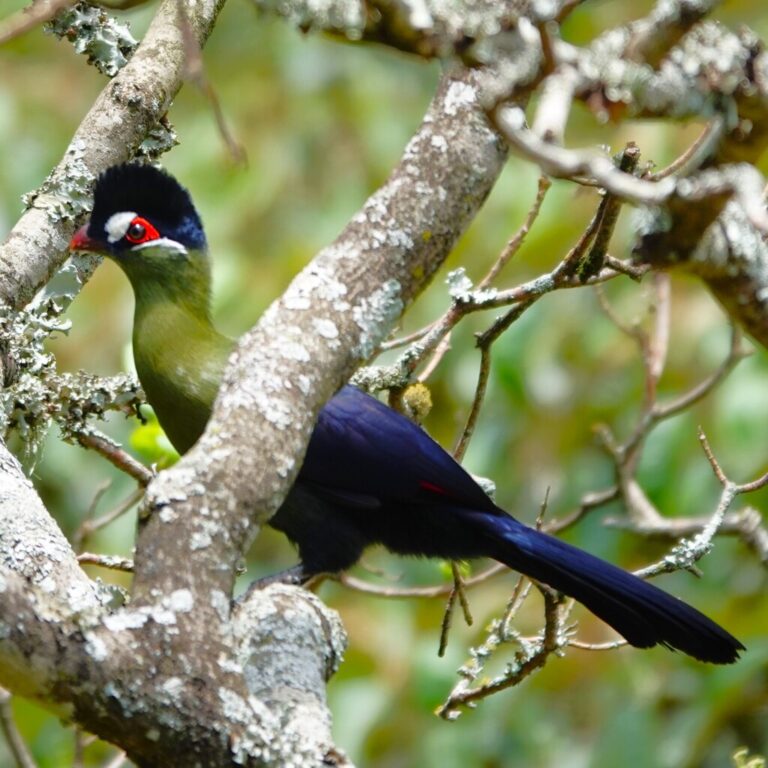
Tauraco hartlaubi
♥
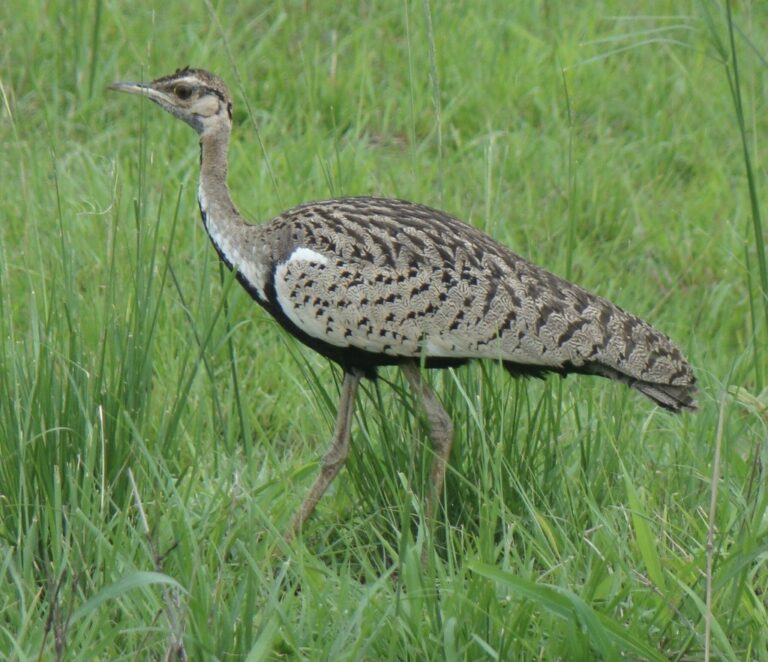
Lissotis melanogaster
♥
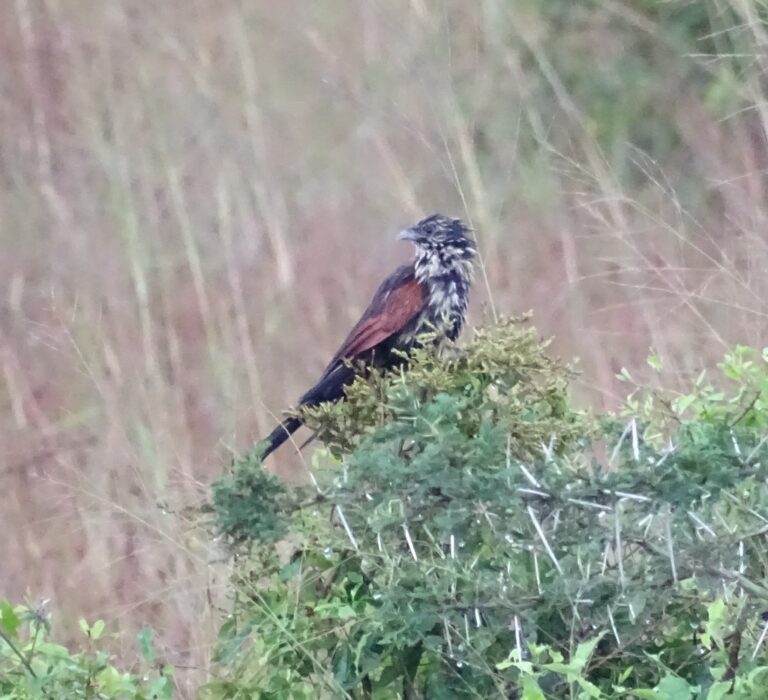
Centropus grillii
♥
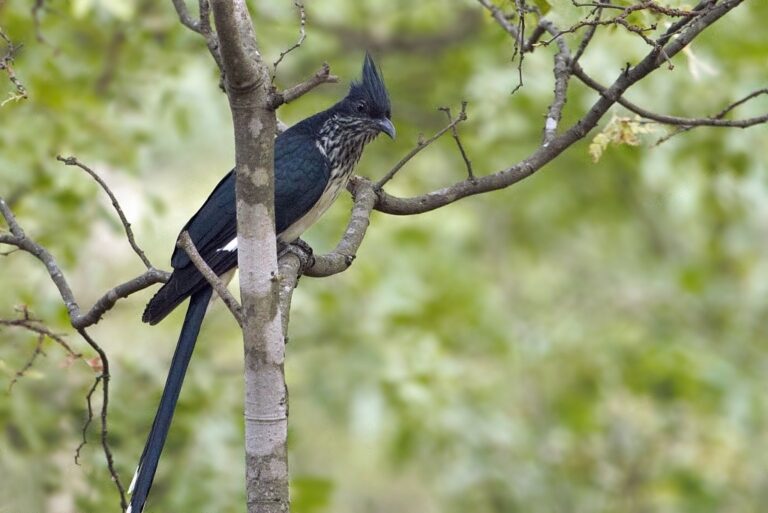
Clamator levaillantii
♥
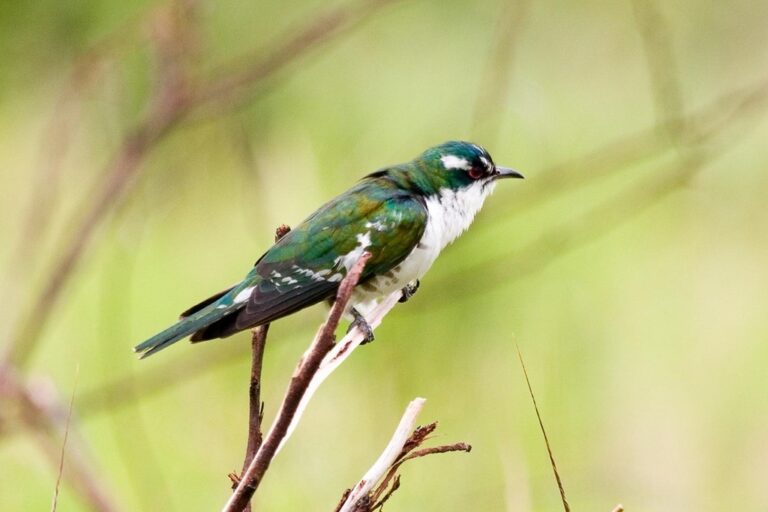
Chrysococcyx caprius
♥
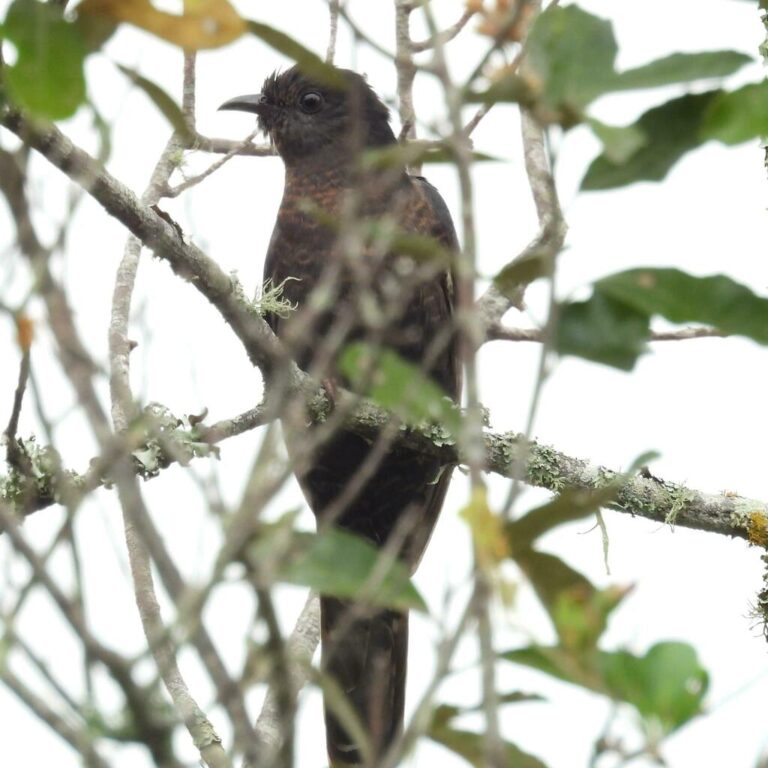
Cuculus clamosus
♥
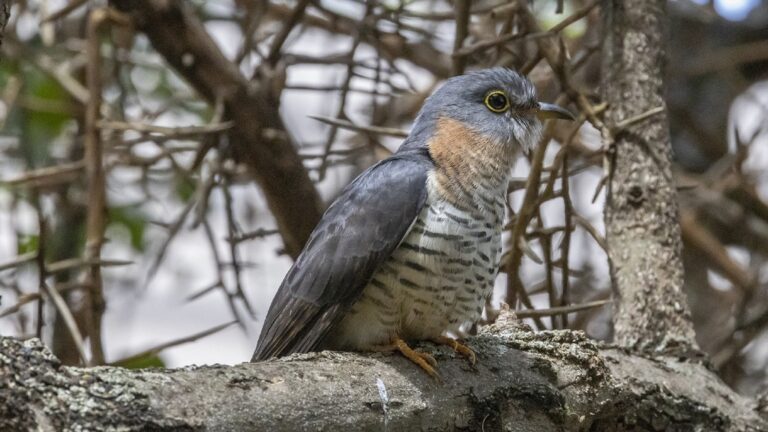
Cuculus solitarius
♥
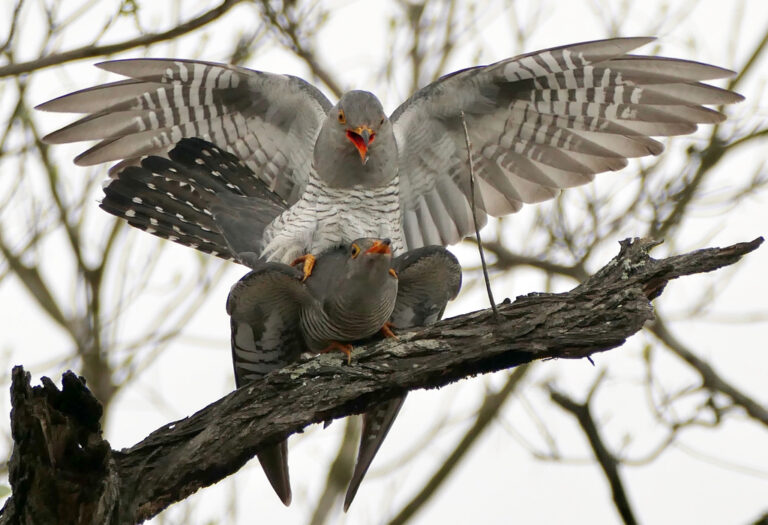
Cuculus gularis
♥
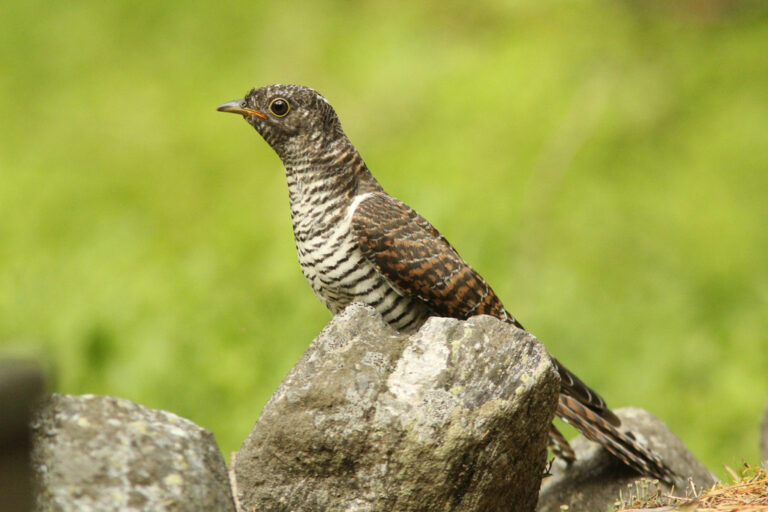
Cuculus canorus
♥
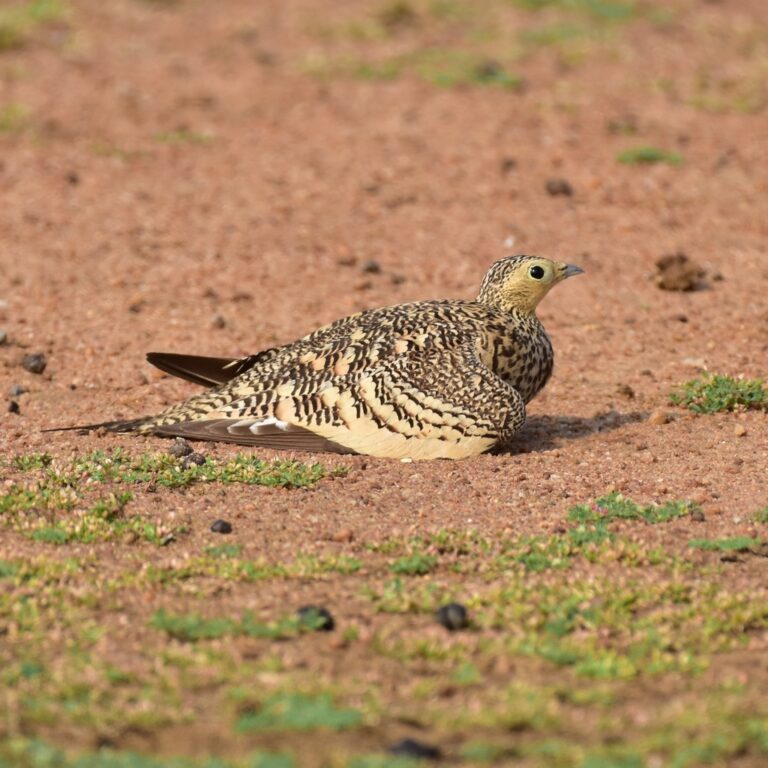
Pterocles exustus
♥
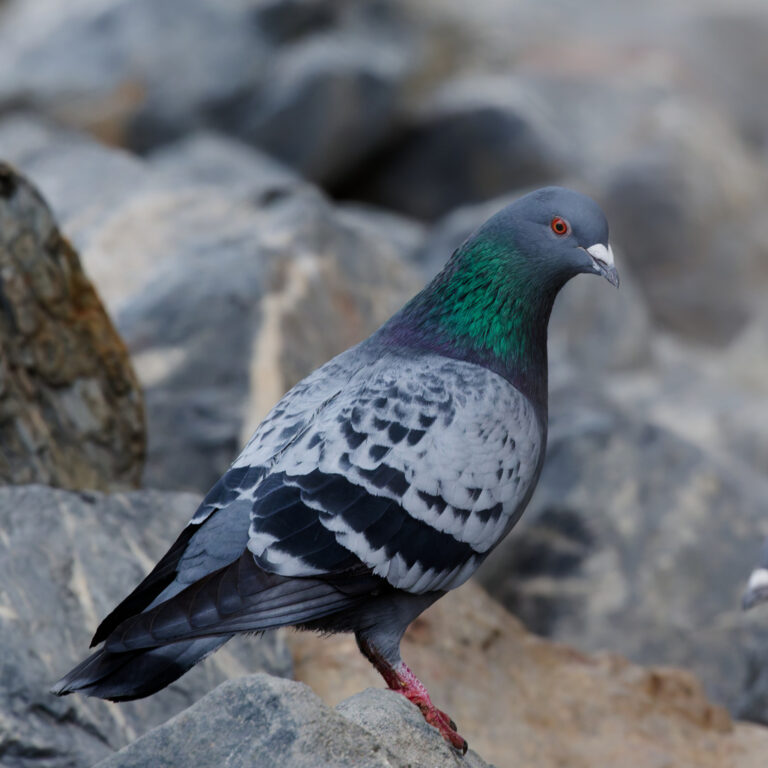
Columba livia
♥
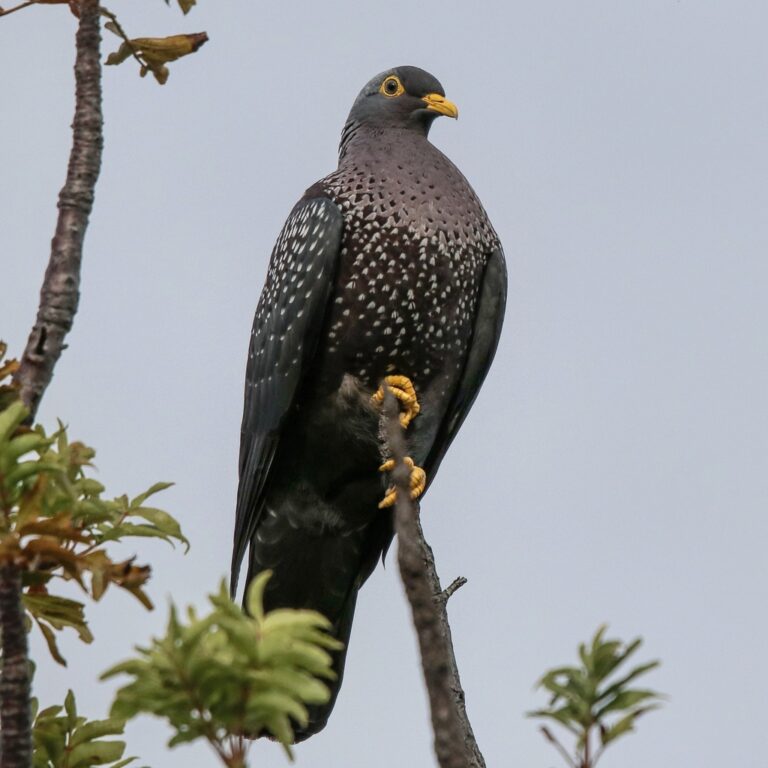
Columba arquatrix
♥
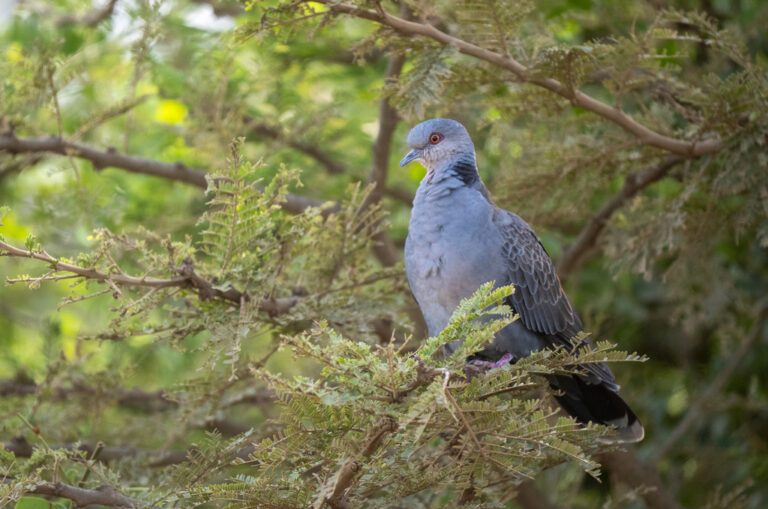
Streptopelia lugens
♥
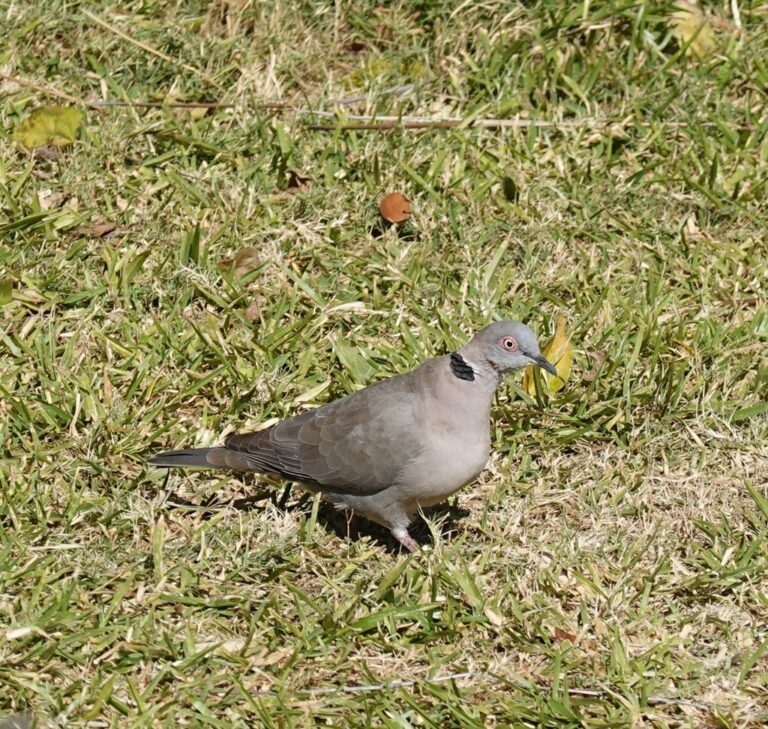
Streptopelia decipiens
♥
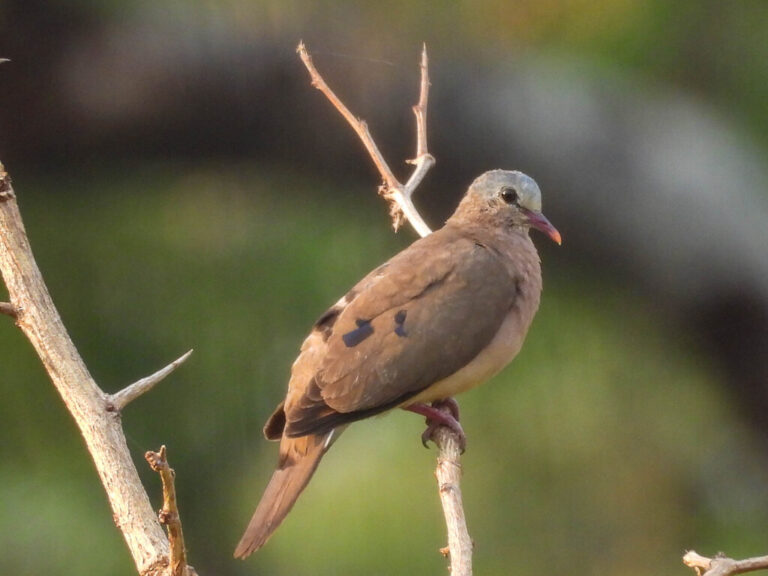
Turtur afer
♥
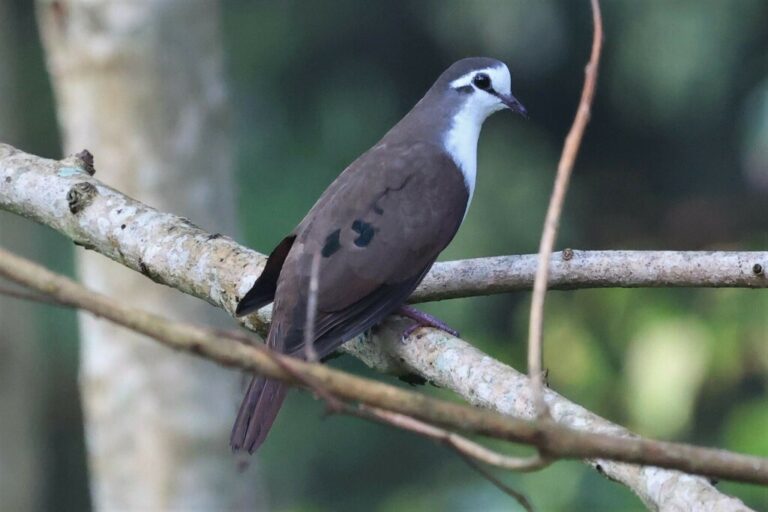
Turtur tympanistria
♥
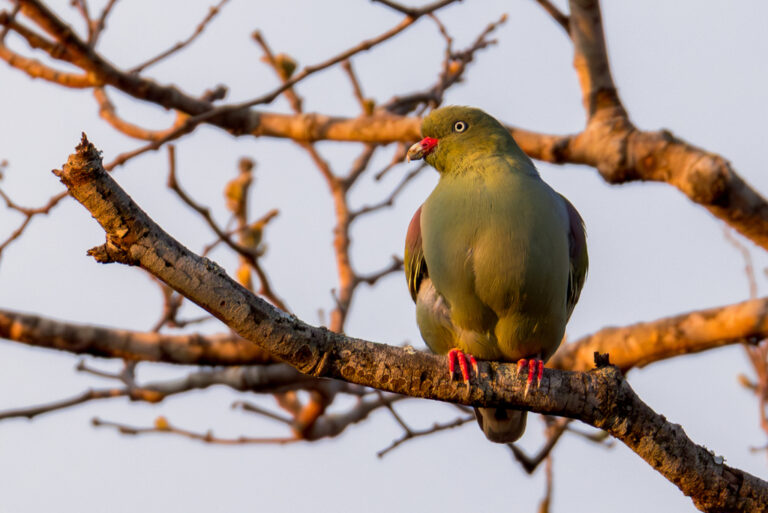
Treron calvus
♥
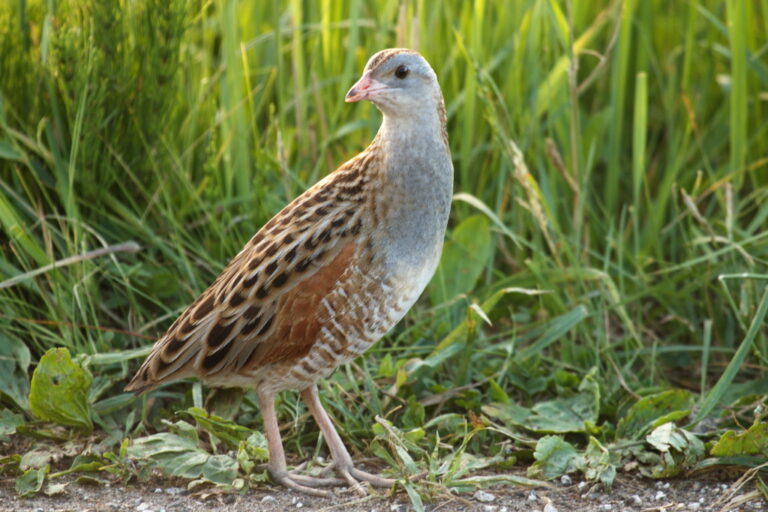
Crex crex
♥
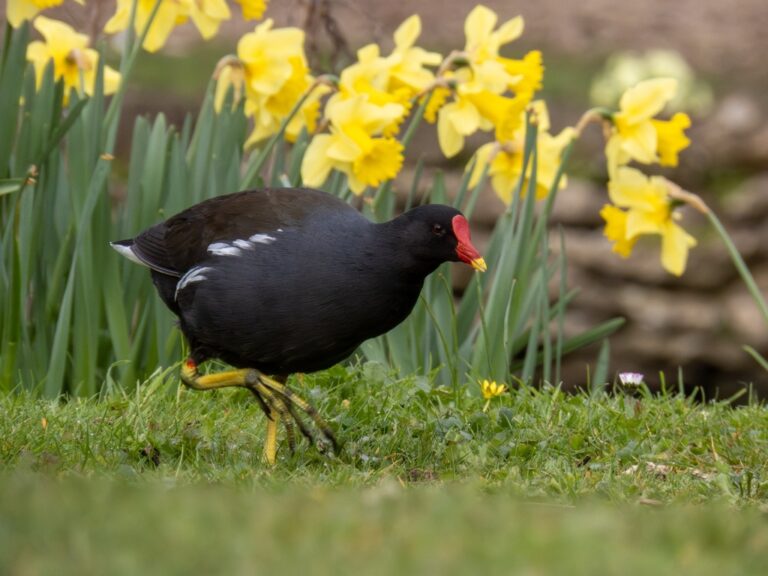
Gallinula chloropus
♥
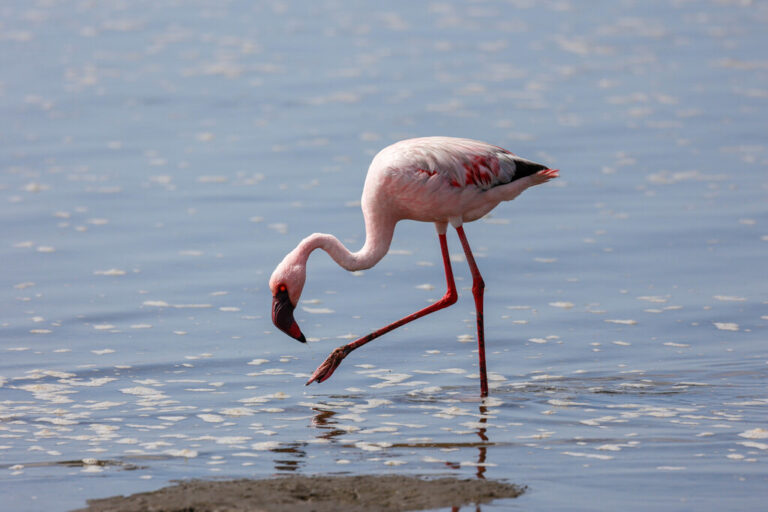
Phoeniconaias minor
♥
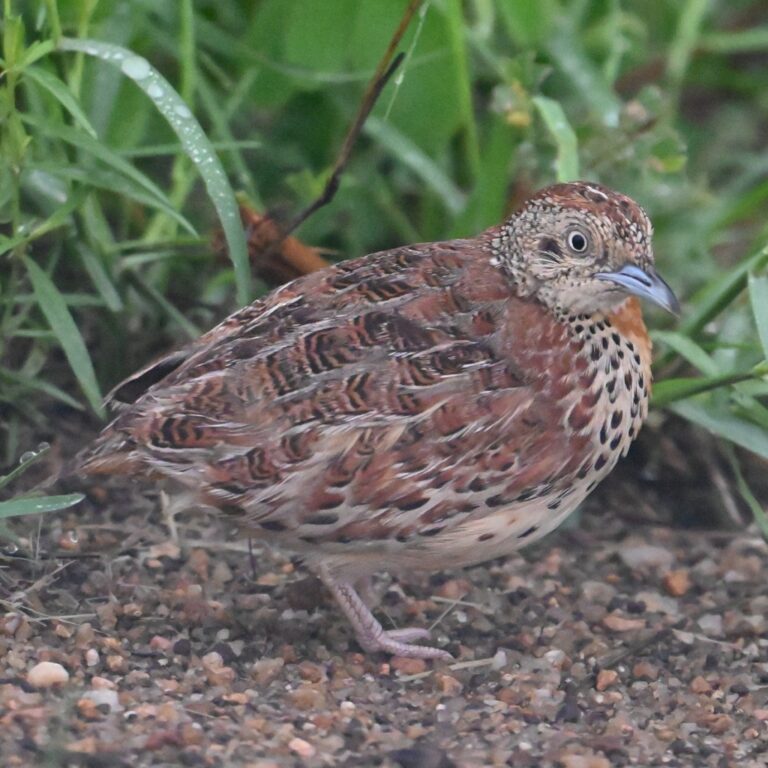
Turnix sylvaticus
♥
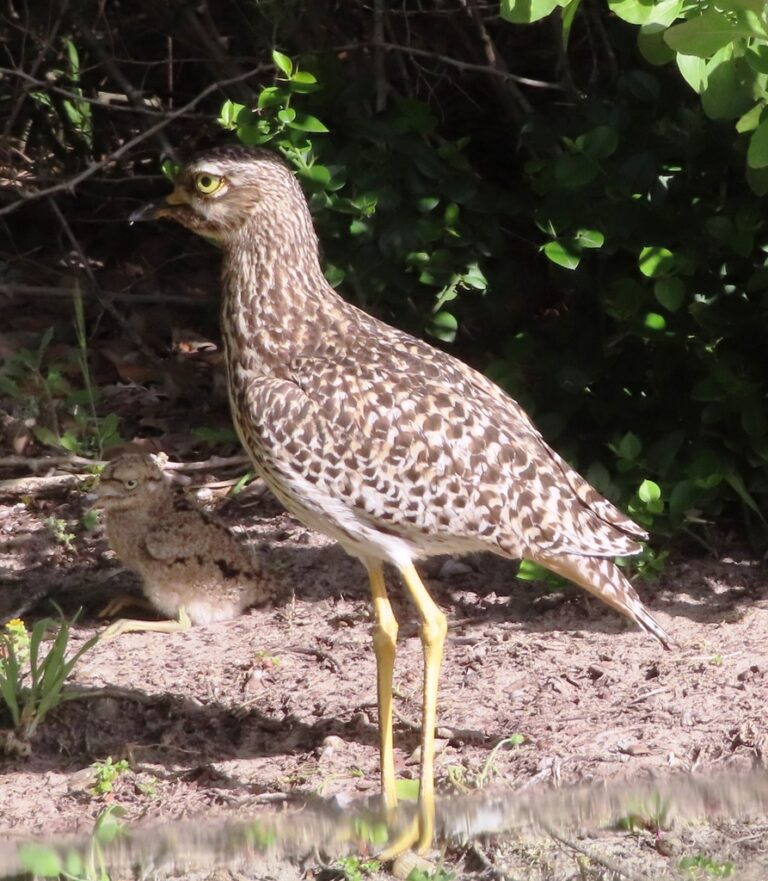
Burhinus capensis
♥
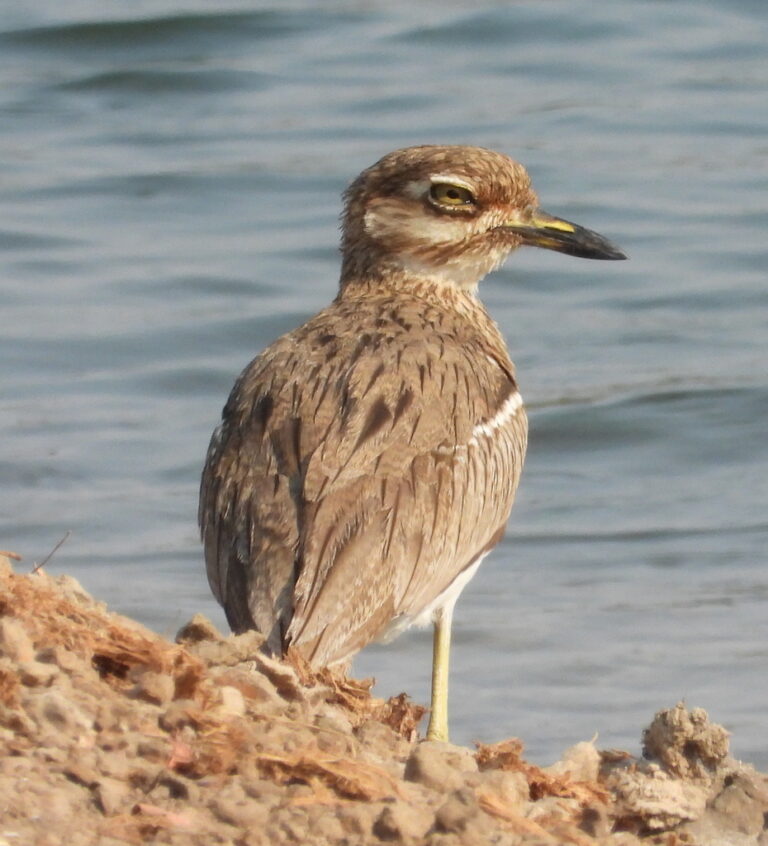
Burhinus vermiculatus
♥
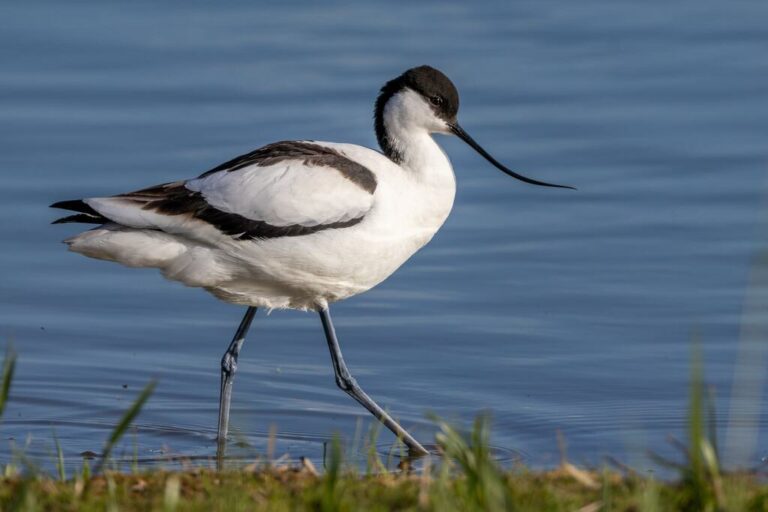
Recurvirostra avosetta
♥
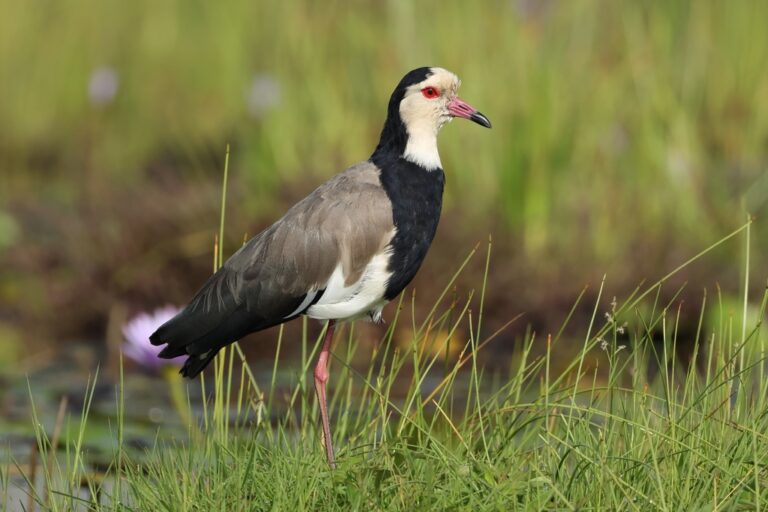
Vanellus crassirostris
♥
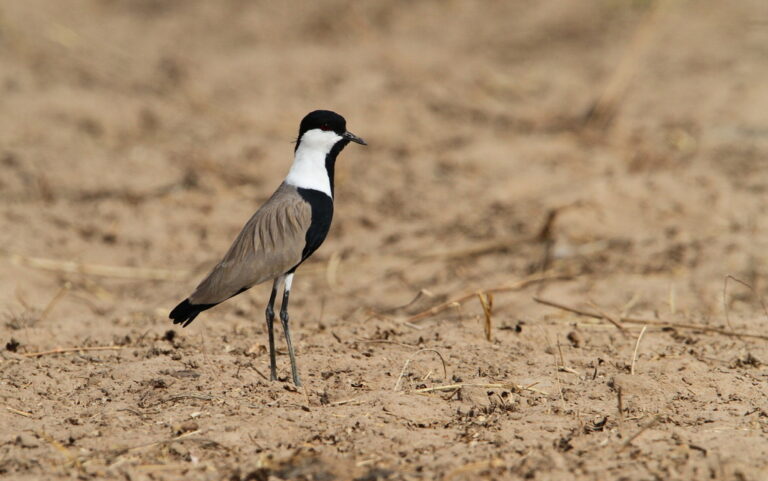
Vanellus spinosus
♥
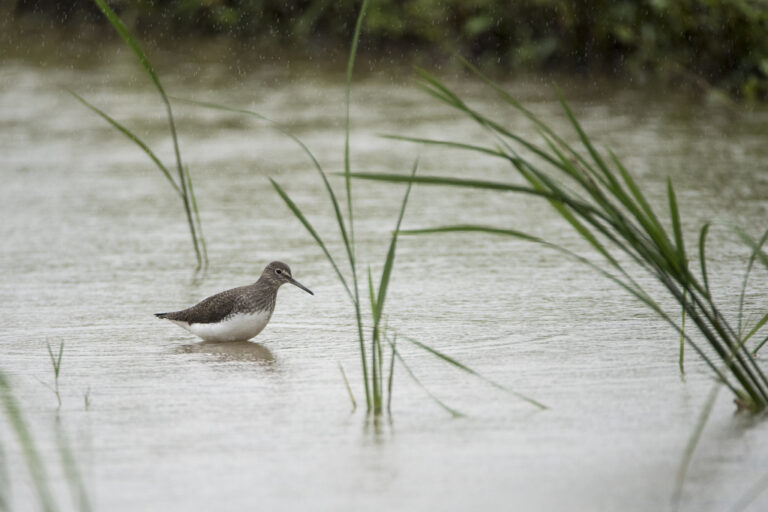
Tringa ochropus
♥
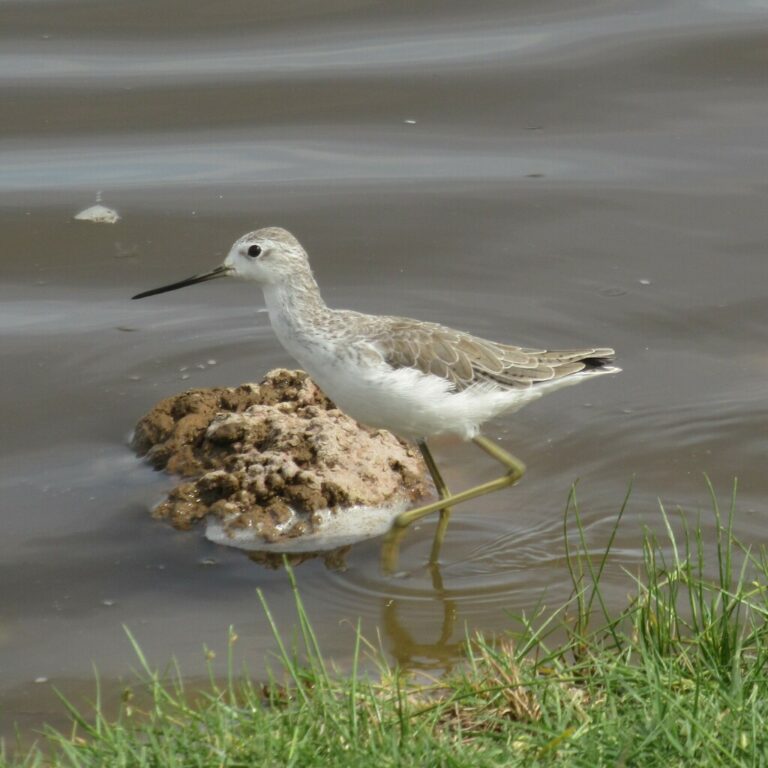
Tringa stagnatilis
♥
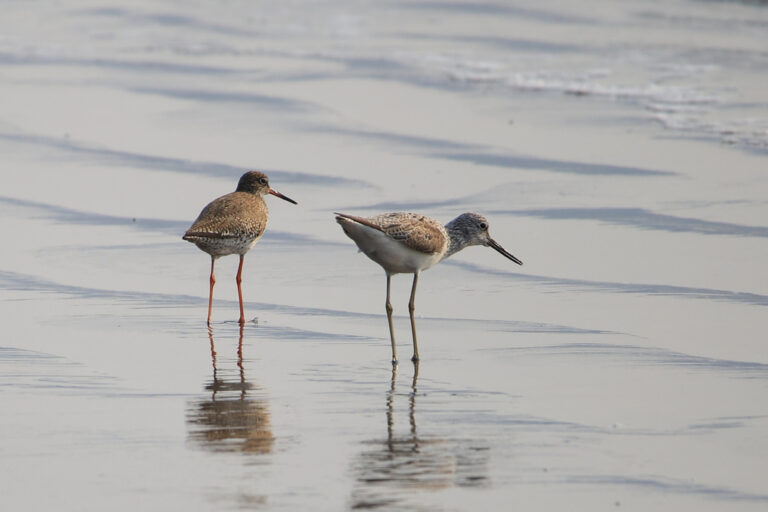
Tringa nebularia
♥
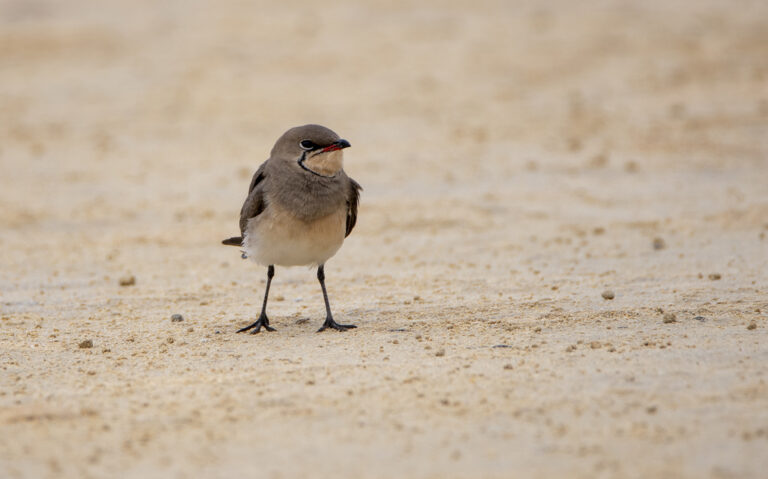
Glareola pratincola
♥
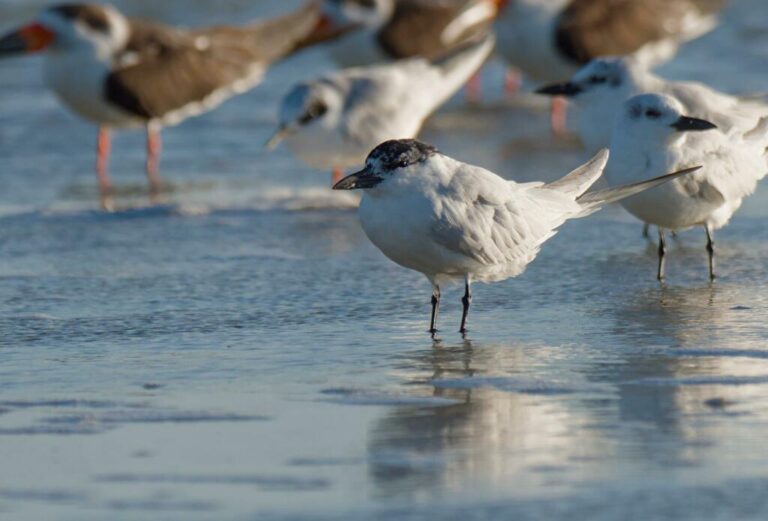
Gelochelidon nilotica
♥
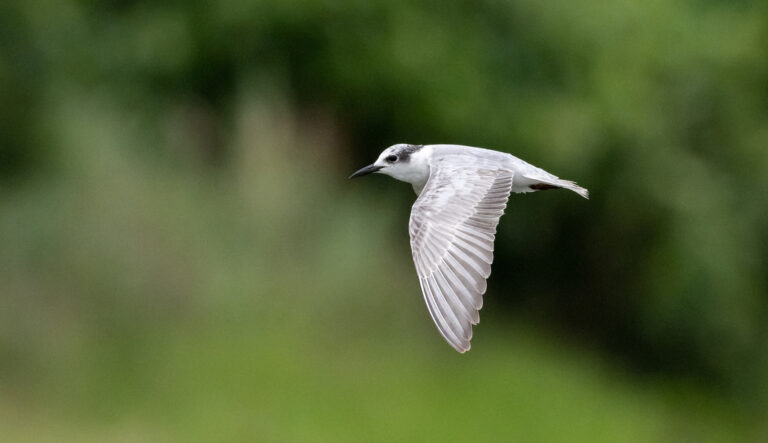
Chlidonias hybrida
♥
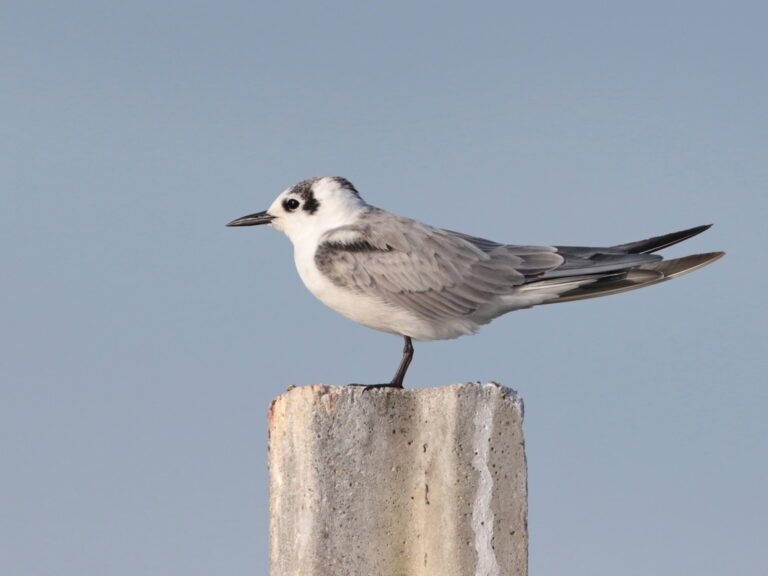
Chlidonias leucopterus
♥
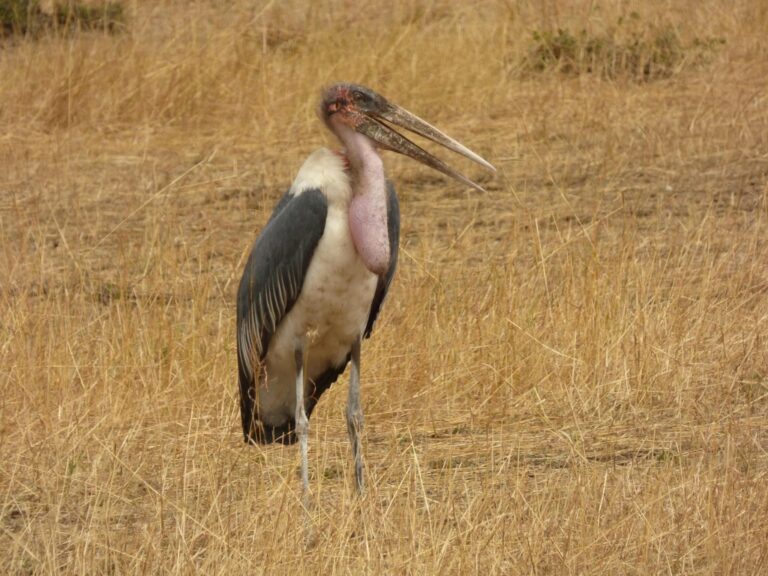
Leptoptilos crumenifer
♥
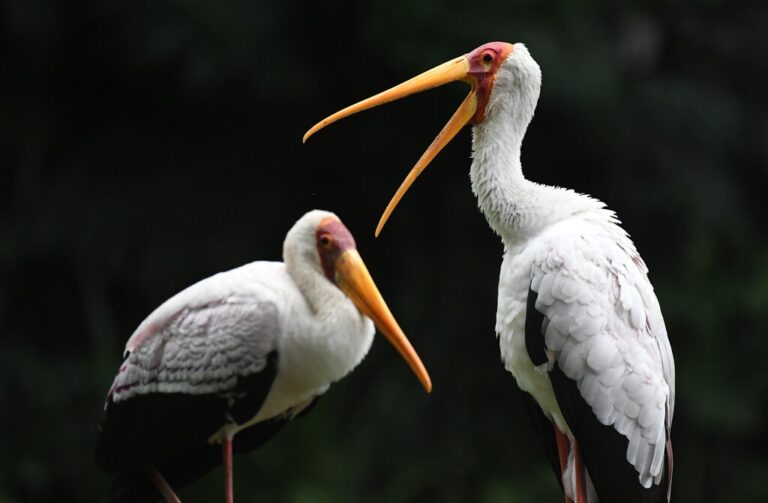
Mycteria ibis
♥
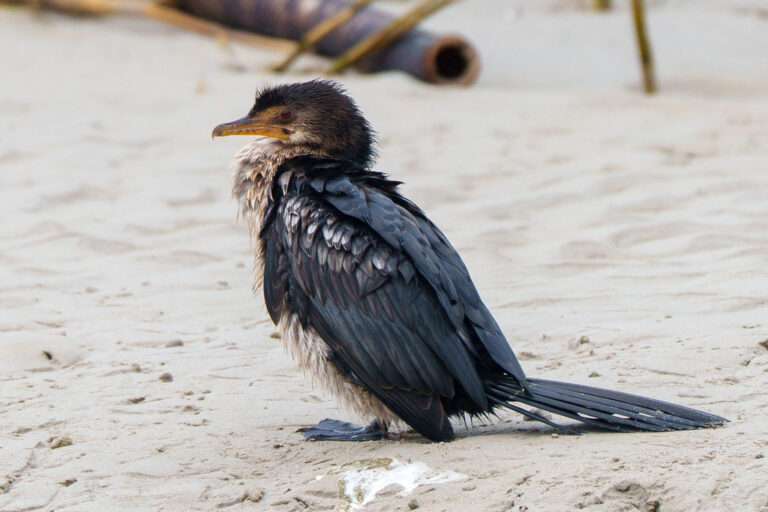
Microcarbo africanus
♥
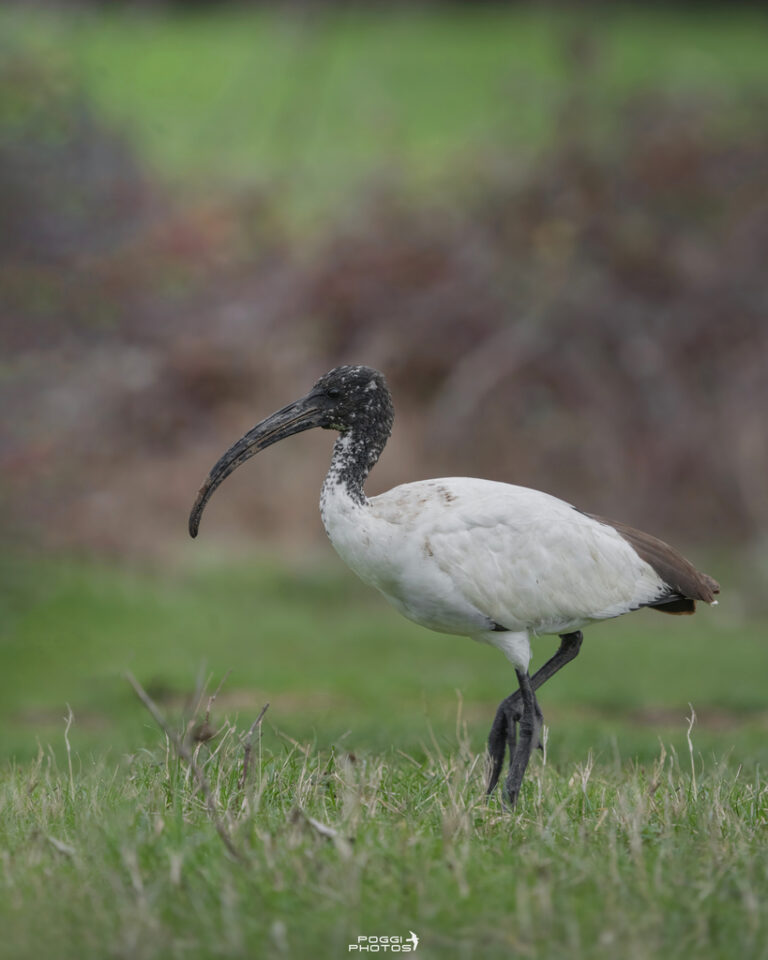
Threskiornis aethiopicus
♥
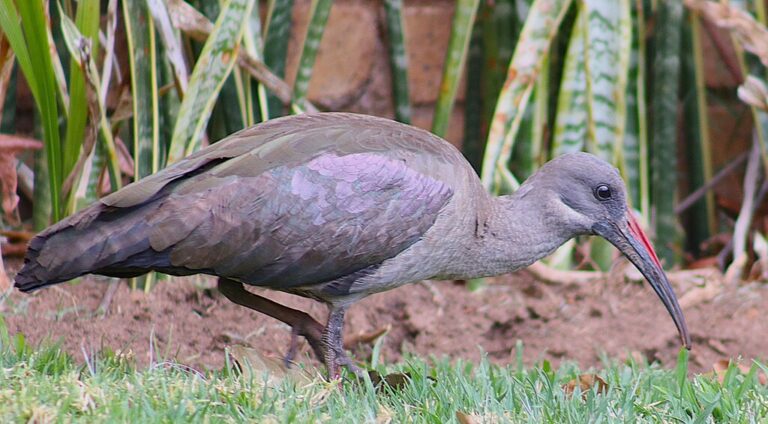
Bostrychia hagedash
♥
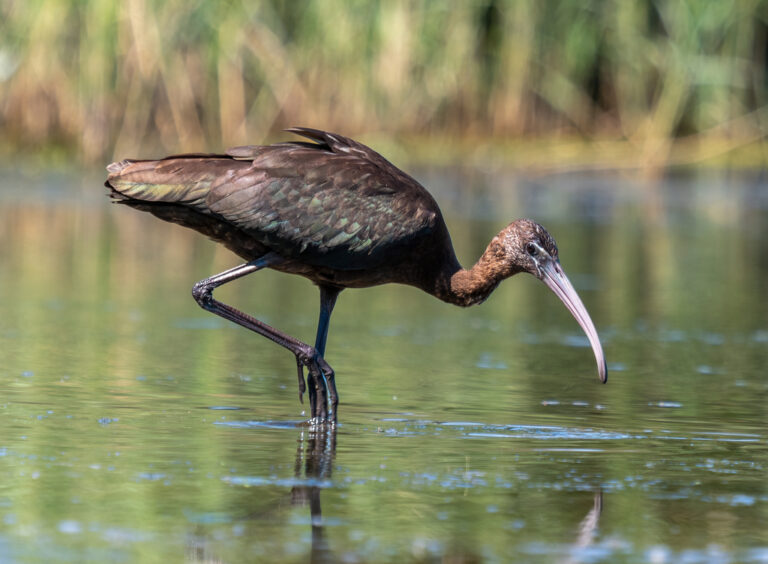
Plegadis falcinellus
♥
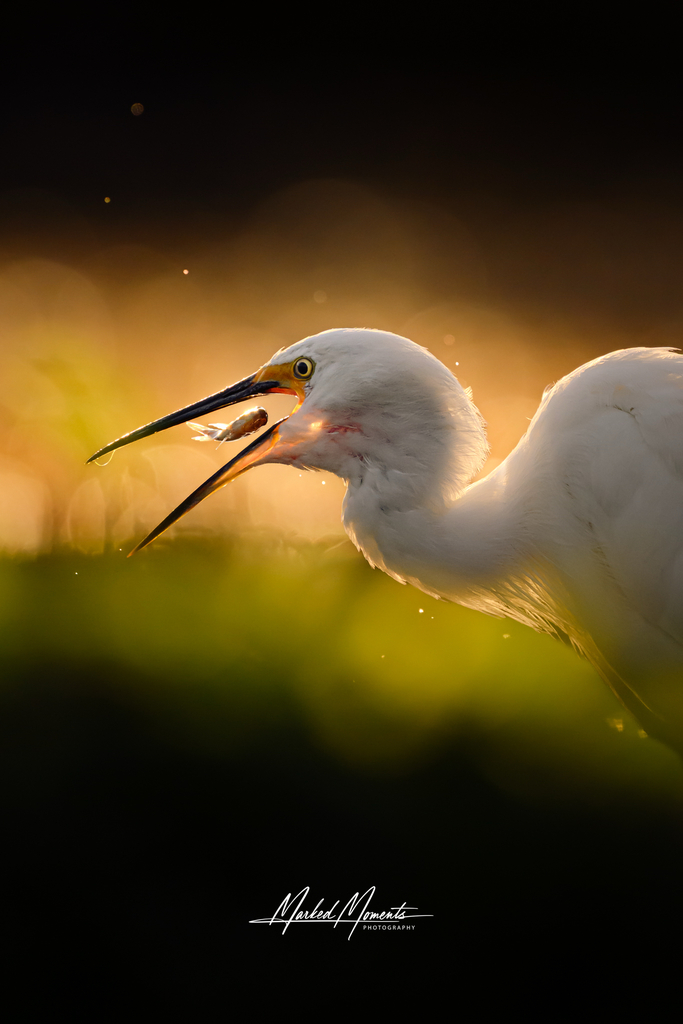
Egretta garzetta
♥
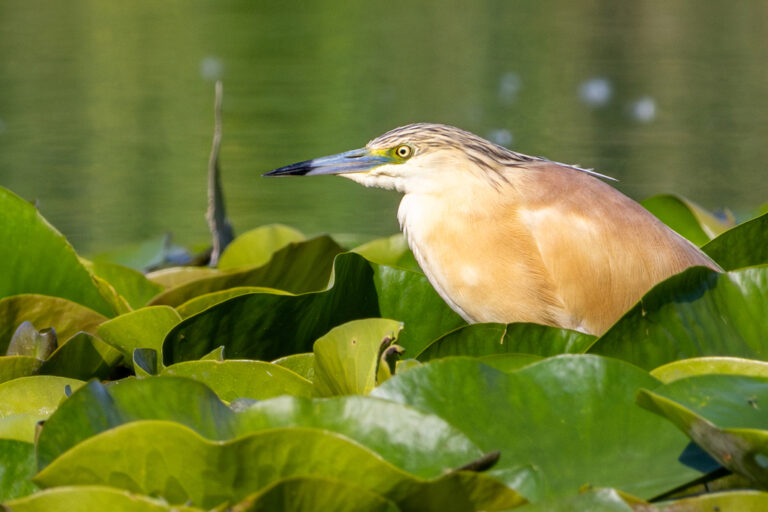
Ardeola ralloides
♥
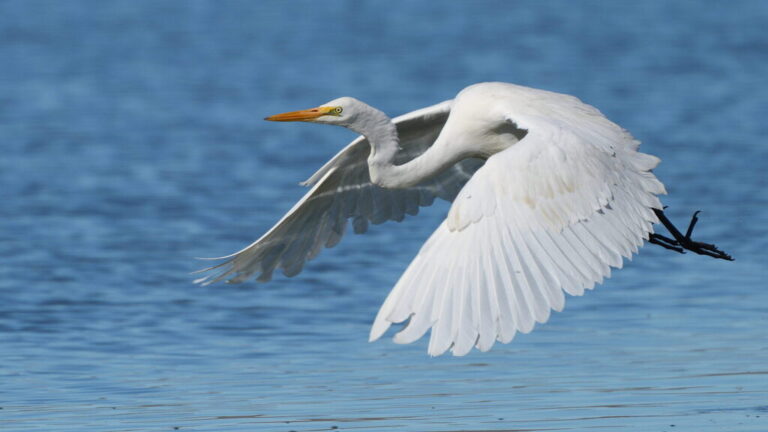
Ardea alba
♥
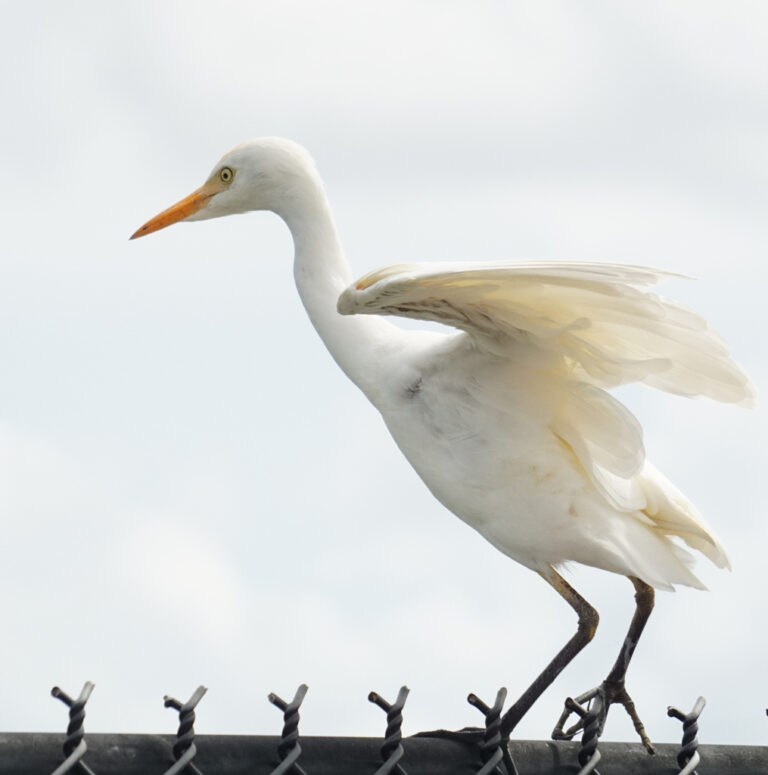
Ardea ibis
♥
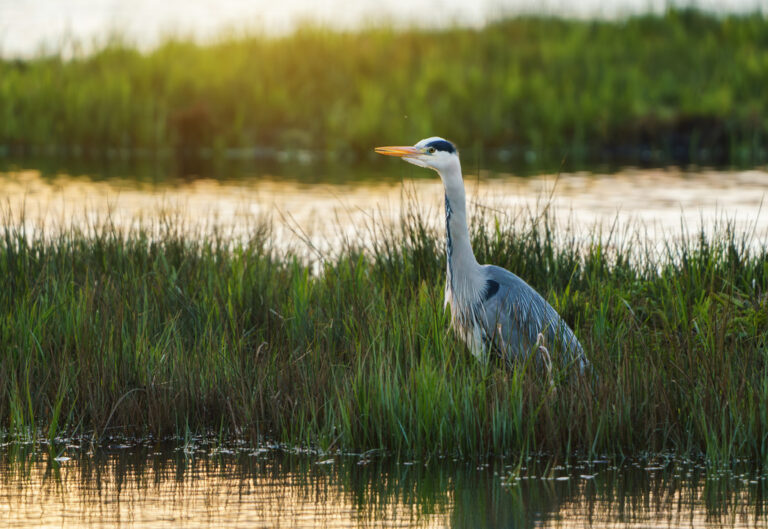
Ardea cinerea
♥
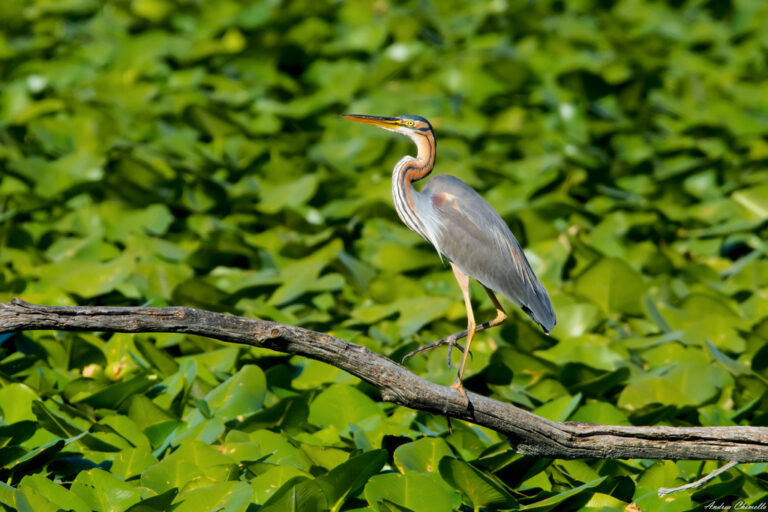
Ardea purpurea
♥
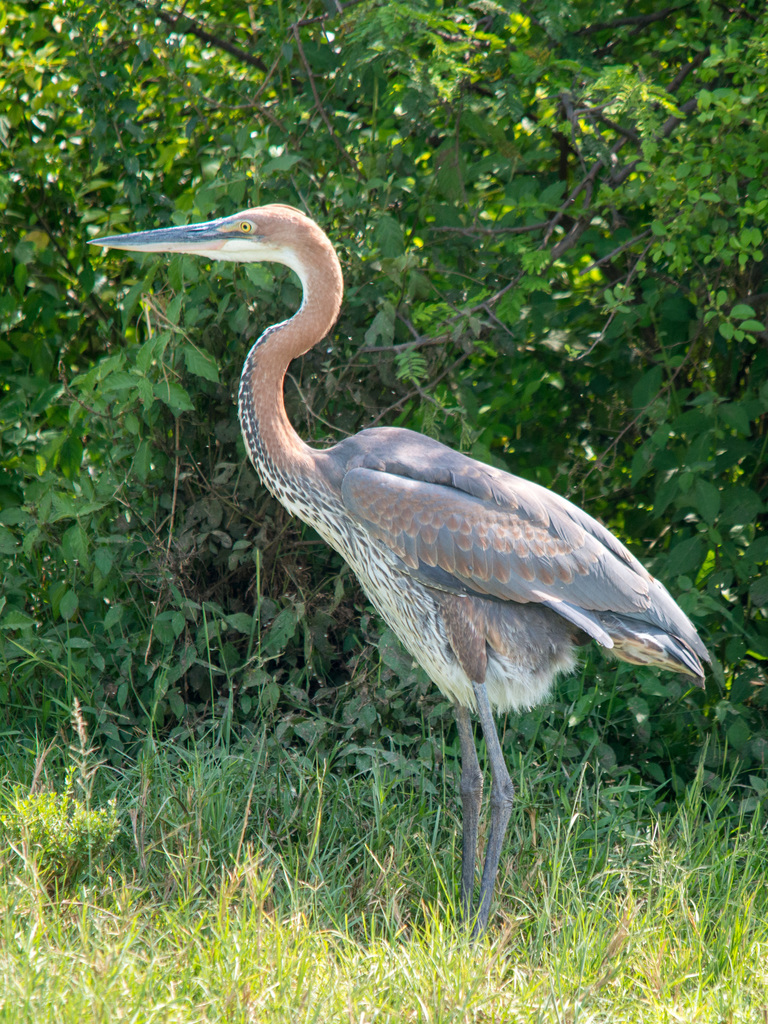
Ardea goliath
♥
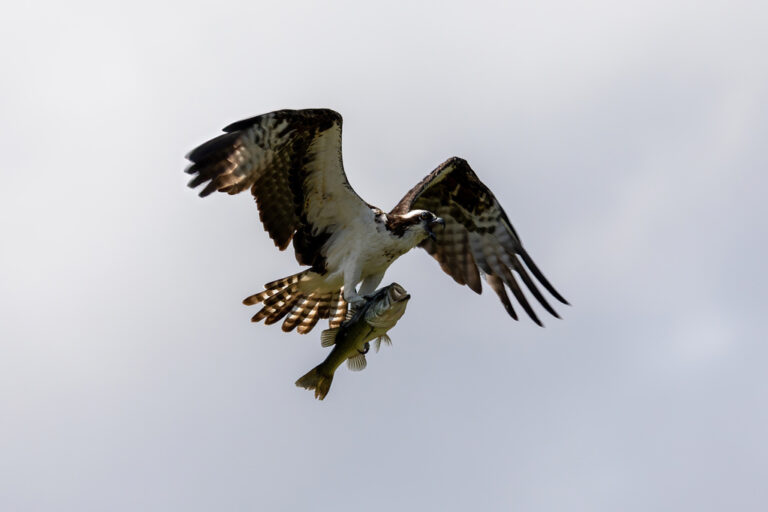
Pandion haliaetus
♥
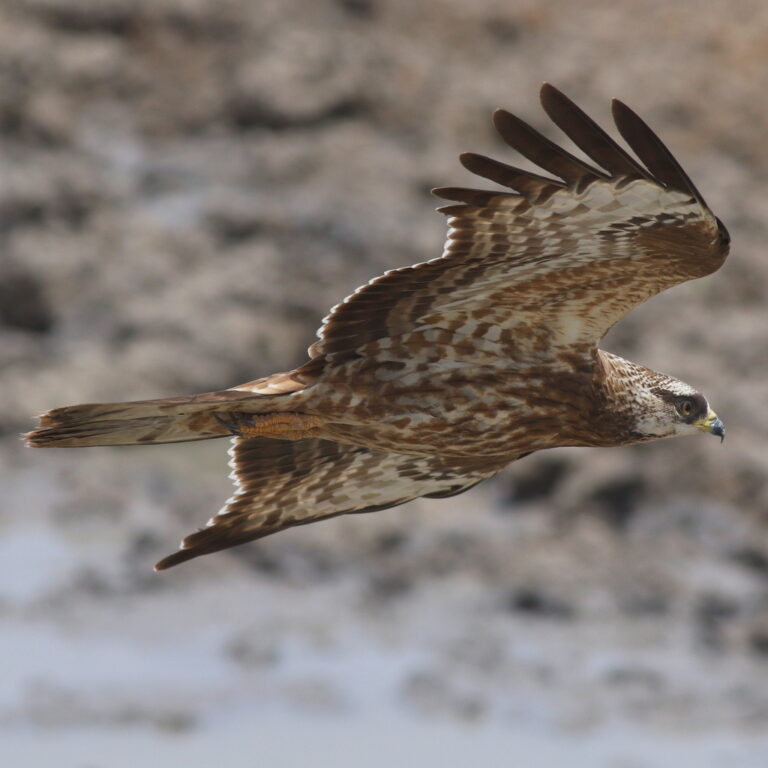
Pernis apivorus
♥
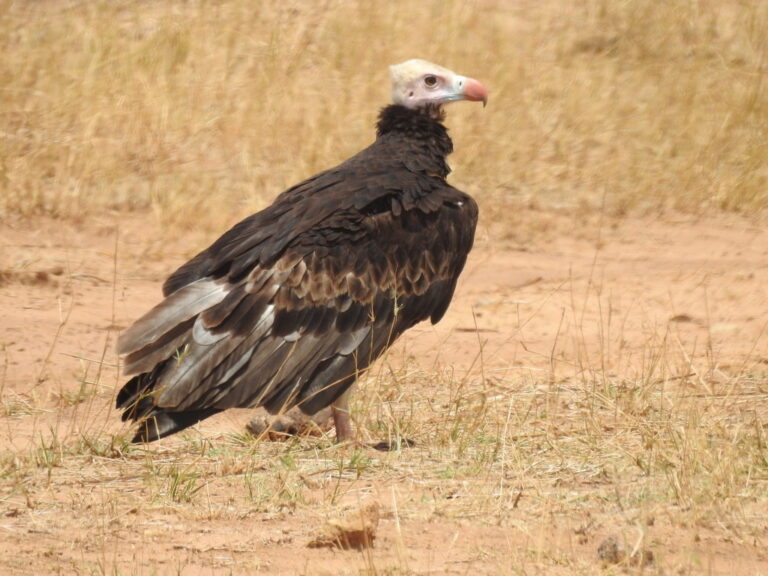
Trigonoceps occipitalis
♥
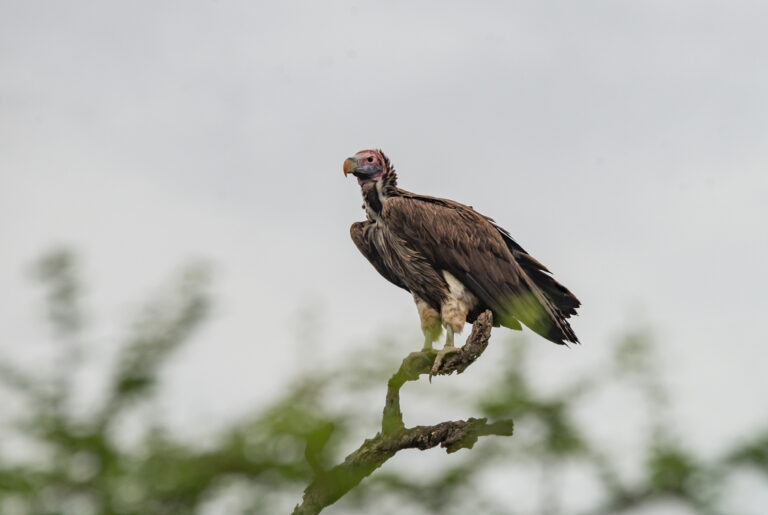
Torgos tracheliotos
♥
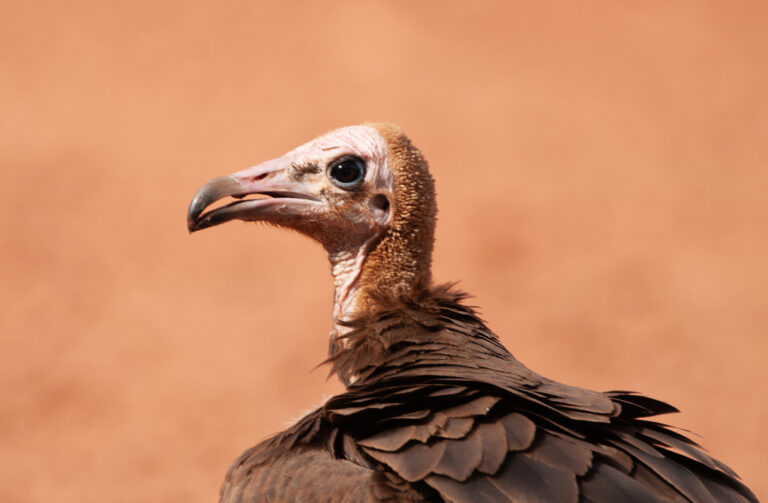
Necrosyrtes monachus
♥
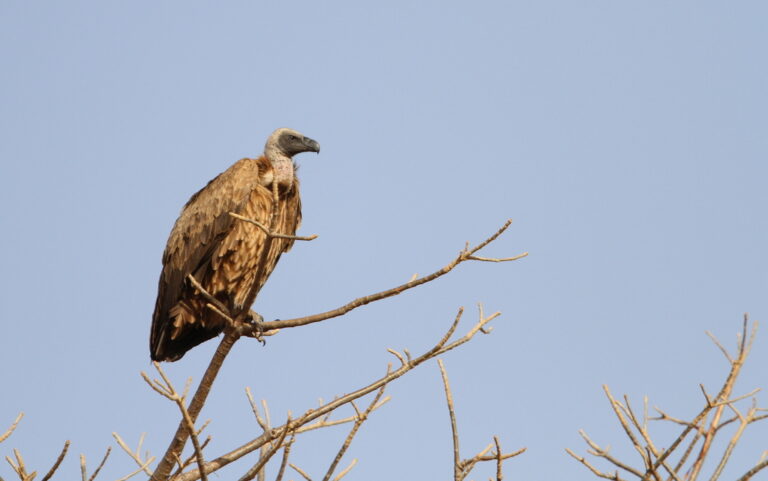
Gyps africanus
♥
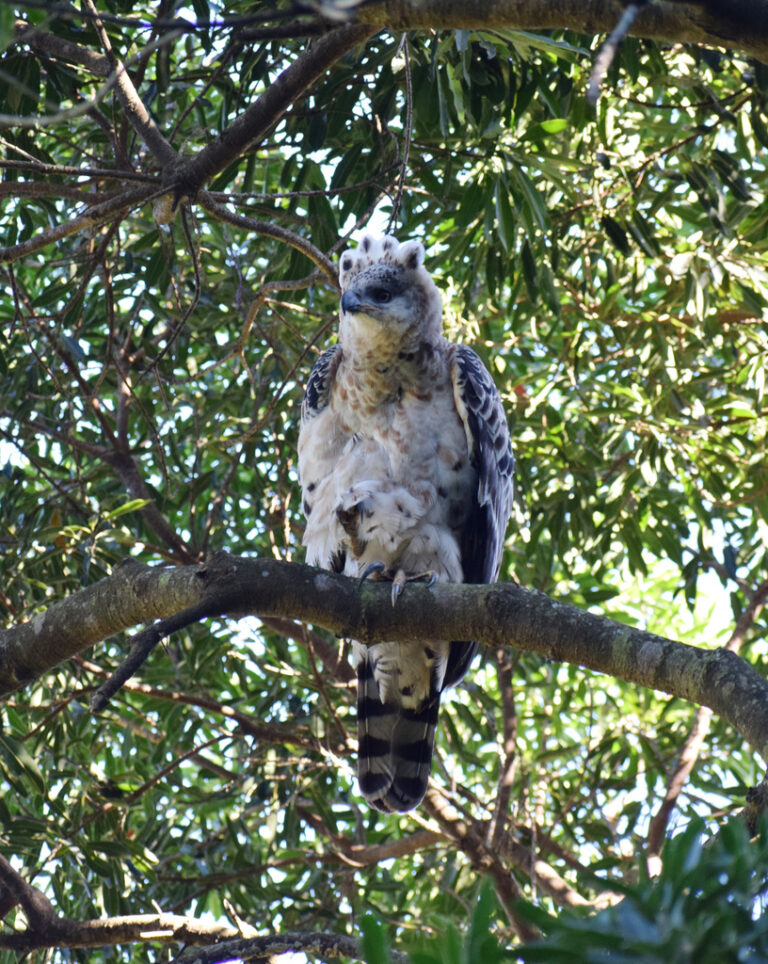
Stephanoaetus coronatus
♥
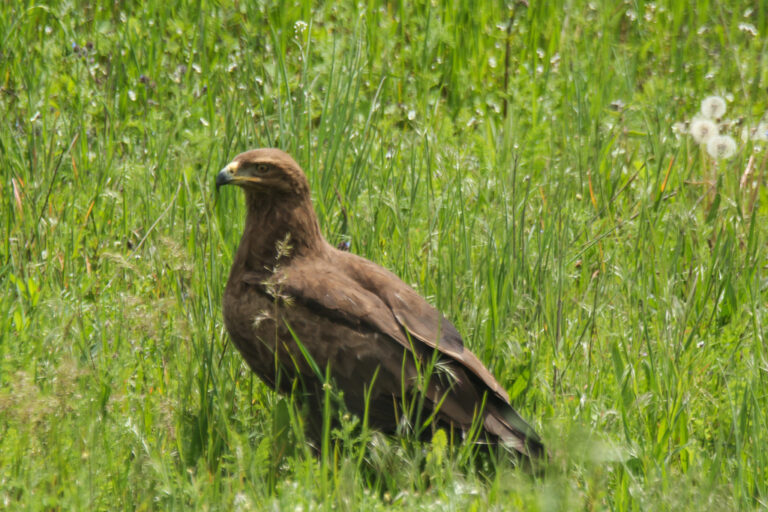
Clanga pomarina
♥
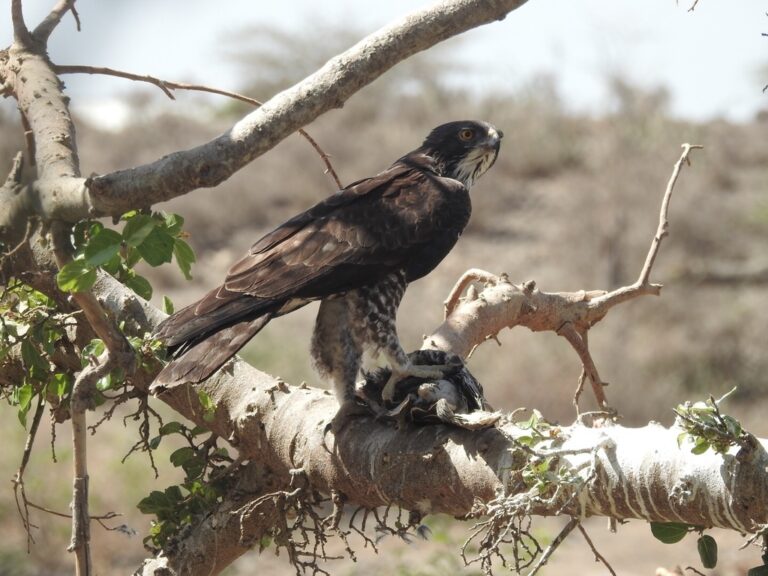
Hieraaetus ayresii
♥
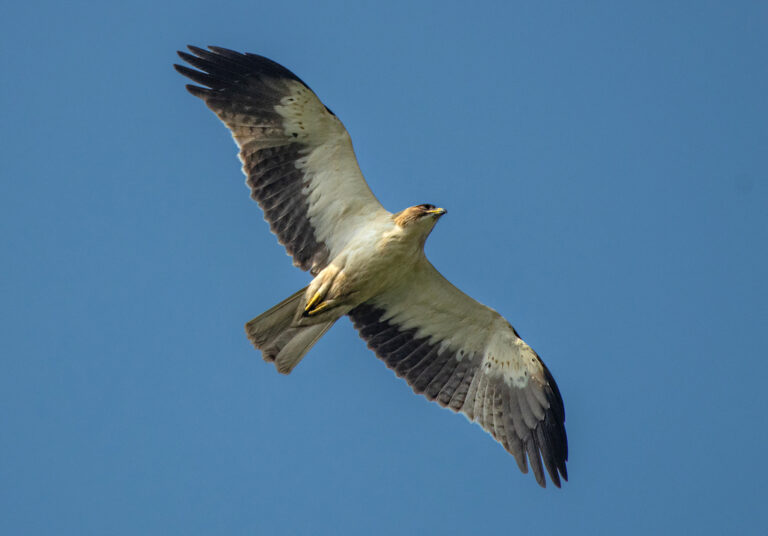
Hieraaetus pennatus
♥
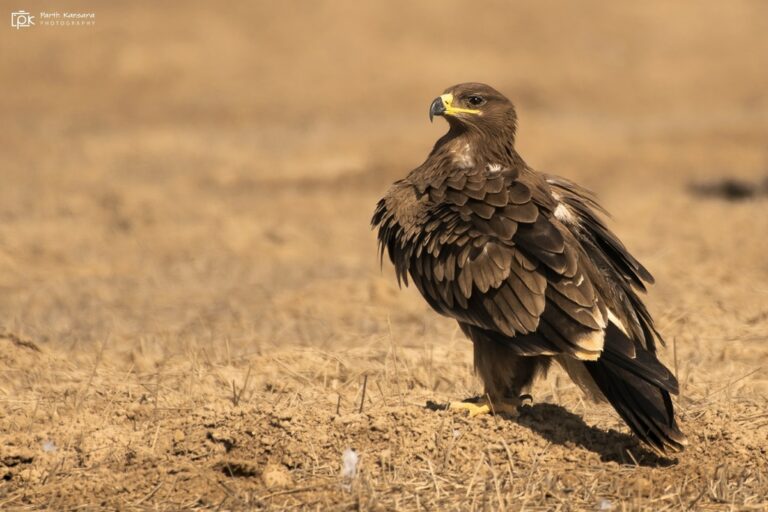
Aquila nipalensis
♥
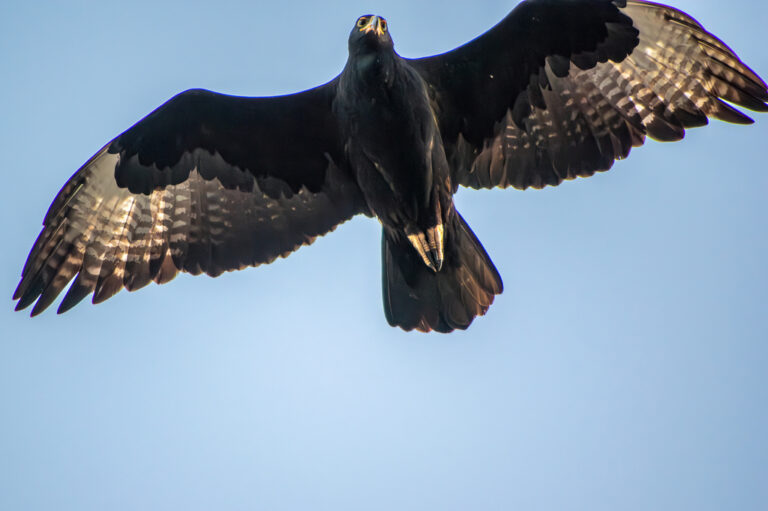
Aquila verreauxii
♥
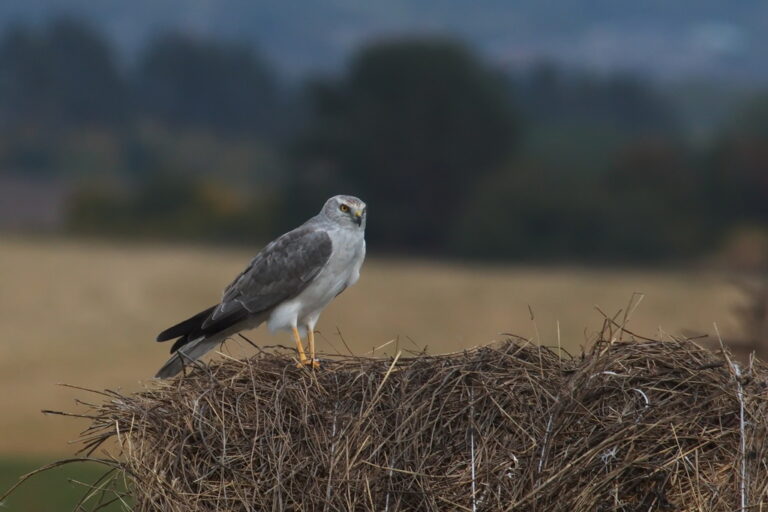
Circus macrourus
♥
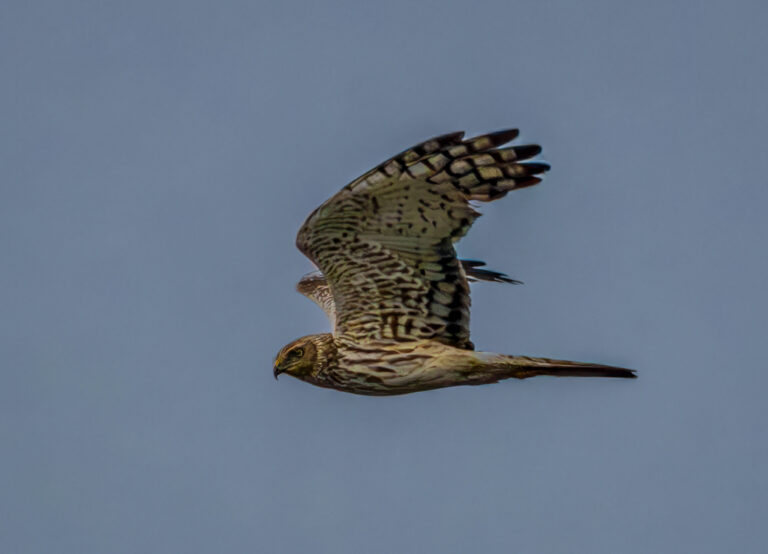
Circus pygargus
♥
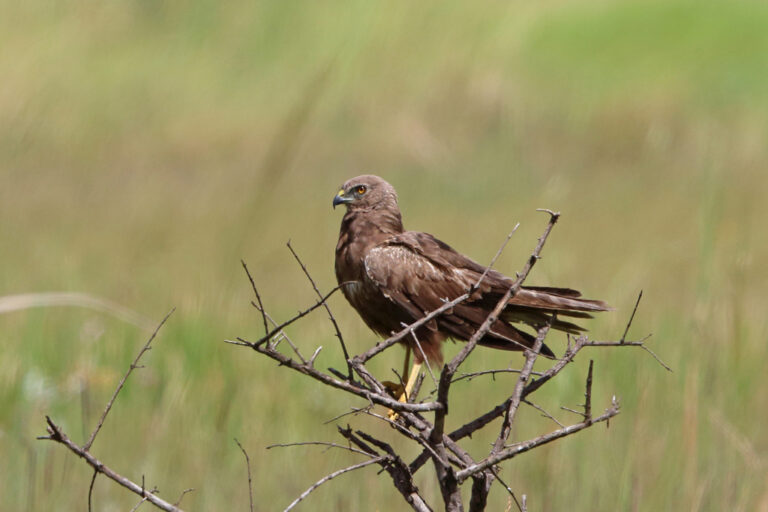
Circus ranivorus
♥
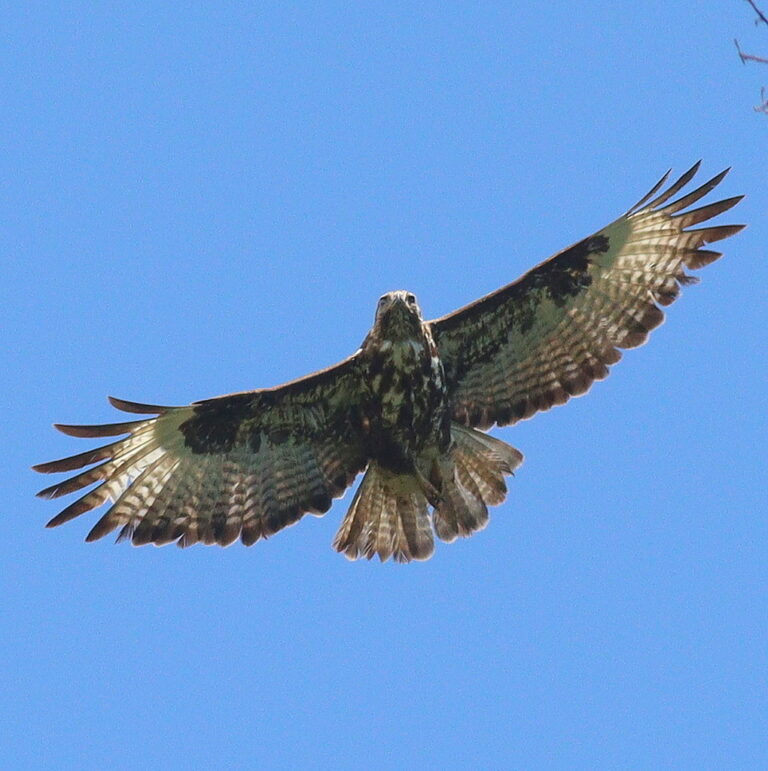
Buteo oreophilus
♥
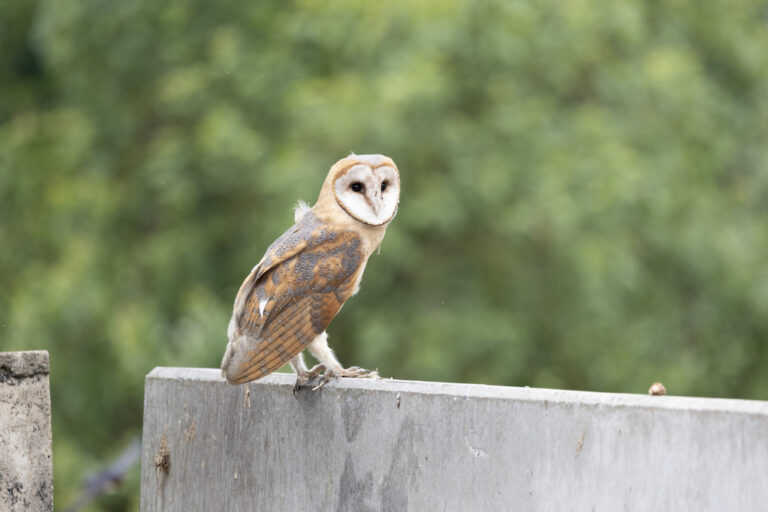
Tyto alba
♥
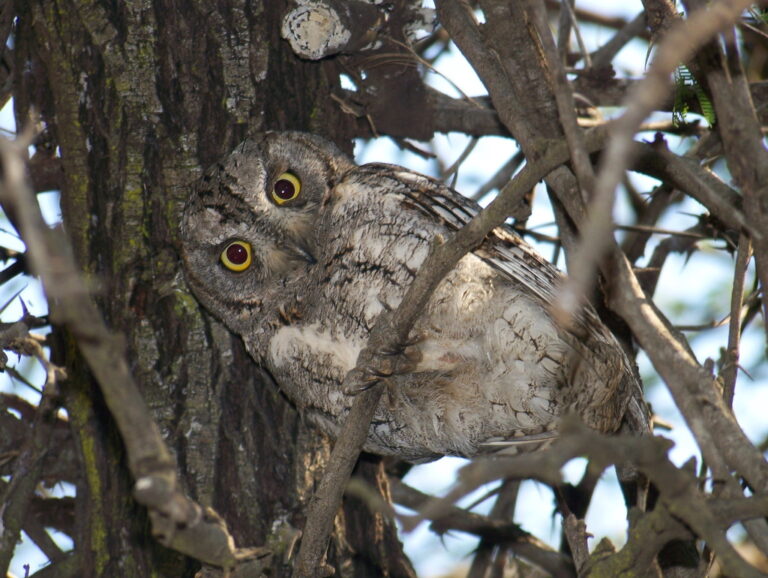
Otus senegalensis
♥
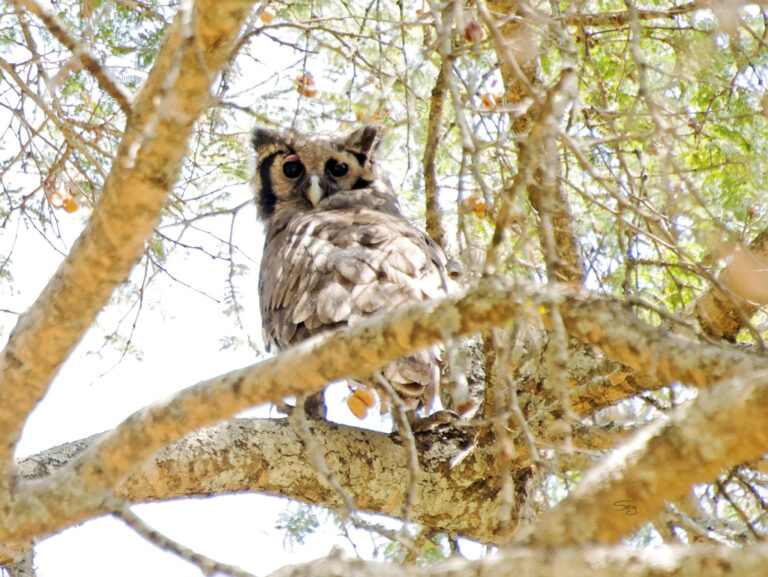
Ketupa lactea
♥
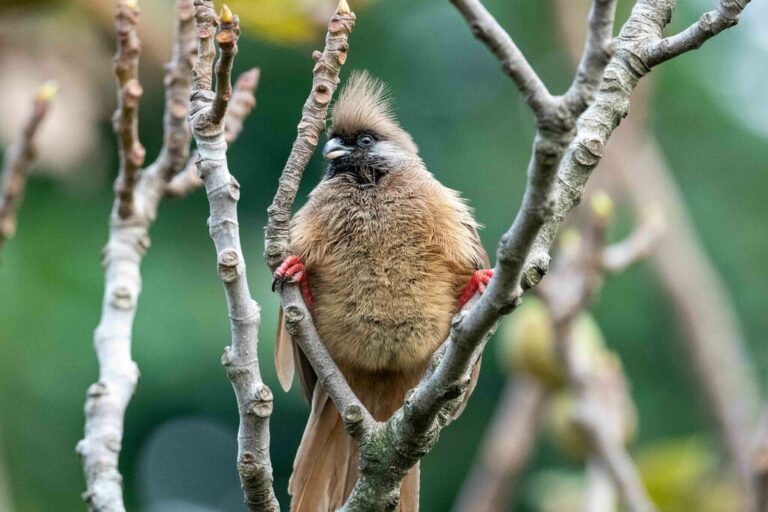
Colius striatus
♥
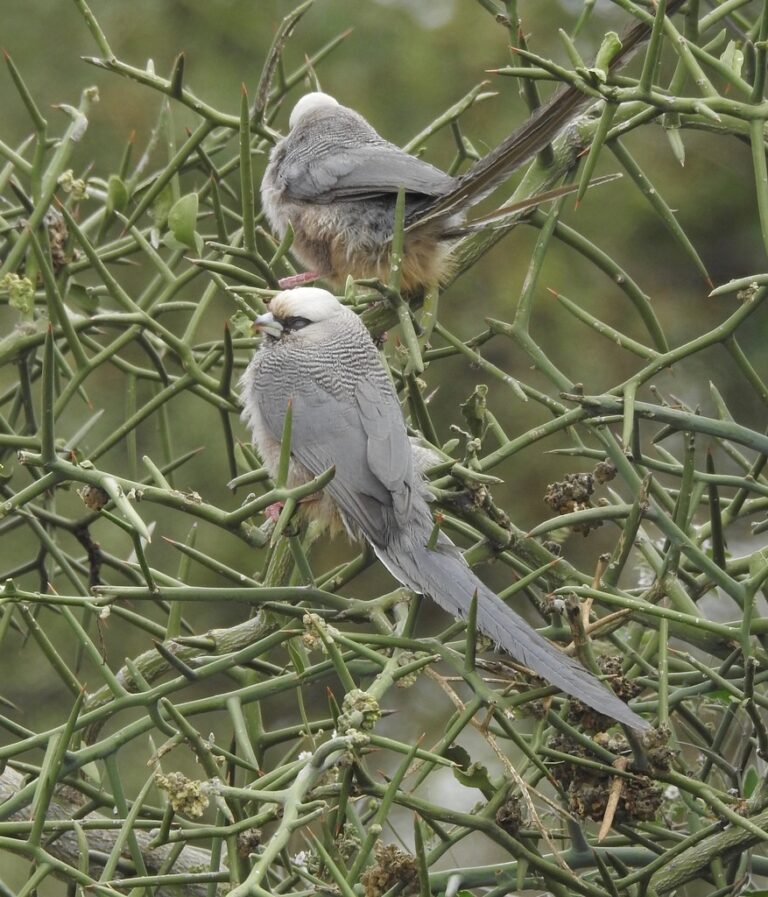
Colius leucocephalus
♥
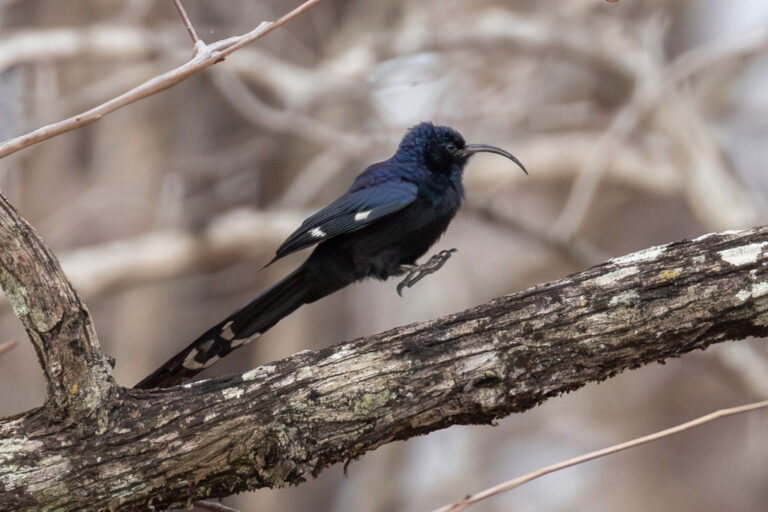
Rhinopomastus cyanomelas
♥
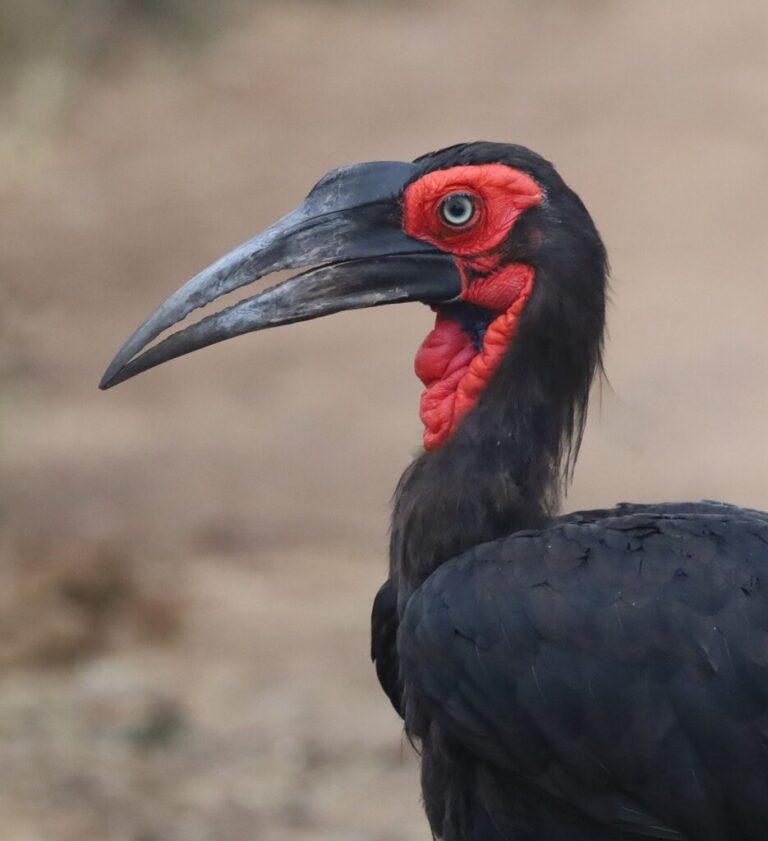
Bucorvus leadbeateri
♥
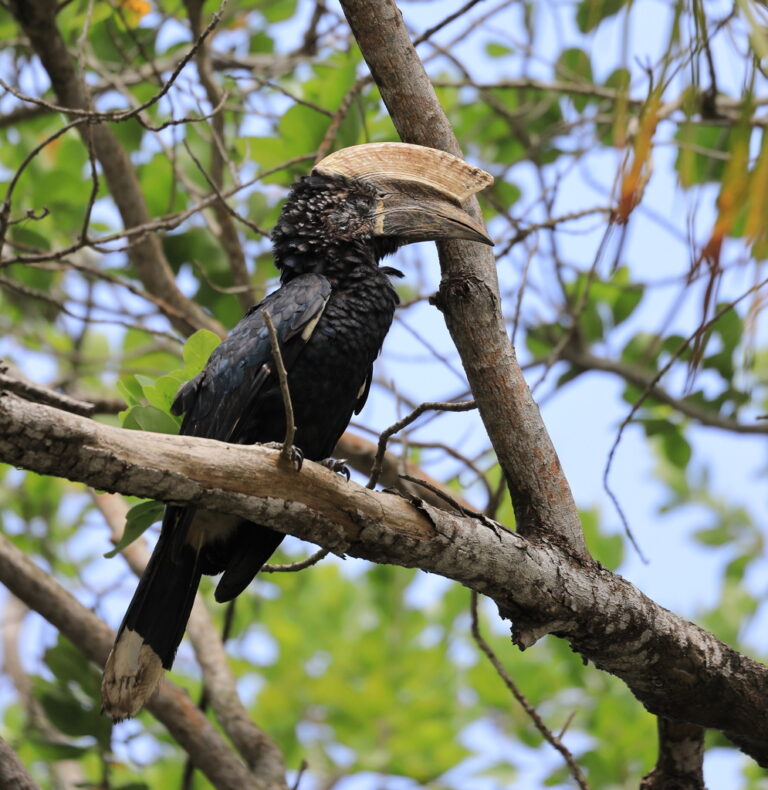
Bycanistes brevis
♥
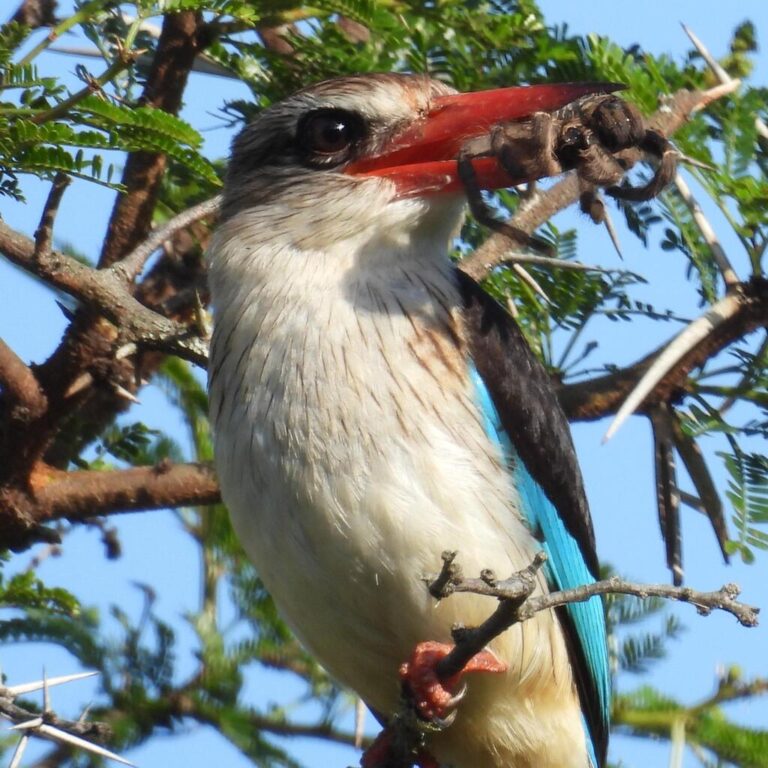
Halcyon albiventris
♥
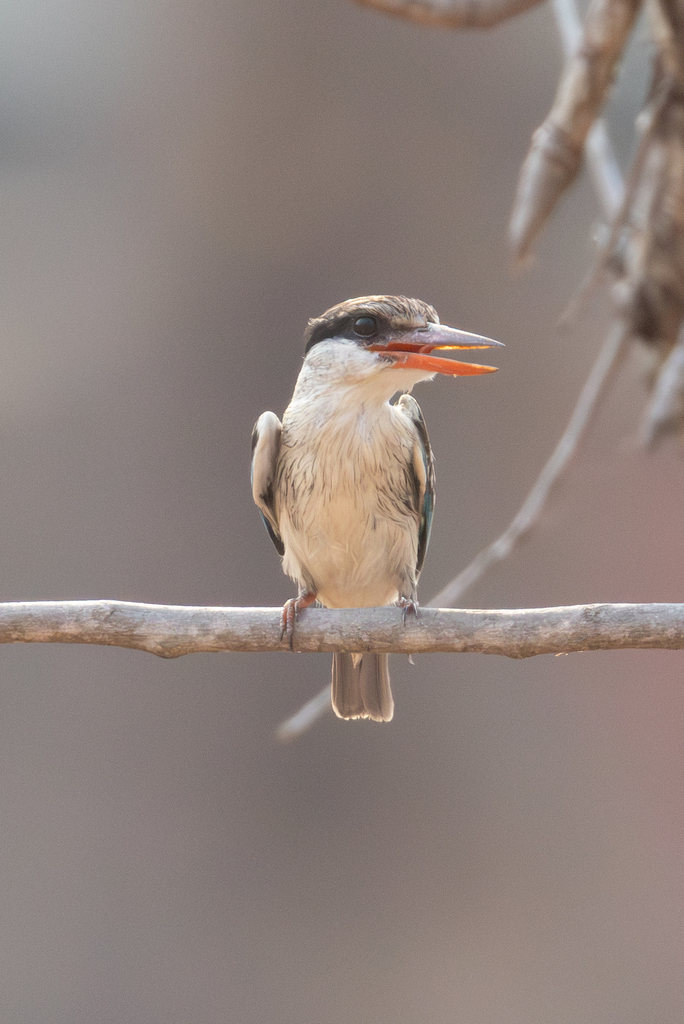
Halcyon chelicuti
♥
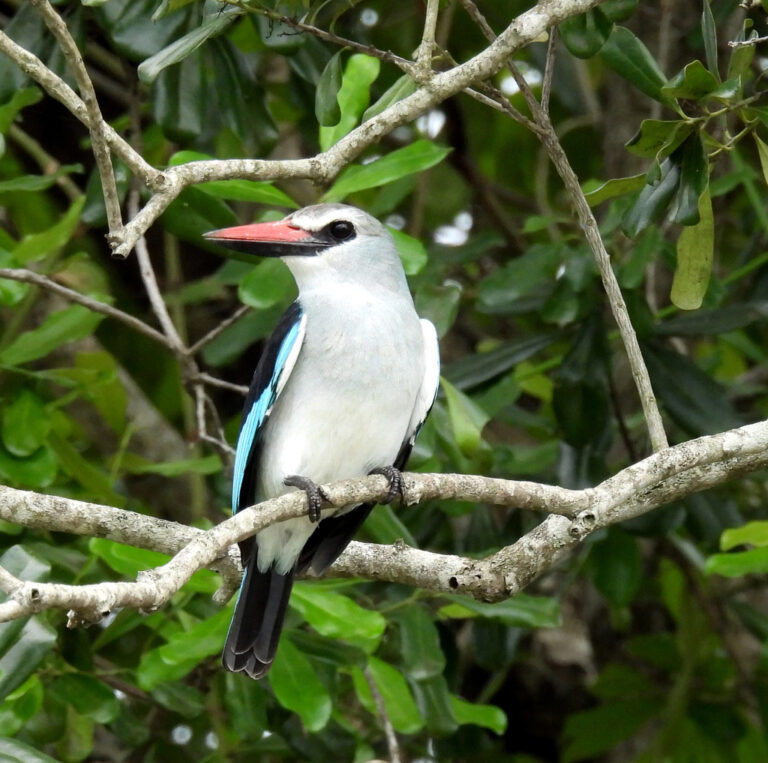
Halcyon senegalensis
♥
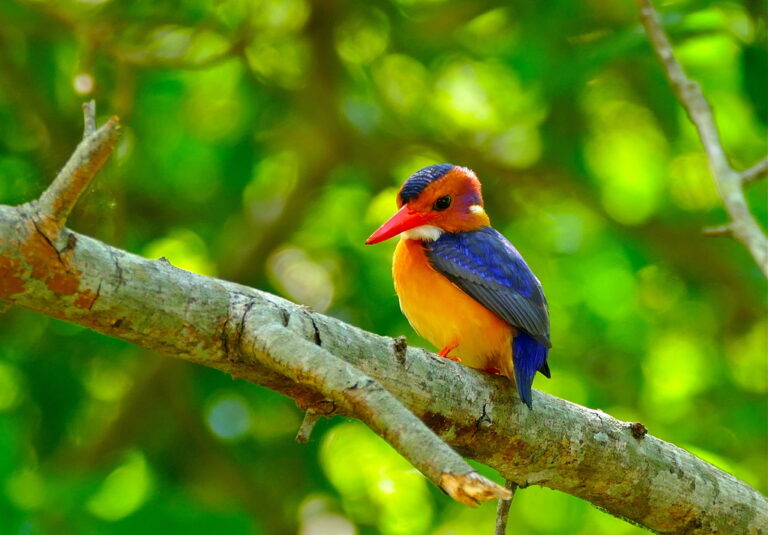
Ispidina picta
♥
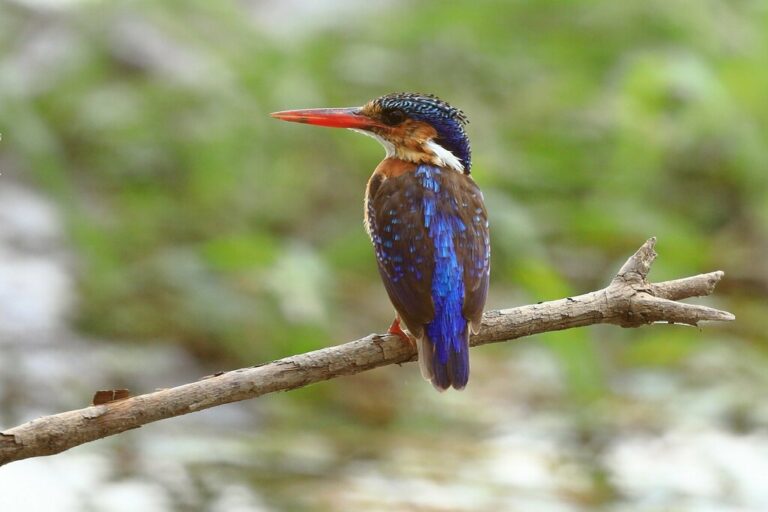
Corythornis cristatus
♥
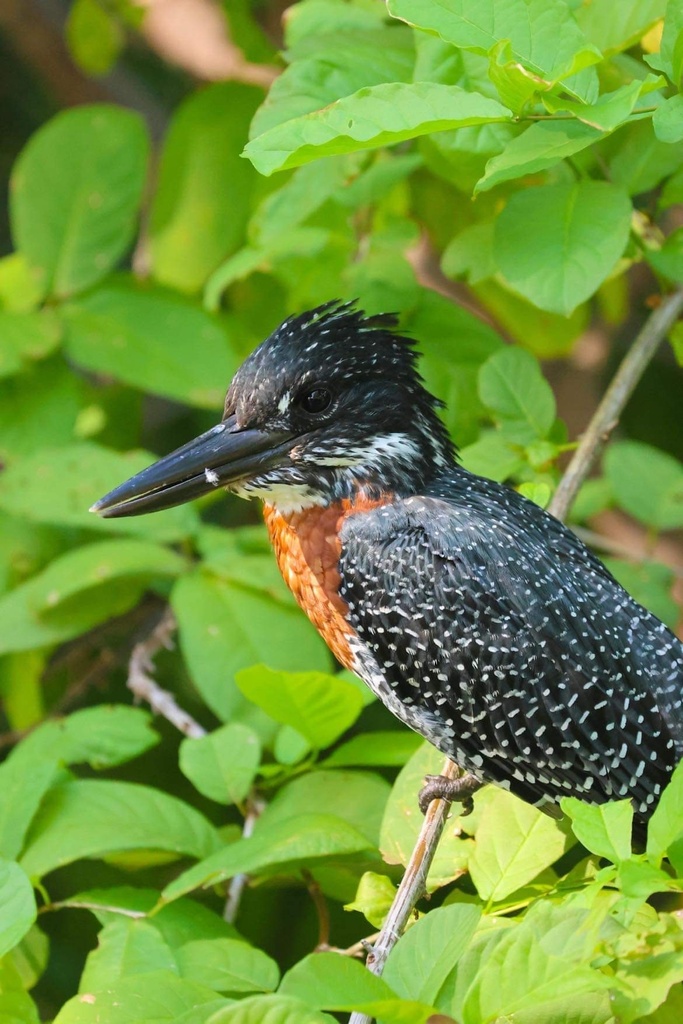
Megaceryle maxima
♥
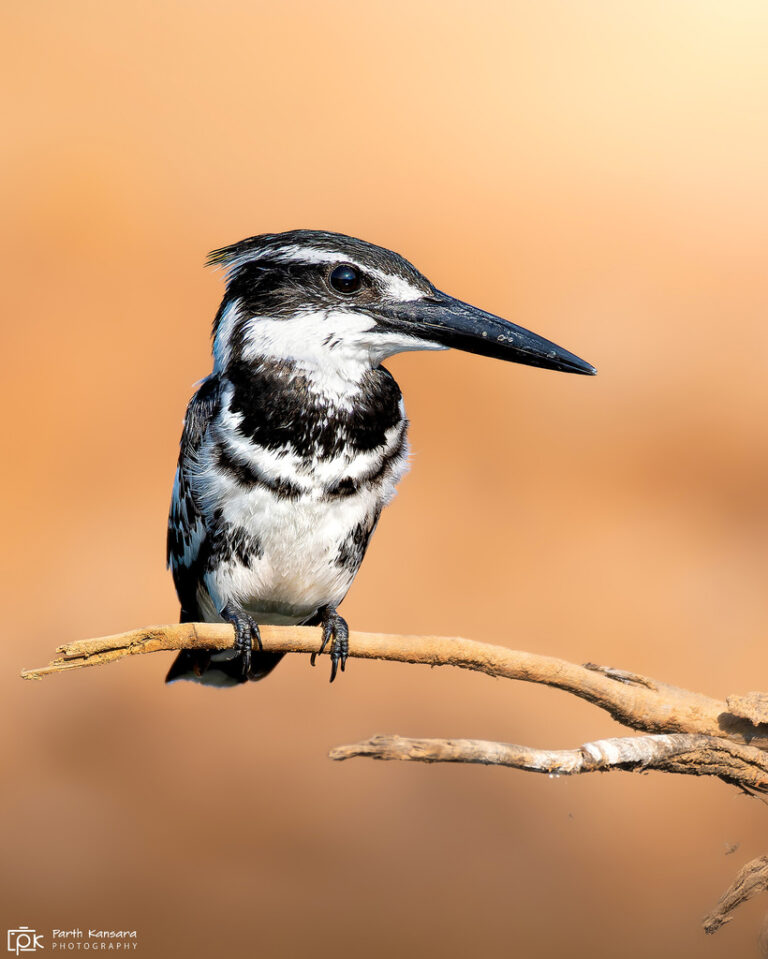
Ceryle rudis
♥
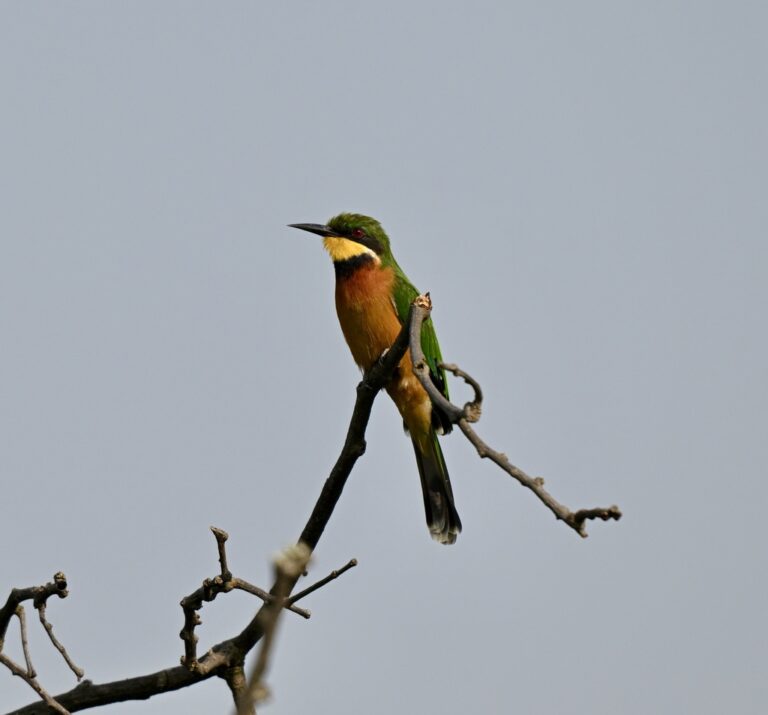
Merops oreobates
♥
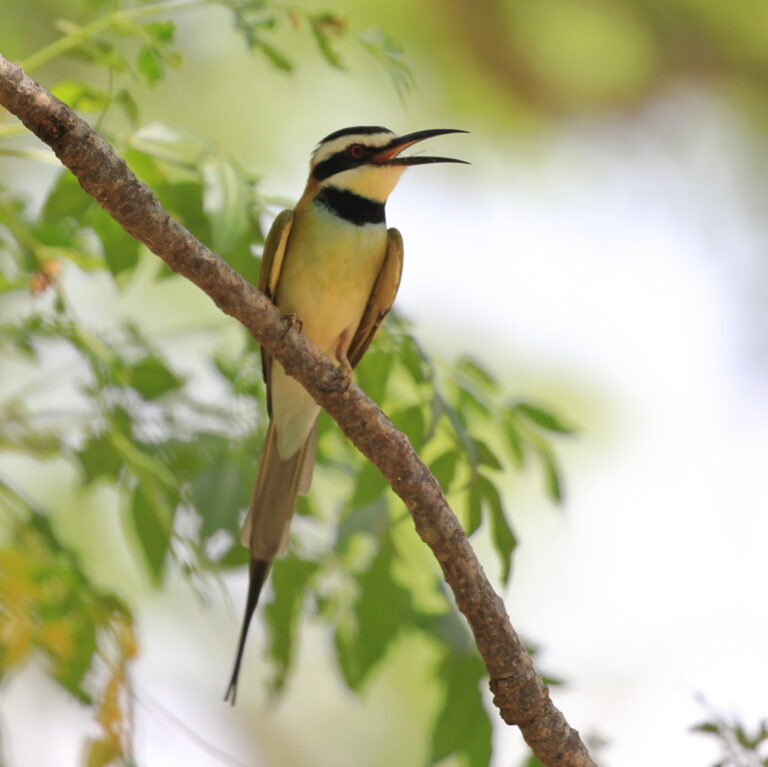
Merops albicollis
♥
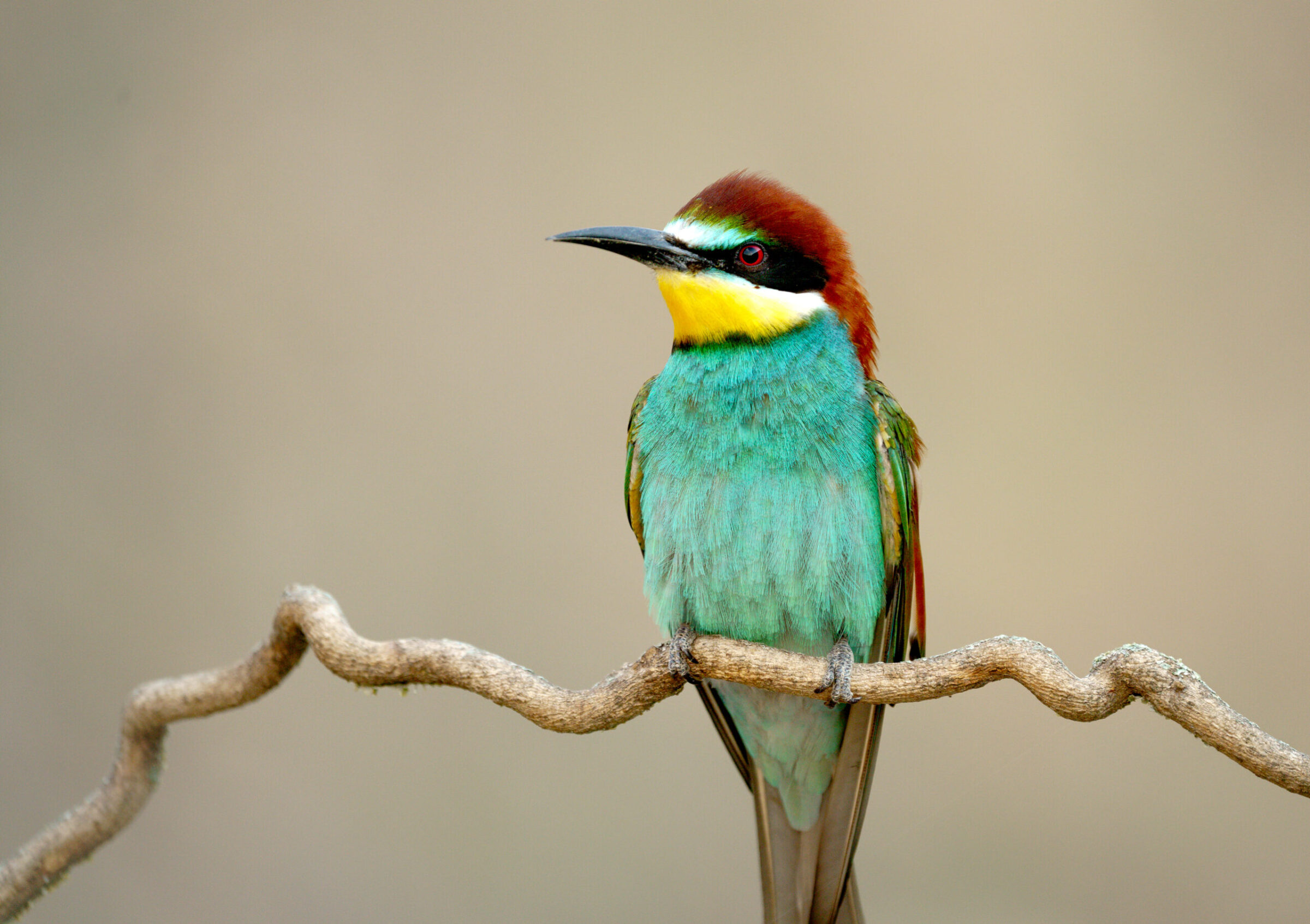
Merops apiaster
♥
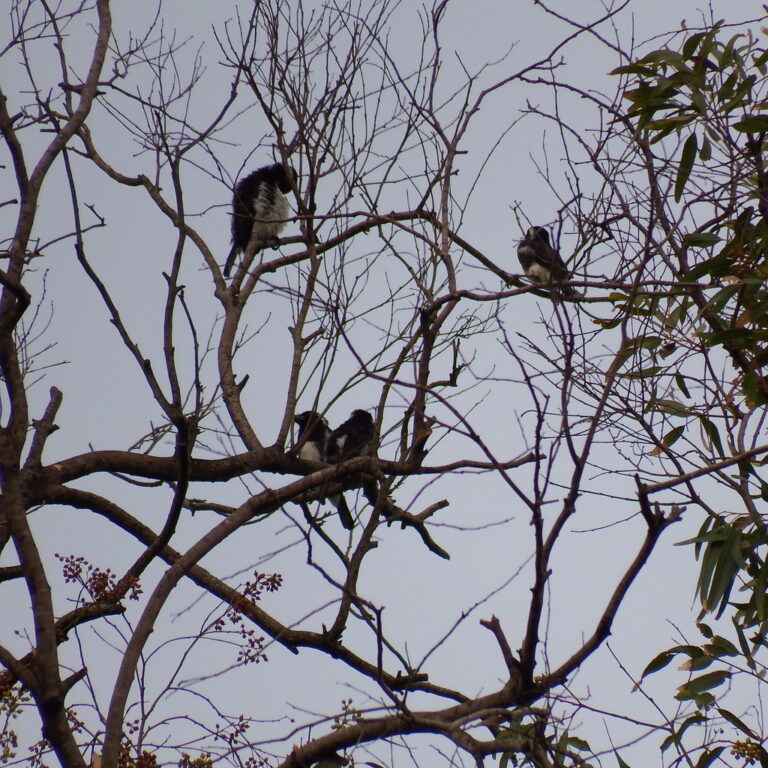
Stactolaema leucotis
♥
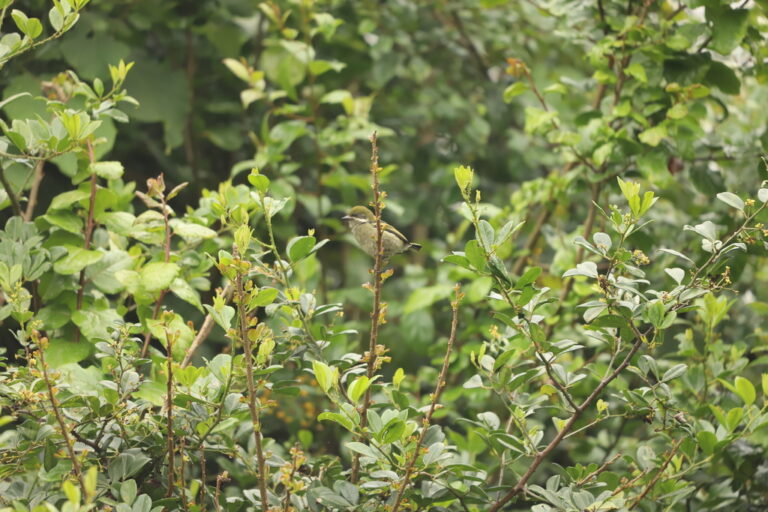
Pogoniulus leucomystax
♥
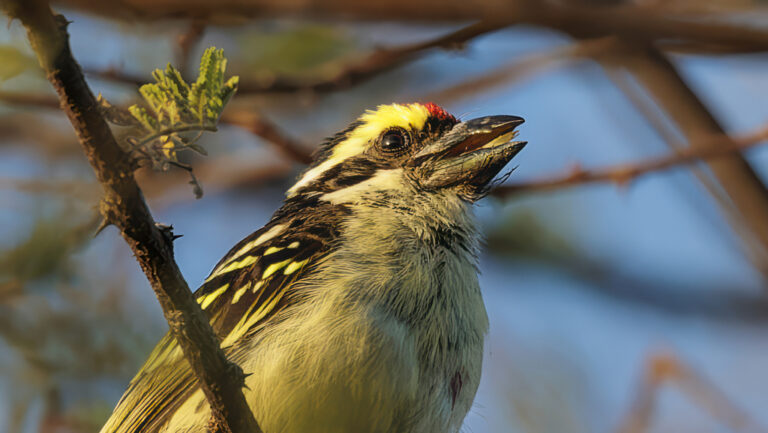
Tricholaema diademata
♥
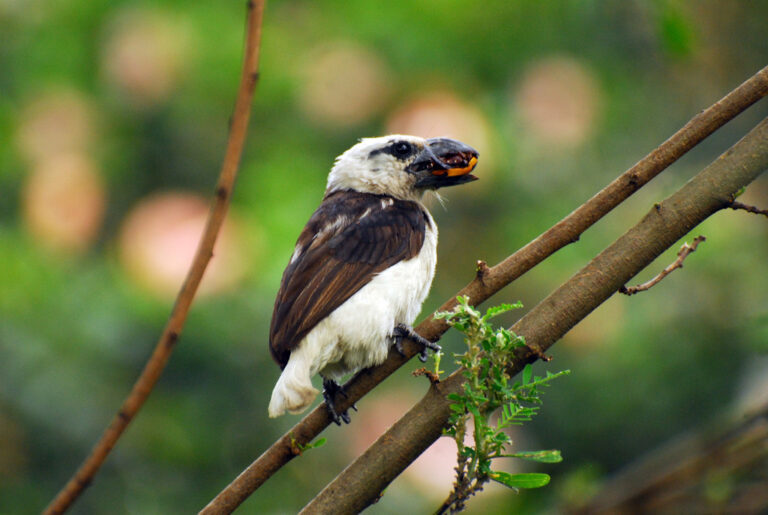
Lybius leucocephalus
♥
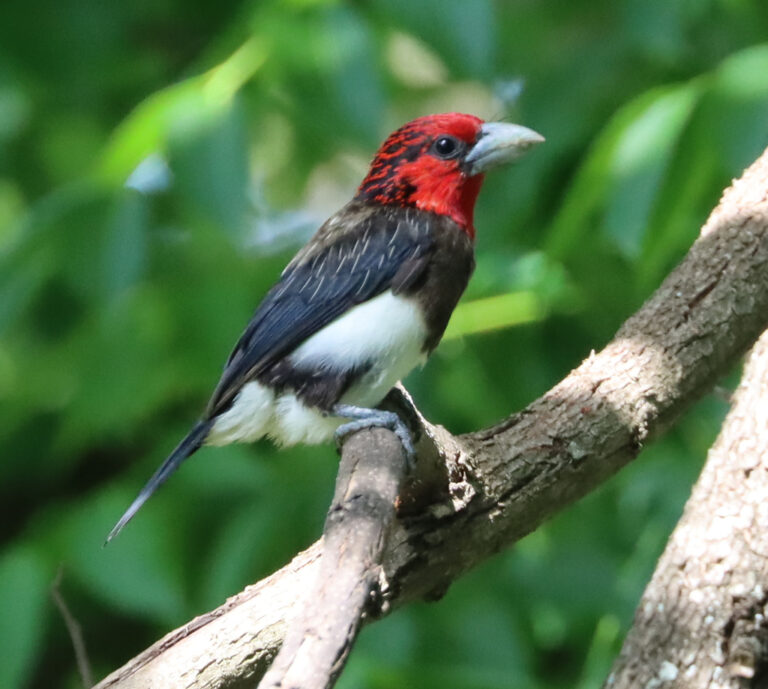
Pogonornis melanopterus
♥
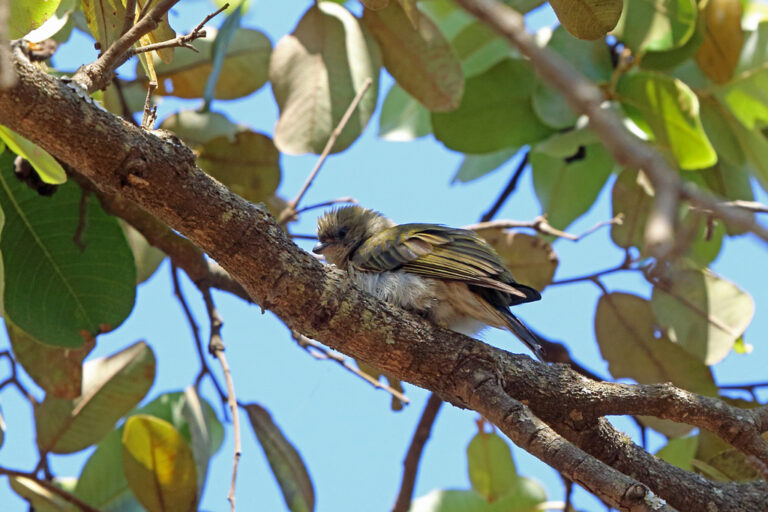
Indicator meliphilus
♥
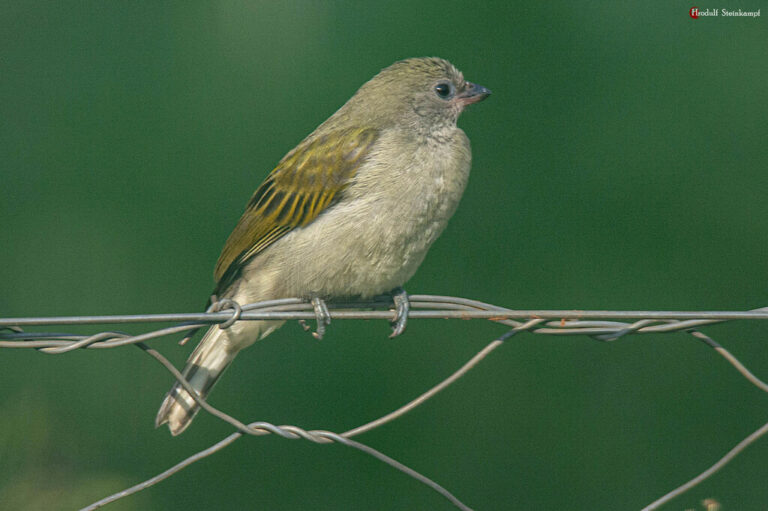
Indicator minor
♥
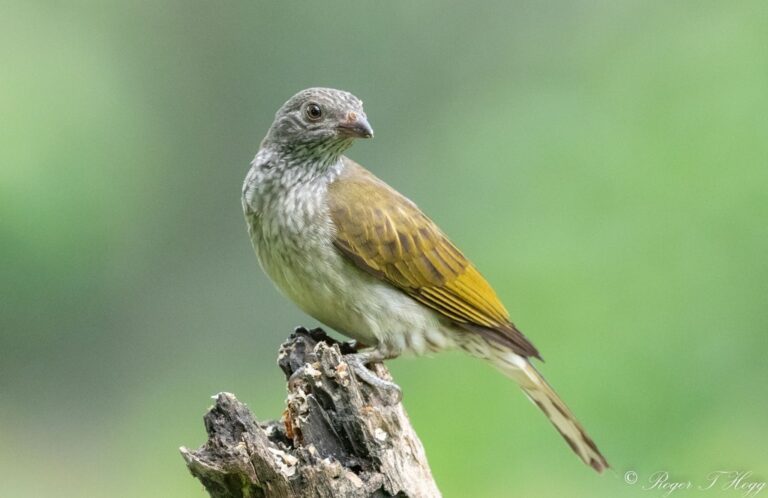
Indicator variegatus
♥
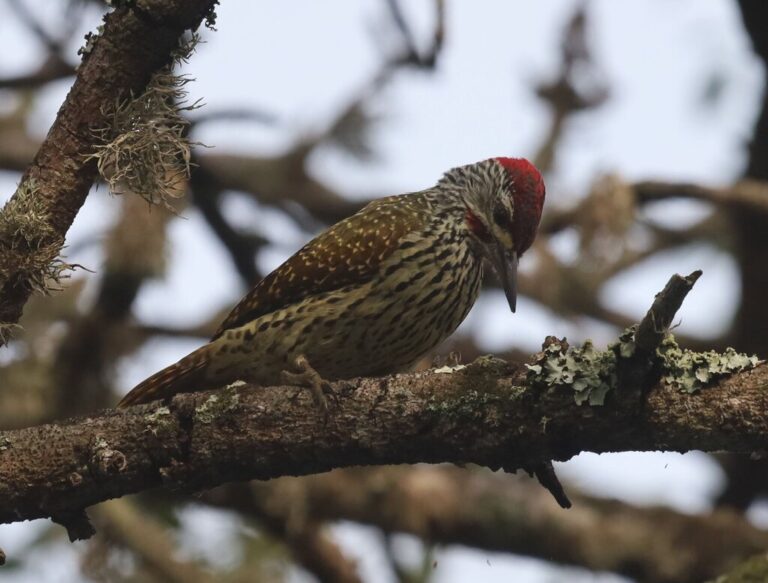
Campethera abingoni
♥
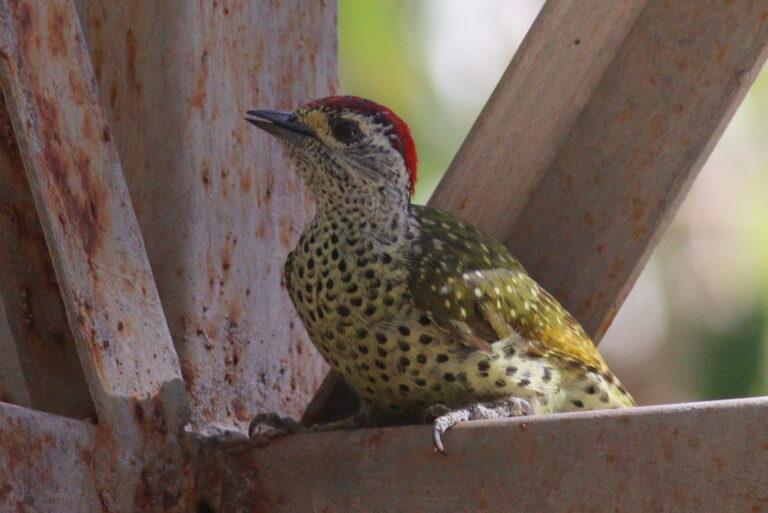
Campethera maculosa
♥
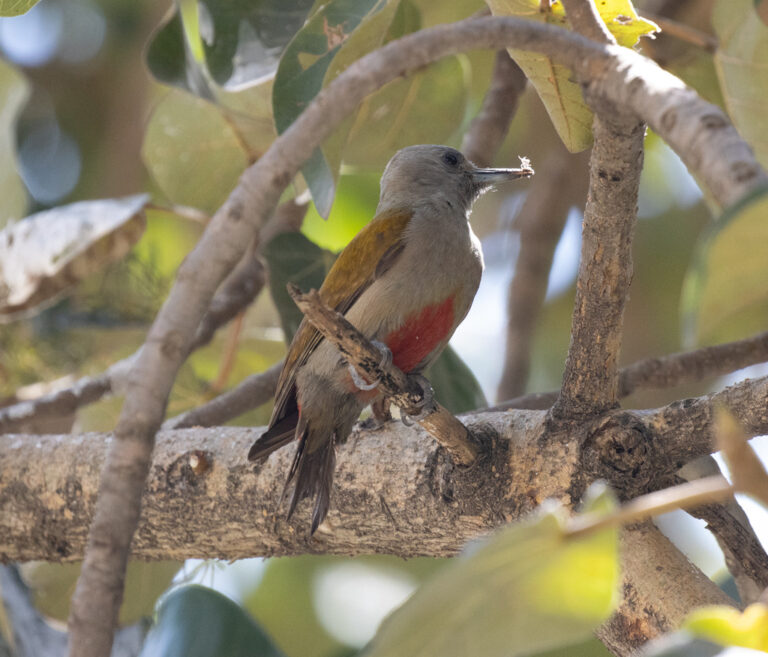
Dendropicos spodocephalus
♥
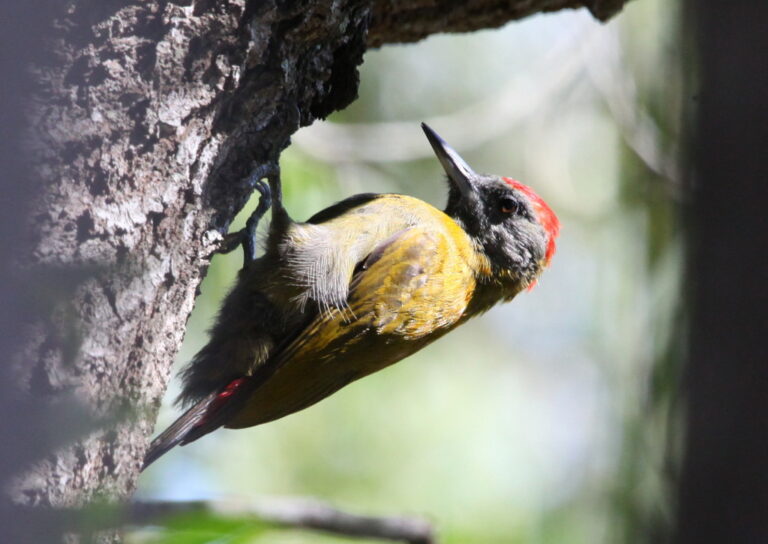
Dendropicos griseocephalus
♥
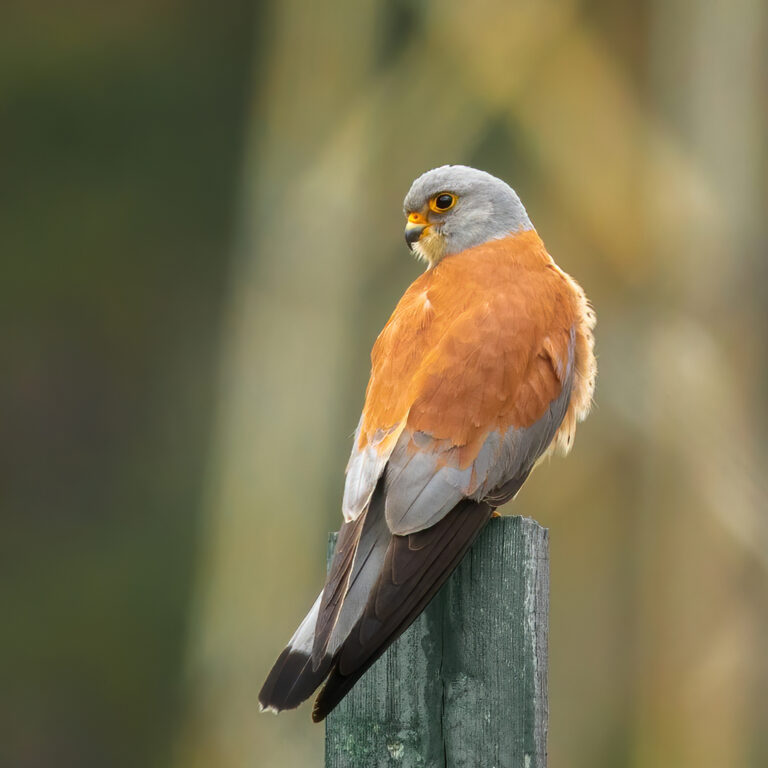
Falco naumanni
♥
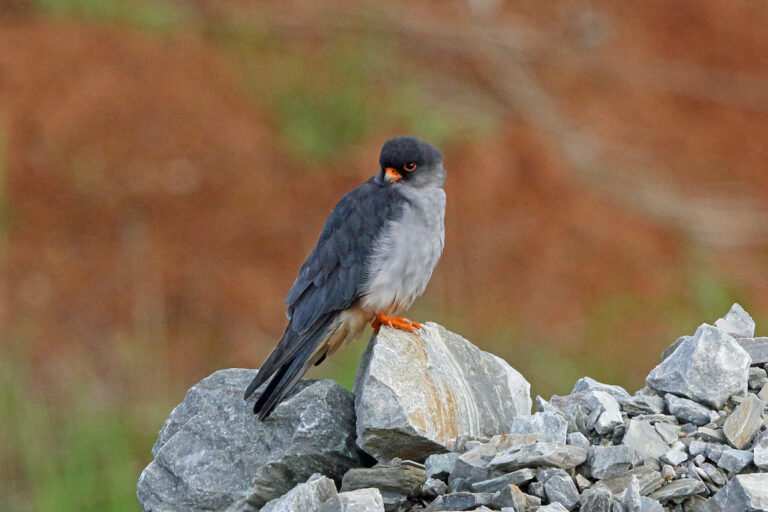
Falco amurensis
♥
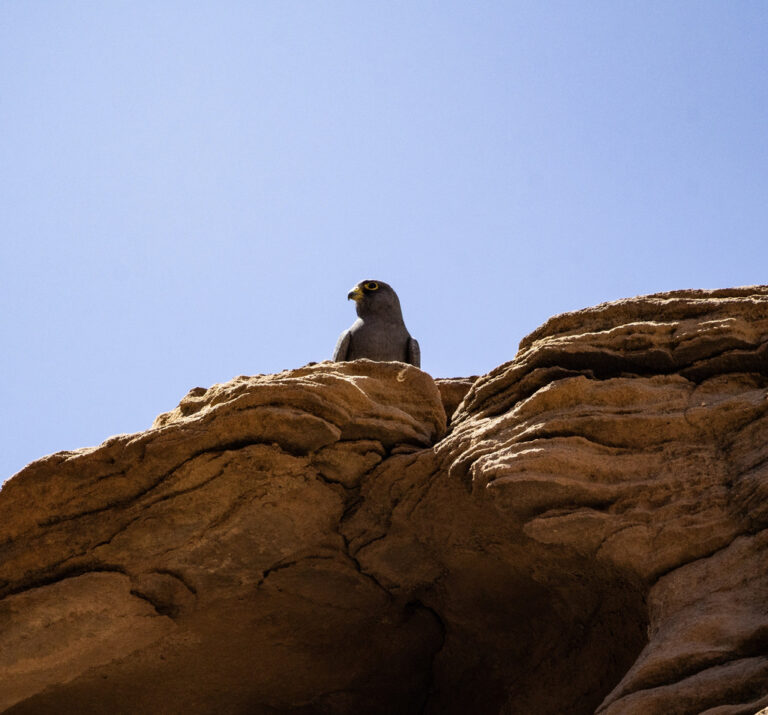
Falco concolor
♥
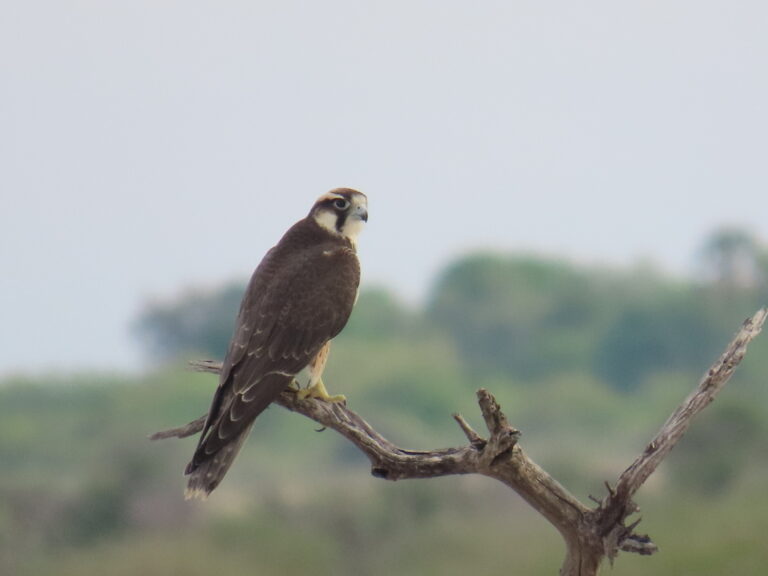
Falco biarmicus
♥
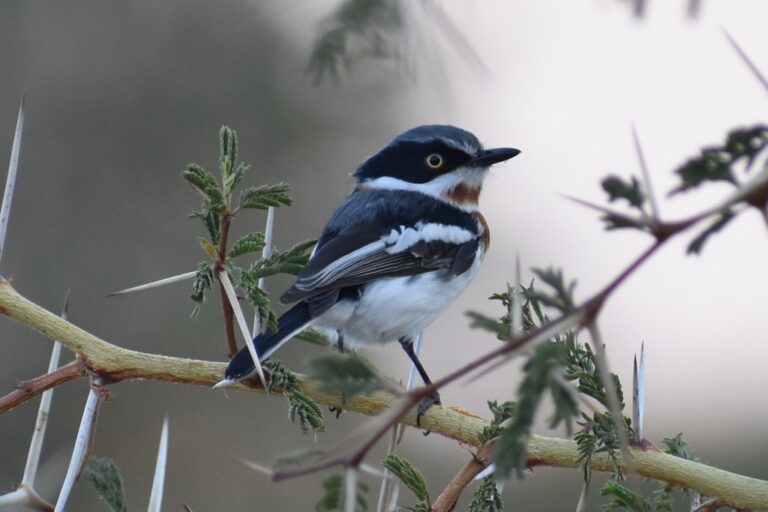
Batis molitor
♥
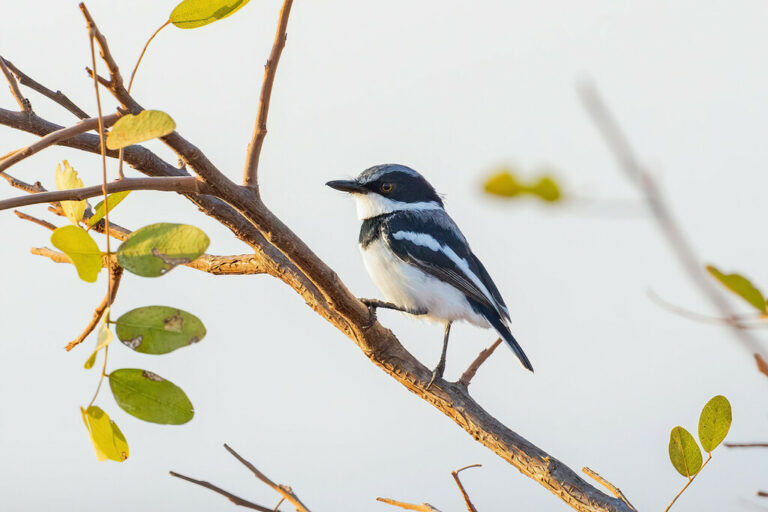
Batis perkeo
♥
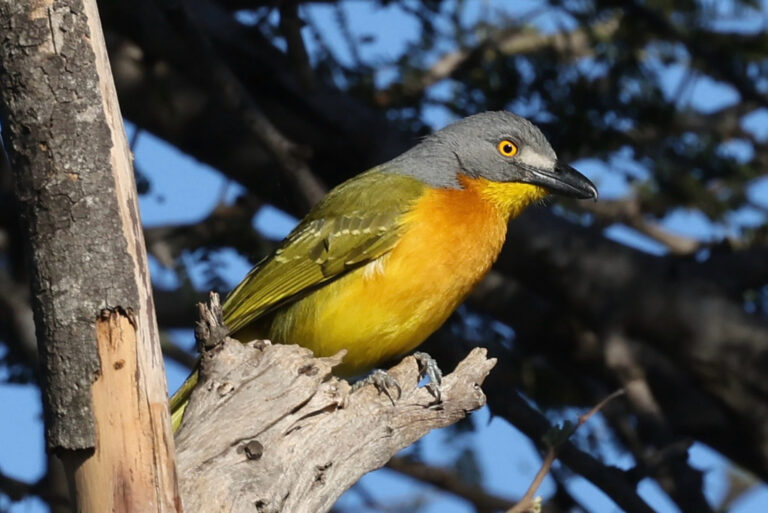
Malaconotus blanchoti
♥
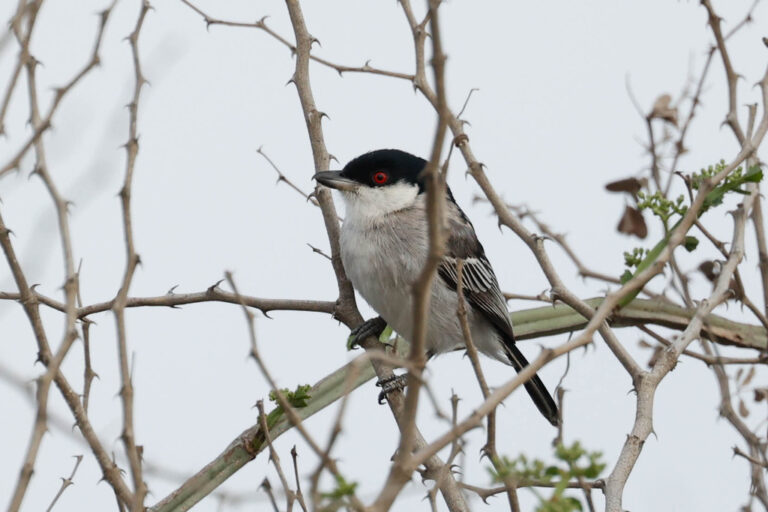
Dryoscopus pringlii
♥
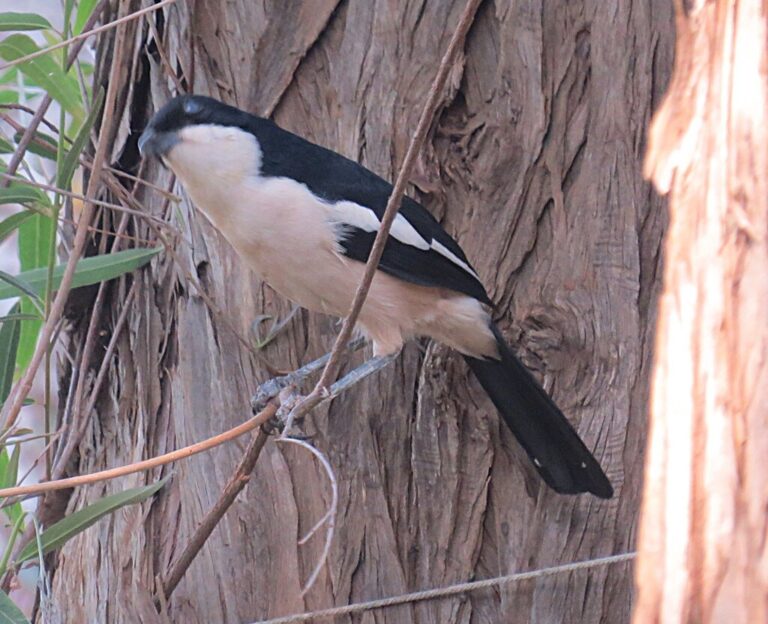
Laniarius major
♥
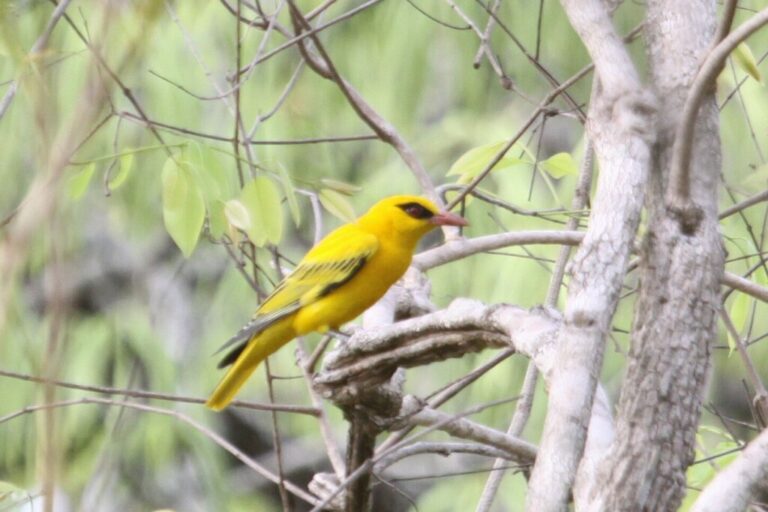
Oriolus auratus
♥
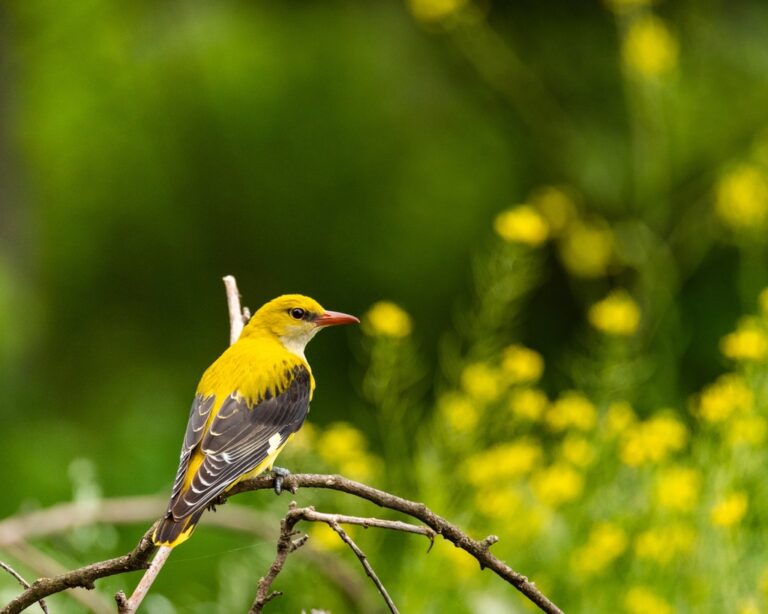
Oriolus oriolus
♥
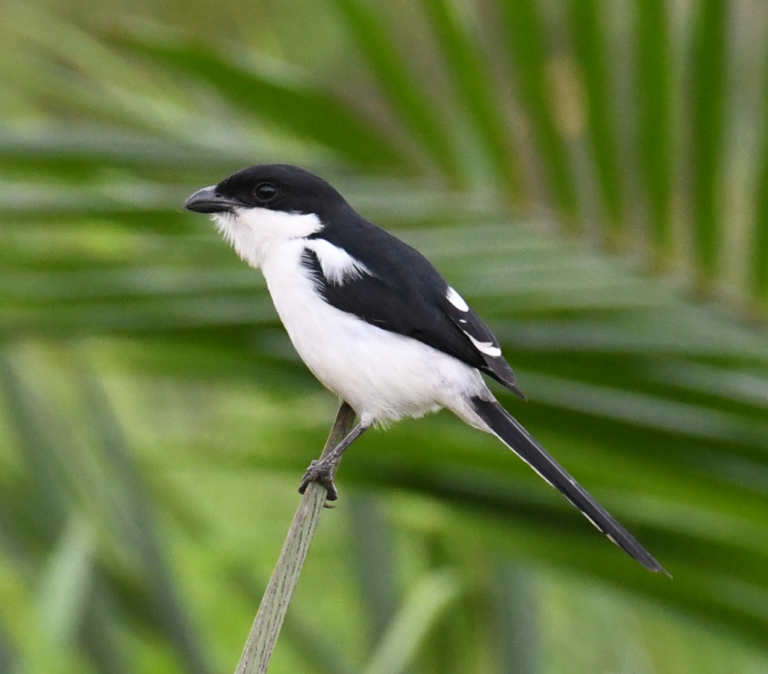
Lanius humeralis
♥
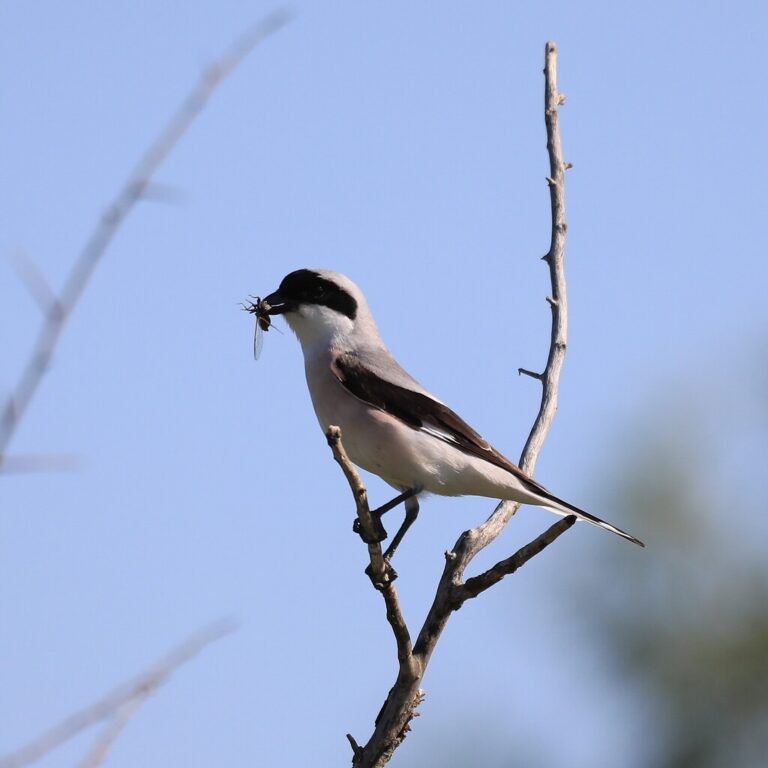
Lanius minor
♥
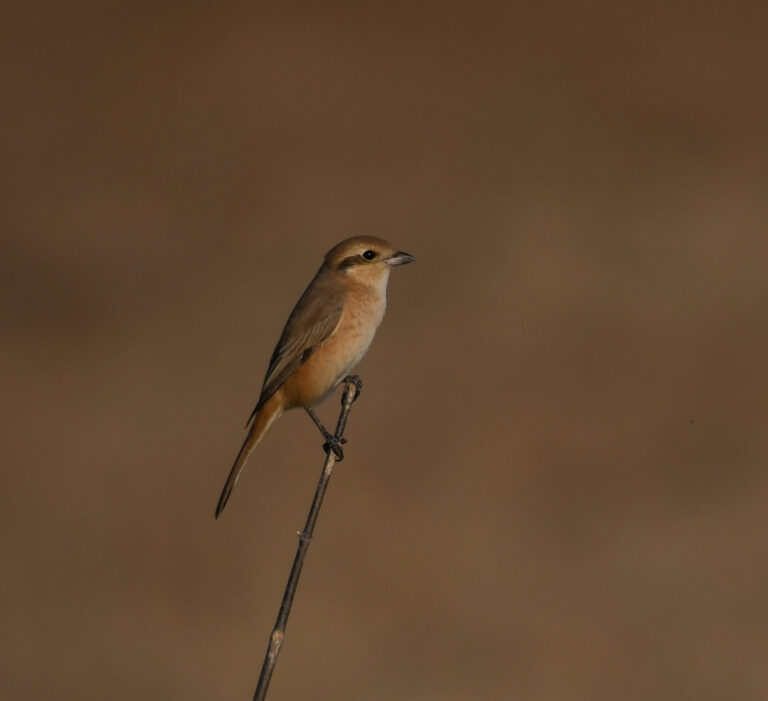
Lanius isabellinus
♥
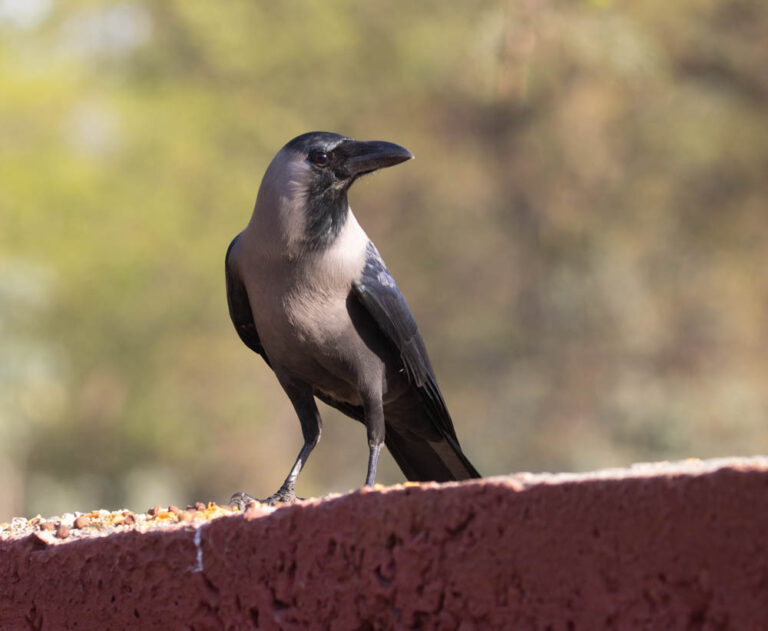
Corvus splendens
♥
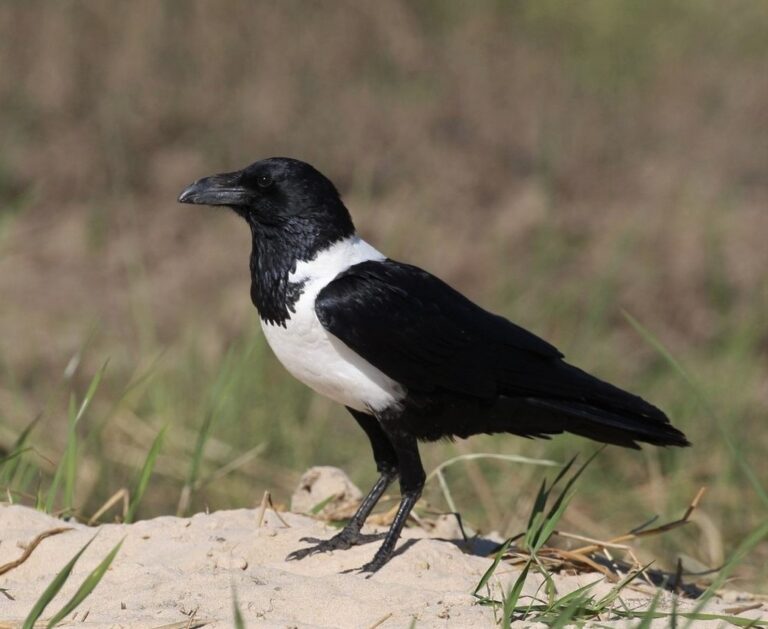
Corvus albus
♥
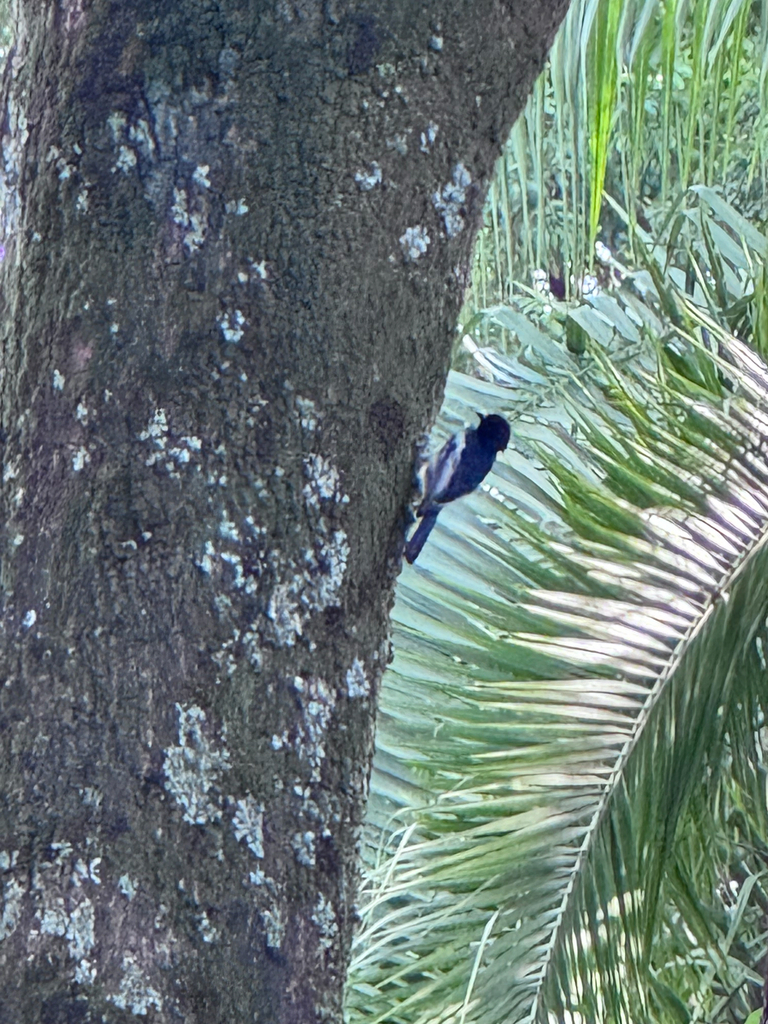
Melaniparus albiventris
♥
Nicator gularis
♥
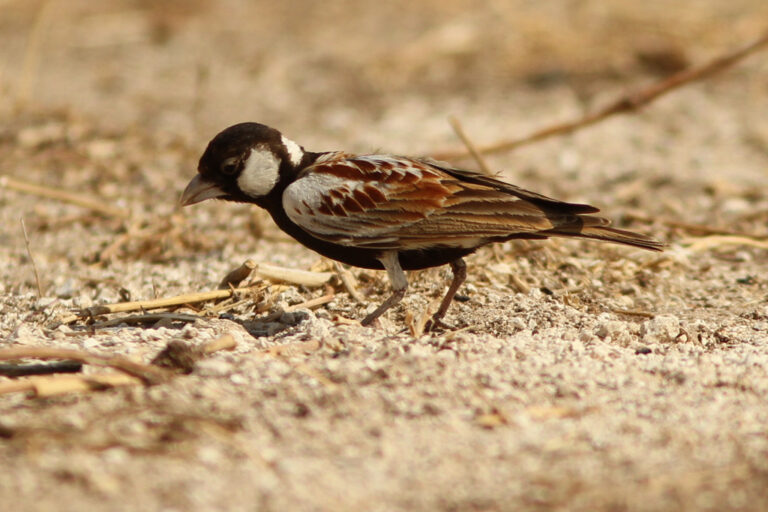
Eremopterix leucotis
♥
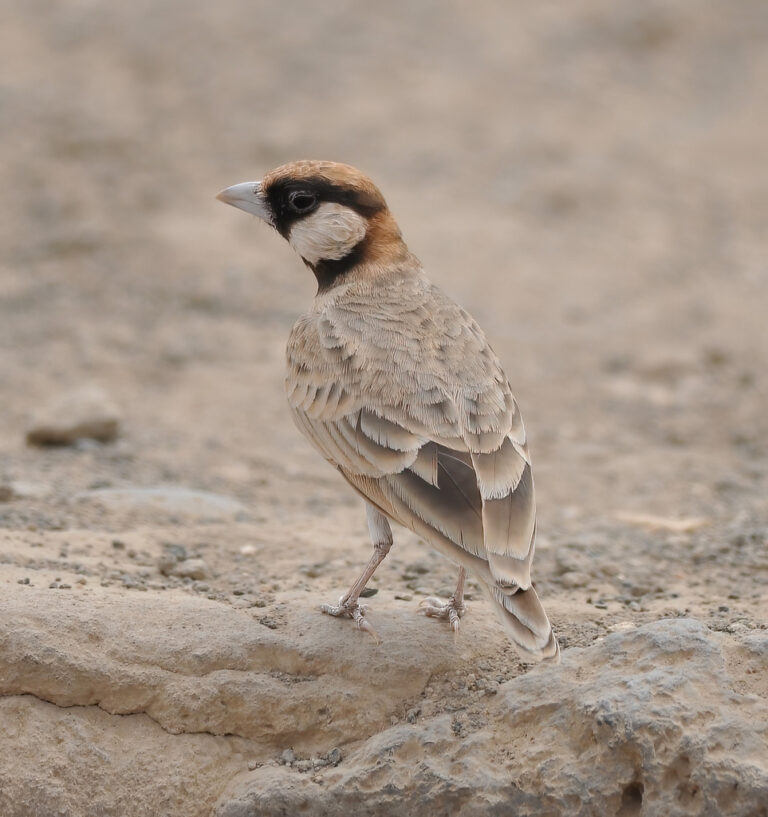
Eremopterix leucopareia
♥
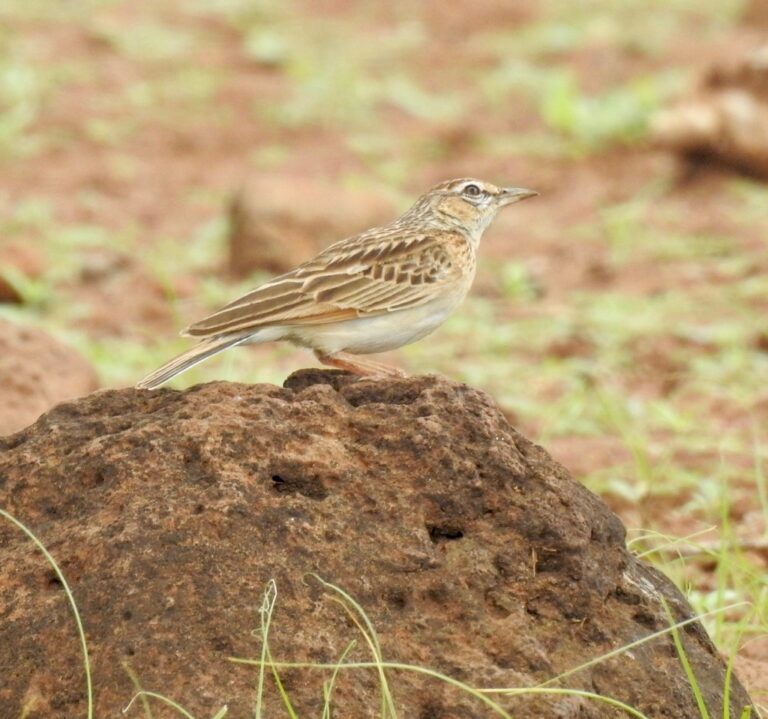
Calendulauda africanoides
♥
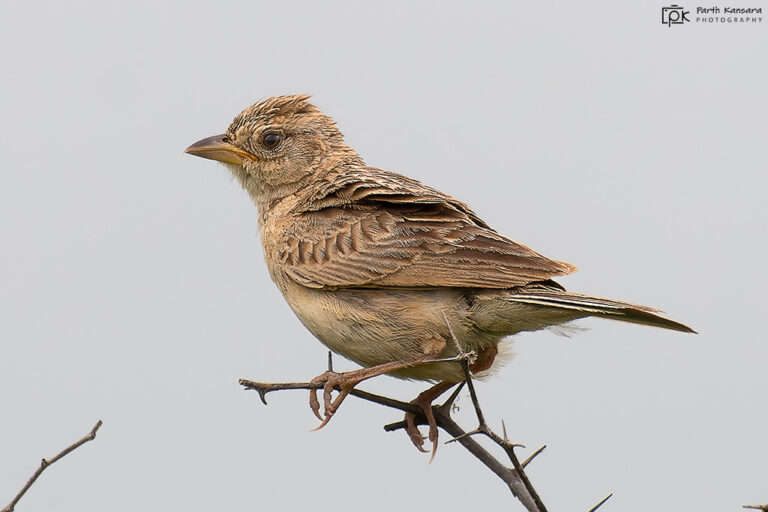
Mirafra javanica
♥
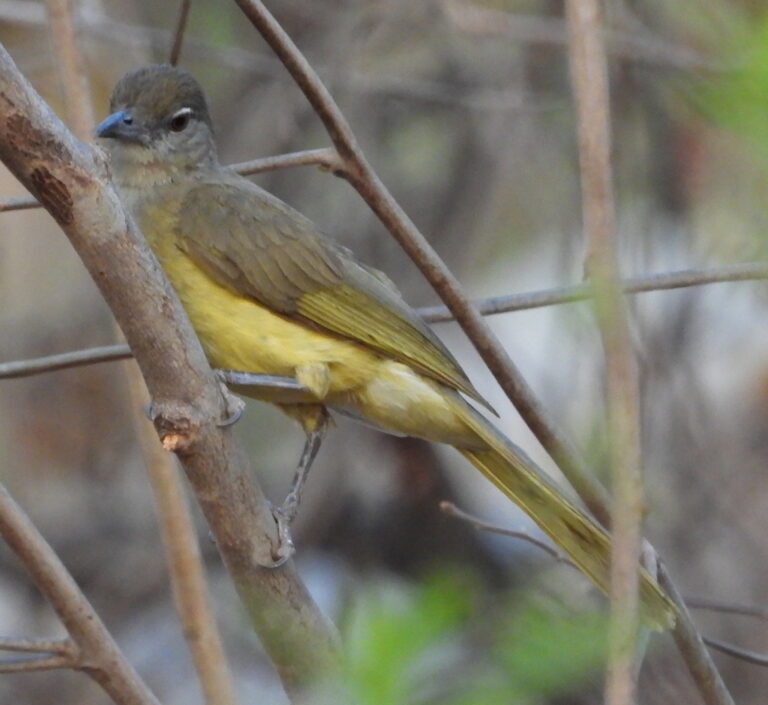
Chlorocichla flaviventris
♥
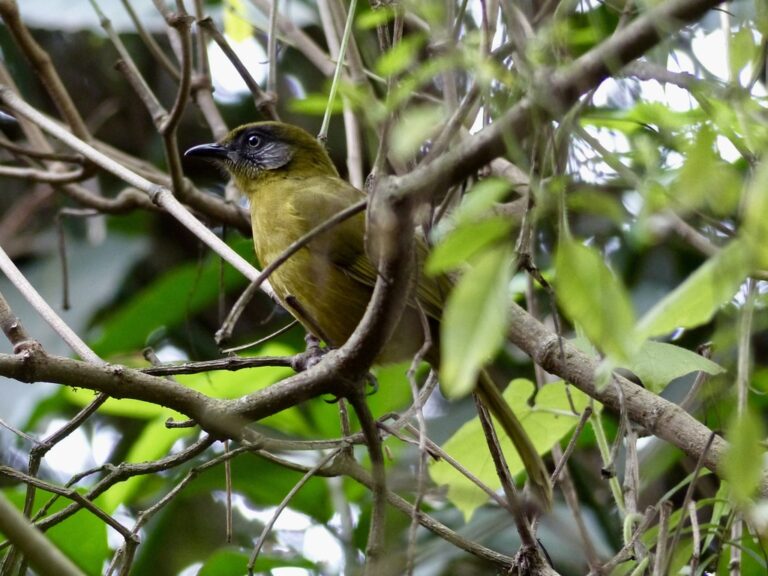
Arizelocichla striifacies
♥
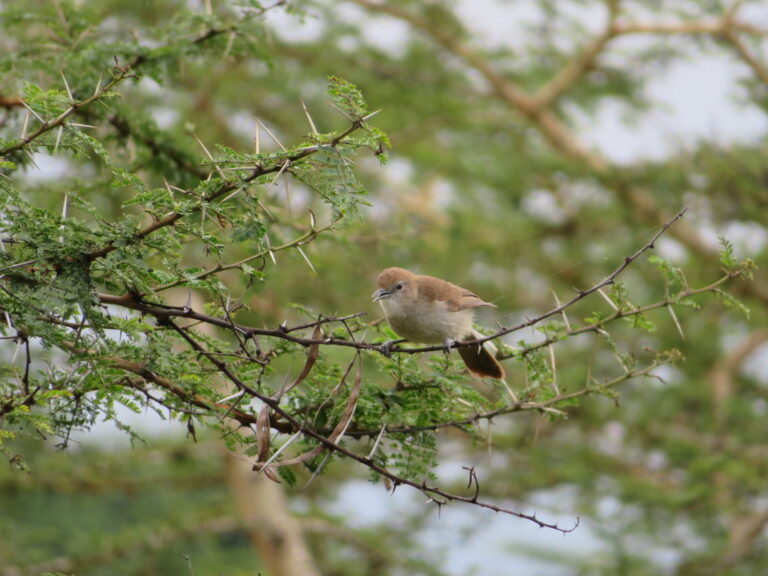
Phyllastrephus strepitans
♥
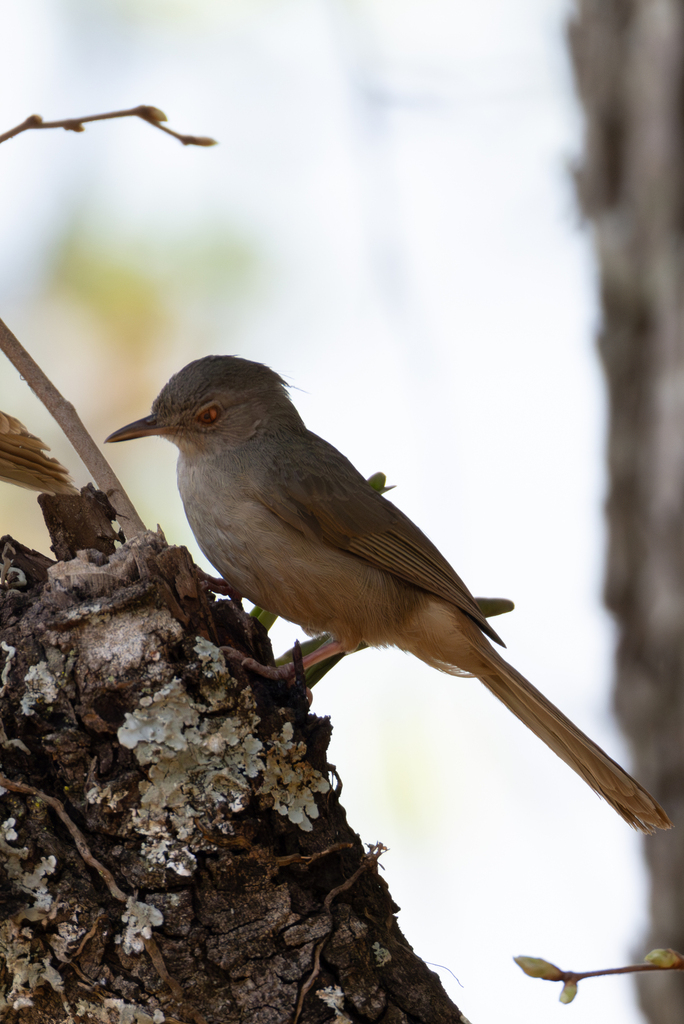
Phyllastrephus cerviniventris
♥
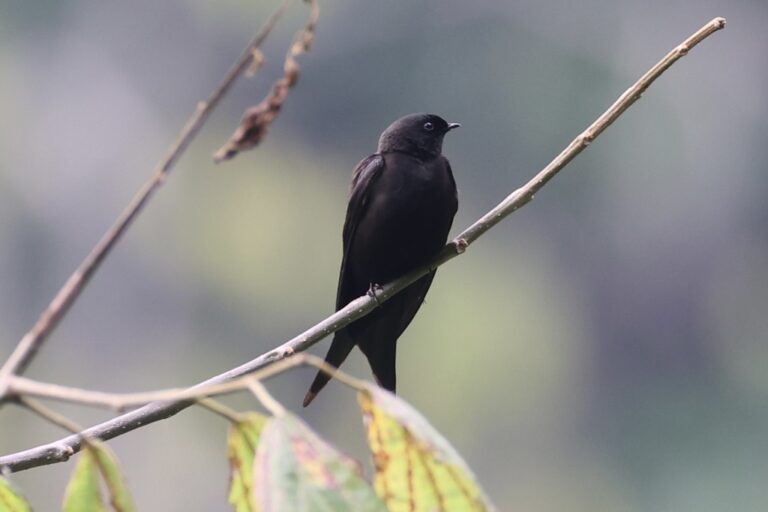
Psalidoprocne pristoptera
♥
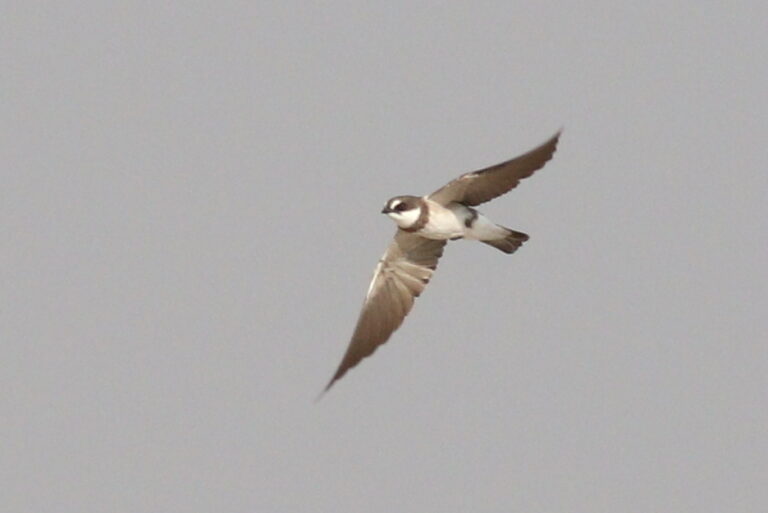
Neophedina cincta
♥
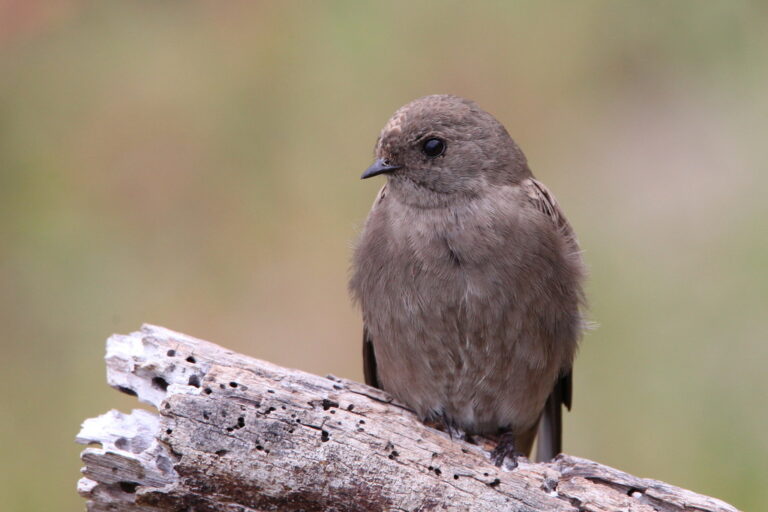
Riparia paludicola
♥
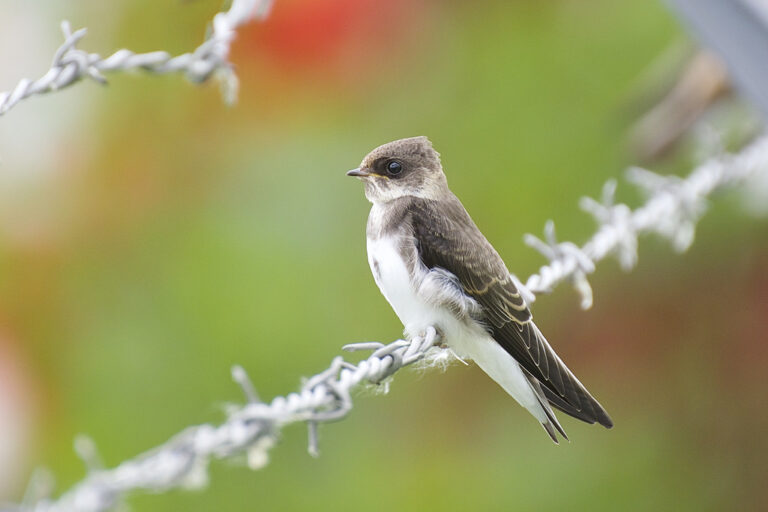
Riparia riparia
♥
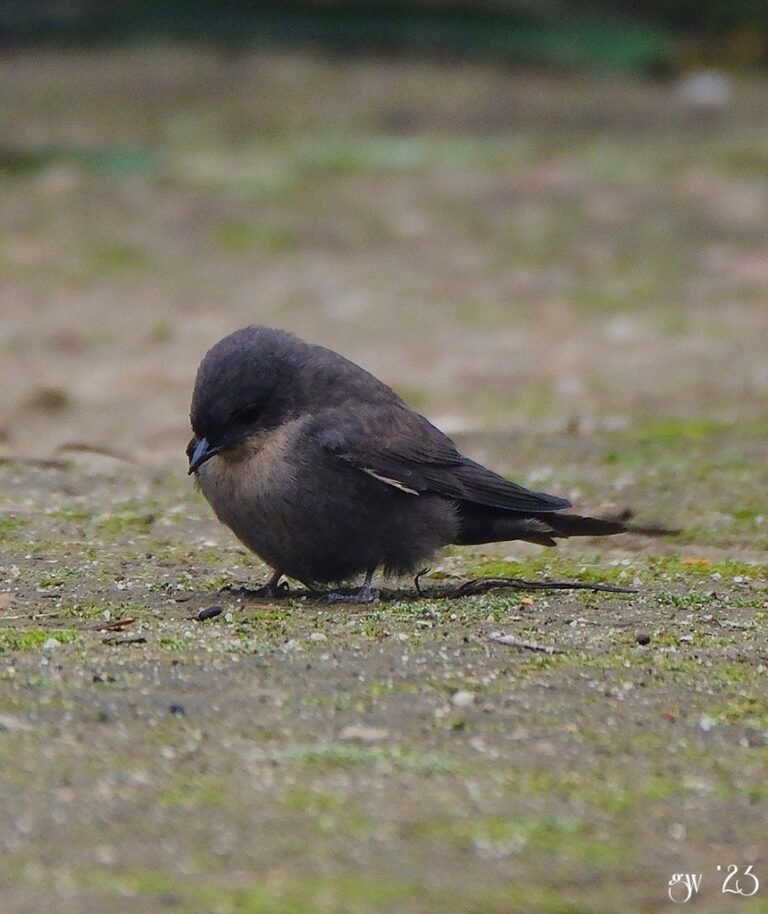
Ptyonoprogne rufigula
♥
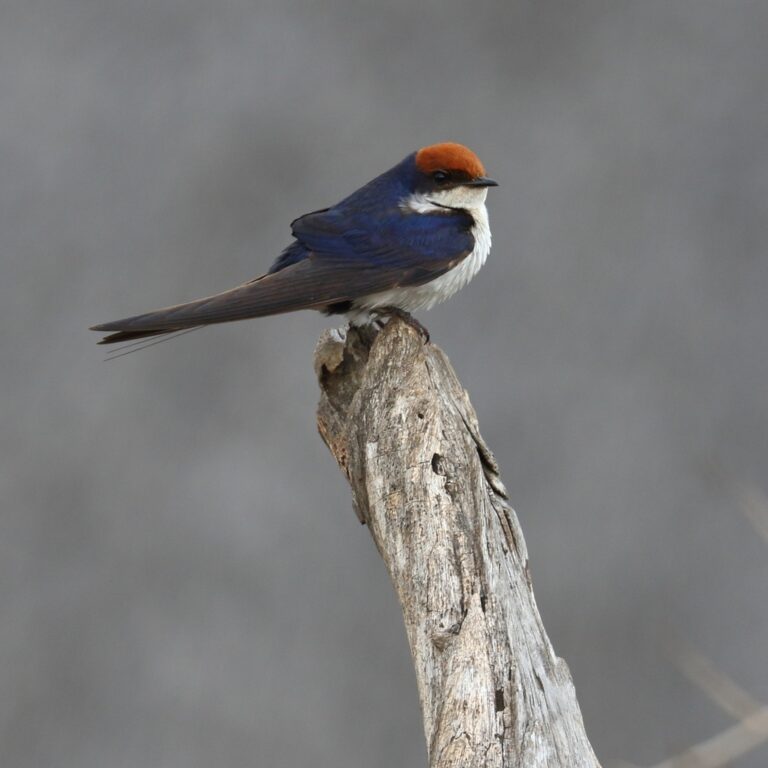
Hirundo smithii
♥
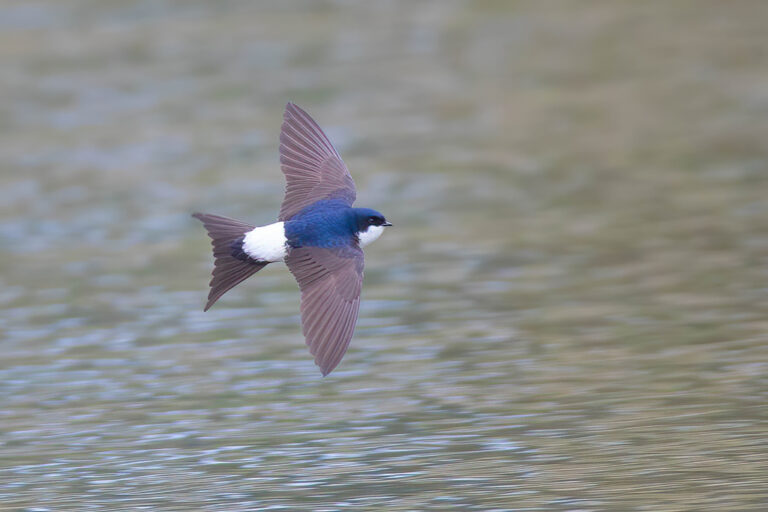
Delichon urbicum
♥
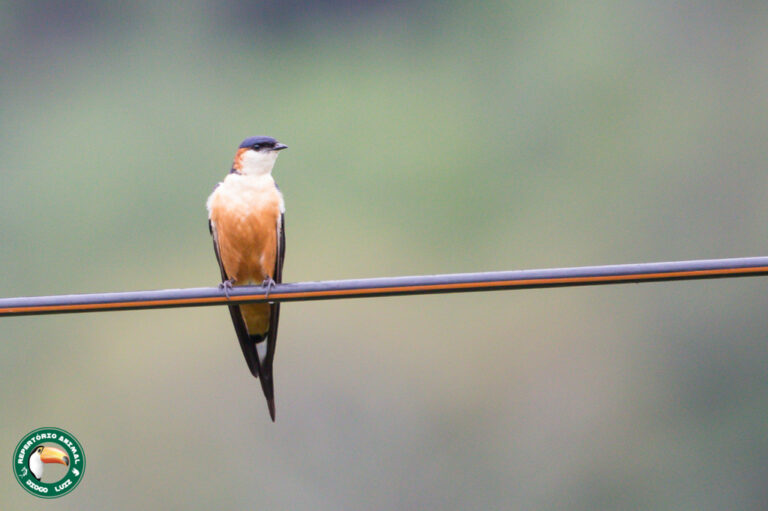
Cecropis senegalensis
♥
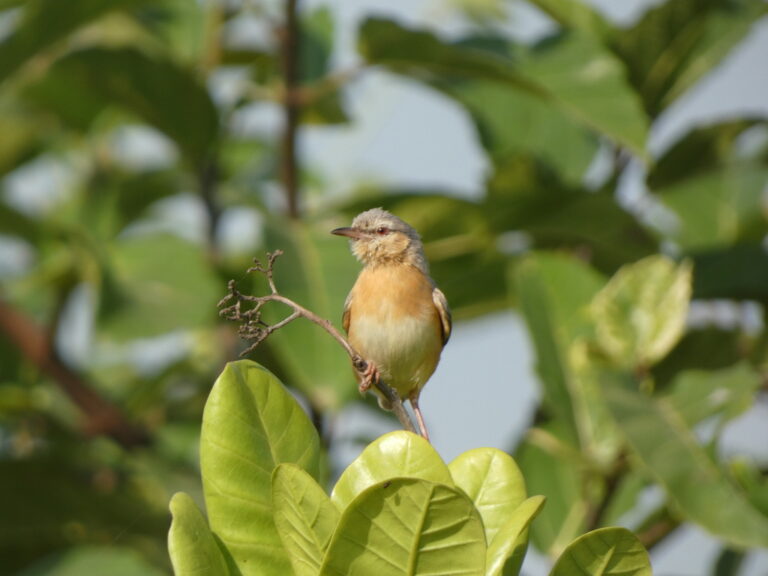
Sylvietta brachyura
♥
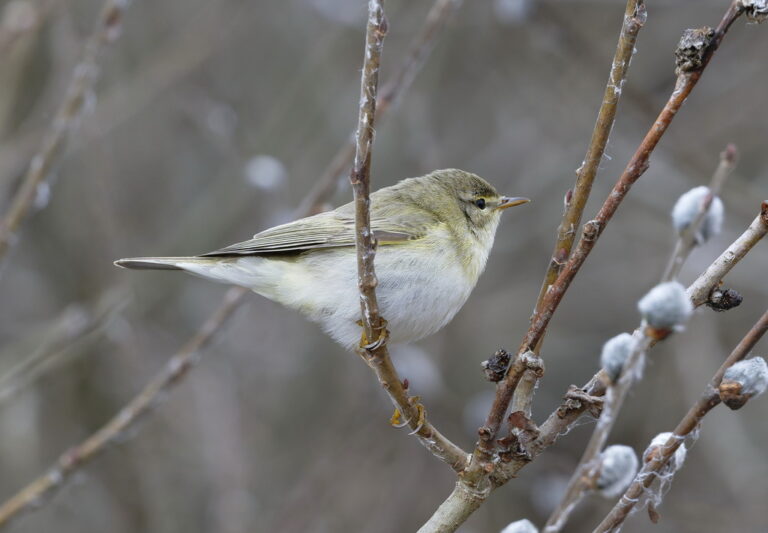
Phylloscopus trochilus
♥
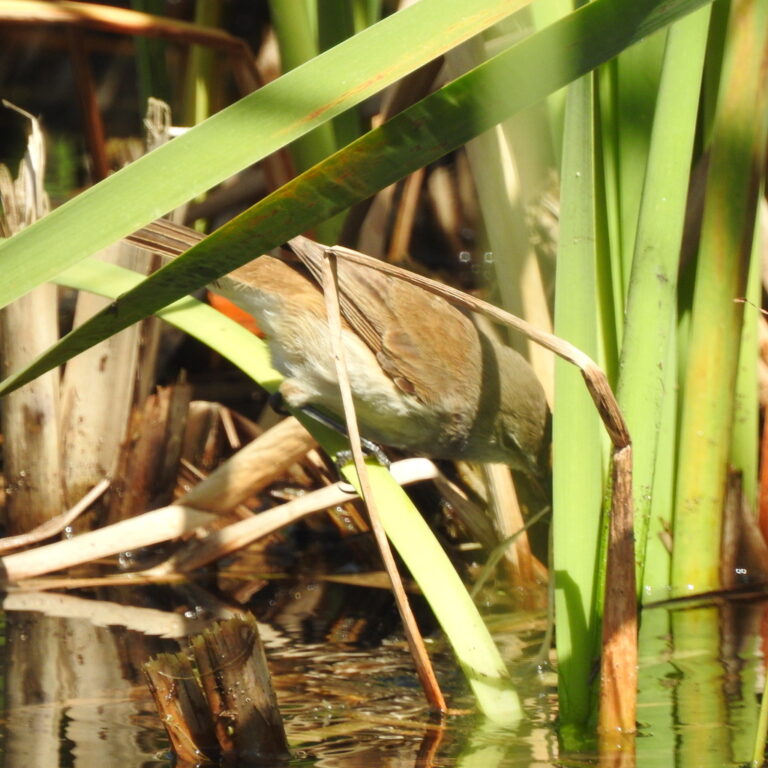
Acrocephalus gracilirostris
♥
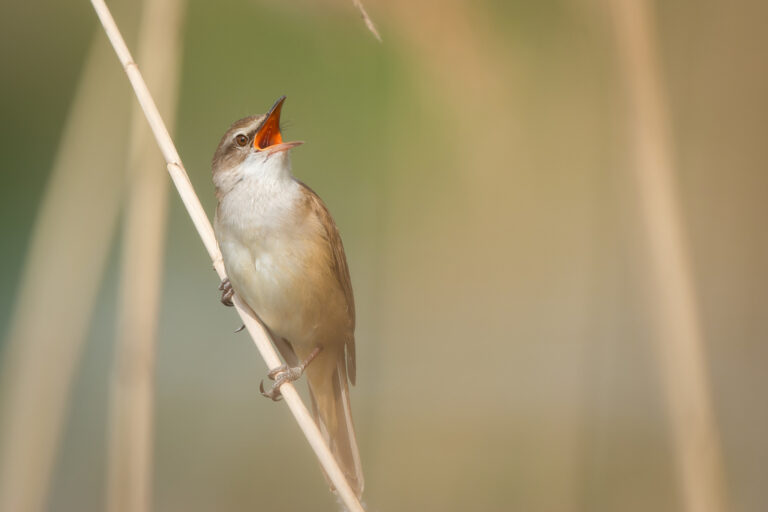
Acrocephalus arundinaceus
♥
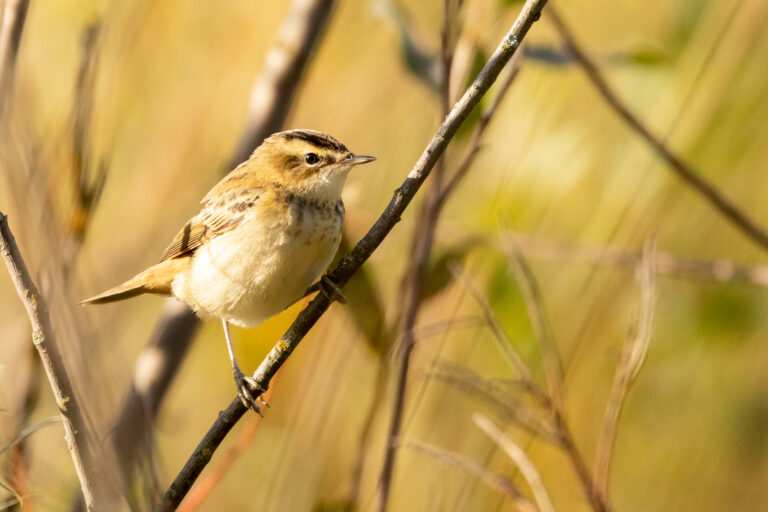
Acrocephalus schoenobaenus
♥
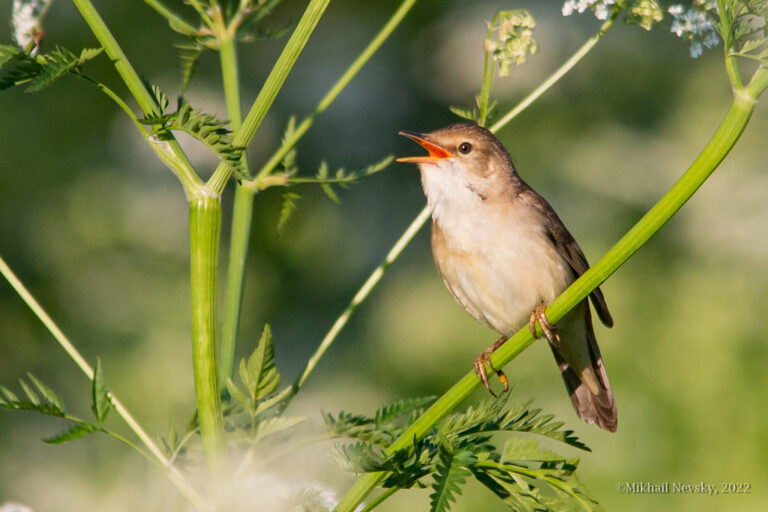
Acrocephalus palustris
♥
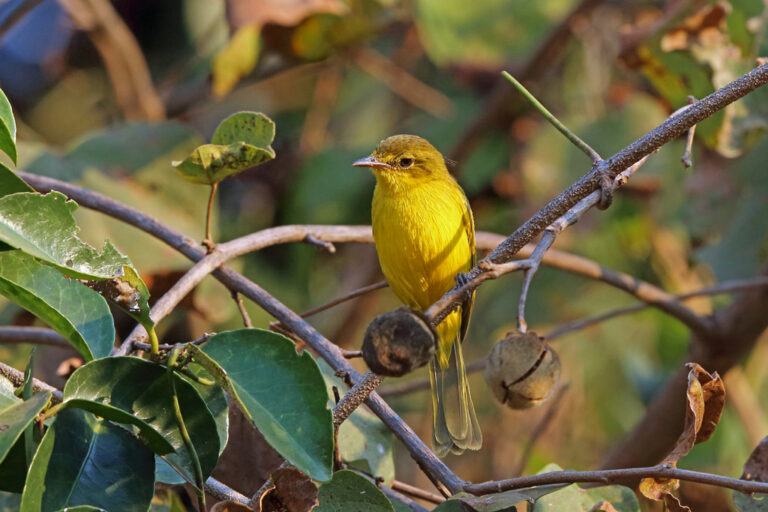
Iduna natalensis
♥
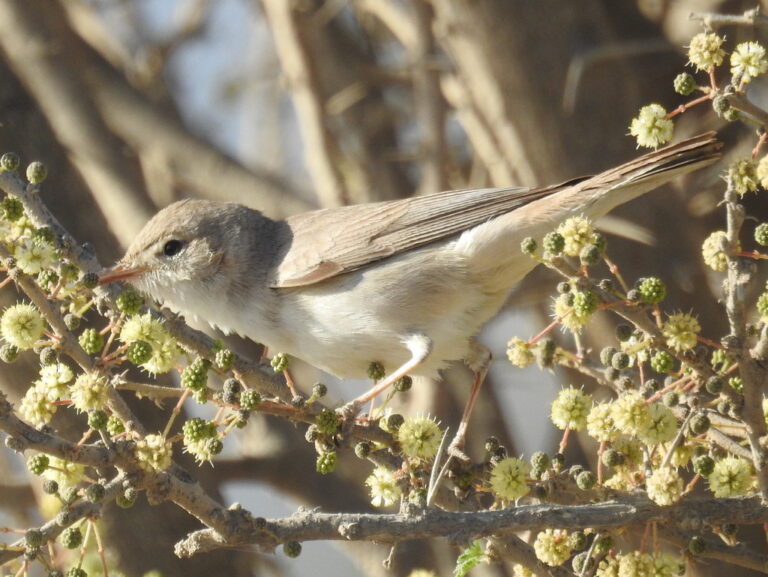
Hippolais languida
♥
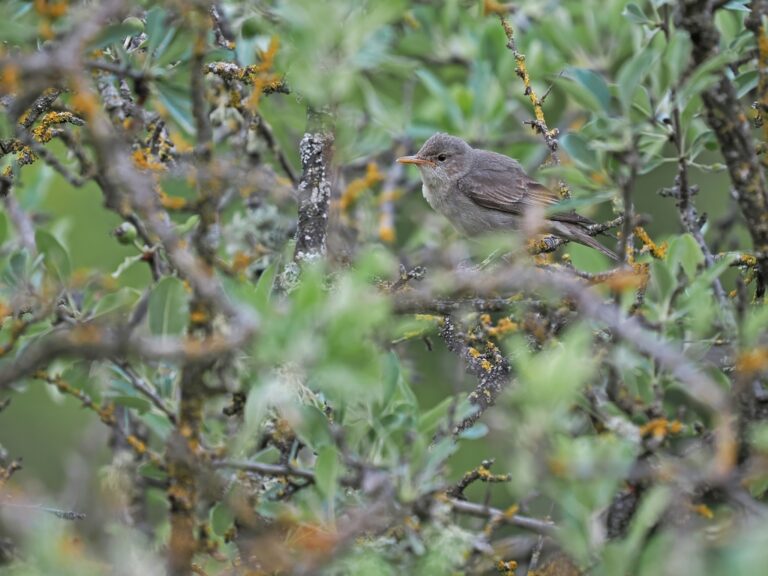
Hippolais olivetorum
♥
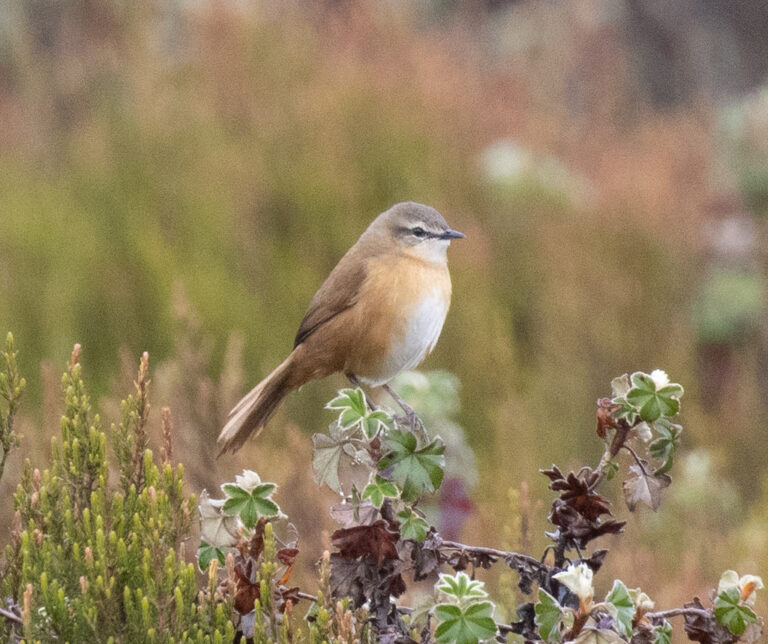
Bradypterus cinnamomeus
♥
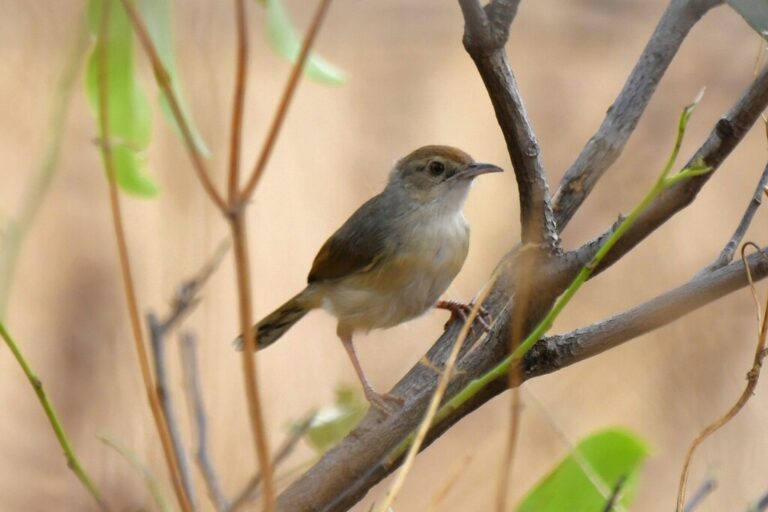
Cisticola cantans
♥
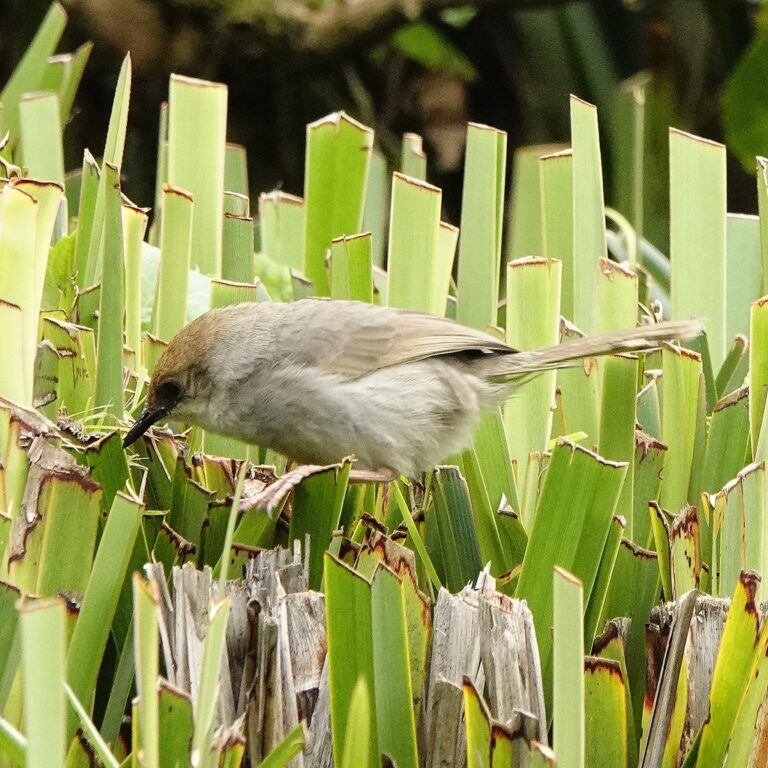
Cisticola woosnami
♥
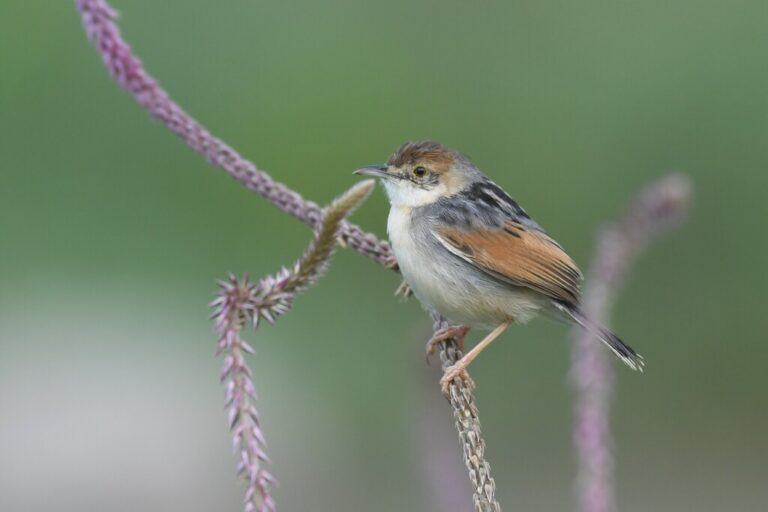
Cisticola marginatus
♥
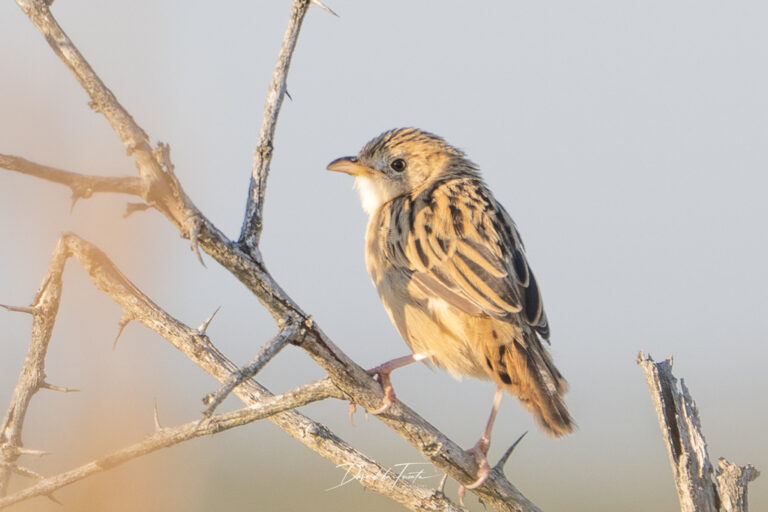
Cisticola natalensis
♥
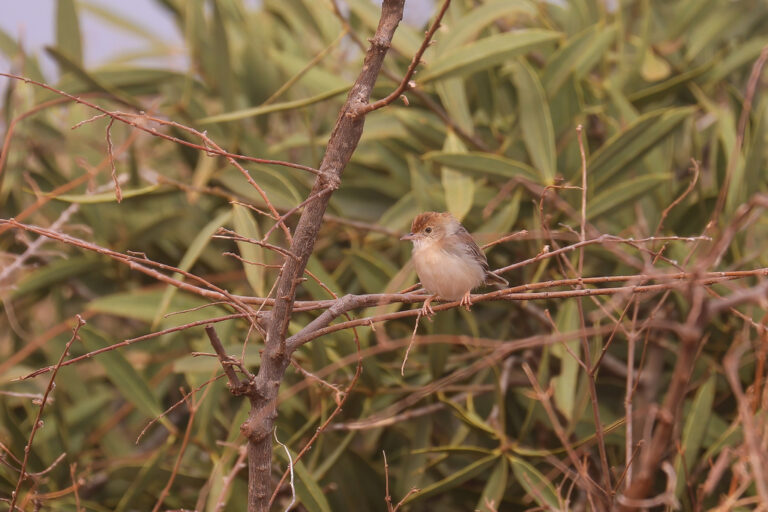
Cisticola nana
♥
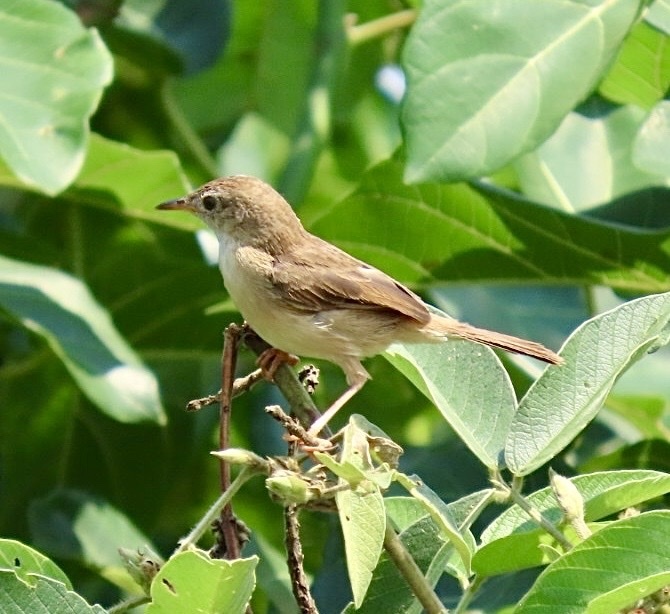
Cisticola brachypterus
♥
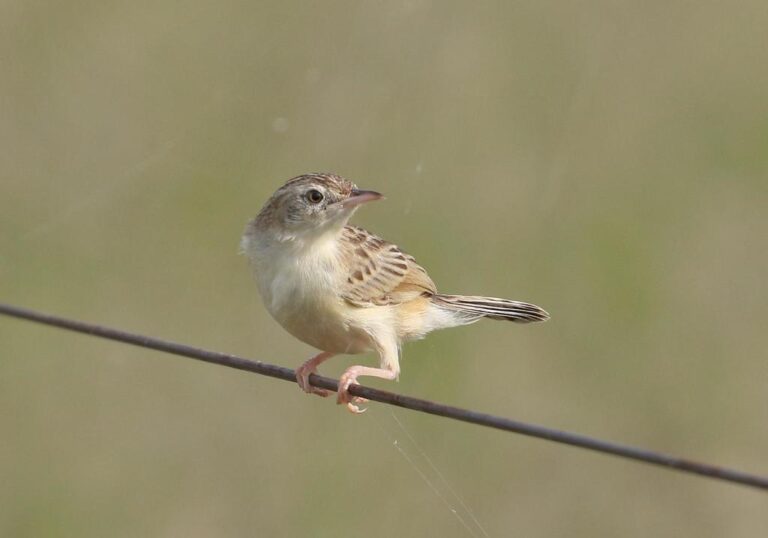
Cisticola aridulus
♥
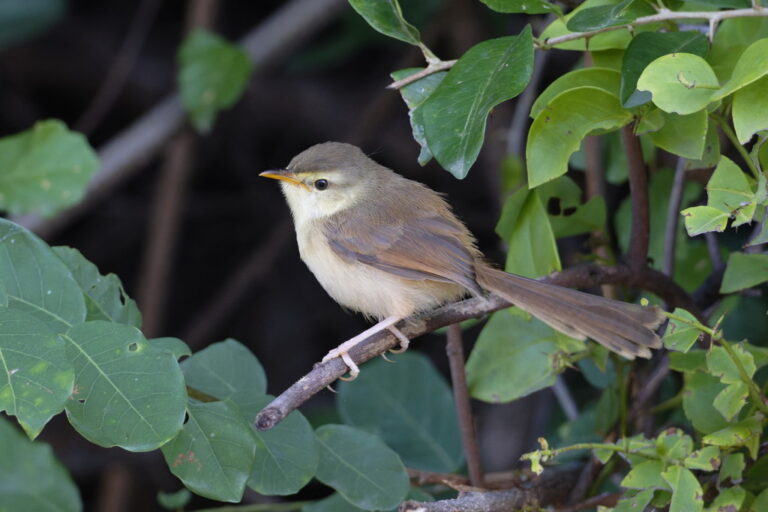
Prinia subflava
♥
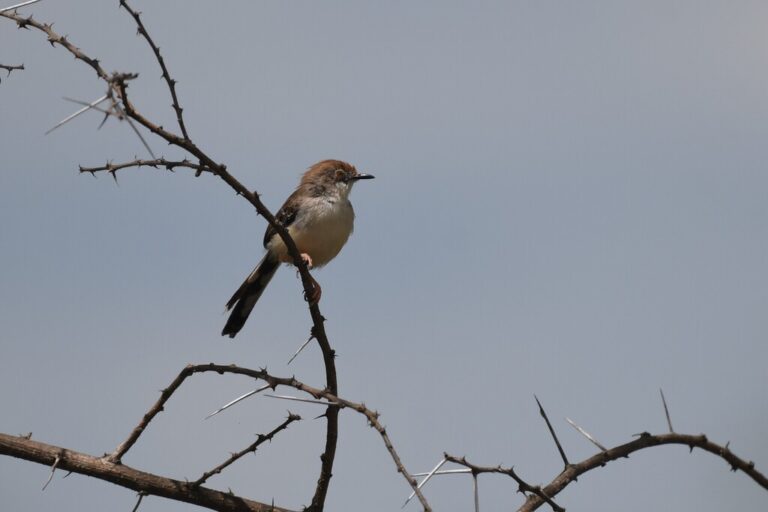
Prinia rufifrons
♥
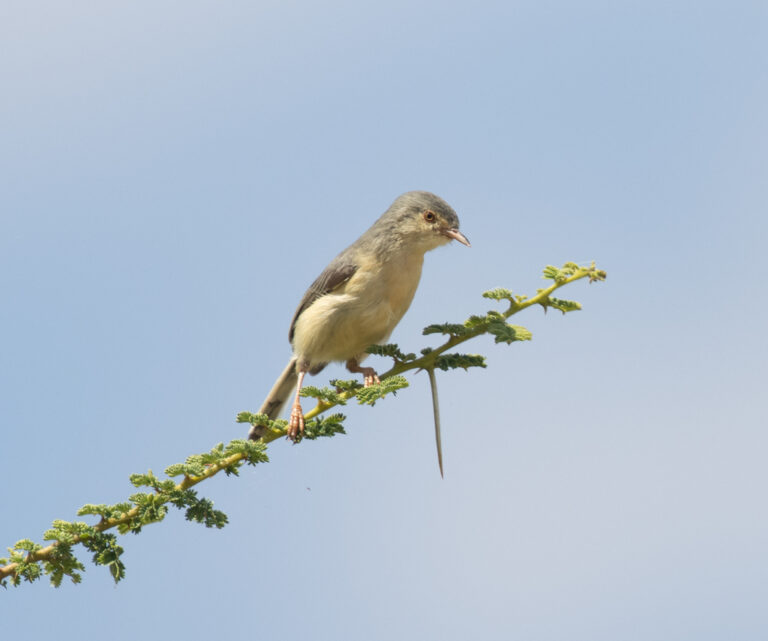
Phyllolais pulchella
♥
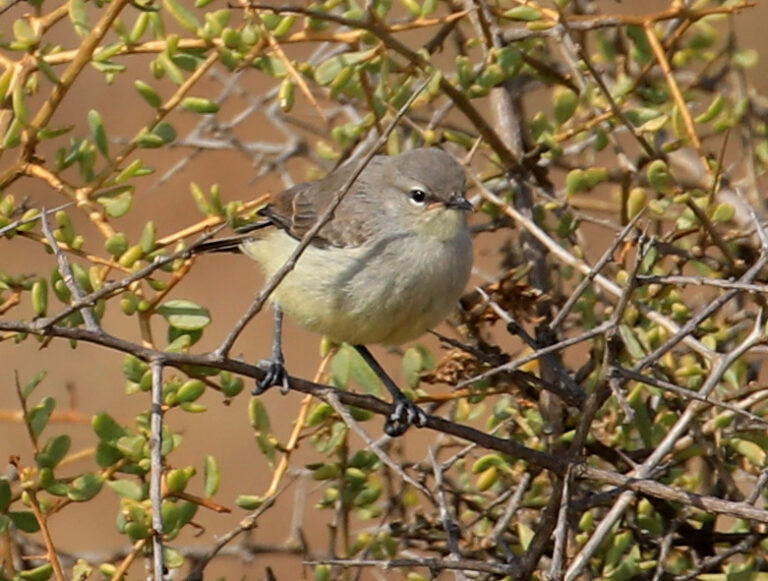
Eremomela icteropygialis
♥
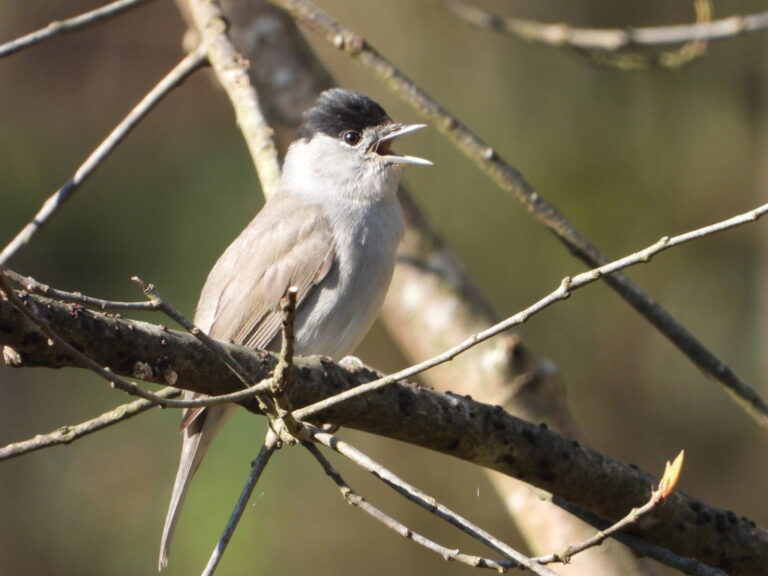
Sylvia atricapilla
♥
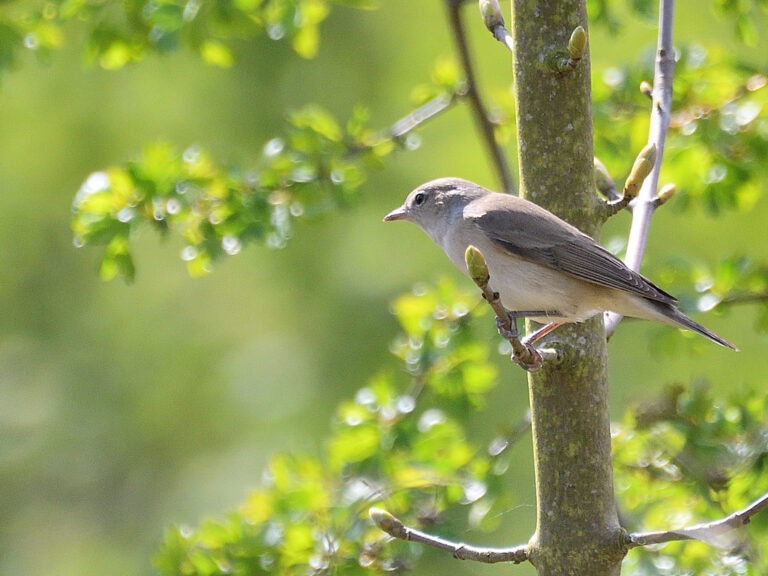
Sylvia borin
♥
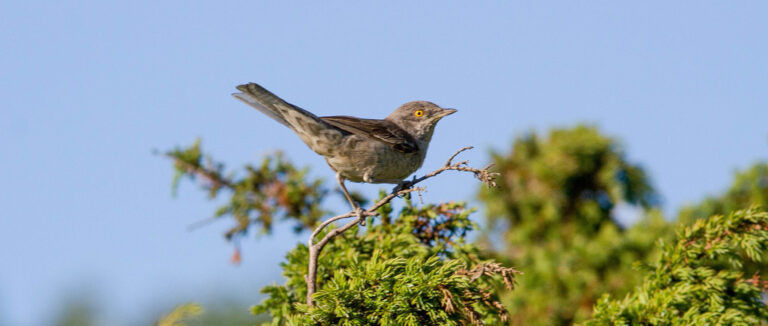
Curruca nisoria
♥
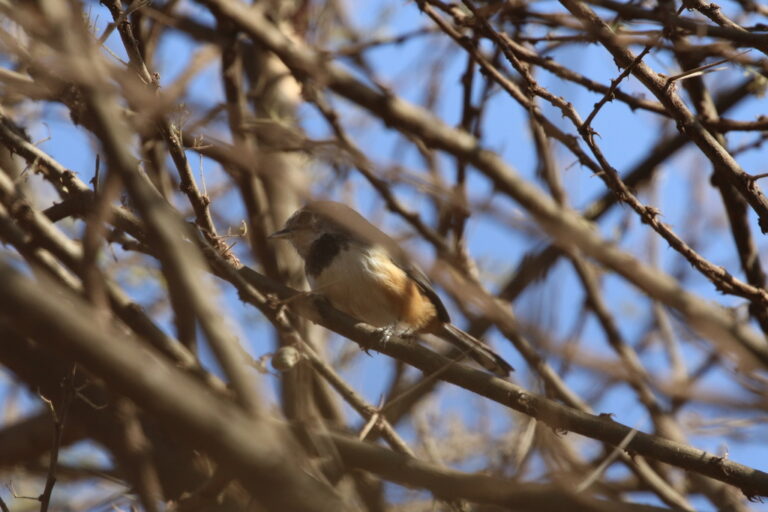
Curruca boehmi
♥
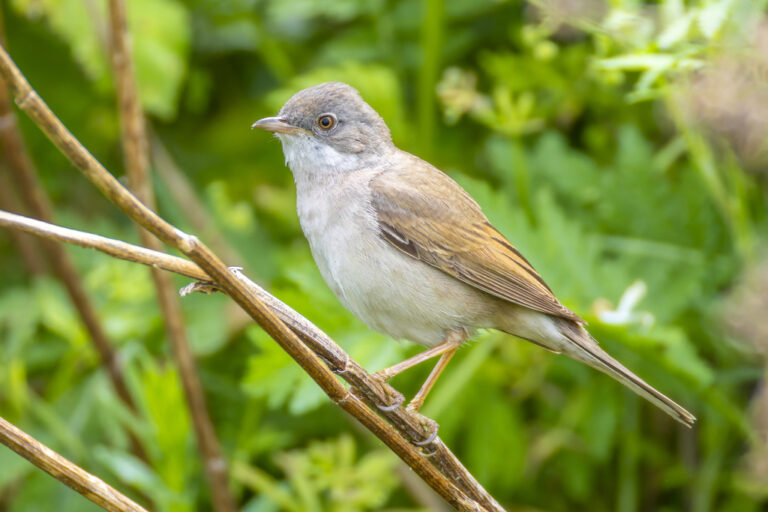
Curruca communis
♥
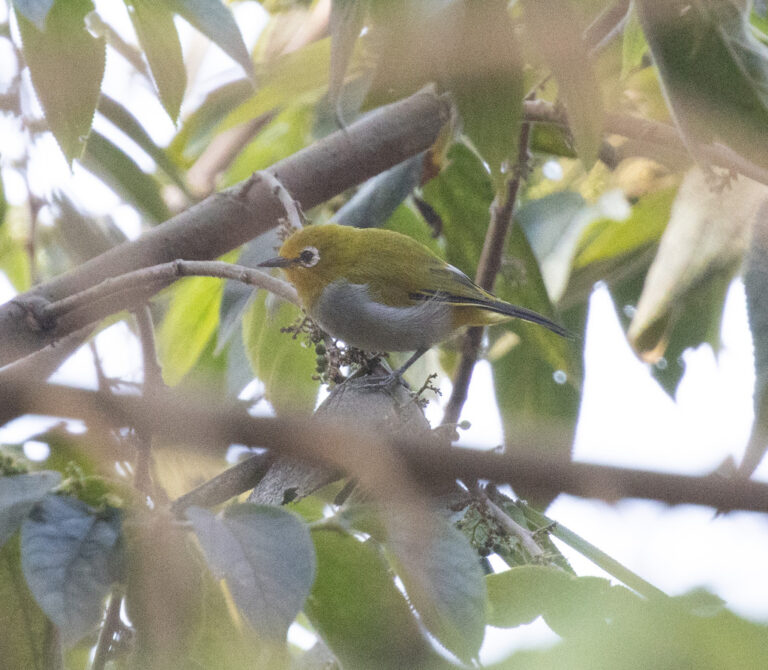
Zosterops winifredae
♥
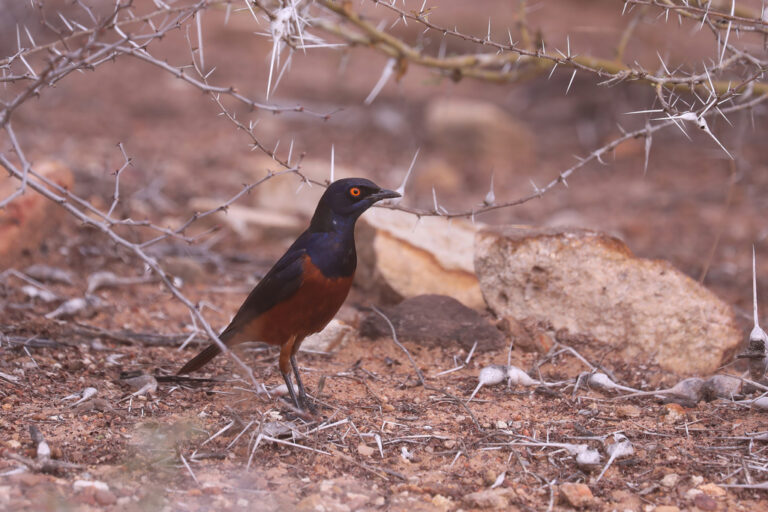
Lamprotornis shelleyi
♥
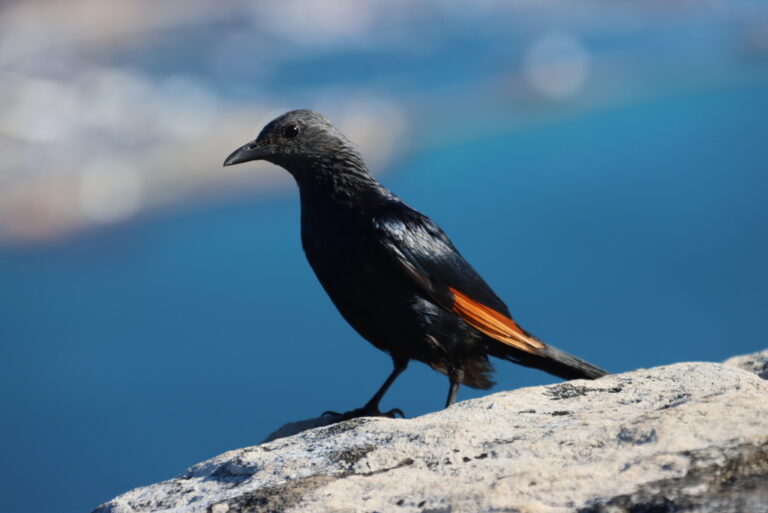
Onychognathus morio
♥
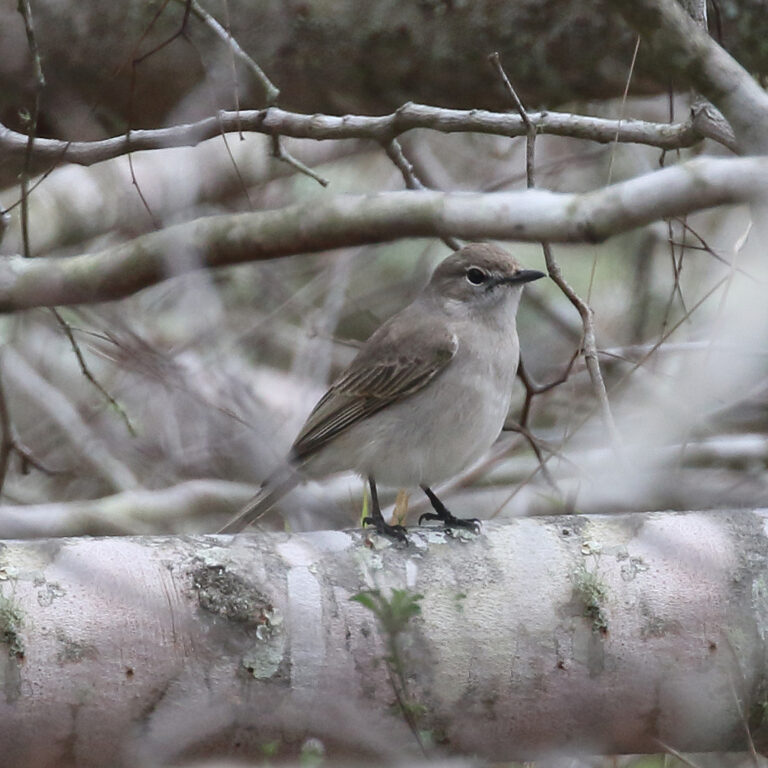
Agricola pallidus
♥
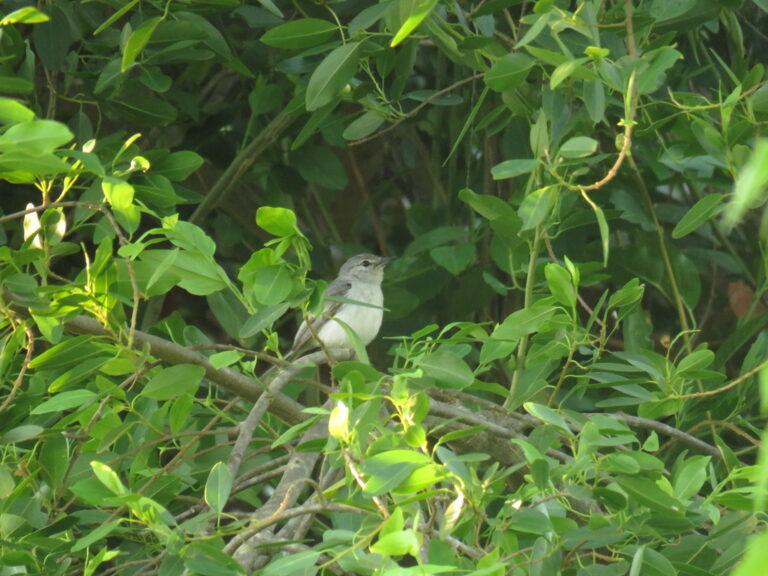
Fraseria plumbea
♥
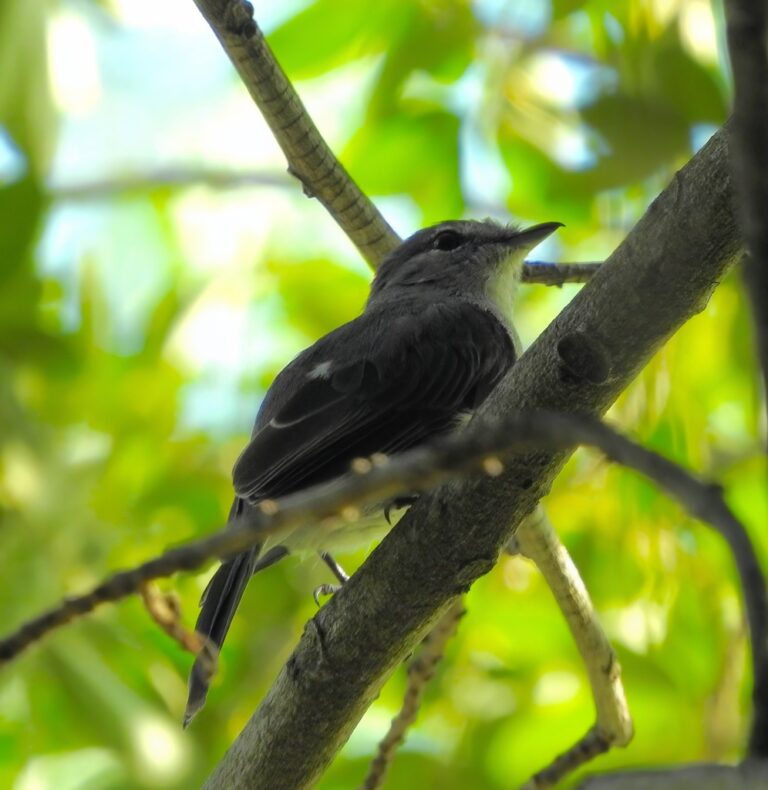
Fraseria caerulescens
♥
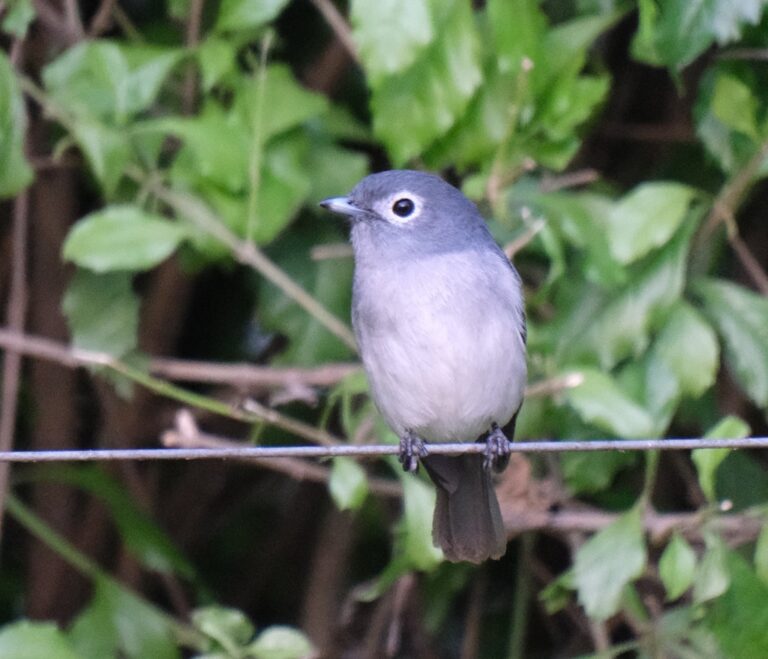
Melaenornis fischeri
♥
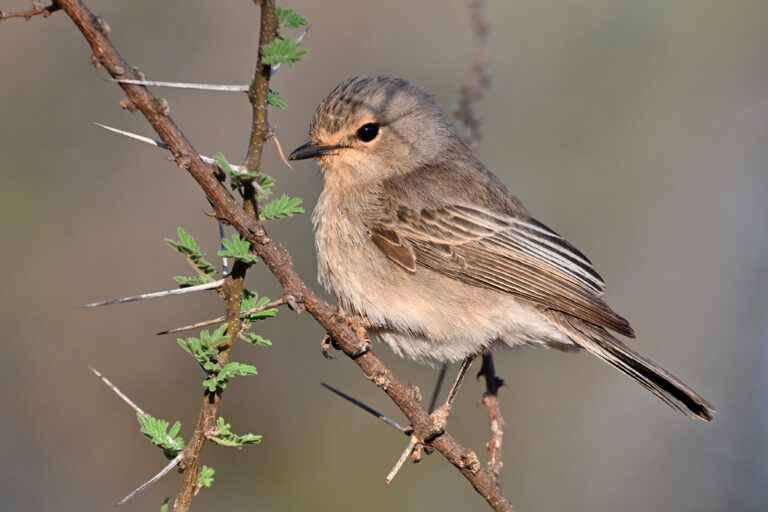
Bradornis microrhynchus
♥
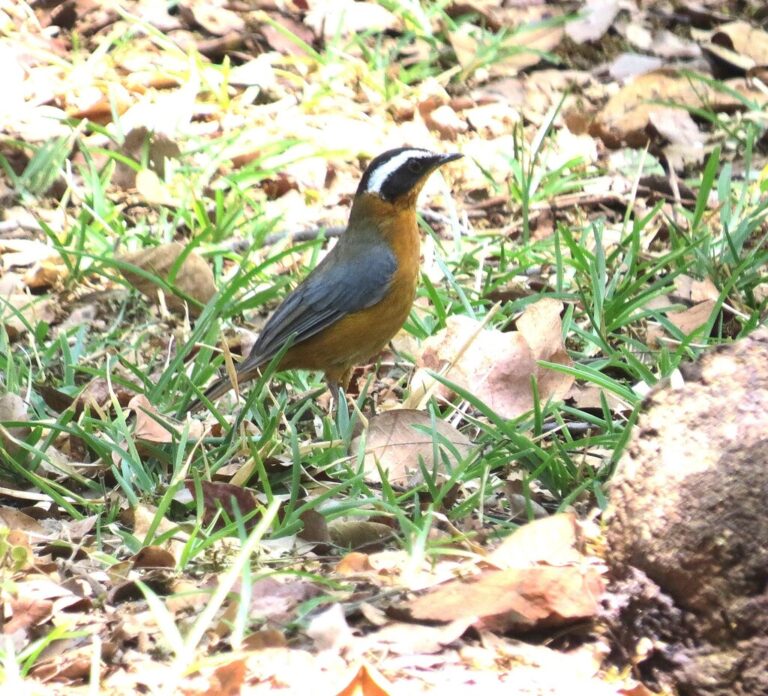
Cossypha heuglini
♥
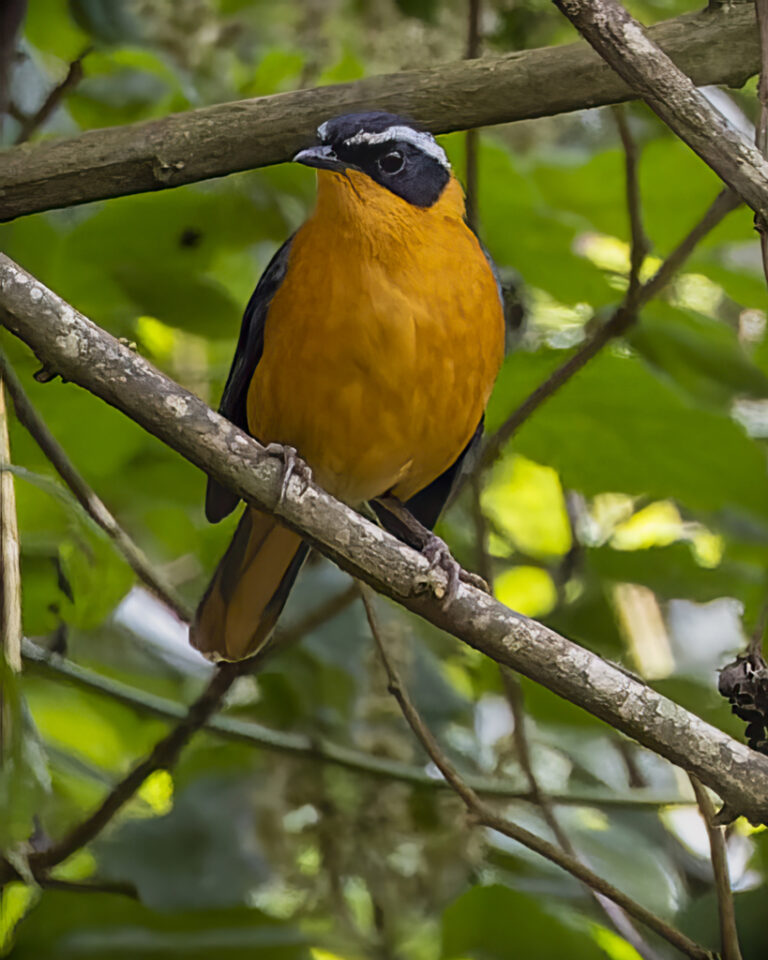
Cossypha semirufa
♥
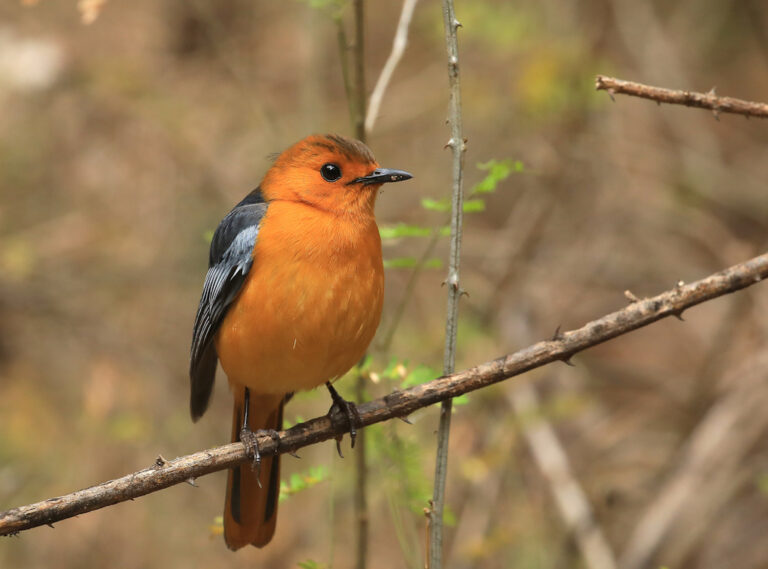
Cossypha natalensis
♥
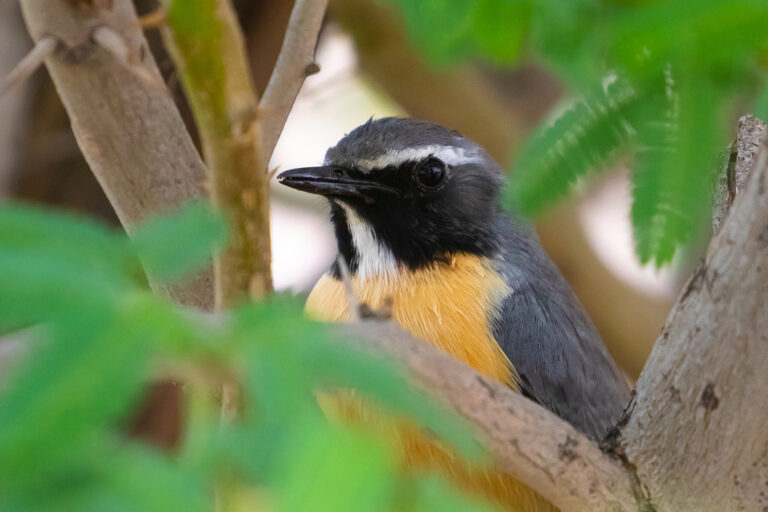
Irania gutturalis
♥
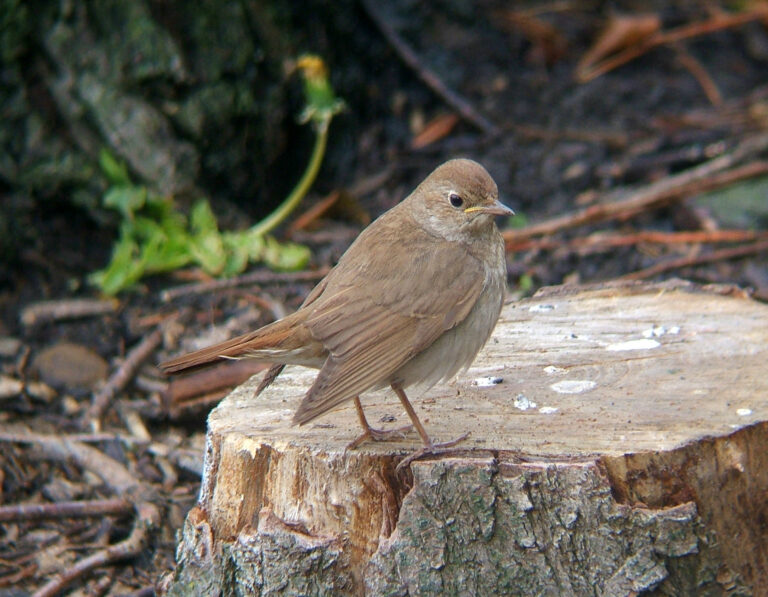
Luscinia luscinia
♥
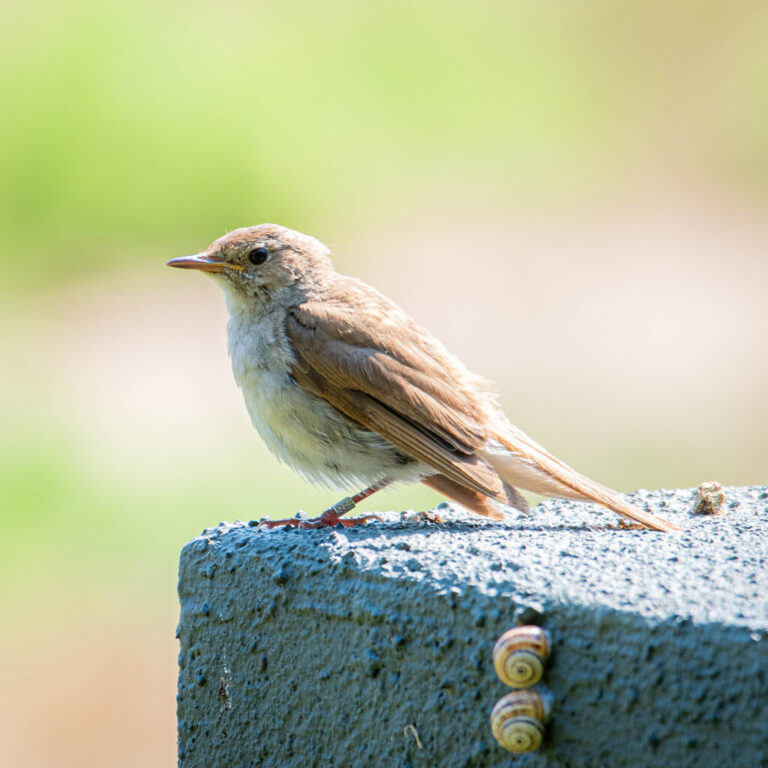
Luscinia megarhynchos
♥
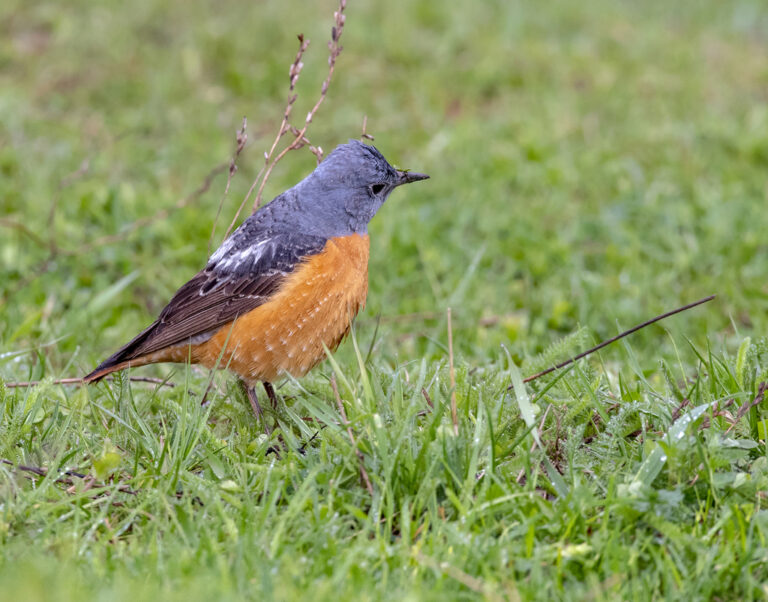
Monticola saxatilis
♥
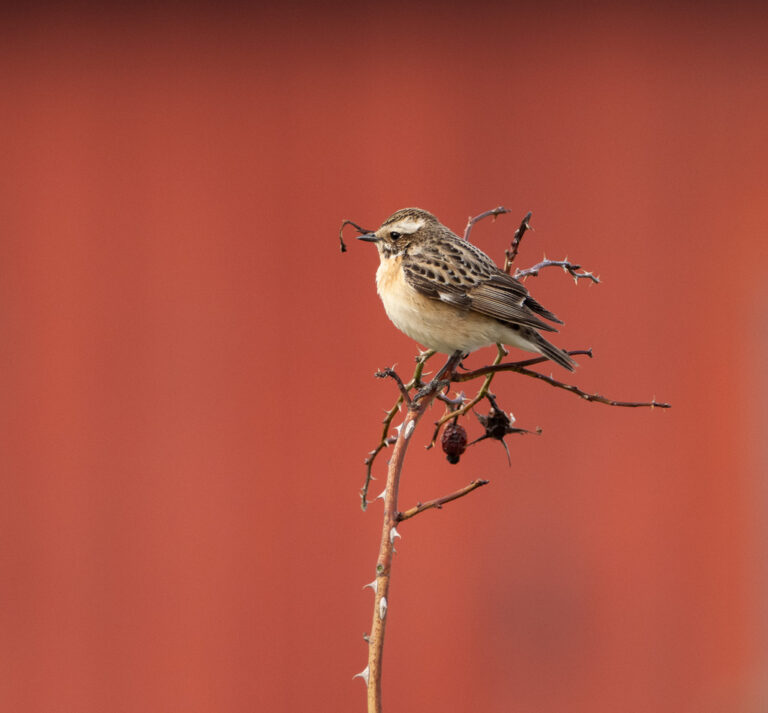
Saxicola rubetra
♥
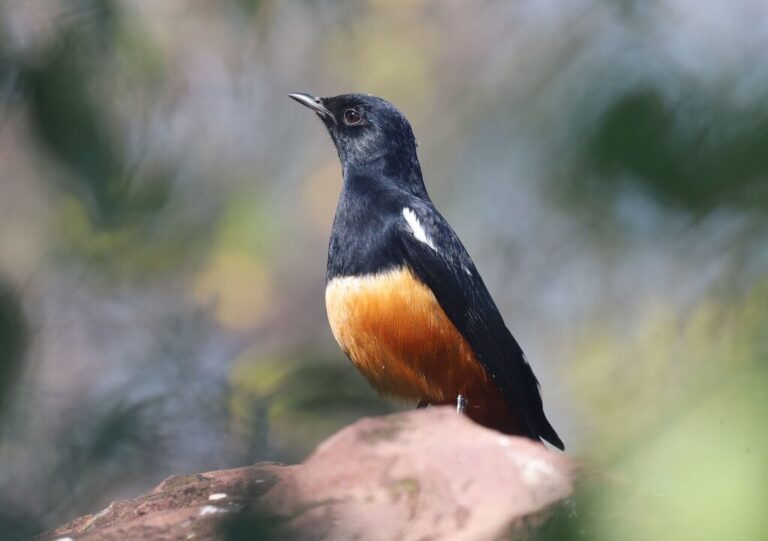
Thamnolaea cinnamomeiventris
♥
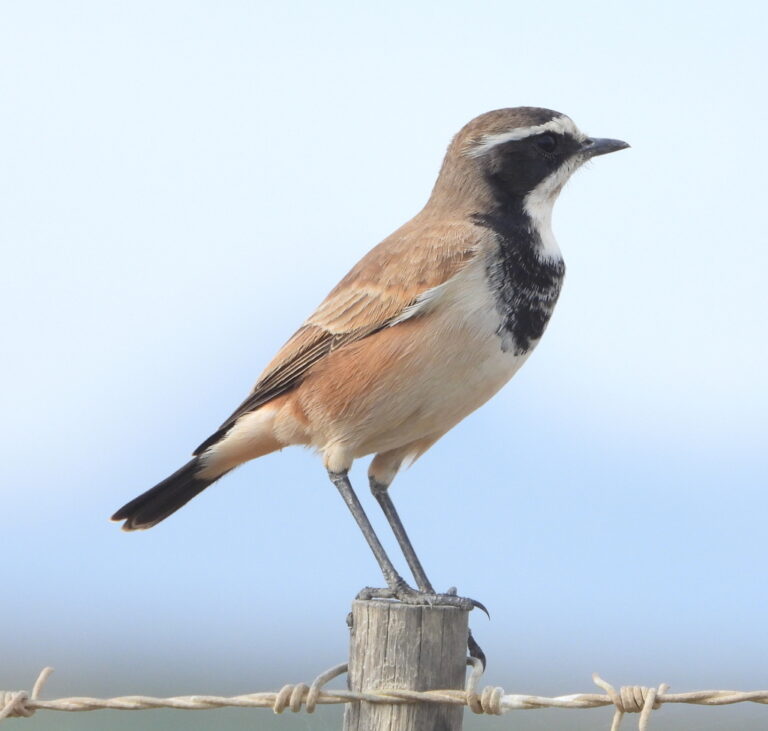
Oenanthe pileata
♥
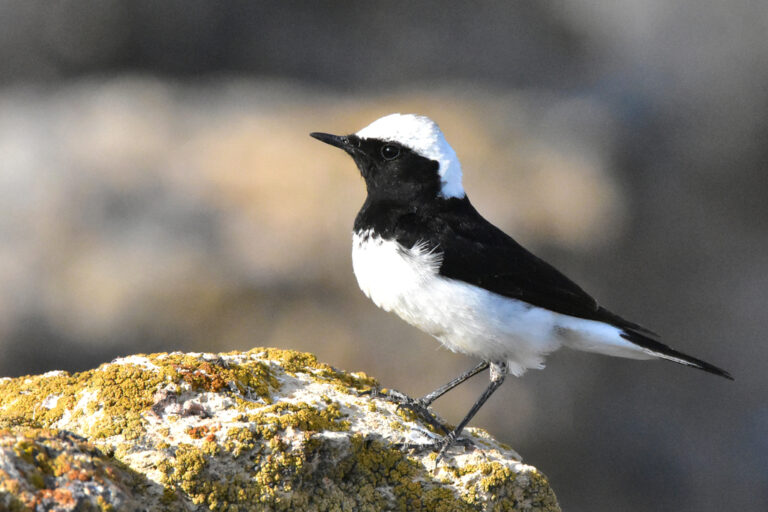
Oenanthe pleschanka
♥
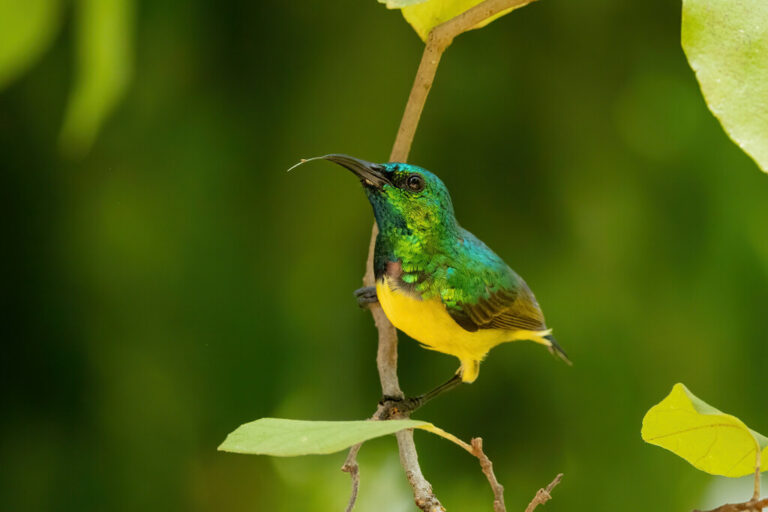
Hedydipna collaris
♥
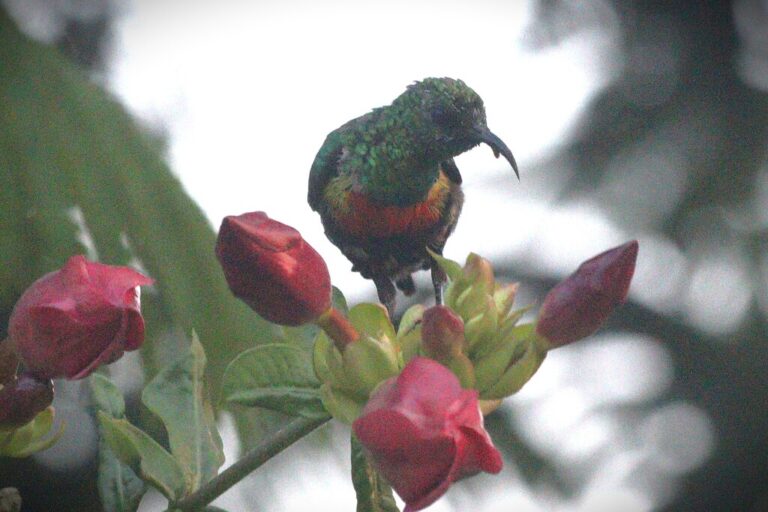
Cinnyris melanogastrus
♥
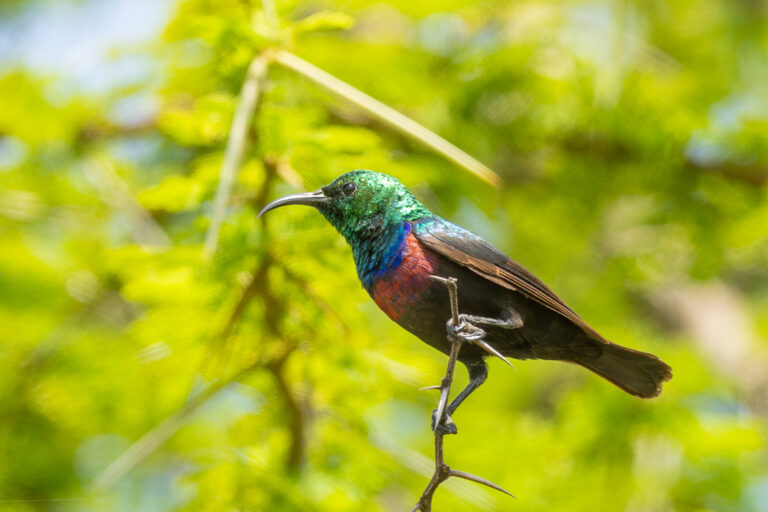
Cinnyris mariquensis
♥
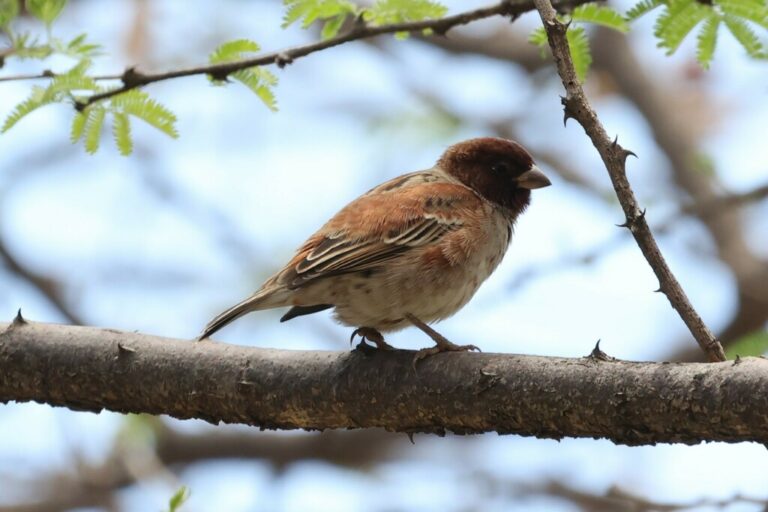
Passer eminibey
♥
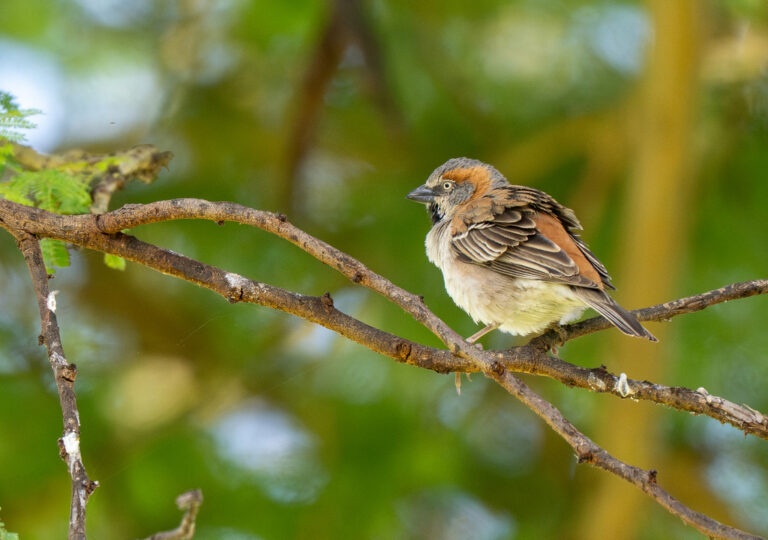
Passer rufocinctus
♥
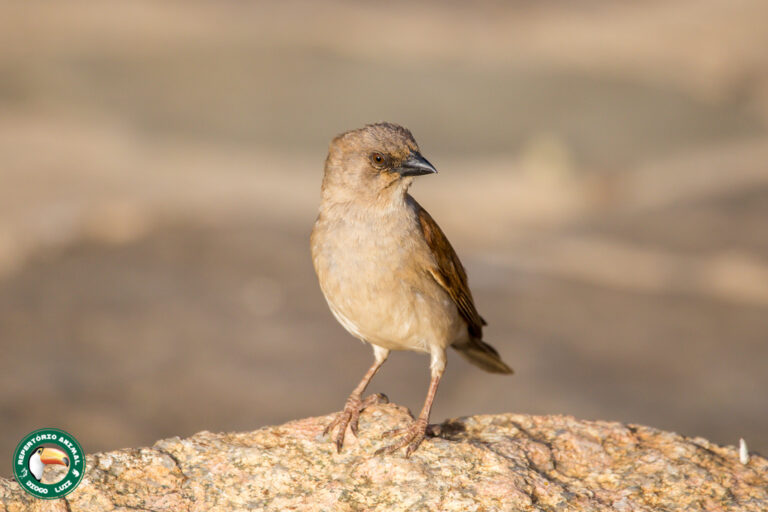
Passer griseus
♥
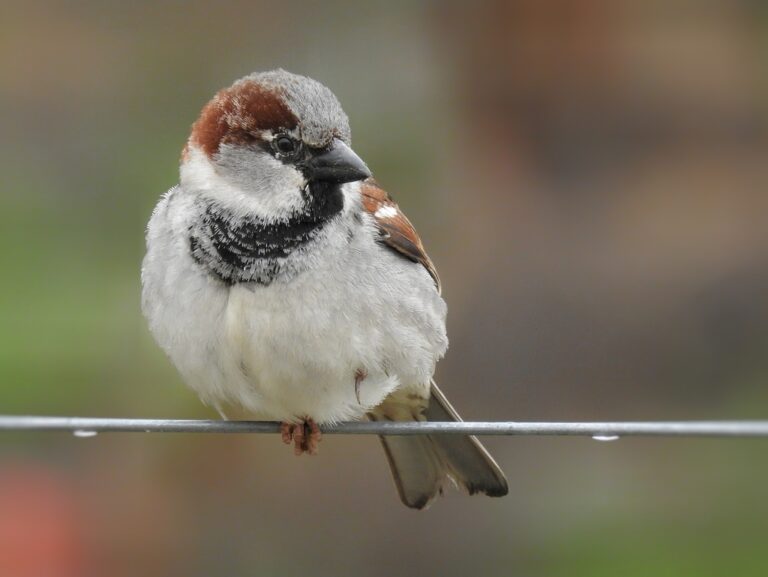
Passer domesticus
♥
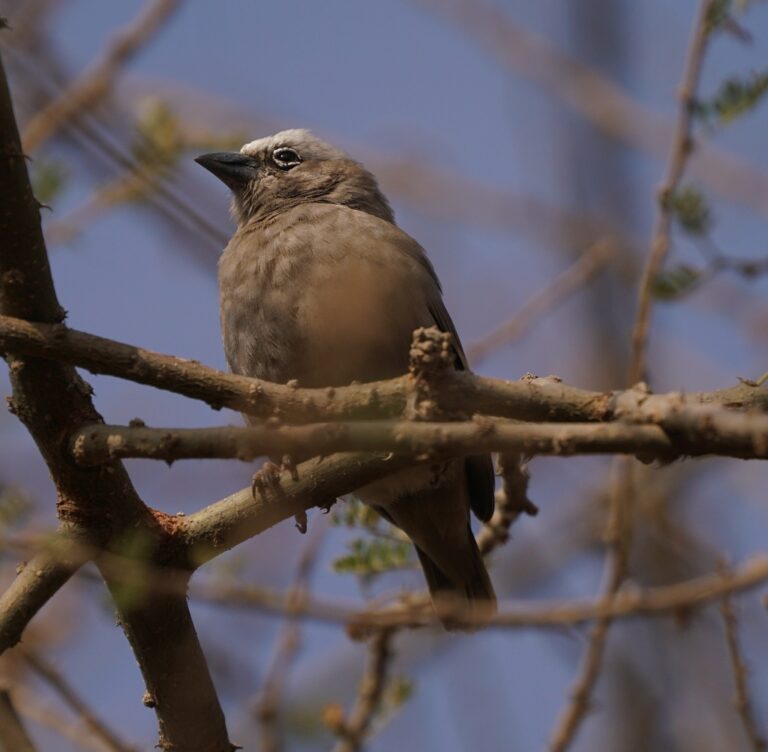
Pseudonigrita arnaudi
♥
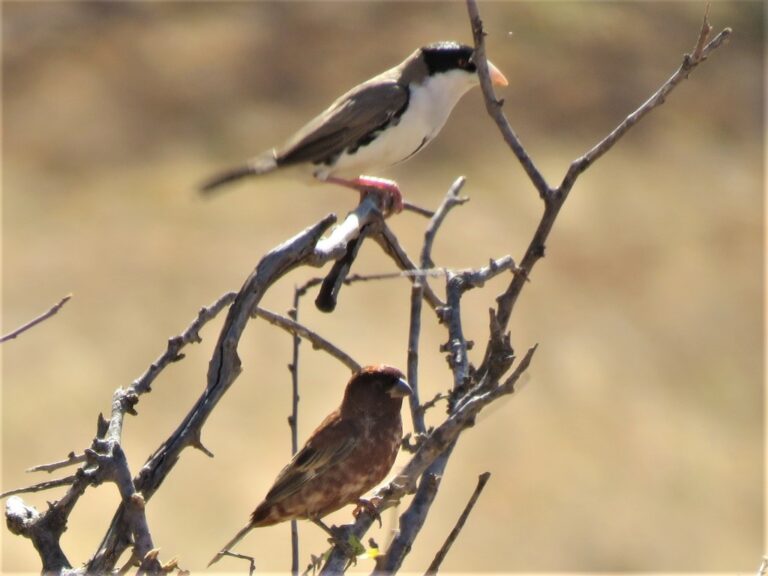
Pseudonigrita cabanisi
♥
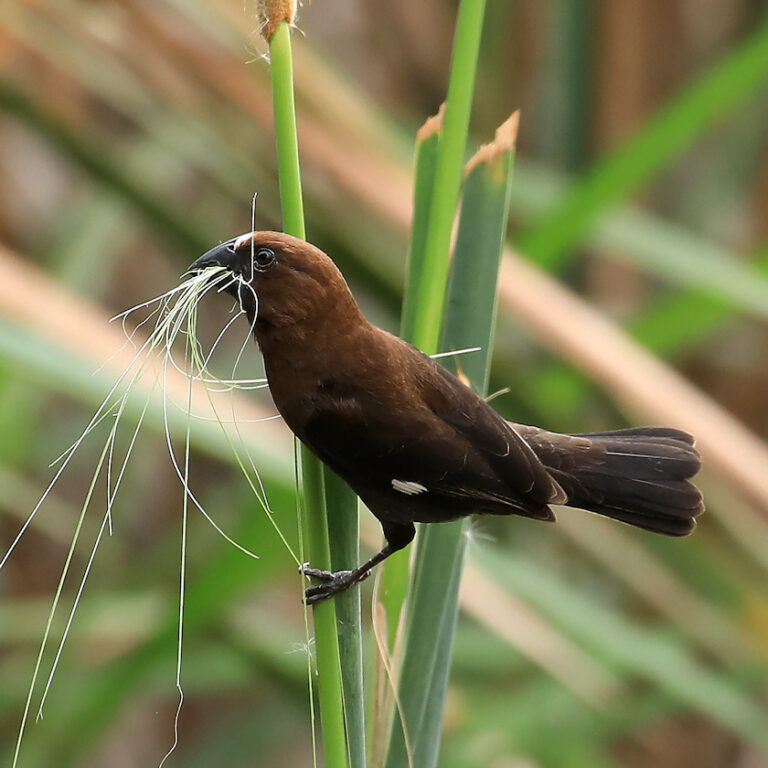
Amblyospiza albifrons
♥
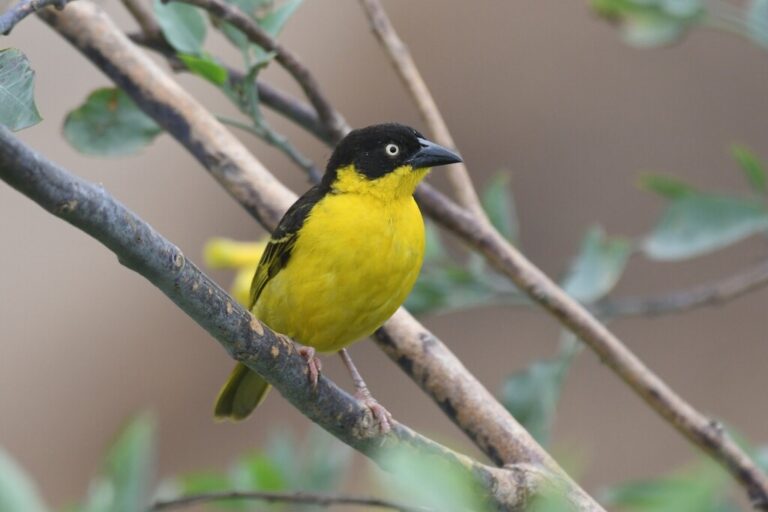
Ploceus baglafecht
♥
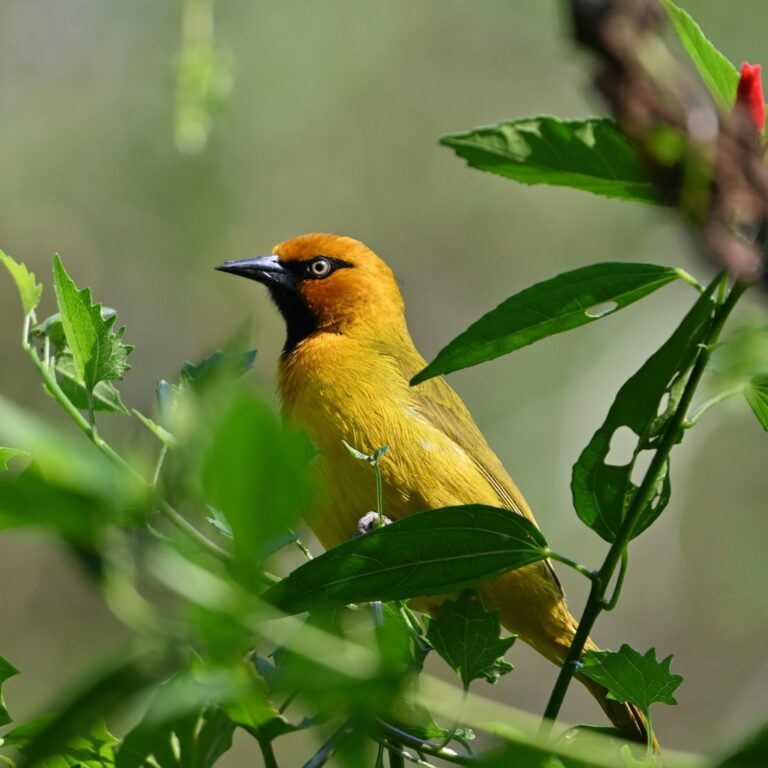
Ploceus ocularis
♥
Ploceus subaureus
♥
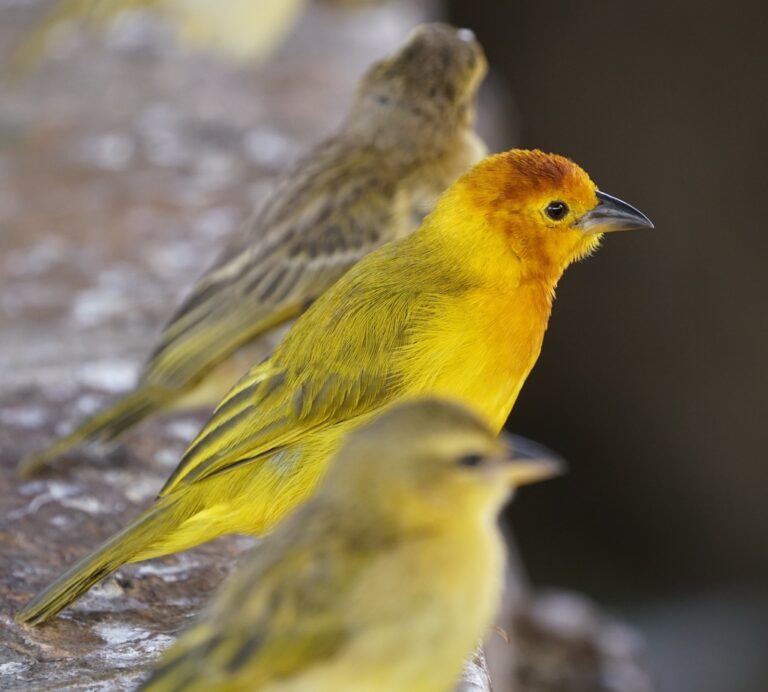
Ploceus castaneiceps
♥
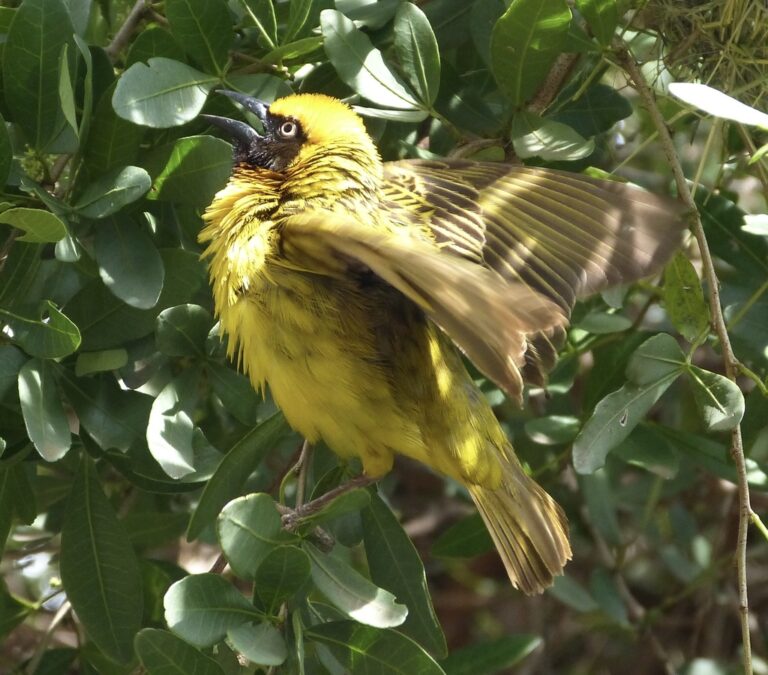
Ploceus spekei
♥
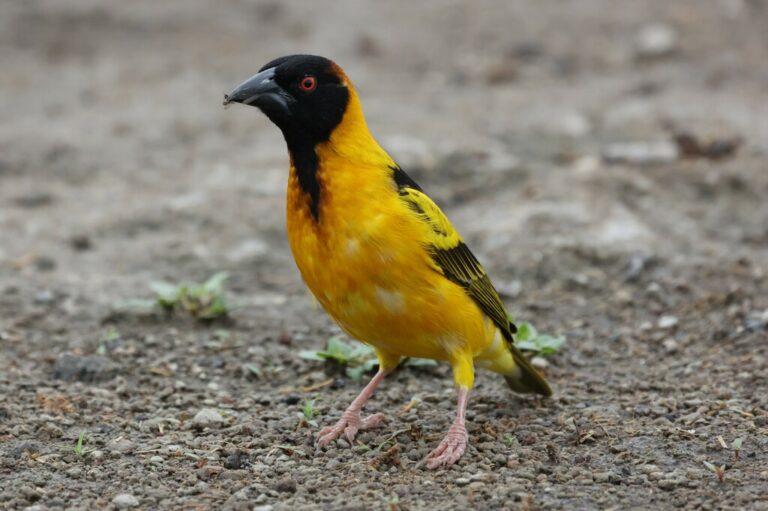
Ploceus cucullatus
♥
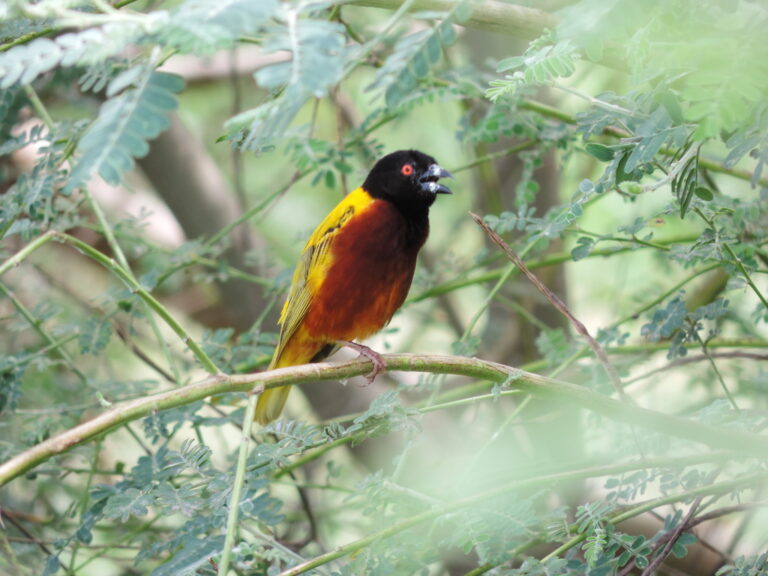
Ploceus jacksoni
♥
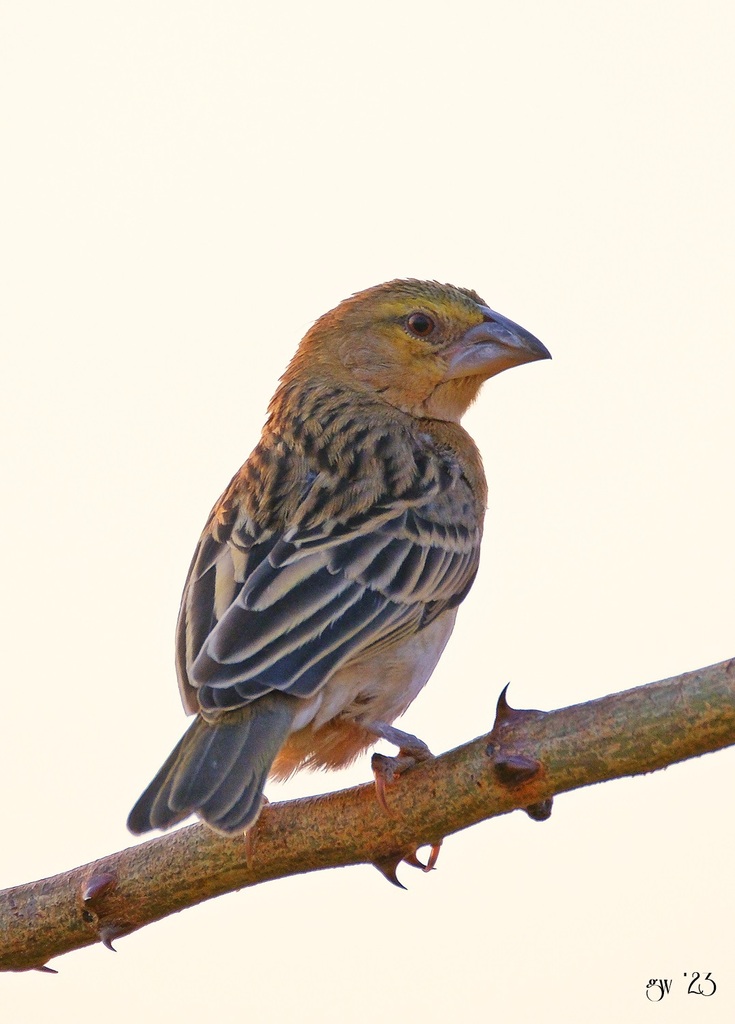
Ploceus rubiginosus
♥
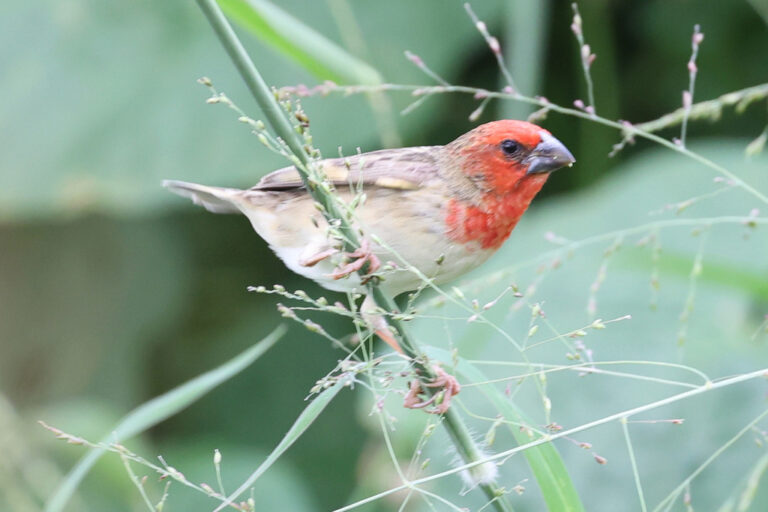
Quelea cardinalis
♥
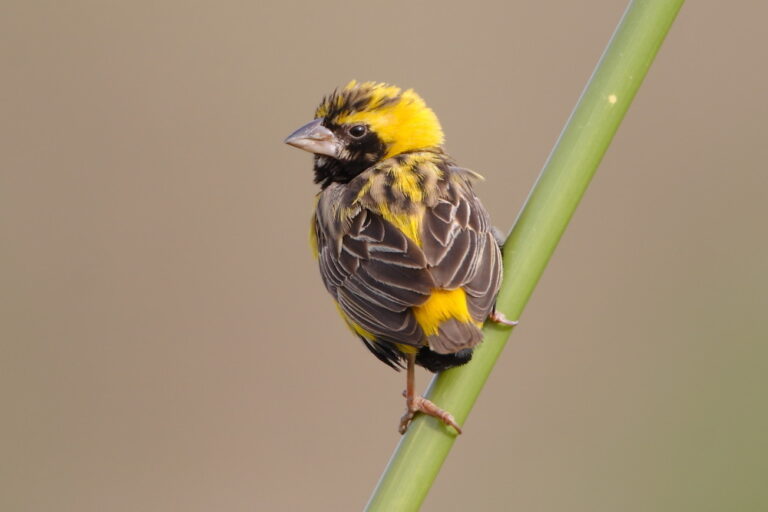
Euplectes afer
♥
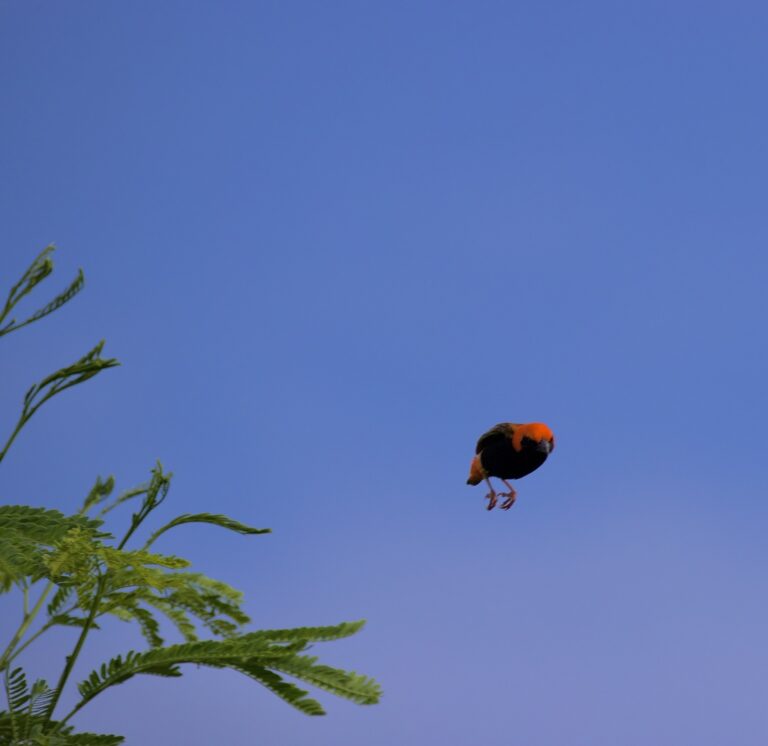
Euplectes nigroventris
♥
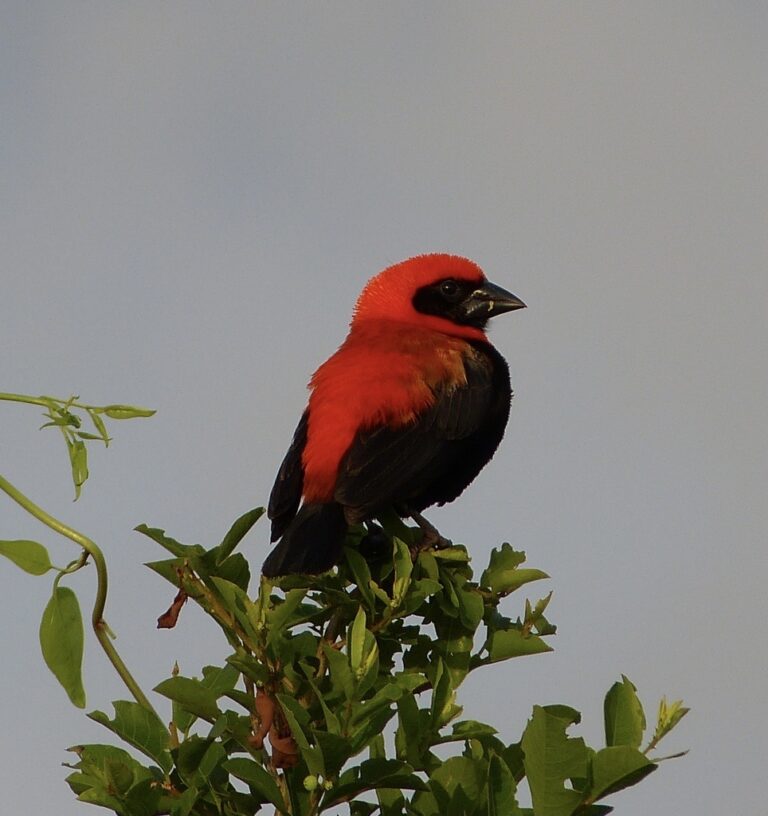
Euplectes hordeaceus
♥
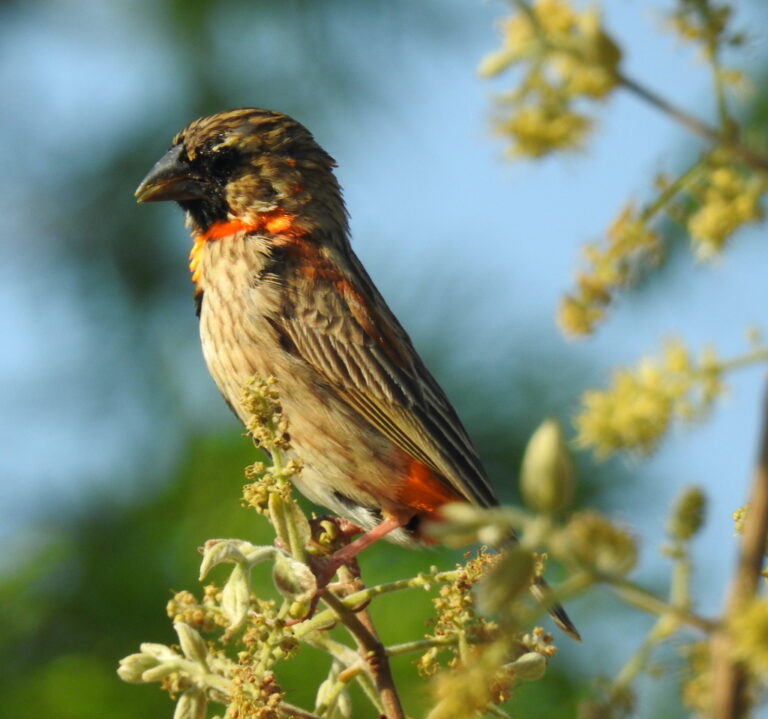
Euplectes orix
♥
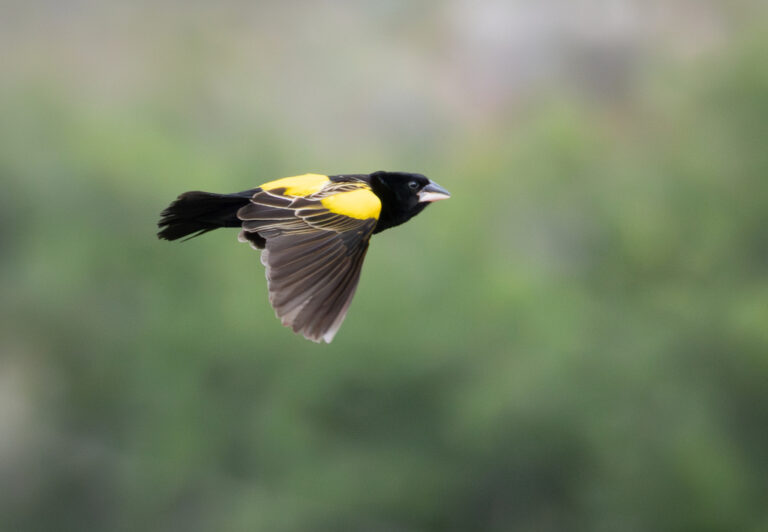
Euplectes capensis
♥
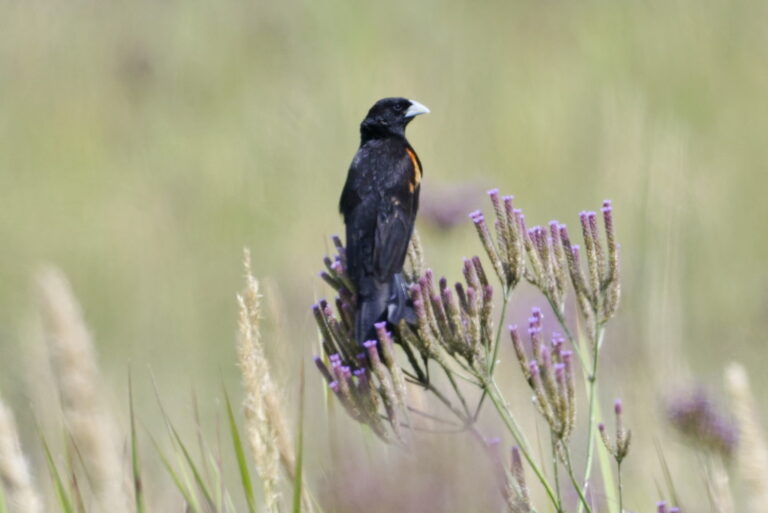
Euplectes axillaris
♥
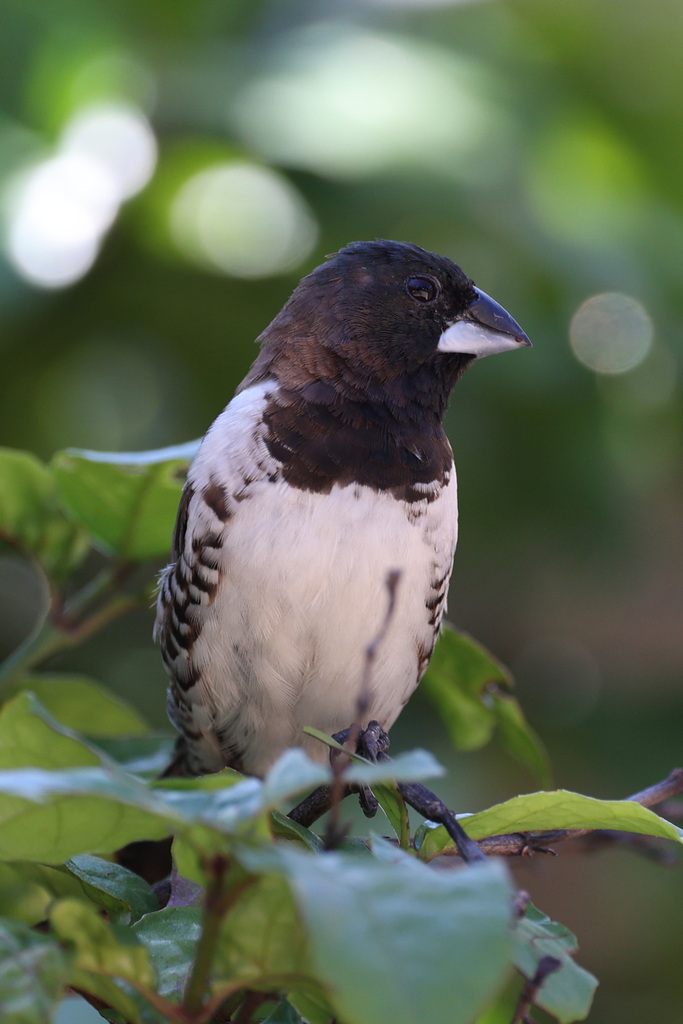
Spermestes cucullata
♥
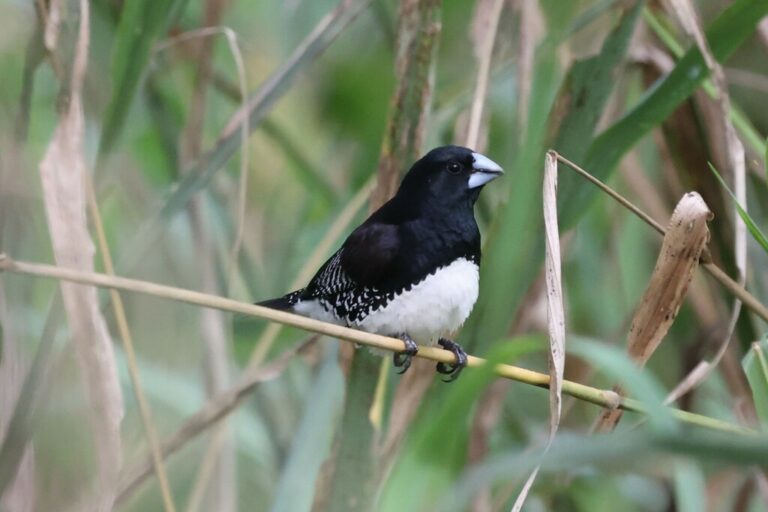
Spermestes bicolor
♥
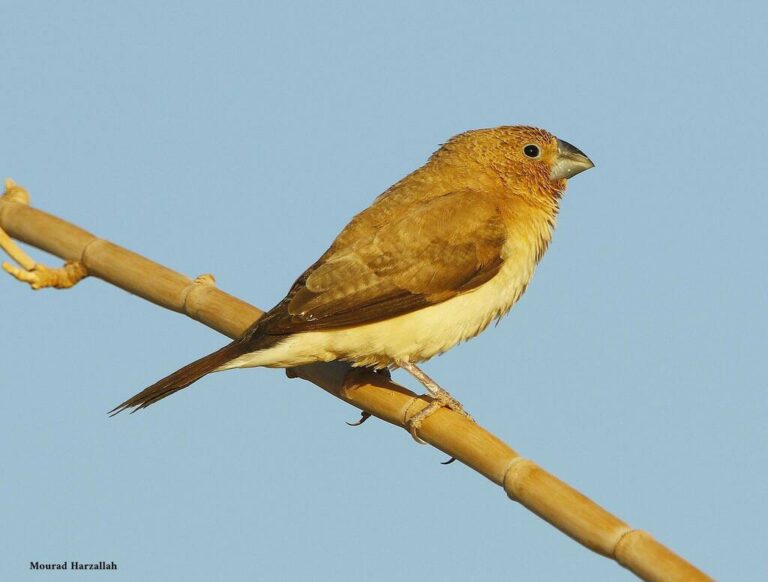
Euodice cantans
♥
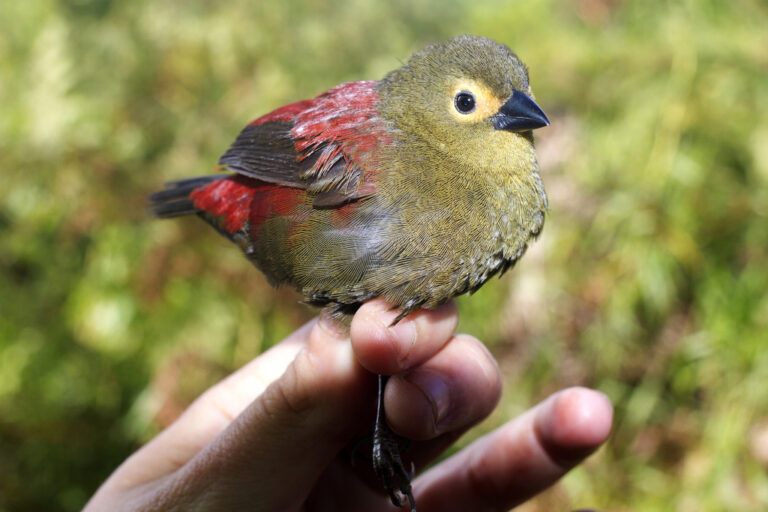
Cryptospiza reichenovii
♥
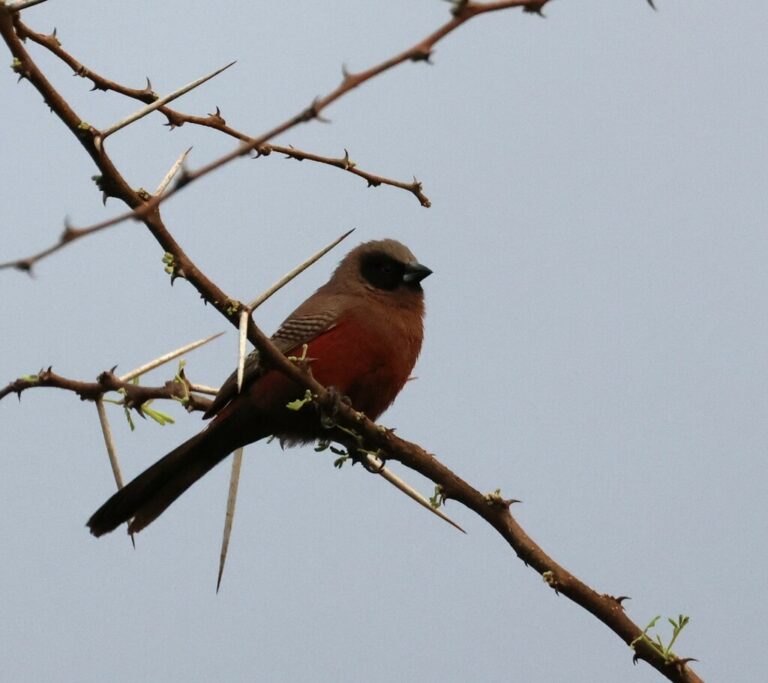
Brunhilda erythronotos
♥
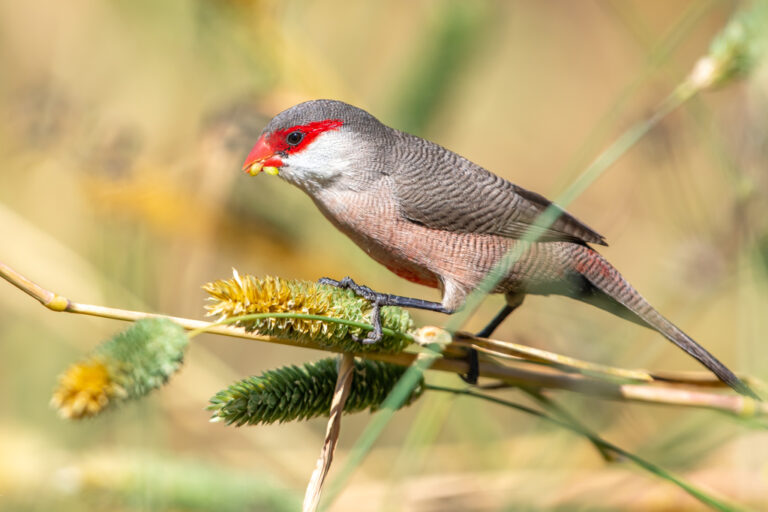
Estrilda astrild
♥
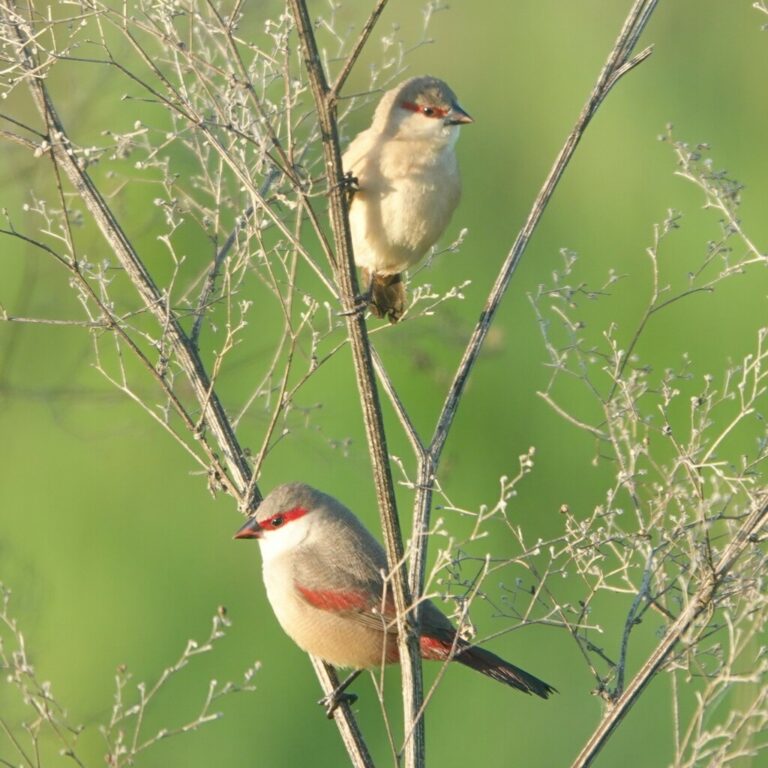
Estrilda rhodopyga
♥
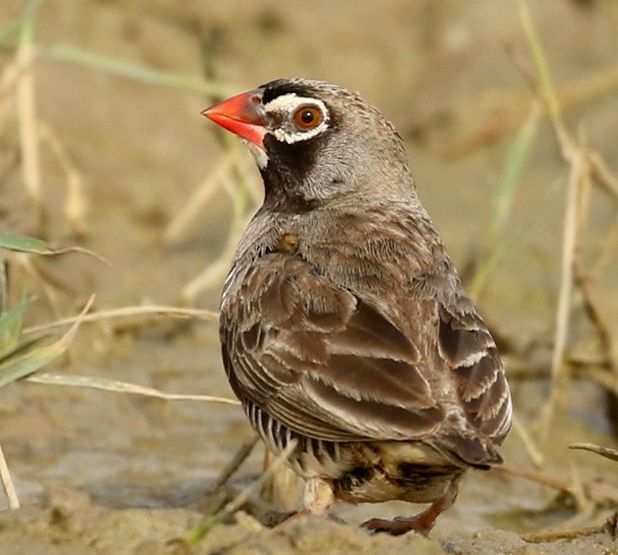
Ortygospiza atricollis
♥
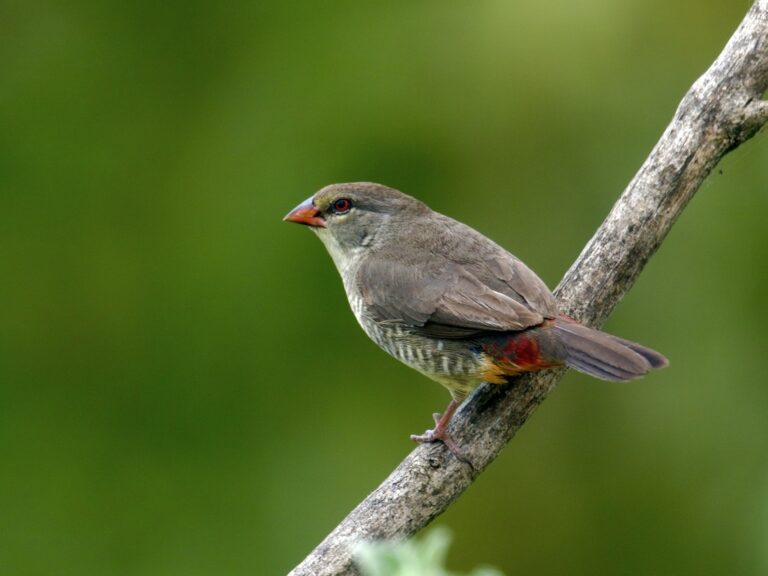
Amandava subflava
♥
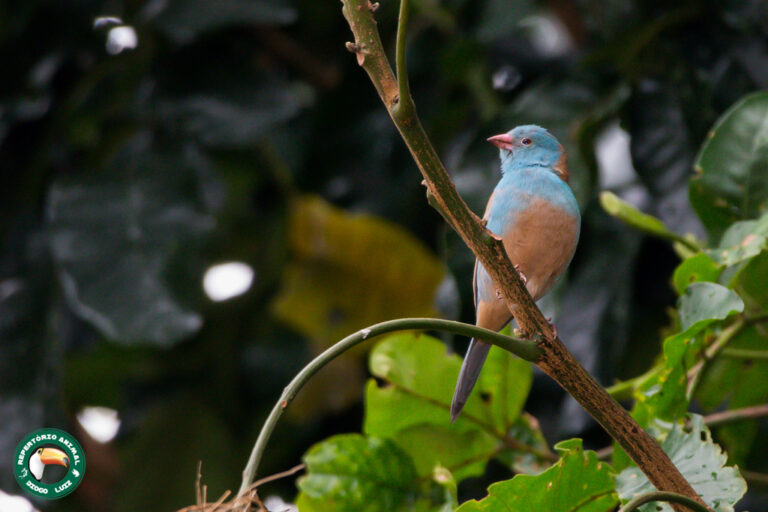
Uraeginthus cyanocephalus
♥
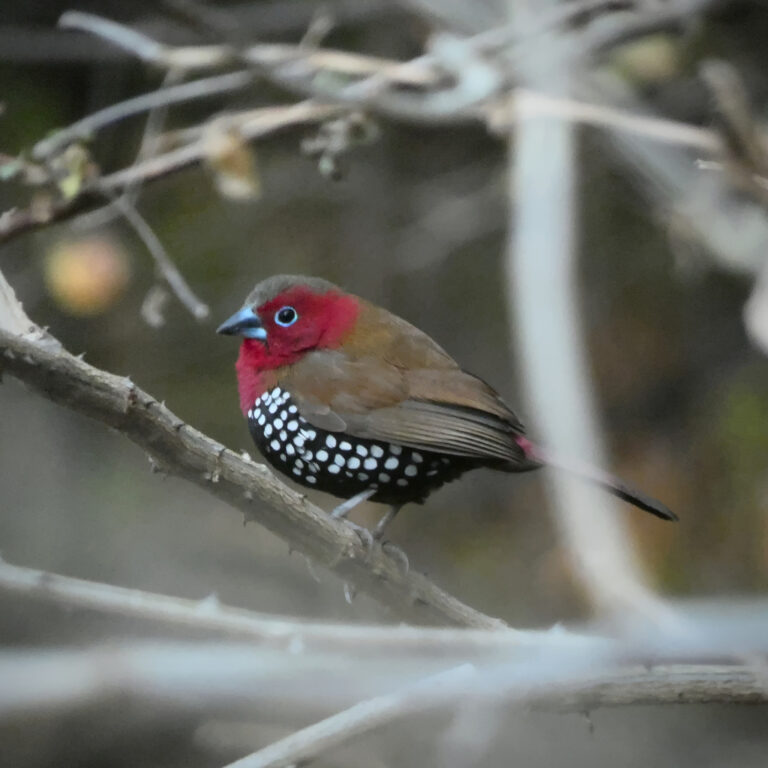
Hypargos niveoguttatus
♥
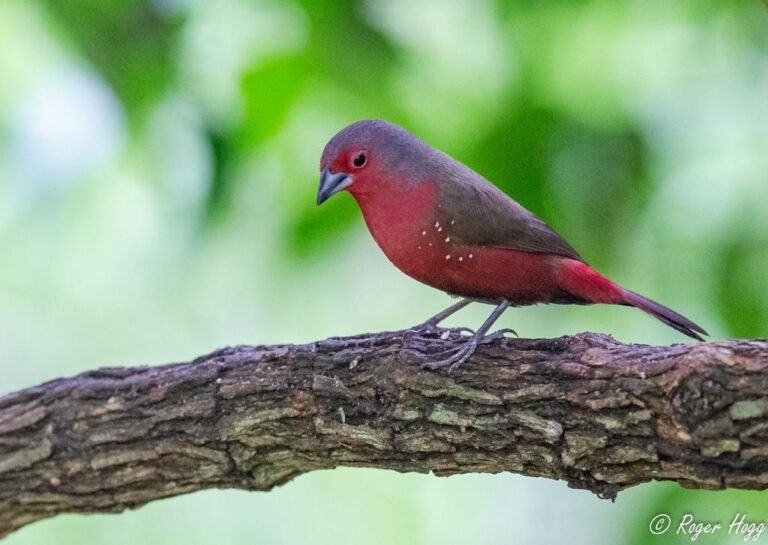
Lagonosticta rubricata
♥
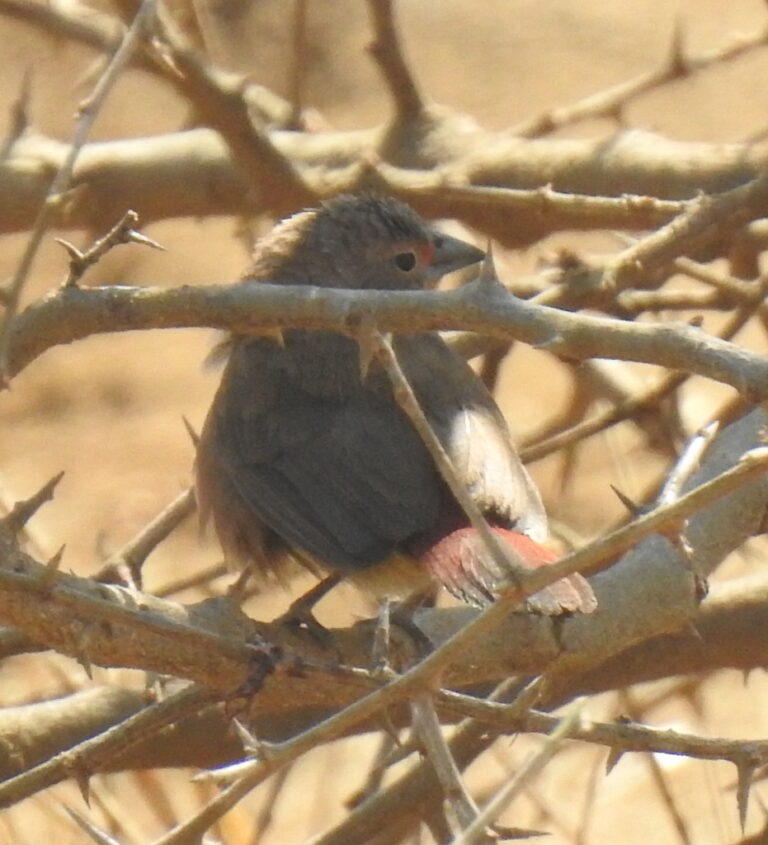
Lagonosticta rhodopareia
♥
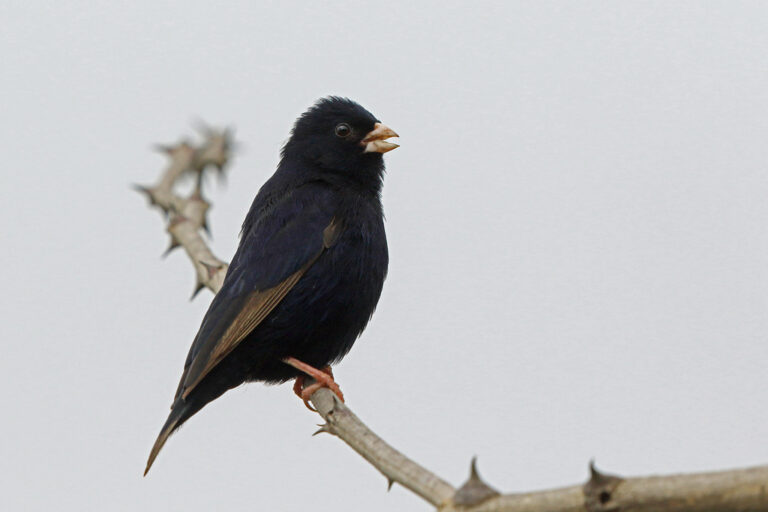
Vidua funerea
♥
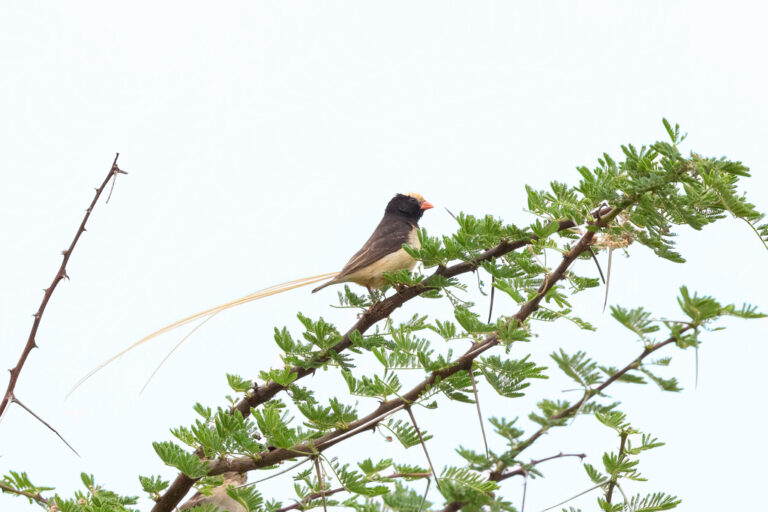
Vidua fischeri
♥
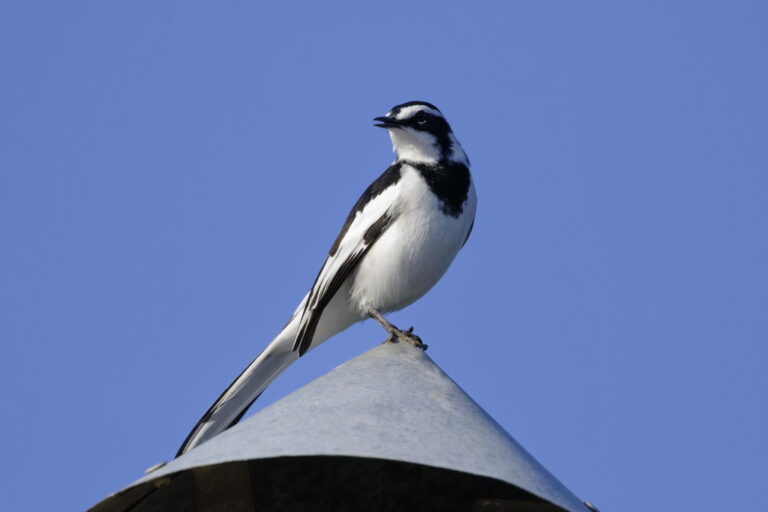
Motacilla aguimp
♥
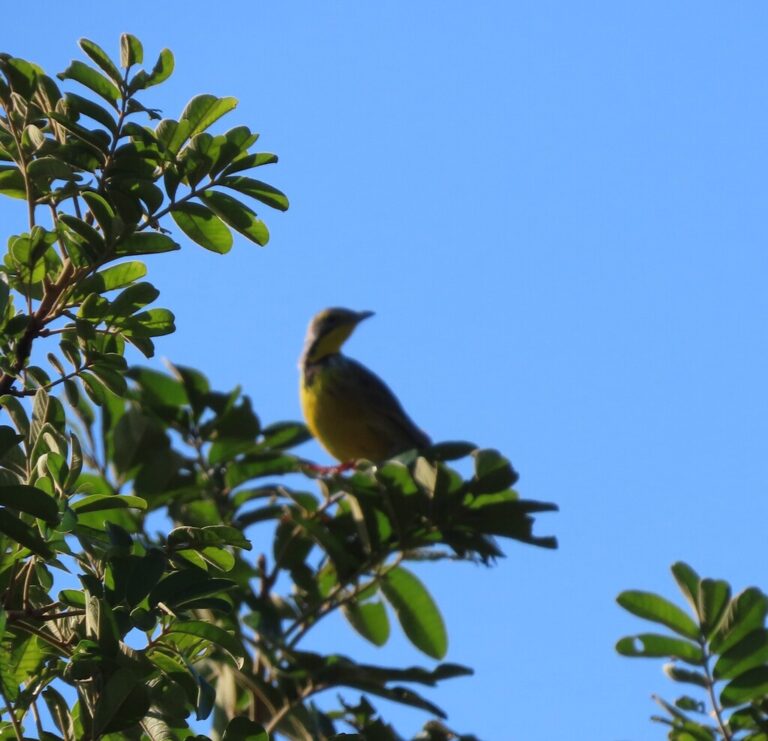
Macronyx croceus
♥
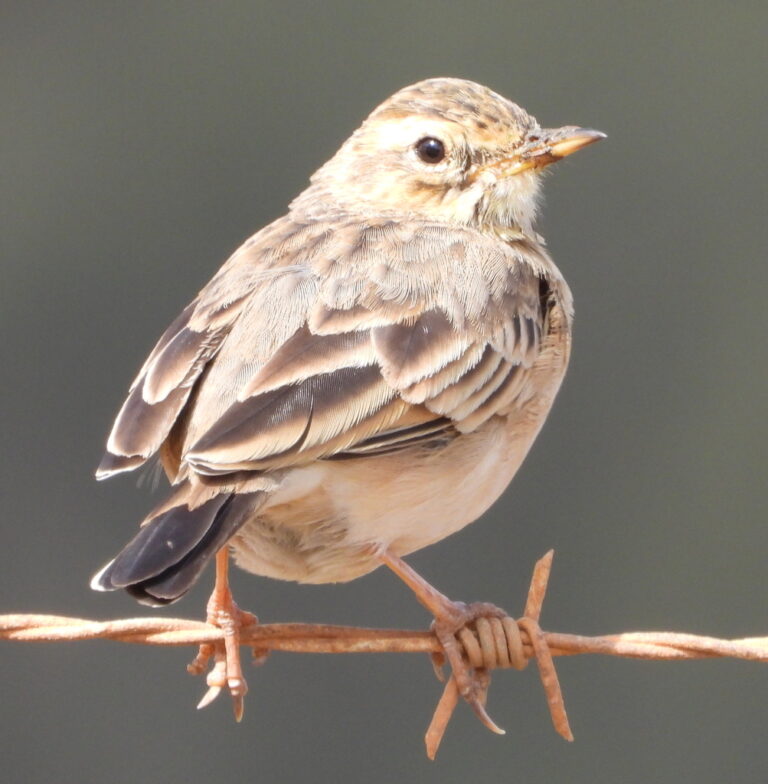
Anthus cinnamomeus
♥
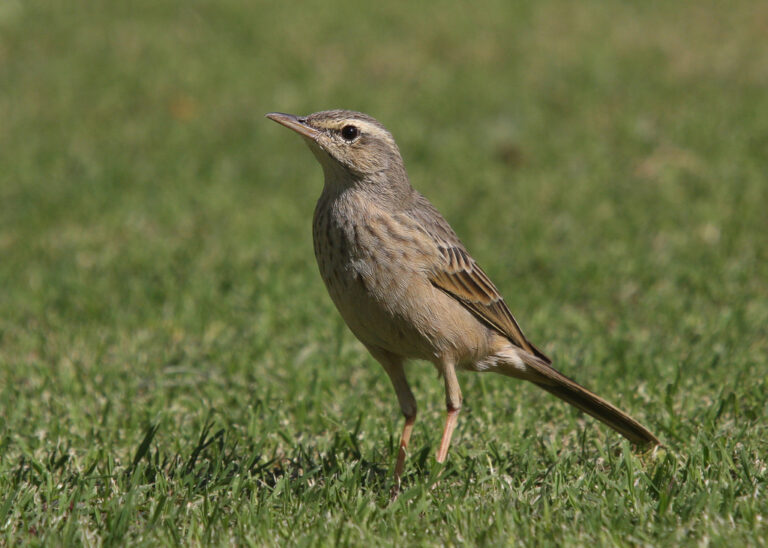
Anthus similis
♥
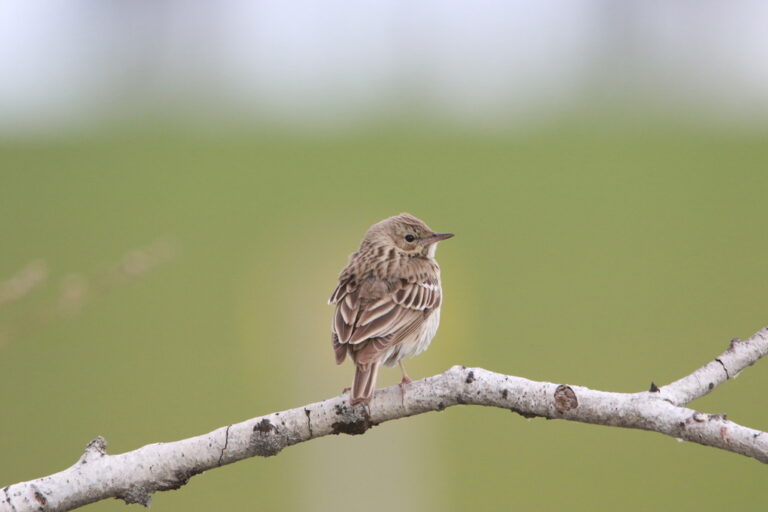
Anthus trivialis
♥
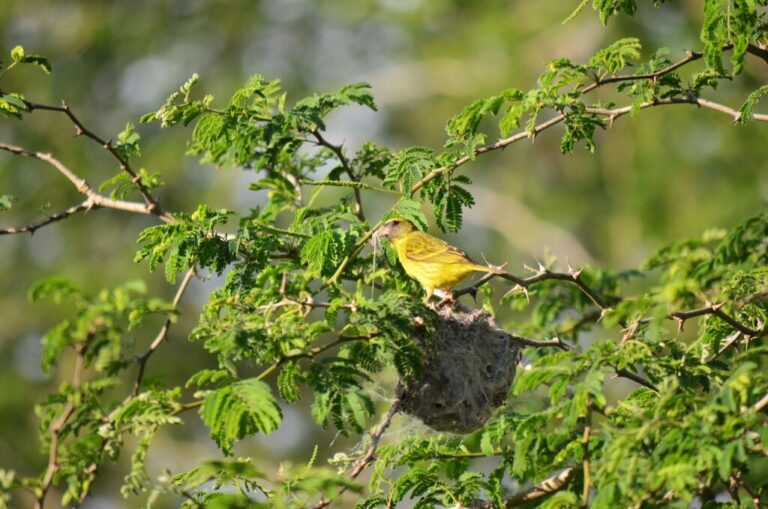
Crithagra hyposticta
♥
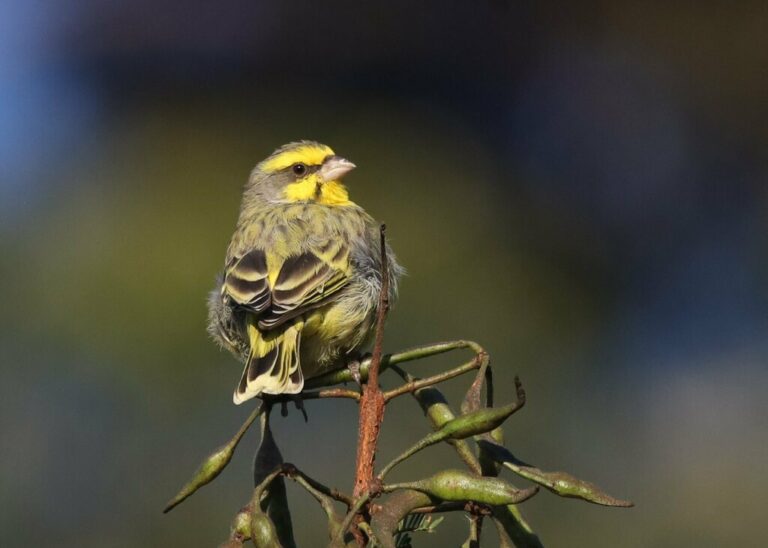
Crithagra mozambica
♥
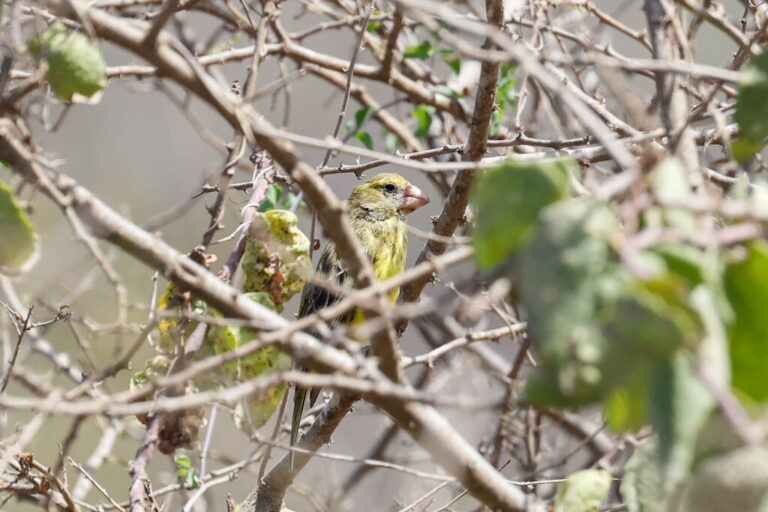
Crithagra buchanani
♥
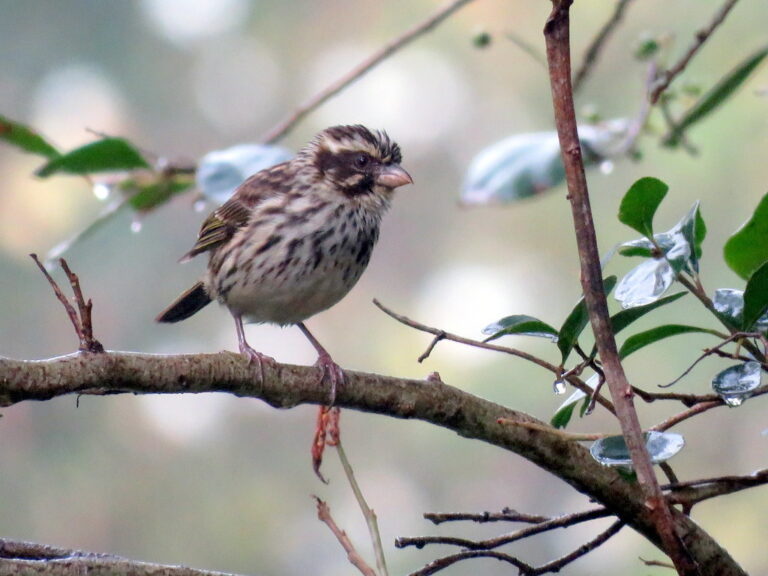
Crithagra striolata
♥
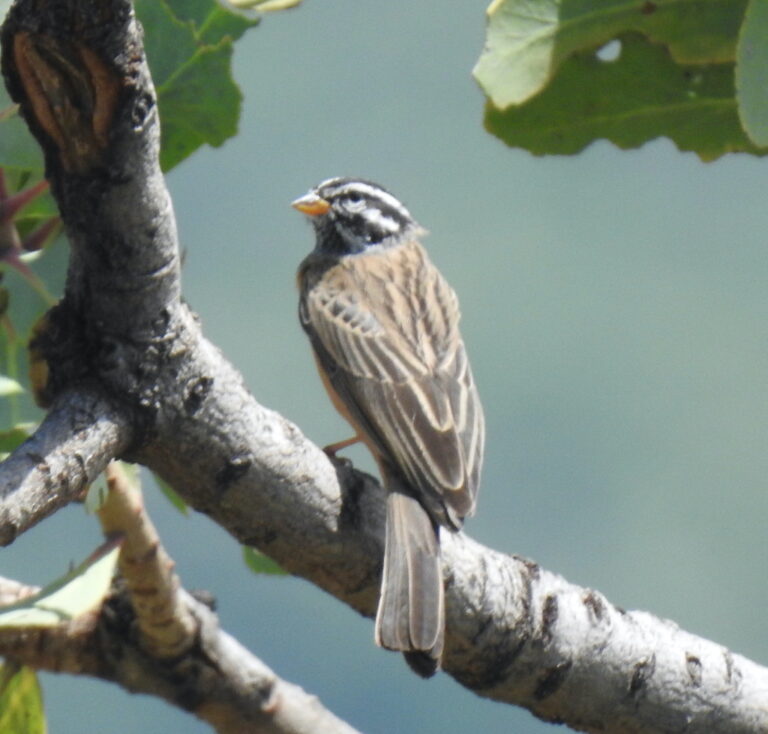
Emberiza tahapisi
♥
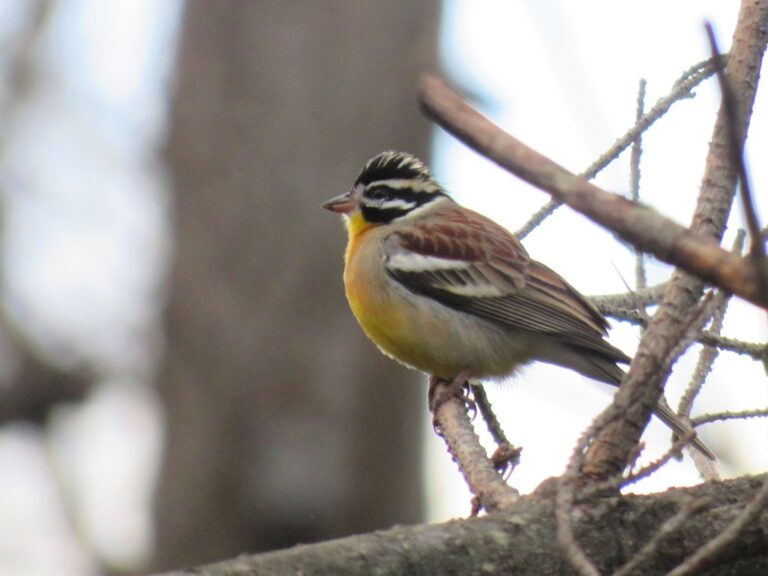
Emberiza flaviventris
♥
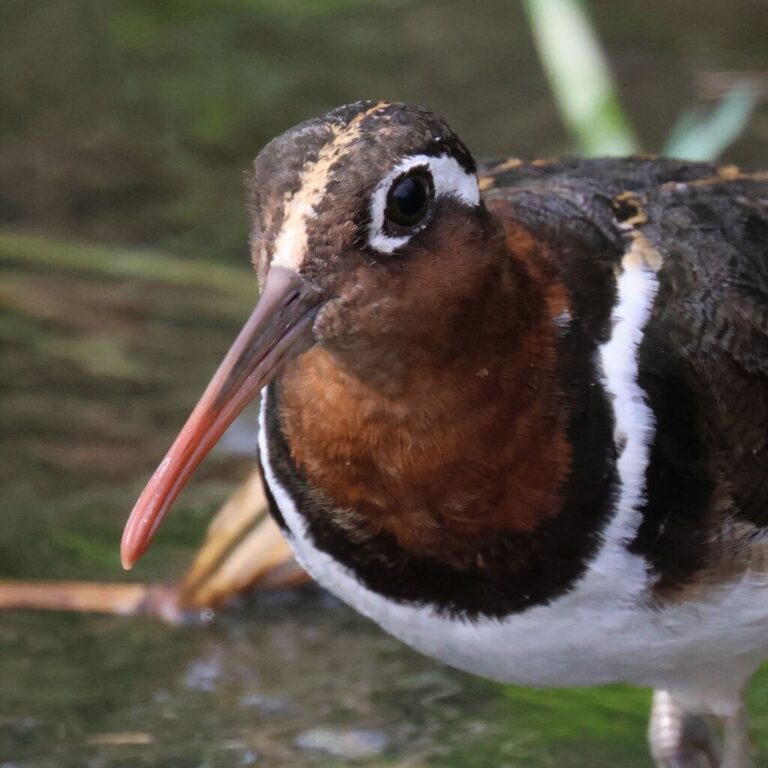
Rostratula benghalensis
♥
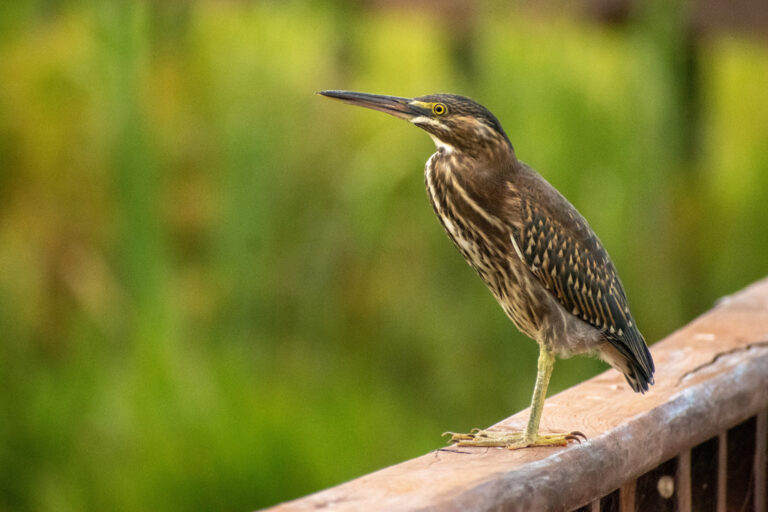
Butorides striata
♥
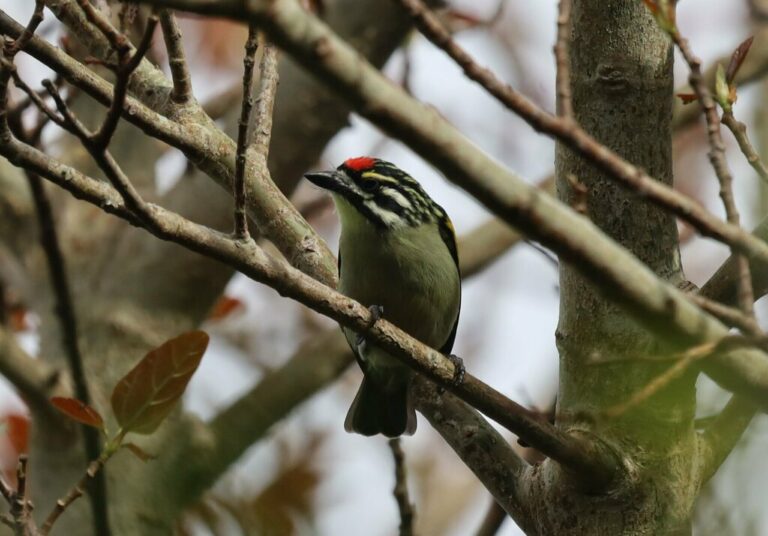
Pogoniulus pusillus
♥
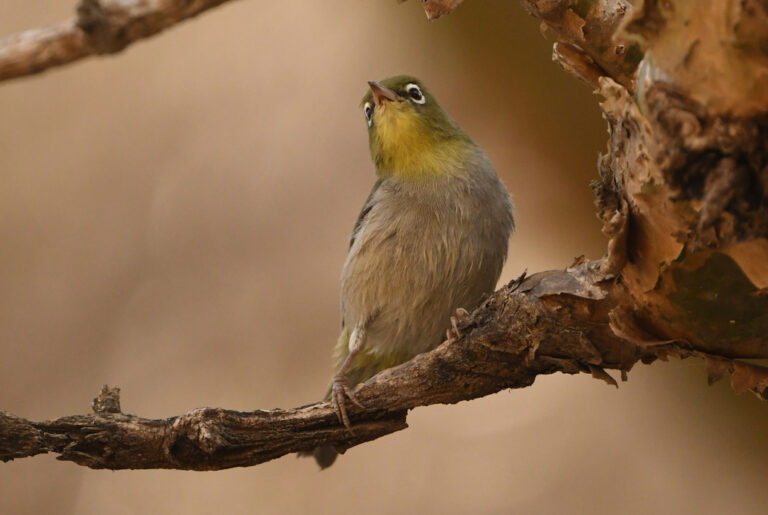
Zosterops abyssinicus
♥
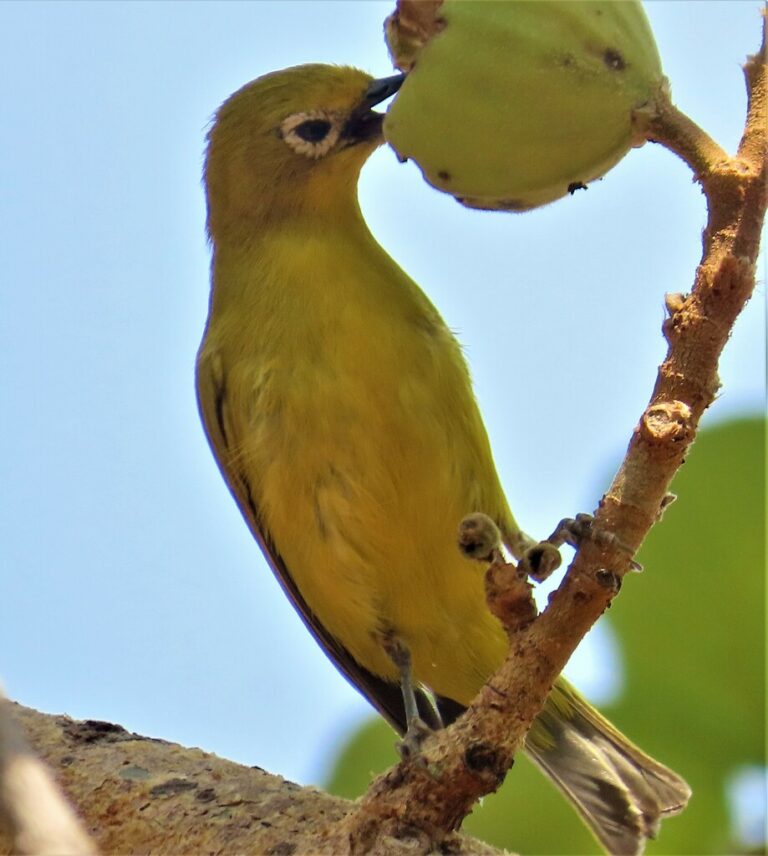
Zosterops anderssoni
♥
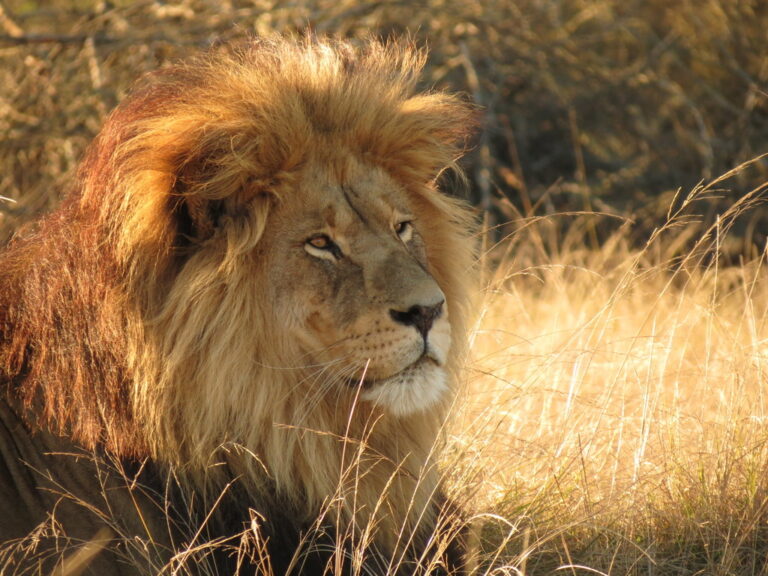
Panthera leo
♥
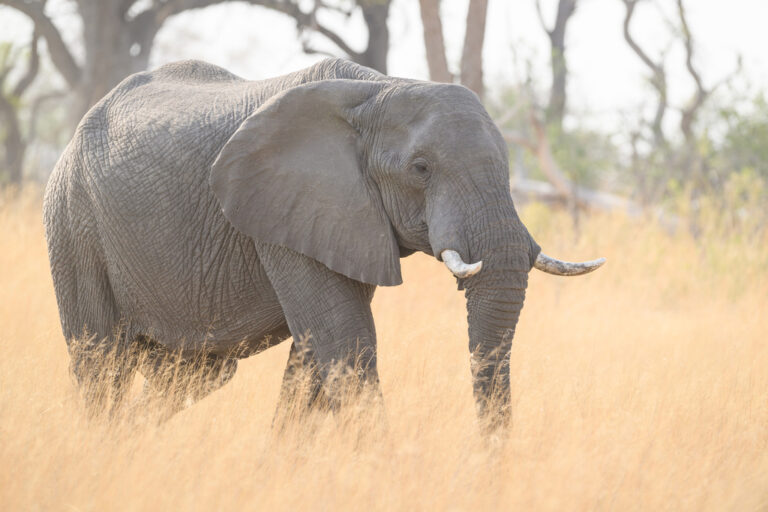
Loxodonta africana
♥
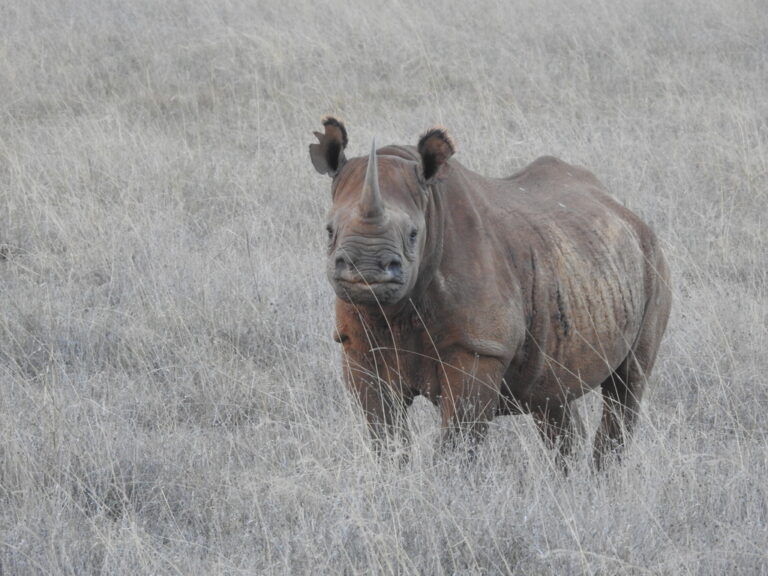
Diceros bicornis
♥
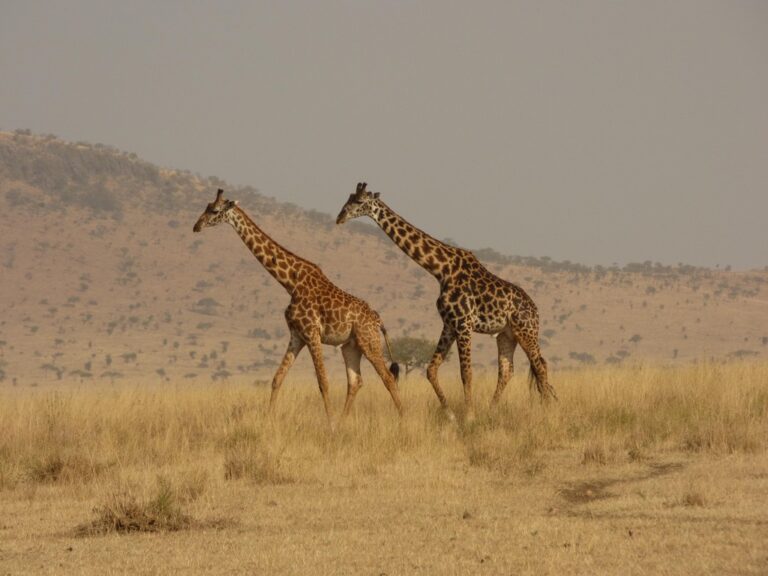
Giraffa tippelskirchi
♥
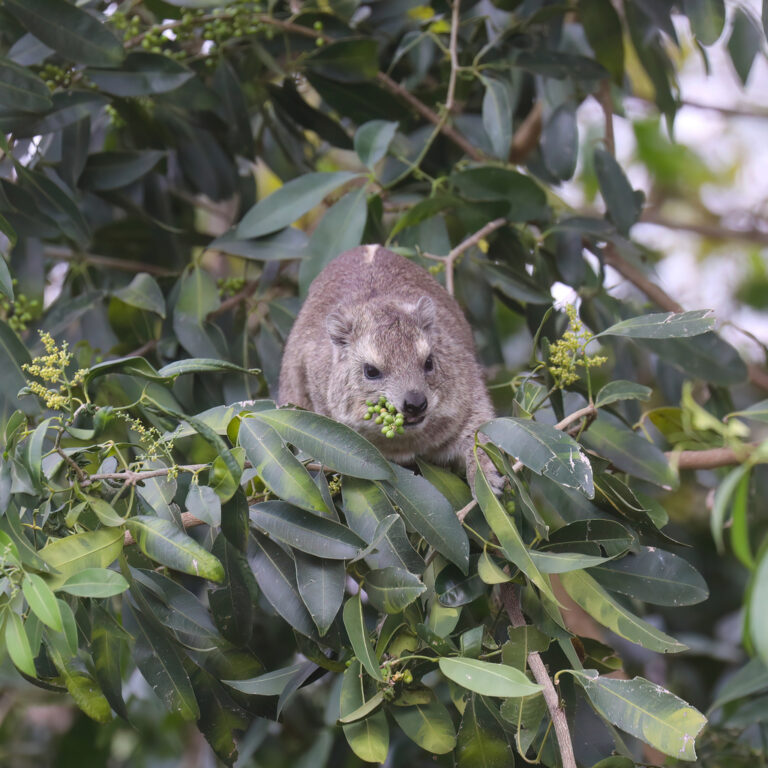
Heterohyrax brucei
♥
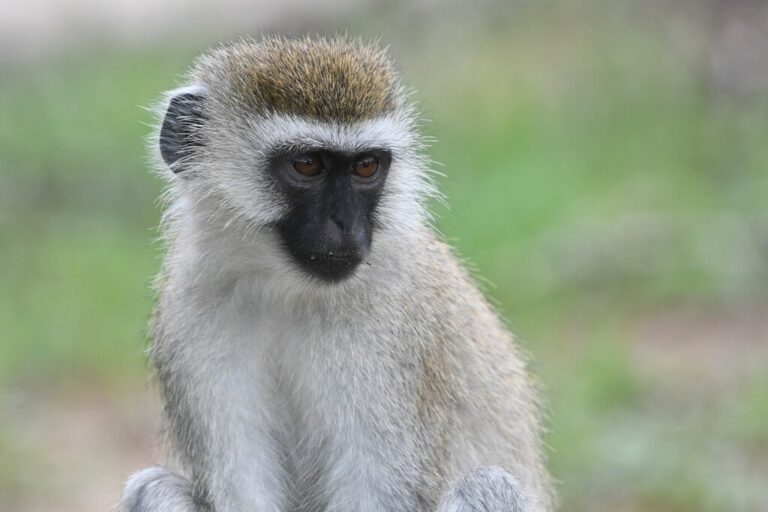
Chlorocebus pygerythrus
♥
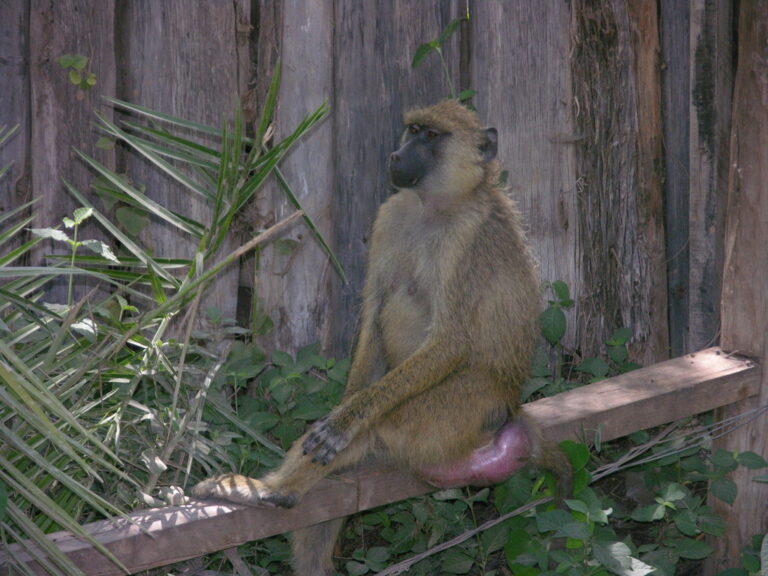
Papio cynocephalus
♥
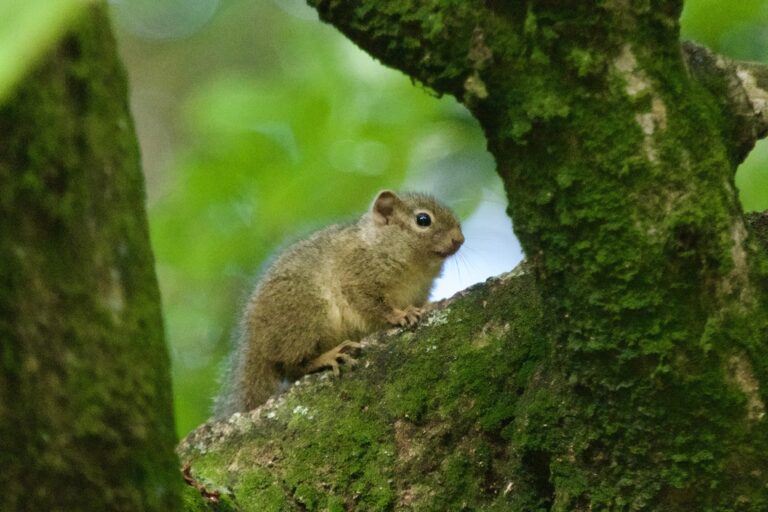
Paraxerus ochraceus
♥
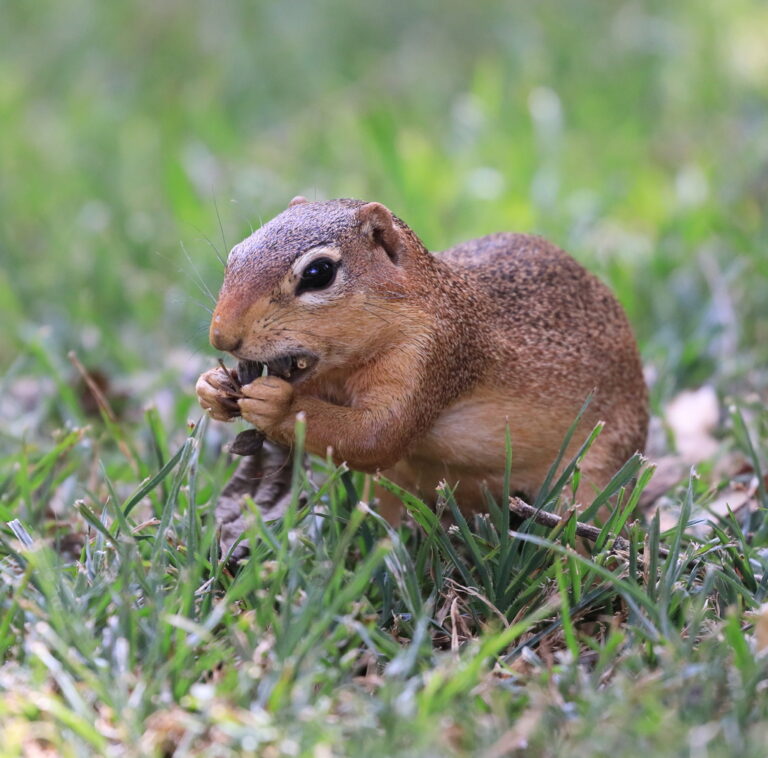
Xerus rutilus
♥
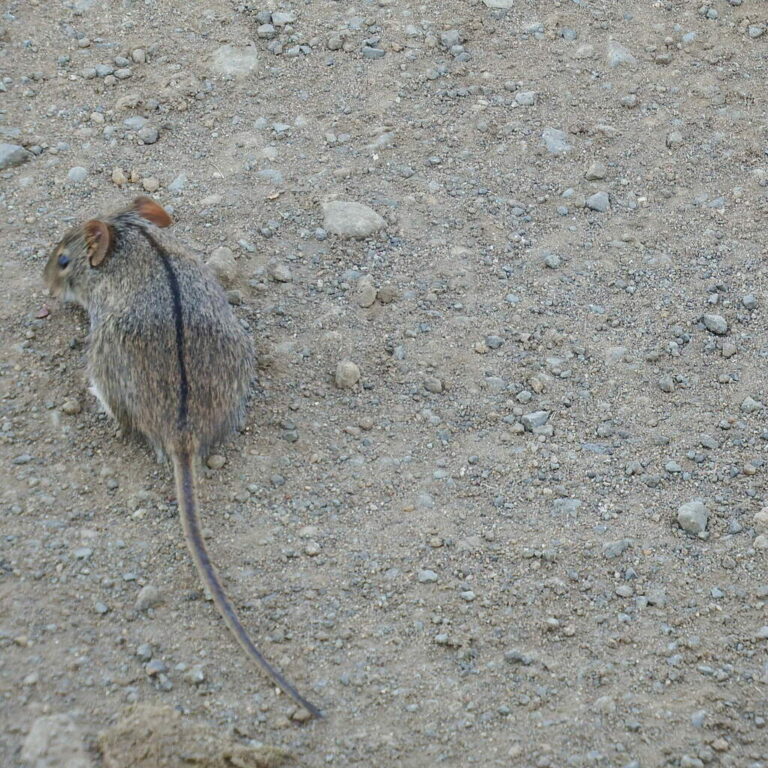
Lemniscomys rosalia
♥
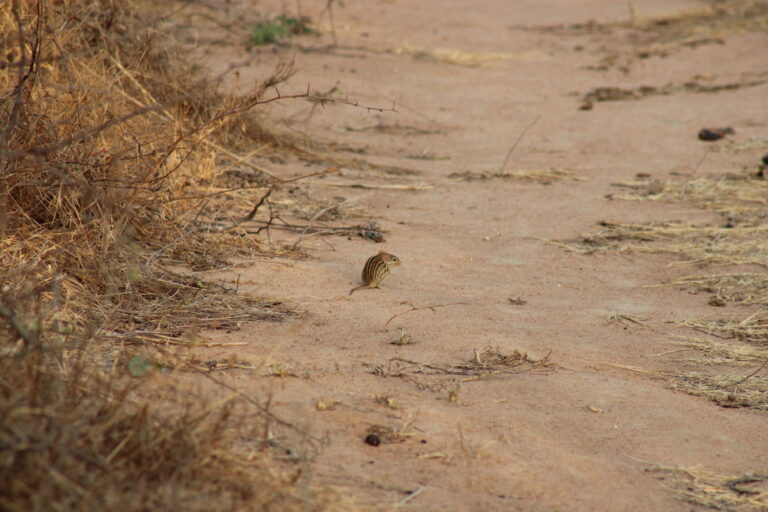
Lemniscomys zebra
♥
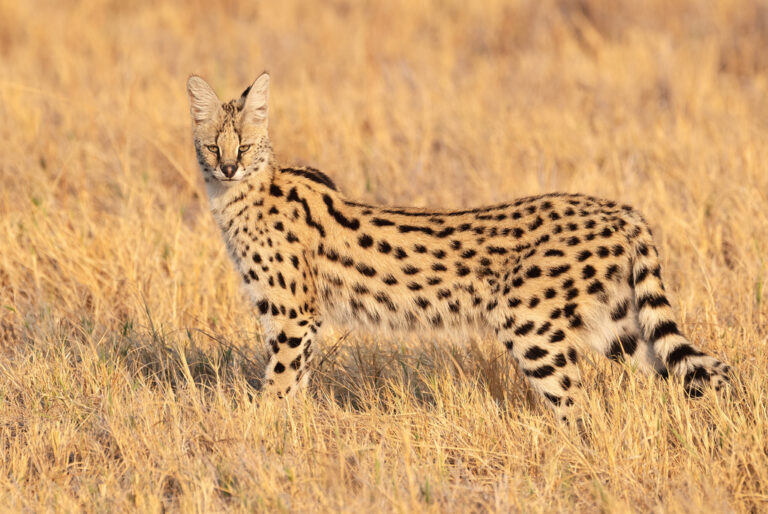
Leptailurus serval
♥
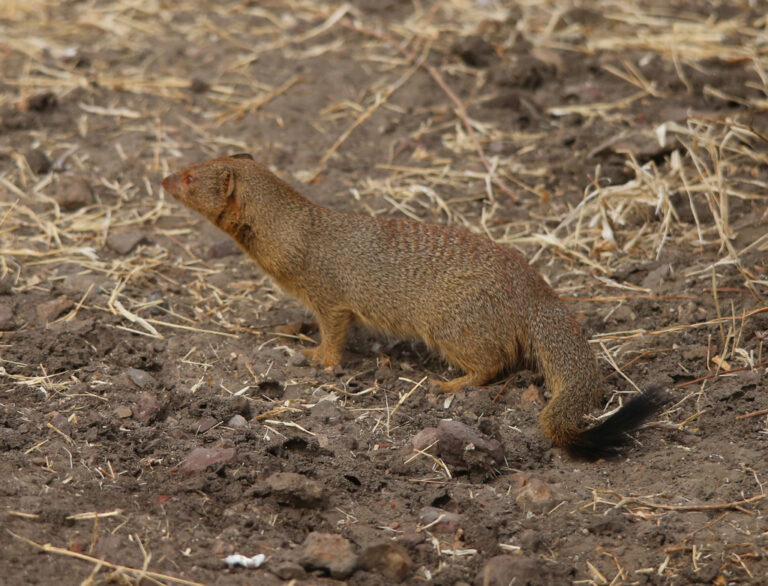
Herpestes sanguineus
♥
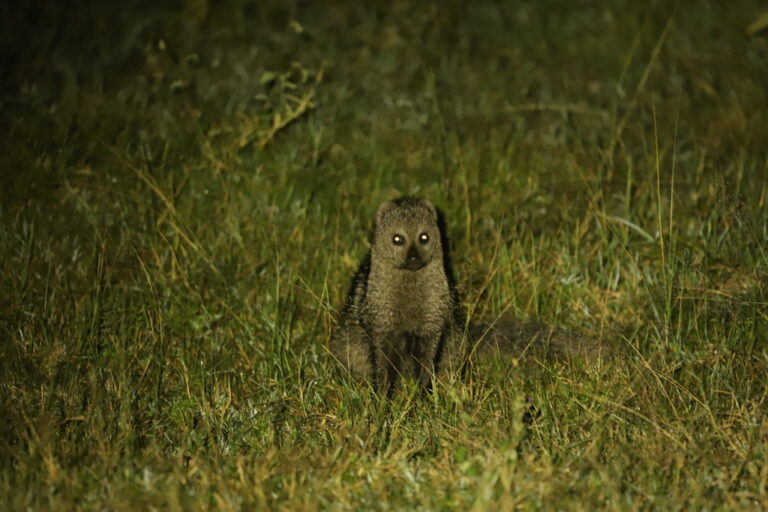
Ichneumia albicauda
♥
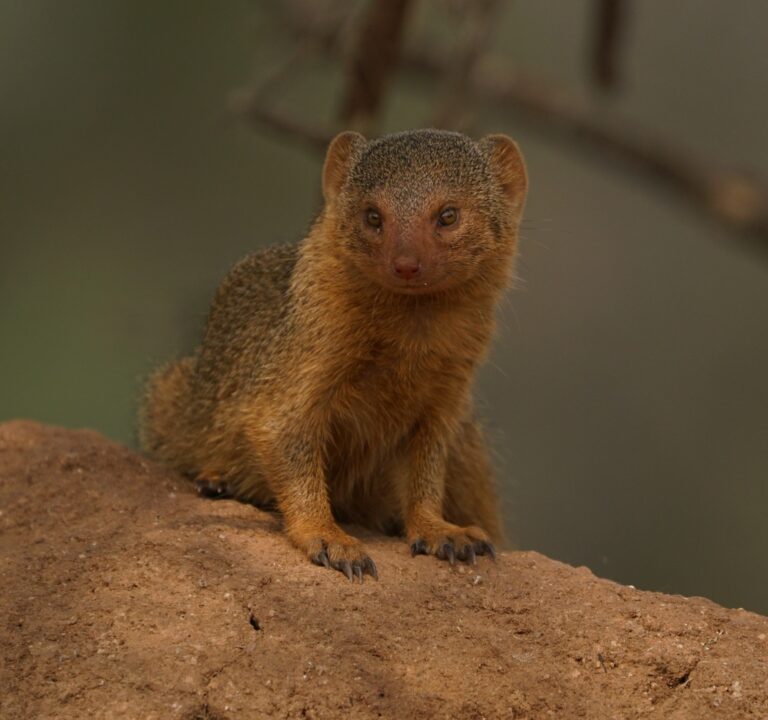
Helogale parvula
♥
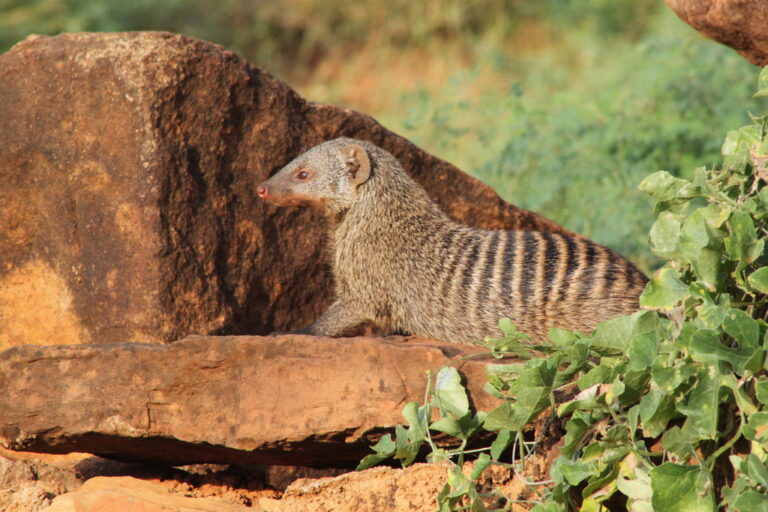
Mungos mungo
♥
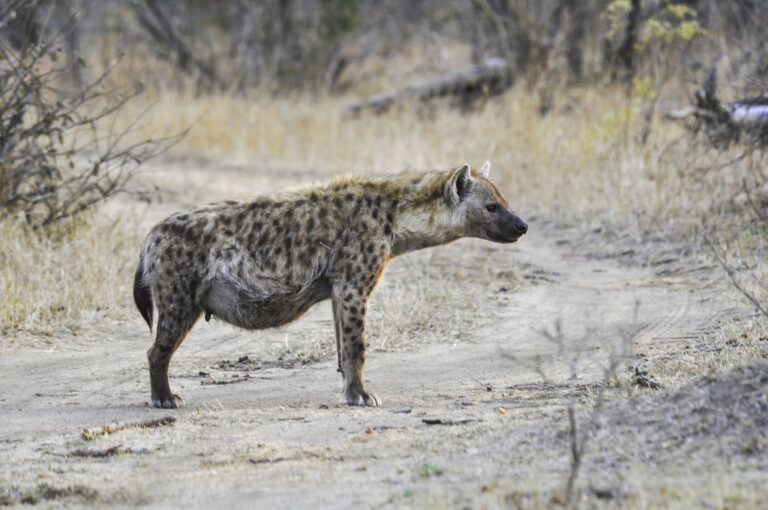
Crocuta crocuta
♥
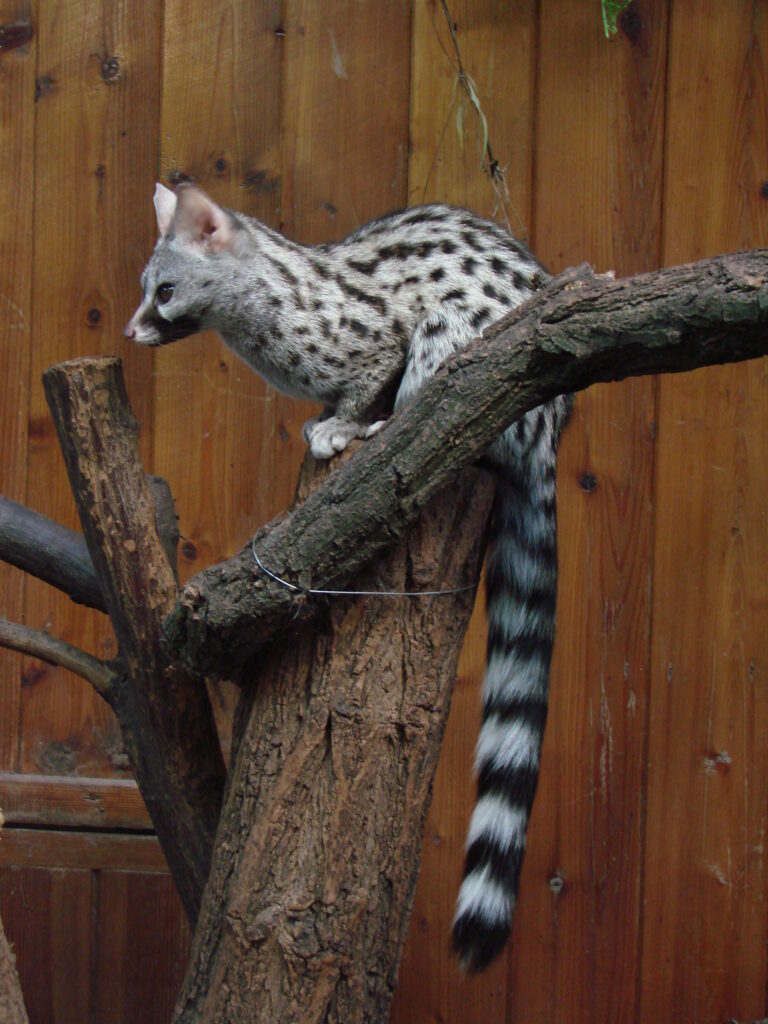
Genetta genetta
♥
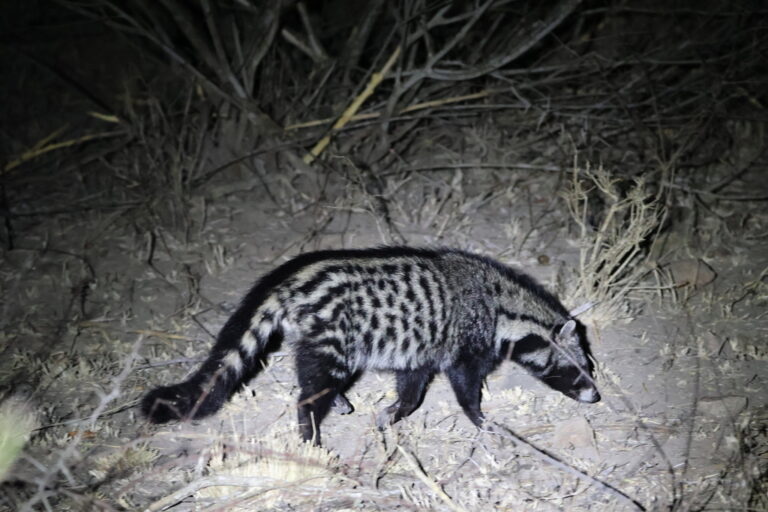
Civettictis civetta
♥
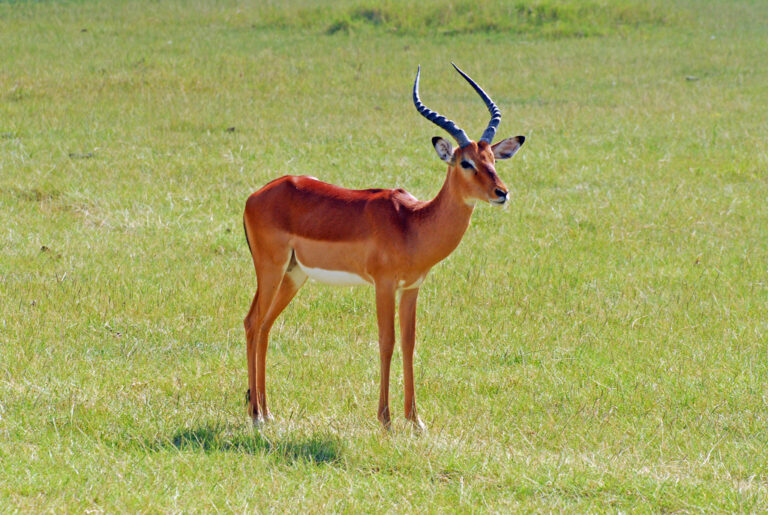
Aepyceros melampus
♥
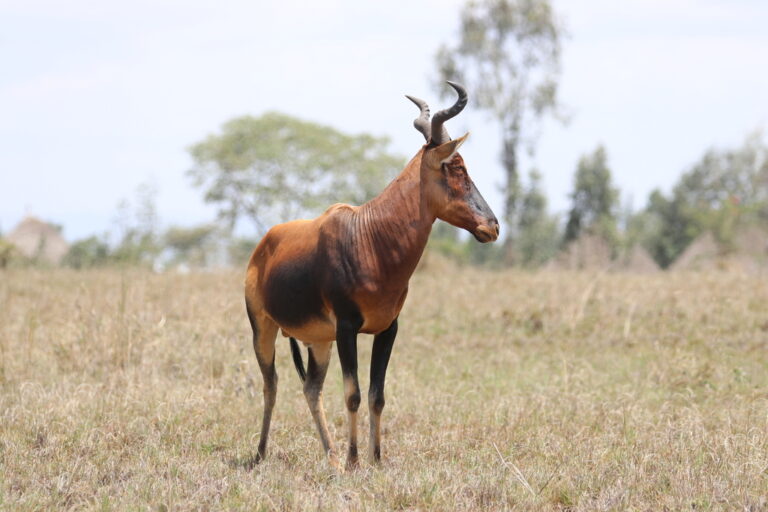
Alcelaphus buselaphus
♥
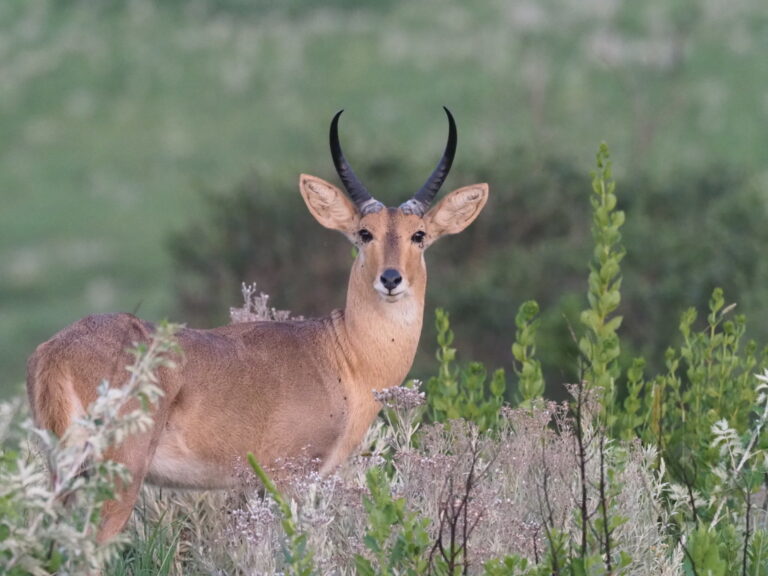
Redunca redunca
♥
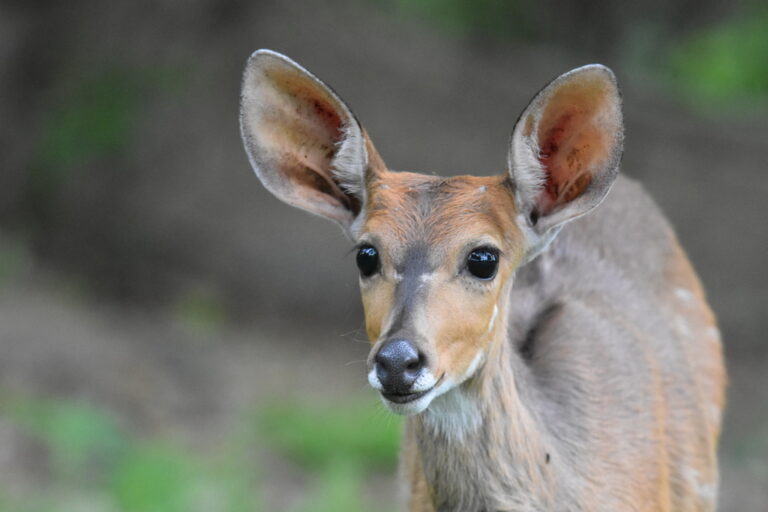
Tragelaphus sylvaticus
♥
Galago senegalensis
♥
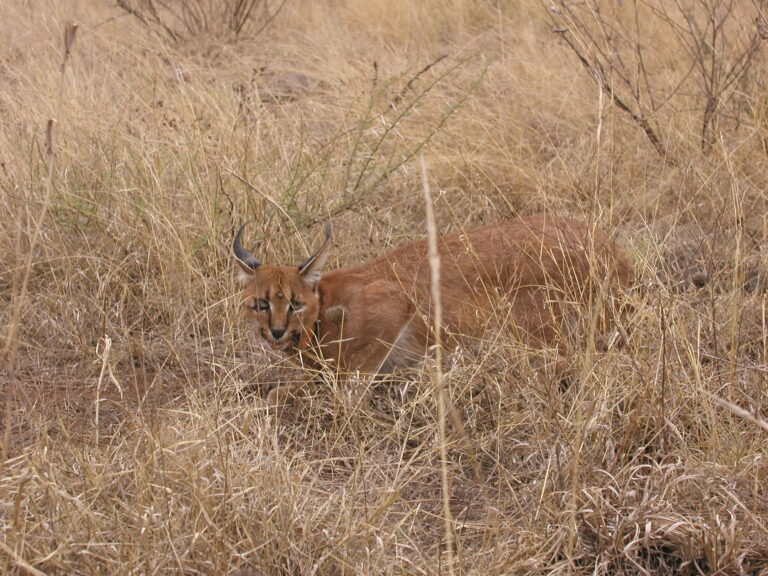
Caracal caracal
♥
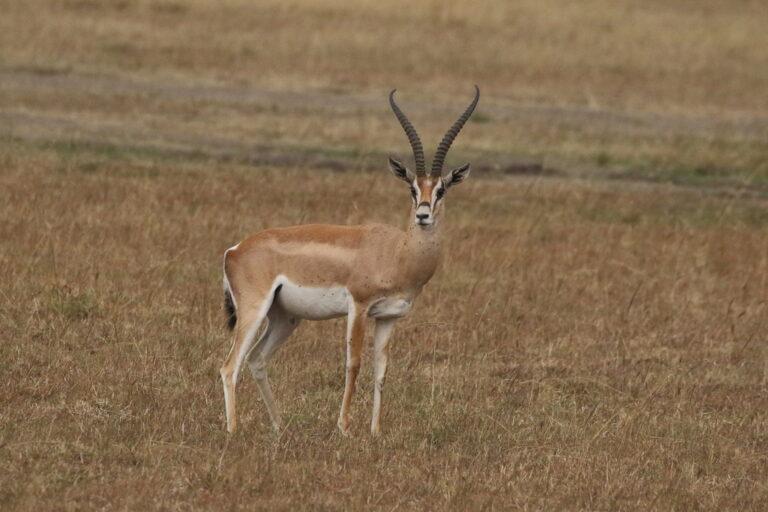
Nanger granti
♥
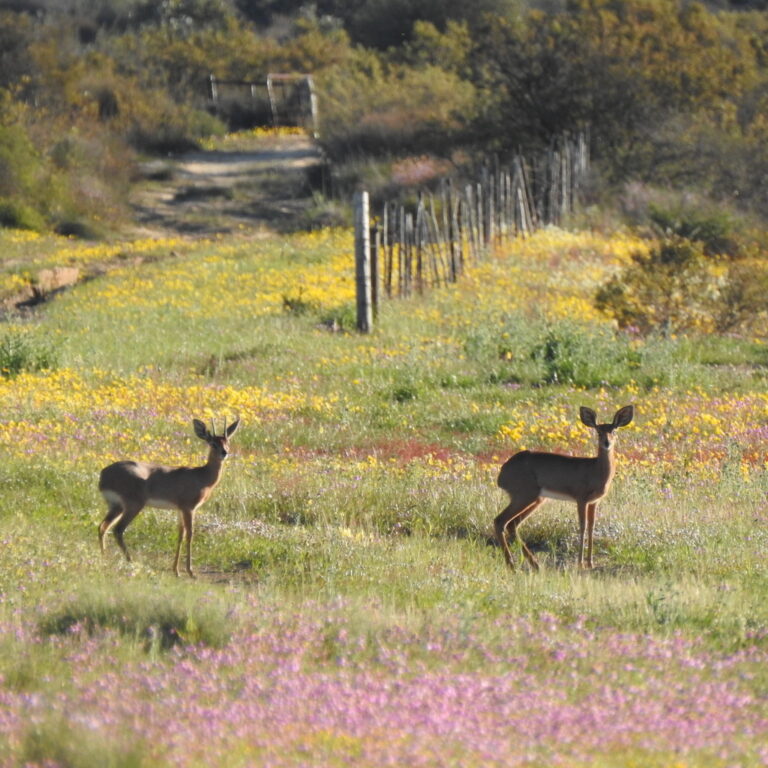
Raphicerus campestris
♥
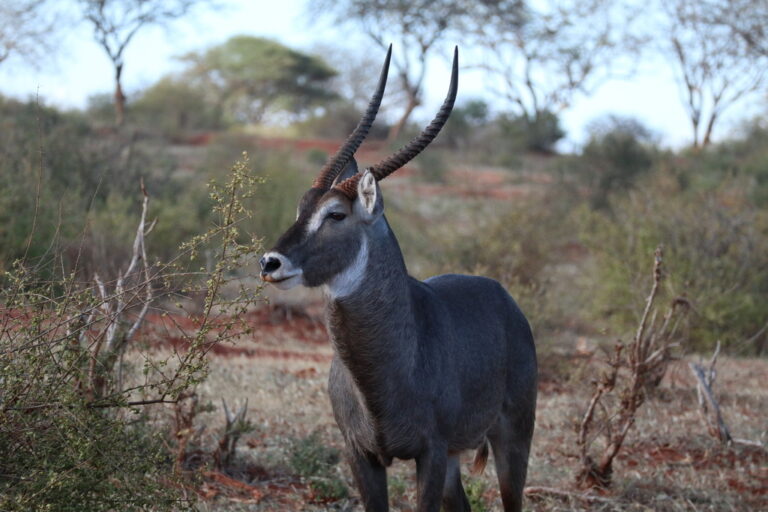
Kobus ellipsiprymnus
♥
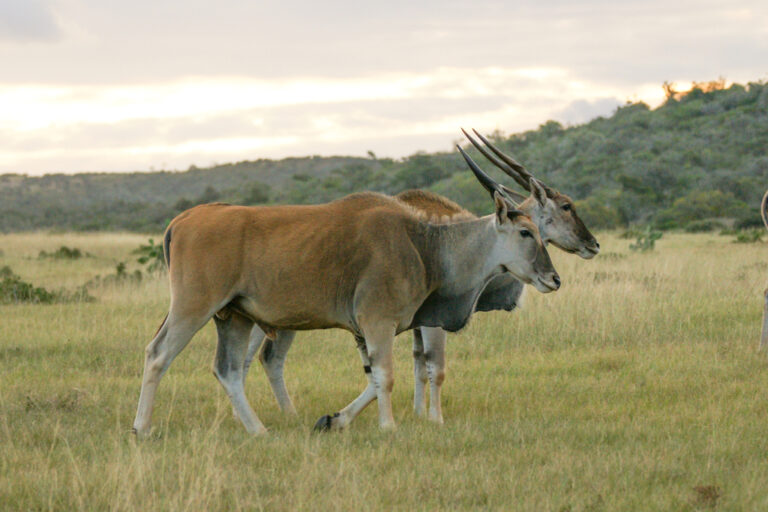
Tragelaphus oryx
♥
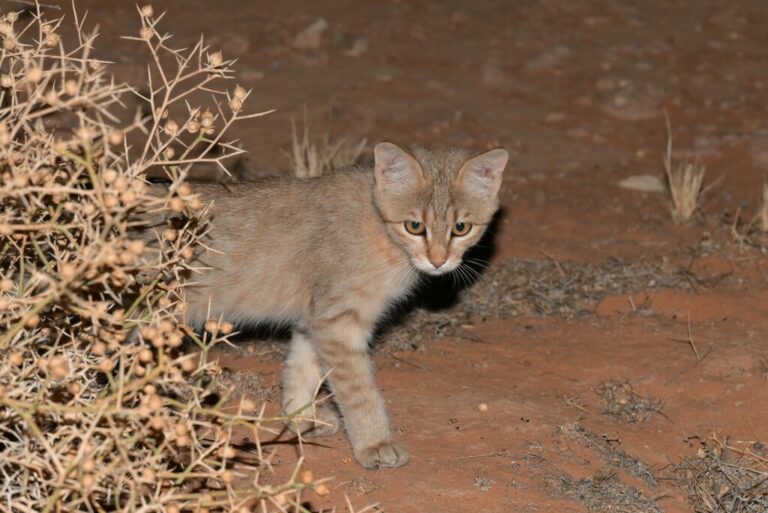
Felis lybica
♥
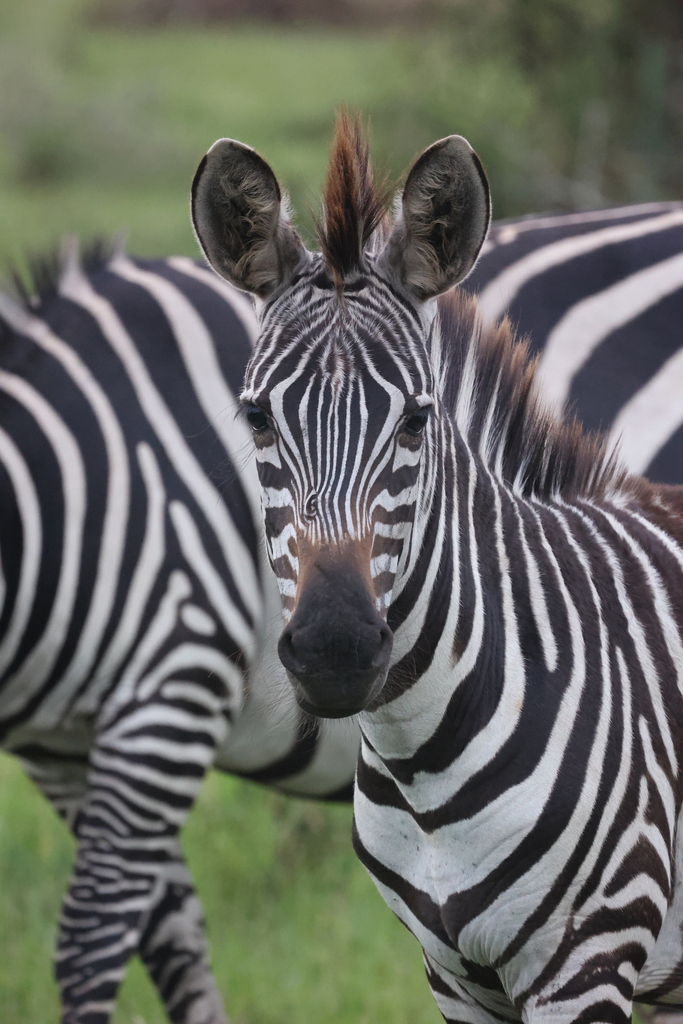
Equus quagga
♥
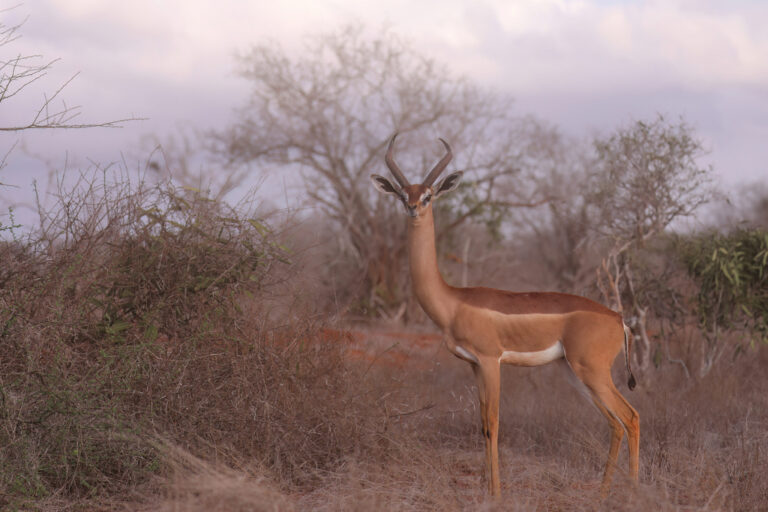
Litocranius walleri
♥
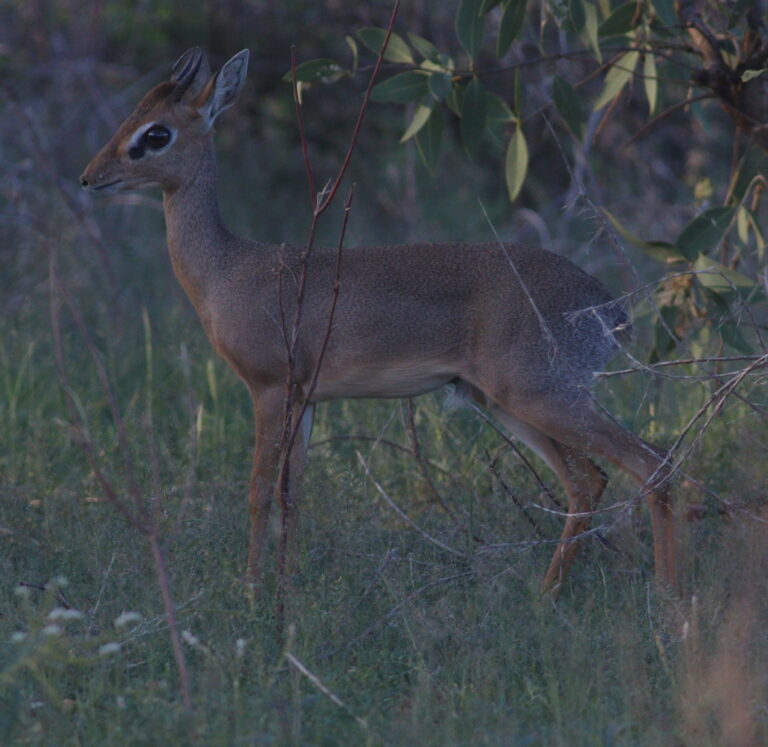
Madoqua kirkii
♥
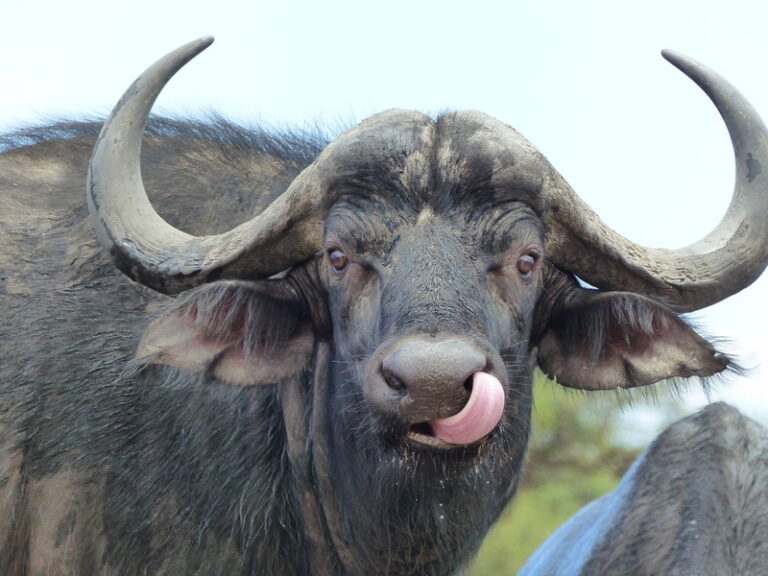
Syncerus caffer
♥
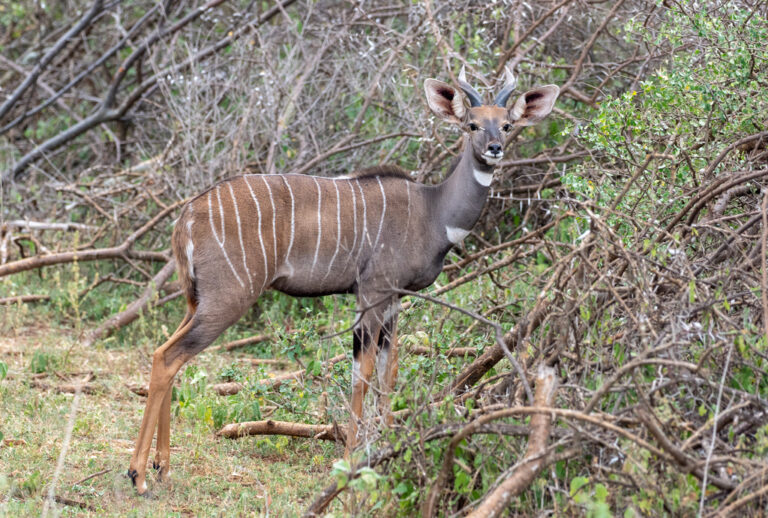
Tragelaphus imberbis
♥
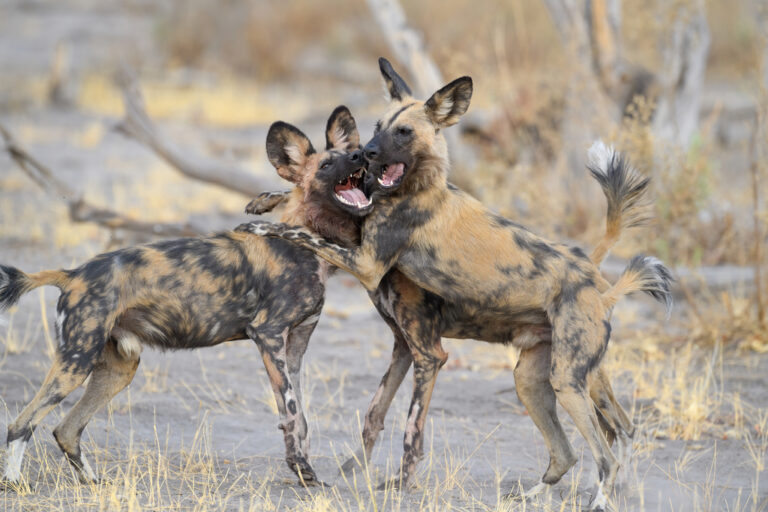
Lycaon pictus
♥
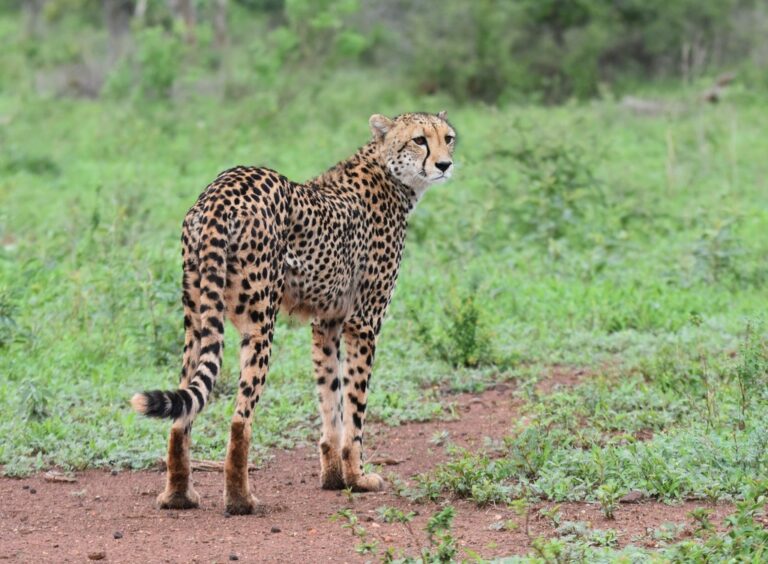
Acinonyx jubatus
♥
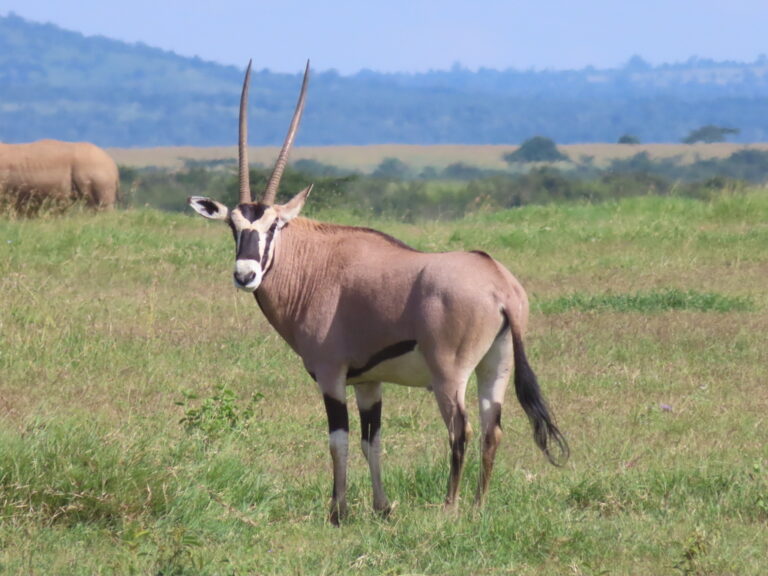
Oryx beisa
♥