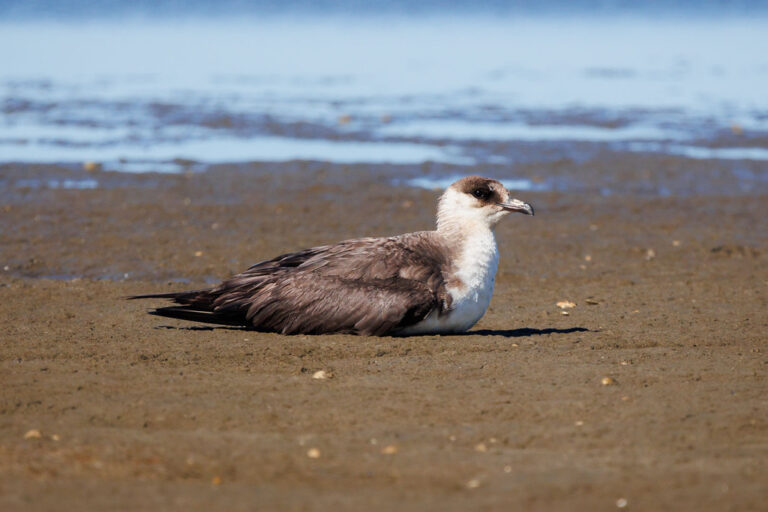
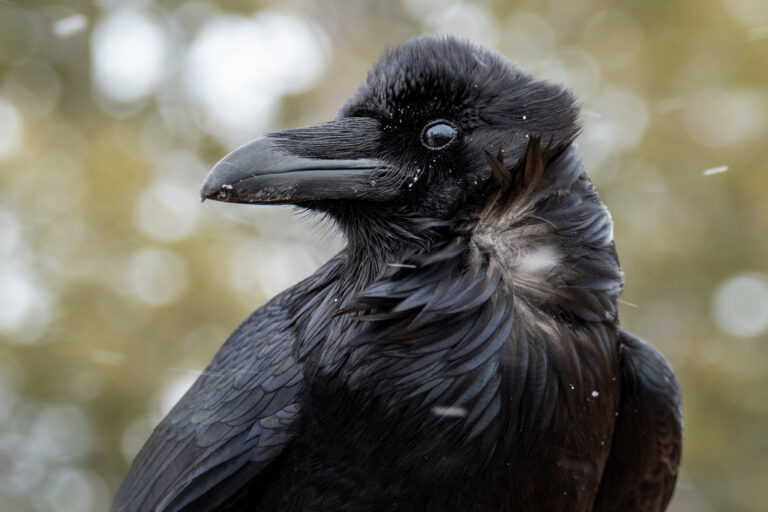
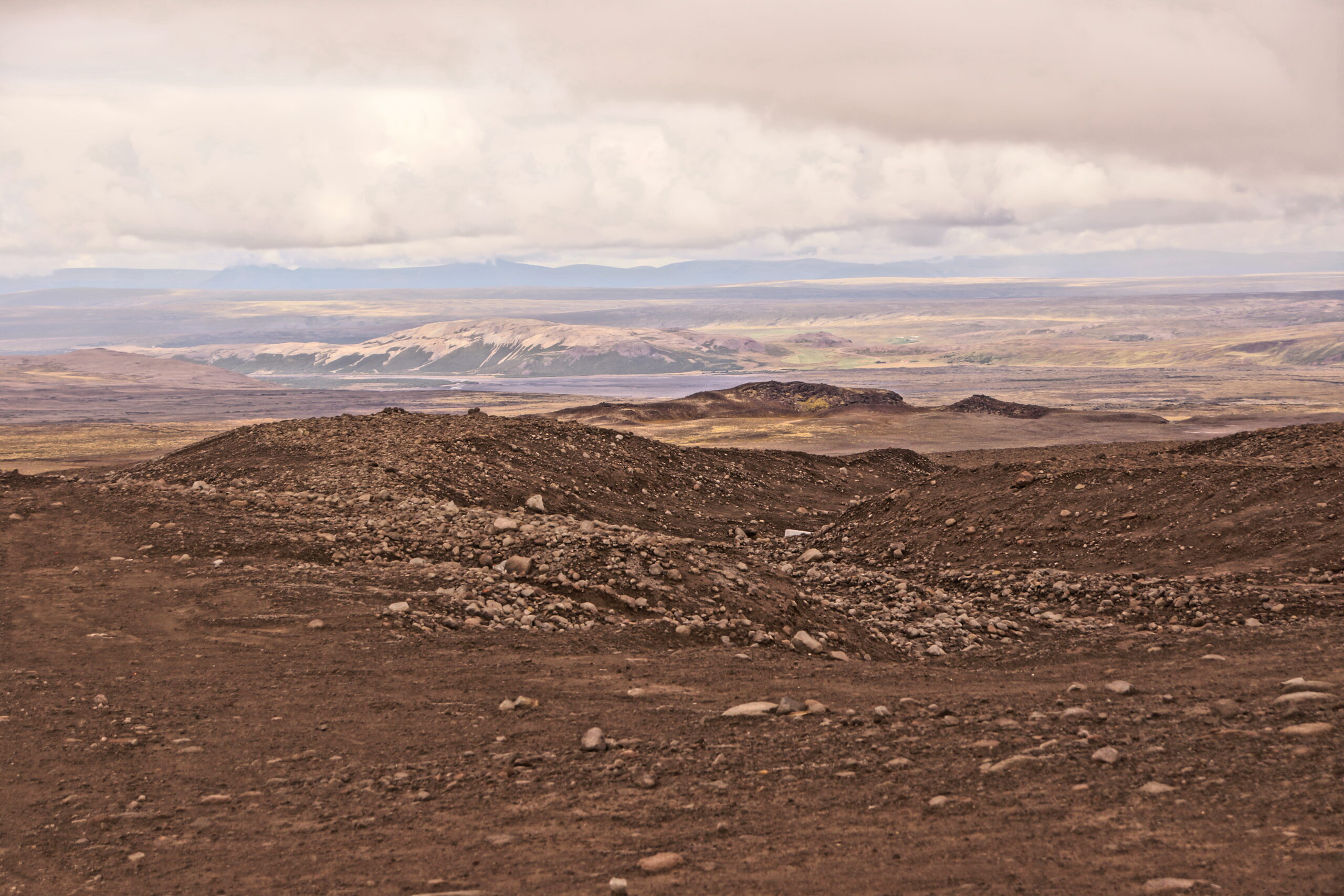
Where tundra vegetation clings to Iceland's volcanic plateaus, Geitland Nature Reserve sprawls across subarctic terrain shaped by ancient lava flows and glacial retreat. The reserve's harsh ET climate—perpetually cool, with brief summers and long, snow-laden winters—has sculpted a landscape where low-growing shrubs, mosses, and hardy grasses dominate the ground layer, interrupted by exposed basalt and scree fields that catch the pale northern light. Meltwater streams thread through the reserve, their courses constantly shifting as seasonal thaw feeds braided channels that support aquatic invertebrates and migratory waders during the brief breeding season. The reserve's tundra-scrub mosaic harbors small mammals adapted to extreme cold and predatory birds of prey that hunt across open ground, while the absence of trees underscores the ecological severity of this subarctic realm. Borgarnes's proximity to the coast brings maritime influences that moderate temperatures slightly but intensify wind exposure, creating a landscape that rewards patient observation with glimpses into how life persists at the very edge of habitability.
Naturalists drawn to extreme environments find Geitland indispensable. The reserve's open terrain offers unobstructed sightlines for tracking birds of prey and migratory species during spring and autumn passage, while summer's extended daylight—approaching round-the-clock illumination at this latitude—provides photographers with hours of optimal light for capturing the delicate interplay of tundra flora against volcanic stone. The reserve's accessibility from Borgarnes makes it a logical waypoint for those exploring Iceland's interior plateaus, yet its exposure and severe climate demand respect; visitors prepared for rapid weather shifts and equipped for subzero conditions will find a landscape that few other reserves in the North Atlantic offer with such geological and ecological intensity. The reserve's designation protects not only the species that breed or pass through here, but the fragile tundra systems themselves—ecosystems that respond acutely to climate fluctuation and reward close study with insights into Arctic ecology.