Irlanda
Ireland is a remarkable wildlife destination shaped by the Atlantic Ocean, a mild maritime climate and a landscape dominated by rugged coastlines, offshore islands, wetlands, peatlands, lakes, rivers, grasslands and remnants of native woodland. Although the island supports fewer terrestrial mammal species than continental Europe due to its geographic isolation, its exceptional marine and birdlife make it particularly rewarding for wildlife watching.
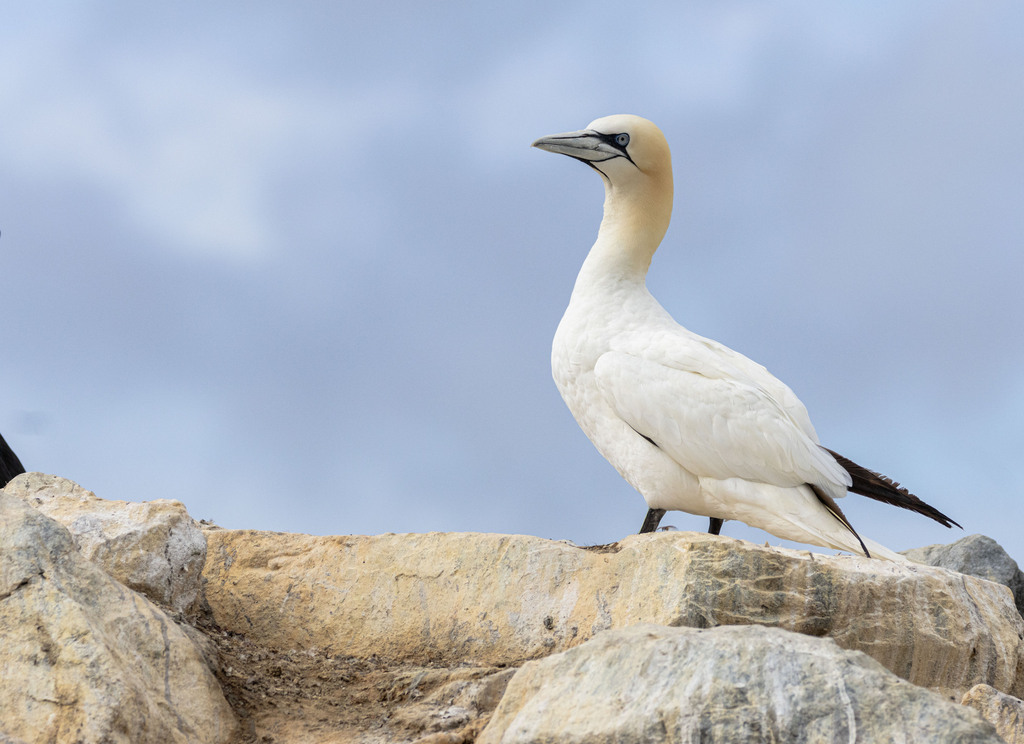
The Atlantic coastline is one of Ireland’s greatest natural assets. Towering sea cliffs, rocky headlands and remote islands support internationally important seabird colonies. During spring and summer, Atlantic Puffins, Northern Gannets, Common Guillemots, Razorbills, Northern Fulmars and several gull species gather in huge numbers to breed. Locations along the western and southern coasts can provide spectacular opportunities to observe seabirds at close range, while offshore waters attract shearwaters, petrels, skuas and other pelagic species.
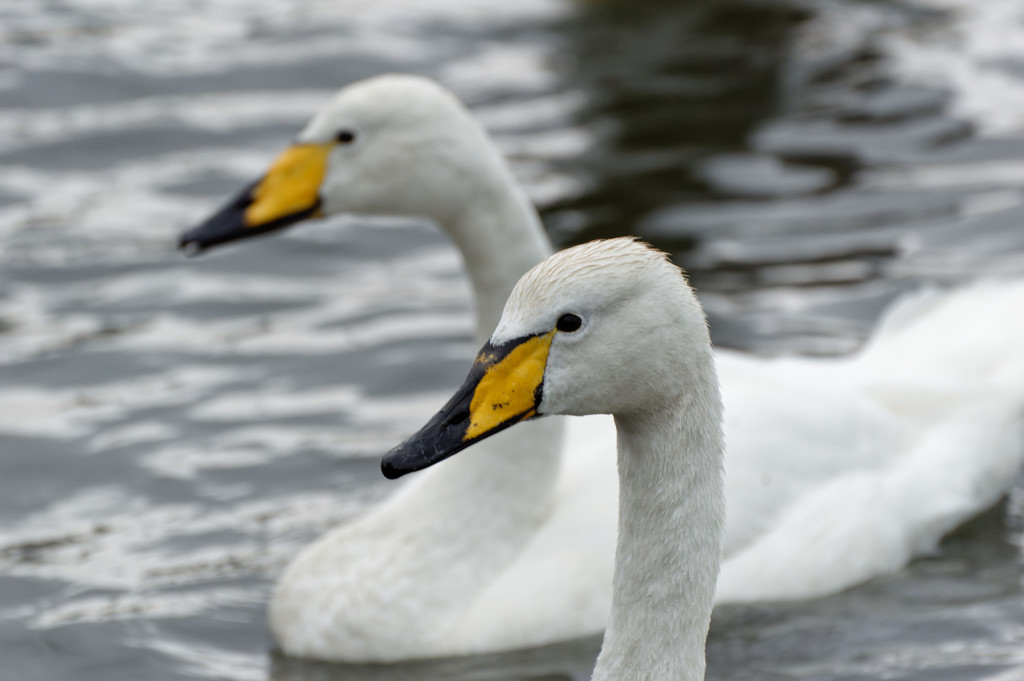
Ireland is also important for migratory and wintering waterbirds. Its estuaries, mudflats, coastal lagoons and wetlands receive large numbers of geese, ducks and waders from Arctic and northern European breeding grounds. Among the most characteristic visitors is the Greenland population of Greater White-fronted Goose, while Brent Geese are a familiar sight around many coastal areas during winter. Whooper Swans migrate from Iceland to spend the colder months on Irish wetlands and agricultural landscapes.
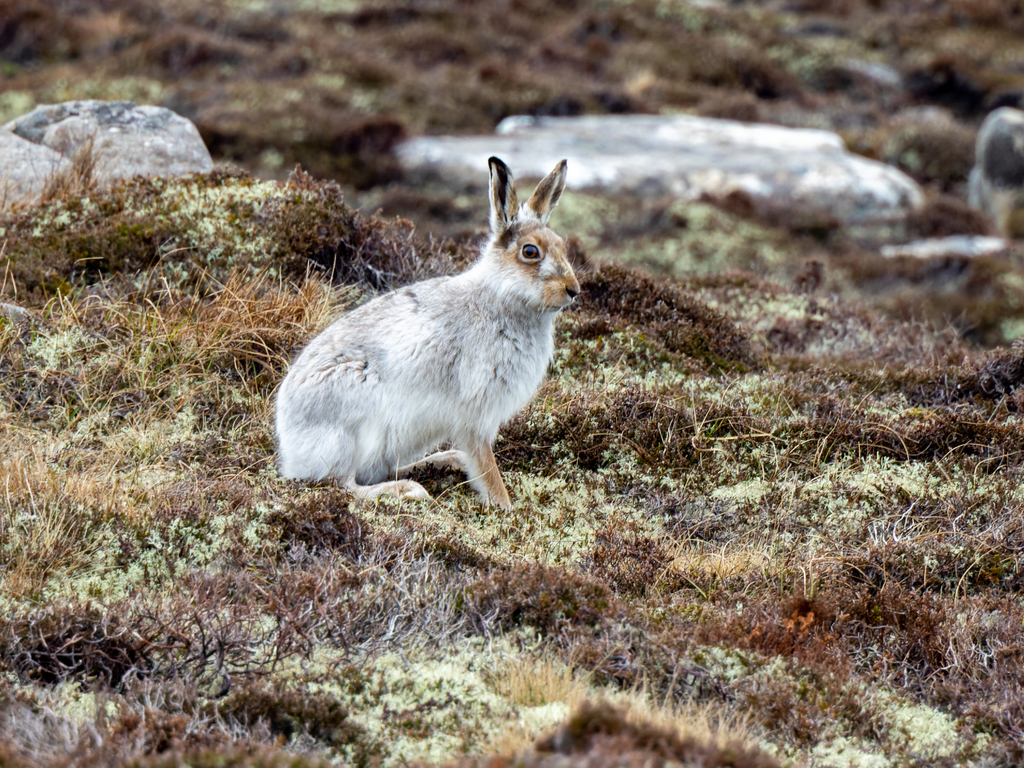
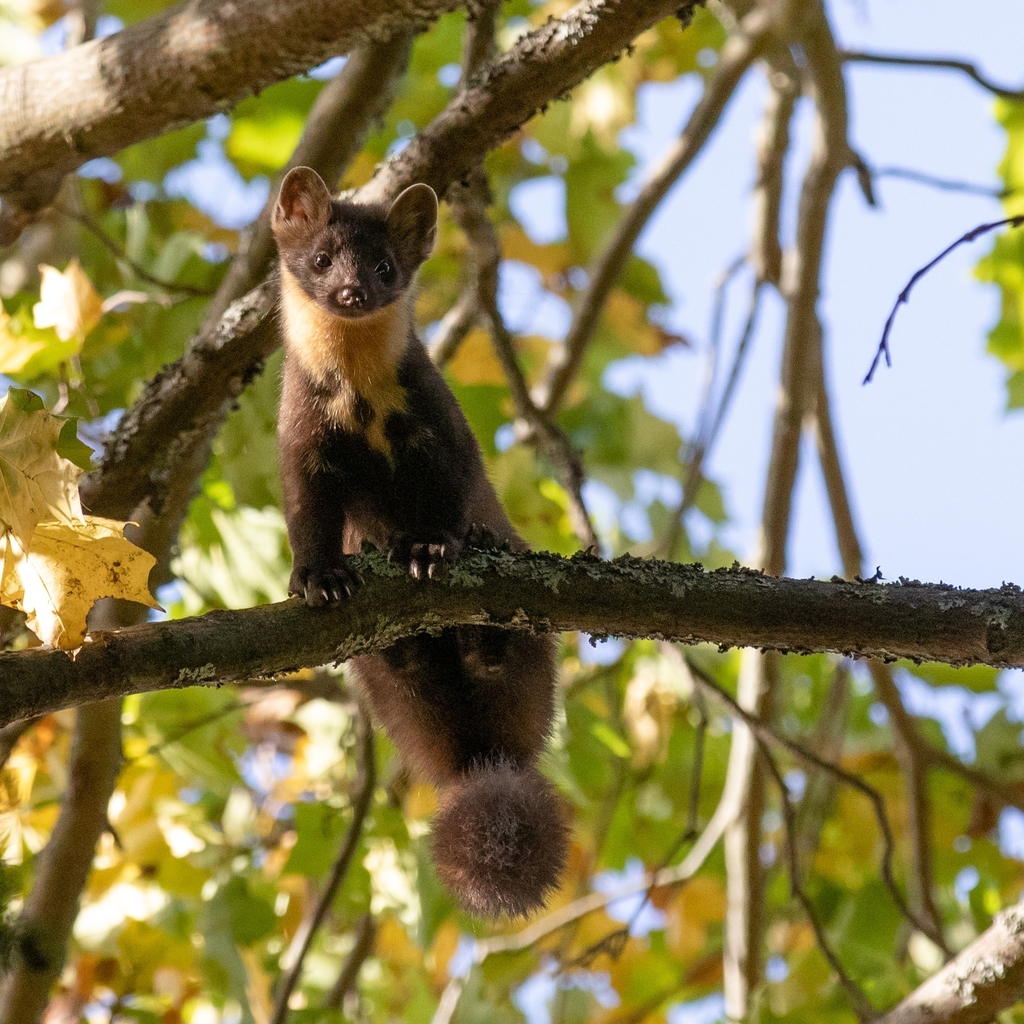
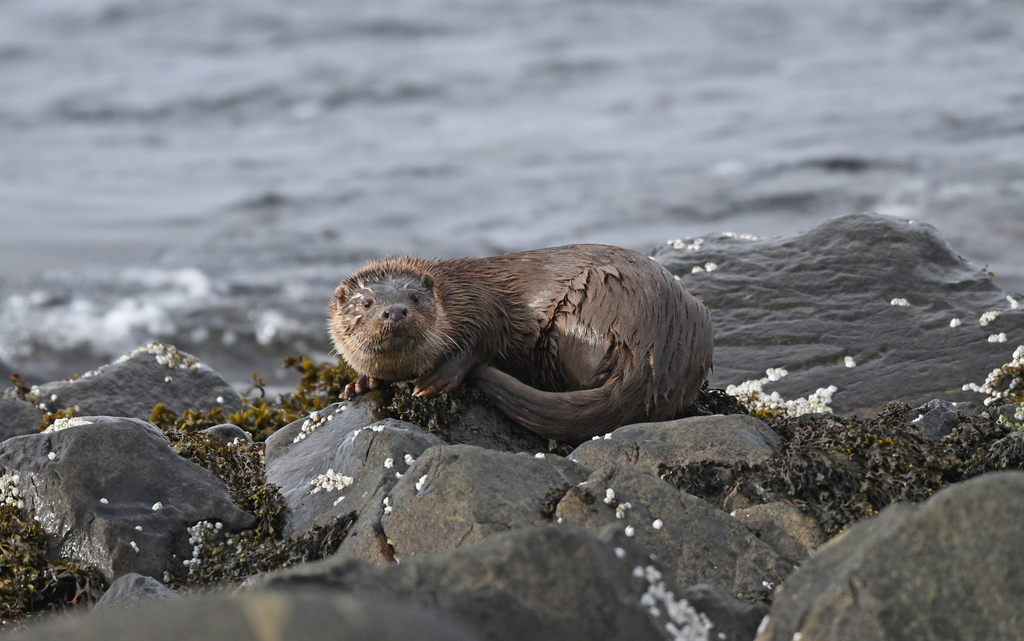
The country’s terrestrial mammal fauna includes Red Deer, Irish Hare, European Badger, Red Fox, Pine Marten and Eurasian Otter. The Irish Hare is particularly characteristic of the island and represents a distinctive Irish population of the Mountain Hare. Pine Martens have recovered significantly in several regions after historical declines, while otters remain widespread thanks to Ireland’s extensive network of rivers, lakes and relatively undisturbed coastlines.
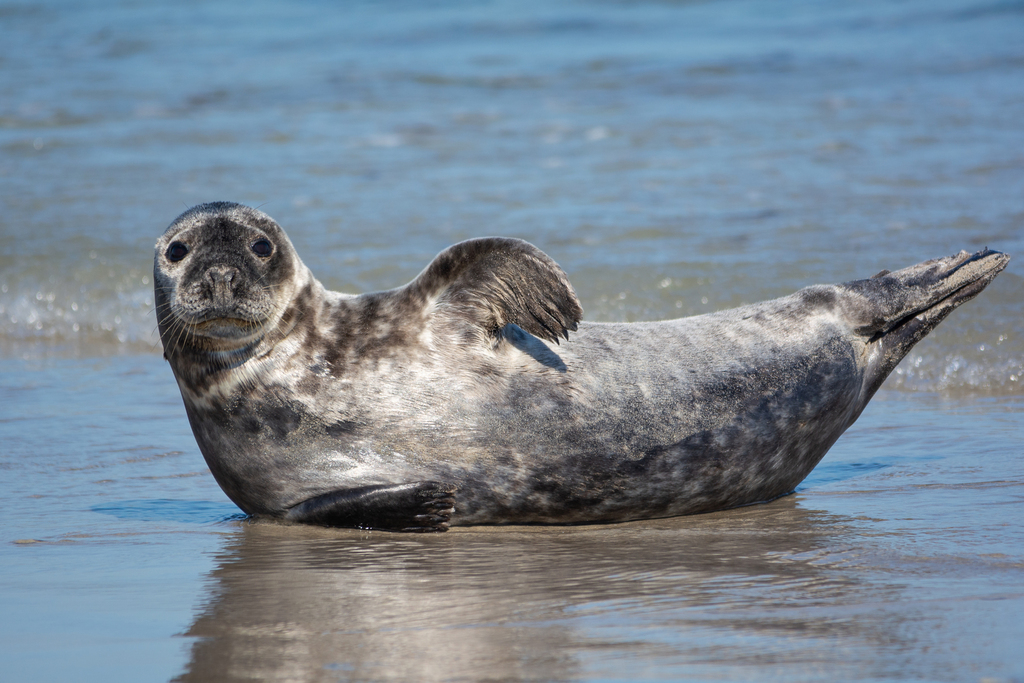
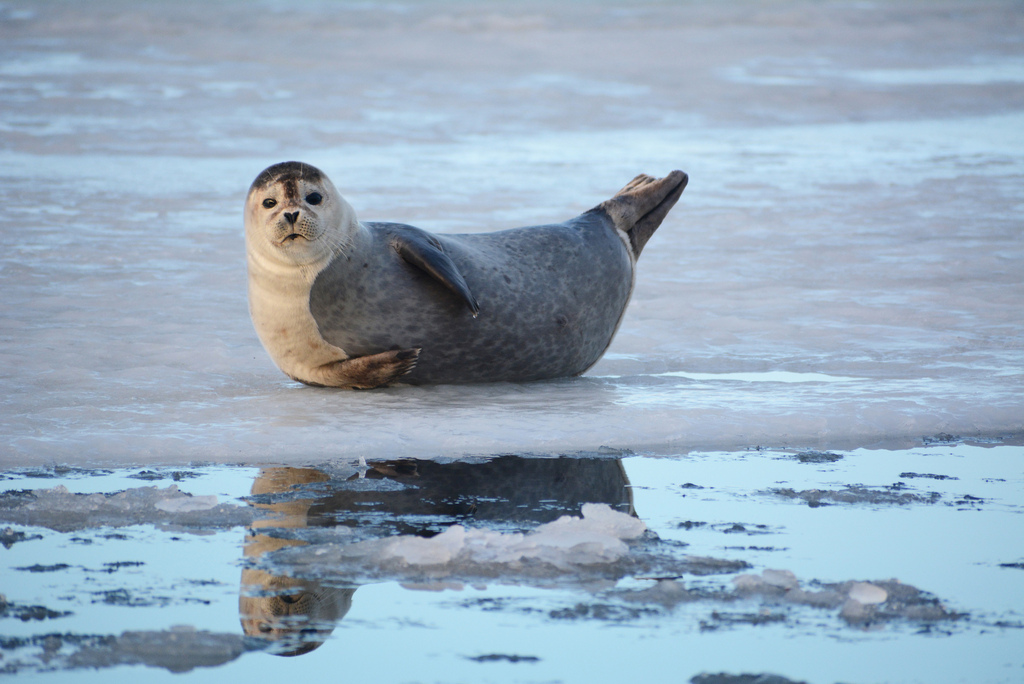
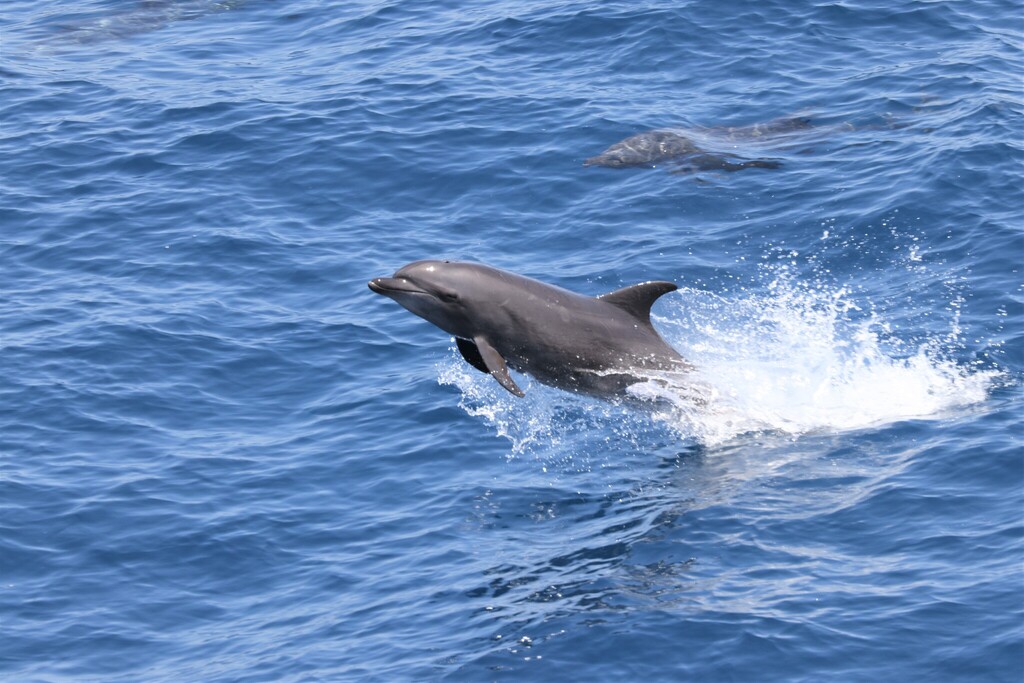
Marine mammals add another dimension to Ireland’s wildlife. Grey Seals and Harbour Seals breed around the coast, and Ireland’s Atlantic waters are productive feeding grounds for cetaceans. Common Dolphins, Bottlenose Dolphins, Harbour Porpoises and several whale species can be encountered, with the southwest coast particularly well known for seasonal whale and dolphin watching.
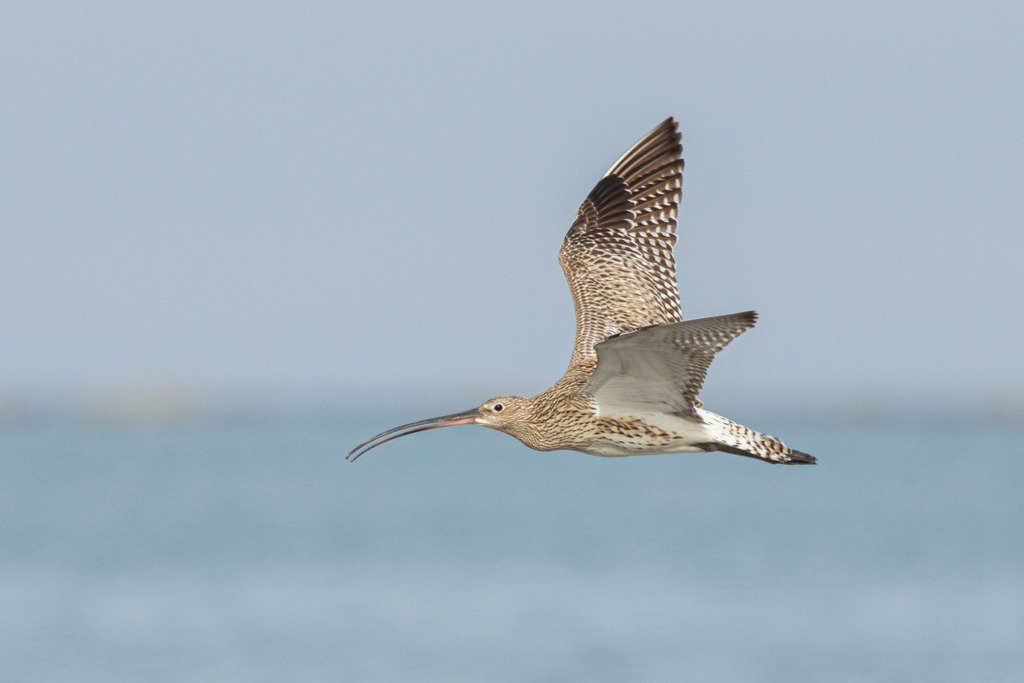
Ireland’s peatlands are another defining habitat. Blanket bogs cover extensive areas of the west and northwest and support specialised communities of birds, plants and invertebrates. Open moorland and upland landscapes provide habitat for species such as Eurasian Curlew, European Golden Plover and Red Grouse, although several of these birds have experienced substantial declines and are now important conservation priorities.
From immense seabird colonies and wintering wetlands to Atlantic cetaceans, seals, otters and the distinctive fauna of its bogs and uplands, Ireland offers a wildlife experience strongly influenced by the ocean. Its combination of accessible coastal habitats, dramatic landscapes and major migratory routes makes the country especially attractive for birdwatchers, wildlife photographers and travellers interested in the natural environments of the North Atlantic.
Burren National Park
Cape Clear Island
Connemara National Park
Glenveagh National Park
Great Saltee Island
Inishbofin
Inishtrahull Island
Killarney National Park
Little Saltee Island
Nada coincide con estos filtros.
Aún no hay observaciones de la comunidad en este país — visita un hotspot y empieza una lista de observaciones.