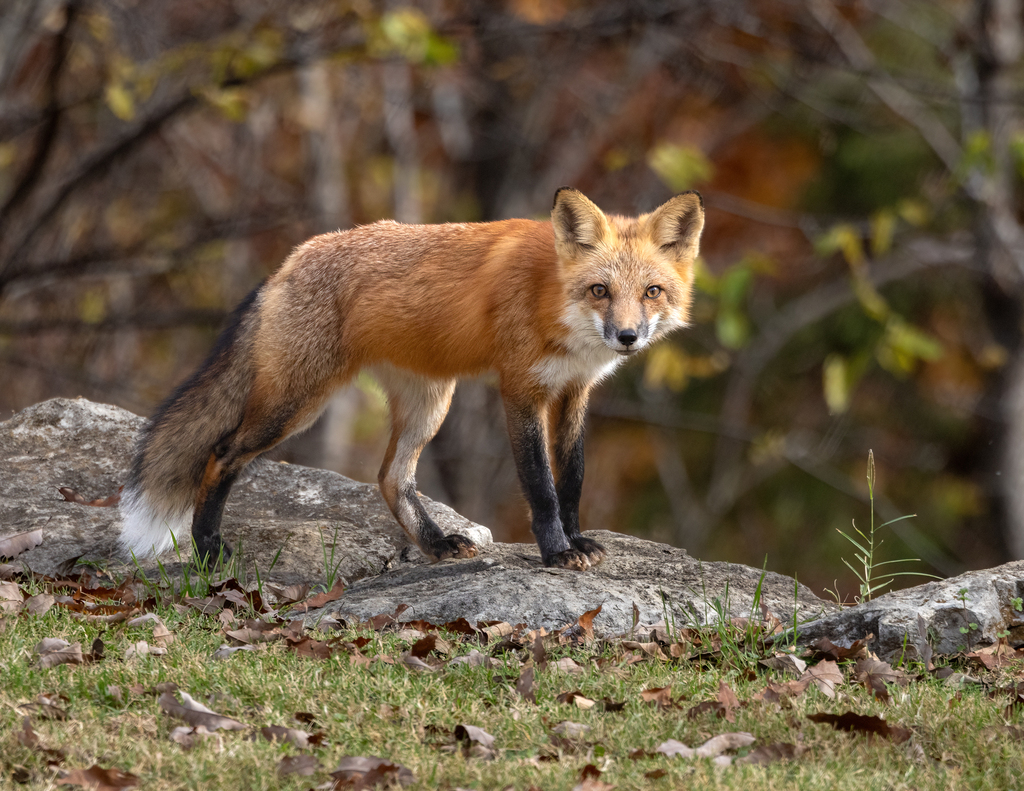
Red Fox
Vulpes vulpes
Photo © Terry Brunholtz
Photo © Terry Brunholtz — CC0 1.0 — Source: iNaturalist photo #593398391ABOUT
Subspecies of Red Fox
European Red FoxEastern American Red FoxIberian Red FoxEzo Red FoxJapanese Red FoxMaghreb Red FoxArabian Red FoxInsular Newfoundland Red FoxWhite-footed FoxCascade Red FoxScandinavian Red FoxSierra Nevada Red FoxTurkmenian Red FoxAnadyr Red FoxRocky Mountain Red FoxPalestinian Red FoxHimalayan Red FoxEgyptian Red FoxKodiak Red FoxAnatolian Red FoxNova Scotia Red FoxSardinian Red FoxSacramento Valley Red FoxCyprus Red FoxKurile Island Red FoxKorean Red FoxUssuri Red FoxLabrador Red FoxTransbaikal Red FoxBritish Columbia Red Fox
Identification
The red fox is the largest of the true foxes and is distinguished from other fox species by its remarkable ability to adapt quickly to new environments. Despite its name, the species does not always display red coloration; it frequently produces individuals with other colorings, including leucistic and melanistic varieties. Forty-five subspecies are currently recognised, which can be divided into two categories: the large northern foxes and the small, basal southern grey desert foxes of Asia and North Africa. Males are called tods or dogs, females are called vixens, and young are known as cubs or kits.
Range & Habitat
The red fox is the most widely distributed member of the order Carnivora. It is present across the entire Northern Hemisphere, including most of North America, Europe and Asia, as well as parts of North Africa. The species originated in Eurasia during the Middle Pleistocene at least 400,000 years ago and later colonised North America sometime prior to 130,000 years ago. In Western Europe, it is the only fox native to the region and is simply called "the fox" in colloquial British English.
The red fox's range has expanded significantly alongside human settlement. The species has greatly benefited from human habitation and has successfully colonised many suburban and urban areas. It has also been introduced to Australia, where it now preys on native small and medium-sized rodents and marsupials, making it one of the world's 100 worst invasive species due to its impact on native wildlife.
Behaviour & Diet
Red foxes are usually found in pairs or in small family groups consisting of a mated pair and their young, or a male with several females related to each other. The young of the mated pair often stay with their parents to help care for new kits. The species primarily feeds on small rodents, though it may also target rabbits, squirrels, game birds, reptiles, invertebrates and young ungulates, as well as fruit and vegetables.
Although the red fox tends to kill smaller predators, including other fox species, it is vulnerable to attack from larger predators such as wolves, coyotes, golden jackals, large predatory birds including golden eagles and Eurasian eagle-owls, and medium- to large-sized felids. Too small to pose a significant threat to humans, the red fox has a long history of association with people and has been extensively hunted as a pest and furbearer for many centuries.
Best Time & Places to See It
Due to its widespread distribution and successful colonisation of both rural and urban environments, the red fox can be encountered across much of the Northern Hemisphere. The species is present throughout Europe, North America, and Asia, as well as parts of North Africa and introduced populations in Australia. Look for them in diverse habitats ranging from suburban gardens and parks to agricultural land and wild countryside—the red fox's adaptability means it thrives in almost any environment shaped by or near human activity.
Photography Tips
The red fox's variable coloration—from typical red fur to leucistic and melanistic individuals—offers interesting photographic opportunities. The species' comfort in human-dominated landscapes means urban and suburban settings may provide accessible viewing opportunities. Early morning and dusk are typically productive times for wildlife observation. The fox's bushy tail and distinctive features make for compelling portrait and behavioral photography, particularly when capturing family groups or hunting sequences in natural settings.
HIDES
Country
Sort by
Bear photo hunting for photographers
CroMedo Bearwatching·Čabar·Croatia
Brown Bear · Western Roe Deer+3
21 max.Apr–Oct
240 €/ personfrom 180 €
Book now
80 €/ person
Book now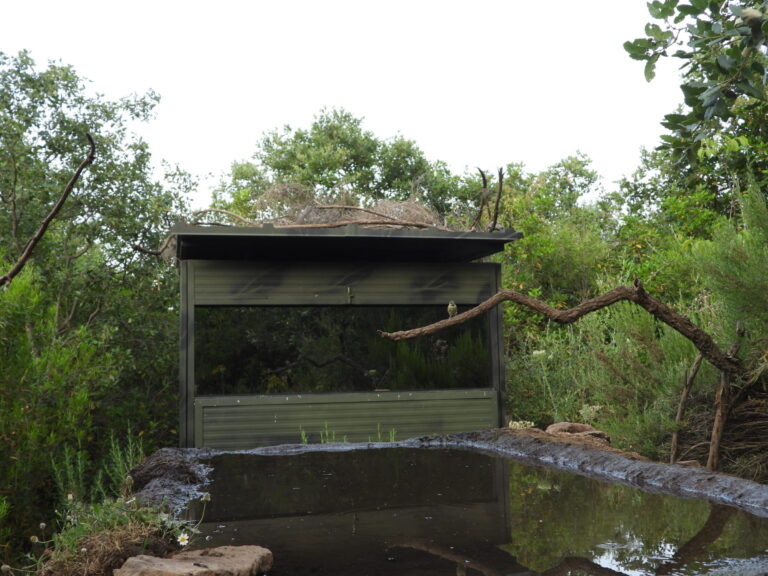
80 €/ person
Book now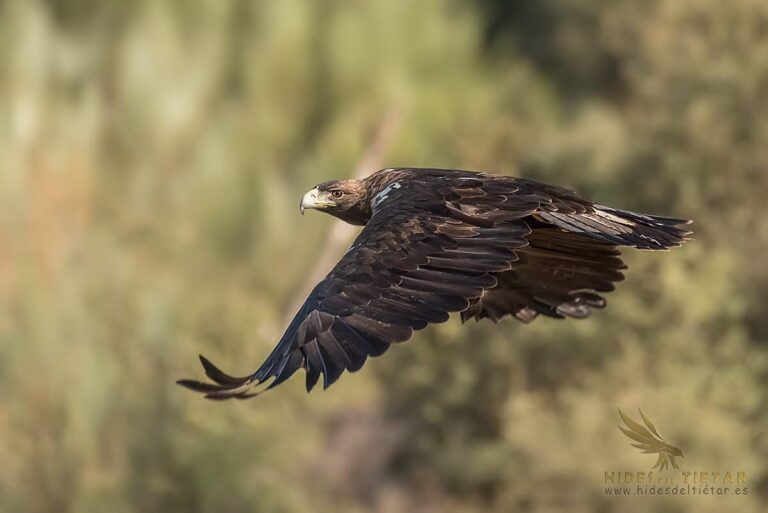
Spanish Imperial Eagle hide
Hides del Tiétar·Buenaventura·Spain
Spanish Imperial Eagle · Cinereous Vulture+12
2 max.
135 €/ personfrom 120 €
Book now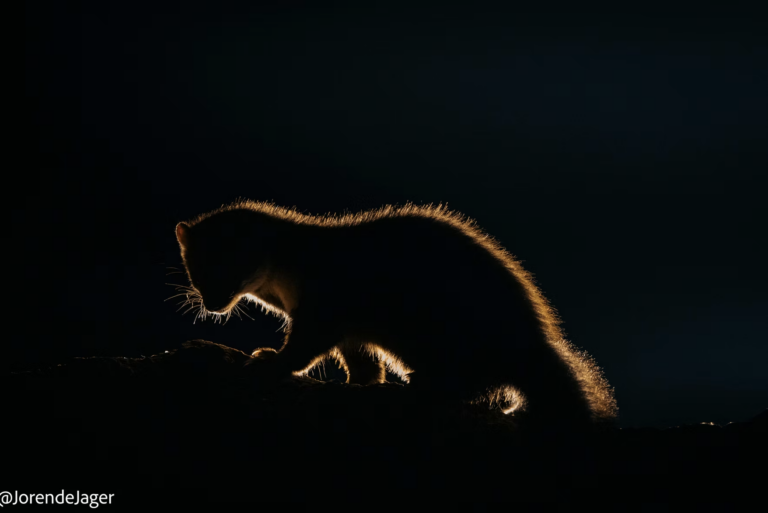
80 €/ person
Book nowNothing matches these filters.
EXPERIENCES
Type
Country
Sort by
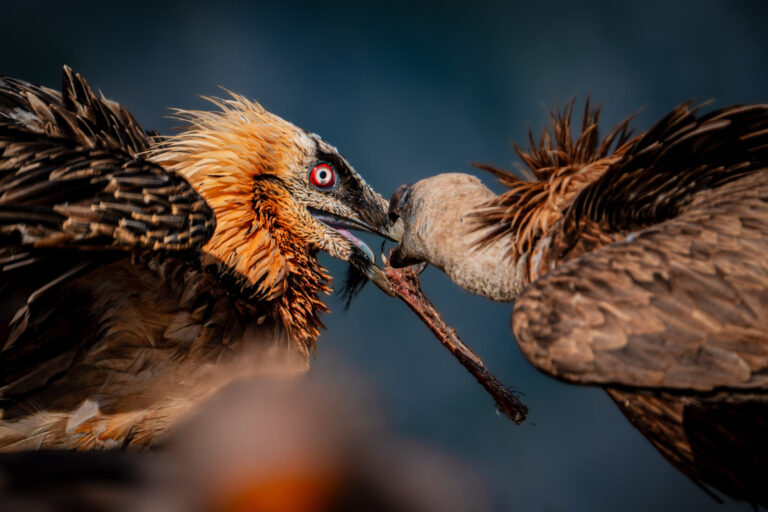
Photography WorkshopEasy
Pedro Marín – Instante Natural
Bearded Vulture photography workshop at Buseu
13–16 Nov 2026 and 1 more date
3 full days
6
ES
Golden Eagle · Bearded Vulture +10
735 €/ person
Book now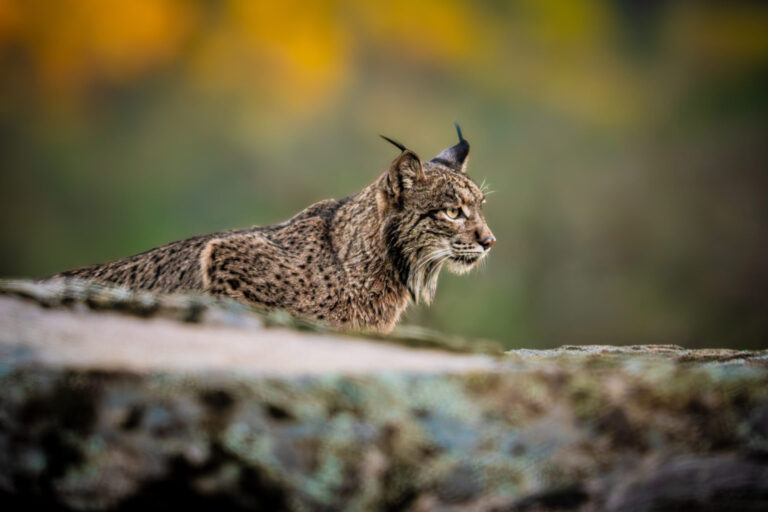
Photography WorkshopEasy
Pedro Marín – Instante Natural
Iberian Lynx Photography Workshop at Gato Clavo
3 days, 2 nights
8
ES
Iberian Lynx · Western Red Deer +6
360 €/ person
Book now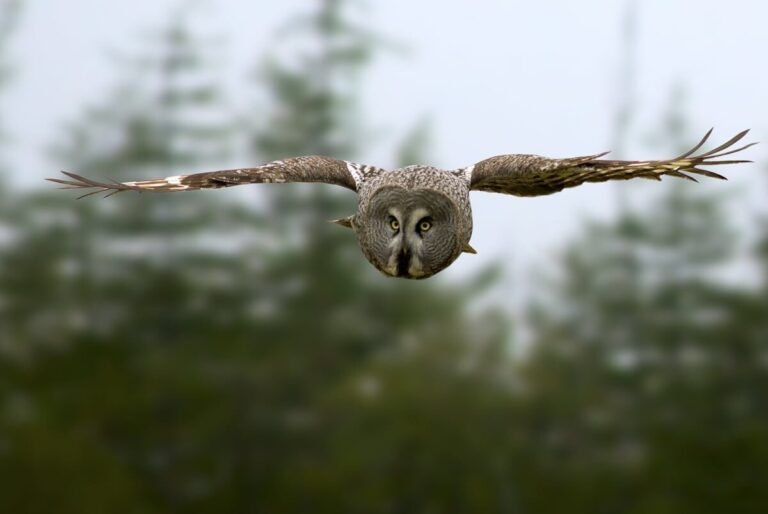
Birding TourEasy
Eagle-Eye Tours
Manitoba Owls
26 Feb – 2 Mar 2027 and 2 more dates
5 days
12
EN
Great Grey Owl · Snowy Owl +17
1.360 €/ person
Book nowNothing matches these filters.
STAYS
Country
Sort by
5,0 (1)
Eco Lodge
Buseu Wild Pyrenees
Buseu·Spain
2 places to stay · from 100 € / night
Nature Cabin
CroMedo Bearwatching
Čabar·Croatia
+5 mammals
Nothing matches these filters.
HOTSPOTS
Country
Type
Sort by
5,0 (1)
Nature Reserve
Tombstone Territorial Park
Dawson City·Canada
+150 birds+17 mammals
National Park
Abruzzo, Lazio and Molise National Park
Pescasseroli·Italy
+139 birds+18 mammals
National Park
Acadia National Park
Bar Harbor·United States
+291 birds+27 mammals
National Park
Aggtelek National Park
Szin·Hungary
+119 birds+13 mammals
Wildlife Sanctuary
Alaska Maritime National Wildlife Refuge
Alaska·United States
+391 birds+58 mammals
Natural Park
Algonquin Provincial Park
Canada
+257 birds+32 mammals
Wildlife Sanctuary
Alligator River National Wildlife Refuge
Dare County·United States
+288 birds+17 mammals
Natural Park
Alpilles Regional Nature Park
Saint-Rémy-de-Provence·France
+219 birds+37 mammals
National Park
Alta Murgia National Park
Bari·Italy
+168 birds+6 mammals
Nothing matches these filters.
COMMUNITY
Share your photo of this species
Sort by
No community photos yet. Log in to add the first one.
0
Observed by
0
Hotspots reported
0
Countries
No community observations of this species yet.