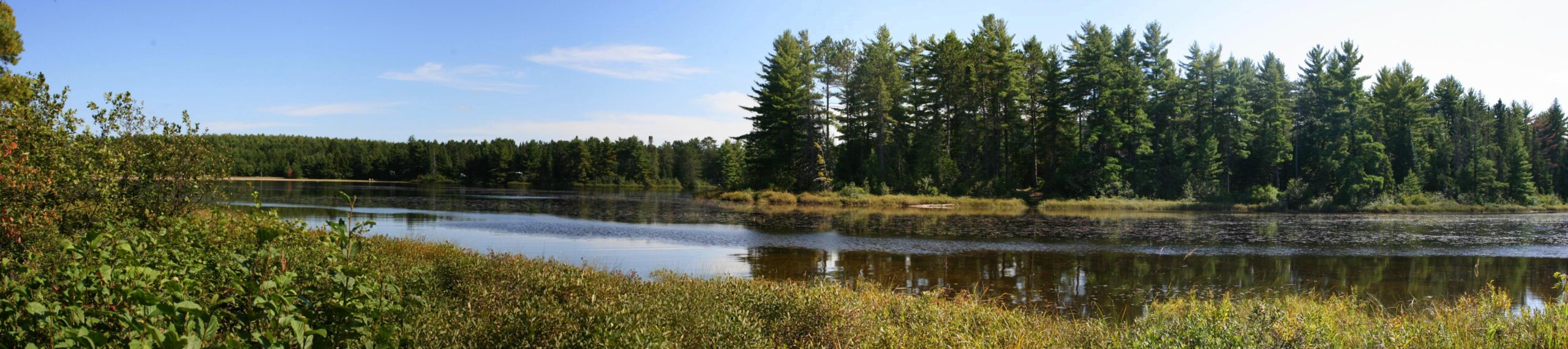
Average annual temperature
4.4 °C
Average of the twelve monthly means
Website
ontarioparks.com/park/algonquin
Birding TourModerate
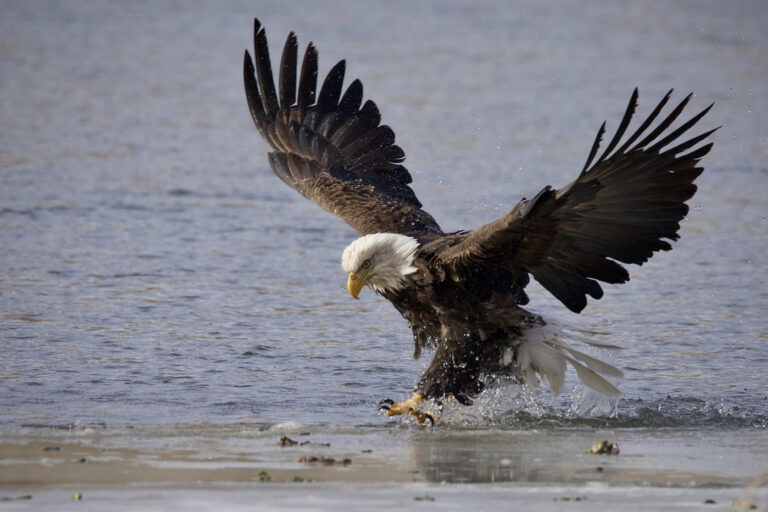
Haliaeetus leucocephalus
♥
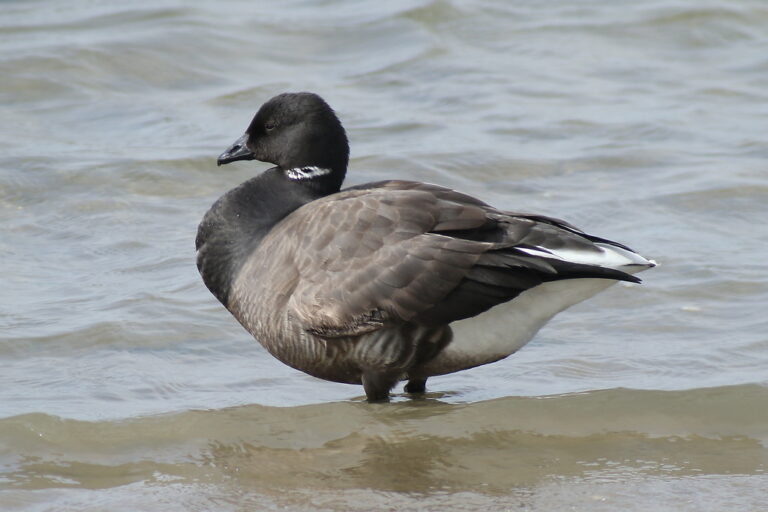
Branta bernicla
♥
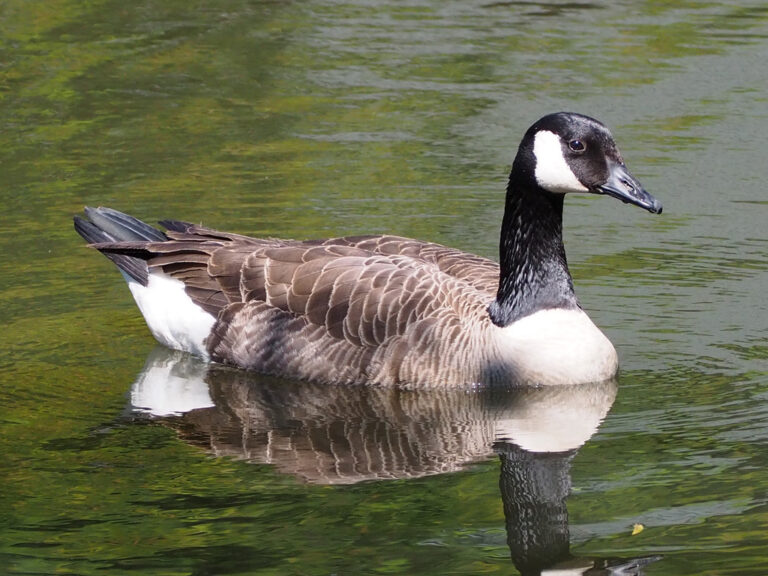
Branta canadensis
♥
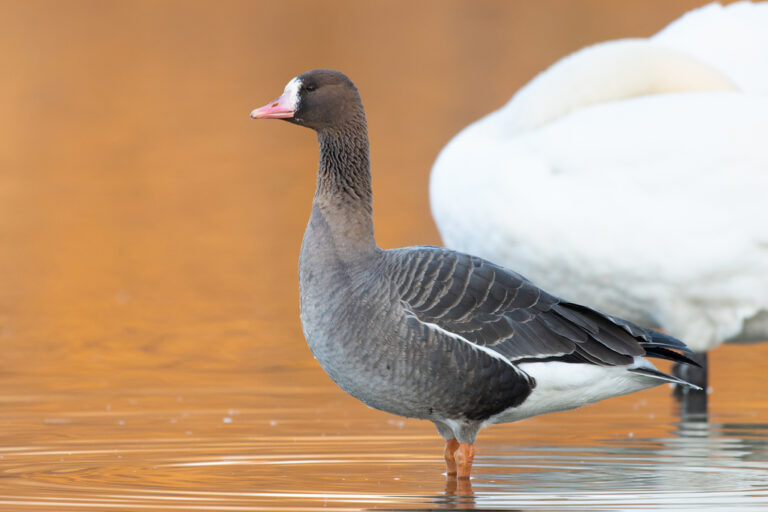
Anser albifrons
♥
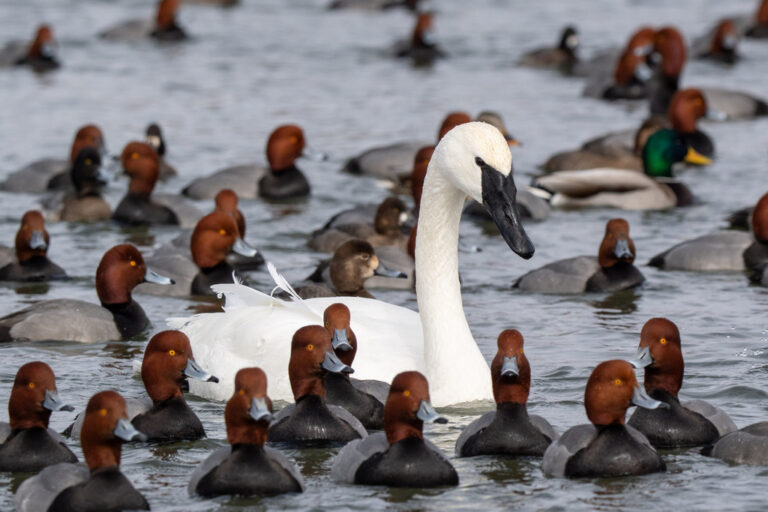
Cygnus buccinator
♥
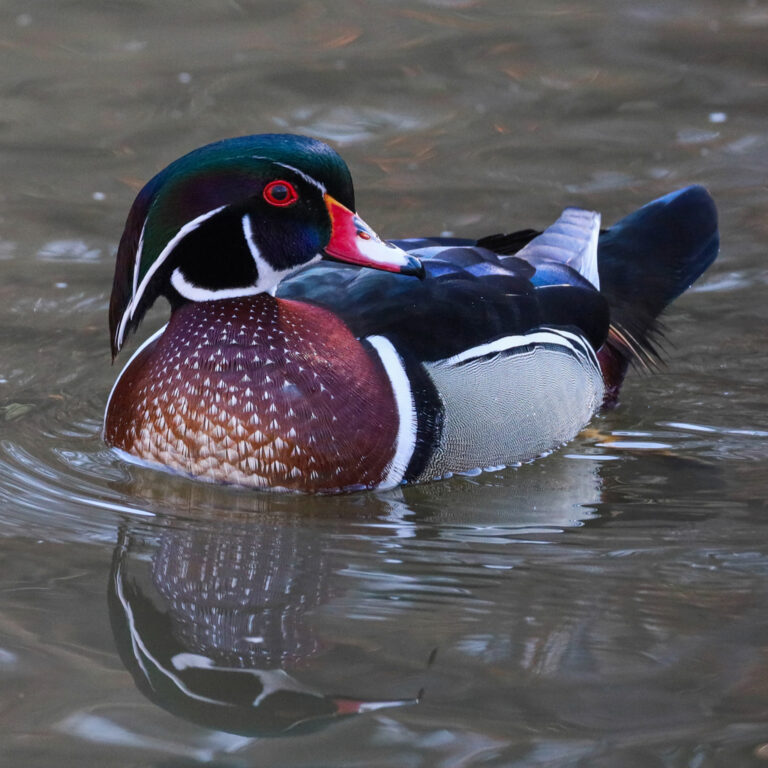
Aix sponsa
♥
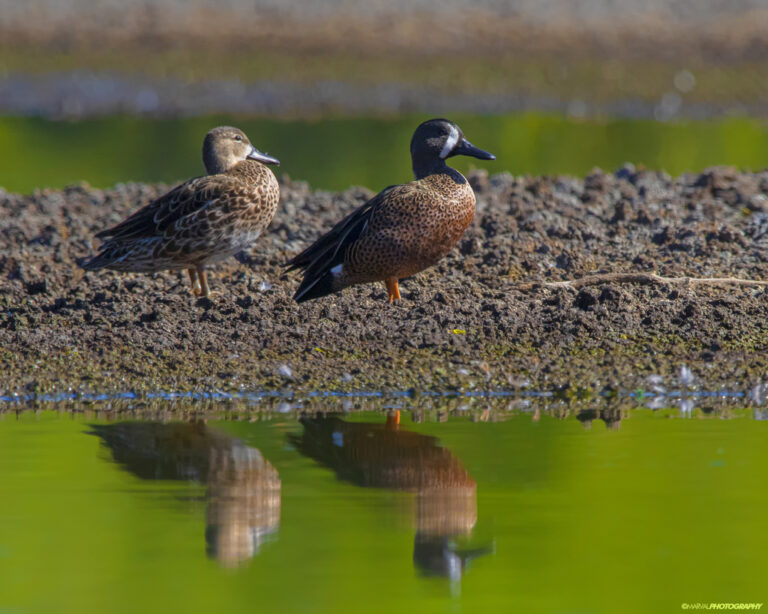
Spatula discors
♥
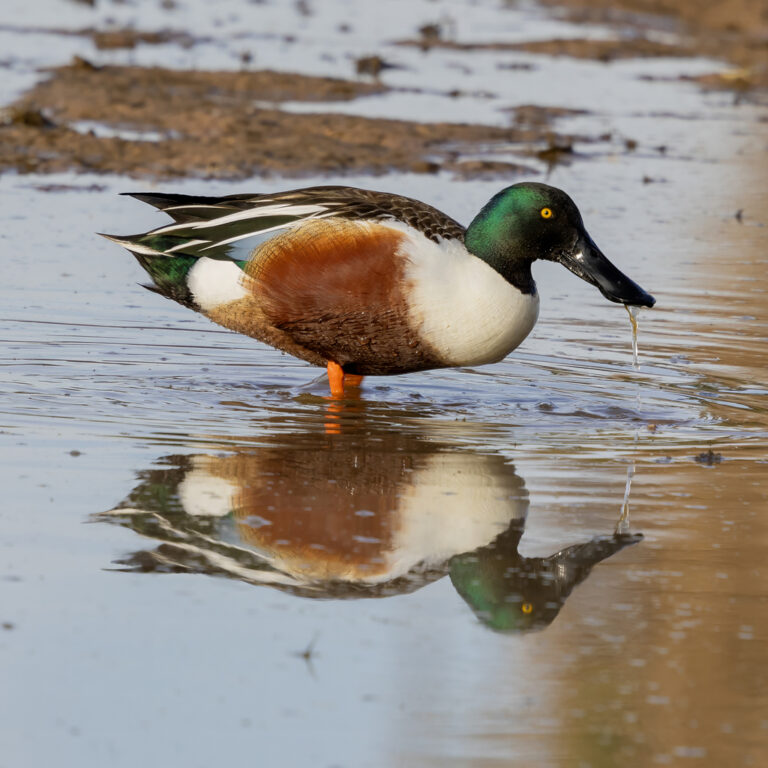
Spatula clypeata
♥
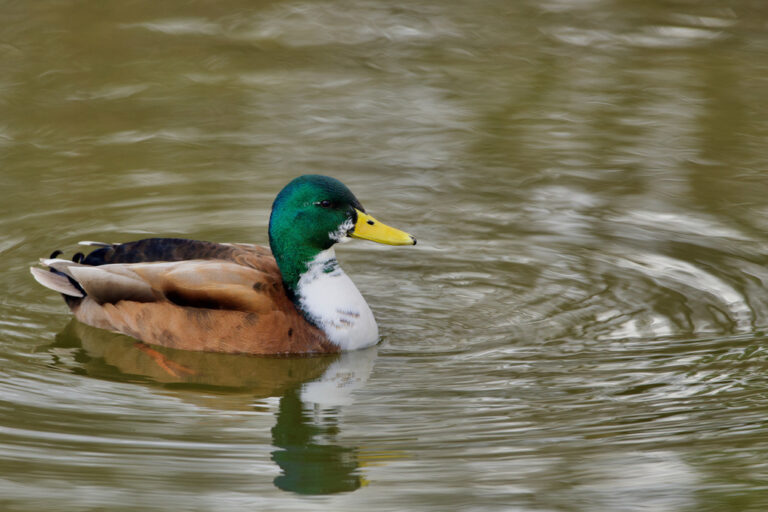
Anas platyrhynchos
♥
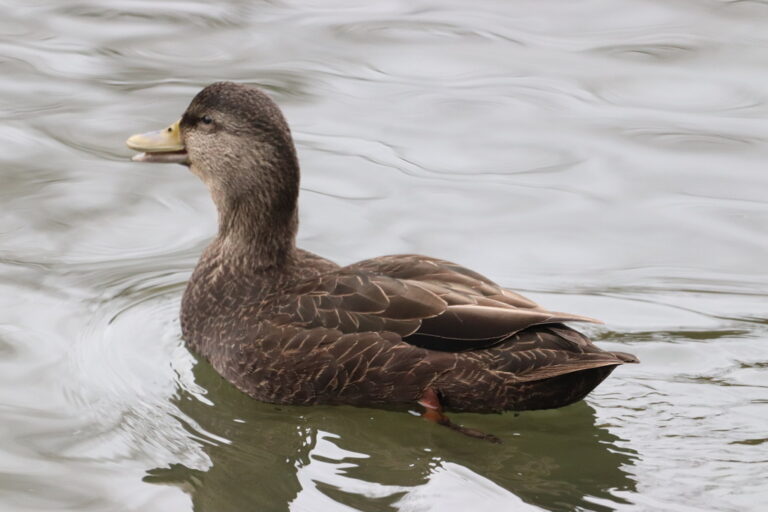
Anas rubripes
♥
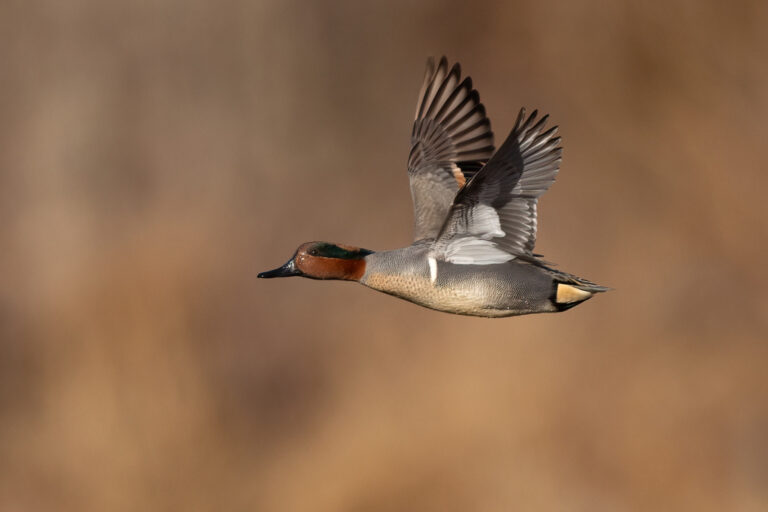
Anas crecca
♥
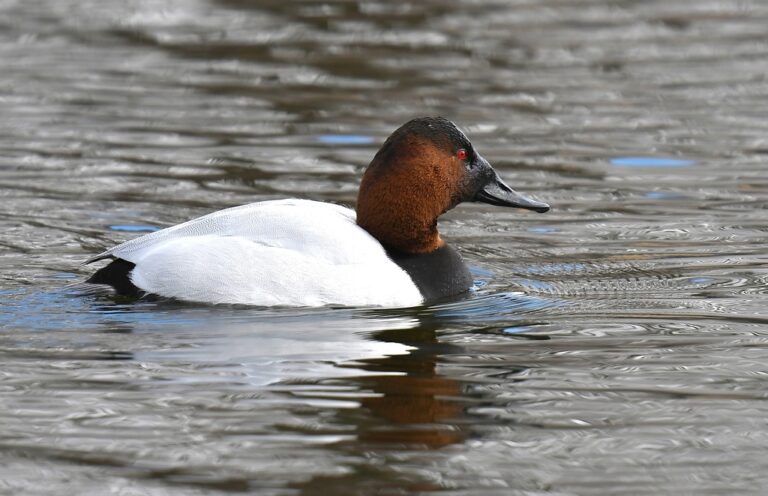
Aythya valisineria
♥
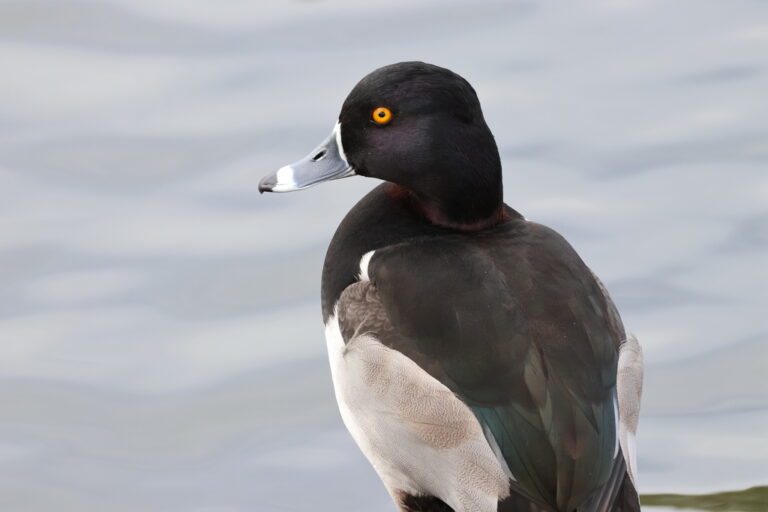
Aythya collaris
♥
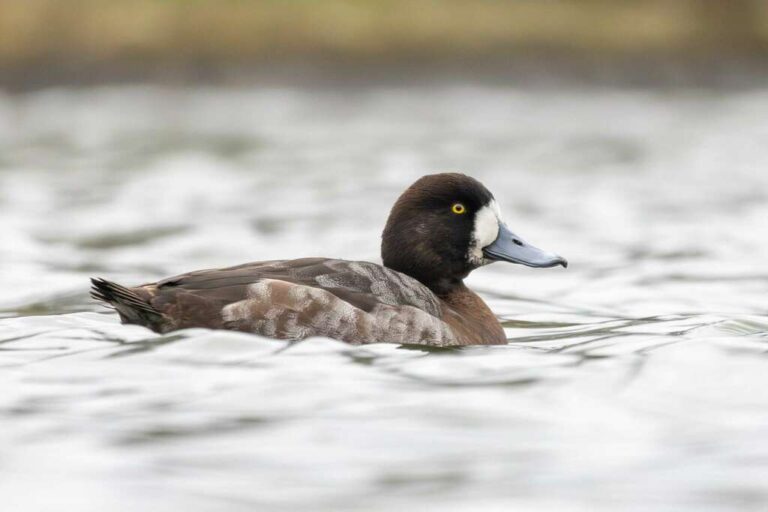
Aythya marila
♥
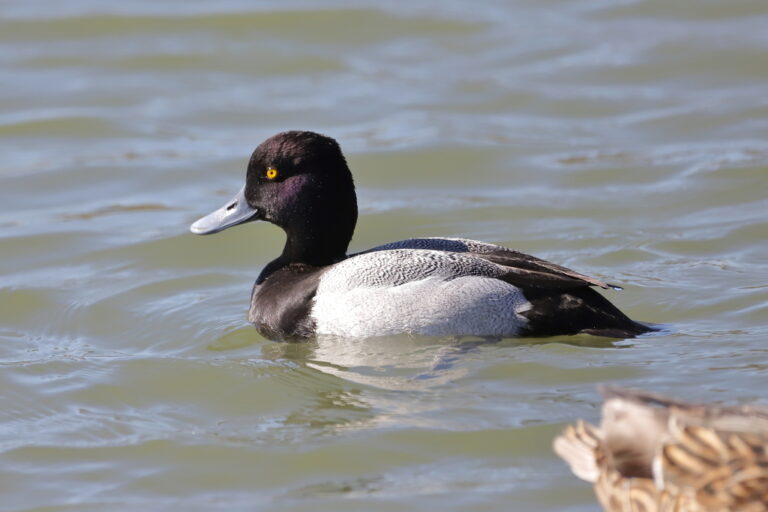
Aythya affinis
♥
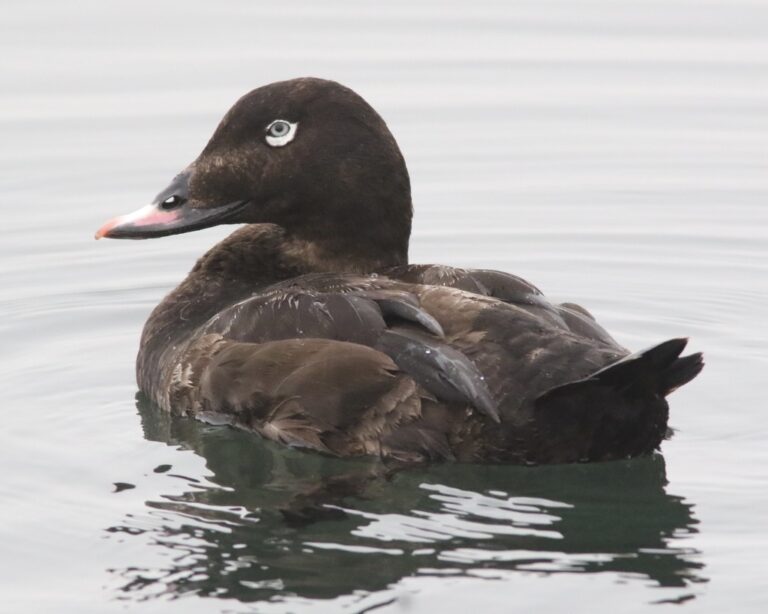
Melanitta deglandi
♥
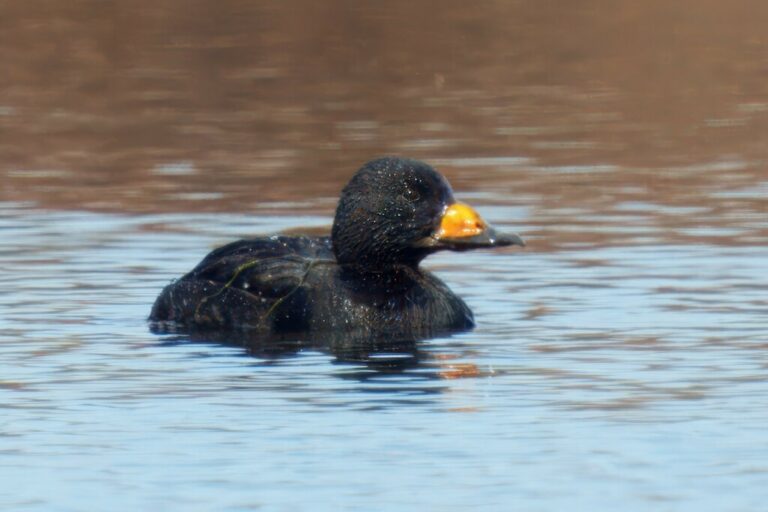
Melanitta americana
♥
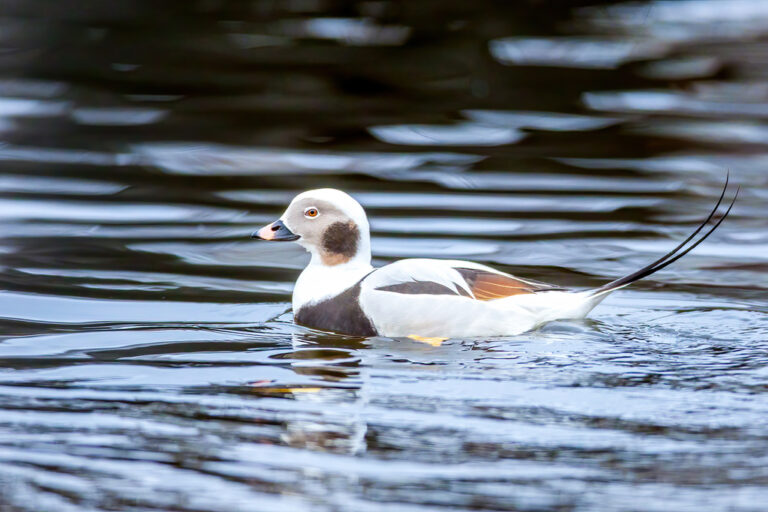
Clangula hyemalis
♥
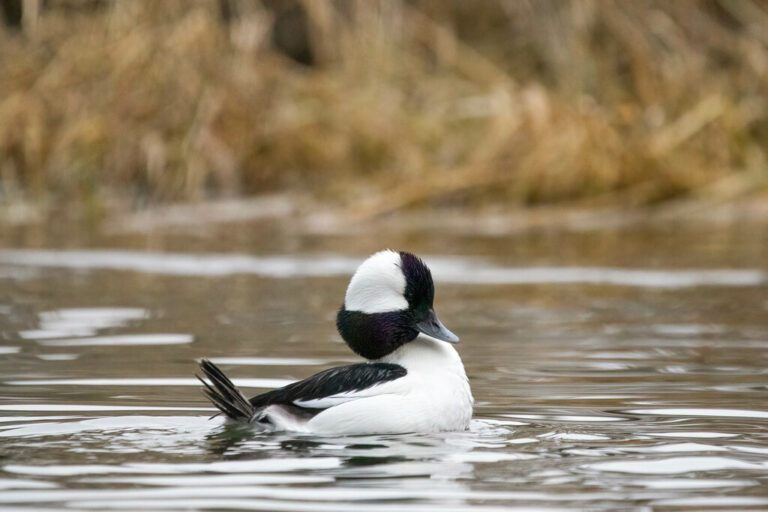
Bucephala albeola
♥
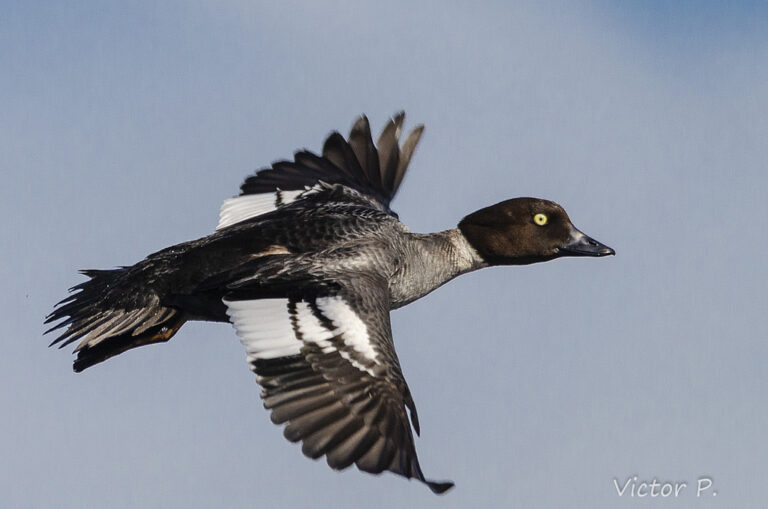
Bucephala clangula
♥
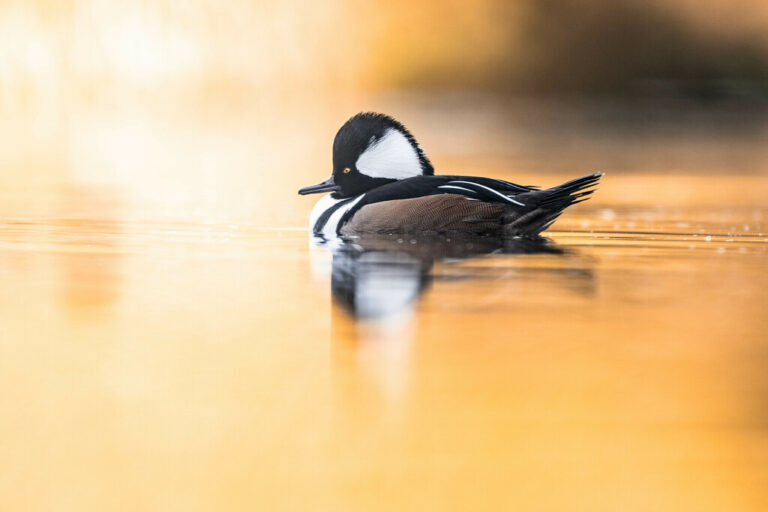
Lophodytes cucullatus
♥
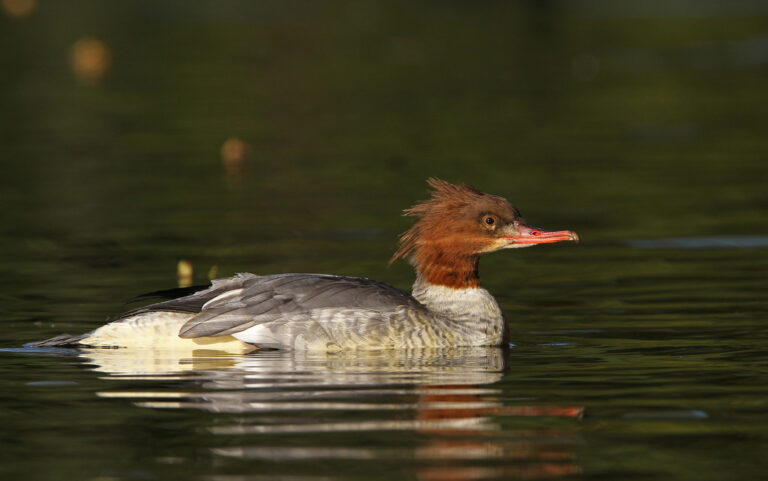
Mergus merganser
♥
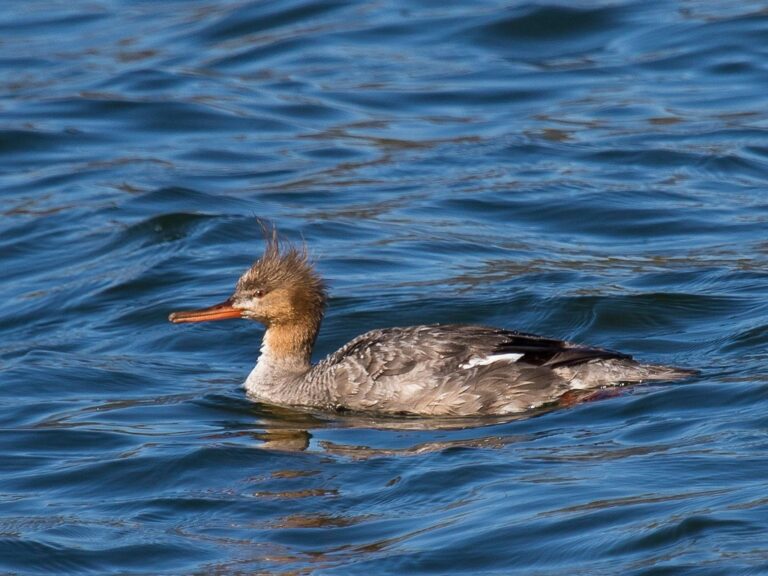
Mergus serrator
♥
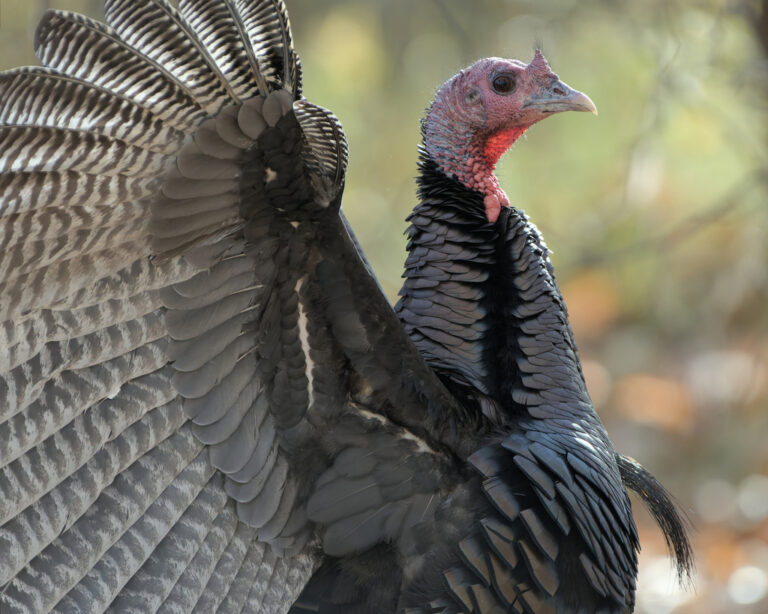
Meleagris gallopavo
♥
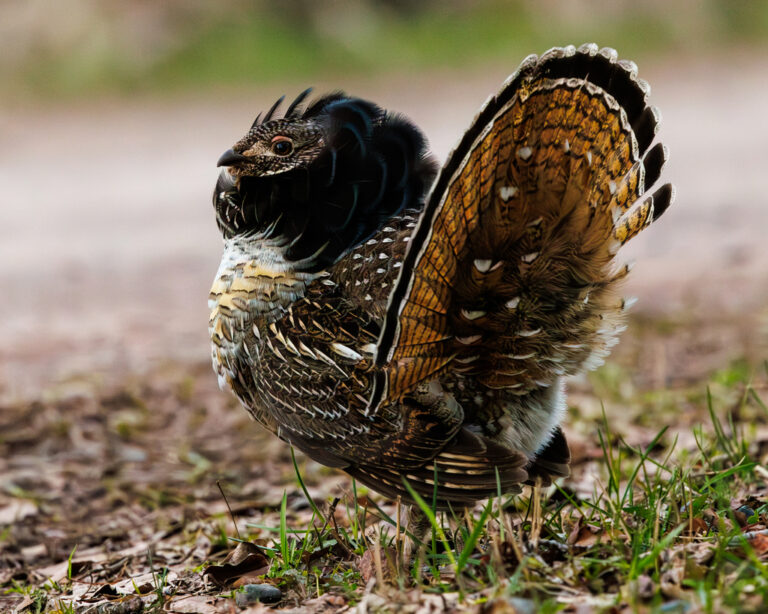
Bonasa umbellus
♥
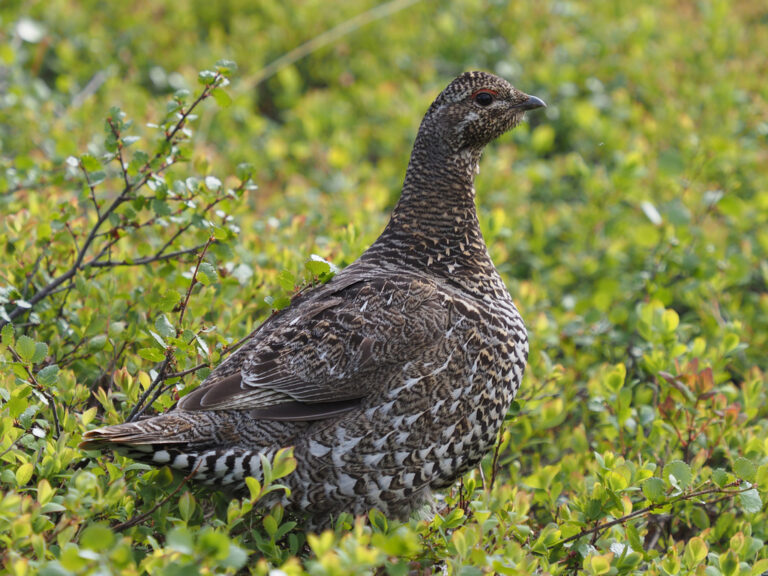
Canachites canadensis
♥
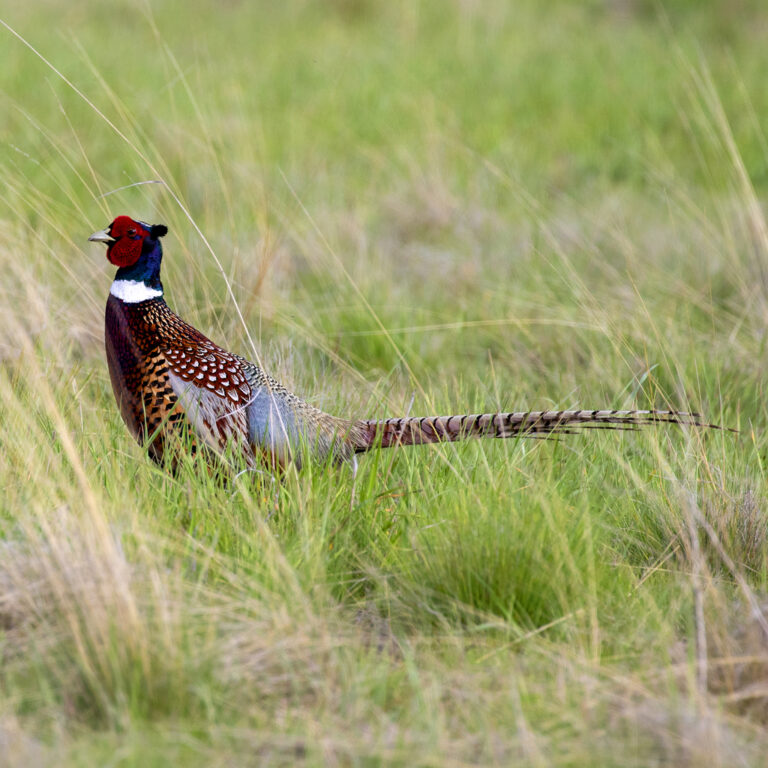
Phasianus colchicus
♥
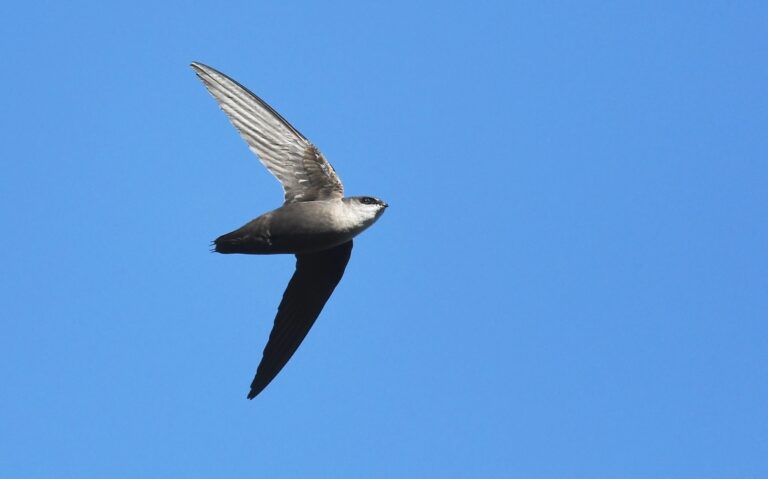
Chaetura pelagica
♥
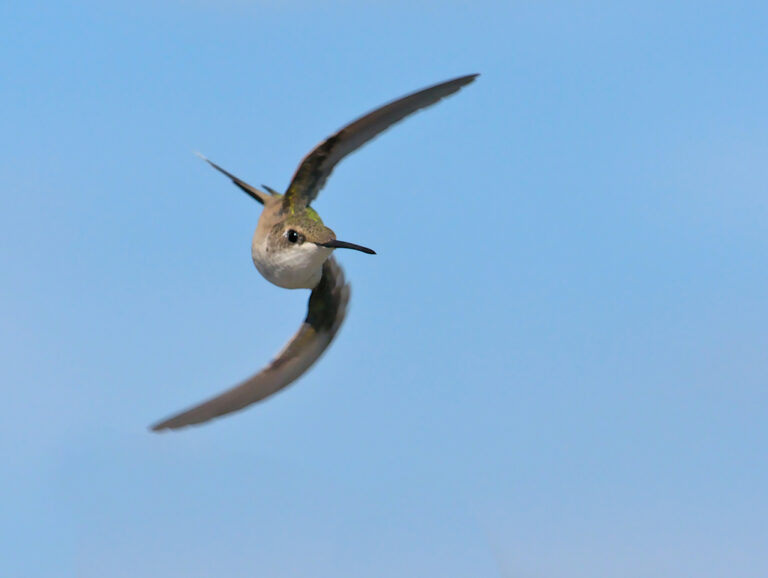
Archilochus colubris
♥
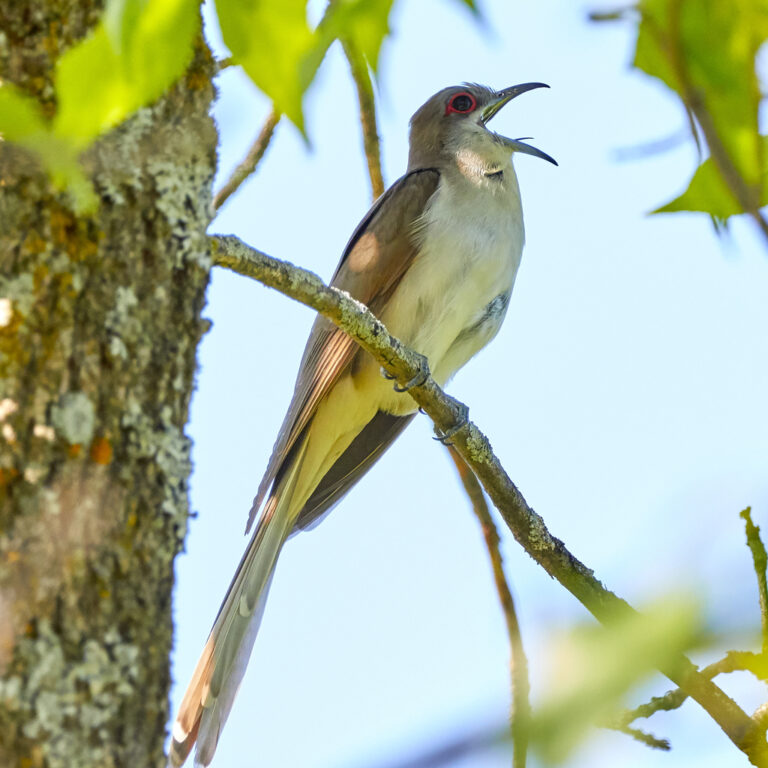
Coccyzus erythropthalmus
♥
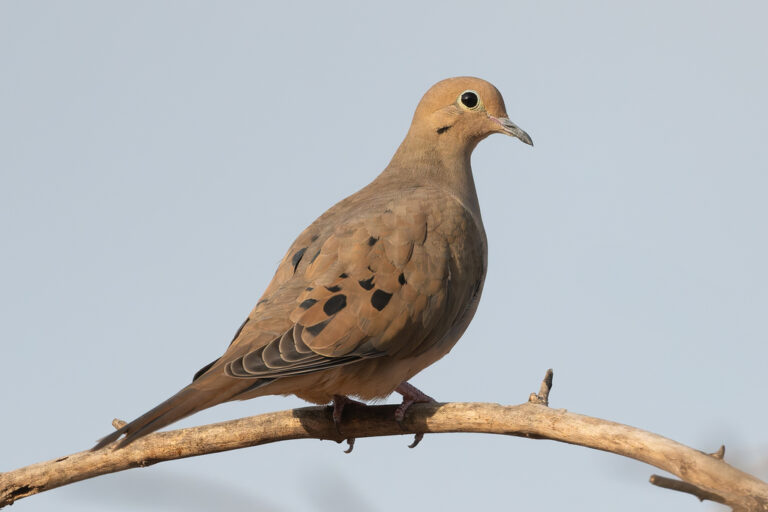
Zenaida macroura
♥
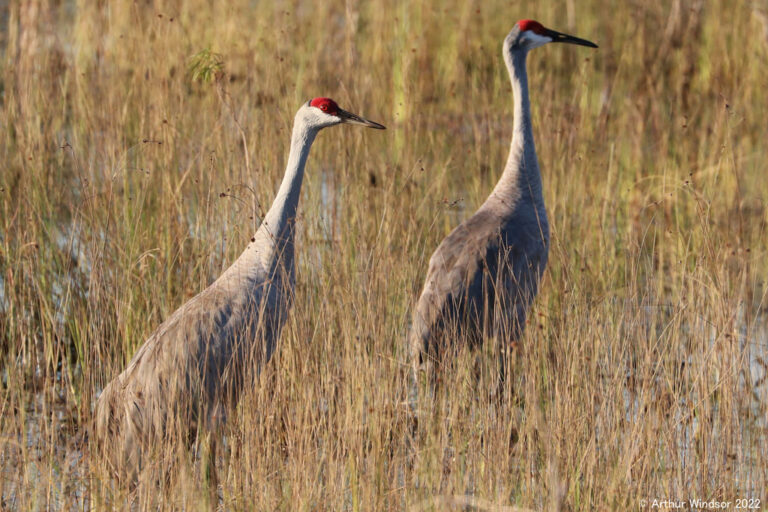
Antigone canadensis
♥
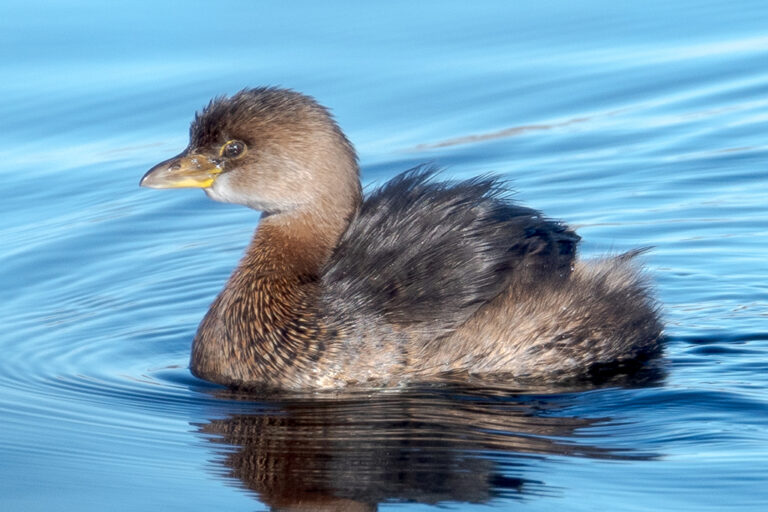
Podilymbus podiceps
♥
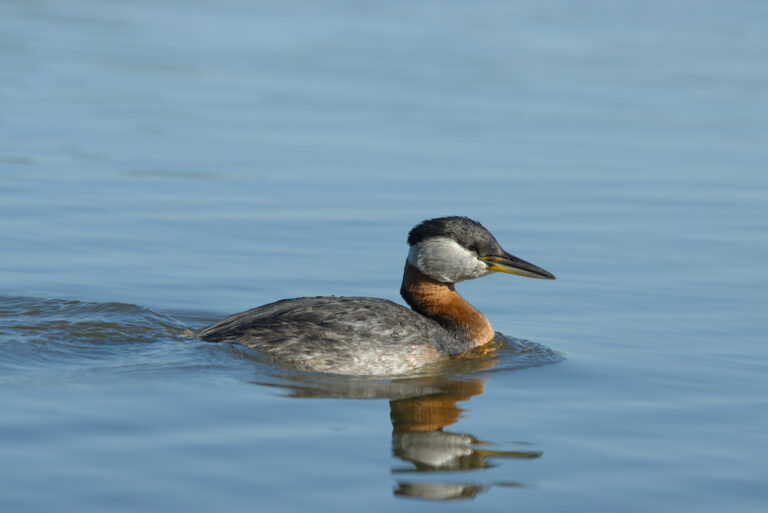
Podiceps grisegena
♥
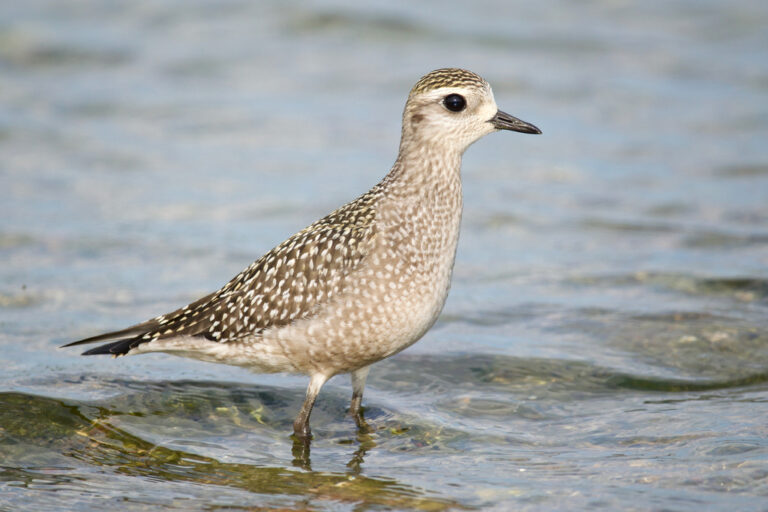
Pluvialis dominica
♥
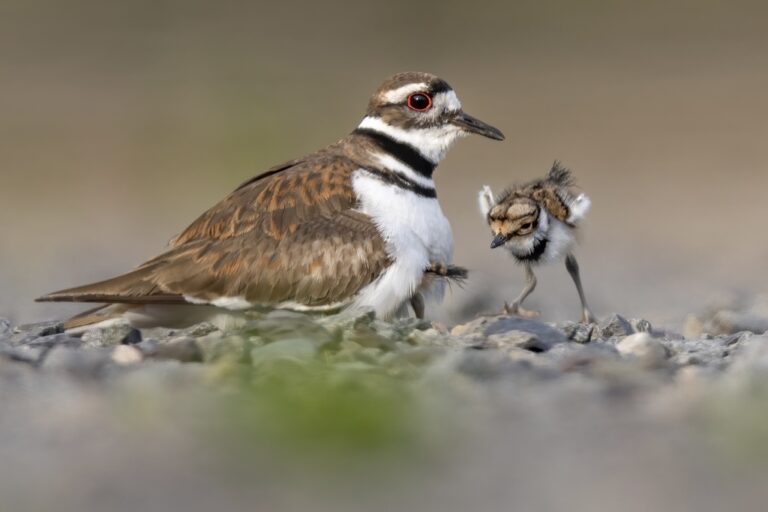
Charadrius vociferus
♥
Charadrius hiaticula
♥
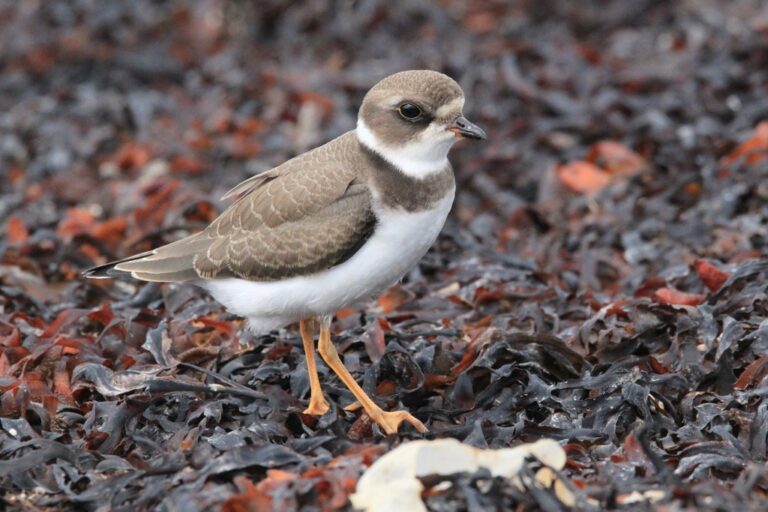
Charadrius semipalmatus
♥
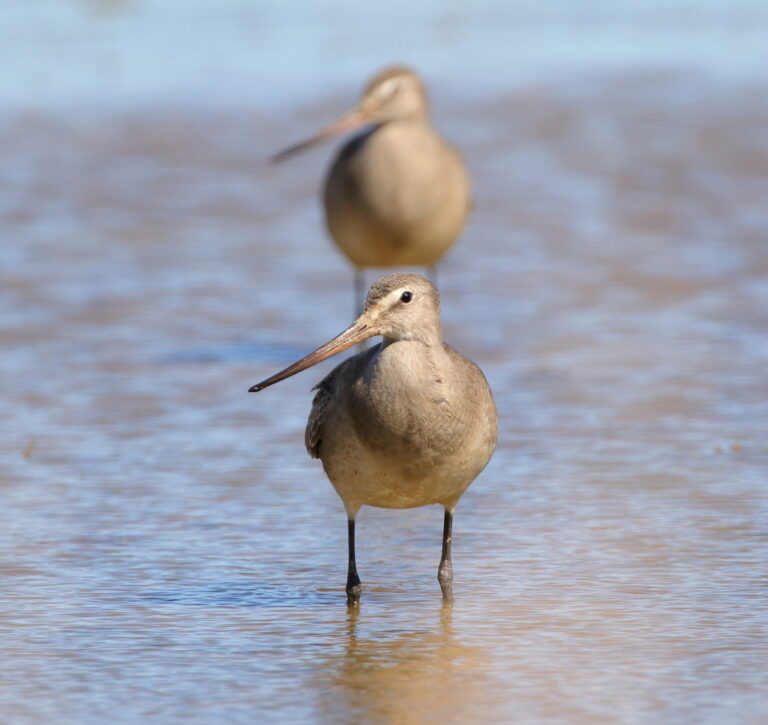
Limosa haemastica
♥
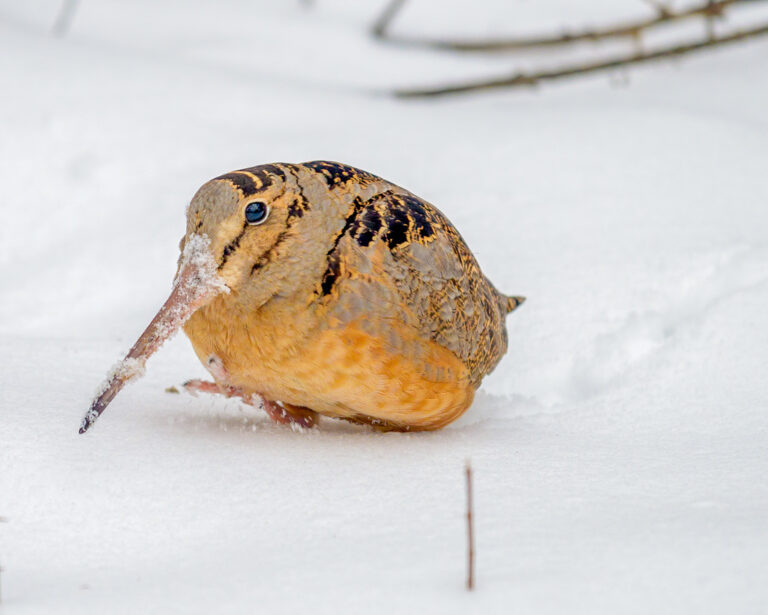
Scolopax minor
♥
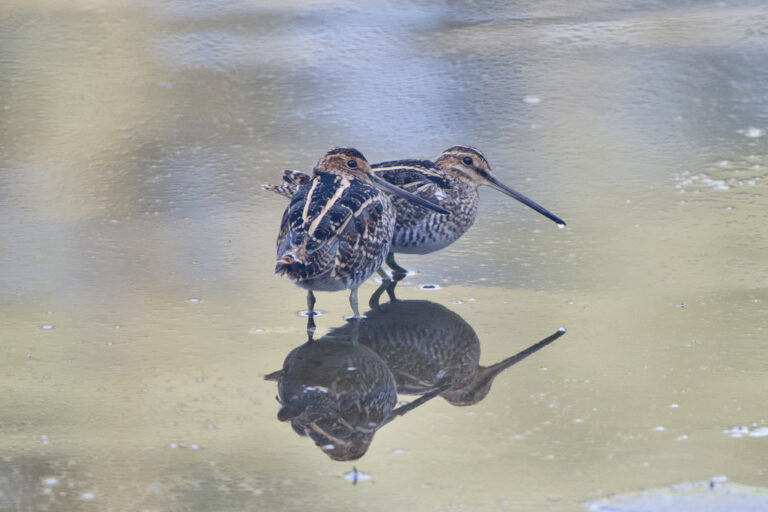
Gallinago delicata
♥
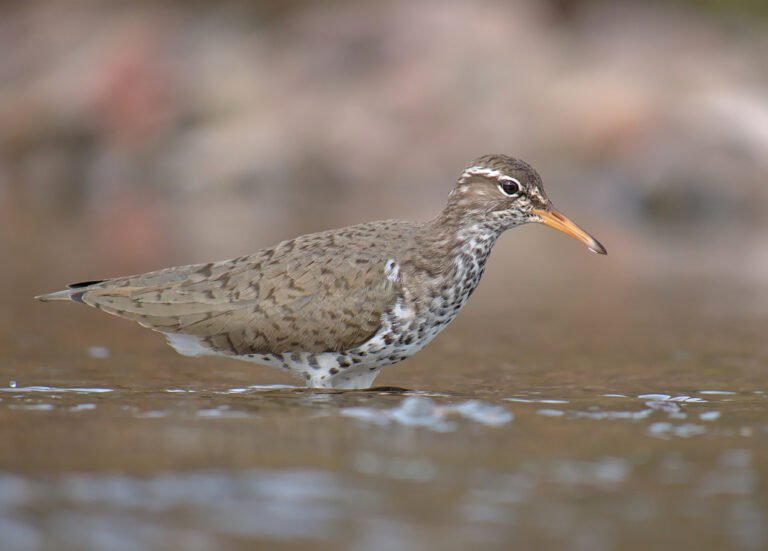
Actitis macularius
♥
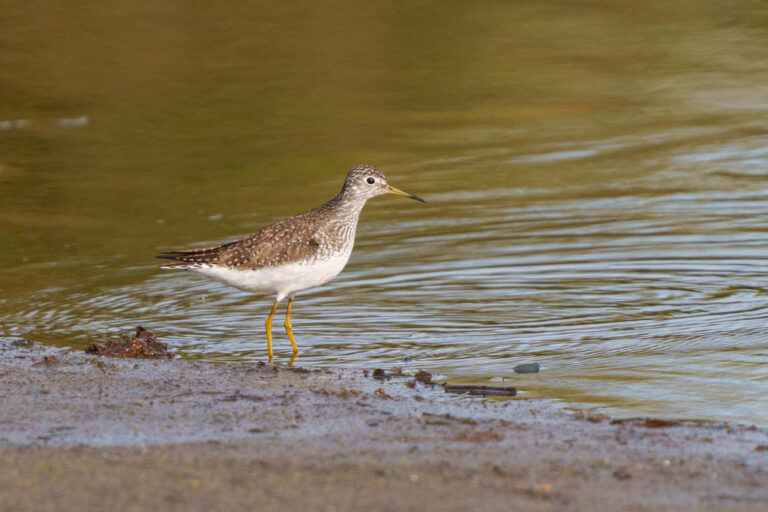
Tringa solitaria
♥
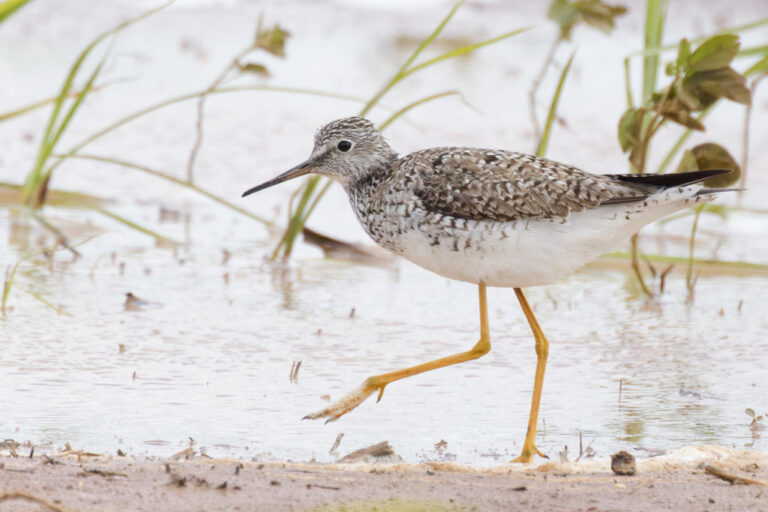
Tringa flavipes
♥
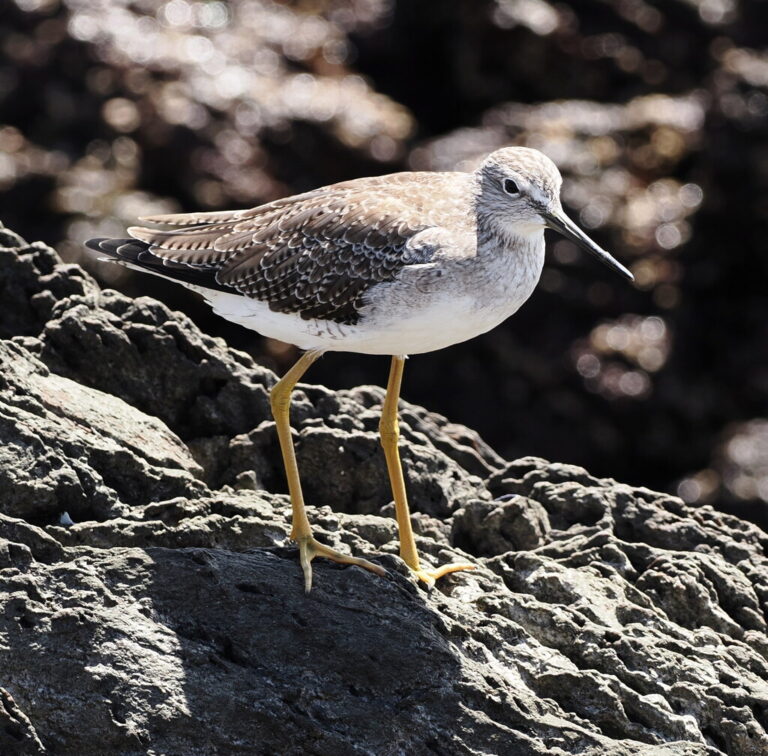
Tringa melanoleuca
♥
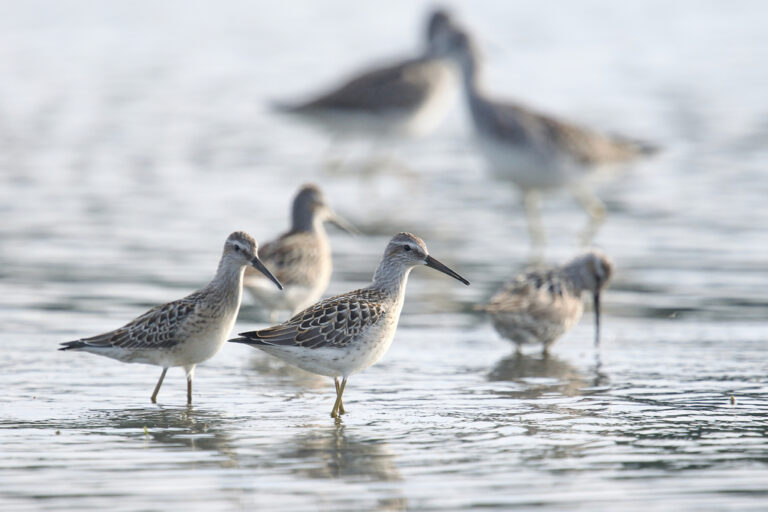
Calidris himantopus
♥
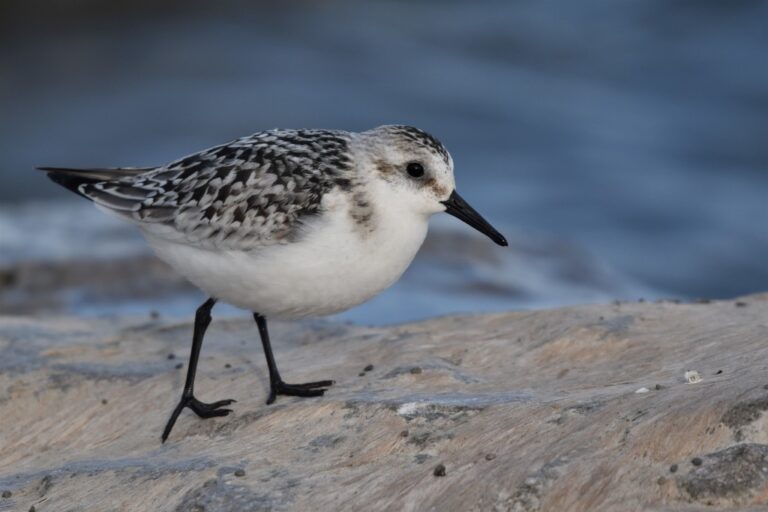
Calidris alba
♥
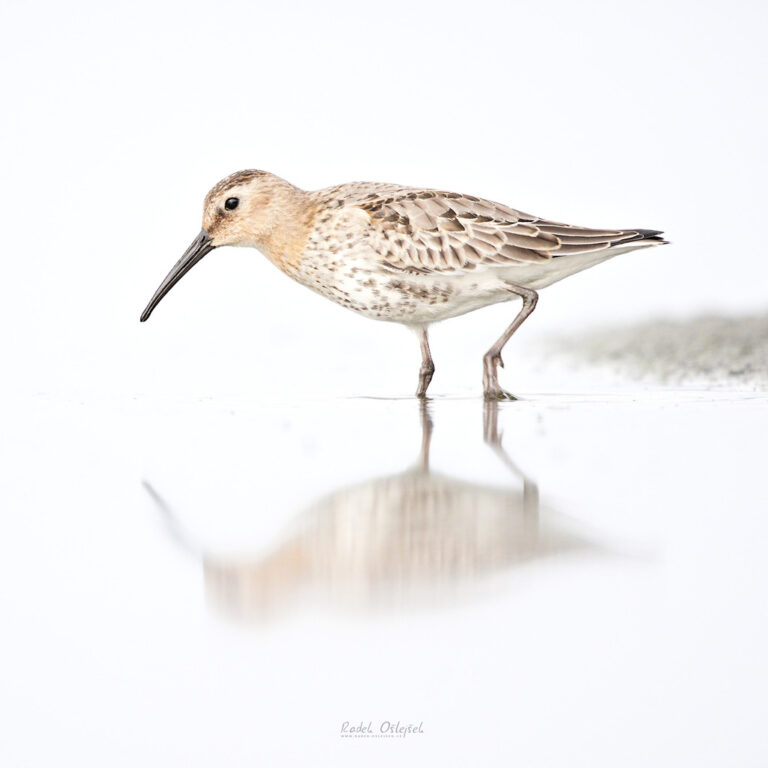
Calidris alpina
♥
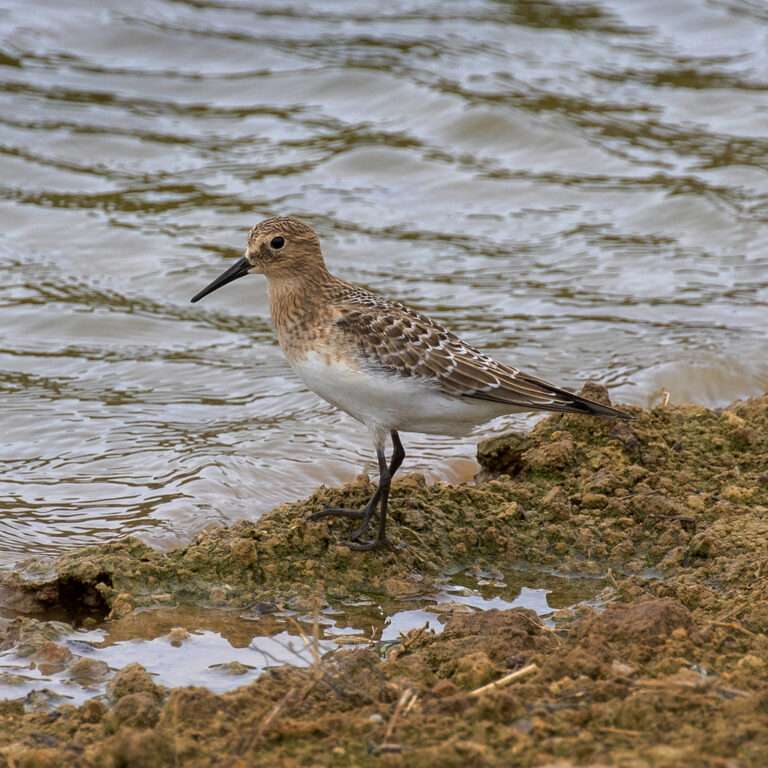
Calidris bairdii
♥
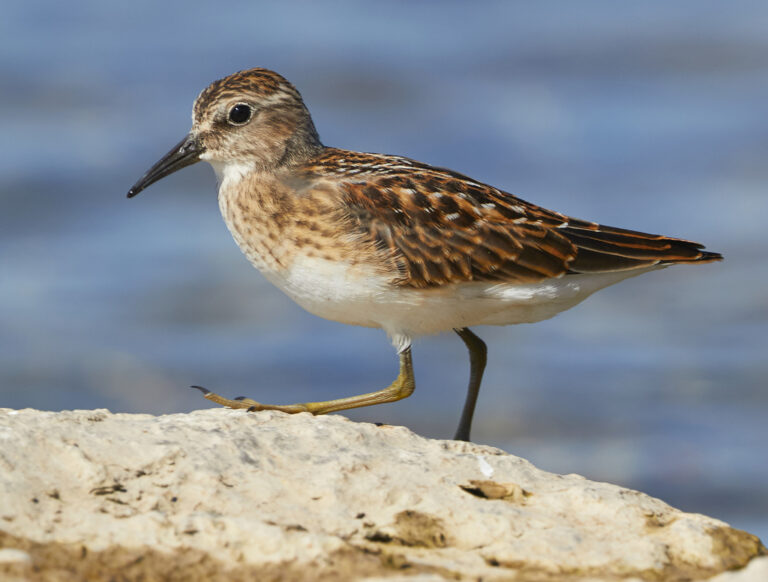
Calidris minutilla
♥
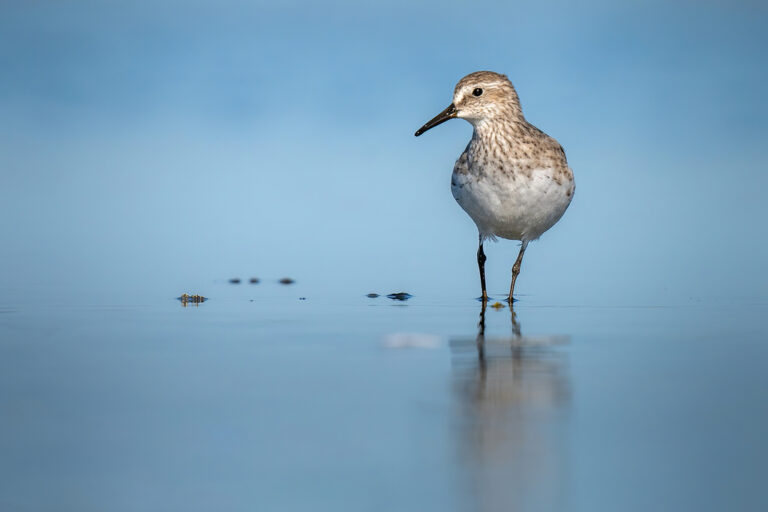
Calidris fuscicollis
♥
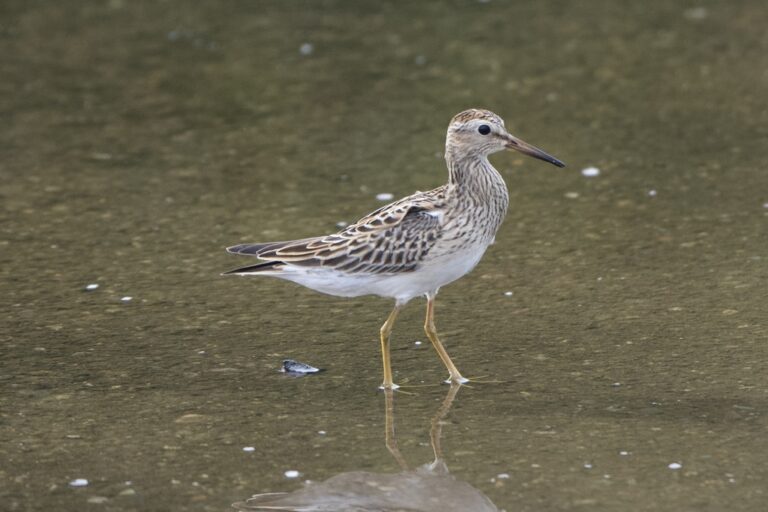
Calidris melanotos
♥
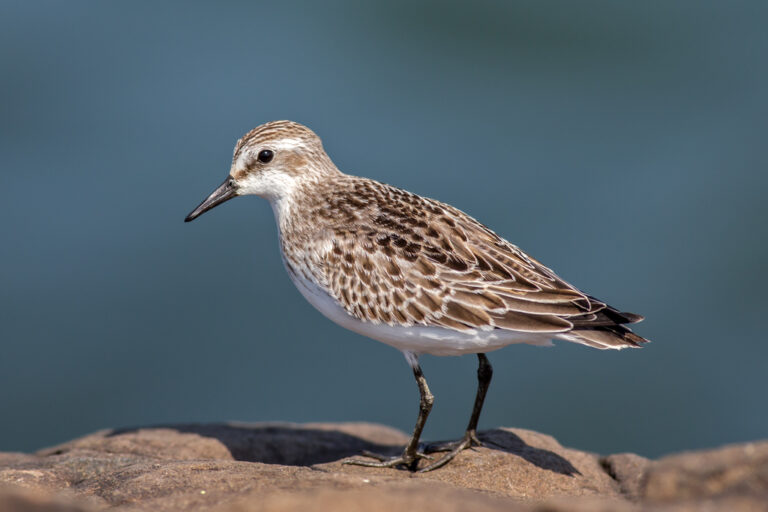
Calidris pusilla
♥
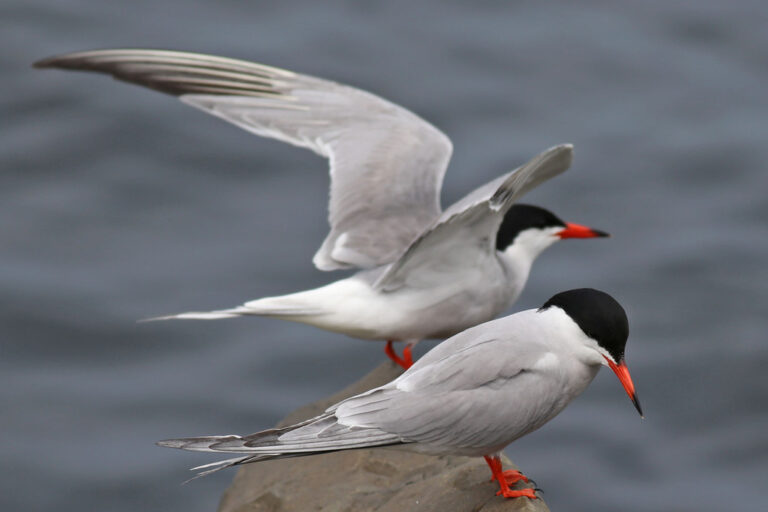
Sterna hirundo
♥
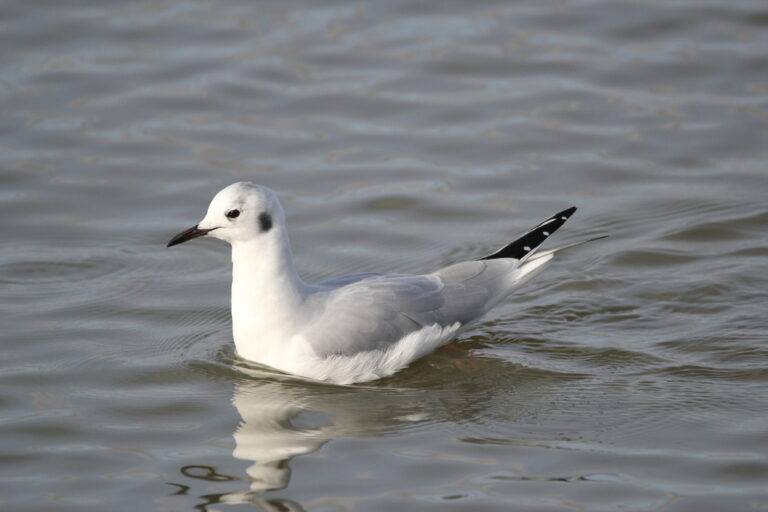
Chroicocephalus philadelphia
♥
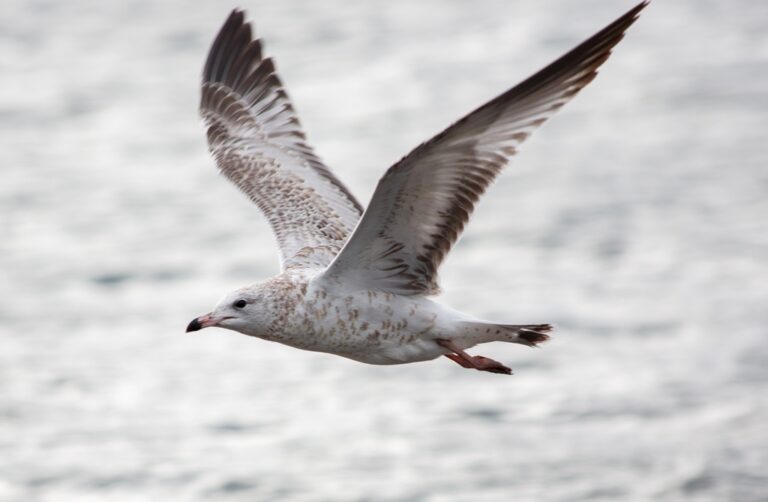
Larus delawarensis
♥
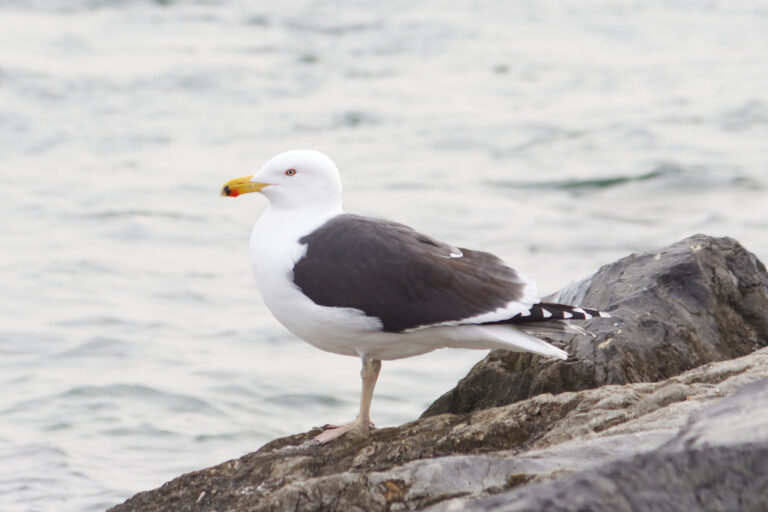
Larus marinus
♥
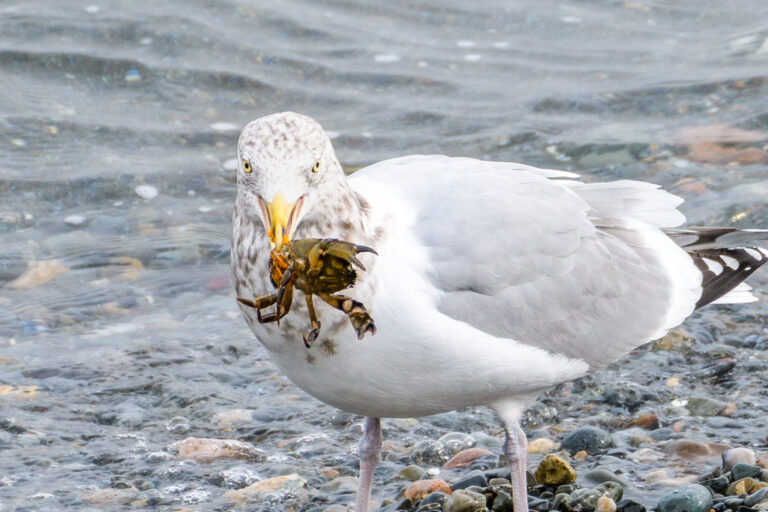
Larus smithsonianus
♥
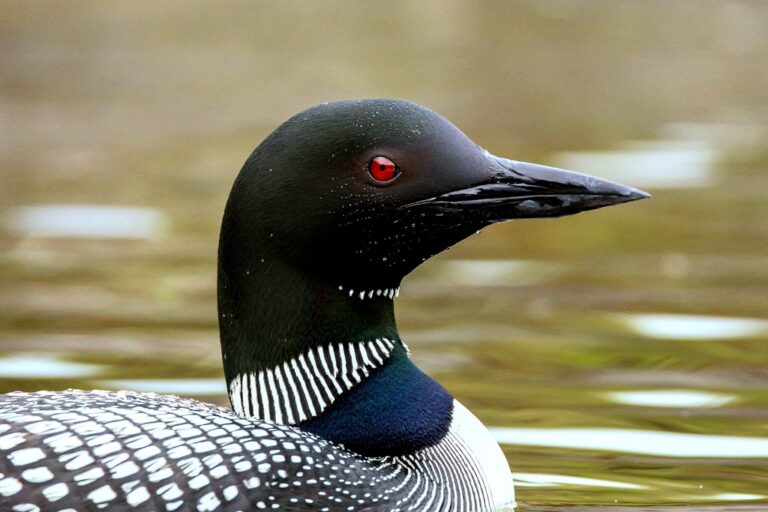
Gavia immer
♥
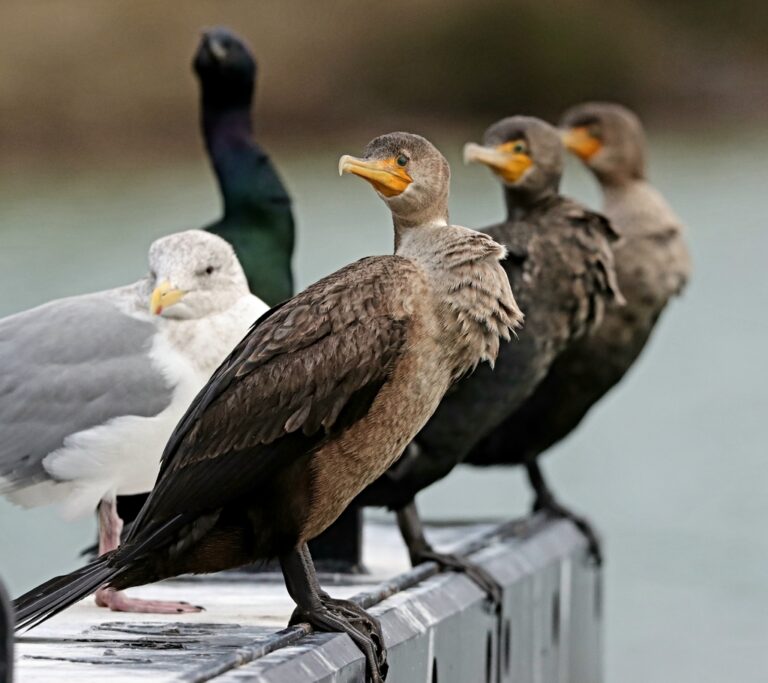
Nannopterum auritum
♥
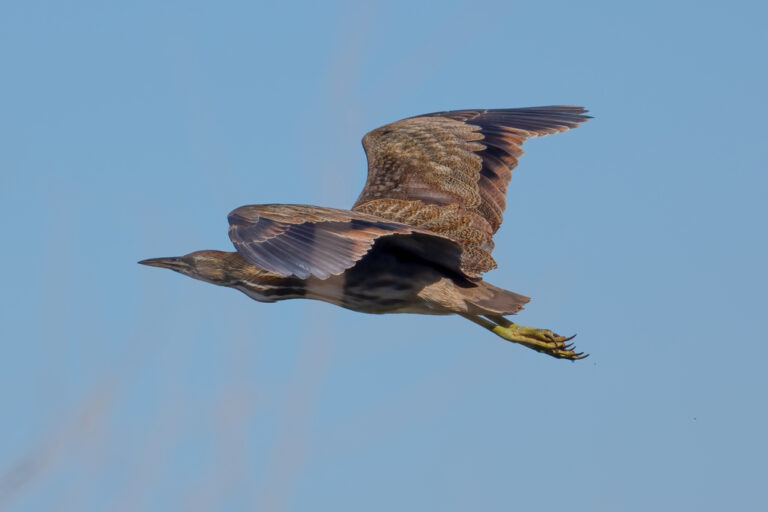
Botaurus lentiginosus
♥
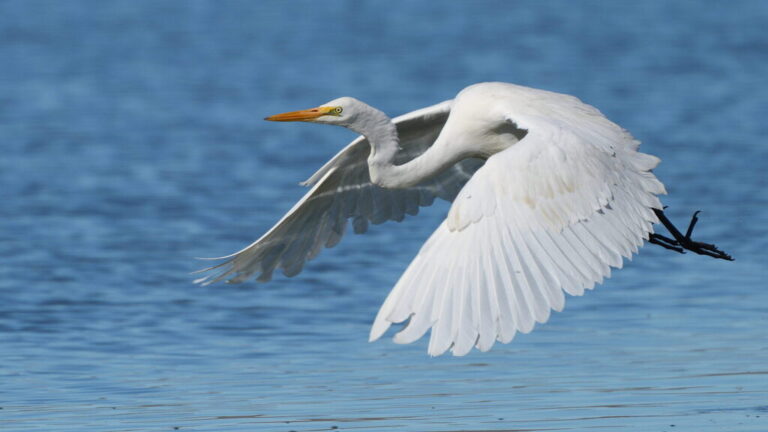
Ardea alba
♥
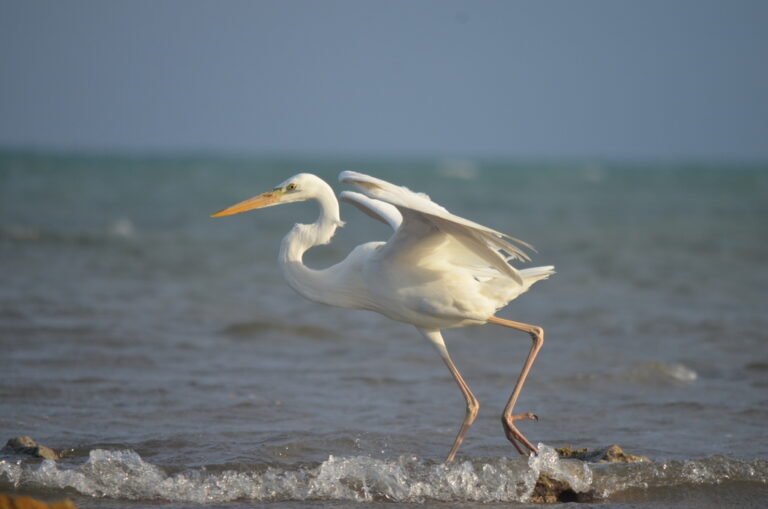
Ardea herodias
♥
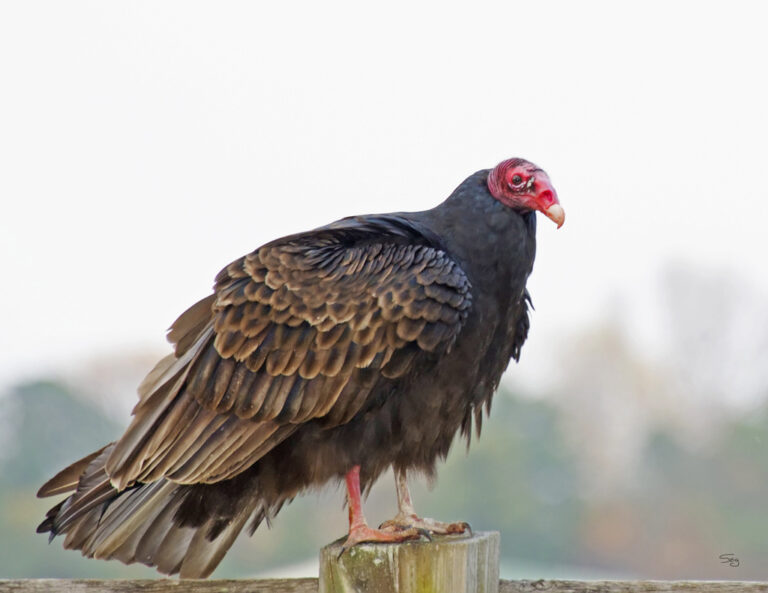
Cathartes aura
♥
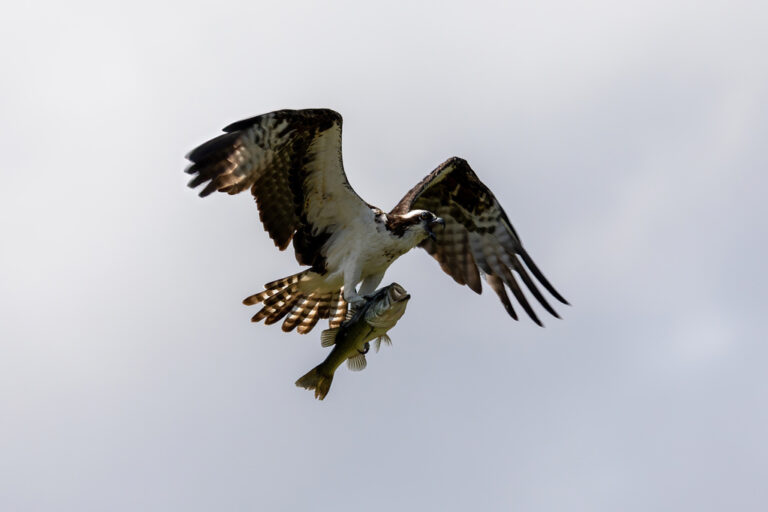
Pandion haliaetus
♥
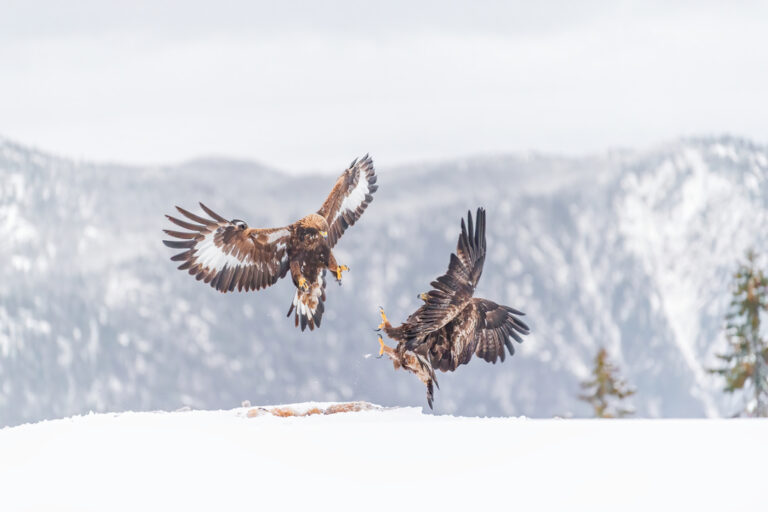
Aquila chrysaetos
♥
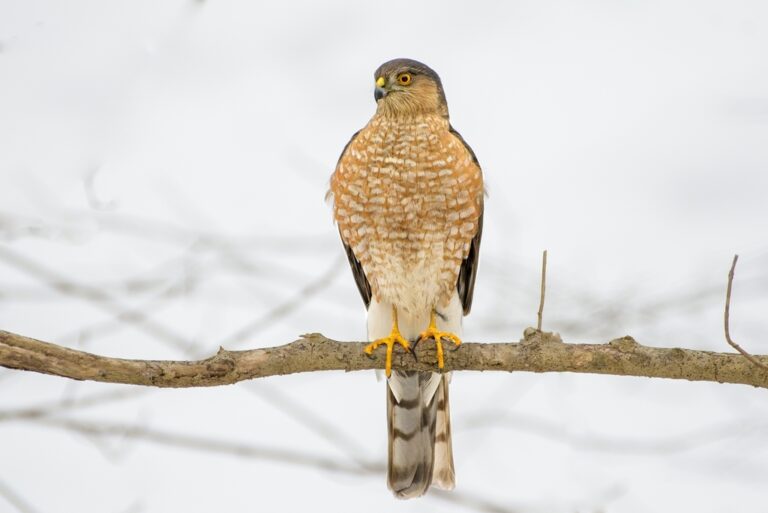
Accipiter striatus
♥
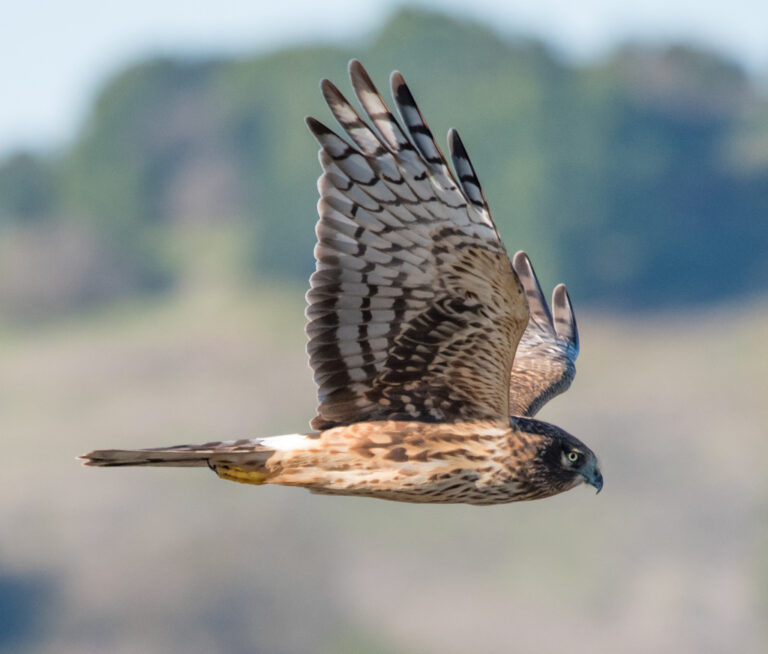
Circus hudsonius
♥
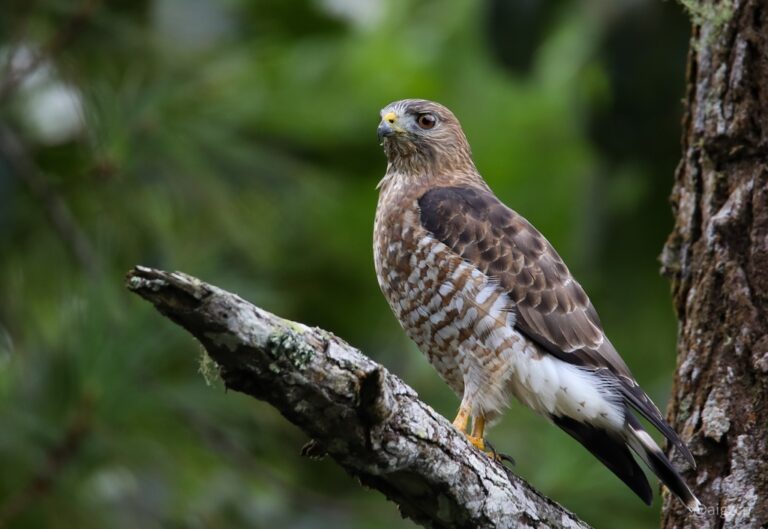
Buteo platypterus
♥
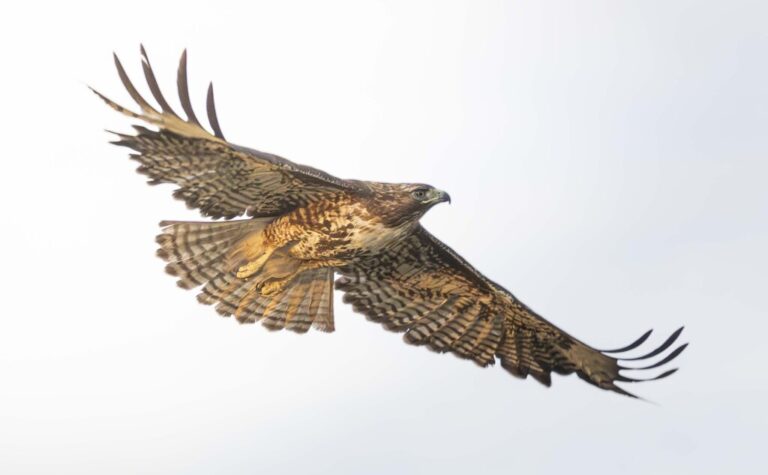
Buteo jamaicensis
♥
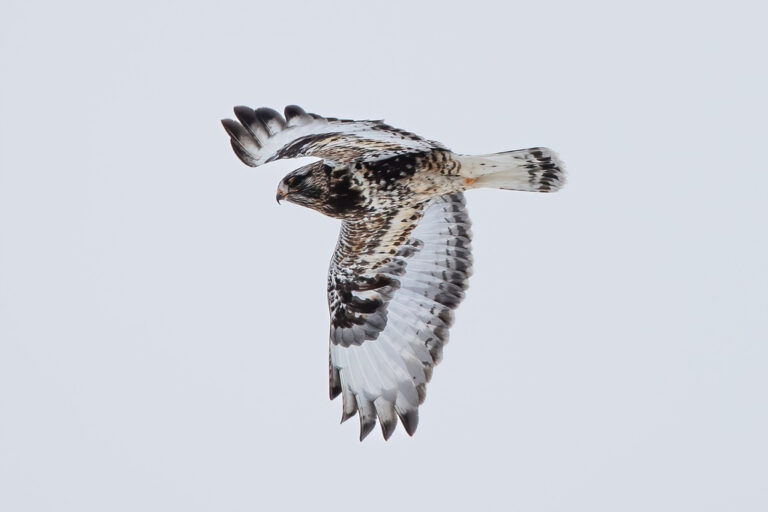
Buteo lagopus
♥
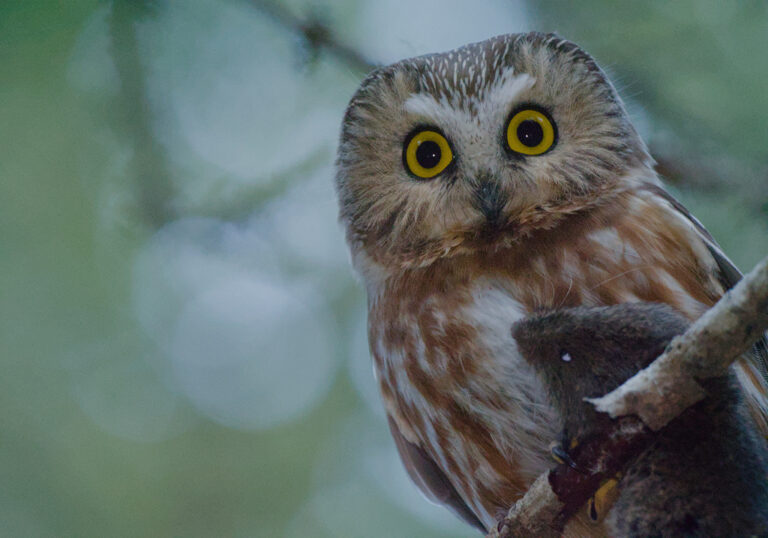
Aegolius acadicus
♥
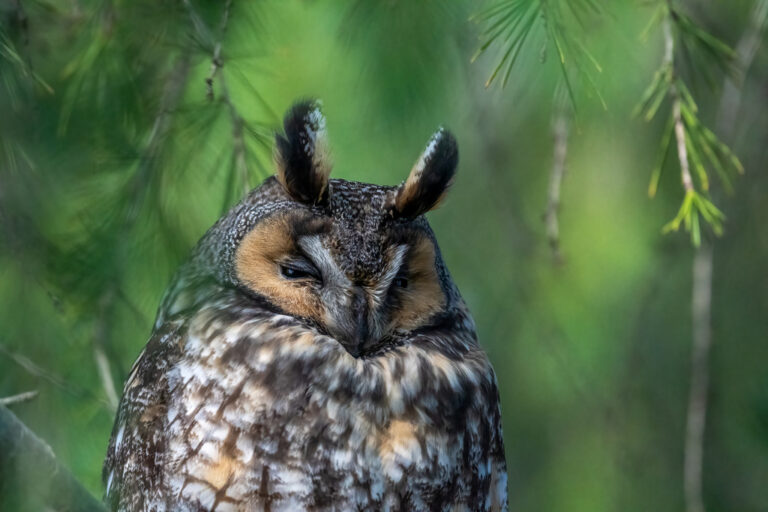
Asio otus
♥
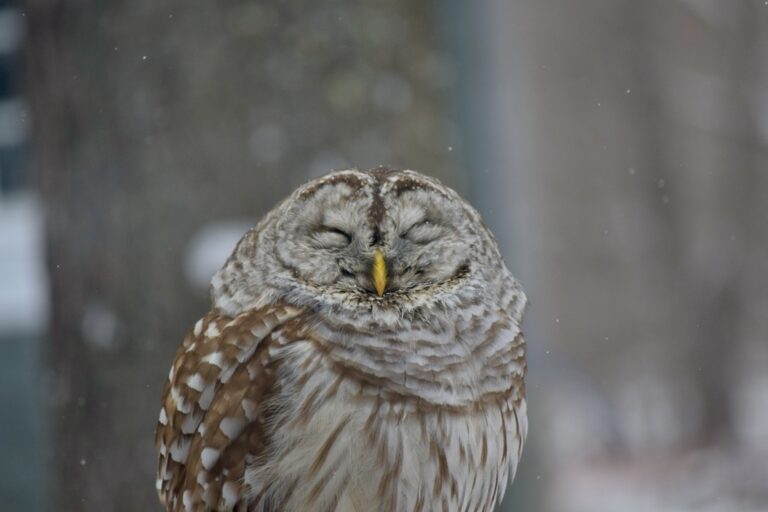
Strix varia
♥
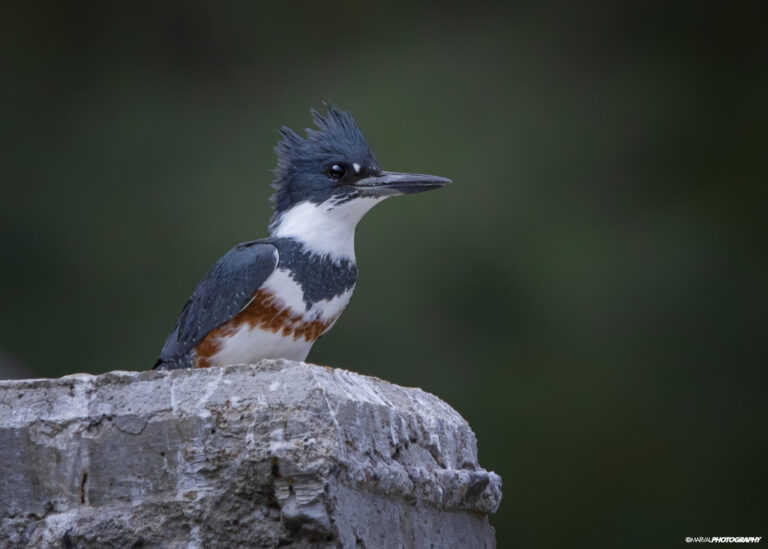
Megaceryle alcyon
♥
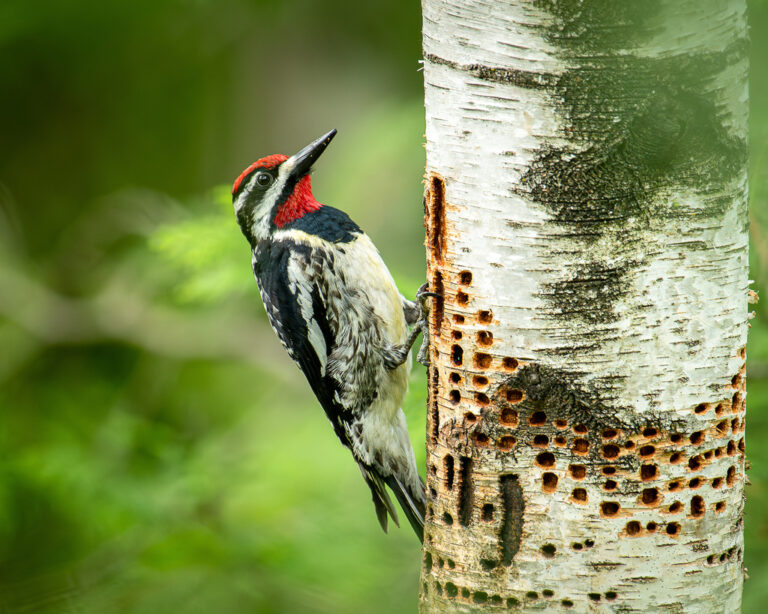
Sphyrapicus varius
♥
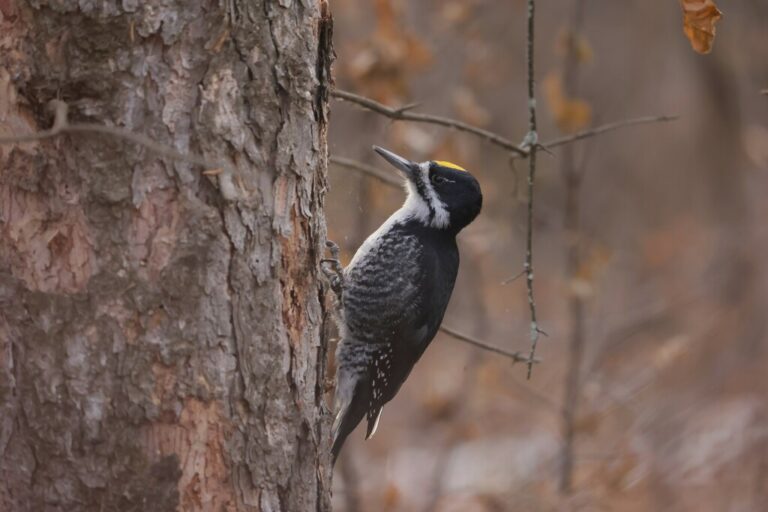
Picoides arcticus
♥
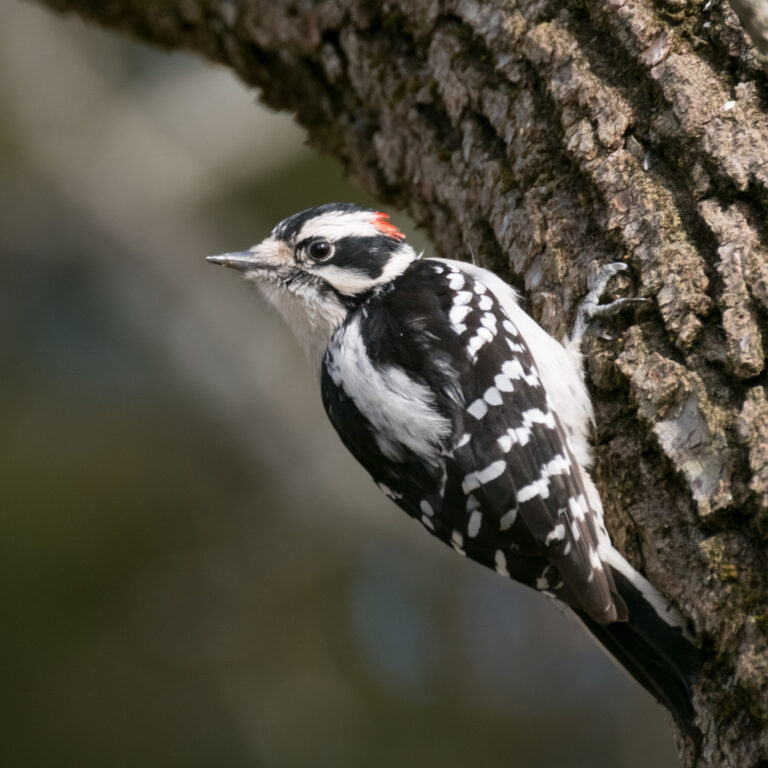
Dryobates pubescens
♥
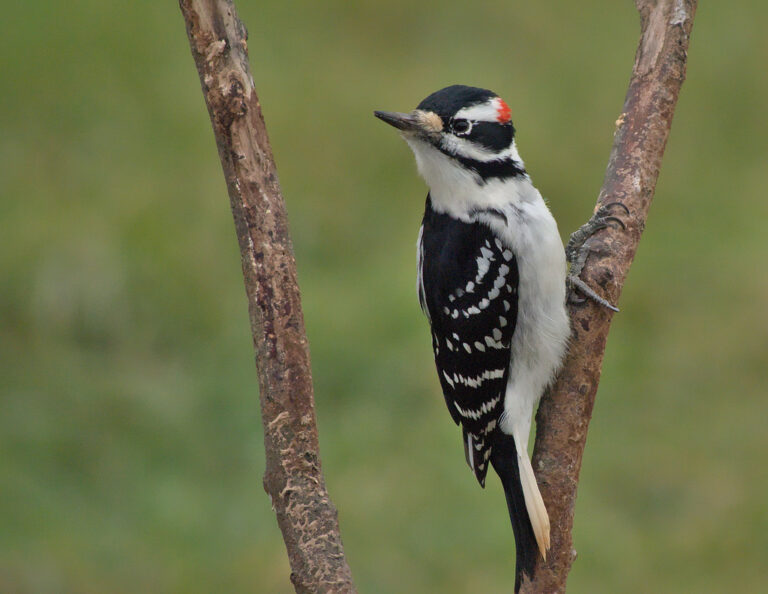
Leuconotopicus villosus
♥
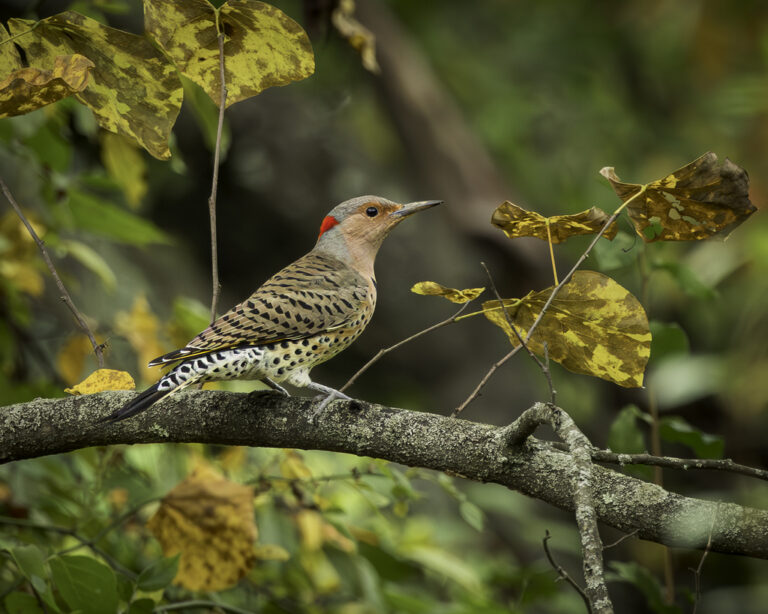
Colaptes auratus
♥
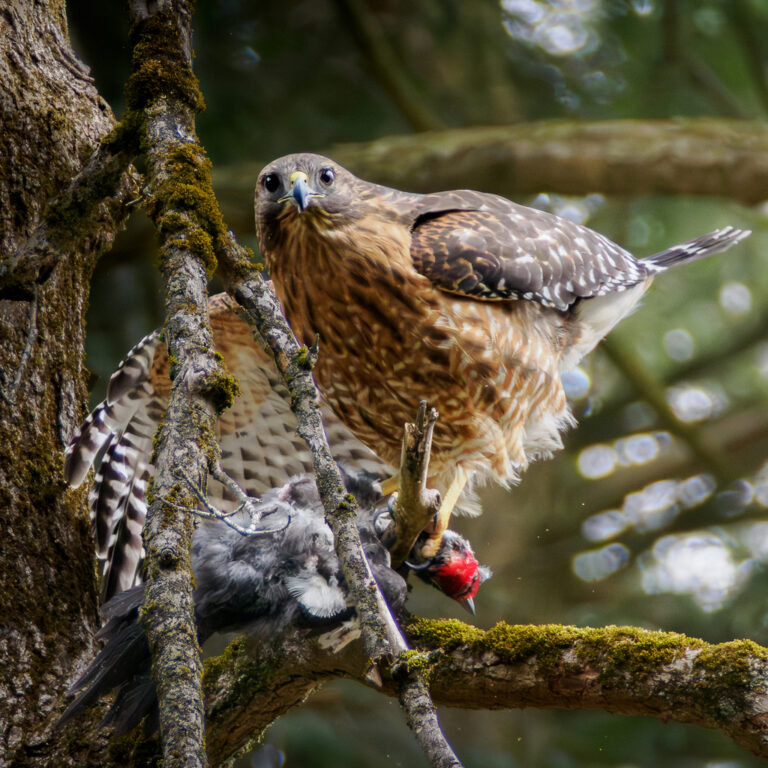
Dryocopus pileatus
♥
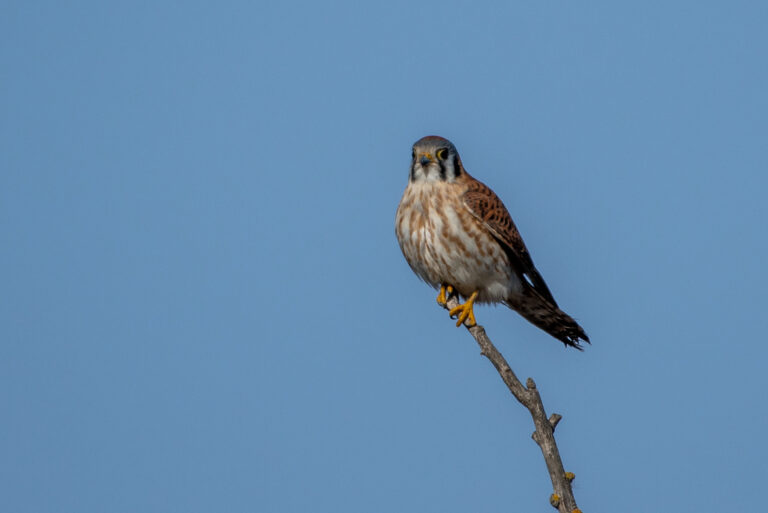
Falco sparverius
♥
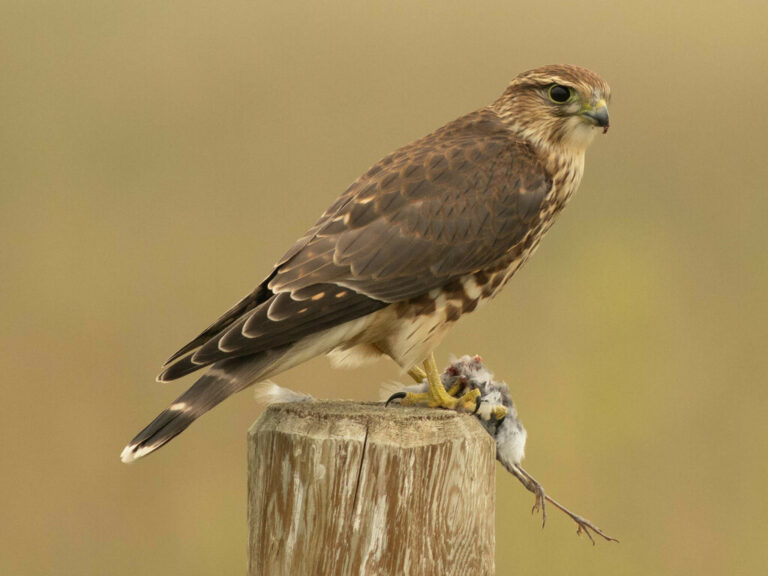
Falco columbarius
♥
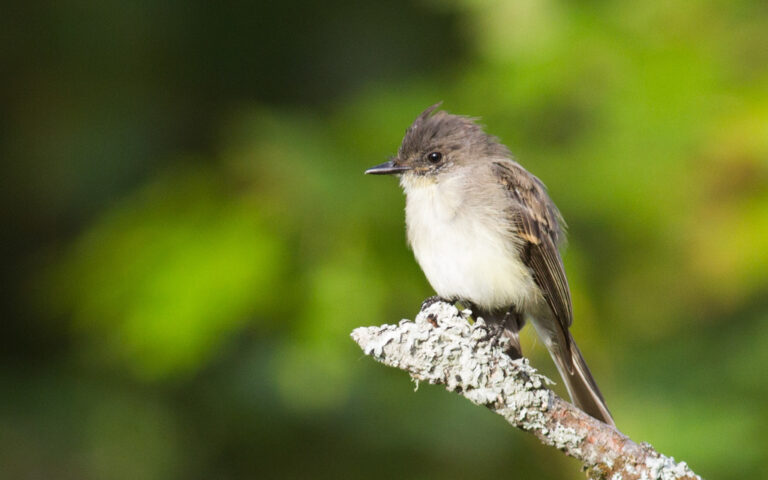
Sayornis phoebe
♥
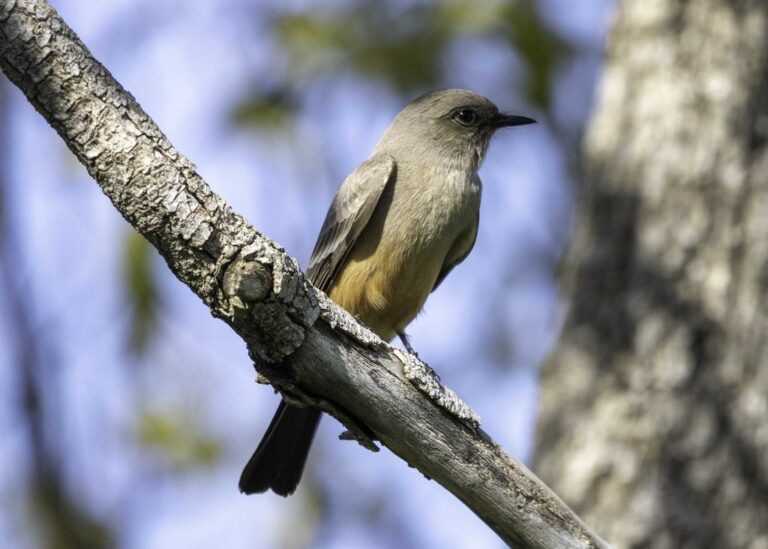
Sayornis saya
♥
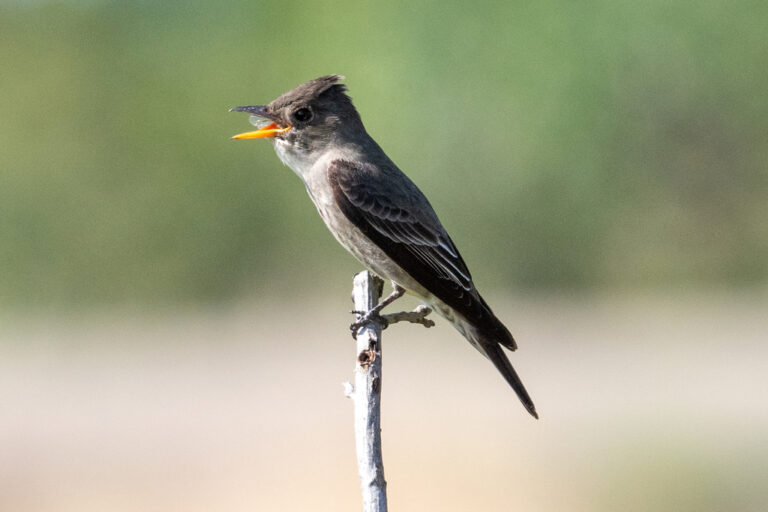
Contopus cooperi
♥
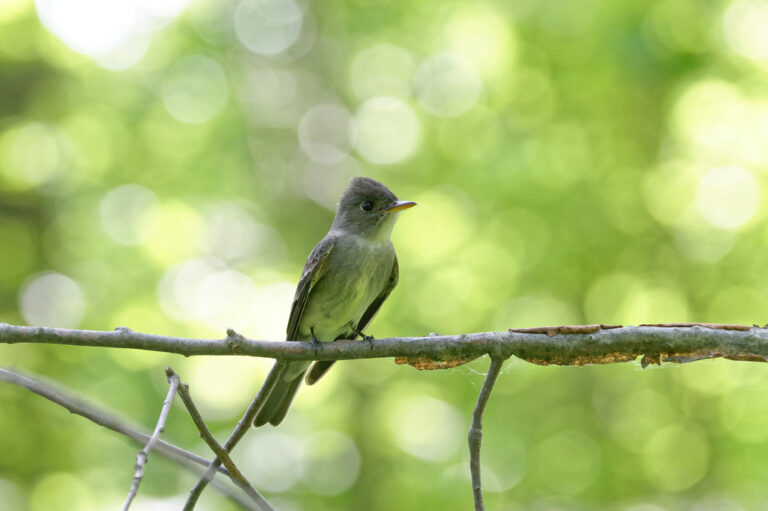
Contopus virens
♥
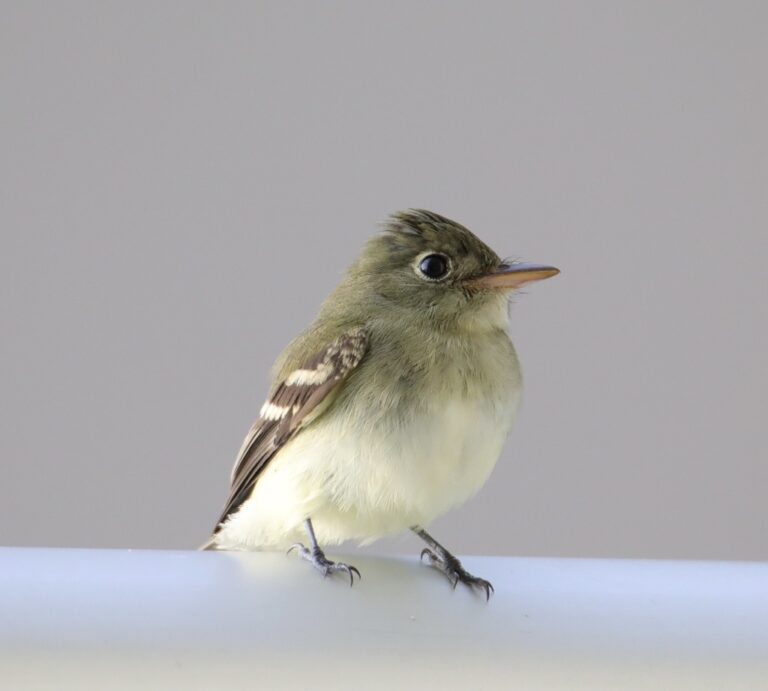
Empidonax flaviventris
♥
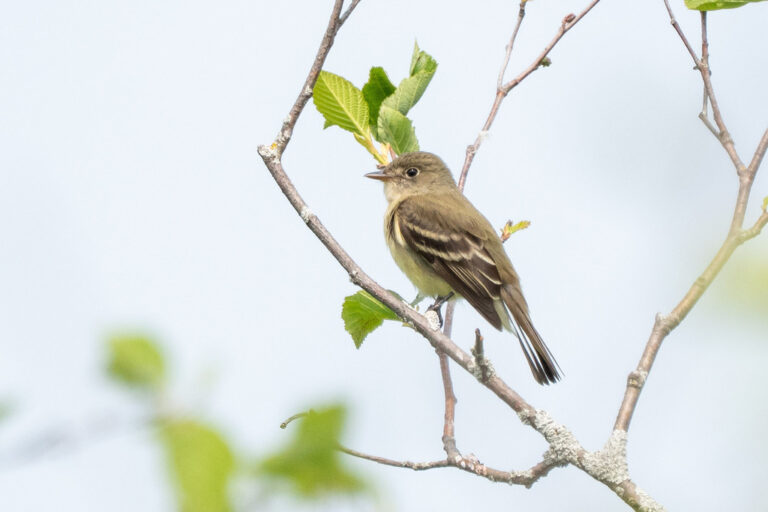
Empidonax alnorum
♥
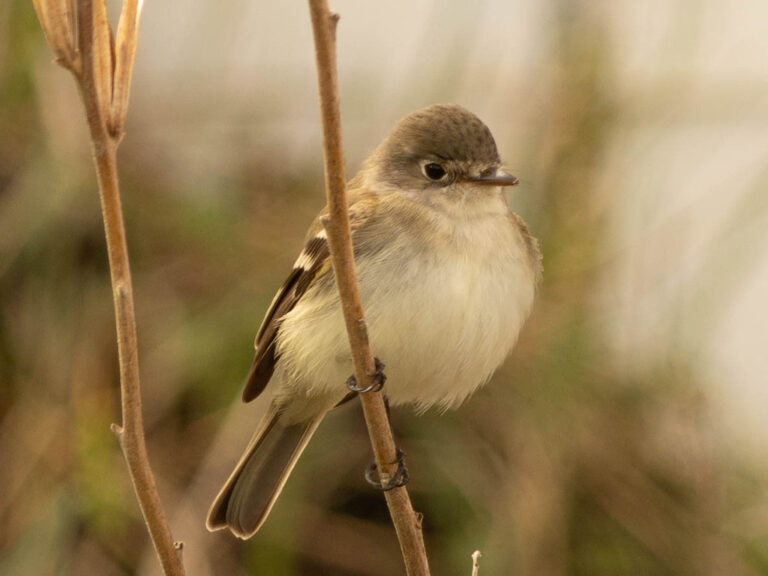
Empidonax minimus
♥
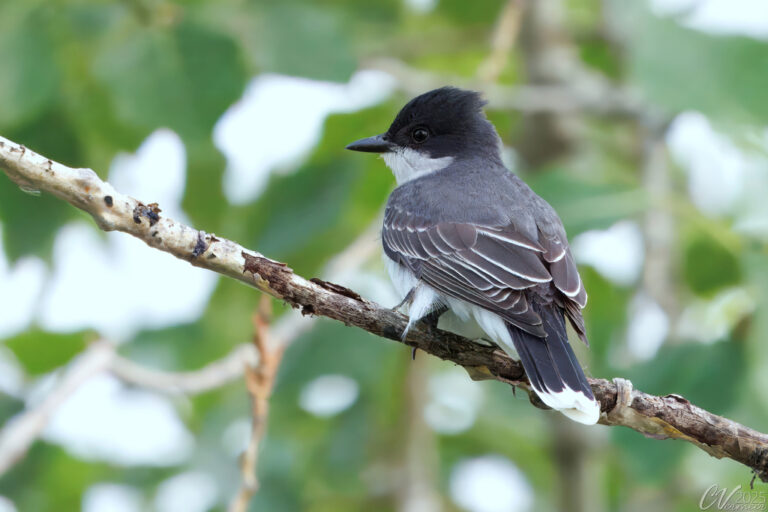
Tyrannus tyrannus
♥
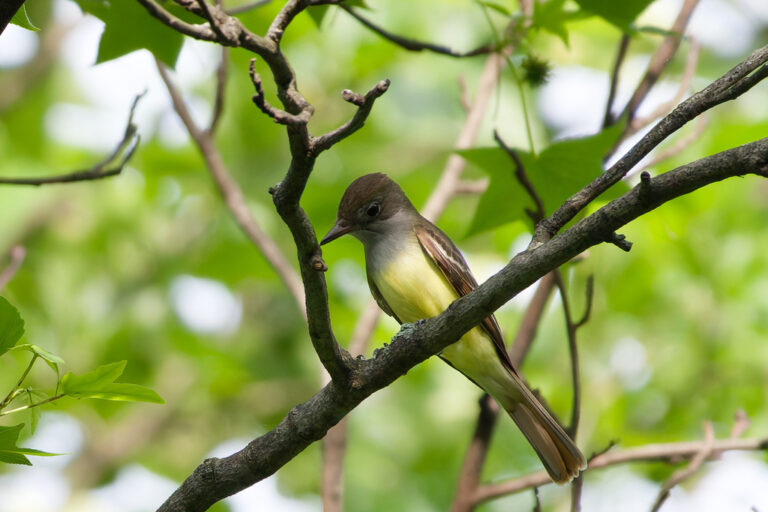
Myiarchus crinitus
♥
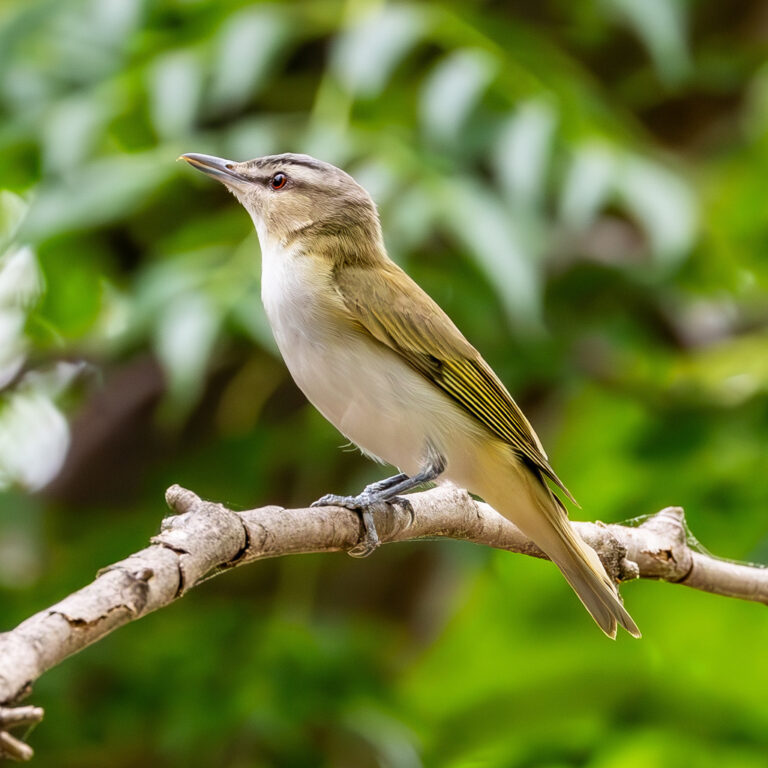
Vireo olivaceus
♥
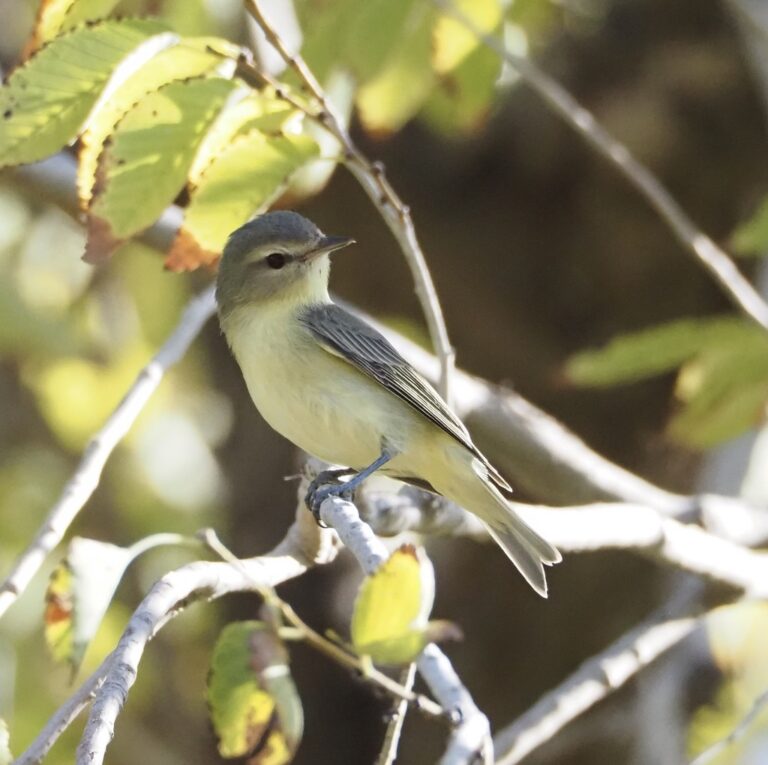
Vireo philadelphicus
♥
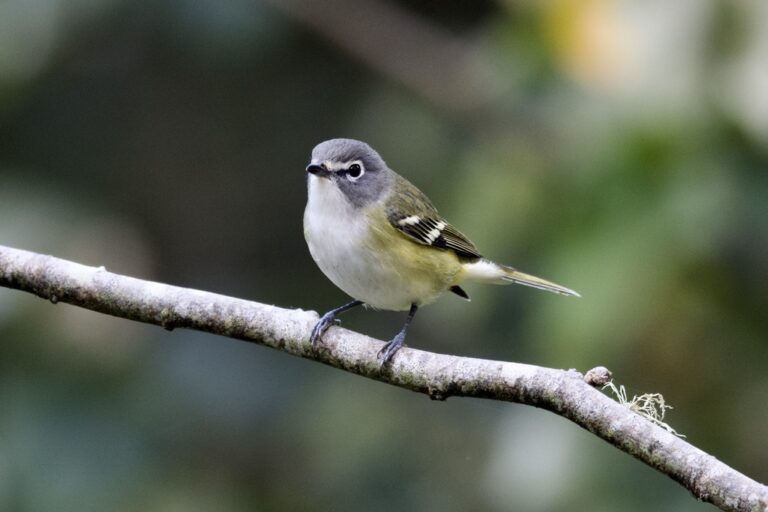
Vireo solitarius
♥
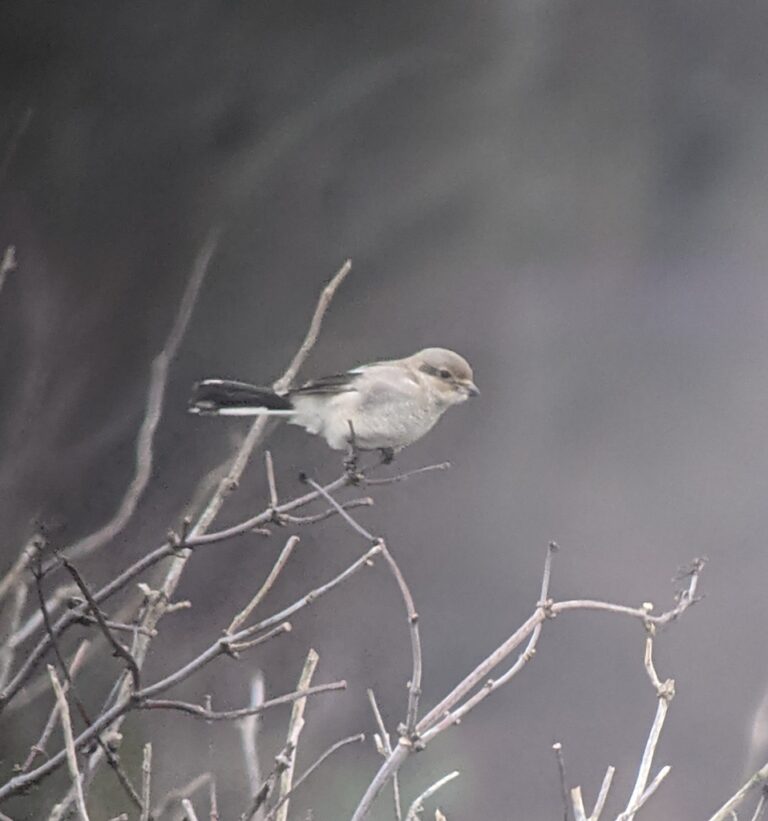
Lanius borealis
♥
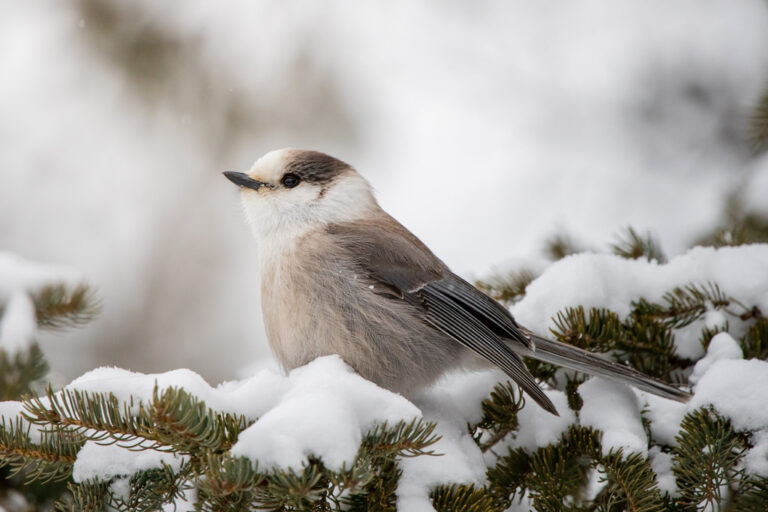
Perisoreus canadensis
♥
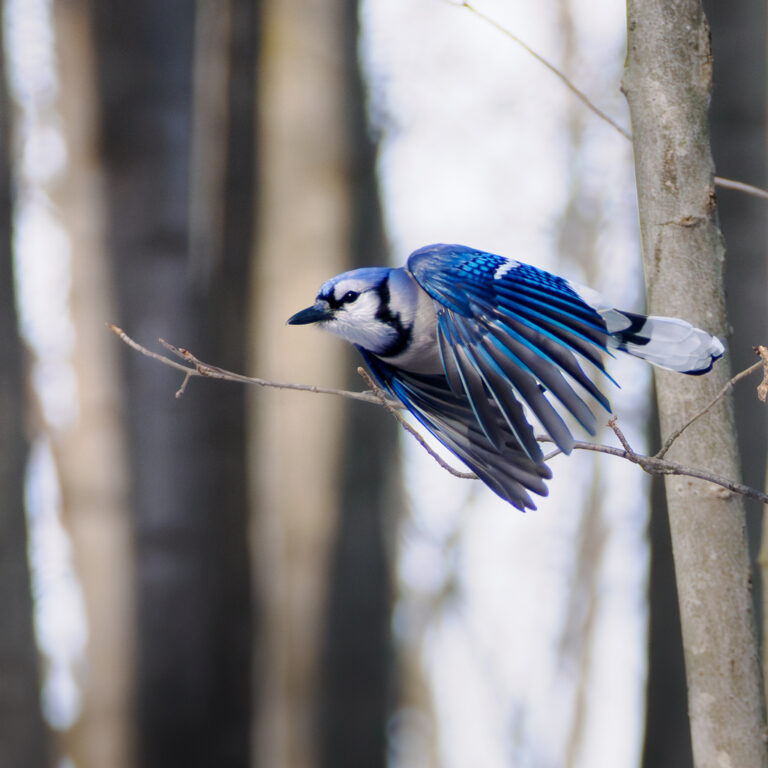
Cyanocitta cristata
♥
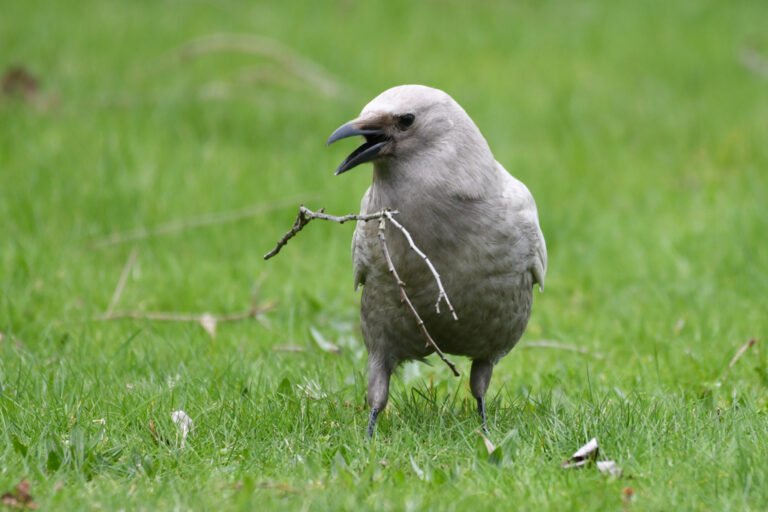
Corvus brachyrhynchos
♥
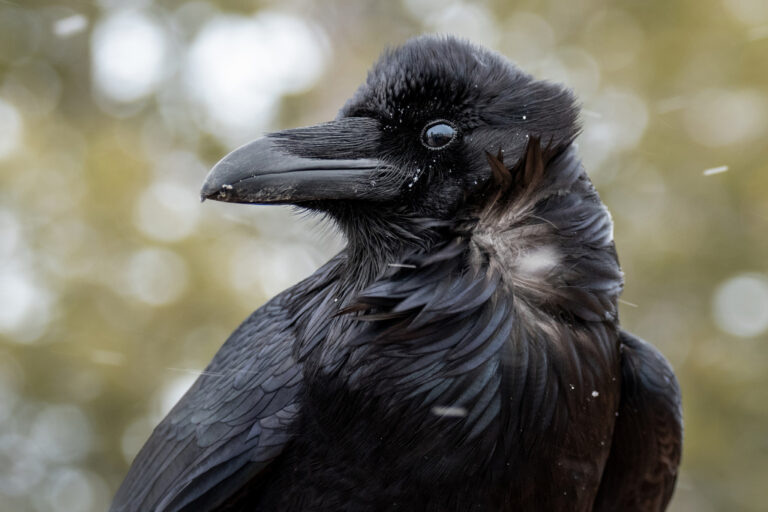
Corvus corax
♥
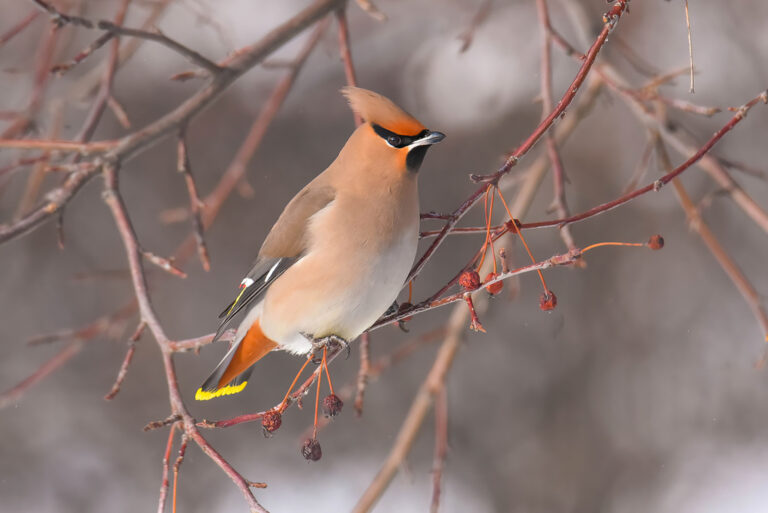
Bombycilla garrulus
♥
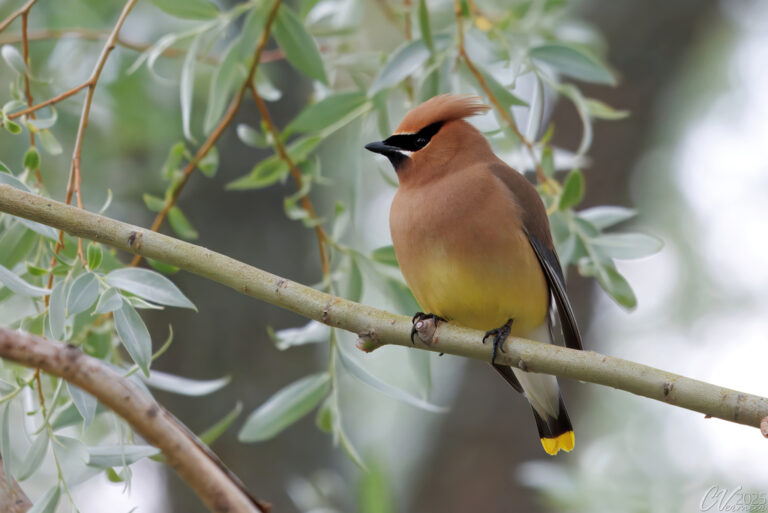
Bombycilla cedrorum
♥
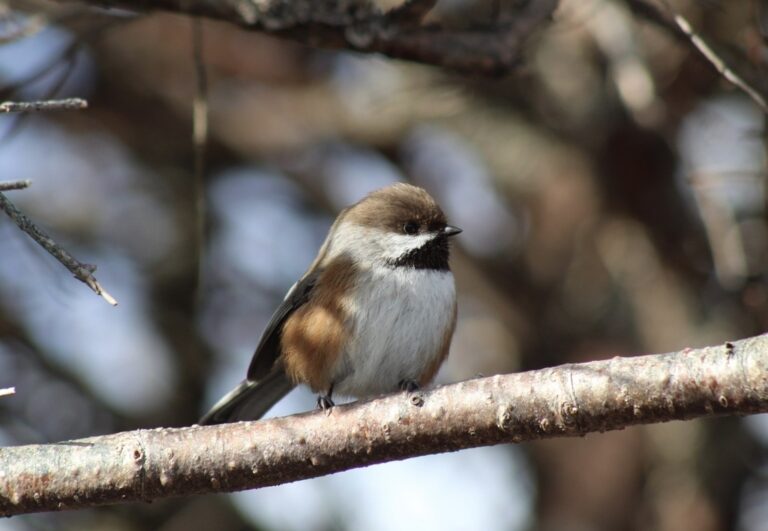
Poecile hudsonicus
♥
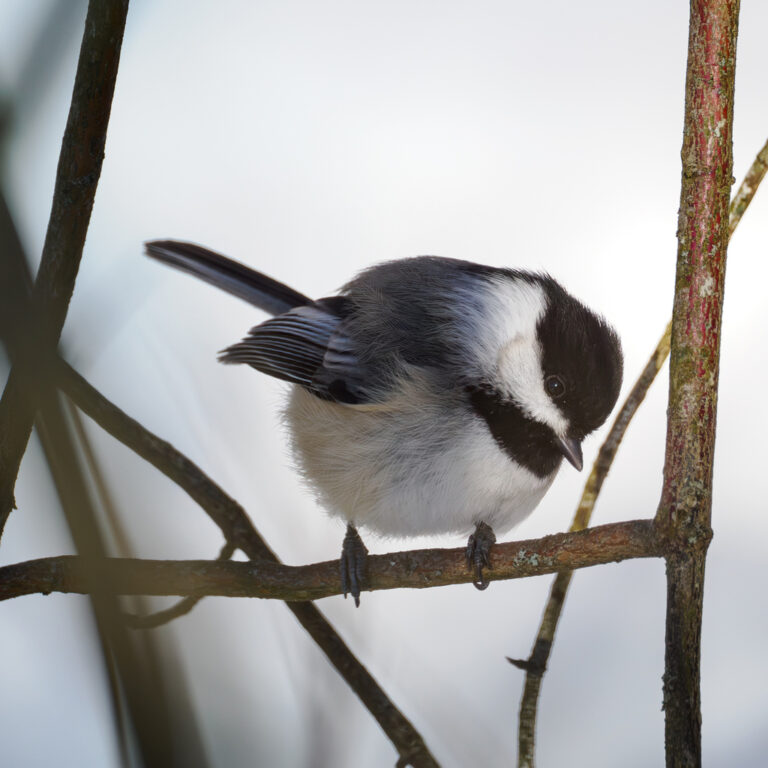
Poecile atricapillus
♥
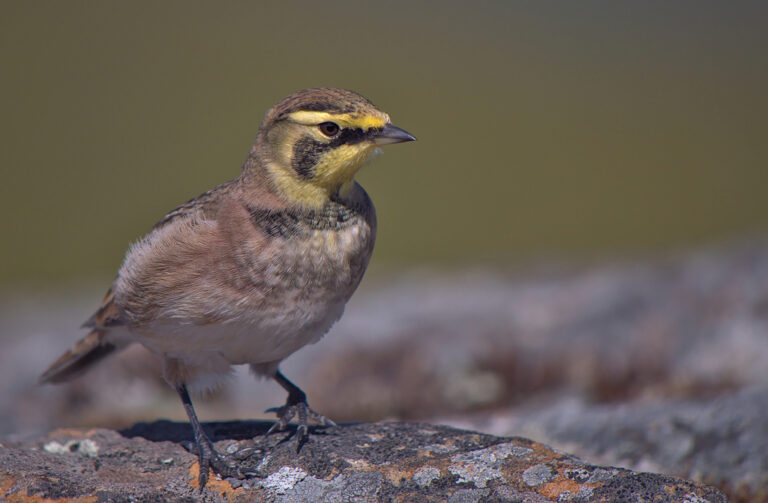
Eremophila alpestris
♥
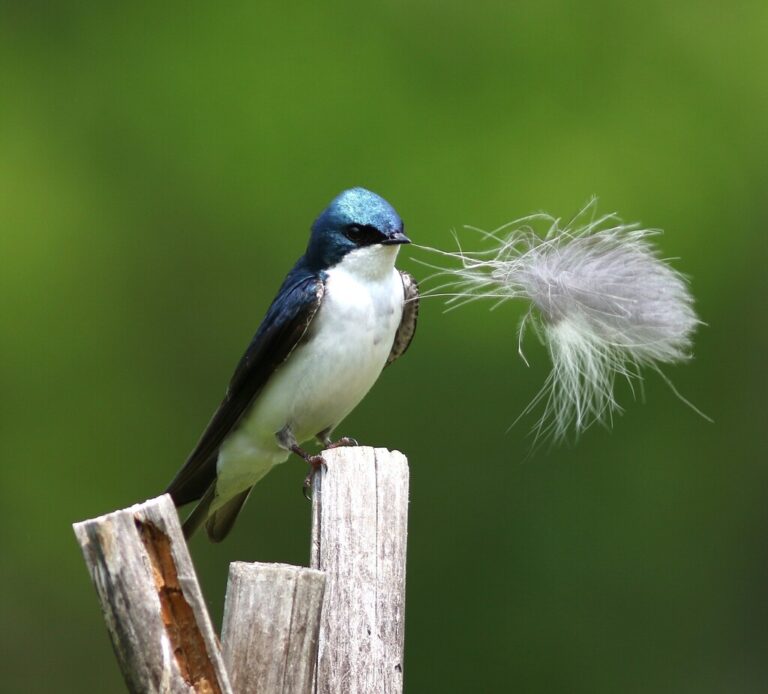
Tachycineta bicolor
♥
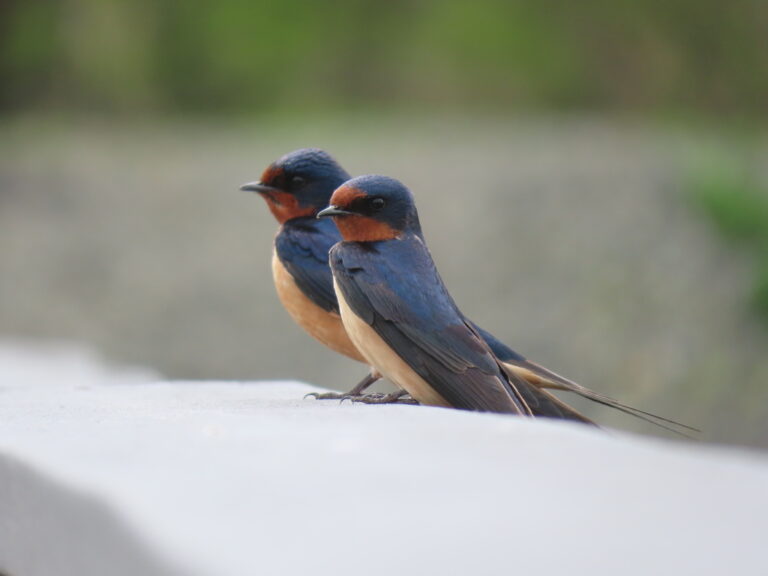
Hirundo rustica
♥
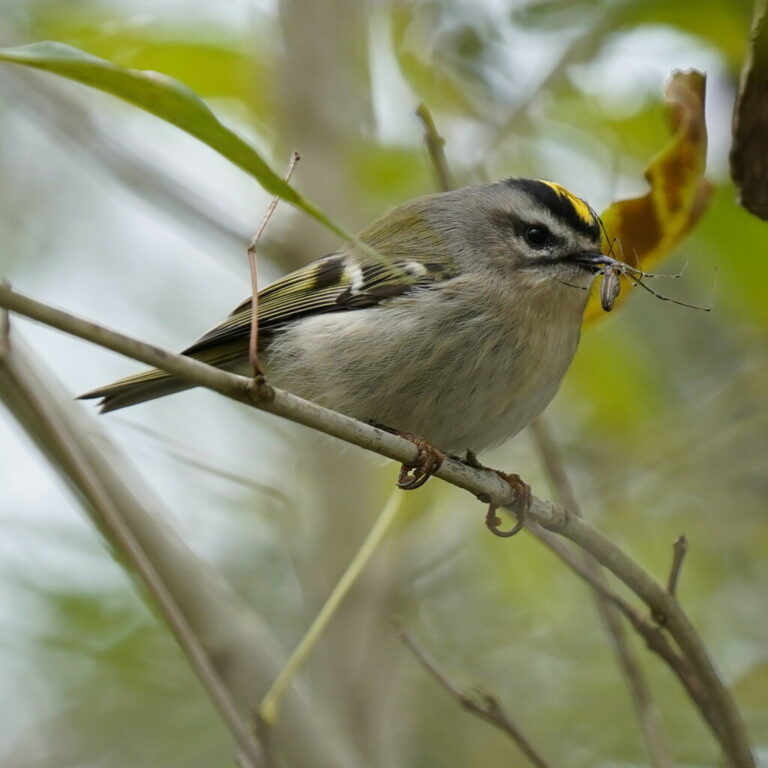
Regulus satrapa
♥
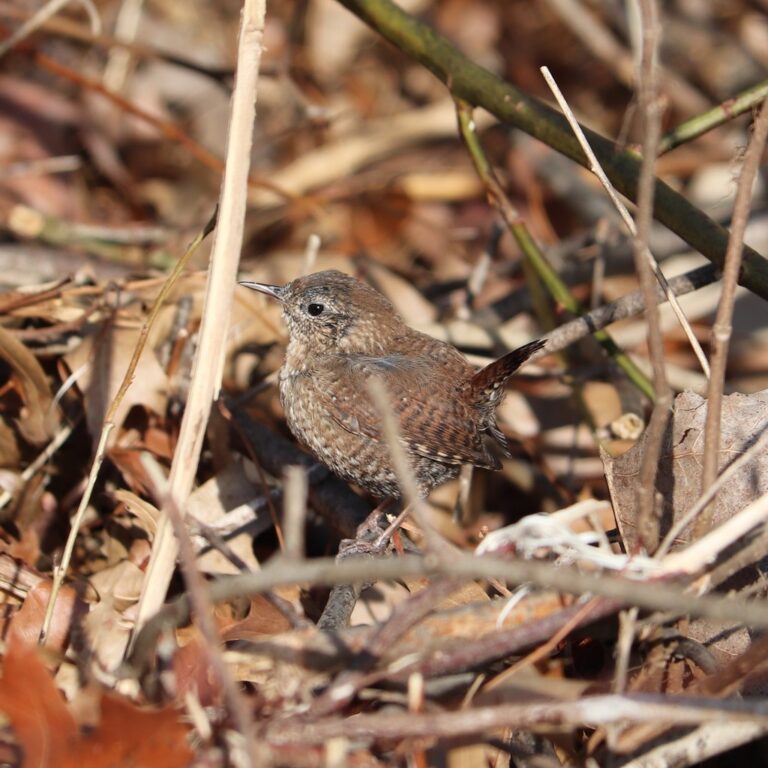
Troglodytes hiemalis
♥
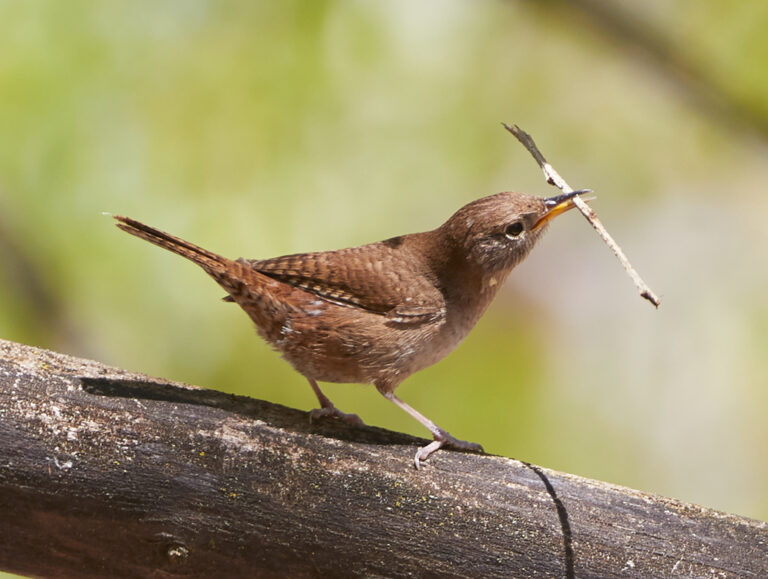
Troglodytes aedon
♥
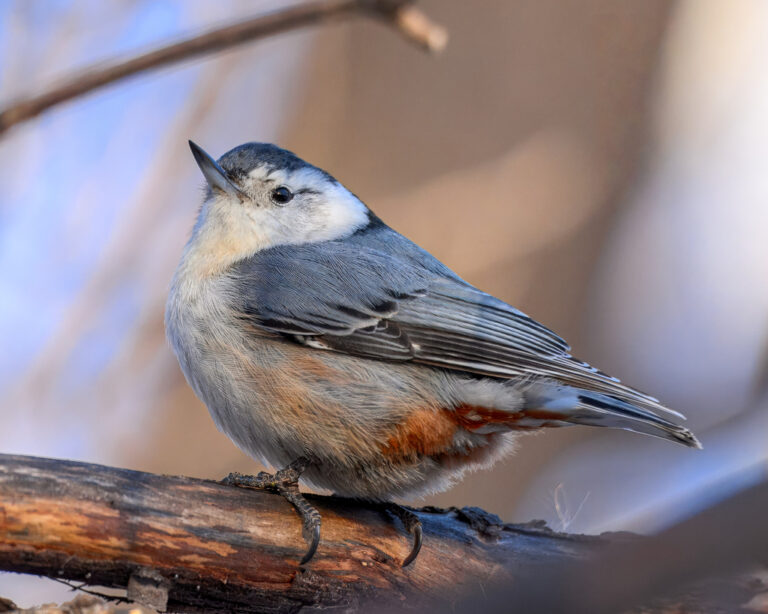
Sitta carolinensis
♥
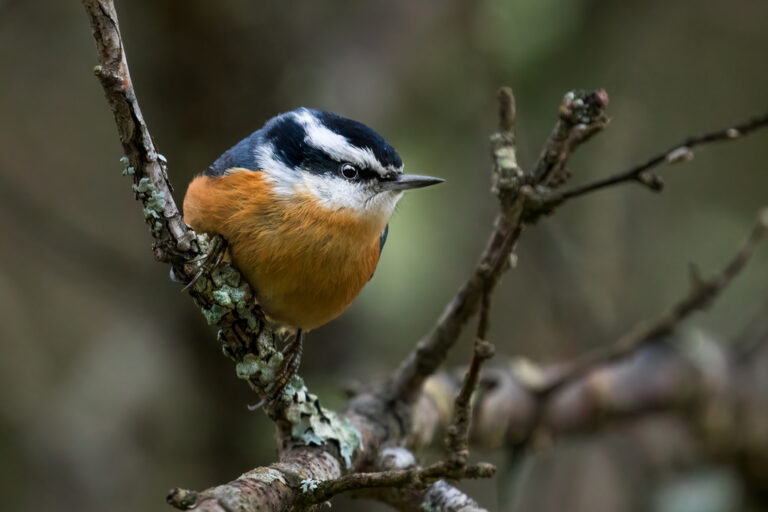
Sitta canadensis
♥
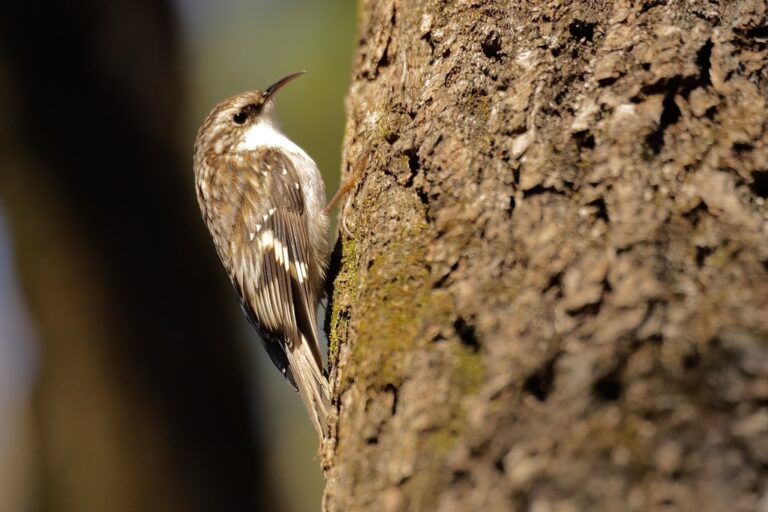
Certhia americana
♥
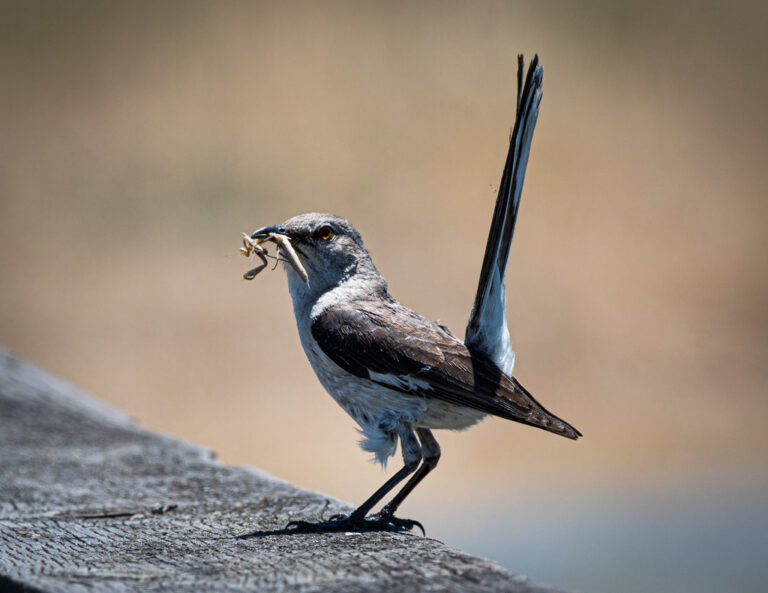
Mimus polyglottos
♥
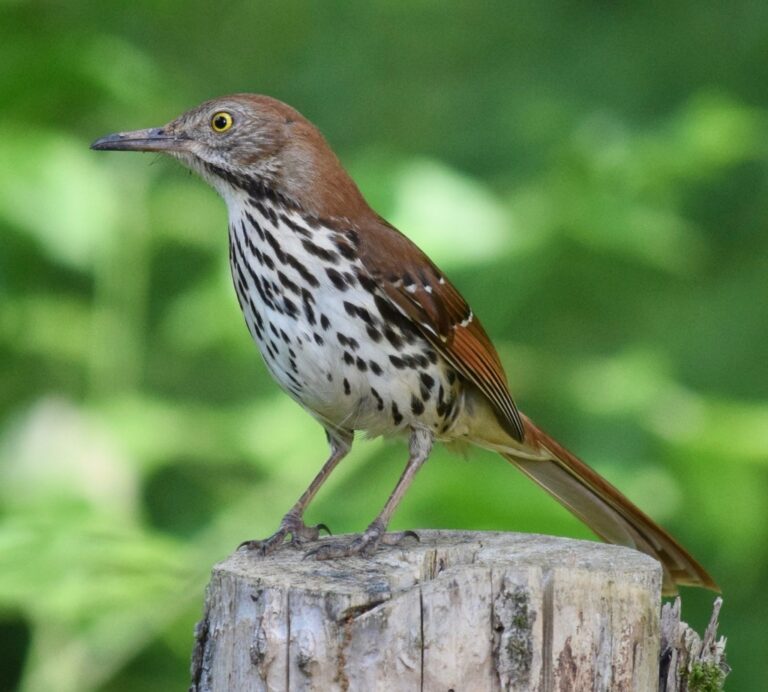
Toxostoma rufum
♥
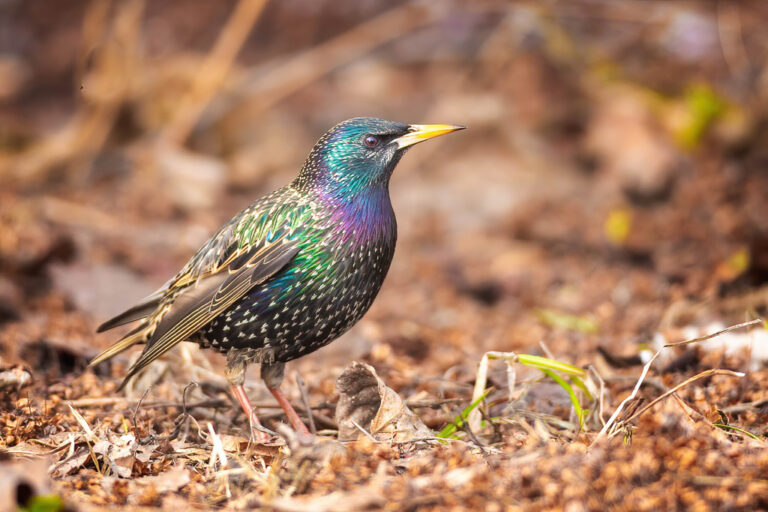
Sturnus vulgaris
♥
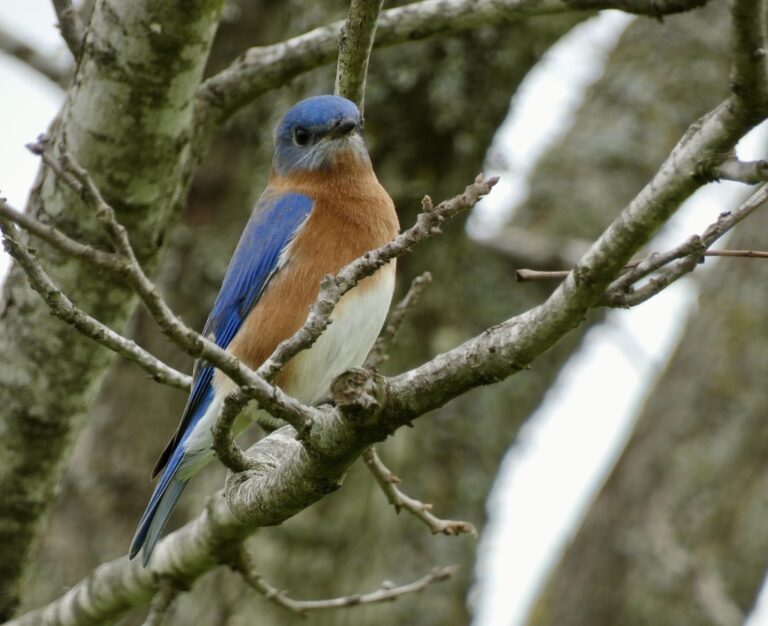
Sialia sialis
♥
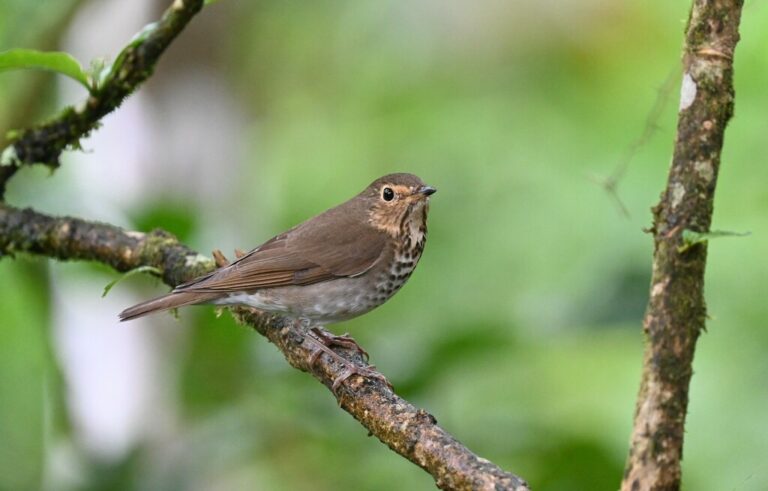
Catharus ustulatus
♥
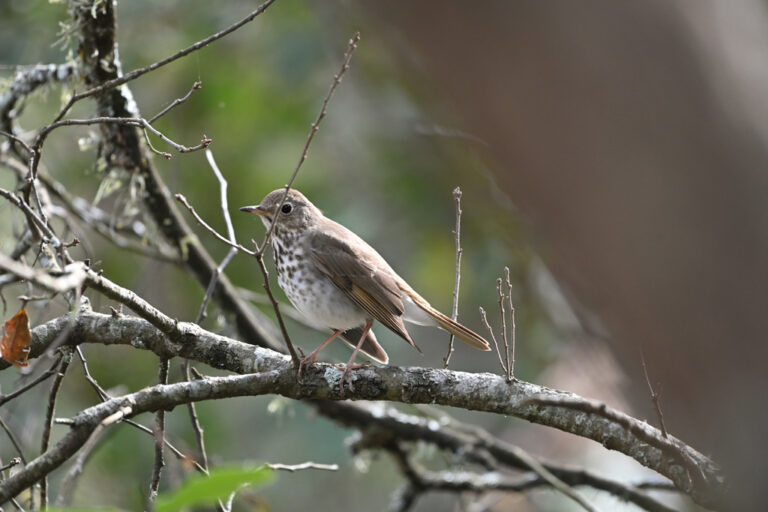
Catharus guttatus
♥
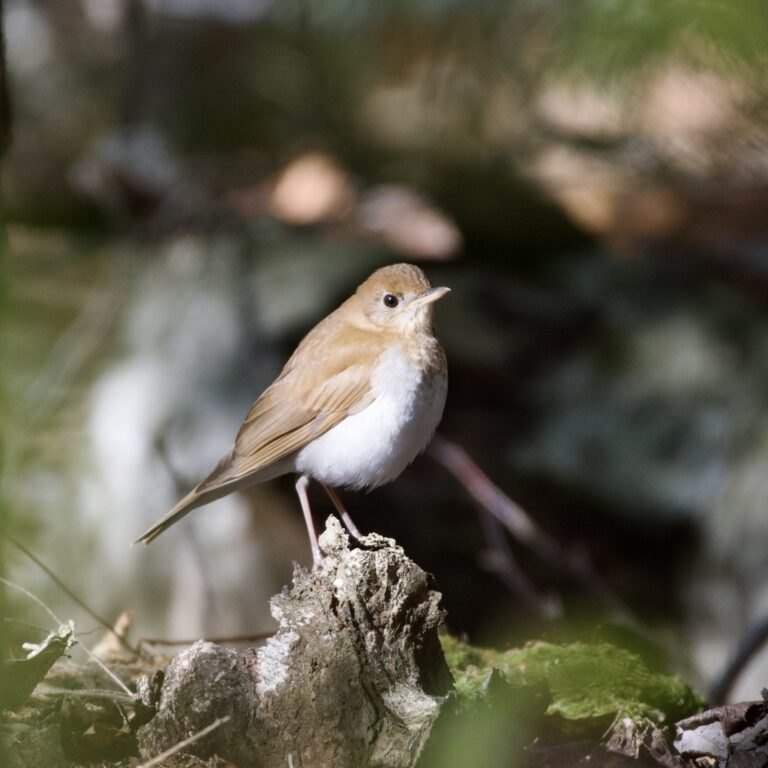
Catharus fuscescens
♥
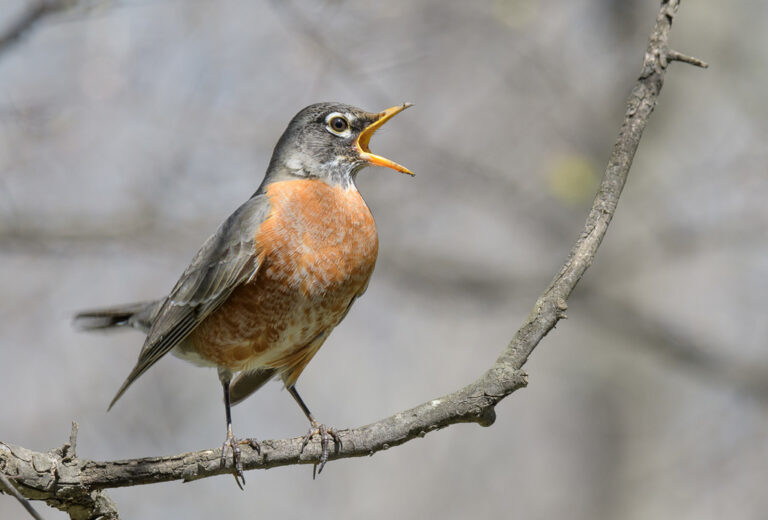
Turdus migratorius
♥
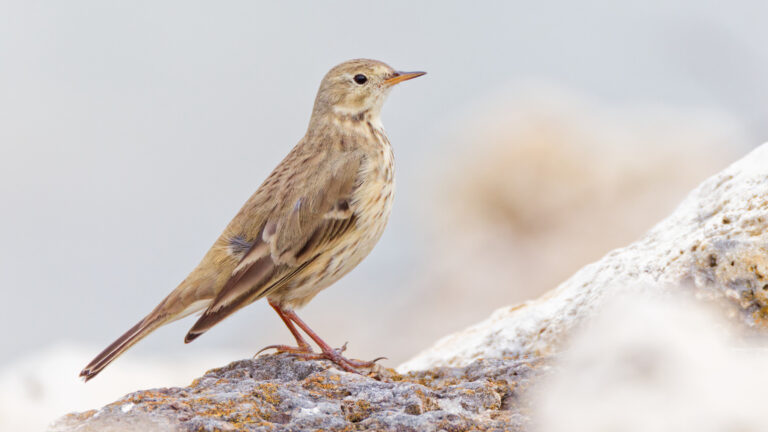
Anthus rubescens
♥
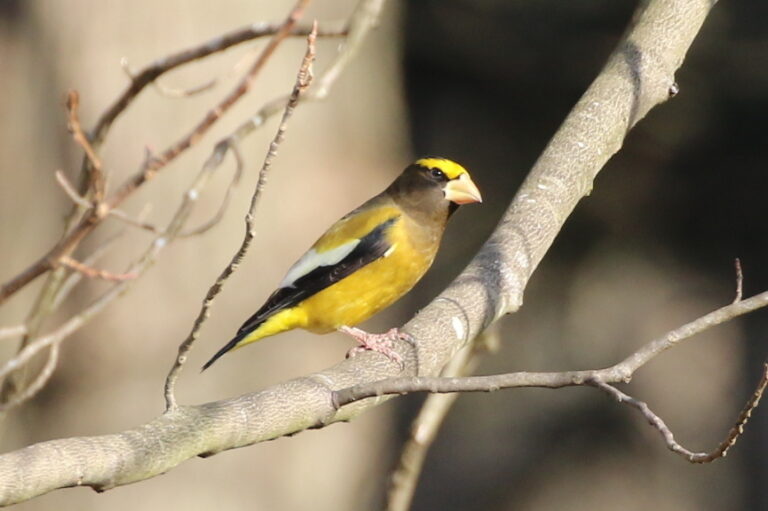
Hesperiphona vespertina
♥
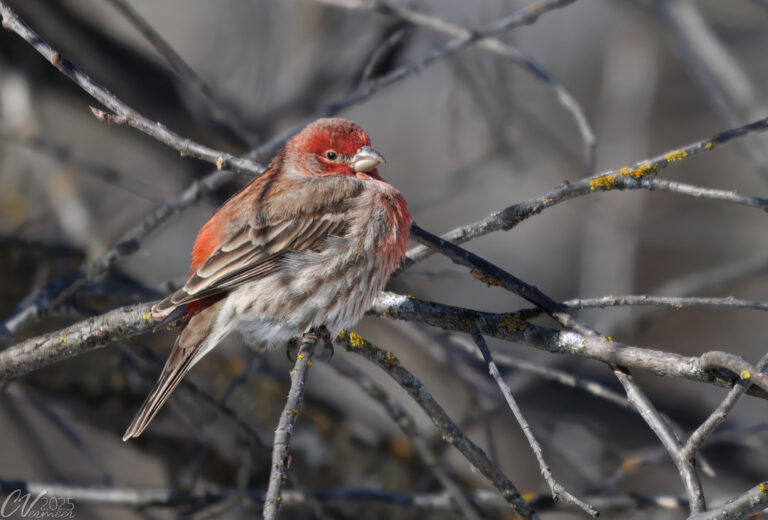
Haemorhous mexicanus
♥
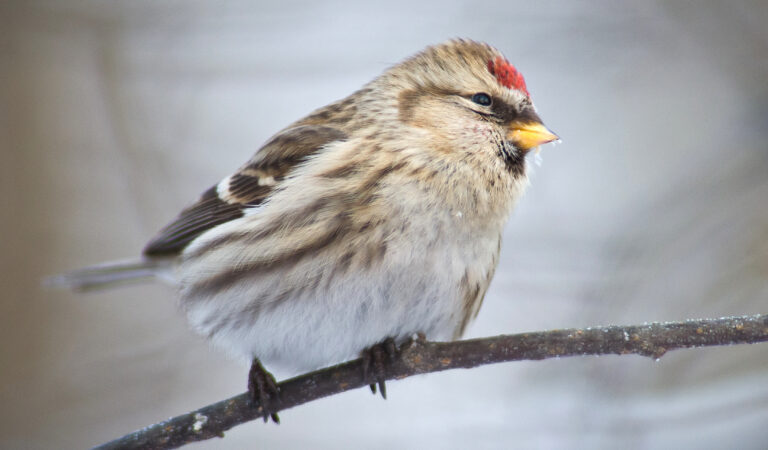
Acanthis flammea
♥
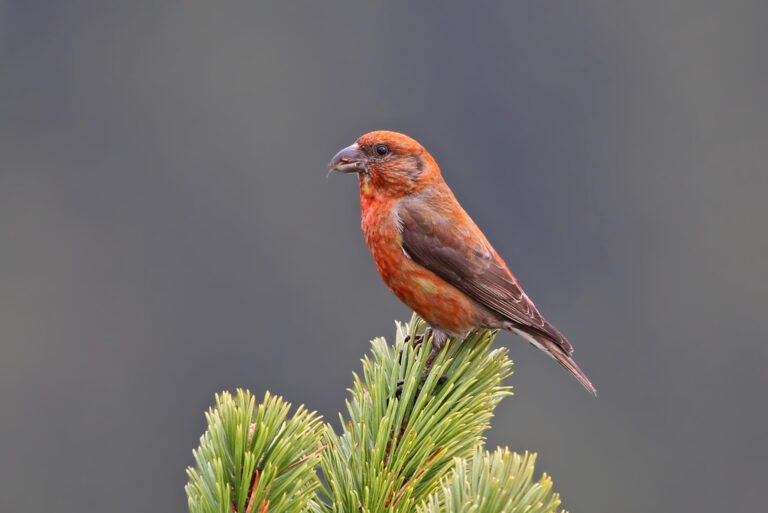
Loxia curvirostra
♥
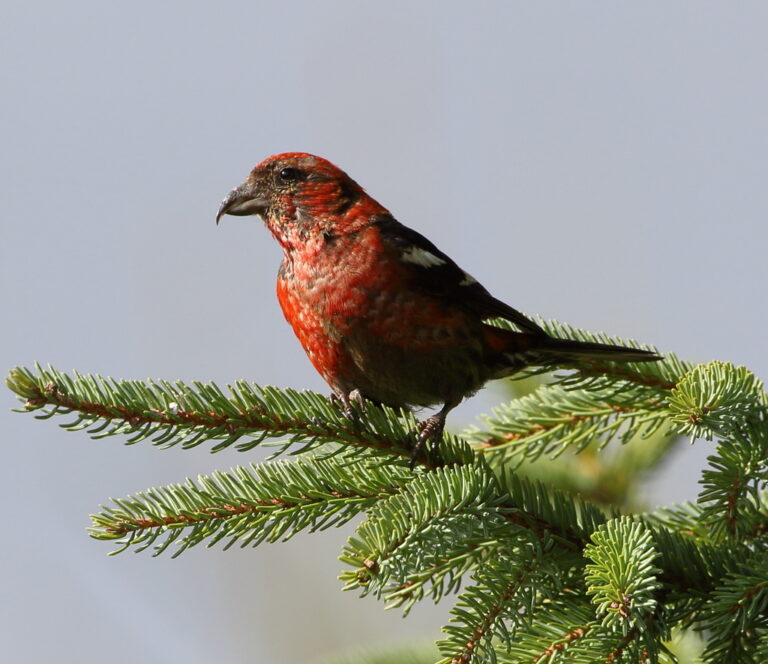
Loxia leucoptera
♥
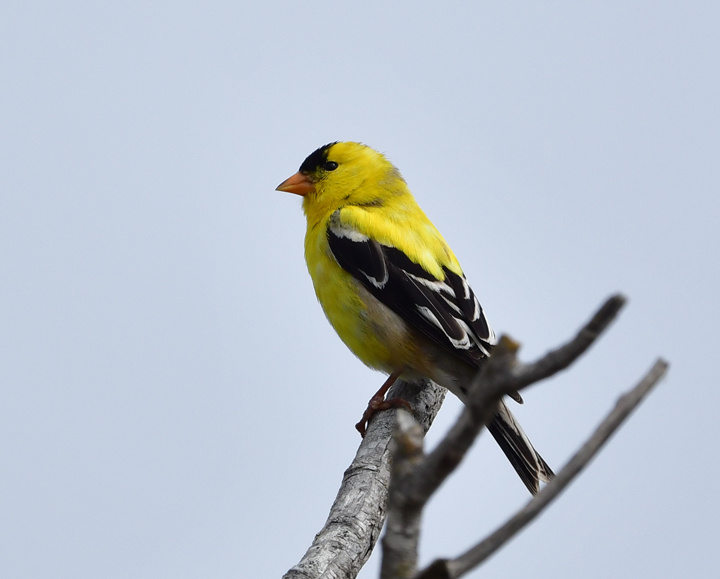
Spinus tristis
♥
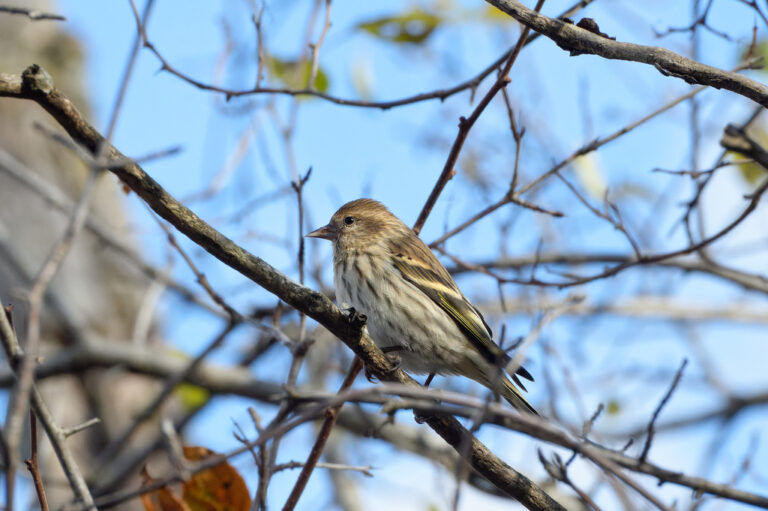
Spinus pinus
♥
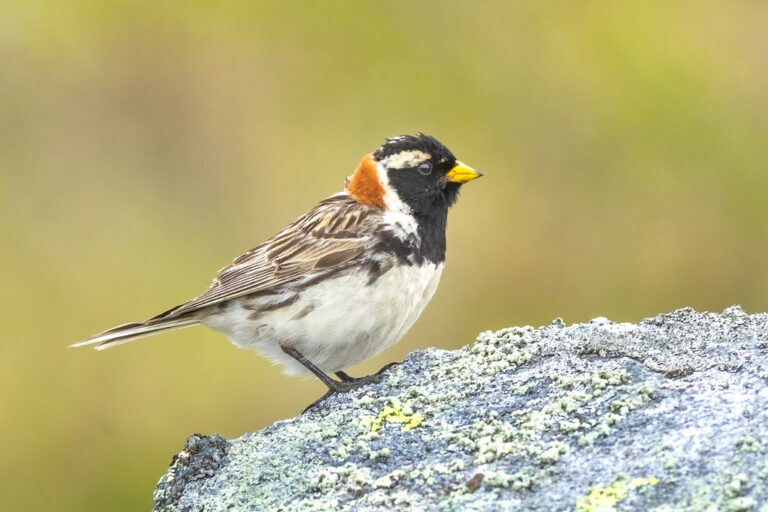
Calcarius lapponicus
♥
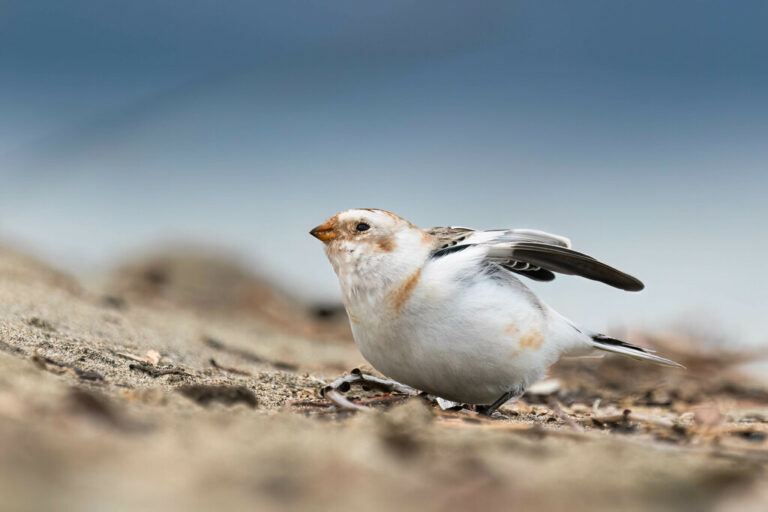
Plectrophenax nivalis
♥
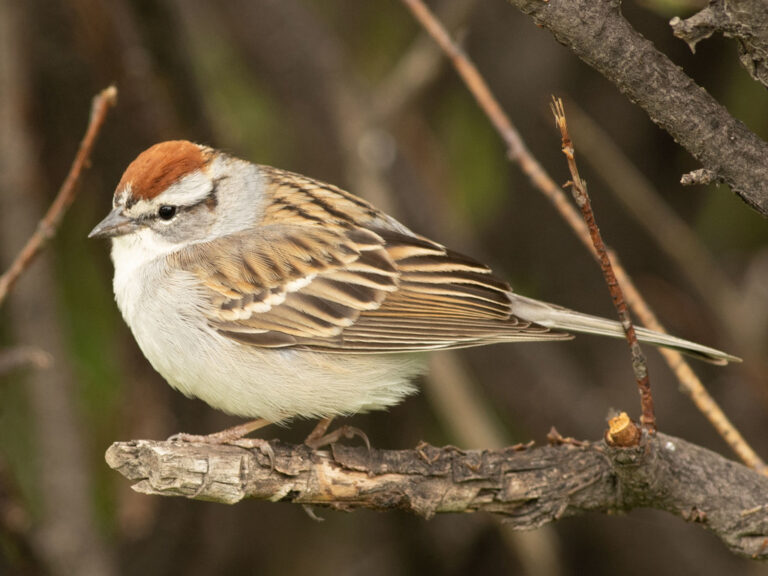
Spizella passerina
♥
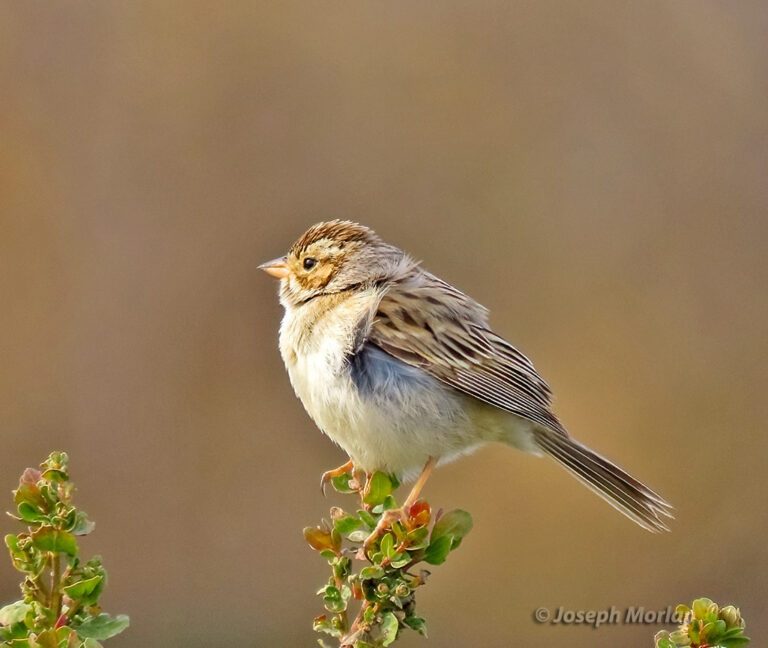
Spizella pallida
♥
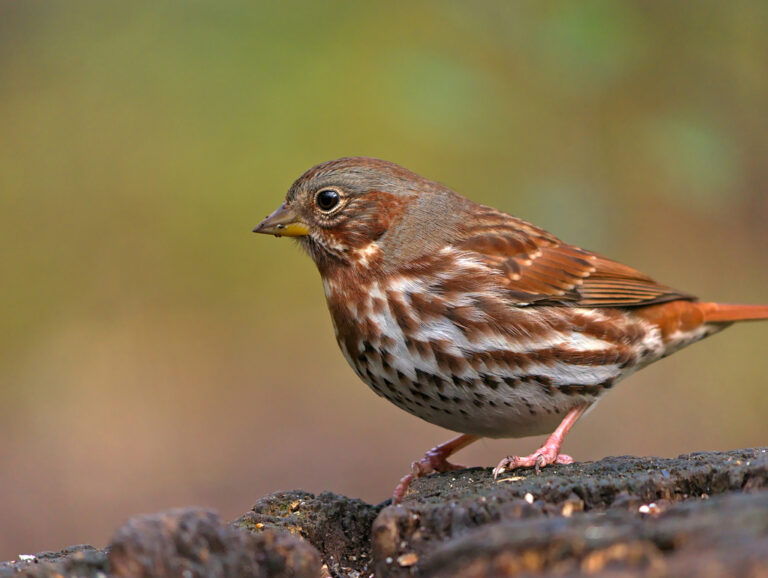
Passerella iliaca
♥
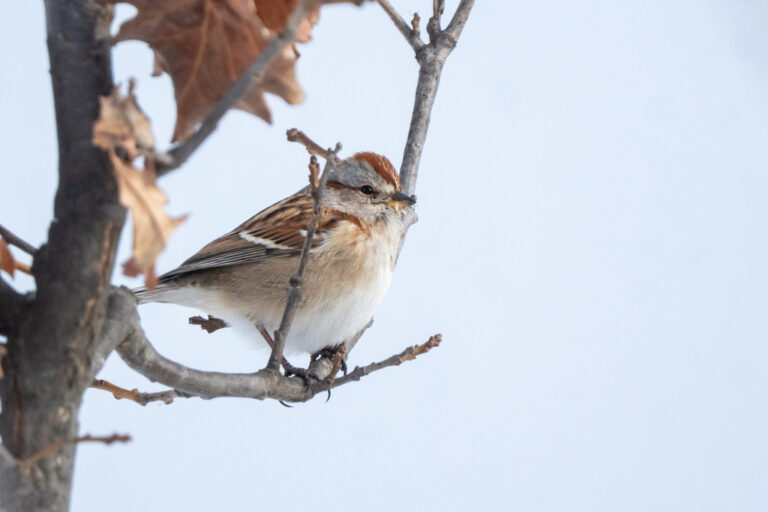
Spizelloides arborea
♥
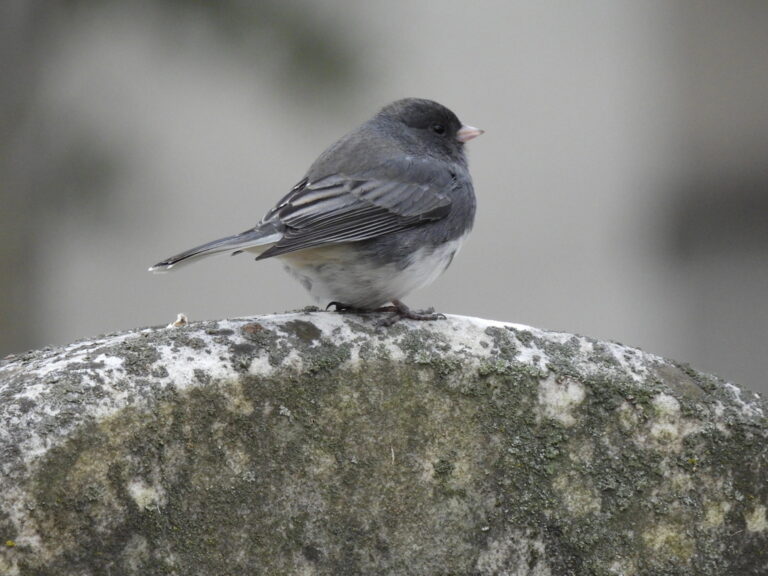
Junco hyemalis
♥
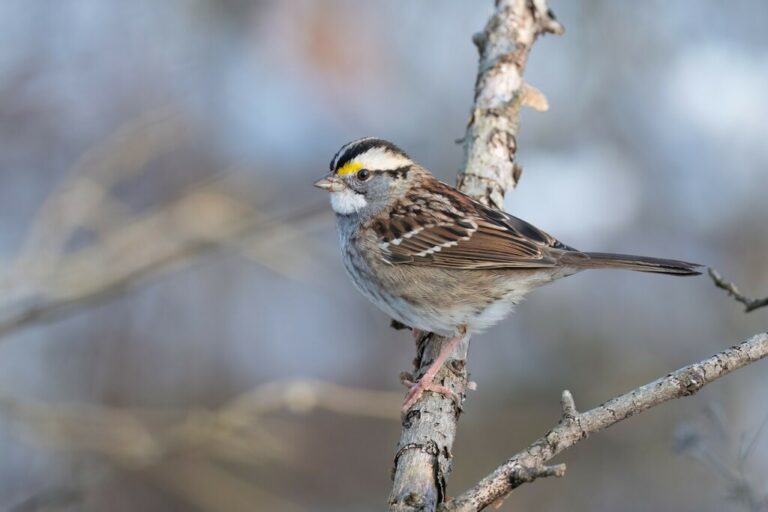
Zonotrichia albicollis
♥
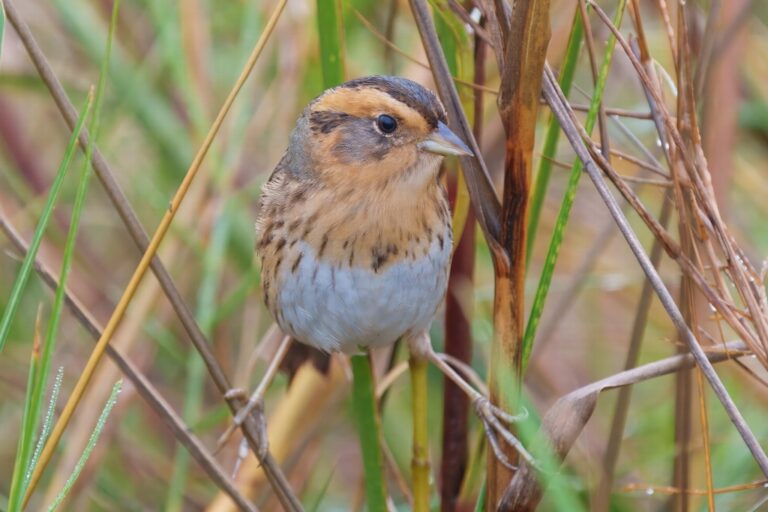
Ammospiza nelsoni
♥
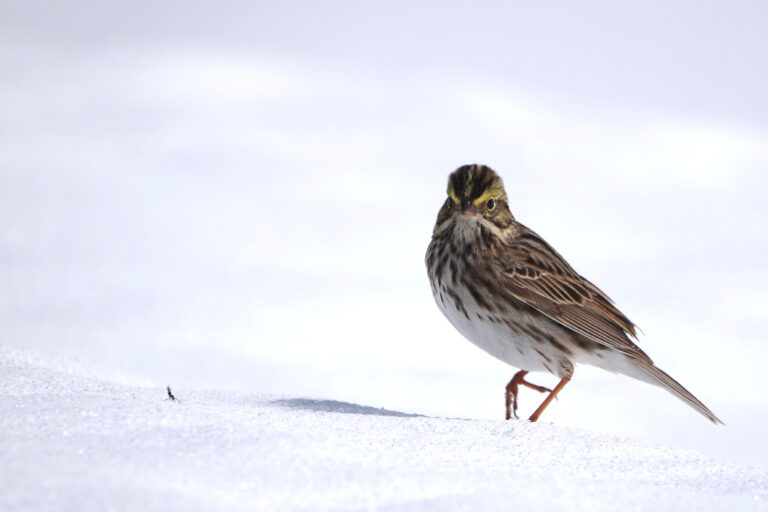
Passerculus sandwichensis
♥
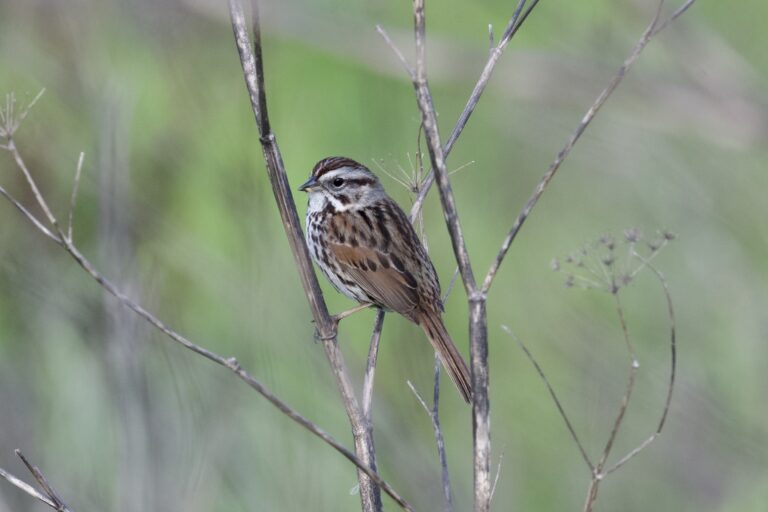
Melospiza melodia
♥
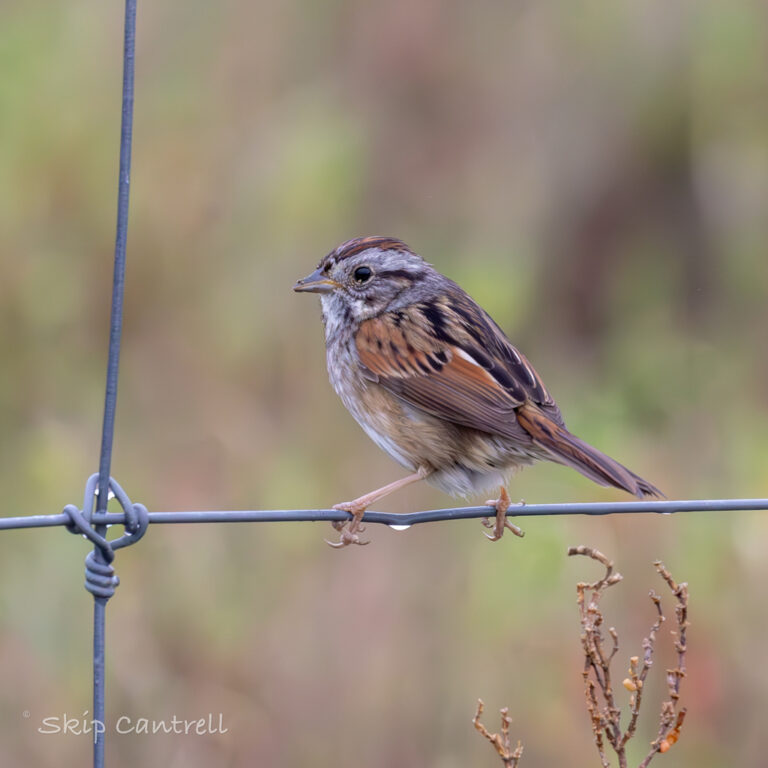
Melospiza georgiana
♥
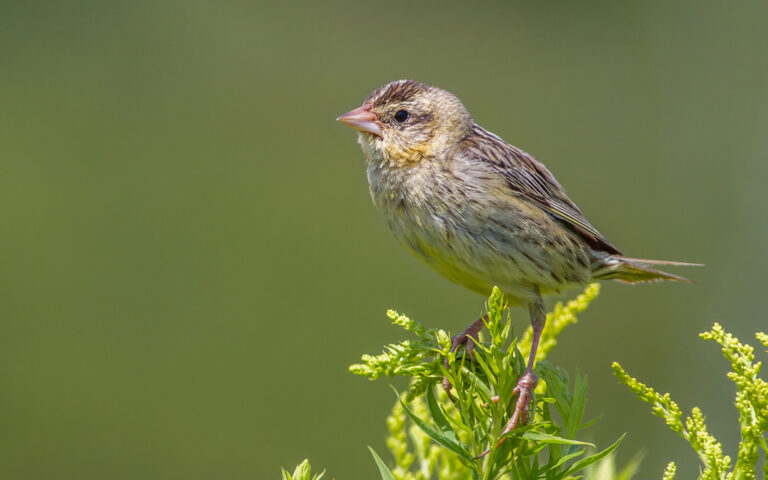
Dolichonyx oryzivorus
♥
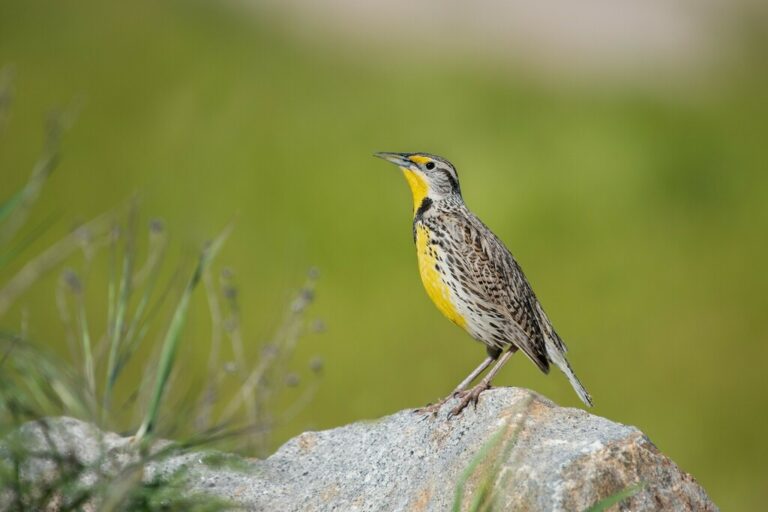
Sturnella neglecta
♥
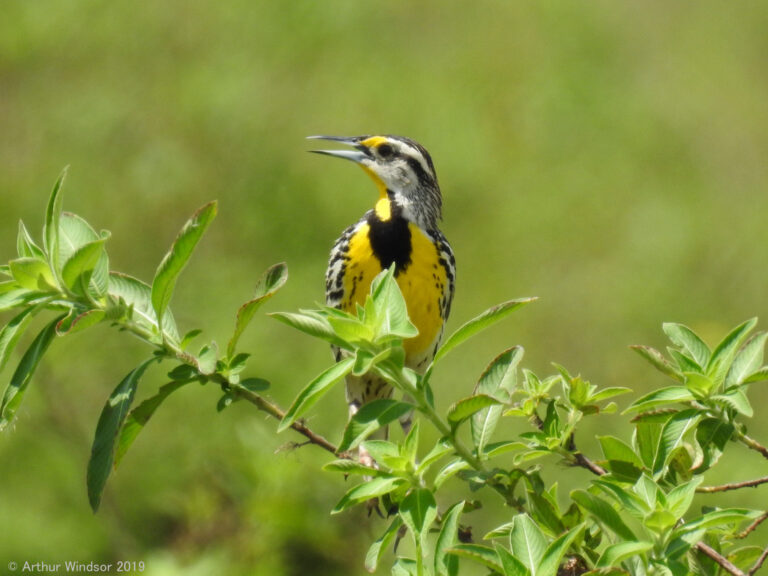
Sturnella magna
♥
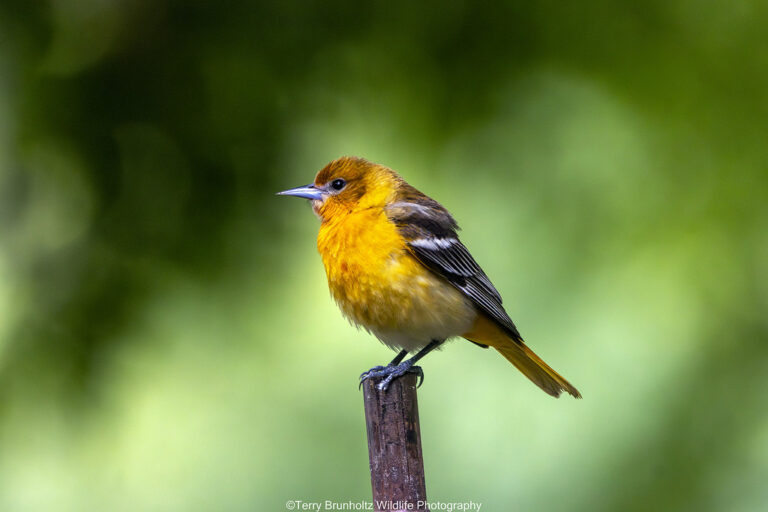
Icterus galbula
♥
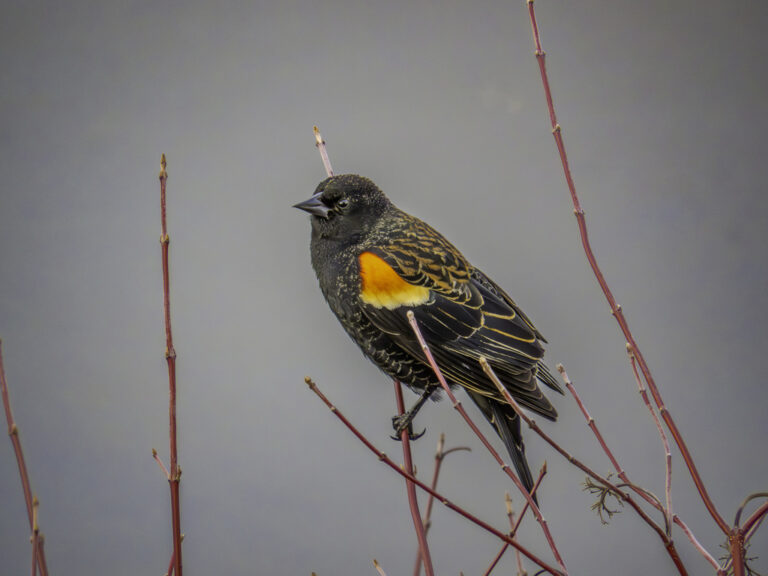
Agelaius phoeniceus
♥
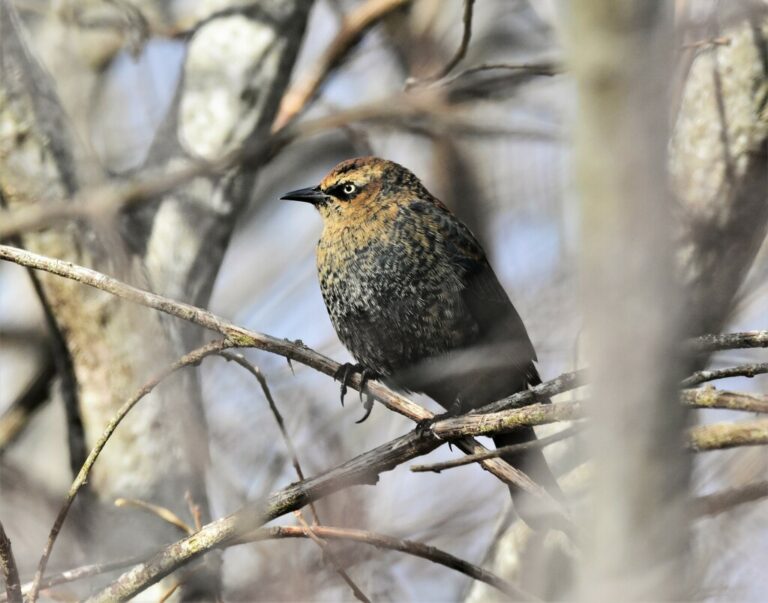
Euphagus carolinus
♥
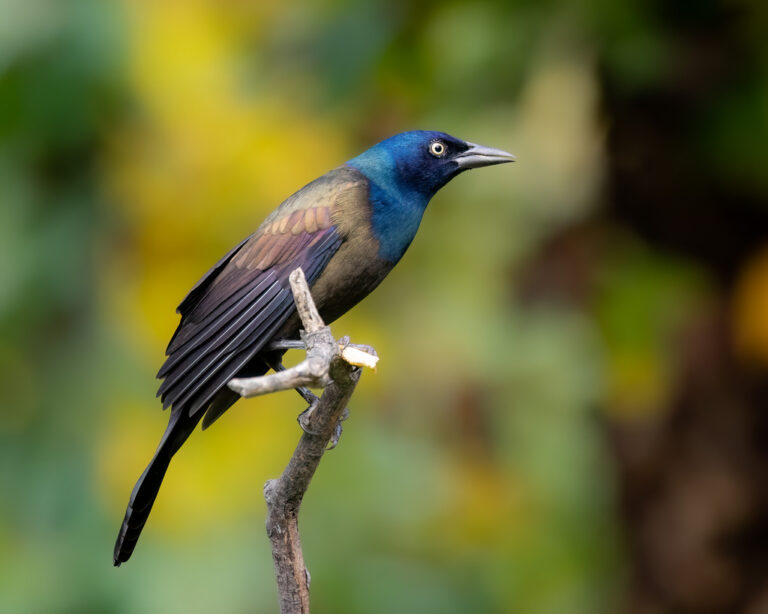
Quiscalus quiscula
♥
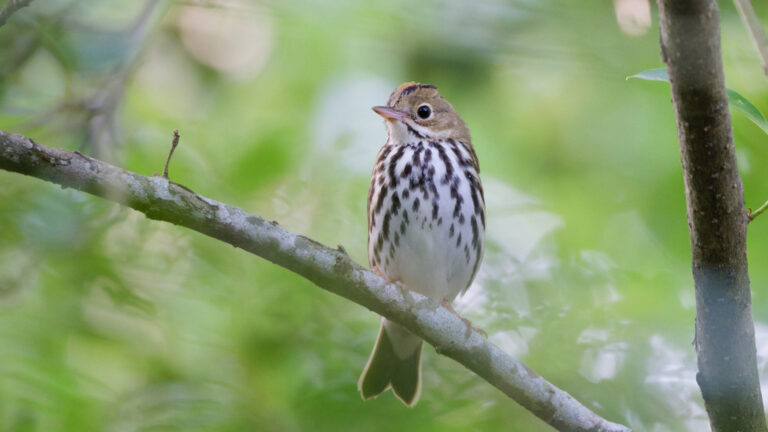
Seiurus aurocapilla
♥
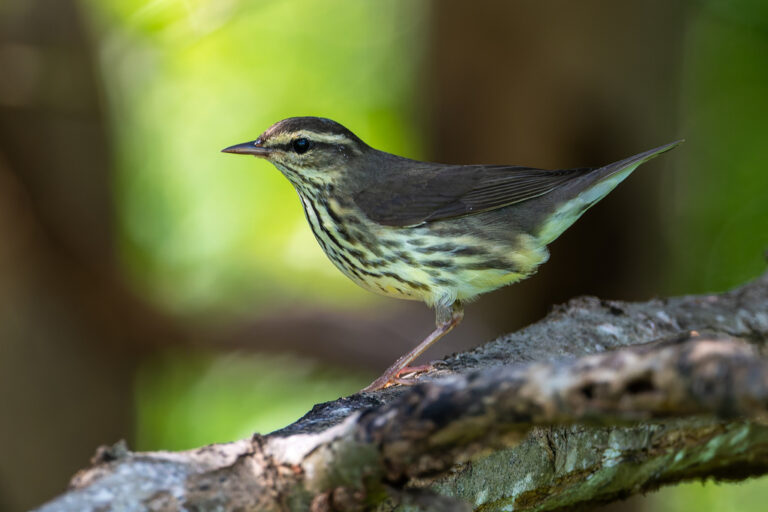
Parkesia noveboracensis
♥
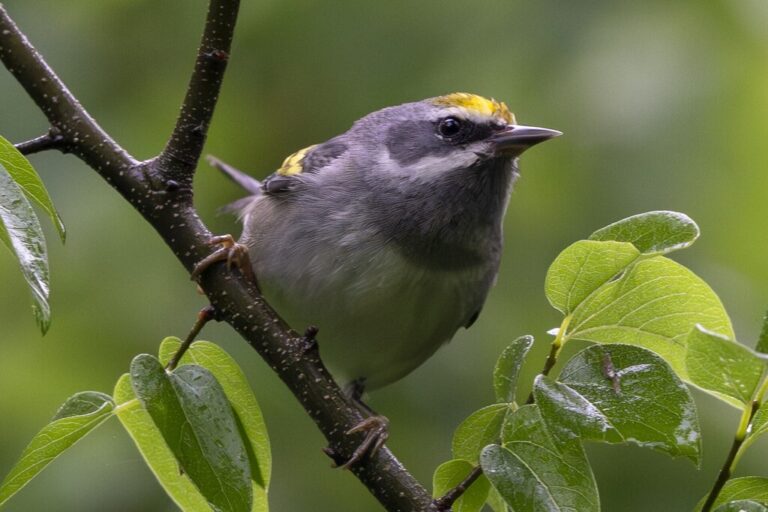
Vermivora chrysoptera
♥
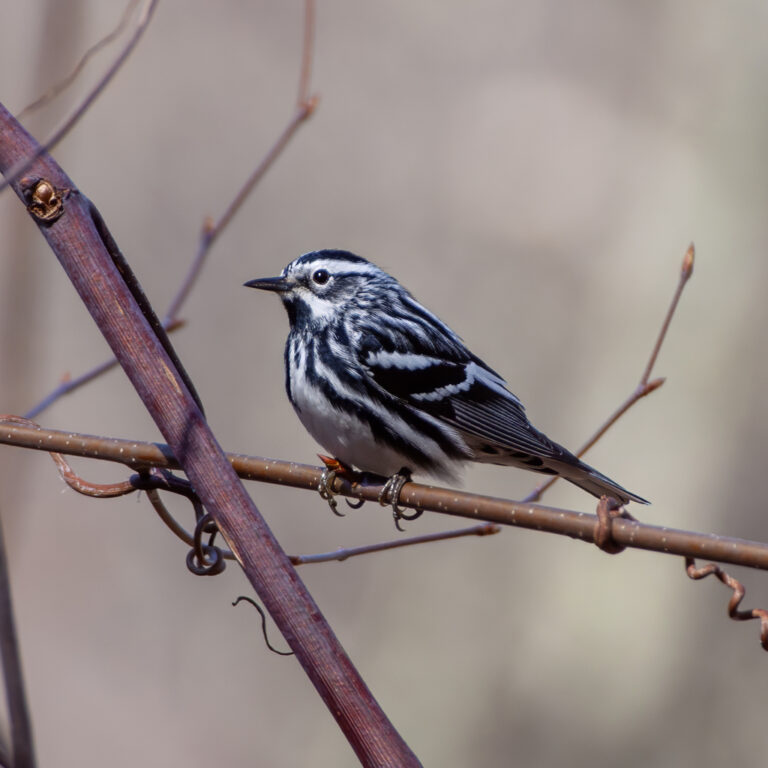
Mniotilta varia
♥
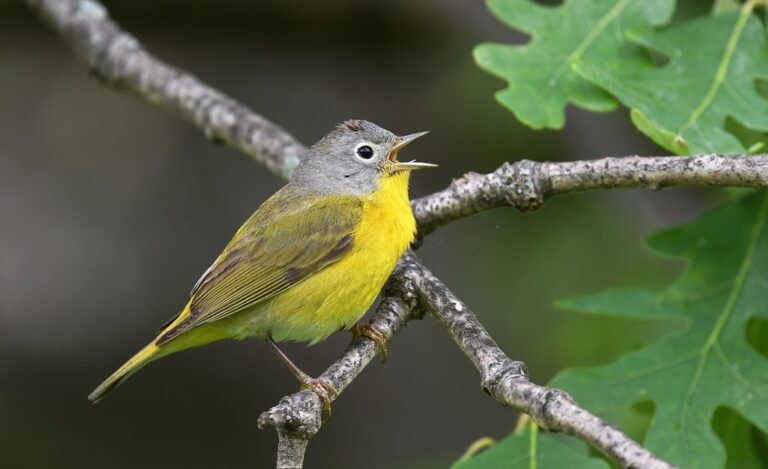
Leiothlypis ruficapilla
♥
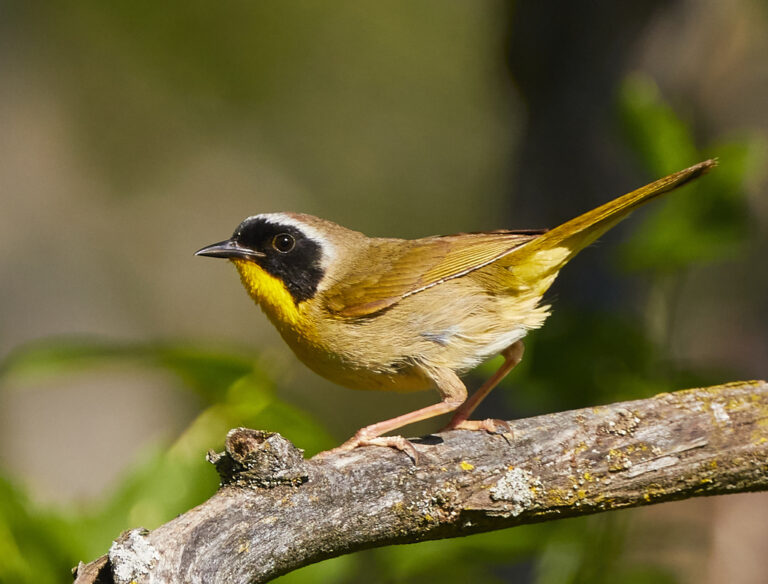
Geothlypis trichas
♥
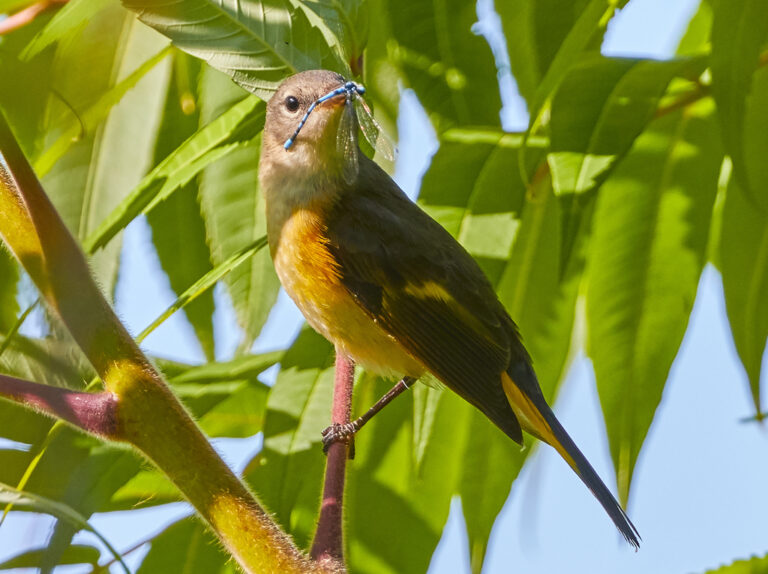
Setophaga ruticilla
♥
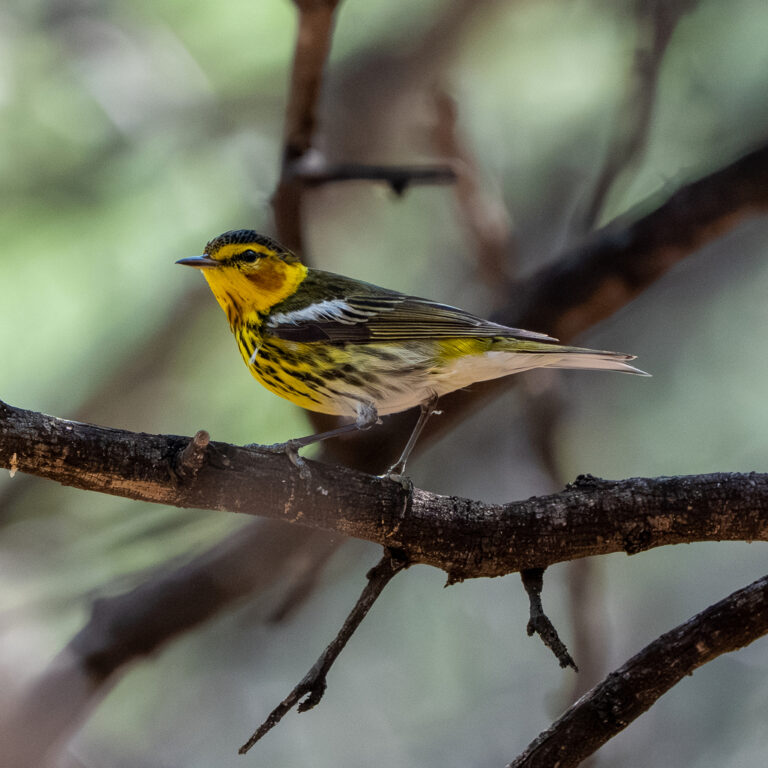
Setophaga tigrina
♥
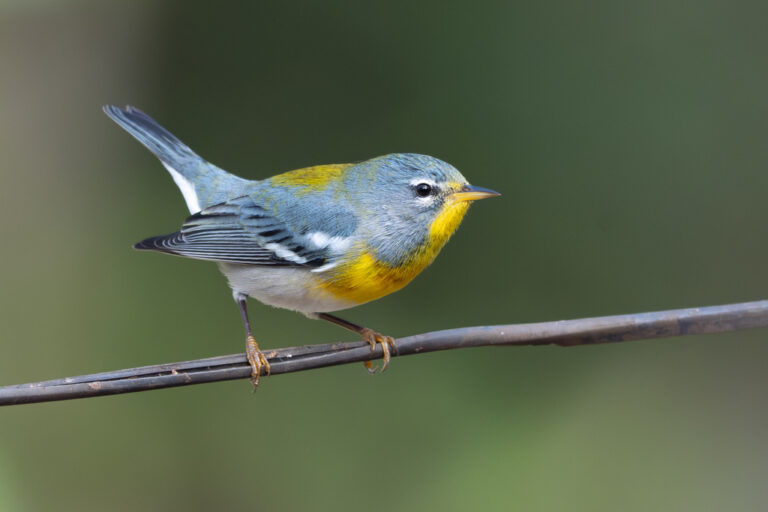
Setophaga americana
♥
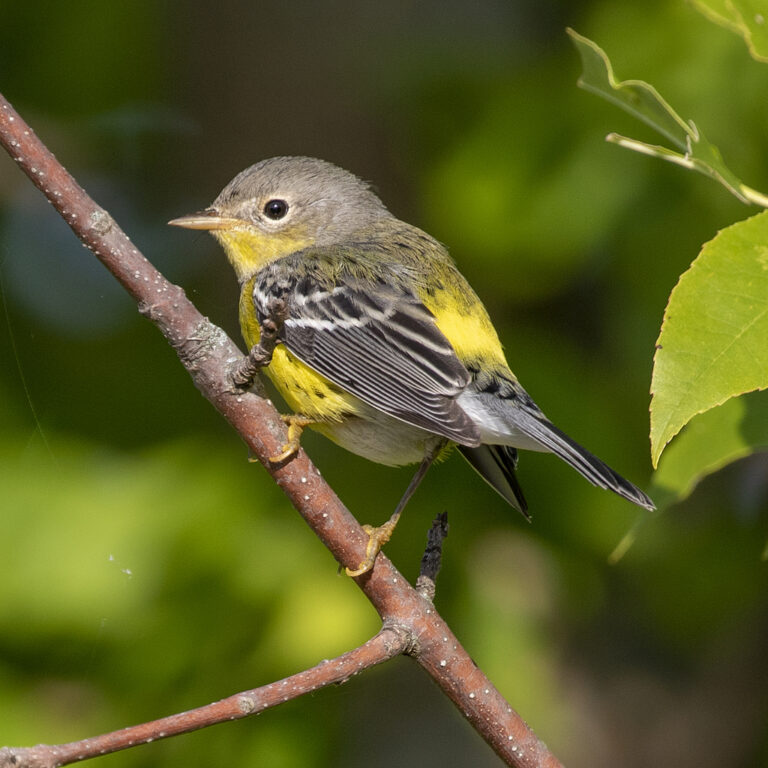
Setophaga magnolia
♥
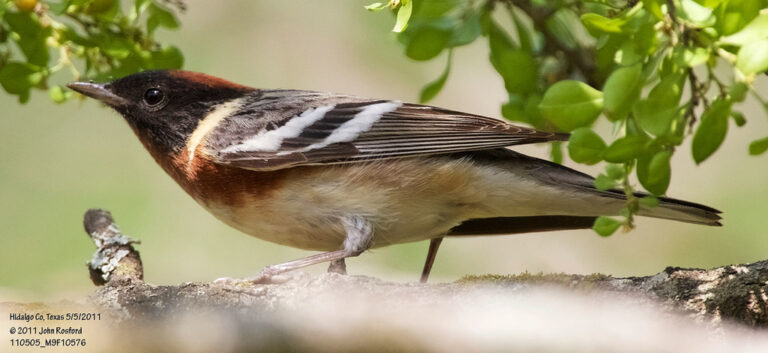
Setophaga castanea
♥
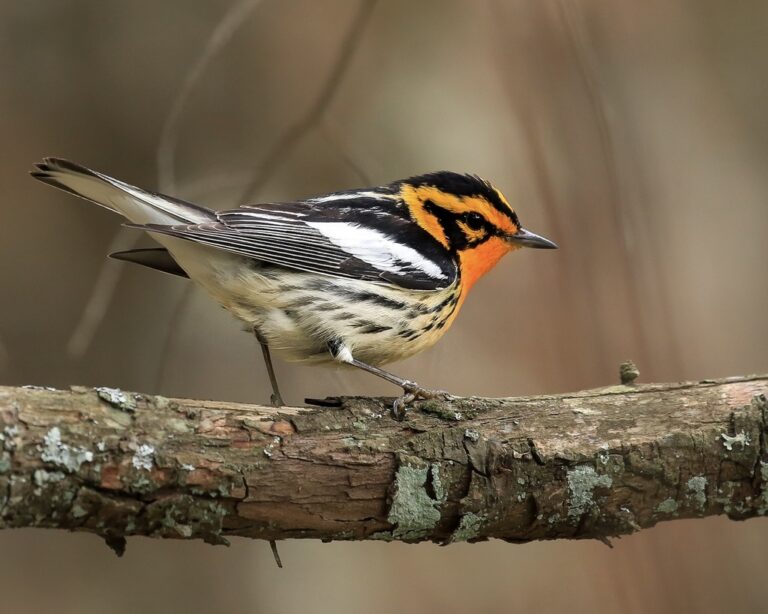
Setophaga fusca
♥
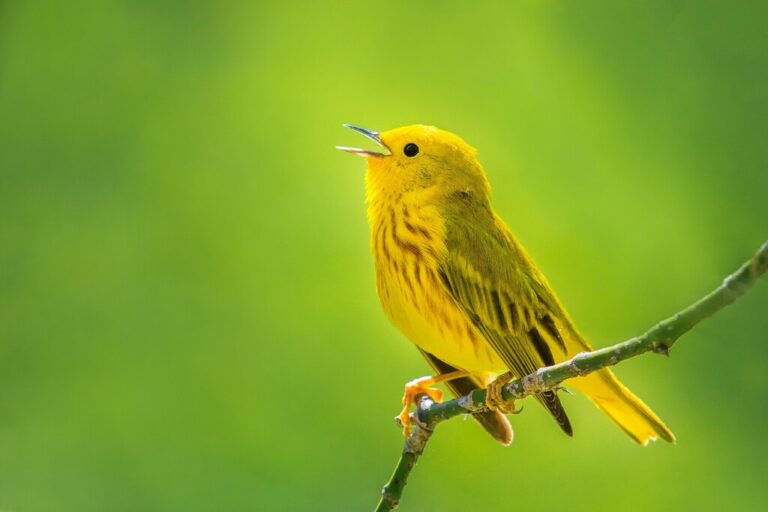
Setophaga aestiva
♥
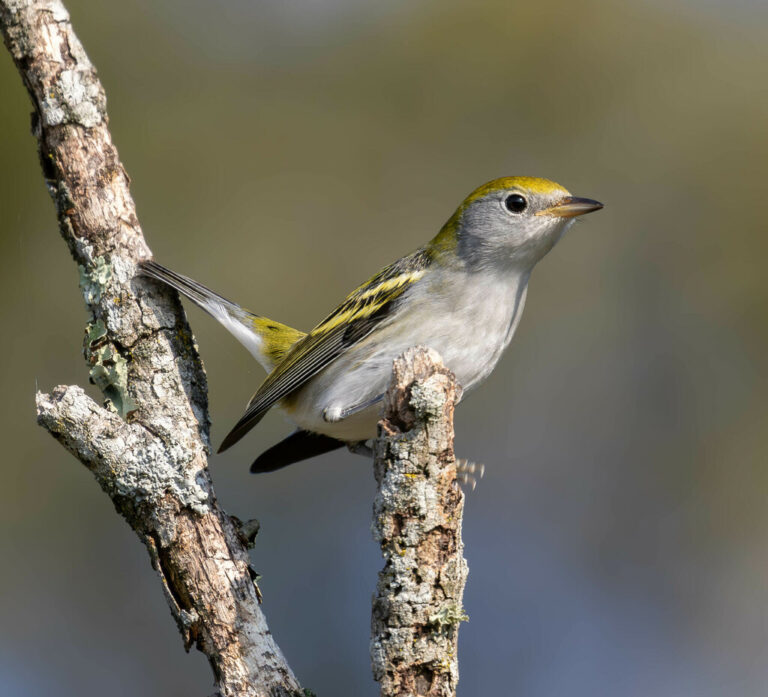
Setophaga pensylvanica
♥
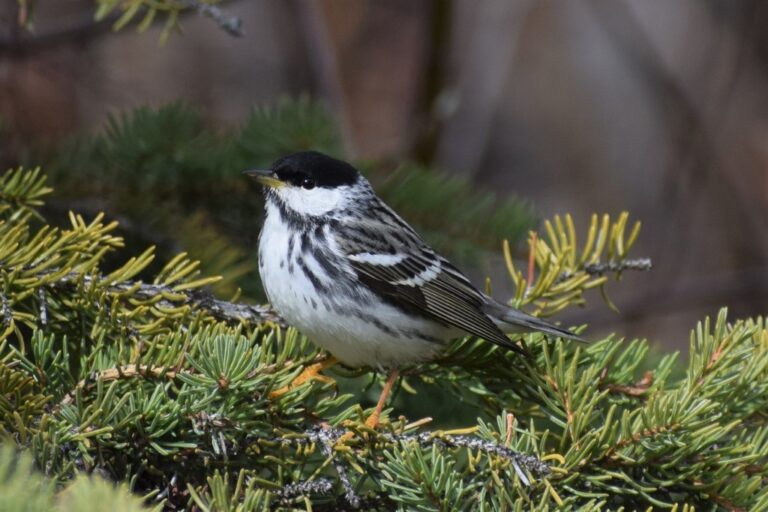
Setophaga striata
♥
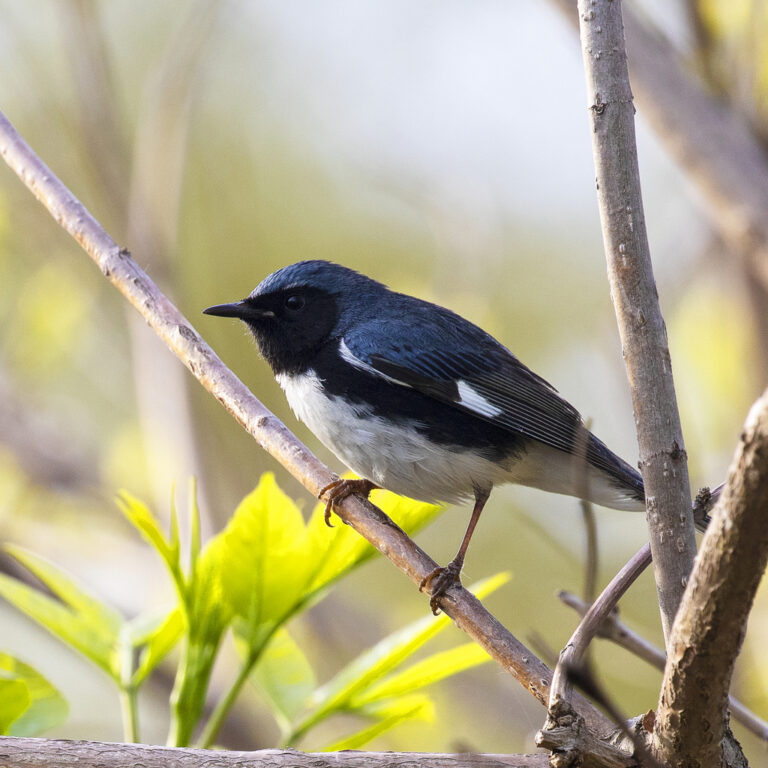
Setophaga caerulescens
♥
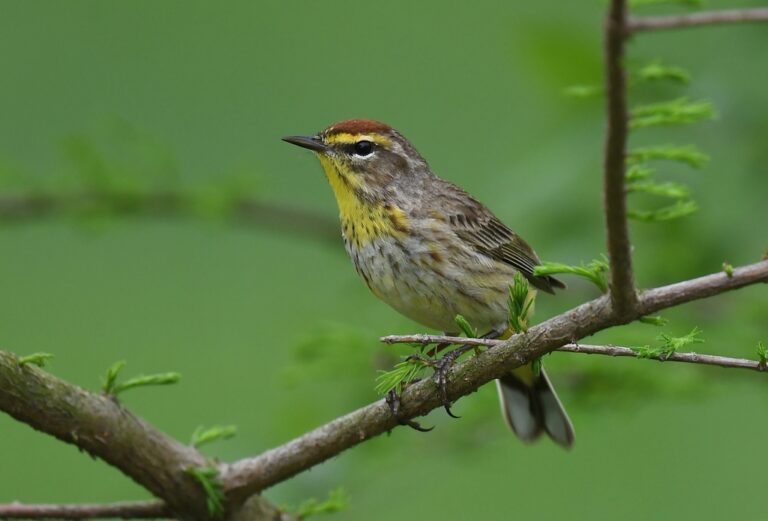
Setophaga palmarum
♥
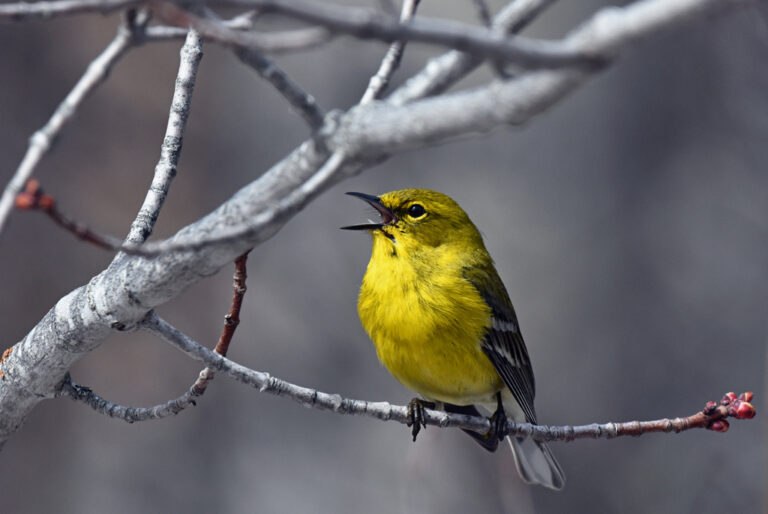
Setophaga pinus
♥
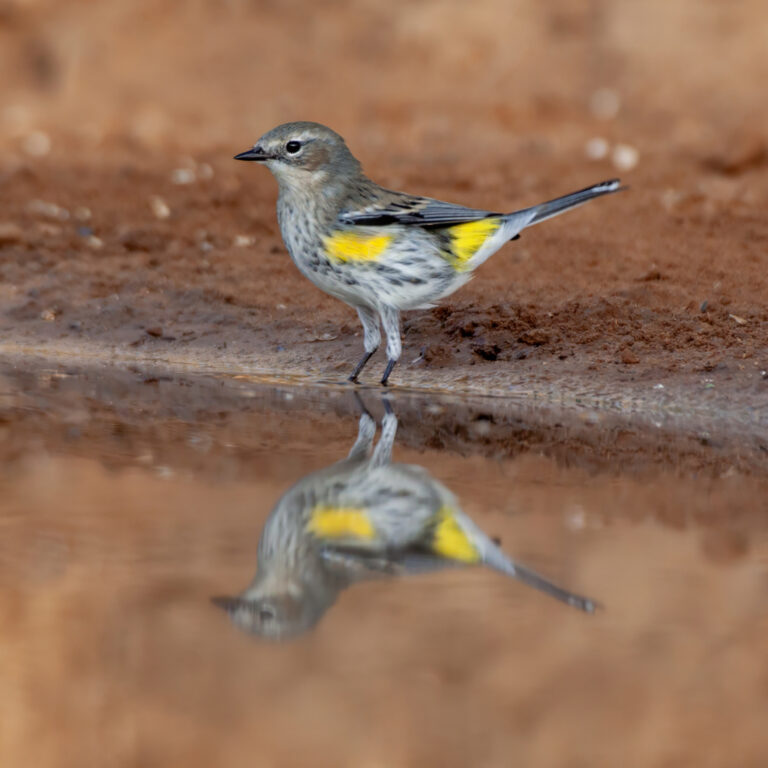
Setophaga coronata
♥
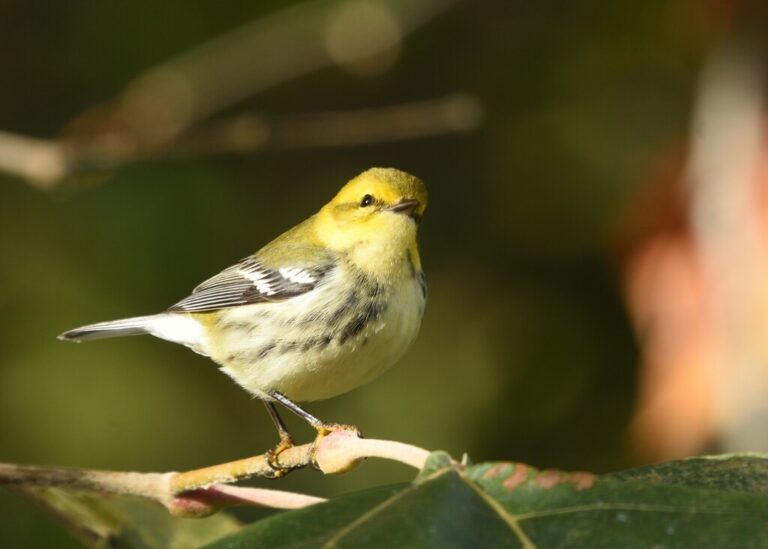
Setophaga virens
♥
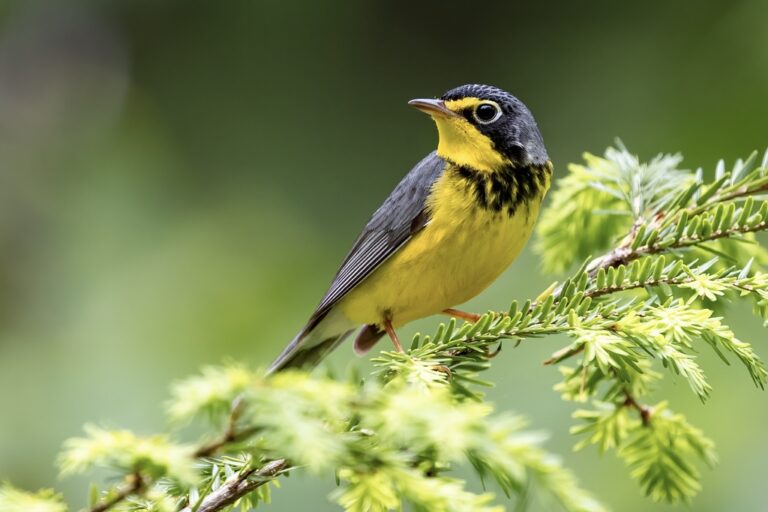
Cardellina canadensis
♥
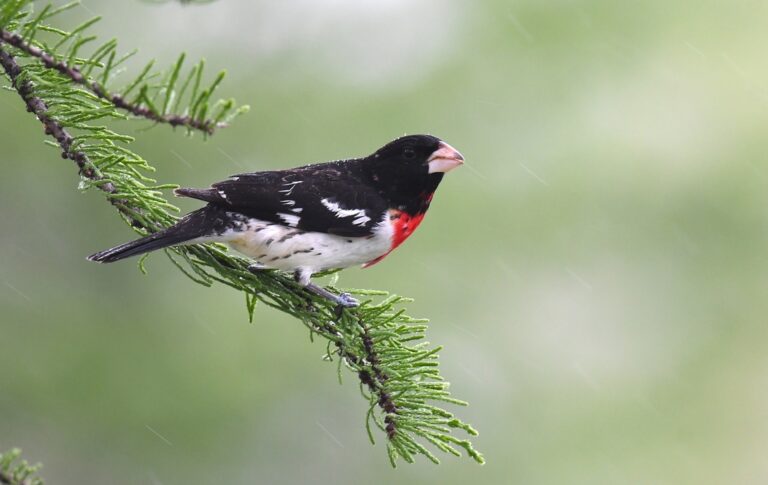
Pheucticus ludovicianus
♥
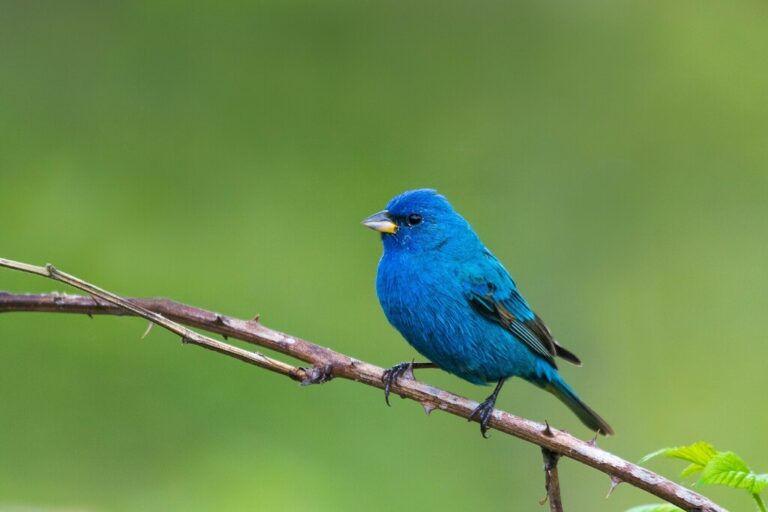
Passerina cyanea
♥
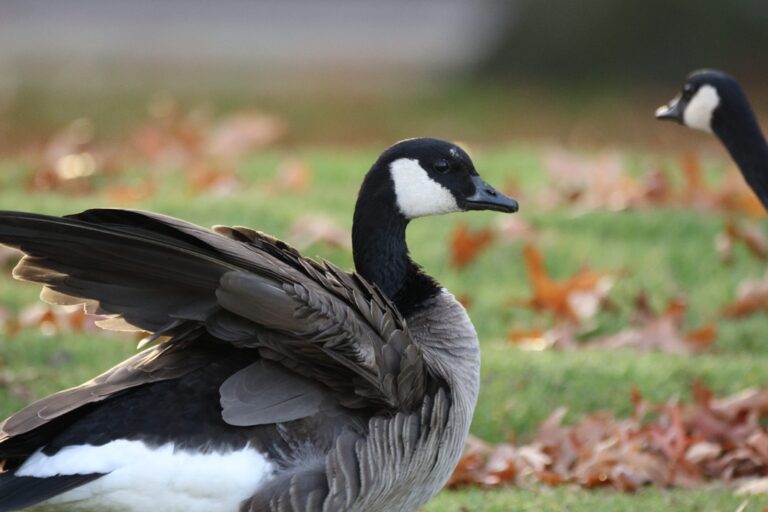
Branta hutchinsii
♥
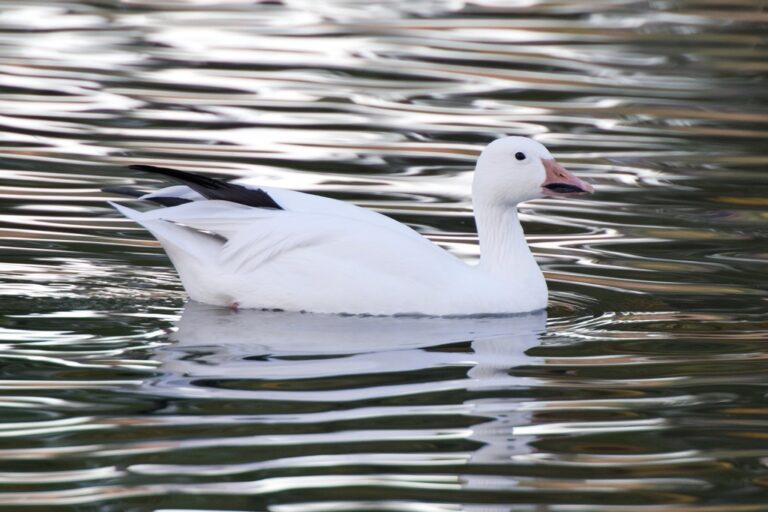
Anser caerulescens
♥
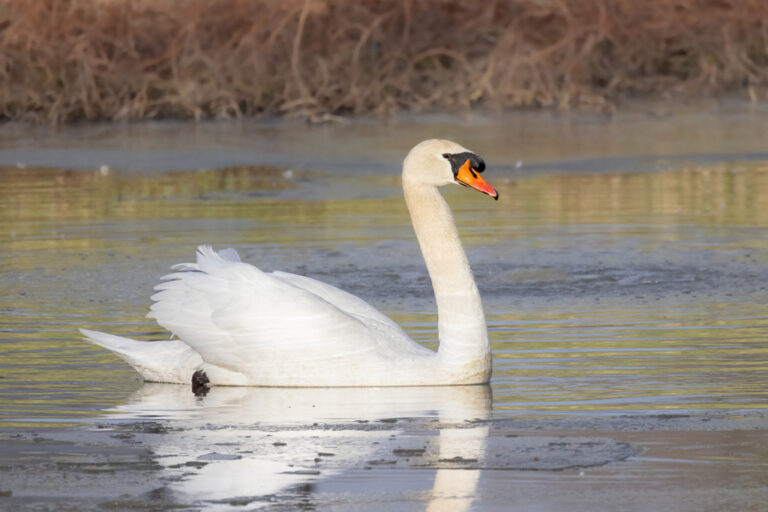
Cygnus olor
♥
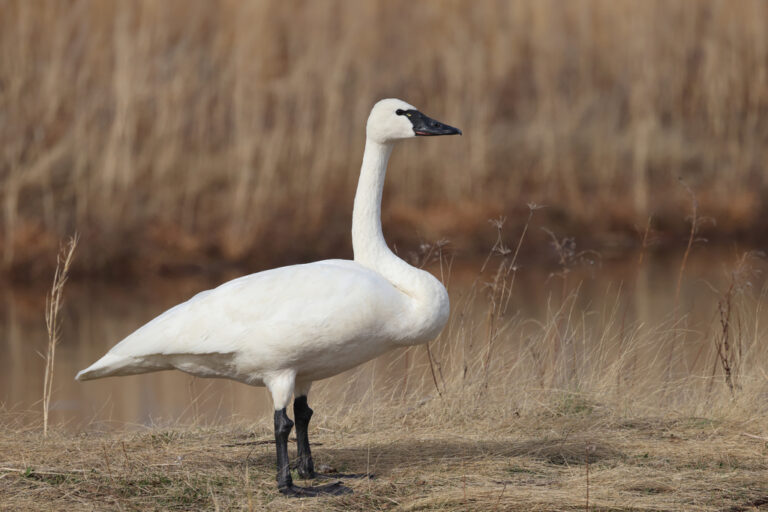
Cygnus columbianus
♥
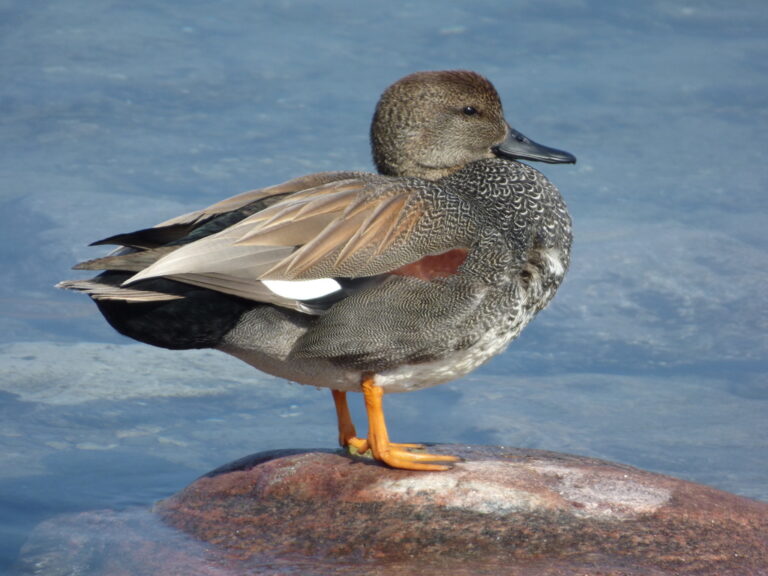
Mareca strepera
♥
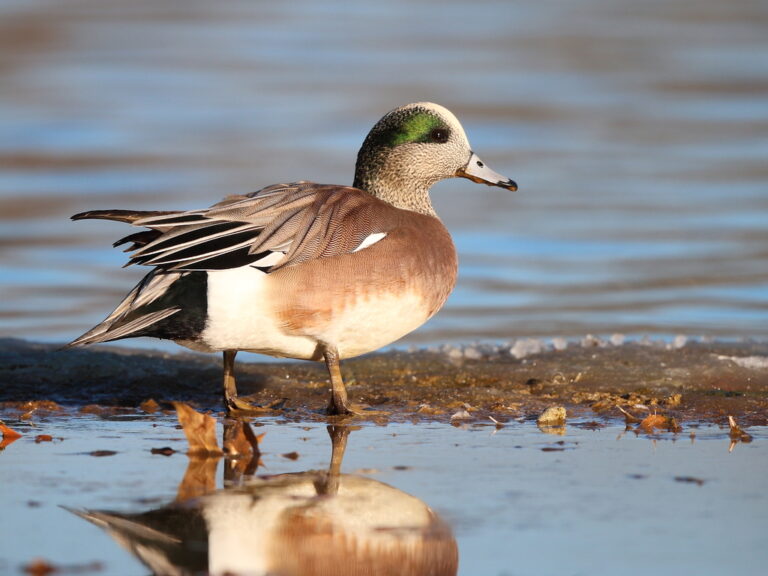
Mareca americana
♥
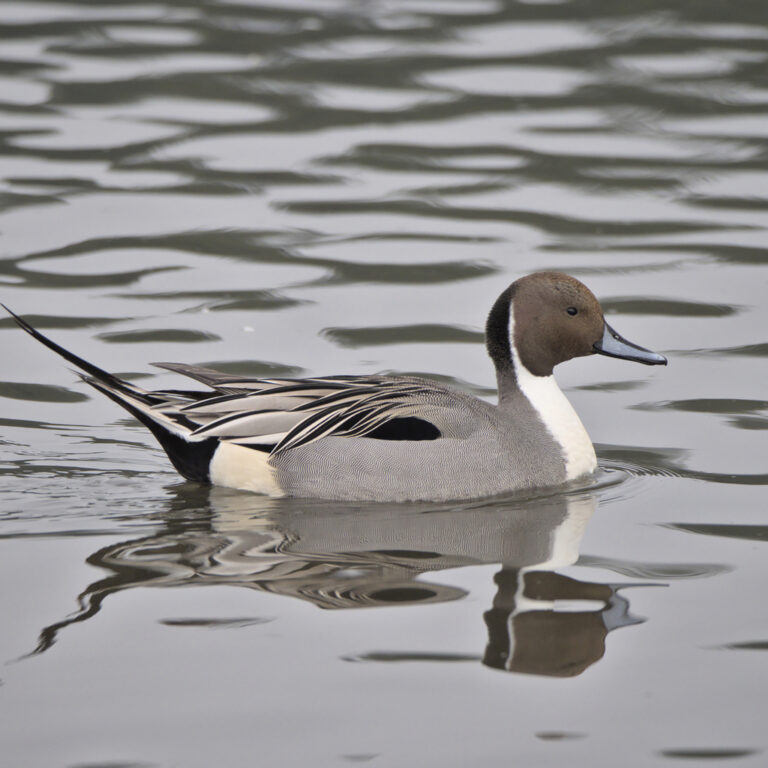
Anas acuta
♥
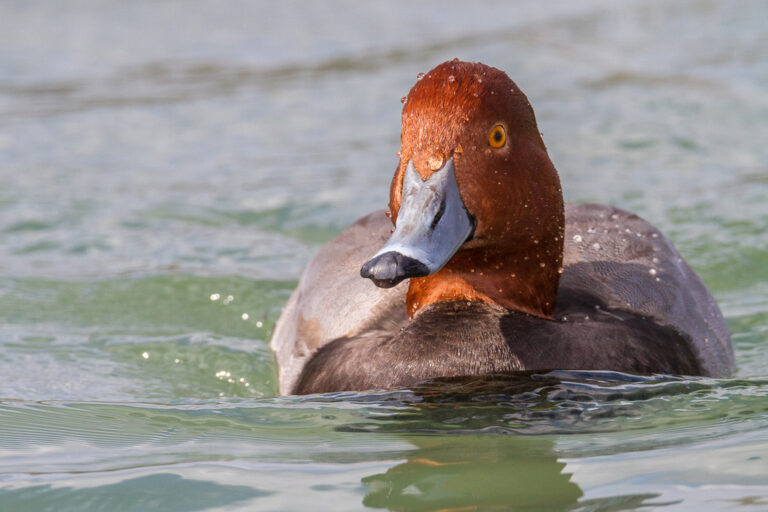
Aythya americana
♥
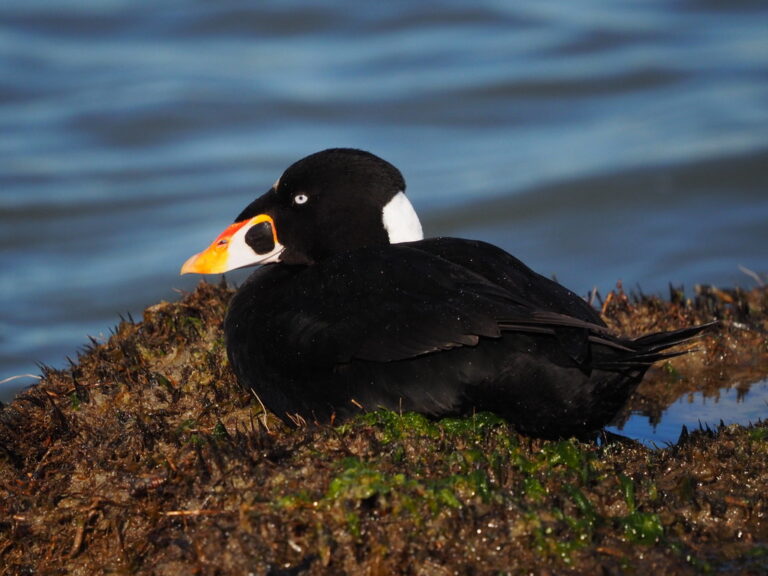
Melanitta perspicillata
♥
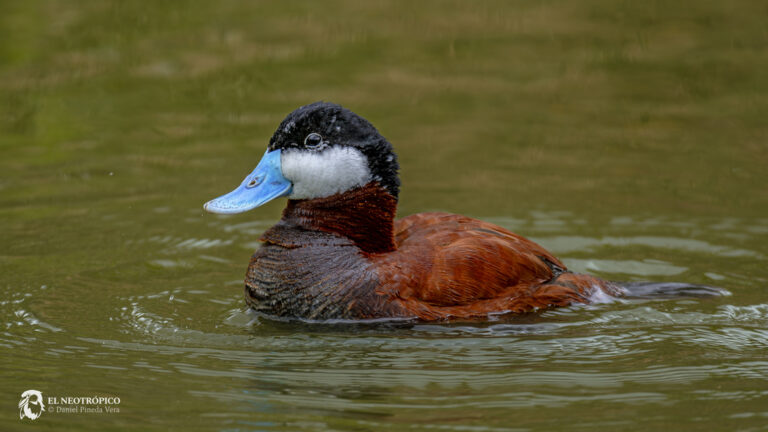
Oxyura jamaicensis
♥
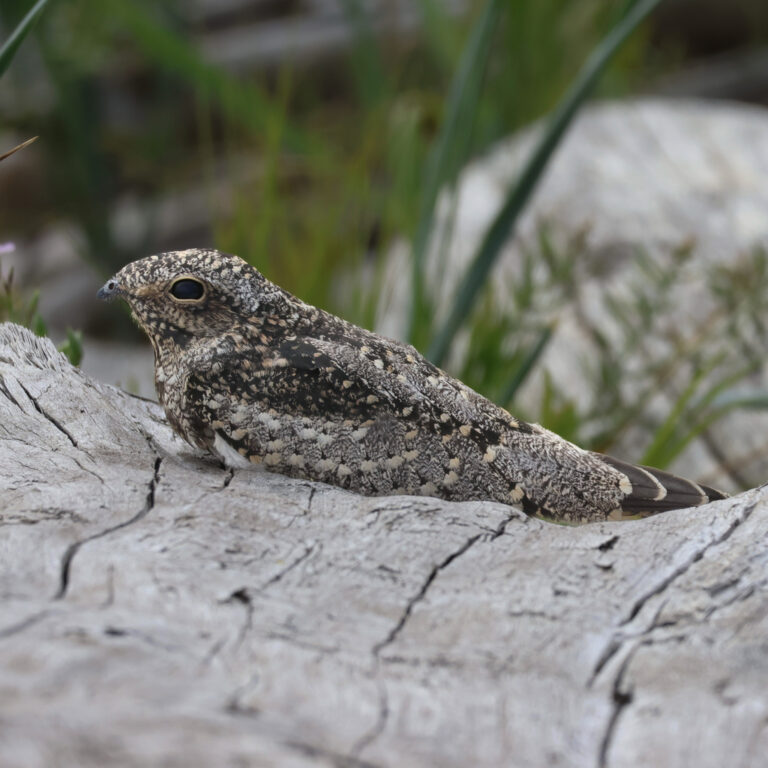
Chordeiles minor
♥
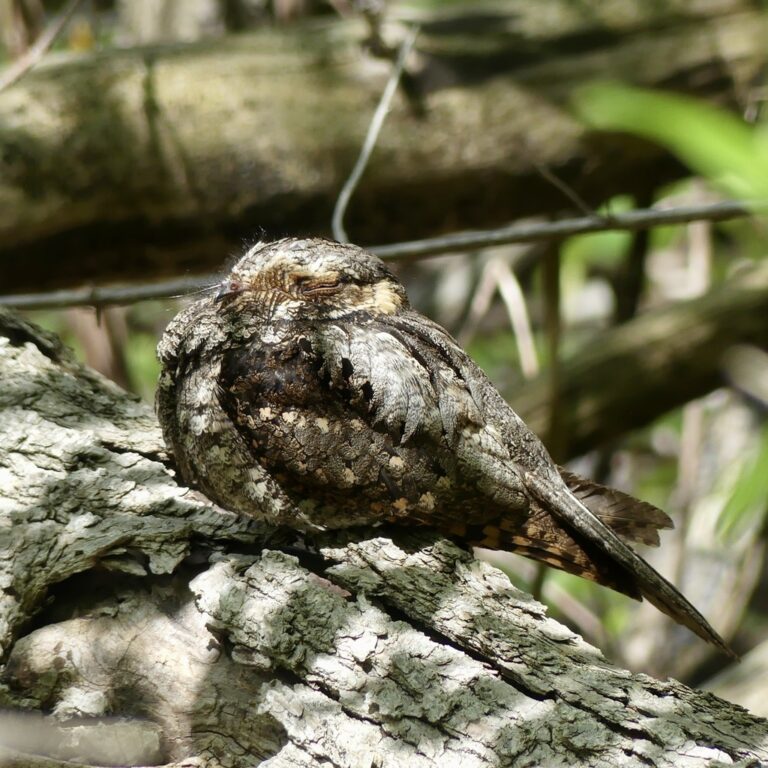
Antrostomus vociferus
♥
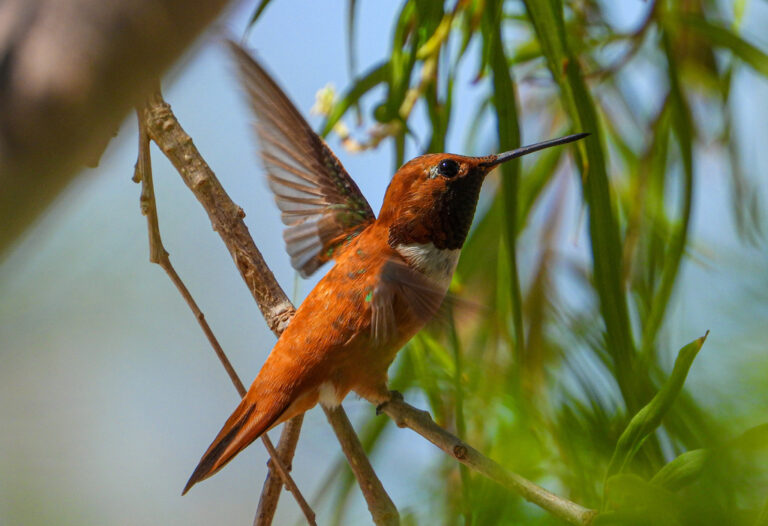
Selasphorus rufus
♥
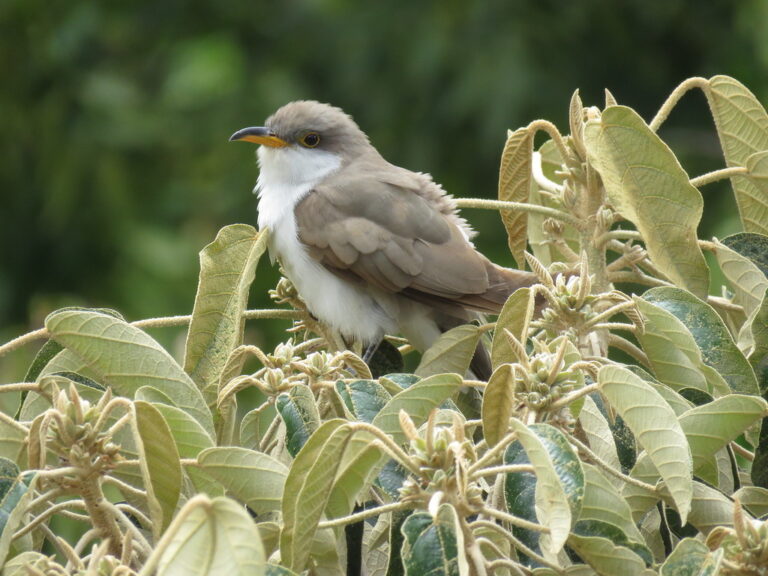
Coccyzus americanus
♥
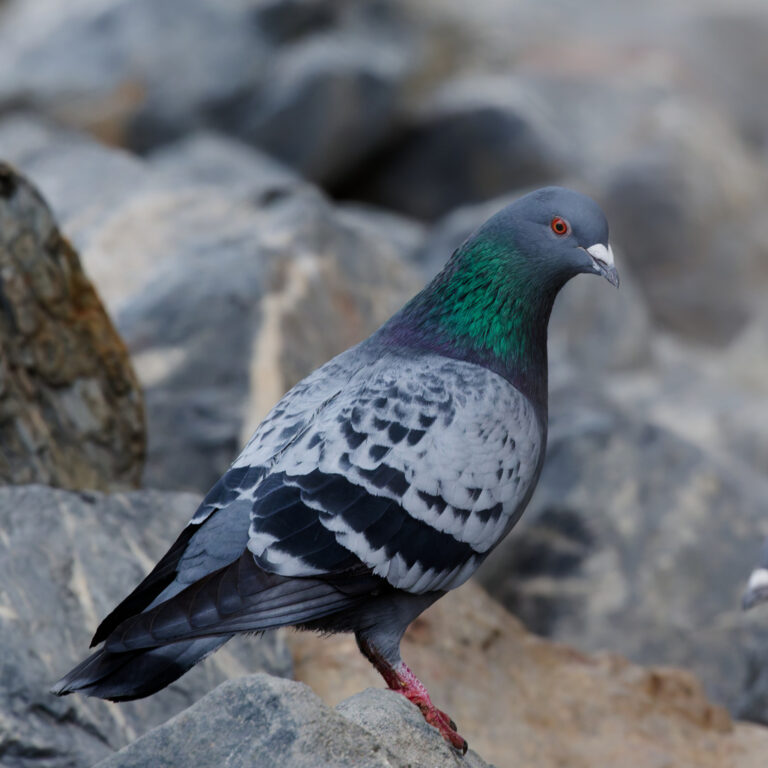
Columba livia
♥
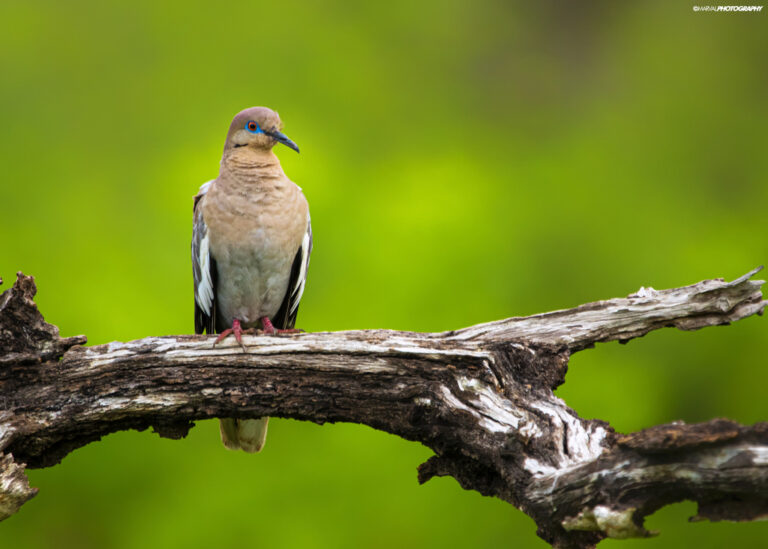
Zenaida asiatica
♥
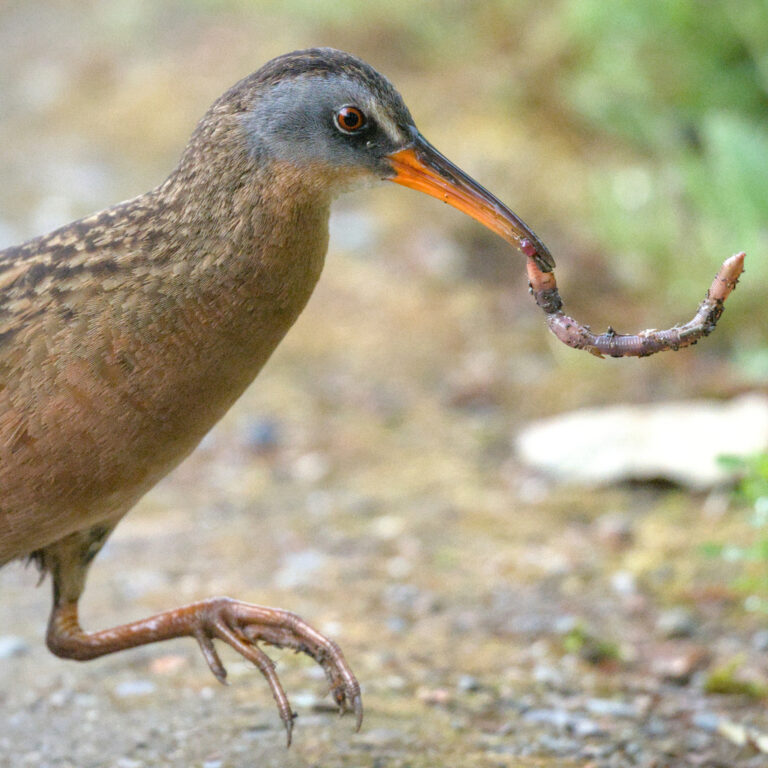
Rallus limicola
♥
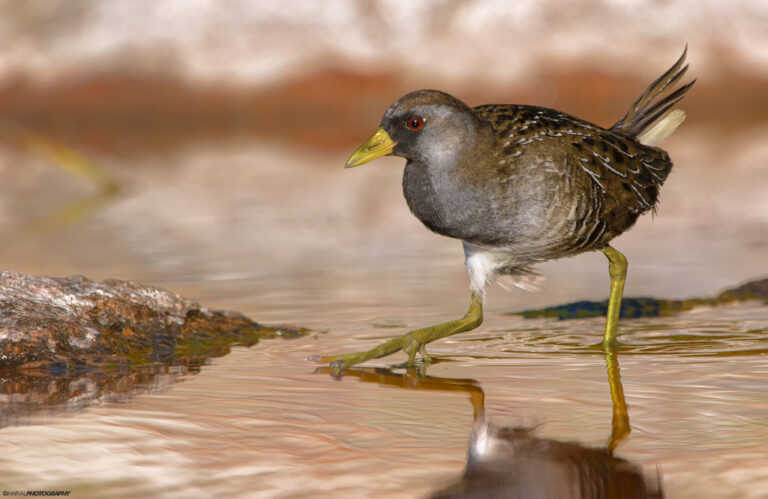
Porzana carolina
♥
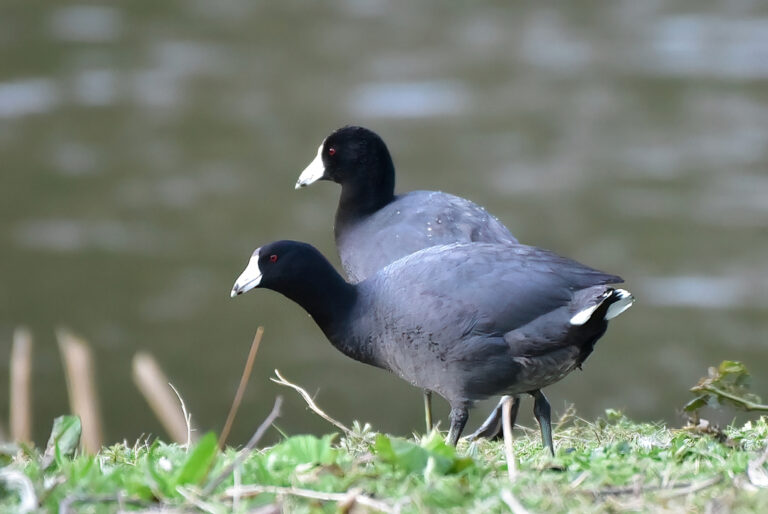
Fulica americana
♥
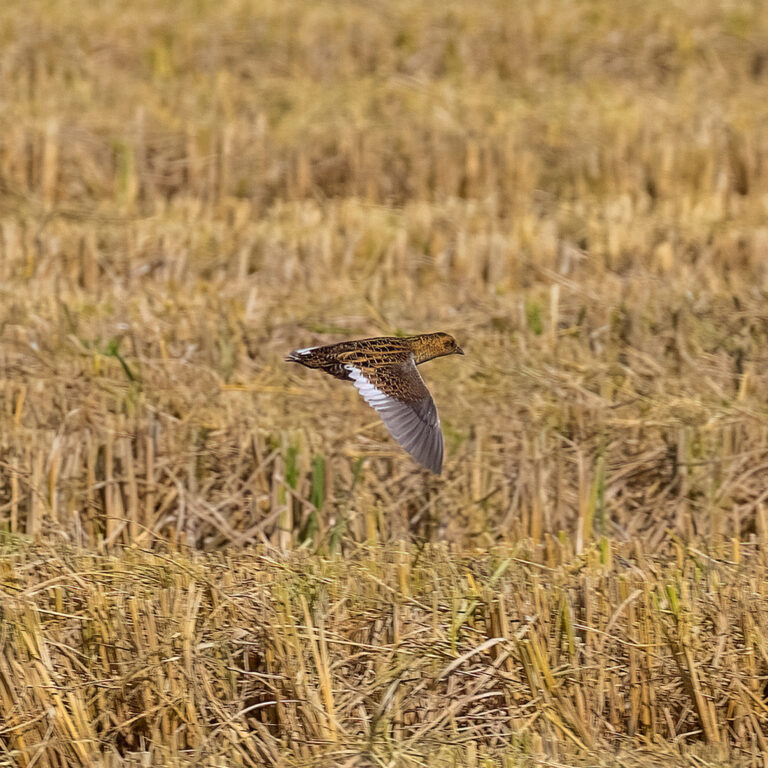
Coturnicops noveboracensis
♥
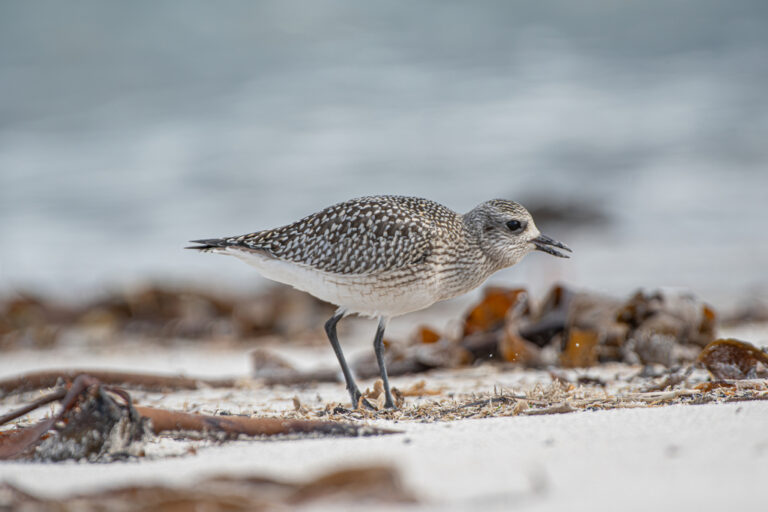
Pluvialis squatarola
♥
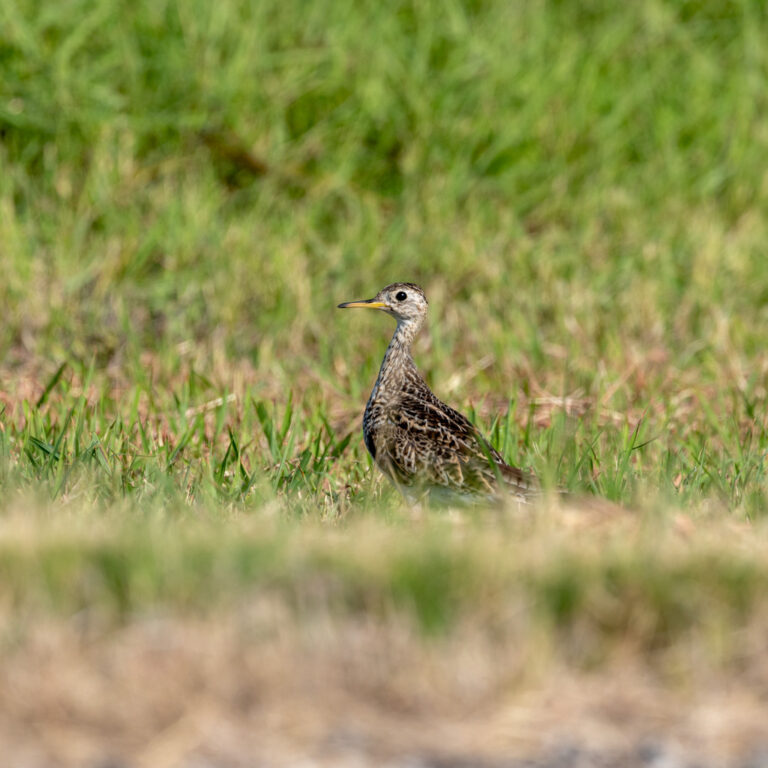
Bartramia longicauda
♥
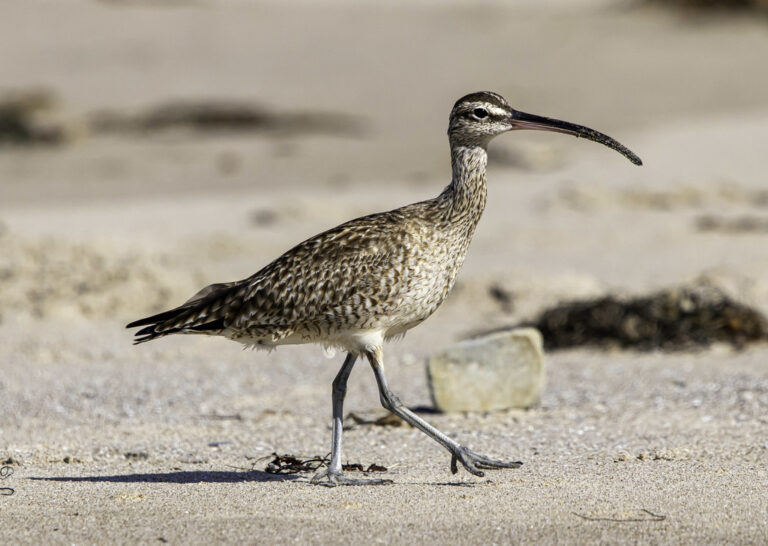
Numenius hudsonicus
♥
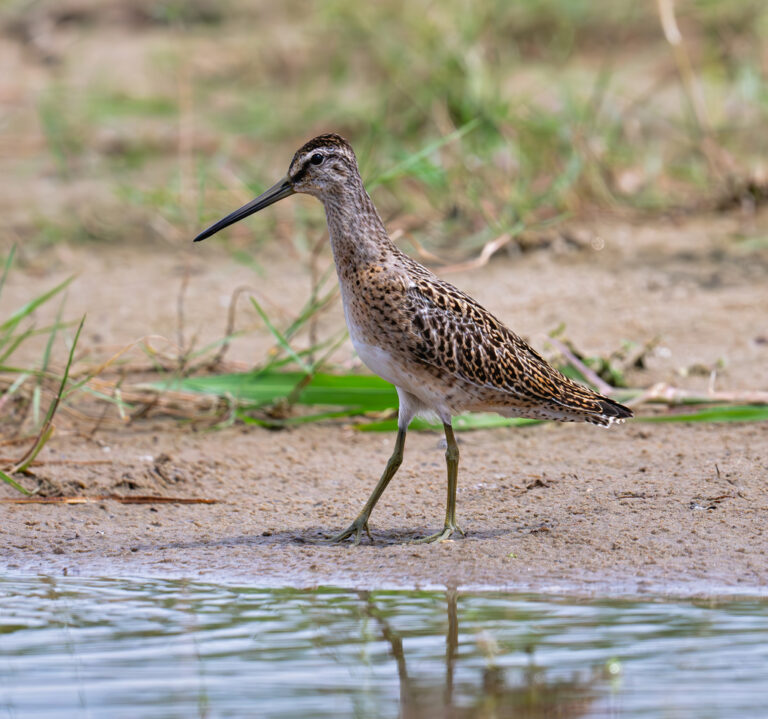
Limnodromus griseus
♥
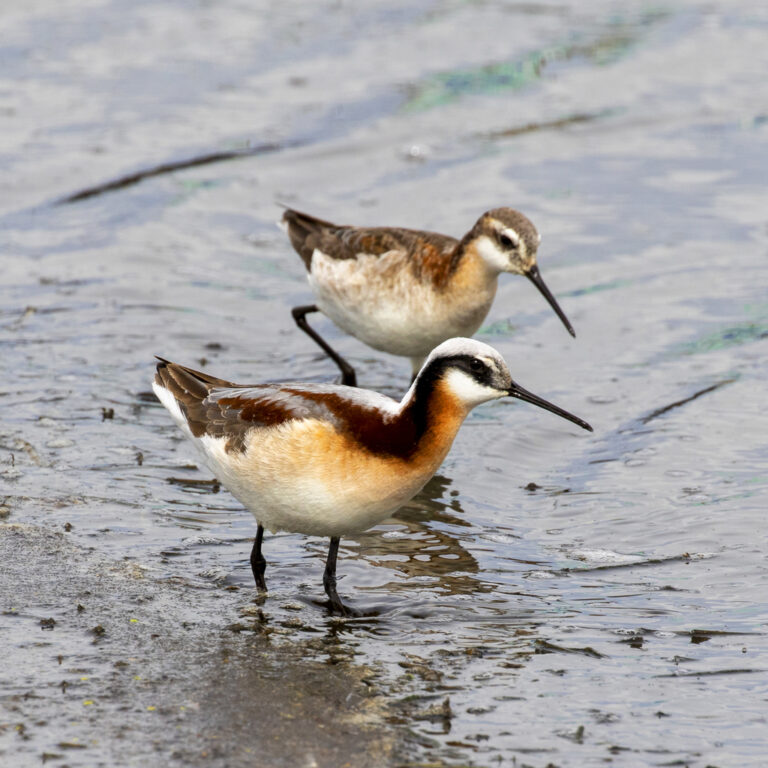
Phalaropus tricolor
♥
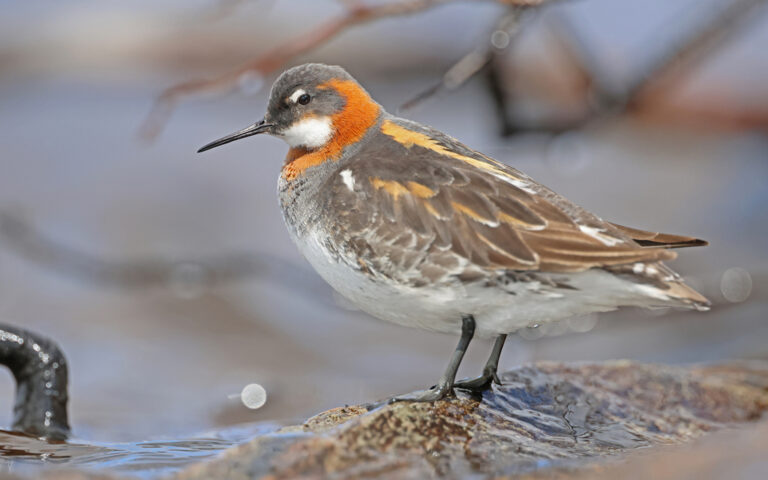
Phalaropus lobatus
♥
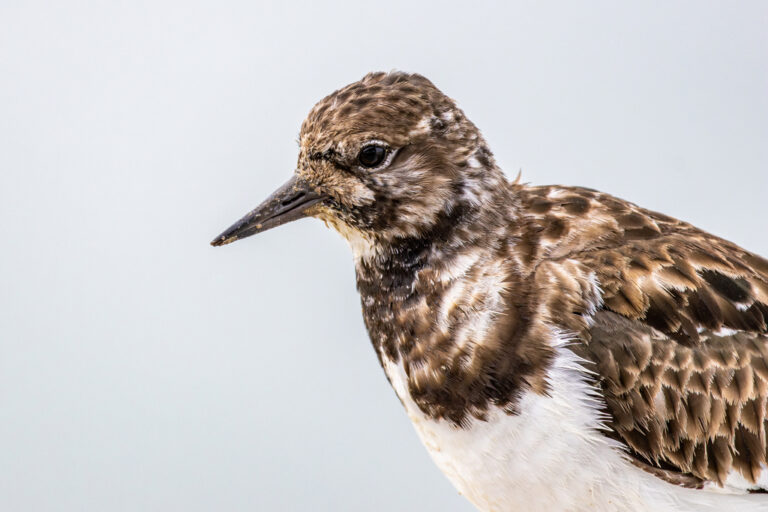
Arenaria interpres
♥
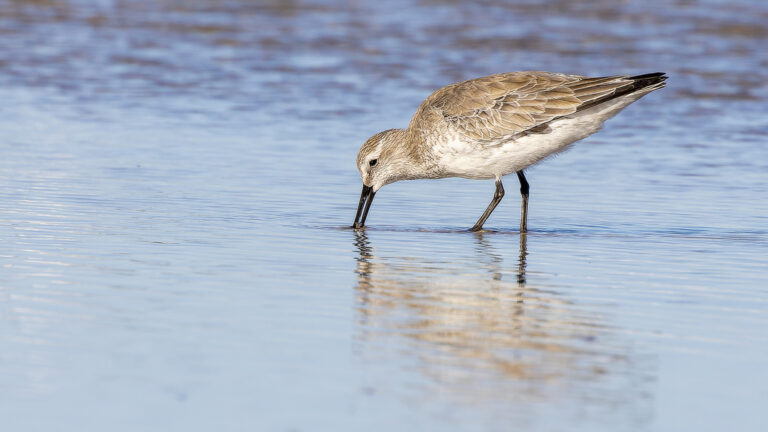
Calidris canutus
♥
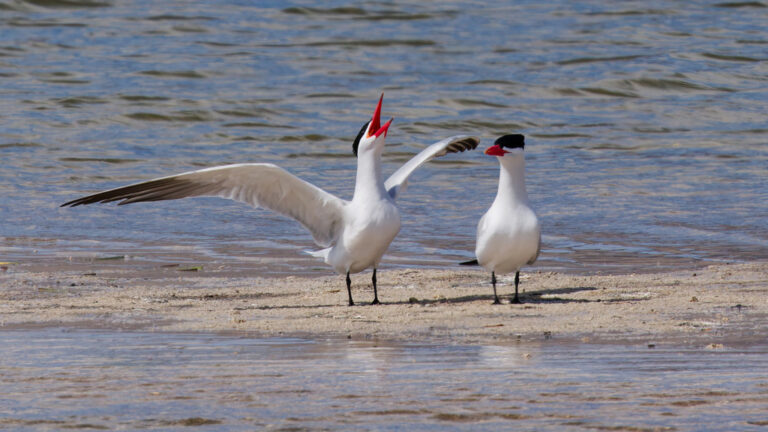
Hydroprogne caspia
♥
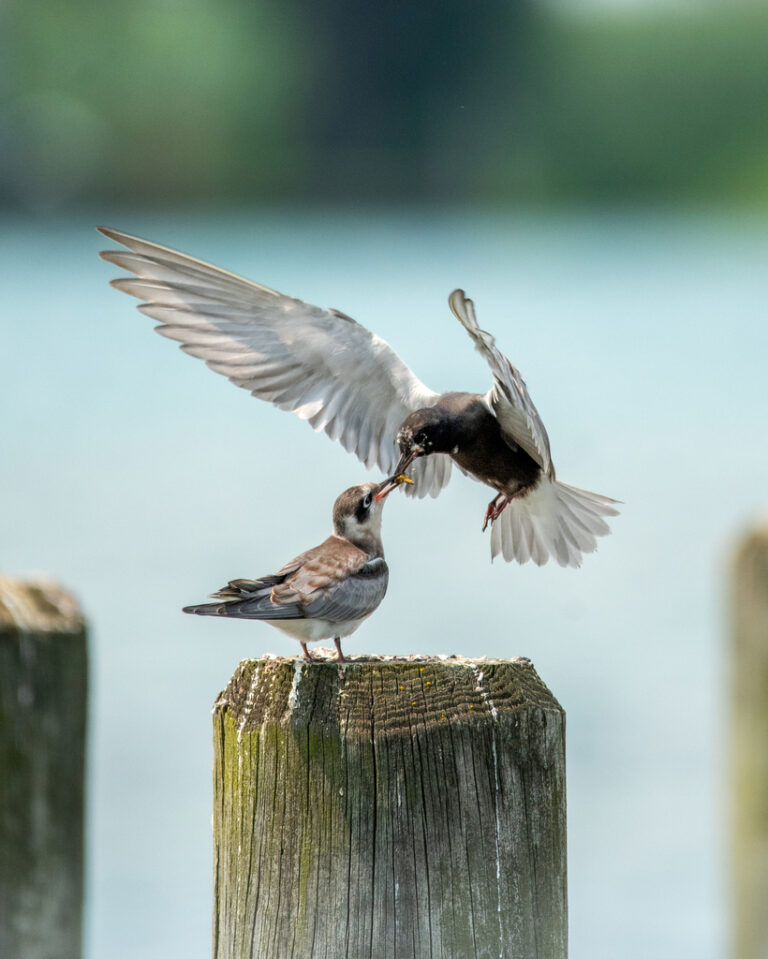
Chlidonias niger
♥
Sterna paradisaea
♥
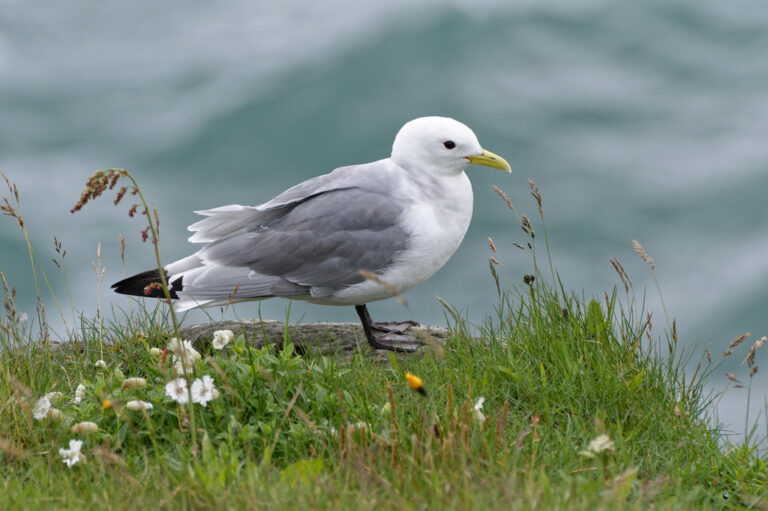
Rissa tridactyla
♥
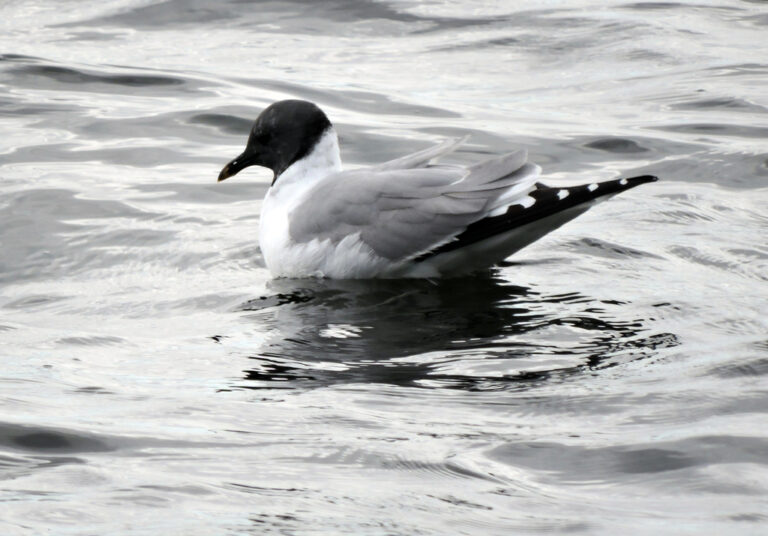
Xema sabini
♥
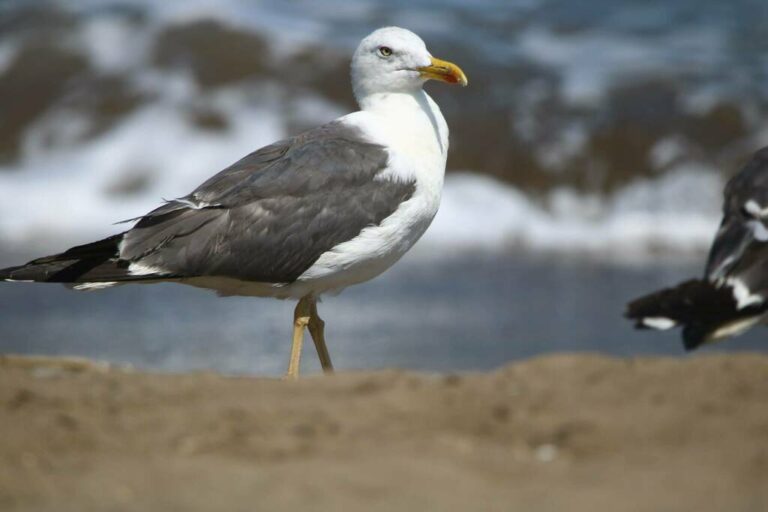
Larus fuscus
♥
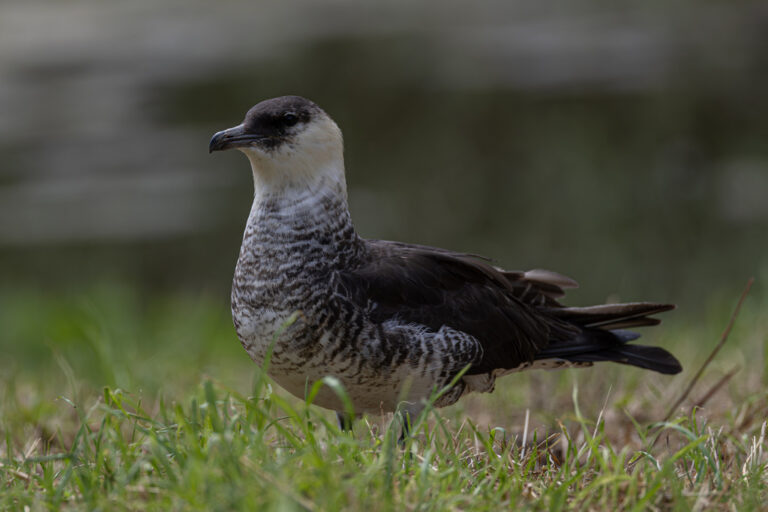
Stercorarius pomarinus
♥
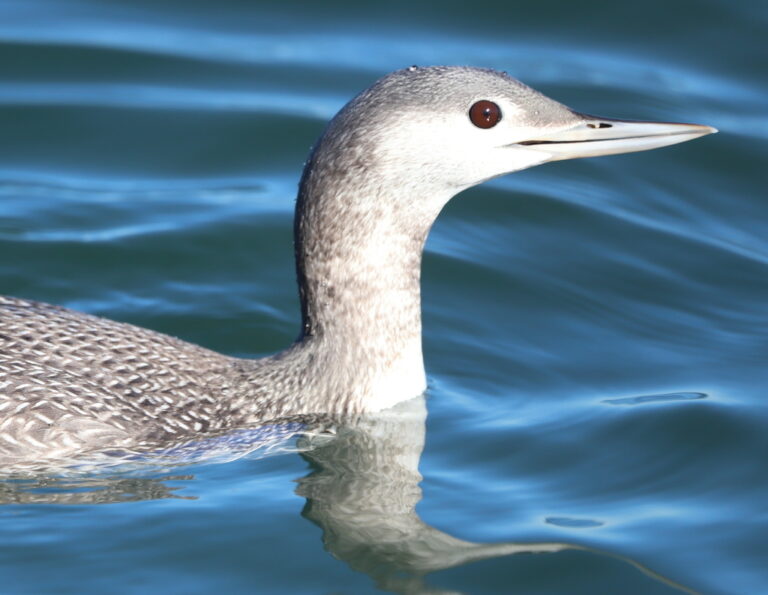
Gavia stellata
♥
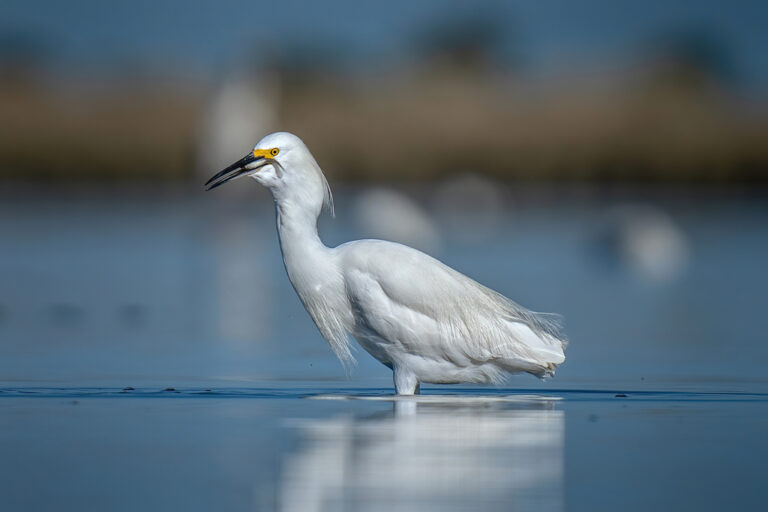
Egretta thula
♥
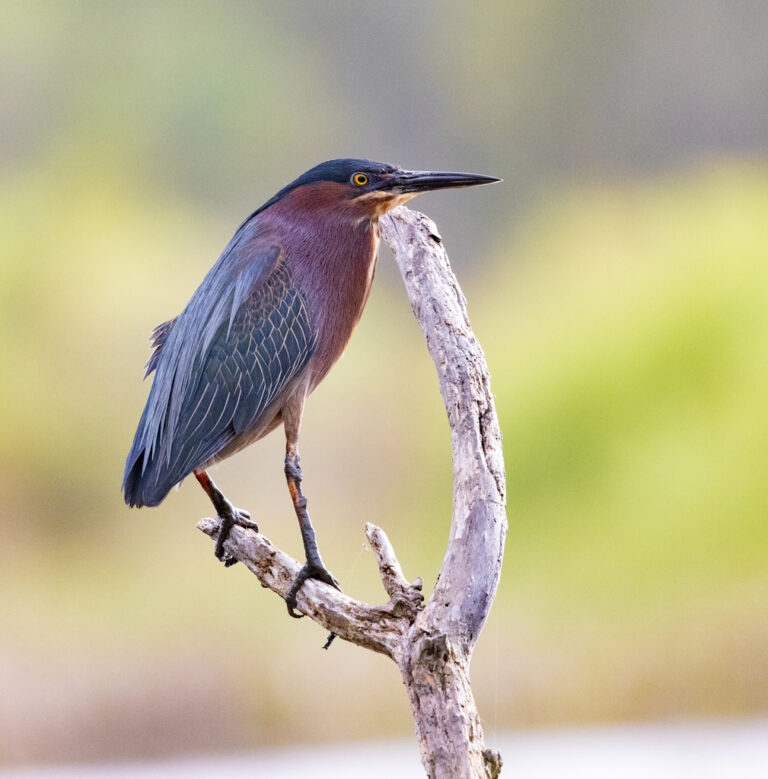
Butorides virescens
♥
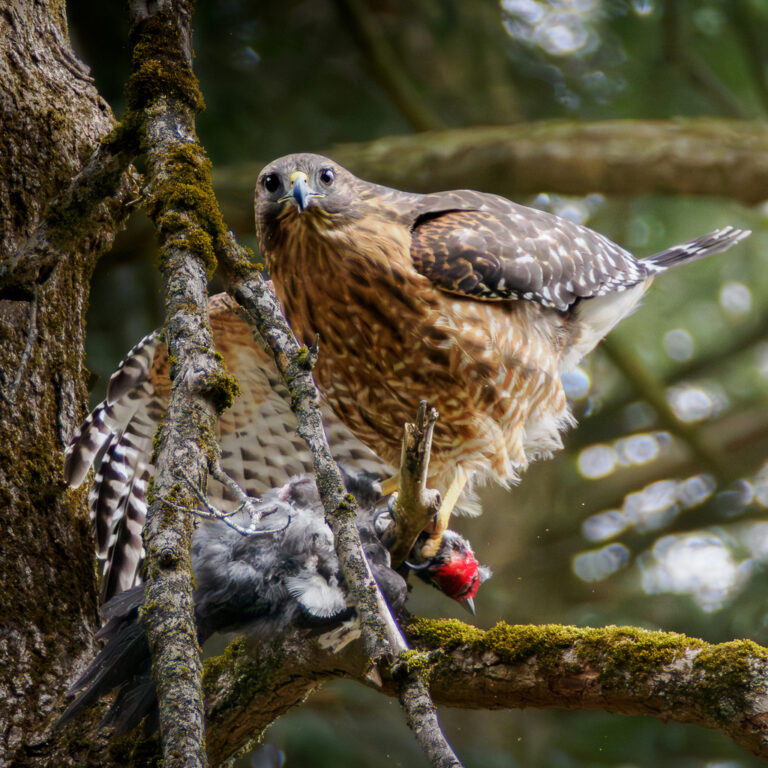
Buteo lineatus
♥
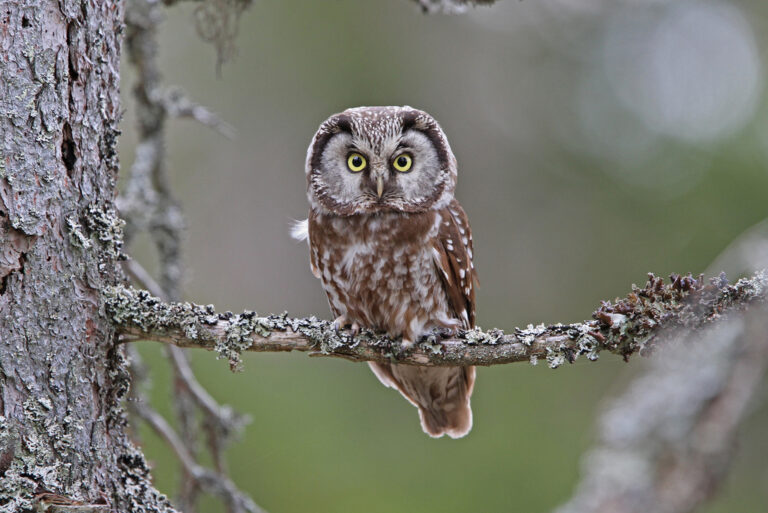
Aegolius funereus
♥
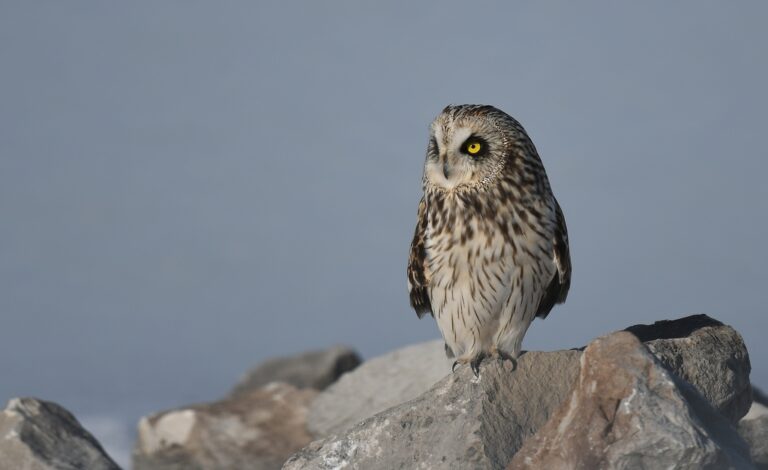
Asio flammeus
♥
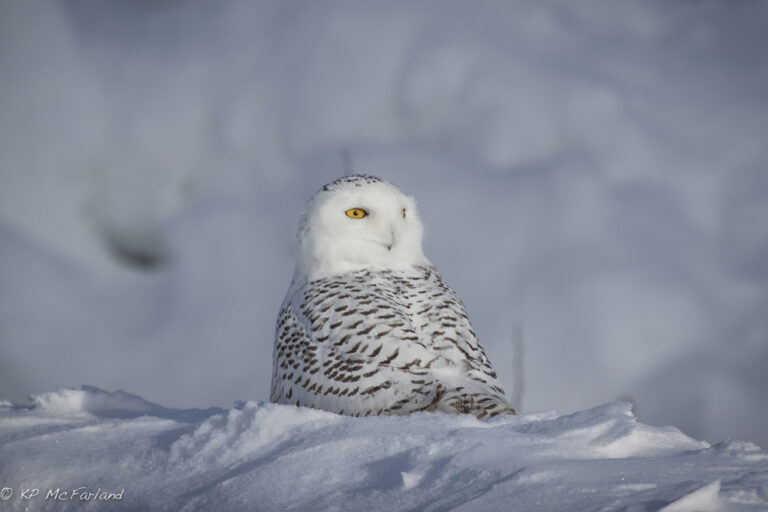
Bubo scandiacus
♥
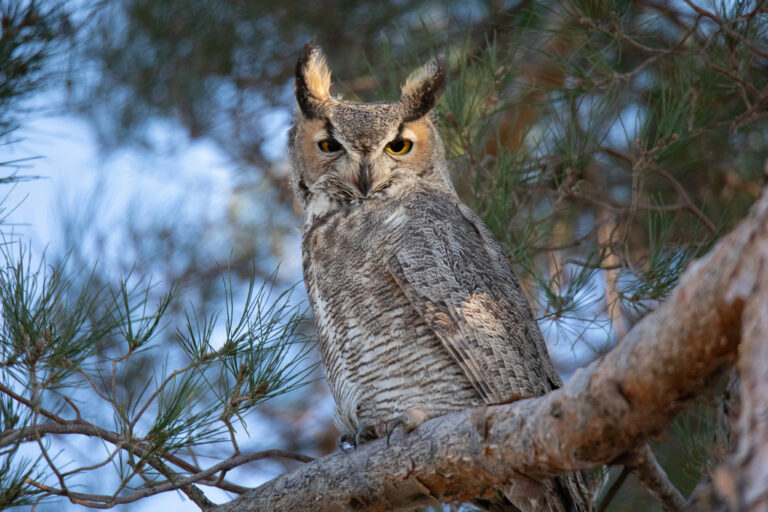
Bubo virginianus
♥
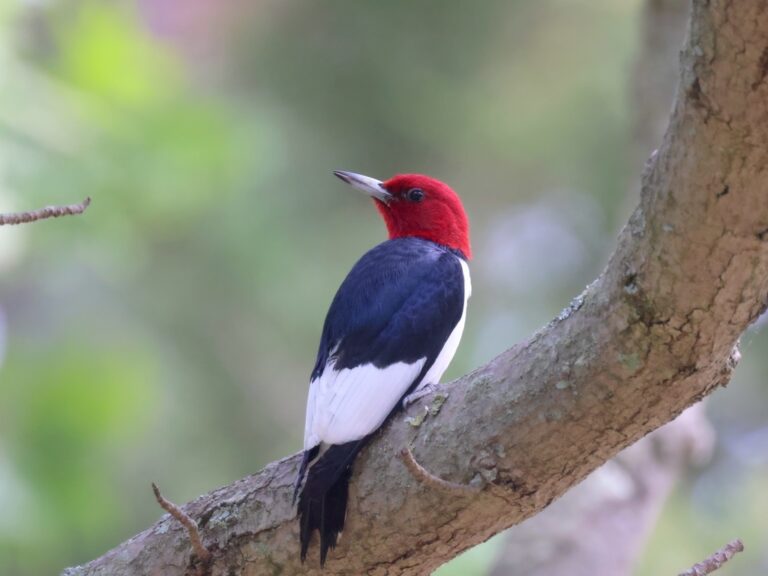
Melanerpes erythrocephalus
♥
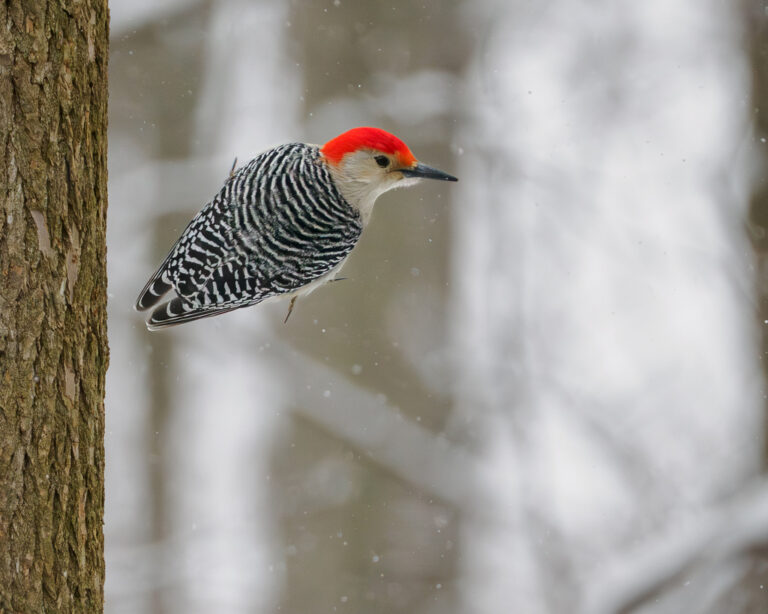
Melanerpes carolinus
♥
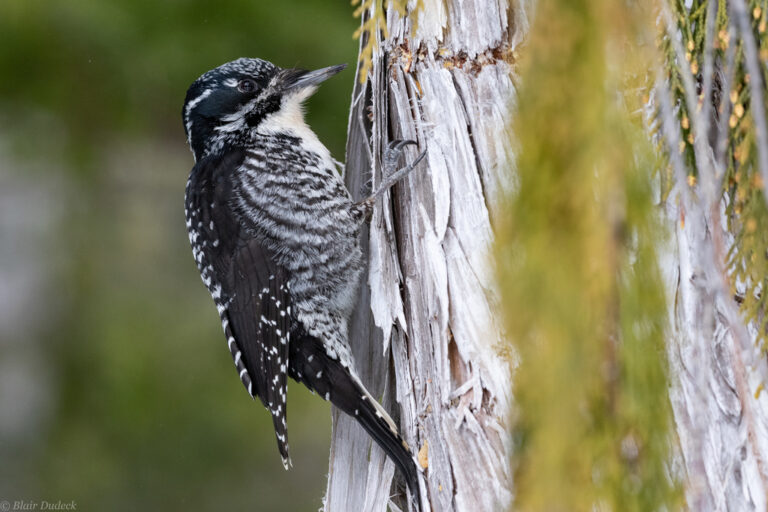
Picoides dorsalis
♥
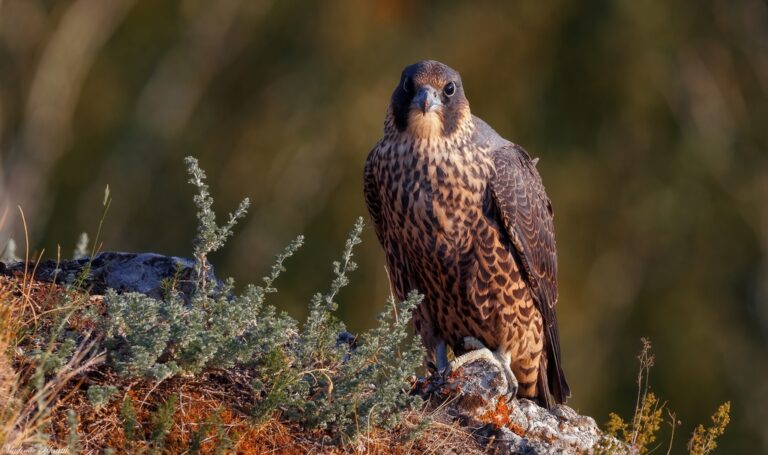
Falco peregrinus
♥
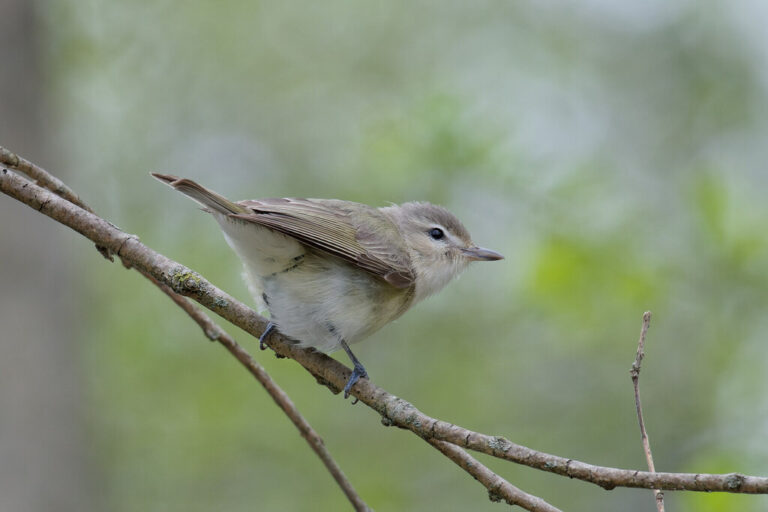
Vireo gilvus
♥
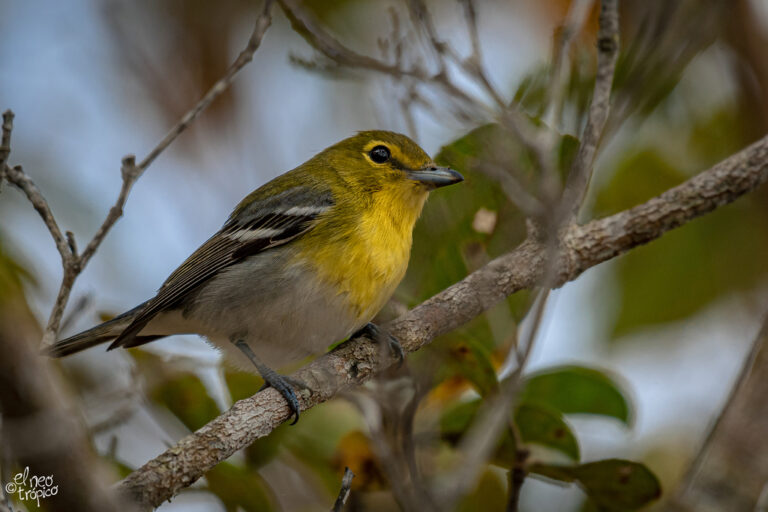
Vireo flavifrons
♥
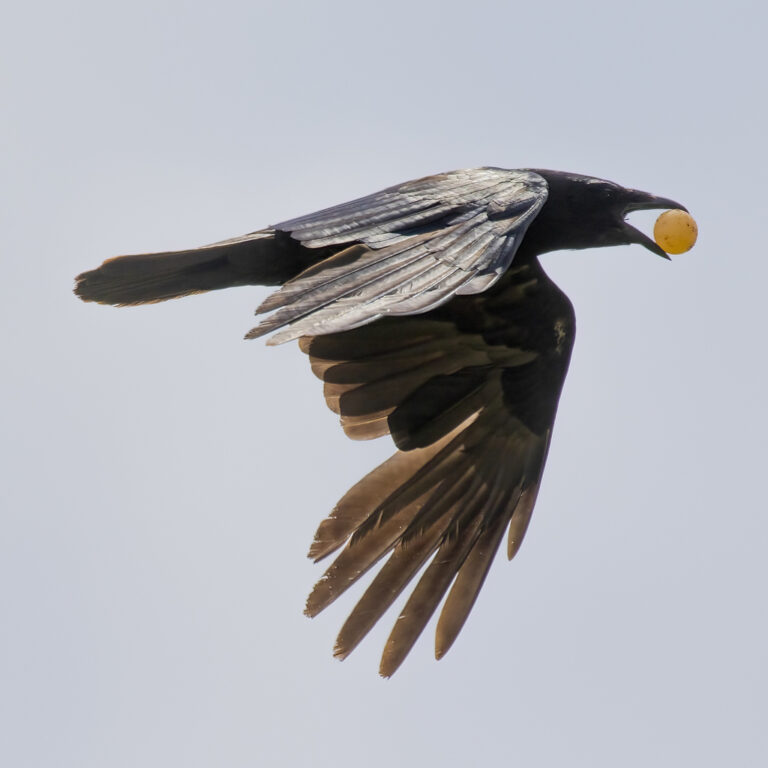
Corvus ossifragus
♥
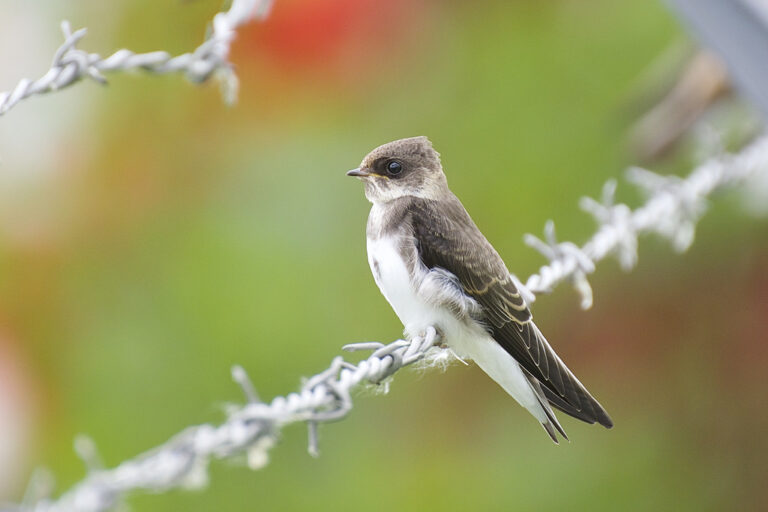
Riparia riparia
♥
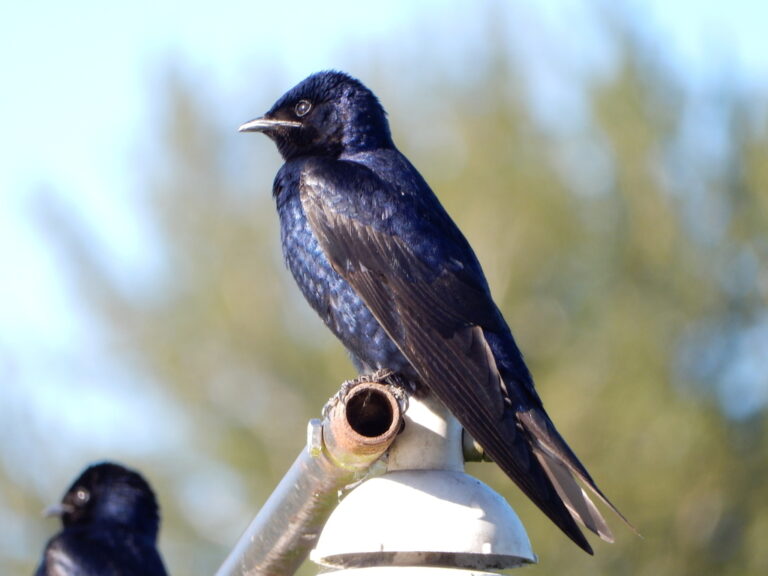
Progne subis
♥
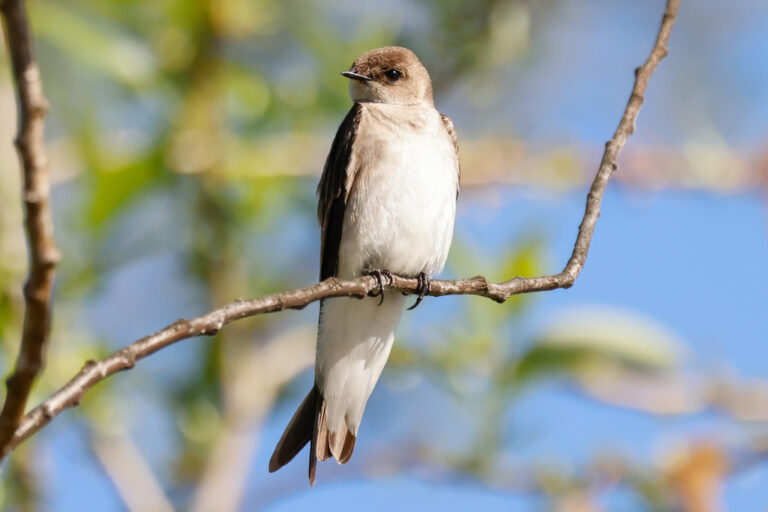
Stelgidopteryx serripennis
♥
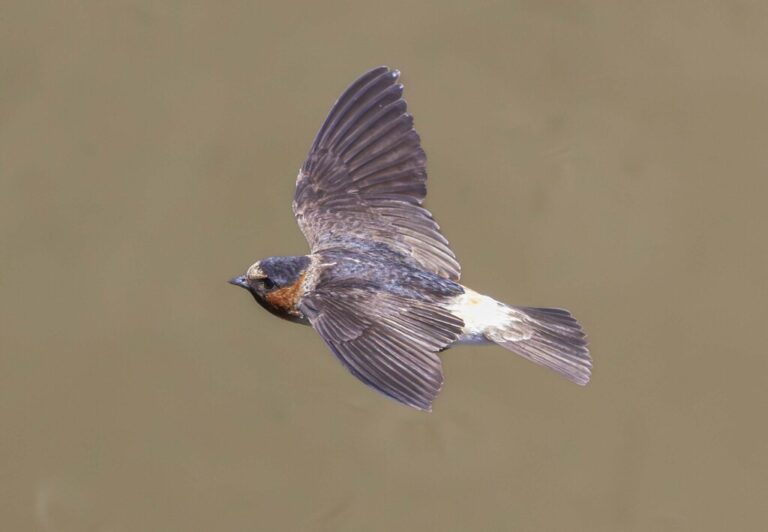
Petrochelidon pyrrhonota
♥
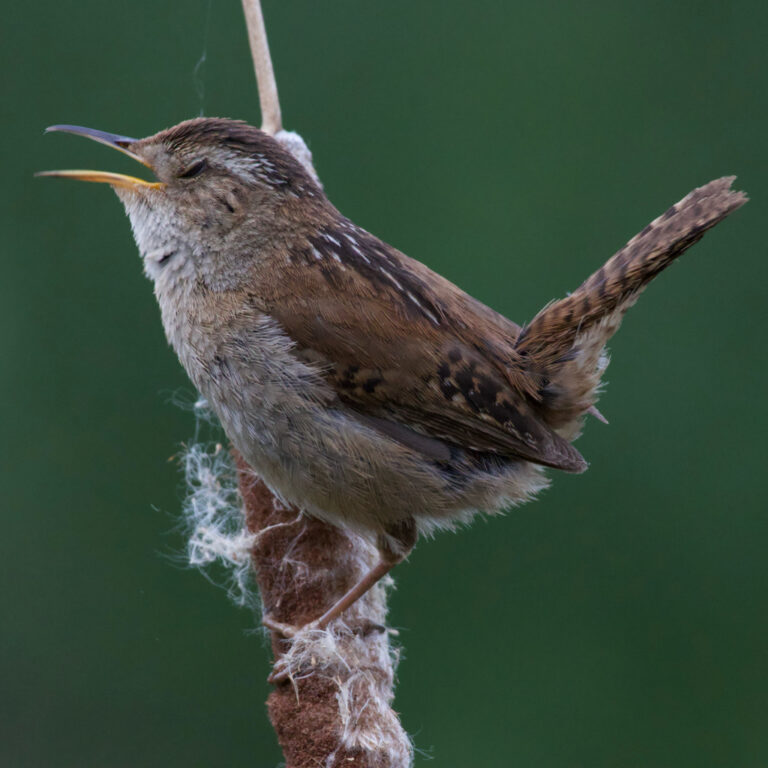
Cistothorus palustris
♥
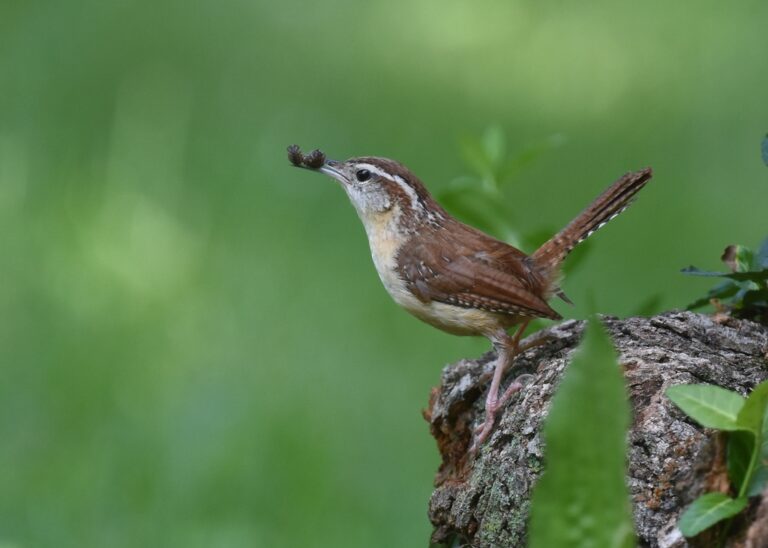
Thryothorus ludovicianus
♥
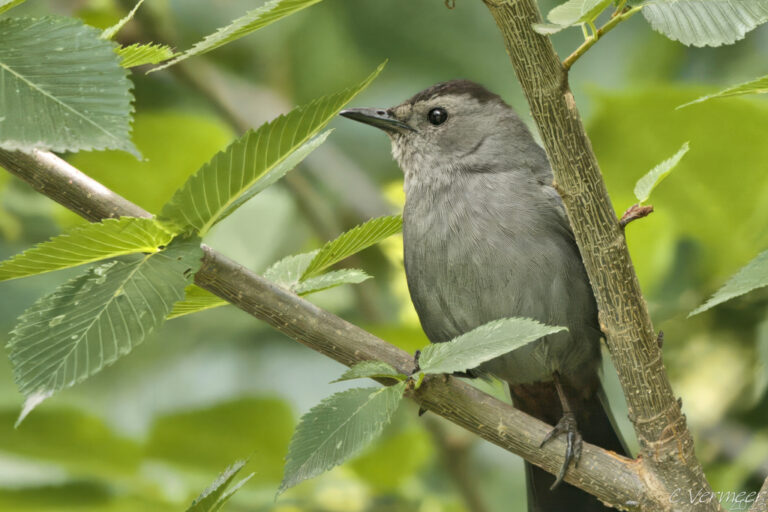
Dumetella carolinensis
♥
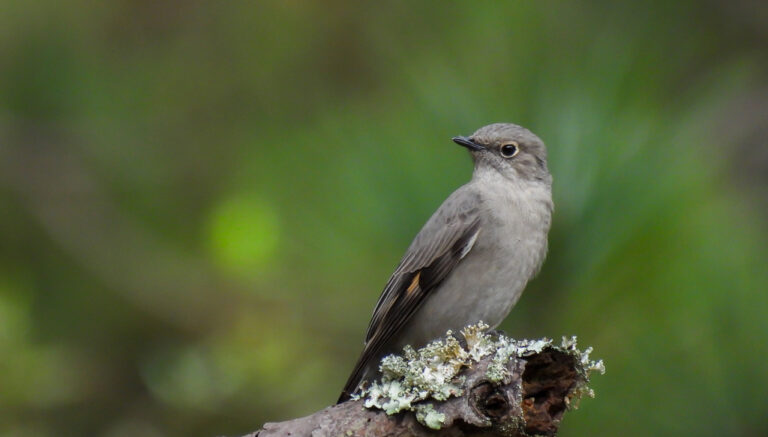
Myadestes townsendi
♥
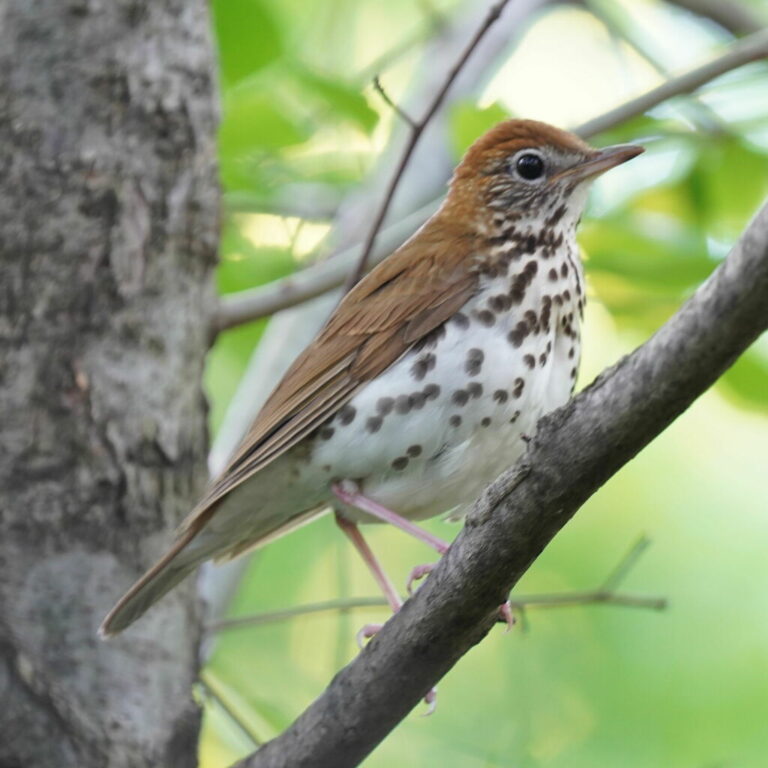
Hylocichla mustelina
♥
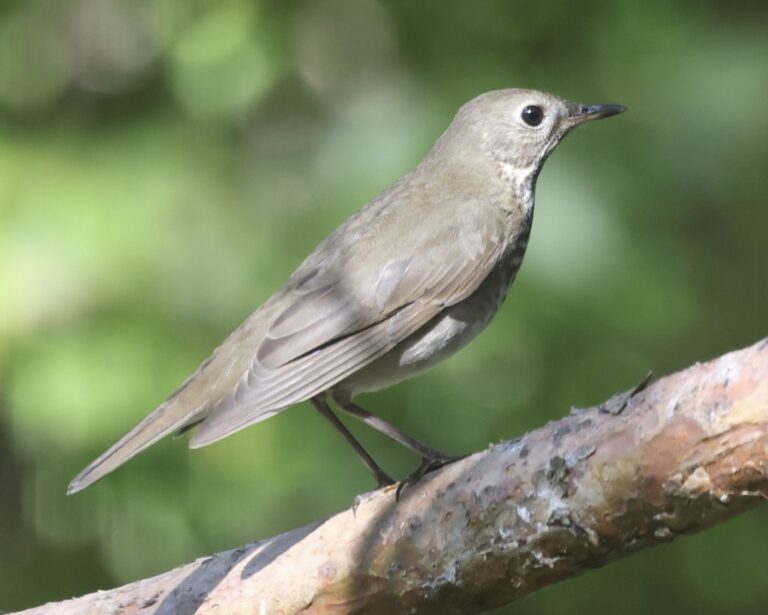
Catharus minimus
♥
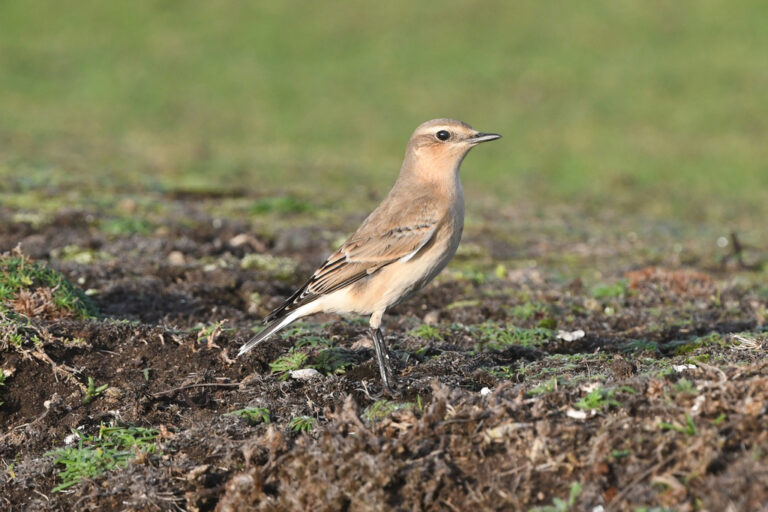
Oenanthe oenanthe
♥
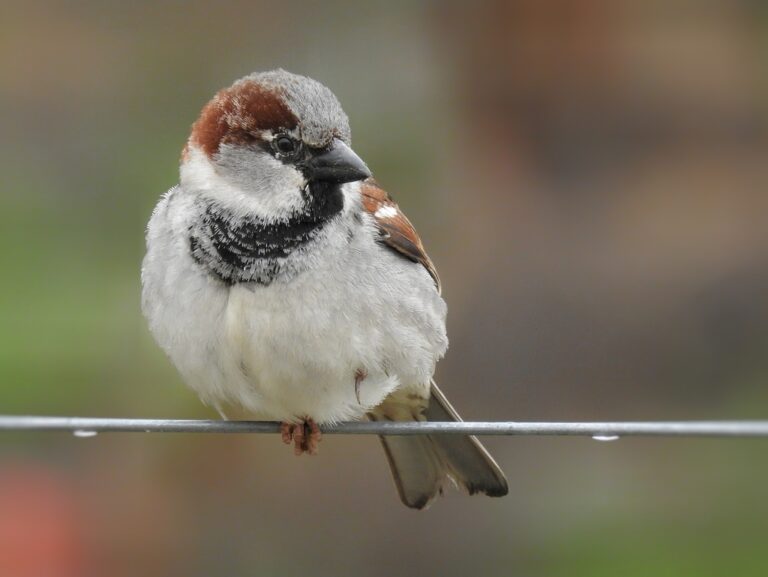
Passer domesticus
♥
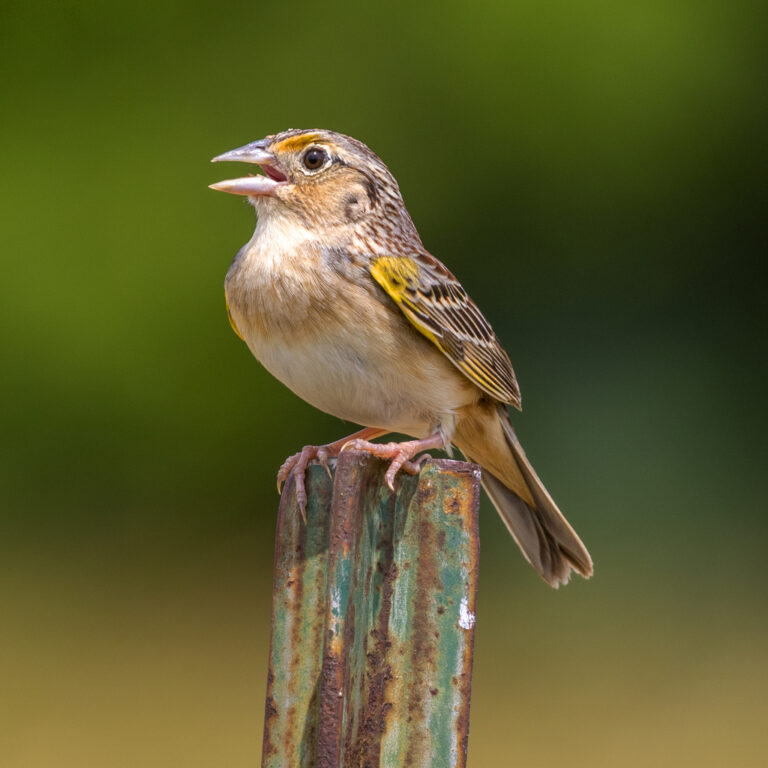
Ammodramus savannarum
♥
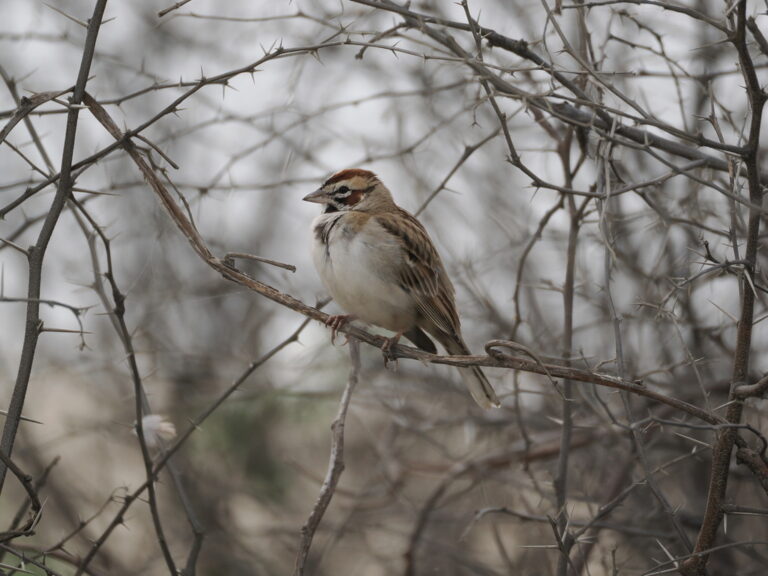
Chondestes grammacus
♥
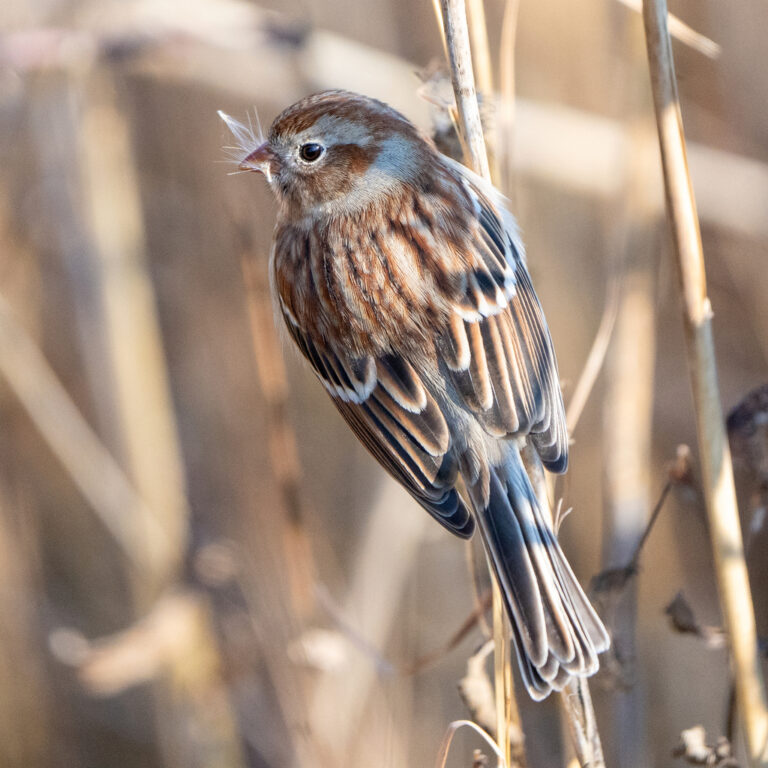
Spizella pusilla
♥
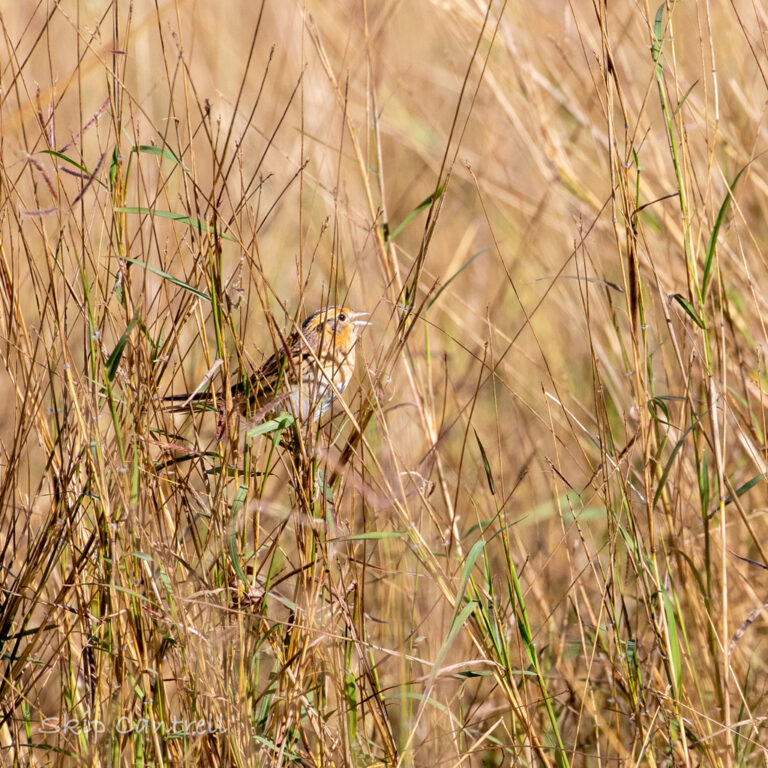
Ammospiza leconteii
♥
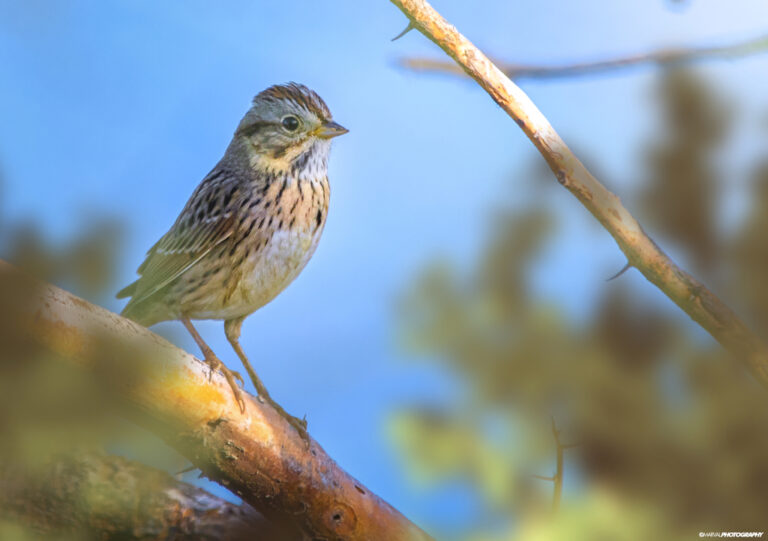
Melospiza lincolnii
♥
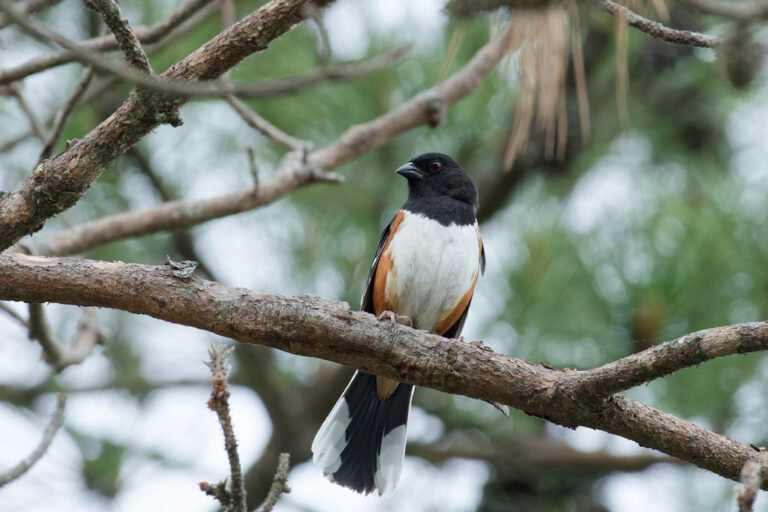
Pipilo erythrophthalmus
♥
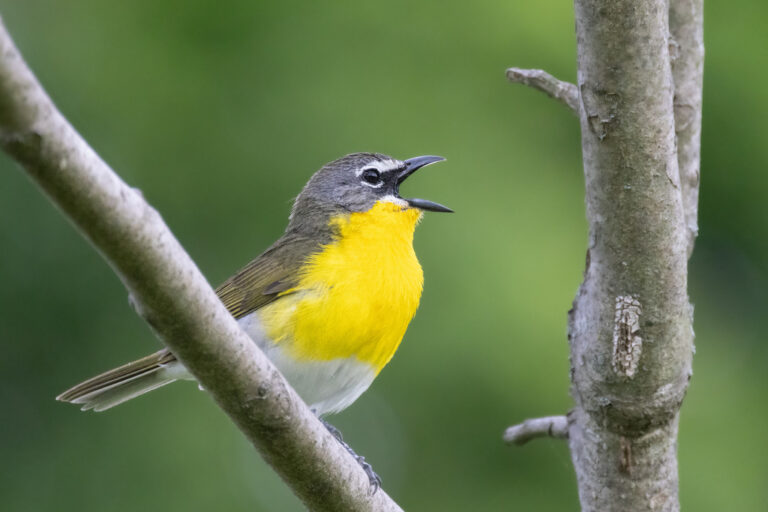
Icteria virens
♥
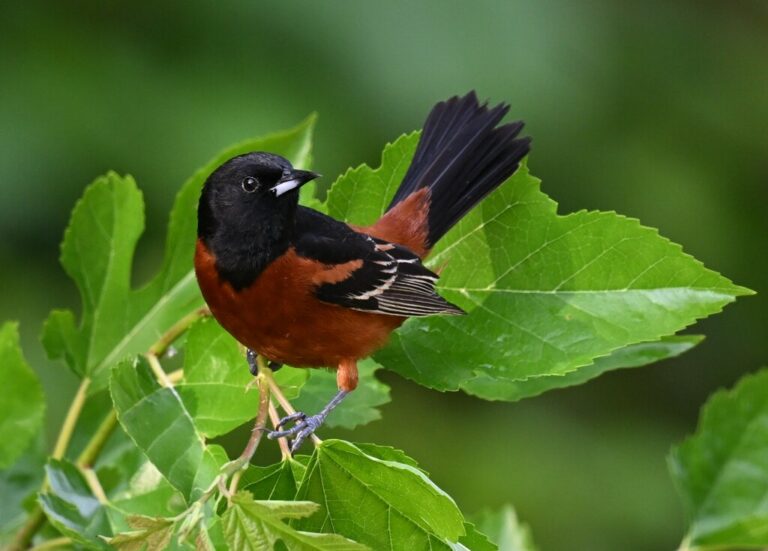
Icterus spurius
♥
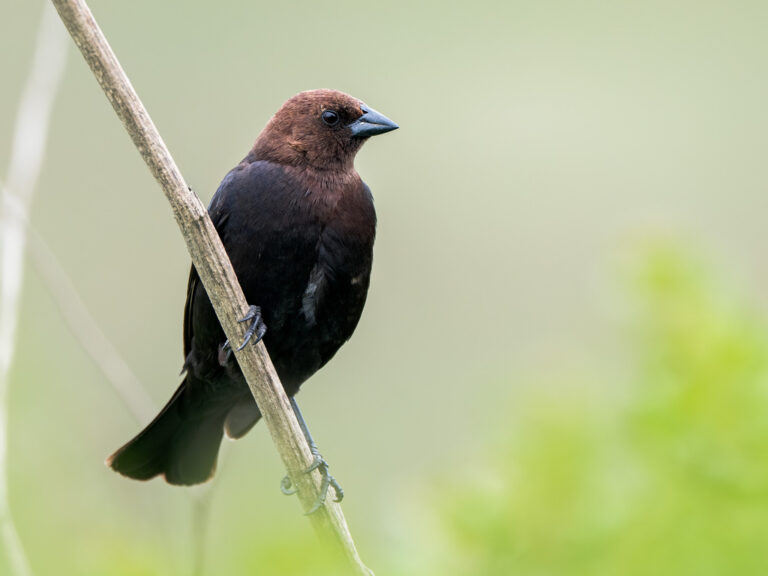
Molothrus ater
♥
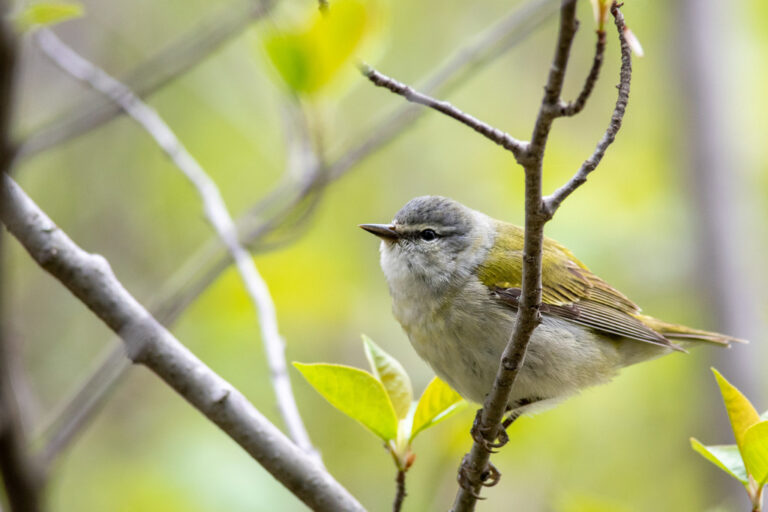
Leiothlypis peregrina
♥
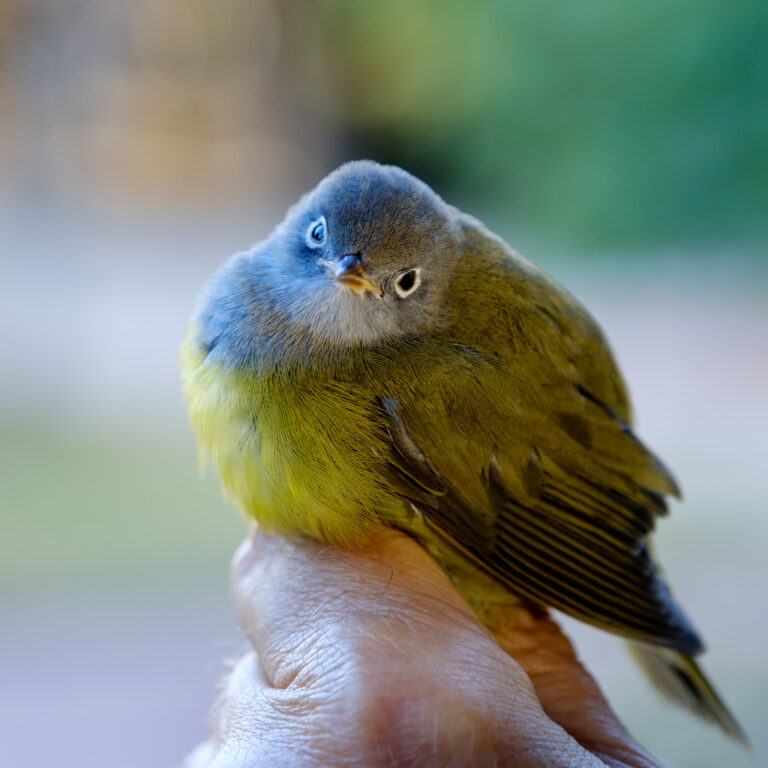
Oporornis agilis
♥
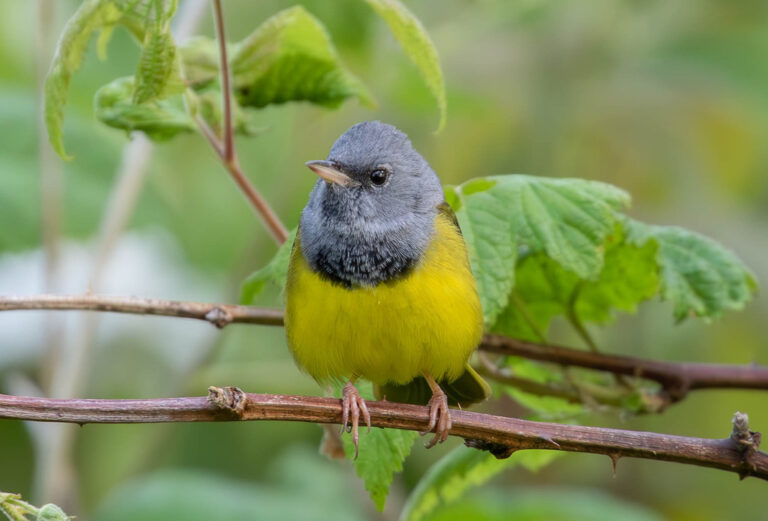
Geothlypis philadelphia
♥
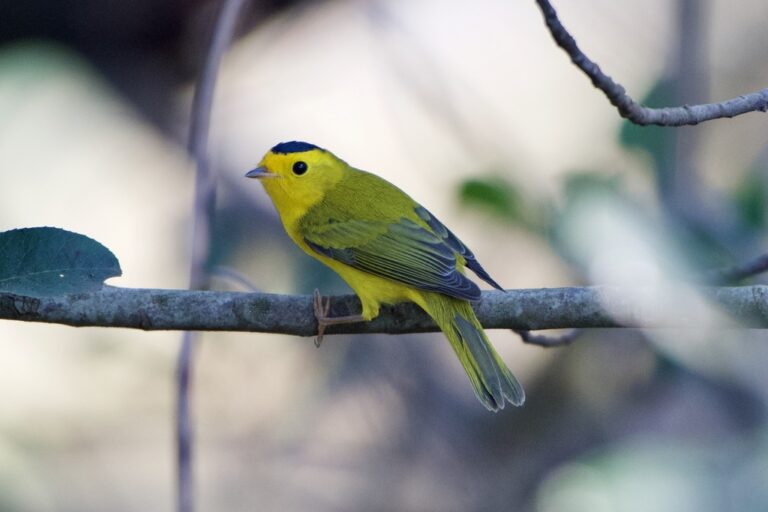
Cardellina pusilla
♥
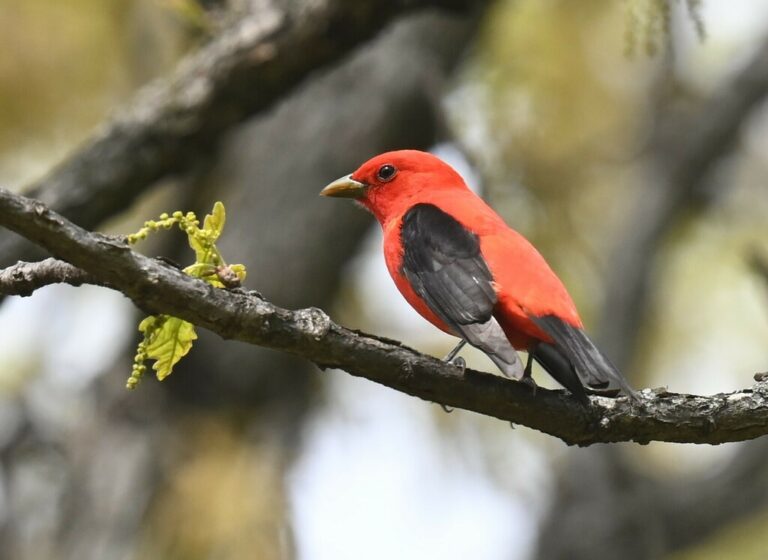
Piranga olivacea
♥
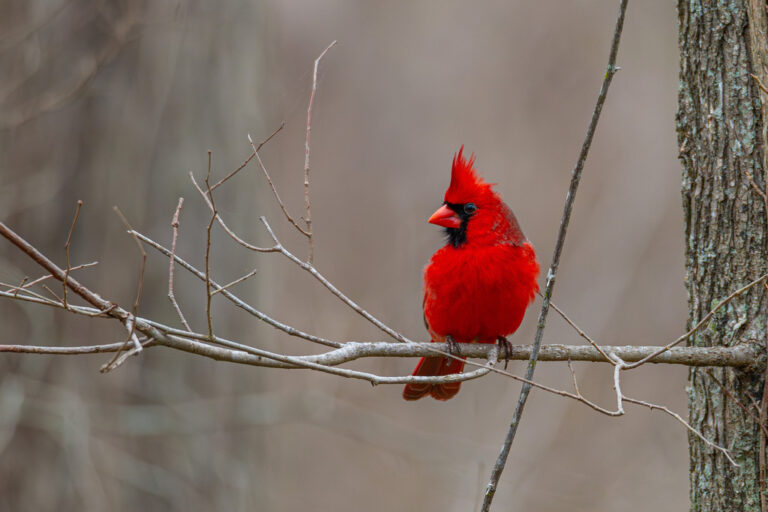
Cardinalis cardinalis
♥
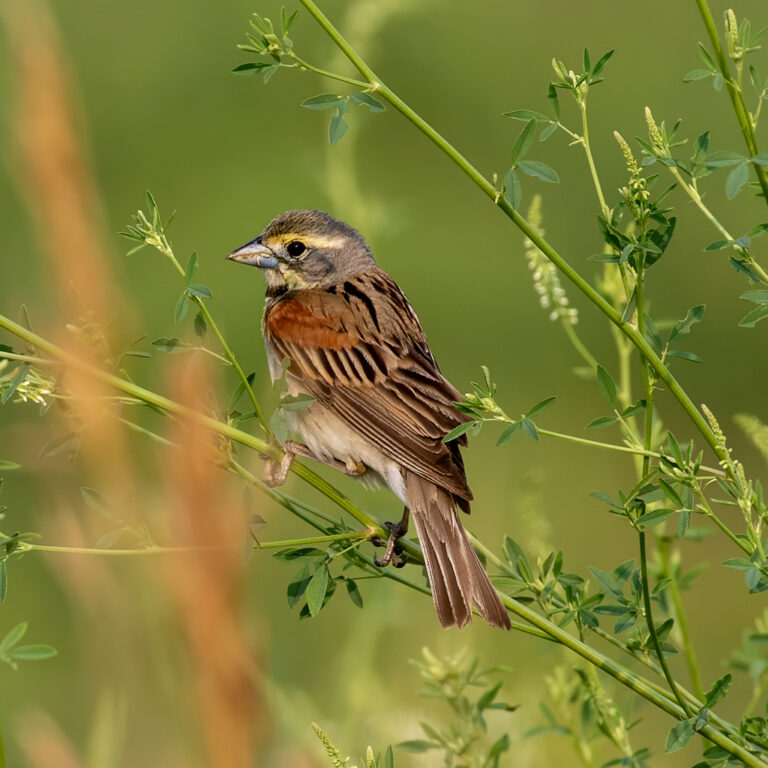
Spiza americana
♥
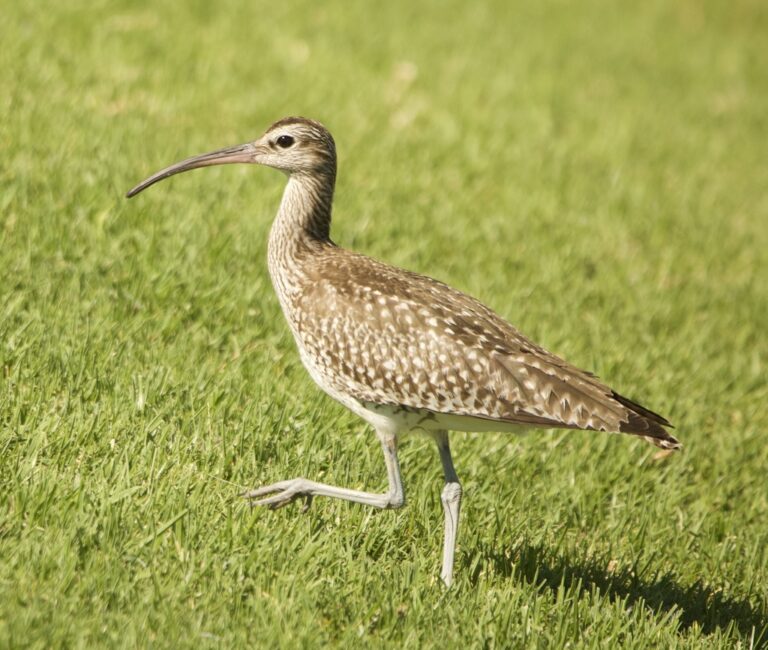
Numenius phaeopus
♥
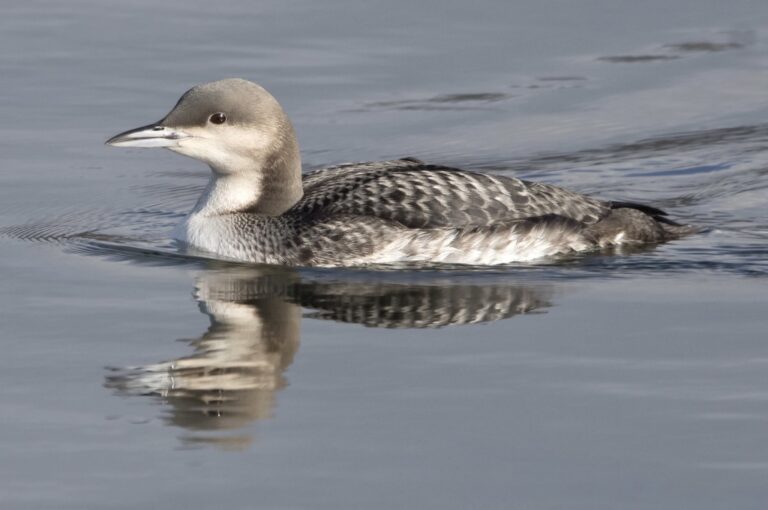
Gavia pacifica
♥
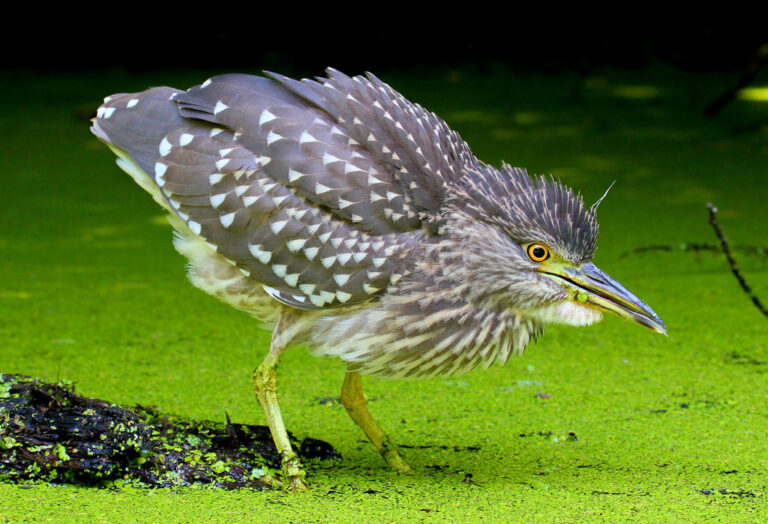
Nycticorax nycticorax
♥
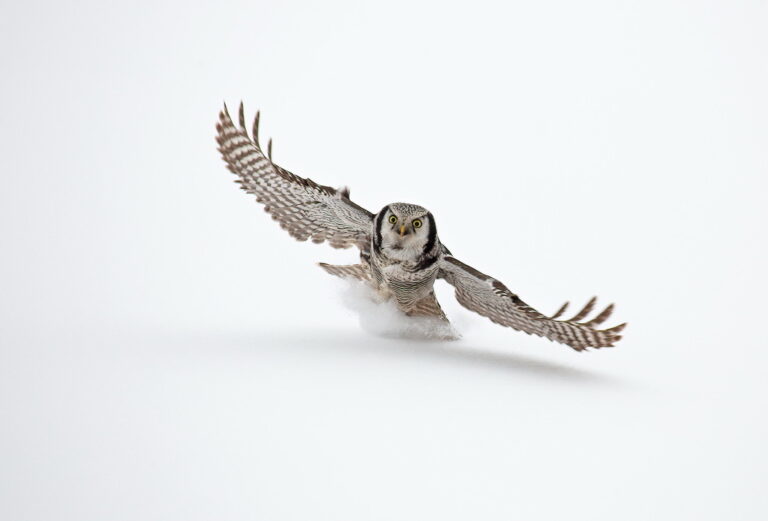
Surnia ulula
♥
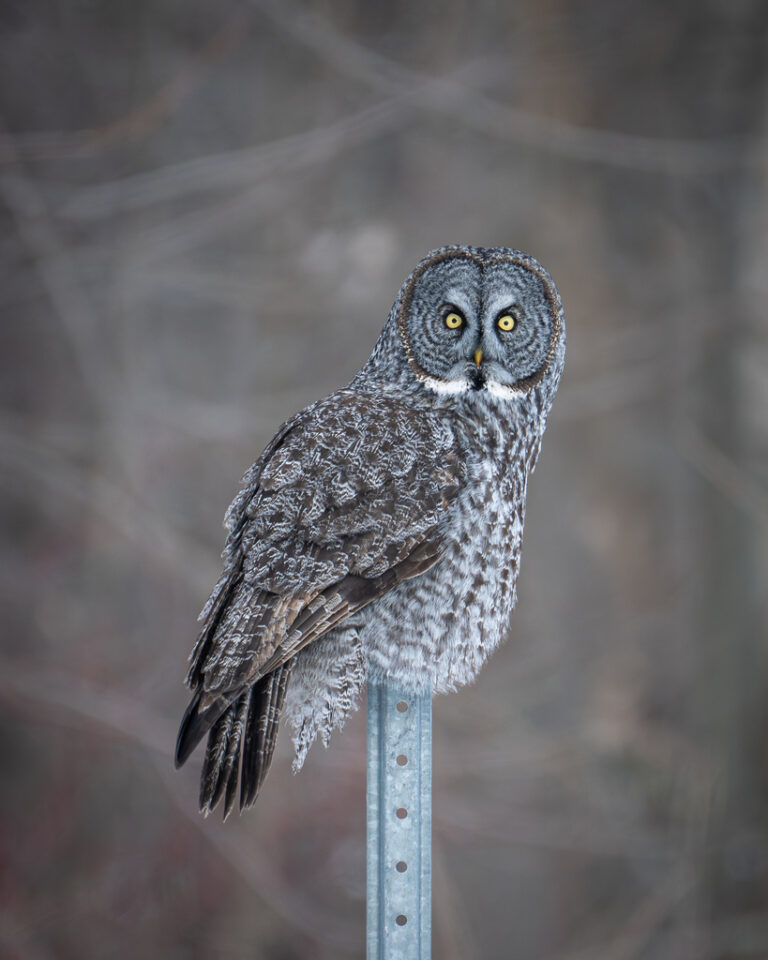
Strix nebulosa
♥
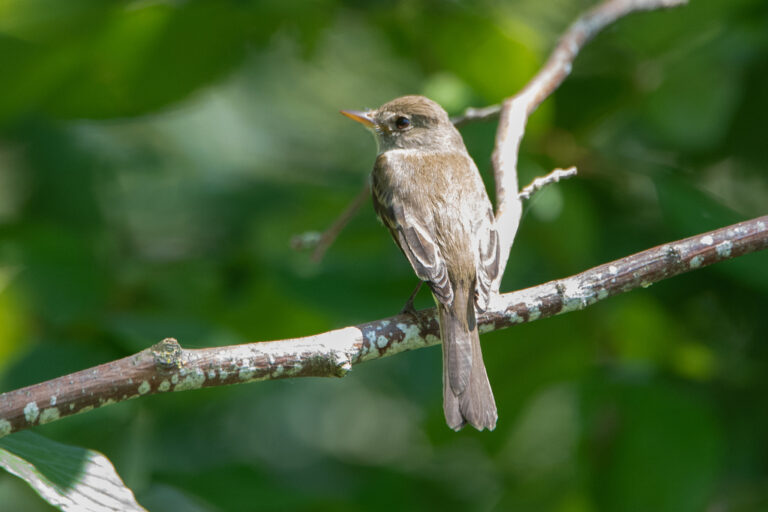
Empidonax traillii
♥
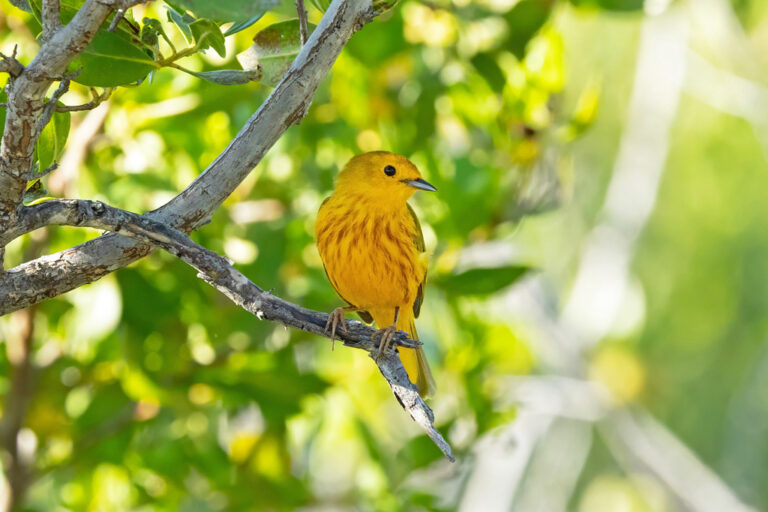
Setophaga petechia
♥
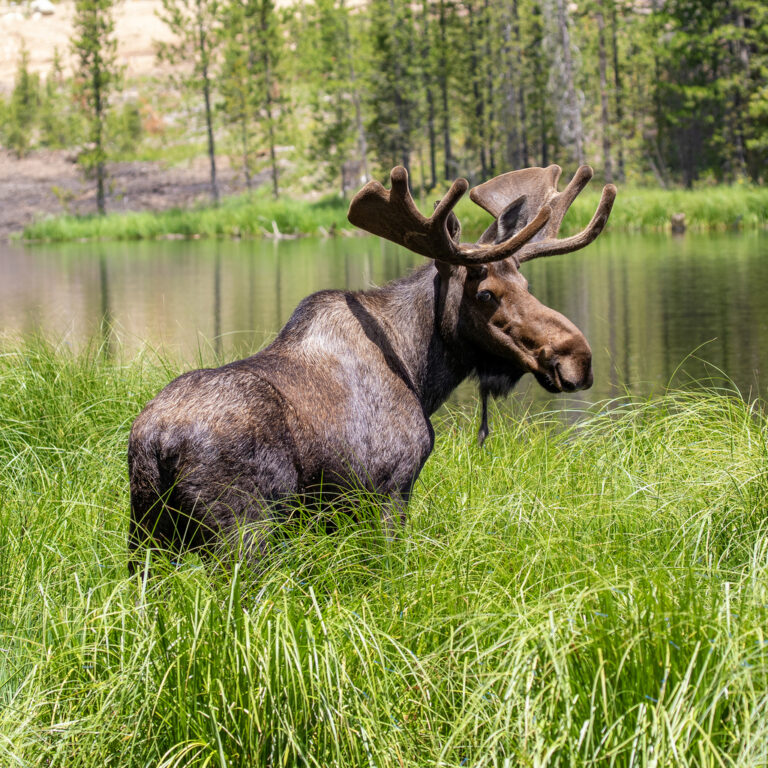
Alces alces
♥
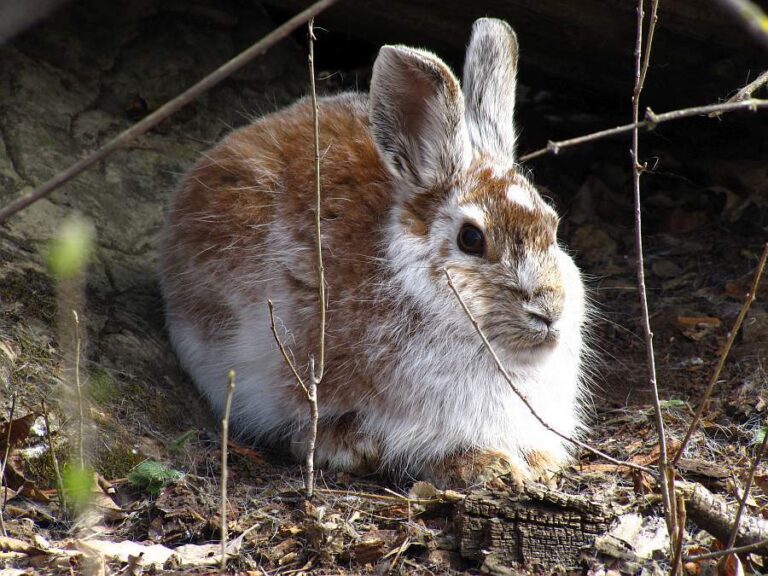
Lepus americanus
♥
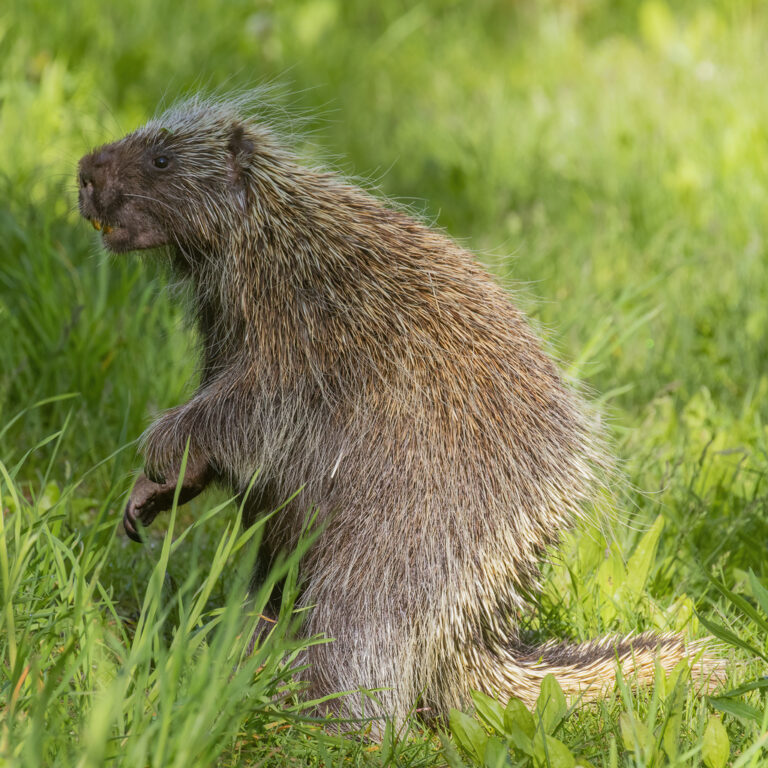
Erethizon dorsatum
♥
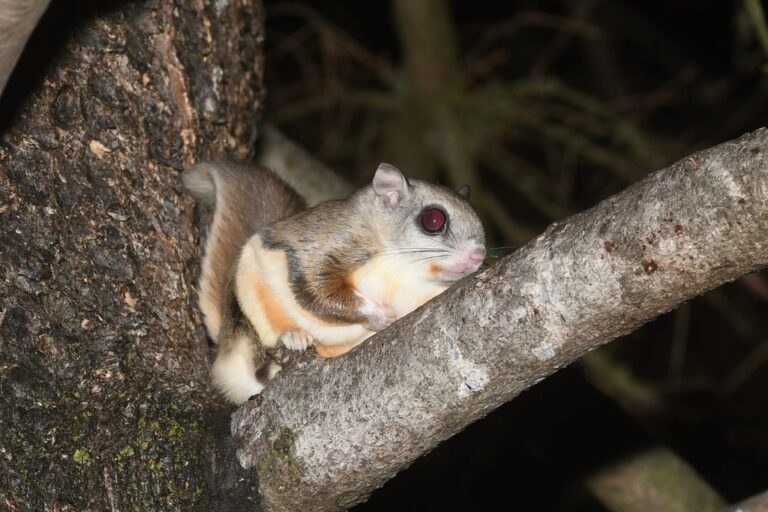
Glaucomys sabrinus
♥
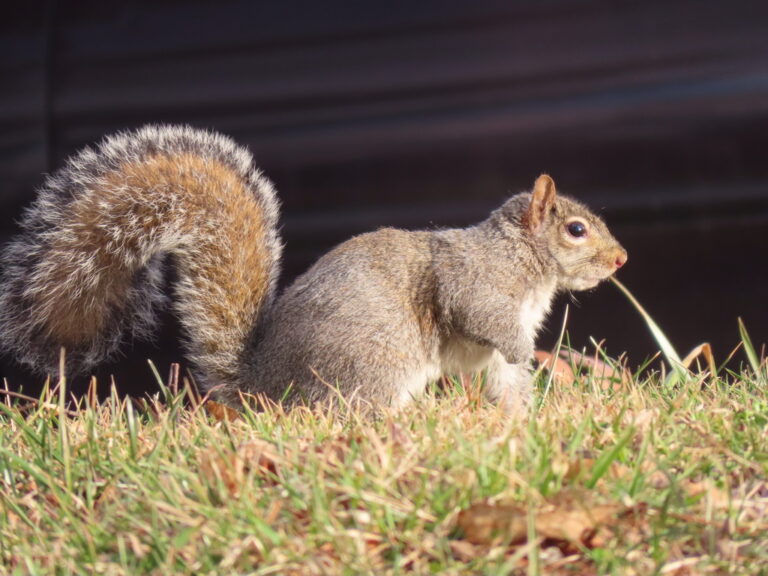
Sciurus carolinensis
♥
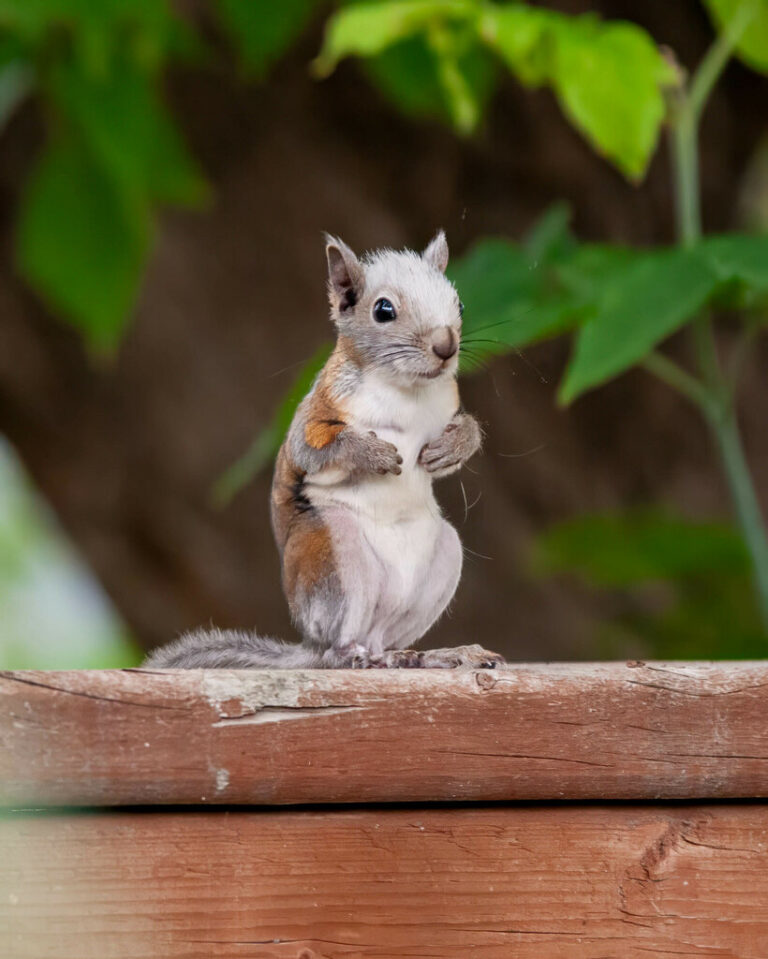
Tamiasciurus hudsonicus
♥
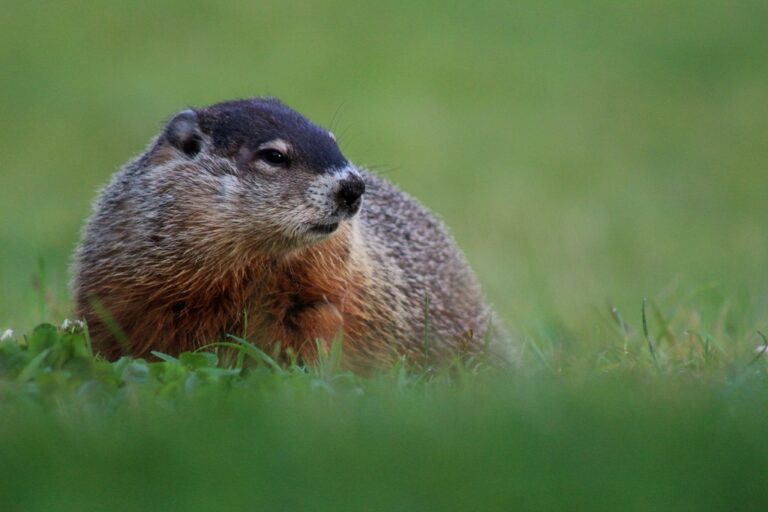
Marmota monax
♥
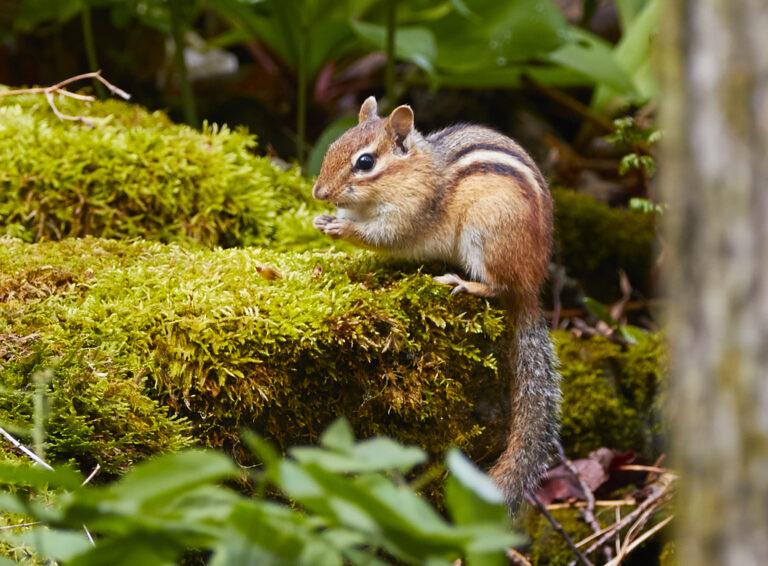
Tamias striatus
♥
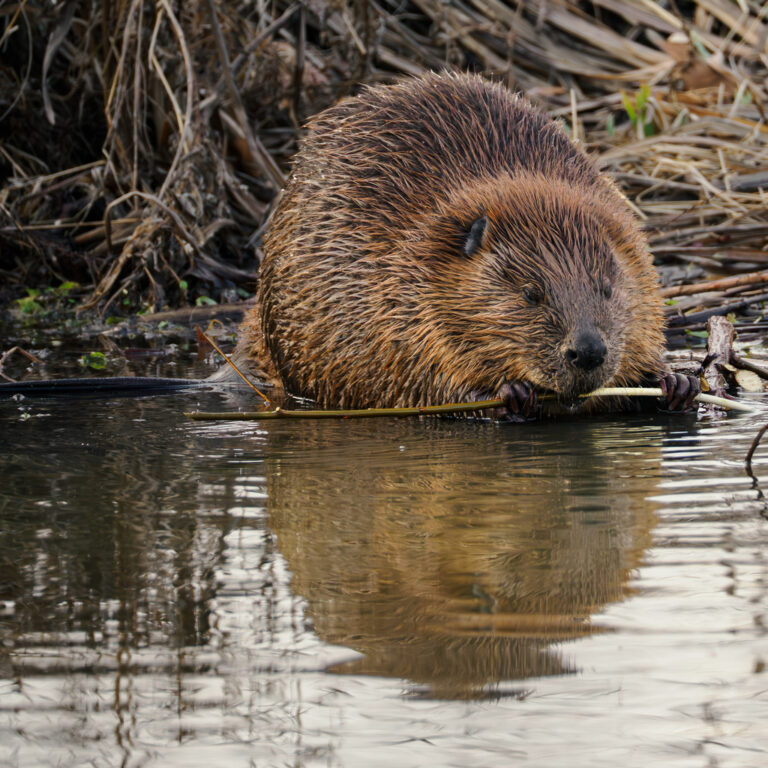
Castor canadensis
♥
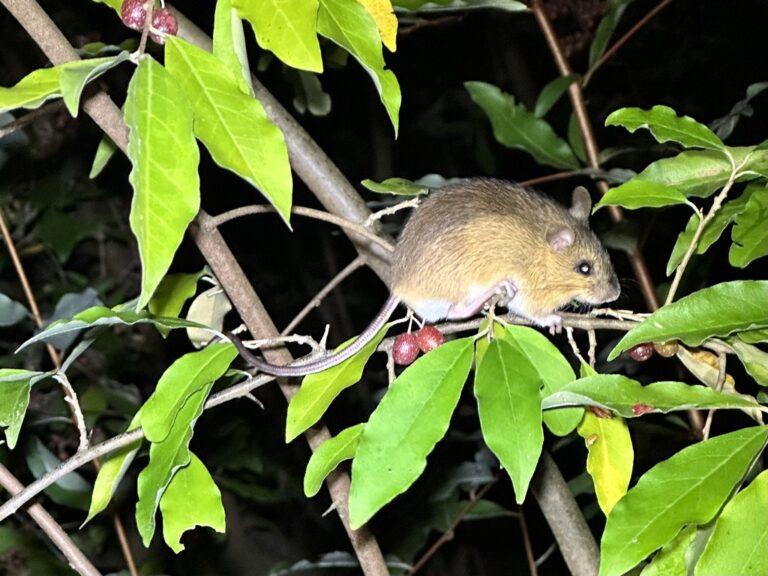
Napaeozapus insignis
♥
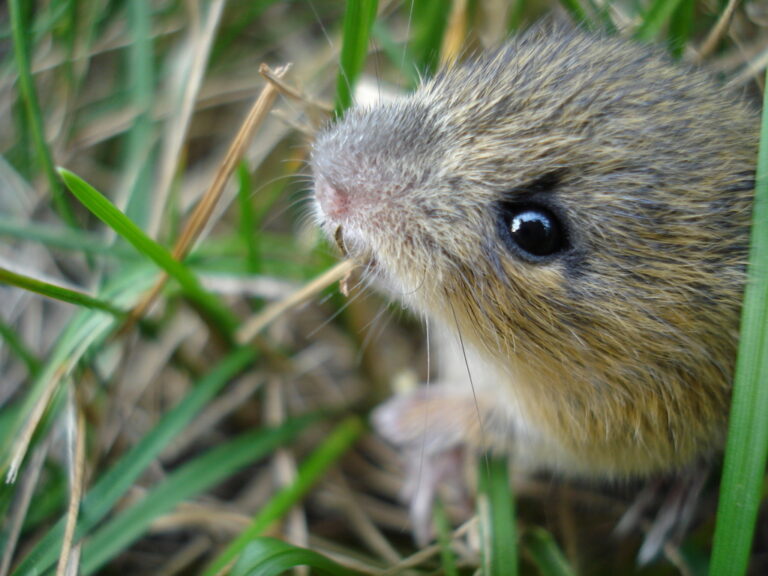
Zapus hudsonius
♥
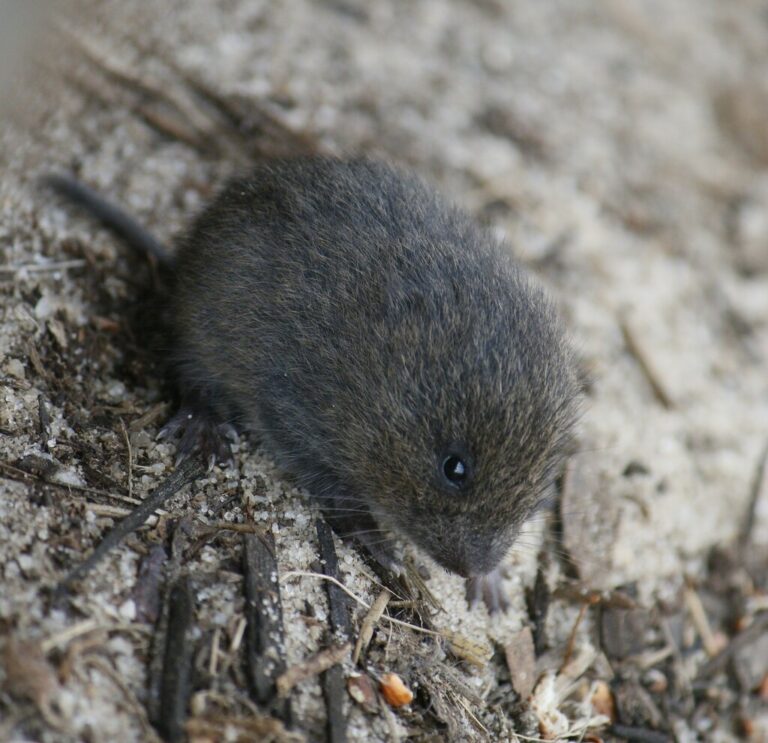
Microtus pennsylvanicus
♥
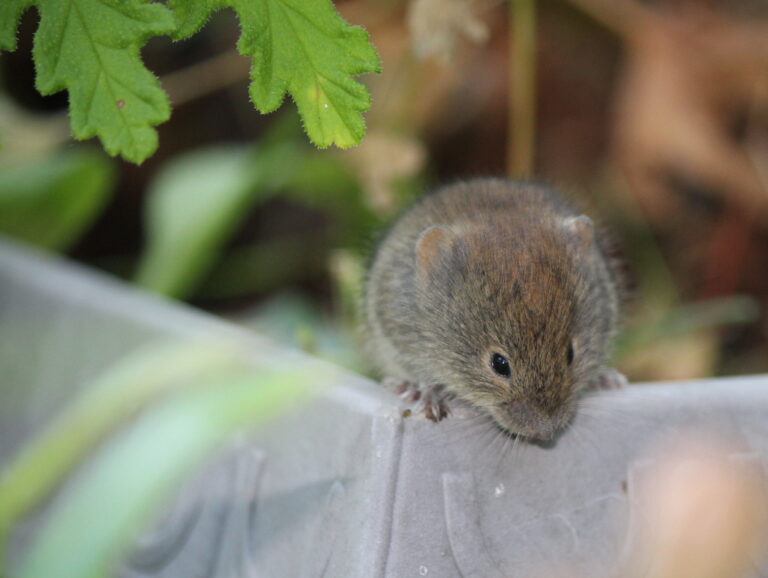
Clethrionomys gapperi
♥
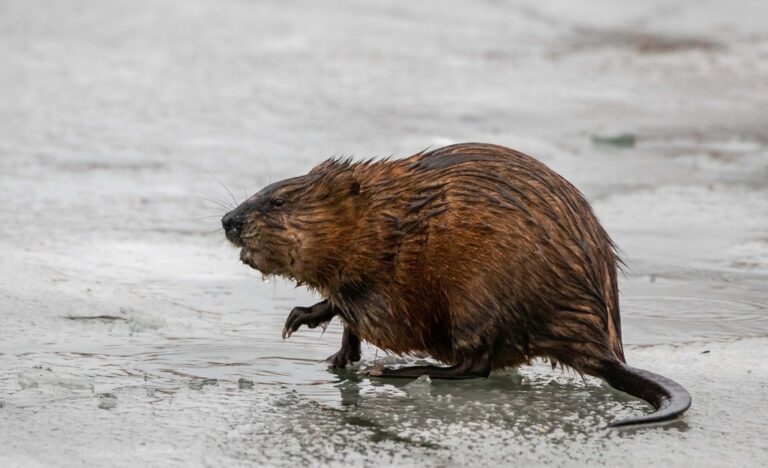
Ondatra zibethicus
♥
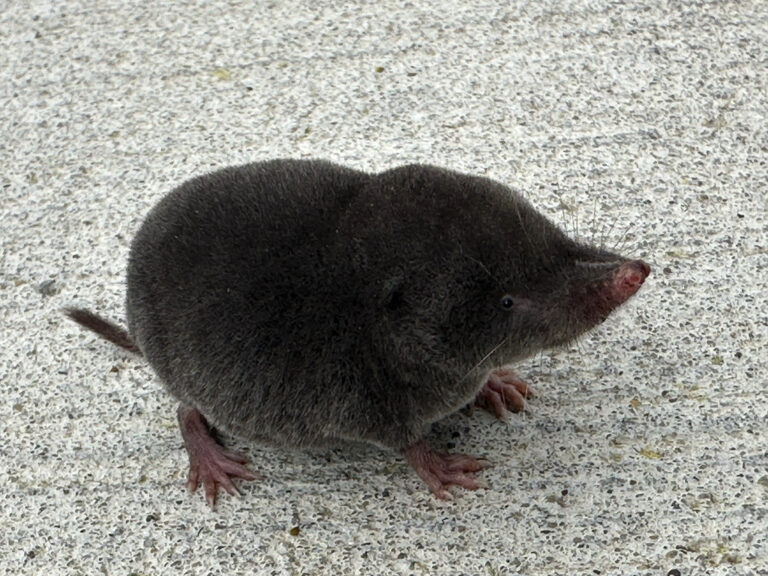
Blarina brevicauda
♥
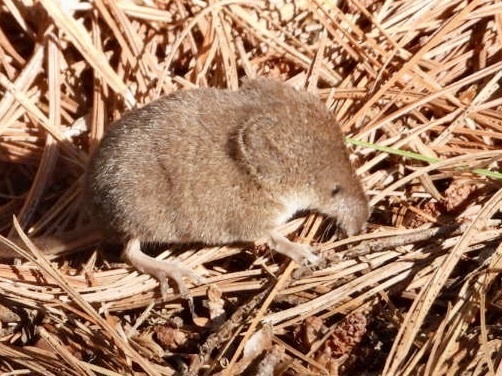
Sorex cinereus
♥
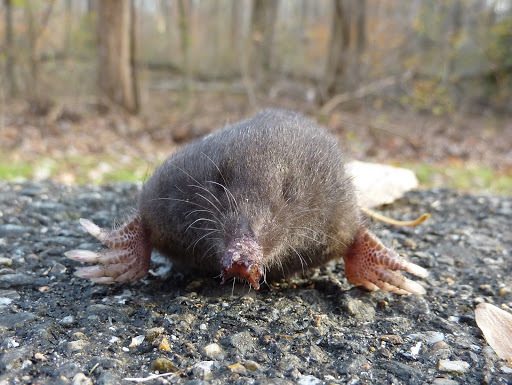
Condylura cristata
♥
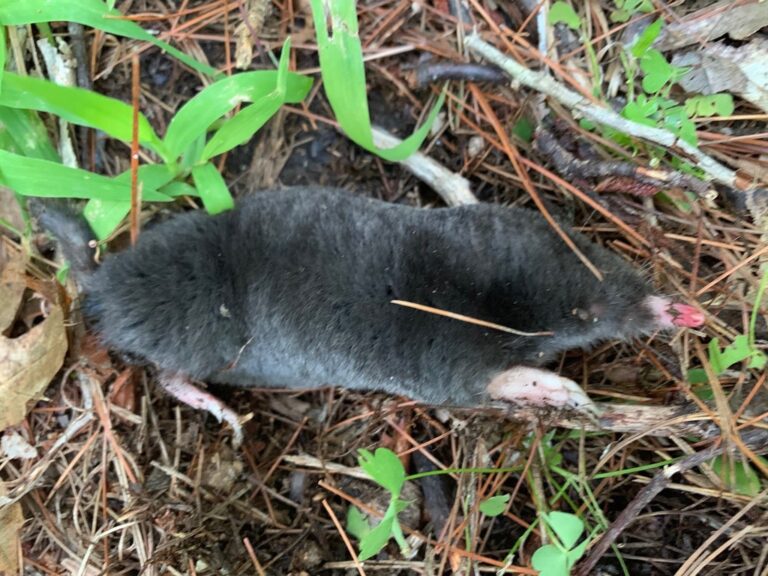
Parascalops breweri
♥
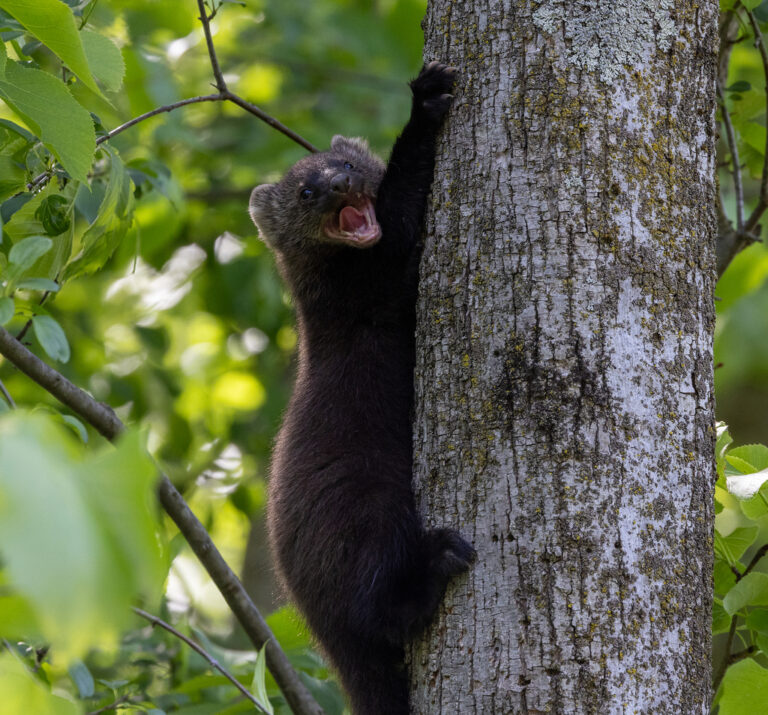
Pekania pennanti
♥
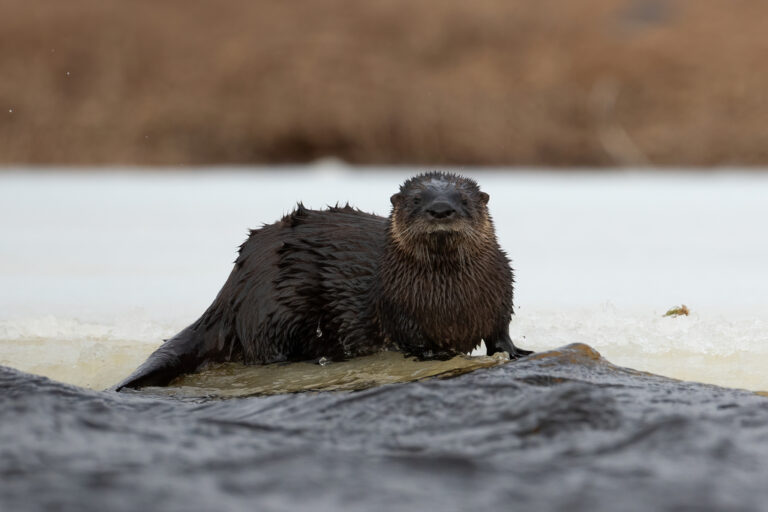
Lontra canadensis
♥
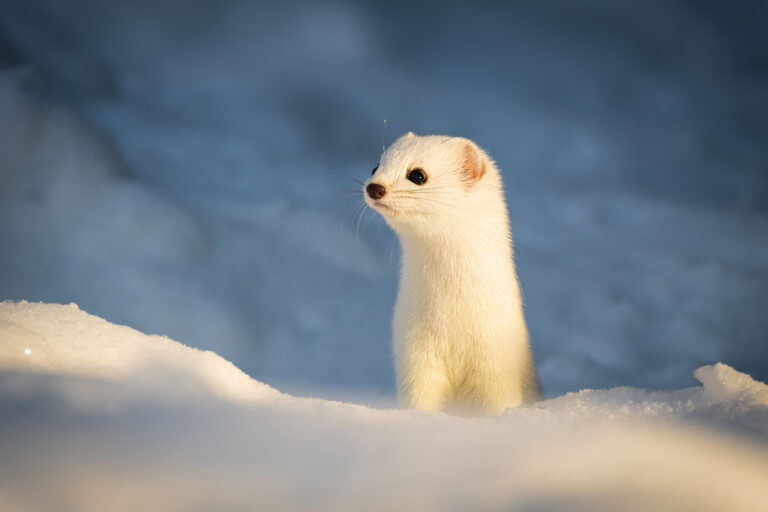
Mustela richardsonii
♥
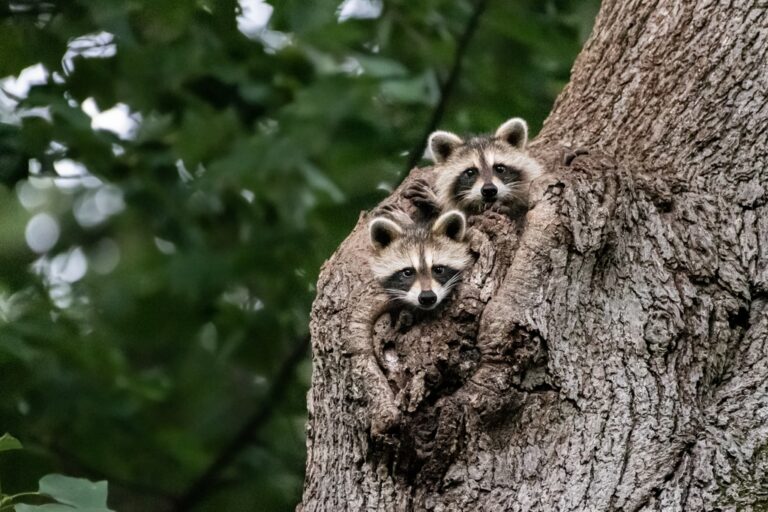
Procyon lotor
♥
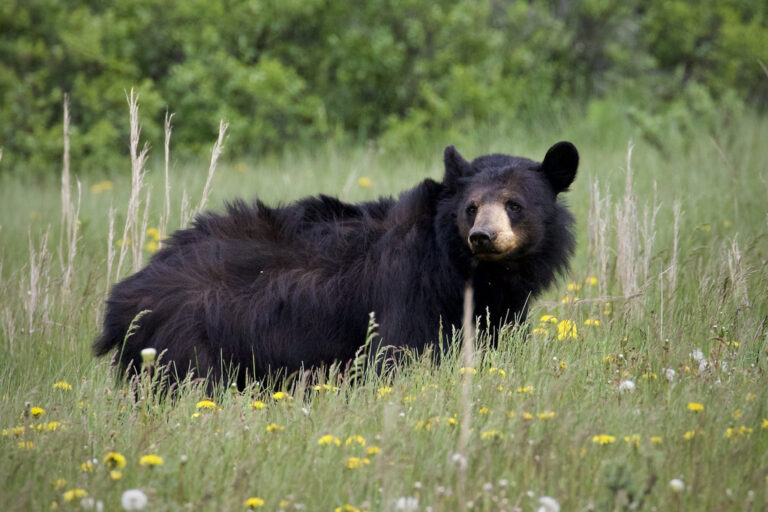
Ursus americanus
♥
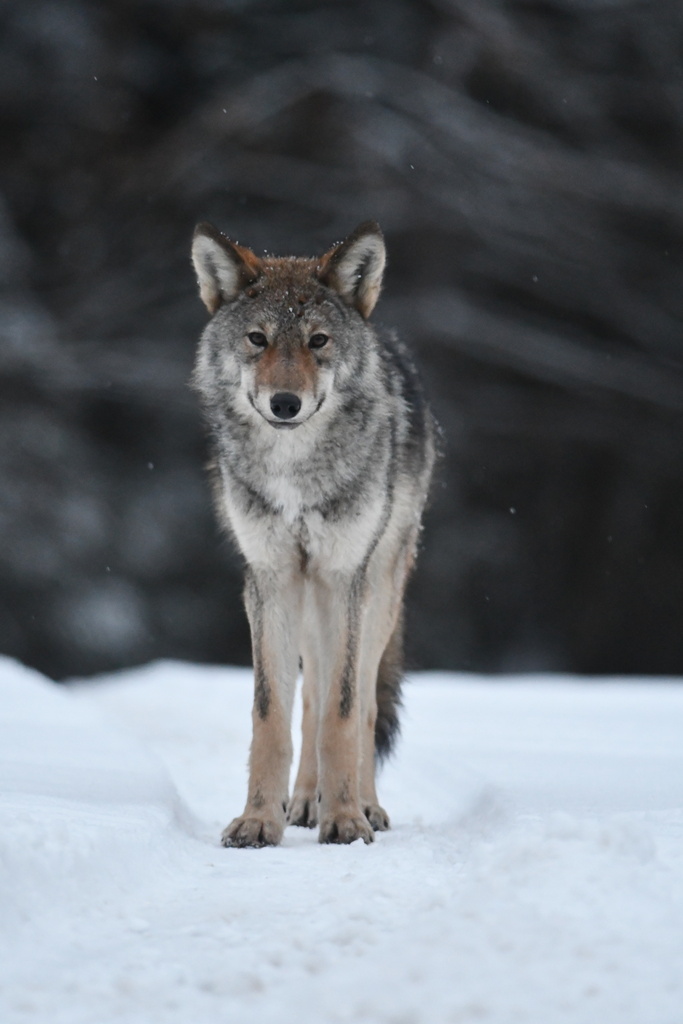
Canis lycaon
♥
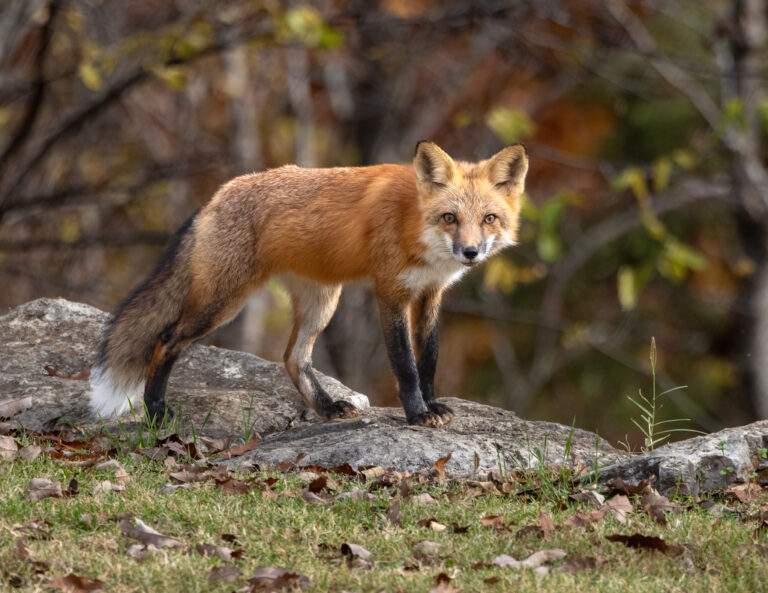
Vulpes vulpes
♥
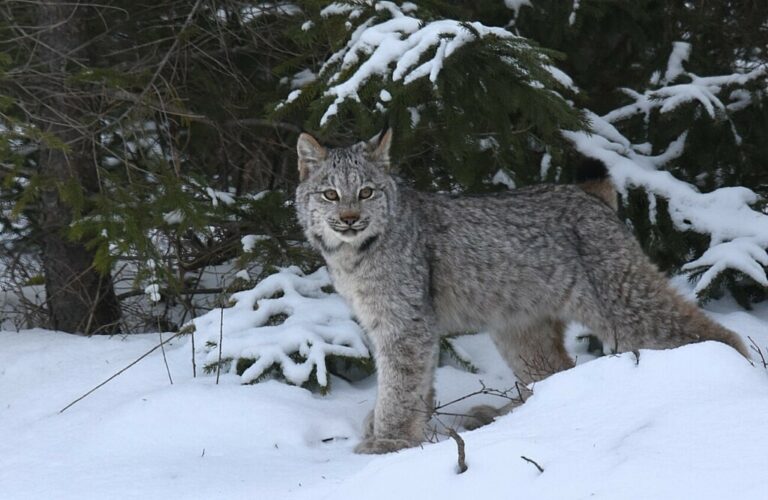
Lynx canadensis
♥
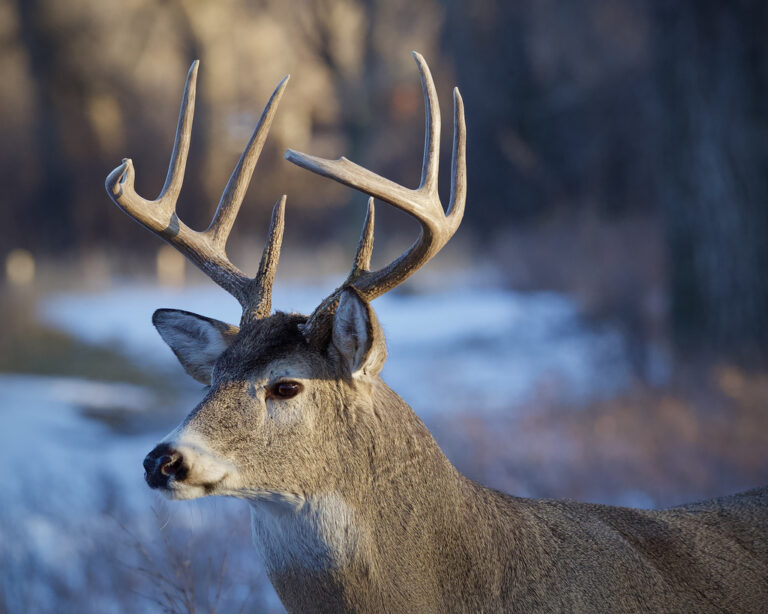
Odocoileus virginianus
♥
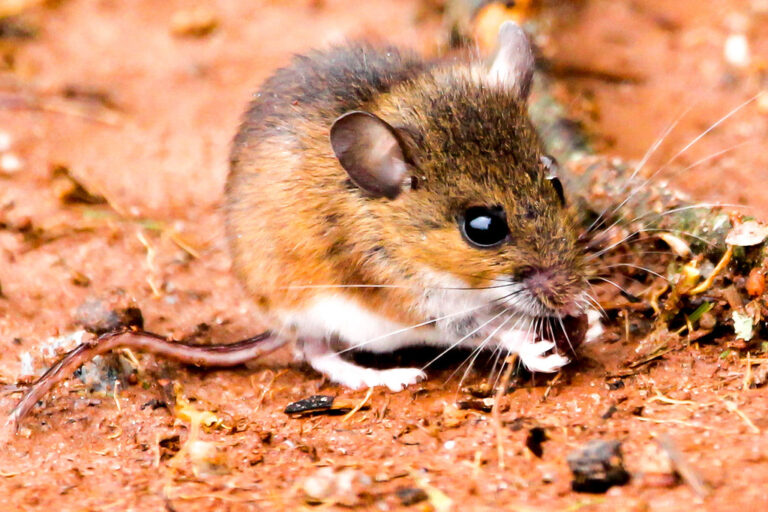
Peromyscus leucopus
♥
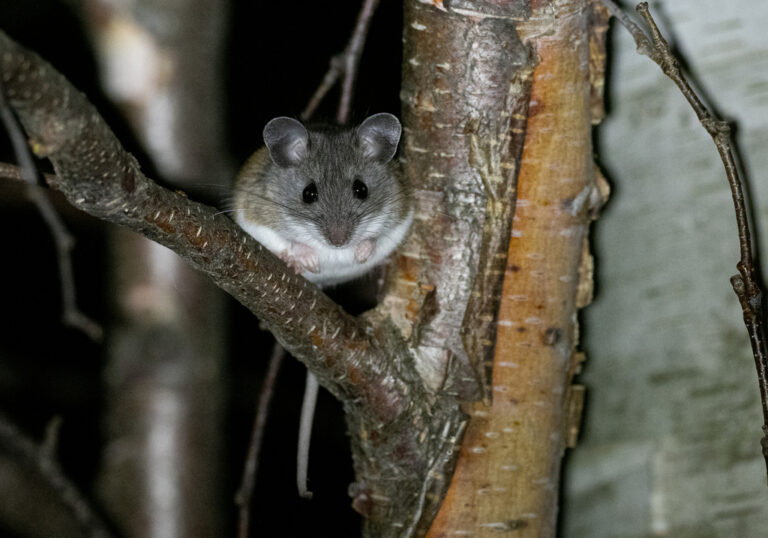
Peromyscus maniculatus
♥
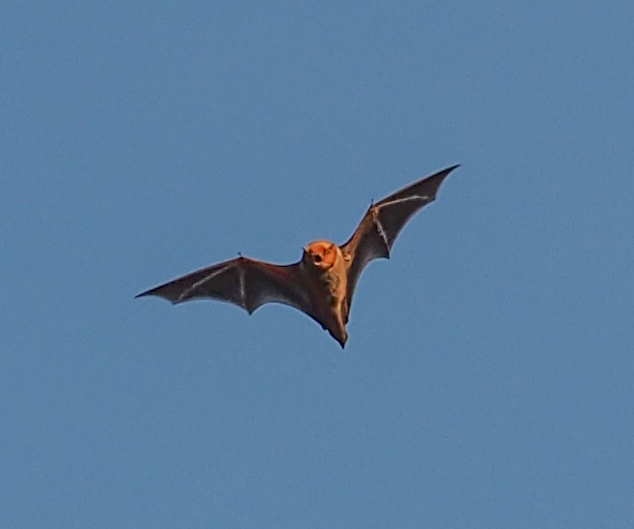
Lasiurus borealis
♥
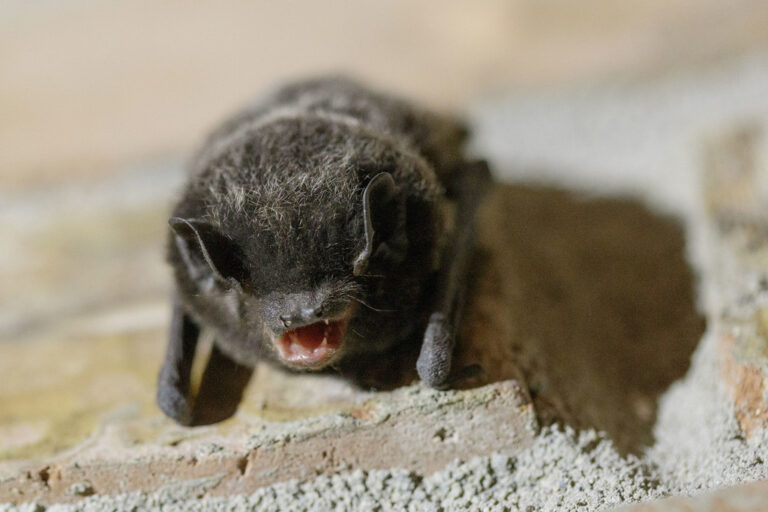
Lasionycteris noctivagans
♥