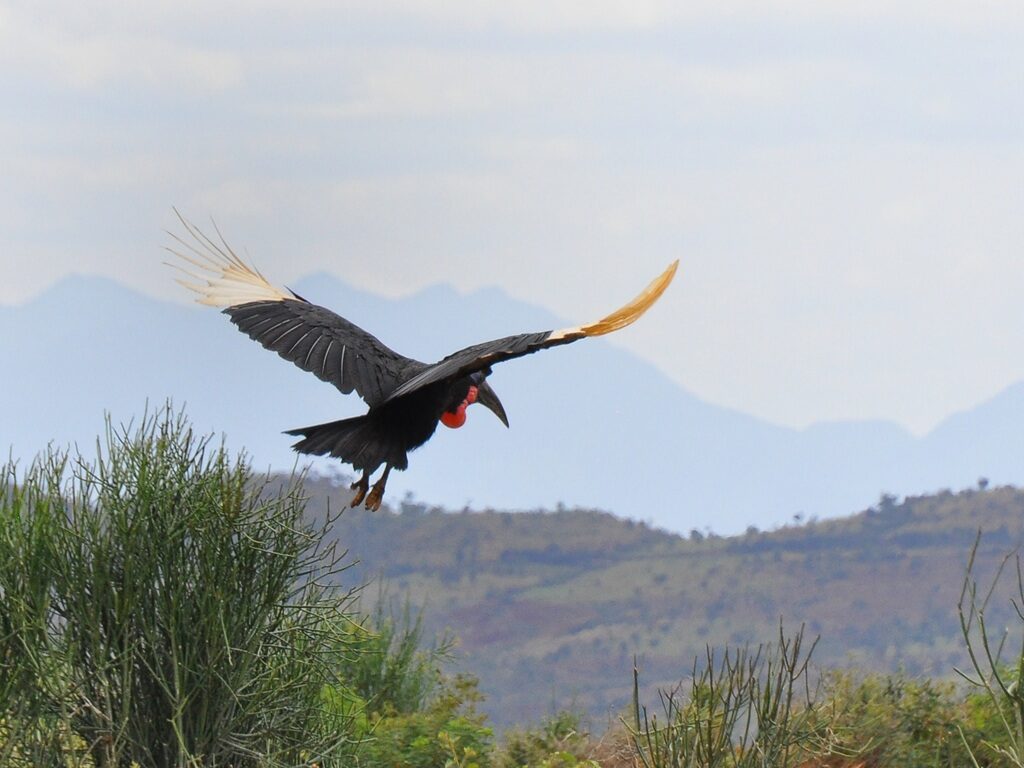
Hotspots
Target Species
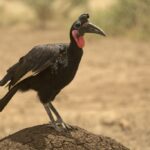 Abyssinian Ground Hornbill
Bucorvus abyssinicus
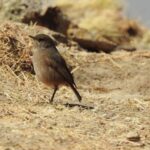 Moorland Chat
Pinarochroa sordida
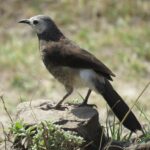 White-rumped Babbler
Turdoides leucopygia
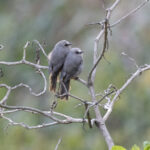 Abyssinian Catbird
Sylvia galinieri
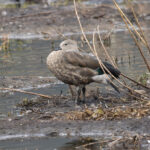 Blue-winged Goose
Cyanochen cyanoptera
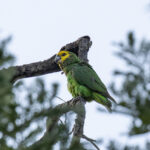 Yellow-fronted Parrot
Poicephalus flavifrons
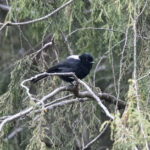 White-backed Black Tit
Melaniparus leuconotus
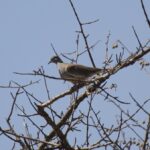 White-winged Collared Dove
Streptopelia reichenowi
Trip Itinerary
Arrival and Drive to Awash
- Welcome to join the 14 days Ethiopia Birding tour packages! Upon your arrival time at Bole International Airport and you will clear immigration and proceed to baggage claim, after collecting your checked bags, clear customs and pass through the arrivals hall where you will be meet by FINOT TOUR ETHIOPIA tour guide or representative, who will assist you with your transfer to your hotel.
- Early in the morning after breakfast, you will be driving to Awash National Park. On the way, you will stop one of the Rift Valley Lake Bishoftu near the town. You take some pictures near to those lake then we will continue our drive to take an evening game drive in Awash National Park and visit an area frequented by hyenas. After lunch, you will take a Birding in Awash National Park, which is located in the Great Rift Valley. Some species of birds are here: African Orange-bellied Parrots, Bustards, Weavers, Hoopoe, Yellow-throated Serine, Red-fronted Barbet, Pygmy Batis, Lesser-striped Swallow, and the House Martin. The park also boasts a variety of mammals: the Anubis Baboon, Columbus Monkey, Black-backed Jackal, Bat-eared Fox, Egyptian mongoose, Warthog, Beisa Oryx, Summering’s Gazelle, Lesser Kudu, Salt’s Dikdik, etc. You will stay in your hotel.
Visit Aledeghi National Park
- Today we spent exploring the superb Awash National Park. We will bird around the Aledeghi Reserve and Doho Lodge with its hot springs, the Awash River, and Kirayawa Gorge, exploring riverine forests, wetlands, thorn woodlands, savanna grasslands, rocky hills, cliffs, and escarpments.
- The park boasts a bird list of 460 species and we will make an effort to find. Some of them are; the Egyptian Vulture, Greater Spotted Eagle, Scissor-Tailed Kite, Shikra, Arabian, Buff-Crested, Hartlaub's, White-Bellied Bustards, Three Banded Courser, Helmeted Guinea Fowl, Small Buttonquail, Eastern Grey Plantain Eater, White-Browed Coucal, Plain Nightjar, Northern Carmine Bee-Eater, Greater Honeyguide, Wire-Tailed Swallow, Red-Winged Lark, Singing Bush Lark, Blackstar, Red-Backed Scrub-Robin, Eastern Olivaceous Warbler, Green-Backed Camaroptera, Grey-Headed Batis, Pale Flycatcher, Slate-Colored Boubou, White-Rumped Shrike, Somali Fiscal, Nile Valley and Marico Sunbirds, Grey-Headed and Sulphur-Breasted Bush Shrikes, Fan-Tailed Raven, Red-Billed Quelea, and Red-Rumped Waxbill. Mammals we may see include the Aardwolf, Lion, Leopard, Bissa Oryx, Aardvark, Soemmering's Gazelle, Hamadryas Baboon, Abyssinian Hare, African Wild Cat, Black Backed Jackal, Spotted Hyena, and Greater and Lesser Kudu. We will also take a night drive to look for the more elusive nocturnal species.
Exploring the Ilala Sala plain
- Exploring the Ilala Sala plain and thickets for species including Buff-crested Bustard, White-bellied Bustard, Lichtenstein’s Sandgrouse, Yellow-necked Francolin, Pallid Harrier, Somali Bunting, Grey Wren-warbler, Tawny-flanked Prinia, Cut-throat Finch, Northern White-crowned Shrike, Rosy-patched Bush-shrike, Orange-breasted Bush-shrike, Grey-headed Bush-shrike, Cardinal Woodpecker, Red-fronted Tinkerbird, Marico Sunbird, Beautiful Sunbird, Nile Valley Sunbird, Long-tailed Paradise Whydah, Pin-tailed Whydah, Straw-tailed Whydah, Green-winged Pytilia, Pearl-spotted Owlet, Star-spotted Nightjar, Striped Kingfisher, Little Bee-eater, White-throated Bee-eater, Olive Bee-eater, White-browed Scrub Robin, Rufous Scrub Robin, Singing Cisticola, Mouse-colored Penduline-tit, Yellow-spotted Petronia, Bush Petronia, Pale Rockfinch, Red-billed Buffalo Weaver, White-headed Buffalo Weaver, Lesser Masked Weaver, Vitelline Masked Weaver, Crimson-rumped Waxbill, African Silverbill and Red-billed Quelea. Lake Basaka of Alkaline water edges holds common Sandpiper, Wood Sandpiper, Black-tailed Godwit, Pied Avocet, Temmink’s Stint, Little Stint, Thee-banded Plover, Little Ringed Plover, Common Ringed Plover, African Darter, Hamerkop, Yellow-billed Stork, Saddle-billed Stork, Flamingoes and Pelicans. The nearby Fentale volcano lava rocks with scattered shrubs shelters the endemic Sombre Rock Chat, and Blackstart, Red-fronted Warbler, Bristle-crowned Starling, Fan-tailed Raven, African Grey Hornbill and Yellow-breasted Barbet. Animals: Oryx Beisa, Lesser Kudu, Soemmering’s Gazelle, Salt’s Dick-dick, Hammadryas Baboon, Anubis Baboon, Vervet Monkey, Warthog, Common Jackal, Abyssinian Hare, Rock Hyrax and Ground Squirrels.
Spot Some Bird and Drive to Langano
- We will depart early and head south, towards the Great Rift Valley lakes. We will have lunch and birding stop at Lake Ziway where the surrounding lake teems with birds, and we will look for flocks of approachable Black-Winged Lovebirds, Blue-Breasted Bee-Eaters, White-Faced Whistling Ducks, Hottentot Teals, Great White Pelicans, Black Herons, Black-Billed Barbet, Rufous-Necked Wryneck, African Yellow Warbler, Rüppell’s Robin Chat, Black-Headed Batis, Beautiful Sunbirds, and Rüppell’s Weaver.
- We will also visit Koka Dam and Lake Ziway. Here we will search for the Pink-Backed Pelican, Great White Pelican, Intermediate Egret, African Darter, Goliath Heron, Hamerkop, Yellow-Billed Stork, Saddle-Billed Stork, Spur-Winged Goose, Egyptian Goose, Comb Duck, African Pygmy Goose, African Fish Eagle, Black-Crowned Crane, African Jacana, Lesser Jacana, Senegal Thick-Knee, Spur-Winged Lapwing, Pied and Malachite Kingfishers, and Winding Cisticola. After lunch, we proceed to Lake Langano and to our lodge.
Birding in the Lodge and Drive from Langano – Goba
- We will spend this morning exploring our hotel gardens and in the nearby forests, and will enjoy our first taste of Ethiopian forest birding. Species we may find includes Ayre’s Hawk-Eagle, screeching flocks of endemic Yellow-fronted Parrots, White-cheeked Turaco, the endemic Banded Barbet, Yellow-fronted Tinkerbird, Lesser and the elusive Green-backed Honeyguide, Little Spotted Woodpecker, Brown Sawwing, Mountain and Gray Wagtail, Olive Thrush, Brown Woodland-Warbler, Abyssinian Slaty-Flycatcher, White-rumped Babbler, Collared and Scarlet-chested Sunbird, Western Olive-Sunbird, Dark-headed Oriole, Slender-billed and the rare Sharpe’s Starling, Green-backed Twin spot and Black-and-white Mannikin.
- At the park headquarters in Dinsho we will search the trails for the colorful Chestnut-naped Francolin, Groundscraper Thrush (of the distinctive, endemic race simensis), the secretive Abyssinian Ground-Thrush, vocal Abyssinian Catbird, and the endemic White-backed Black-Tit. We also hope to see a variety of mammals, including Mountain Nyala, now entirely restricted to the Bale Mountain massif, Menelik’s Bushbuck and Warthog, unusual at this high altitude. On the way you will see Afro alpine types of trees like podocarpus, conifers, juniper, pine tree, ebony, Mahogany, giant John’s wort, hagenia Abyssinica, Abyssinian wild rose, red hot pocker, Sodom’s apple, solenioum, etc
Bale (Senettie Plateua), Harenna Forest
- We will drive up the Bale Mountain massif onto the Senetti Plateau, which lies between 3800 m and 4377 m above sea level. As we ascend, we will enter a tid, or juniper forest zone. Here we will search for the African Goshawk, Rufous-Chested Sparrow Hawk, African Hill Babbler, Abyssinian Woodpecker, Cinnamon Bracken Warbler, Montane White-Eye, and Yellow-Bellied Waxbill. Once we reach this unique plateau, we will be driving on Africa’s highest road, passing close to the summit of Ethiopia’s second-highest mountain. This habitat is termed 'Afro-Alpine moorland' and characterized by ‘jibrra’ or Giant Lobelias, which tower over the rich tussock grasslands. This site is an important bird area of immense significance, supporting seven globally threatened species and nearly all of Ethiopia’s highland biome species. If we are very fortunate, we will see a pair of endangered Wattled Cranes striding through the moist grassland, or spot a Cape Eagle-Owl sunning on a rocky perch. We will also search for the Black Stork, Wattled Ibis, Lammergeyer, Chestnut Naped Francolin, Moorland Francolin, Rouget's Rail, Spot-Breasted Lapwing, Thekla Lark, Red-throated Pipit, Red-Breasted Wheatear, and Moorland Chat. The grasslands estimate to support an amazing biomass of 4000 kg of rodents per hectare.
- This obviously attracts raptors, and we should see Steppe Eagles, Golden Eagles, and Pallid Harriers courting over this green sea. They share this abundant food source with the plateau's most celebrated resident, the Ethiopian, or Simien, Wolf, the world's rarest canid. Finally, we will reach the escarpment of this elevated plateau and stare down through the clouds at the vast Harenna Forest below. This is the largest intact forest block in Ethiopia and the largest protected Afro-Alpine forest on the continent. It still supports populations of Lion and the only surviving forest dwelling African Wild Dogs. Here, we will search for the uncommon Mountain Buzzard, Rameron Pigeon, Lemon Dove, Tambourine Dove, African Emerald Cuckoo, Narina Trogon, Brown Woodland-Warbler (a subspecies endemic to this national park), Abyssinian Crimson-Wing, African Citril, and Cape Canary. In the afternoon, we will return across the Senetti Plateau to Goba.
Drive to Negele via through Park
- Today we will depart early and once again ascend the Bale Mountain massif onto the Sanetti Plateau. After crossing this fascinating area again, we drop into the Harenna Forest. As we lose altitude, we will exit the forest zone and enter Abyssinian Ground Thrush progressively drier thorn savanna in this remote, southern sector of Ethiopia. Along the dusty drive, we can expect to start adding a number of new species to our burgeoning list including Red and yellow Barbet, Golden-breasted, Shelley’s and Superb Starlings, Northern Red-billed and Eastern Yellow-billed Hornbills and Lilac-breasted Roller. Finally, we will reach a dry wadi on the Genale River, home to Ethiopia’s most sought-after endemic, Ruspoli’s Turaco. The bird is named after an Italian Prince, its hapless discoverer, who was killed by an elephant soon after collecting the type specimen in the 1890’s. It took another 50 years before explorers saw the turaco again, and only in the 1970’s was anything revealed about this bird. We will search fruiting fig trees along the wadi and, with the help of local farmers, we should enjoy excellent views of this very unusual and beautiful turaco. We will arrive in Negele in the early evening and check into our basic hotel.
Spot Negele area
- East of Negele lies a unique open grassland, the Liben Plains, to which the little known Archer’s Lark is restricted. This species belongs to the unusual genus Heteromirafra, which also includes South Africa’s Rudd’s Lark, and is considered one of the most endangered birds on Earth. We will walk through these plains in search of this special bird, which we hope to watch performing its parachute display flight. We should also find small parties of hovering Lesser Kestrel, giant Kori Bustard (the world’s heaviest flying bird), White-bellied Bustard, Temminck’s Courser, Black-winged Lapwing, the range restricted Somali Short-toed Lark, Plain-backed Pipit and Pectoral patch Cisticola. If we are very lucky, we may see coveys of Coqui Francolin or flush a migratory Corn Crake. Further, east of Negele we will bird the increasingly dry woodland and thorn savanna towards the Somali border. This area supports a recently found population of the tricky endemic Salvadori’s Seedeater, scarce Golden Pipit, elusive Red-naped Bush shrike, White-winged Black Tit, Pringle’s Puff back, Three streaked Tchagra, Foxy Lark, Somali Crombec, Taita Fiscal, Red-fronted Barbet, garish Golden-breasted Starling, attractive flocks of White-crowned Starlings, Somali Crow, African Silver bill, Shelley’s Sparrow and Somali Bunting. Large troops of Olive Baboon encountered here and see Guenther’s Dik-dik and possibly Gerenuk.
Drive Negele to Yabello
- Today’s drive along another long and seldom travelled road takes us near to the Kenya border and finally to the Yabello region, home to two of Ethiopia’s most sought-after endemic birds, both listed as globally threatened: the enigmatic Stresemann’s Bushcrow and glistening White-tailed Swallow. This area of Acacia savanna is characterised by giant red termite mounds (some towering 5m above the plains!) and both these birds seem to be associated in some way with these marvels of natural architecture. The social Bushcrow (or Zavattariornis) was only discovered in 1938 and its affinities have yet to be established with certainty.
- Although it appears starling-like, it is presumed to be most closely related to Crows. Several birding stops will break the journey, the most notable being a stop at the Dawa River in search of Juba Weaver, White-winged Collared Dove and Black-bellied Sunbird. Other noteworthy birds we may encounter en route to Yabello include Somali Courser, Magpie Starling, Black-throated and D’Arnaud’s Barbets, Pygmy Batis, Acacia Tit, Dodson’s Bulbul, Red-fronted Warbler, Purple Grenadier, Black-capped Social Weaver, Steel-blue Whydah and its host, Black-cheeked Waxbill.
Spot Yabello Area
- We have the whole day to bird the Yabello area and be better acquainted with Stresemann’s Bushcrow and White-tailed Swallow. Other birds we will be looking here like; Gabar Goshawk, the shrike-sized African Pygmy Falcon, Yellow-necked Spurfowl, glamorous flocks of Vulturine Guinea fowl, Black-faced Sandgrouse, Mottled Swift, Tree Pipit, the localised Bare-eyed Thrush, ventriloquial Spotted Palm Thrush, African Grey Flycatcher, Pale Prinia, Yellow-bellied Eremomela, Banded Parisoma, Hunter’s and Shining Sunbirds, Superb and Wattled Starlings, Chestnut Sparrow, Yellow-spotted Petronia, Grey-capped Social Weaver, Chestnut Weaver, Green-winged Pytilia, White-bellied Canary and White-winged Widowbird. A night drive in this exciting area could produce Donaldson-Smith’s and Slender-tailed Nightjars, Greyish Eagle-Owl, Northern White-faced Owl and Three-banded Courser. Nocturnal mammal sightings have included Striped and Spotted Hyenas, Serval Cat, African Wild Cat and Ethiopian Genet.
Drive Yabello – Hawassa
- After an early breakfast, we will be driving to Hawassa and on the way to Hawassa spot numerous species: Silvery-Cheeked Hornbill, Abysinnian Ground Hornbill, Roget’s Rail, Marabou Stork, Black and White Egrets, African Pygmy Goose, Spur-winged Goose, Swallows, Ibis, African Fish Egret, Woodland Kingfisher, Malachite Kingfisher, etc. After lunch we arrive to Lake Hawassa. Amongst the lilies and great reed beds that encompass the lake you will find Black, Goliath and other herons, the ugly Marabou Stork, Hamerkops, Hadada Ibis, a variety of egrets, dainty Pygmy Geese, Fulvous and white-faced Whistling Duck, Knob-billed Duck, Black Crakes, African Jacans, Three-banded plovers Whiskered and white-winged Black Terns and Kingfishers, pied and Malachite, Grey-headed and Woodland Kingfishers, Red-breasted Wrynecks, Green Wood-hoopoes, Sulphur-breasted Bush Shrinkes, White-browed Robin chats, African Thrushes, Rufous Chatters, Swamp Warblers, Red-faced Crombeces, Wattle-eyes, Puffbacks, Spoted Creepers, and many other colorful species.
Drive to Wondo Genet Abijatta Shalla and Langano
- Early in the morning we drive to Wondo Genet is a hot spring resort (there is a naturally heated open-air pool) set among forested hills. The springs are said to have curative properties and the Emperor Haile Selassie had a lodge here, now part of the hotel. In the gardens of the hotel, we will see the Silvery-cheeked Hornbill, White-cheeked Turaco, and Yellow-fronted Parrot. The medium depth reddish-brown Lake Langano, shallow, brackish Abijatta, and the extremely deep, blue Shalla, once a volcanic crater and now home to several bubbling sulphuric hot springs, are all superb birding localities.
- We will spend today exploring the lake shores and surrounding woodlands of all three lakes, and hope to find Somali Ostrich, huge flocks of Greater and Lesser Flamingo, Northern Shoveler, Southern Pochard, Cape Teal, Dark Chanting-Goshawk, Imperial and Long-crested Eagle, Gray Kestrel, the rare Clapperton’s Francolin, Little Ringed, Common Ringed and Kittlitz’s Plover
Spot Some Birds - Drive to Welikite
- Following an early breakfast, we will try to spend time today exploring the surrounding woodlands of Lake. Clapperton’s Francolin, White-winged Cliff Chat, Little Rock Thrush, Buffbellied Warbler, Beautiful Sunbird, White-faced Goaway-bird, Black-winged Lovebird, Abyssinian Wheatear, White-winged Black Tit, Black-billed Wood Hoopoe, Banded and Black-billed Barbets, Grey-headed Batis, Bearded Woodpecker and Masked Shrike. After a final successful morning birding, we will spend the balance of the day driving northwards. Early in the afternoon, we arrive in Wolkite and overnight stay.
Spot Birds at Gibe Gorge – Back Addis Ababa and Departure
- Drive down to Gibe Gorge that holds numbers of species are characteristic to the western part of Ethiopia. It Includes White-throated Seedeater, Yellow-fronted Canary, Clapperton’s Francolin, Yellow-throated and Four-banded Sandgrouse, Stripe-breasted Seedeater, Exclamatory Paradise Flycatcher, Senegal Thick-Knee, Red-billed Pytilia, Snowy-headed Robin Chat, Northern Red Bishop, Black-winged Bishop and Egyptian Plover. In the afternoon be in Addis.
- After a final successful morning birding, we will spend the balance of the day driving northwards. Early in the afternoon, we arrive in Addis Ababa and have time for souvenir shop anything you want to do before departure. In the evening, farewell party dinner invitation by FINOT TOUR ETHIOPIA with cultural dinner and traditional special buffet and local drinks to experience Ethiopia’s cultural meals and drinks. Here you will enjoy and experience several traditional dances. After farewell dinner party, we transfer you to your hotel.
Top Birds – Ruspoli’s and White-cheeked Turacos; Stresemann’s Bush Crow; Spot-breasted Lapwing; Blue-winged Goose; Rouget’s Rail; Wattled Ibis; Ankober Serin; Yellow-throated, Yellow-rumped, Brown-rumped & Salvadori’s Seedeaters; Ethiopian Siskin; Chestnut-fronted and Harwood’s Spurfowls; Yellow-fronted Parrot; Black-winged Lovebird; Abyssinian Woodpecker; Erkel’s; Clapperton’s; White-backed Black Tit; Donaldson-Smith’s and Star-spotted Nightjars; White-tailed Swallow; Gillett’s, Blanford’s and Somali Short-toed Larks; White-winged Collared Dove; White-collared Pigeon; Nile Valley & Black-bellied Sunbirds; Arabian and Hartlaub’s Bustards; Golden-breasted, White-crowned and White-billed Starlings; Red-naped Bushshrike; Black-billed Wood Hoopoe; Banded Barbet; Abyssinian Woodpecker; Ethiopian Oriole; Somali Crow; Thick-billed Raven; Somali & Dodson’s Bulbuls; Somali Crombec; Boran and Ethiopian Cisticolas; White-rumped Babbler; Abyssinian Catbird; Montane White-eye; Abyssinian Slaty Flycatcher; Rüppell’s Robin-Chat; White-winged Cliff Chat; Moorland Chat; Rüppell’s Black Chat; Sombre Rock Chat; Swainson’s Sparrow; Red-billed Pytilia; Abyssinian Waxbill; Abyssinian Longclaw.
Top Mammals – Ethiopian or Red Wolves; Gelada, Olive and Hamadryas Baboons; Grivet and Bale Monkeys; Guereza; Mountain Nyala; Giant Mole Rat; Serval; Guenther’s and Salt’s Dikdik; Gerenuk; Lesser Kudu; Beisa Oryx; Soemmering’s and Grant’s Gazelles; Abyssinian Hare; Gambian Sun Squirrel; Unstriped Ground Squirrel; Somali Dwarf Mongoose; Spotted Hyaena; Common Hippopotamus.
Gallery
✓ What's included
Accommodation 14 nights /Single bed/ occupancy
All meals (14 Breakfast, 14 Lunch and 14 Dinner) on full board basis
All entrance fees according to the tour program
Transfers airport – Hotel – Airport
Individual umbrella on trekking
4 liter packed water per day and per passenger
Ground transportation per the package itinerary
Fuel for the whole driving packages
Internet access in the car /depends on the network access area/
Driver allowance (Lodge, Food and Allowance)
English speaking professional bird guide
Scout allowance fees
Local guide fees
Porter fees
Government Tax
✕ Not included
International and Domestic flights
Alcoholic drinks and any unconditional meals
Photographing fee any of the tribes out of the group
Tips /minimum of 10 %/, telephone calls, laundry services and other expenses of personal nature
Any other expenses which are not mentioned on the price includes section