Ethiopia
Ethiopia is one of Africa’s most extraordinary wildlife destinations, combining breathtaking landscapes, exceptional biodiversity and a remarkable concentration of endemic species found nowhere else on Earth. From the dramatic peaks of the Simien Mountains and the volcanic landscapes of the Danakil Depression to the vast savannas of the south and the wetlands of the Rift Valley, Ethiopia offers one of the continent’s most diverse natural environments.
The country’s varied geography creates an impressive range of ecosystems, from Afroalpine plateaus above 4,000 metres to dense forests, grasslands, deserts and freshwater lakes. This diversity has given rise to an exceptional number of endemic mammals and birds, making Ethiopia one of Africa’s premier destinations for wildlife enthusiasts and birdwatchers alike.
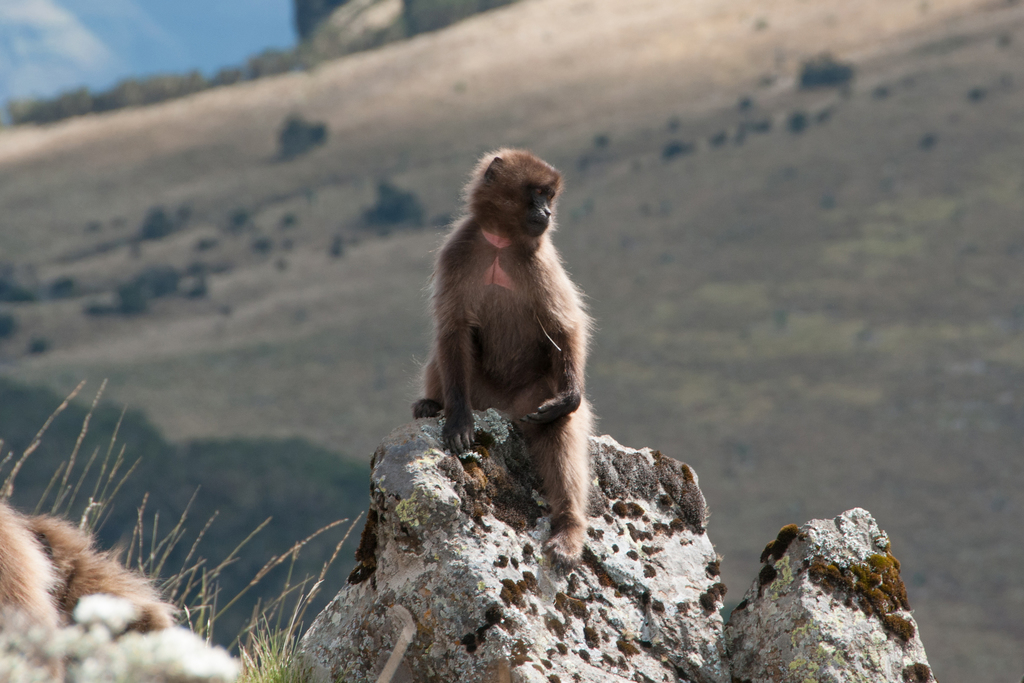
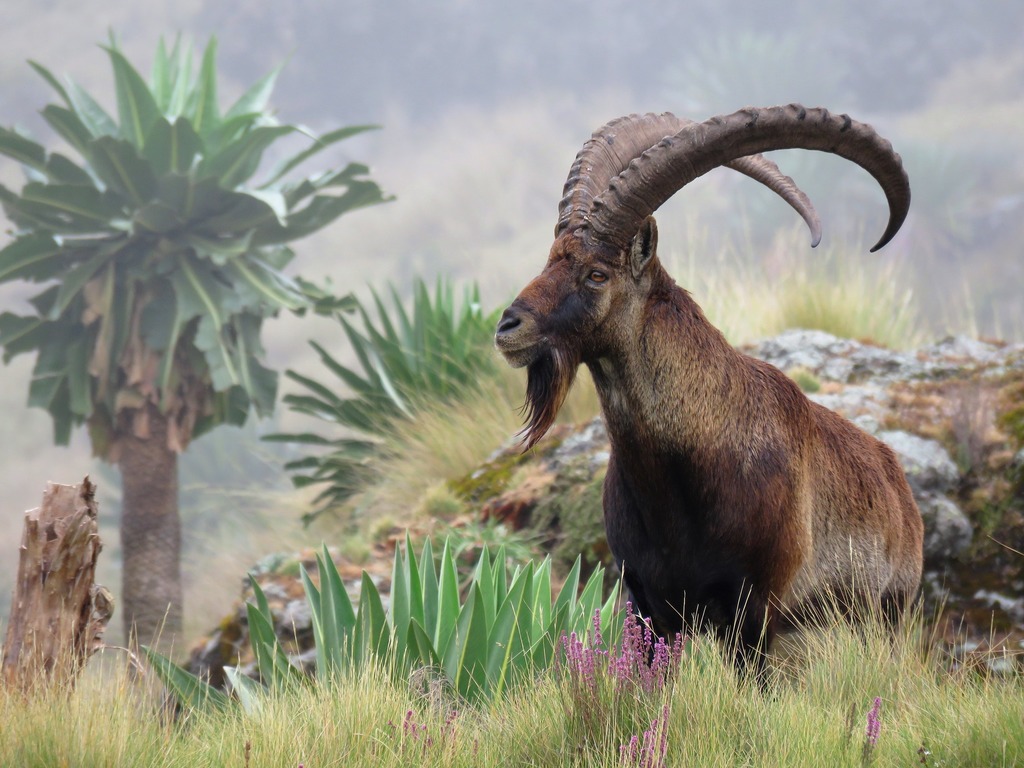
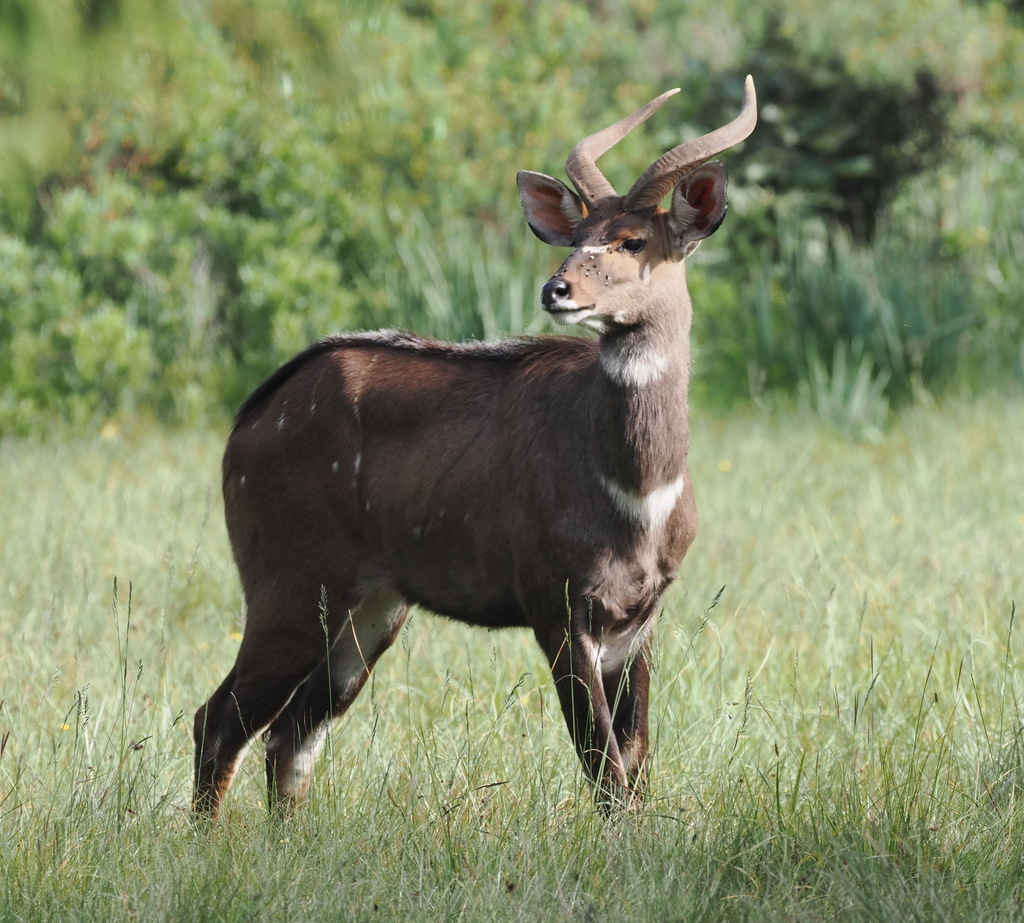
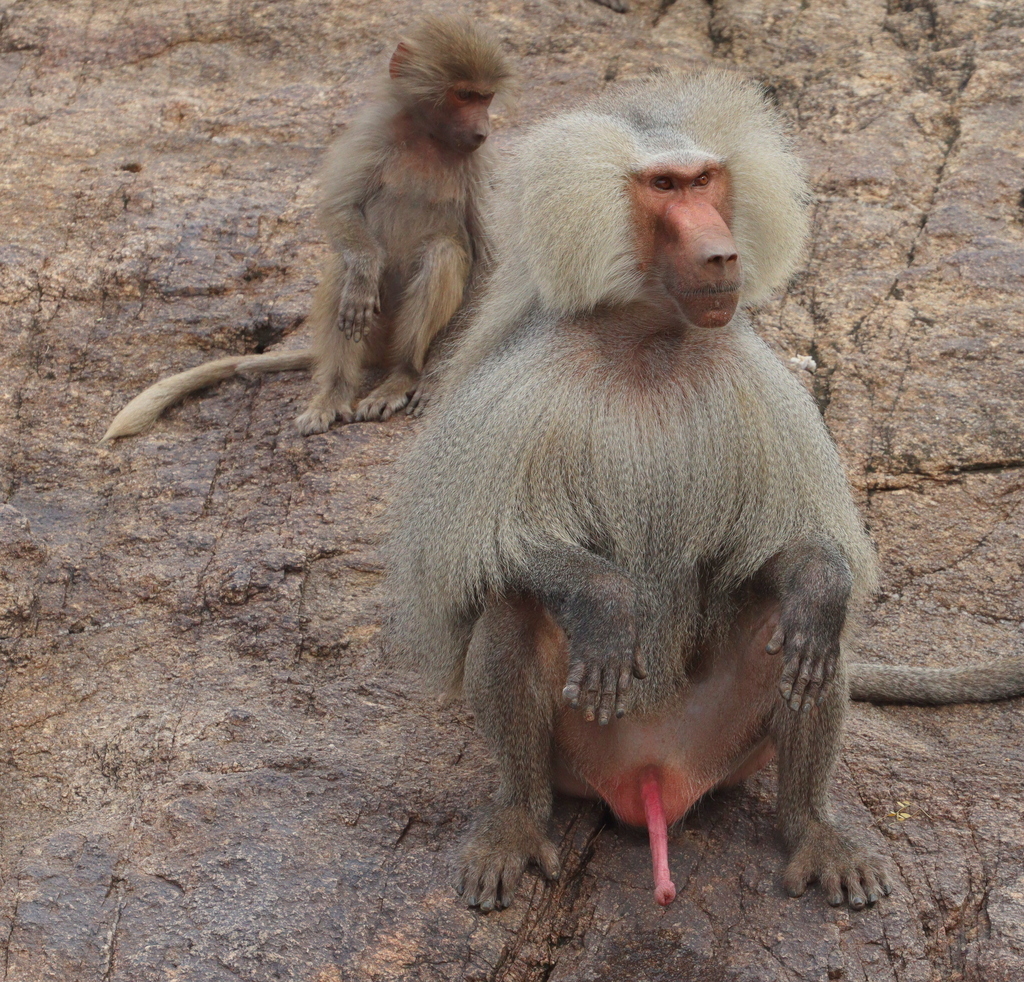
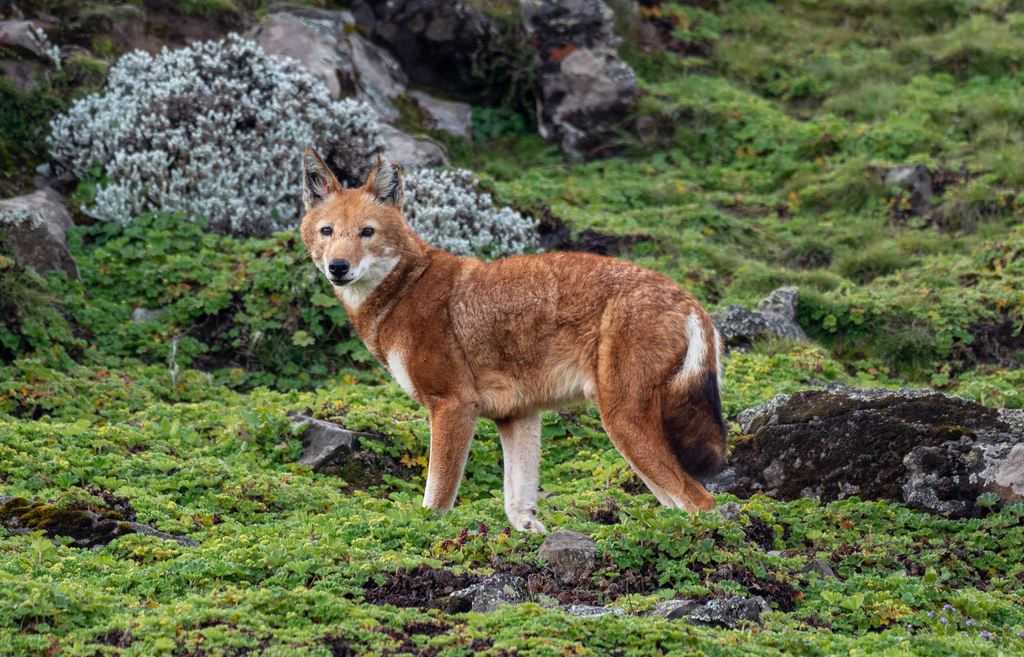
The iconic Ethiopian Wolf, the world’s rarest canid, survives only in the country’s high-altitude grasslands, while the spectacular Gelada Monkey, famous for its massive cliff-dwelling troops, is found exclusively in the Ethiopian Highlands. Other endemic mammals such as the Walia Ibex and Mountain Nyala further enhance Ethiopia’s unique wildlife appeal.
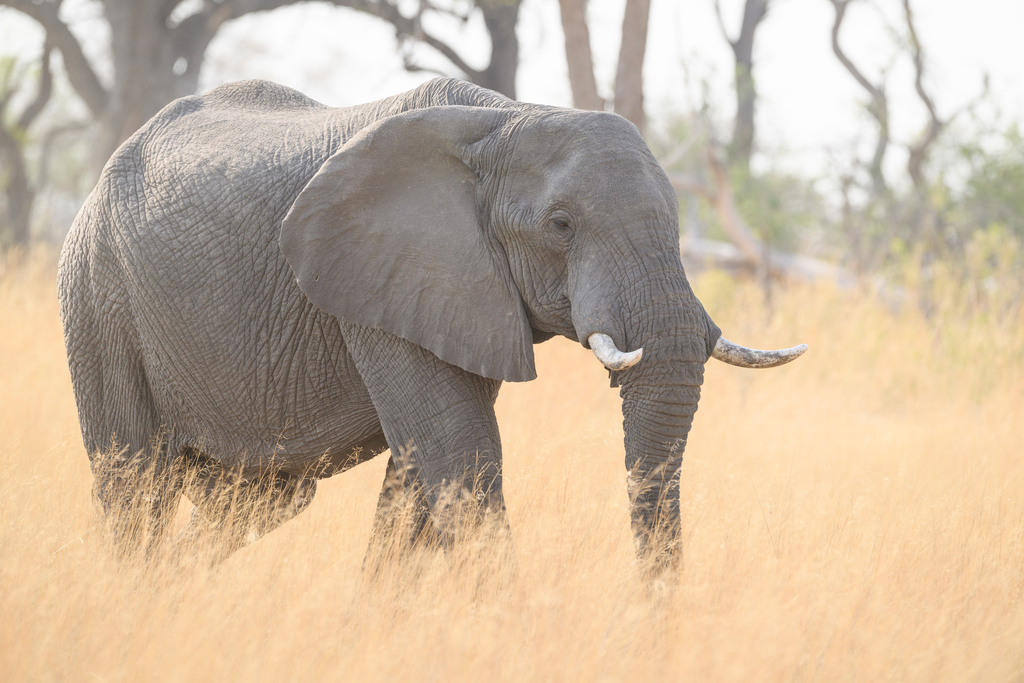
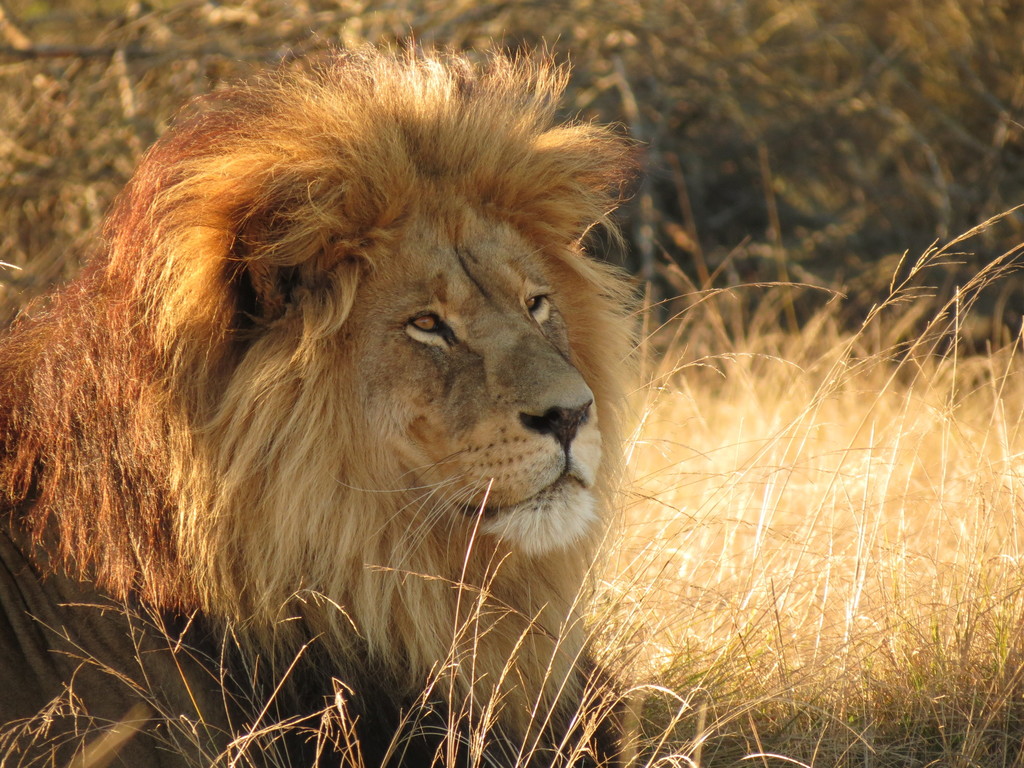
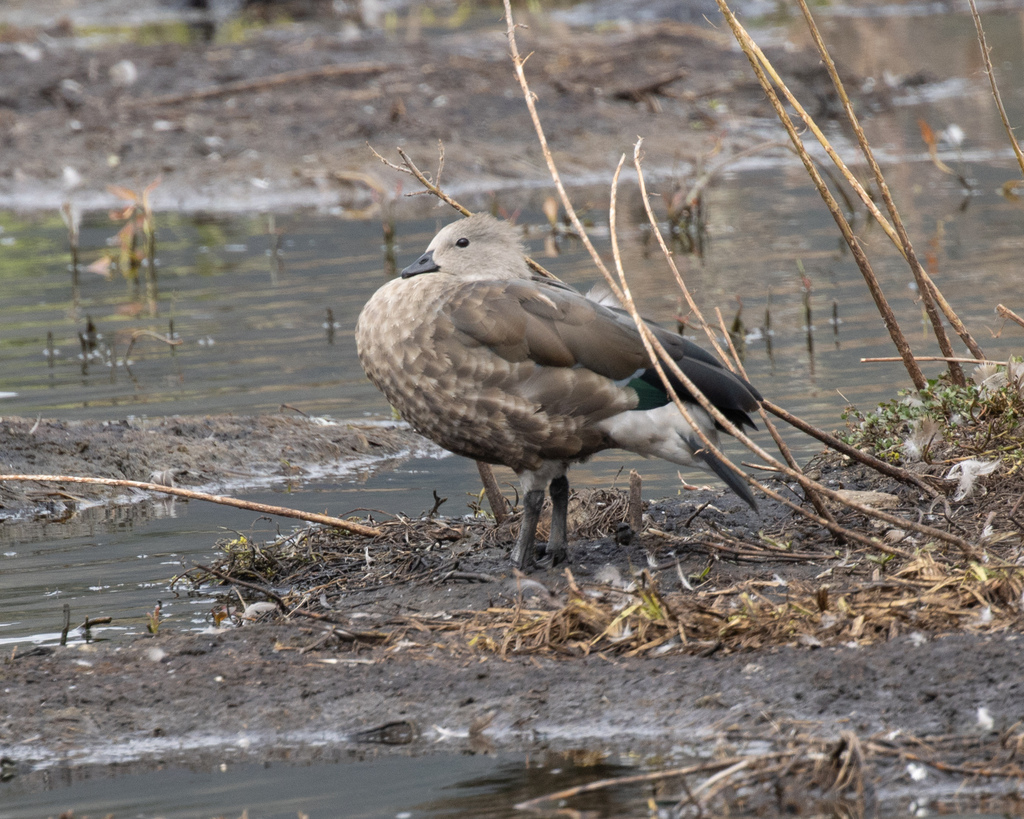
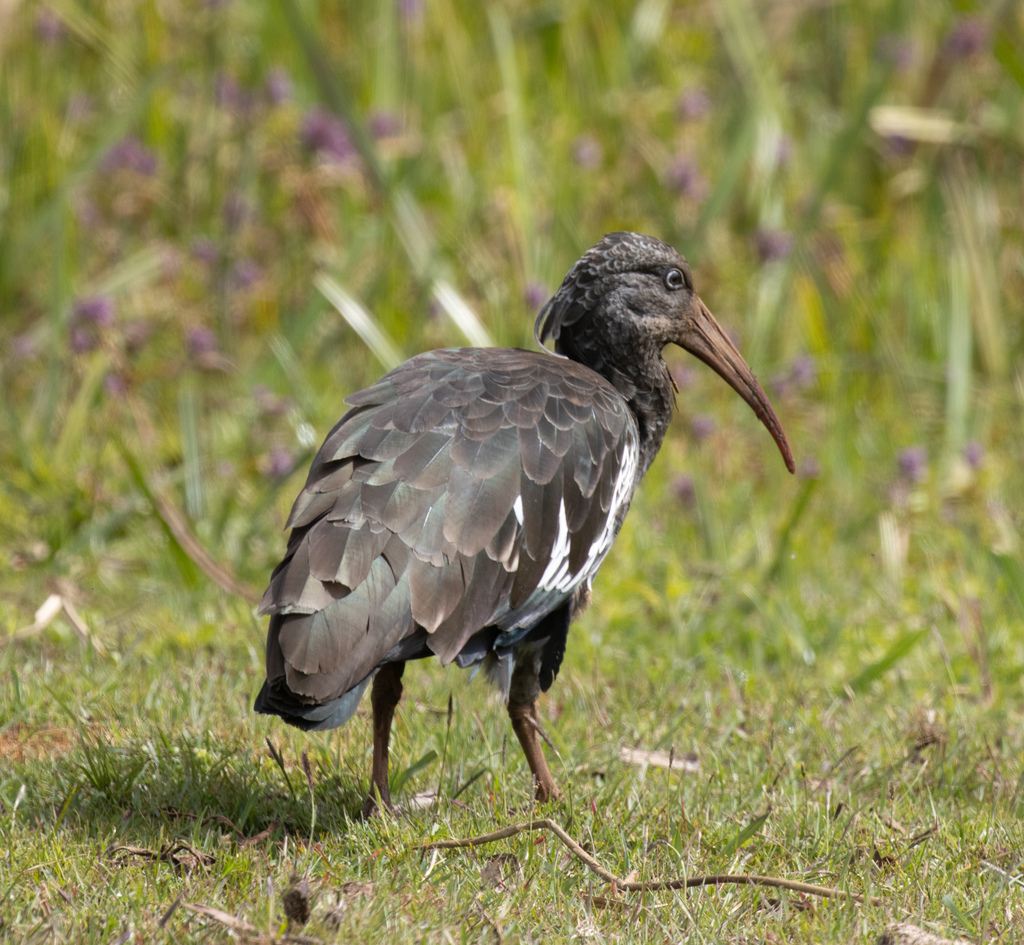
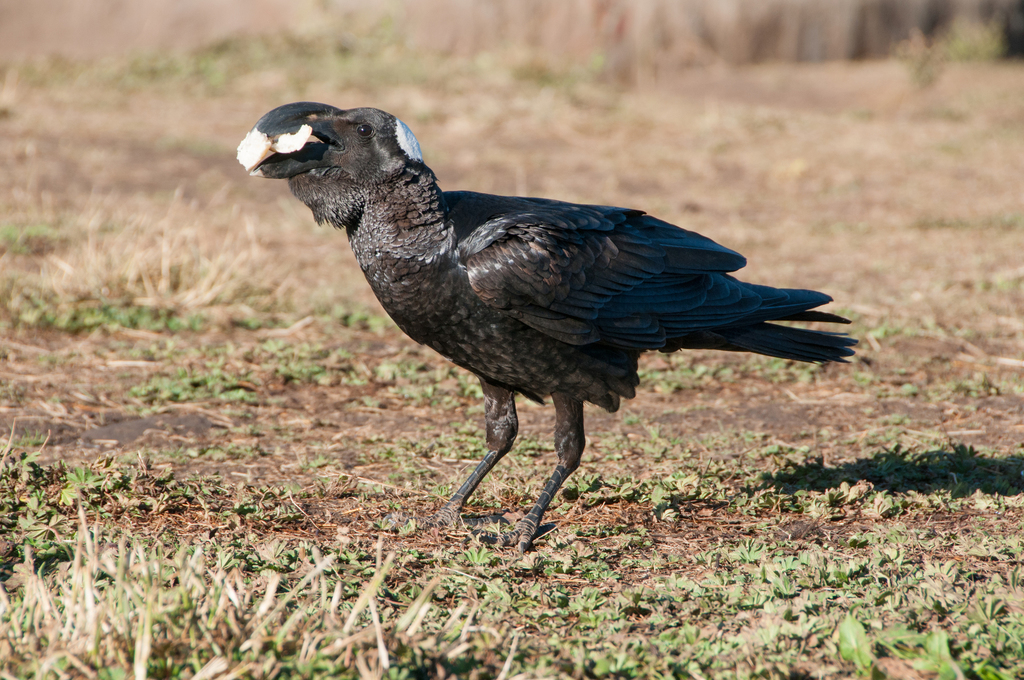
Beyond its endemic species, Ethiopia supports healthy populations of Lions, Leopards, African Elephants, Hippos, Crocodiles and numerous antelope species across its national parks. The Rift Valley lakes attract thousands of flamingos, pelicans and migratory birds, while the country’s varied habitats have made it one of Africa’s richest birding destinations, with more than 850 recorded bird species.
Whether trekking through the Simien Mountains alongside Geladas, searching for Ethiopian Wolves in the Bale Mountains, exploring the bird-rich Rift Valley lakes or discovering the remote wilderness of Omo and Gambella, Ethiopia offers one of Africa’s most rewarding wildlife experiences for travellers seeking both iconic mammals and extraordinary endemism.
Ethiopian Bird Watching
Abijata-Shalla Lakes National Park
Ethiopia
+438 birds+7 mammals
Two crater lakes of contrasting chemistry define this remote corner of Ethiopia's Rift Valley, where soda lakes and freshwater basins create a mosaic of distinct aquatic…
VIEW NATIONAL PARKAwash National Park
Didiga, Ethiopia
+473 birds+23 mammals
Where the Ethiopian Rift Valley carves through volcanic plateaus, a ribbon of riverine forest winds through acacia scrubland and grassland, creating a mosaic of habitats that…
VIEW NATURAL PARKBale Mountains National Park
Ethiopia
+397 birds+20 mammals
Where the Ethiopian highlands rise above 4,000 metres, the Bale Mountains create a landscape of stunning ecological extremes—from afroalpine grasslands swept by wind and mist to…
VIEW NATIONAL PARKMago National Park
Ethiopia
+128 birds+3 mammals
Where the Omo River cuts through southern Ethiopia's arid borderlands, Mago National Park sprawls across a landscape of dramatic escarpments, riverine forests, and semi-arid savanna that…
VIEW NATIONAL PARKNech Sar National Park
Arba Minch, Ethiopia
+191 birds+10 mammals
Where the East African Rift Valley plateaus drop dramatically toward the shore of Lake Abaya, a mosaic of habitats unfolds across sun-scorched savanna and acacia woodland.…
VIEW NATIONAL PARKOmo National Park
Ethiopia
+61 birds+4 mammals
Where the Omo River carves through southwestern Ethiopia, a landscape of riverine woodland, acacia savanna, and scattered grassland unfolds across one of East Africa's most remote…
VIEW NATIONAL PARKSimien Mountains National Park
Debark, Ethiopia
+120 birds+9 mammals
Where granite escarpments plunge thousands of metres into misty valleys, the Ethiopian highlands reveal a landscape of almost mythical drama. These volcanic plateaus, carved by ancient…
VIEW NATIONAL PARKYabelo Wildlife Sanctuary
Bedewera, Ethiopia
+359 birds+5 mammals
Where acacia woodlands meet volcanic plateaus in southern Ethiopia, a landscape of austere beauty unfolds across nearly 2,500 square kilometers. Yabelo Wildlife Sanctuary sprawls across semi-arid…
VIEW WILDLIFE SANCTUARYNo community observations in this country yet — visit a hotspot and start an observation list.