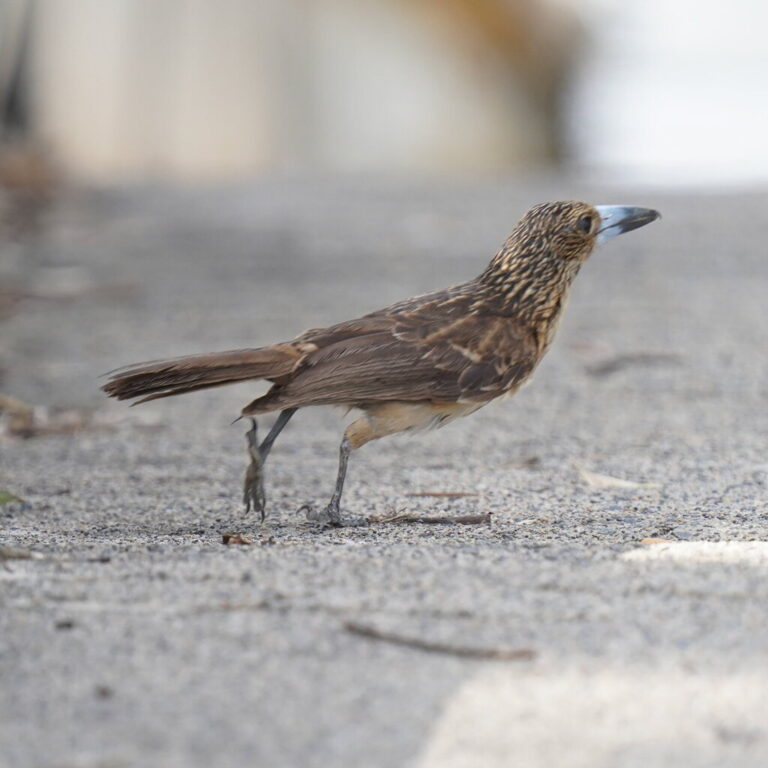
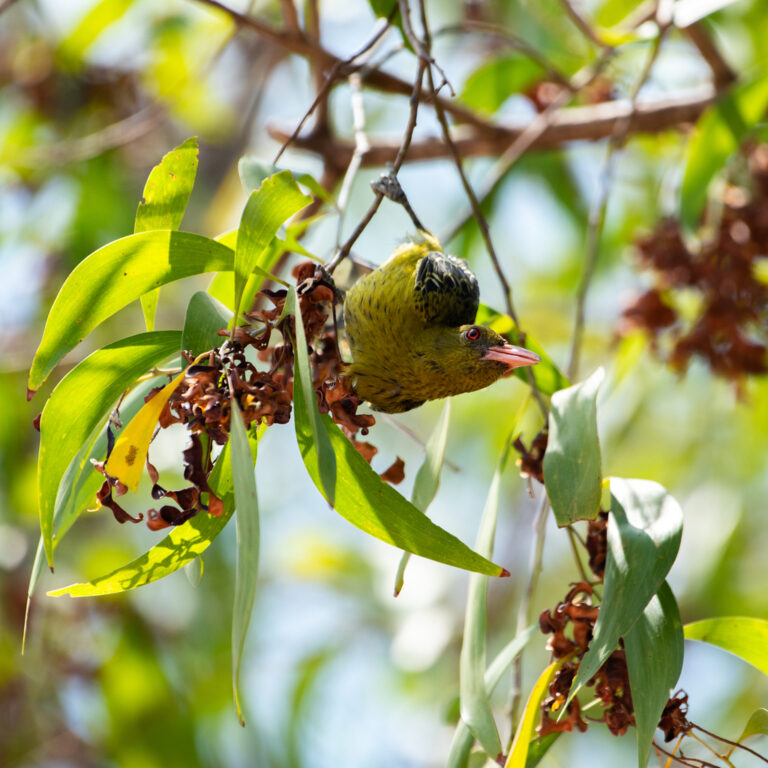
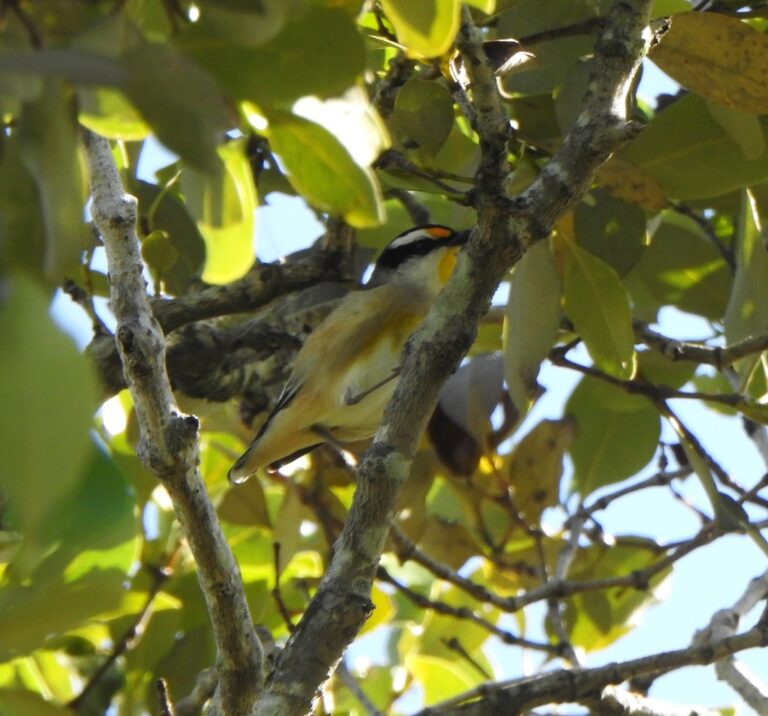
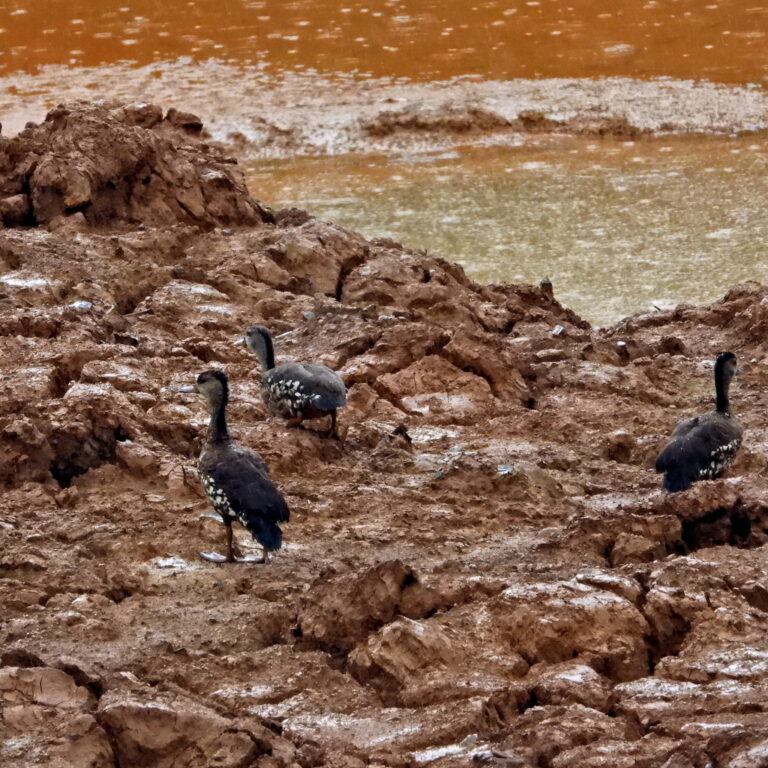
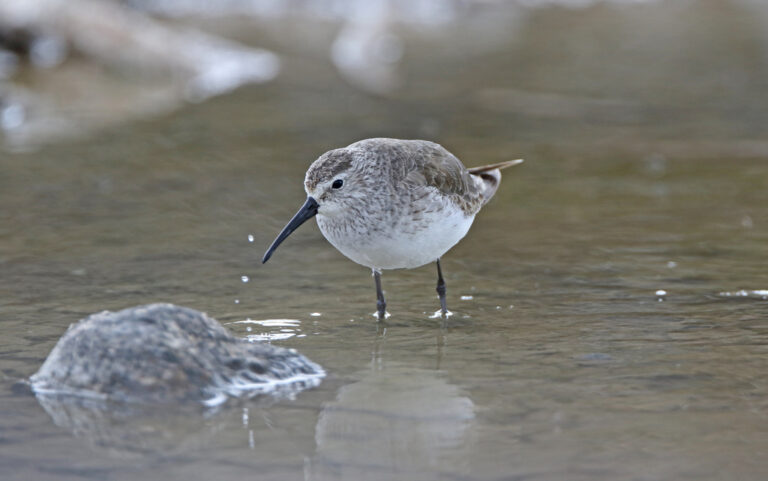
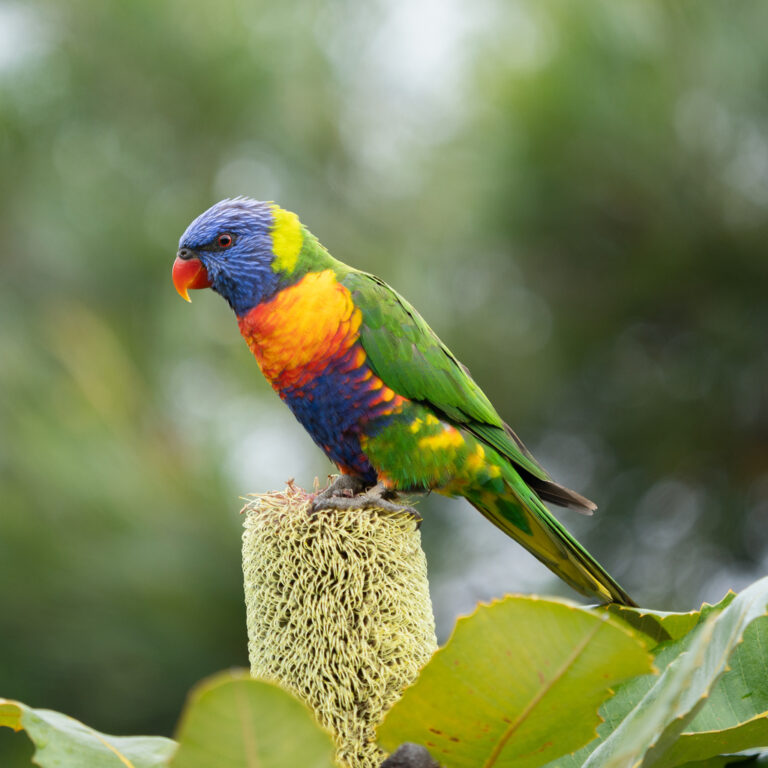
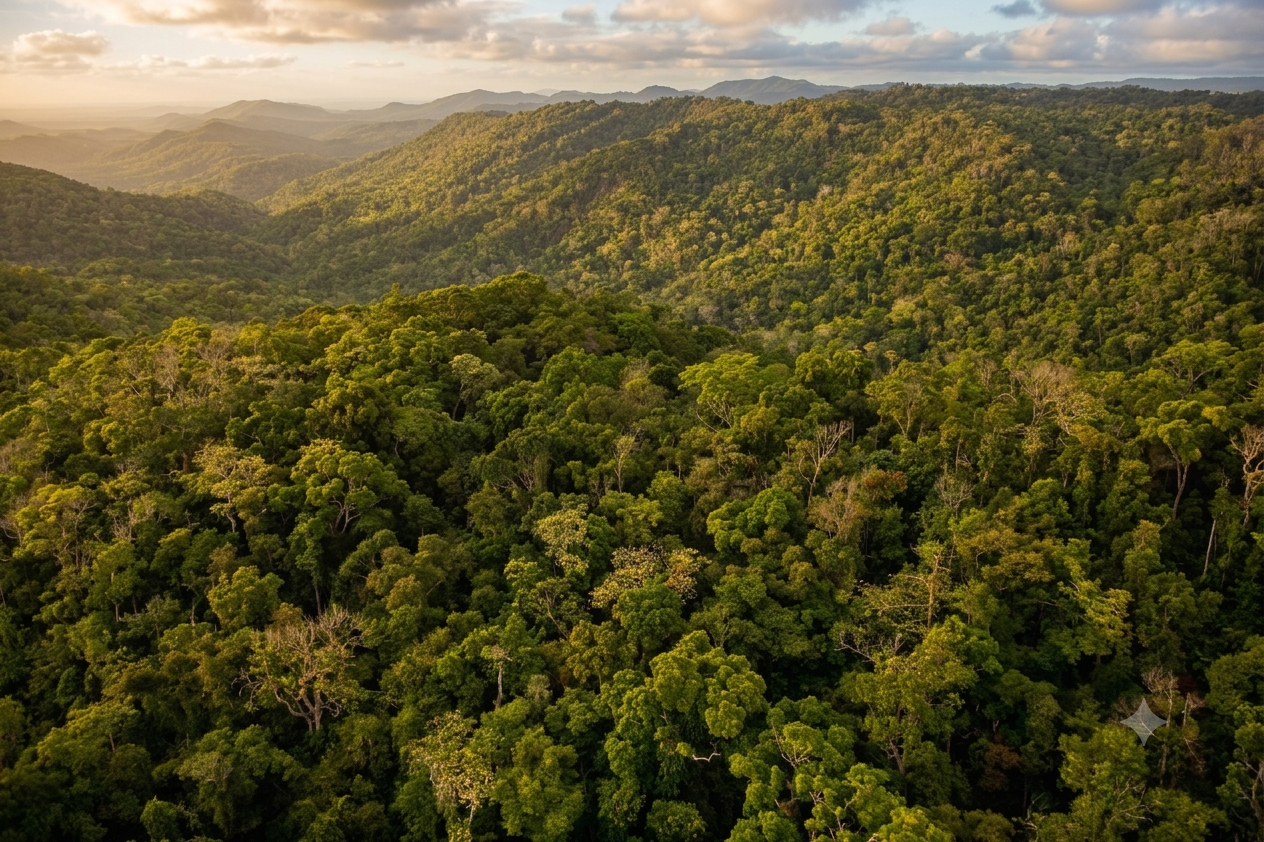
Across the tablelands and coastal lowlands of far north Queensland, where the landscape transitions from eucalypt woodland to open grassland and remnant rainforest pockets, Kulla National Park sprawls across more than 3,300 square kilometres of remarkably intact habitat. The terrain here is characterized by gentle rises, creek systems that carve through sandy soils, and scattered outcrops that punctuate a predominantly open country—a mosaic shaped by fire, water, and the deep time of Australian ecology. This is country that demands patience and rewards close observation: small ground-dwelling mammals shelter in dense vegetation along watercourses, raptors quarter the open spaces hunting small prey, woodland songbirds move through the scattered timber, and in the wet season, migratory waders find temporary abundance in swollen creeks and shallow margins. The park's ecological character reflects the Cape York bioregion's unique position between tropical and dry-country influences, creating habitat diversity that supports resident species adapted to both seasonal extremes and the particular rhythms of this remote corner of the continent.
For wildlife photographers and birdwatchers willing to venture into one of Australia's least-travelled national parks, Kulla offers an unfiltered glimpse into how northern Australian ecosystems function when human pressure remains light. The wet season—from November through March—transforms the park with temporary water sources that concentrate wildlife and bring visiting species seeking seasonal abundance; the dry months yield clearer skies and more predictable movement patterns. Access requires genuine commitment: roads can be rough, accommodation limited, and self-sufficiency essential. Yet that very isolation is precisely what makes Kulla irreplaceable for those seeking to encounter birds of prey in their natural hunting patterns, to watch small terrestrial mammals emerge in the early dawn, and to photograph the interplay of light across open woodland during the golden hours. This is not a destination for casual safari tourism, but rather a working landscape where observation and fieldcraft—not facilities—determine the success of a visit.