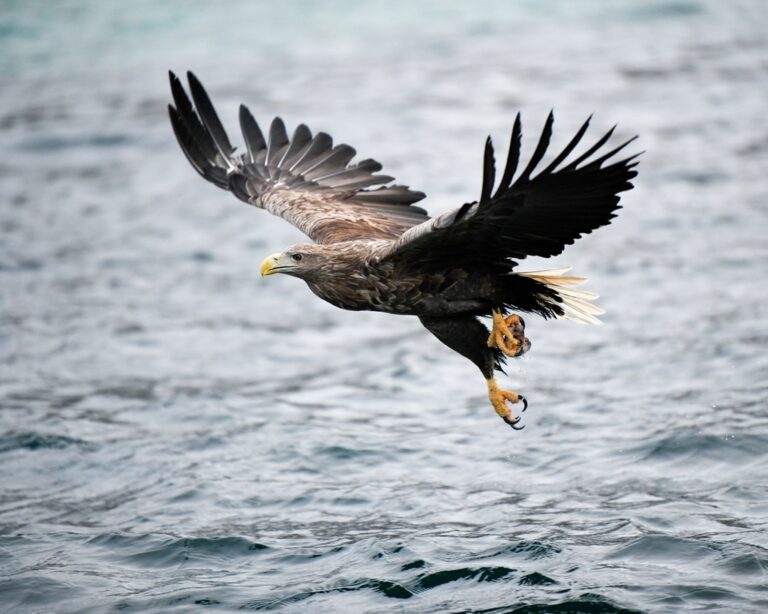
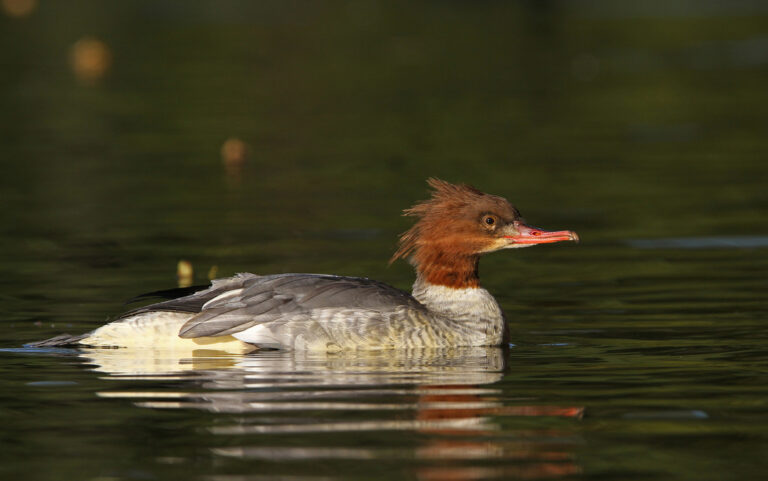
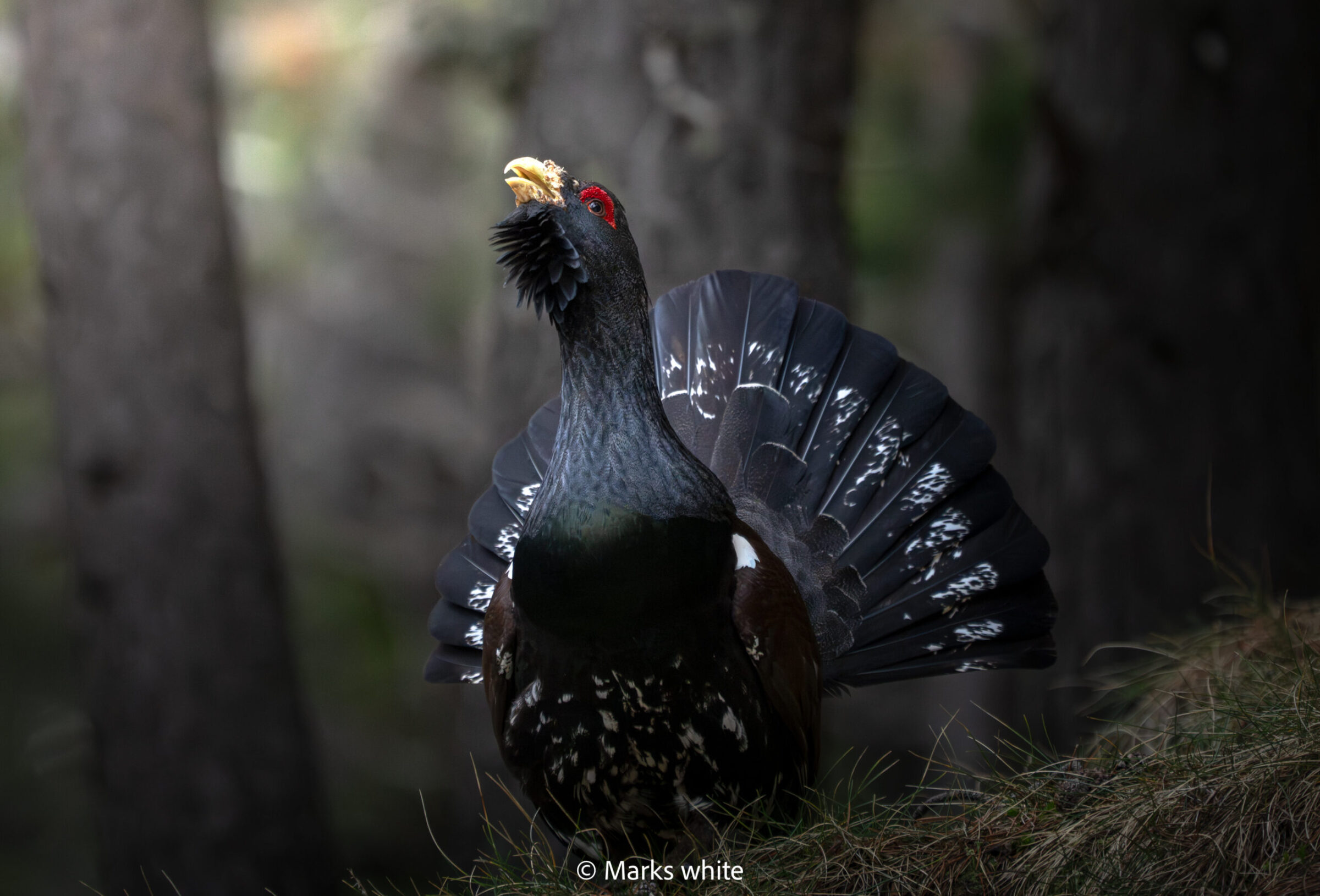
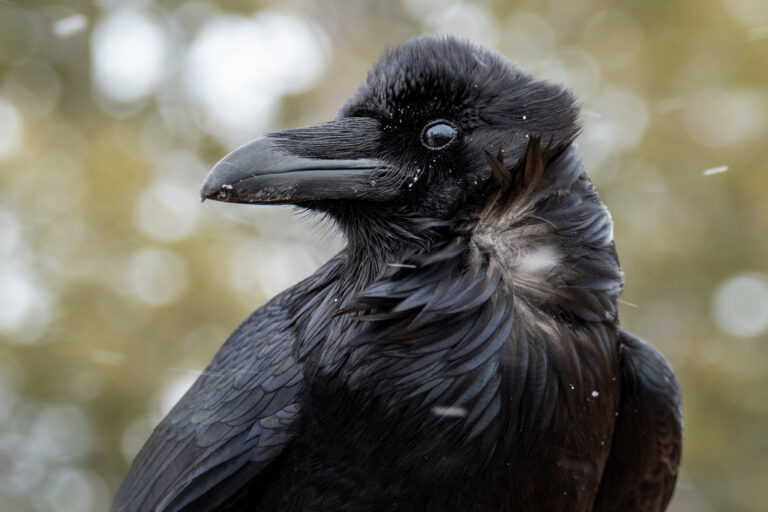
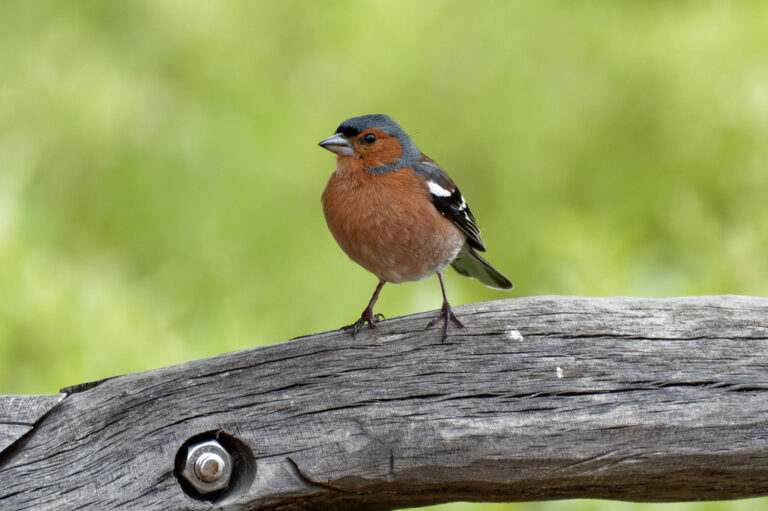
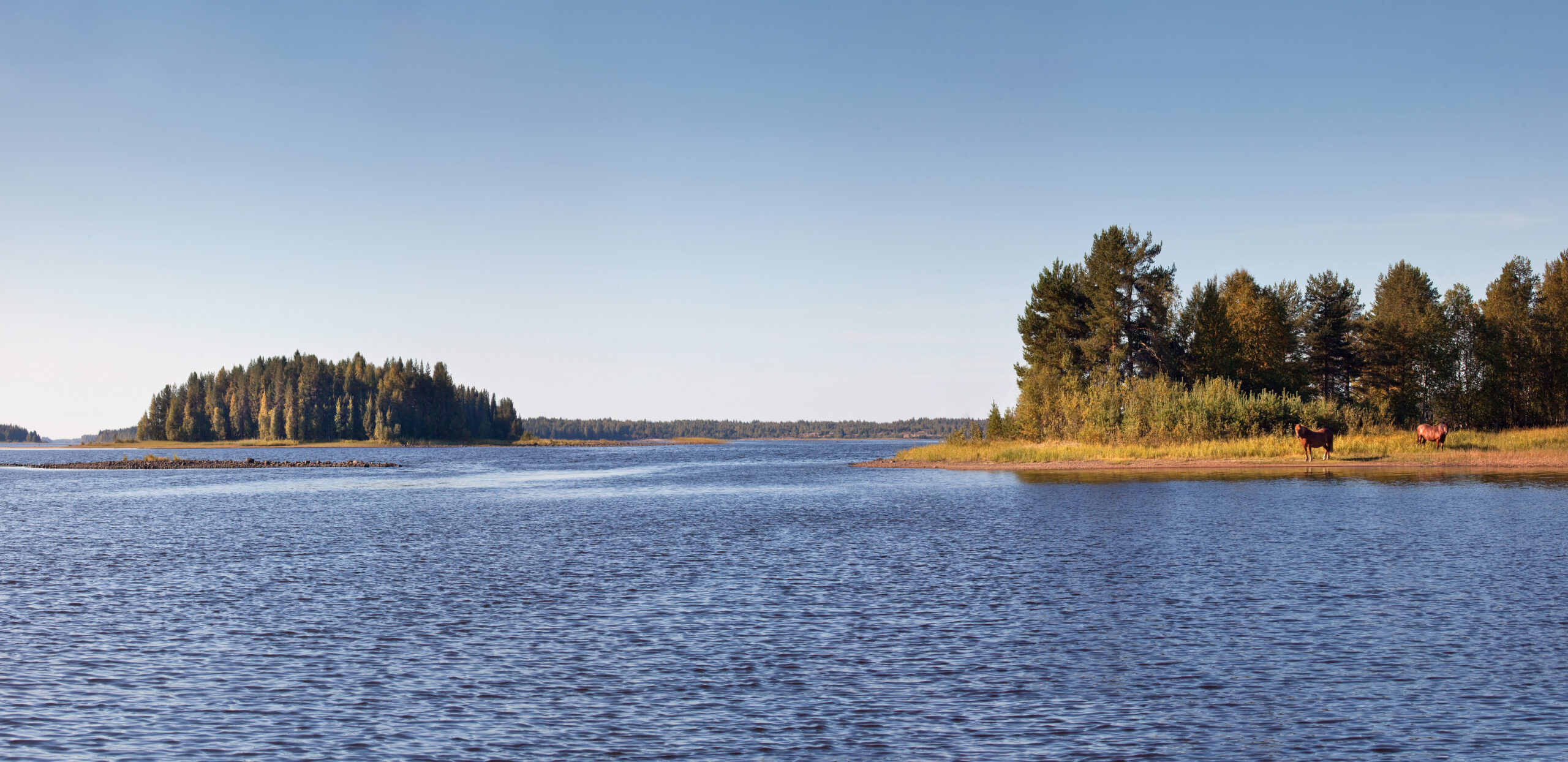
Where the boreal forest meets a labyrinth of interconnected lakes and wetlands, Vodlozersky National Park unfolds across the subarctic landscape of northwestern Russia, straddling the border between Arkhangelsk Oblast and the Republic of Karelia. The park's defining character emerges from its dramatic interplay of coniferous woodland, pristine peatlands, and crystalline water bodies—a sprawling ecosystem shaped by the region's Dfc climate, where long, severe winters and brief, cool summers create a landscape of permafrost margins and waterlogged terrain. Extensive spruce and pine forests dominate the higher ground, their understory thick with sphagnum moss and lingonberry, while the numerous lakes and interconnected waterways support dense reedbeds and sedge meadows. This mosaic of habitat types supports the full complement of boreal wildlife: migratory waterfowl and wading birds congregate during the fleeting summer breeding season, birds of prey quarter the open wetlands for small mammals and voles, and the deeper forests harbor lynx, moose, and smaller carnivores adapted to the harsh subarctic environment. The park functions as a crucial breeding ground and stopover for species dependent on northern wetlands, making it an irreplaceable node in the migration corridors linking the Arctic with southern Europe.
For wildlife photographers and birdwatchers, the park's appeal lies not merely in abundance but in accessibility and the technical challenge of capturing life in extreme conditions. The brief window of summer—from late June through August—when daylight stretches nearly round-the-clock and wildlife activity peaks, offers unparalleled opportunities to document migratory species at their breeding grounds, raptors hunting over open water, and large forest mammals in their natural habitat. The subarctic light during these months is characteristically clear and luminous, ideal for photography, though visitors must be prepared for sudden weather shifts, dense insect populations, and the demands of boreal fieldwork. Access is primarily by boat and on foot; the park's remoteness and limited infrastructure demand genuine commitment but reward it with the profound silence and untouched character that define the true north. This is wildlife travel for the dedicated naturalist—a chance to witness boreal ecosystems before the dramatic transformations driven by climate change reshape them forever.