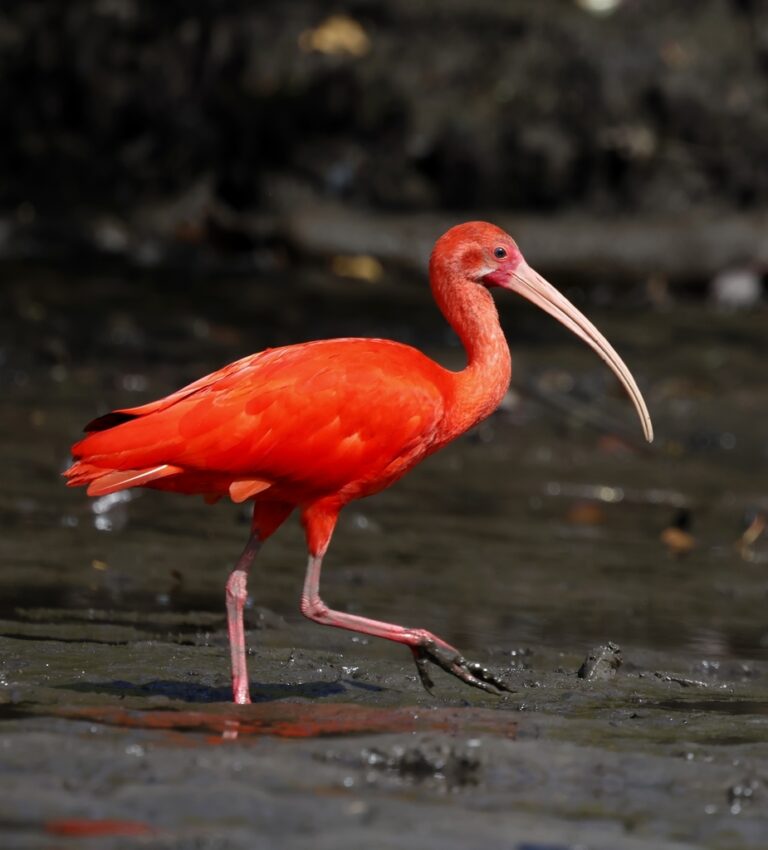
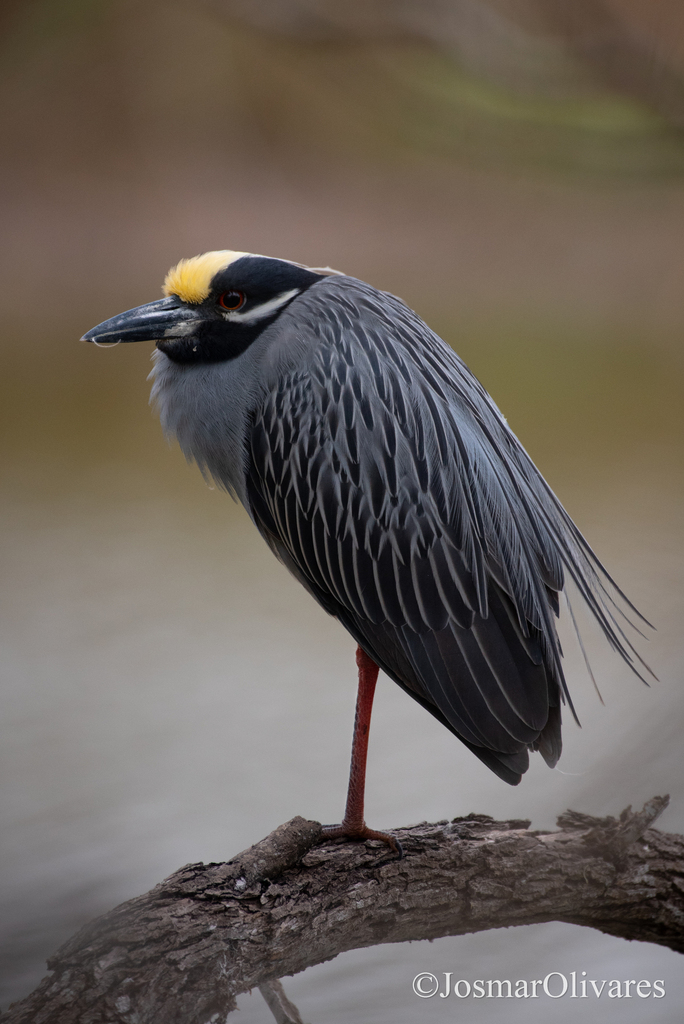
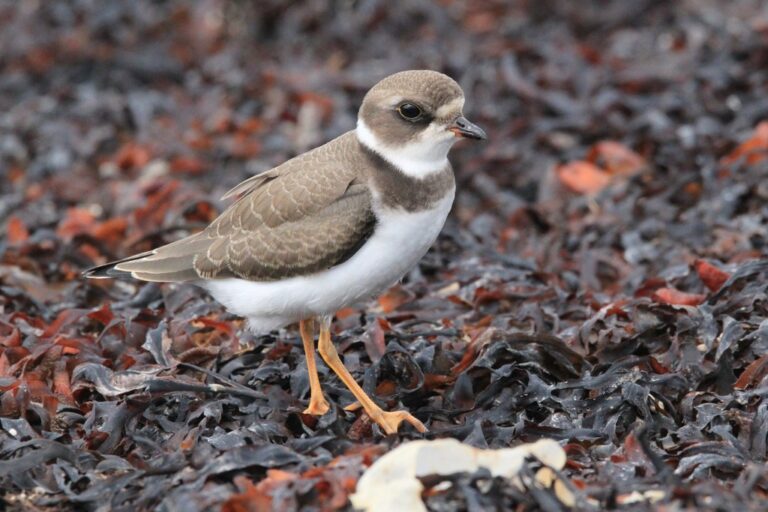
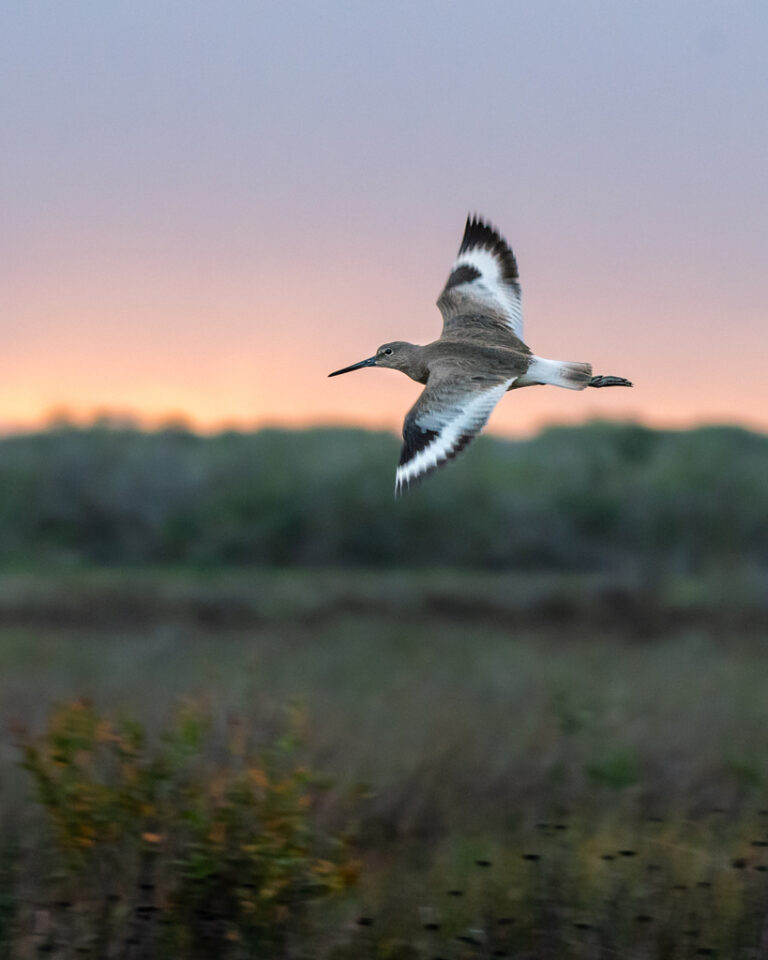
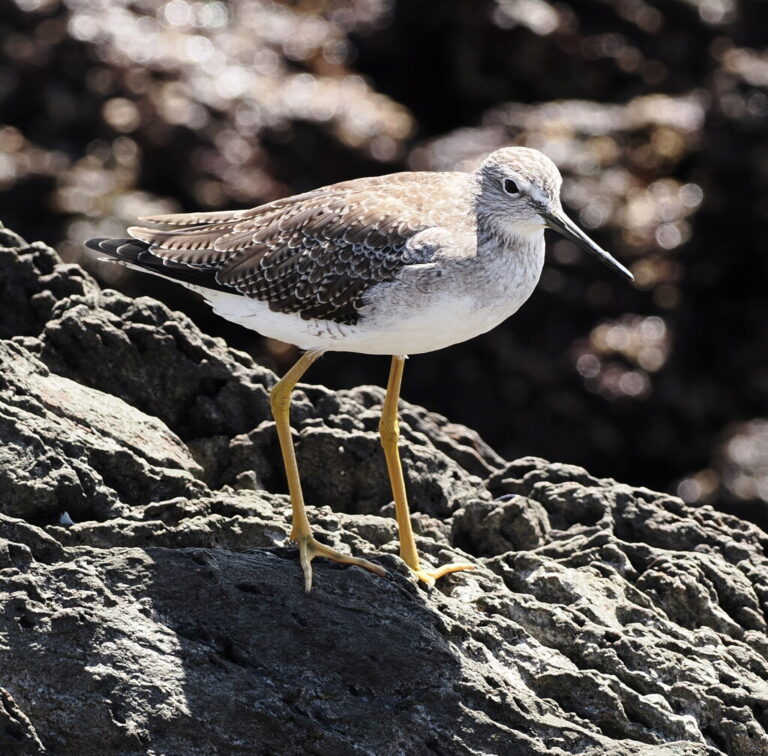
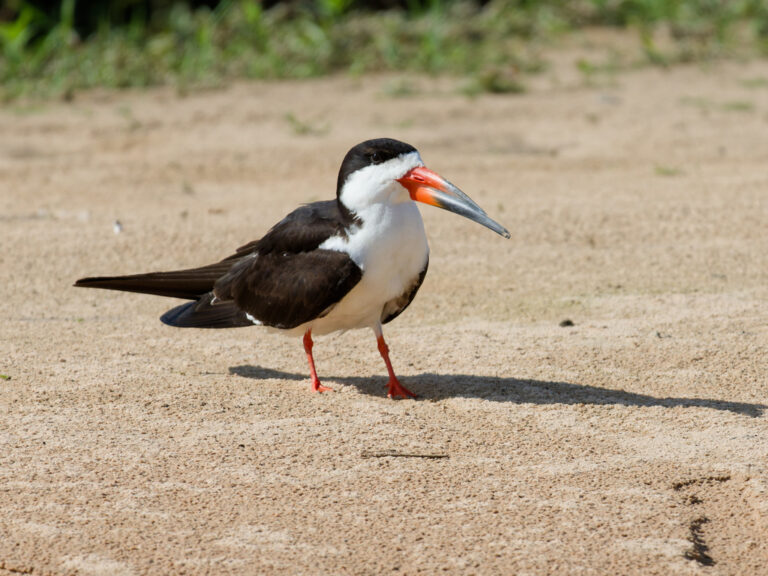
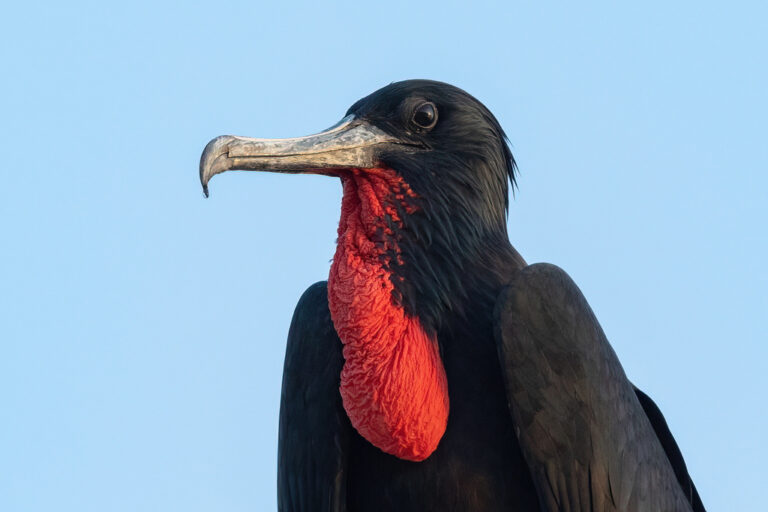
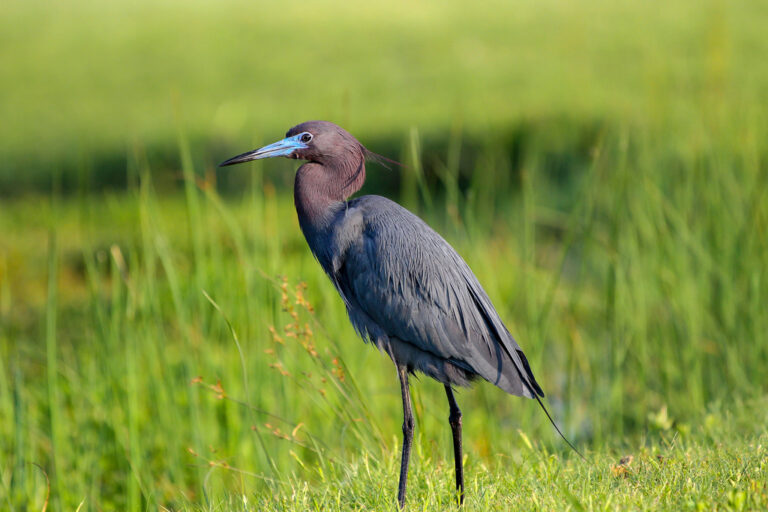
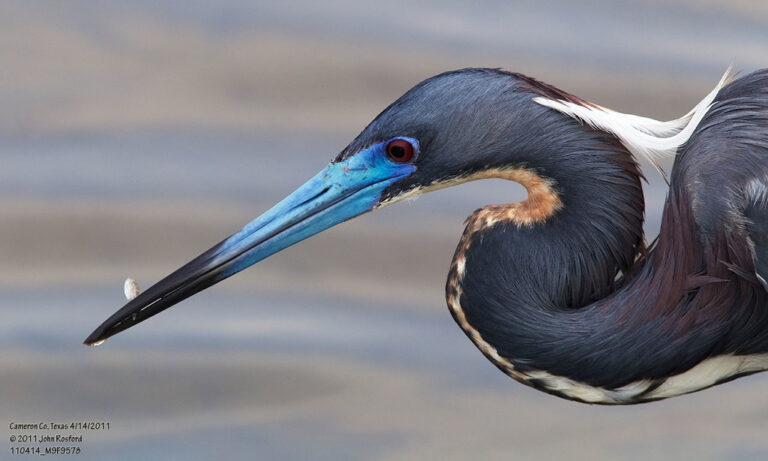
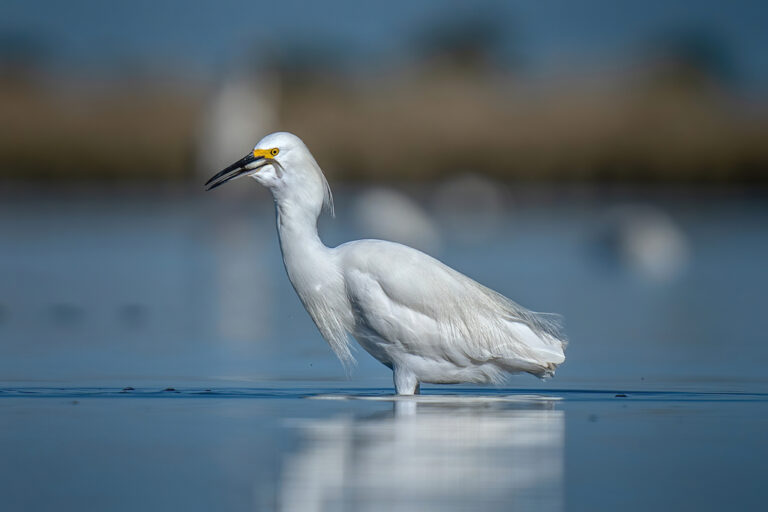
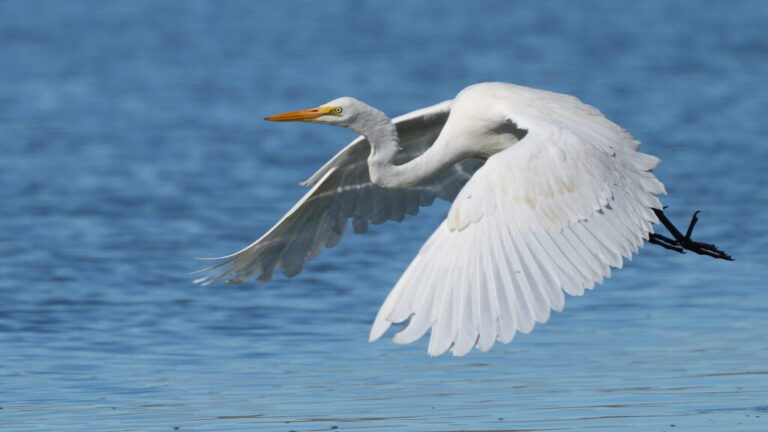
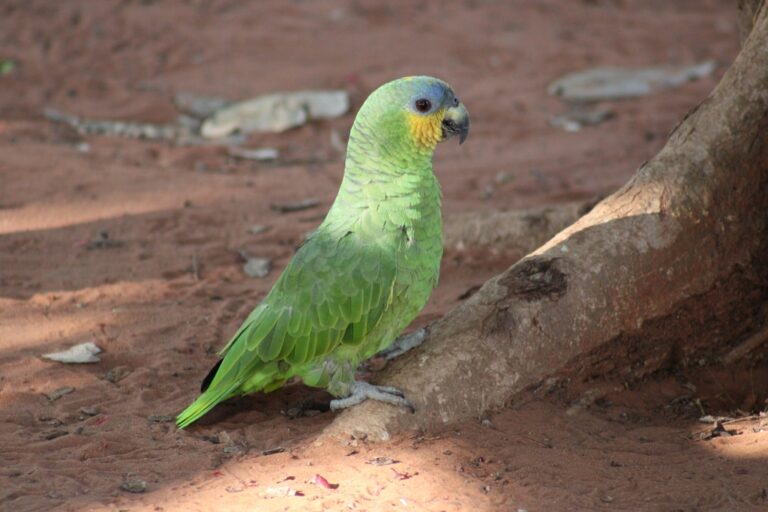
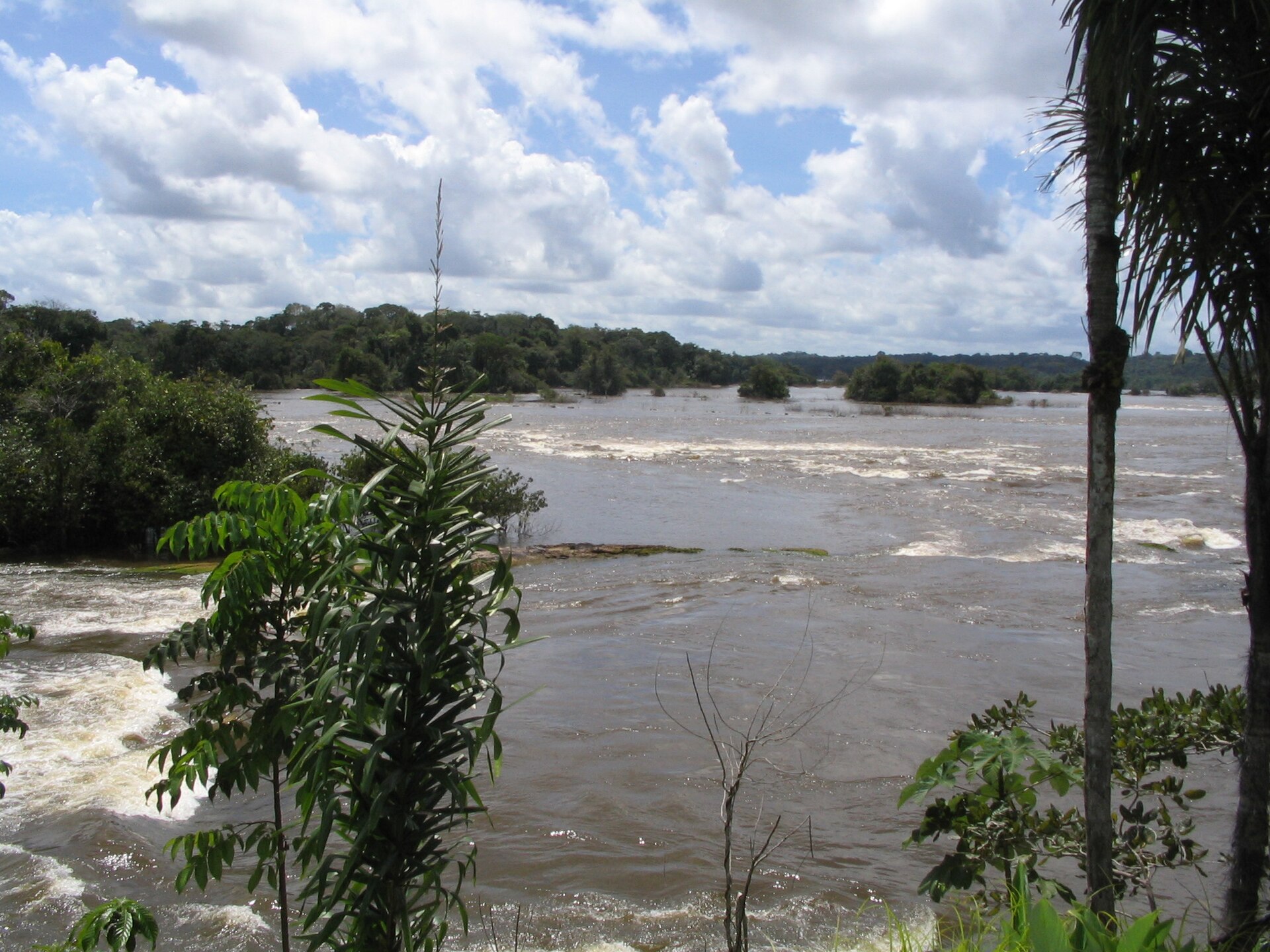
Where the Amazon's northern frontier meets tidal mangrove forests and flooded grasslands, Cabo Orange National Park sprawls across nearly 15,000 square kilometers of northeastern Brazil's richest and least explored wetland wilderness. The park straddles the Amapá coast where freshwater rivers collide with the Atlantic's tidal pulse, creating a mosaic of habitats that few protected areas on Earth can match in ecological complexity. Rainforest remnants grade into várzea and igapó floodplain forests, their canopies alive with frugivorous birds and arboreal primates that depend entirely on seasonal inundation. Shallow lagoons fringed with floating vegetation harbor wading birds and fish-eating waterbirds in concentrations that shift with the tides. In the drier interior, upland forest holds insectivorous songbirds, raptors, and small forest mammals adapted to the humid tropics. The park's inaccessibility has meant minimal scientific inventory, yet every habitat suggests extraordinary biodiversity—from aerial insectivores hawking over open water to nocturnal small mammals whose calls echo through flooded timber at dusk. What emerges is less a single ecosystem and more a living palimpsest of Amazonian and Atlantic wetland life, where ecological gradients steep enough to support radically different communities exist within sight of one another.
For wildlife photographers and biologists willing to navigate complex logistics and wet-season challenges, Cabo Orange rewards patience with encounters found nowhere else so reliably. The tidal cycle structures every field day—rising water concentrates wading birds and draws predatory birds to predictable feeding grounds, while the brief dry season opens flooded forest trails and exposes sandbank roosts used by waterbirds. Light during the wet months carries a diffuse, soft quality ideal for rainforest canopy work, though the park's remoteness demands planning months in advance. Local guides with intimate knowledge of river channels and seasonal movements are essential; the park remains one of Brazil's least visited protected areas, preserved largely by its own geography rather than human intervention. For those seeking to document tropical wetland ecology in genuine wilderness, where modern research stations and regular expeditions are absent, Cabo Orange offers an unparalleled platform—a place where curiosity about the living world still meets genuine discovery.