Our workshop begins in Quito, the beautiful and historic capital city of Ecuador, where we’ll have an evening orientation and dinner. Night in Quito.
2
Days 2-5: The Amazon
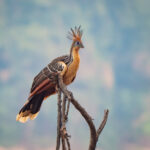
Our trip begins with a journey into the most biodiverse place on Earth: the Amazon Rainforest. After a short regional flight to the town of Coca, we'll travel by boat downriver into the vicinity of Yasuni National Park, where we'll be based at an amazing and comfortable lodge for four nights. This region is home to an incredible array of birds, with over 600 species recorded in the near vicinity—similar to the number of species recorded in the entire country of Canada!
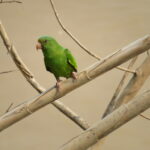
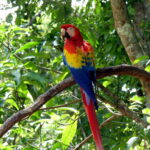
During our stay, we'll visit an impressive canopy tower, providing a unique perspective on canopy-dwelling birds, and a clay lick where parakeets, parrots, and macaws gather to ingest minerals from the soil. We'll also explore the rainforest by canoe at dawn and dusk, photograph birds around the lodge grounds, and visit the local Kichwa community for a traditional lunch. In addition to an incredible diversity of birds, we may also encounter monkeys, caimans, and a variety of reptiles and amphibians as we explore the waterways and forest trails.
3
Days 2-5: The Amazon
Our trip begins with a journey into the most biodiverse place on Earth: the Amazon Rainforest. After a short regional flight to the town of Coca, we'll travel by boat downriver into the vicinity of Yasuni National Park, where we'll be based at an amazing and comfortable lodge for four nights. This region is home to an incredible array of birds, with over 600 species recorded in the near vicinity—similar to the number of species recorded in the entire country of Canada!
During our stay, we'll visit an impressive canopy tower, providing a unique perspective on canopy-dwelling birds, and a clay lick where parakeets, parrots, and macaws gather to ingest minerals from the soil. We'll also explore the rainforest by canoe at dawn and dusk, photograph birds around the lodge grounds, and visit the local Kichwa community for a traditional lunch. In addition to an incredible diversity of birds, we may also encounter monkeys, caimans, and a variety of reptiles and amphibians as we explore the waterways and forest trails.
4
Days 2-5: The Amazon
Our trip begins with a journey into the most biodiverse place on Earth: the Amazon Rainforest. After a short regional flight to the town of Coca, we'll travel by boat downriver into the vicinity of Yasuni National Park, where we'll be based at an amazing and comfortable lodge for four nights. This region is home to an incredible array of birds, with over 600 species recorded in the near vicinity—similar to the number of species recorded in the entire country of Canada!
During our stay, we'll visit an impressive canopy tower, providing a unique perspective on canopy-dwelling birds, and a clay lick where parakeets, parrots, and macaws gather to ingest minerals from the soil. We'll also explore the rainforest by canoe at dawn and dusk, photograph birds around the lodge grounds, and visit the local Kichwa community for a traditional lunch. In addition to an incredible diversity of birds, we may also encounter monkeys, caimans, and a variety of reptiles and amphibians as we explore the waterways and forest trails.
5
Days 2-5: The Amazon
Our trip begins with a journey into the most biodiverse place on Earth: the Amazon Rainforest. After a short regional flight to the town of Coca, we'll travel by boat downriver into the vicinity of Yasuni National Park, where we'll be based at an amazing and comfortable lodge for four nights. This region is home to an incredible array of birds, with over 600 species recorded in the near vicinity—similar to the number of species recorded in the entire country of Canada!
During our stay, we'll visit an impressive canopy tower, providing a unique perspective on canopy-dwelling birds, and a clay lick where parakeets, parrots, and macaws gather to ingest minerals from the soil. We'll also explore the rainforest by canoe at dawn and dusk, photograph birds around the lodge grounds, and visit the local Kichwa community for a traditional lunch. In addition to an incredible diversity of birds, we may also encounter monkeys, caimans, and a variety of reptiles and amphibians as we explore the waterways and forest trails.
6
Days 6-7: The East Slope
After our time in the Amazon, we'll head west to the eastern slopes of the Andes, where Cabañas San Isidro will be our base for two nights. Here, we'll begin to experience the spectacular hummingbird diversity of the Andes, with species such as the breathtaking Long-tailed Sylph and Chestnut-breasted Coronet regularly visiting the lodge grounds.
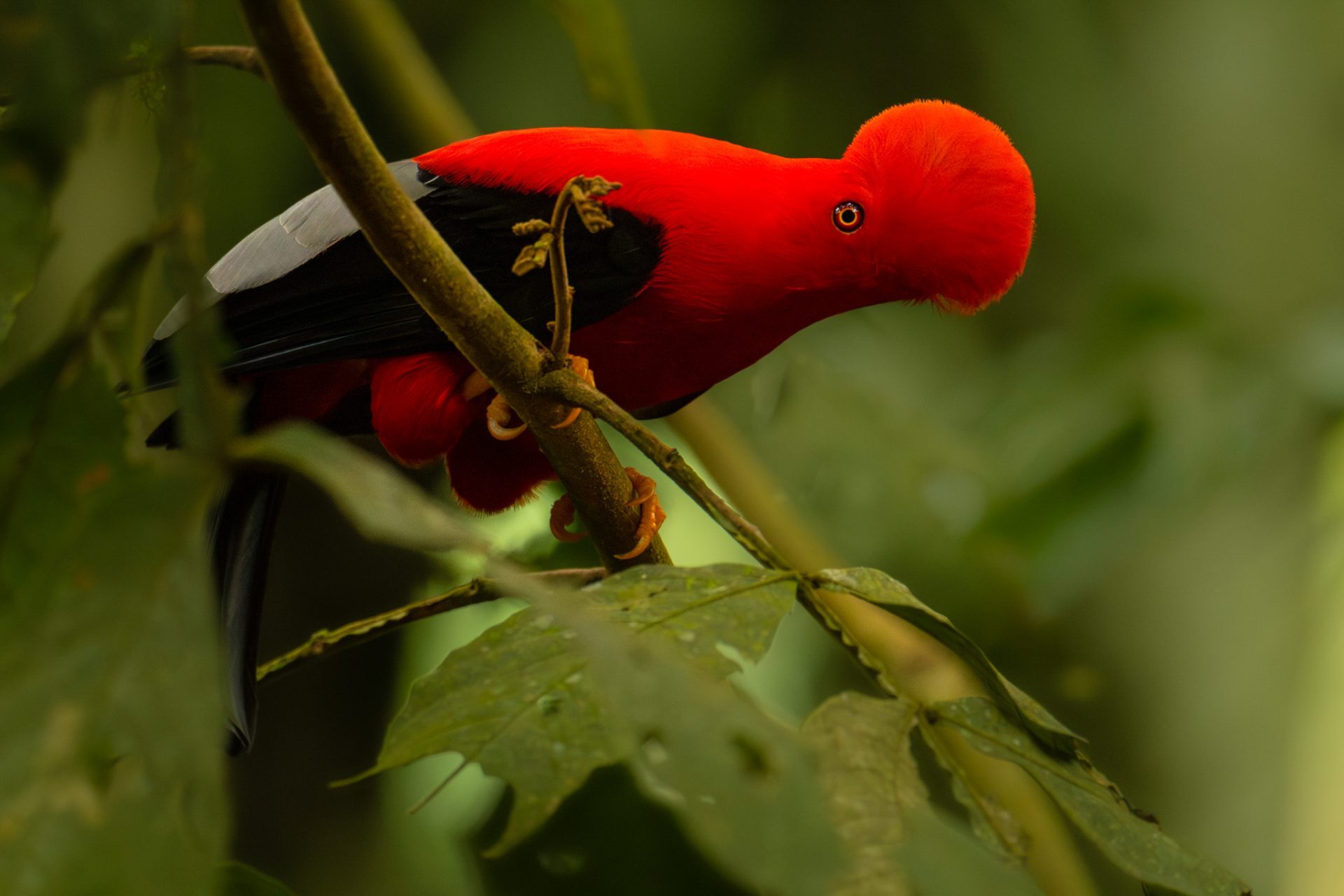
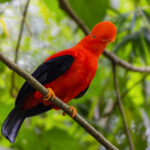
Early mornings provide outstanding photography opportunities as birds gather to feed on insects attracted to the lodge lights overnight. We'll also visit several nearby reserves, including an active Andean Cock-of-the-Rock lek, where males perform their remarkable courtship displays. The San Isidro Black-banded Owl is often encountered here, and after dark we'll also watch for Mountain Tapir and other nocturnal wildlife.
7
Days 6-7: The East Slope
After our time in the Amazon, we'll head west to the eastern slopes of the Andes, where Cabañas San Isidro will be our base for two nights. Here, we'll begin to experience the spectacular hummingbird diversity of the Andes, with species such as the breathtaking Long-tailed Sylph and Chestnut-breasted Coronet regularly visiting the lodge grounds.
Early mornings provide outstanding photography opportunities as birds gather to feed on insects attracted to the lodge lights overnight. We'll also visit several nearby reserves, including an active Andean Cock-of-the-Rock lek, where males perform their remarkable courtship displays. The San Isidro Black-banded Owl is often encountered here, and after dark we'll also watch for Mountain Tapir and other nocturnal wildlife.
8
Days 8-9: The High Andes
On days 8–9, we'll make our way to the higher slopes of the Andes. This region is particularly spectacular, with jaw-dropping mountain scenery, rushing rivers, waterfalls, and expansive páramo landscapes. Our base for these two nights will be the lovely Guango Lodge, just downslope from Papallacta Pass. At this beautiful cloud forest hideaway, we'll be surrounded by hummingbirds, including several new species for the trip.
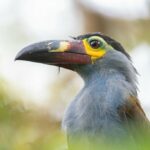
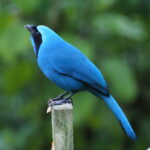
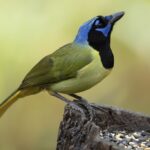
In the mornings, insects attracted to lights near the lodge draw a variety of cloud forest birds onto close-up perches, including flocks of beautiful Turquoise Jays and many others. A short walk from the lodge leads us into the habitat of Torrent Ducks, White-capped Dippers, Gray-breasted Mountain-Toucans, and other cloud forest specialties. We'll also explore the nearby high-Andean páramo in search of alpine specialists such as Rufous-bellied Seedsnipe, Chestnut-winged Cinclodes, Many-striped Canastero, Carunculated Caracara, Andean Condor, and other high-elevation birds.
9
Days 8-9: The High Andes
On days 8–9, we'll make our way to the higher slopes of the Andes. This region is particularly spectacular, with jaw-dropping mountain scenery, rushing rivers, waterfalls, and expansive páramo landscapes. Our base for these two nights will be the lovely Guango Lodge, just downslope from Papallacta Pass. At this beautiful cloud forest hideaway, we'll be surrounded by hummingbirds, including several new species for the trip.
In the mornings, insects attracted to lights near the lodge draw a variety of cloud forest birds onto close-up perches, including flocks of beautiful Turquoise Jays and many others. A short walk from the lodge leads us into the habitat of Torrent Ducks, White-capped Dippers, Gray-breasted Mountain-Toucans, and other cloud forest specialties. We'll also explore the nearby high-Andean páramo in search of alpine specialists such as Rufous-bellied Seedsnipe, Chestnut-winged Cinclodes, Many-striped Canastero, Carunculated Caracara, Andean Condor, and other high-elevation birds.
10
Days 10-13: Tandayapa Valley and Mindo area
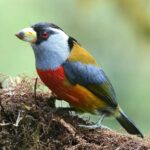
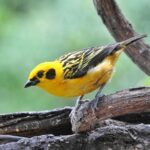
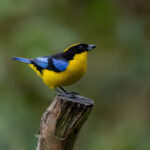
On days 10–13, we travel west of Quito to visit what is arguably the hummingbird photography capital of the world: the Tandayapa Valley. Well over a dozen hummingbird species regularly visit the feeders at our base, Tandayapa Bird Lodge, where they have little fear of people. Tanagers, Rufous Motmots, Crimson-rumped Toucanets, and Toucan Barbets are also frequent visitors to the fruit feeders. While at the lodge, we'll practice photography and lighting techniques using professional photography setups at the feeding stations.
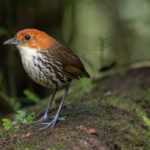
We'll also visit several renowned reserves in the region, including Refugio Paz de las Aves, where we'll enjoy exceptional opportunities to photograph Giant and Yellow-breasted Antpittas, visit another spectacular Andean Cock-of-the-Rock lek, and search for specialties such as Plate-billed Mountain-Toucan and Sword-billed Hummingbird. Before returning to Quito, we'll make one final birding stop on the slopes of Pichincha Volcano, where a final array of hummingbirds and other Andean specialties provides a fitting conclusion to our journey.
11
Days 10-13: Tandayapa Valley and Mindo area
On days 10–13, we travel west of Quito to visit what is arguably the hummingbird photography capital of the world: the Tandayapa Valley. Well over a dozen hummingbird species regularly visit the feeders at our base, Tandayapa Bird Lodge, where they have little fear of people. Tanagers, Rufous Motmots, Crimson-rumped Toucanets, and Toucan Barbets are also frequent visitors to the fruit feeders. While at the lodge, we'll practice photography and lighting techniques using professional photography setups at the feeding stations.
We'll also visit several renowned reserves in the region, including Refugio Paz de las Aves, where we'll enjoy exceptional opportunities to photograph Giant and Yellow-breasted Antpittas, visit another spectacular Andean Cock-of-the-Rock lek, and search for specialties such as Plate-billed Mountain-Toucan and Sword-billed Hummingbird. Before returning to Quito, we'll make one final birding stop on the slopes of Pichincha Volcano, where a final array of hummingbirds and other Andean specialties provides a fitting conclusion to our journey.
12
Days 10-13: Tandayapa Valley and Mindo area
On days 10–13, we travel west of Quito to visit what is arguably the hummingbird photography capital of the world: the Tandayapa Valley. Well over a dozen hummingbird species regularly visit the feeders at our base, Tandayapa Bird Lodge, where they have little fear of people. Tanagers, Rufous Motmots, Crimson-rumped Toucanets, and Toucan Barbets are also frequent visitors to the fruit feeders. While at the lodge, we'll practice photography and lighting techniques using professional photography setups at the feeding stations.
We'll also visit several renowned reserves in the region, including Refugio Paz de las Aves, where we'll enjoy exceptional opportunities to photograph Giant and Yellow-breasted Antpittas, visit another spectacular Andean Cock-of-the-Rock lek, and search for specialties such as Plate-billed Mountain-Toucan and Sword-billed Hummingbird. Before returning to Quito, we'll make one final birding stop on the slopes of Pichincha Volcano, where a final array of hummingbirds and other Andean specialties provides a fitting conclusion to our journey.
13
Days 10-13: Tandayapa Valley and Mindo area
On days 10–13, we travel west of Quito to visit what is arguably the hummingbird photography capital of the world: the Tandayapa Valley. Well over a dozen hummingbird species regularly visit the feeders at our base, Tandayapa Bird Lodge, where they have little fear of people. Tanagers, Rufous Motmots, Crimson-rumped Toucanets, and Toucan Barbets are also frequent visitors to the fruit feeders. While at the lodge, we'll practice photography and lighting techniques using professional photography setups at the feeding stations.
We'll also visit several renowned reserves in the region, including Refugio Paz de las Aves, where we'll enjoy exceptional opportunities to photograph Giant and Yellow-breasted Antpittas, visit another spectacular Andean Cock-of-the-Rock lek, and search for specialties such as Plate-billed Mountain-Toucan and Sword-billed Hummingbird. Before returning to Quito, we'll make one final birding stop on the slopes of Pichincha Volcano, where a final array of hummingbirds and other Andean specialties provides a fitting conclusion to our journey.
14
Day 14: Departure from Quito
The morning provides one final opportunity to reminisce over breakfast before our Ecuador bird photography adventure comes to a close.
Tour Overview
Bird photography opportunities like nowhere else: Ecuador is widely considered to be the best country on Earth for bird photography. The beauty of the birds that are found in the region speaks for itself, but Ecuador uniquely provides incredible infrastructure for visiting bird, wildlife and photography enthusiasts. The lodges here are relatively easy to get to, and perfectly designed for observing and photographing avian life. During this trip, we’ll spend time photographing birds at feeding stations set up for photography, as well as in natural forest settings.
Hummingbirds galore: At many of the lodges where we stay, dozens of hummingbirds are continuous visitors to feeders and flowers, where they exhibit no fear of humans. It’s a photographer’s dream! Their behaviour here makes it so much easier to capture amazing images, and work on photographic technique. From sylphs, to violetears, to sunangles, to woodstars, the Andes boasts incredible diversity of hummingbirds, with equally incredible names. About 40% of all hummingbird species on Earth can be found in Ecuador, and over 40 hummingbird species may be encountered on this trip.
Incredible biodiversity from the Amazon to the Andes: Experiencing the Amazon Rainforest is often considered the top “bucket list” item for nature lovers, and it’s easy to see why. With the highest biodiversity on the entire planet, we are sure to encounter a multitude of spectacular bird species, as well as amazing wildlife: monkeys, reptiles, amphibians, and more, all in some of the most spectacularly lush rainforest imaginable. This itinerary combines the Amazon with the adjacent Andes mountains, another “must visit” destination for nature lovers. Here, breathtaking mountain scenery is combined with spectacular bird life that often has little to no fear of people.
Highlights ✓Visit the most biodiverse place on Earth: the Amazon Rainforest ✓Experience the spectacular Andes mountains ✓Hummingbirds galore ✓Tropical bird species coming to feeding stations ✓Clay licks for parrots, macaws and parakeets ✓Small group size limited to a maximum of 6 people
Gallery
✓ What's included
All accommodation
All meals & soft drinks
4 - 6 participants with an EET guide
All transportation between locations during the tour
Entry fees into reserves
Gratuities to local guides and drivers
Ground transportation
Airport transfer
✕ Not included
Flights to and from the trip start/end point (Quito)
Travel insurance
Items of a personal nature
Alcoholic beverages