Natural Yaigojé Apaporis National Park
Photo © Jucatili25
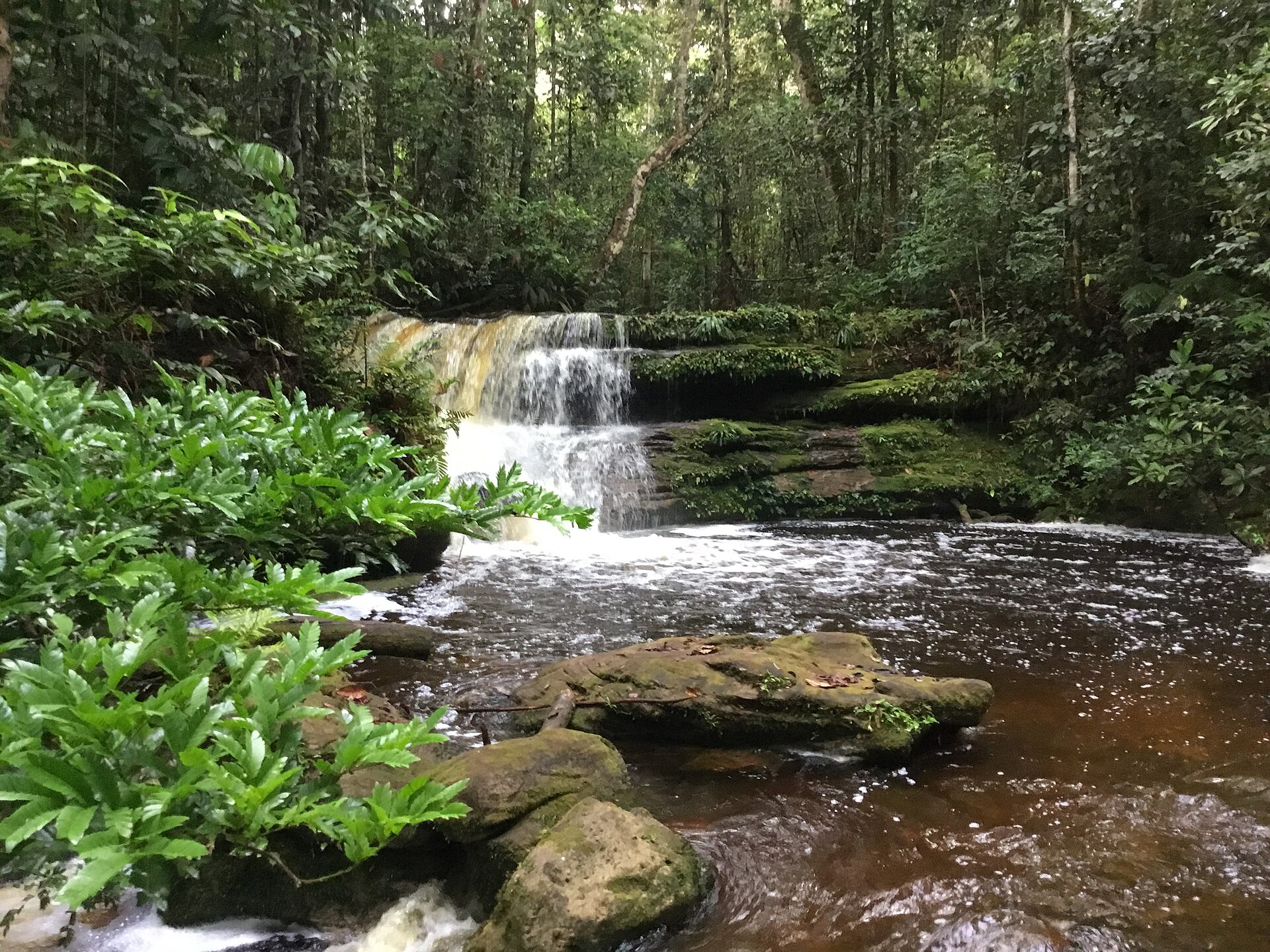
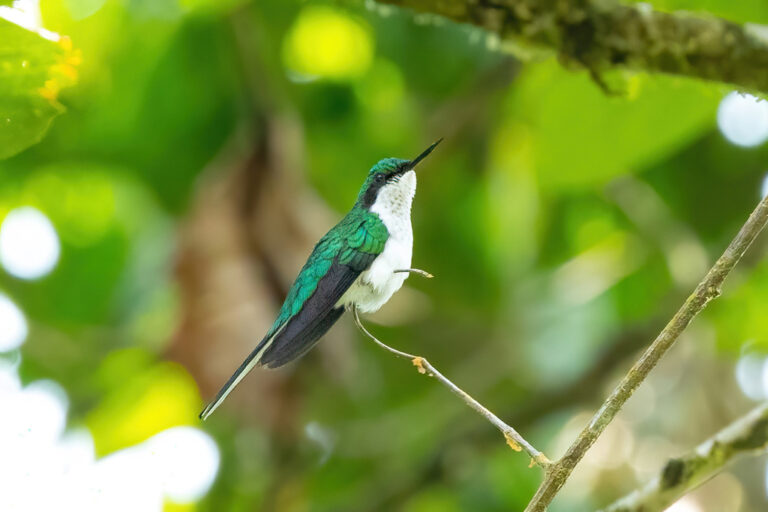
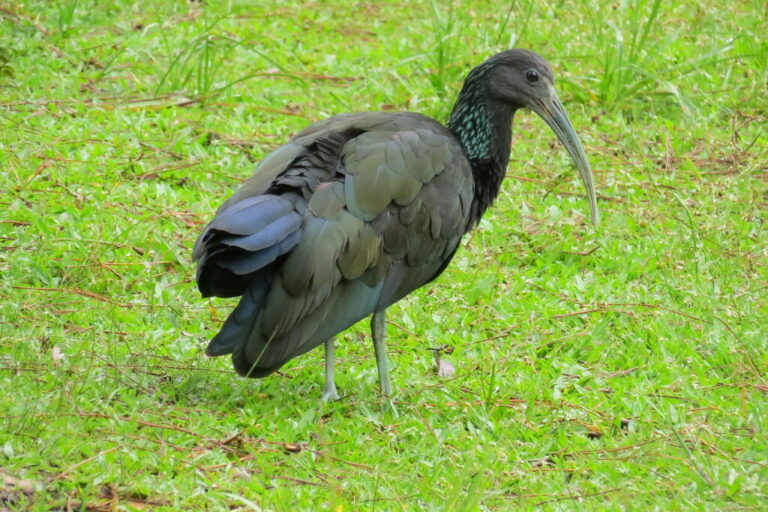
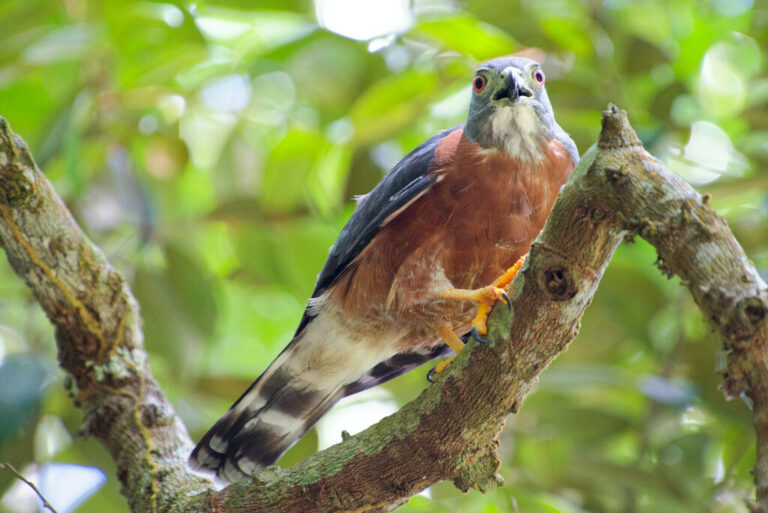
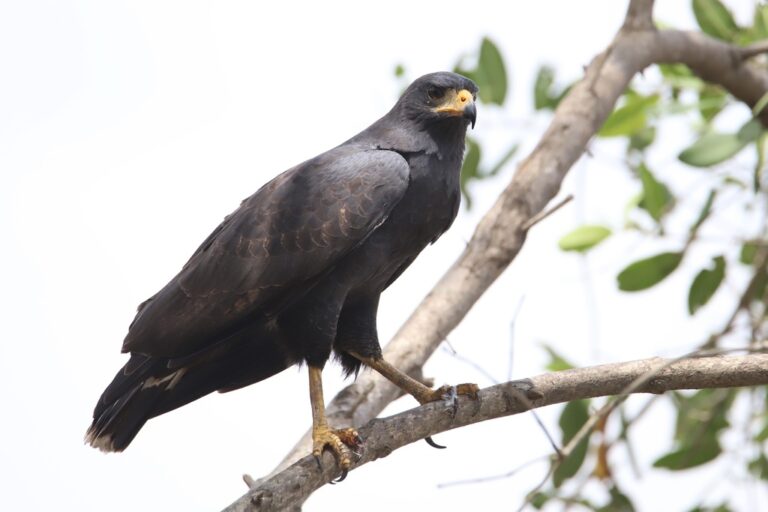
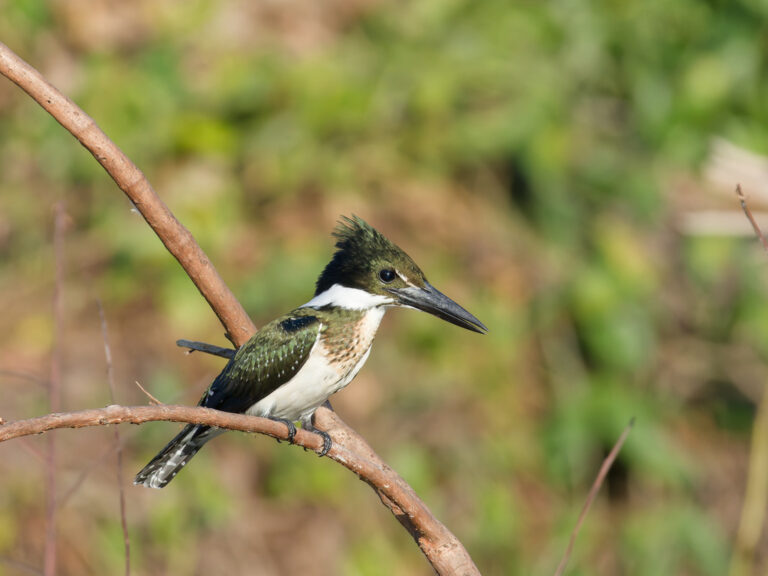
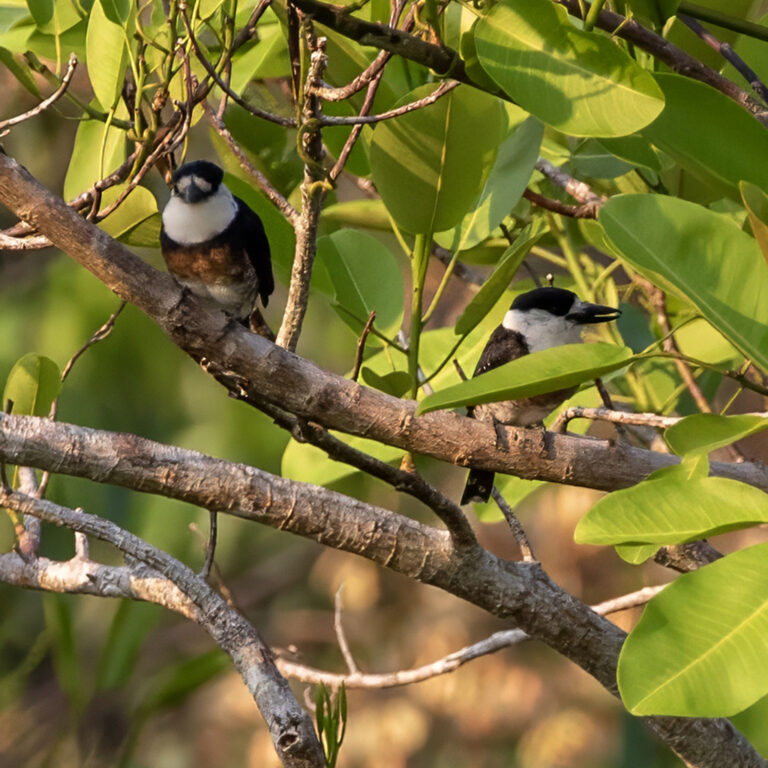
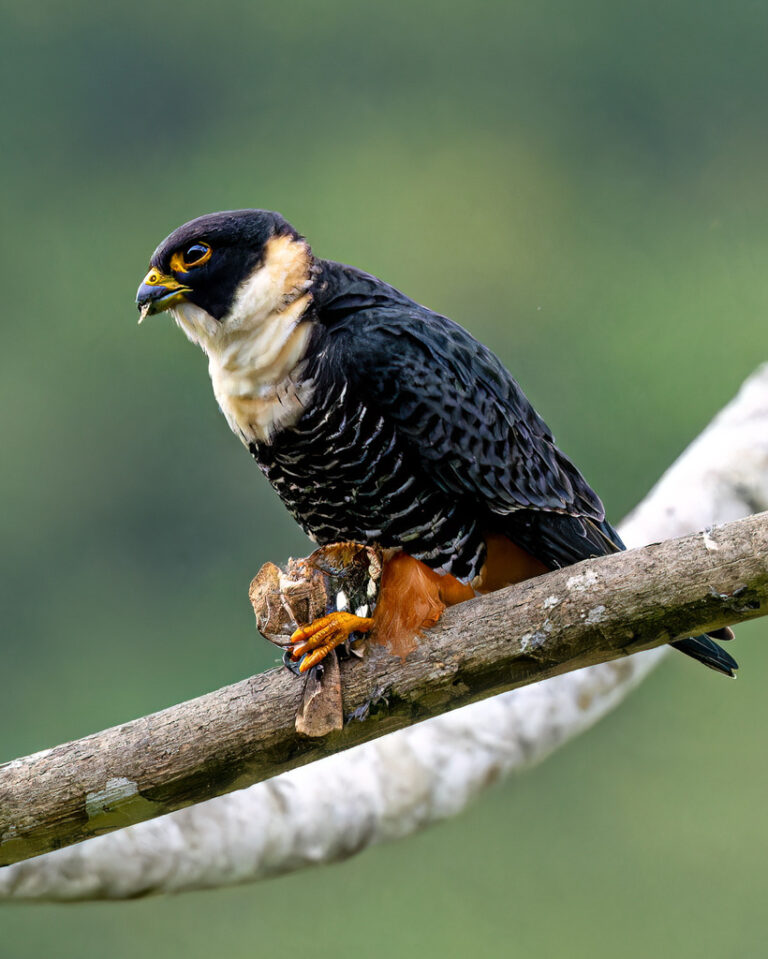
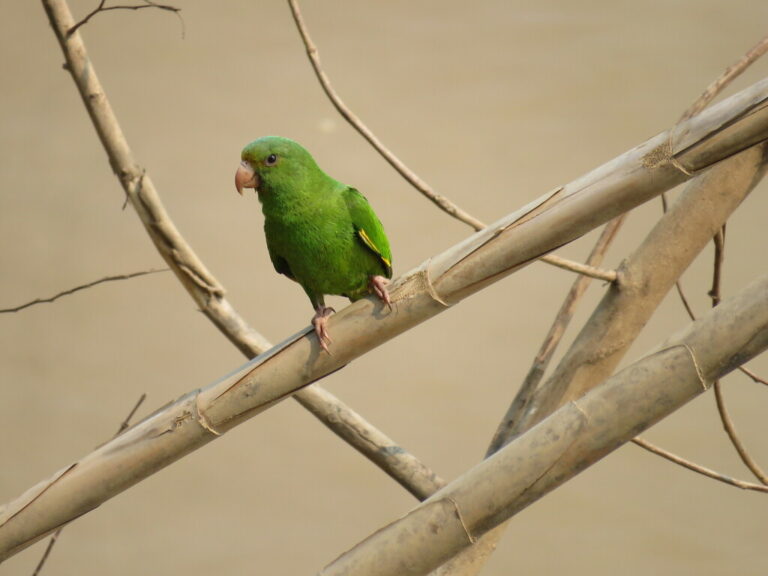
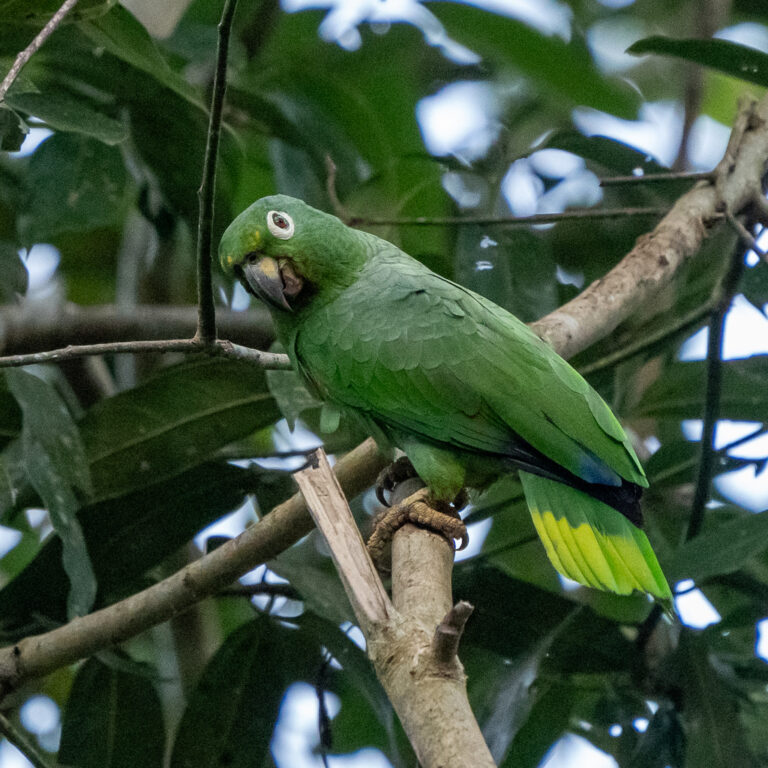
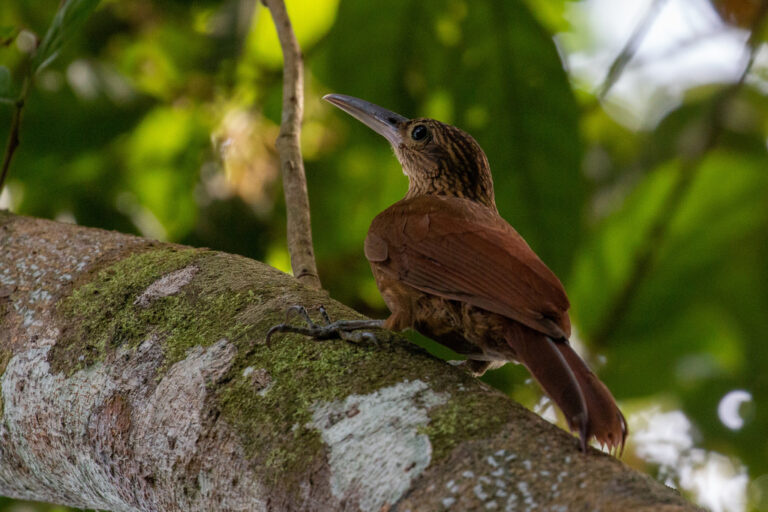
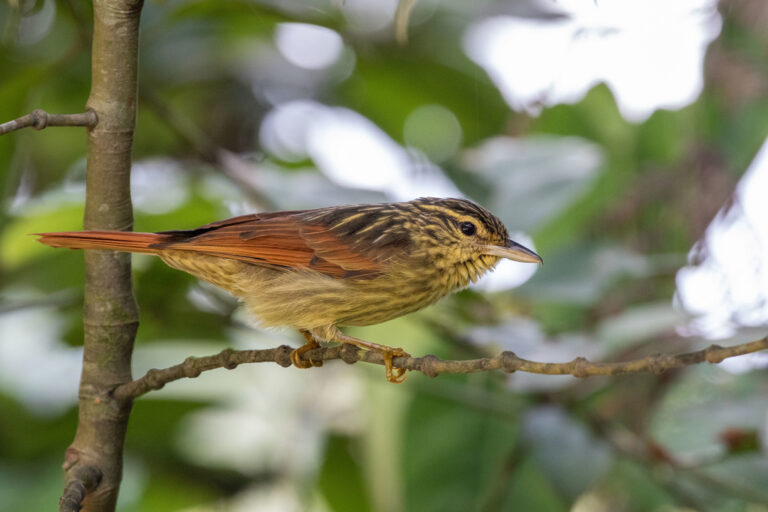
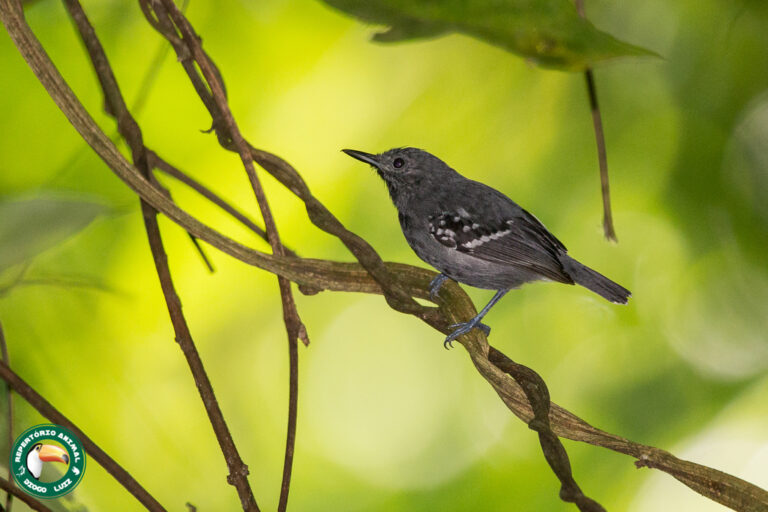
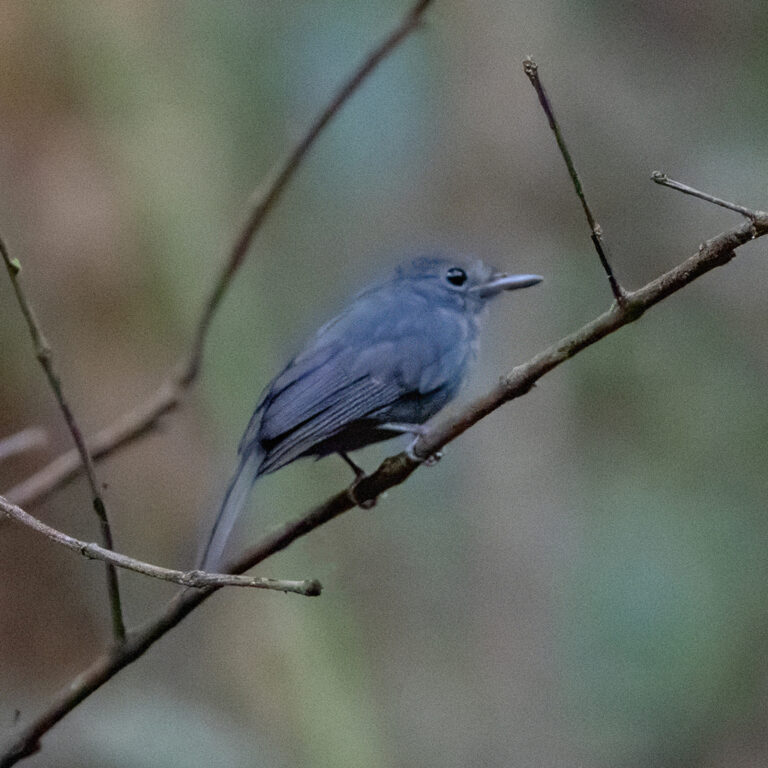
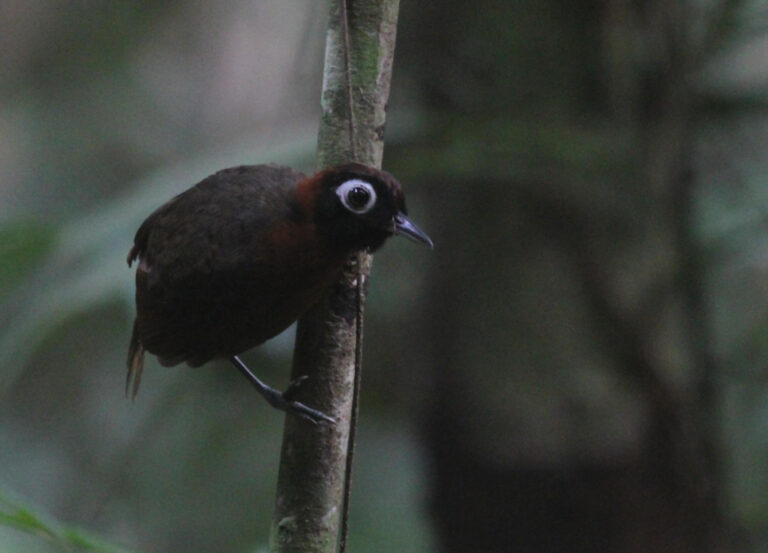
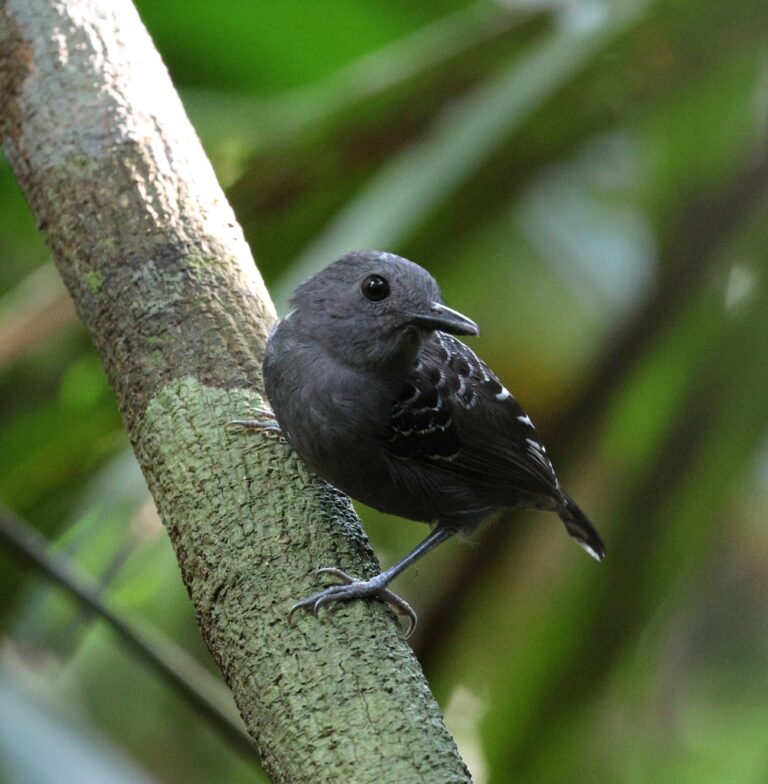
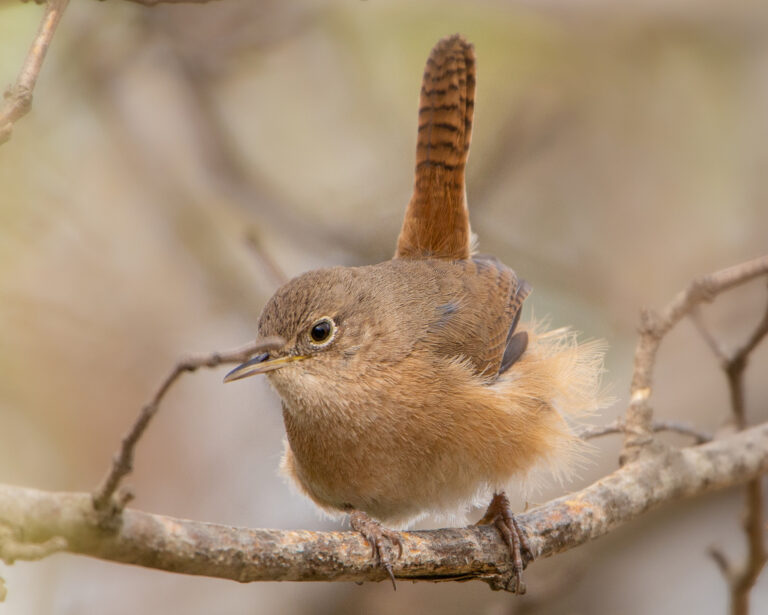
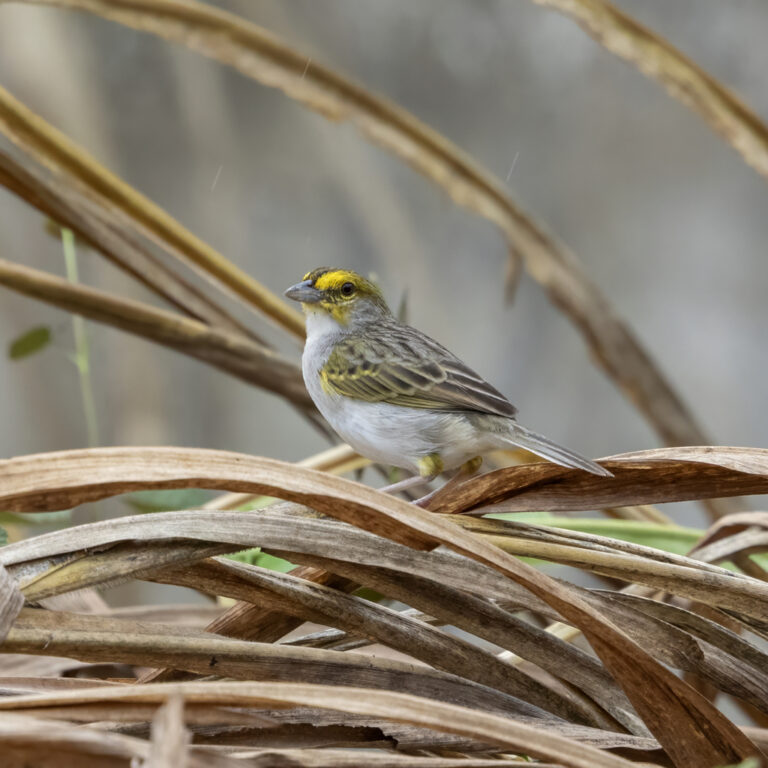
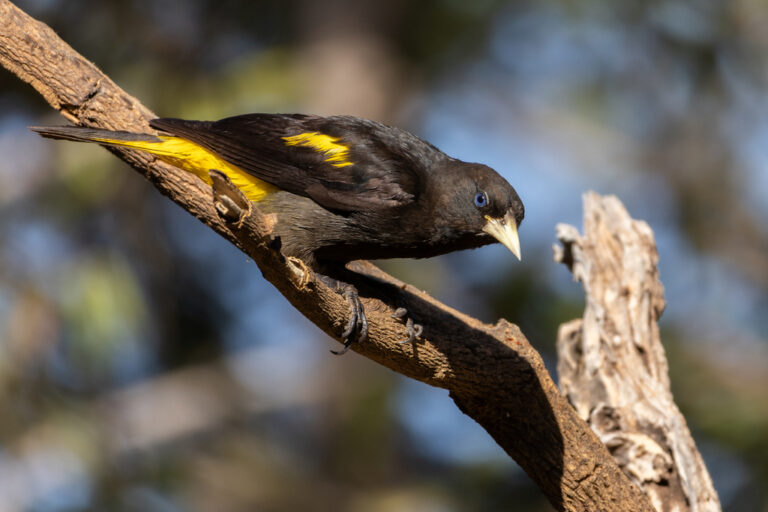
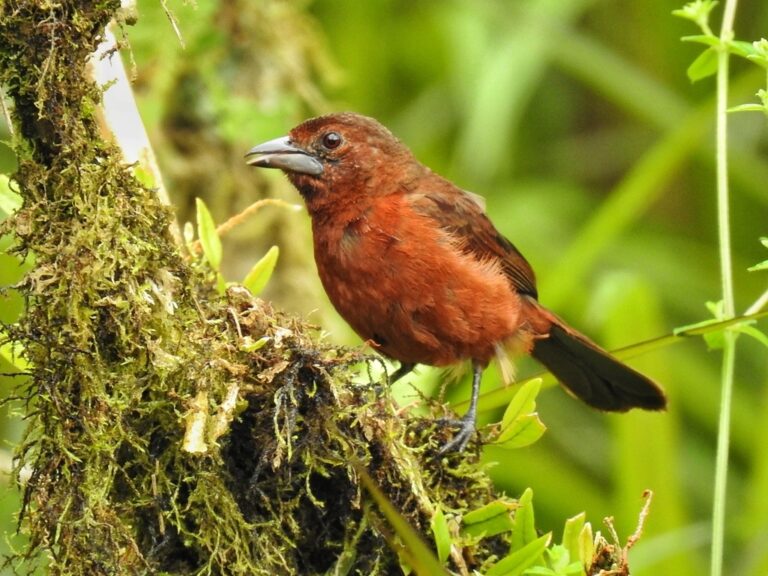
Photo © Jucatili25 — CC BY-SA 4.0 — Source: Wikimedia CommonsWhere the Río Apaporis winds through the remote heart of Colombian Amazonia, roughly 26,000 square kilometres of pristine rainforest, flooded forest, and river corridors remain largely untouched by human settlement. This vast National Park protects one of the Amazon basin's most intact terrestrial ecosystems, where the landscape transitions from terra firme uplands to seasonally inundated várzea and igapó forests that pulse with the region's dramatic wet and dry cycles. The geological foundation—ancient bedrock and alluvial plains carved by countless tributaries—creates a mosaic of microhabitats that sustain an extraordinary diversity of life. Forest canopy layers teem with birds of prey, parrots, and insectivorous canopy dwellers; the understory harbours small mammals, ground-feeding birds, and amphibians; and the river systems support aquatic birds, caimans, and fish-eating specialists. This is a landscape where jaguars still patrol, where river dolphins navigate the dark waters, and where the ecological processes that shaped the Amazon for millennia remain largely uninterrupted—a rarity of continental significance.
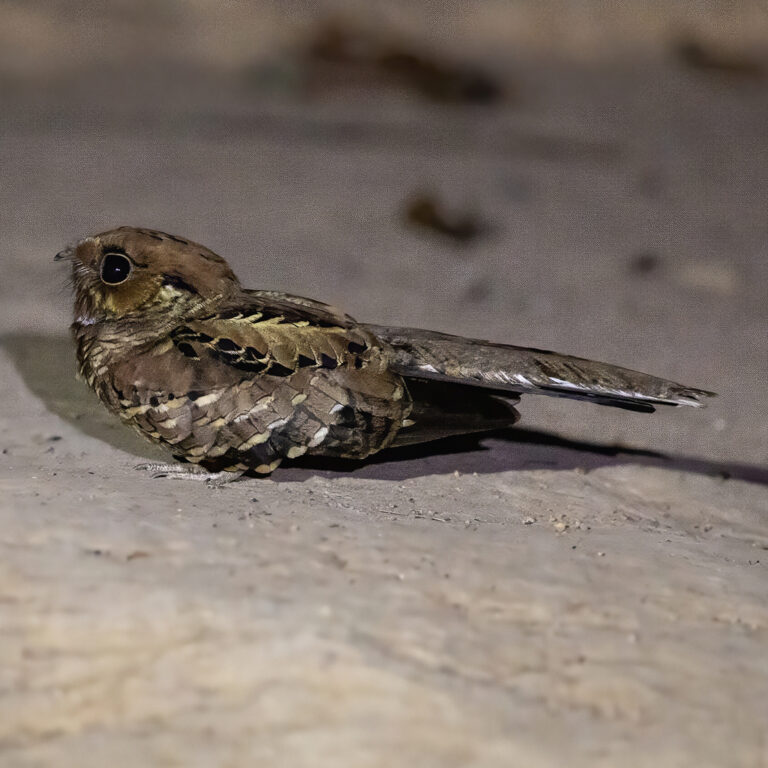
For wildlife photographers and birders willing to undertake the logistical challenge of reaching this remote frontier, La Pedrera serves as the primary gateway, accessible by river journey from the nearest settlements. The park's inaccessibility is precisely its conservation strength and its appeal to the most committed naturalists: the absence of roads and formal infrastructure means encounters with wildlife occur in an undisturbed setting, where animals follow natural behaviours unaccustomed to human presence. The wet season transforms forest streams into highways for wading birds and brings migratory species to interior forest clearings; the dry season concentrates wildlife along the main river channels and oxbow lakes, offering exceptional visibility for riverine mammals and water birds. Visits demand patience, local knowledge, and a genuine commitment to wilderness travel rather than managed tourism, but the reward is unfiltered access to Amazonian ecological processes and wildlife communities that exist almost nowhere else on Earth.
No community observations yet — be the first to log a sighting here.
Natural Yaigojé Apaporis National Park
Warm throughout the year, with rainfall patterns shaping the seasons.
A year of temperatures
Monthly means, with the coldest and warmest highlighted
Terrain and elevation
118 m · LowlandAverage terrain elevation estimate across the hotspot; the figure does not represent its highest summits.
Lowland