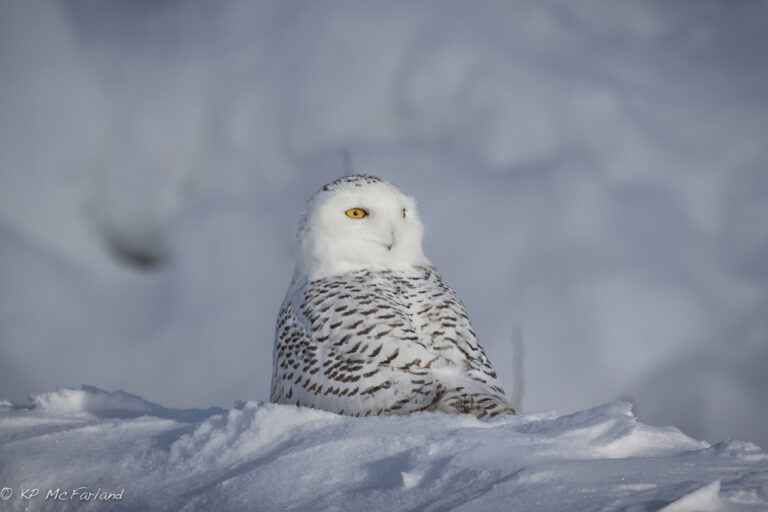
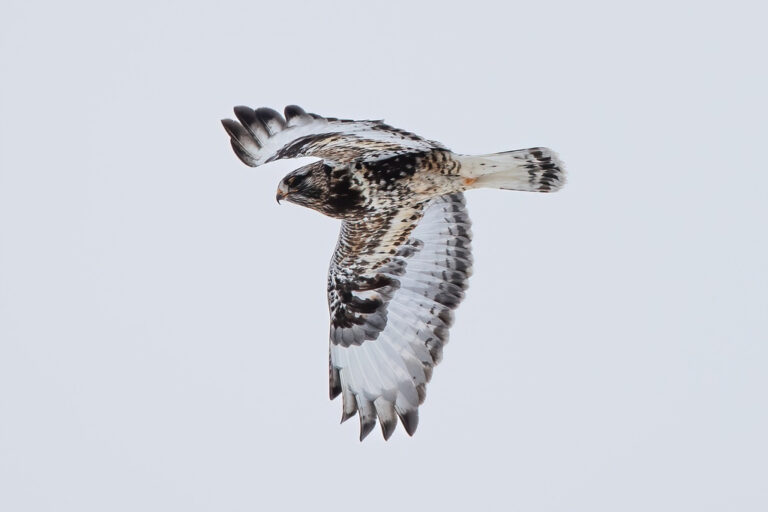
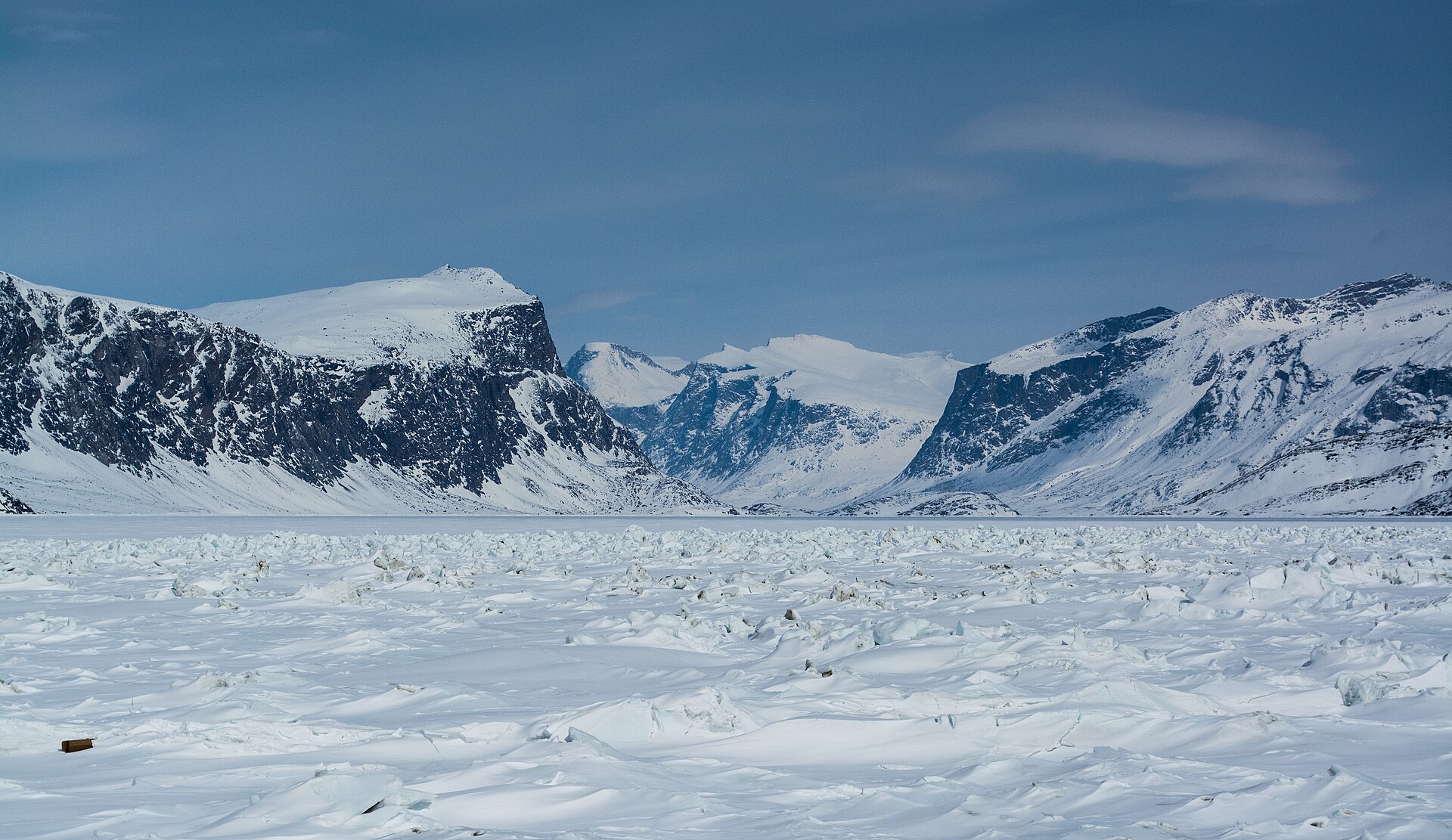
Where granite peaks pierce the Arctic sky above Baffin Island, Auyuittuq National Park sprawls across roughly 40,000 square kilometres of one of Canada's most unforgiving landscapes. The name, borrowed from the Inuit language, means "the place that never melts"—a fitting description for terrain dominated by extensive ice fields, deep fjords, and jagged mountain ridges that rise above permanent snowfields. The park encompasses multiple habitat zones shaped by extreme cold and minimal precipitation: high alpine tundra where sparse vegetation clings to exposed rock, lower elevations clothed in low shrub and lichen communities, and the dramatic coastal fjords that carve into the eastern coast. This is a realm of predators and prey adapted to scarcity—small mammals, particularly rodents and hares, form the base of the food web that supports birds of prey, larger carnivores, and marine mammals in the fjords and coastal waters. The park's ecology pulses with the Arctic's seasonal extremes: long polar nights in winter, continuous daylight in summer, and brief windows of biological activity compressed into the brief warm season.
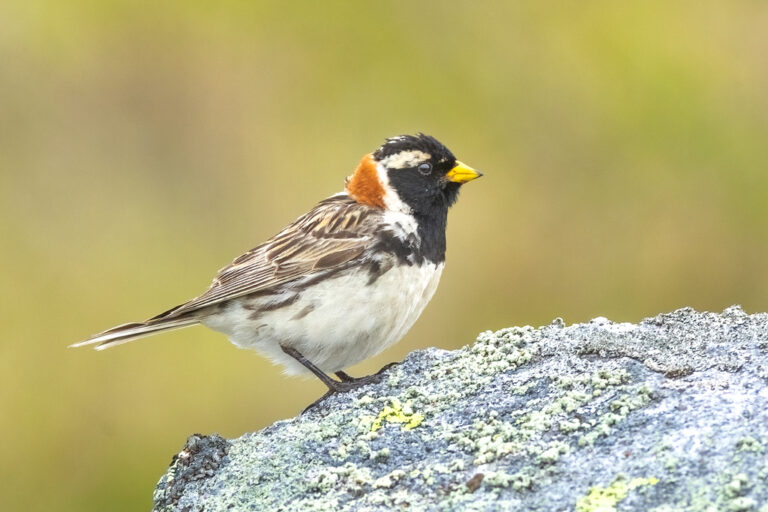
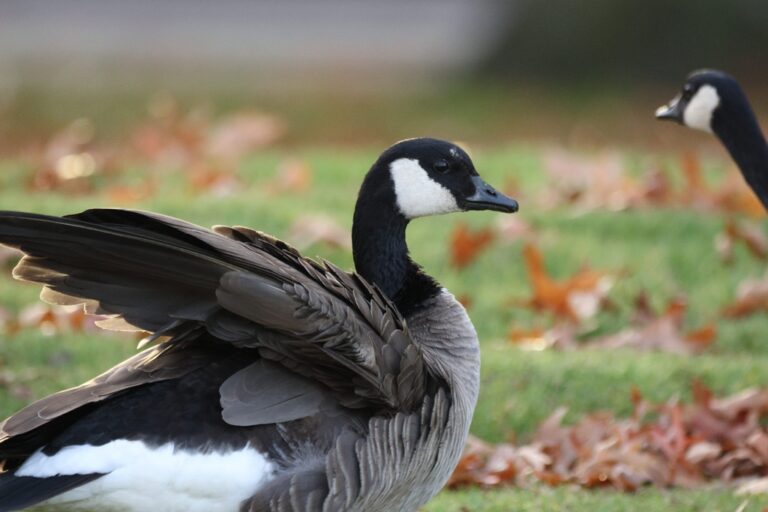
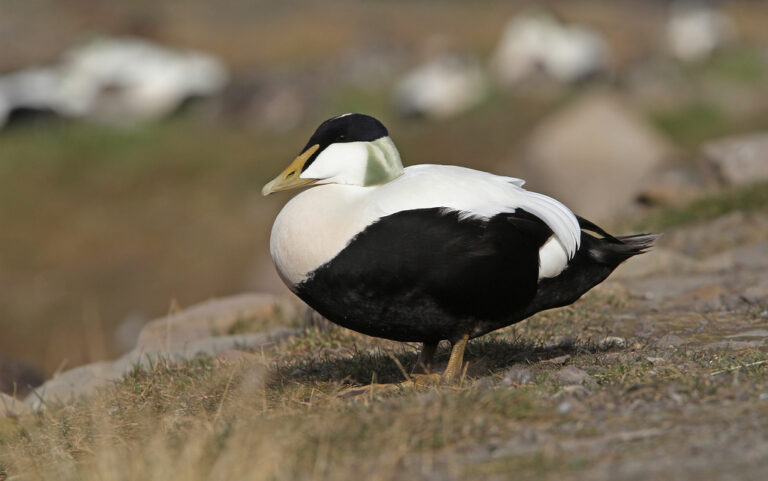
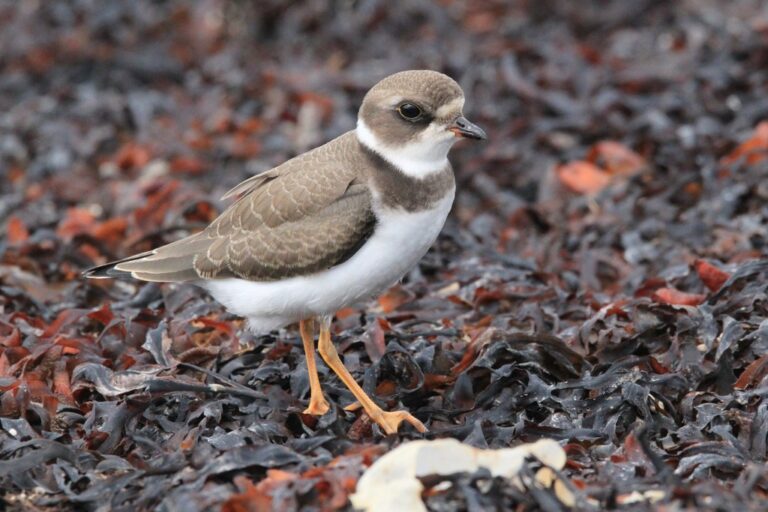
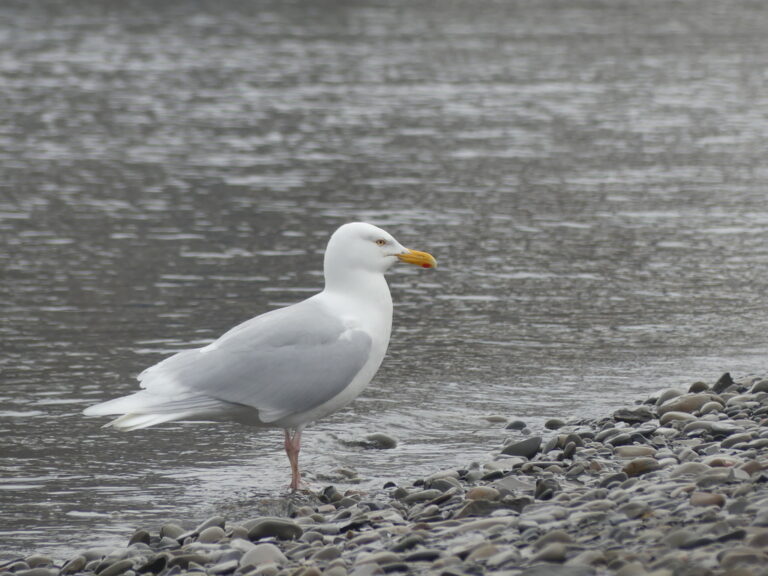
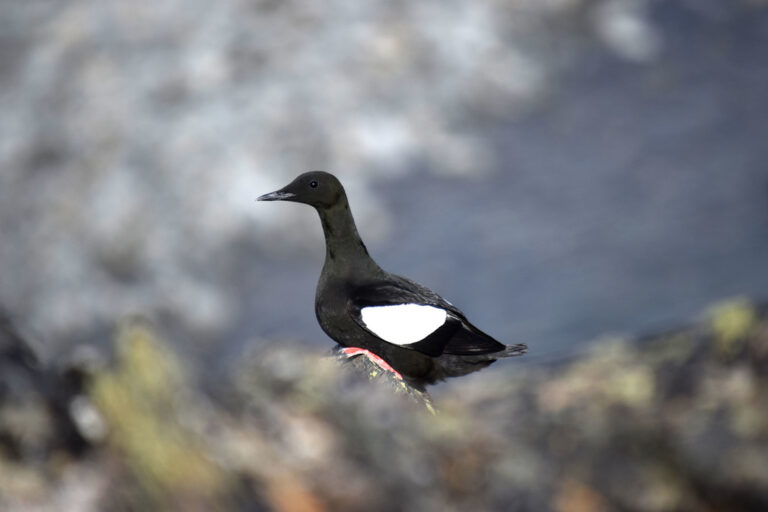
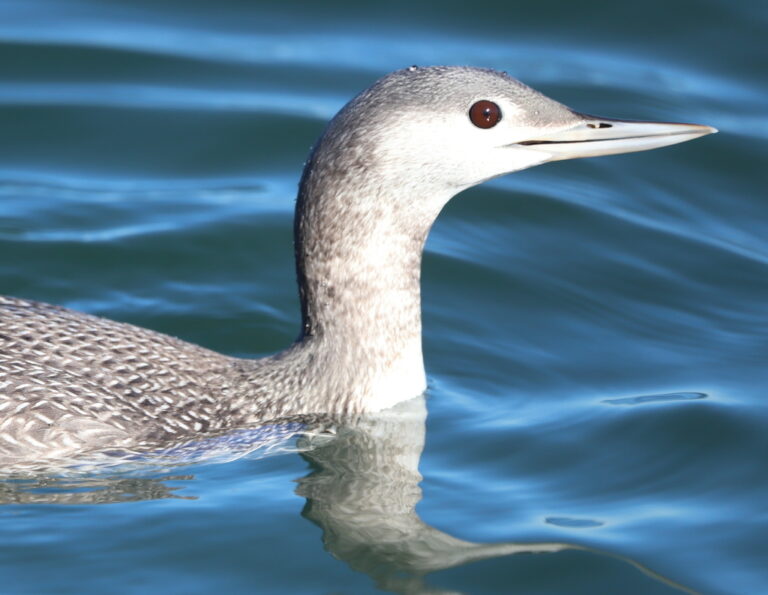
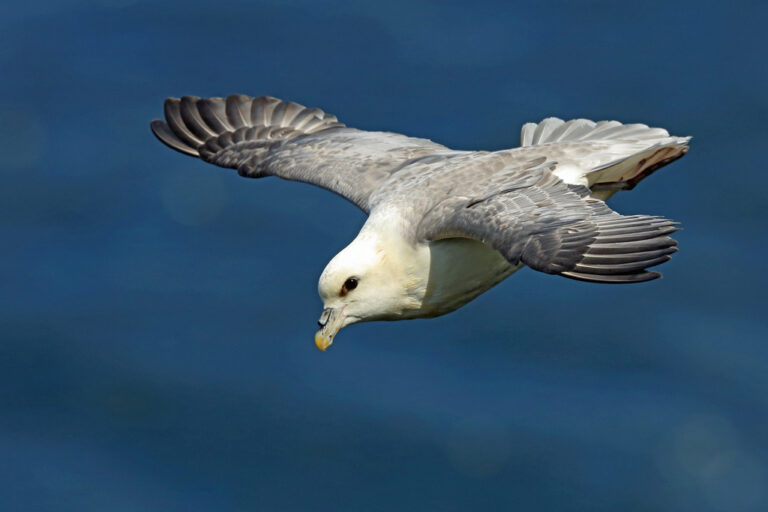
For wildlife photographers and adventure travellers with genuine Arctic experience, Auyuittuq demands respect and reward in equal measure. The landscape itself is the primary draw—those vast ice fields and granite spires offer light of extraordinary clarity, especially during the extended daylight of the brief Arctic summer, when conditions allow overland travel and fjord exploration. Migratory birds arrive to breed during the snow-free months, and marine mammals move through coastal waters as sea ice retreats. Access is deliberately limited and challenging; the park is reached primarily by air from the southern communities of Baffin Island, and travel within demands proper preparation, guides, and genuine wilderness competence. This is not a park of easy encounters or casual observation, but rather a destination for those willing to endure genuine Arctic conditions in exchange for landscapes and wildlife behaviours shaped by the world's most demanding environment.