National Park of American Samoa
Photo © The U.S. National Park Service (public domain)
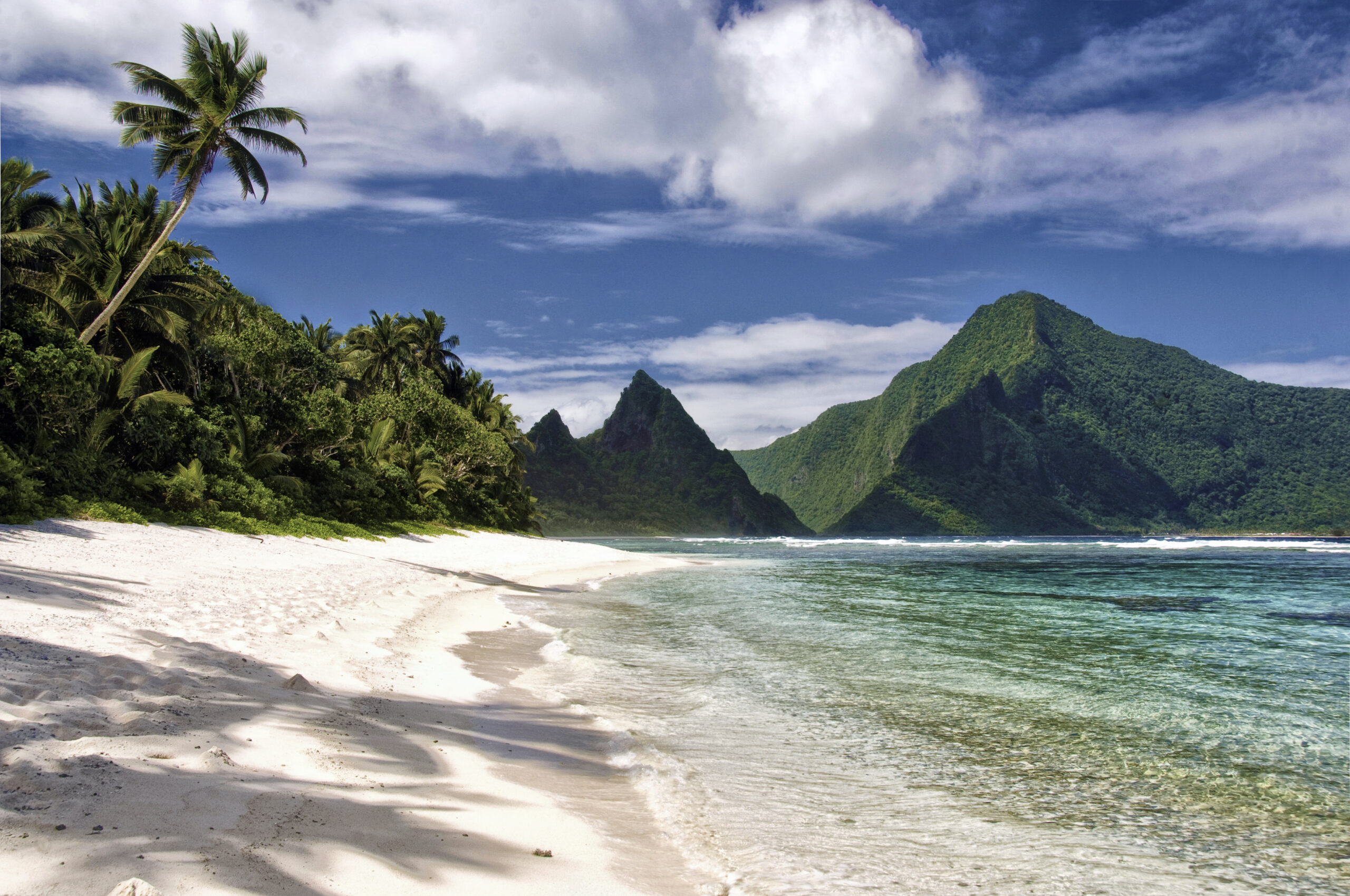
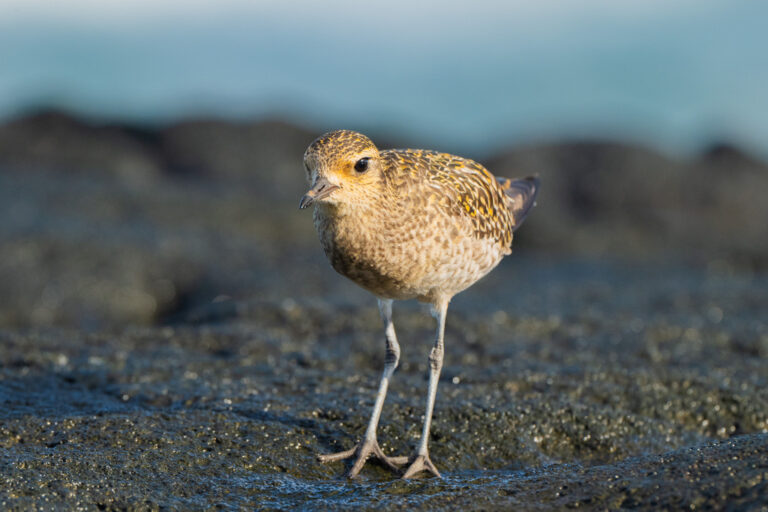
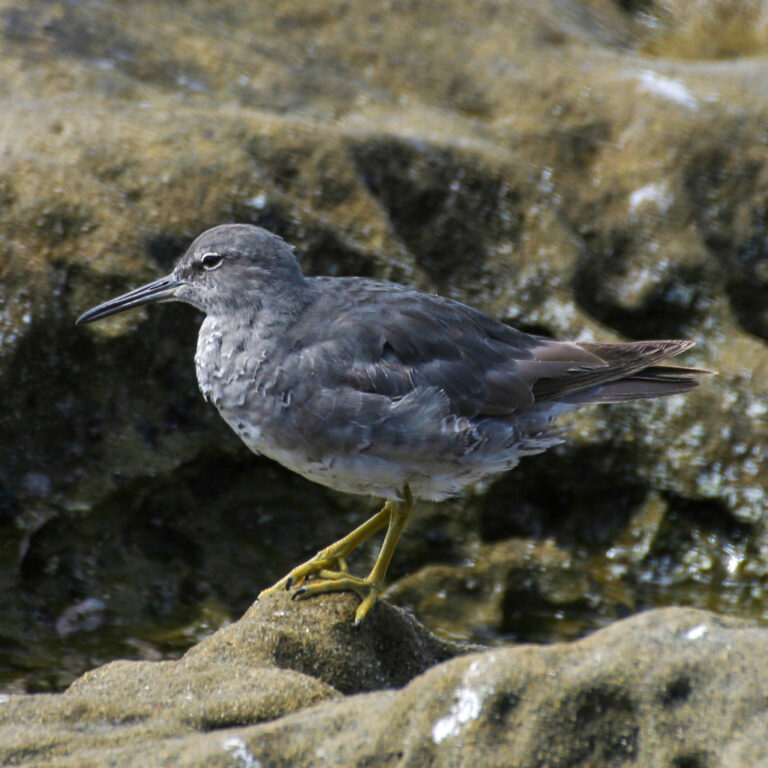
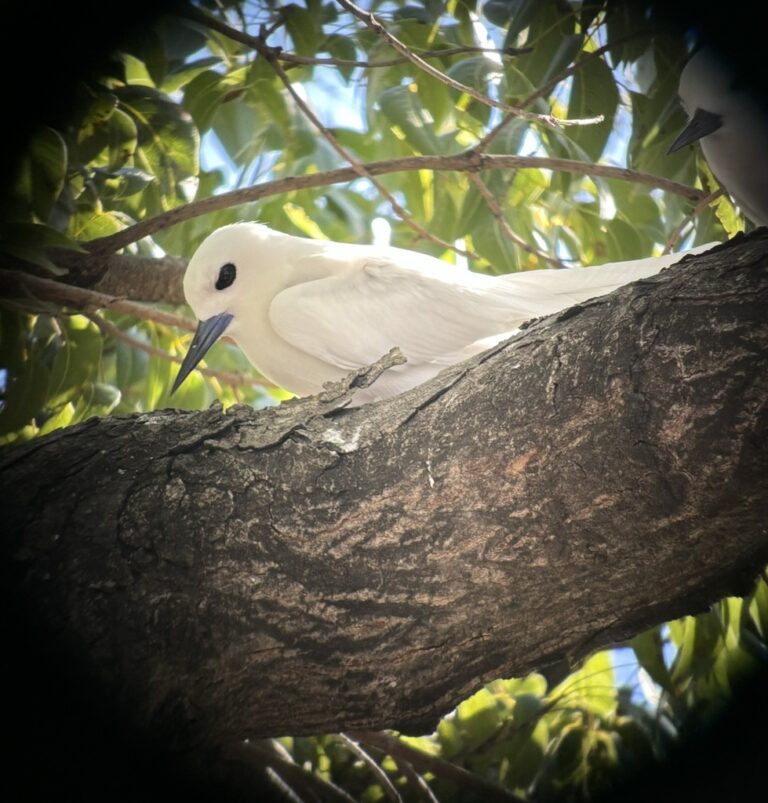
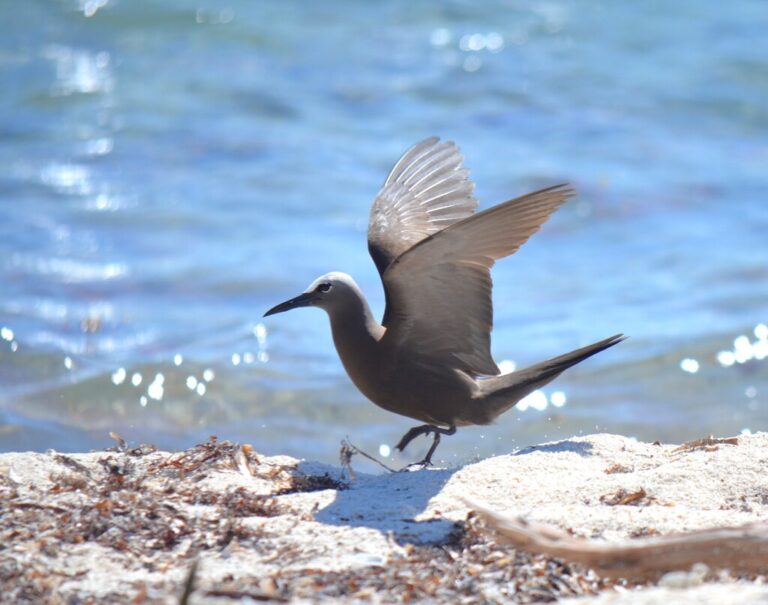
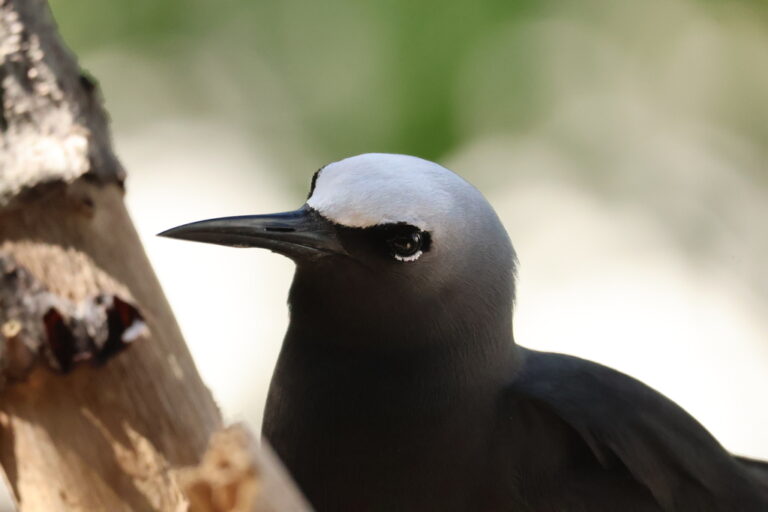
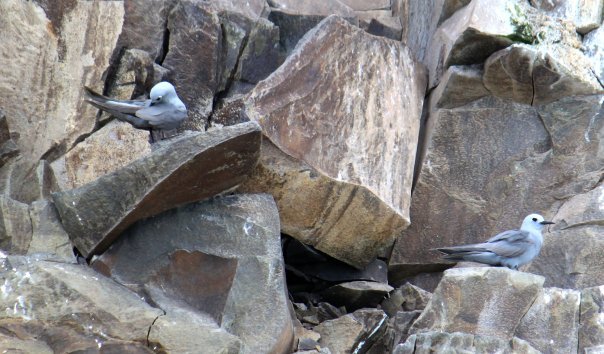
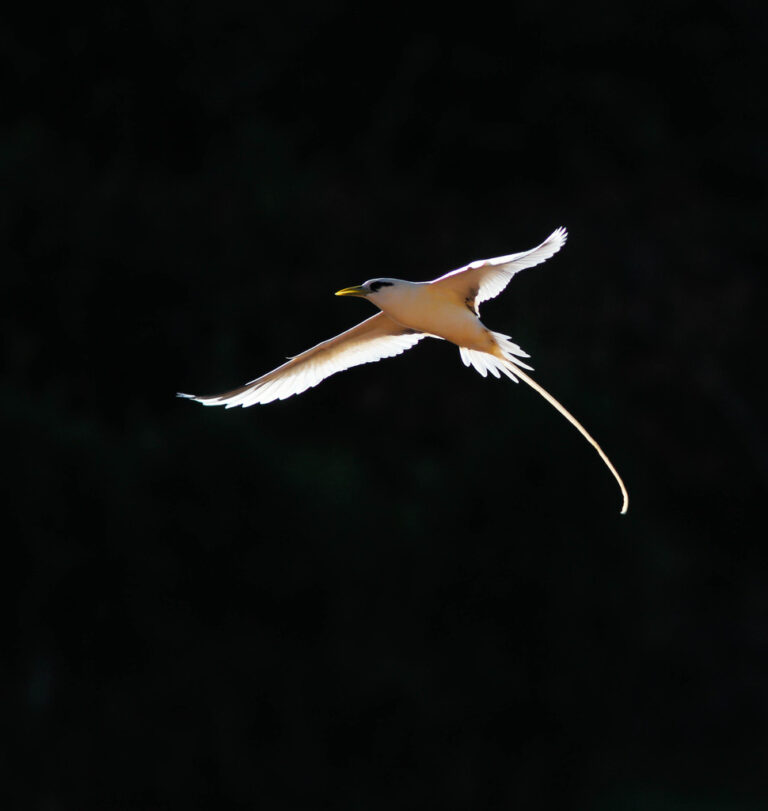
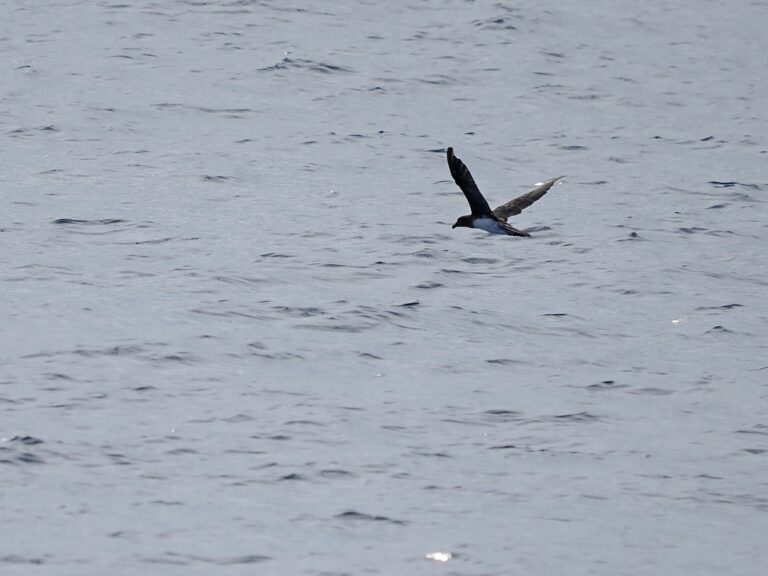
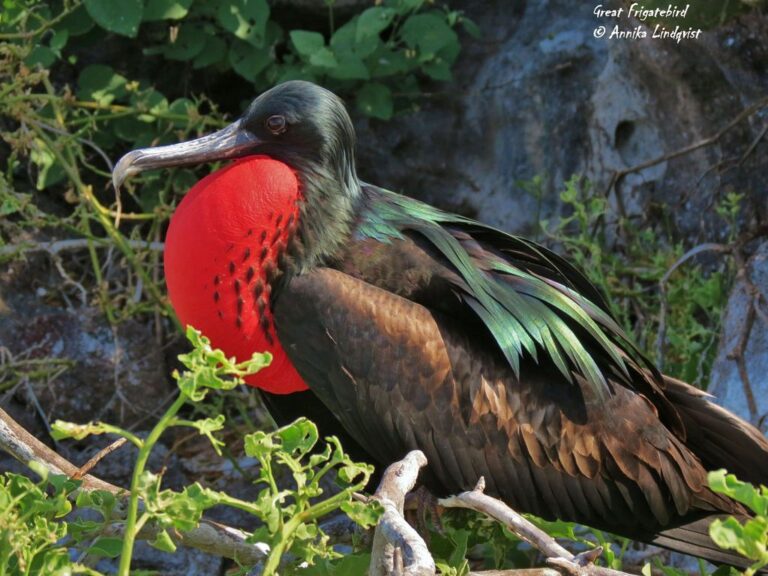
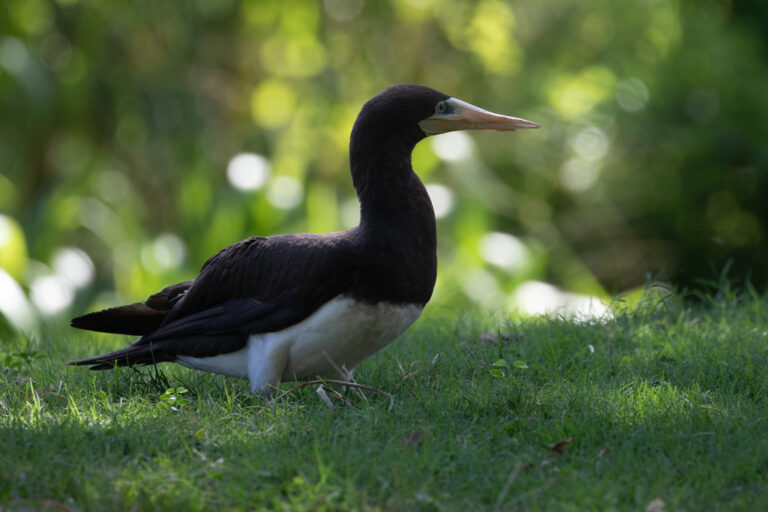
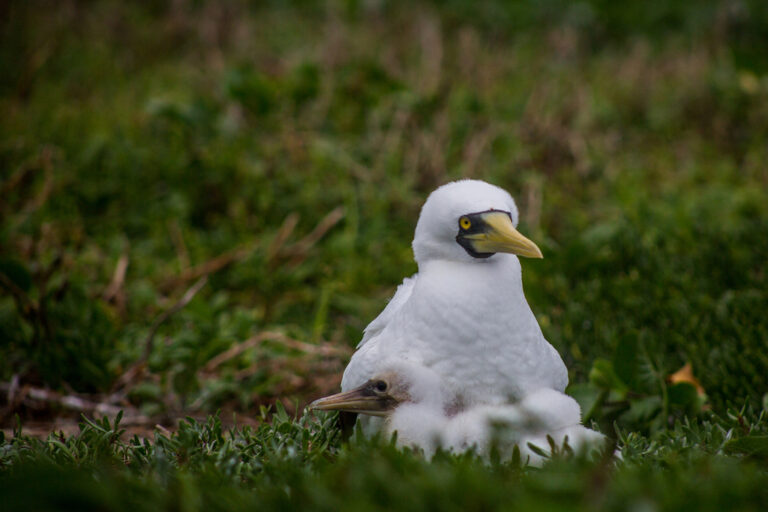
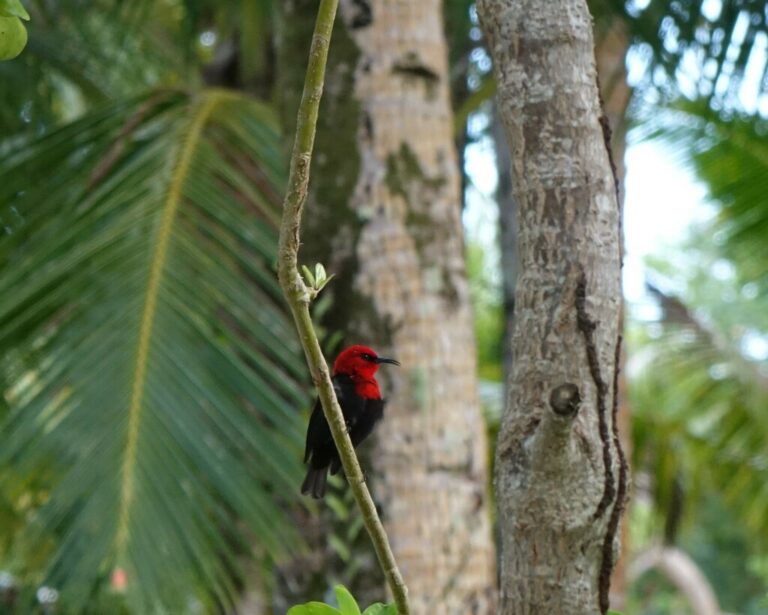
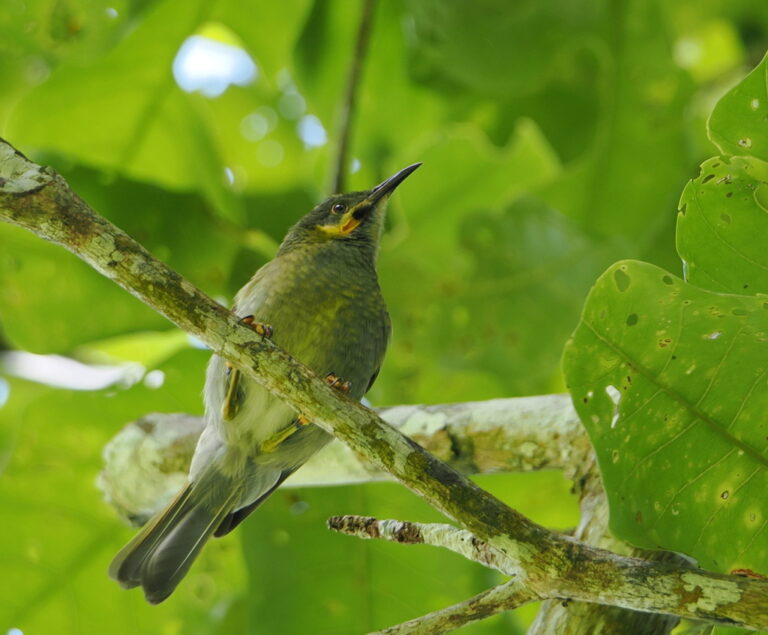
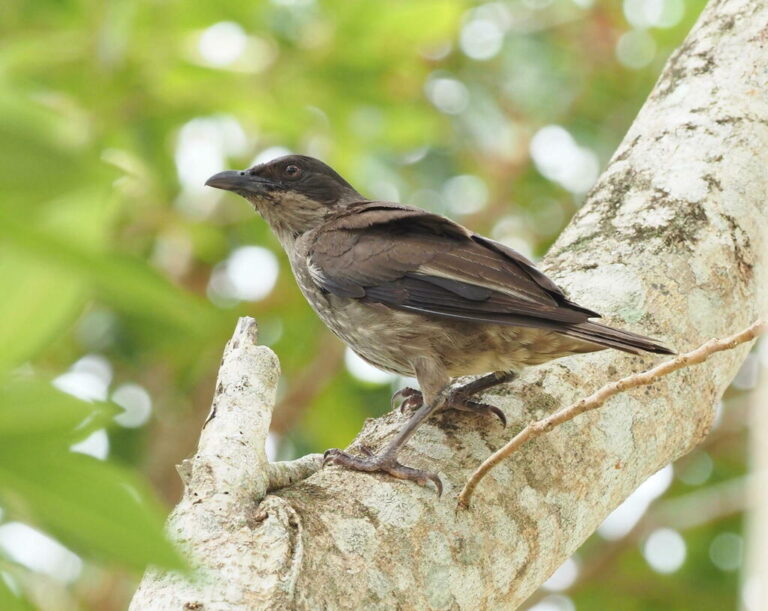
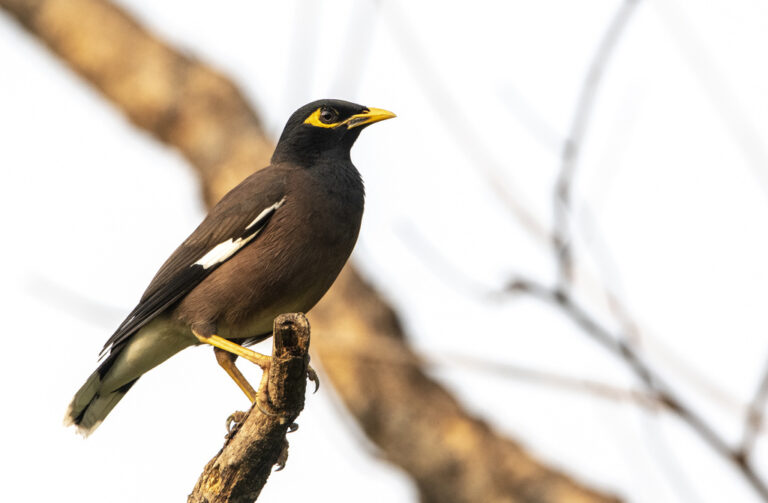
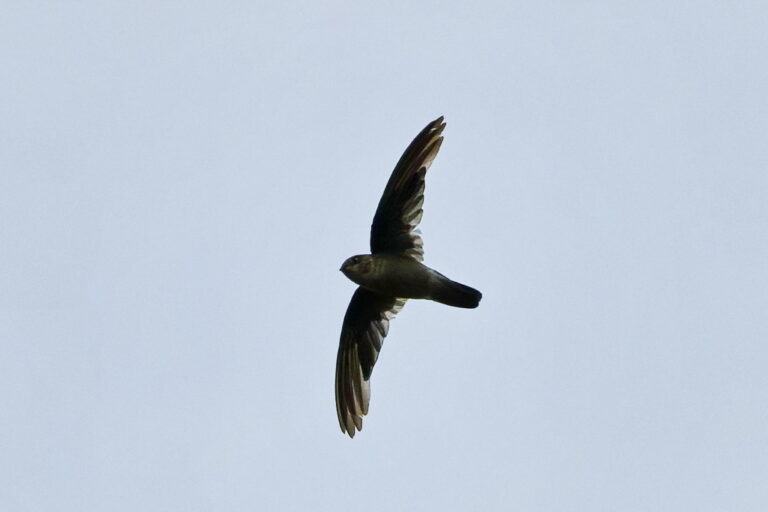
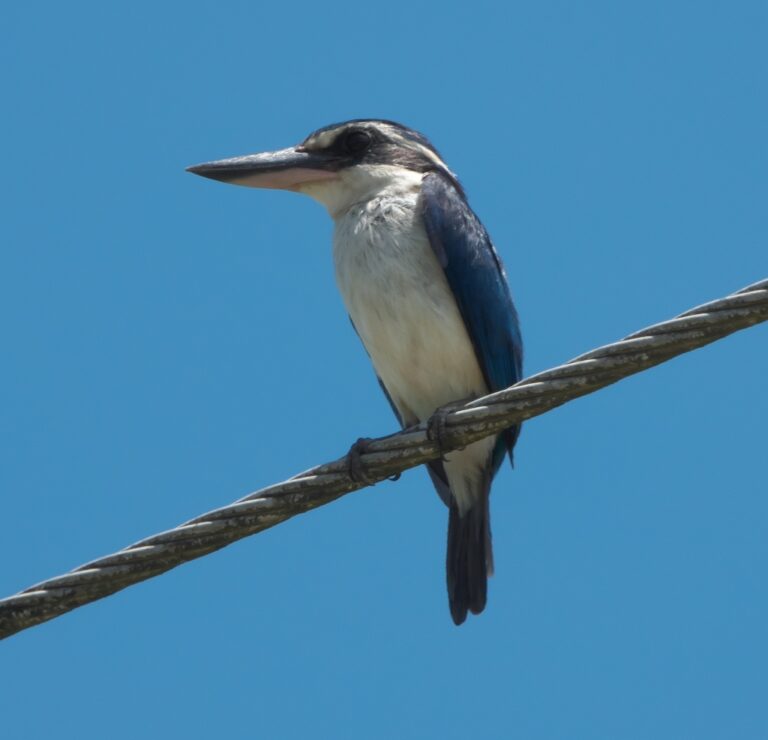
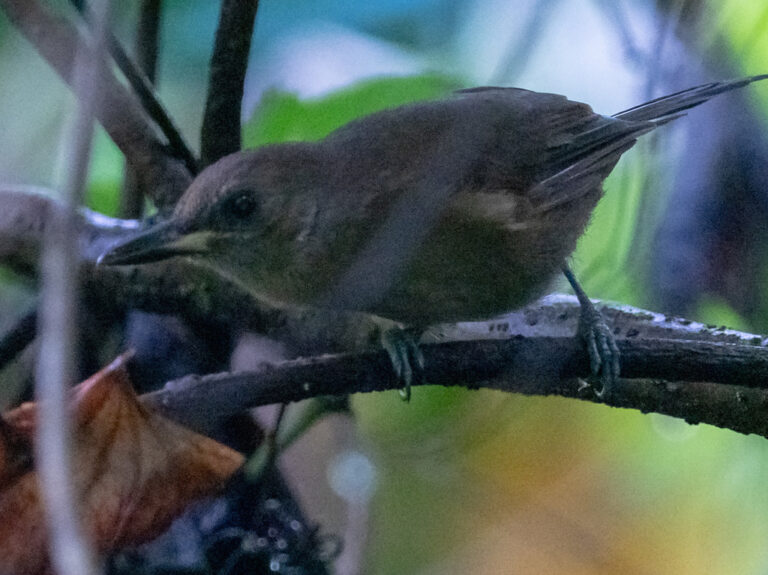
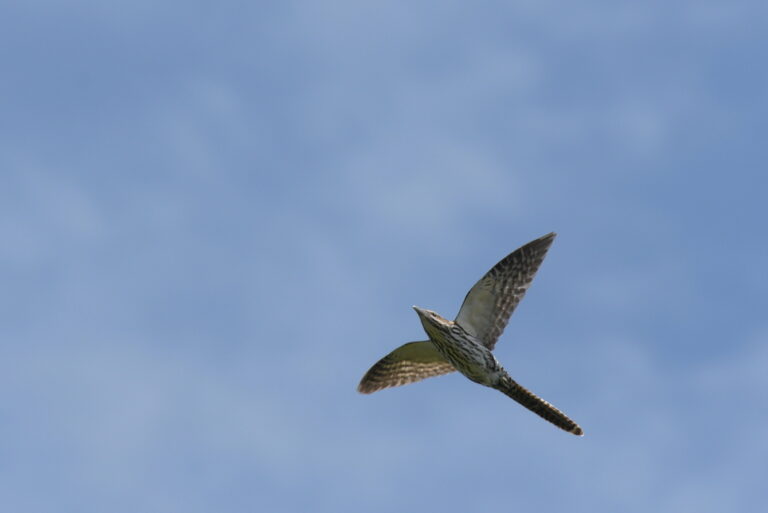
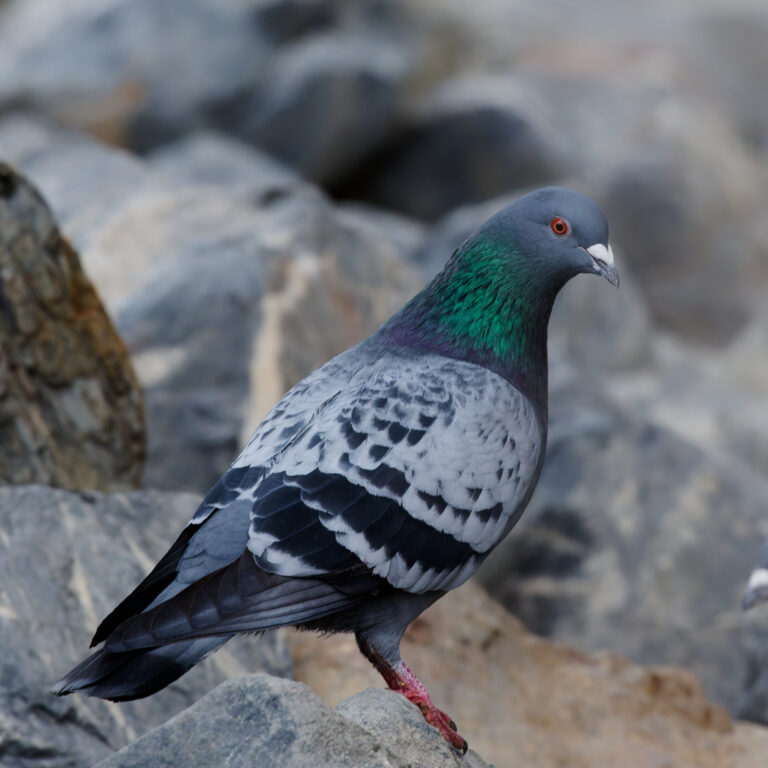
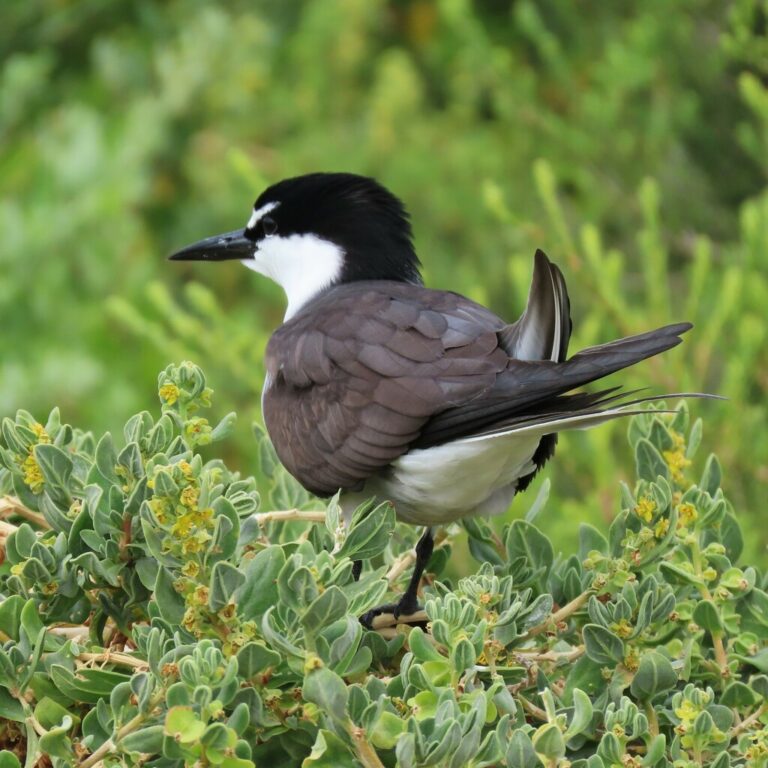
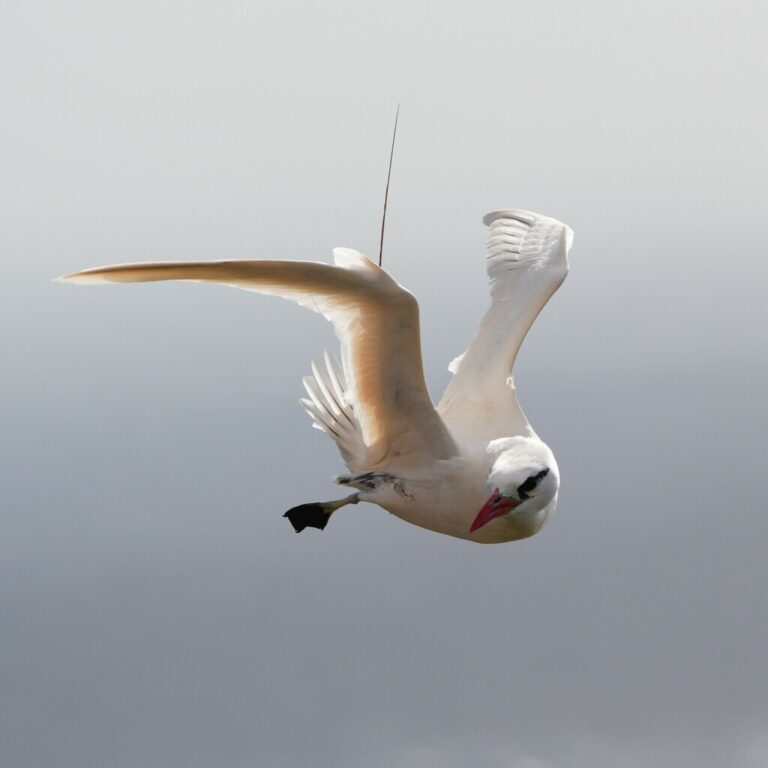
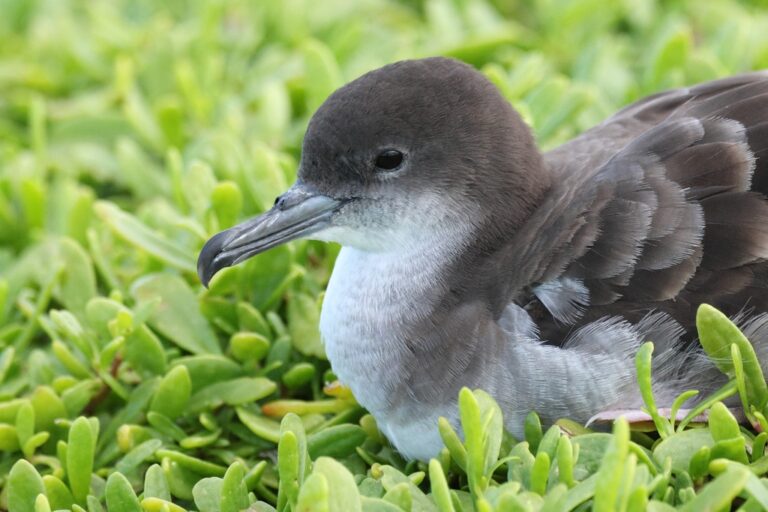
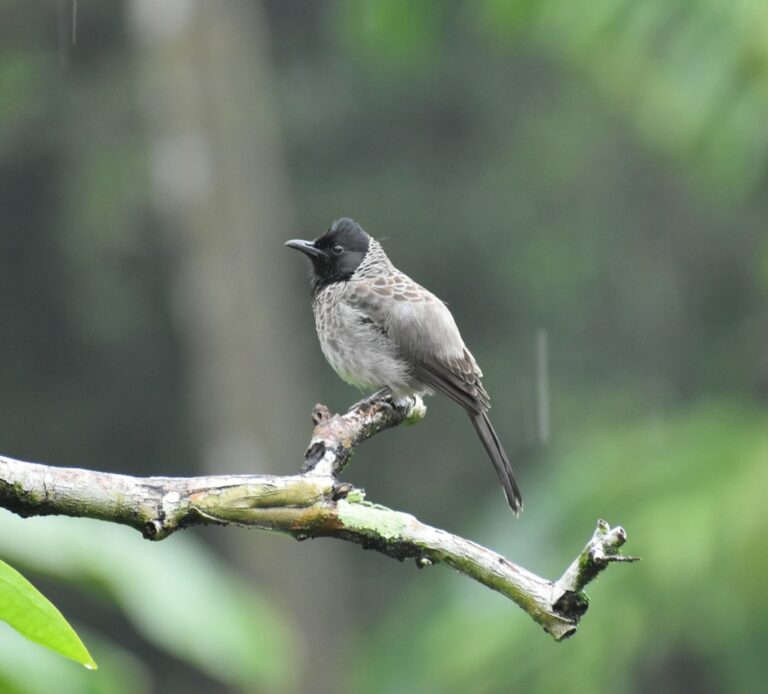
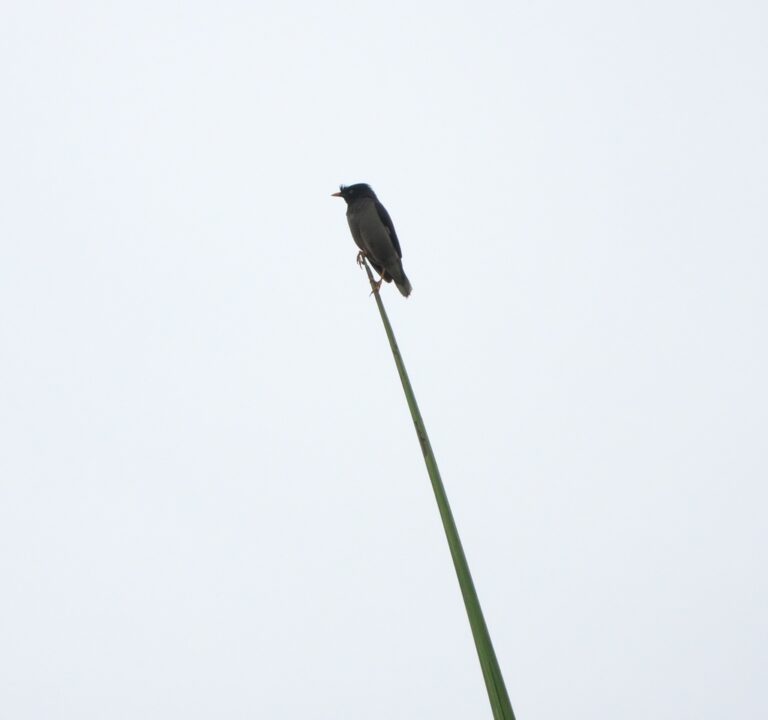
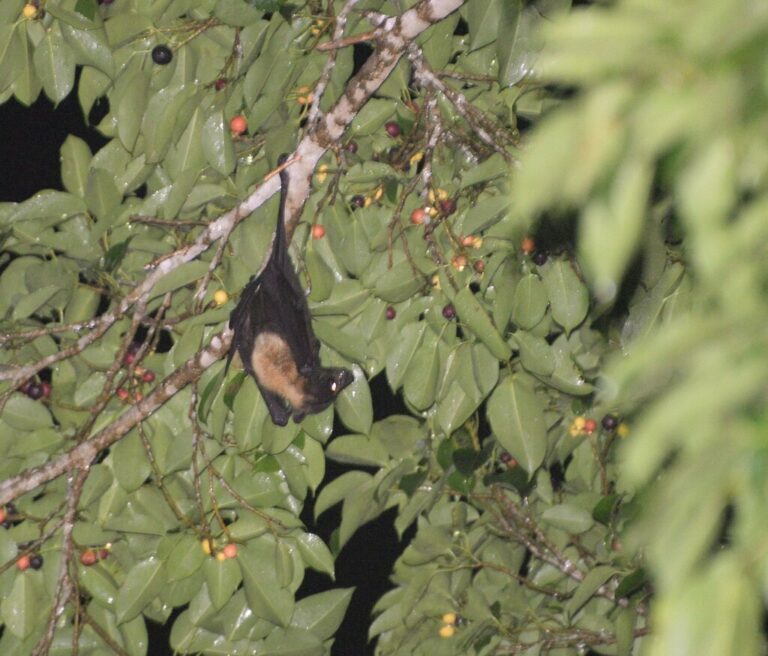
Photo © The U.S. National Park Service (public domain) — CC0 1.0 — Source: Wikimedia CommonsThe volcanic ridges of American Samoa rise steeply from the Pacific, their slopes cloaked in tropical rainforest that cascades down to a coast where reef systems and mangrove-lined shores create a mosaic of terrestrial and marine habitats. At Leusoaliʻi, the National Park protects this transition zone where montane forest gives way to littoral vegetation, supporting a suite of wildlife adapted to the South Pacific's unique ecological character. Seabirds wheel above the coastal margins, while forest canopies host songbirds and small arboreal creatures that have evolved in isolation across these remote islands. The humid tropical environment nurtures an abundance of reptiles and amphibians, many found nowhere else on Earth, alongside invertebrate communities that drive nutrient cycling through the lush understory. Fish and crustaceans populate the reef zones and rocky shallows, creating feeding grounds for wading birds and marine predators that patrol the shoreline at dawn and dusk.
For wildlife watchers and nature photographers, Leusoaliʻi presents a rare opportunity to document species assemblages that have persisted untouched across millions of years of Pacific isolation. The park's topography demands patience and physical commitment—trails wind through steep terrain where visibility shifts rapidly and light filters through dense canopy in ways that reward those prepared with proper gear and realistic expectations. The wet season concentrates activity as breeding cycles accelerate and water sources draw animals to accessible vantage points, though the dry season often rewards visitors with clearer skies and steadier conditions for observation and photography. Access remains deliberately limited, preserving the integrity of these communities while ensuring that serious naturalists willing to invest time in the landscape emerge with genuine encounters rather than curated experiences. Few protected areas on Earth maintain such ecological completeness across tropical reef, forest, and coastal systems—making Leusoaliʻi essential for any traveler seeking authentic wildness in the Pacific.
No community observations yet — be the first to log a sighting here.
National Park of American Samoa
A marine setting shaped by the ocean rather than land elevation.
A year of temperatures
Monthly means, with the coldest and warmest highlighted
Terrain and elevation
0 m · MarineAverage terrain elevation estimate across the hotspot; the figure does not represent its highest summits.
Marine