Zambia is one of Africa’s most remarkable wildlife destinations, renowned for its vast wilderness areas, exceptional biodiversity, spectacular river systems and some of the continent’s most authentic safari experiences. Located in south-central Africa, this landlocked country encompasses an extraordinary variety of ecosystems, including expansive miombo woodlands, open savannas, seasonal floodplains, riverine forests, wetlands, grasslands and rocky escarpments. With an extensive network of national parks and protected areas, Zambia provides critical habitats for many of Africa’s most iconic mammals and birds, while offering outstanding opportunities for wildlife observation, photography and wilderness exploration.
The country’s wildlife is strongly influenced by its major river systems, particularly the Zambezi, Luangwa and Kafue rivers. These waterways sustain diverse ecosystems and create important wildlife corridors across the landscape. Seasonal fluctuations in rainfall and river levels shape animal movements, breeding cycles and the distribution of vegetation, producing dramatic changes in wildlife concentrations throughout the year. During the dry season, animals gather around permanent water sources, while the rainy season transforms much of the country into a lush landscape of green vegetation, temporary wetlands and abundant birdlife.
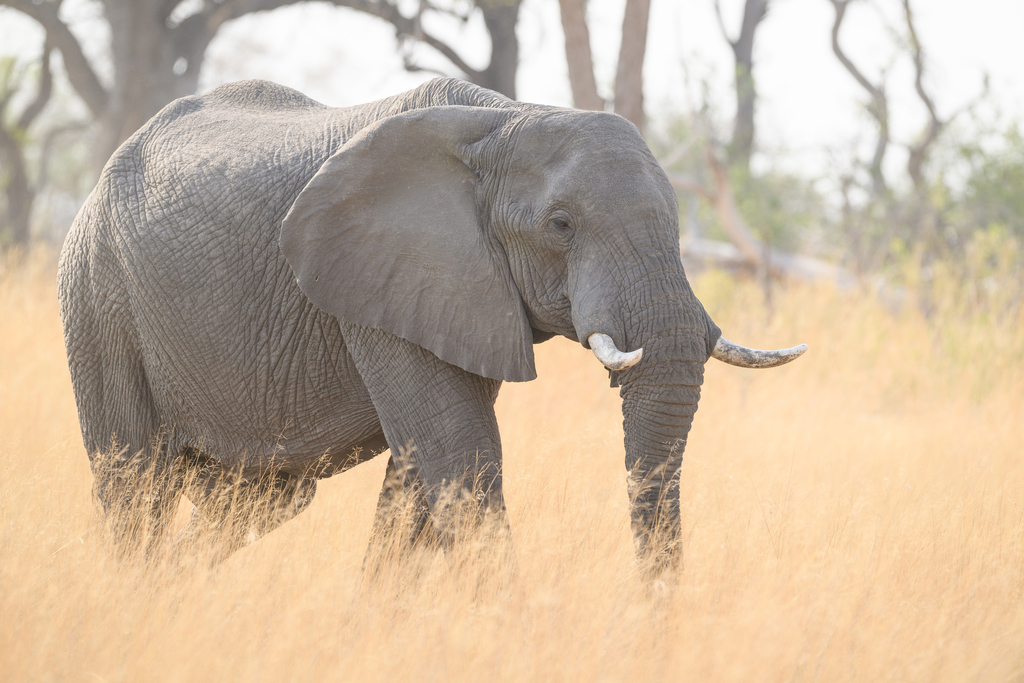
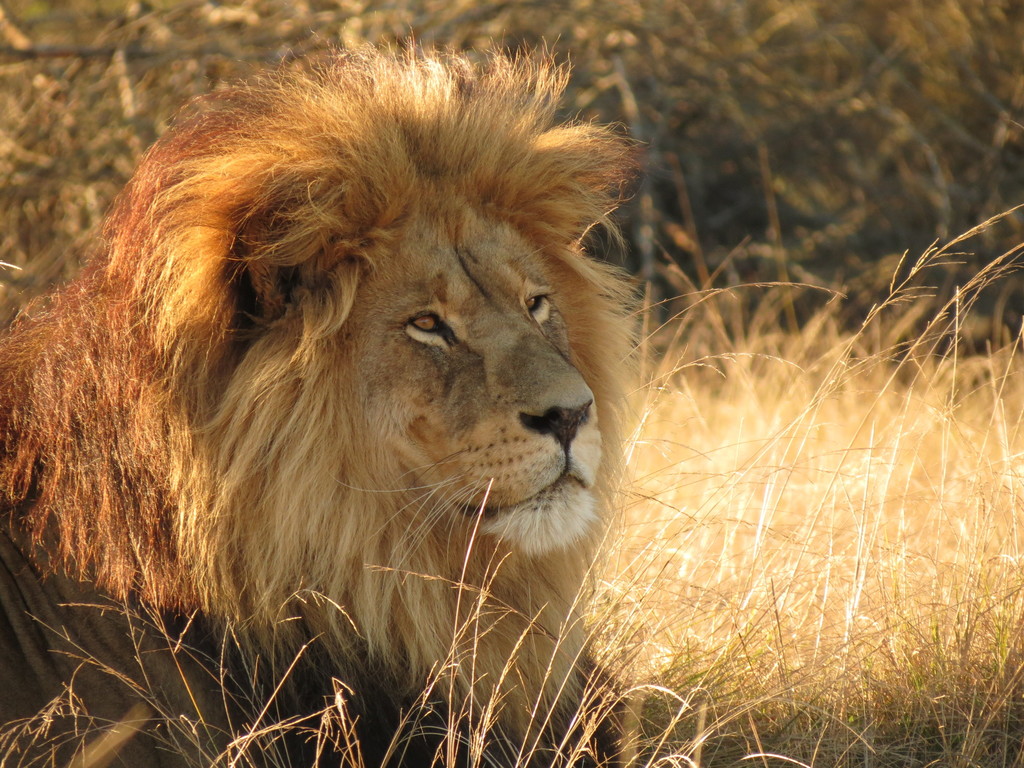
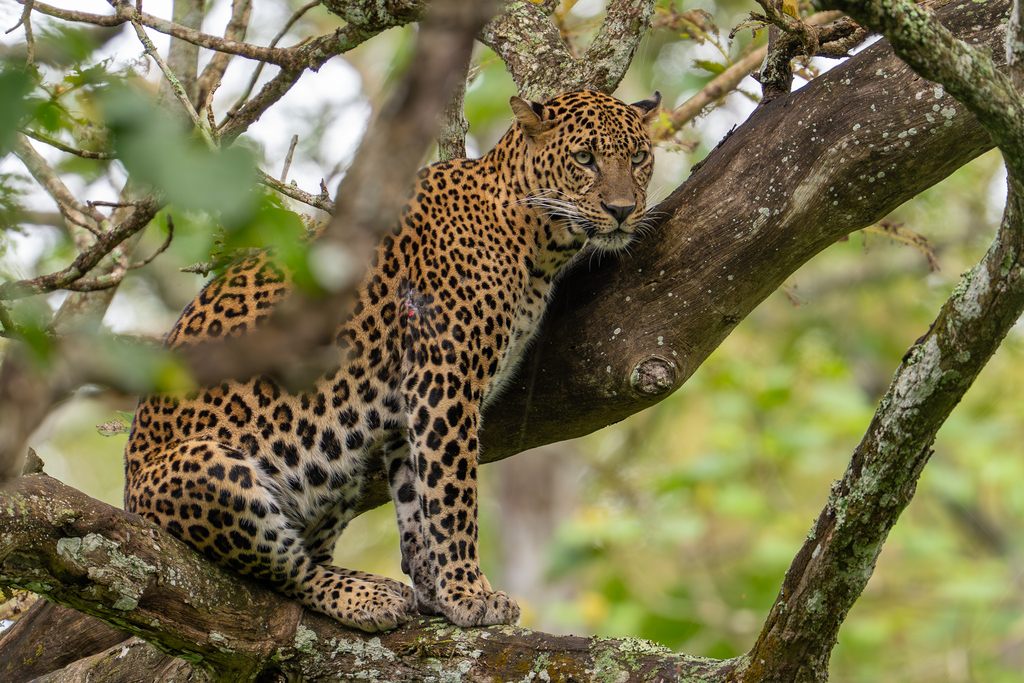
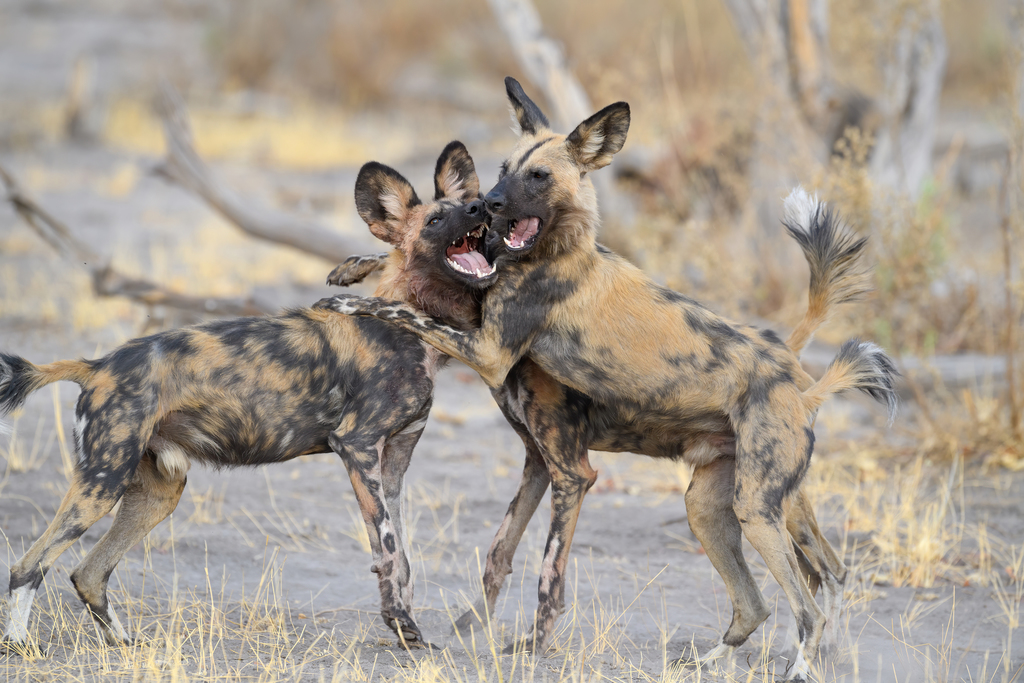
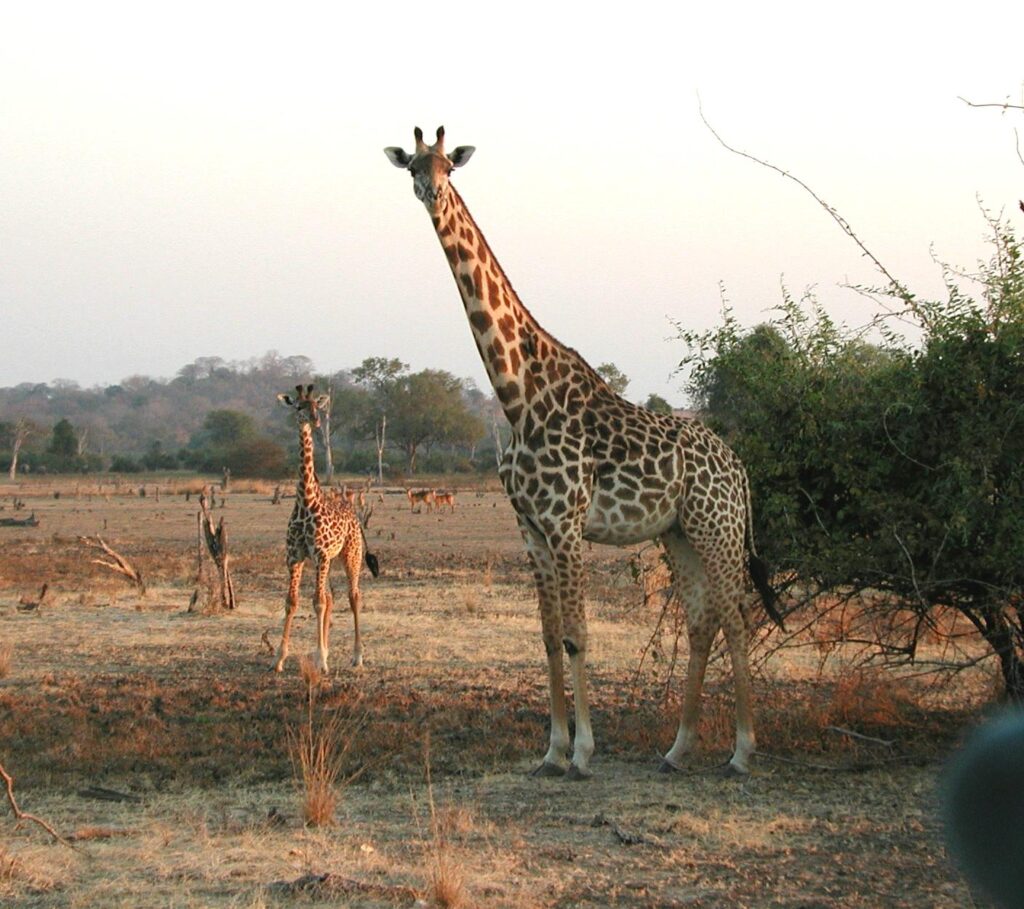
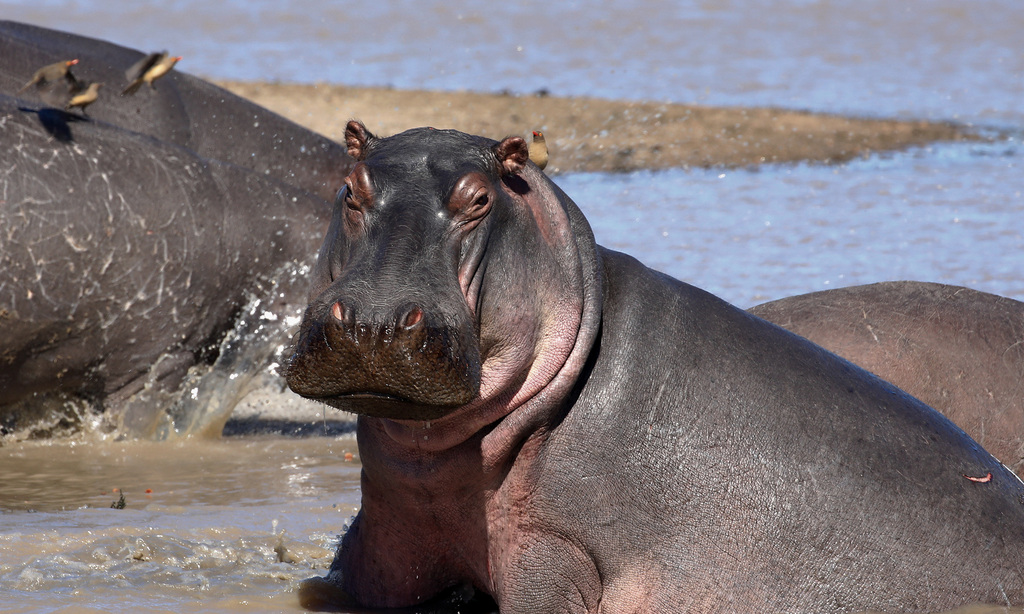
South Luangwa National Park is widely regarded as one of Africa’s finest safari destinations and is particularly celebrated for its exceptional concentrations of large mammals and predators. The Luangwa Valley supports significant populations of African Elephants, African Buffaloes, Lions, Leopards, Spotted Hyenas and African Wild Dogs. Leopards are especially prominent in the region, making South Luangwa one of the most rewarding destinations in Africa for observing and photographing these elusive predators. The park is also famous for its large concentrations of Hippopotamuses and Nile Crocodiles along the Luangwa River. Thornicroft’s Giraffe, a distinctive giraffe population restricted to the Luangwa Valley, and Cookson’s Wildebeest contribute to the region’s unique wildlife identity. South Luangwa is also historically associated with the development of walking safaris, allowing visitors to experience the African bush from a completely different perspective.
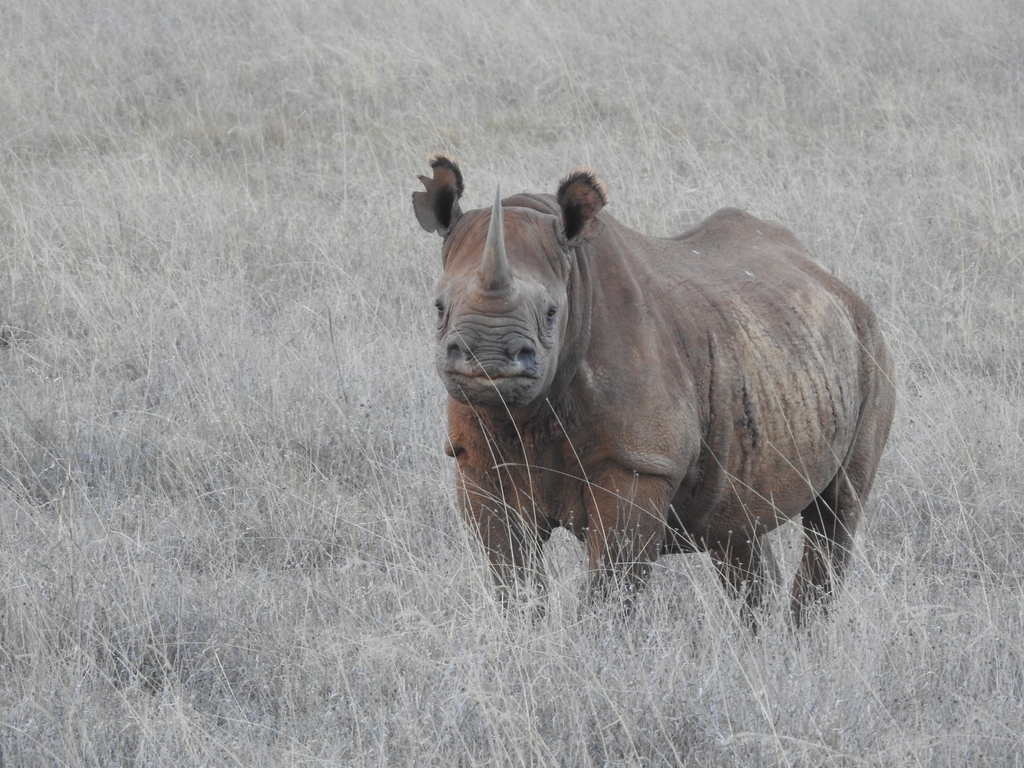
North Luangwa National Park offers a more remote and largely undisturbed wilderness experience. Characterised by extensive woodlands, river systems and open floodplains, the park supports Elephants, Buffaloes, Lions, Leopards and other large mammals. It is particularly significant for the conservation of Black Rhinoceroses, which have been reintroduced following their historical disappearance from the region. The park’s limited accessibility and emphasis on low-impact tourism make it an important destination for travellers seeking an immersive wilderness experience.
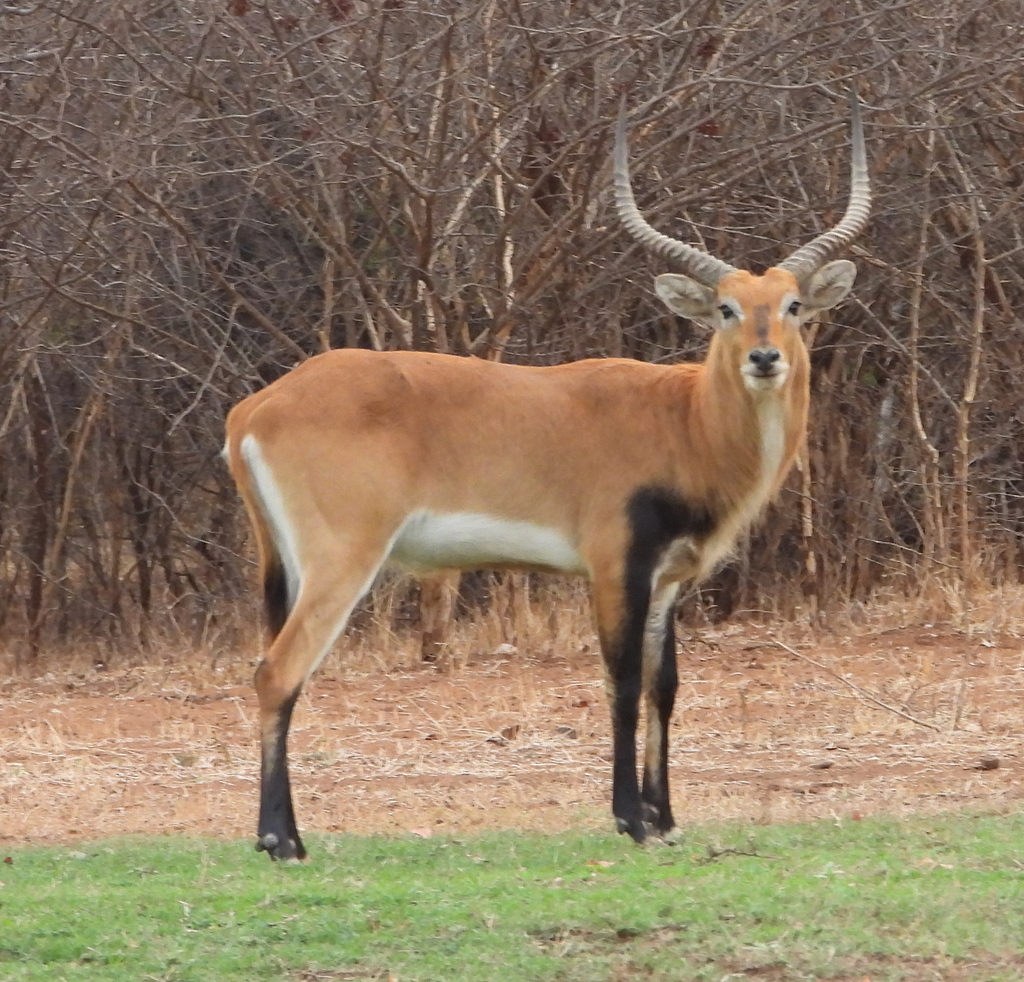
Kafue National Park, one of Africa’s largest national parks, protects an immense mosaic of habitats ranging from miombo woodland and riverine forest to open grasslands and seasonal wetlands. Its most celebrated landscape is the Busanga Plains, an expansive floodplain in the northern section of the park. During the dry season, these grasslands attract large concentrations of herbivores, including Red Lechwe, Puku, Roan Antelope, Sable Antelope and African Buffalo. Predators such as Lions, Cheetahs, Leopards and African Wild Dogs inhabit the wider ecosystem. The Busanga Plains are particularly renowned for their dramatic landscapes, seasonal flooding and opportunities to photograph predators against vast open grasslands.
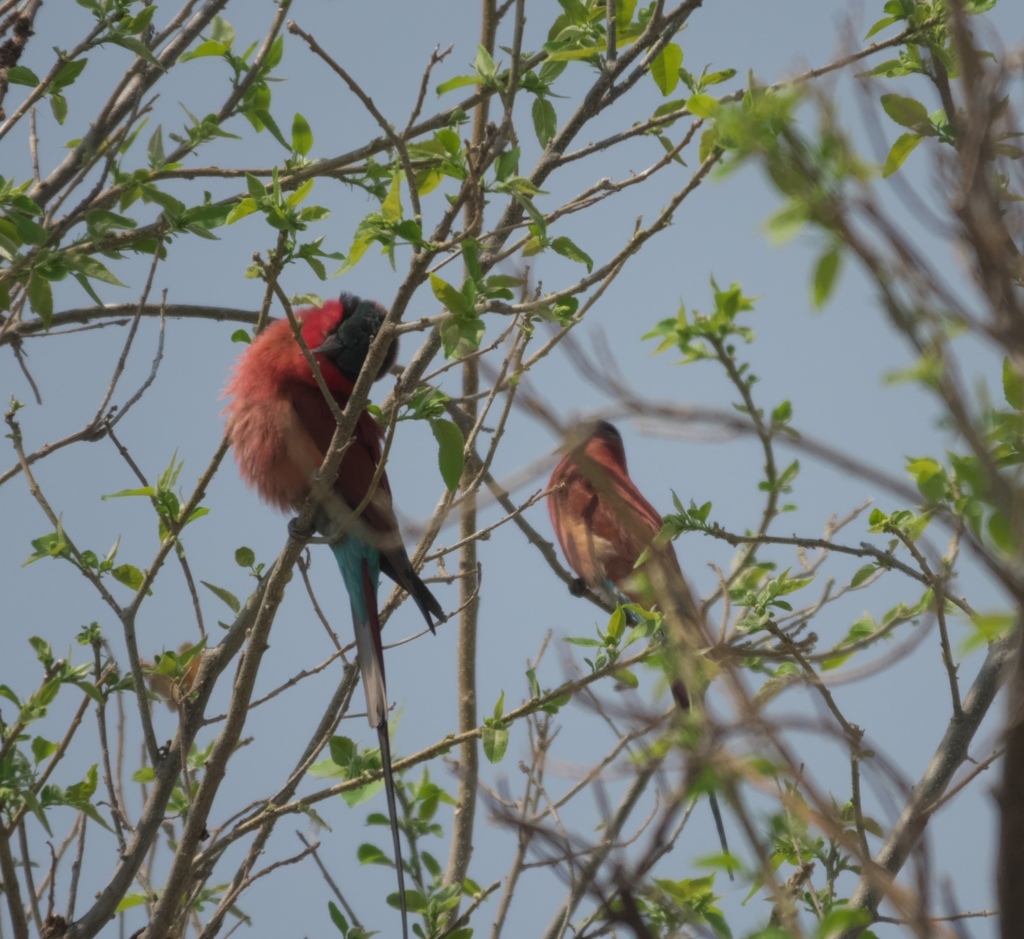
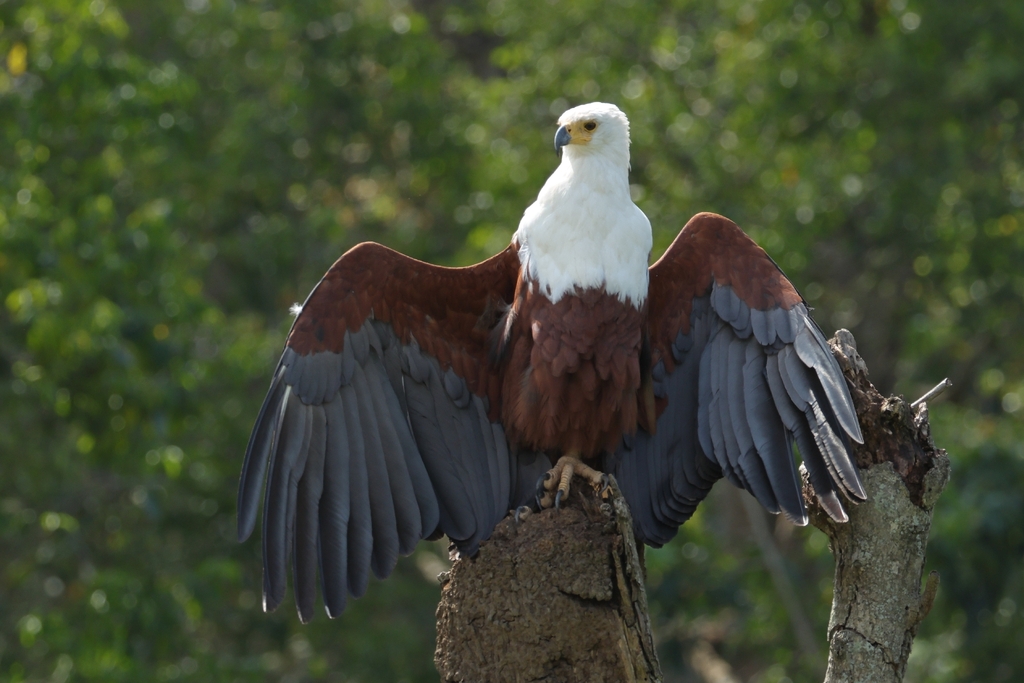
Lower Zambezi National Park occupies a spectacular stretch of the Zambezi River opposite Zimbabwe’s Mana Pools National Park. The combination of river channels, islands, floodplains and woodland creates exceptional conditions for wildlife observation. African Elephants frequently move along the riverbanks and enter the water, while Hippopotamuses, Nile Crocodiles and African Buffaloes are abundant. Lions, Leopards and African Wild Dogs also inhabit the region. The park is especially famous for canoe safaris and boat-based wildlife photography, providing unique perspectives of animals interacting with the river environment. African Fish Eagles, Southern Carmine Bee-eaters, kingfishers and numerous waterbirds contribute to the area’s exceptional birdwatching opportunities.
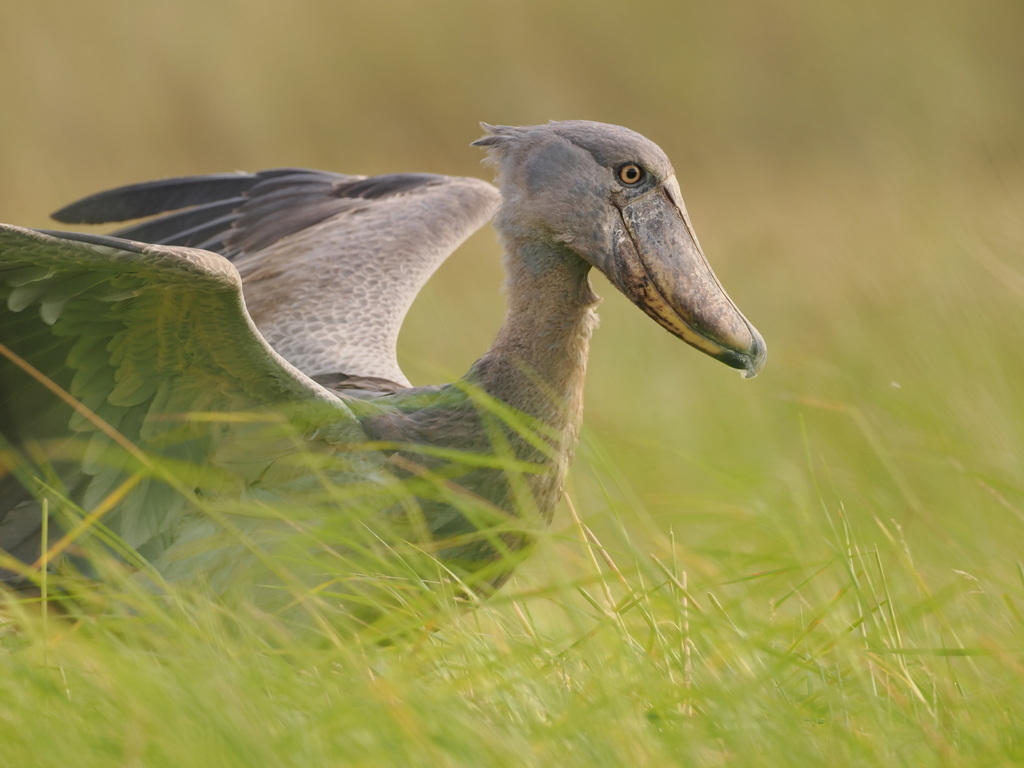
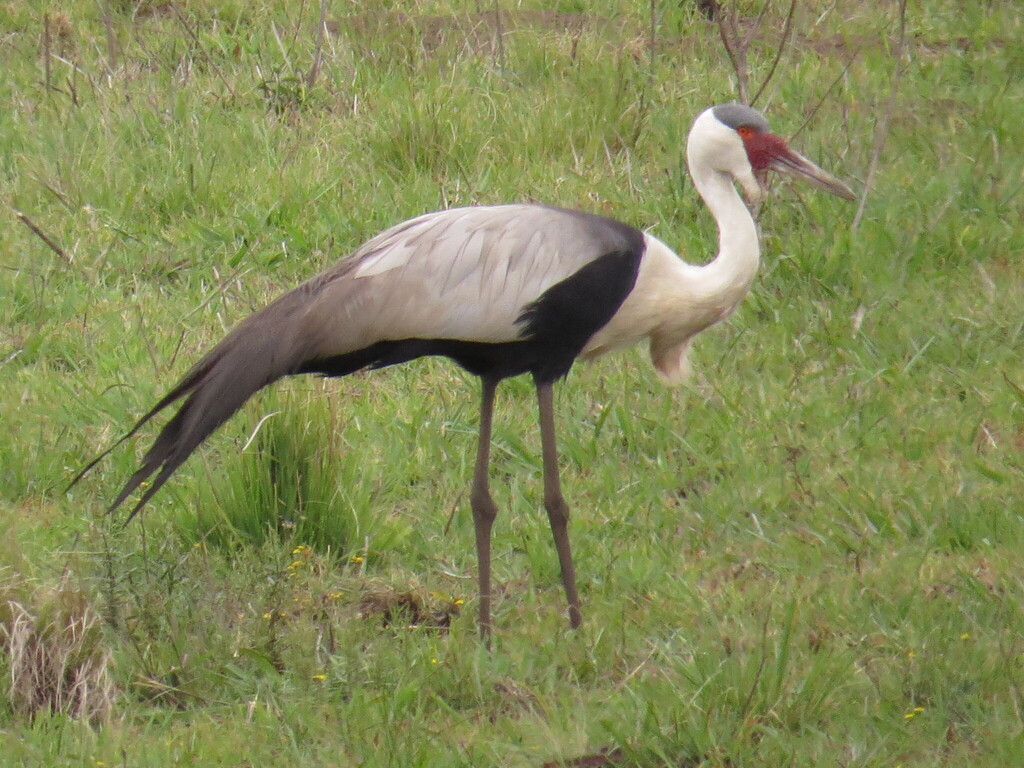
Zambia’s wetlands and floodplains are among its most ecologically important environments. The Bangweulu Wetlands, an immense system of seasonally flooded grasslands, swamps and shallow lakes, are internationally renowned as one of the most important remaining strongholds of the Shoebill. This extraordinary bird, distinguished by its enormous bill and prehistoric appearance, inhabits remote papyrus swamps and wetlands where it hunts fish and other aquatic prey. Bangweulu also supports large populations of Black Lechwe, an antelope strongly associated with the region’s flooded grasslands. Wattled Cranes, herons, storks, pelicans and numerous other waterbirds inhabit the wetland complex, making it one of Zambia’s most distinctive wildlife destinations.
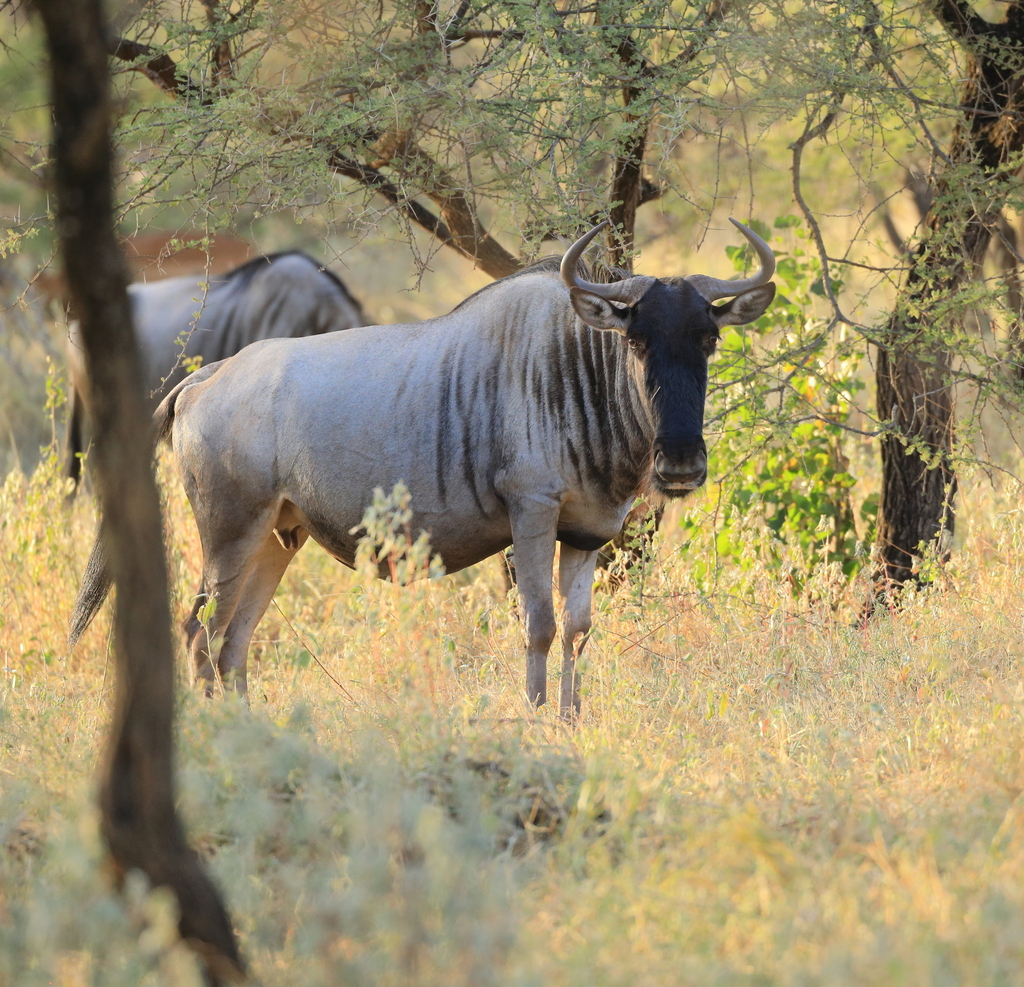
Liuwa Plain National Park, located in western Zambia, protects an extraordinary landscape of open grasslands and seasonal floodplains. The park is particularly famous for its large population of Blue Wildebeest, which undertake seasonal movements across the plains in response to rainfall and vegetation growth. These movements are among Africa’s notable wildebeest migrations outside the Serengeti–Mara ecosystem. Spotted Hyenas are prominent predators in Liuwa, while Lions and Cheetahs also occur. The park is additionally important for migratory birds, cranes, storks and grassland species that take advantage of the seasonal flooding.
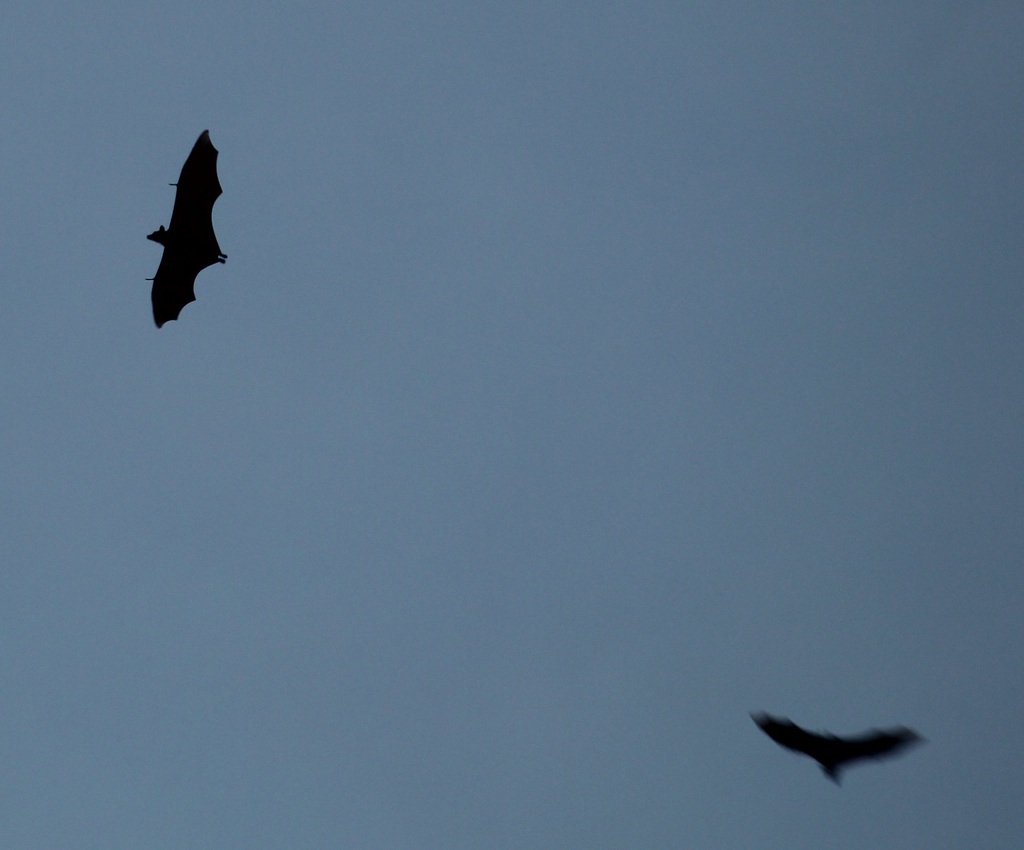
Kasanka National Park hosts one of Africa’s most extraordinary natural spectacles: the annual gathering of millions of Straw-coloured Fruit Bats. Between approximately October and December, enormous numbers of these migratory bats congregate in a small area of evergreen swamp forest to feed on seasonal fruits. Their evening emergence creates an unforgettable wildlife spectacle and represents one of the largest known mammal aggregations on Earth. Kasanka also protects wetlands, miombo woodland and forest habitats supporting Sitatunga, Puku, monkeys and numerous bird species.
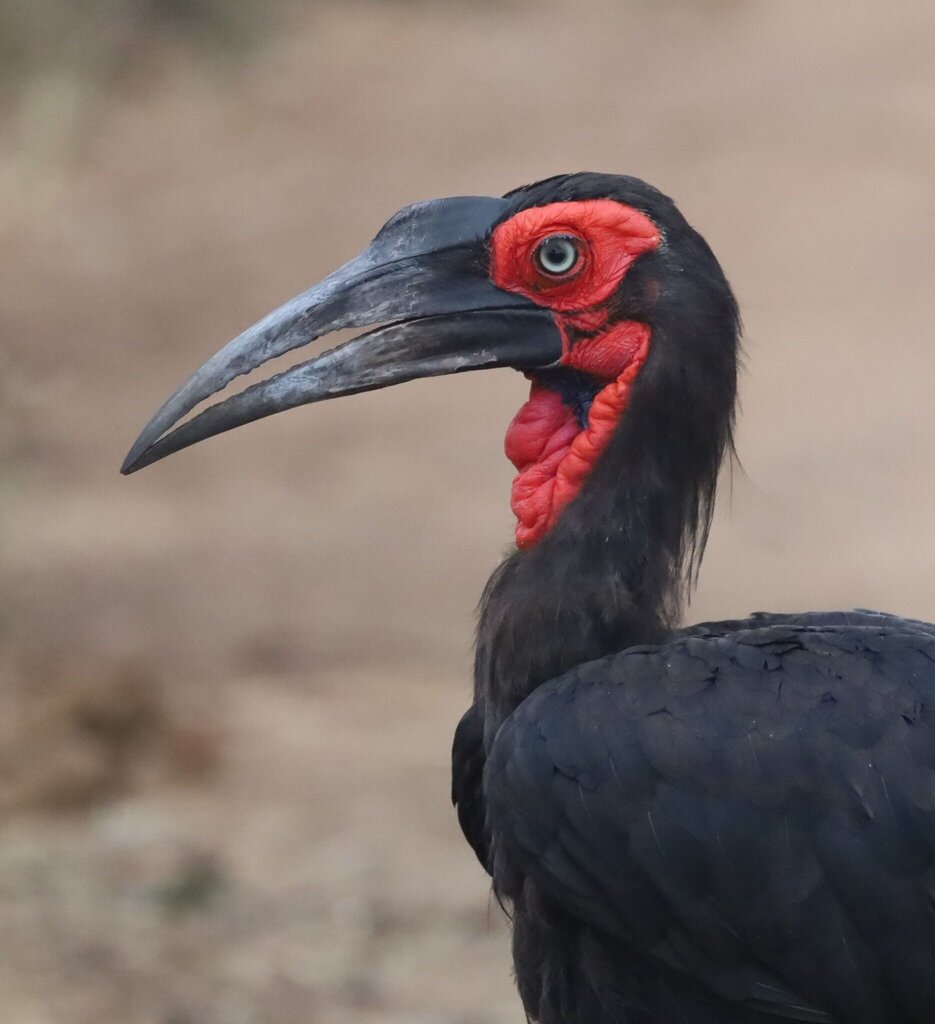
Zambia is an outstanding destination for birdwatching, with more than 750 bird species recorded across the country. Its geographical position and diverse habitats support an impressive combination of southern African, central African and wetland-associated birds. Iconic species include the African Fish Eagle, Southern Ground Hornbill, Saddle-billed Stork, African Skimmer, Pel’s Fishing Owl, Southern Carmine Bee-eater and numerous vultures, raptors and woodland specialists. The country is particularly important for species associated with miombo woodland, including several birds with restricted distributions in south-central Africa. During the rainy season, migratory species arrive, breeding activity increases and many birds display their most colourful plumage.
The country’s miombo woodlands, which cover extensive areas of the plateau, support a distinctive wildlife community adapted to seasonal dry forests. Mammals such as Sable Antelope, Roan Antelope, Greater Kudu, Common Eland and various smaller antelopes inhabit these environments. Woodland birds include Miombo Pied Barbet, Racket-tailed Roller, Böhm’s Flycatcher and other regional specialities. Although wildlife densities are often lower than in open savannas, these forests provide important habitats for specialised species and contribute significantly to Zambia’s overall biodiversity.
Zambia’s wildlife experiences vary considerably between seasons. The dry season, generally extending from May to October, offers excellent conditions for traditional safaris as vegetation becomes thinner and animals concentrate around rivers and permanent water sources. The late dry season is particularly productive for observing large mammals and predators, especially in South Luangwa, Lower Zambezi and Kafue. The rainy season, usually from November to April, brings dramatic green landscapes, seasonal flooding, migratory birds and increased breeding activity. Although some remote areas become inaccessible, this period can be especially rewarding for birdwatching, landscape photography and observing seasonal ecological phenomena.
Conservation plays a central role in Zambia’s natural heritage. Its protected areas safeguard important populations of threatened species, including African Wild Dogs, African Elephants, Black Rhinoceroses, Wattled Cranes and Shoebills. However, habitat fragmentation, poaching, human–wildlife conflict and pressures on freshwater ecosystems remain significant challenges. Conservation organisations, national park authorities and local communities collaborate on anti-poaching initiatives, habitat protection, species recovery programmes and sustainable wildlife tourism.
From the predator-rich landscapes of South Luangwa and the vast Busanga Plains to the Shoebill wetlands of Bangweulu, the remote grasslands of Liuwa Plain and the extraordinary fruit bat migration of Kasanka, Zambia offers an exceptional diversity of wildlife experiences. Its extensive wilderness areas, relatively low-density safari tourism and remarkable combination of large mammals, rare birds and seasonal natural spectacles make it one of Africa’s most rewarding destinations for wildlife enthusiasts, birdwatchers and nature photographers.