Average annual temperature
22.6 °C
Average of the twelve monthly means
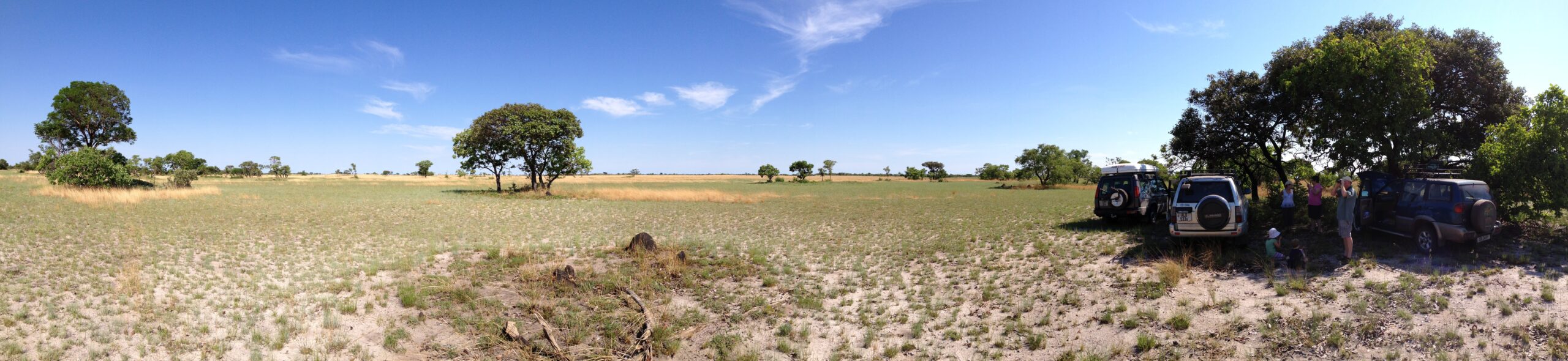
Liuwa Plain National Park
Photo © Simon Berry
Photo © Simon Berry — CC BY-SA 4.0 — Source: Wikimedia Commons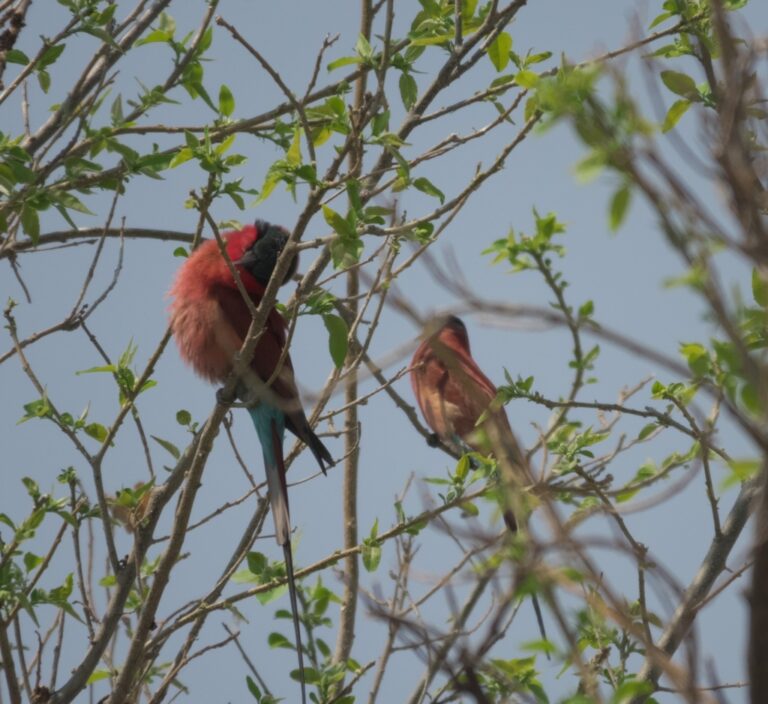
Merops nubicoides
♥
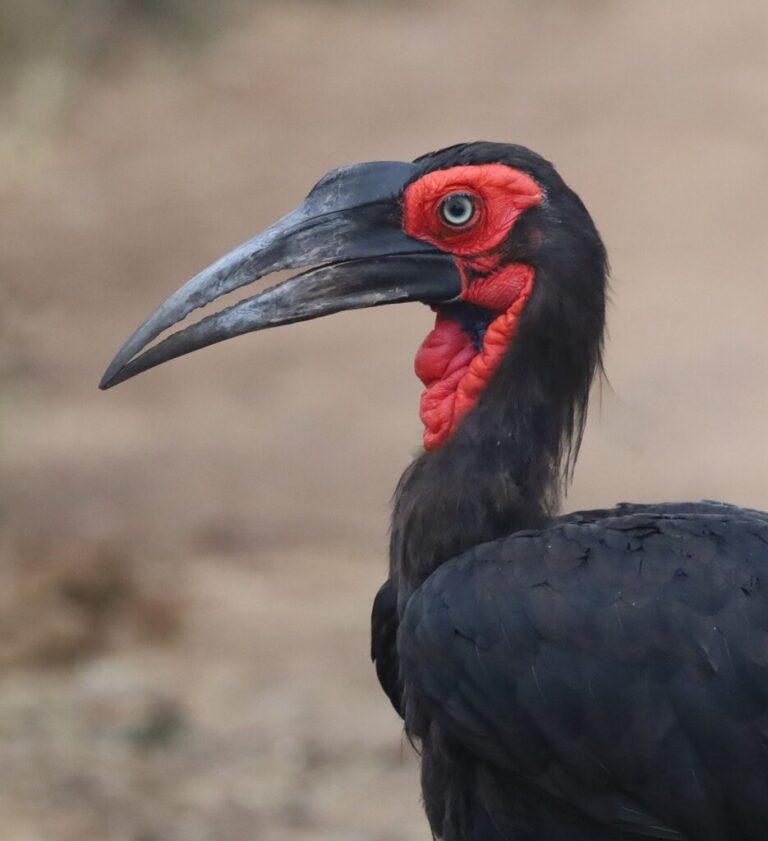
Bucorvus leadbeateri
♥
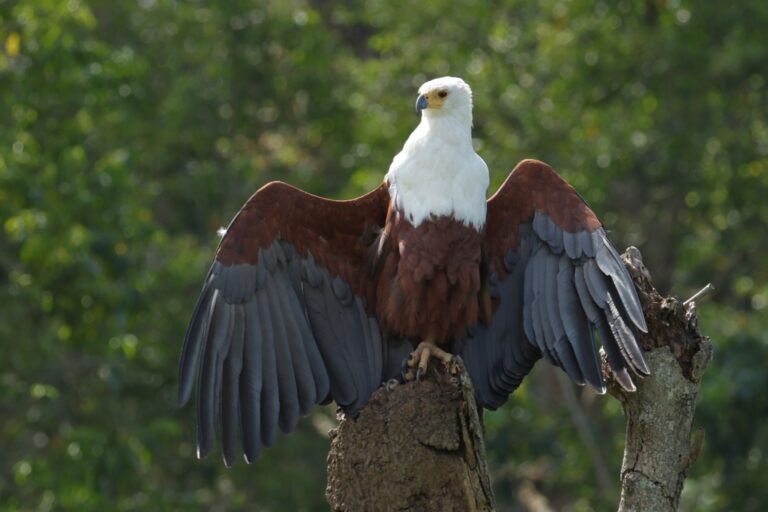
Icthyophaga vocifer
♥
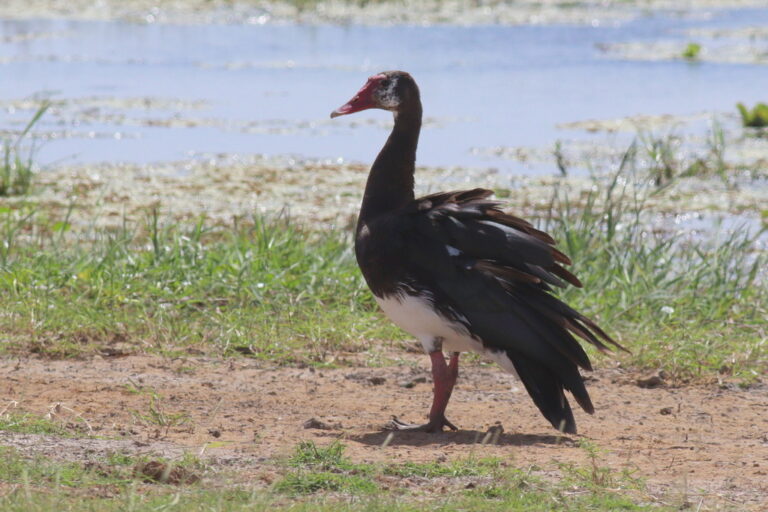
Plectropterus gambensis
♥
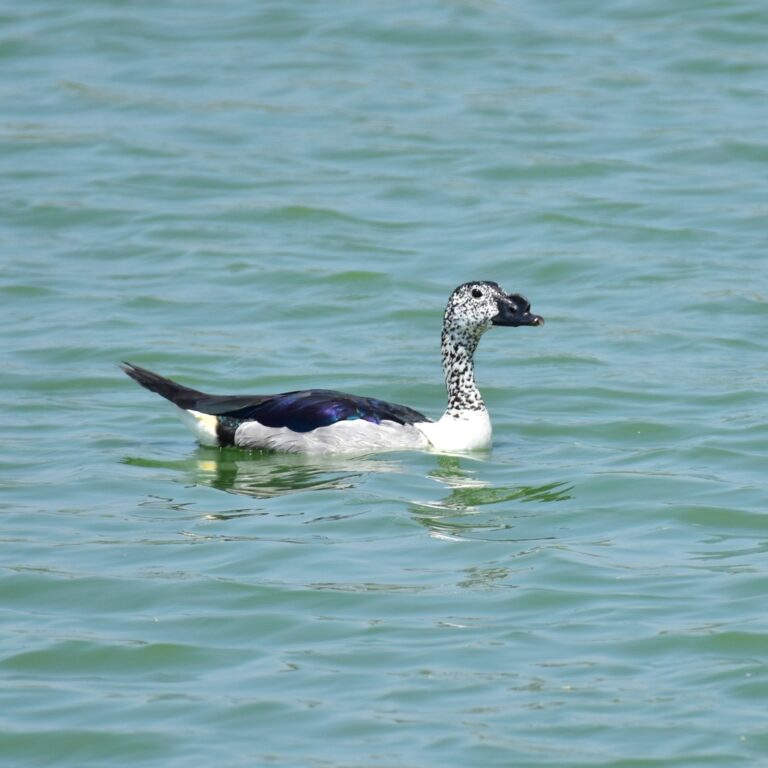
Sarkidiornis melanotos
♥
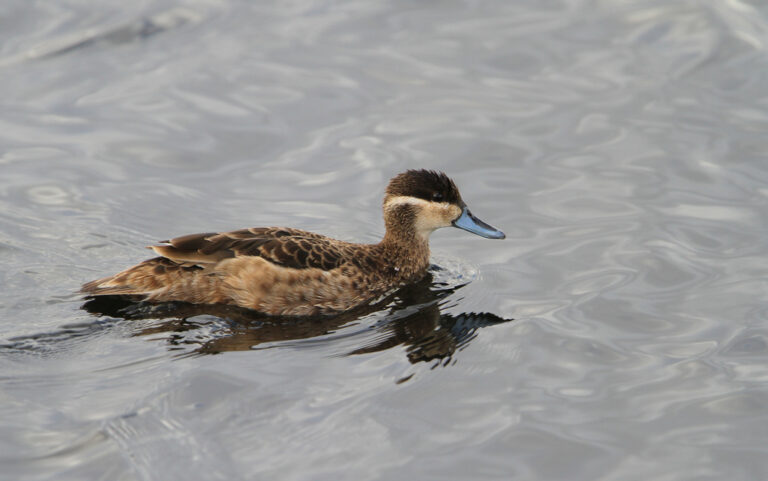
Spatula hottentota
♥
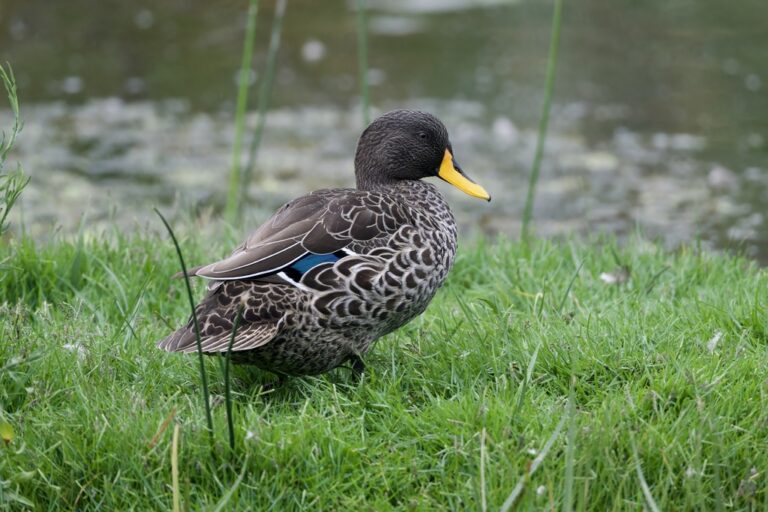
Anas undulata
♥
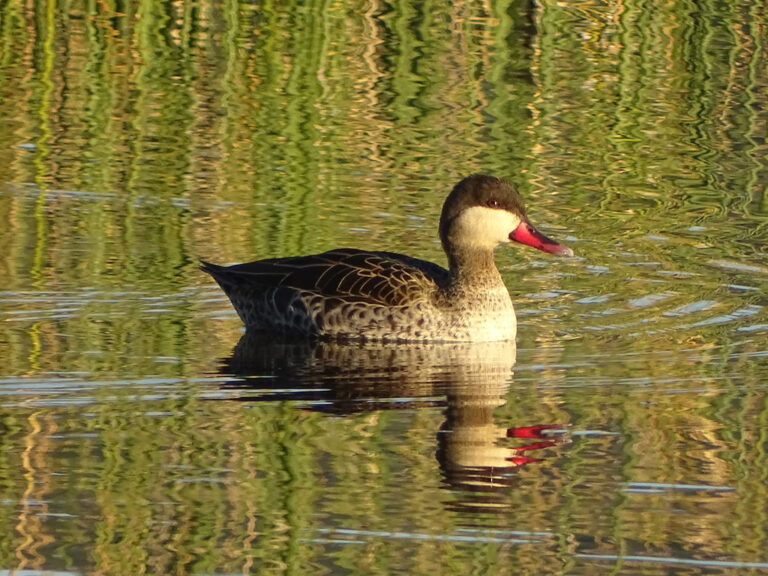
Anas erythrorhyncha
♥
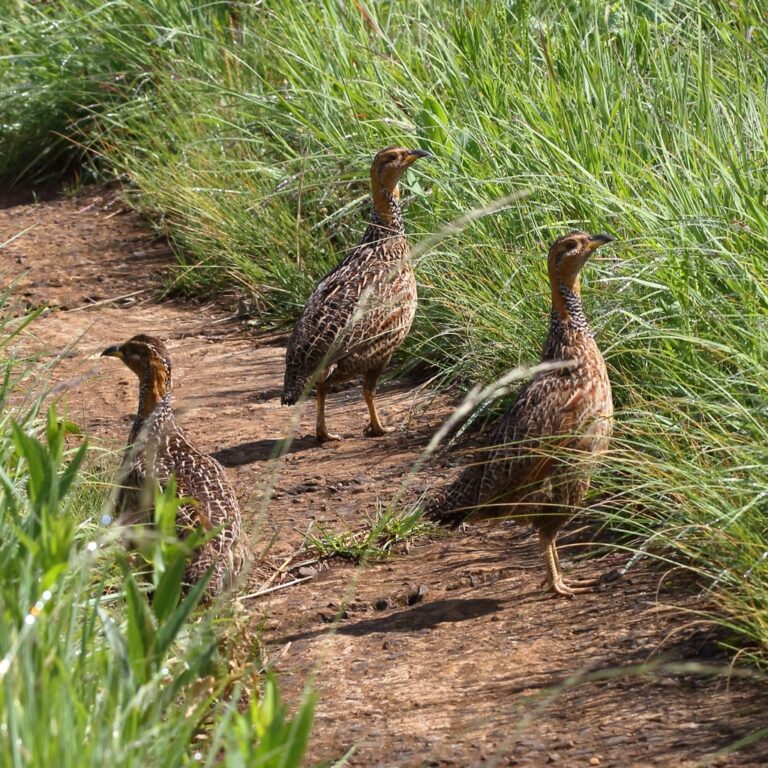
Scleroptila levaillantii
♥
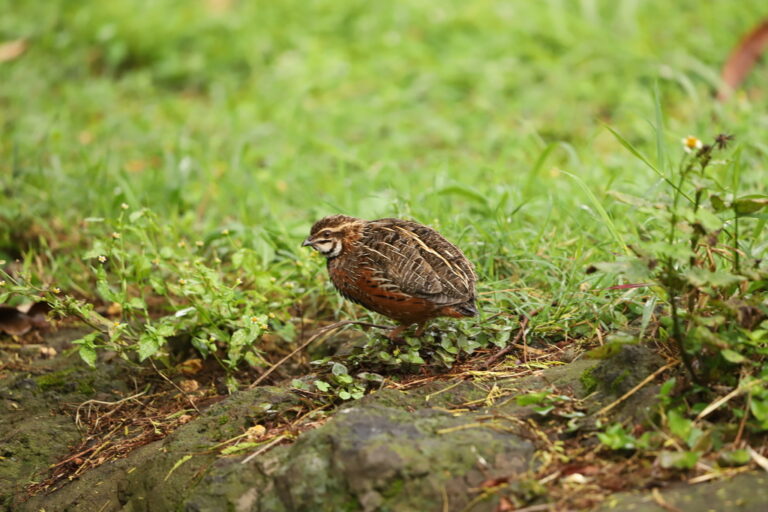
Coturnix delegorguei
♥
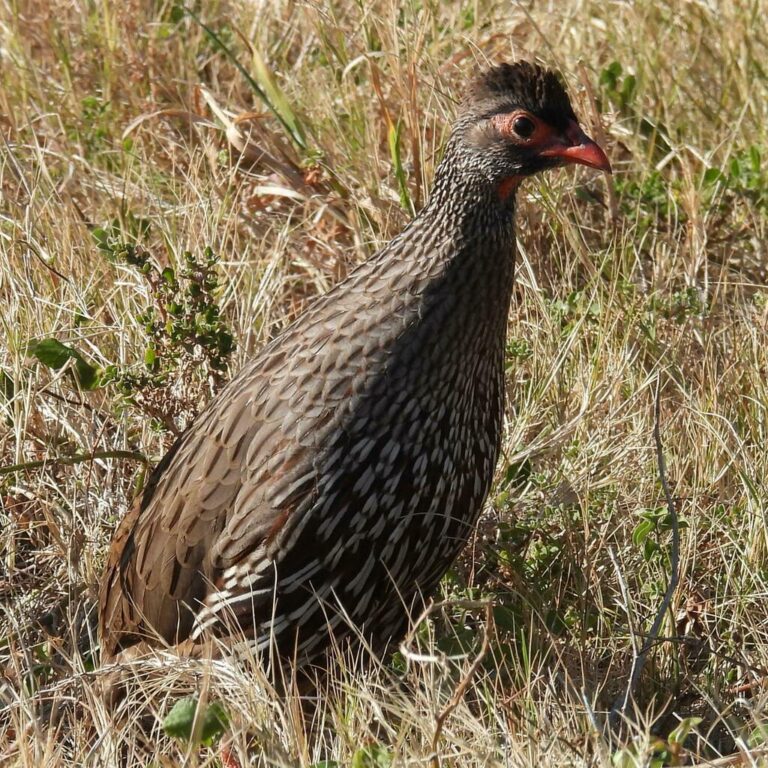
Pternistis afer
♥
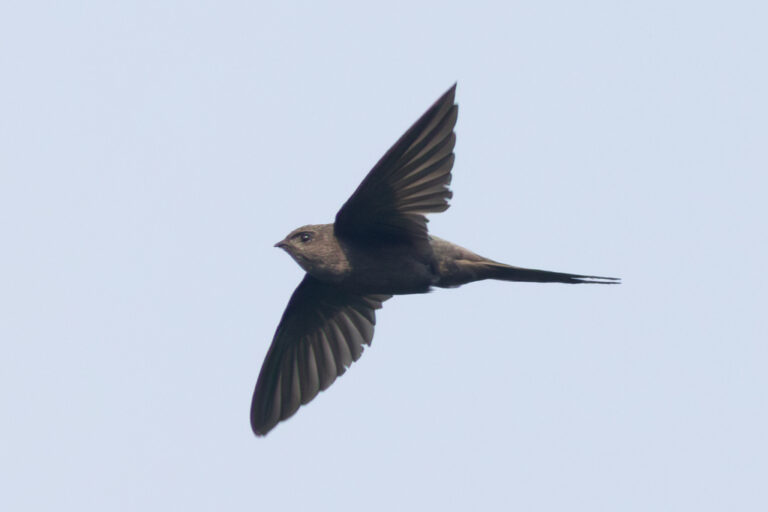
Cypsiurus parvus
♥
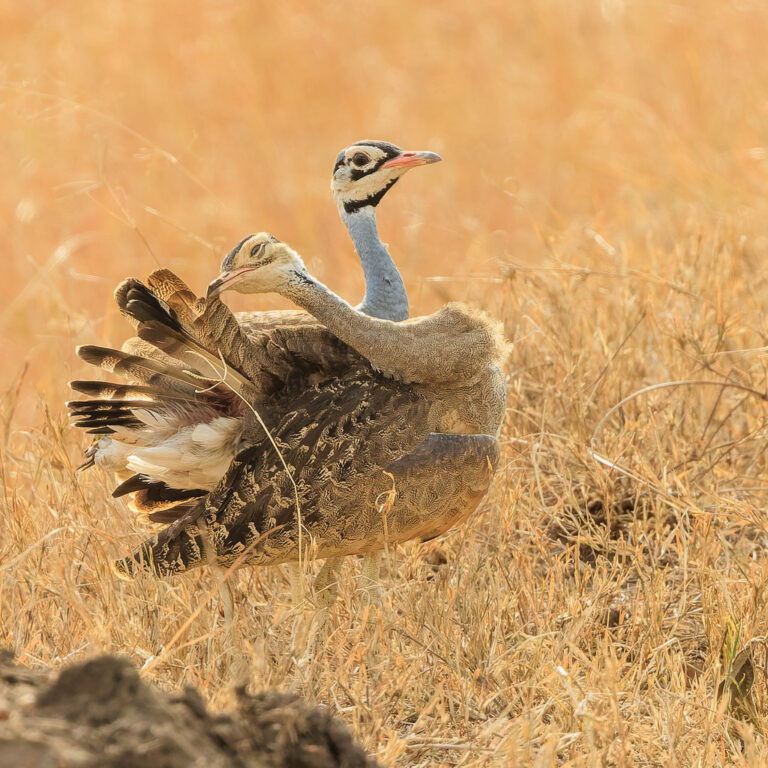
Eupodotis senegalensis
♥
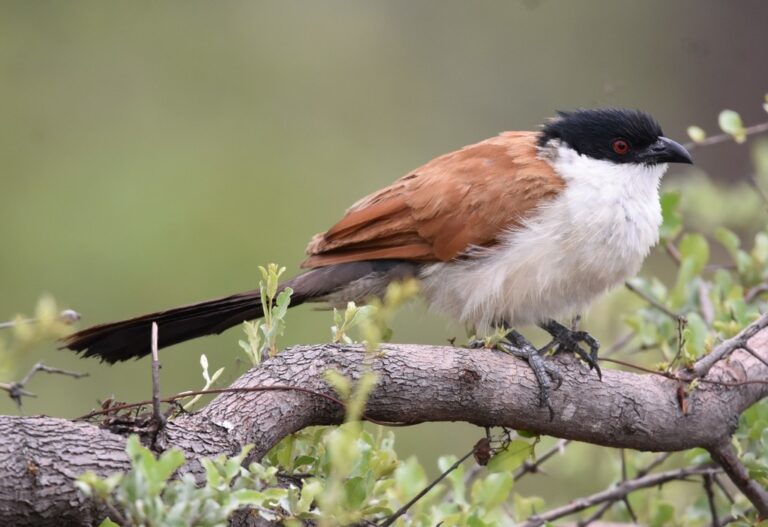
Centropus senegalensis
♥
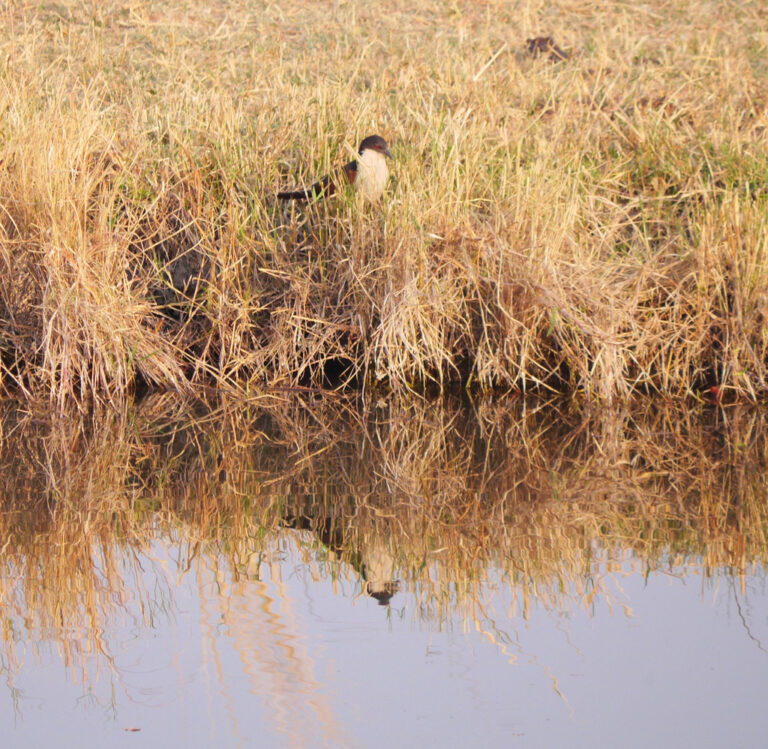
Centropus cupreicaudus
♥
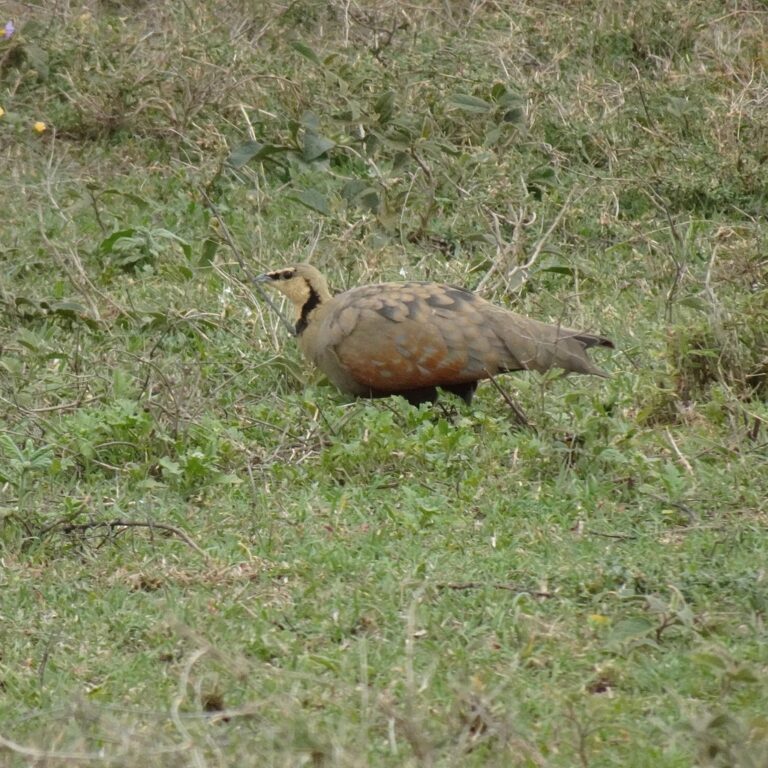
Pterocles gutturalis
♥
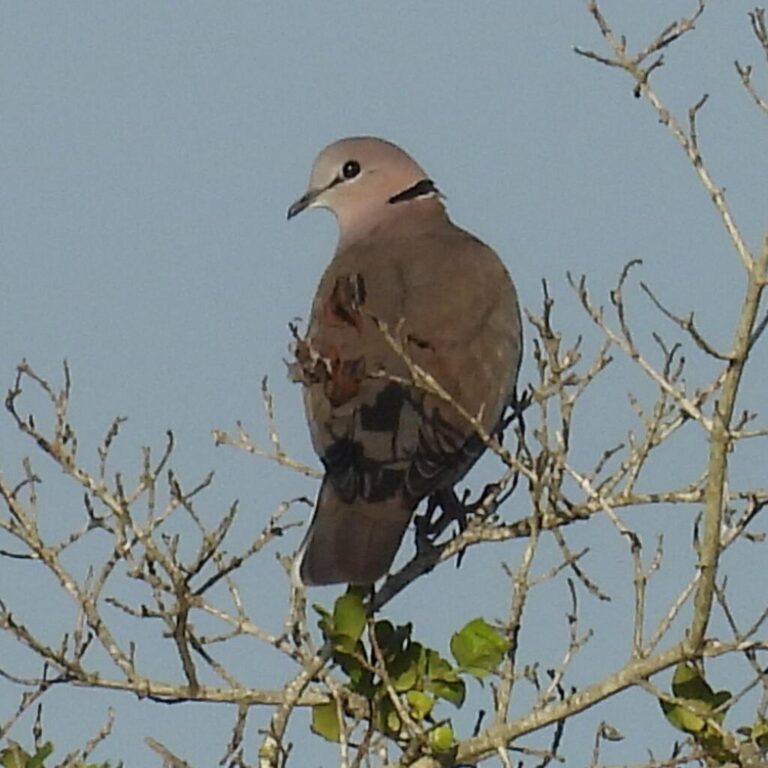
Streptopelia capicola
♥
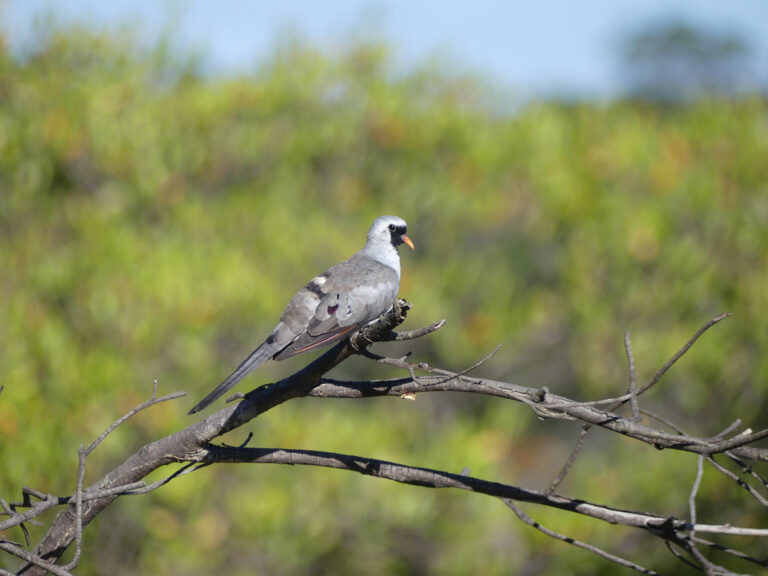
Oena capensis
♥
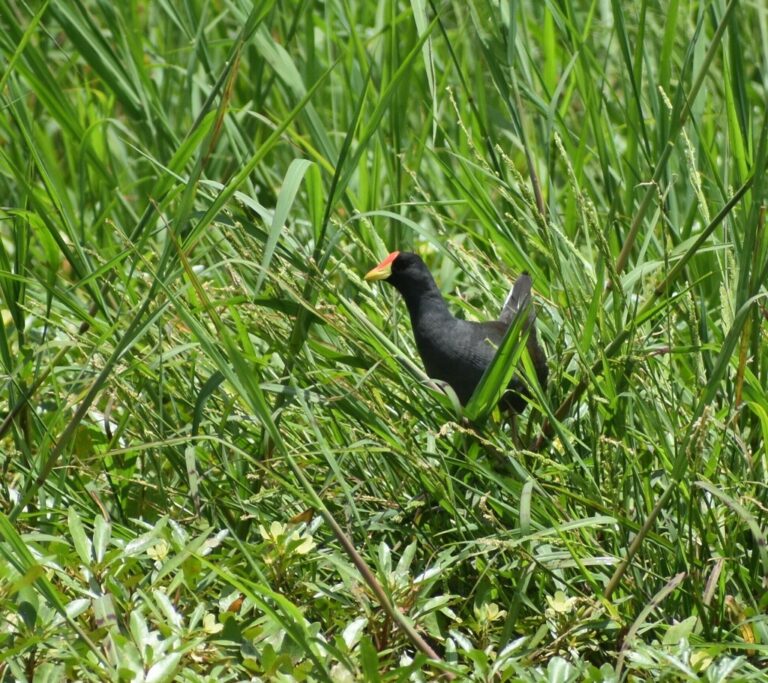
Paragallinula angulata
♥
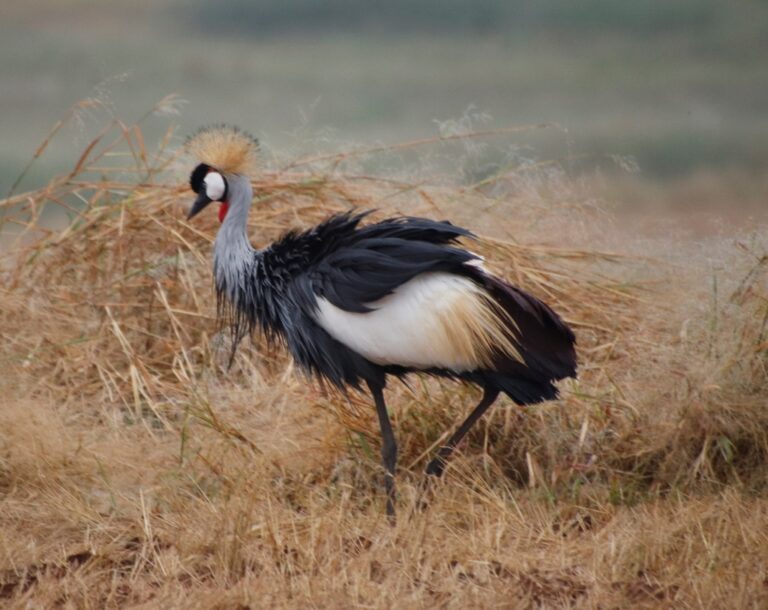
Balearica regulorum
♥
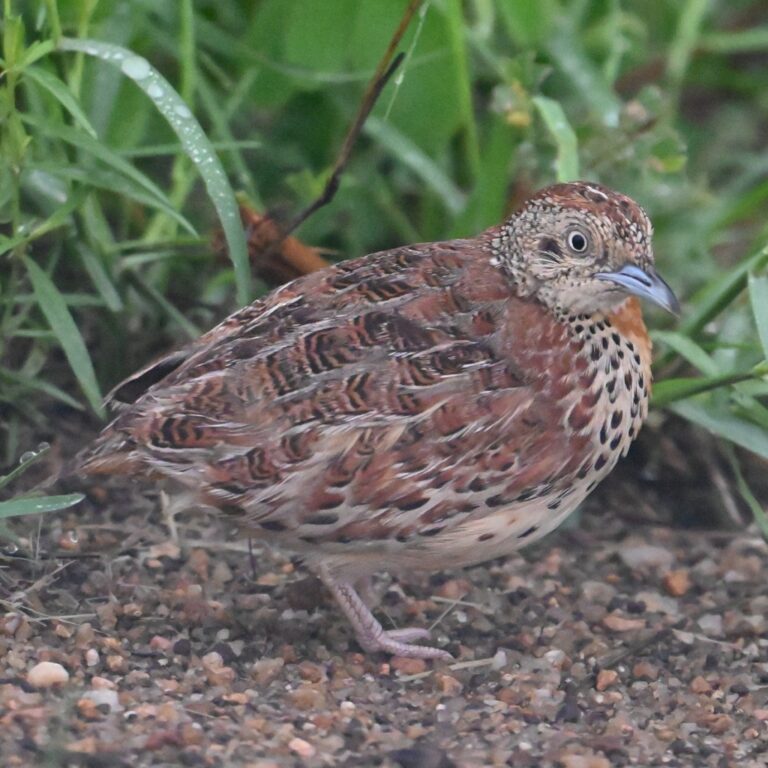
Turnix sylvaticus
♥
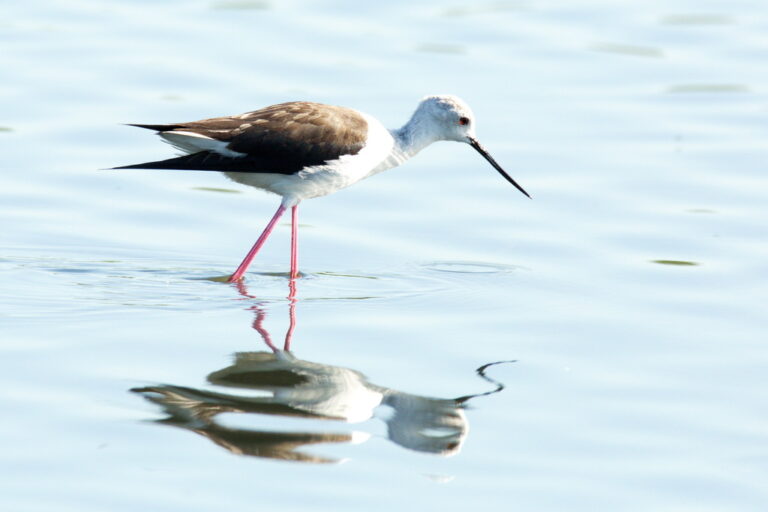
Himantopus himantopus
♥
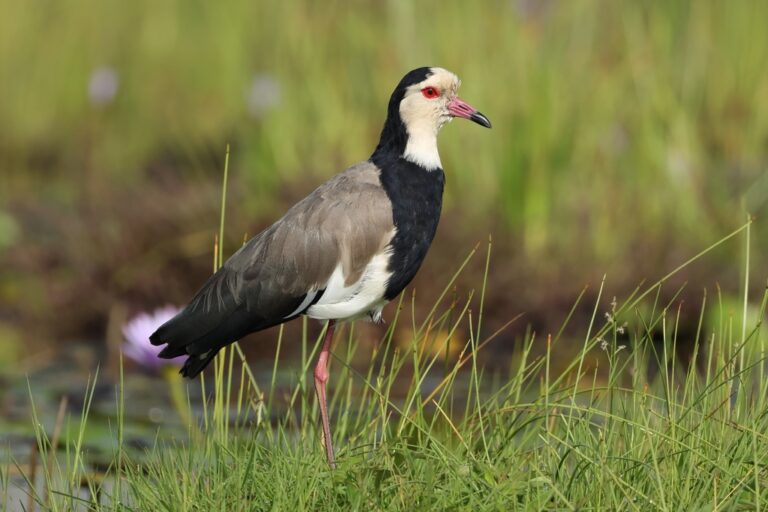
Vanellus crassirostris
♥
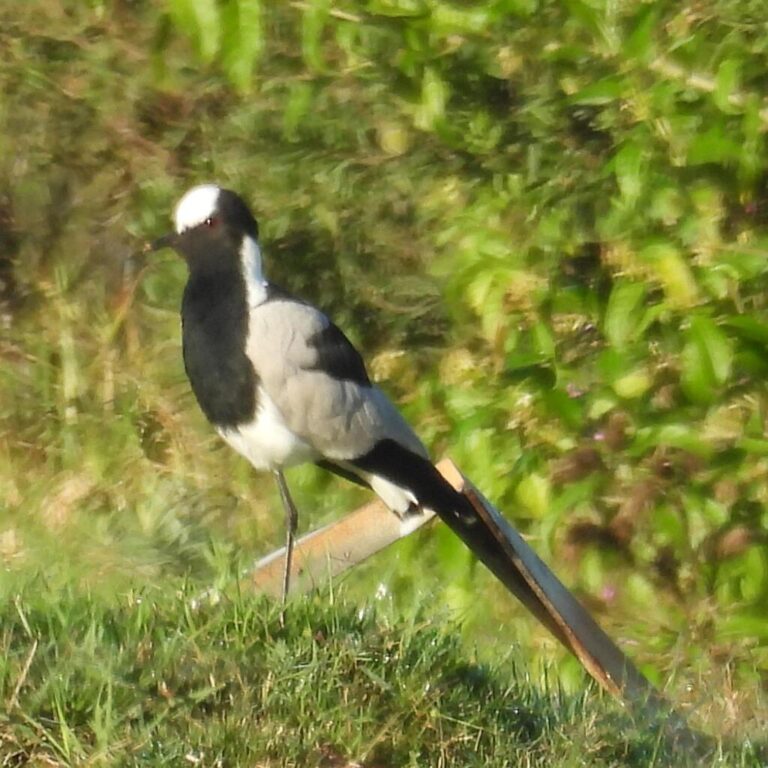
Vanellus armatus
♥
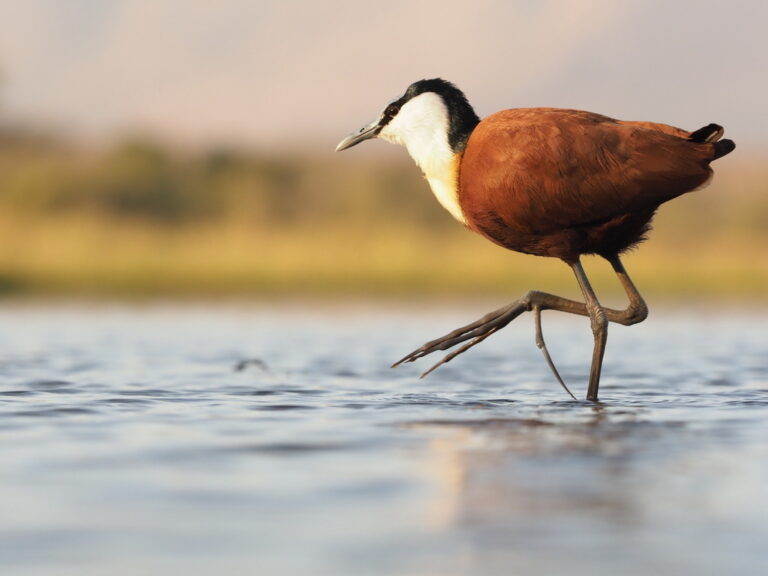
Actophilornis africanus
♥
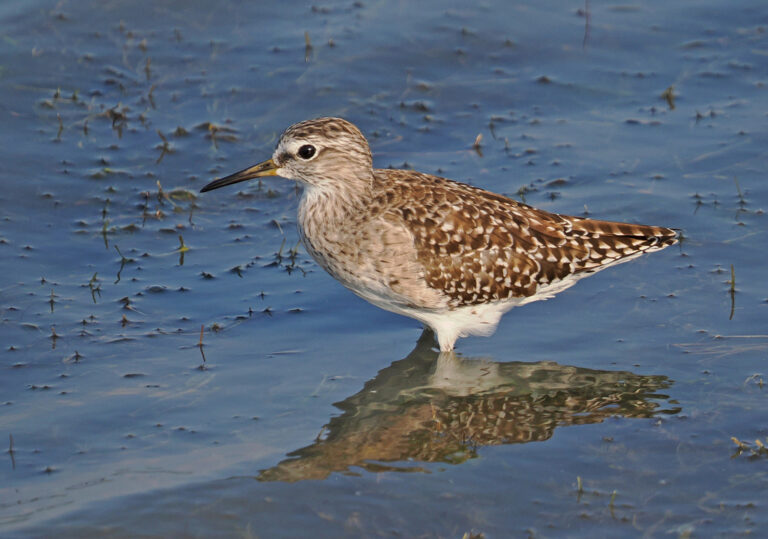
Tringa glareola
♥
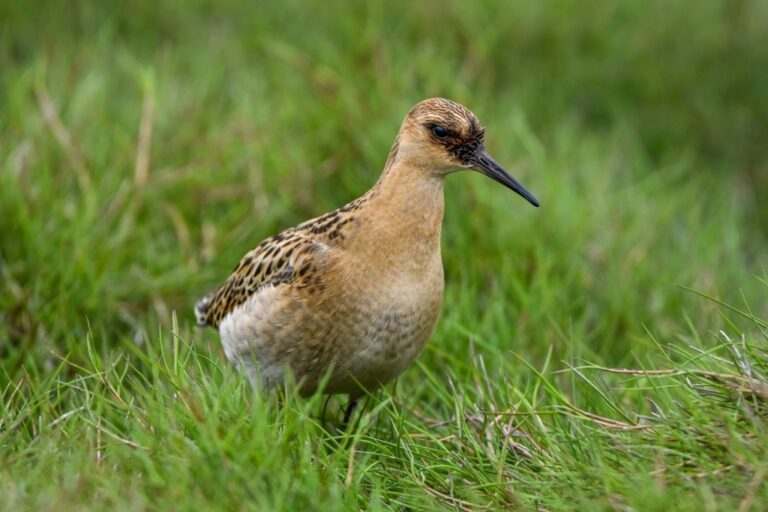
Calidris pugnax
♥
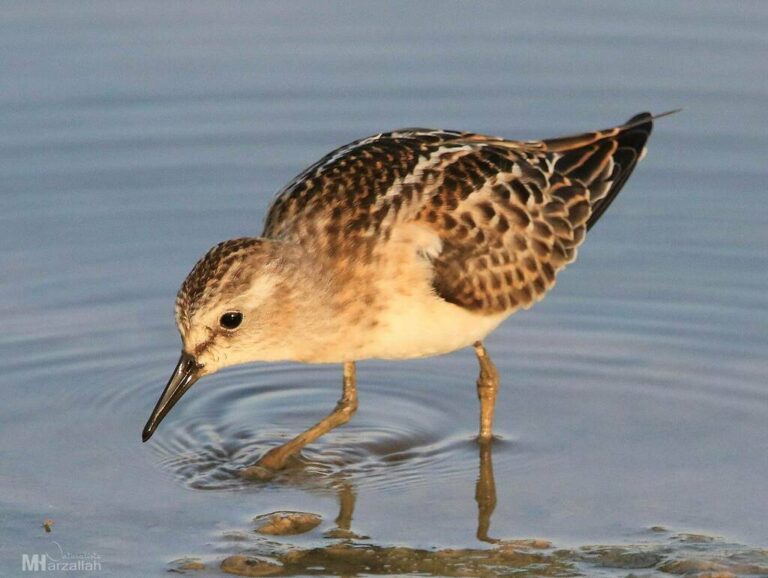
Calidris minuta
♥
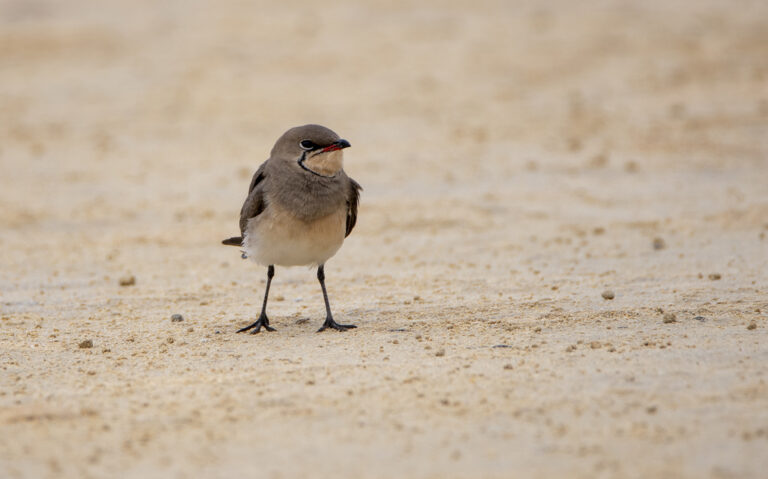
Glareola pratincola
♥
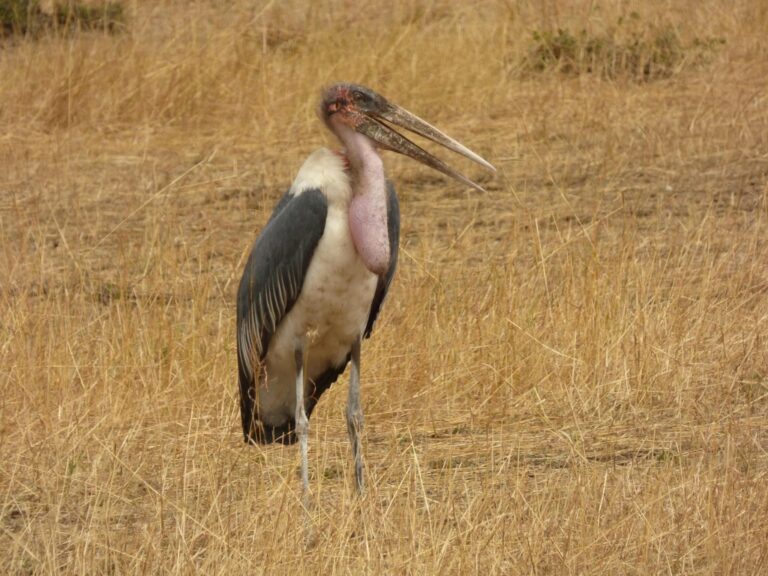
Leptoptilos crumenifer
♥
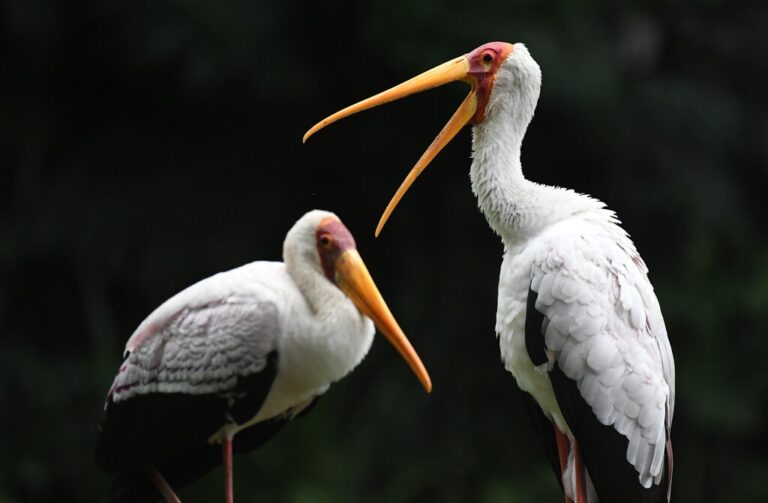
Mycteria ibis
♥
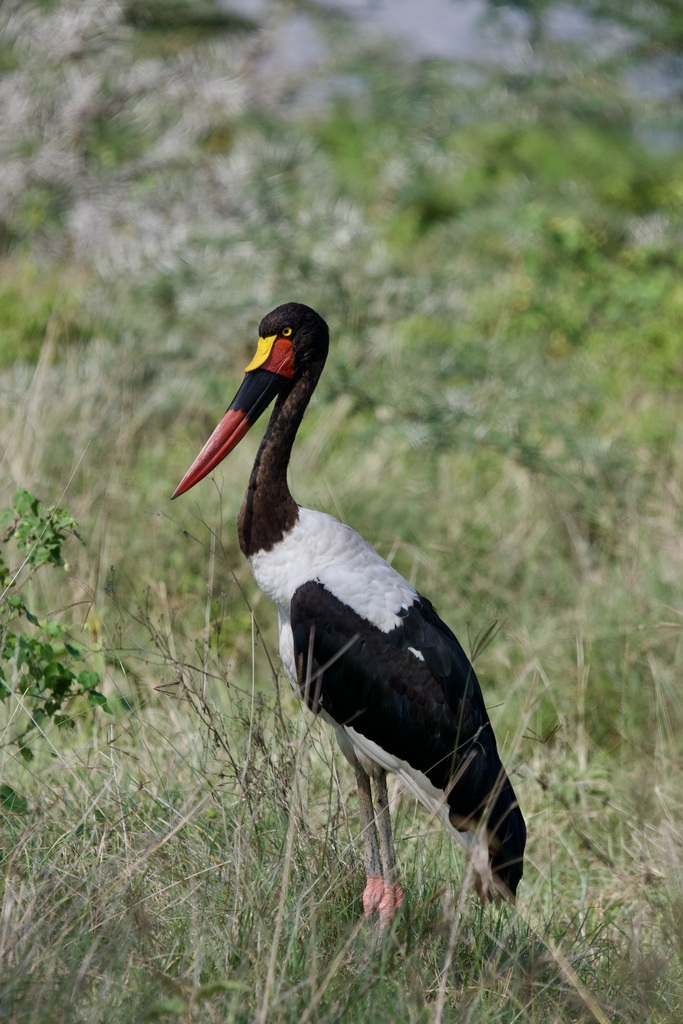
Ephippiorhynchus senegalensis
♥
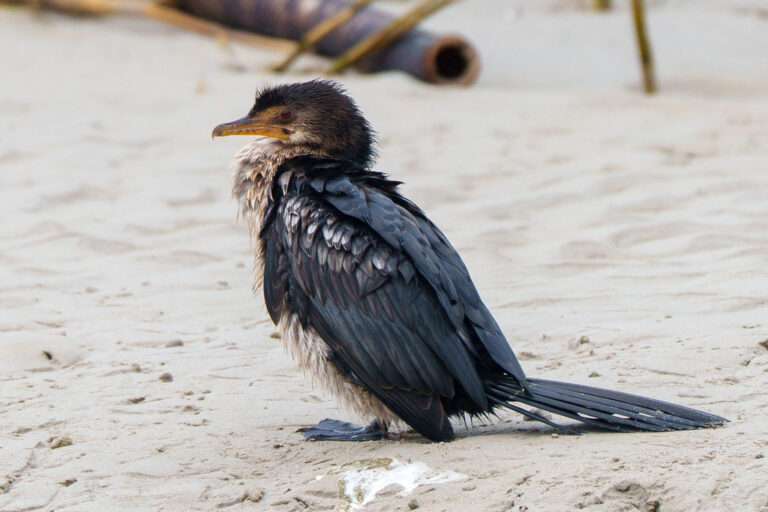
Microcarbo africanus
♥
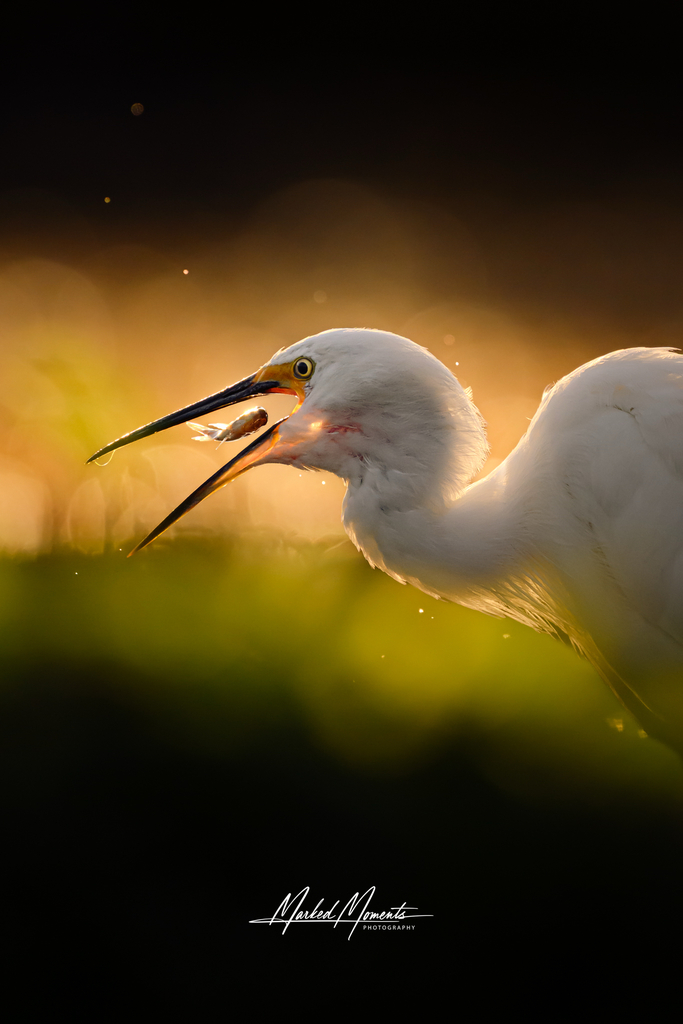
Egretta garzetta
♥
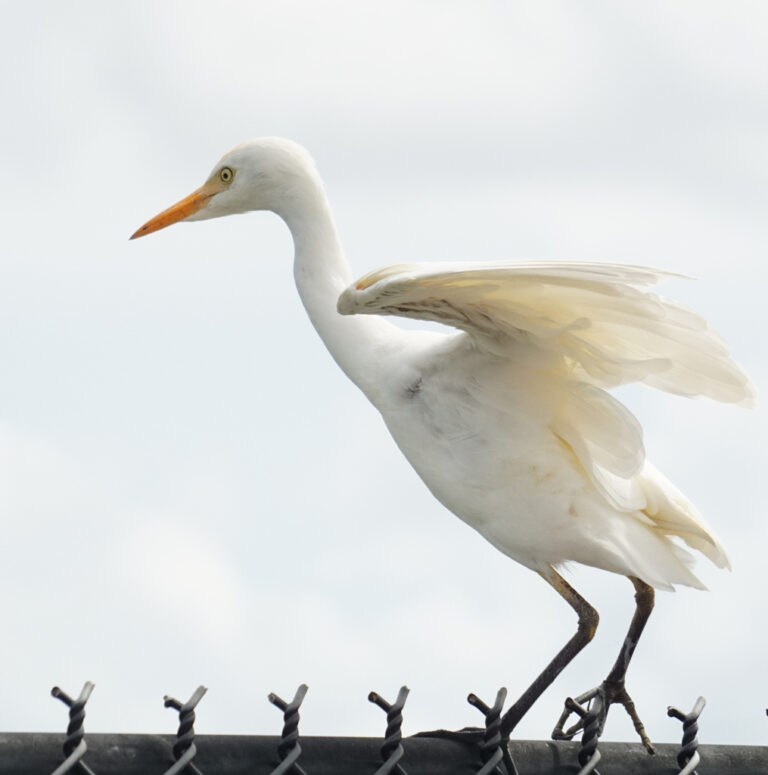
Ardea ibis
♥
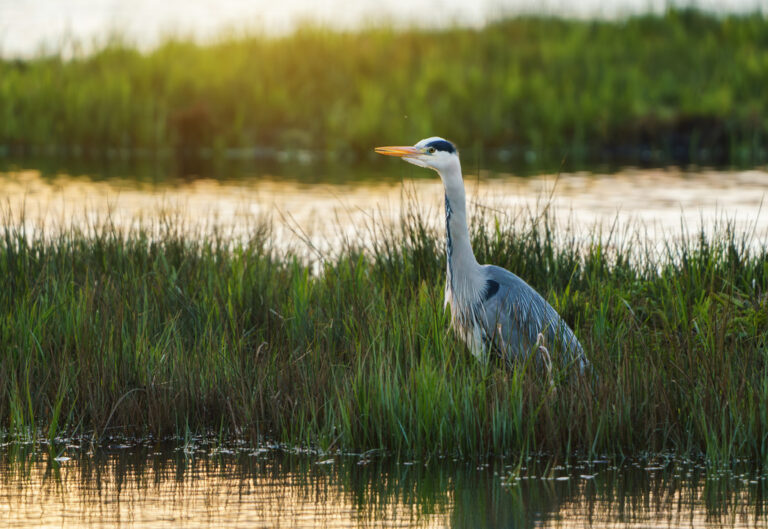
Ardea cinerea
♥
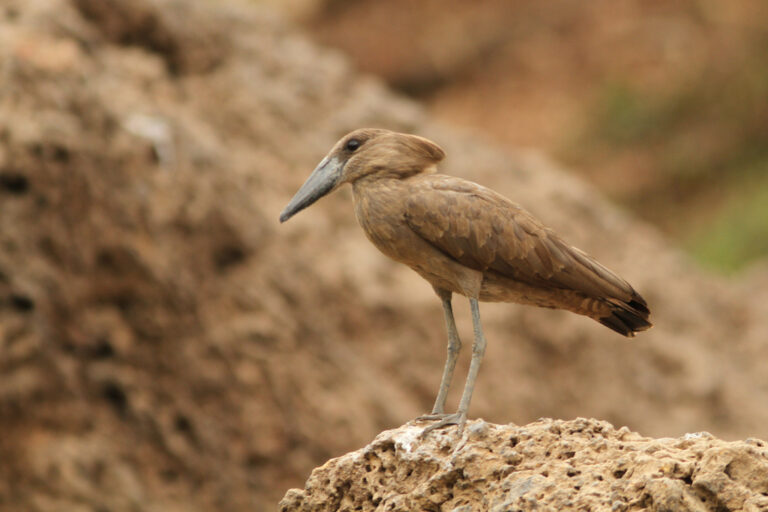
Scopus umbretta
♥
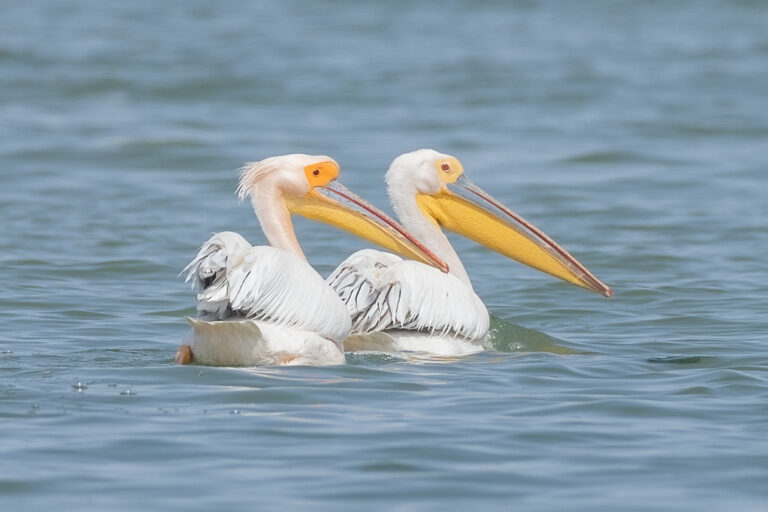
Pelecanus onocrotalus
♥
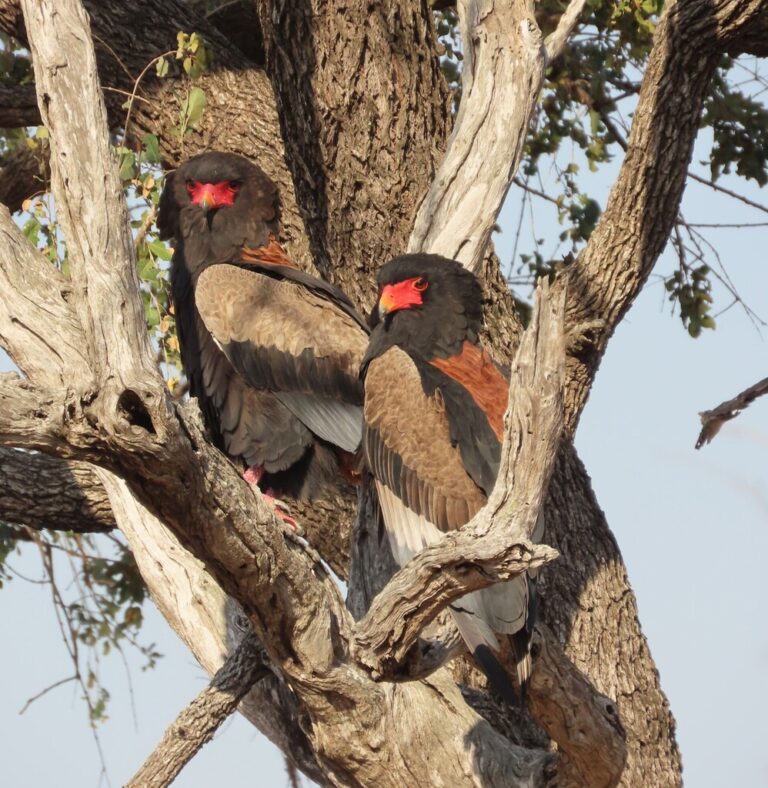
Terathopius ecaudatus
♥
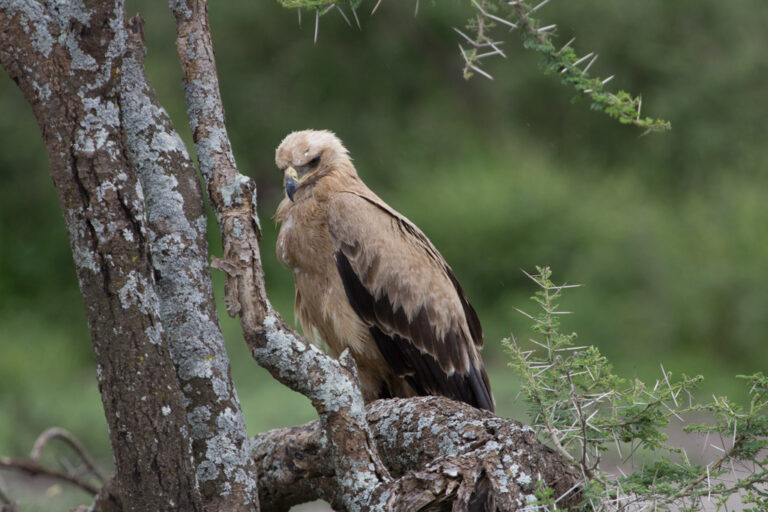
Aquila rapax
♥
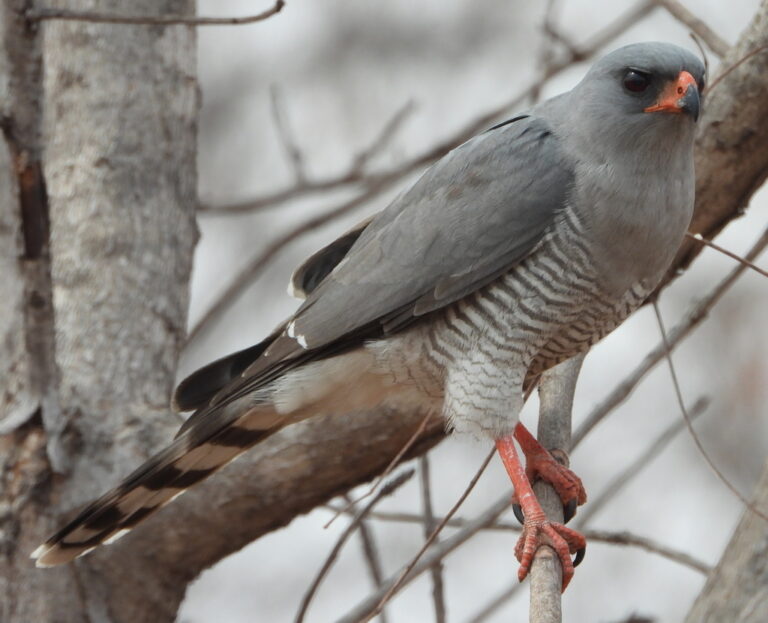
Micronisus gabar
♥
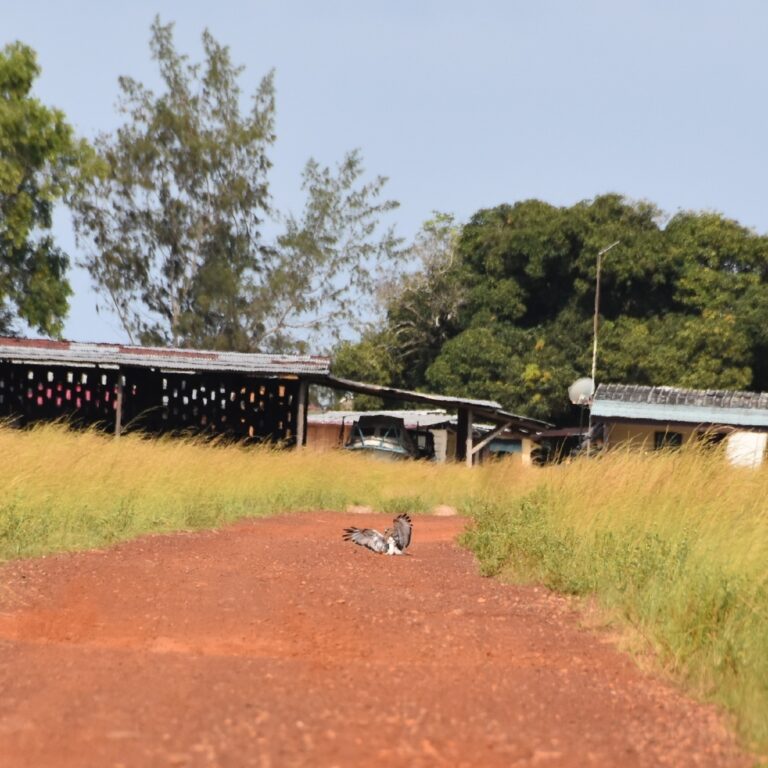
Buteo auguralis
♥
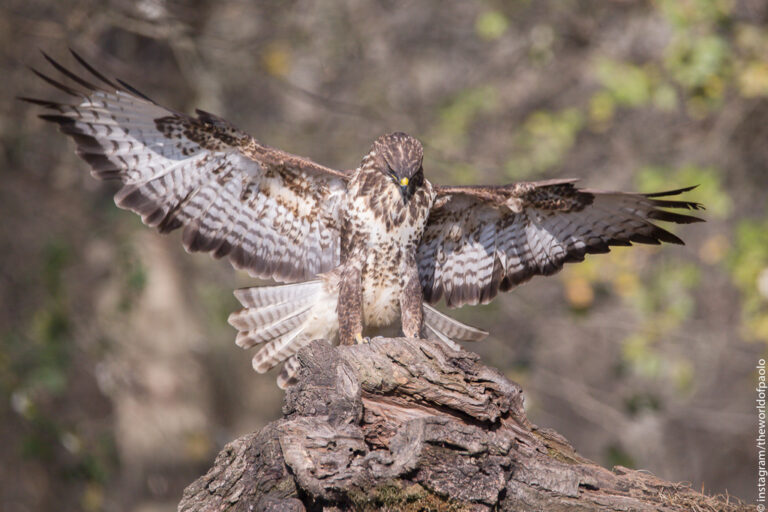
Buteo buteo
♥
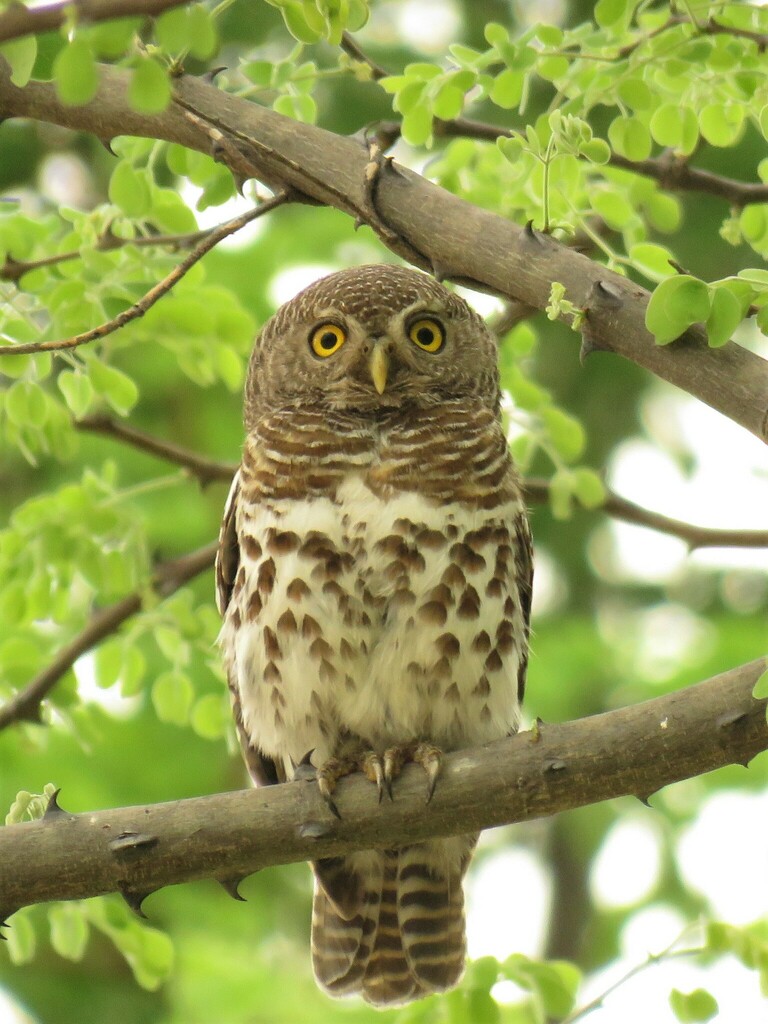
Glaucidium capense
♥
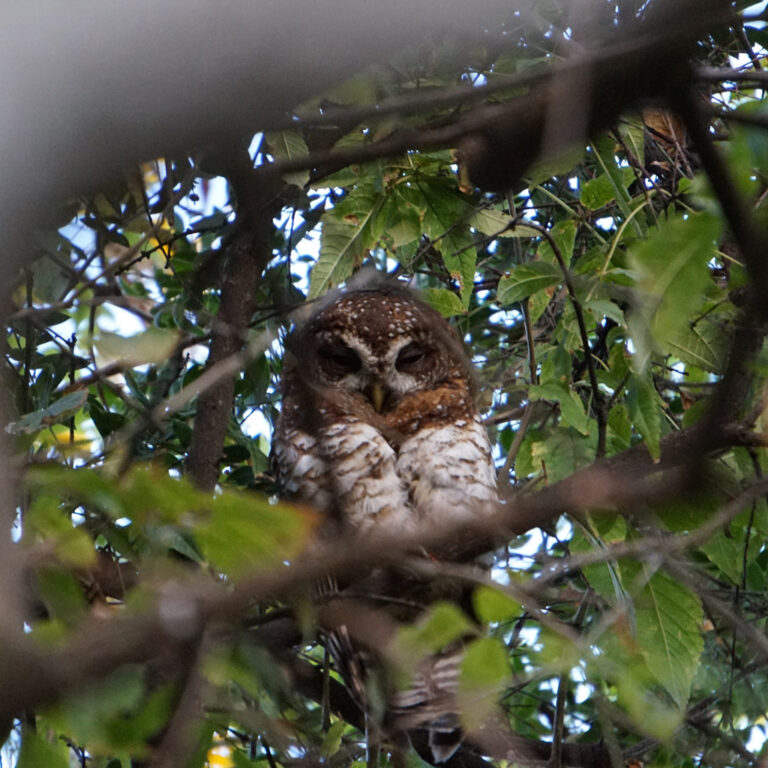
Strix woodfordii
♥
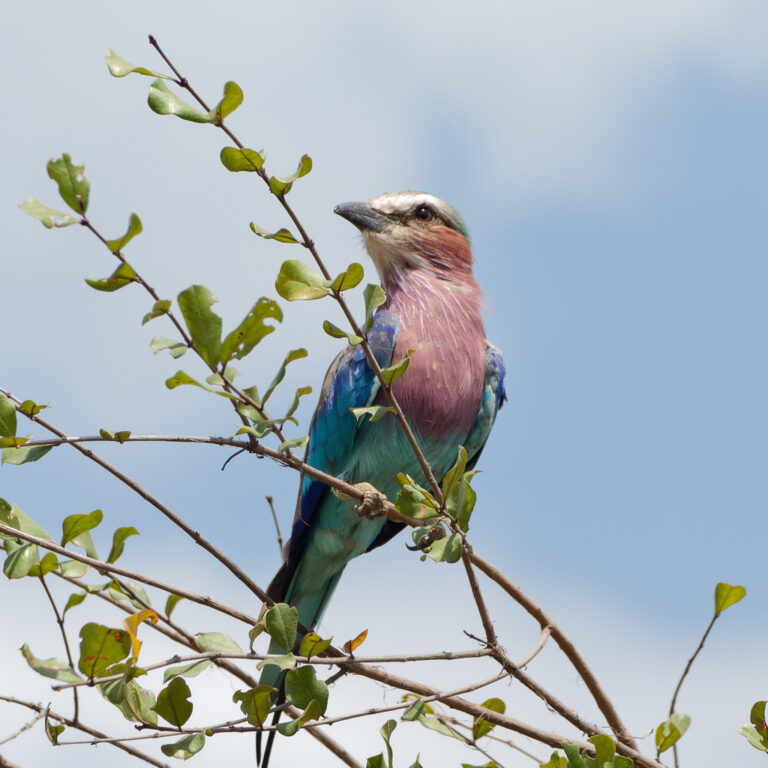
Coracias caudatus
♥
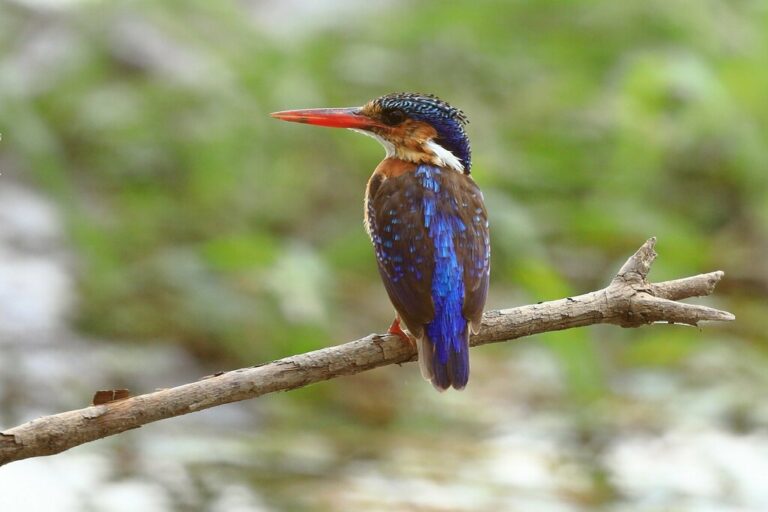
Corythornis cristatus
♥
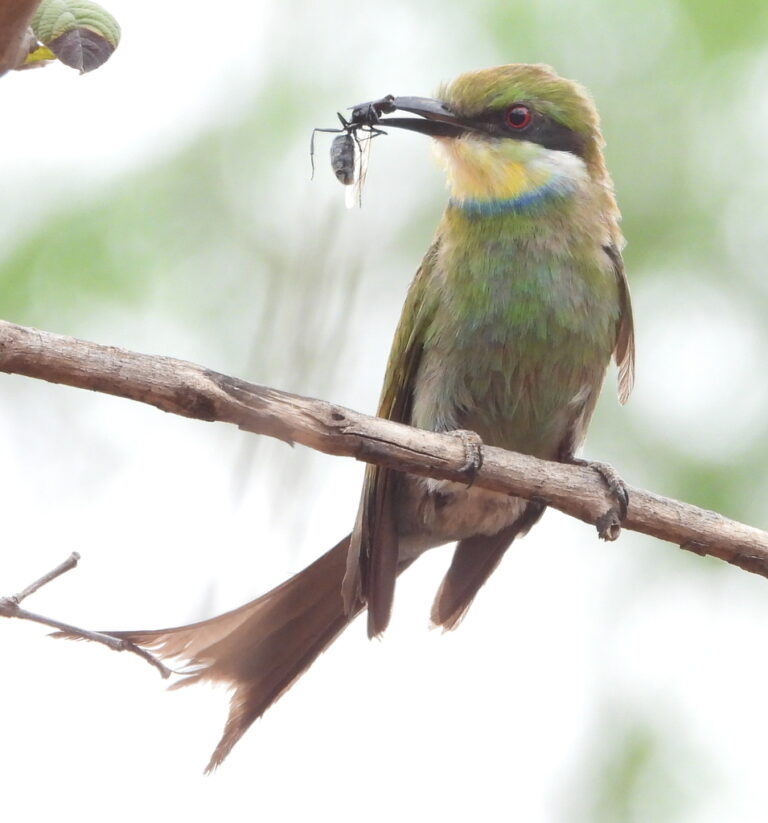
Merops hirundineus
♥
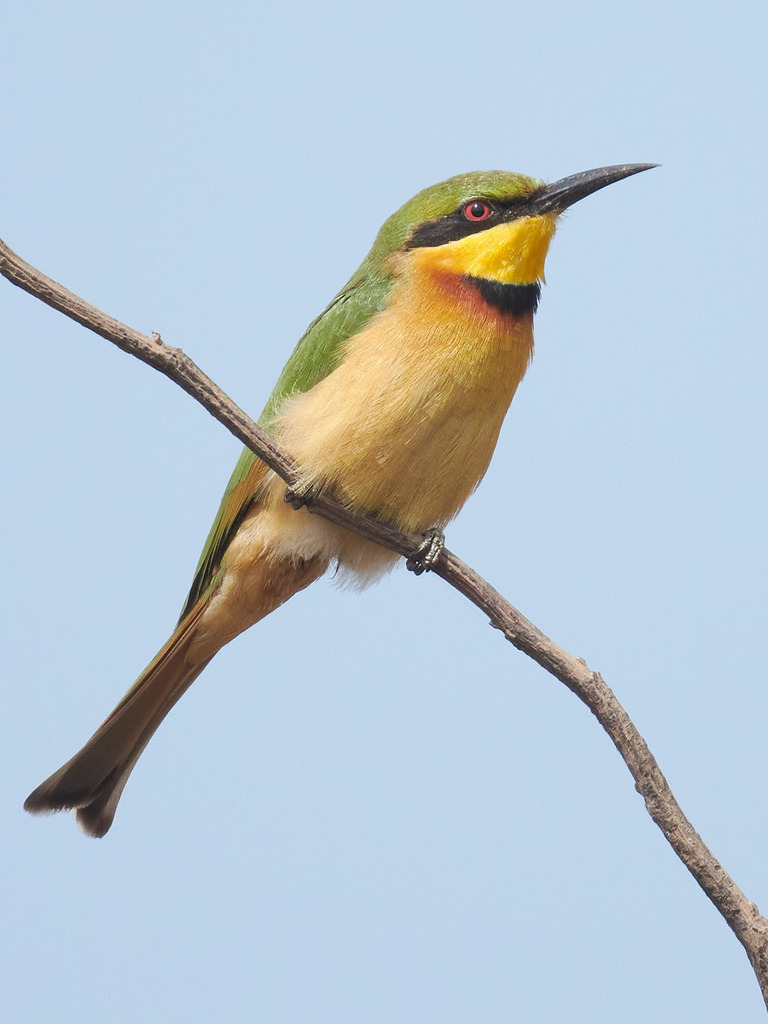
Merops pusillus
♥
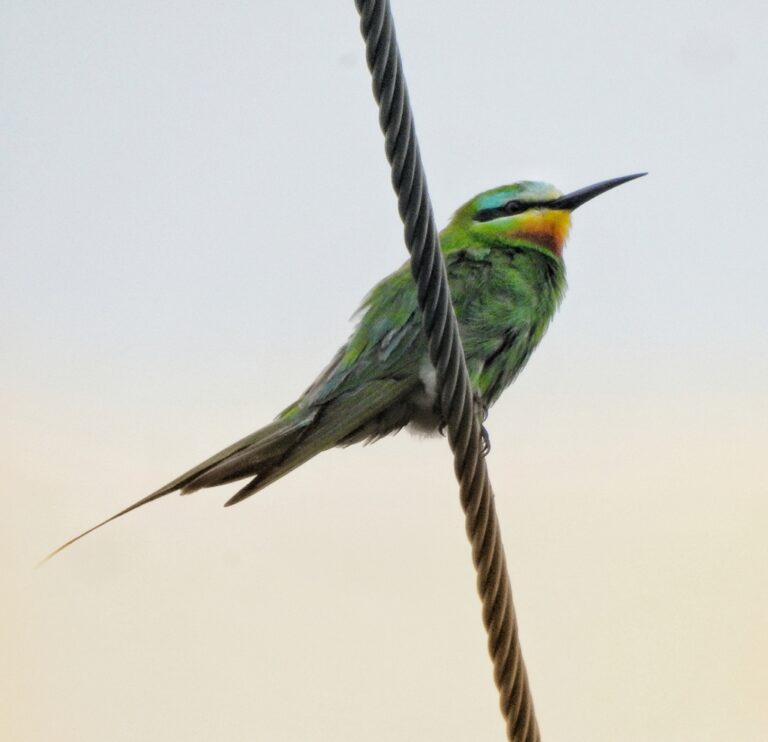
Merops persicus
♥
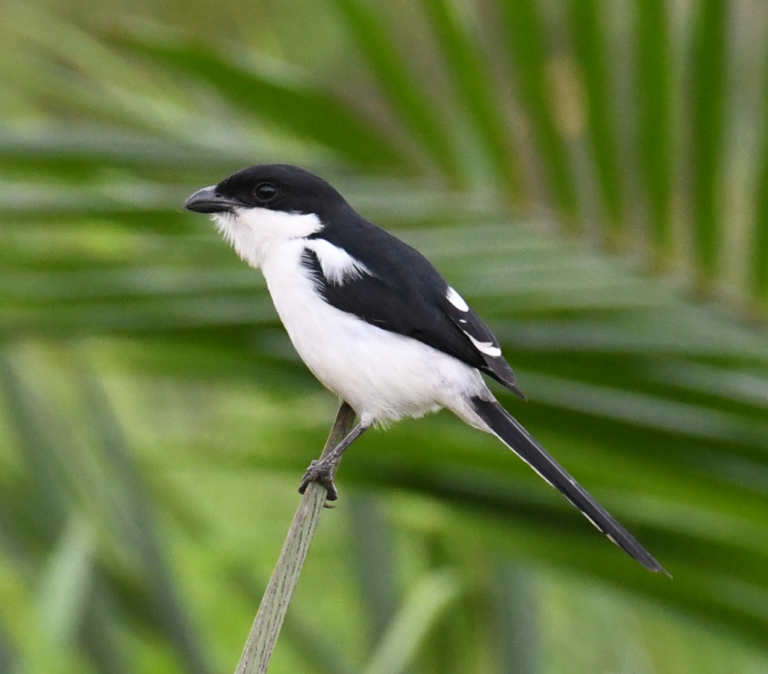
Lanius humeralis
♥
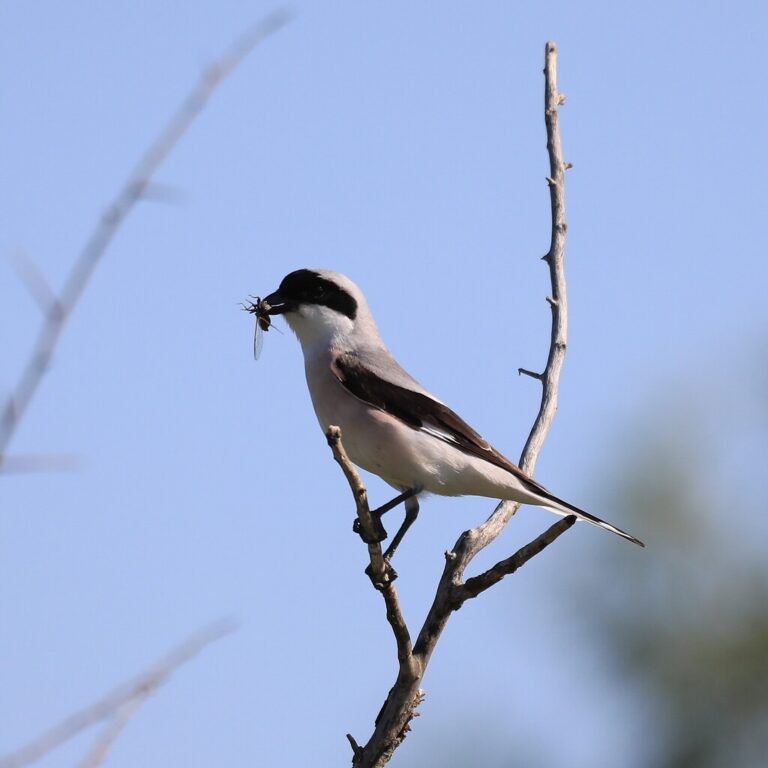
Lanius minor
♥
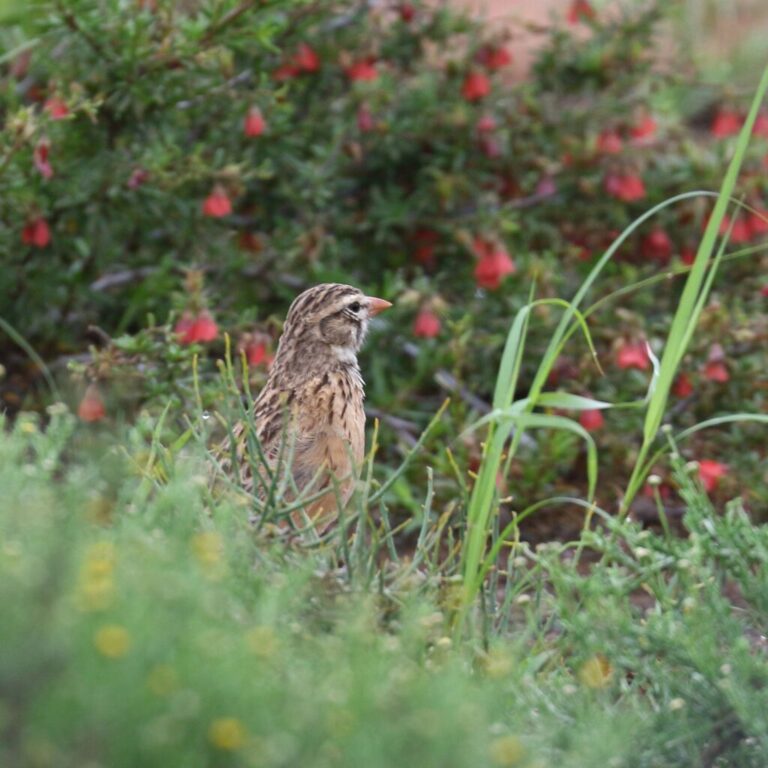
Spizocorys conirostris
♥
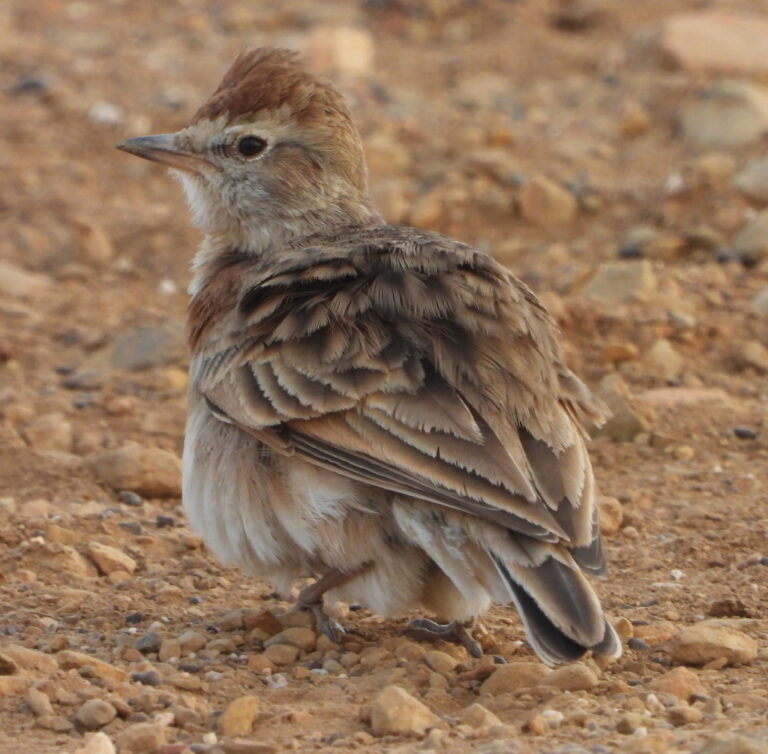
Calandrella cinerea
♥
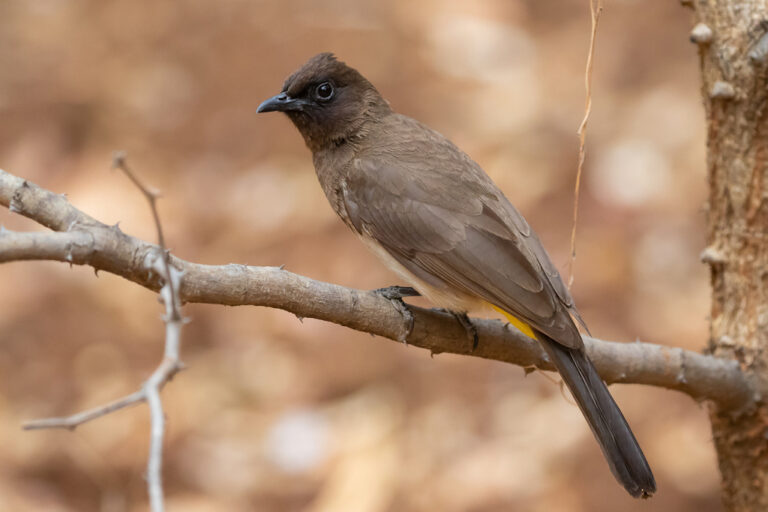
Pycnonotus barbatus
♥
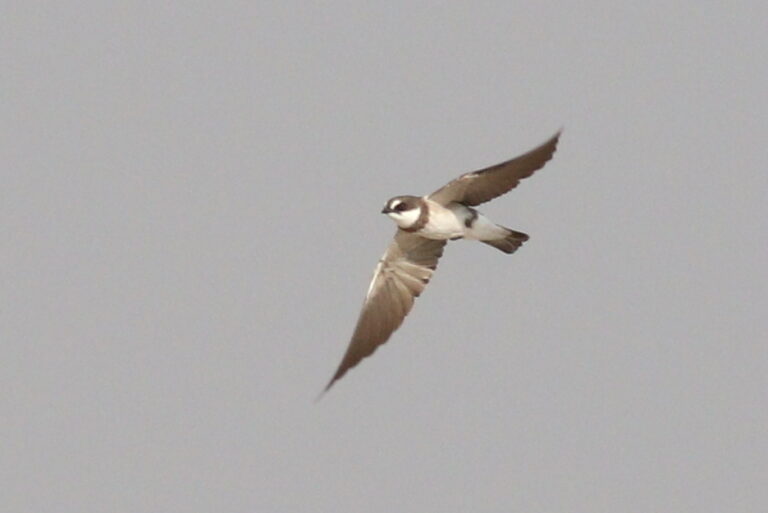
Neophedina cincta
♥
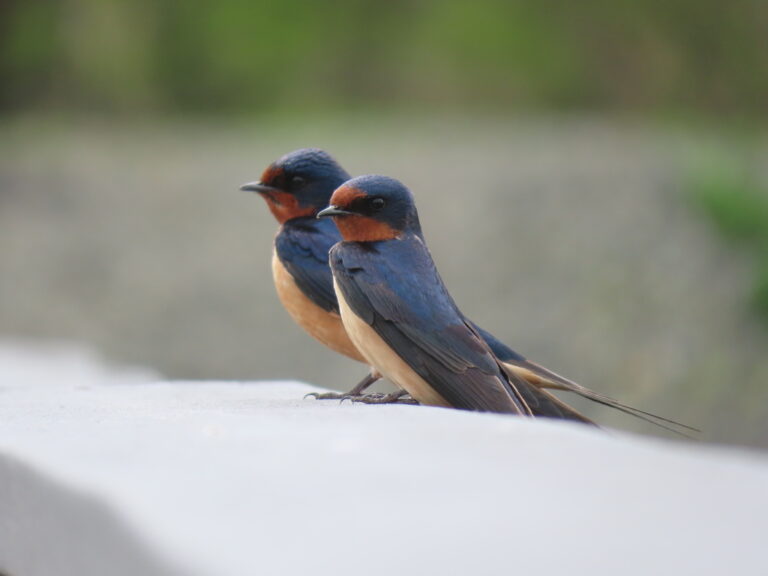
Hirundo rustica
♥
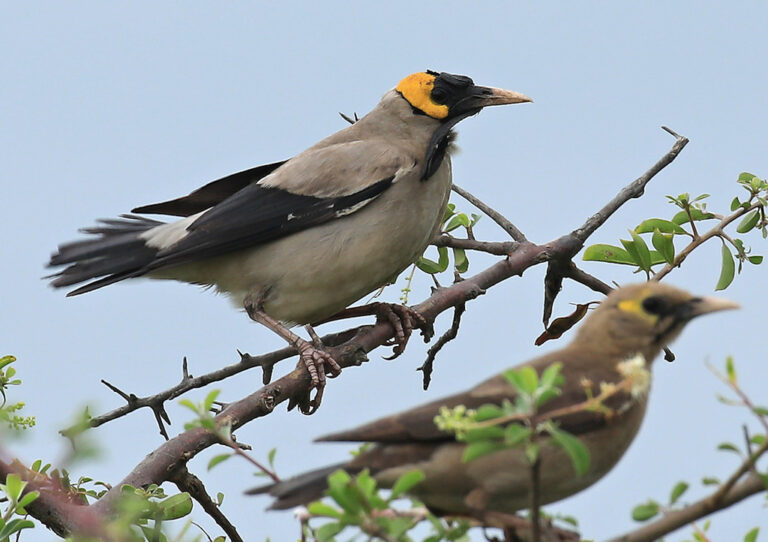
Creatophora cinerea
♥
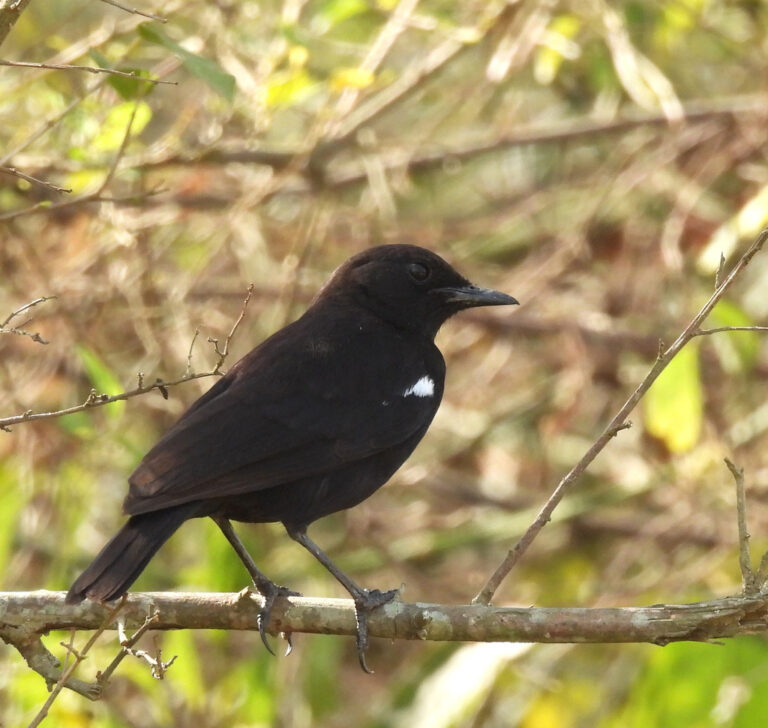
Myrmecocichla nigra
♥
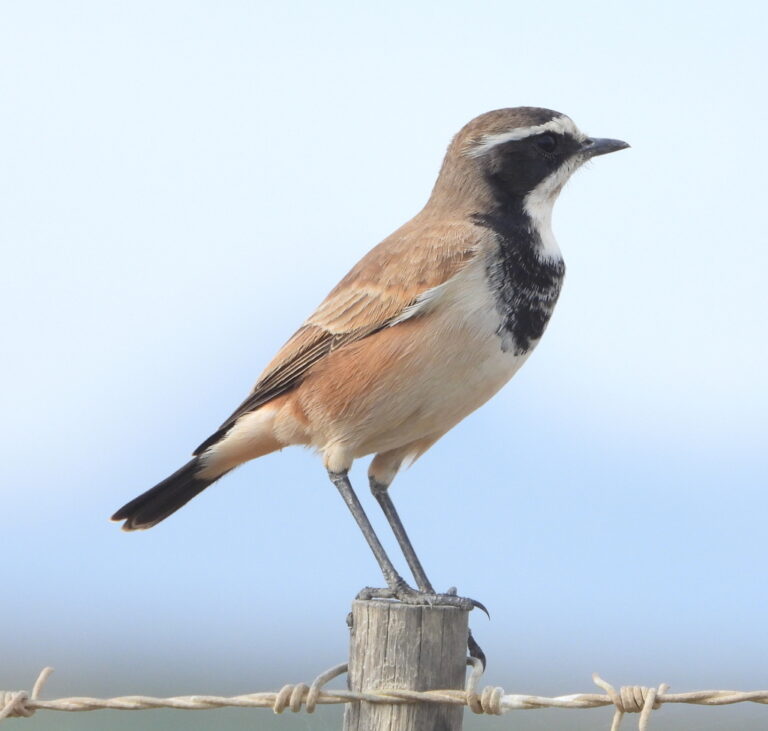
Oenanthe pileata
♥
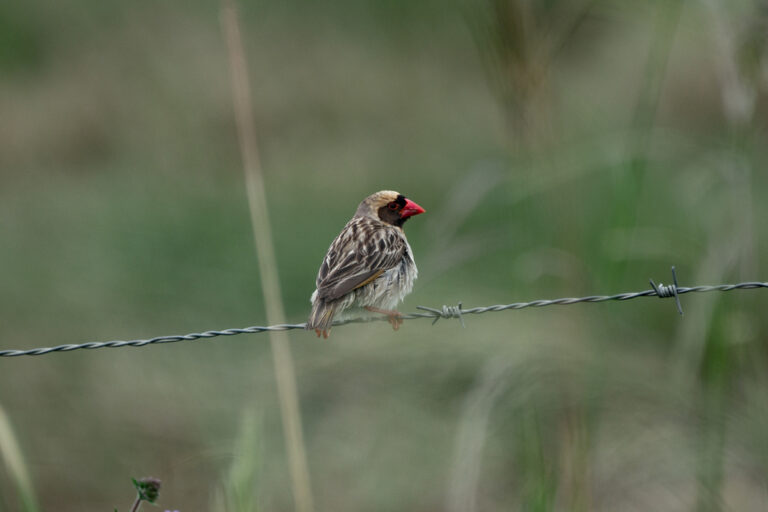
Quelea quelea
♥
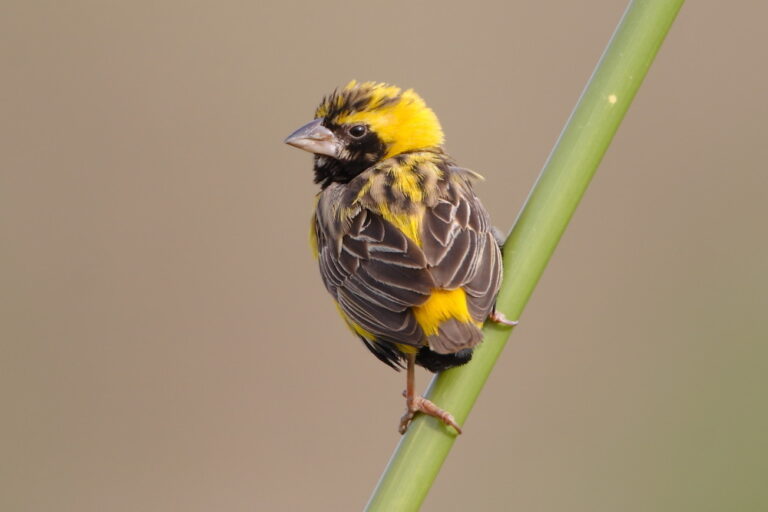
Euplectes afer
♥
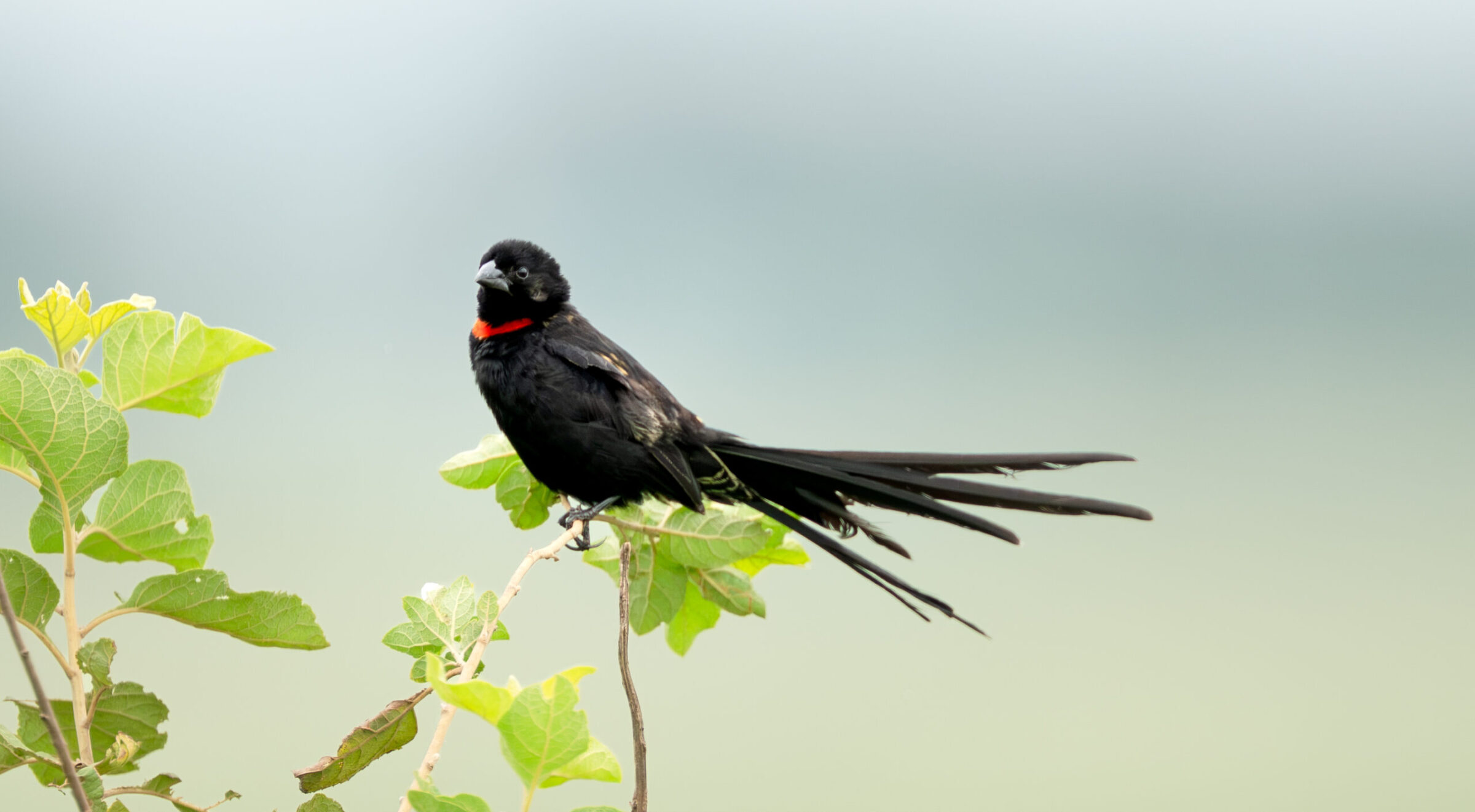
Euplectes ardens
♥
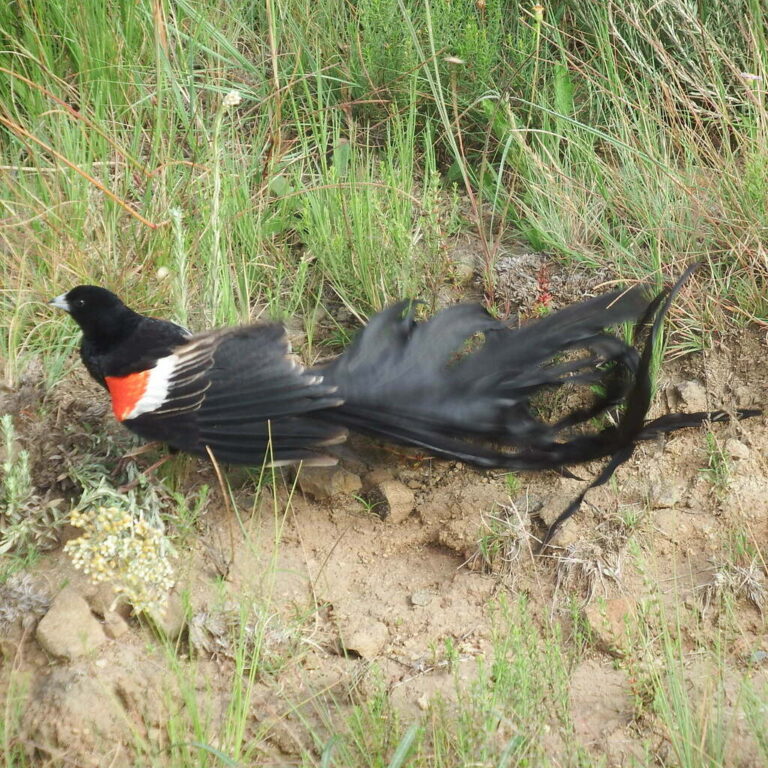
Euplectes progne
♥
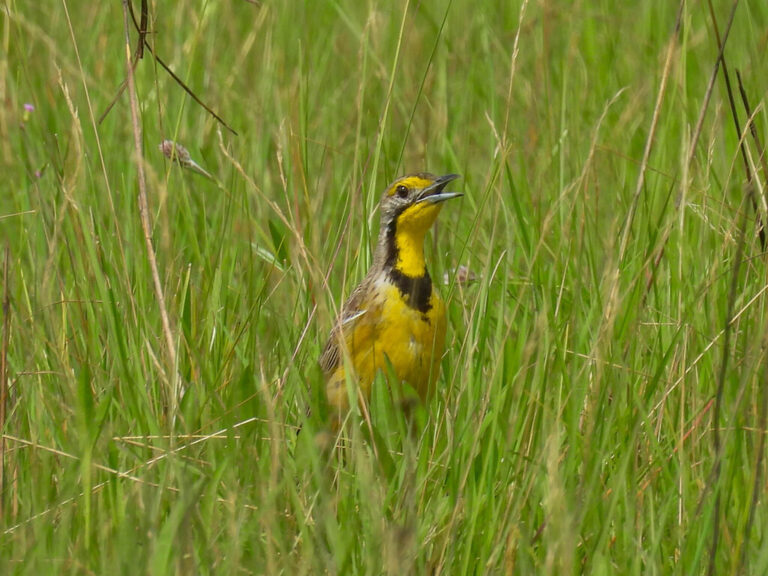
Macronyx fuelleborni
♥
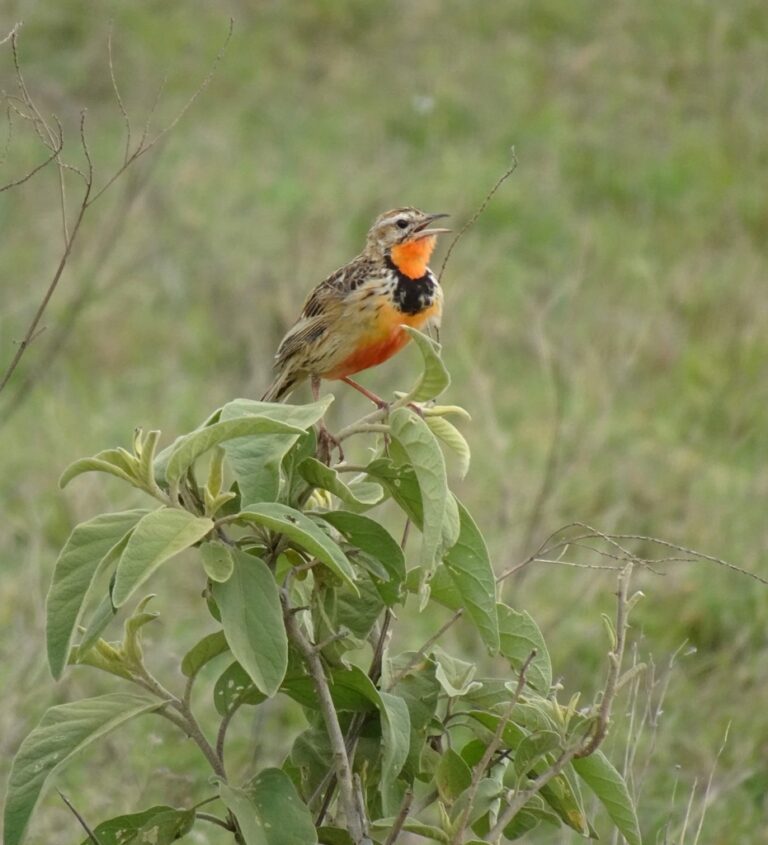
Macronyx ameliae
♥
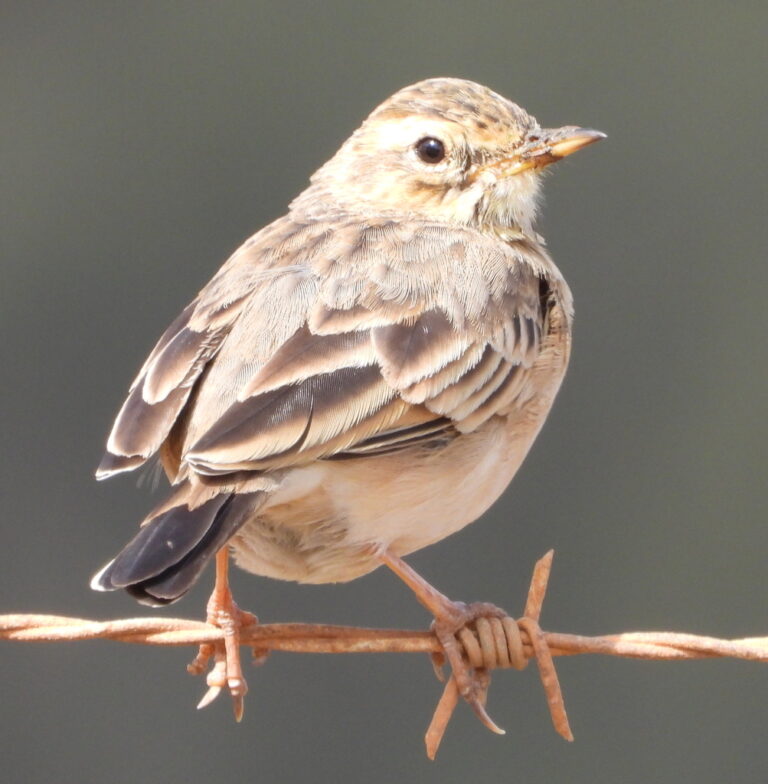
Anthus cinnamomeus
♥
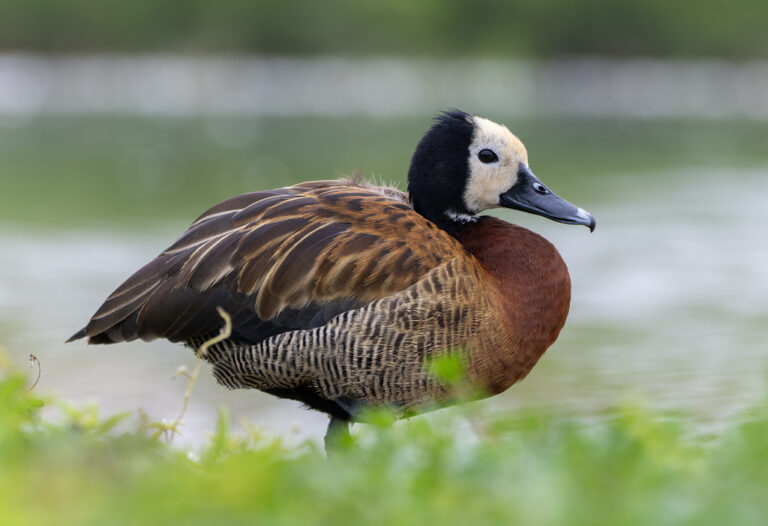
Dendrocygna viduata
♥
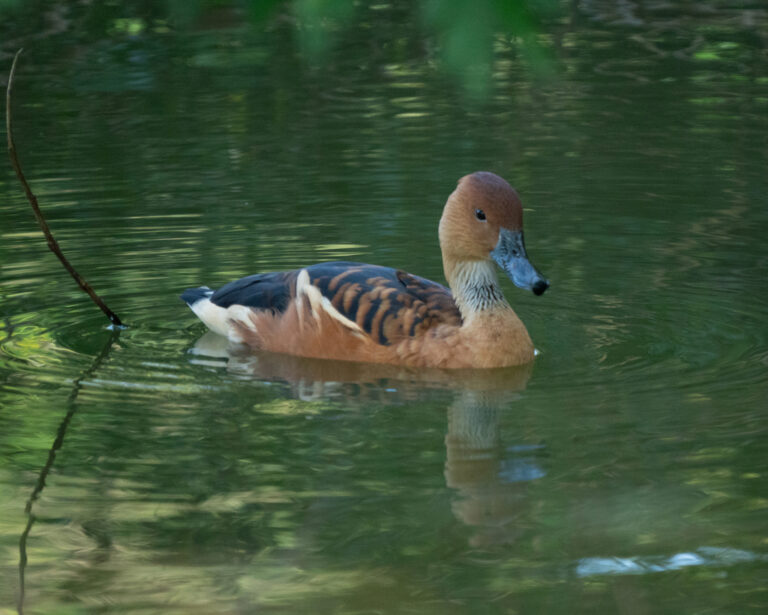
Dendrocygna bicolor
♥
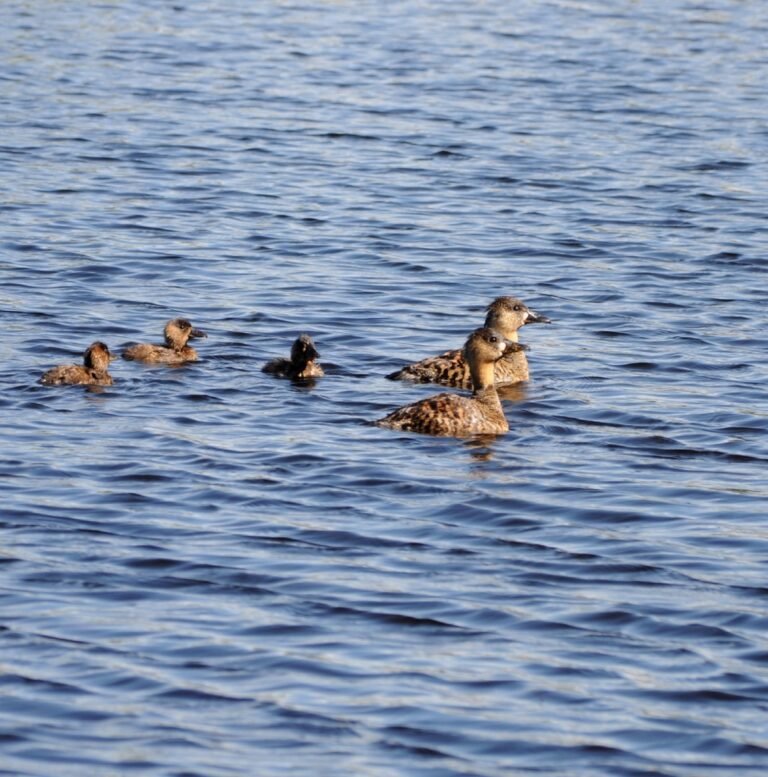
Thalassornis leuconotus
♥
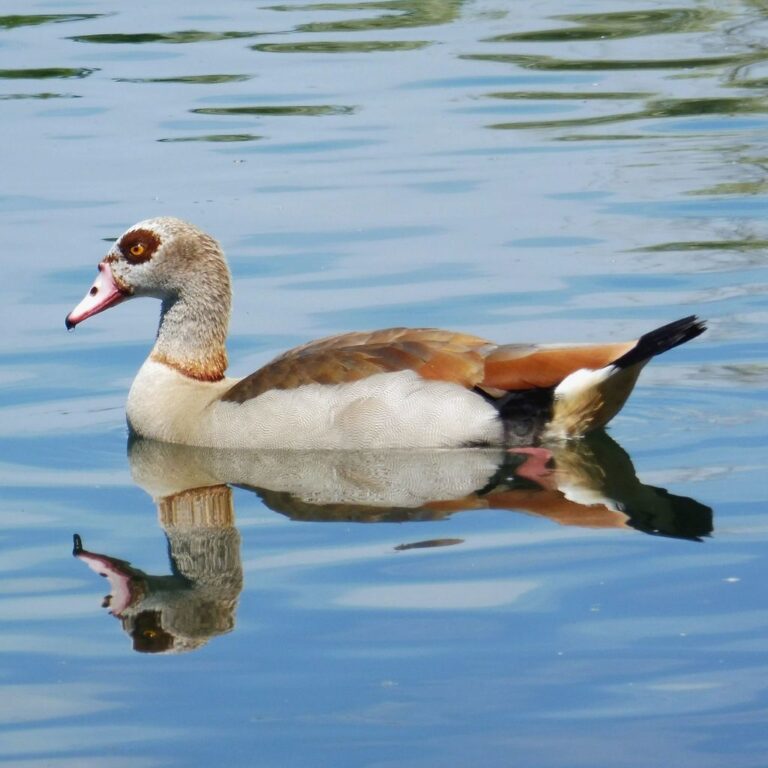
Alopochen aegyptiaca
♥
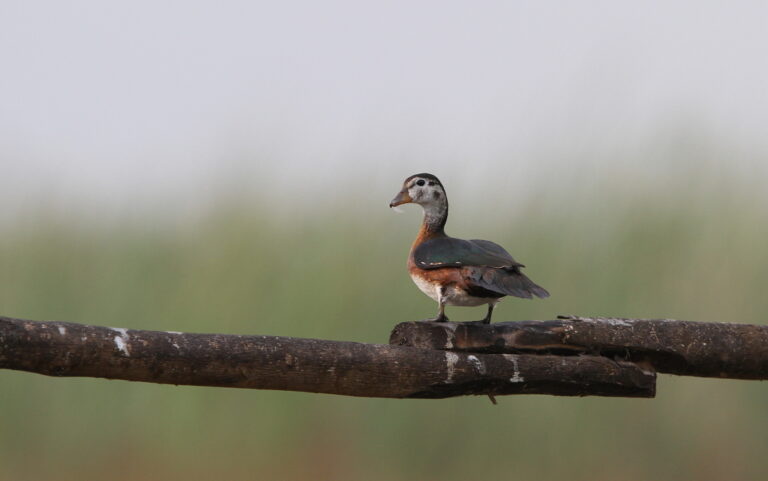
Nettapus auritus
♥
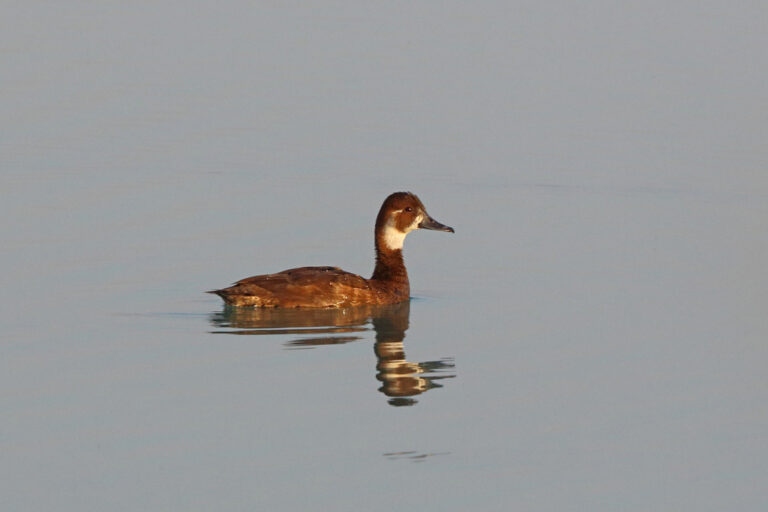
Netta erythrophthalma
♥
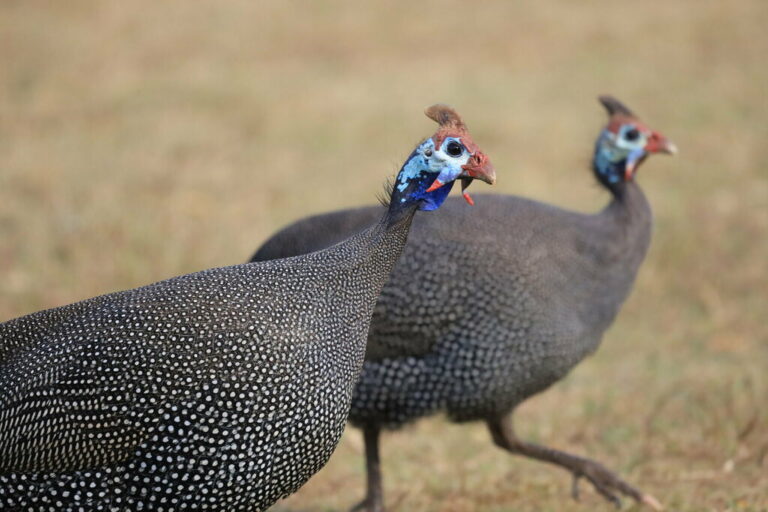
Numida meleagris
♥
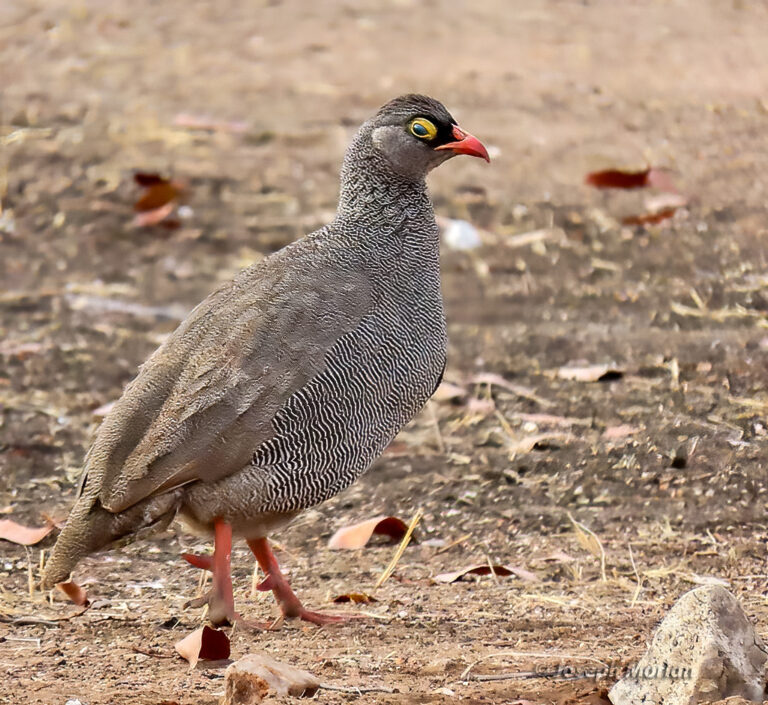
Pternistis adspersus
♥
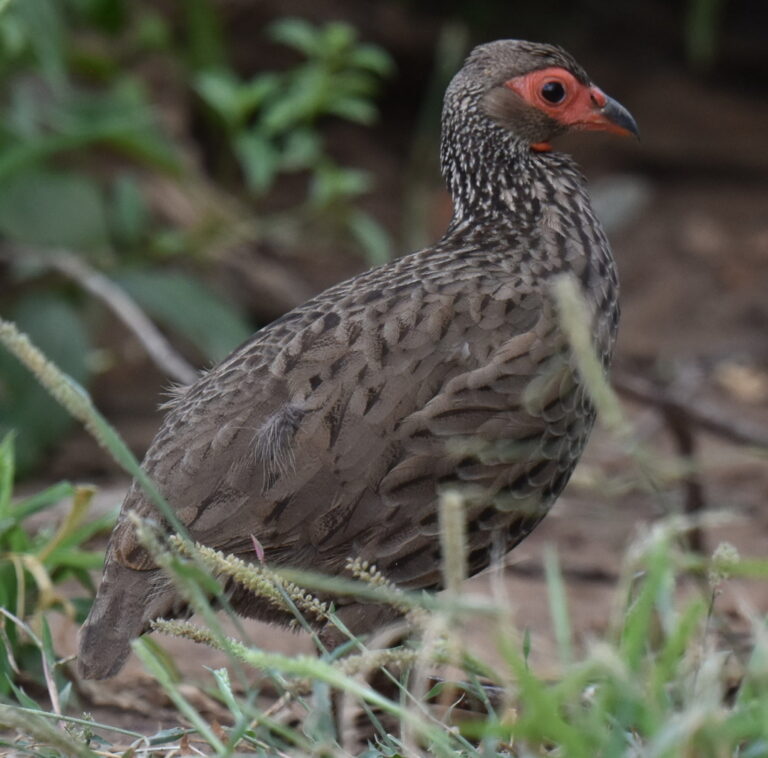
Pternistis swainsonii
♥
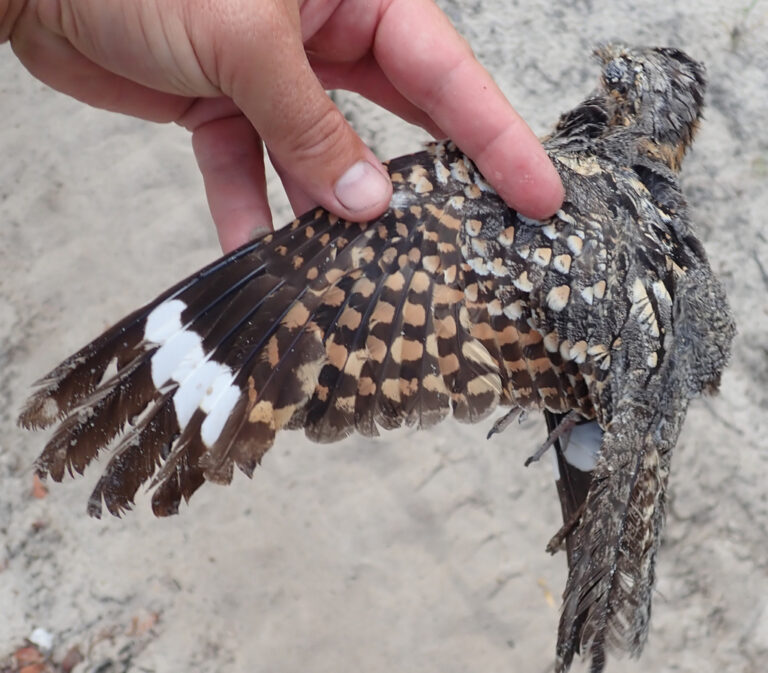
Caprimulgus rufigena
♥
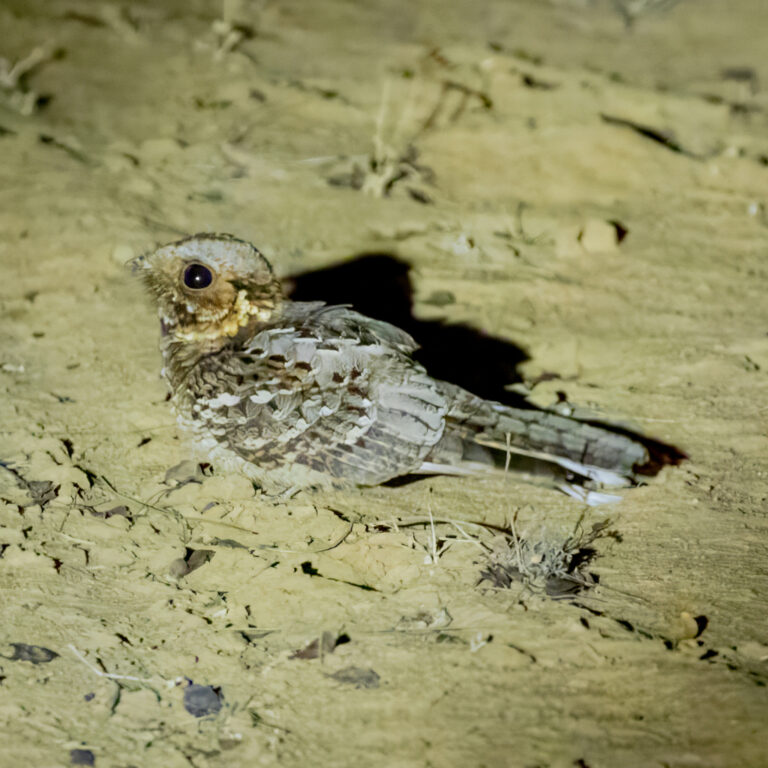
Caprimulgus pectoralis
♥
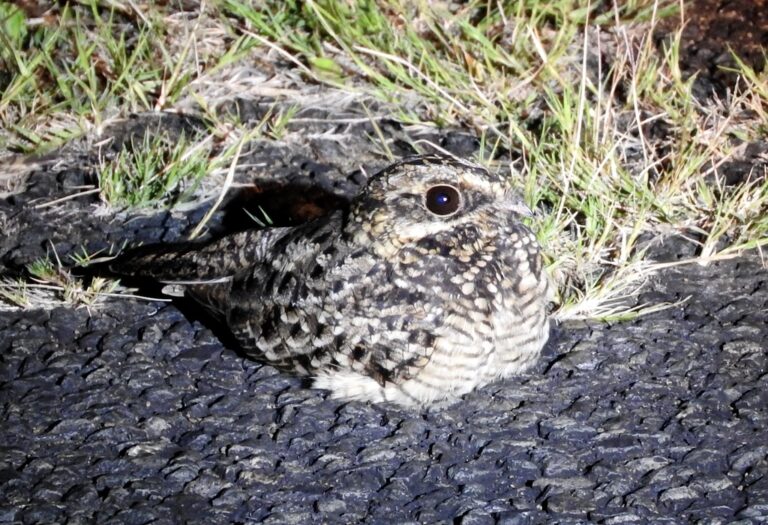
Caprimulgus natalensis
♥
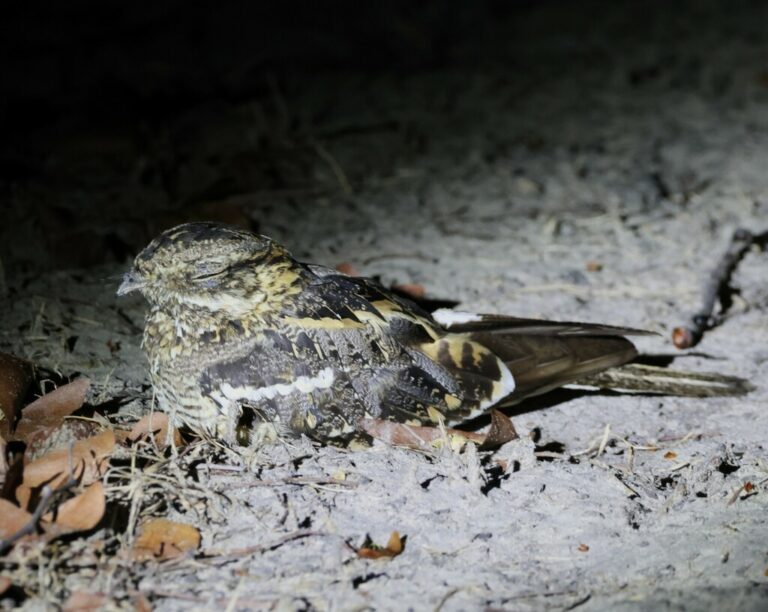
Caprimulgus fossii
♥
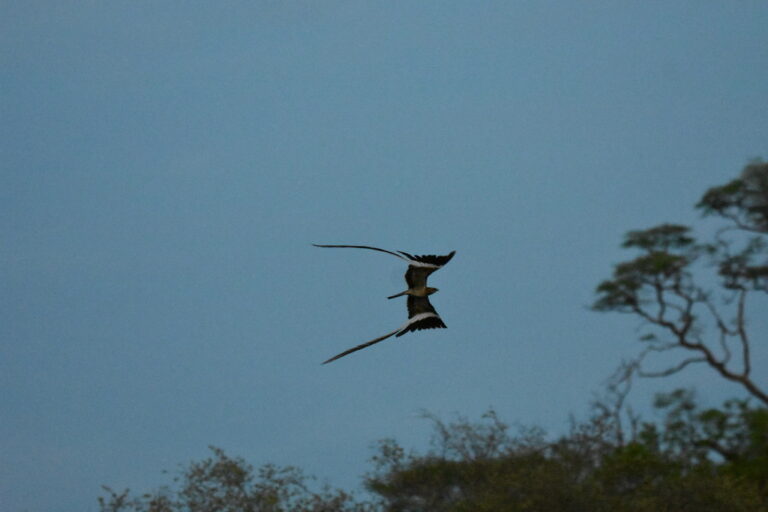
Caprimulgus vexillarius
♥
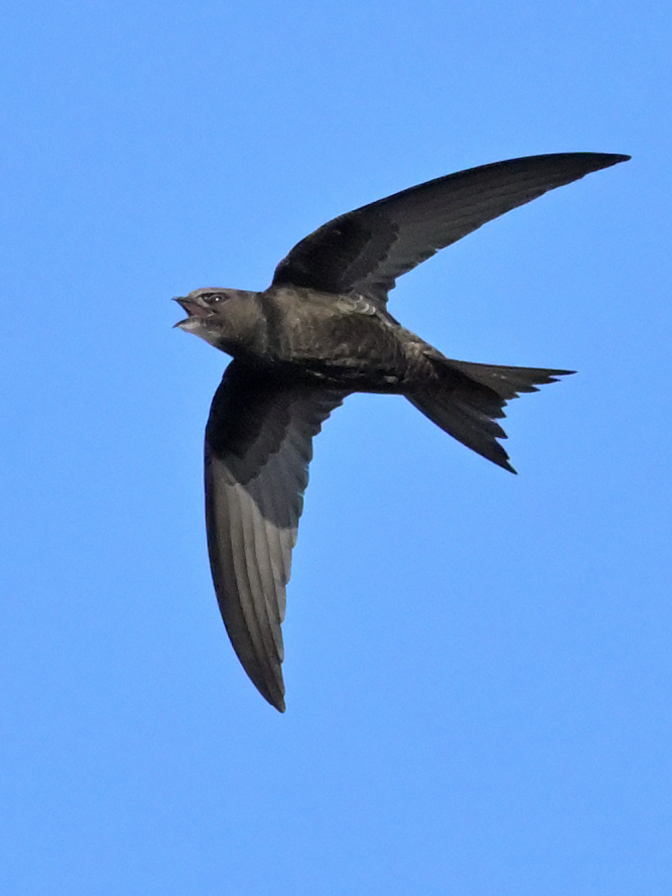
Apus apus
♥
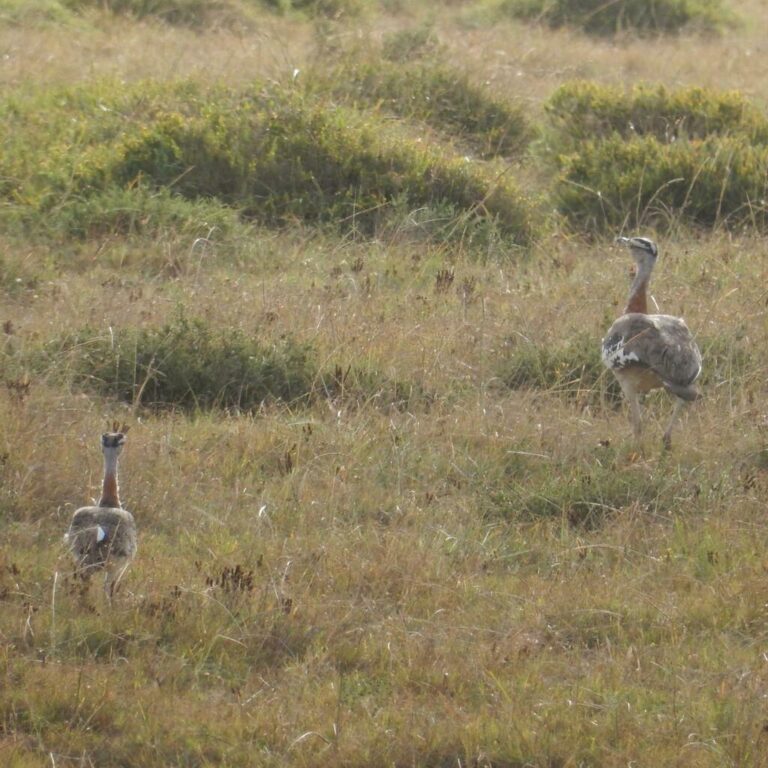
Neotis denhami
♥
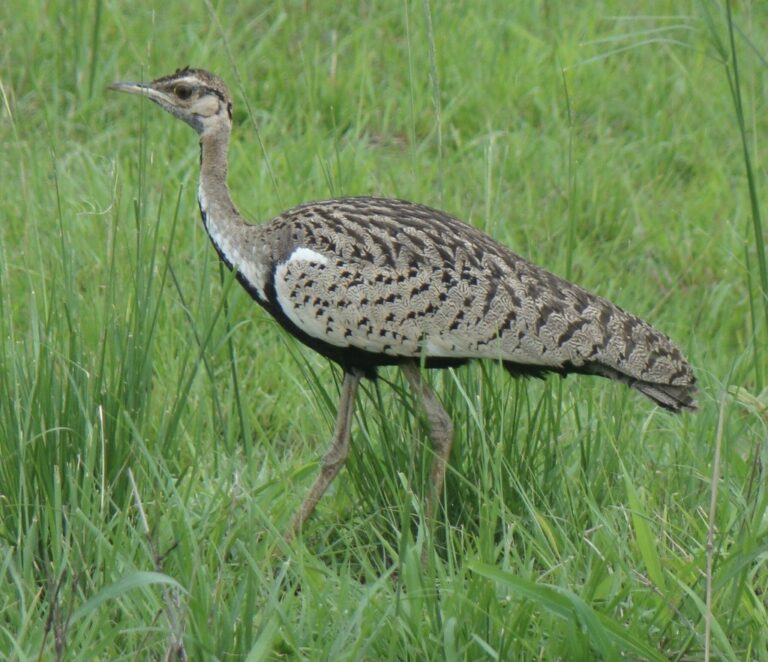
Lissotis melanogaster
♥
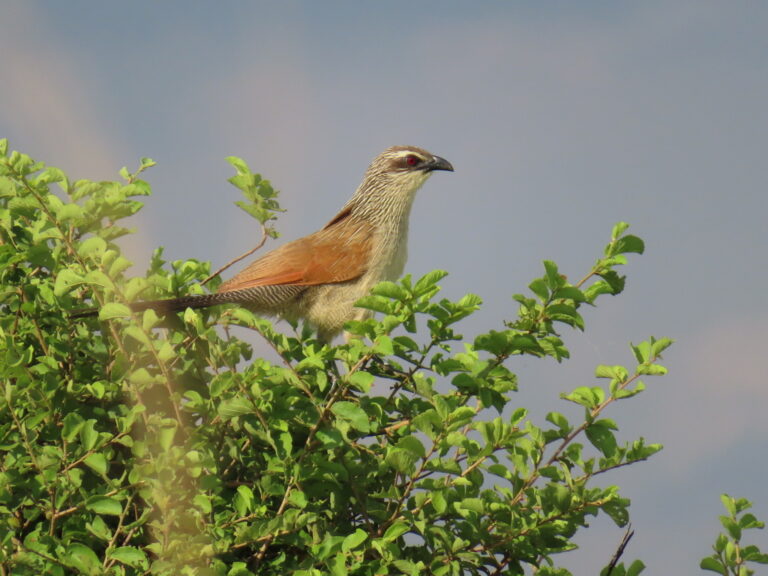
Centropus superciliosus
♥
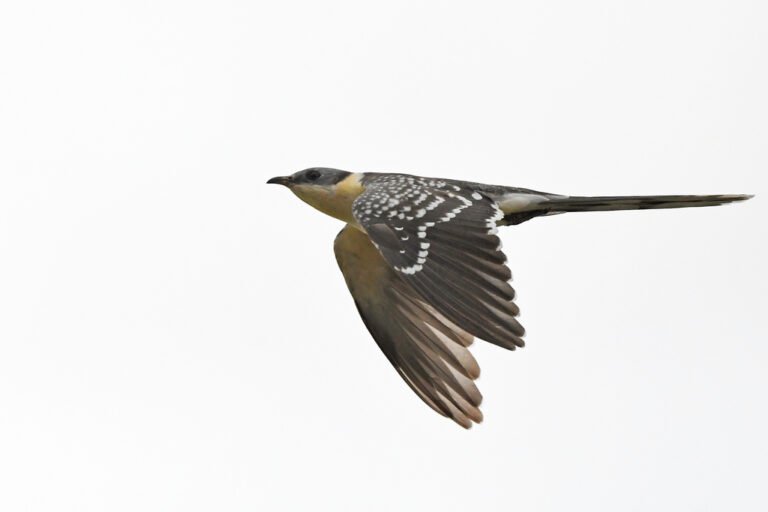
Clamator glandarius
♥
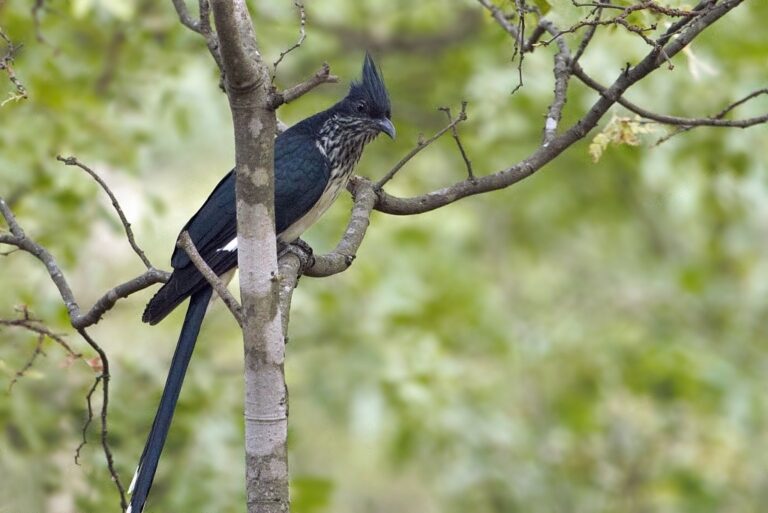
Clamator levaillantii
♥
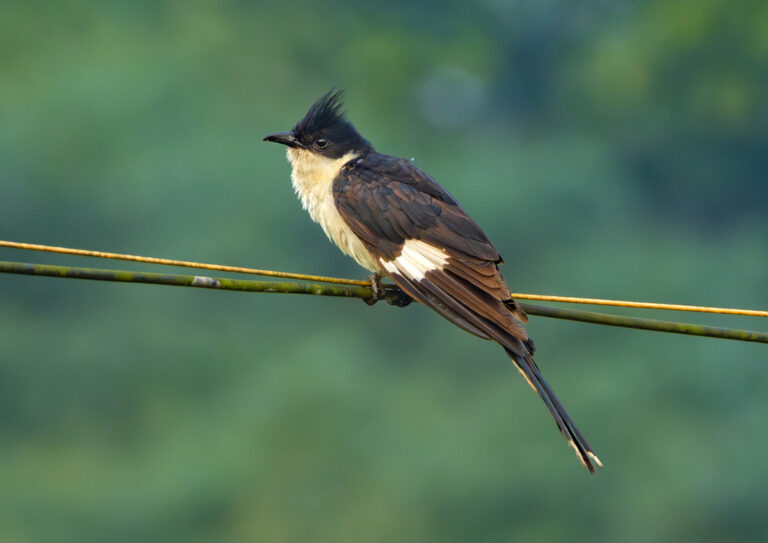
Clamator jacobinus
♥
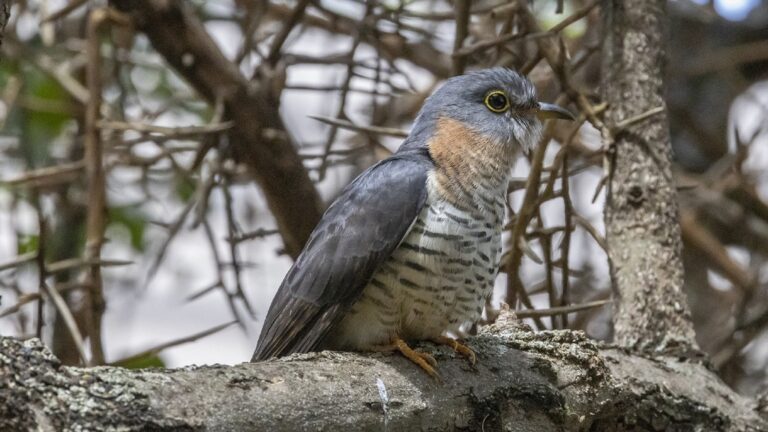
Cuculus solitarius
♥
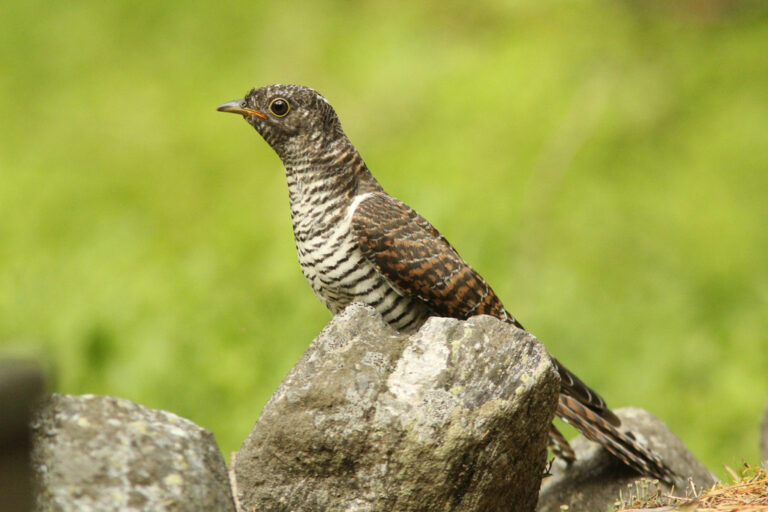
Cuculus canorus
♥
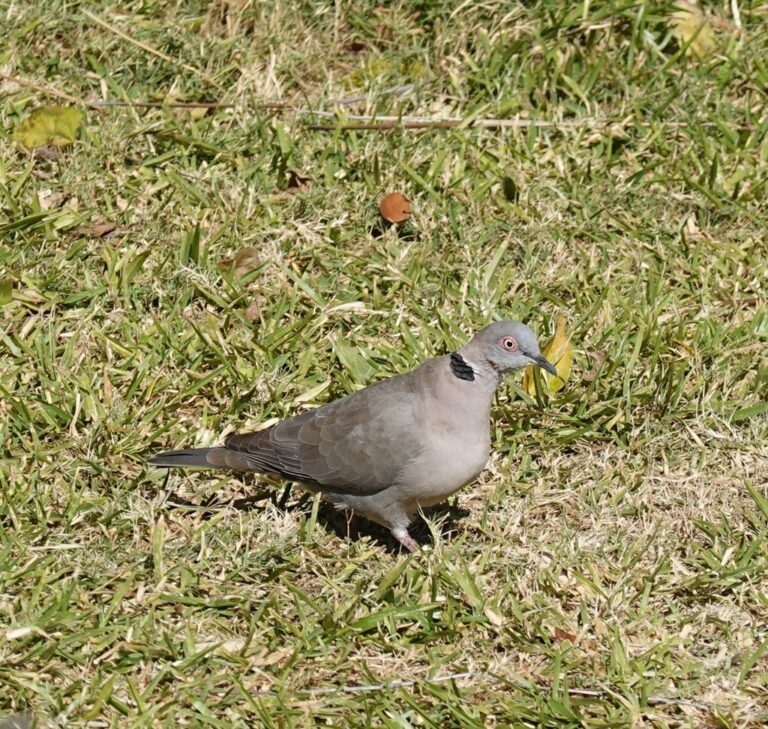
Streptopelia decipiens
♥
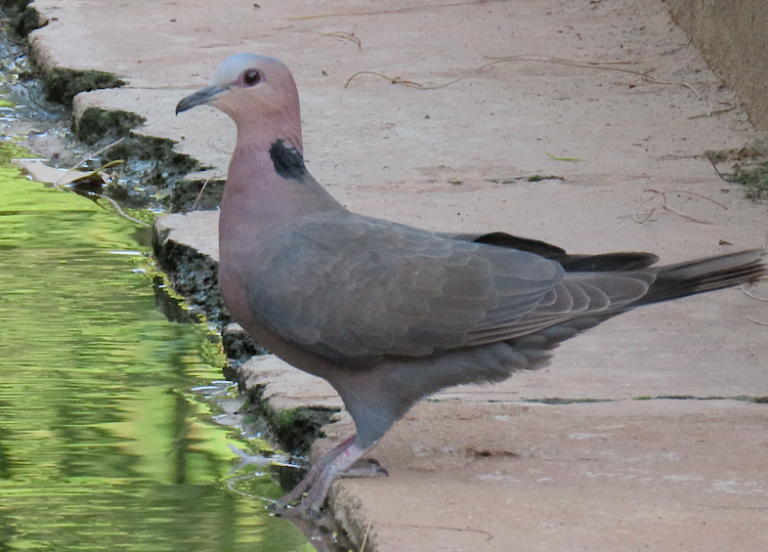
Streptopelia semitorquata
♥
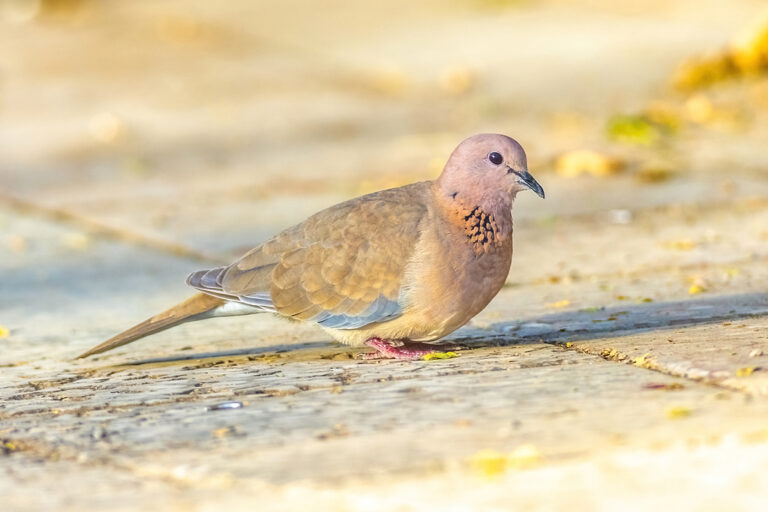
Spilopelia senegalensis
♥
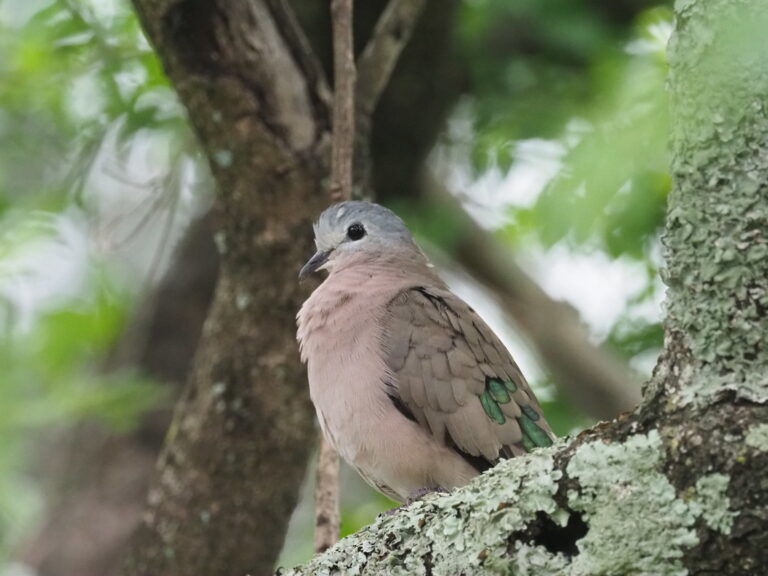
Turtur chalcospilos
♥
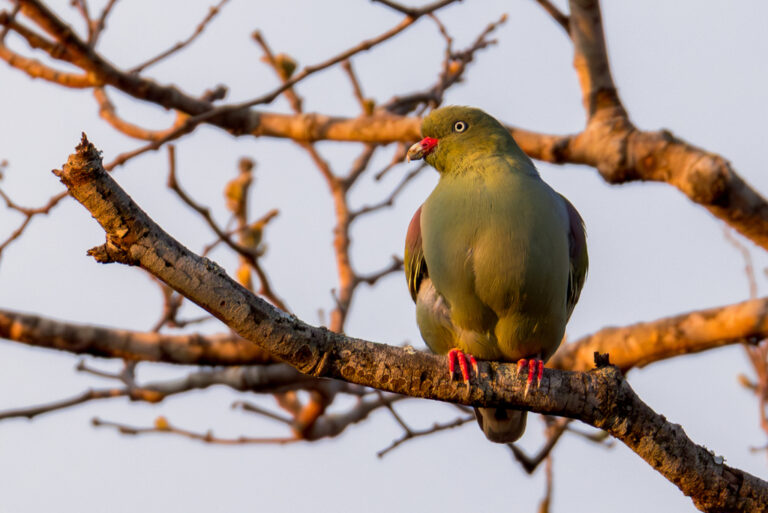
Treron calvus
♥
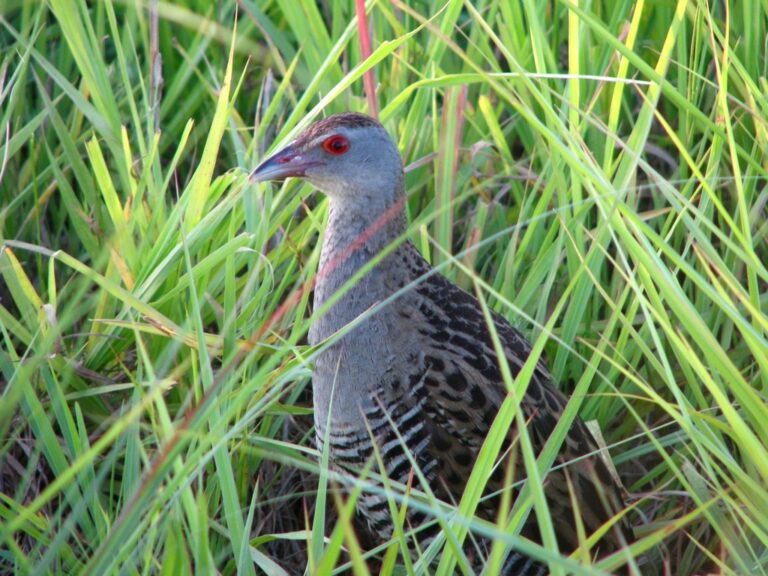
Crecopsis egregia
♥
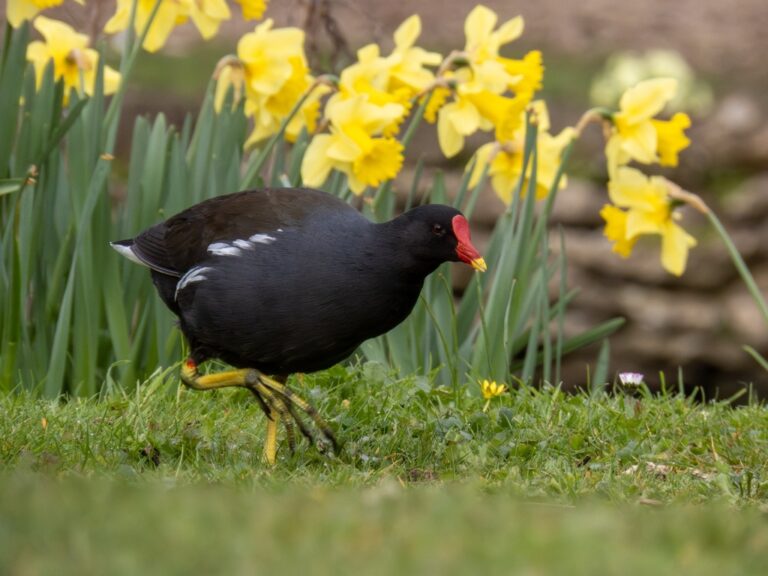
Gallinula chloropus
♥
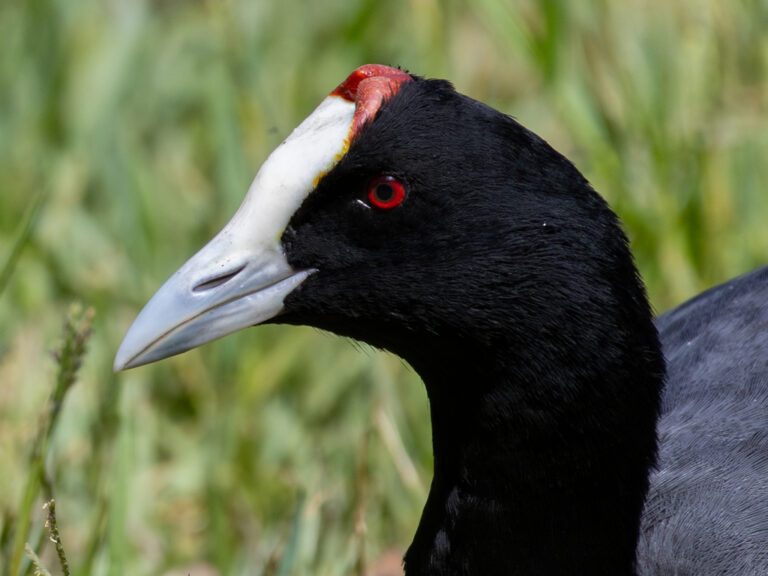
Fulica cristata
♥
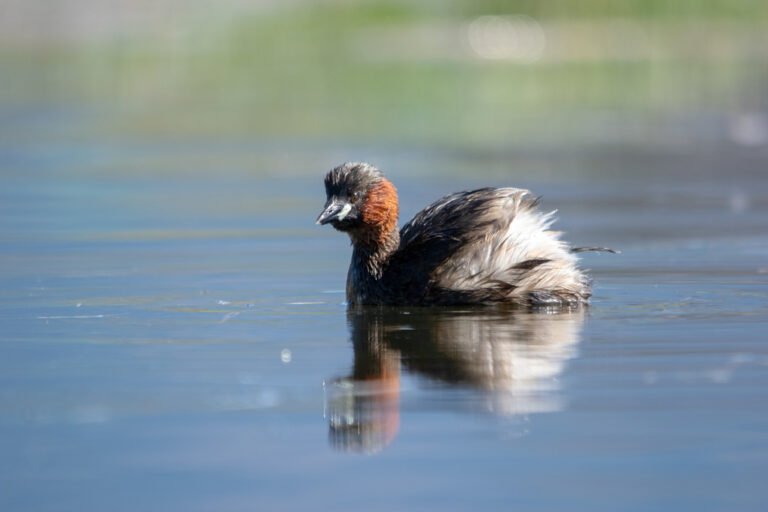
Tachybaptus ruficollis
♥
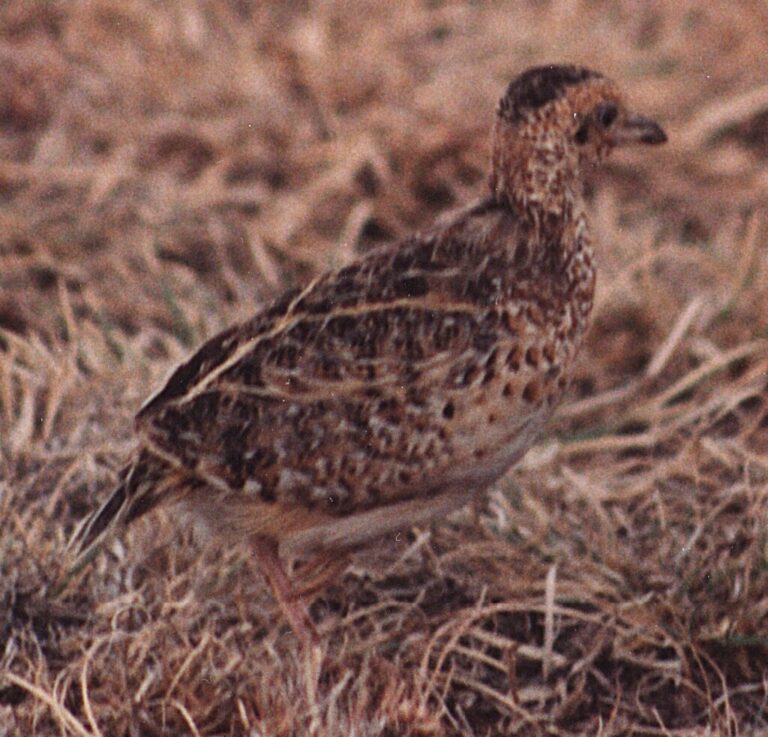
Turnix nanus
♥
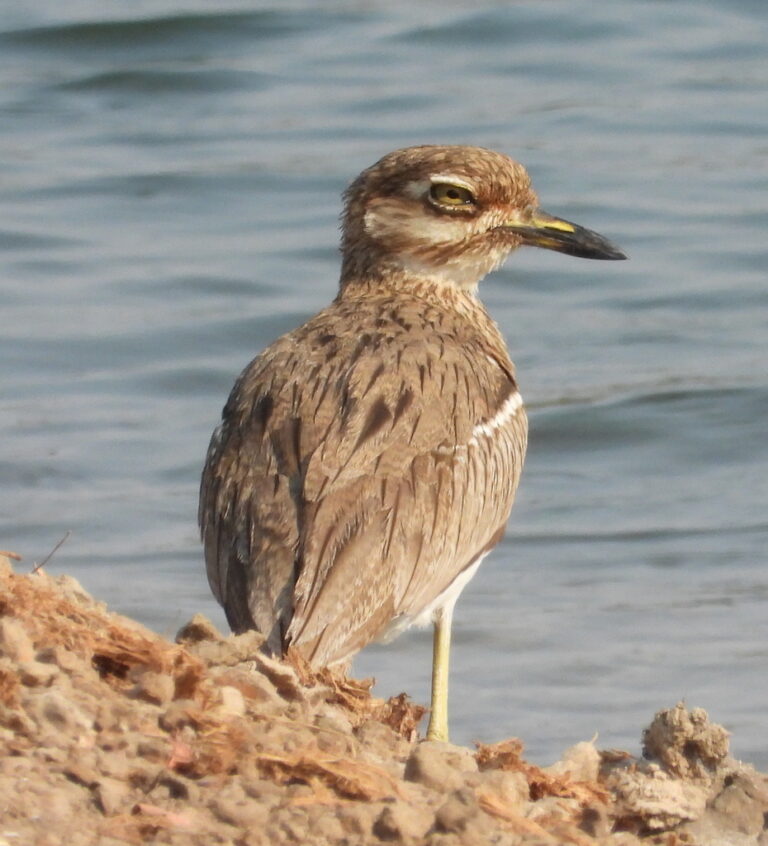
Burhinus vermiculatus
♥
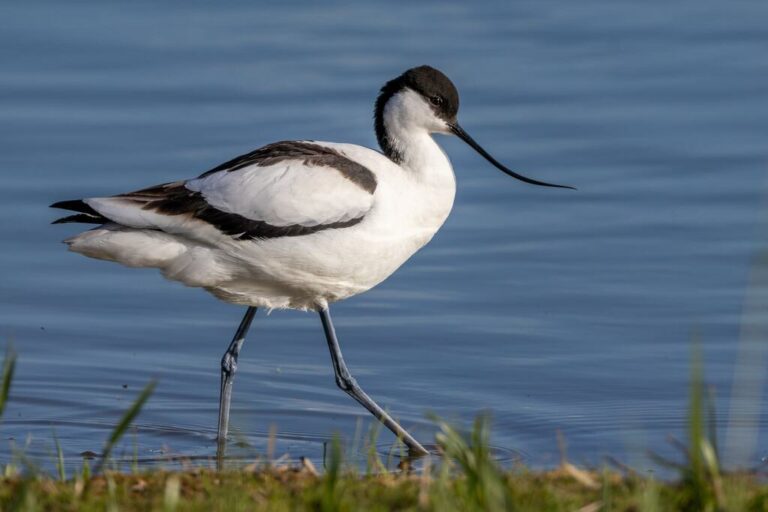
Recurvirostra avosetta
♥
Charadrius hiaticula
♥
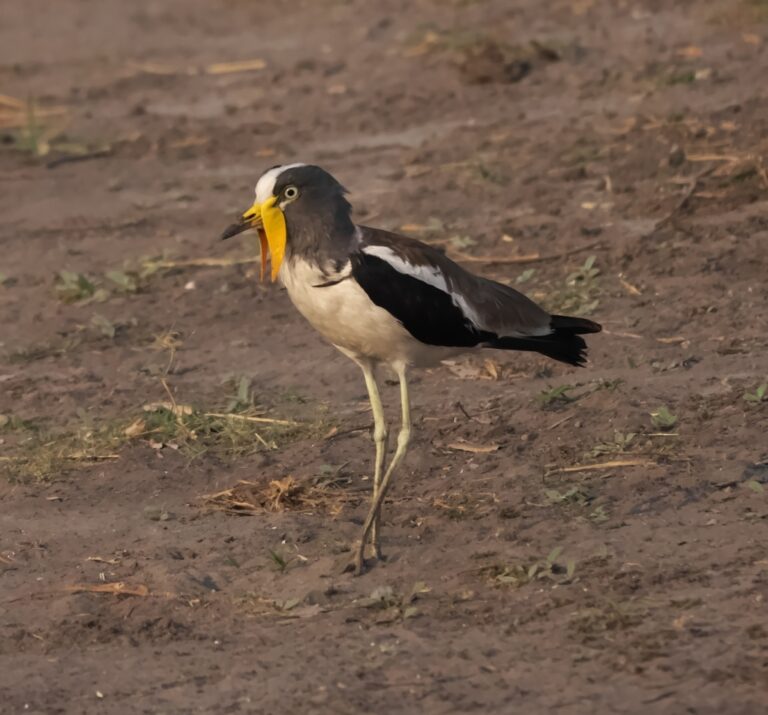
Vanellus albiceps
♥
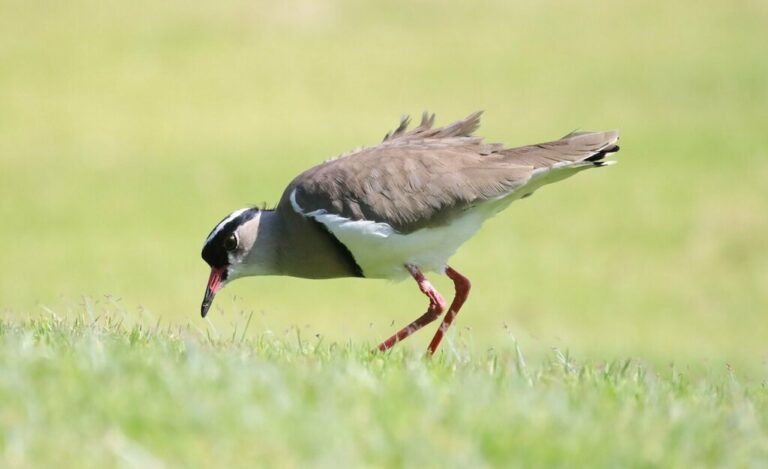
Vanellus coronatus
♥
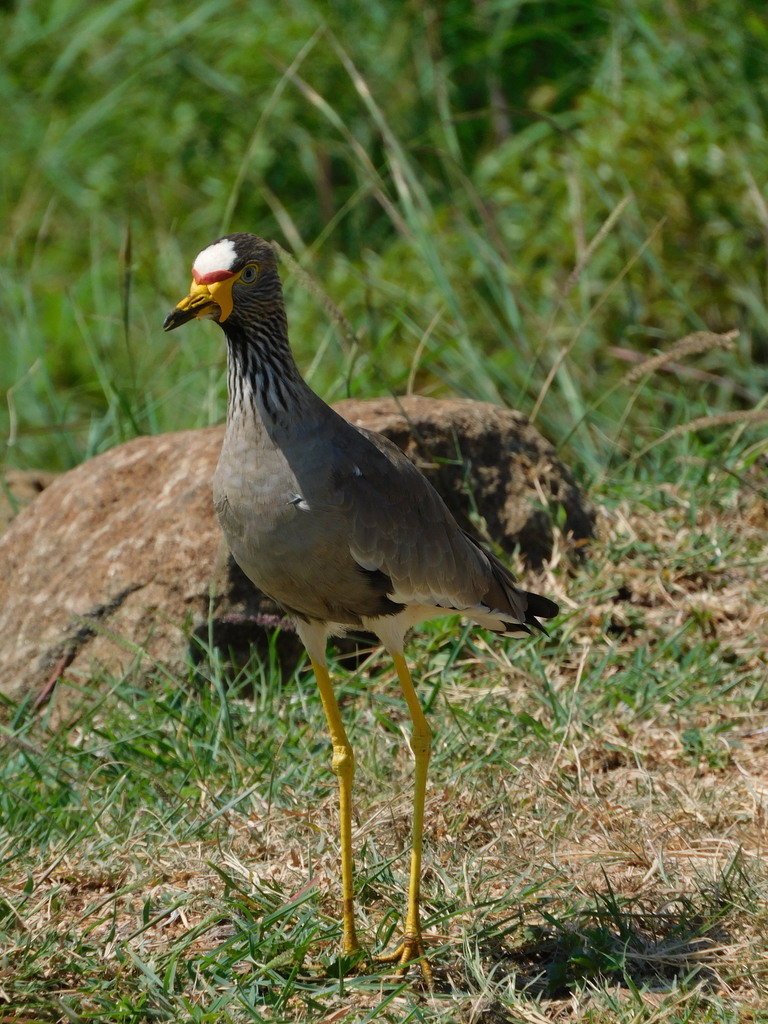
Vanellus senegallus
♥
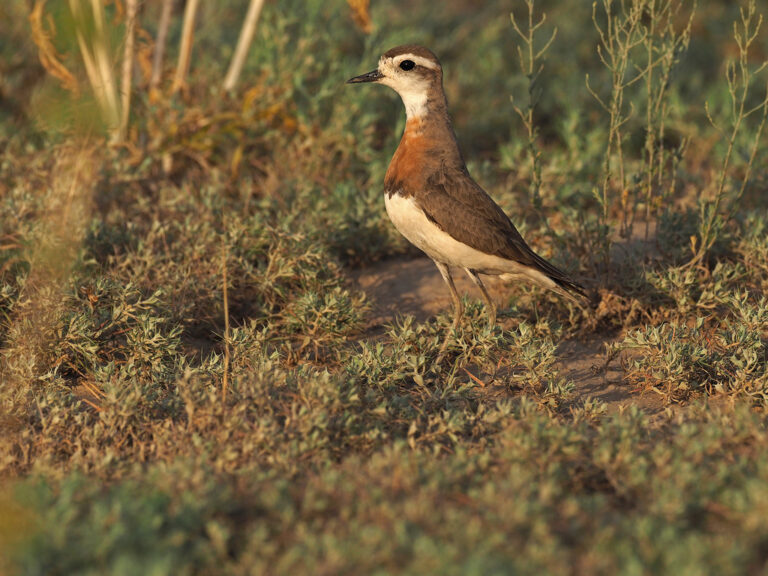
Anarhynchus asiaticus
♥
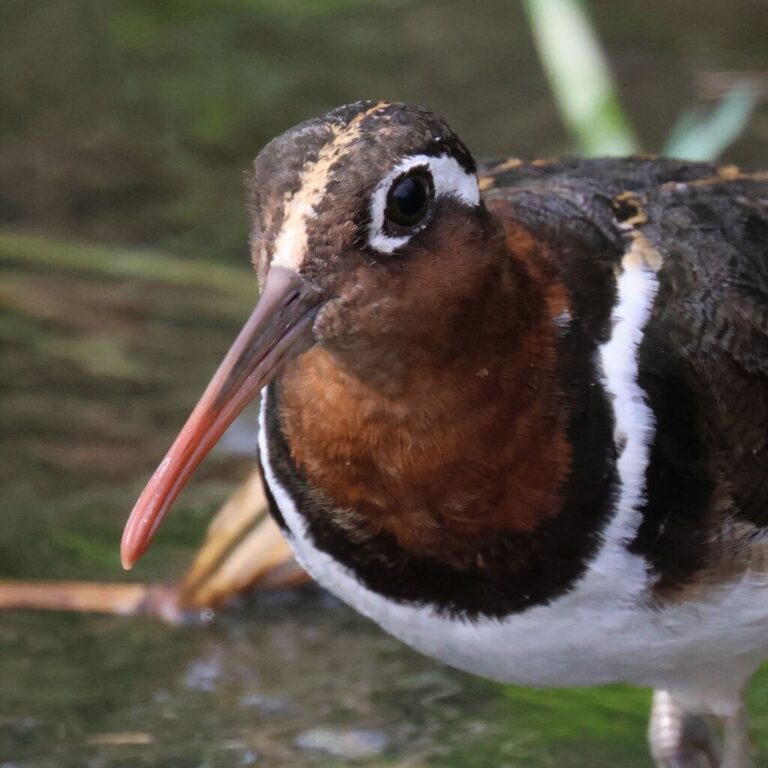
Rostratula benghalensis
♥
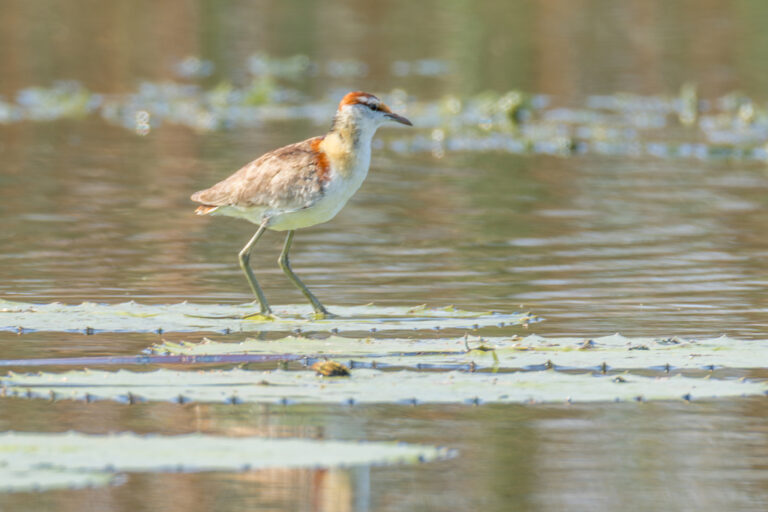
Microparra capensis
♥
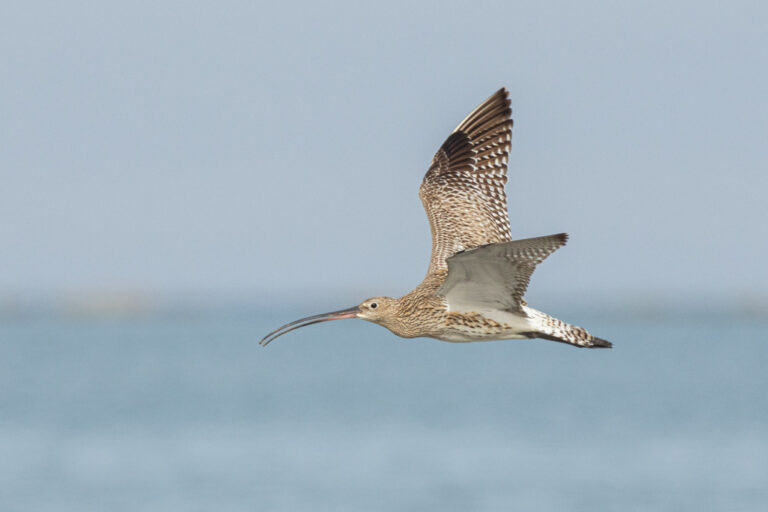
Numenius arquata
♥
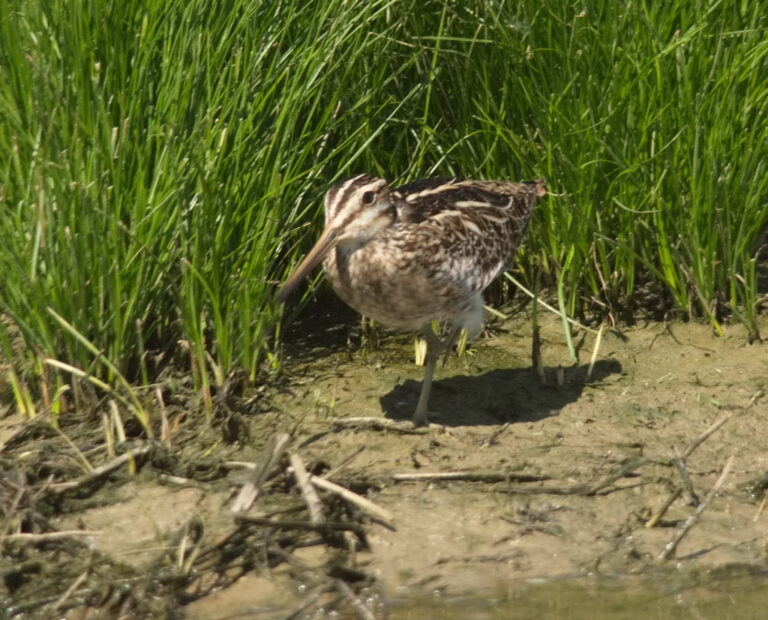
Gallinago media
♥
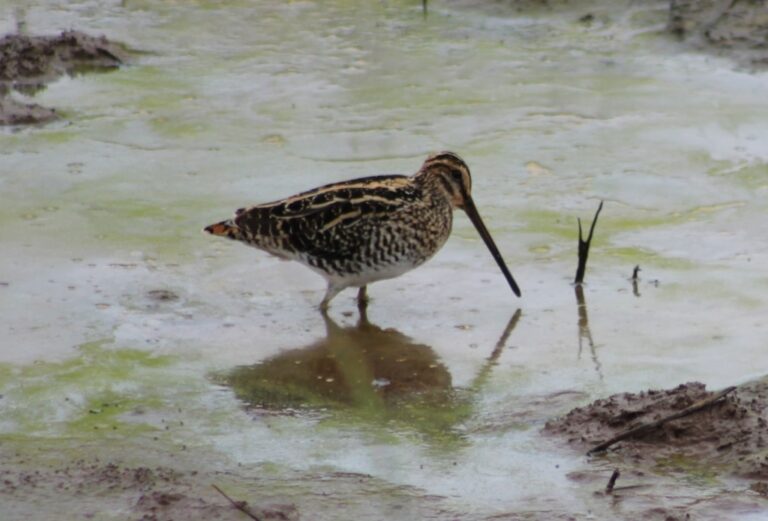
Gallinago nigripennis
♥
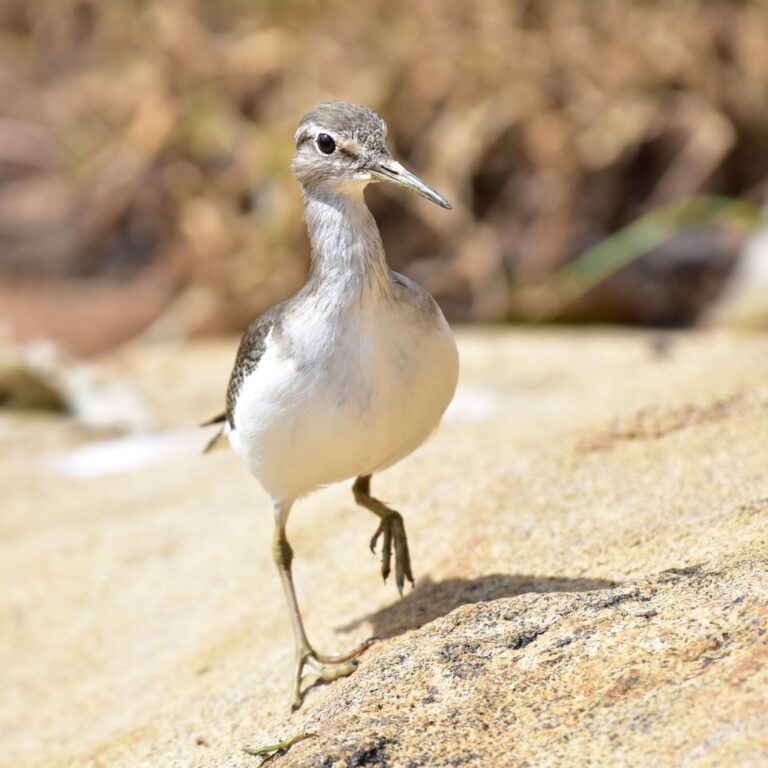
Actitis hypoleucos
♥
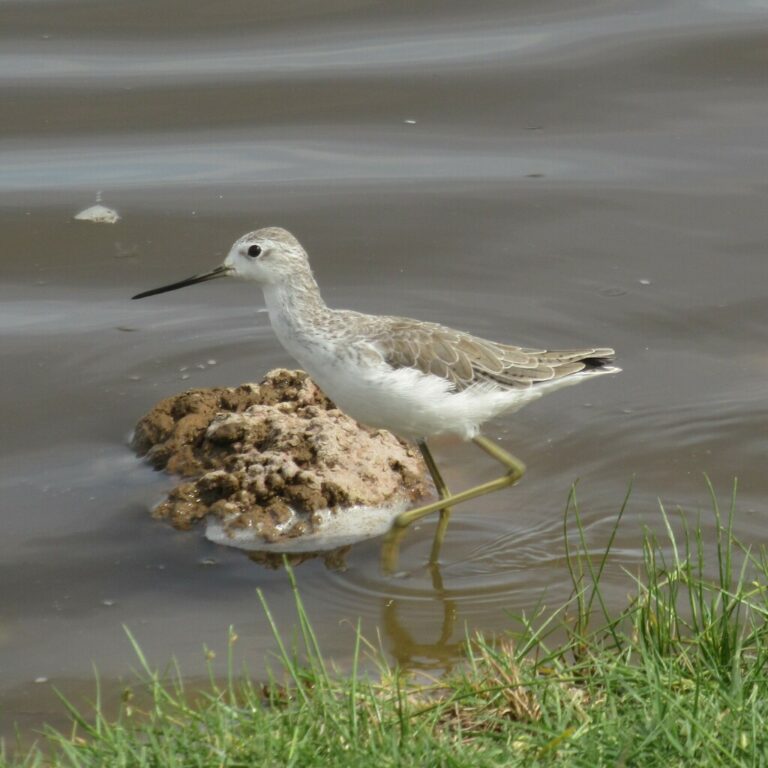
Tringa stagnatilis
♥
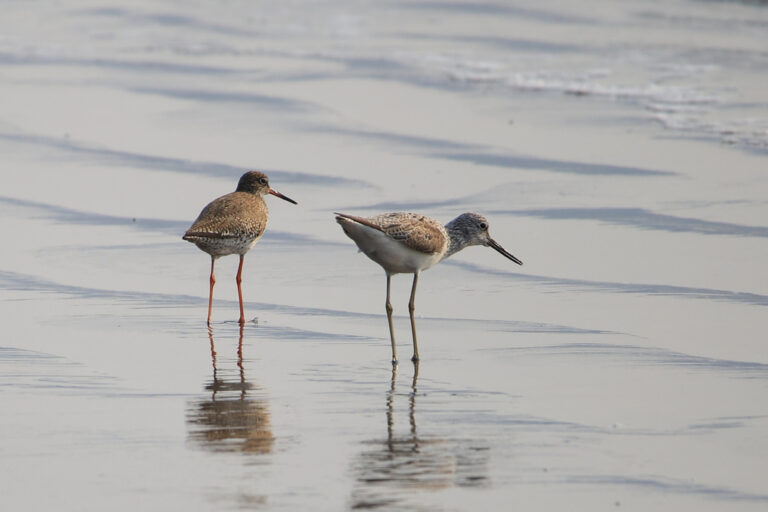
Tringa nebularia
♥
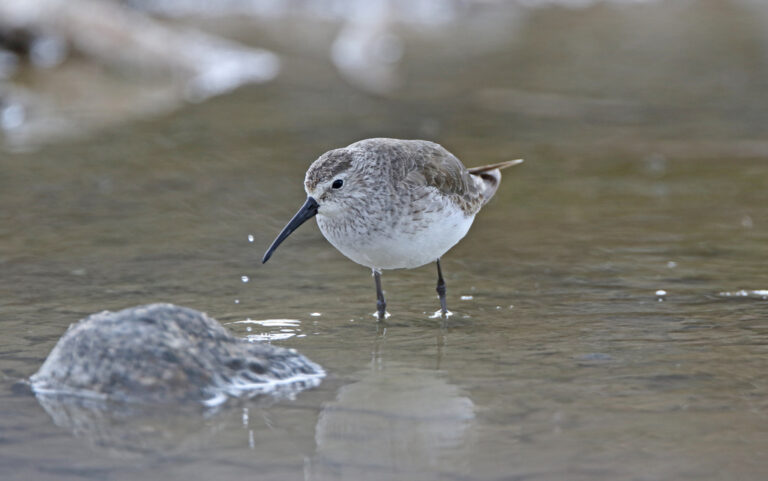
Calidris ferruginea
♥
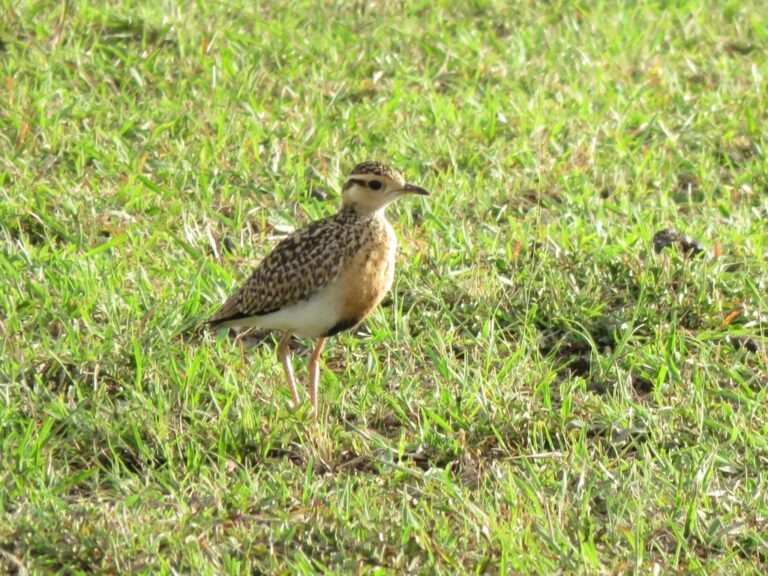
Cursorius temminckii
♥
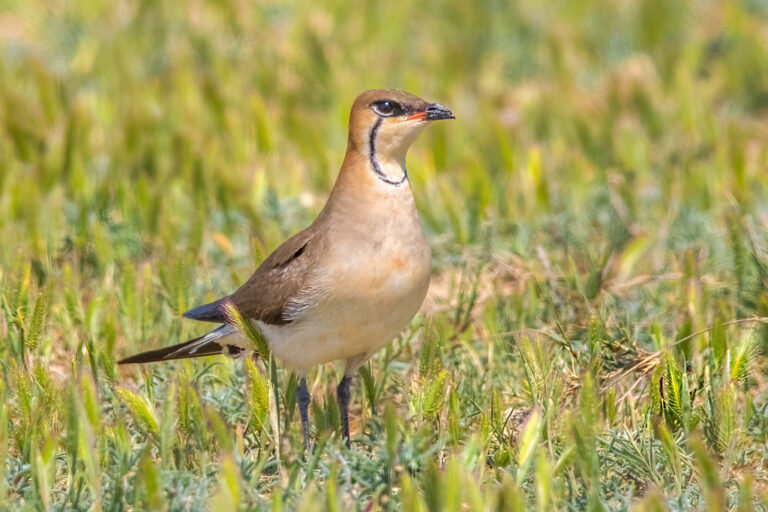
Glareola nordmanni
♥
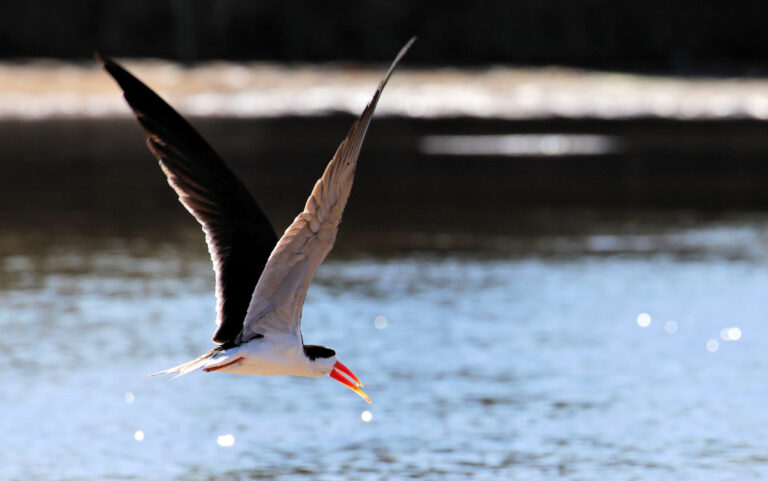
Rynchops flavirostris
♥
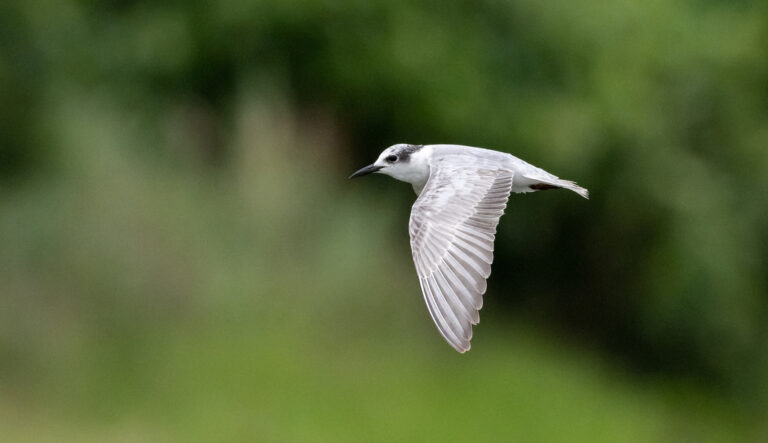
Chlidonias hybrida
♥
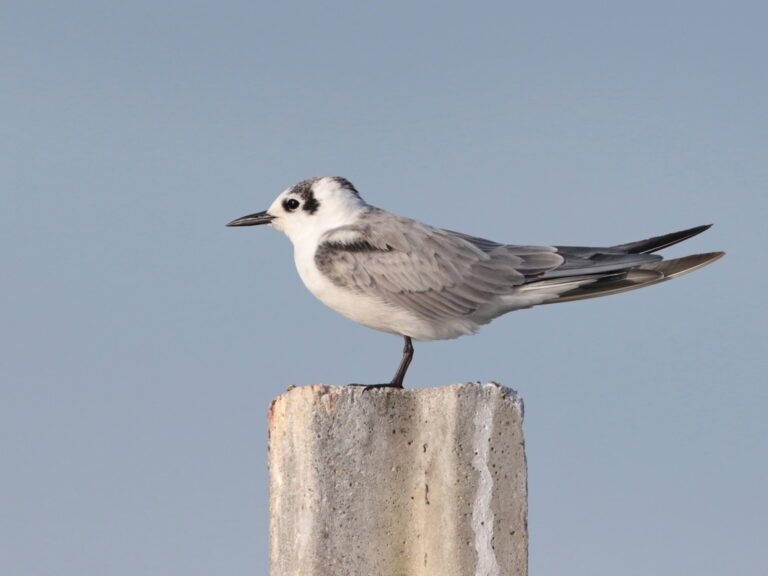
Chlidonias leucopterus
♥
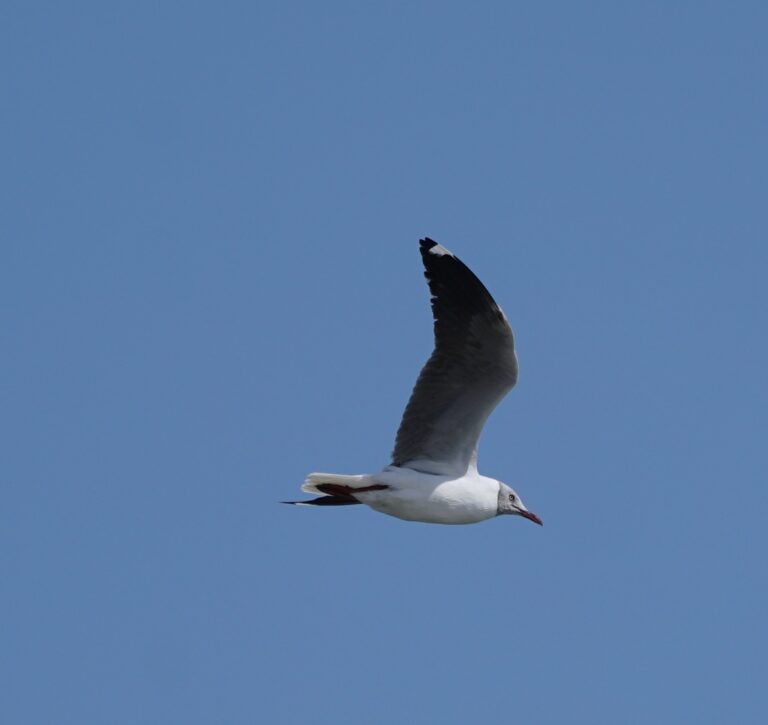
Chroicocephalus cirrocephalus
♥
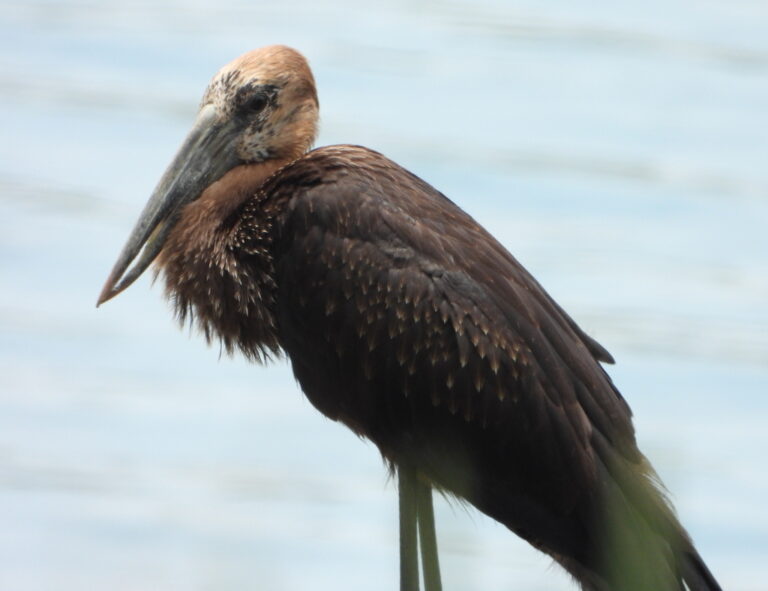
Anastomus lamelligerus
♥
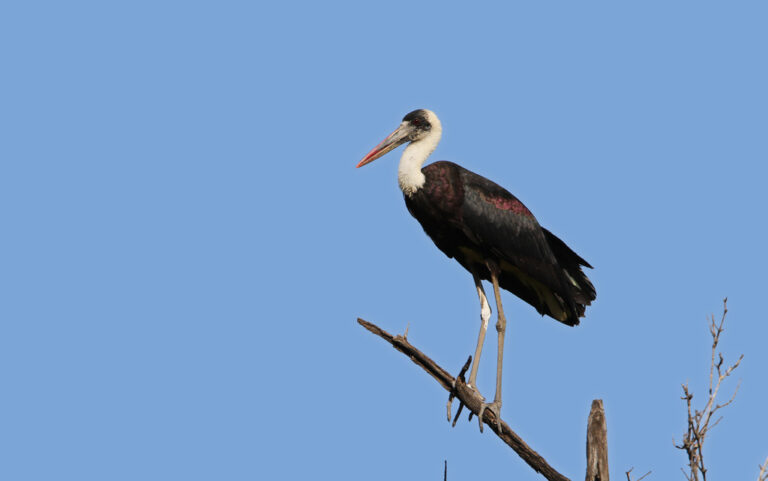
Ciconia microscelis
♥
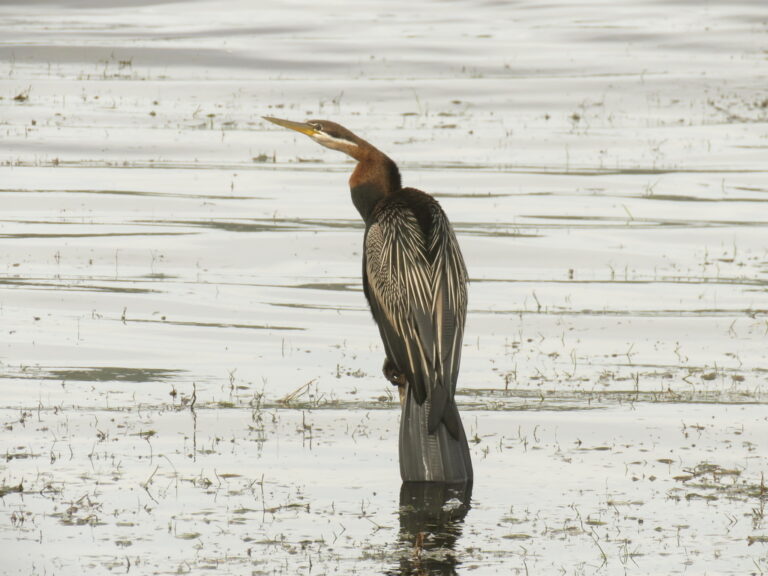
Anhinga rufa
♥
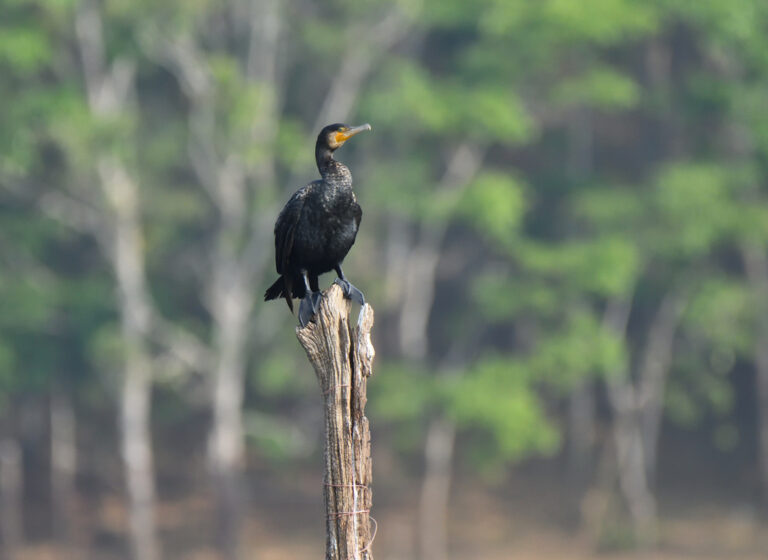
Phalacrocorax carbo
♥
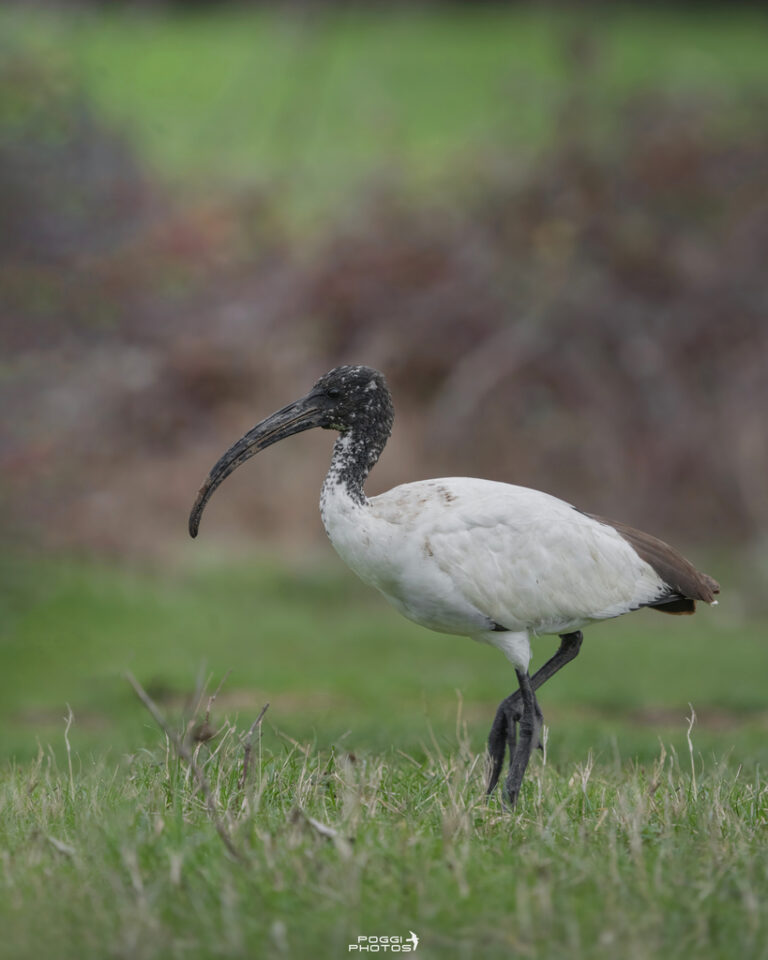
Threskiornis aethiopicus
♥
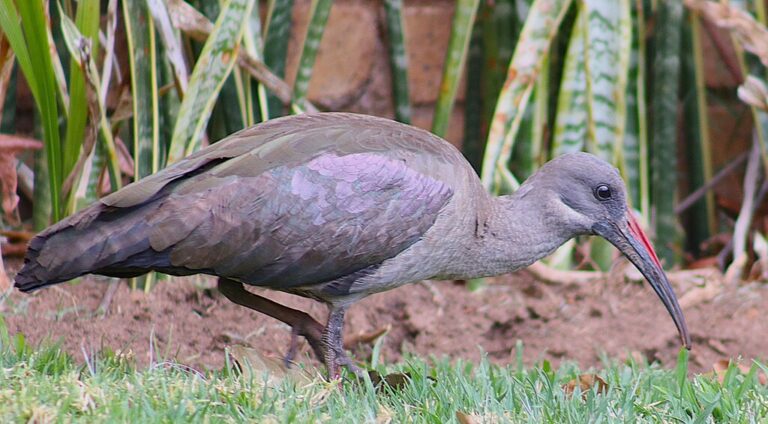
Bostrychia hagedash
♥
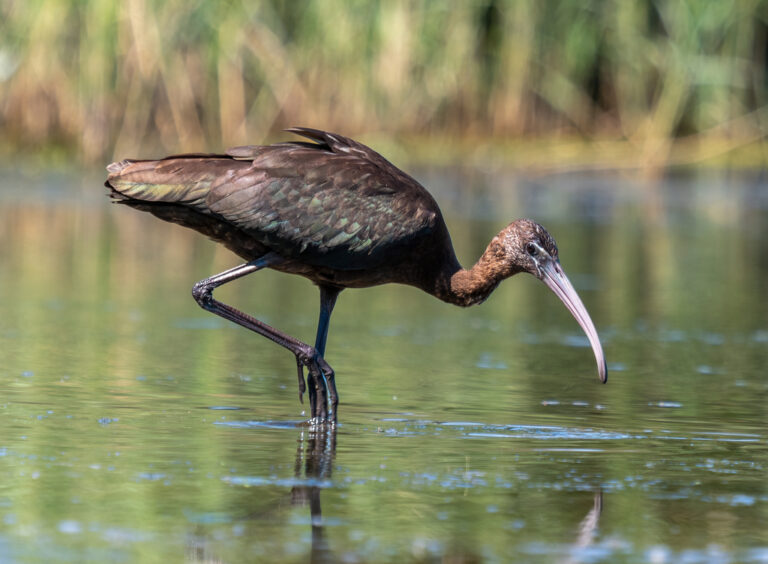
Plegadis falcinellus
♥
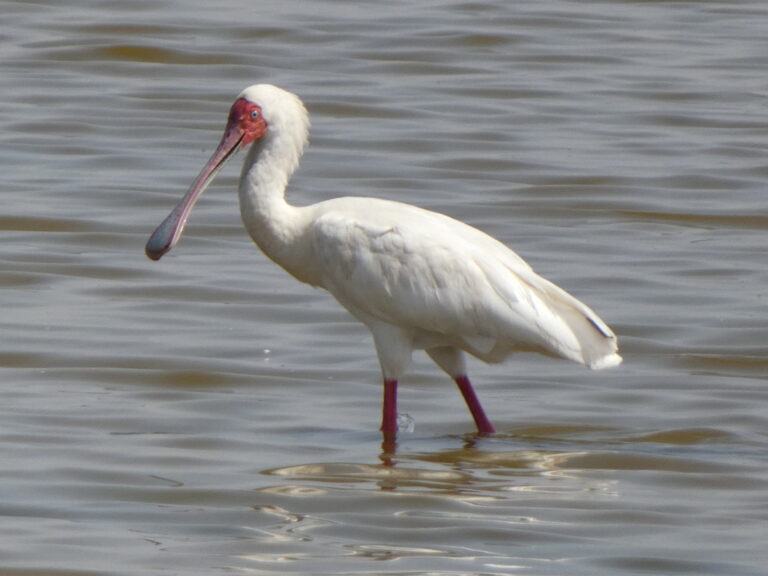
Platalea alba
♥
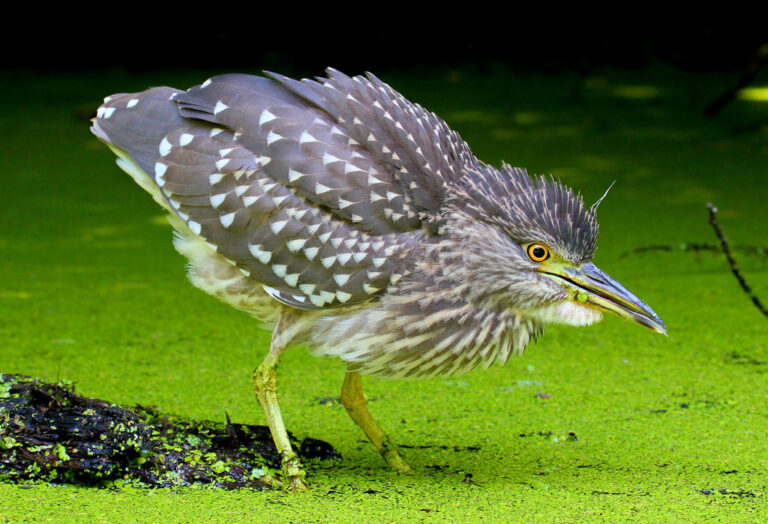
Nycticorax nycticorax
♥
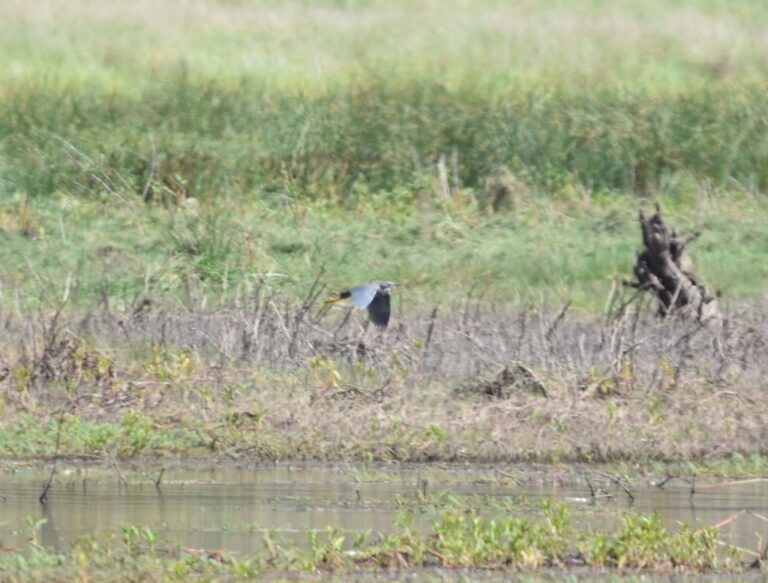
Egretta vinaceigula
♥
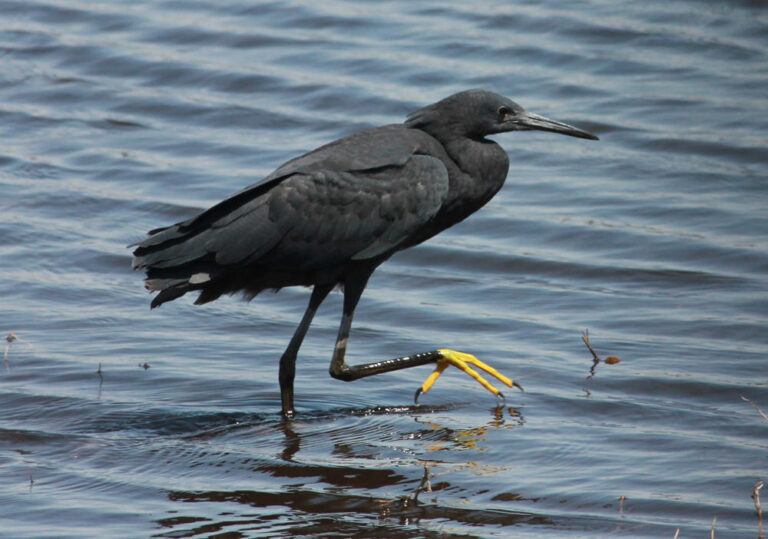
Egretta ardesiaca
♥
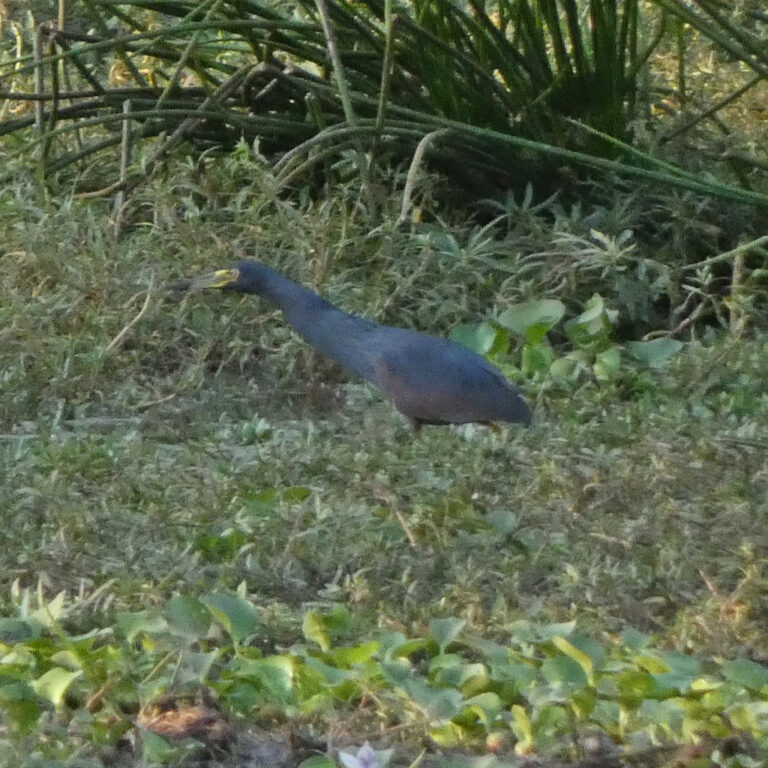
Ardeola rufiventris
♥
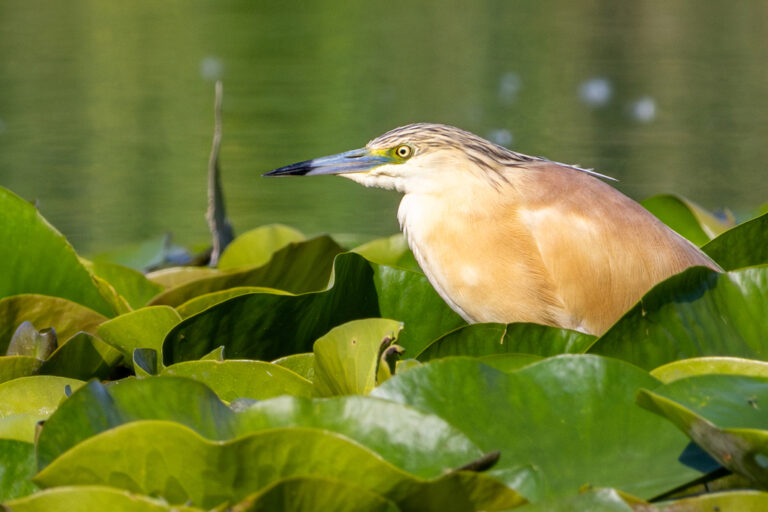
Ardeola ralloides
♥
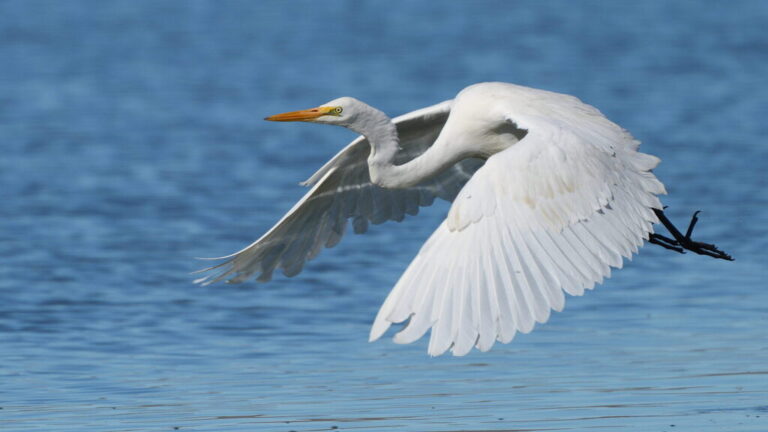
Ardea alba
♥
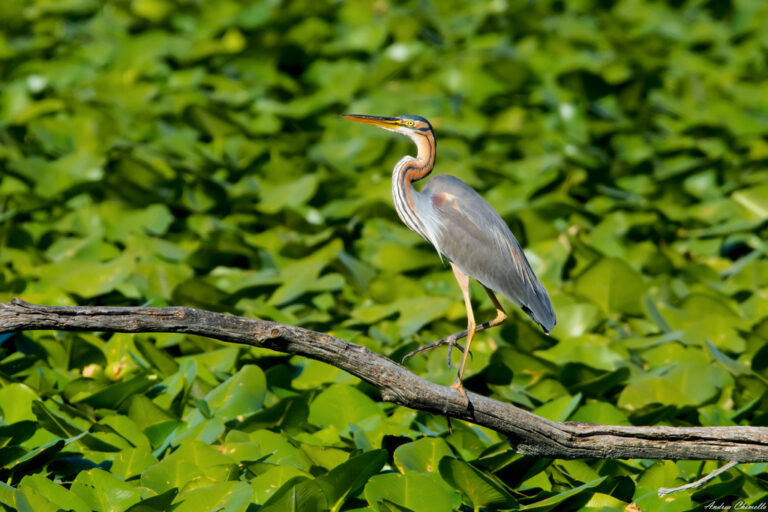
Ardea purpurea
♥
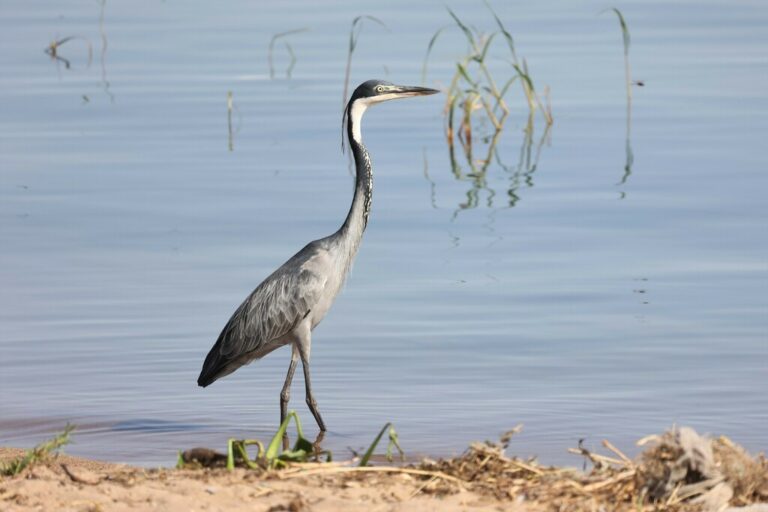
Ardea melanocephala
♥
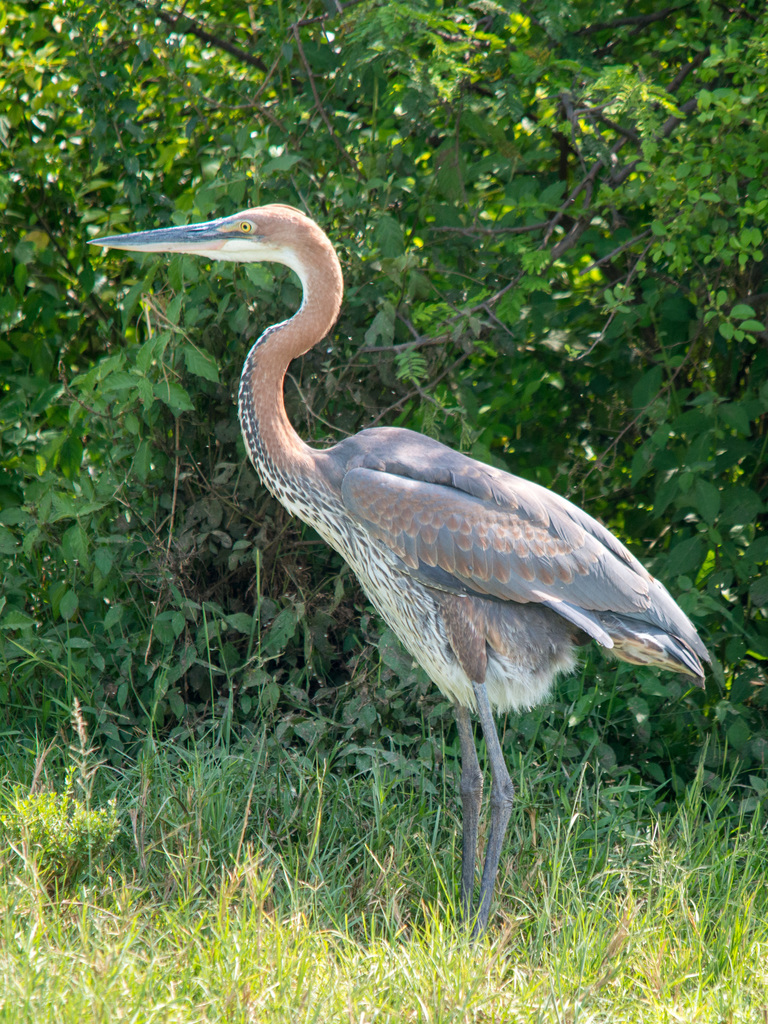
Ardea goliath
♥
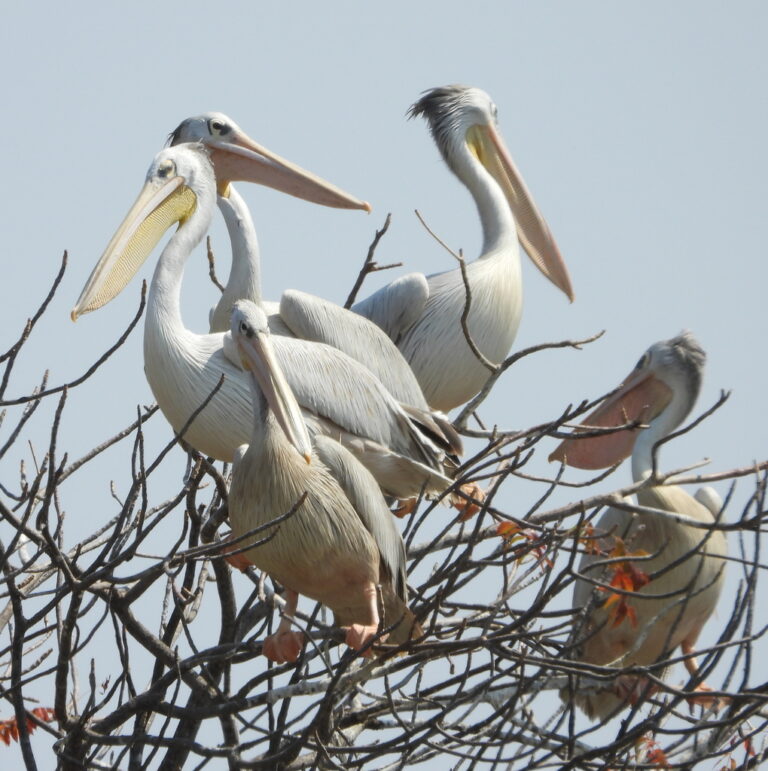
Pelecanus rufescens
♥
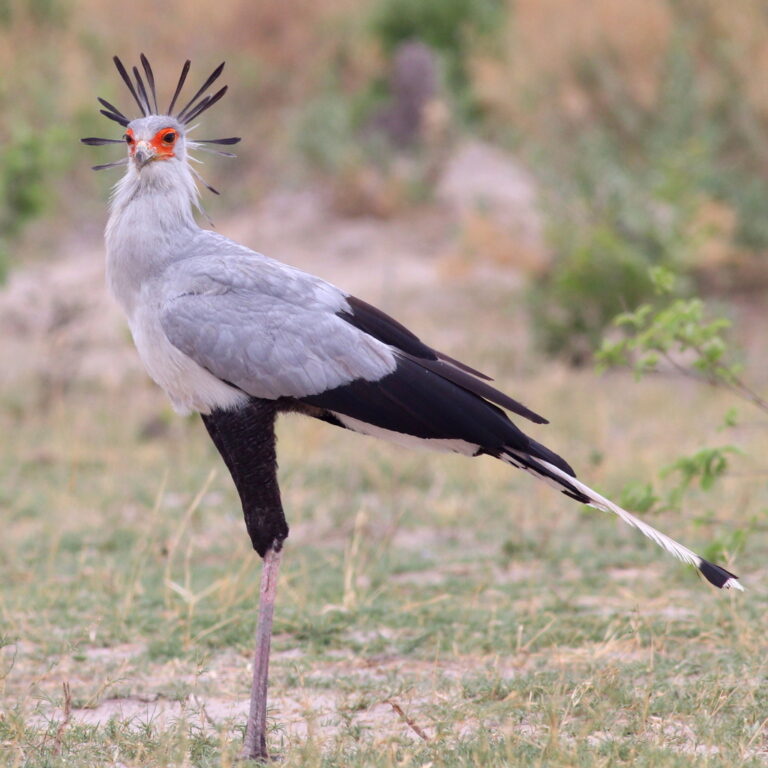
Sagittarius serpentarius
♥
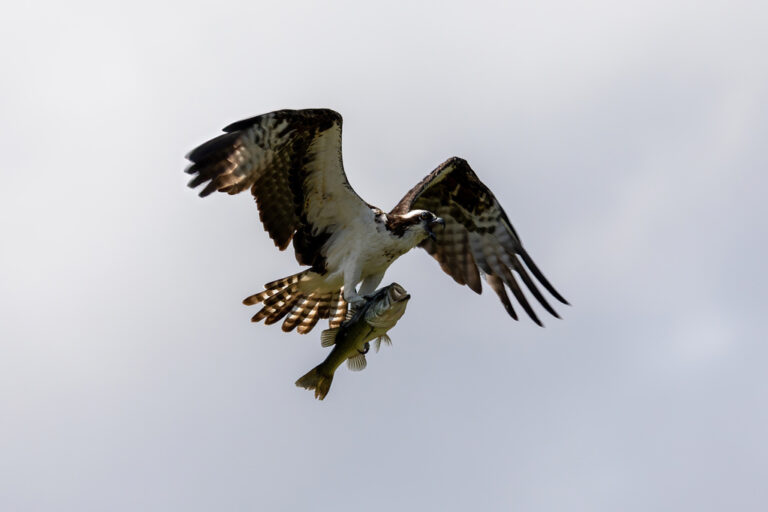
Pandion haliaetus
♥
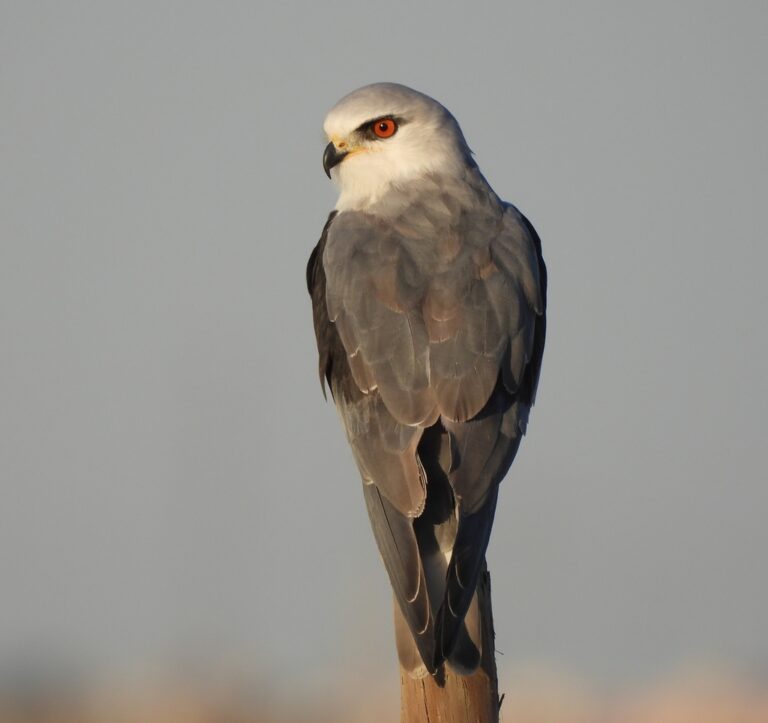
Elanus caeruleus
♥
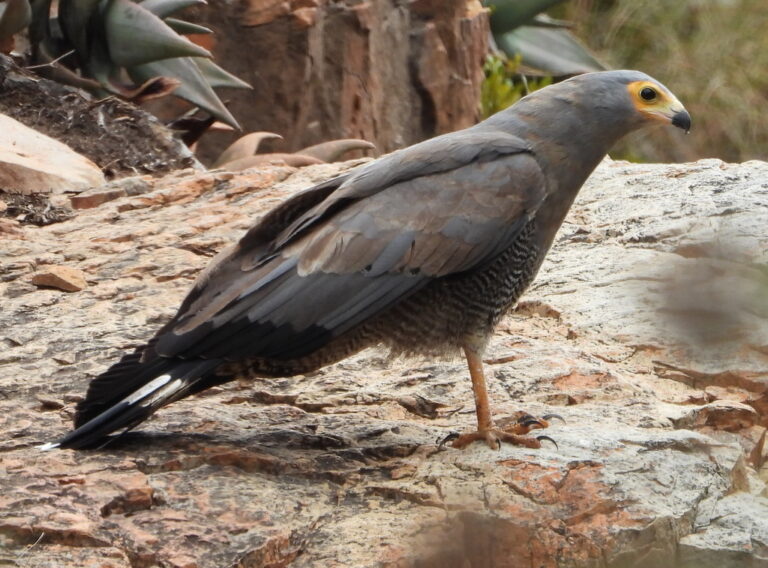
Polyboroides typus
♥
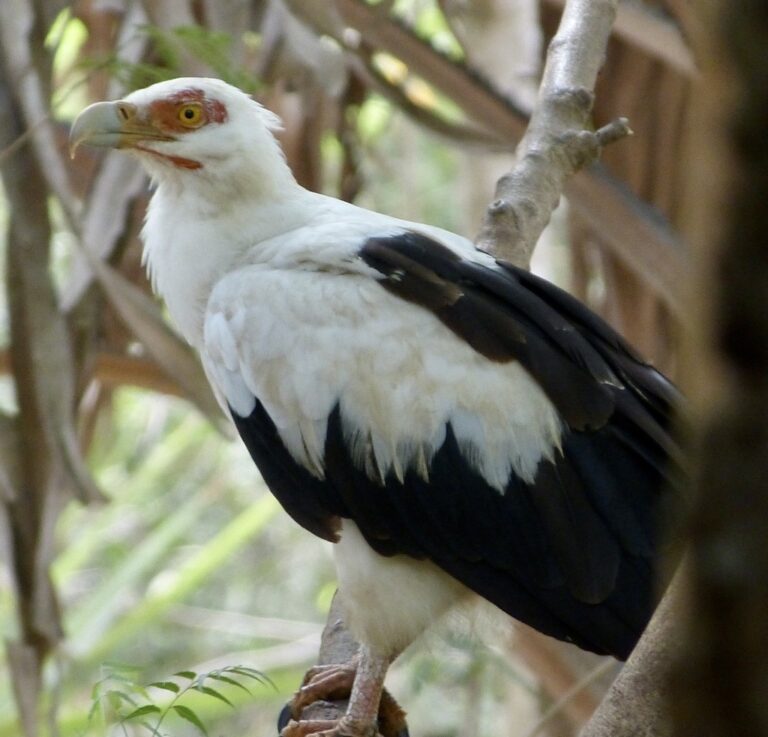
Gypohierax angolensis
♥
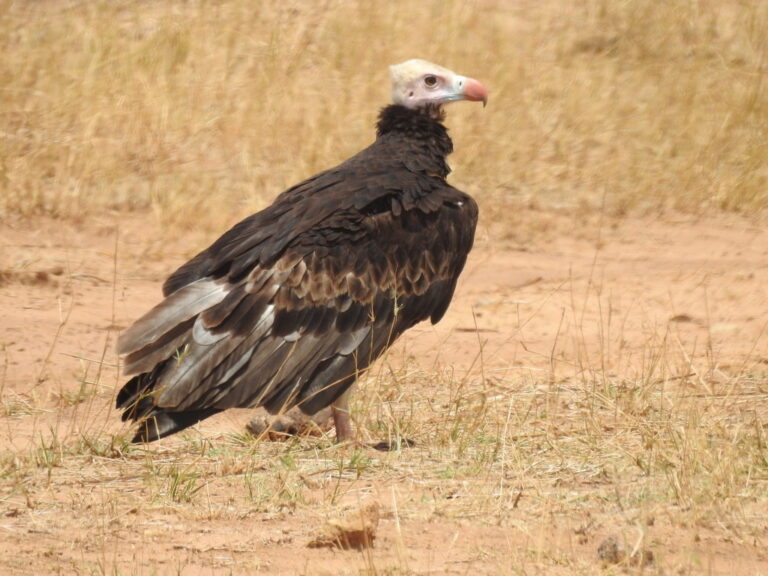
Trigonoceps occipitalis
♥
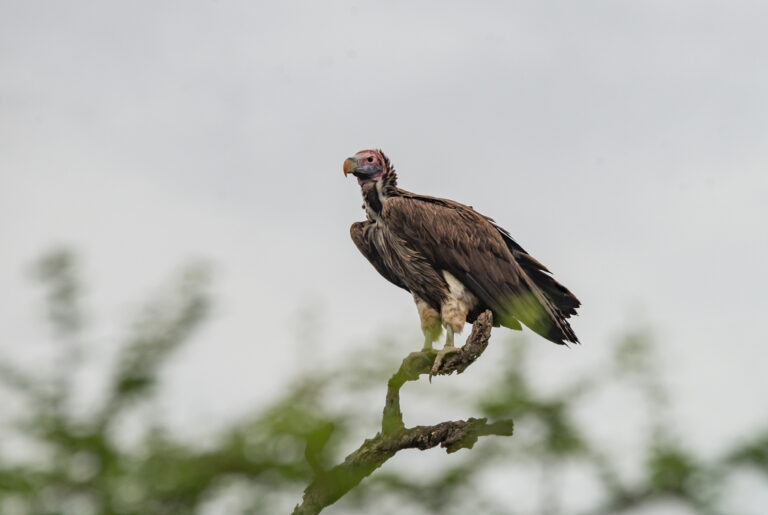
Torgos tracheliotos
♥
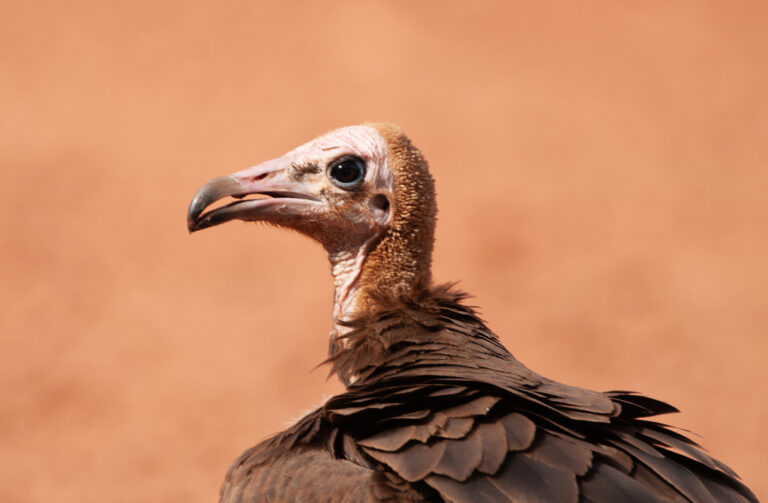
Necrosyrtes monachus
♥
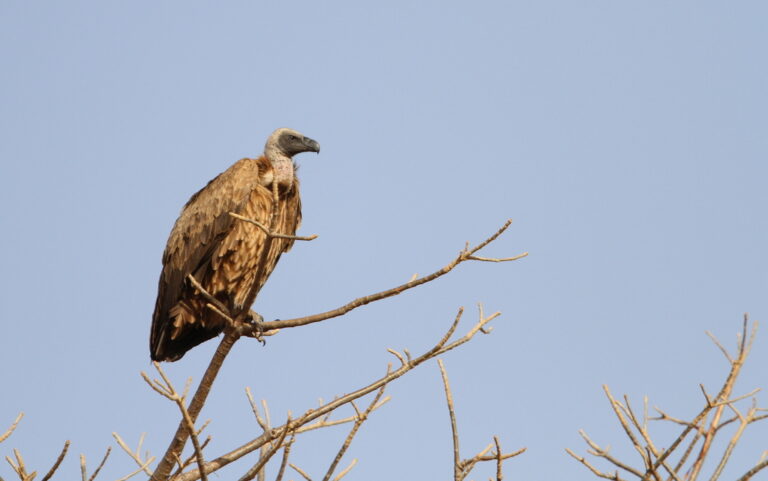
Gyps africanus
♥
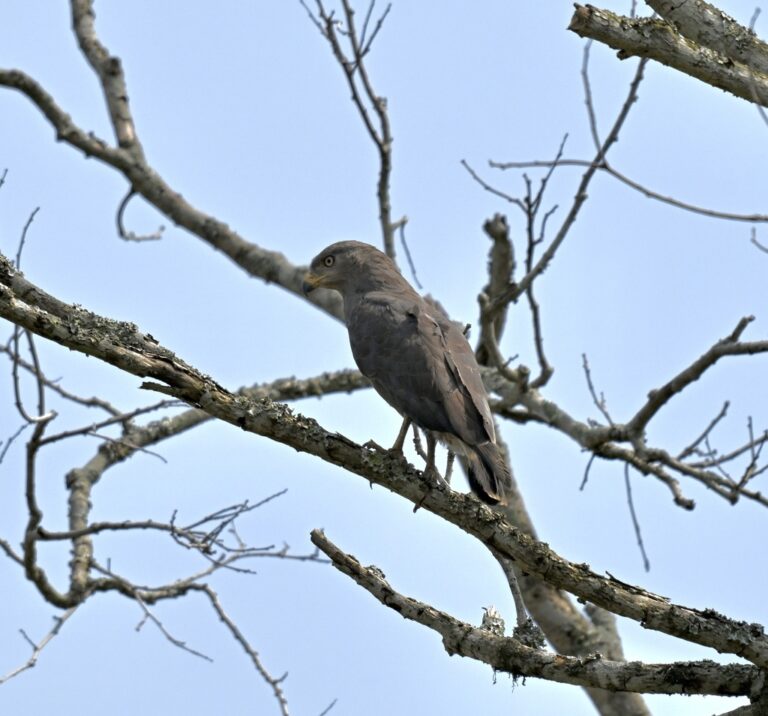
Circaetus cinerascens
♥
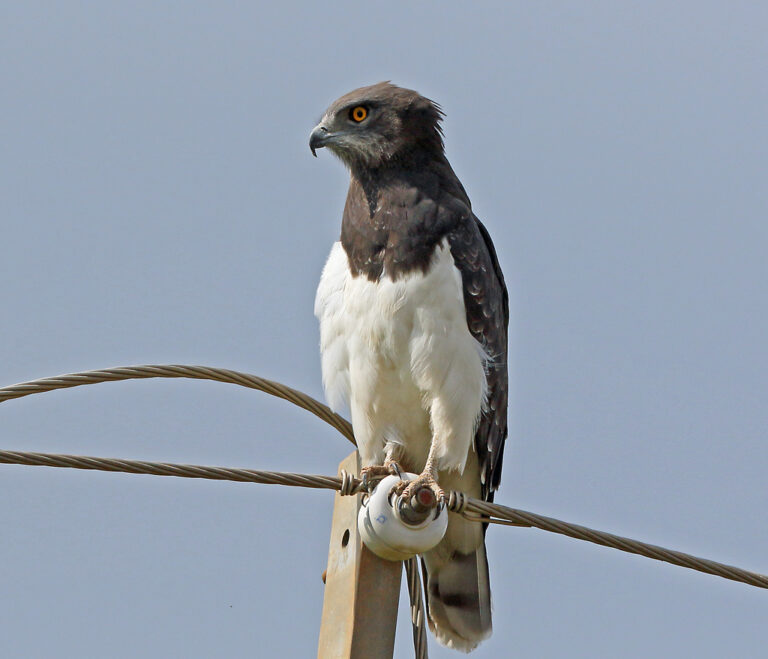
Circaetus pectoralis
♥
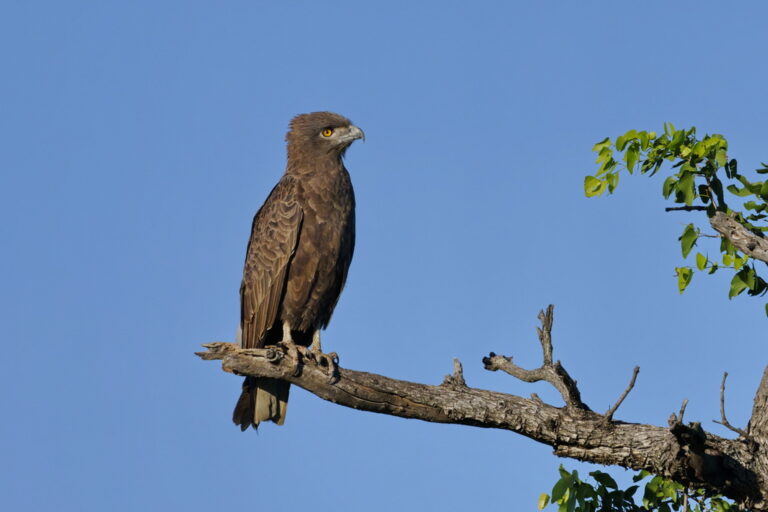
Circaetus cinereus
♥
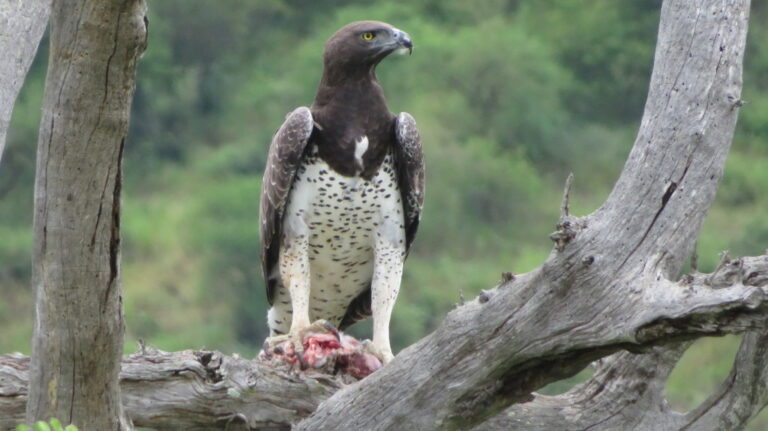
Polemaetus bellicosus
♥
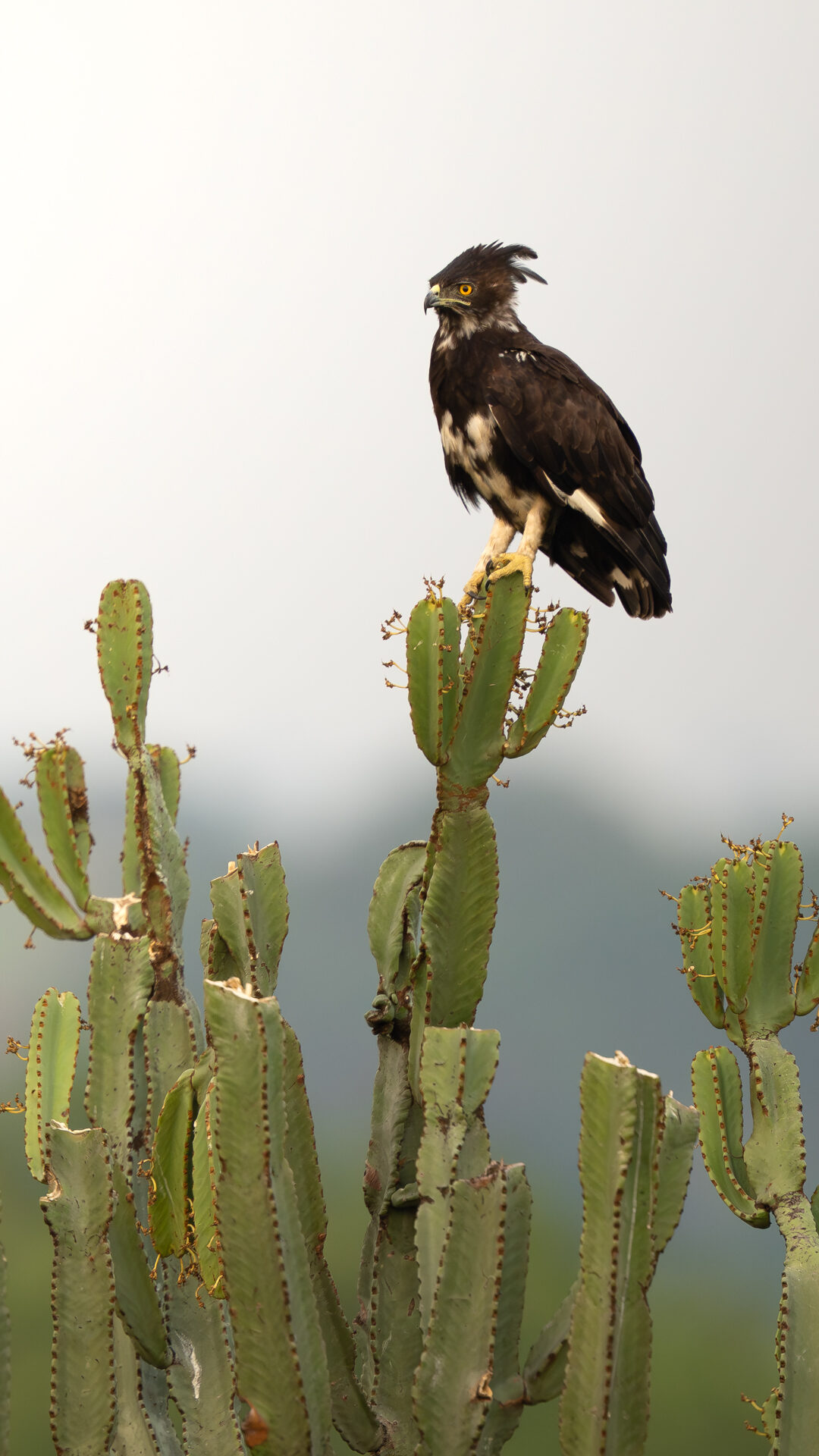
Lophaetus occipitalis
♥
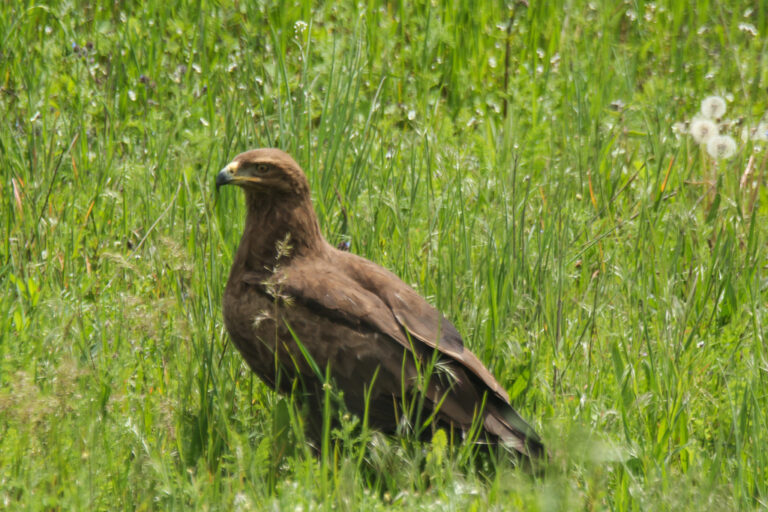
Clanga pomarina
♥
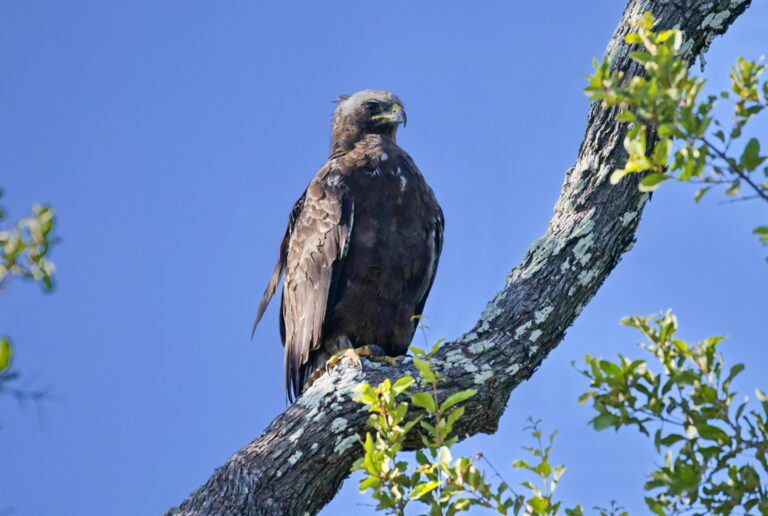
Hieraaetus wahlbergi
♥
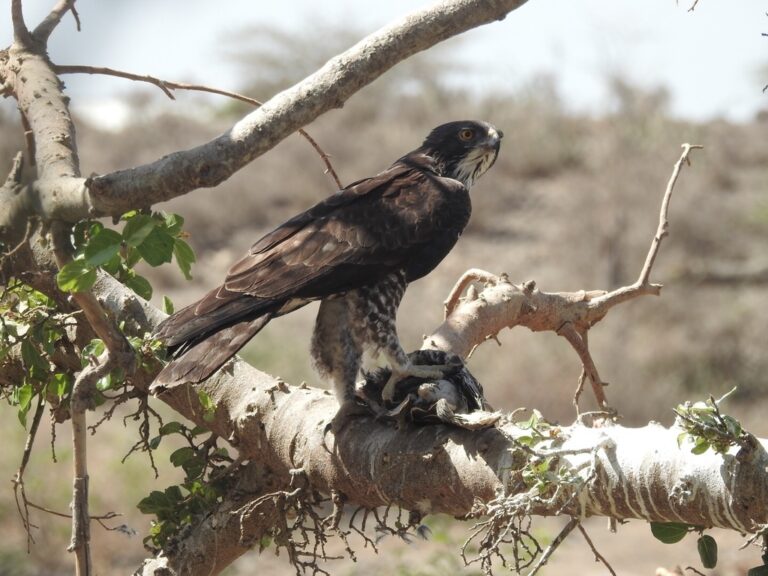
Hieraaetus ayresii
♥
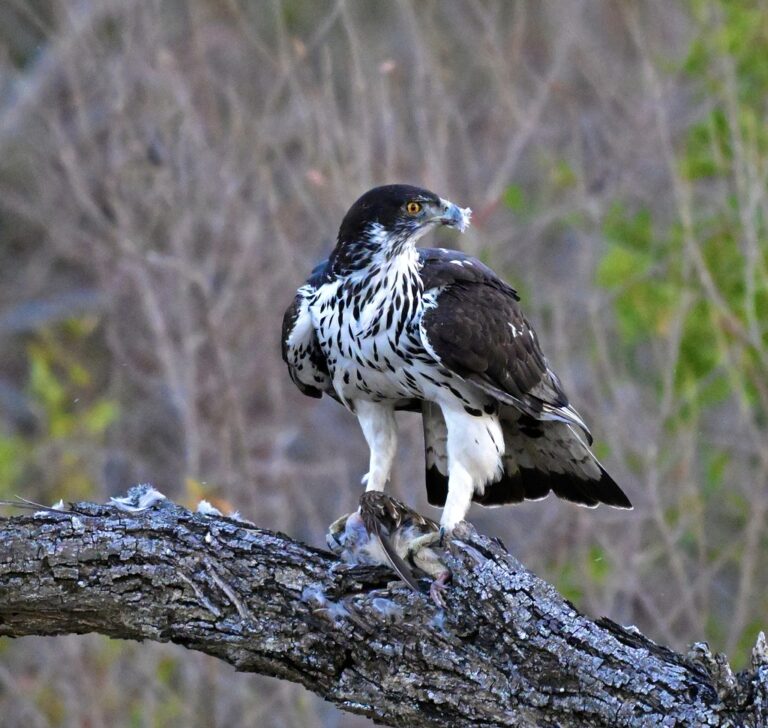
Aquila spilogaster
♥
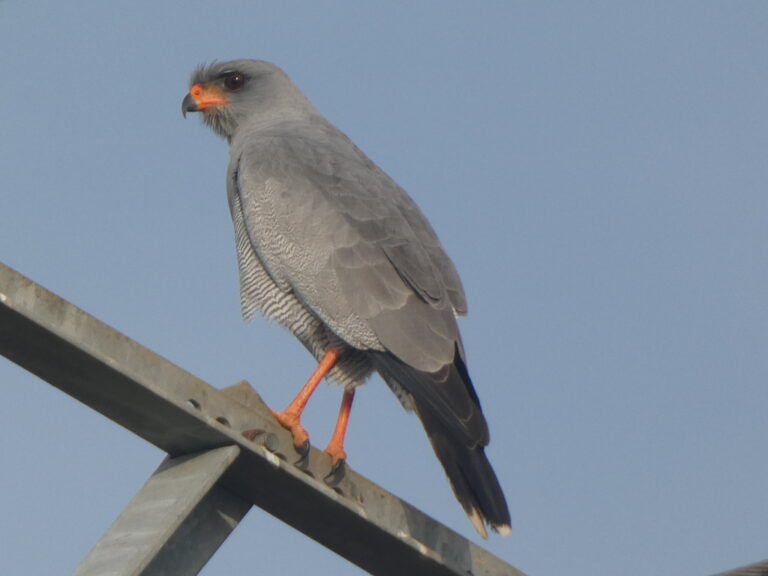
Melierax metabates
♥
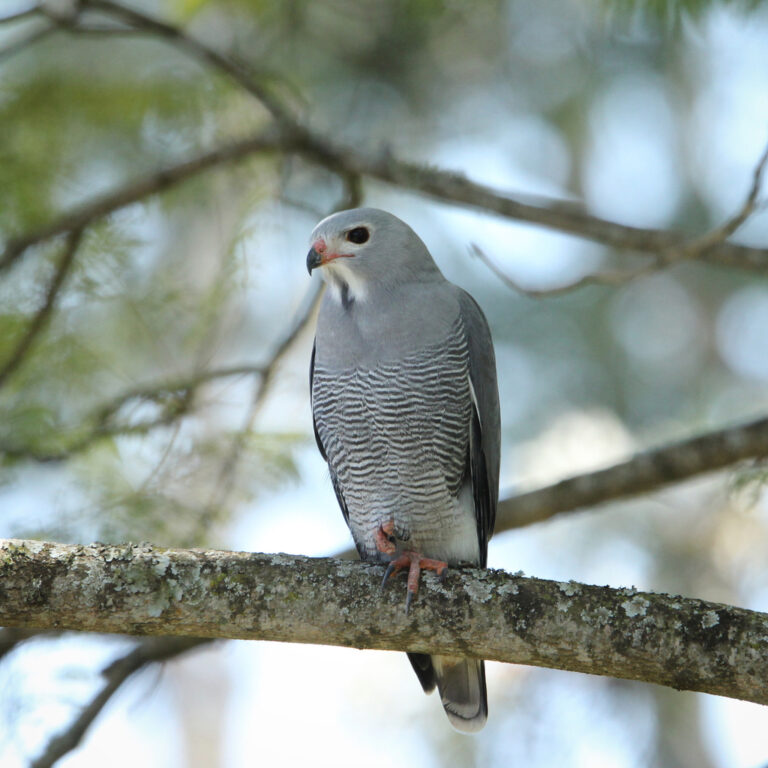
Kaupifalco monogrammicus
♥
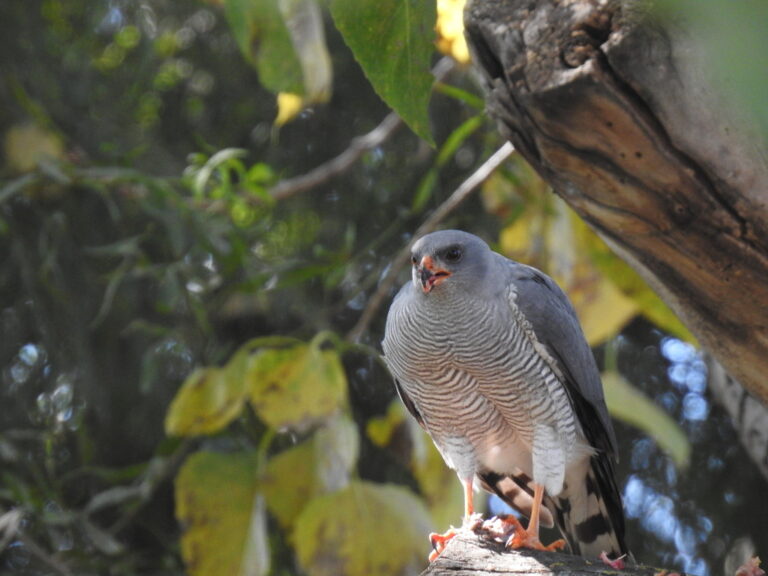
Accipiter ovampensis
♥
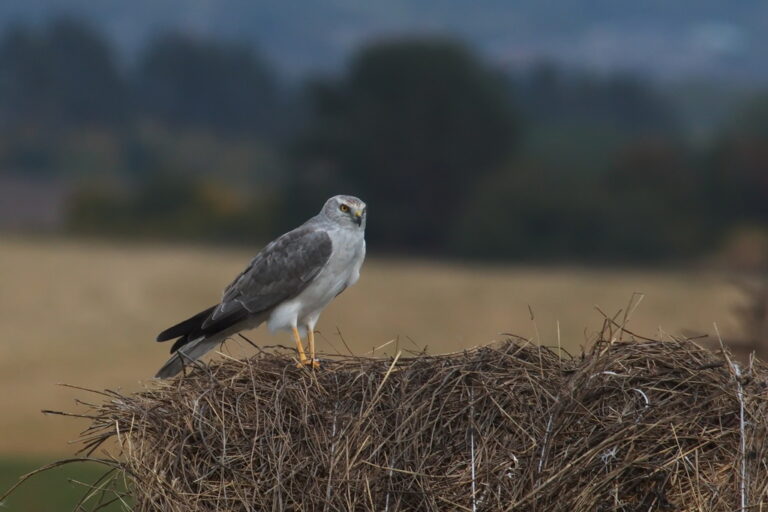
Circus macrourus
♥
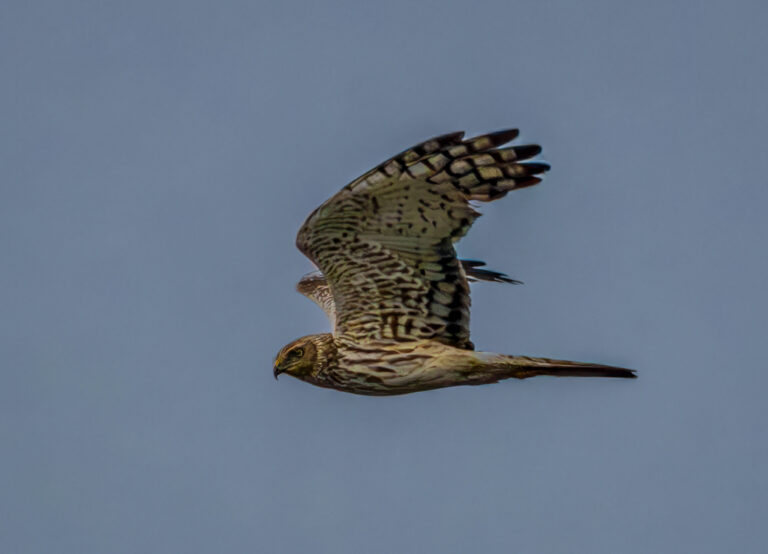
Circus pygargus
♥
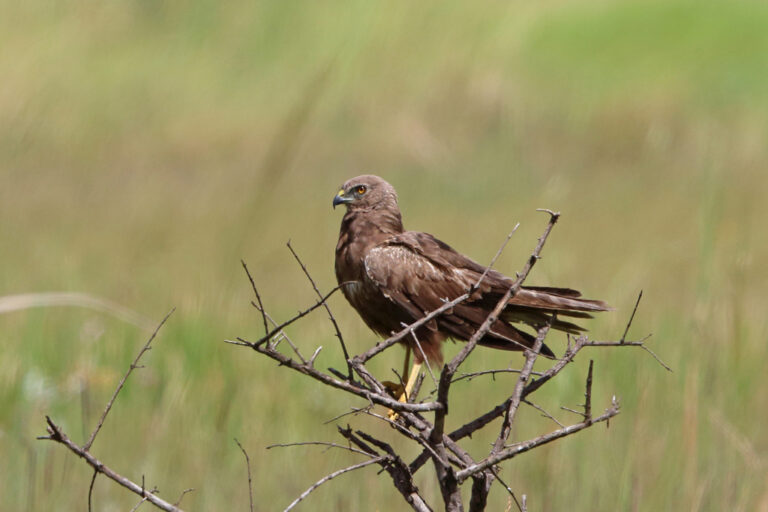
Circus ranivorus
♥
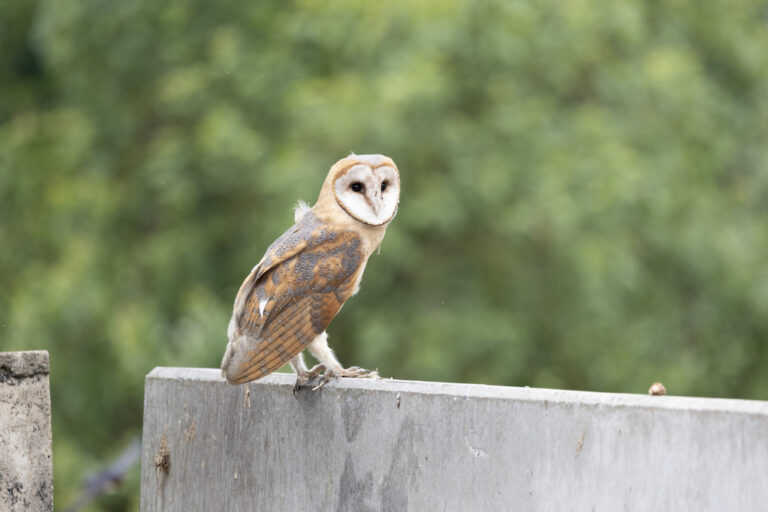
Tyto alba
♥
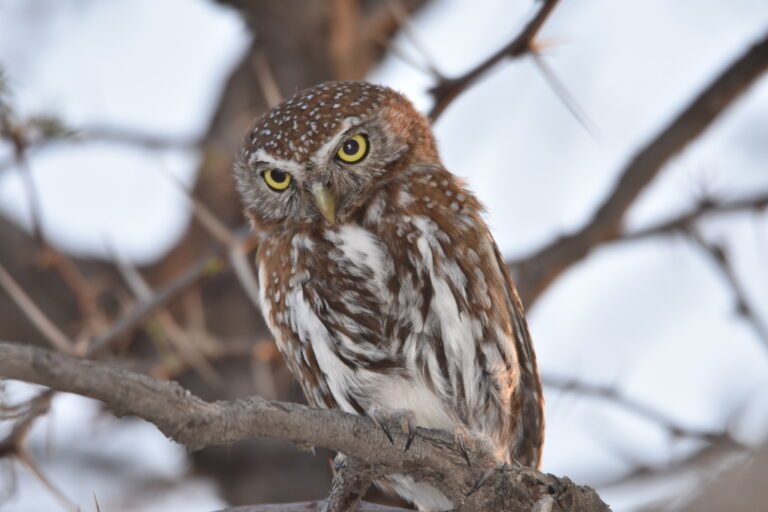
Glaucidium perlatum
♥
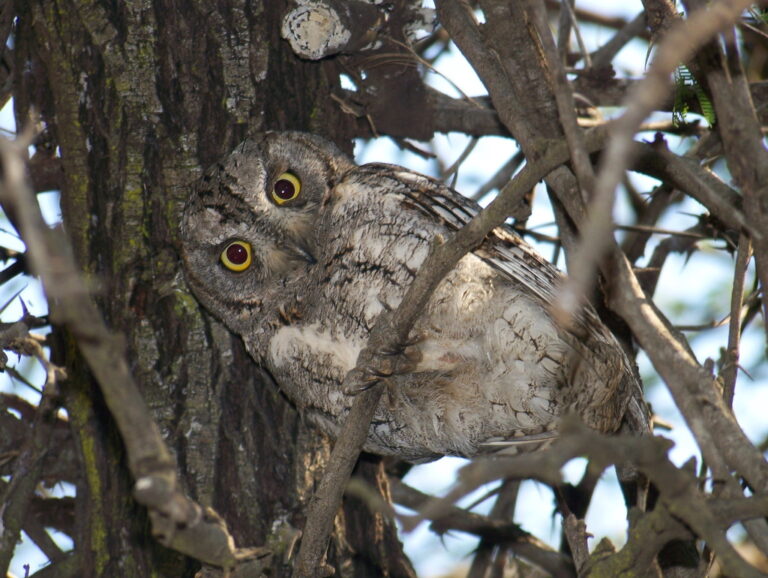
Otus senegalensis
♥
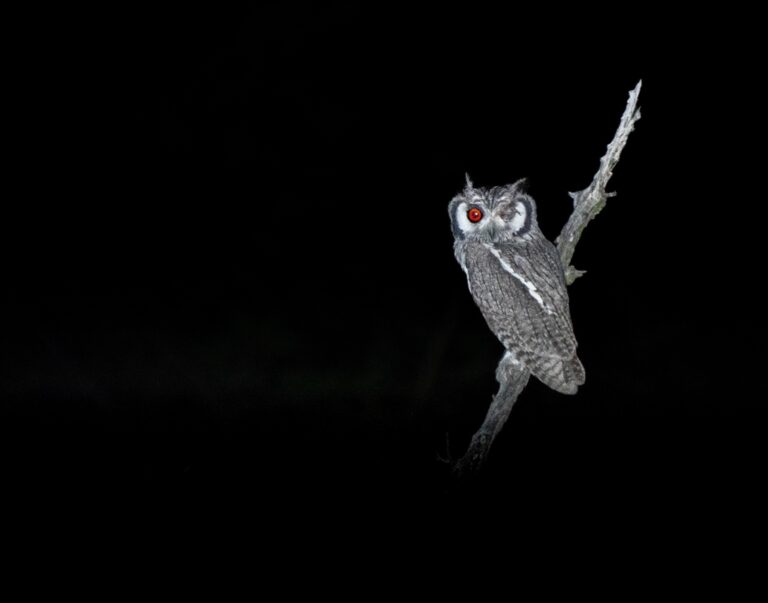
Ptilopsis granti
♥
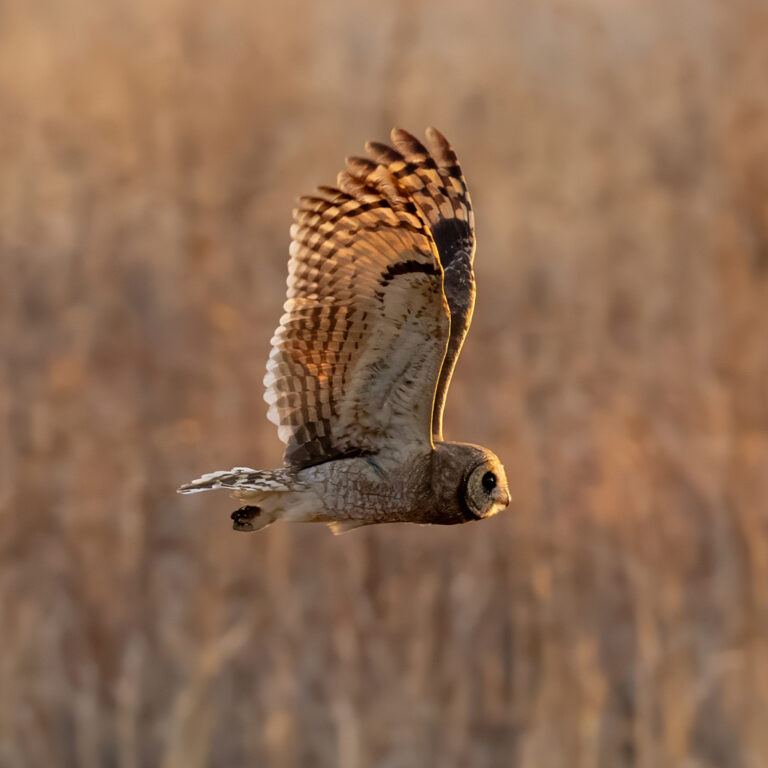
Asio capensis
♥
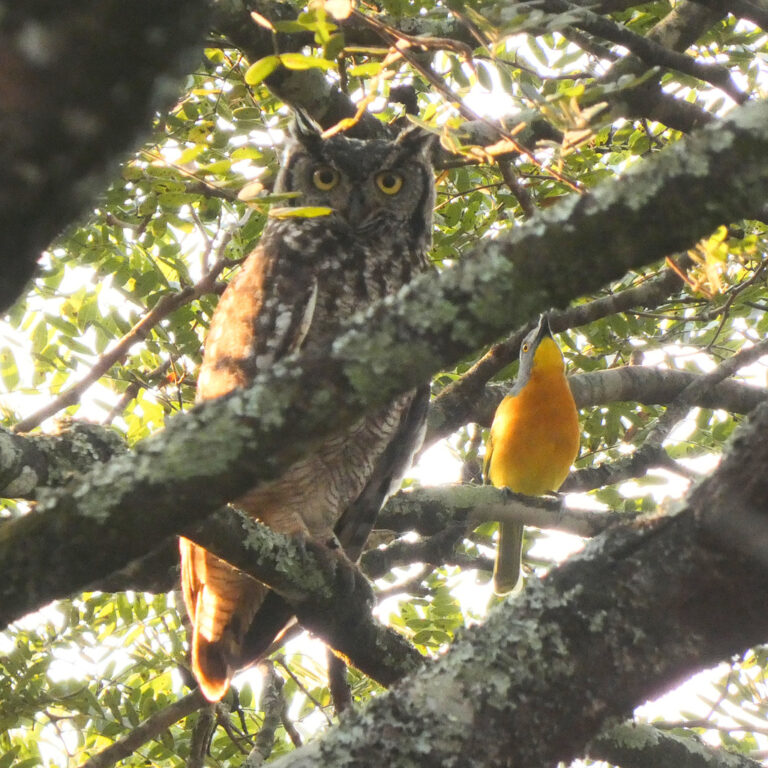
Bubo africanus
♥
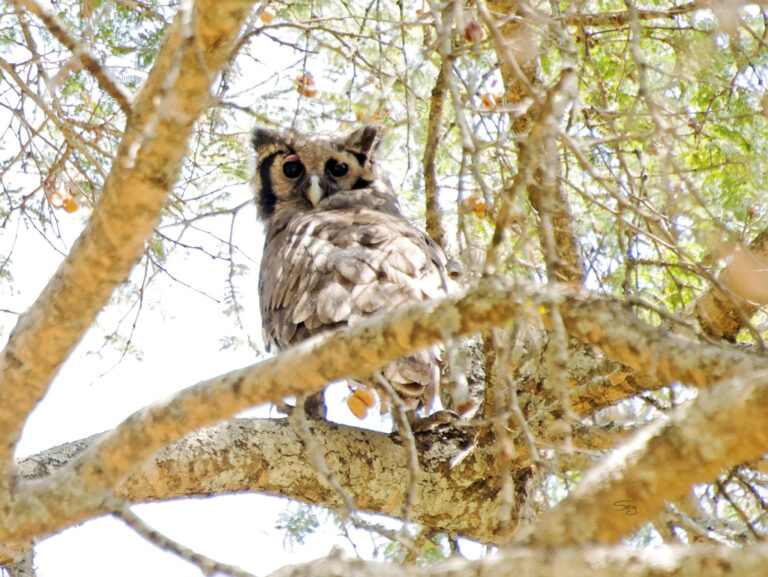
Ketupa lactea
♥
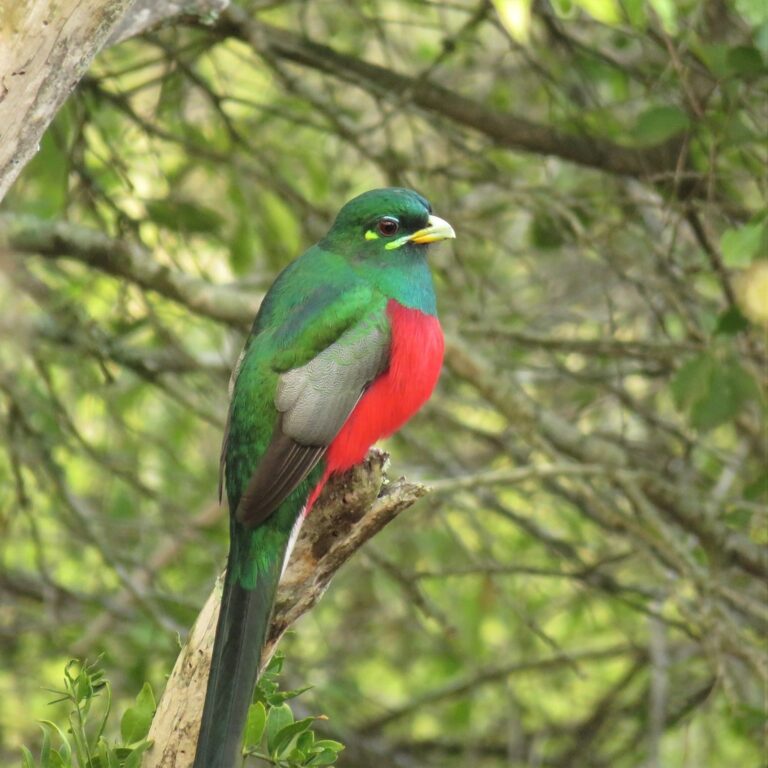
Apaloderma narina
♥
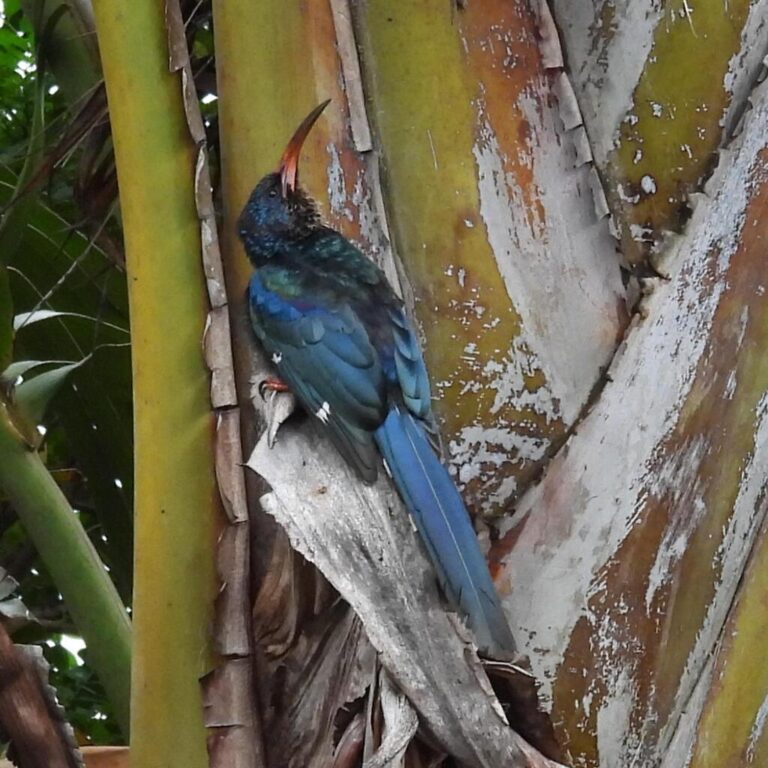
Phoeniculus purpureus
♥
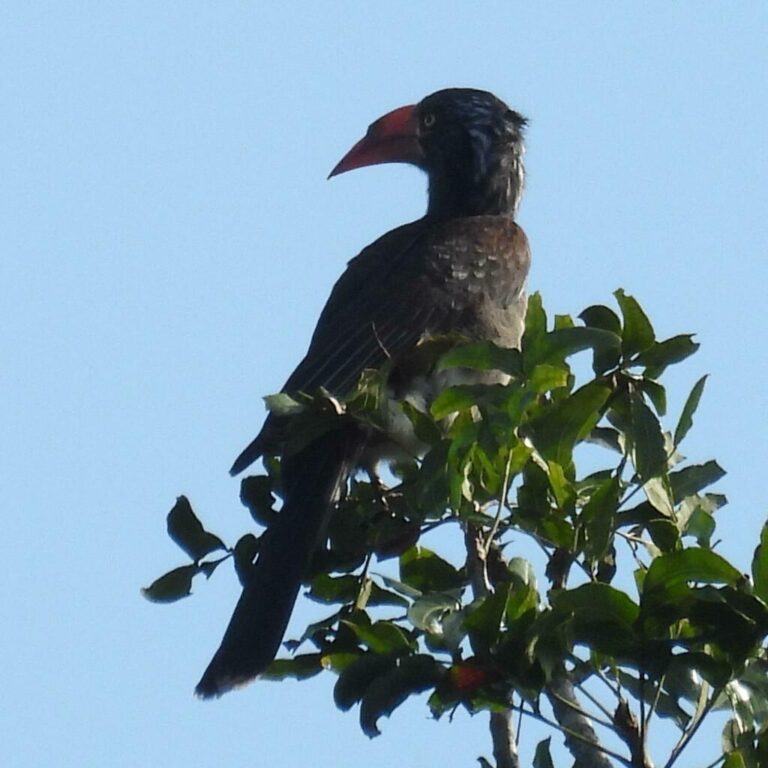
Lophoceros alboterminatus
♥
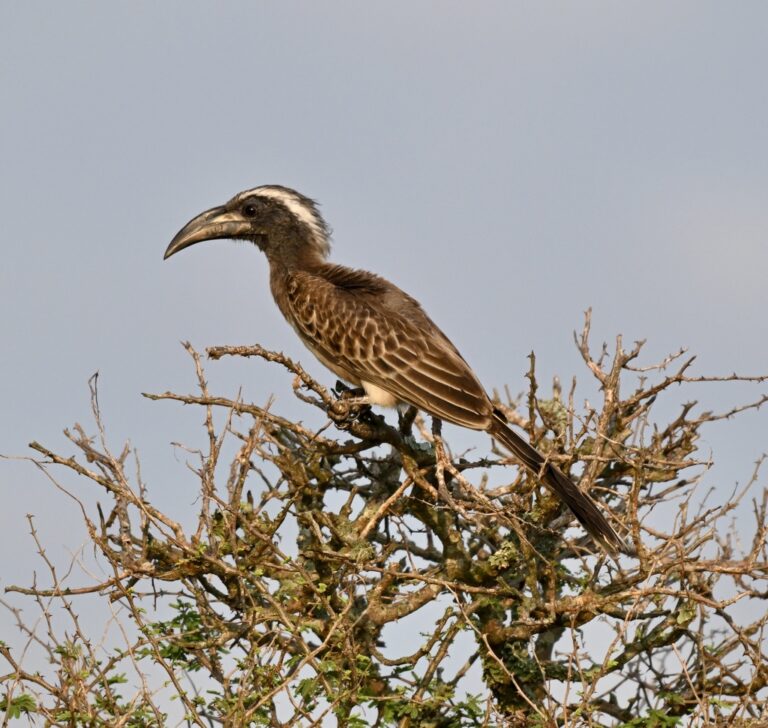
Lophoceros nasutus
♥
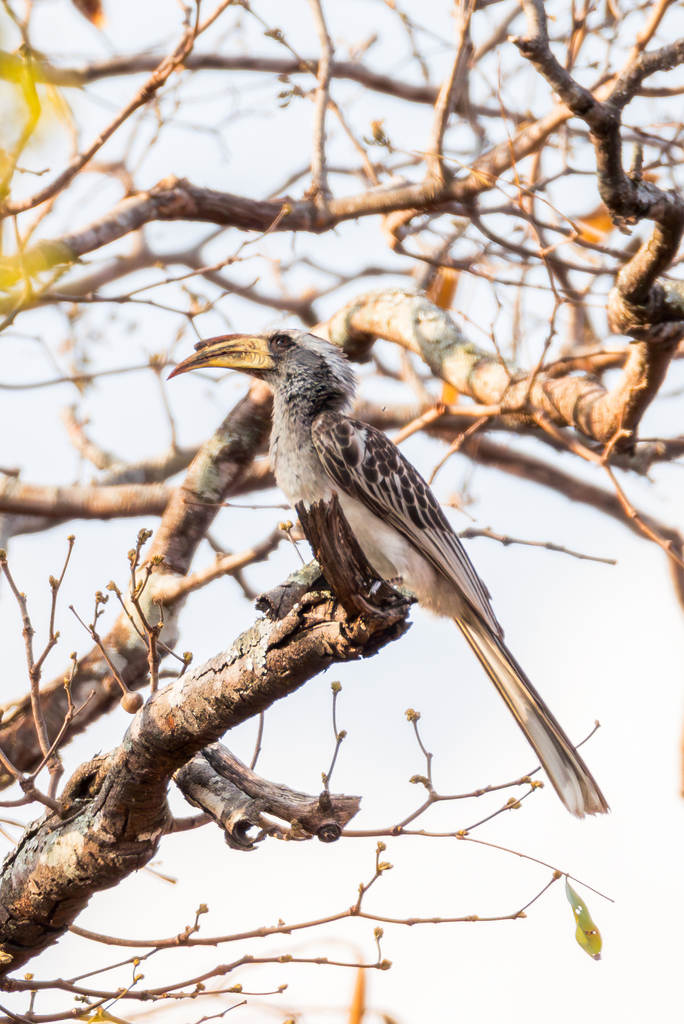
Lophoceros pallidirostris
♥
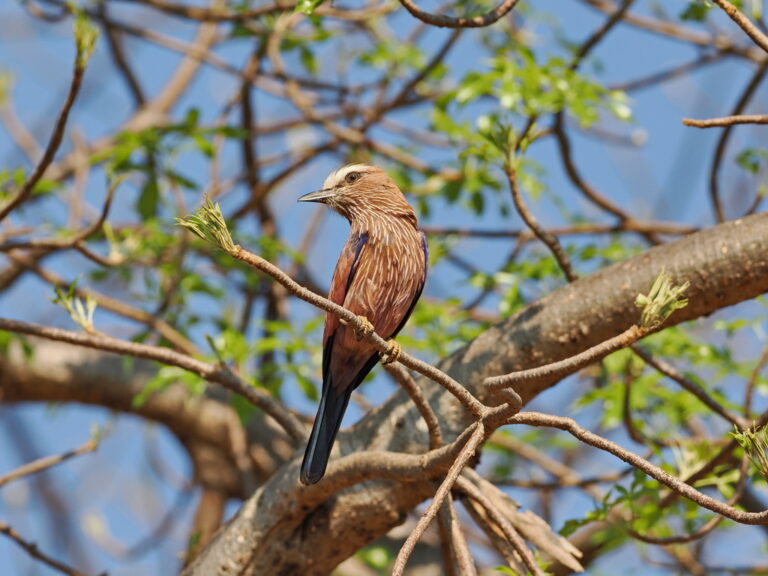
Coracias naevius
♥
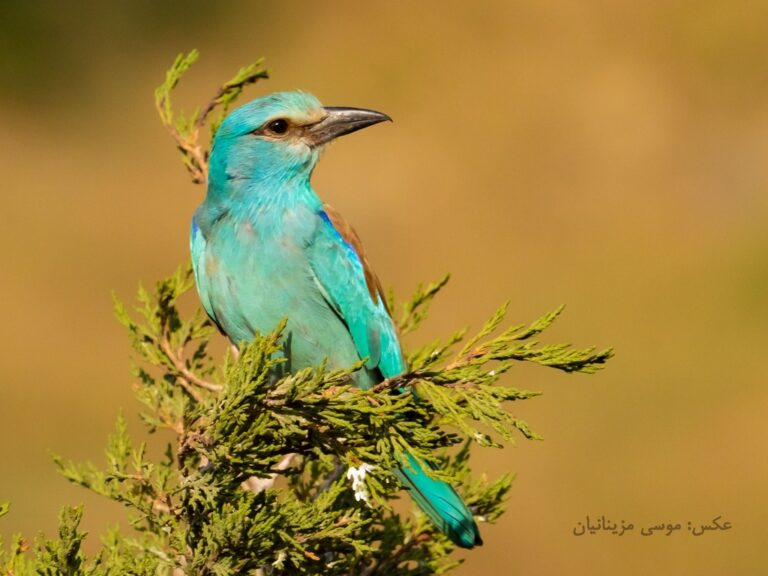
Coracias garrulus
♥
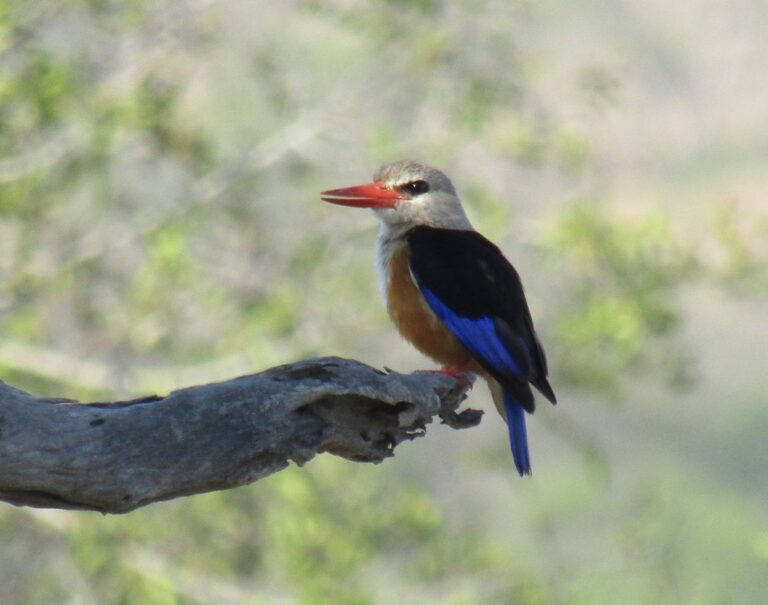
Halcyon leucocephala
♥
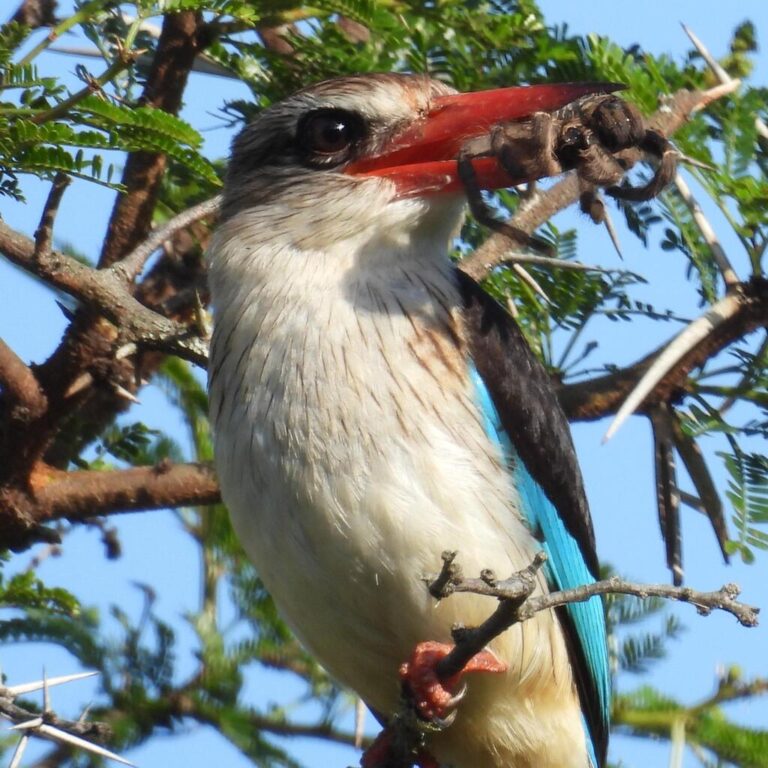
Halcyon albiventris
♥
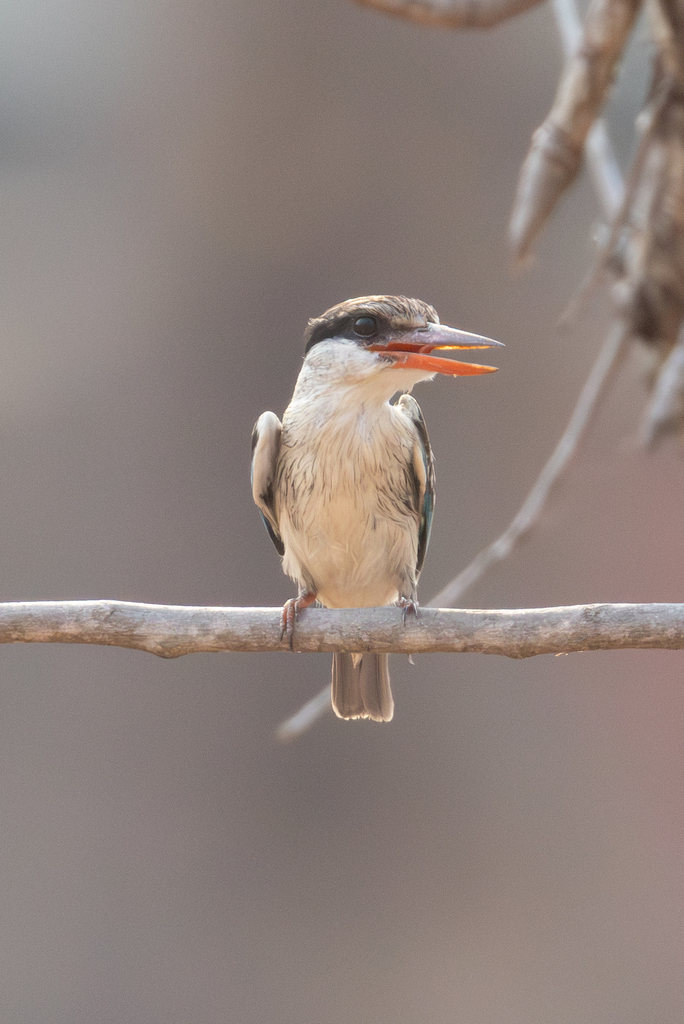
Halcyon chelicuti
♥
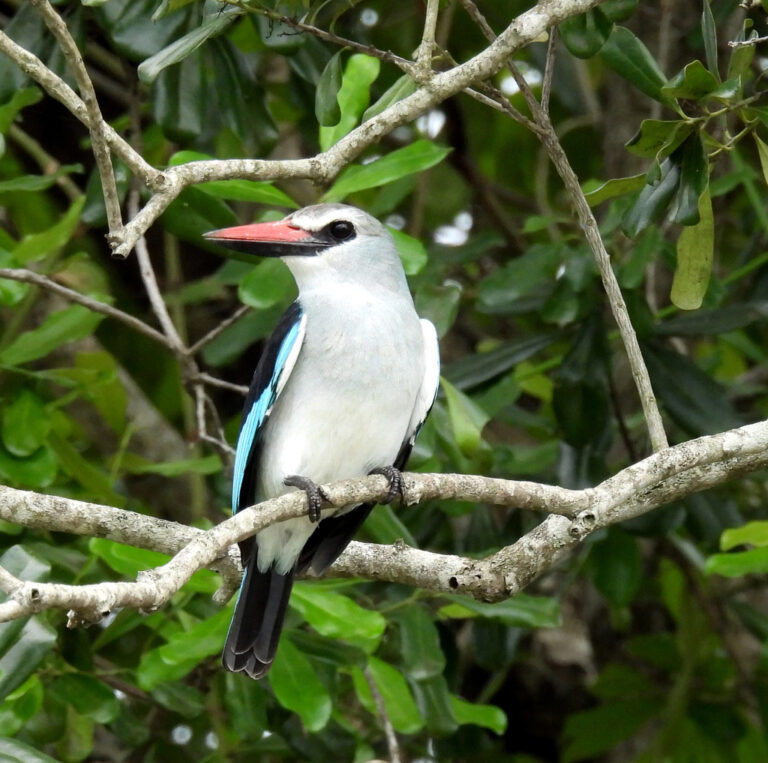
Halcyon senegalensis
♥
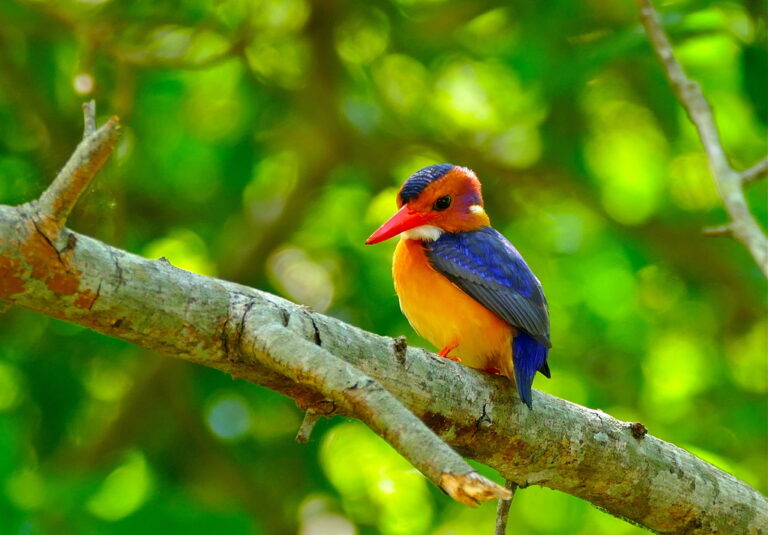
Ispidina picta
♥
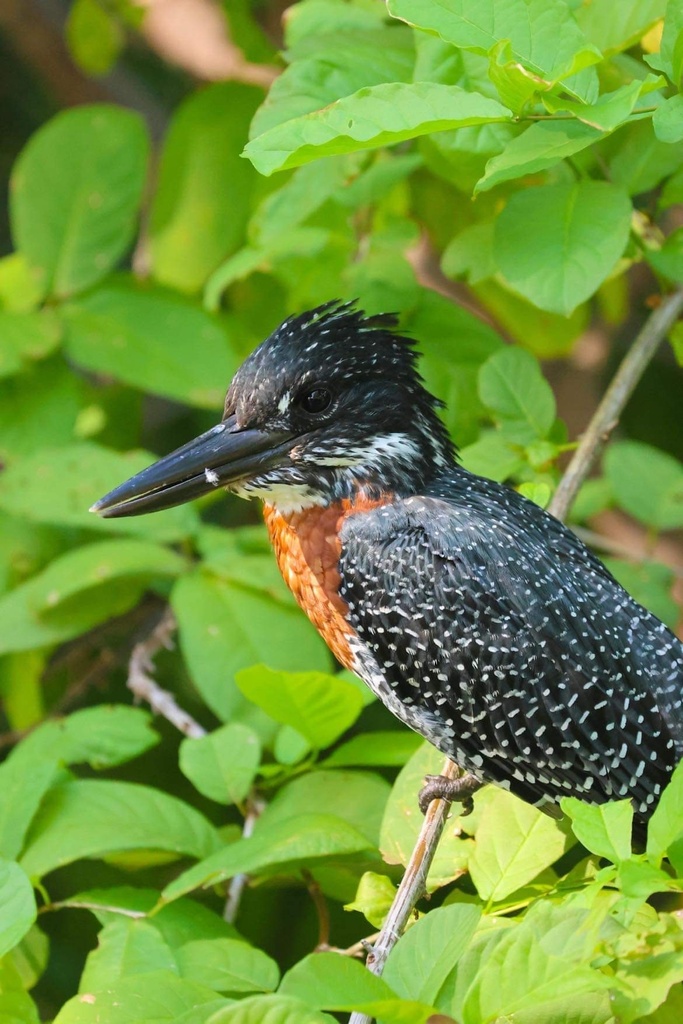
Megaceryle maxima
♥
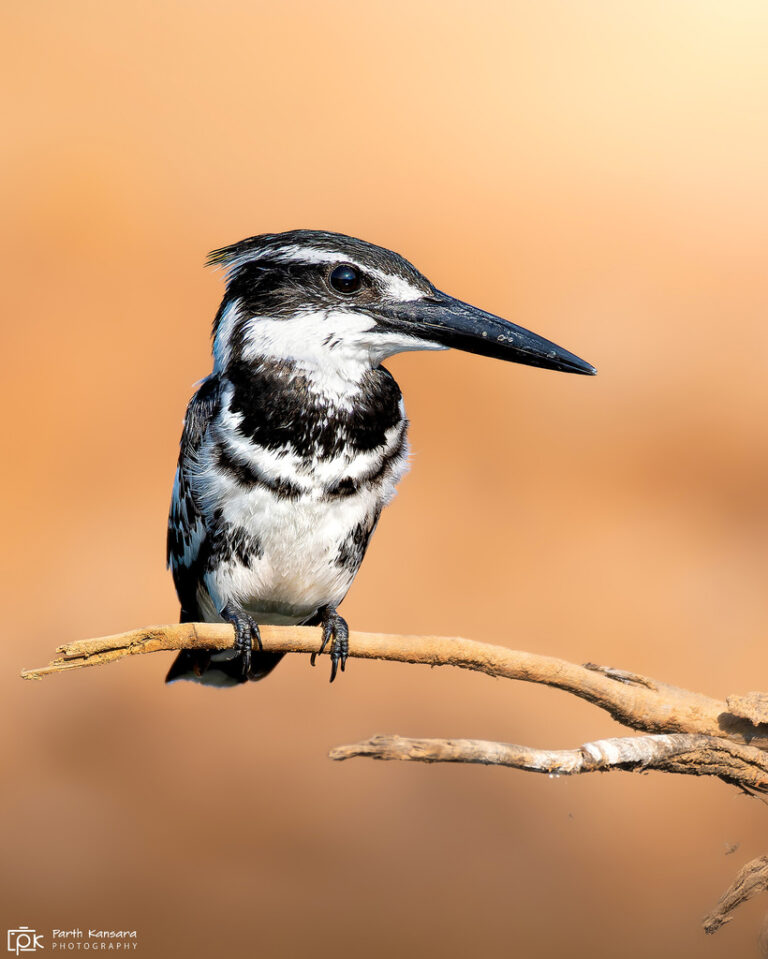
Ceryle rudis
♥
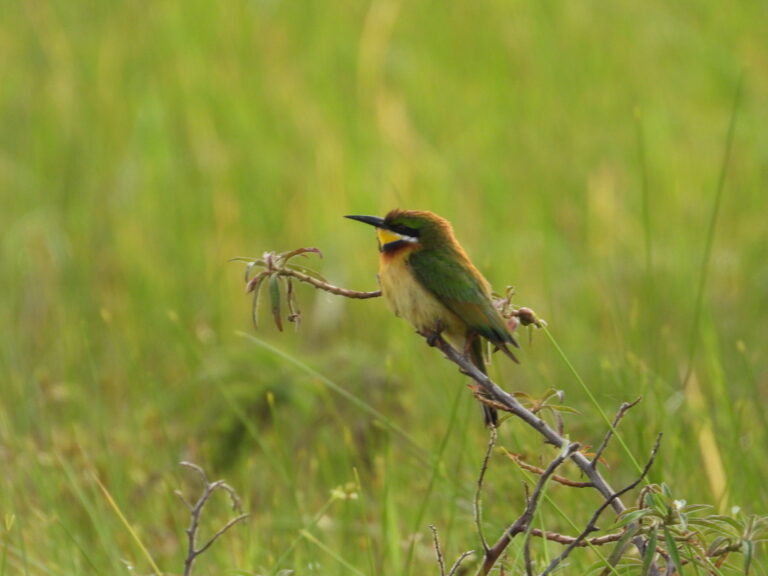
Merops variegatus
♥
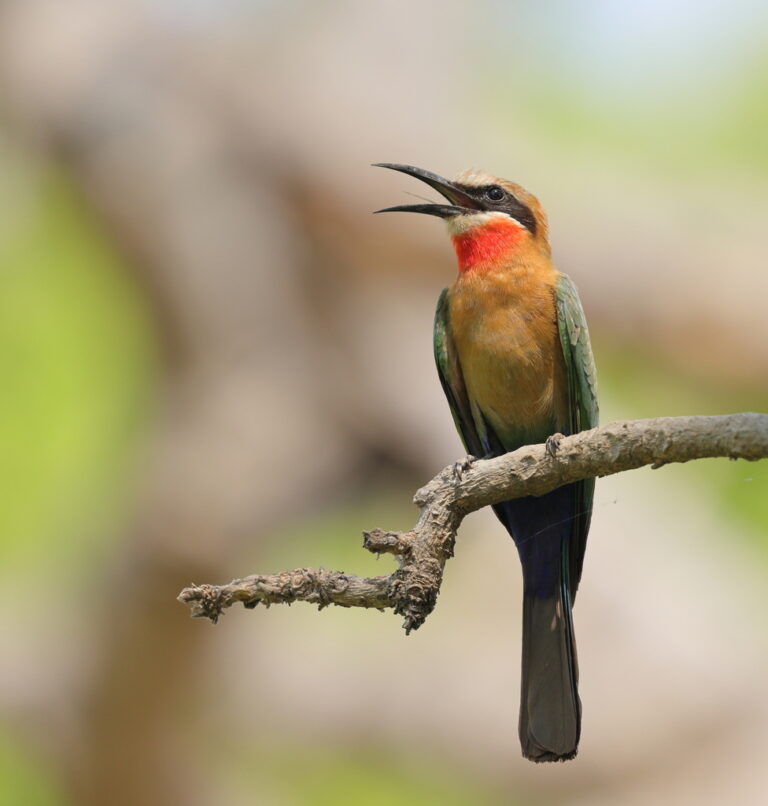
Merops bullockoides
♥
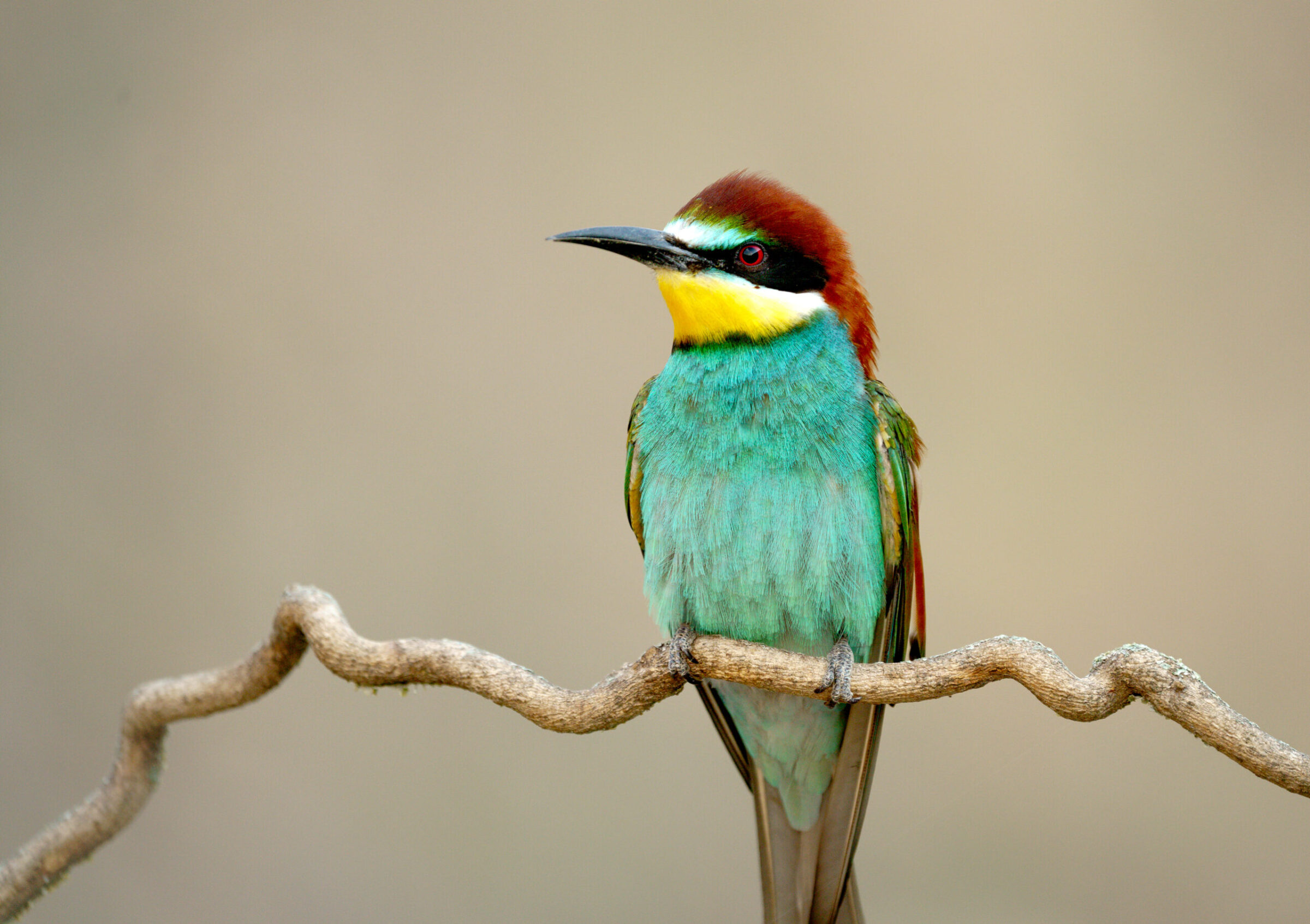
Merops apiaster
♥
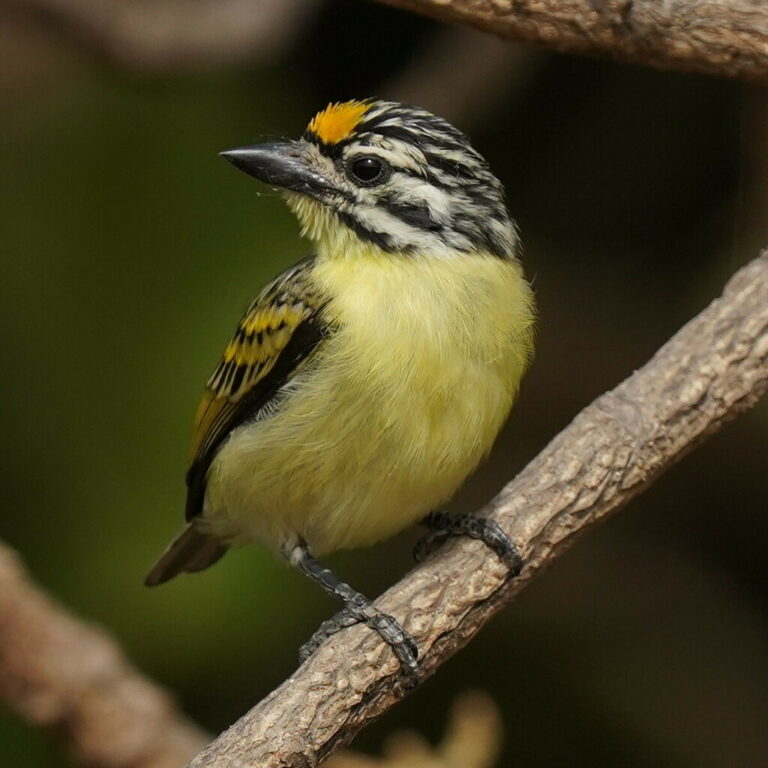
Pogoniulus chrysoconus
♥
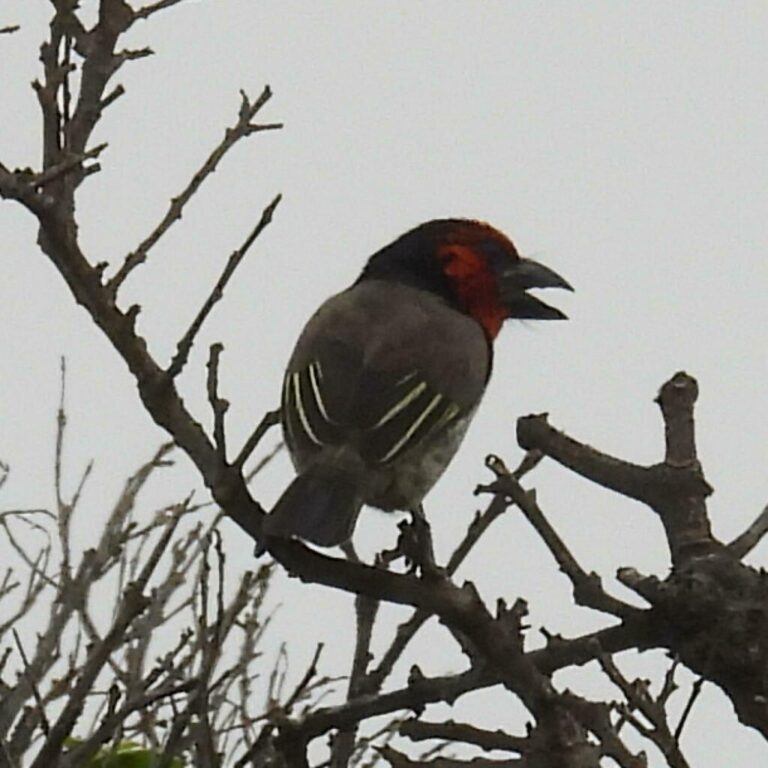
Lybius torquatus
♥
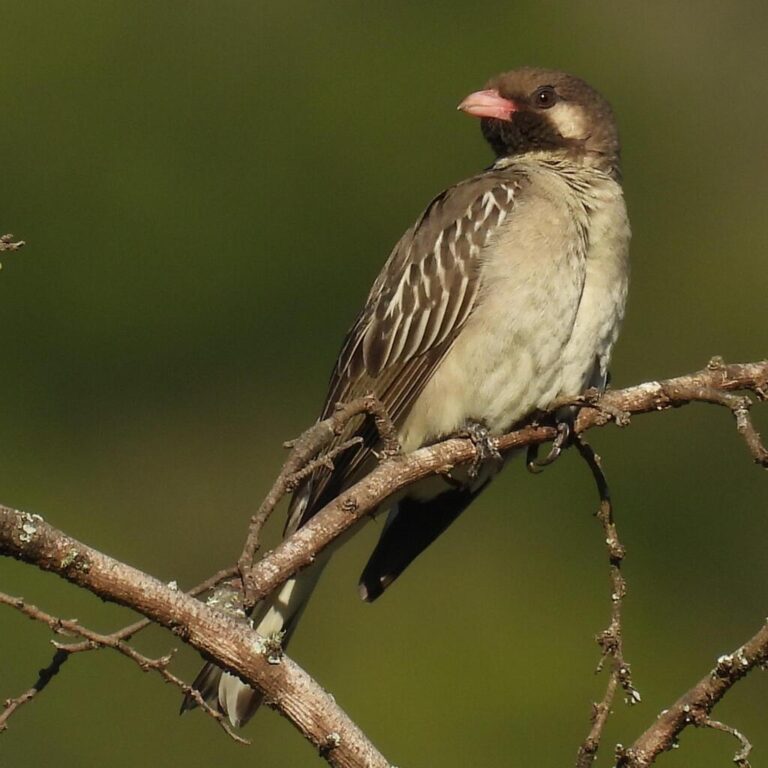
Indicator indicator
♥
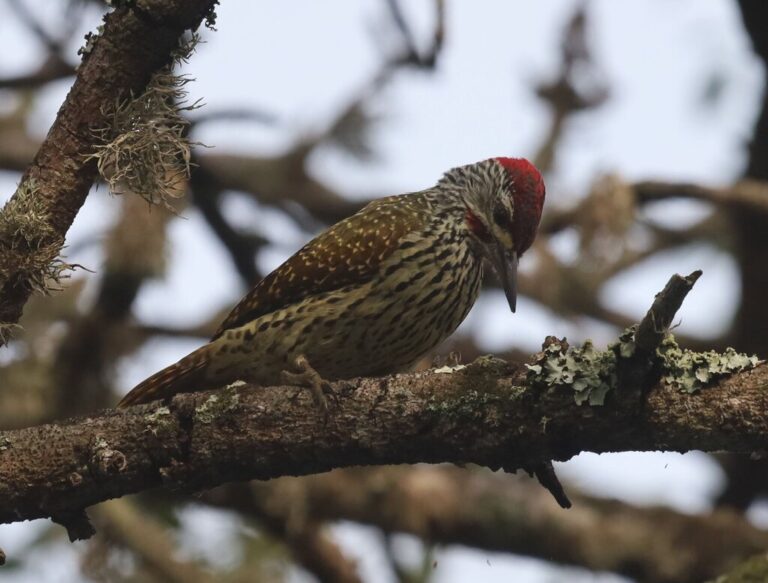
Campethera abingoni
♥
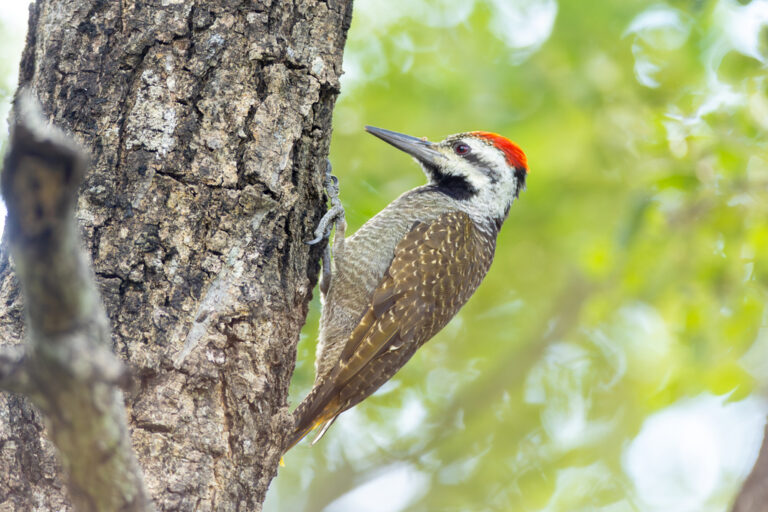
Chloropicus namaquus
♥
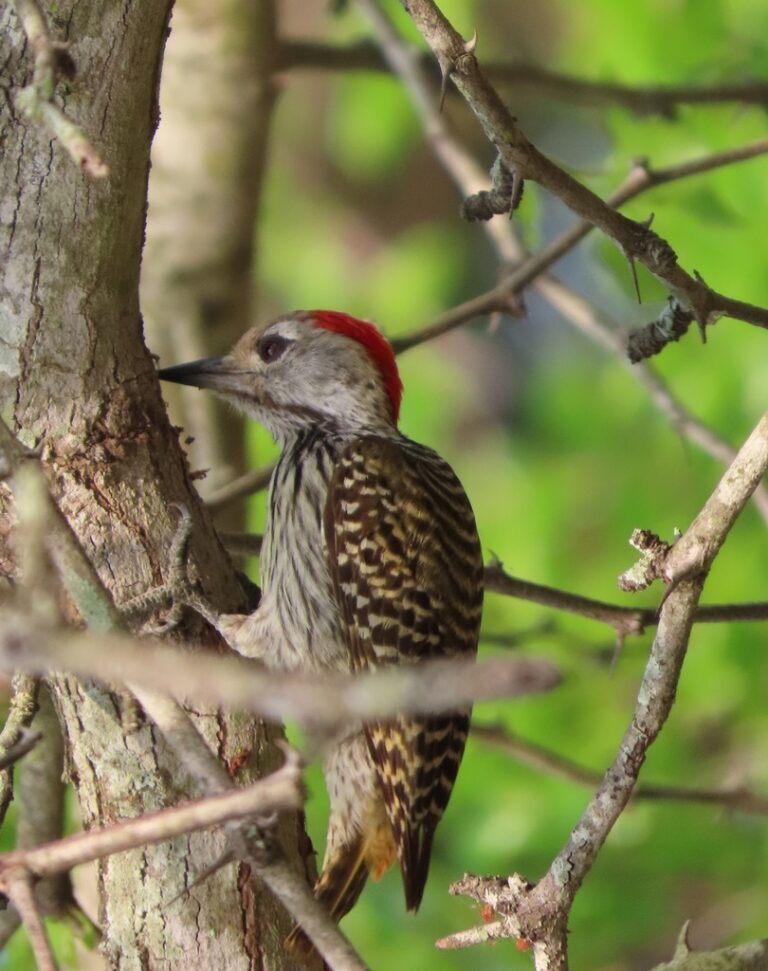
Dendropicos fuscescens
♥
Falco rupicolus
♥
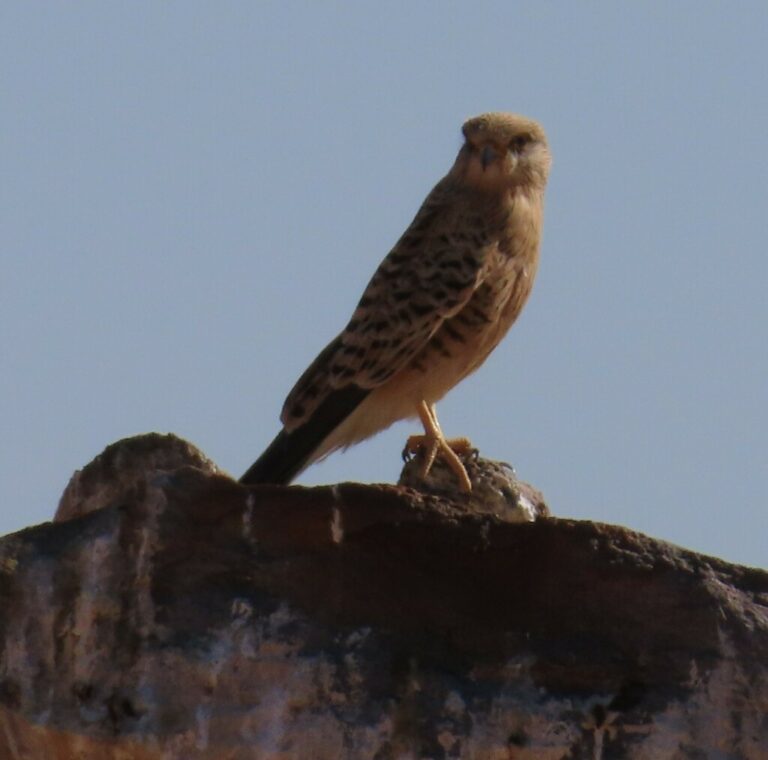
Falco rupicoloides
♥
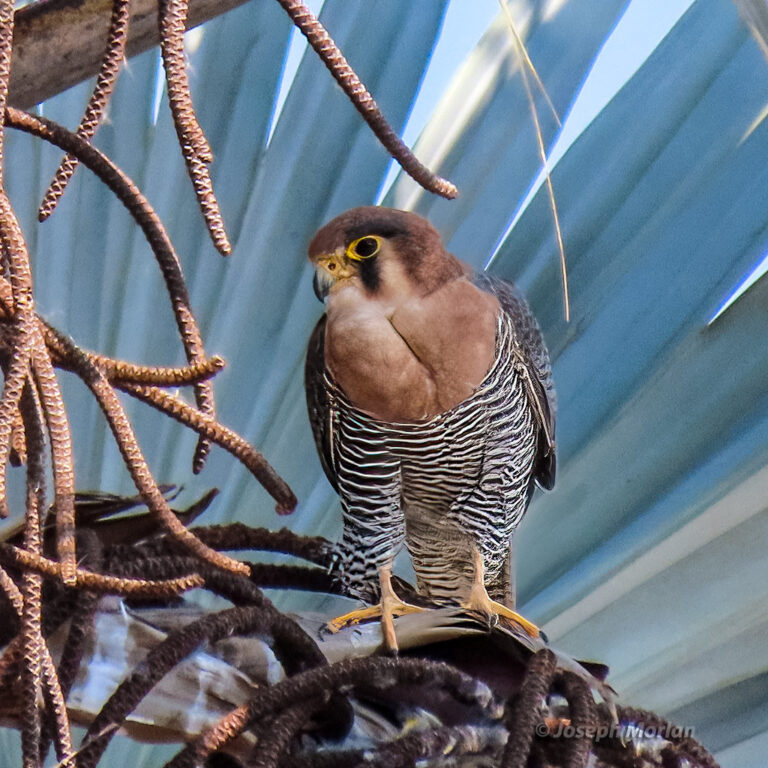
Falco chicquera
♥
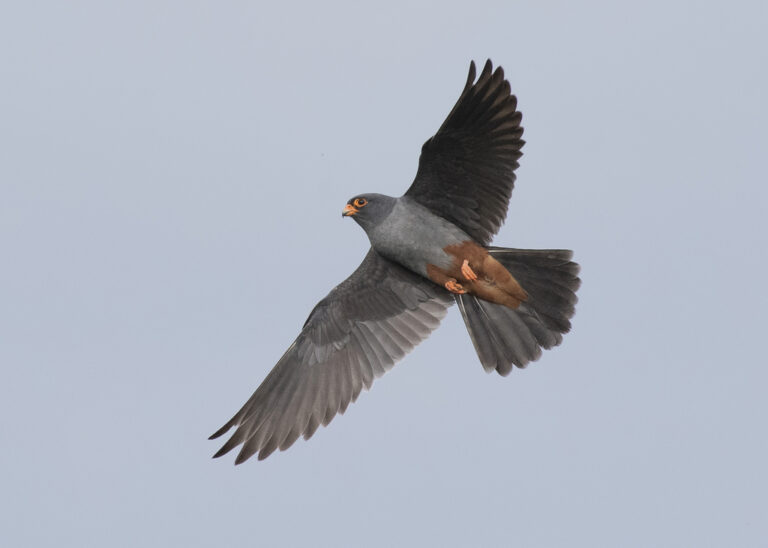
Falco vespertinus
♥
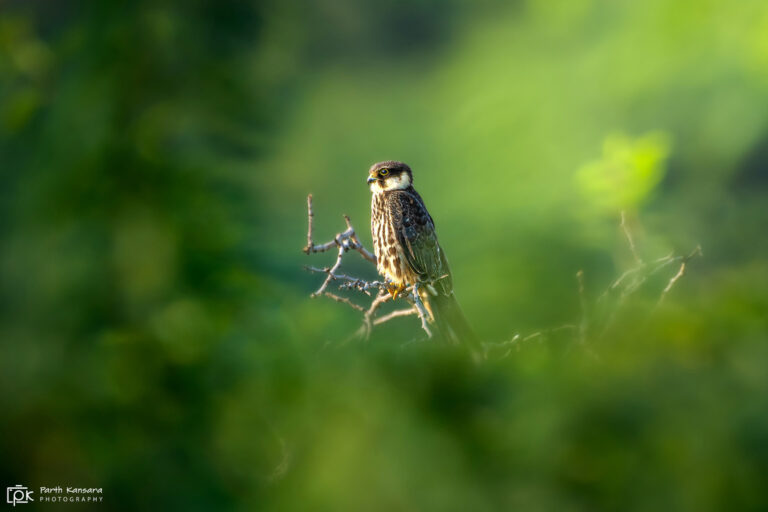
Falco subbuteo
♥
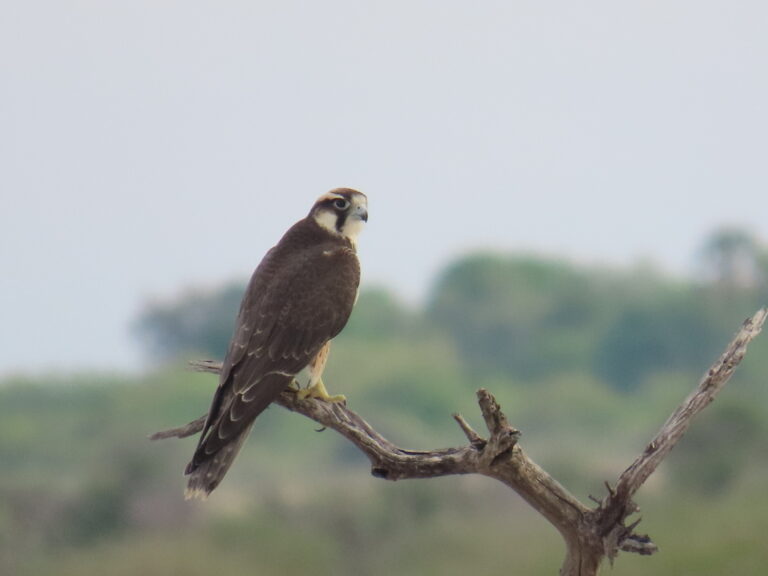
Falco biarmicus
♥
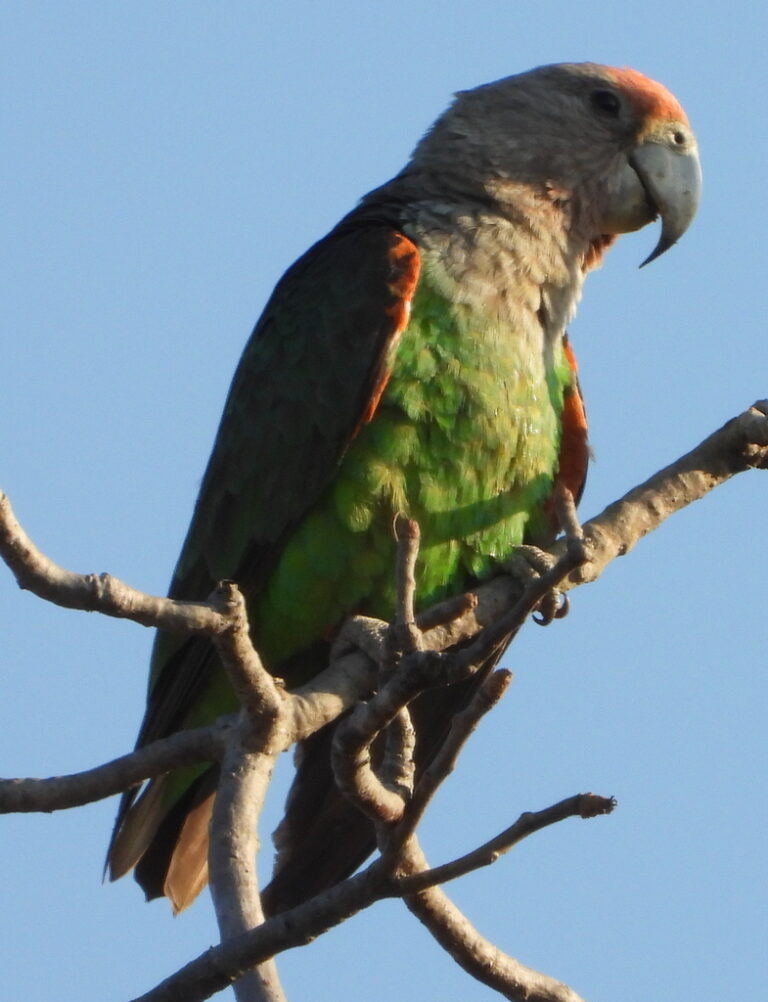
Poicephalus fuscicollis
♥
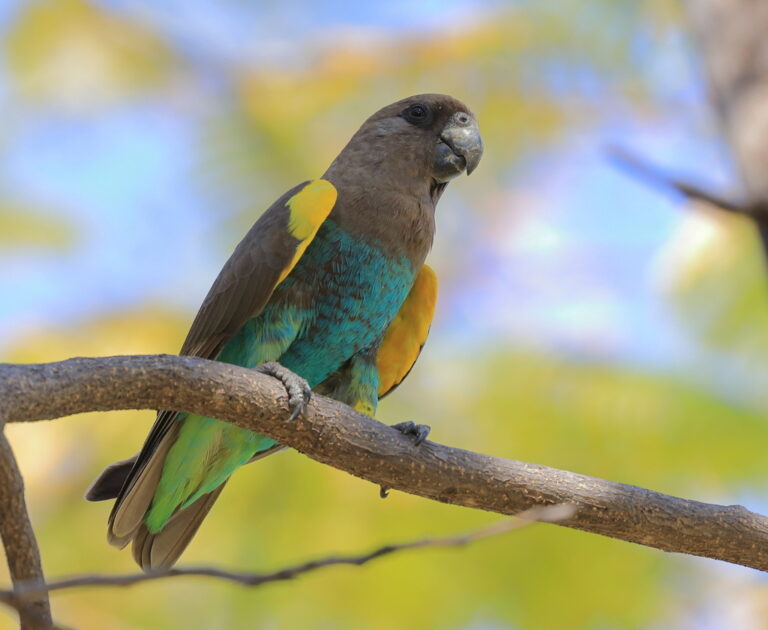
Poicephalus meyeri
♥
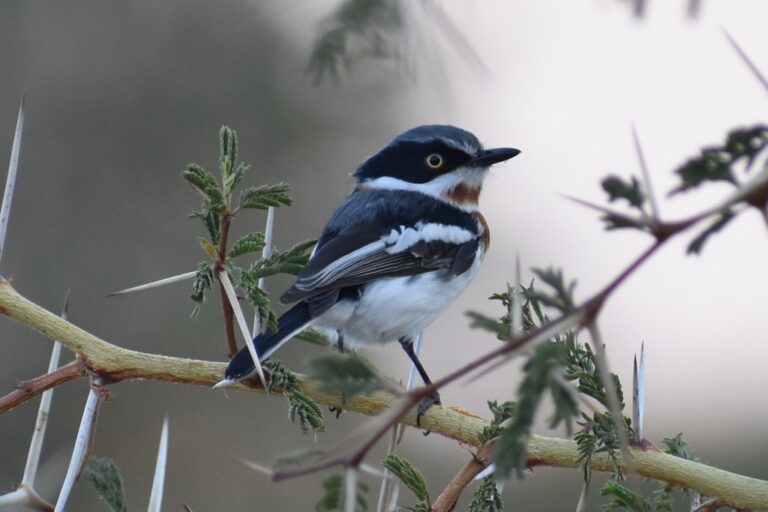
Batis molitor
♥
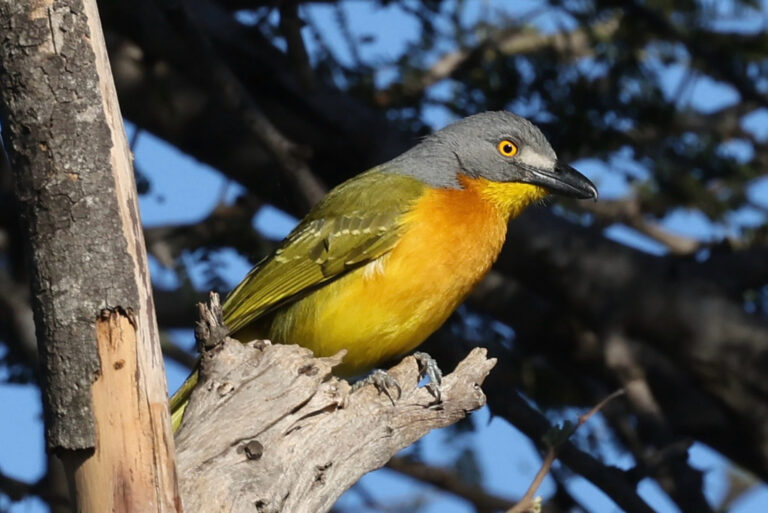
Malaconotus blanchoti
♥
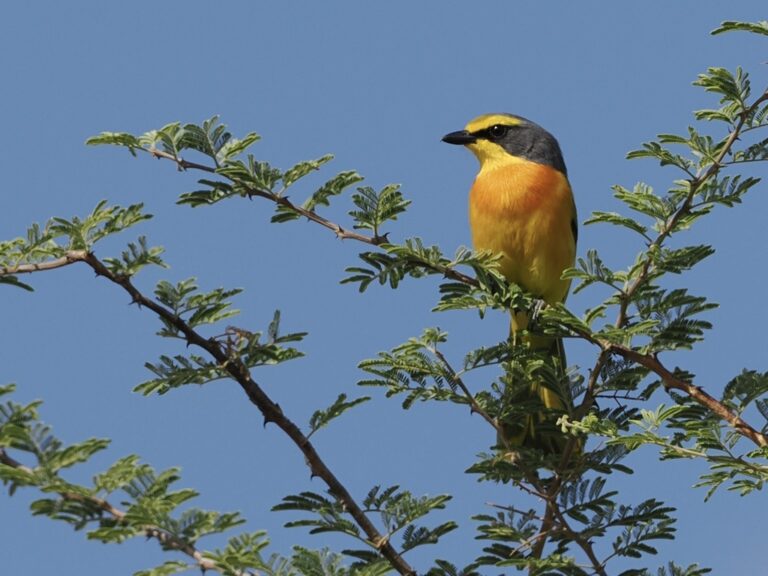
Chlorophoneus sulfureopectus
♥
Tchagra australis
♥
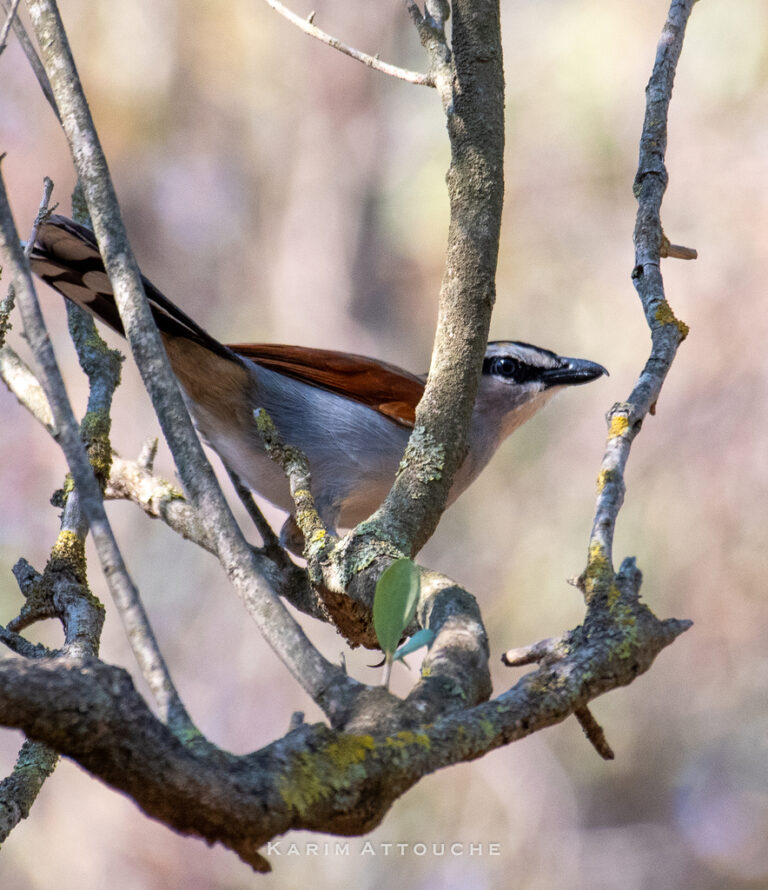
Tchagra senegalus
♥
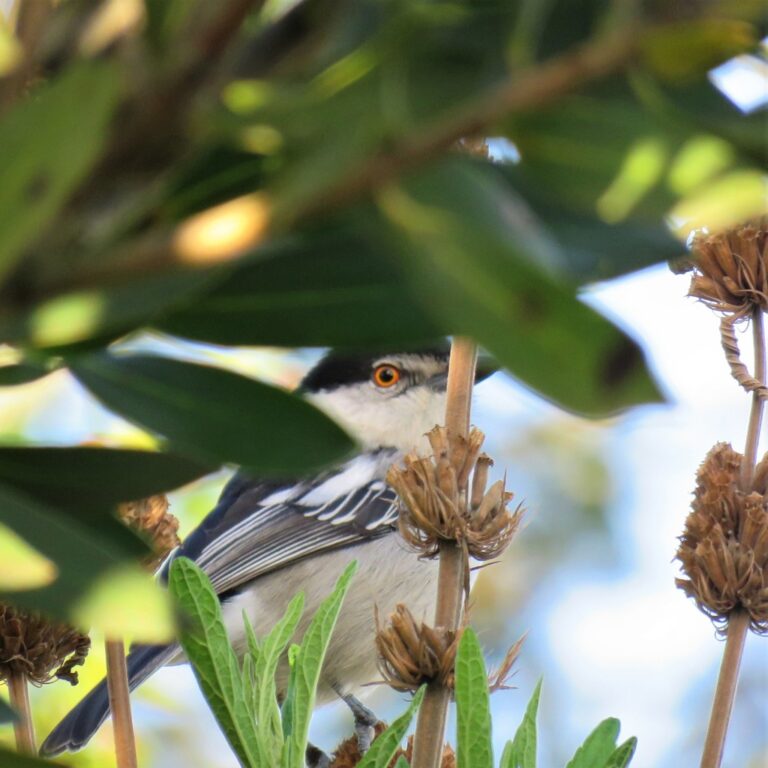
Dryoscopus cubla
♥
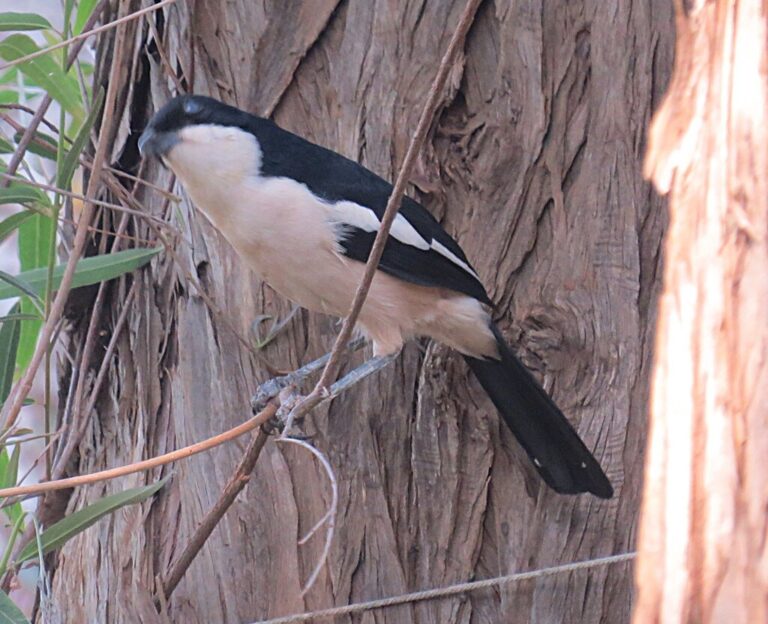
Laniarius major
♥
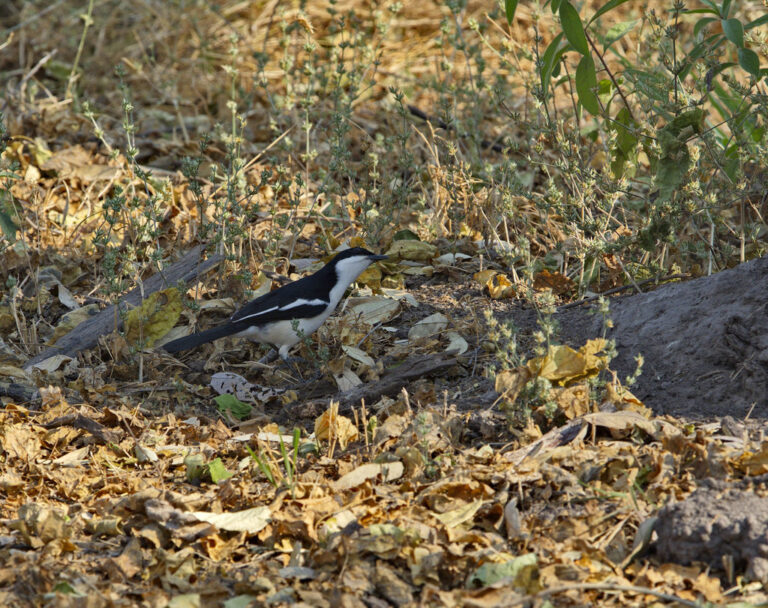
Laniarius bicolor
♥
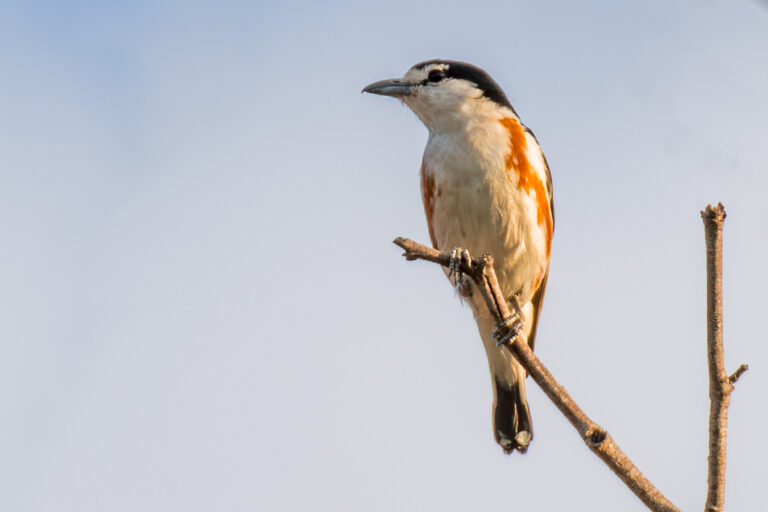
Nilaus afer
♥
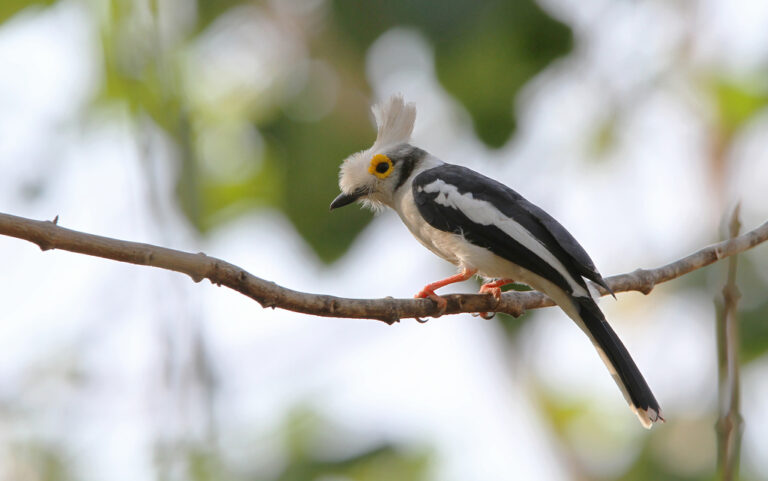
Prionops plumatus
♥
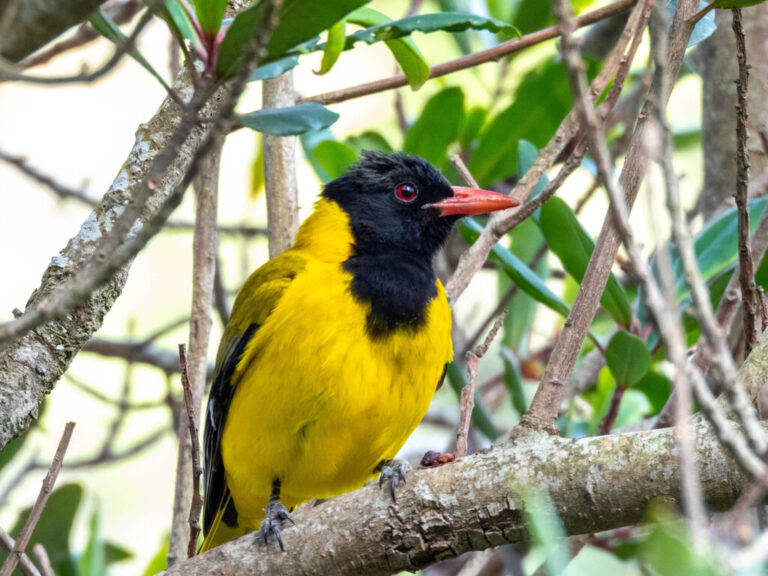
Oriolus larvatus
♥
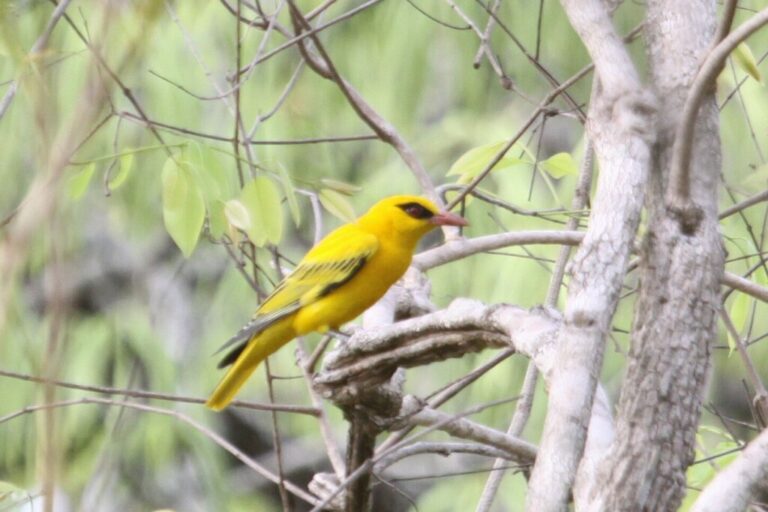
Oriolus auratus
♥
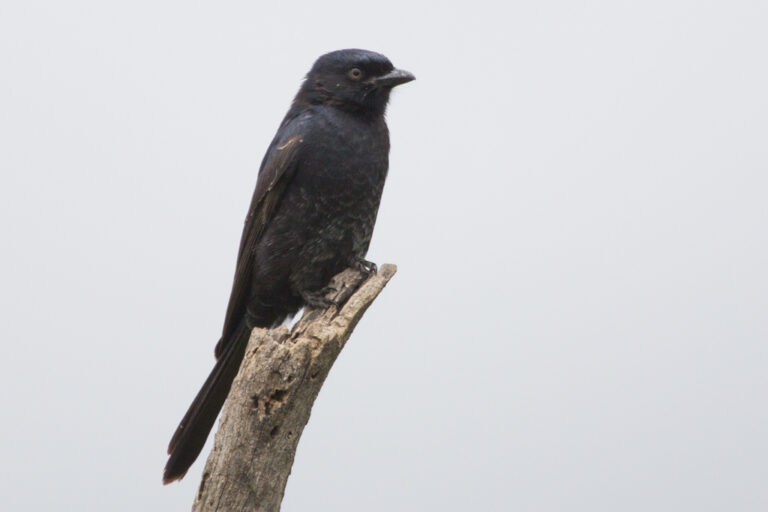
Dicrurus adsimilis
♥
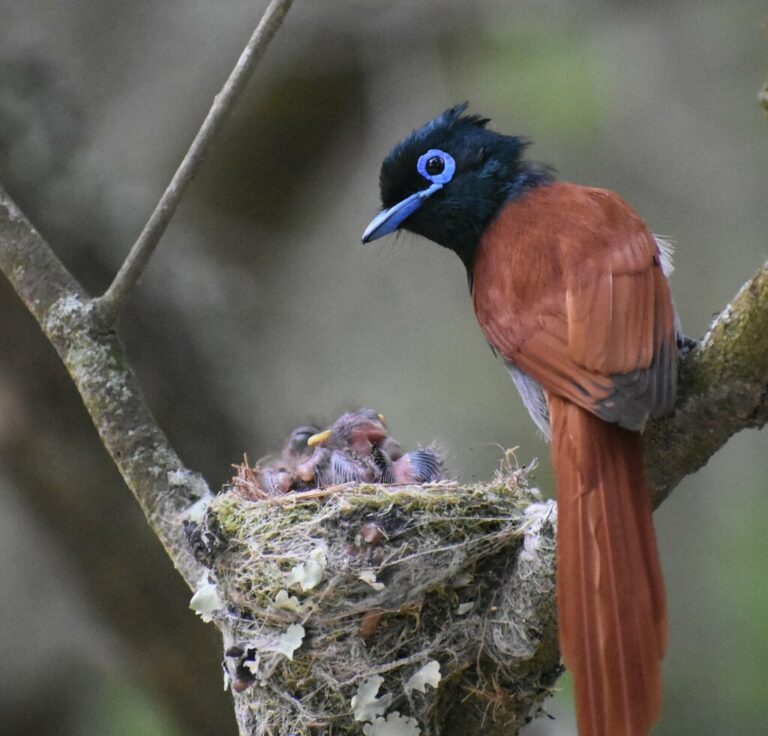
Terpsiphone viridis
♥
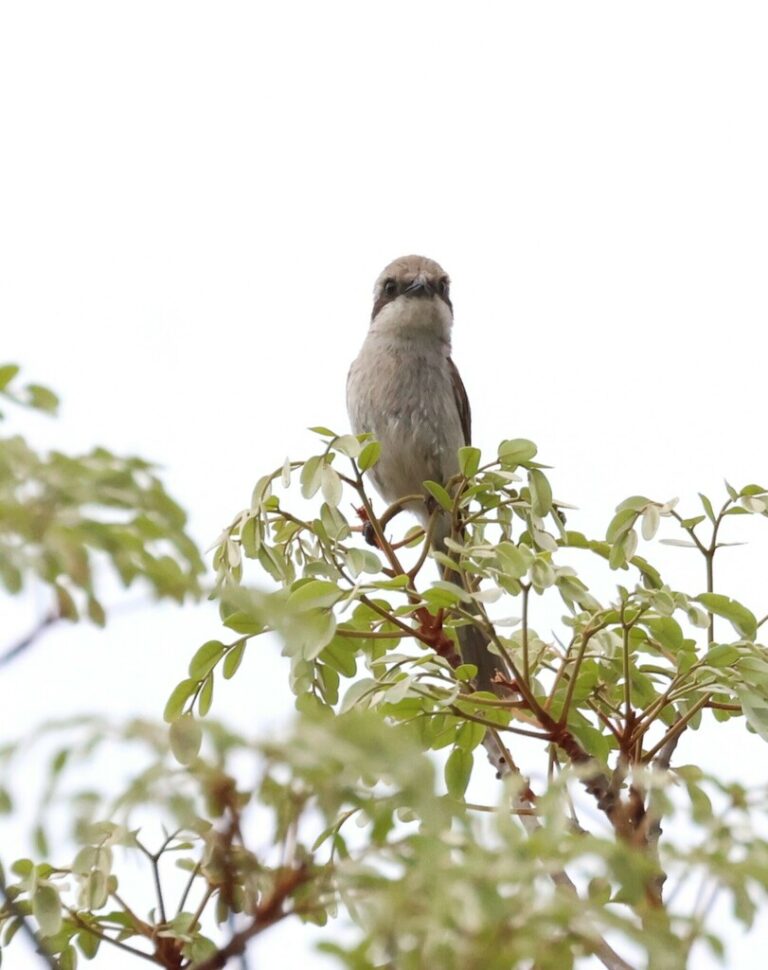
Lanius souzae
♥
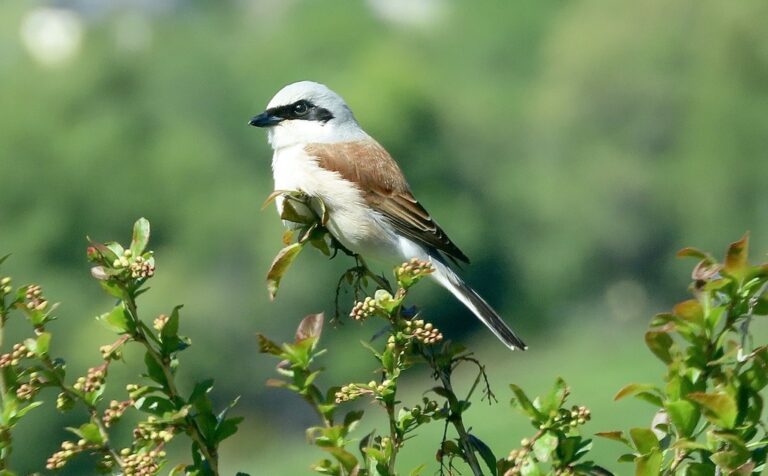
Lanius collurio
♥
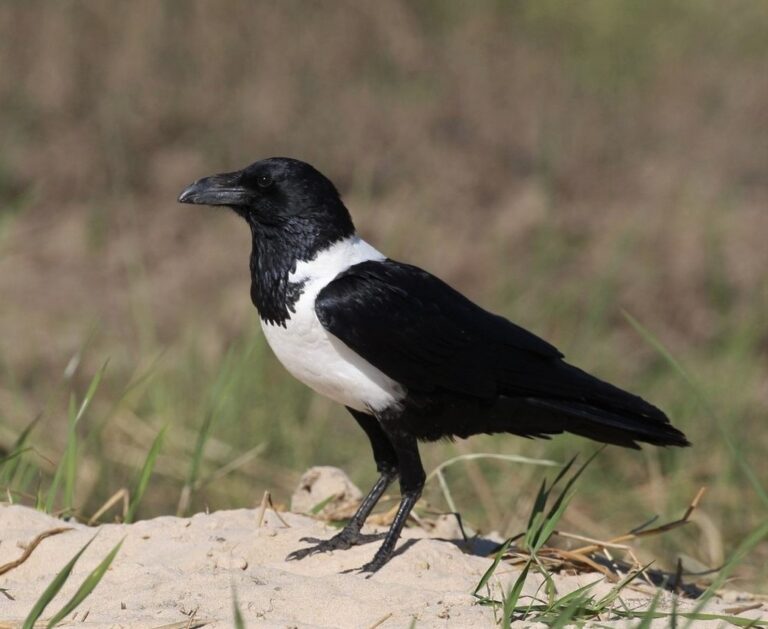
Corvus albus
♥
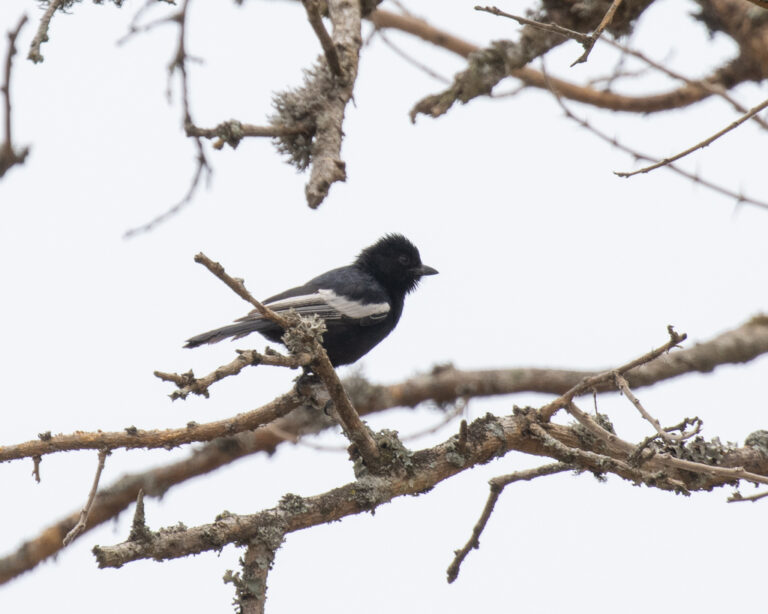
Melaniparus leucomelas
♥
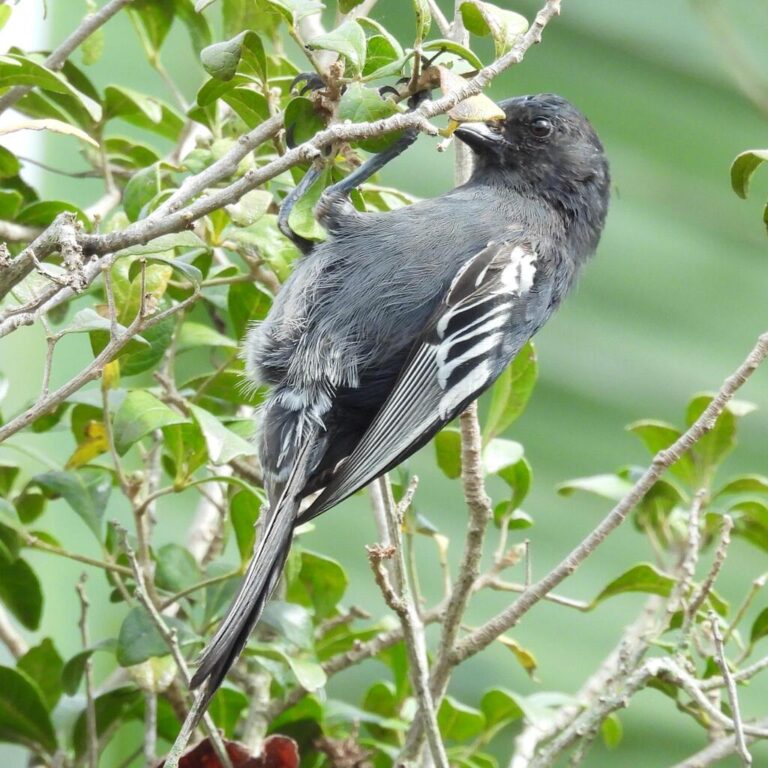
Melaniparus niger
♥
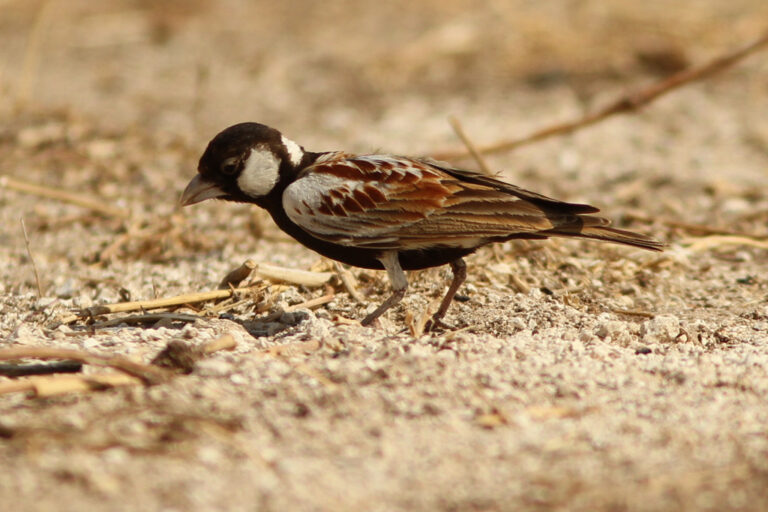
Eremopterix leucotis
♥
Eremopterix verticalis
♥
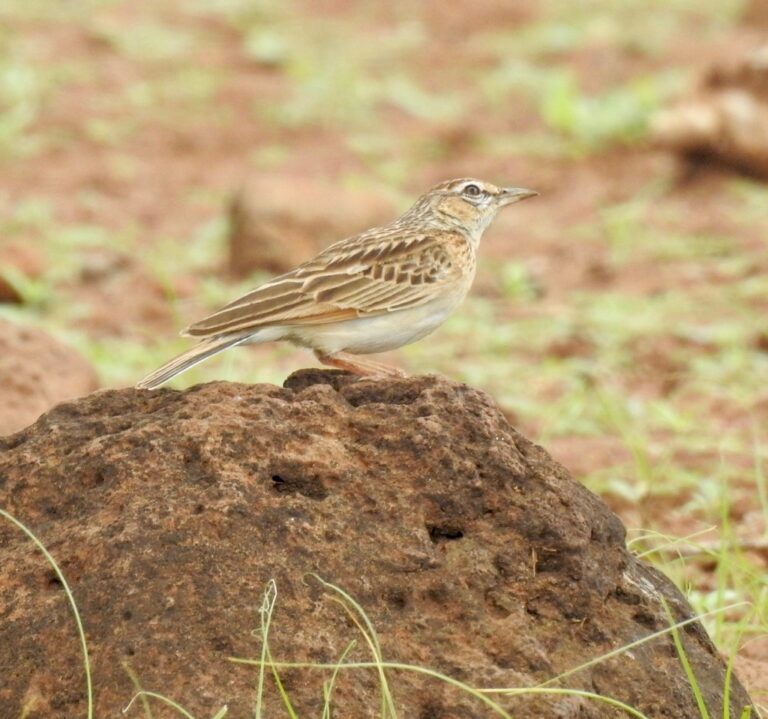
Calendulauda africanoides
♥
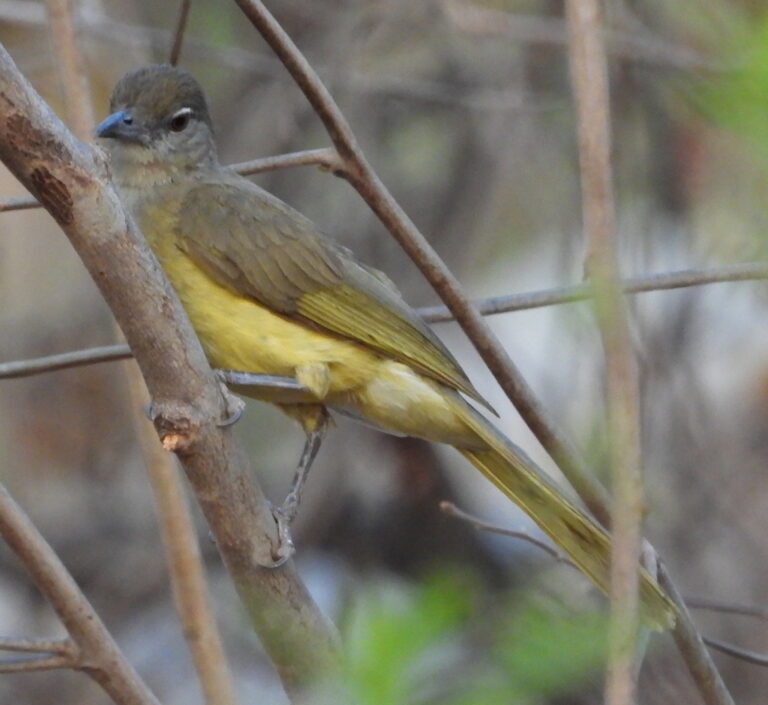
Chlorocichla flaviventris
♥
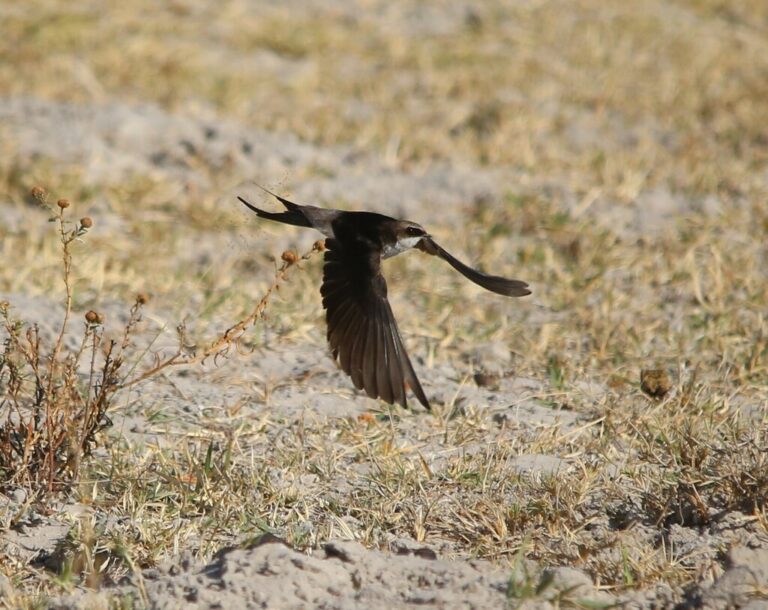
Pseudhirundo griseopyga
♥
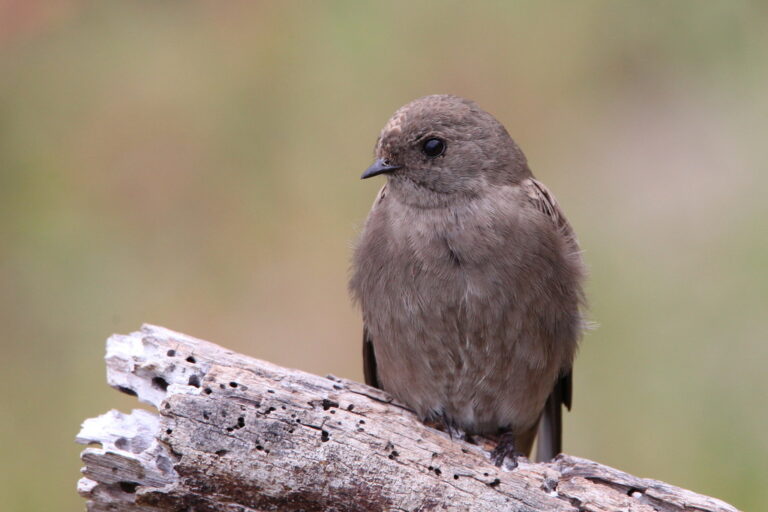
Riparia paludicola
♥
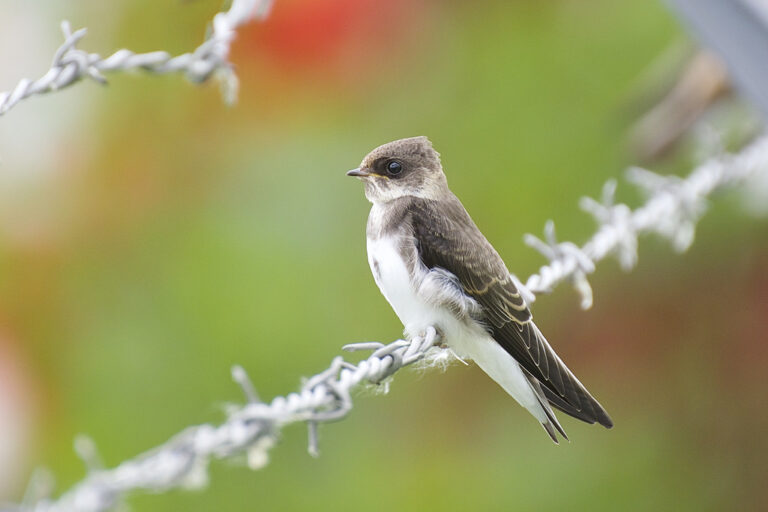
Riparia riparia
♥
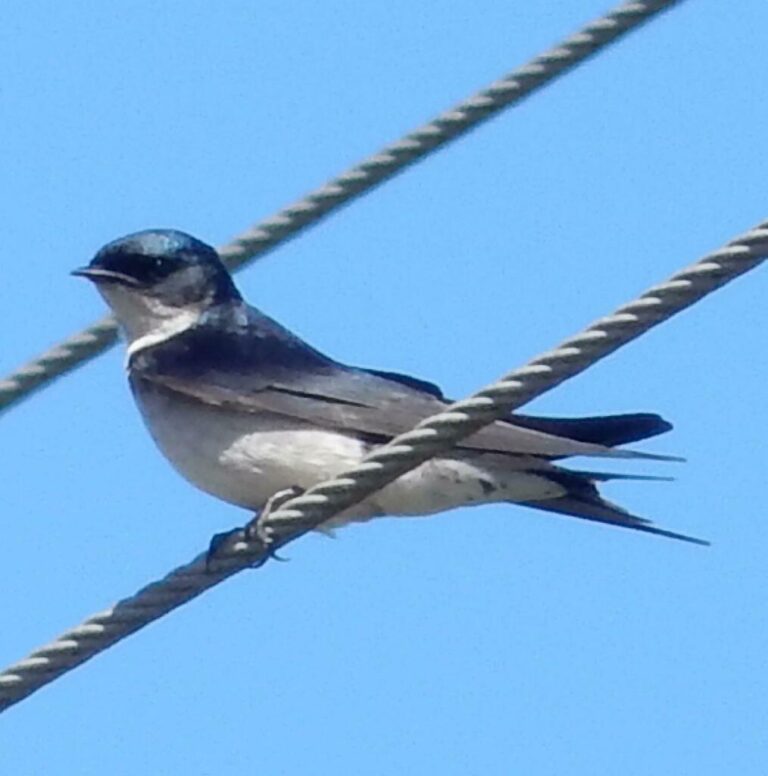
Hirundo dimidiata
♥
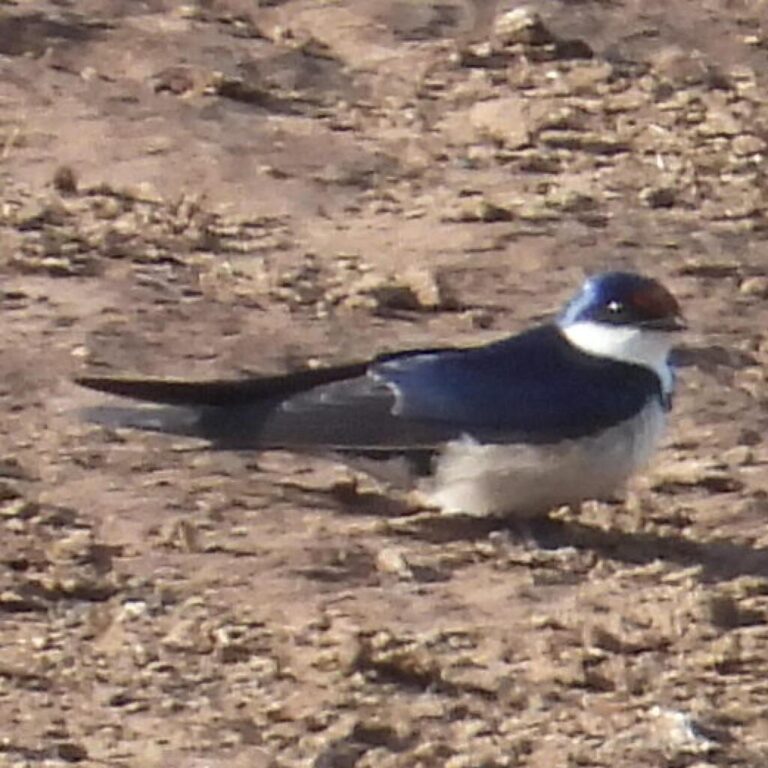
Hirundo albigularis
♥
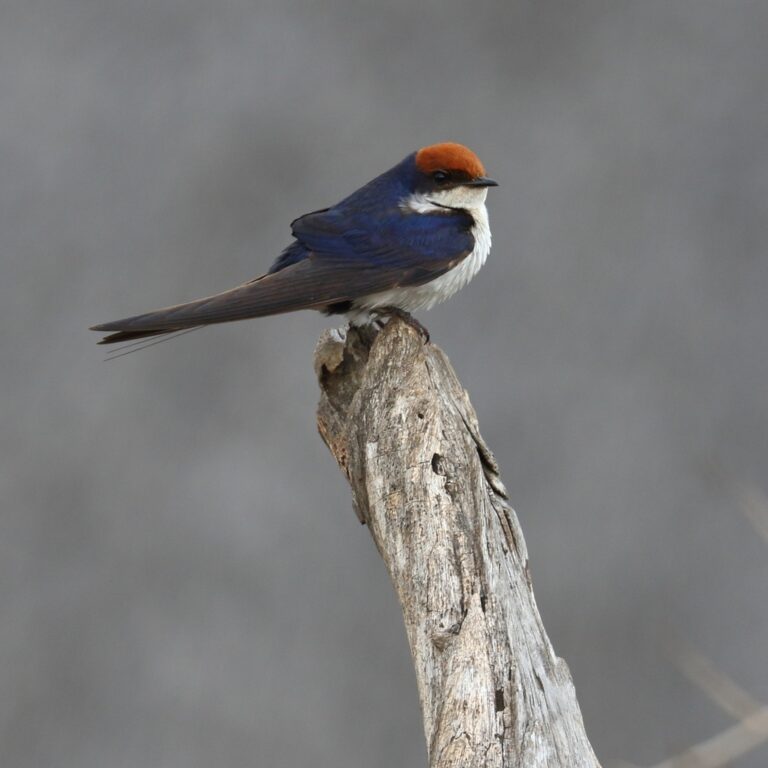
Hirundo smithii
♥
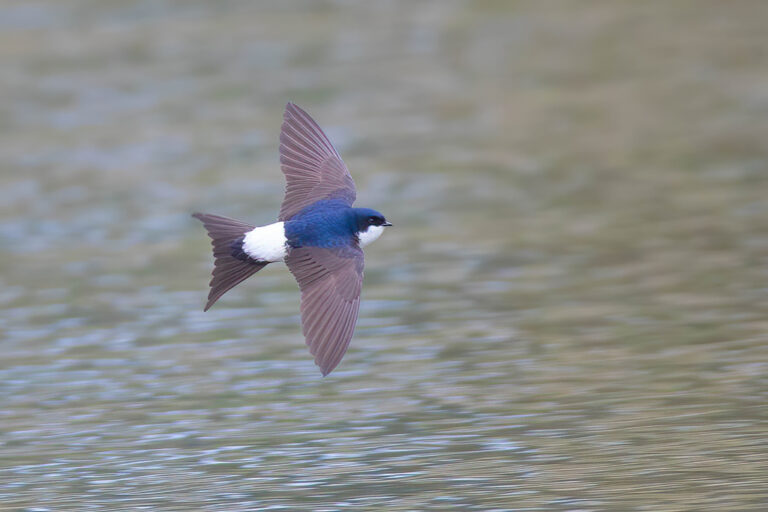
Delichon urbicum
♥
Cecropis cucullata
♥
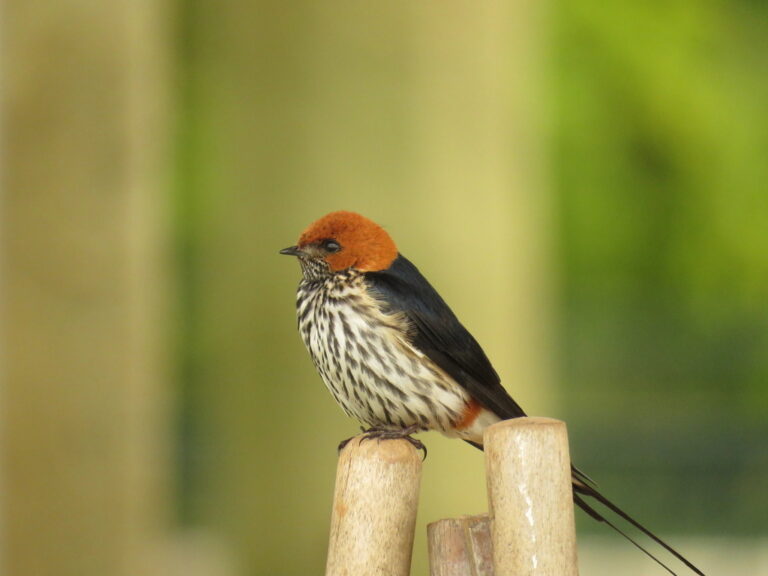
Cecropis abyssinica
♥
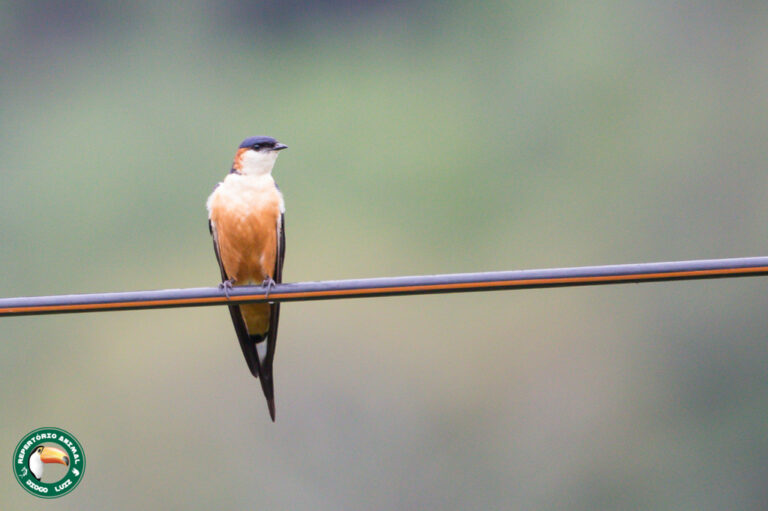
Cecropis senegalensis
♥
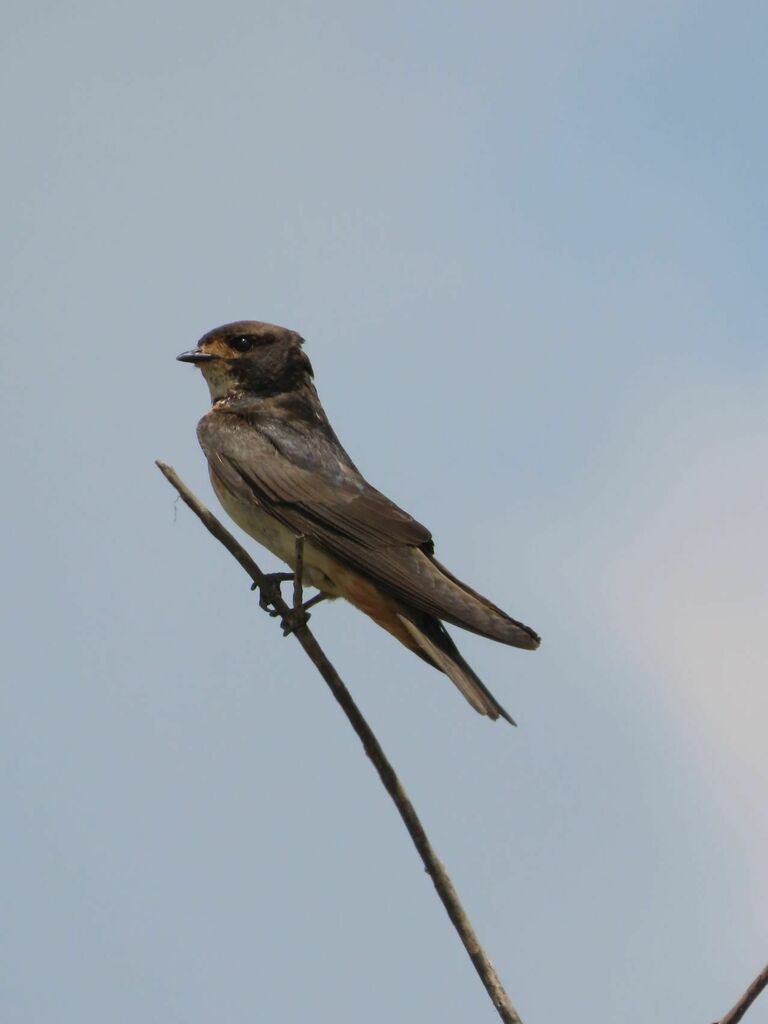
Petrochelidon spilodera
♥
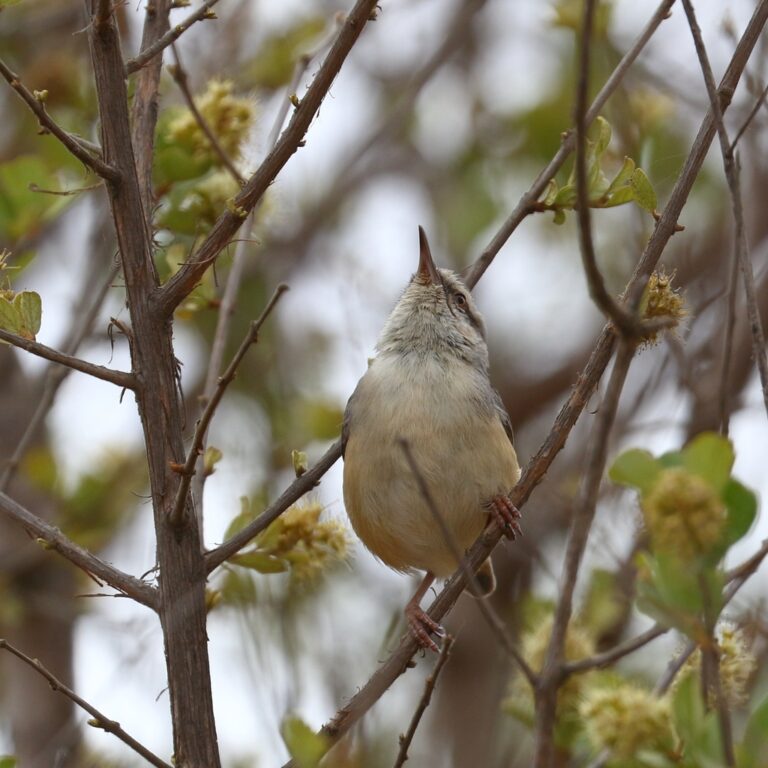
Sylvietta rufescens
♥
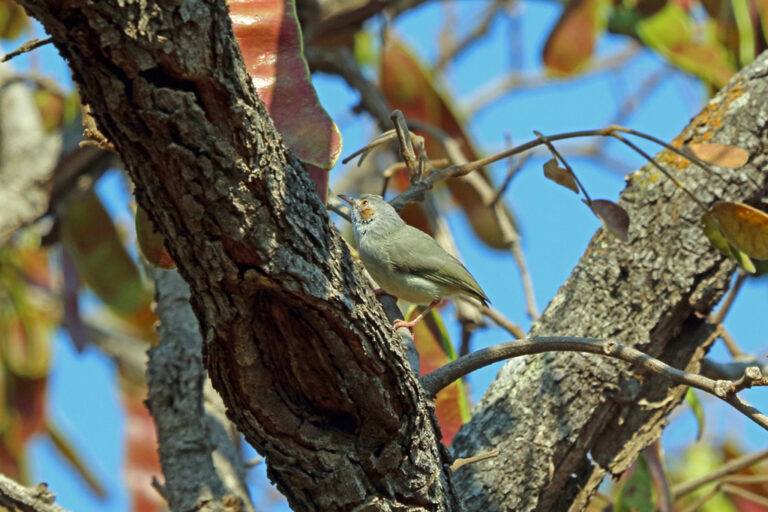
Sylvietta ruficapilla
♥
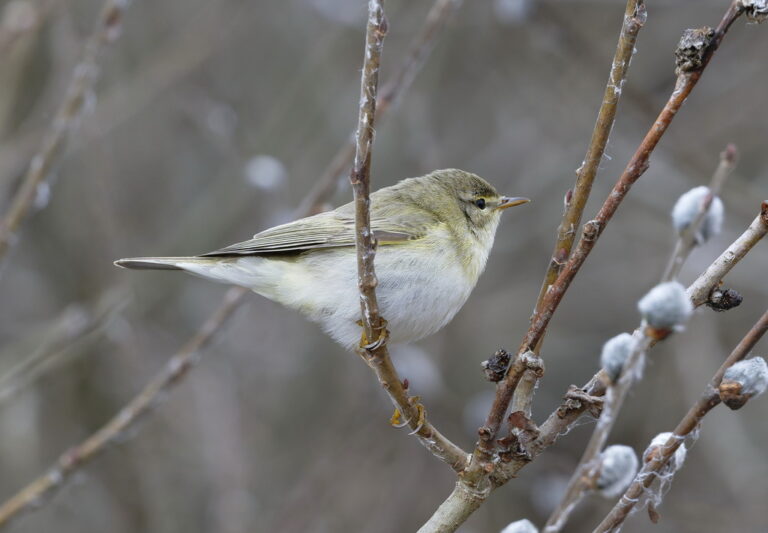
Phylloscopus trochilus
♥
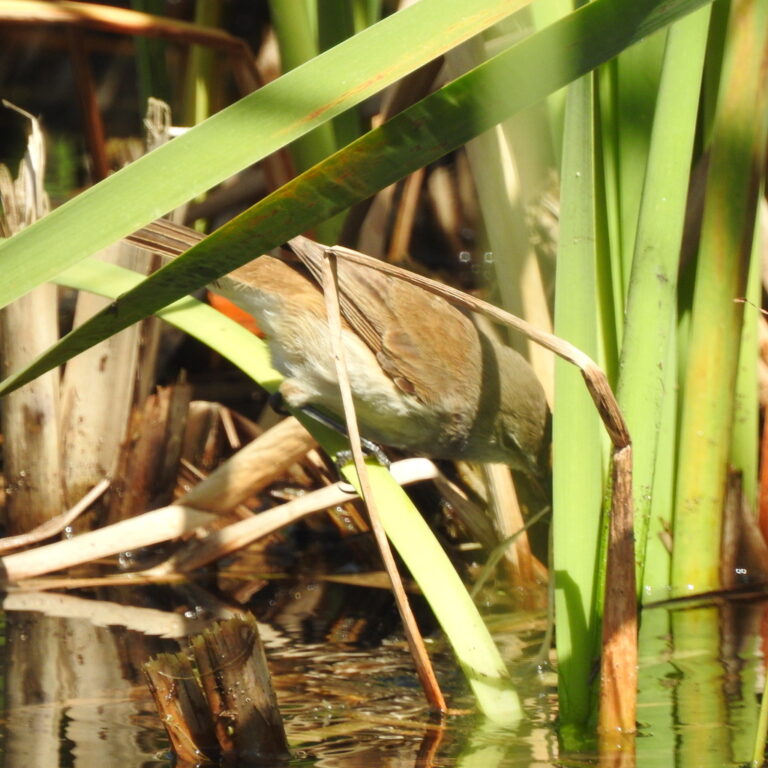
Acrocephalus gracilirostris
♥
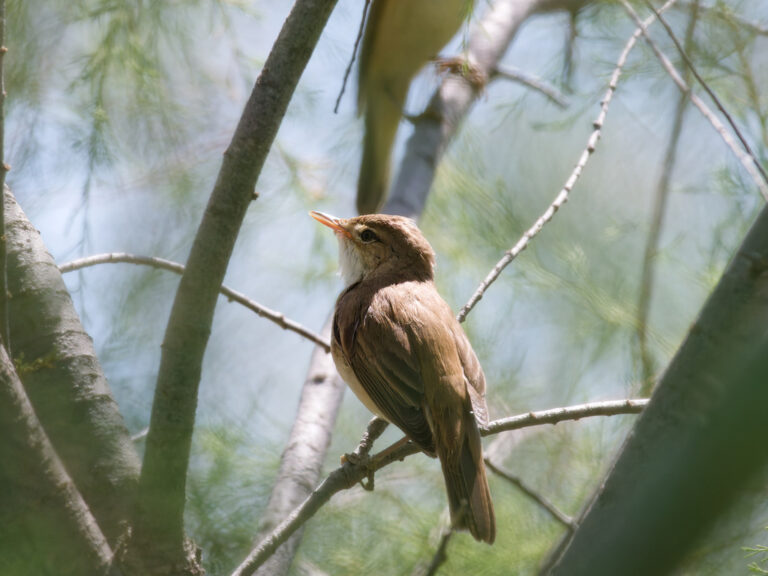
Acrocephalus scirpaceus
♥
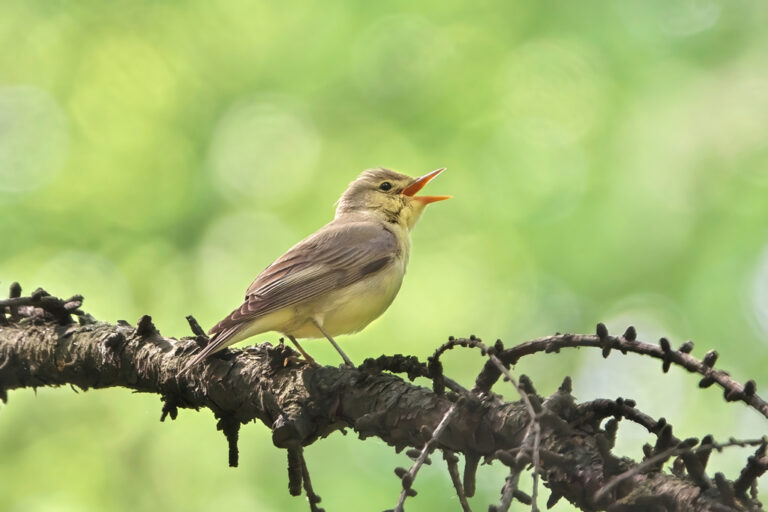
Hippolais icterina
♥
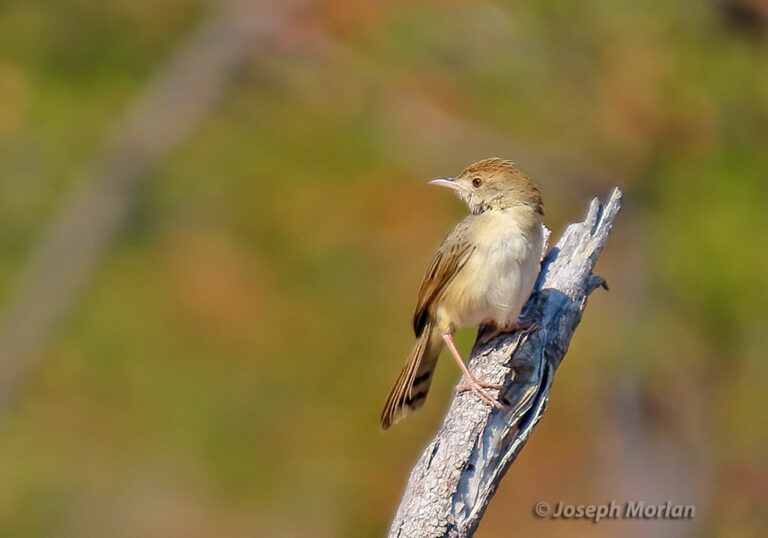
Cisticola chiniana
♥
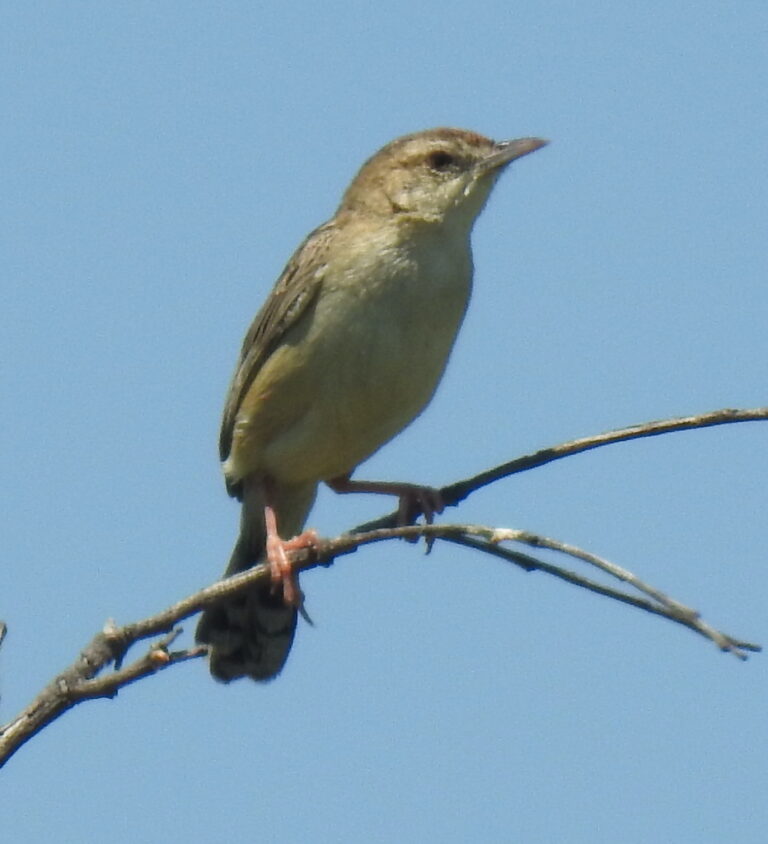
Cisticola rufilatus
♥
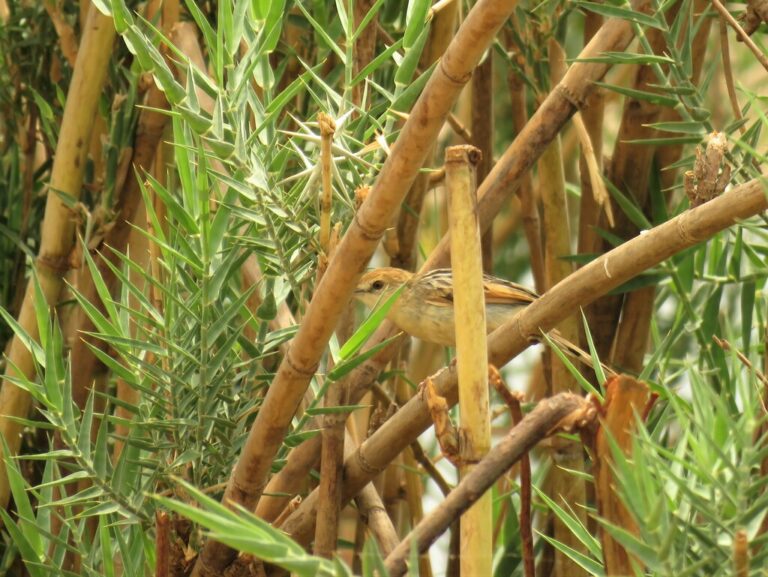
Cisticola luapula
♥
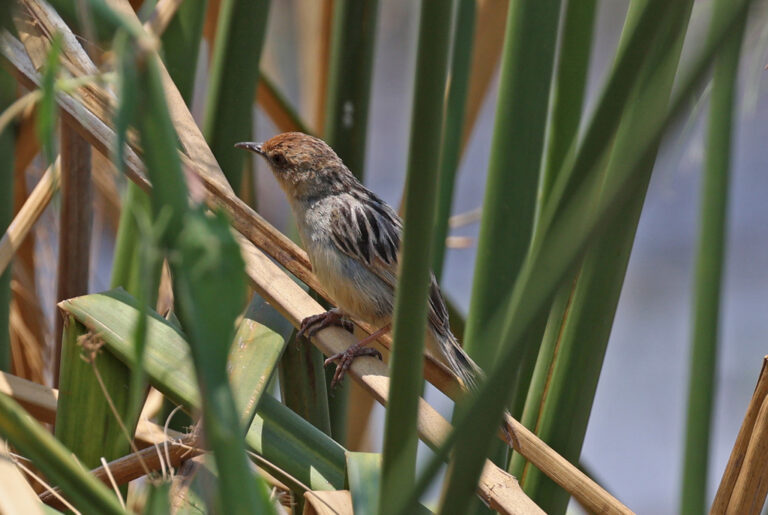
Cisticola pipiens
♥
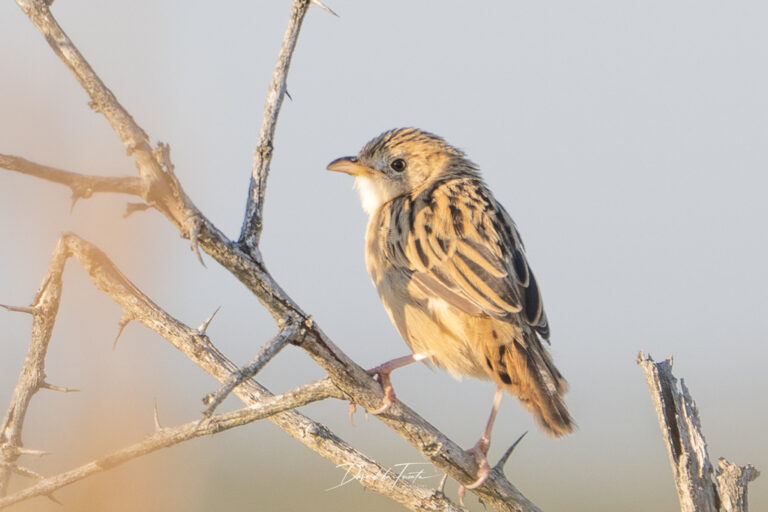
Cisticola natalensis
♥
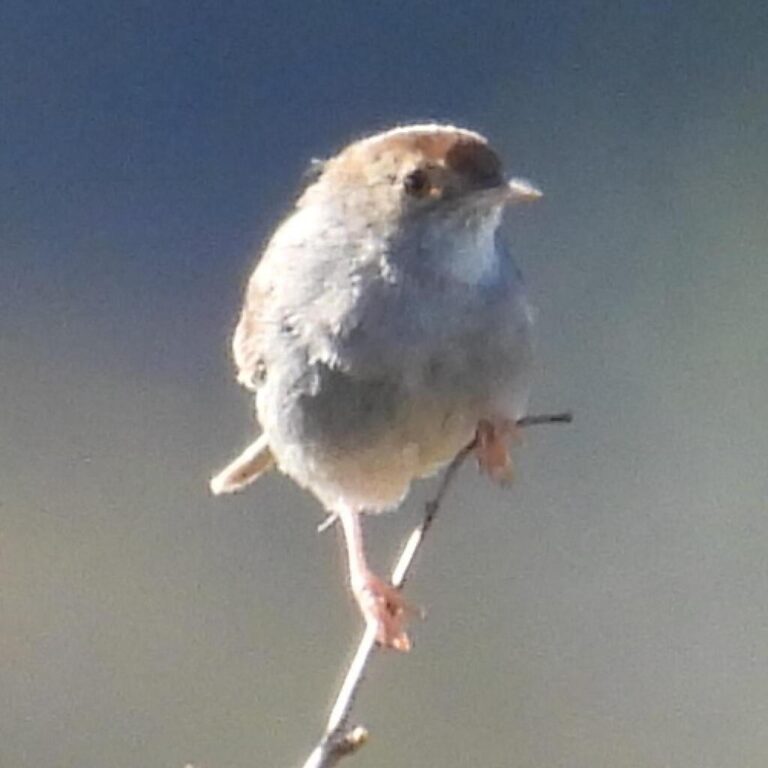
Cisticola fulvicapilla
♥
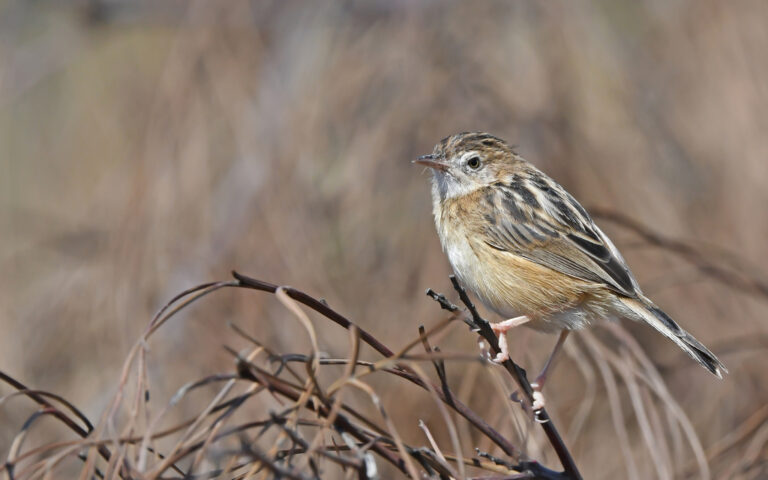
Cisticola juncidis
♥
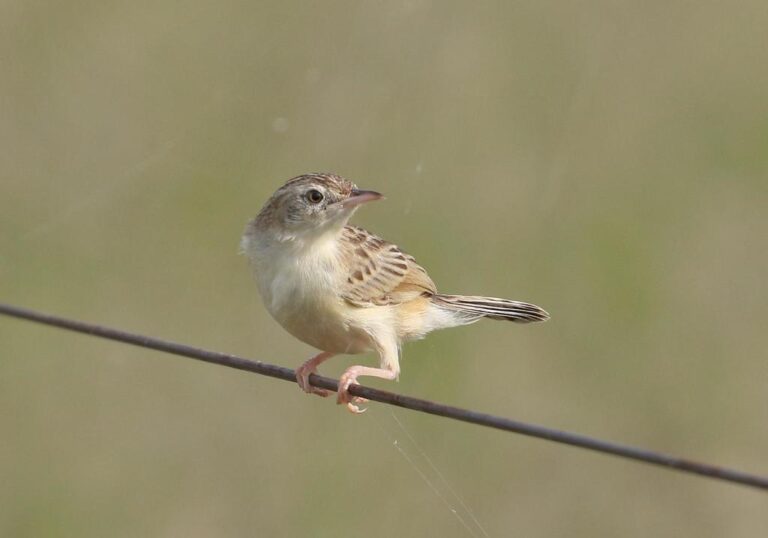
Cisticola aridulus
♥
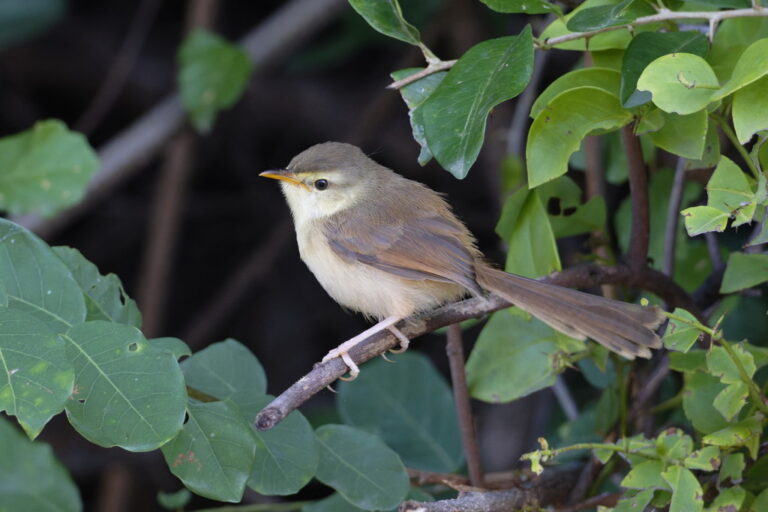
Prinia subflava
♥
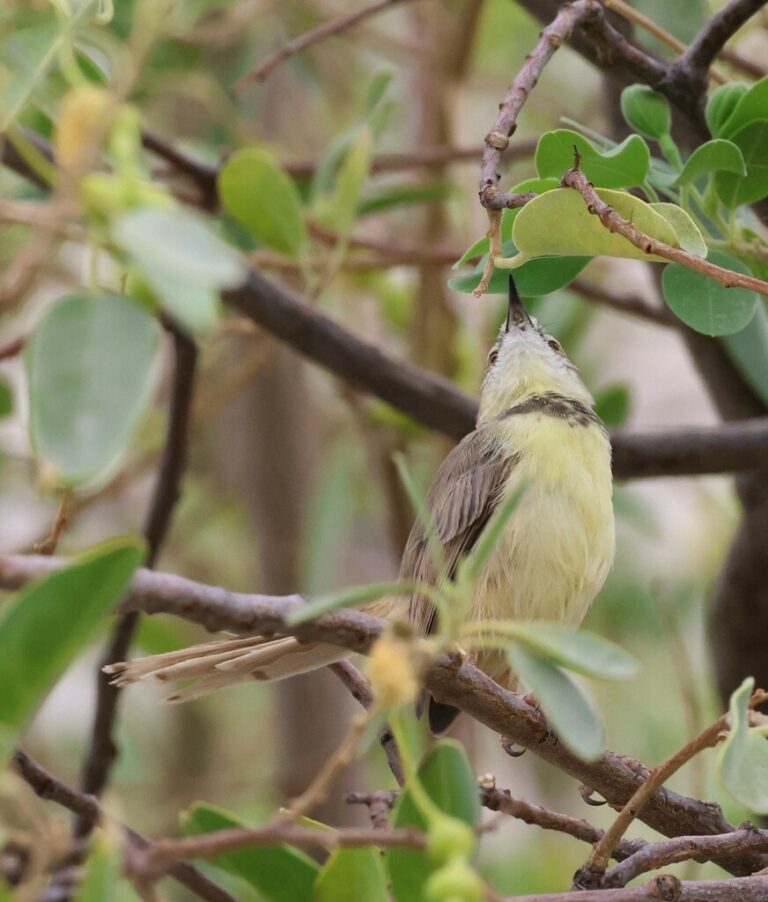
Prinia flavicans
♥
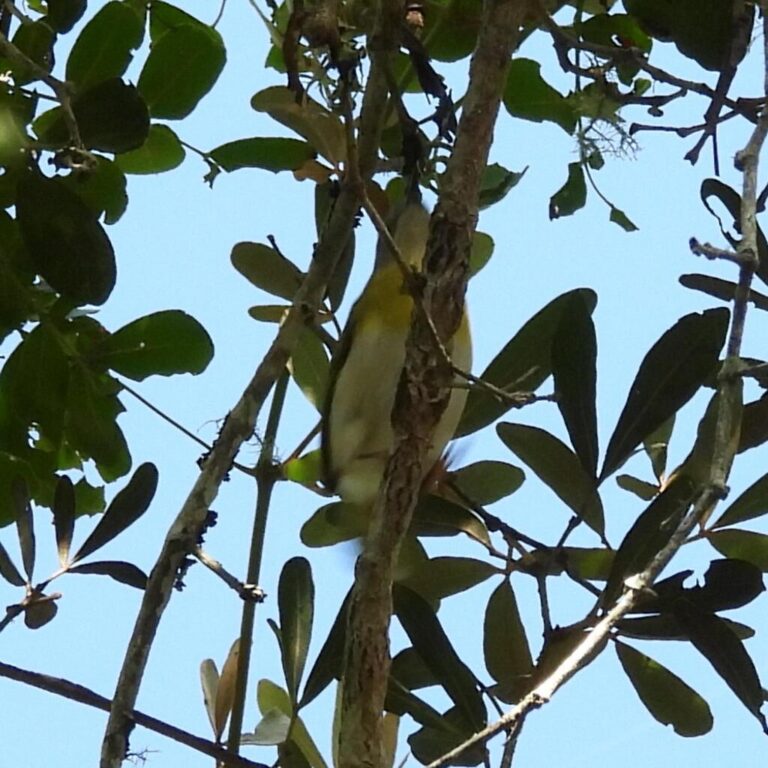
Apalis flavida
♥
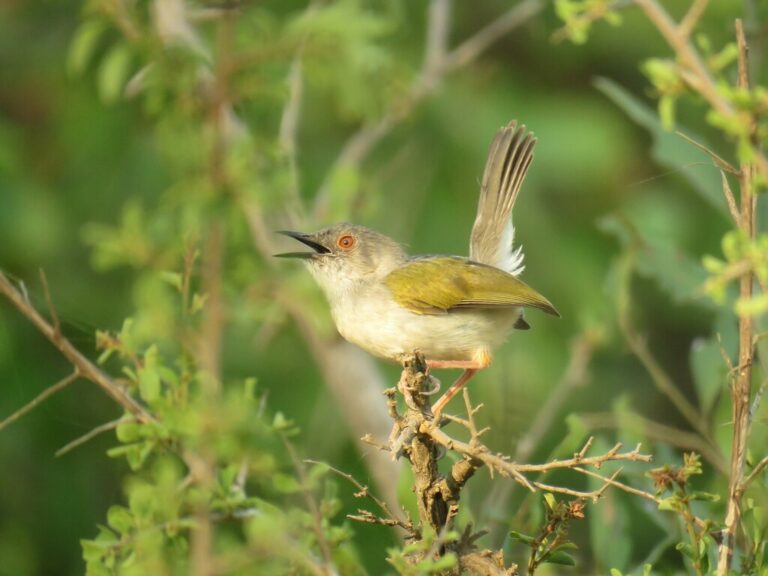
Camaroptera brachyura
♥
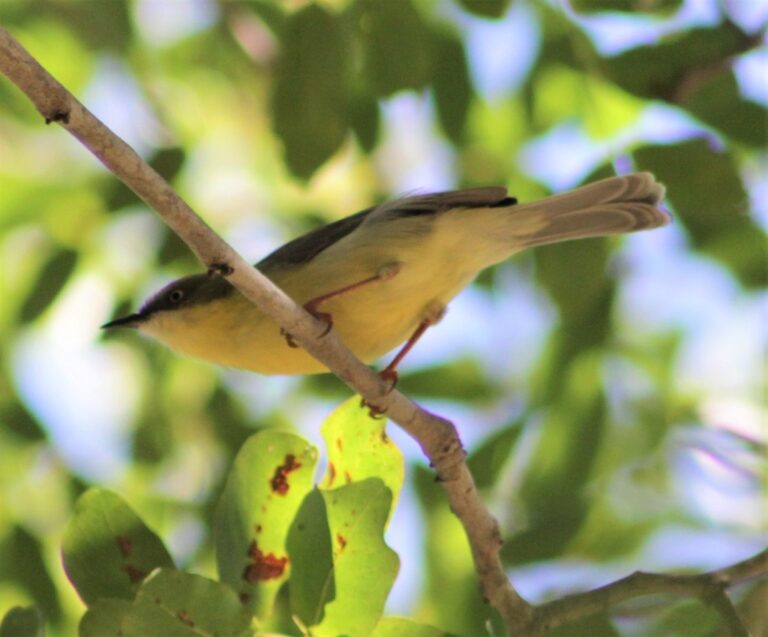
Eremomela scotops
♥
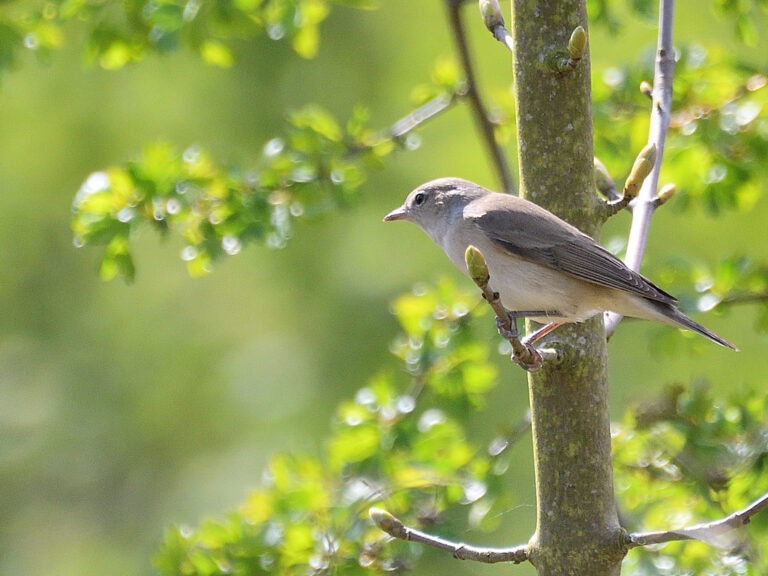
Sylvia borin
♥
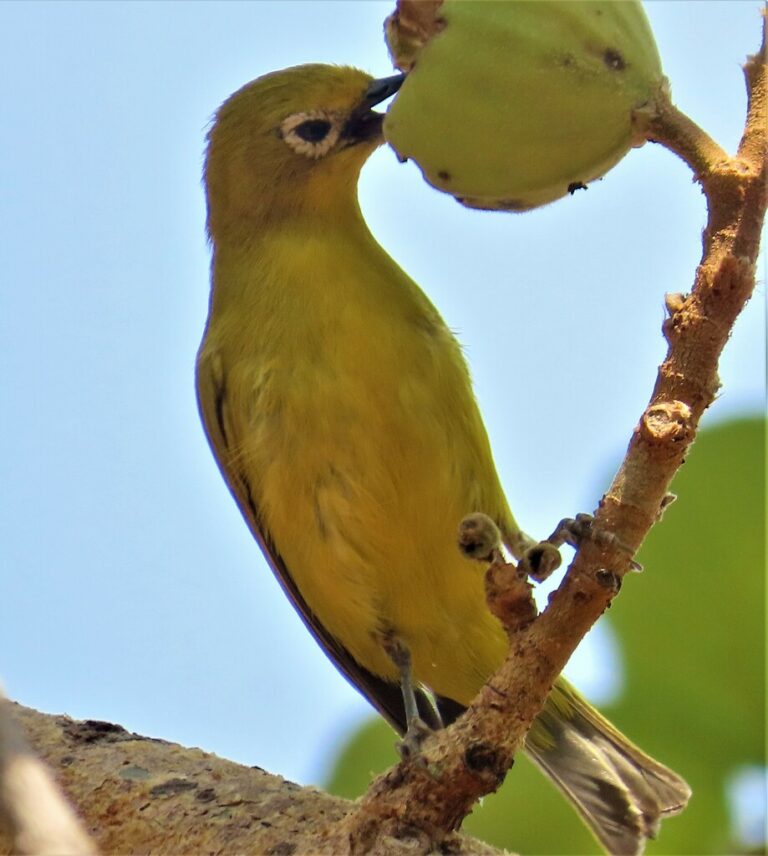
Zosterops anderssoni
♥
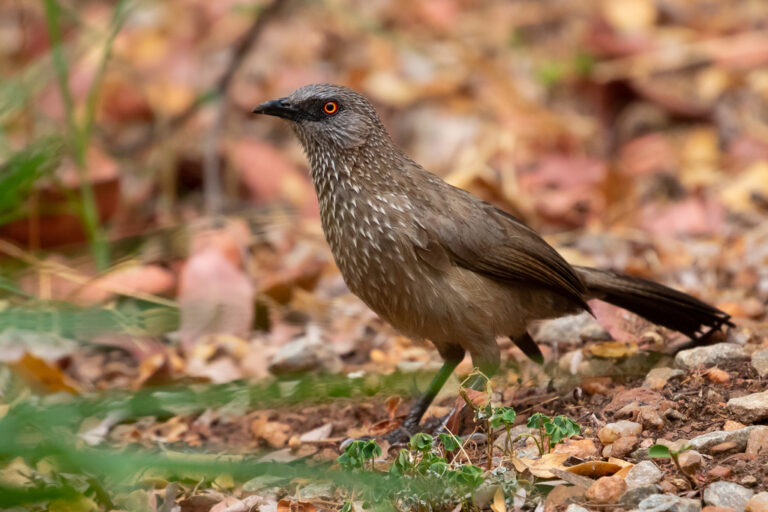
Turdoides jardineii
♥
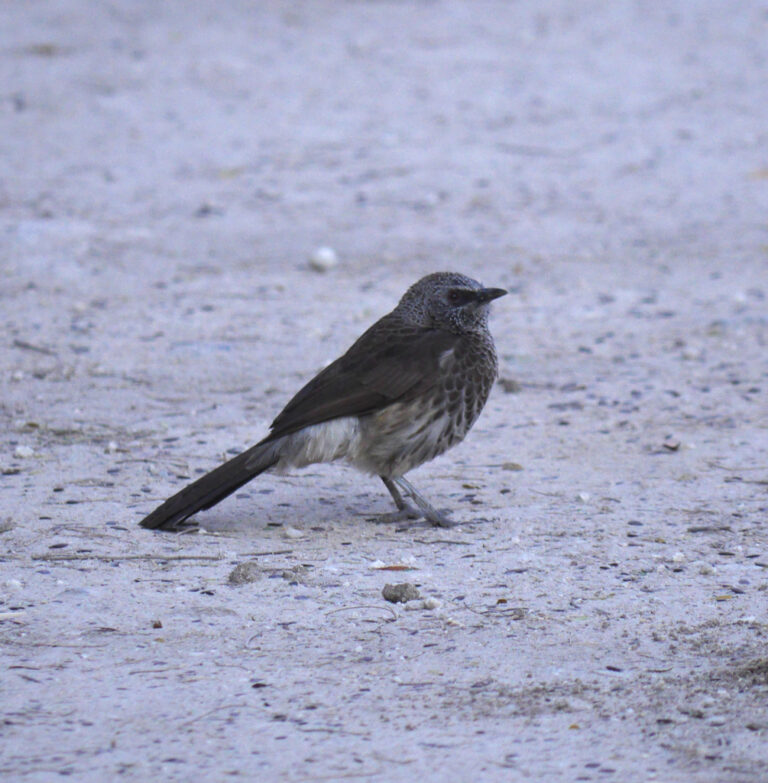
Turdoides hartlaubii
♥
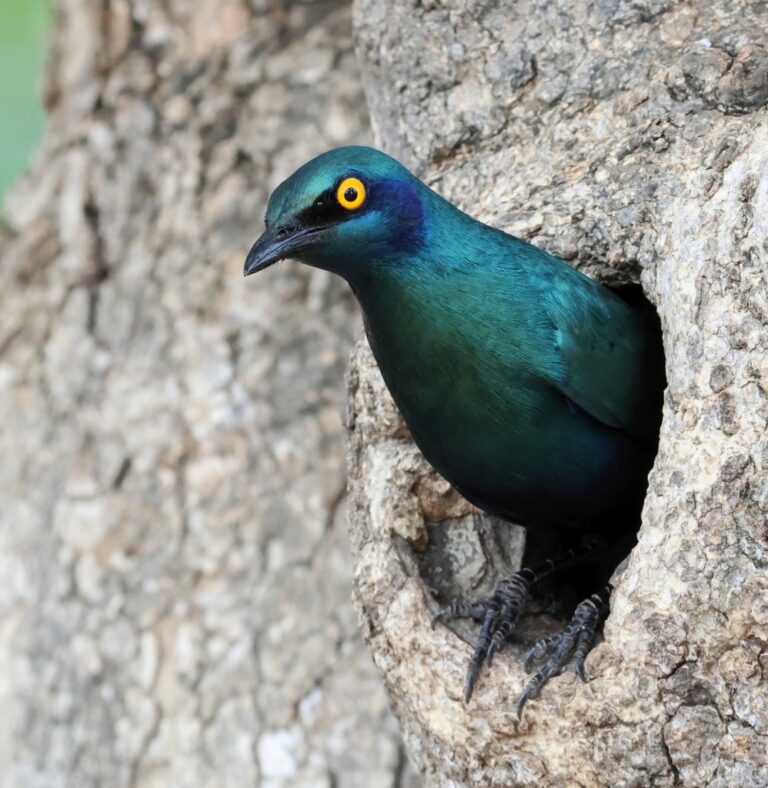
Lamprotornis chalybaeus
♥
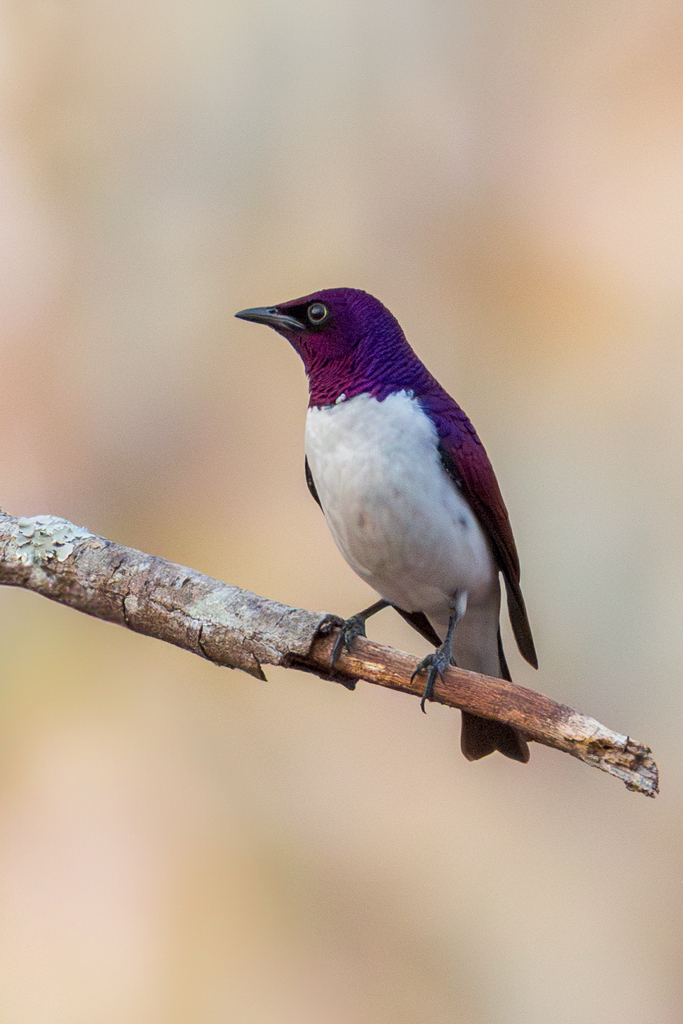
Cinnyricinclus leucogaster
♥
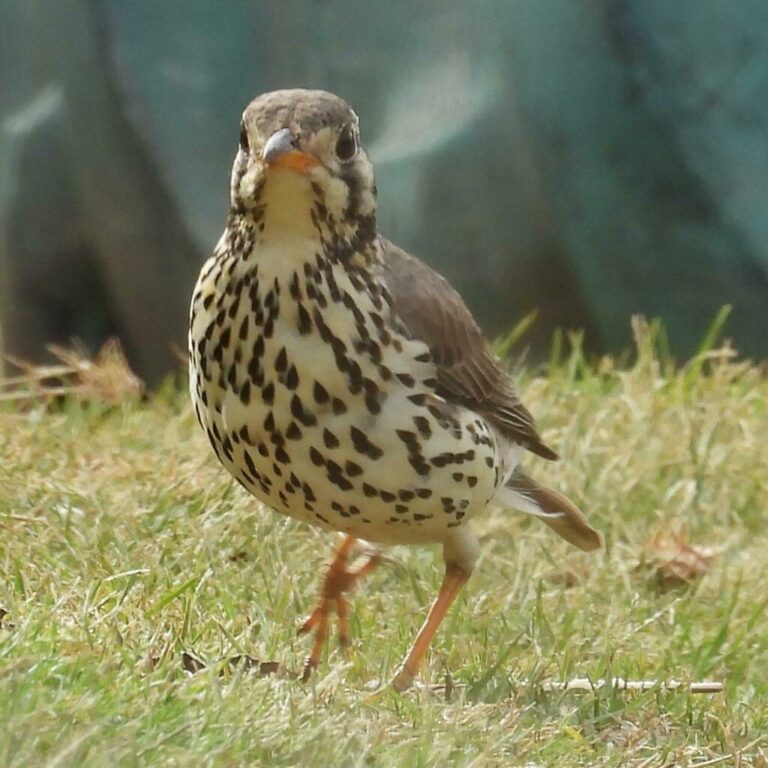
Turdus litsitsirupa
♥
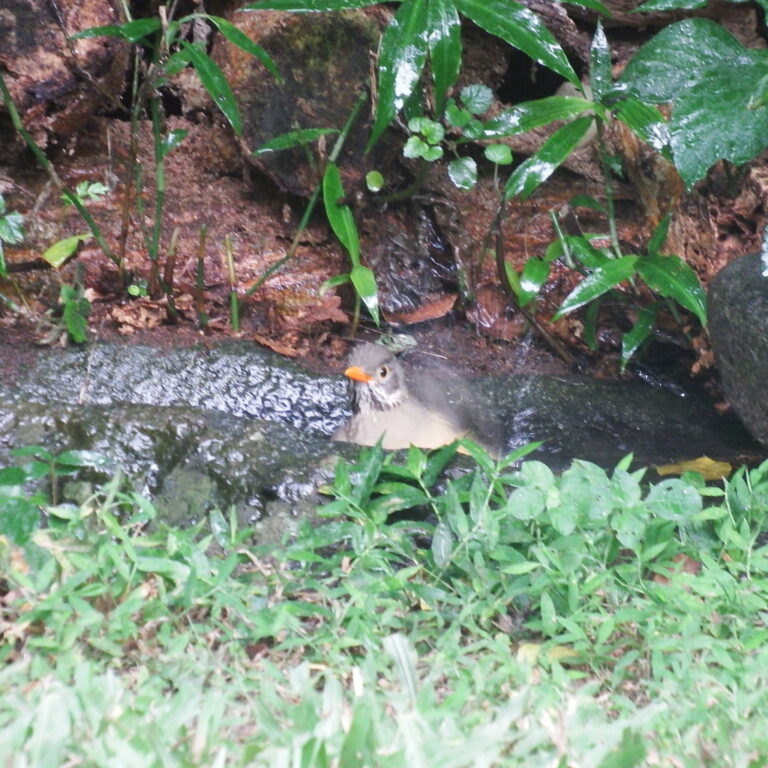
Turdus libonyana
♥
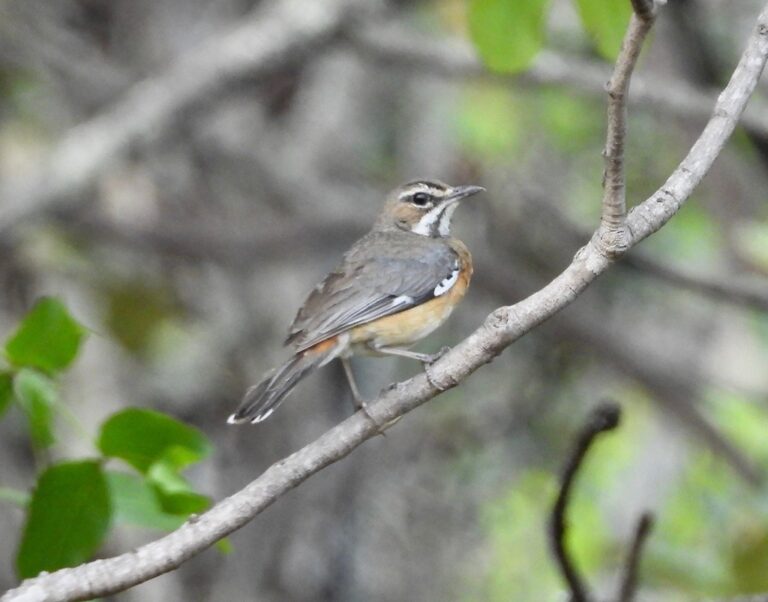
Tychaedon barbata
♥
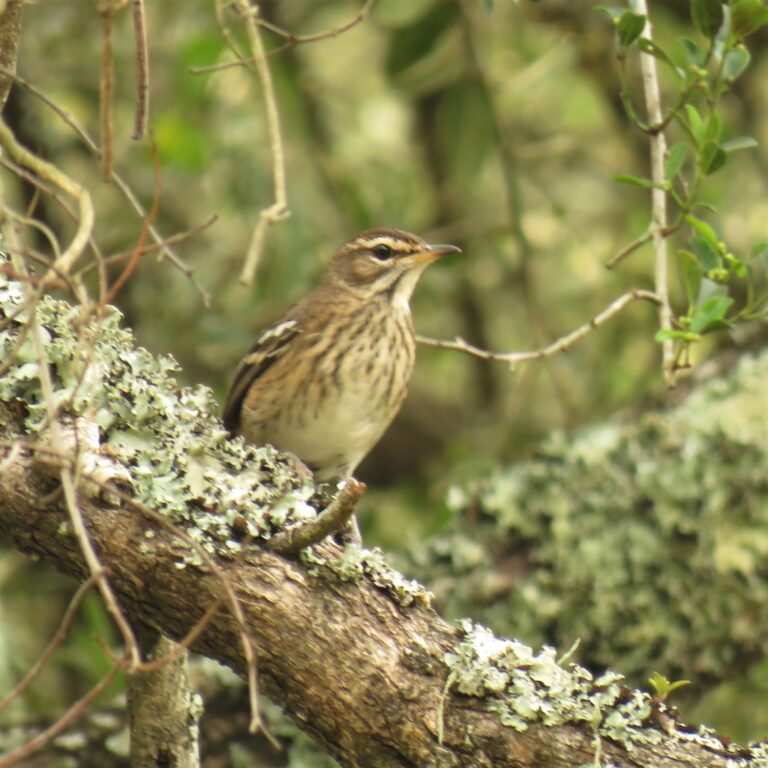
Cercotrichas leucophrys
♥
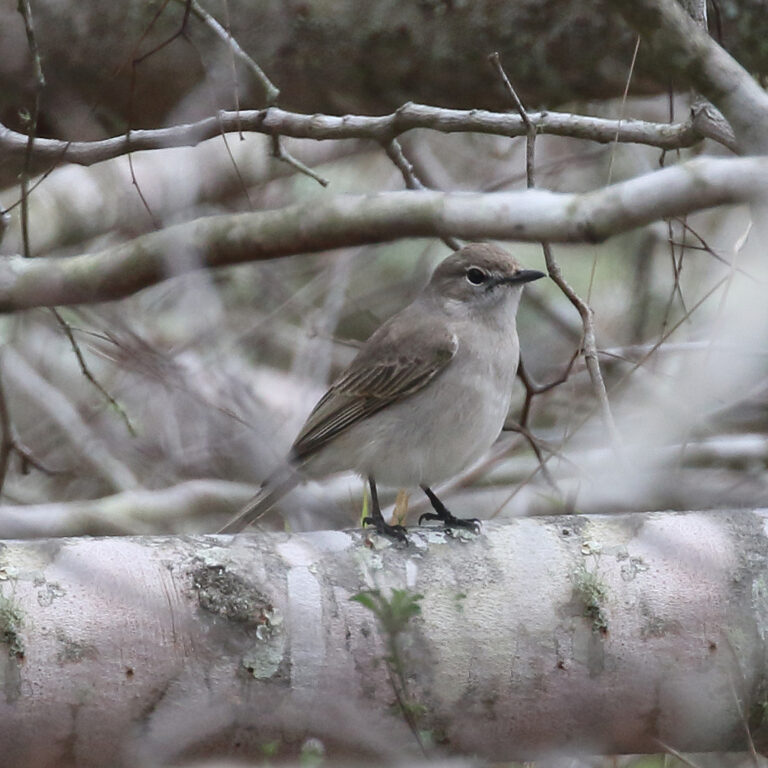
Agricola pallidus
♥
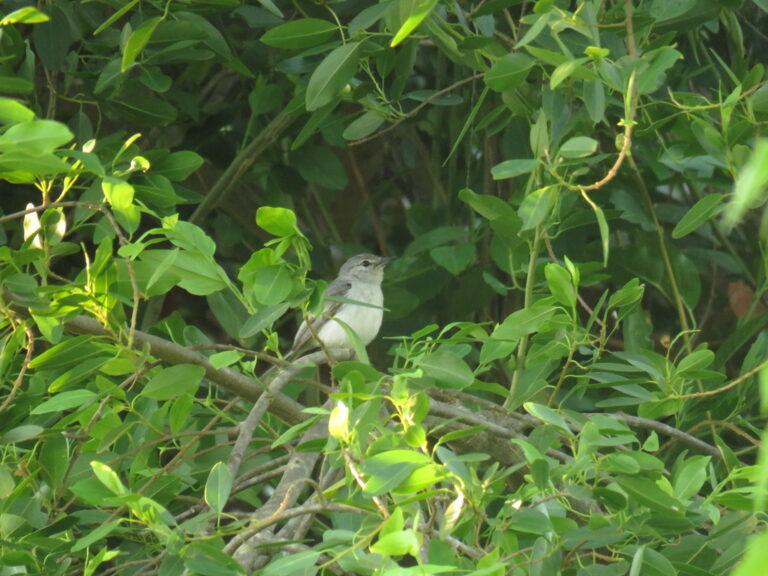
Fraseria plumbea
♥
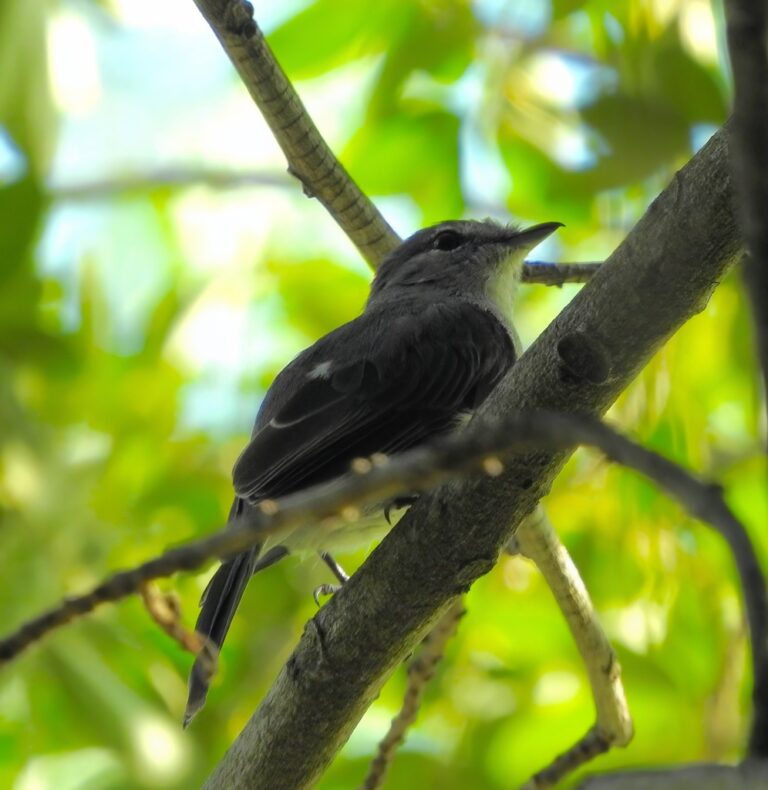
Fraseria caerulescens
♥
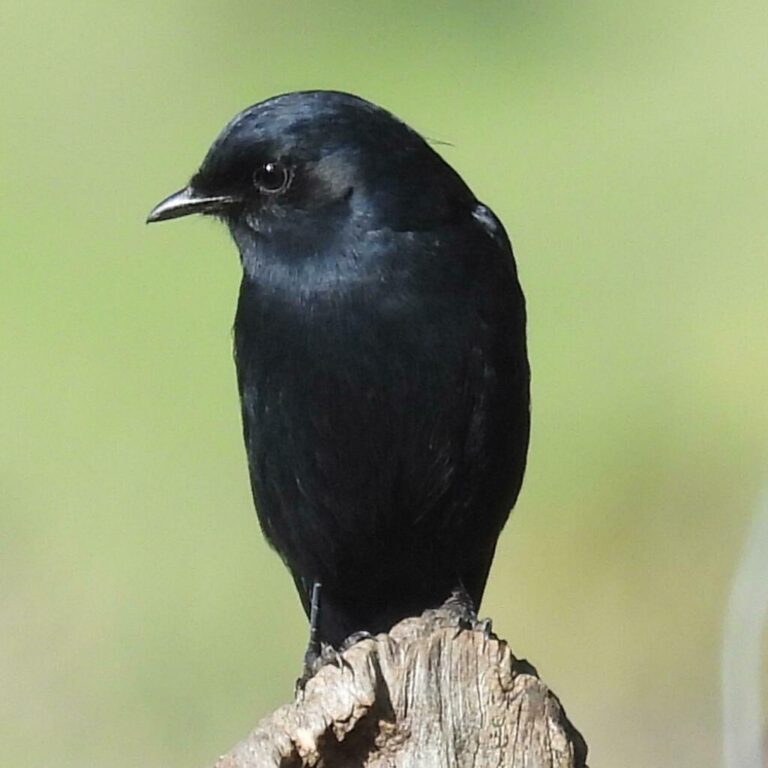
Melaenornis pammelaina
♥
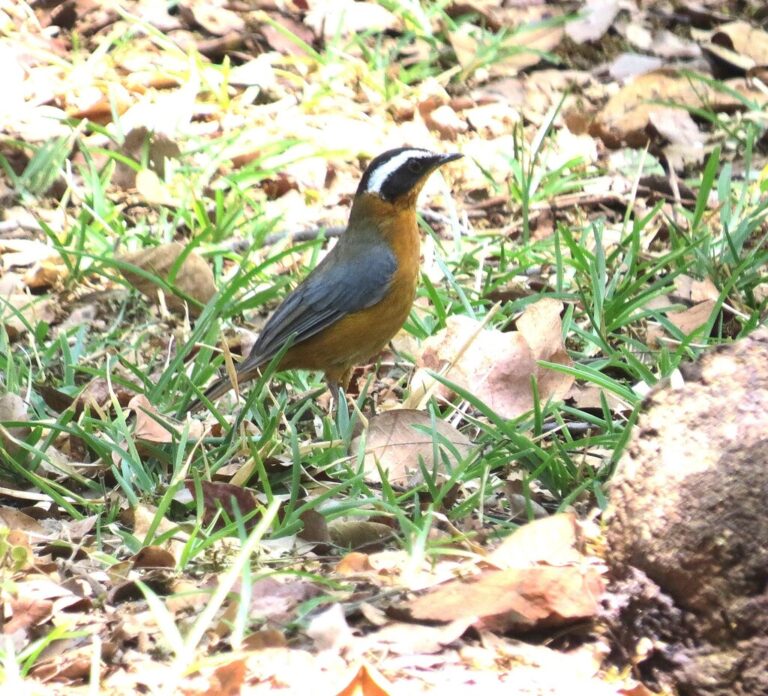
Cossypha heuglini
♥
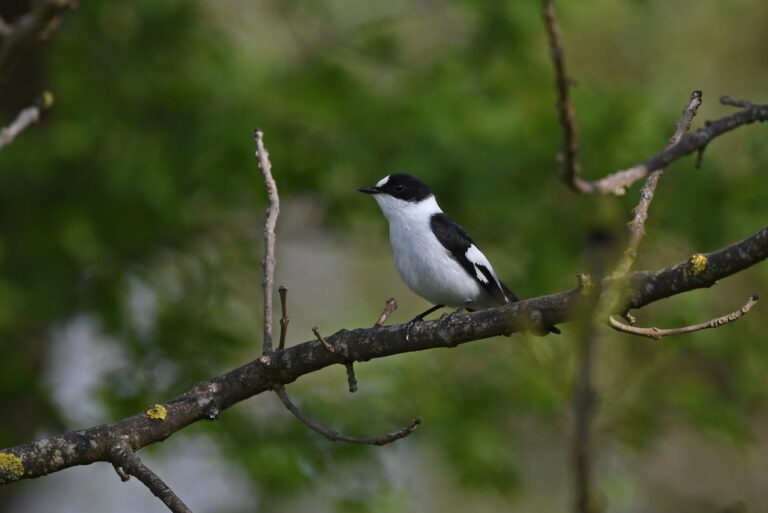
Ficedula albicollis
♥
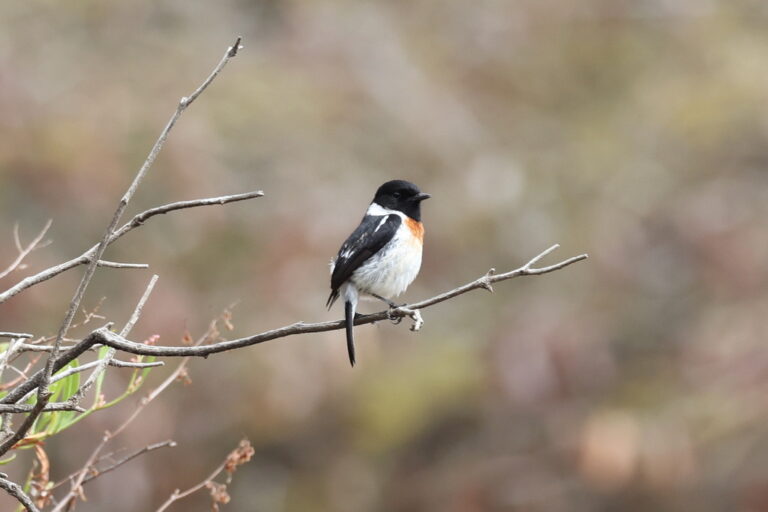
Saxicola torquatus
♥
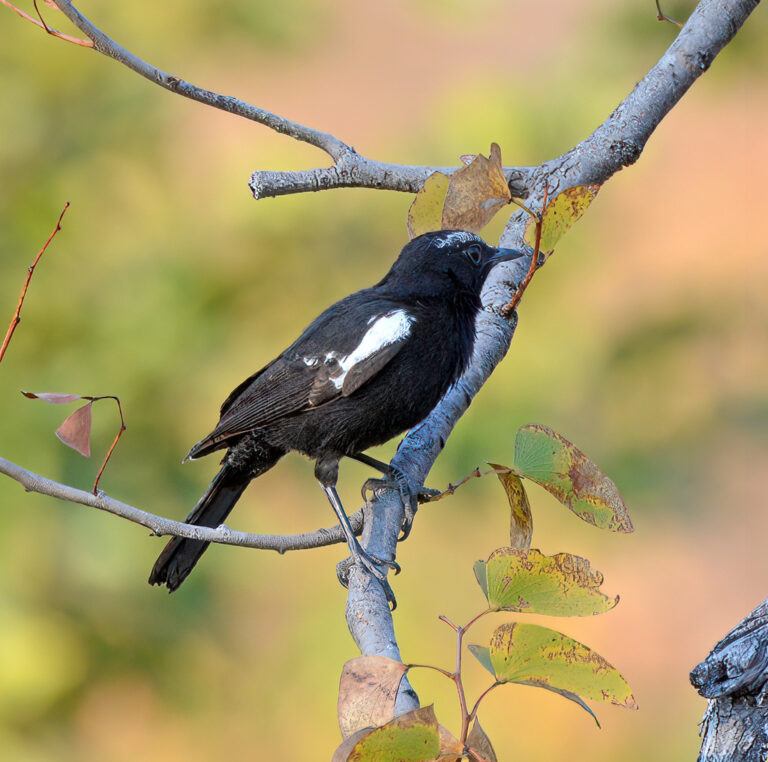
Myrmecocichla arnotti
♥
Anthreptes longuemarei
♥
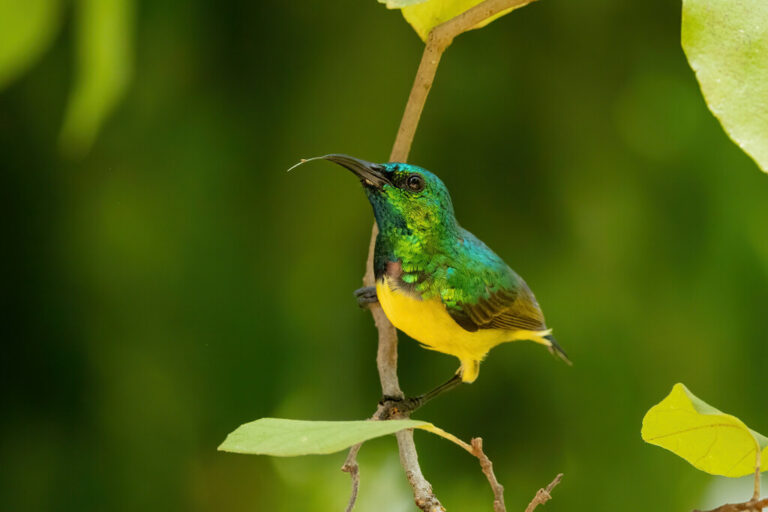
Hedydipna collaris
♥
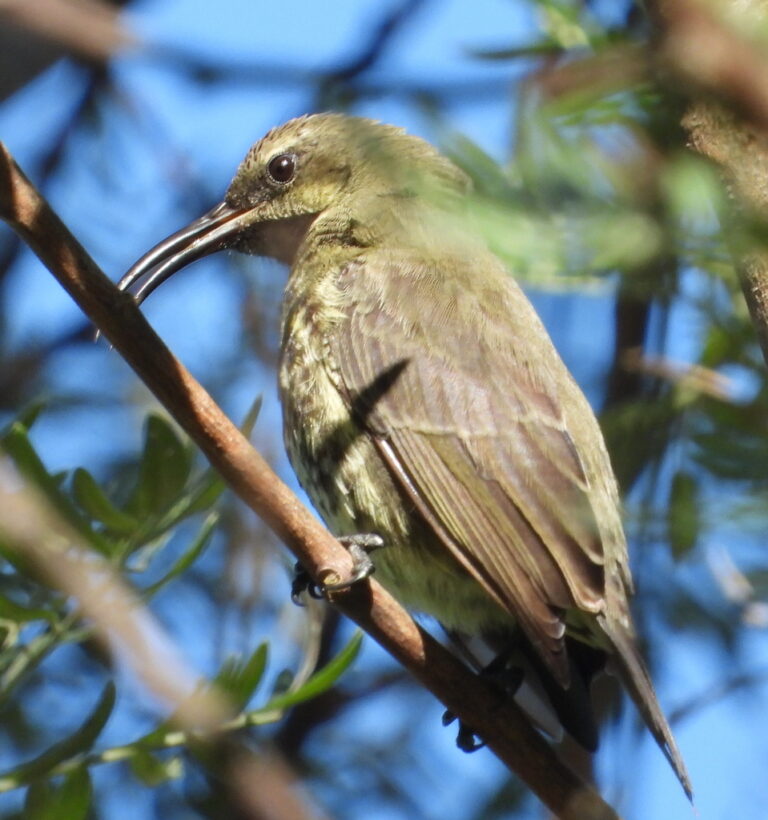
Chalcomitra amethystina
♥
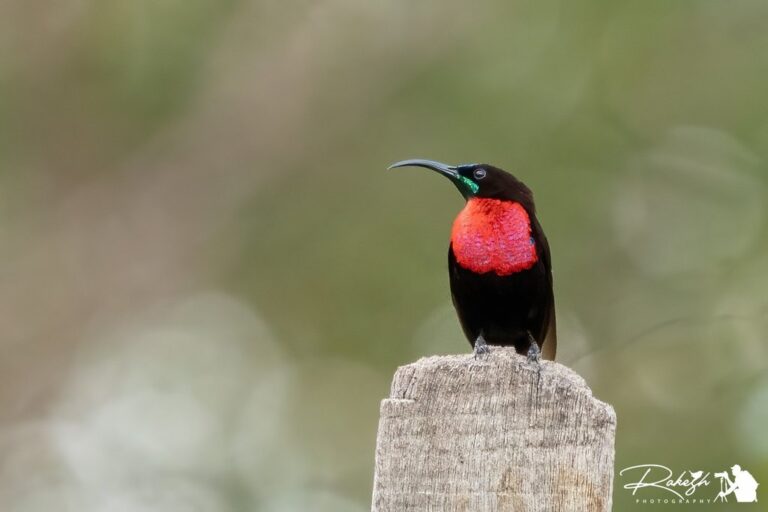
Chalcomitra senegalensis
♥
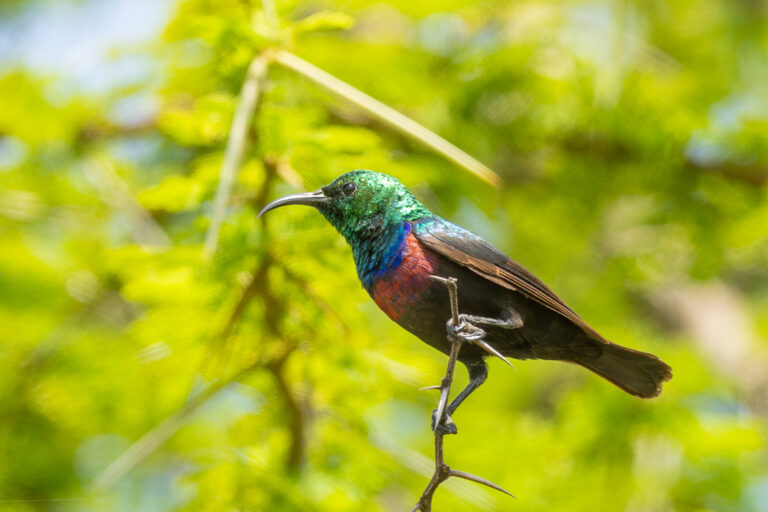
Cinnyris mariquensis
♥
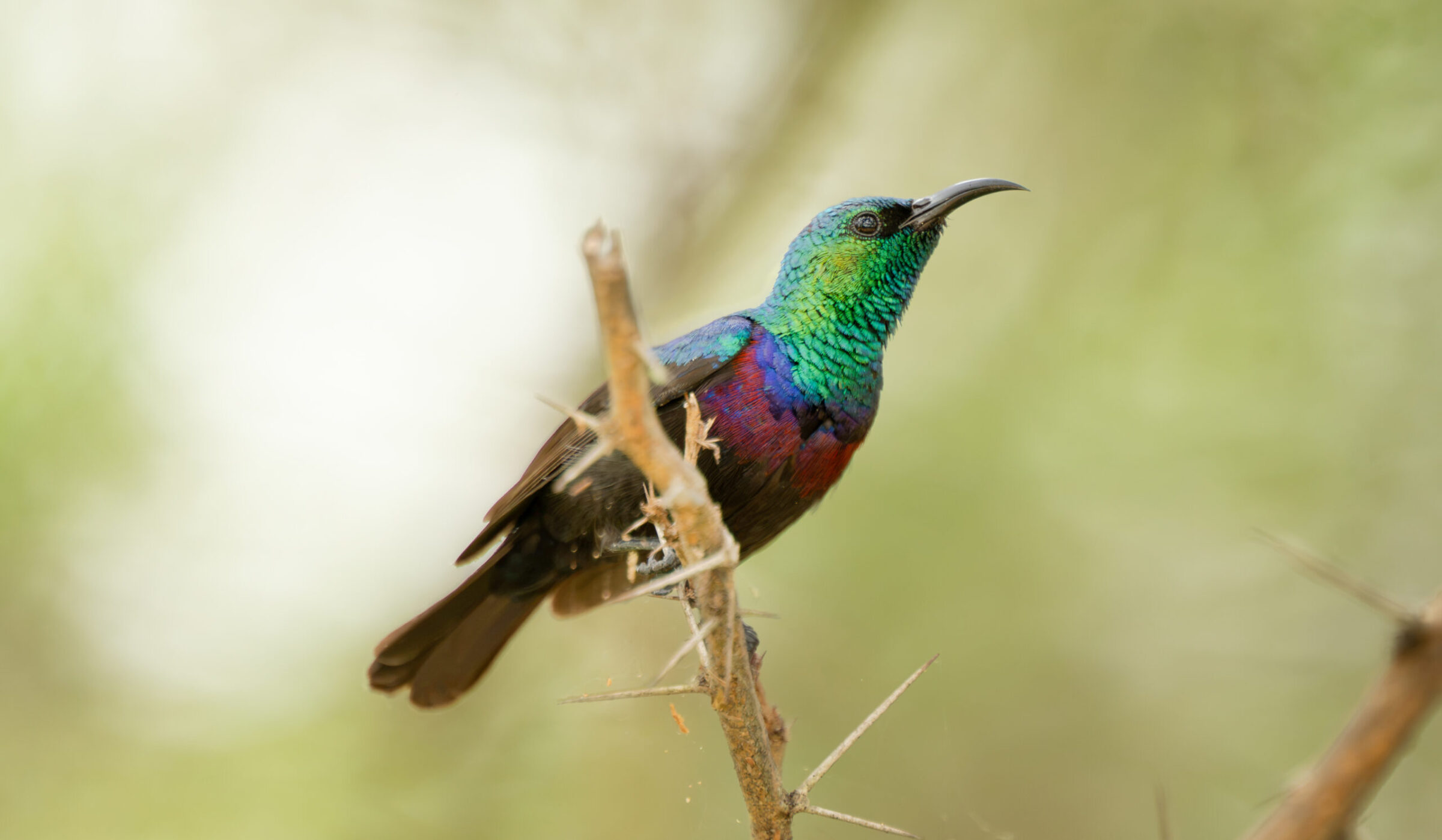
Cinnyris bifasciatus
♥
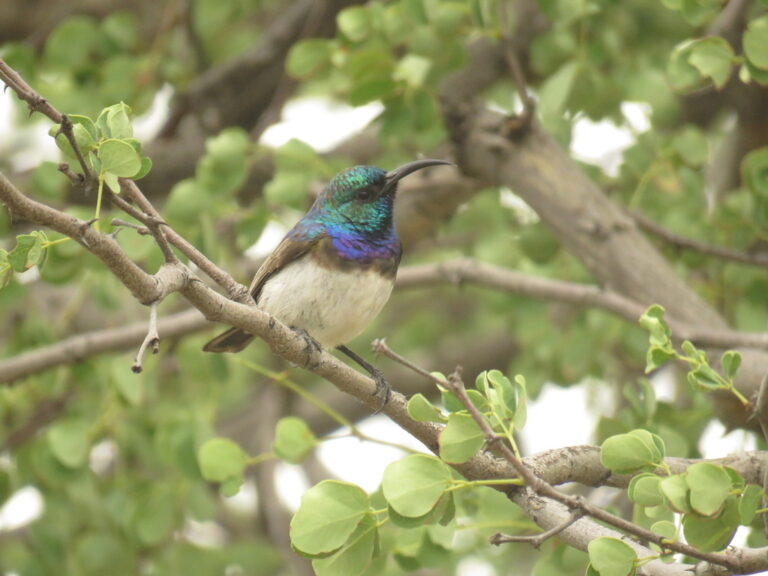
Cinnyris talatala
♥
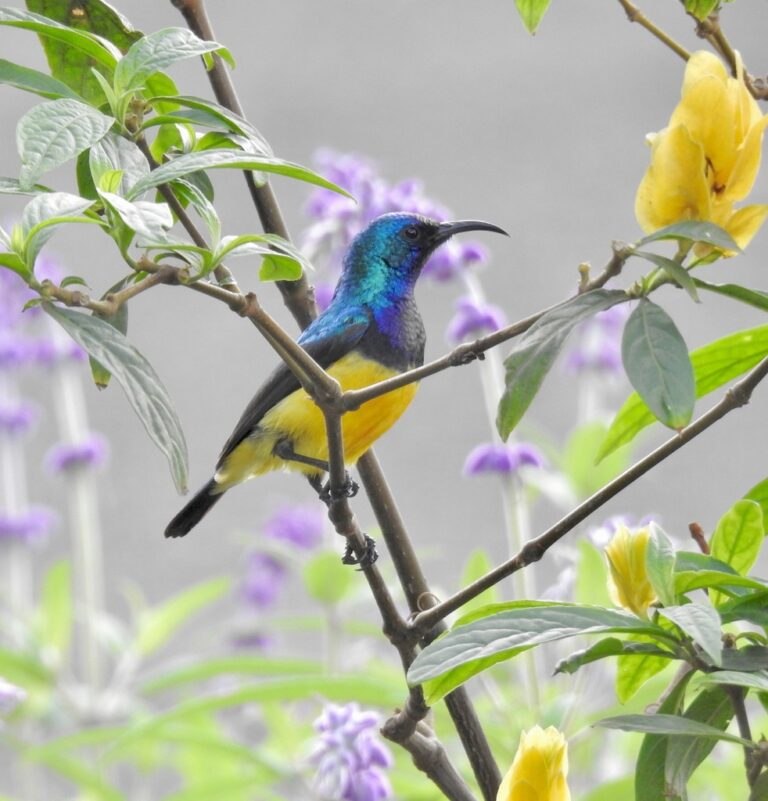
Cinnyris venustus
♥
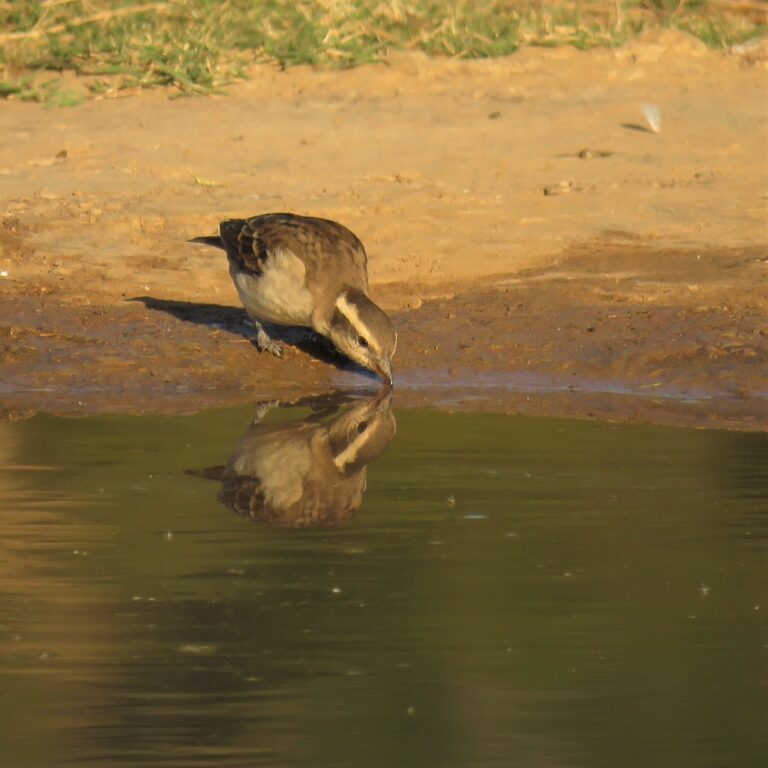
Gymnoris superciliaris
♥
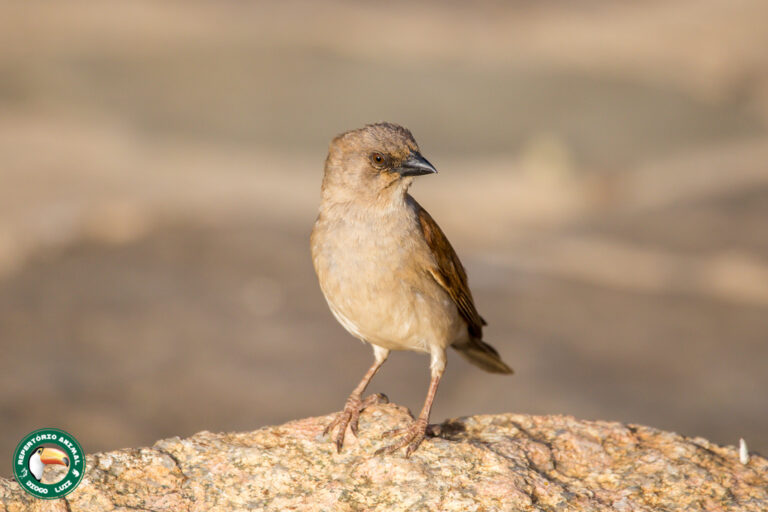
Passer griseus
♥
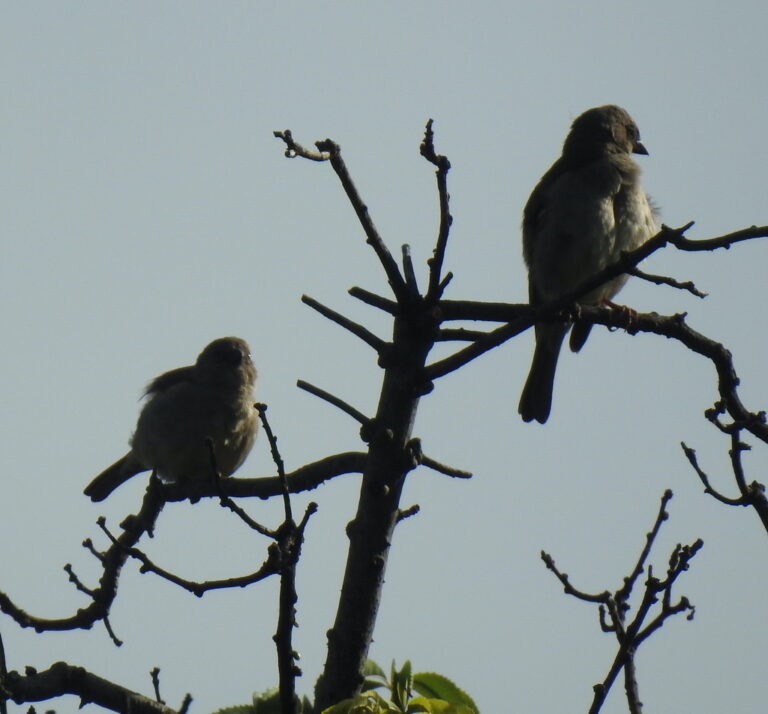
Passer diffusus
♥
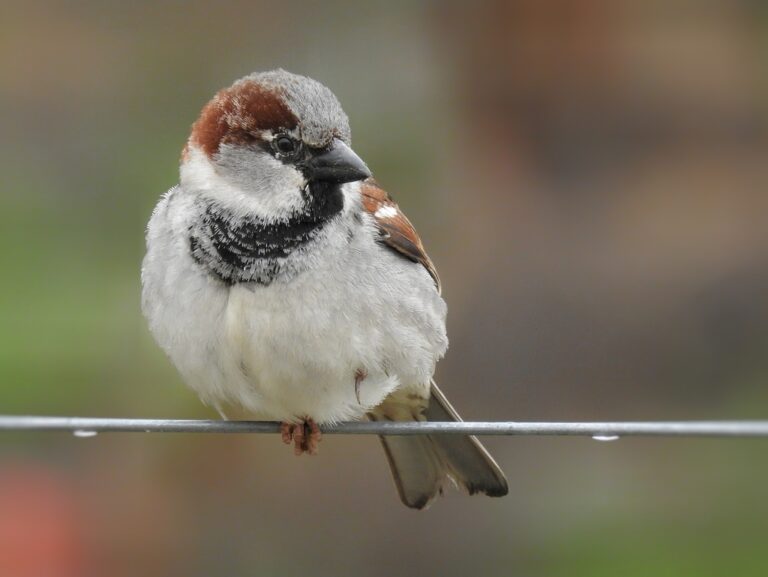
Passer domesticus
♥
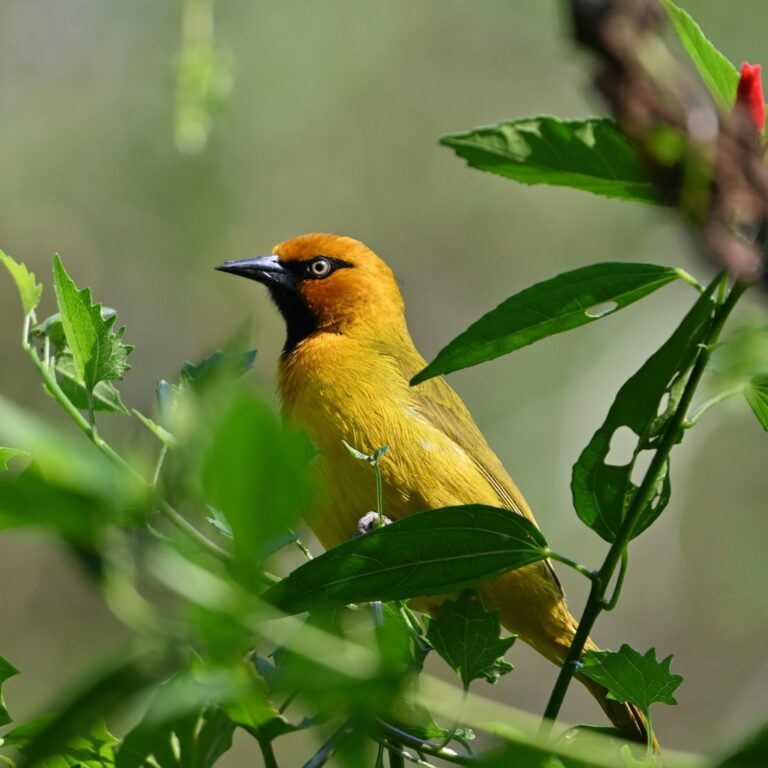
Ploceus ocularis
♥
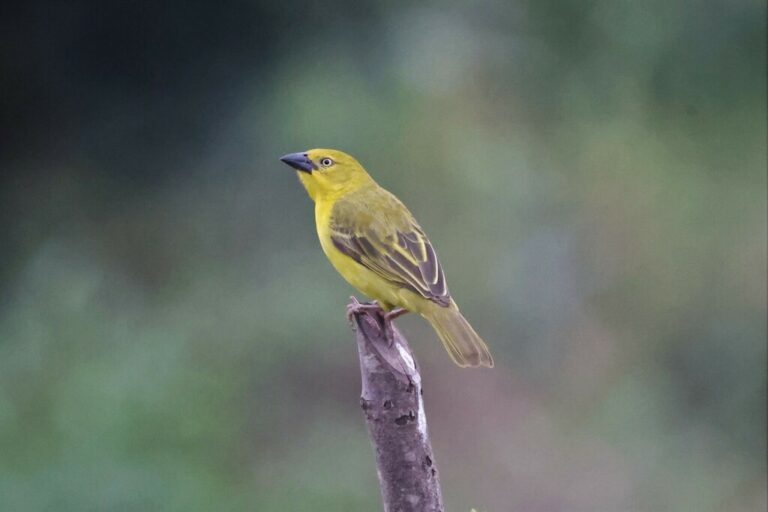
Ploceus xanthops
♥
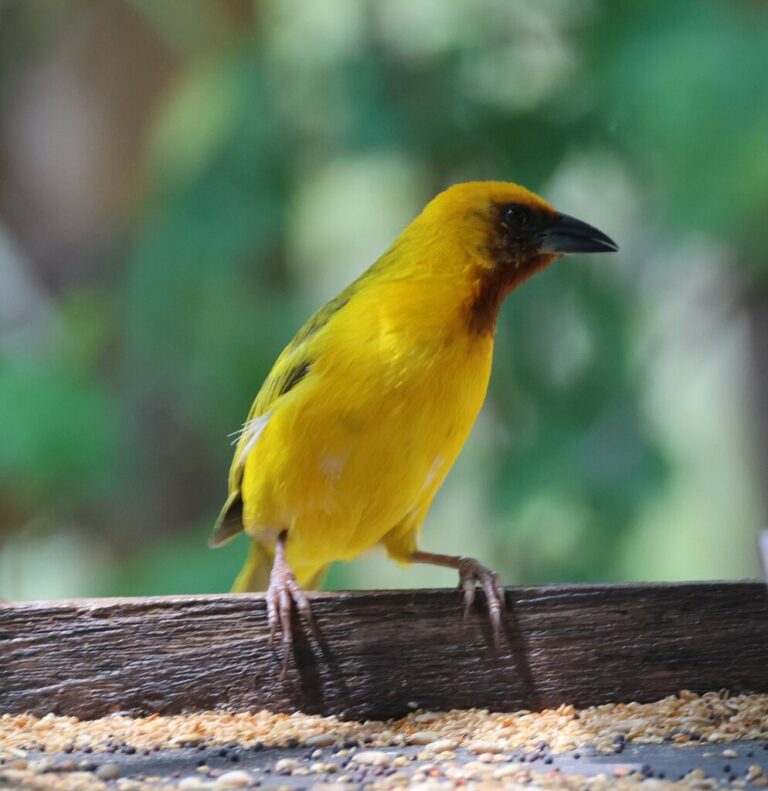
Ploceus xanthopterus
♥
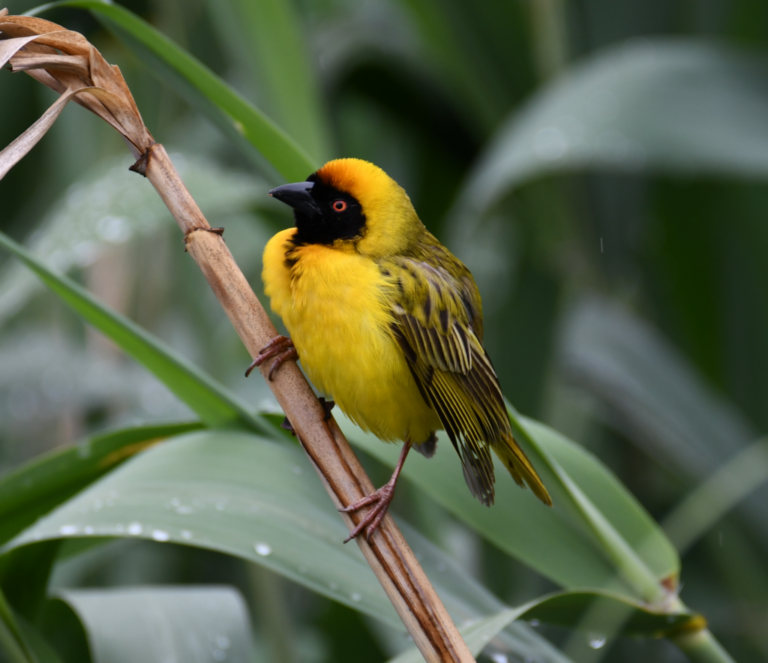
Ploceus velatus
♥
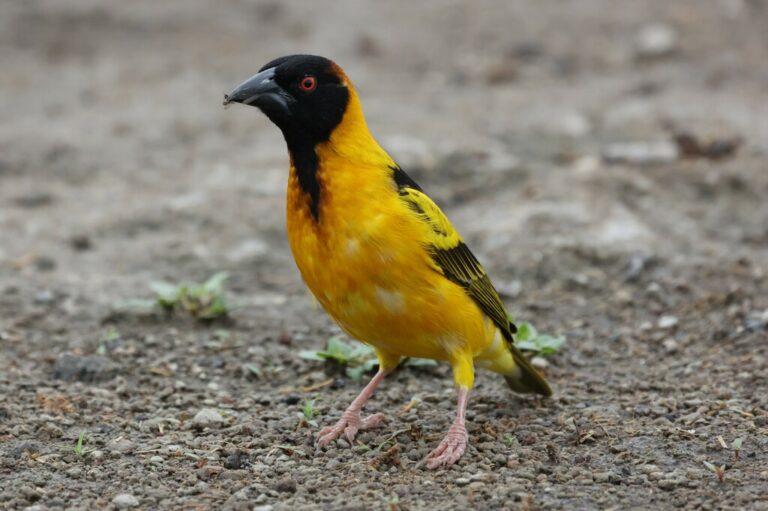
Ploceus cucullatus
♥
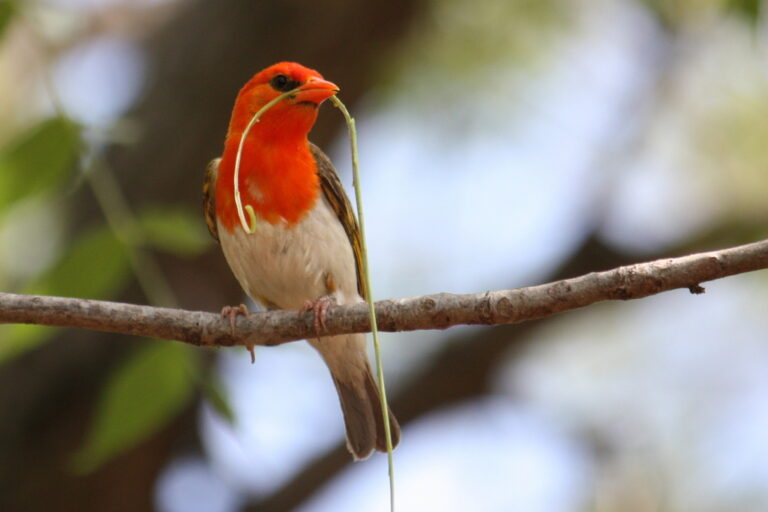
Anaplectes rubriceps
♥
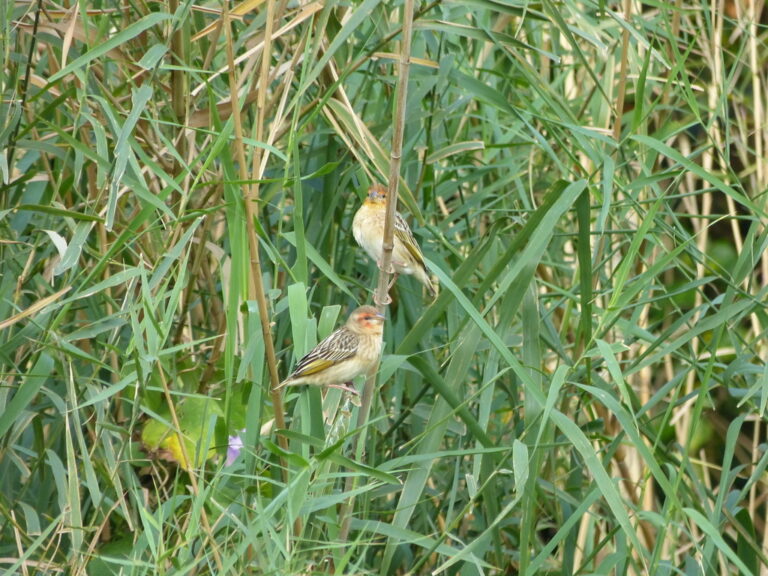
Quelea erythrops
♥
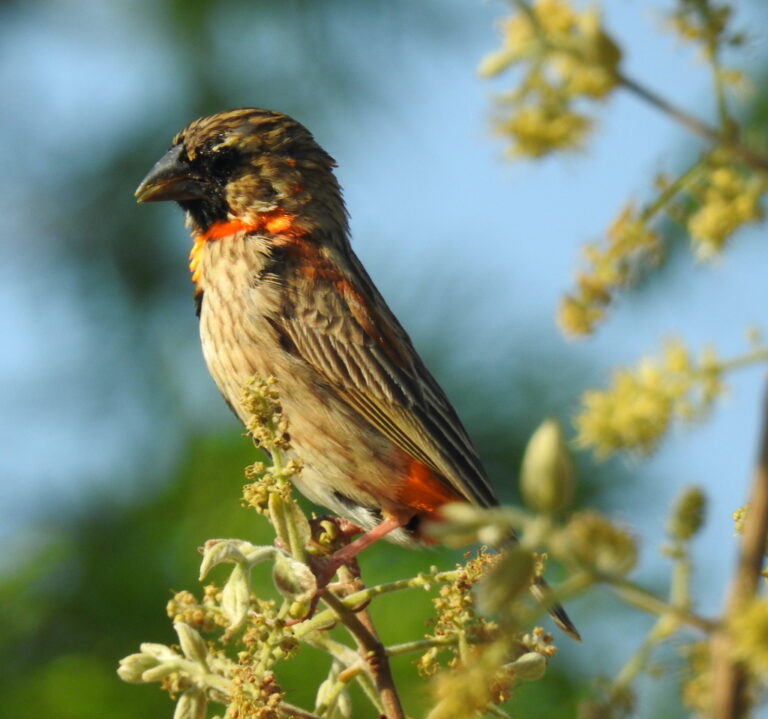
Euplectes orix
♥
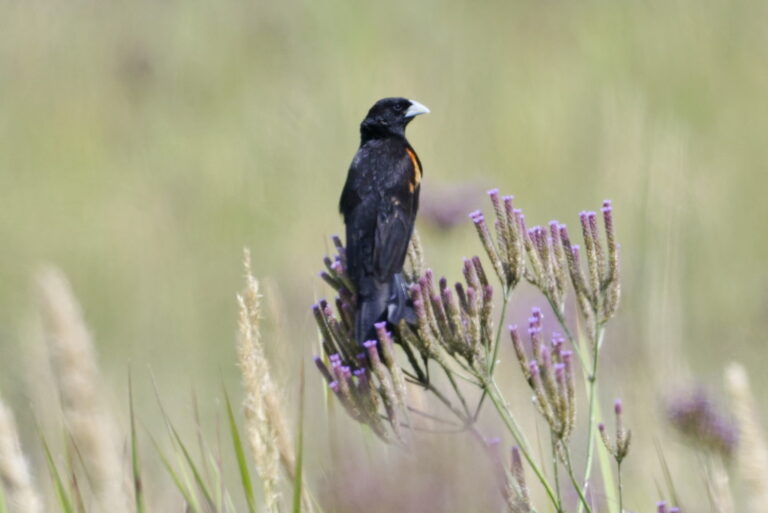
Euplectes axillaris
♥
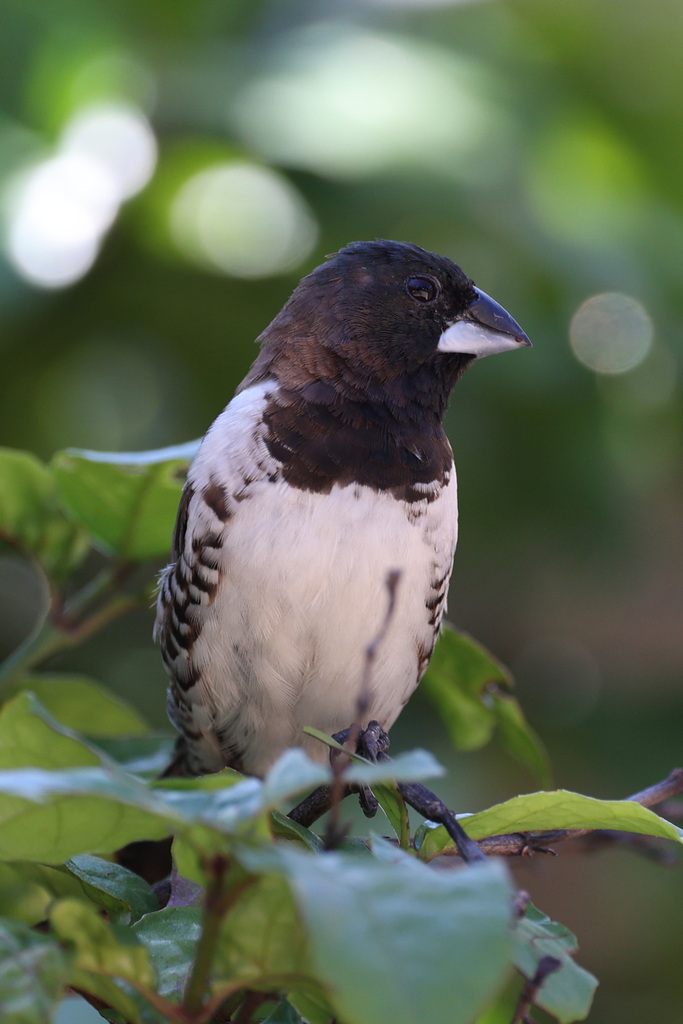
Spermestes cucullata
♥
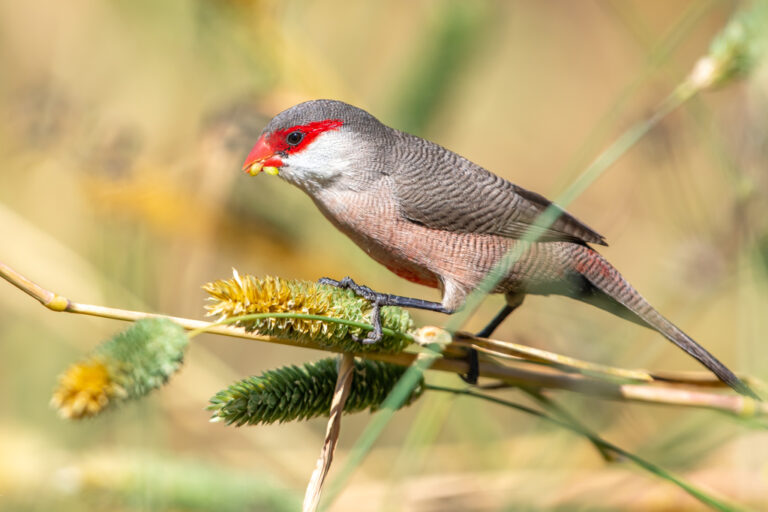
Estrilda astrild
♥
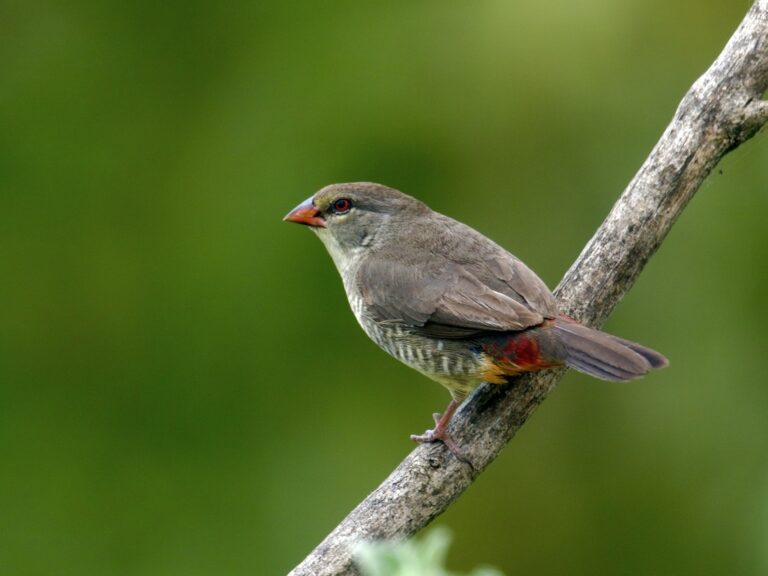
Amandava subflava
♥
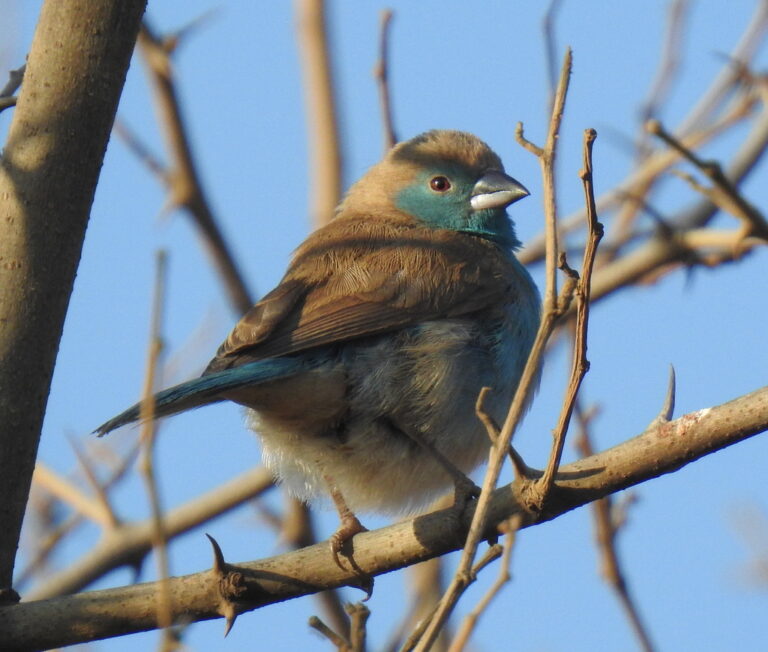
Uraeginthus angolensis
♥
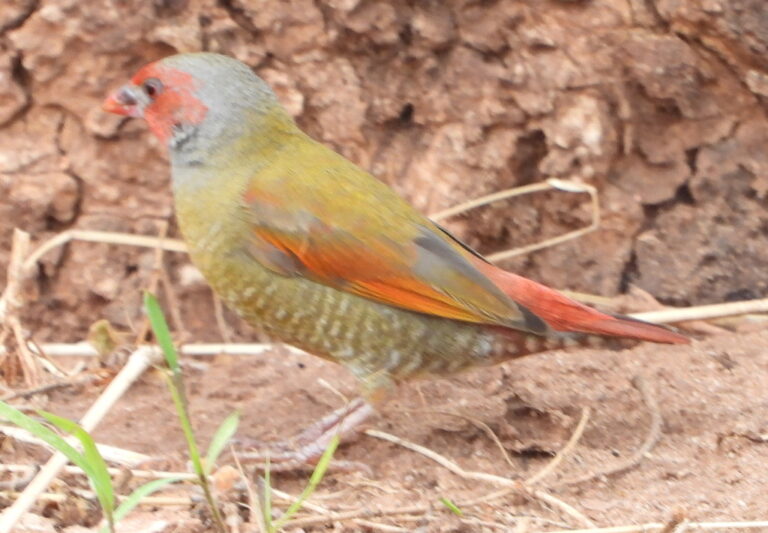
Pytilia afra
♥
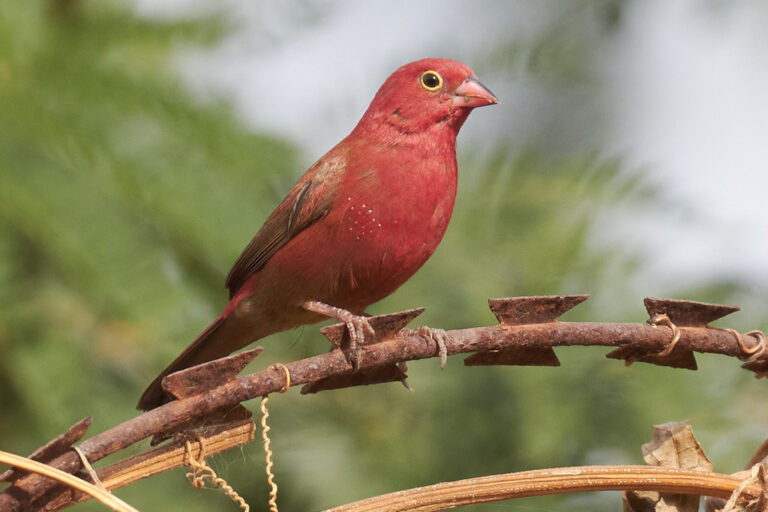
Lagonosticta senegala
♥
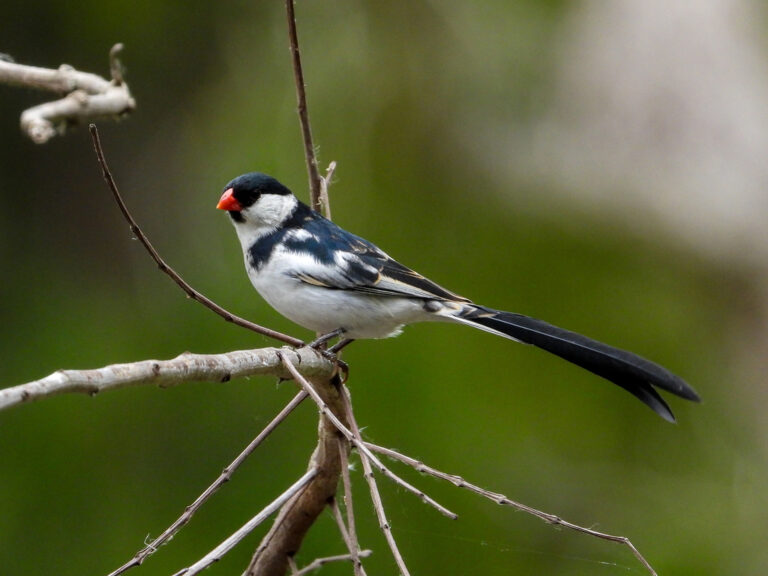
Vidua macroura
♥
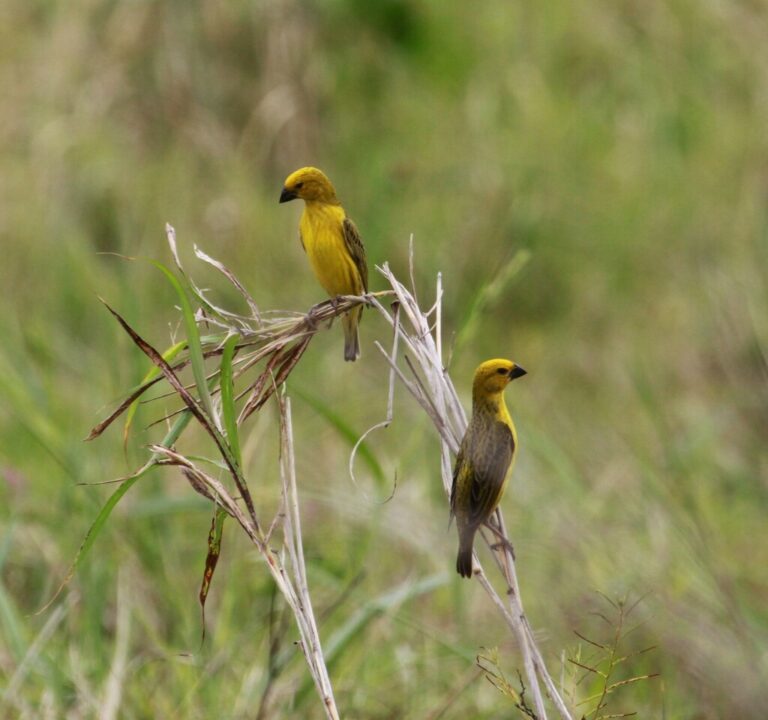
Anomalospiza imberbis
♥
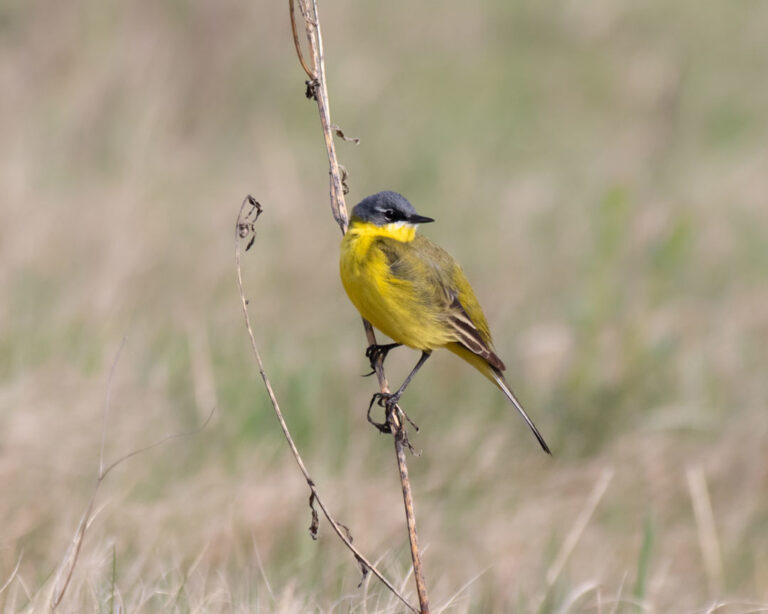
Motacilla flava
♥
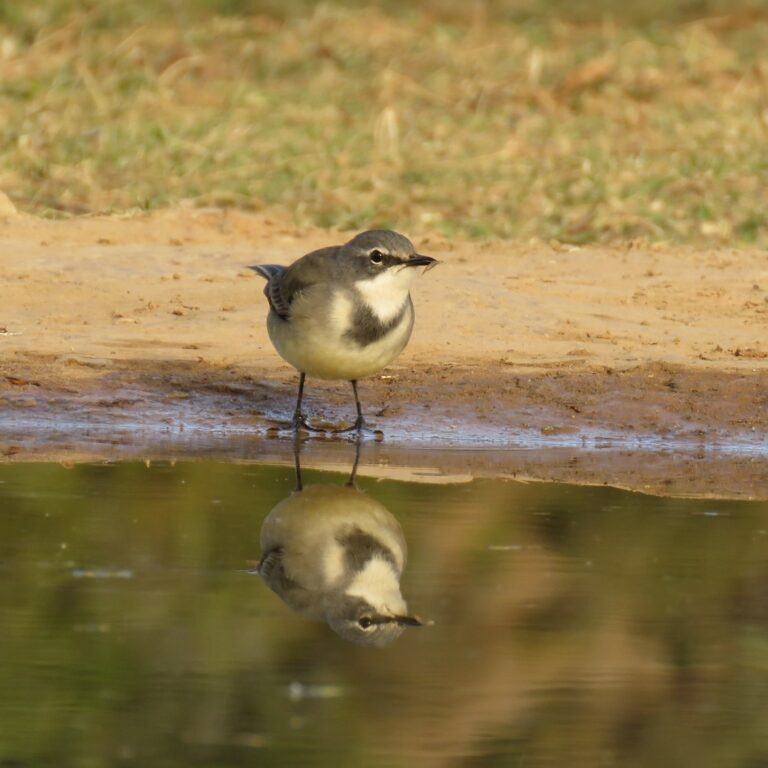
Motacilla capensis
♥
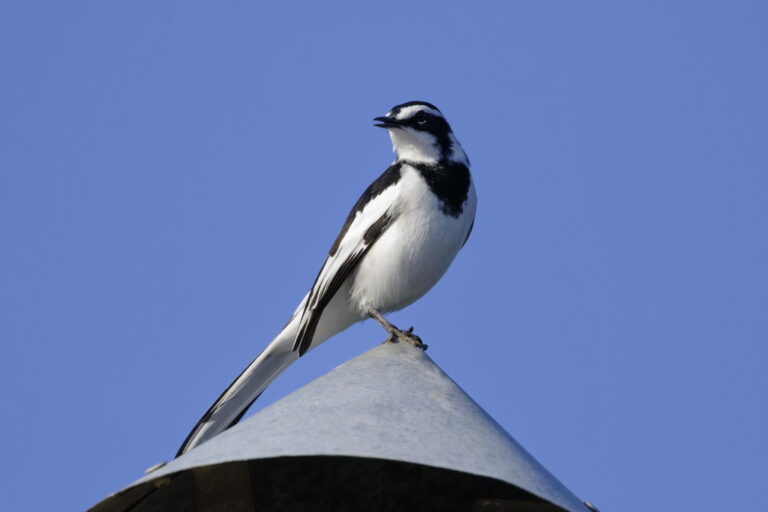
Motacilla aguimp
♥
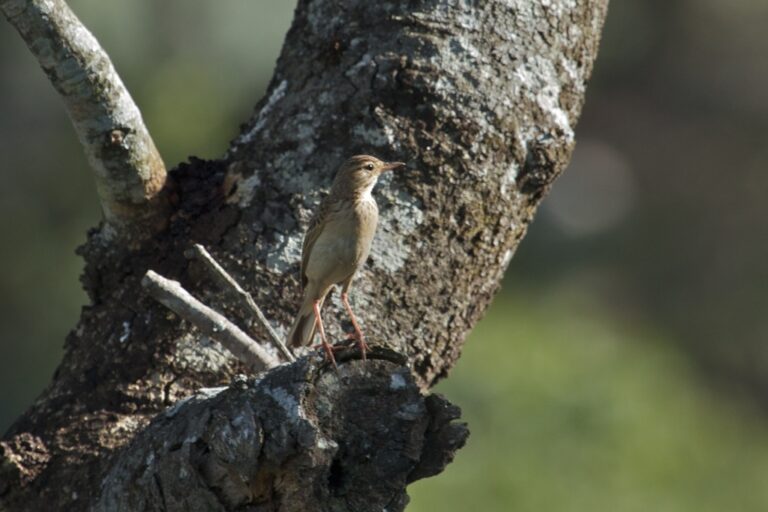
Anthus nyassae
♥
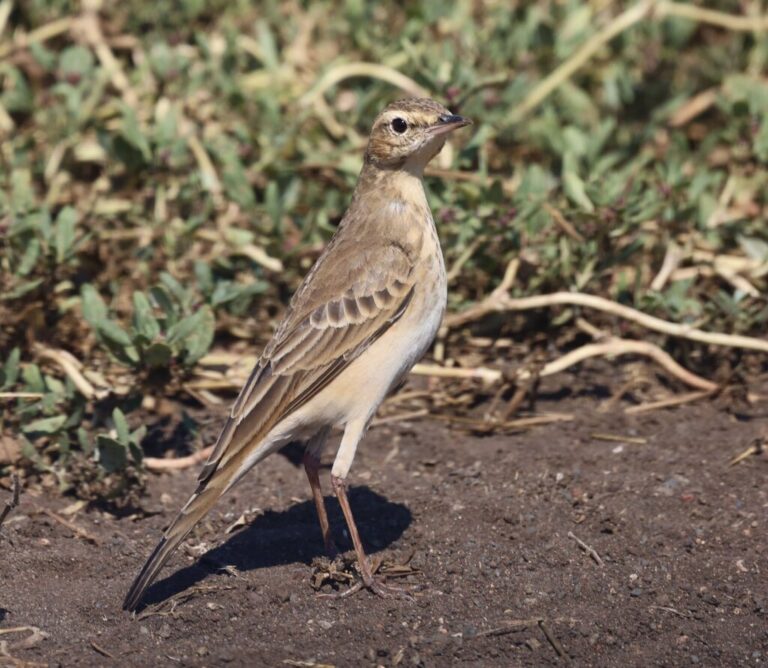
Anthus vaalensis
♥
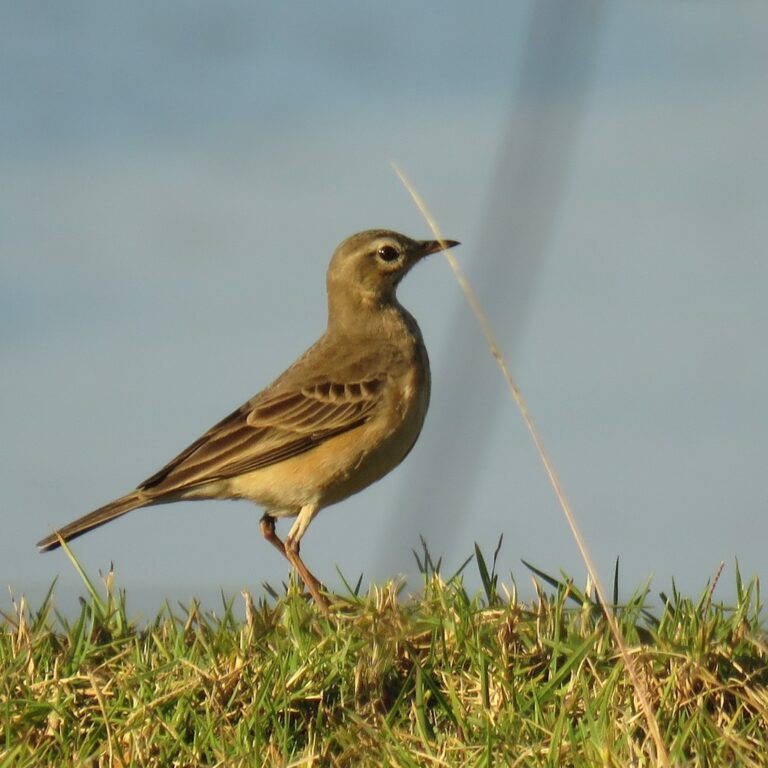
Anthus leucophrys
♥
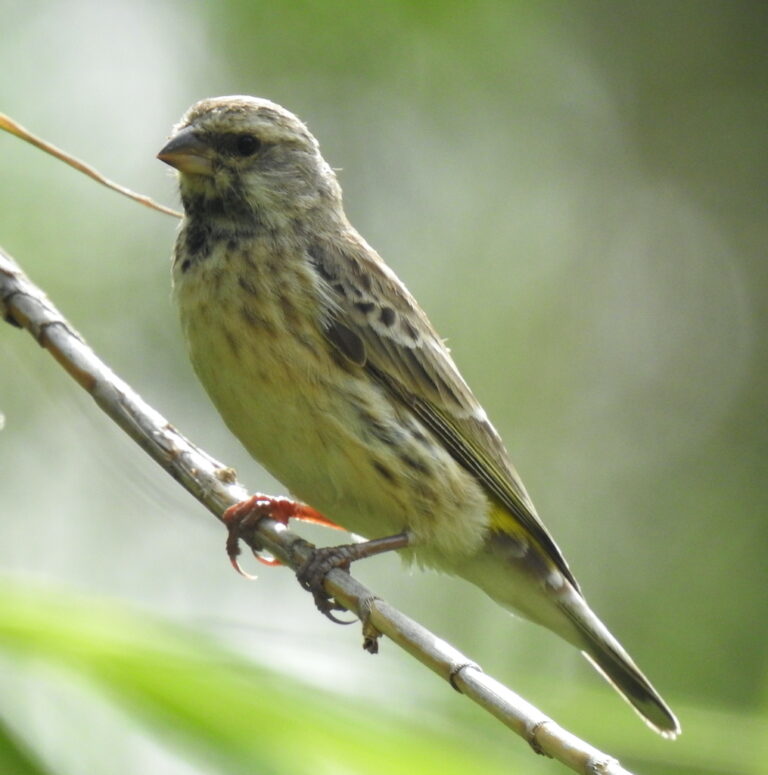
Crithagra atrogularis
♥
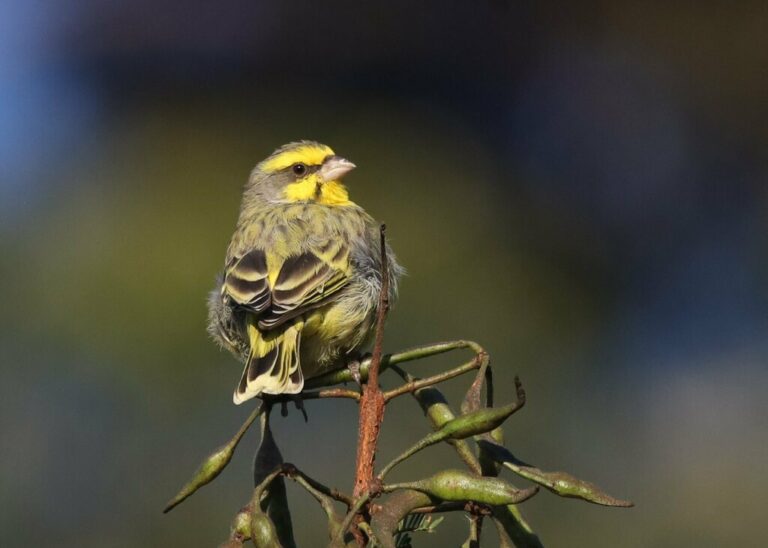
Crithagra mozambica
♥
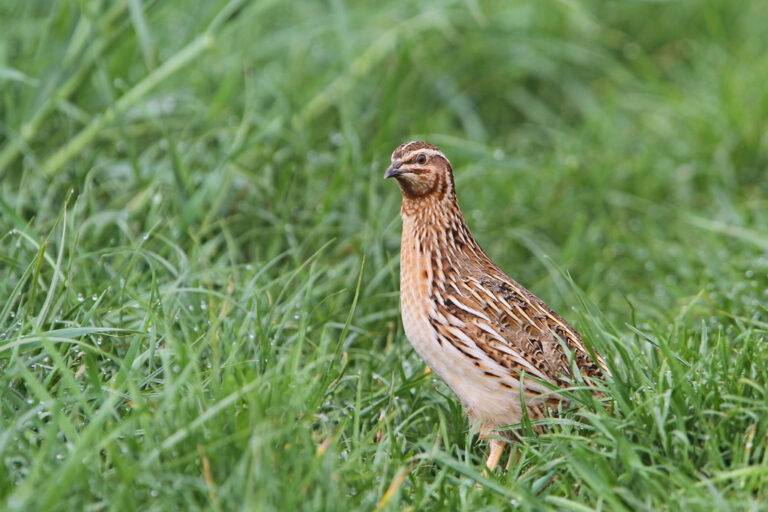
Coturnix coturnix
♥
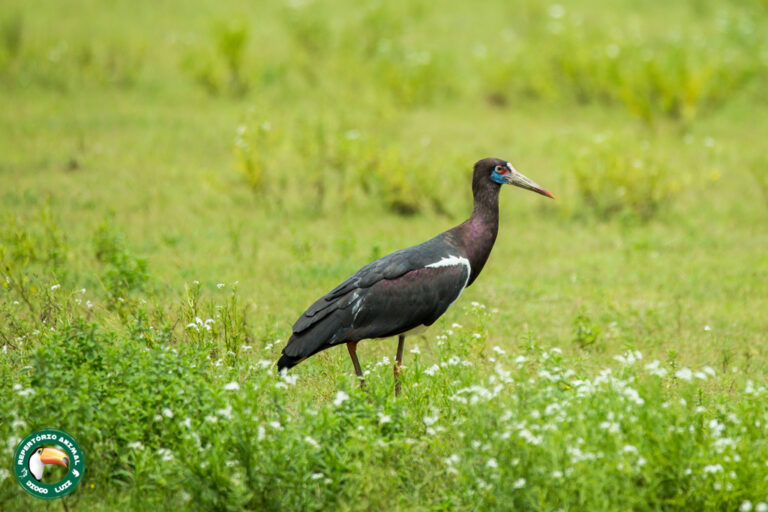
Ciconia abdimii
♥
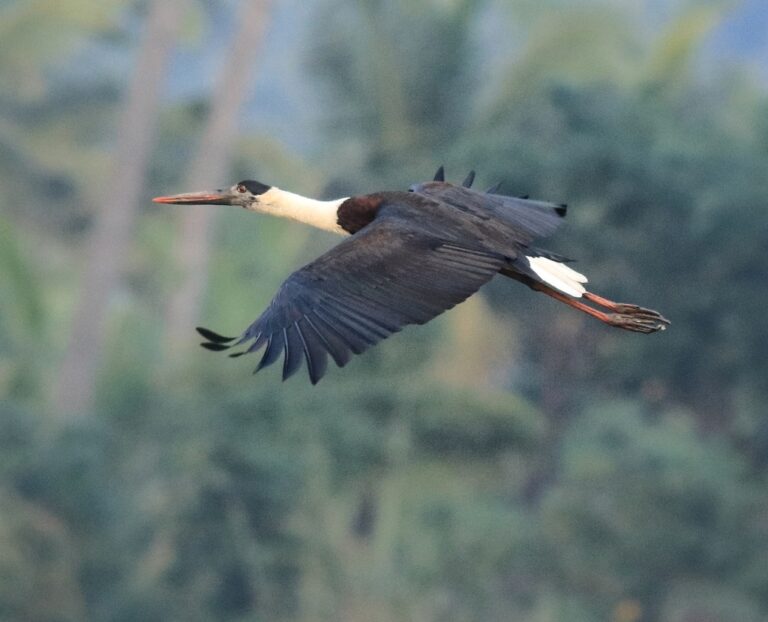
Ciconia episcopus
♥
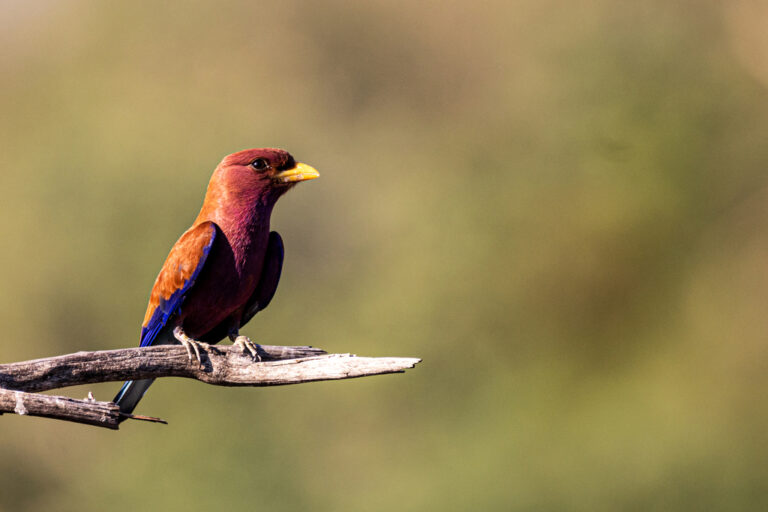
Eurystomus glaucurus
♥
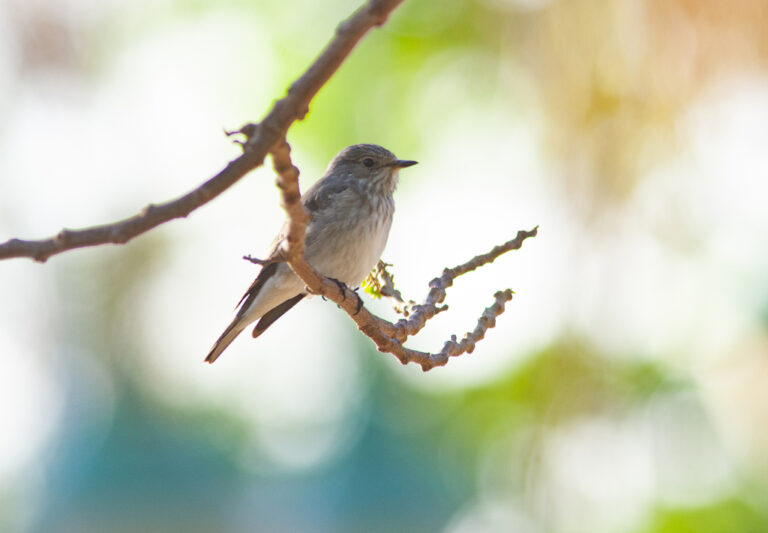
Muscicapa striata
♥
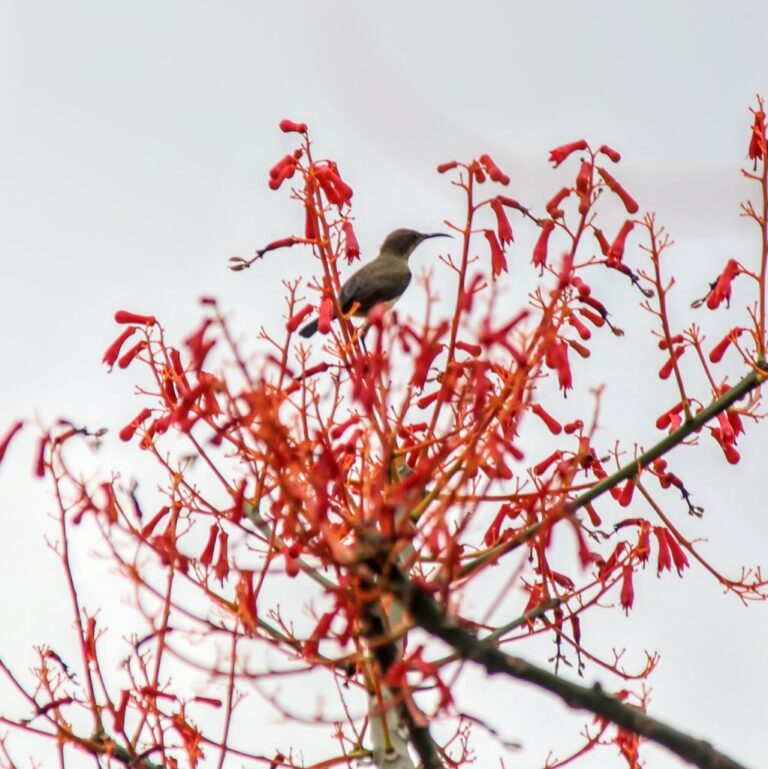
Cinnyris cupreus
♥
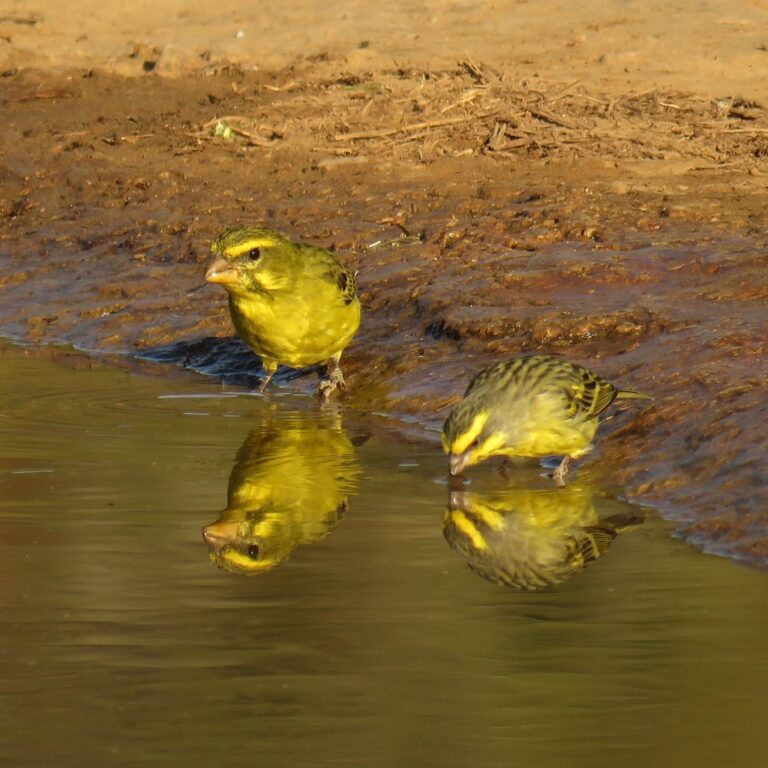
Crithagra sulphurata
♥
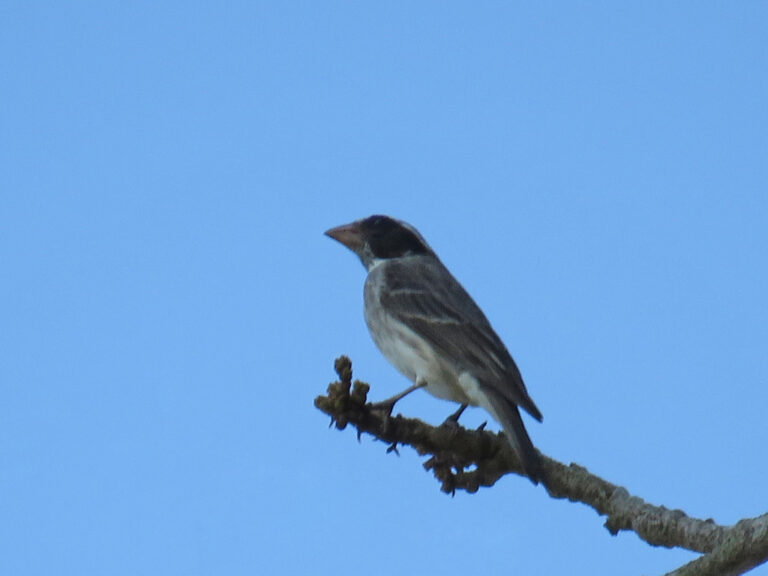
Crithagra mennelli
♥
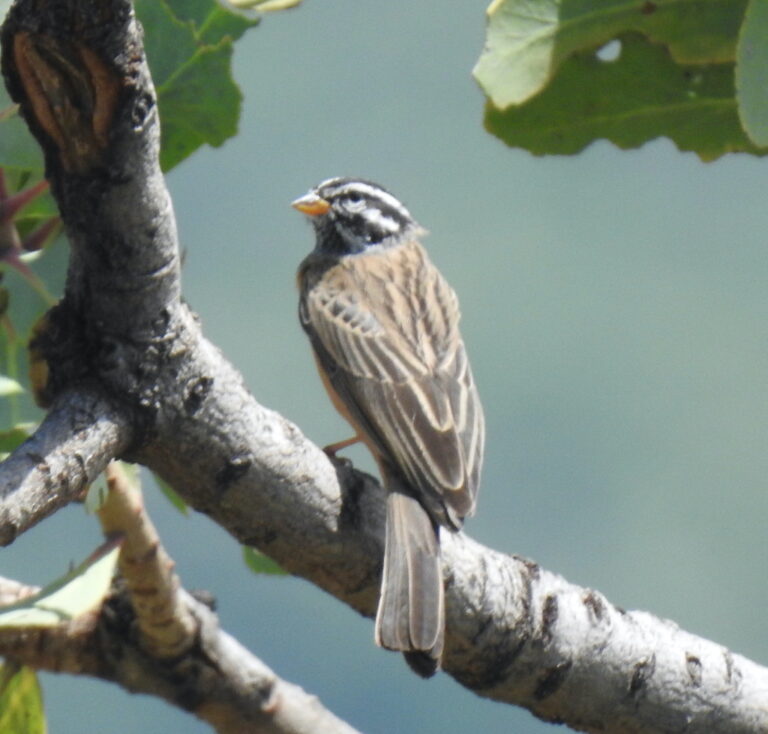
Emberiza tahapisi
♥
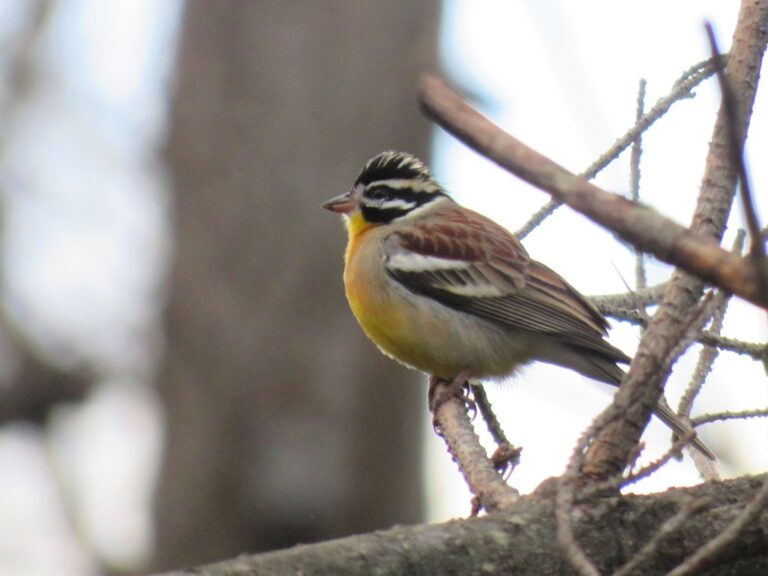
Emberiza flaviventris
♥
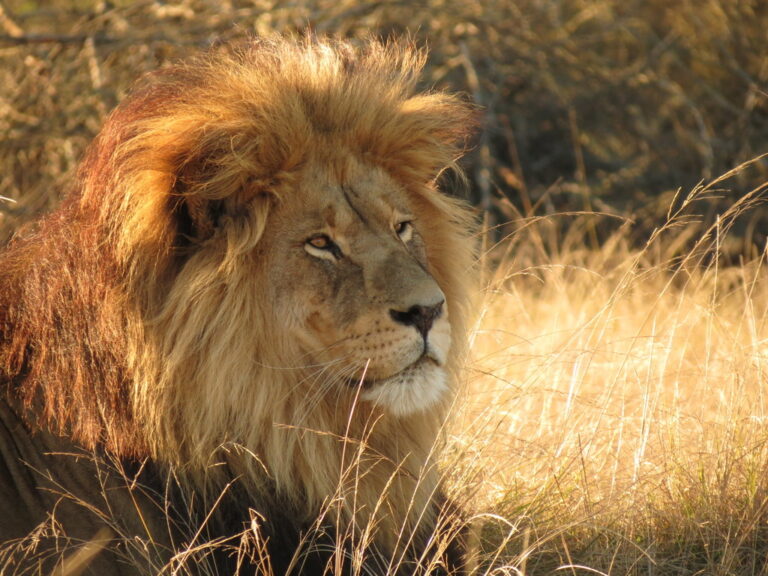
Panthera leo
♥
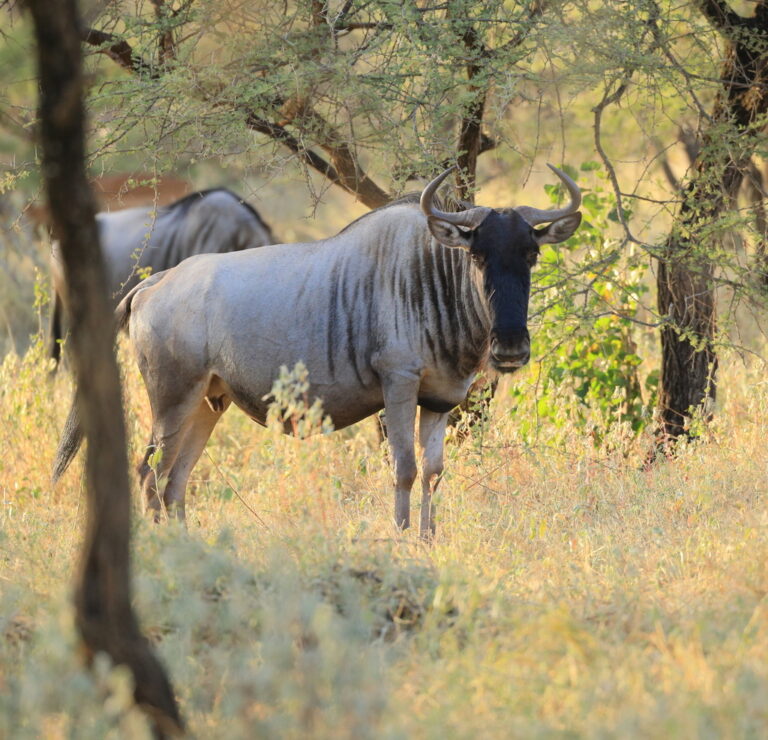
Connochaetes taurinus
♥
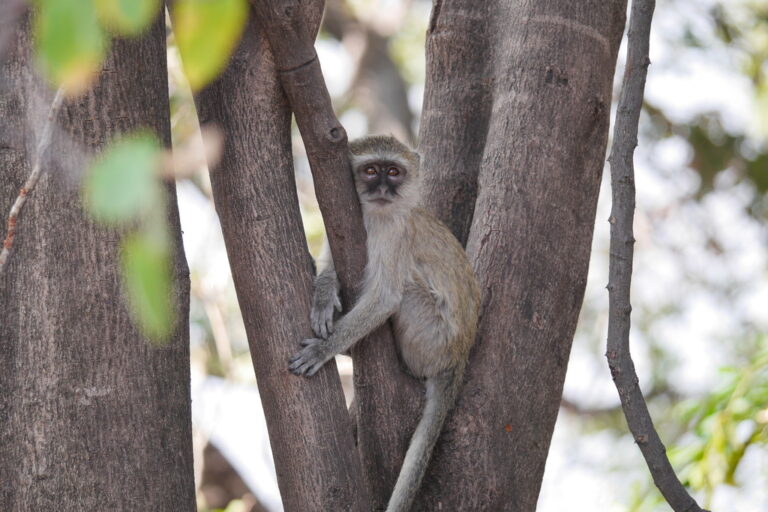
Chlorocebus cynosuros
♥
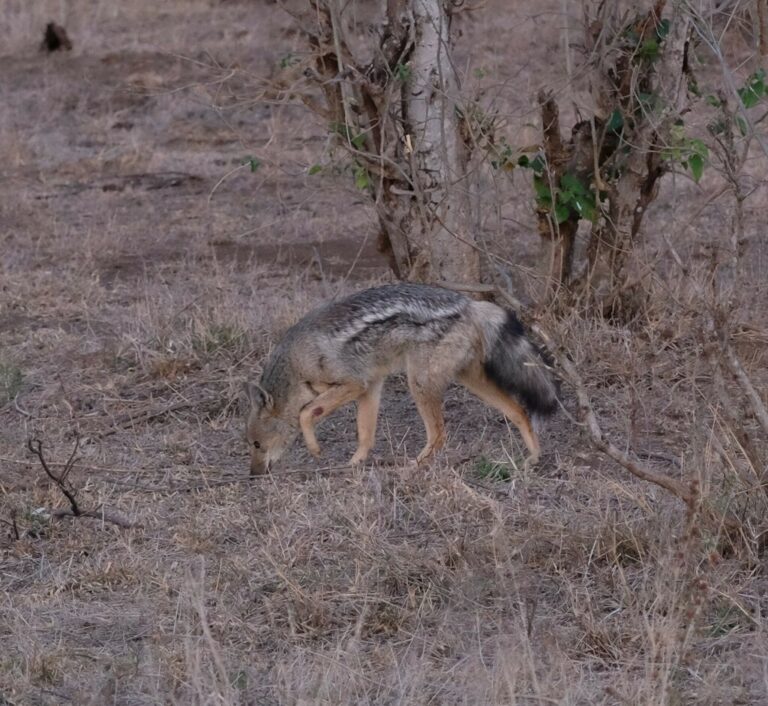
Lupulella adusta
♥
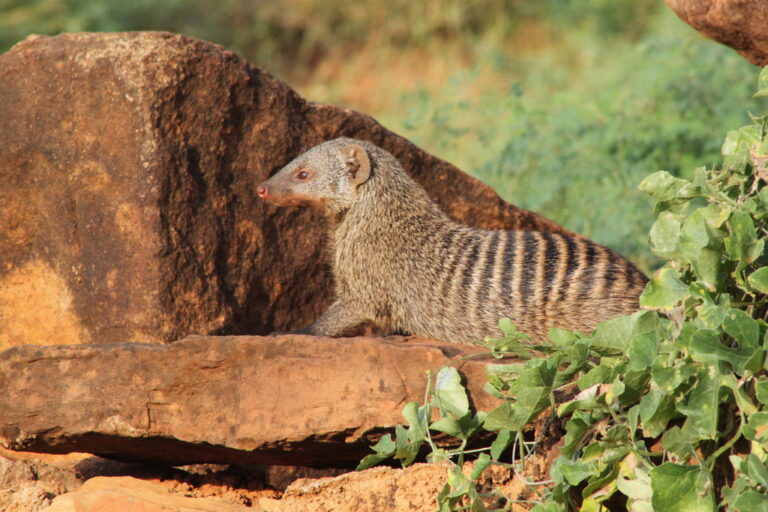
Mungos mungo
♥
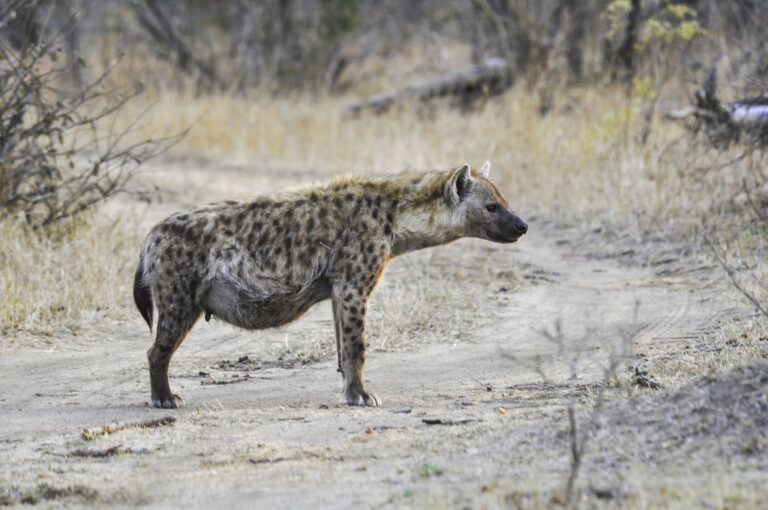
Crocuta crocuta
♥
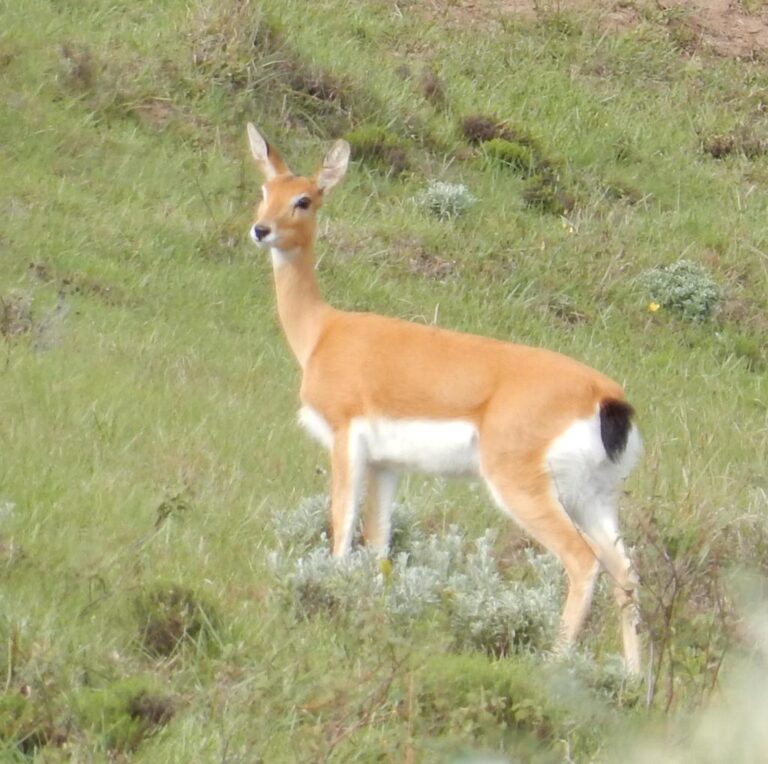
Ourebia ourebi
♥
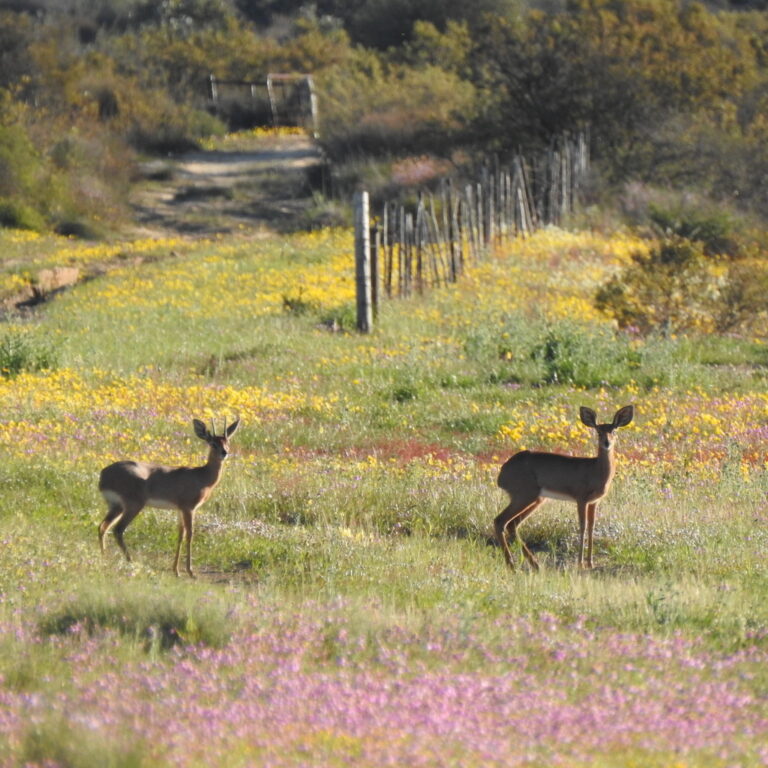
Raphicerus campestris
♥
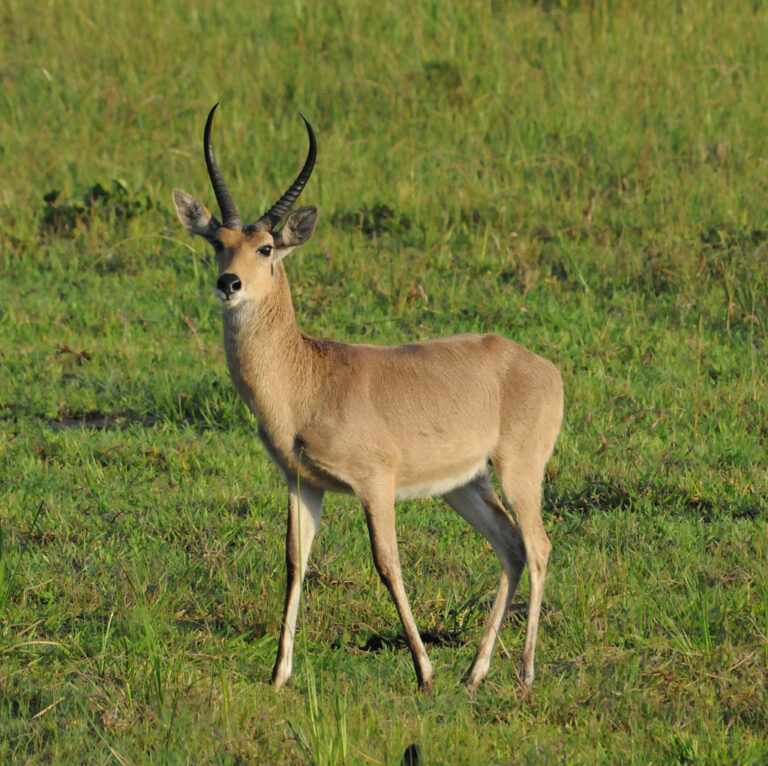
Redunca arundinum
♥
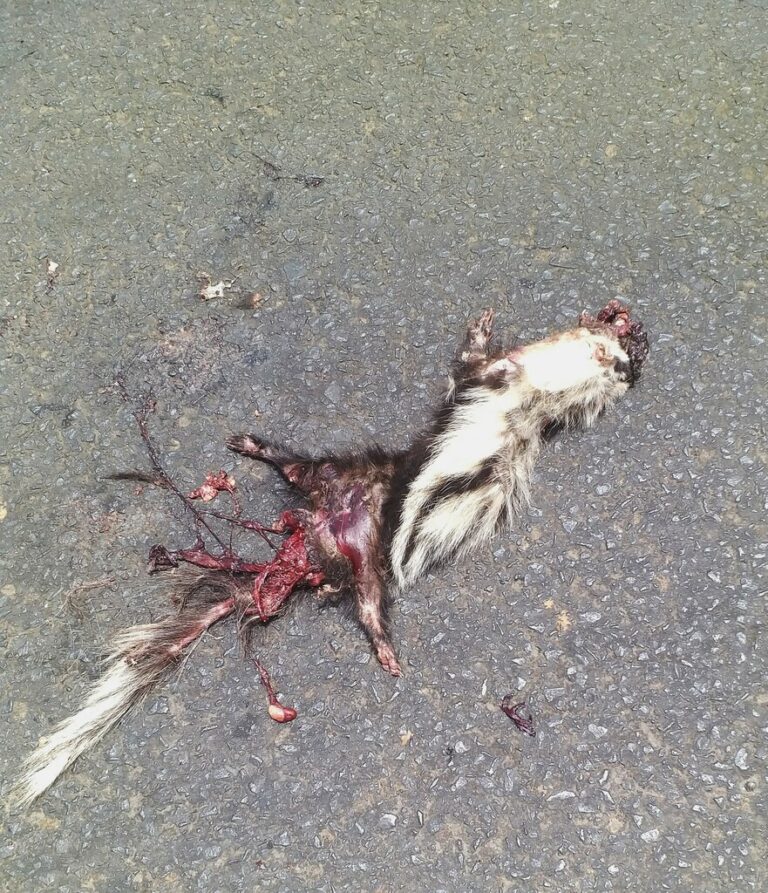
Ictonyx striatus
♥
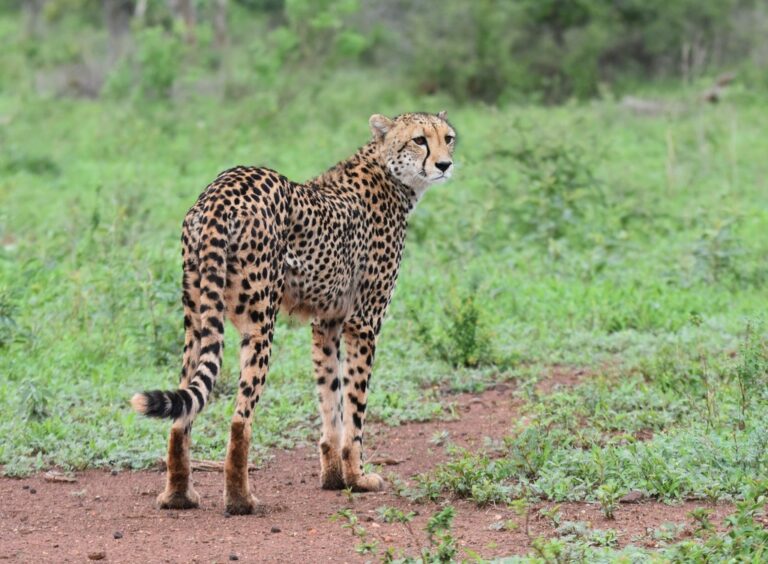
Acinonyx jubatus
♥
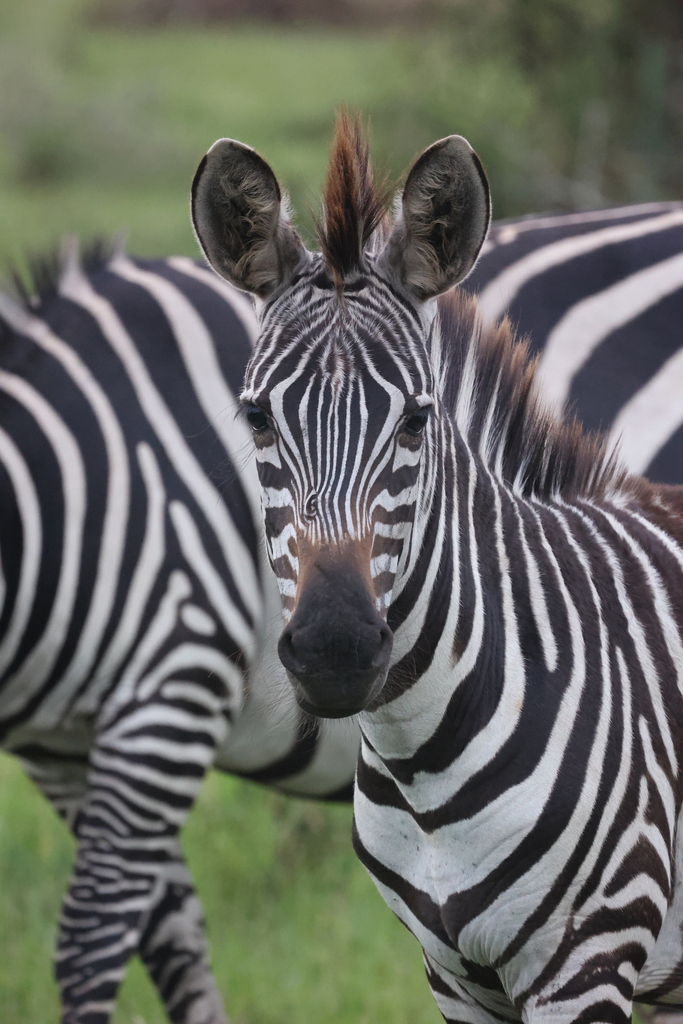
Equus quagga
♥
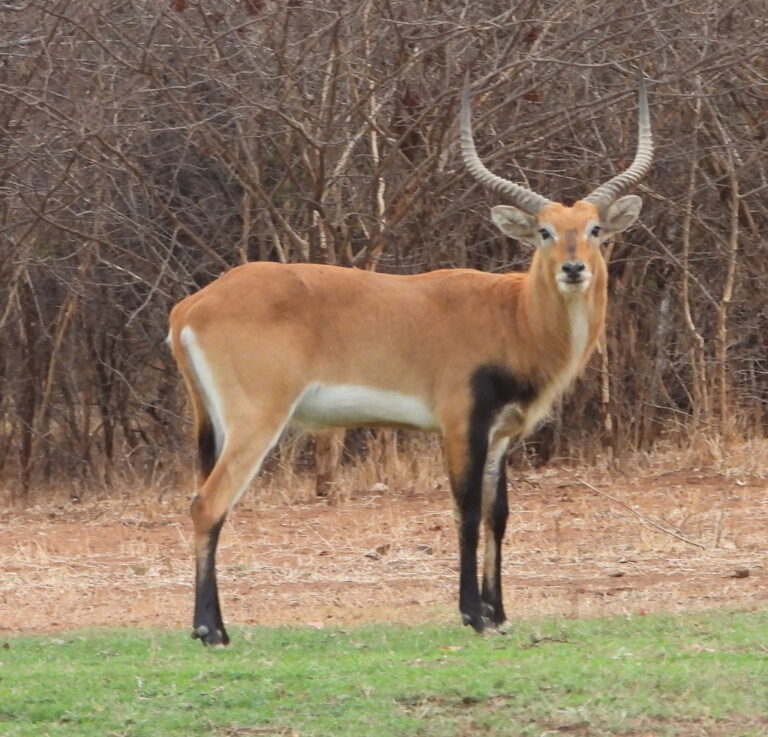
Kobus leche
♥
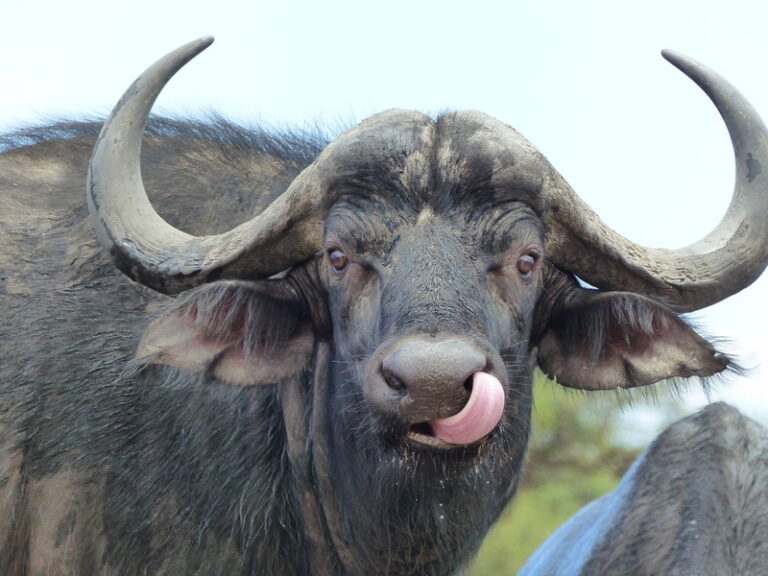
Syncerus caffer
♥