Quttinirpaaq National Park
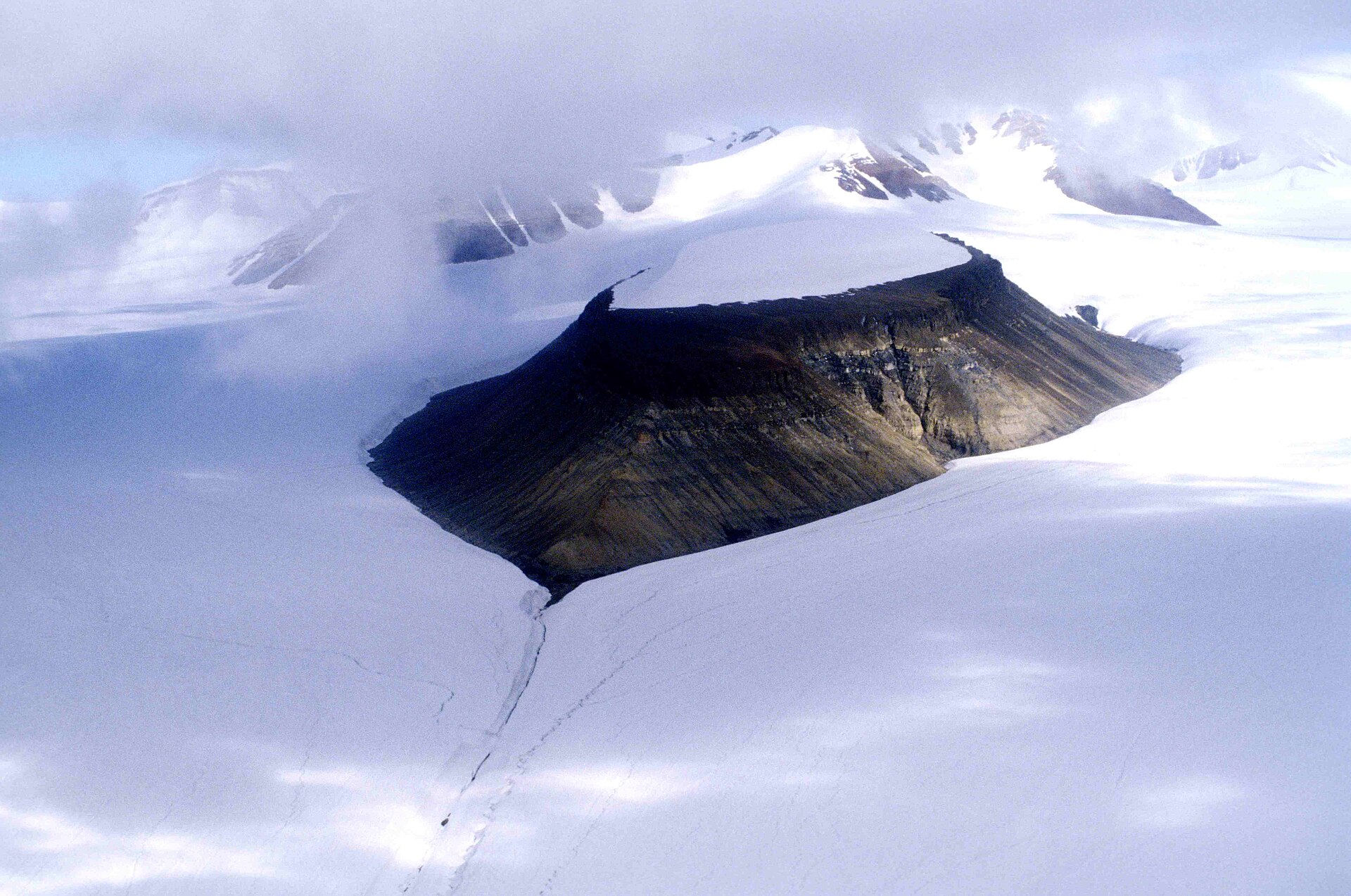
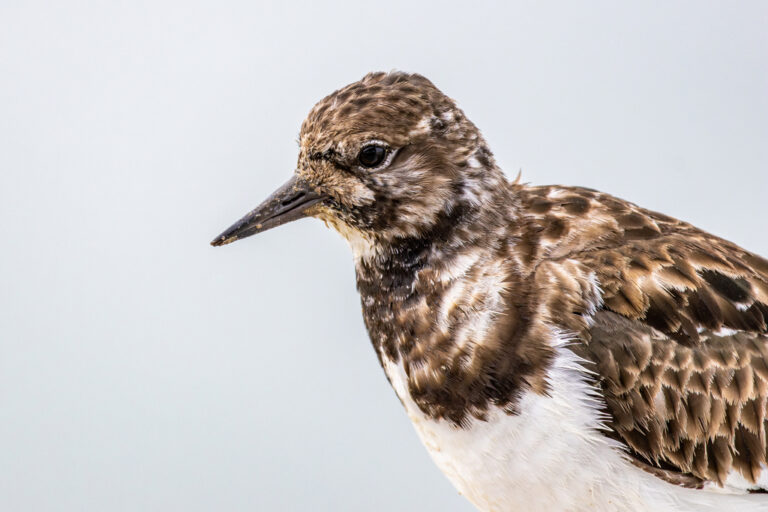
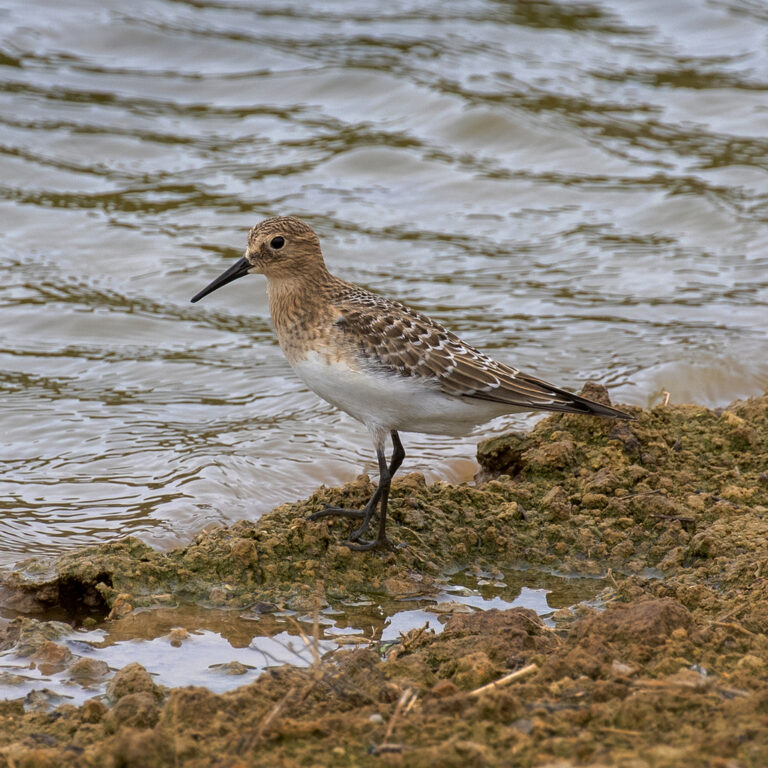
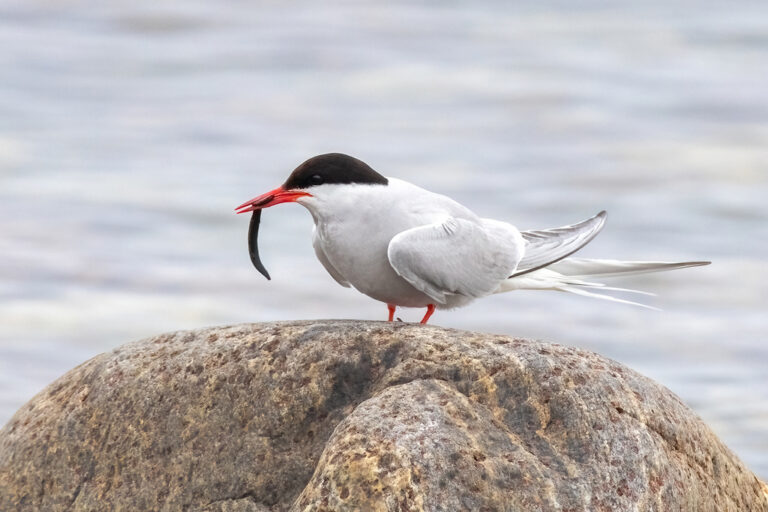
Photo © Ansgar Walk
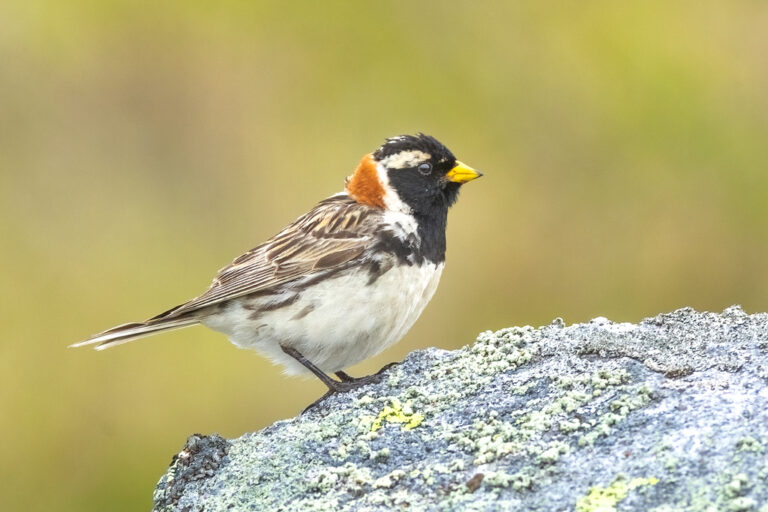
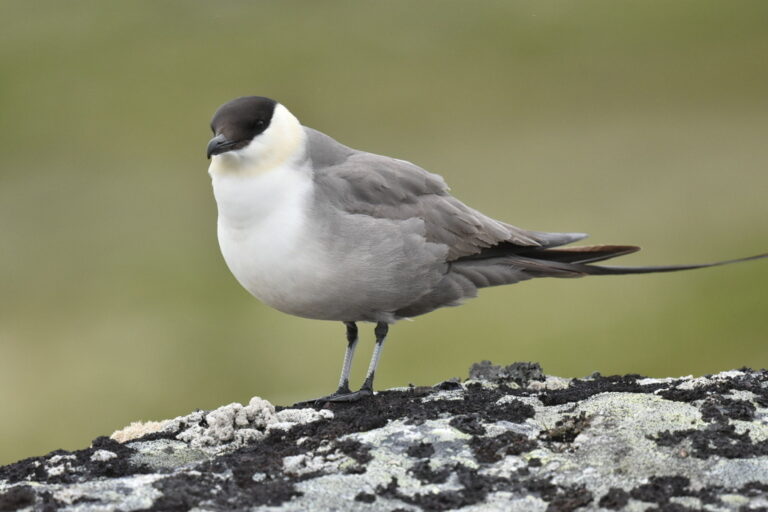
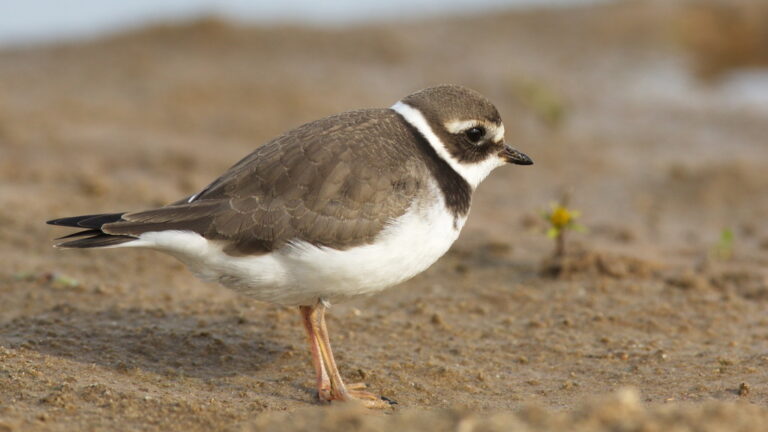
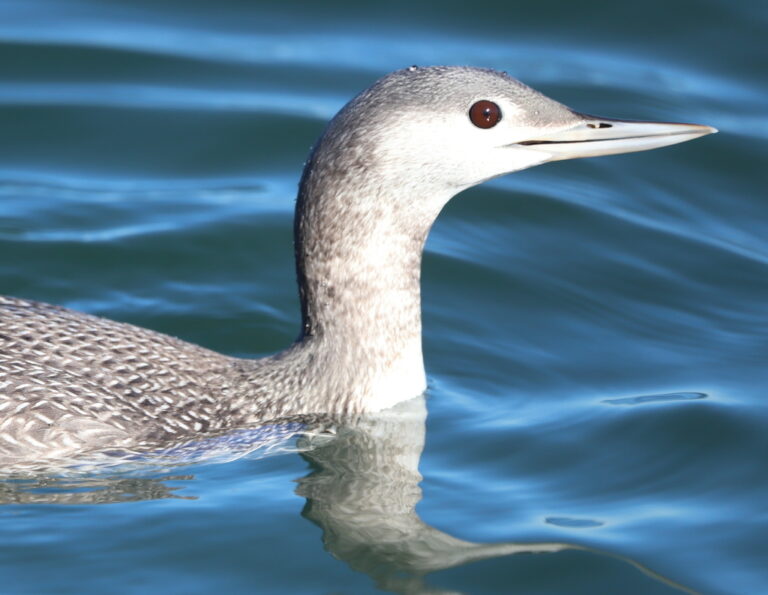
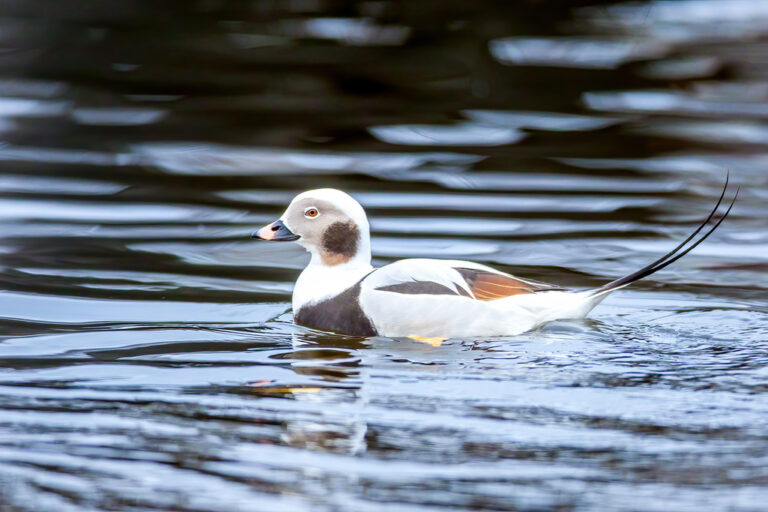
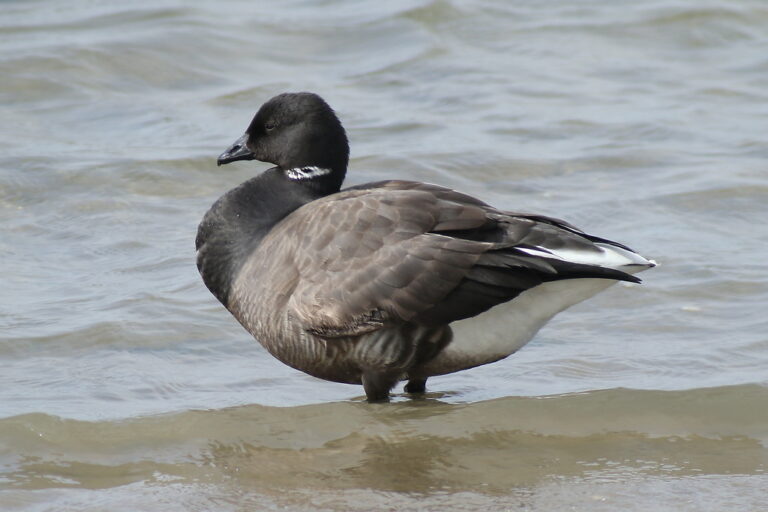
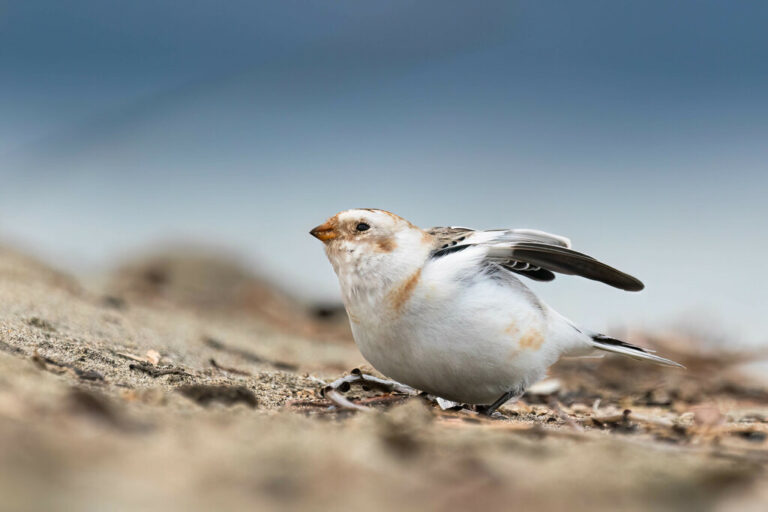
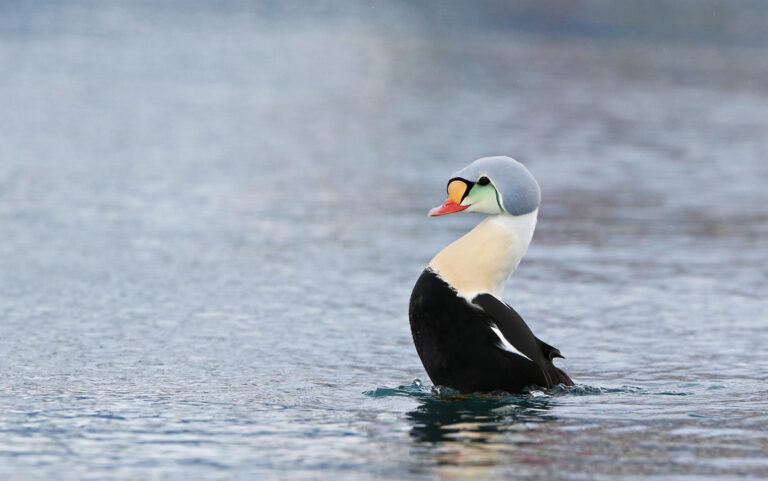
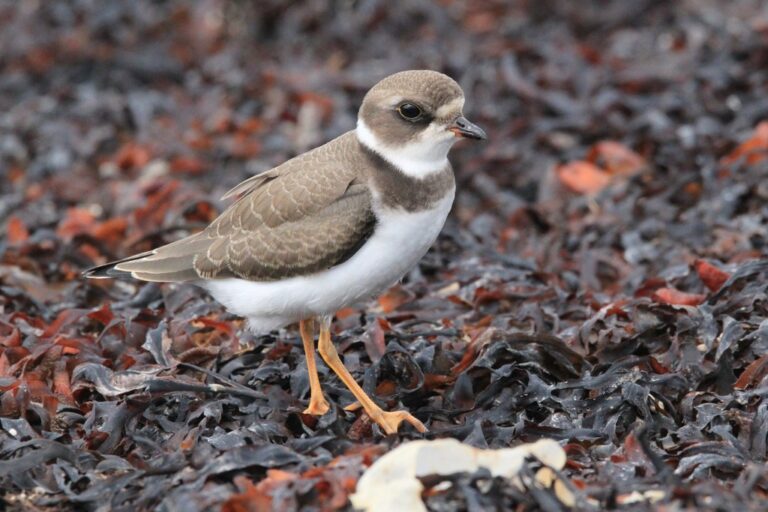
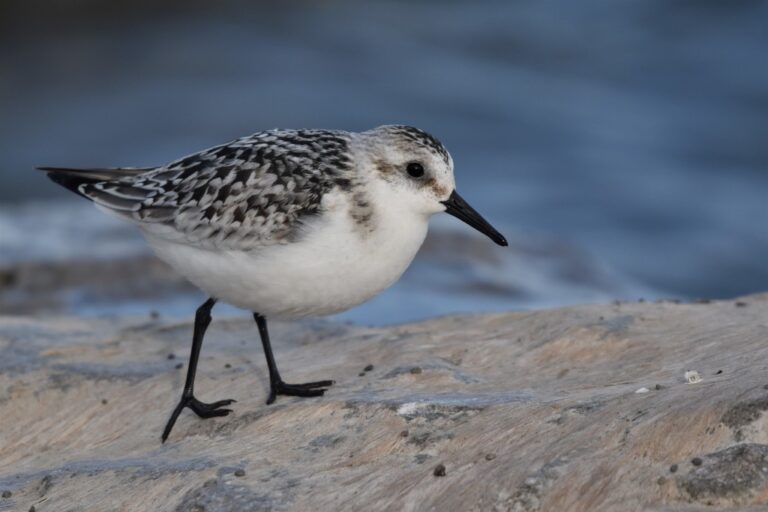
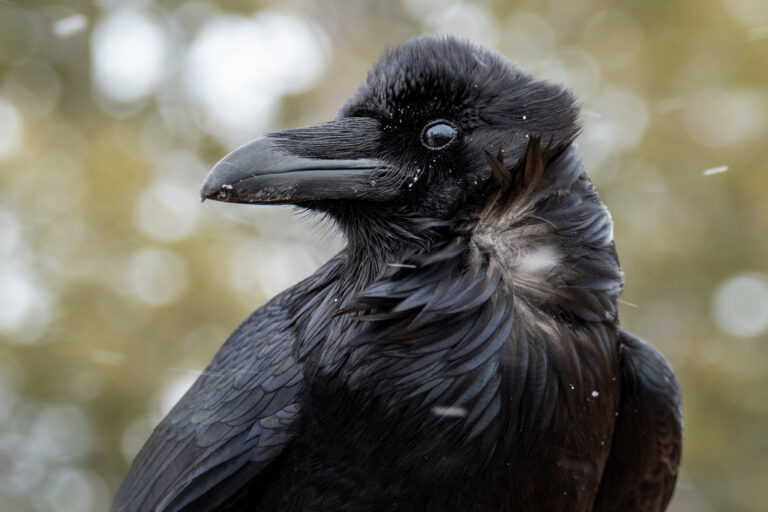
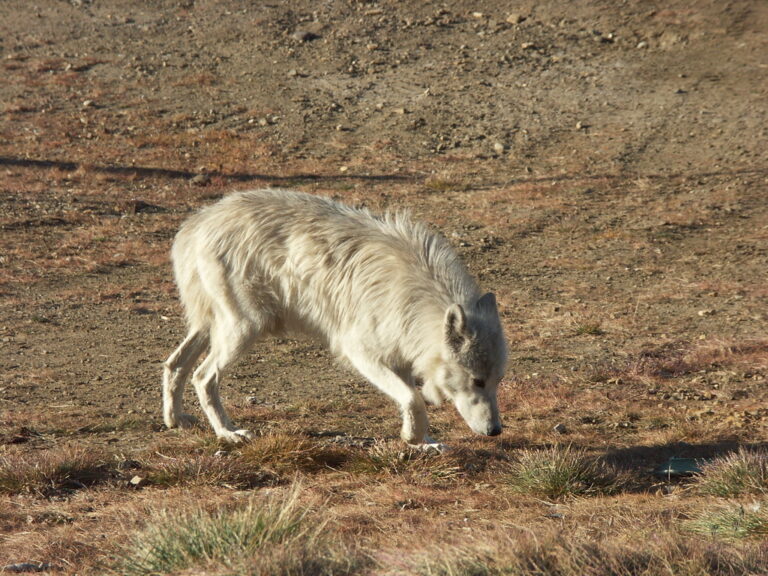
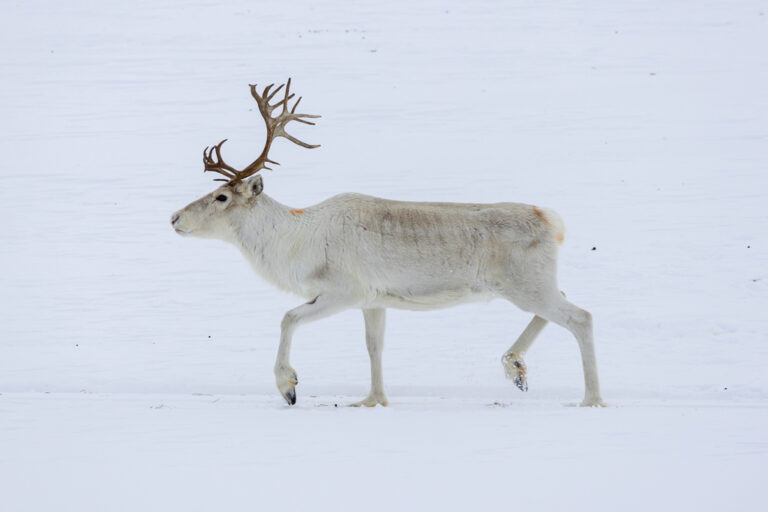
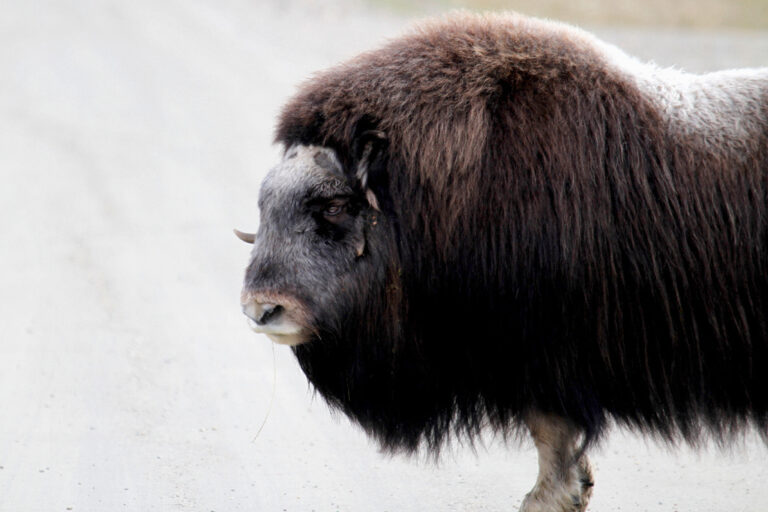
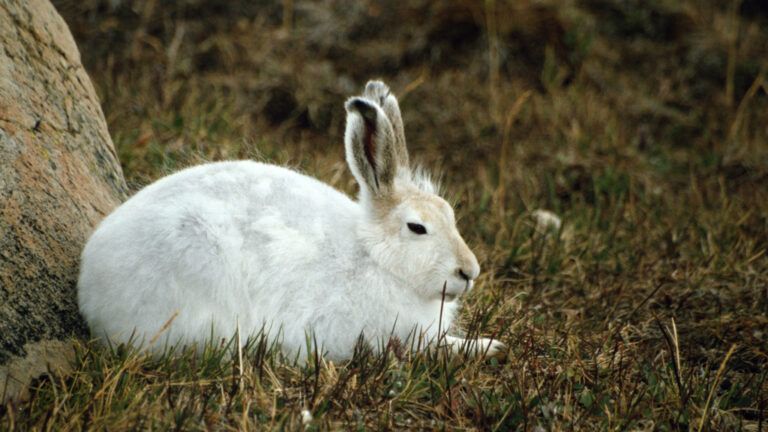
Photo © Ansgar Walk — CC BY-SA 4.0 — Source: Wikimedia CommonsAcross the high Arctic archipelago of northern Nunavut, where bedrock emerges from permafrost and ice fields dominate the landscape, Quttinirpaaq National Park sprawls across more than 55,000 square kilometres of some of Earth's most austere terrain. The park encompasses a mosaic of barren plateaus, glacier-carved valleys, and coastal lowlands where hardy vegetation clings to existence in the brief arctic summer. Muskoxen roam these windswept uplands in herds that have adapted to extreme cold and scarce forage, while smaller mammals exploit the sparse tundra flora wherever it takes root. Arctic marine mammals frequent the surrounding waters and coastal margins, and migratory birds arrive seasonally to breed and feed, taking advantage of the midnight sun before retreating southward as darkness reclaims the north. The park's ecological character is defined by extreme climate and isolation: this is a landscape shaped by ice age processes, where life persists in the interstices of a frozen world.
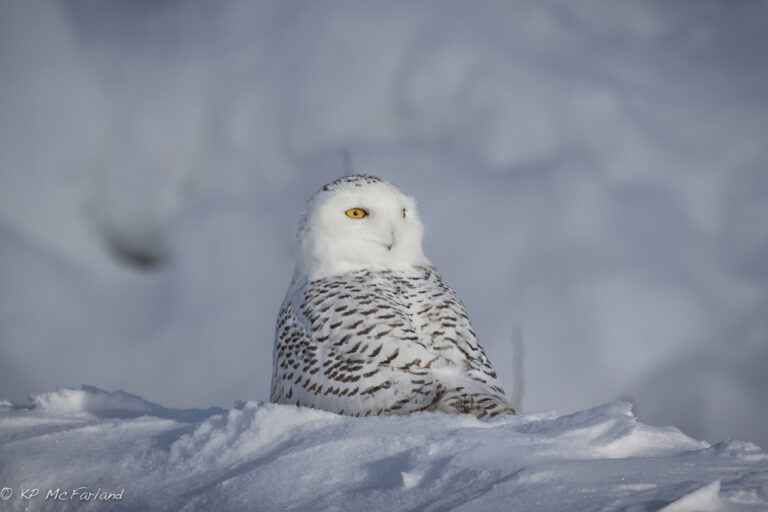
For wildlife photographers and naturalists drawn to the planet's last true wilderness, Quttinirpaaq offers uncompromising authenticity and the profound solitude that disappears from most protected areas each year. The extended daylight of arctic summer transforms the landscape into a realm of endless vision, casting dramatic shadows across ice and rock and revealing wildlife behavior against a backdrop of glaciers and open water. Access requires genuine expedition planning and specialist outfitters, which ensures that visitors willing to undertake the journey encounter pristine habitat and wildlife largely unaccustomed to human presence. The park remains one of Canada's most remote and least visited national parks, a distinction that preserves both its ecological integrity and the sense of discovery that awaits those patient enough to wait for weather windows and resilient enough to travel beyond the reach of roads. Here, in the true high Arctic, wildlife and landscape remain sovereign.
No community observations yet — be the first to log a sighting here.
Quttinirpaaq National Park
Very cold conditions shape most of the year.
A year of temperatures
Monthly means, with the coldest and warmest highlighted
Terrain and elevation
590 m · UplandAverage terrain elevation estimate across the hotspot; the figure does not represent its highest summits.
Upland