Antarctica
The Antarctic is the coldest, driest and windiest continent on Earth, covering approximately 14 million square kilometres around the South Pole. Almost entirely blanketed by an immense ice sheet that contains nearly 70% of the world’s freshwater, Antarctica is one of the planet’s last truly untouched wildernesses. Despite its seemingly inhospitable conditions, the continent and its surrounding Southern Ocean support one of the most extraordinary and productive ecosystems on Earth, where life has evolved remarkable adaptations to survive extreme cold, powerful storms and months of continuous darkness.
Unlike other continents, Antarctica has no permanent human population and remains protected under the Antarctic Treaty System, which preserves the region for peaceful scientific research and environmental conservation. While the interior is largely devoid of visible life, the ice-free coastal areas, islands and surrounding seas become incredibly vibrant during the austral summer, when millions of seabirds and marine mammals gather to breed, feed and raise their young.
The Southern Ocean is the engine that sustains Antarctic wildlife. Vast blooms of phytoplankton support enormous populations of Antarctic krill, one of the most abundant animal species on Earth. This tiny crustacean forms the foundation of the Antarctic food web, feeding whales, seals, penguins, seabirds and fish. Every summer, the nutrient-rich waters attract some of the largest concentrations of marine wildlife found anywhere on the planet, creating spectacular wildlife encounters unrivalled in both scale and diversity.
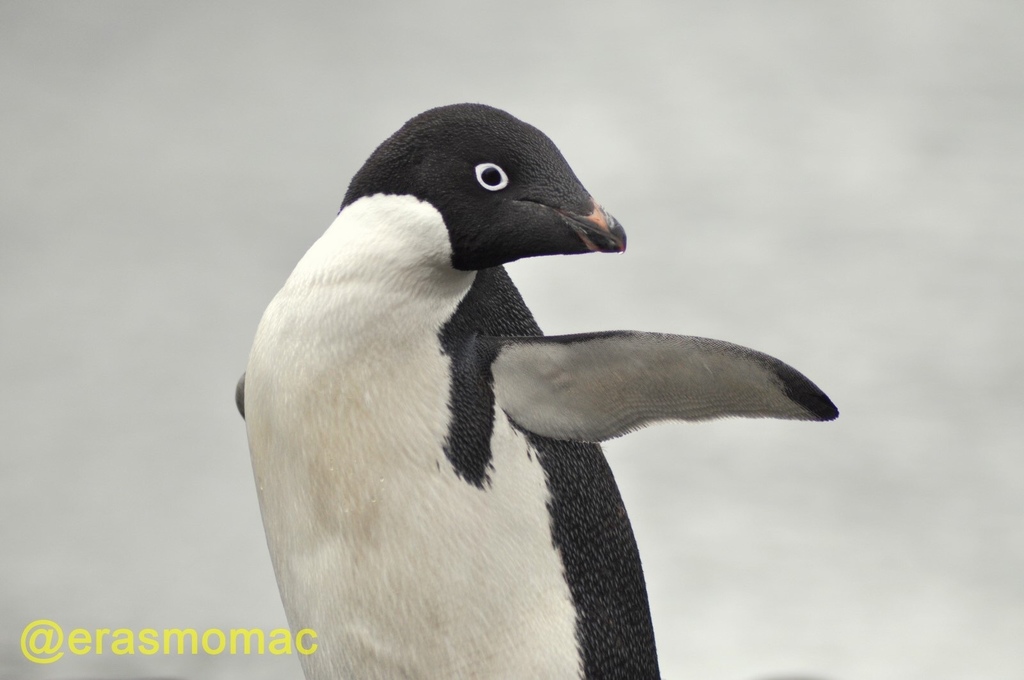
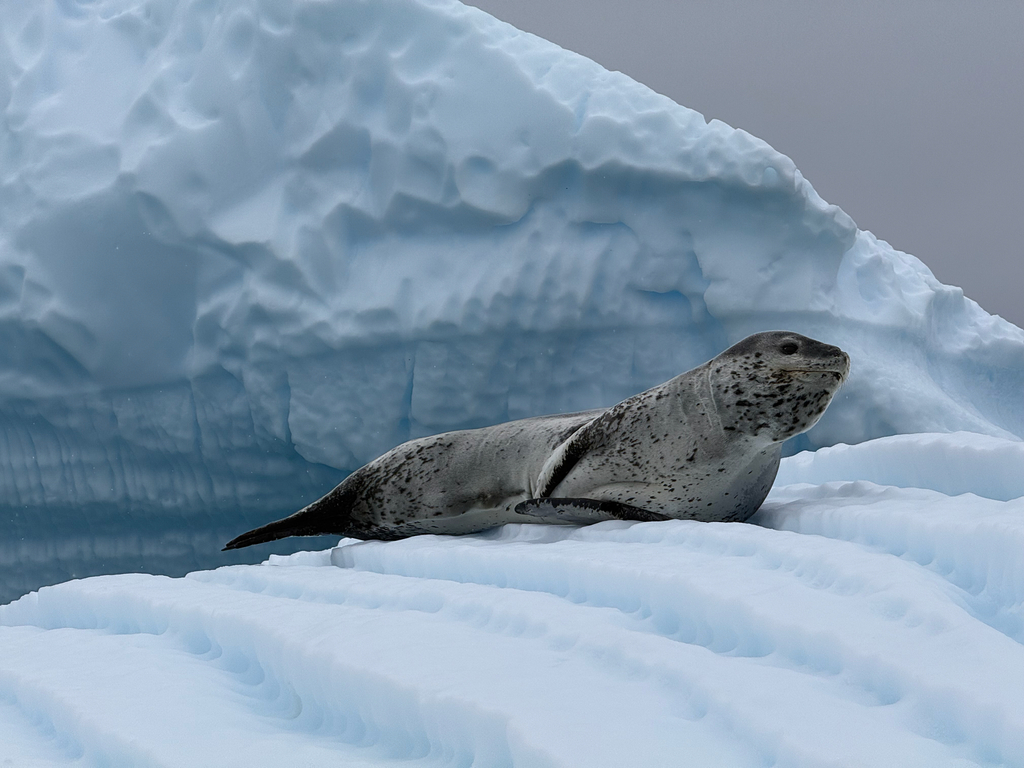
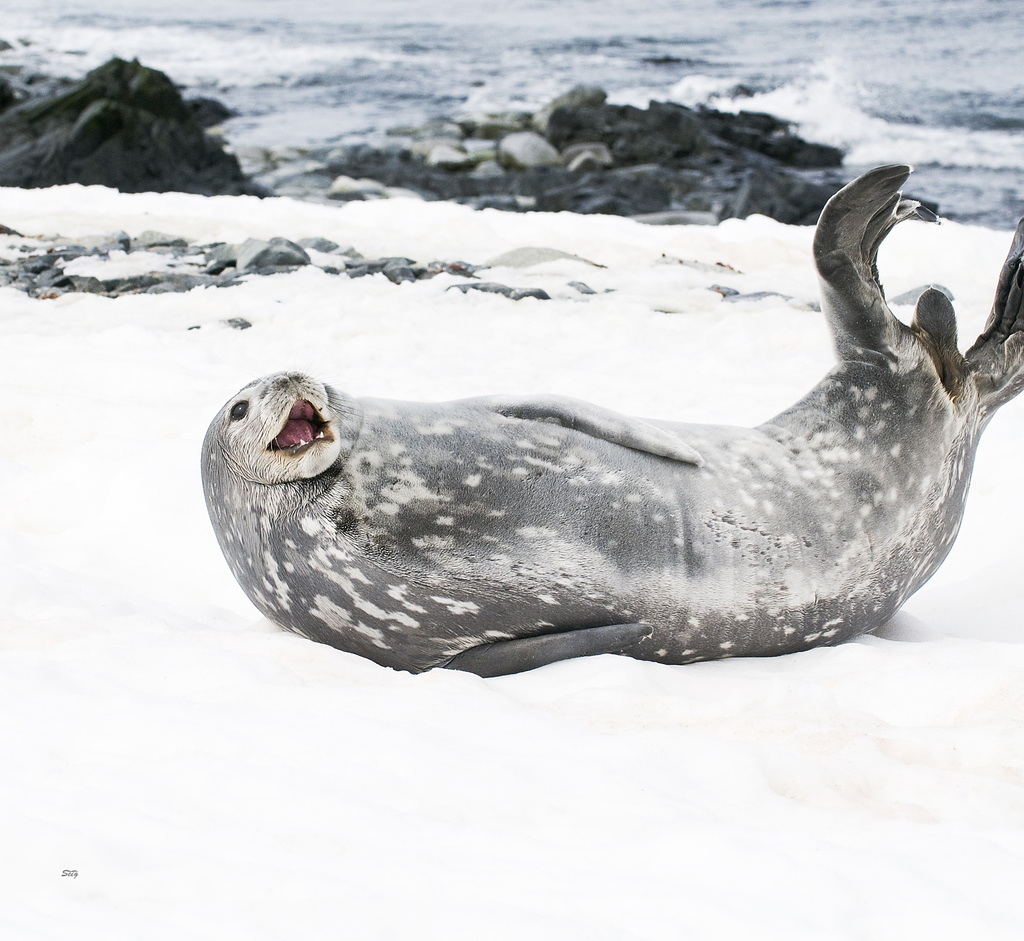
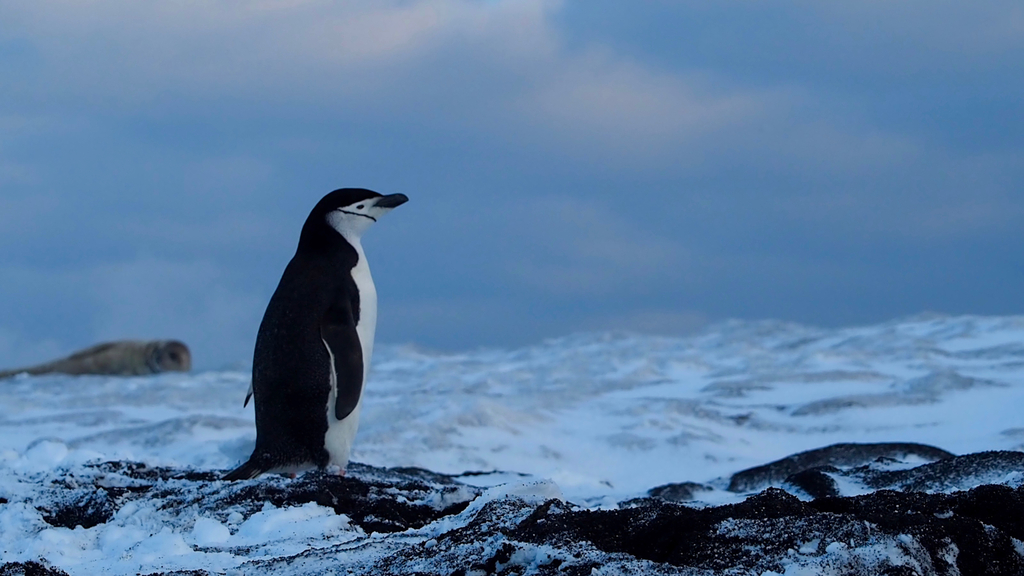
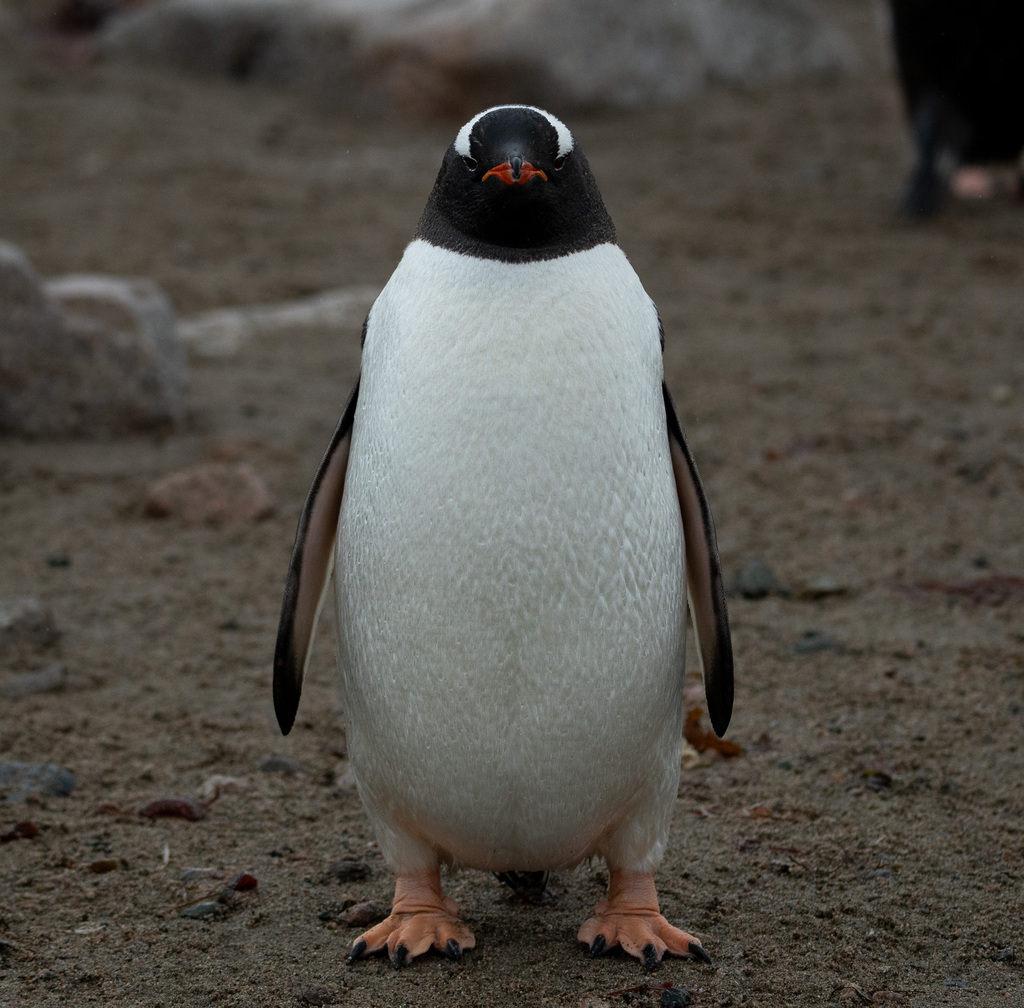
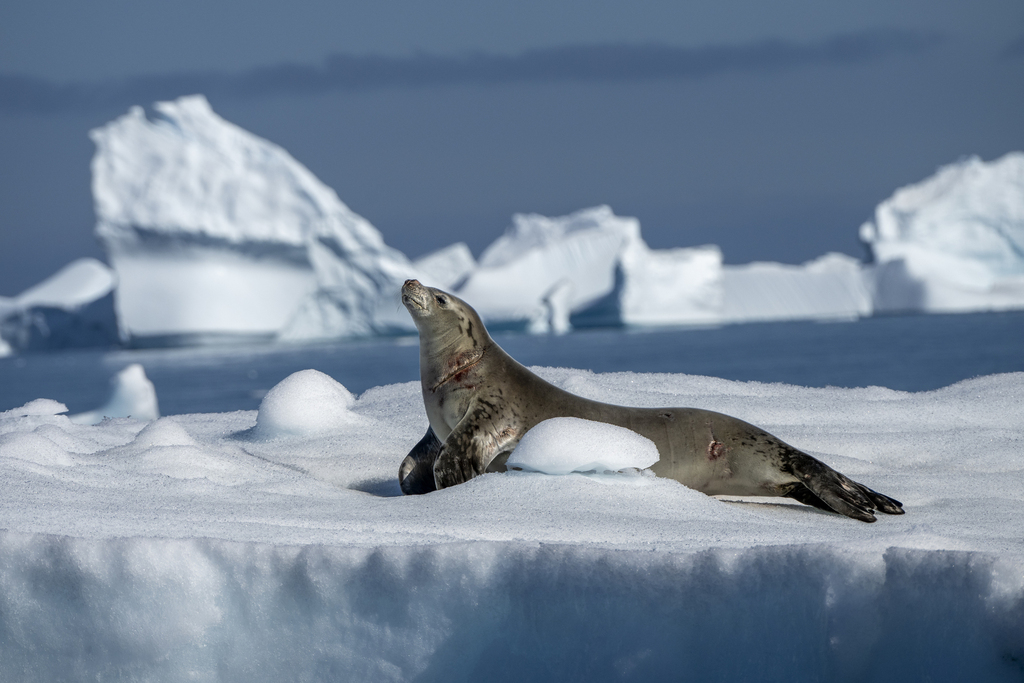
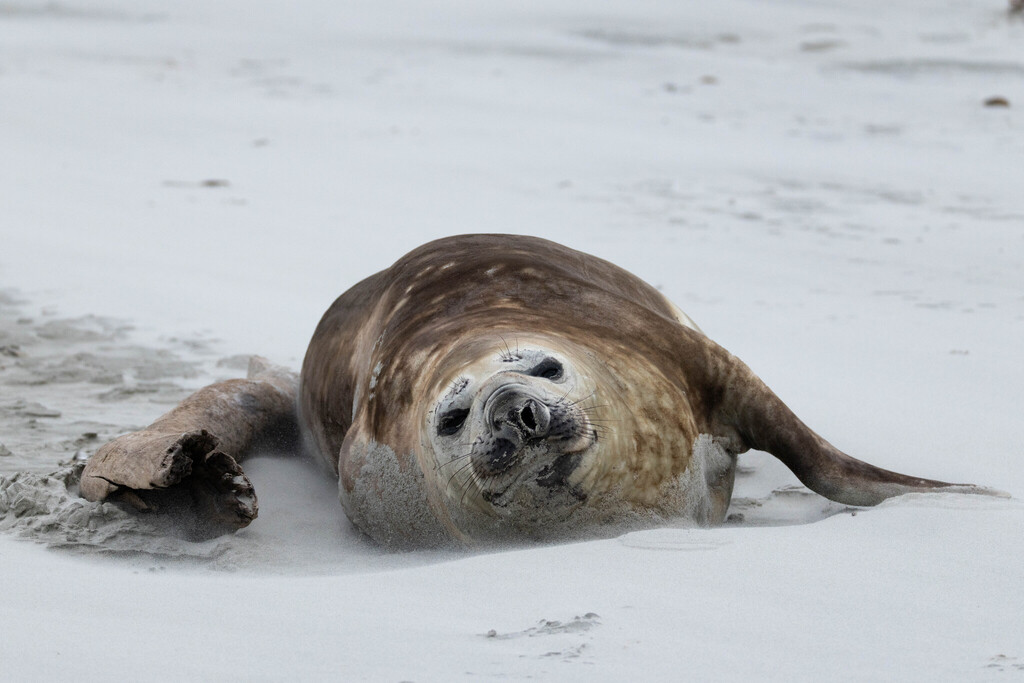
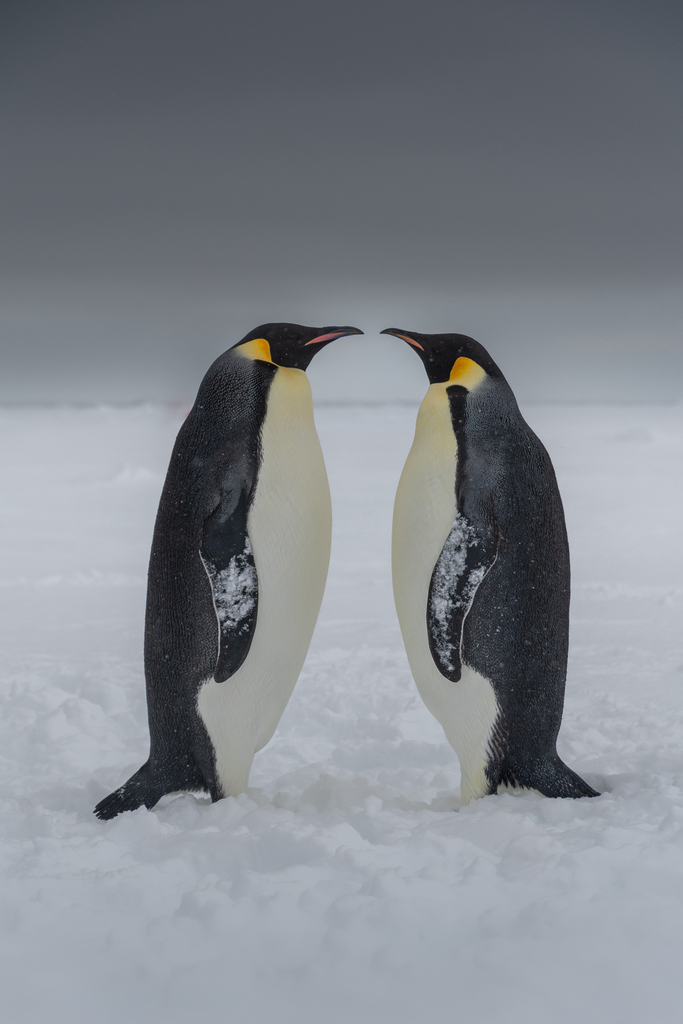
Antarctica is world-famous for its penguin colonies. Hundreds of thousands of Emperor, Adélie, Chinstrap and Gentoo Penguins gather along the continent’s shores and surrounding islands, while towering icebergs and dramatic glaciers provide the backdrop for one of nature’s greatest spectacles. The region is also home to six seal species, including the formidable Leopard Seal, the massive Southern Elephant Seal and the endemic Weddell Seal, each perfectly adapted to life among sea ice.
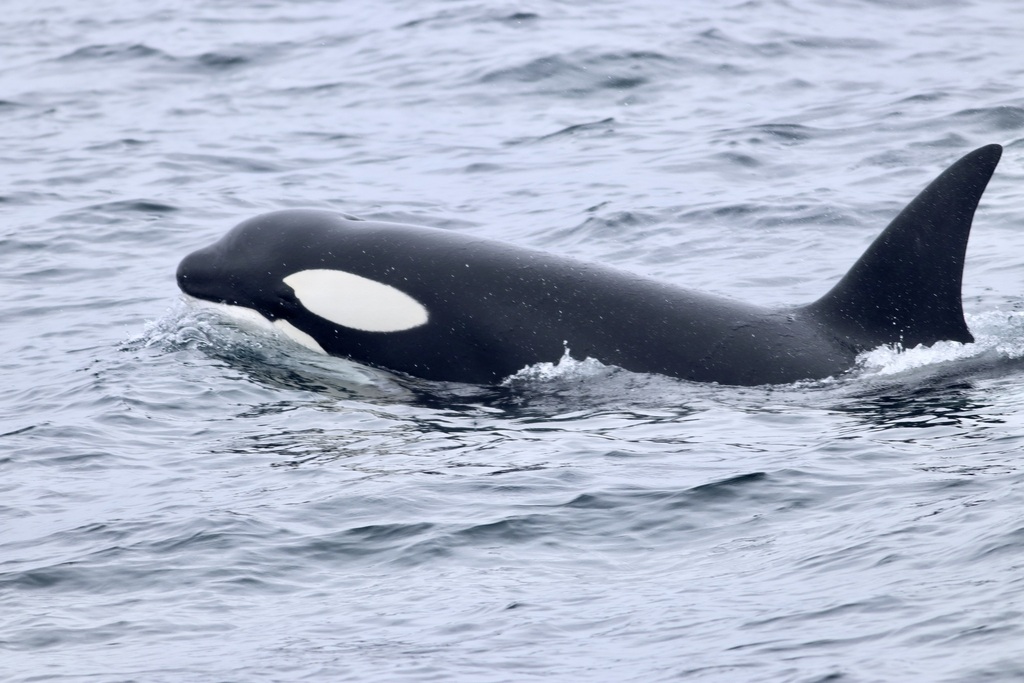
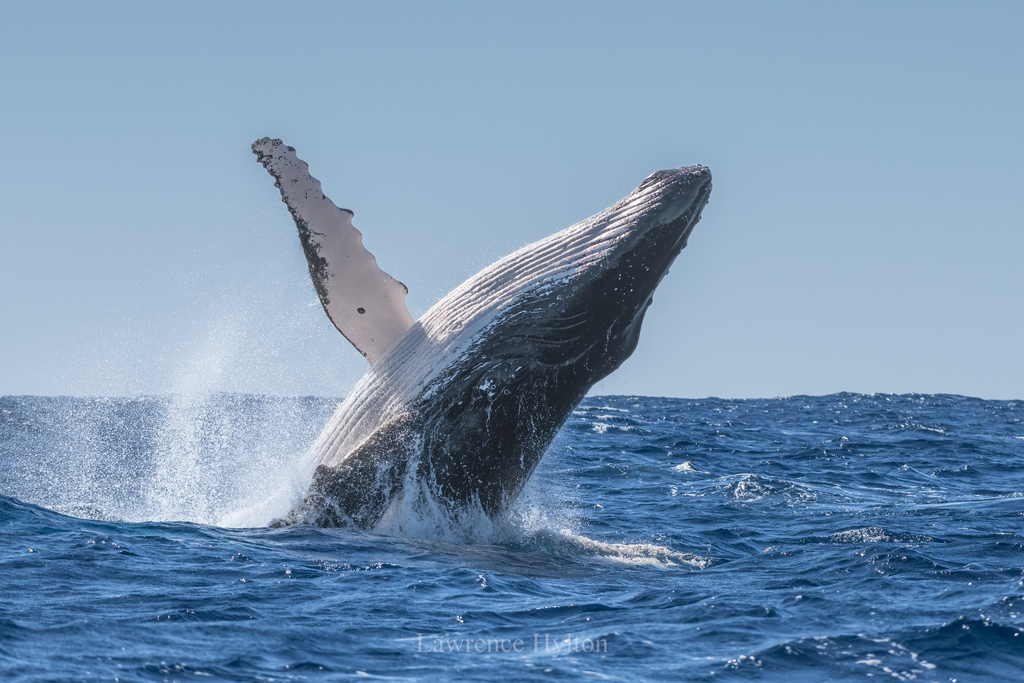
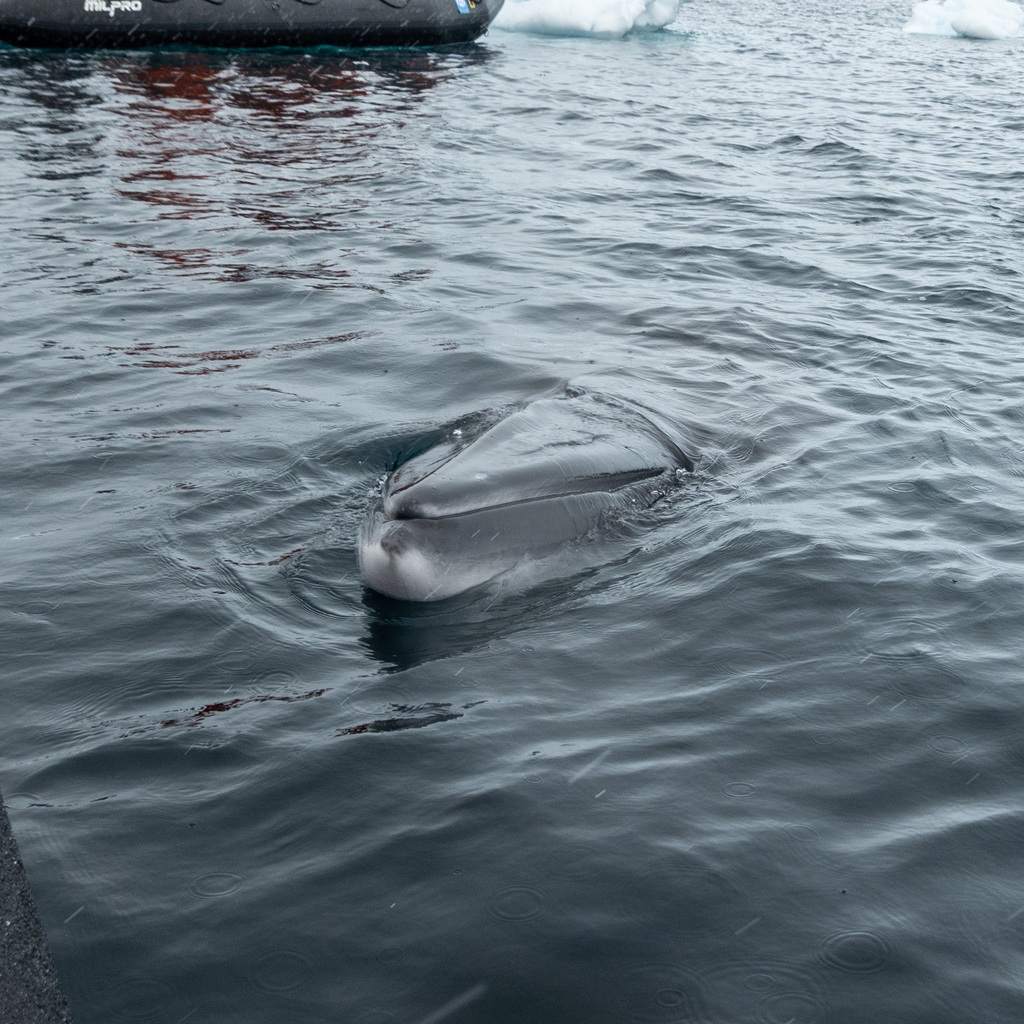
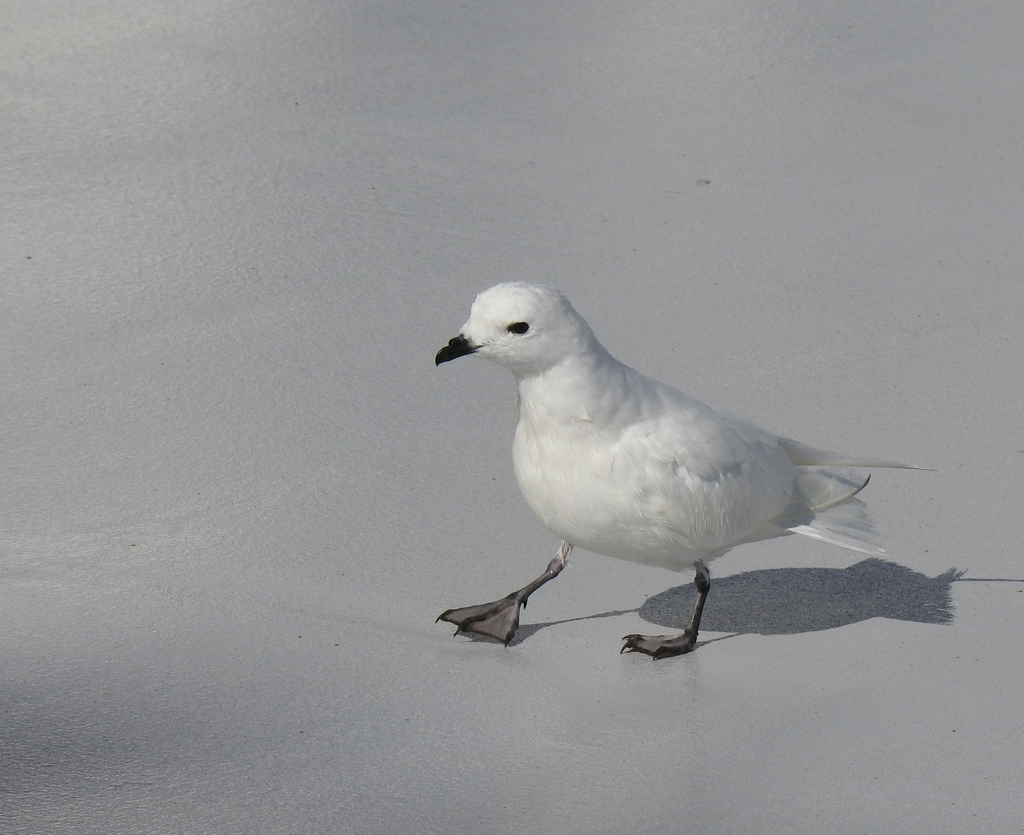
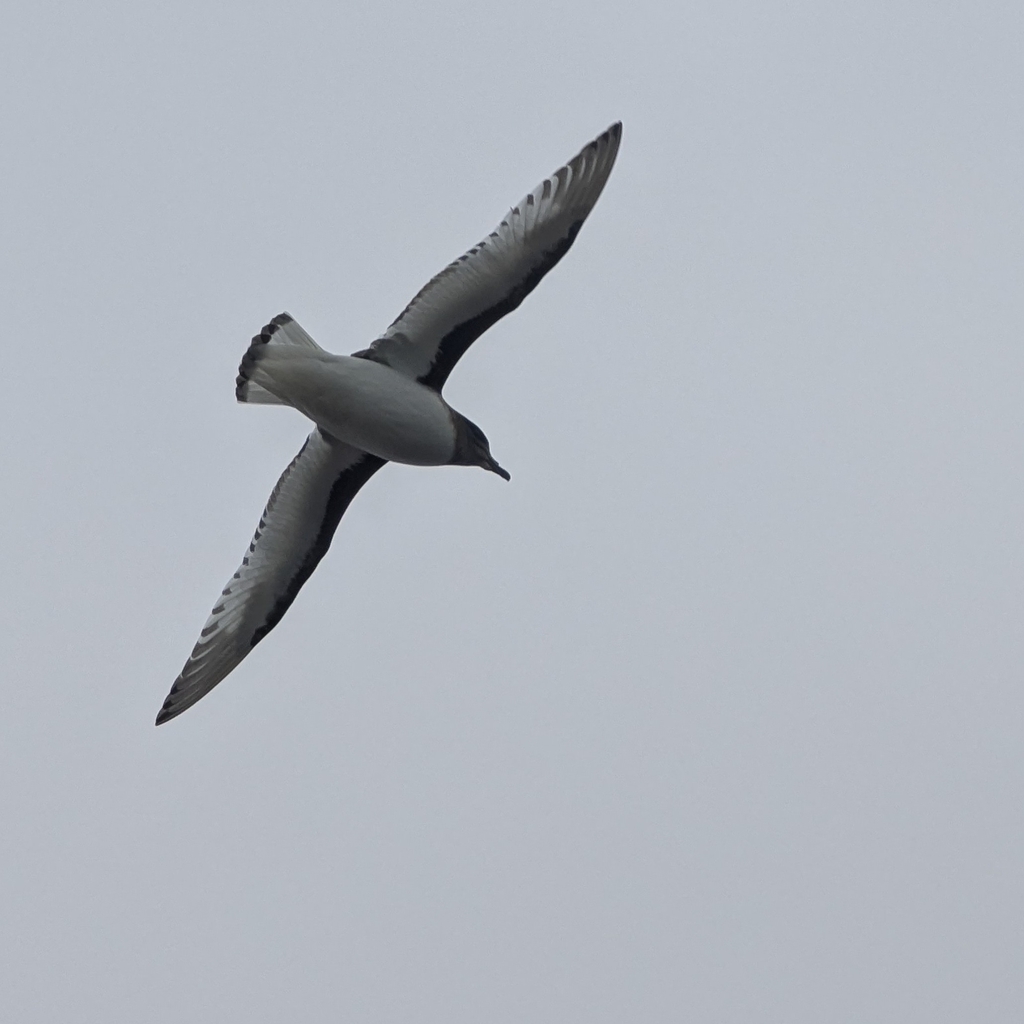
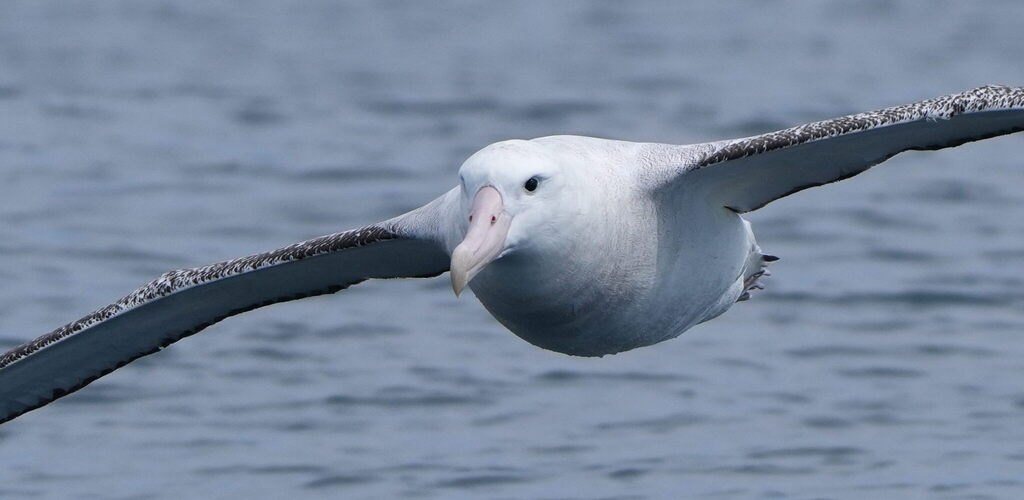
The surrounding oceans host an impressive diversity of cetaceans. During the austral summer, Humpback, Minke, Blue, Fin, Sei and Orca whales migrate south to exploit the seasonal abundance of krill and fish. Meanwhile, seabirds such as the majestic Wandering Albatross, giant petrels, snow petrels and Antarctic petrels spend much of their lives soaring across the Southern Ocean, covering thousands of kilometres between feeding grounds.
For wildlife enthusiasts and photographers, Antarctica represents one of the ultimate destinations on Earth. The combination of pristine ice-covered landscapes, immense penguin colonies, spectacular marine mammals and complete absence of permanent human settlement creates an experience unlike anywhere else. Every expedition offers unforgettable encounters with wildlife that has evolved in one of the harshest environments on the planet, making Antarctica one of the world’s greatest remaining wildernesses.
Brown Bluff
Cuverville Island
Danco Island
Deception Island
Half Moon Island
Lemaire Channel
Neko Harbour
Paradise Bay
Paulet Island
Nothing matches these filters.
No community observations in this country yet — visit a hotspot and start an observation list.