Paradise Bay
Photo © Grandmaster Huon
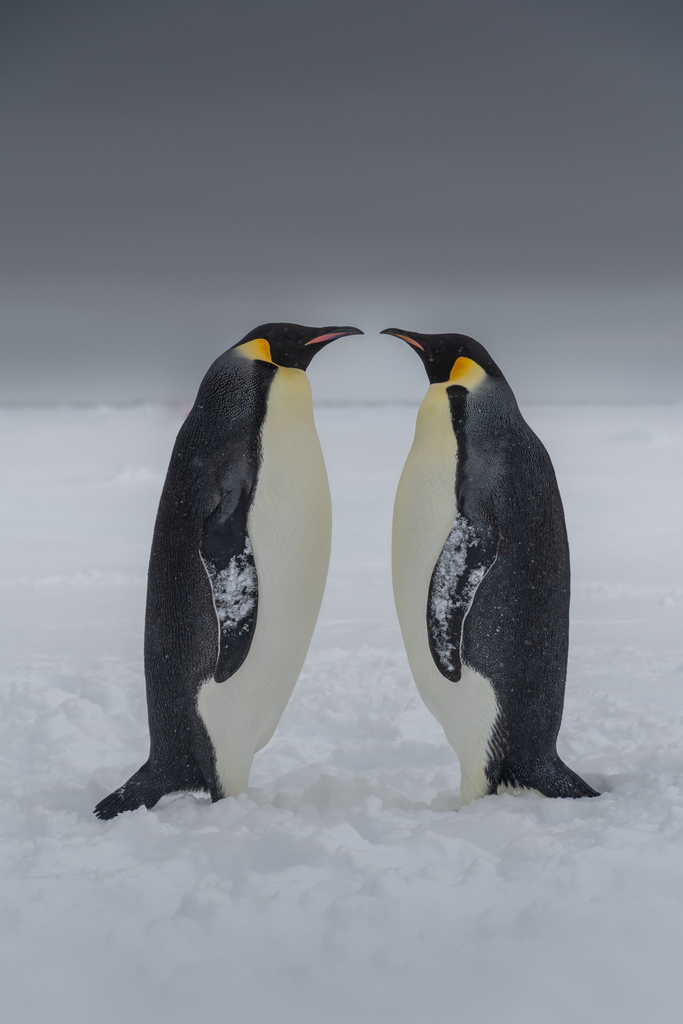
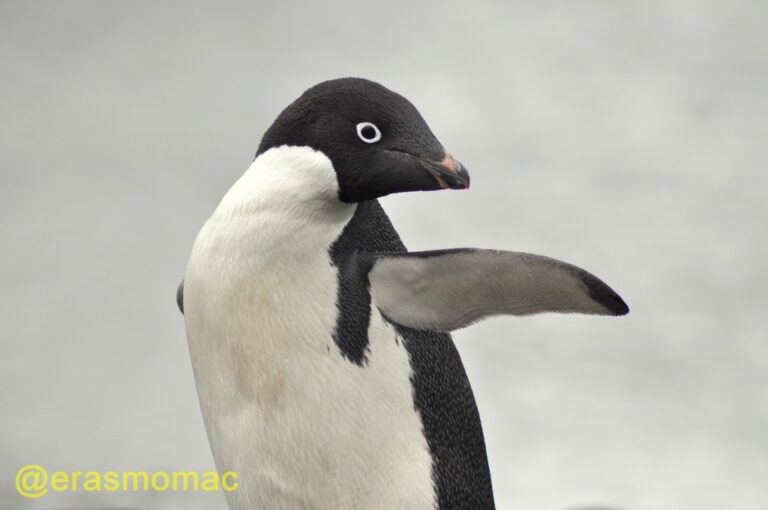
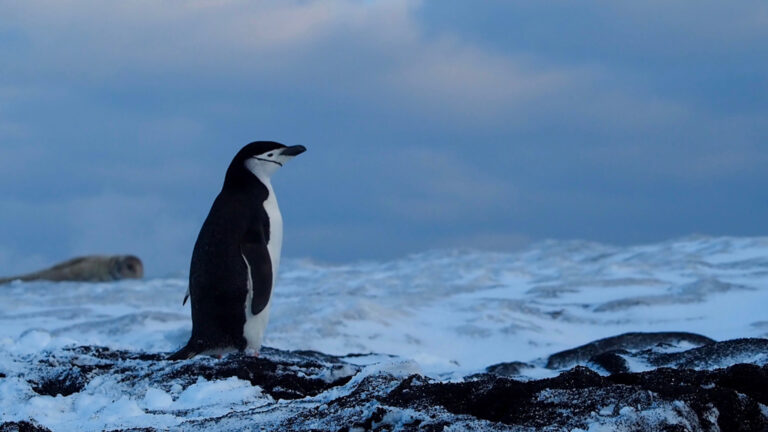
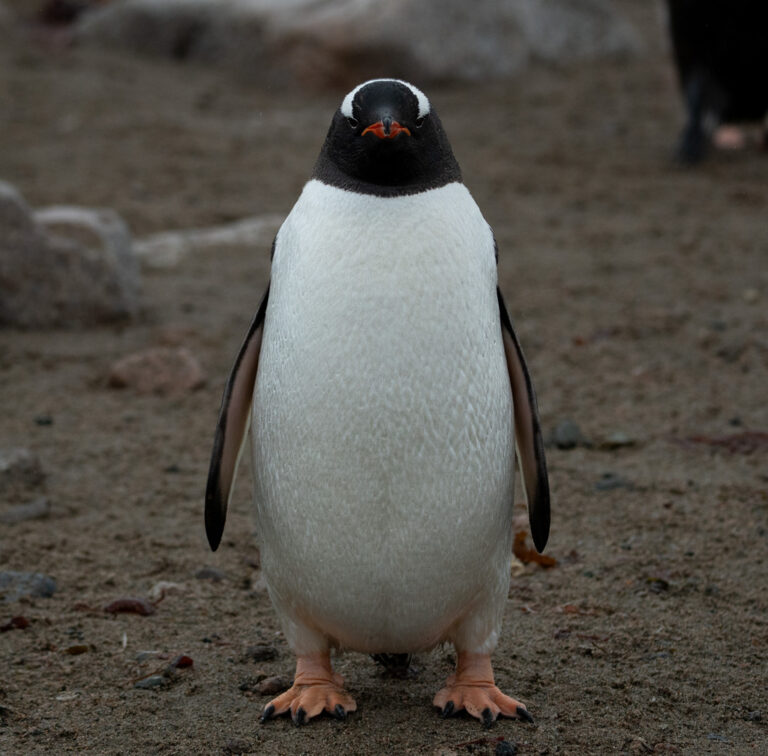
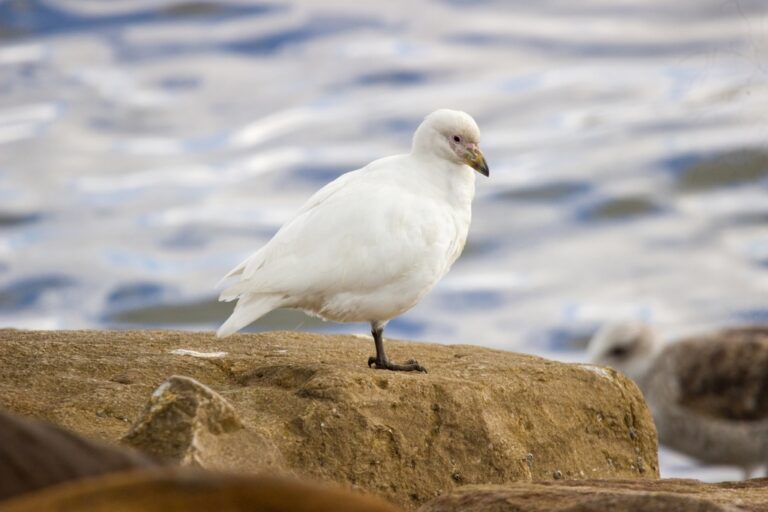
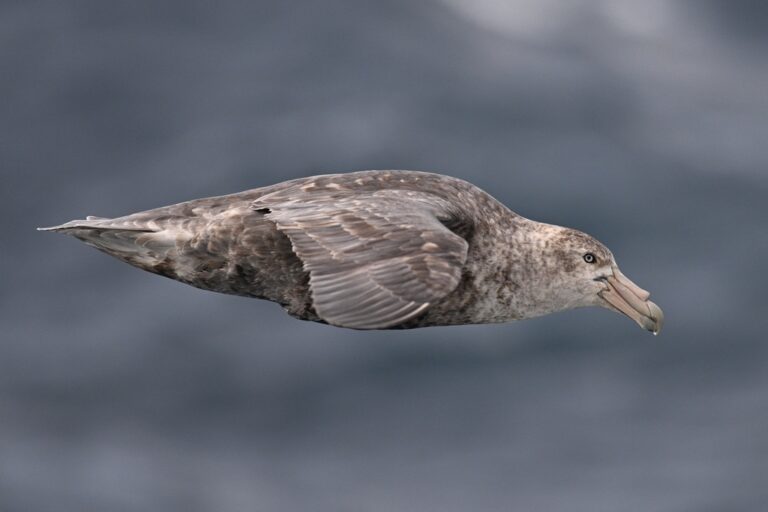
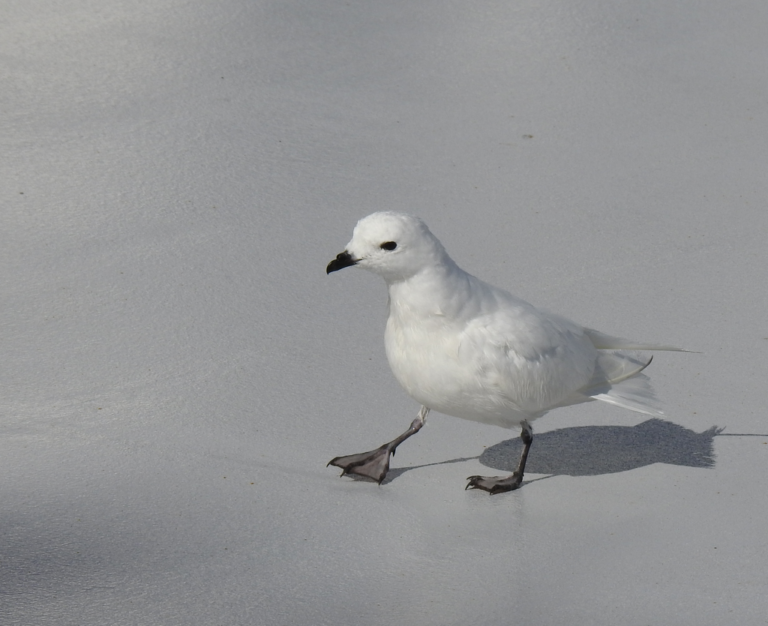
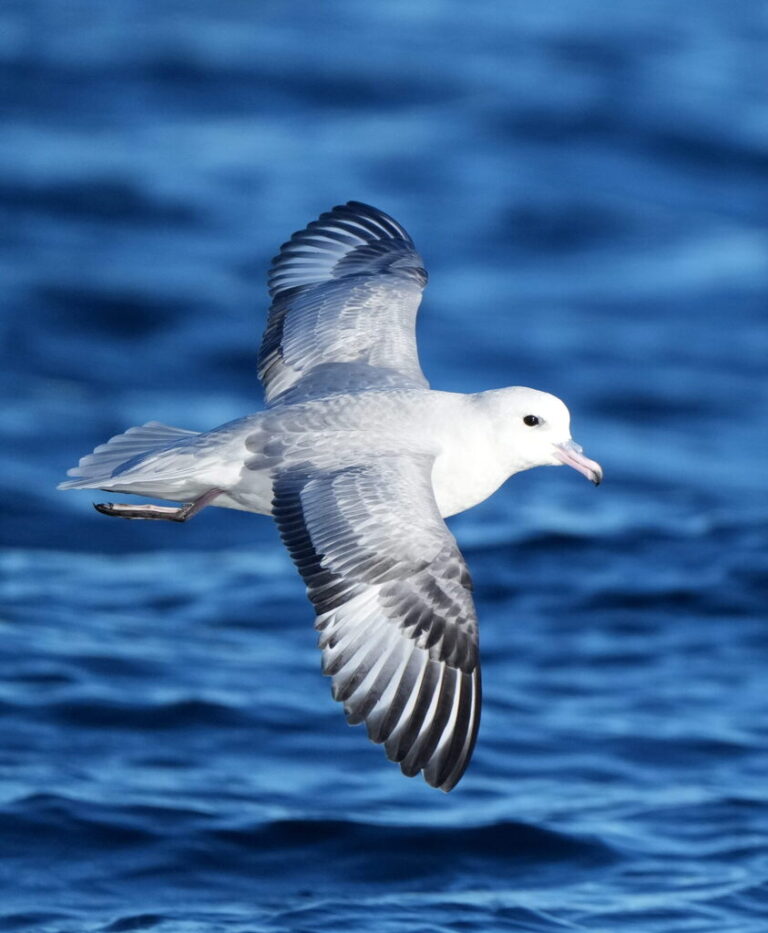
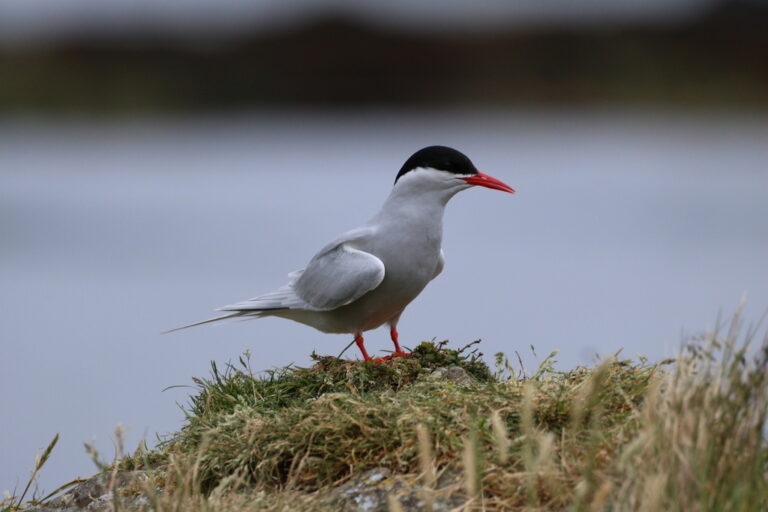
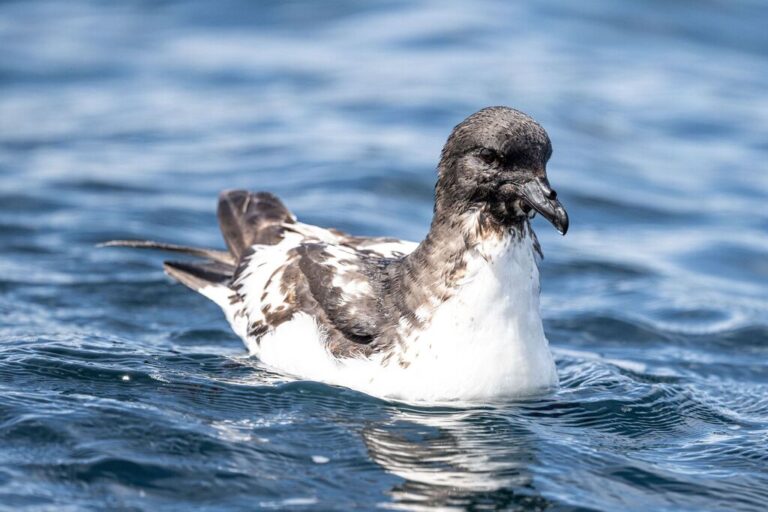
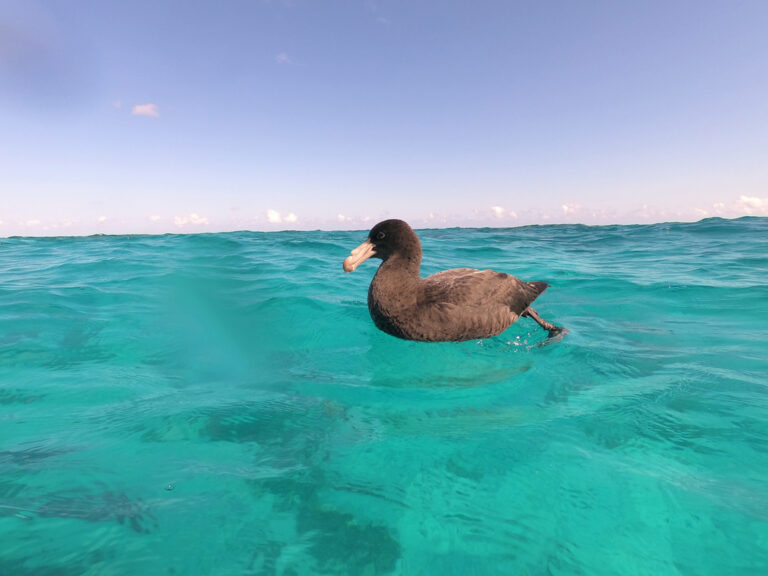
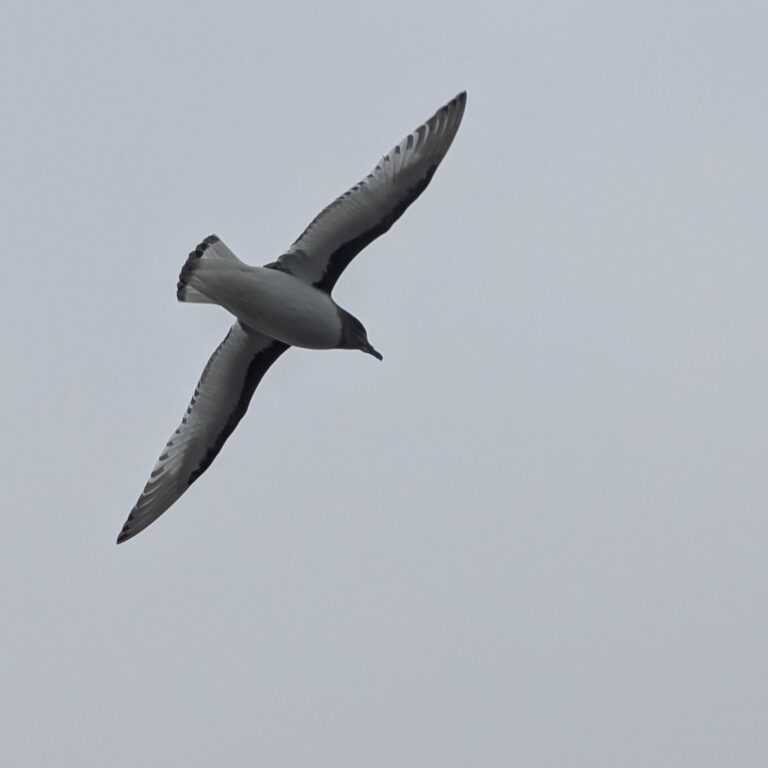
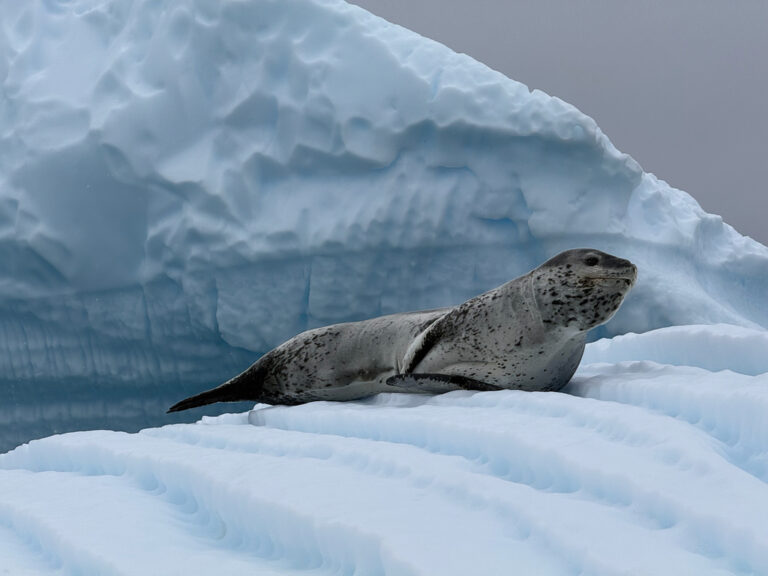
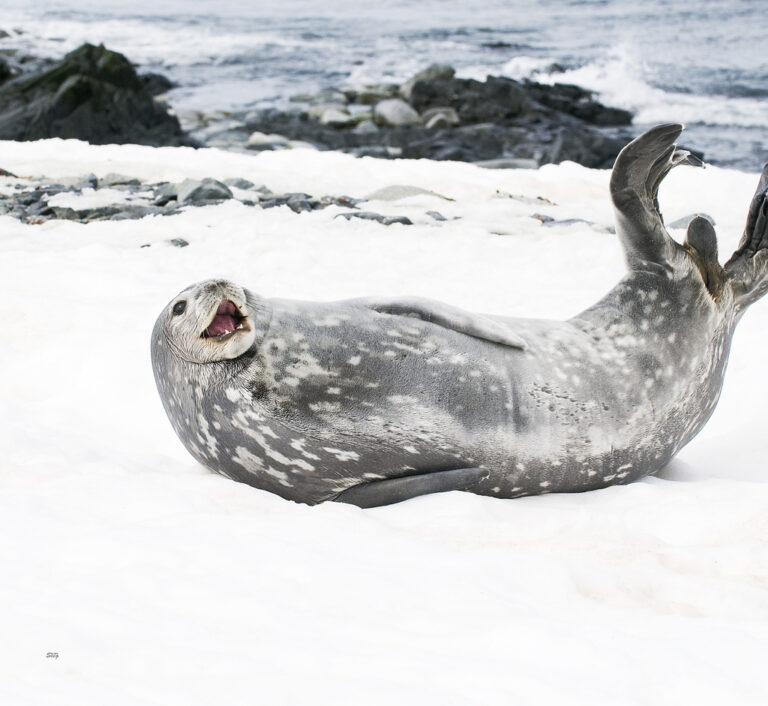
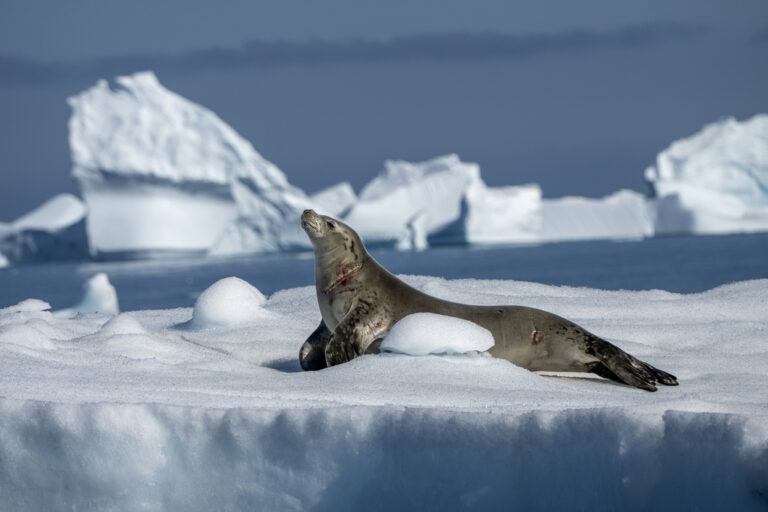
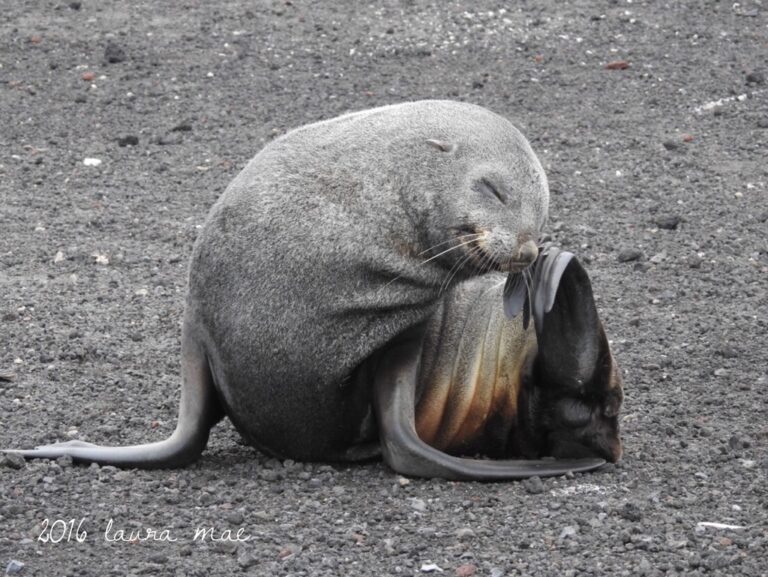
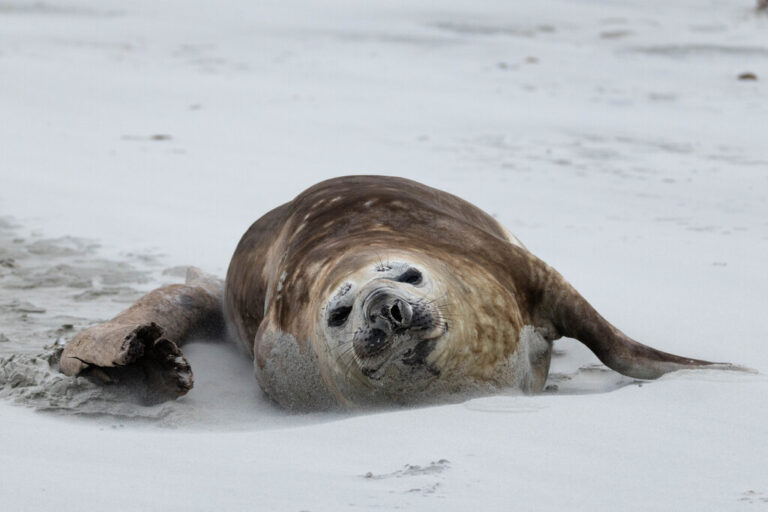
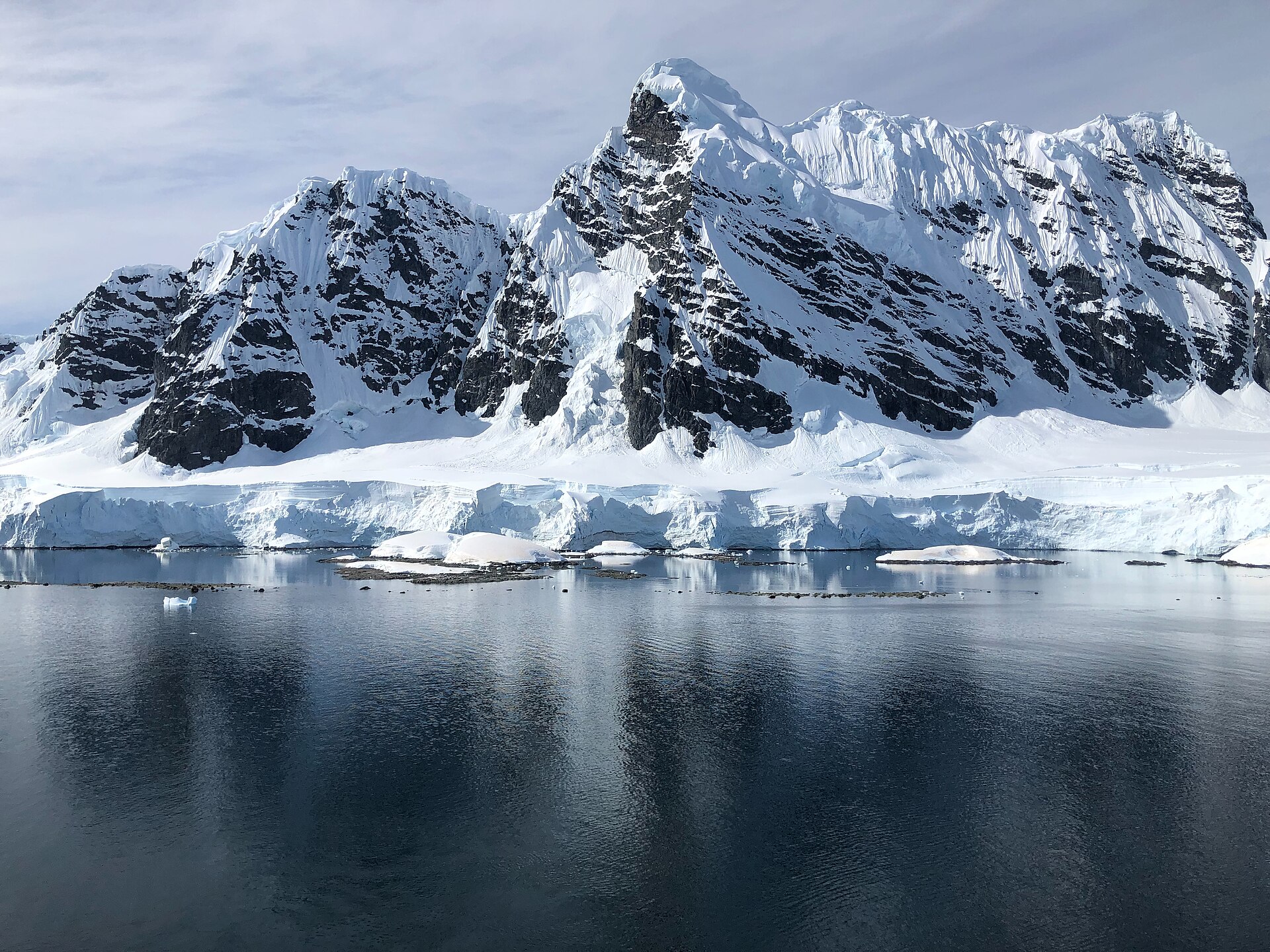
Photo © Grandmaster Huon — CC0 1.0 — Source: Wikimedia CommonsWhere the Antarctic Peninsula's rugged coastline meets the Southern Ocean, Brown Station stands sentinel over Paradise Bay—a protected landscape of ice-carved inlets, towering glacial faces, and narrow channels that funnel the raw power of polar weather and wildlife. The bay itself is a mosaic of fast ice, drifting floes, and open water, bordered by steep rocky outcrops that rise from the shore. This is a realm shaped entirely by cold: the austere beauty of exposed bedrock, the perpetual threat and promise of ice advance and retreat, and the sparse but resilient plants that cling to ice-free ground during the brief Antarctic summer. The protected status reflects the ecological fragility of this zone—a transition between land and sea where seabirds, marine mammals, and the sparse terrestrial invertebrate fauna depend on precise seasonal rhythms. Pinnipeds haul out on ice floes and rocky points; seabirds wheel and dive above the water; and in the brief months when snow retreats, ground-nesting birds and invertebrates emerge to breed in a frantic race against the returning cold.
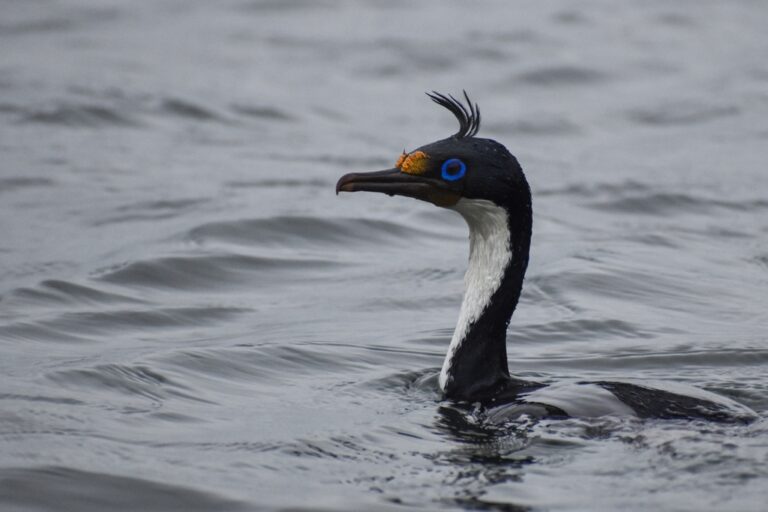
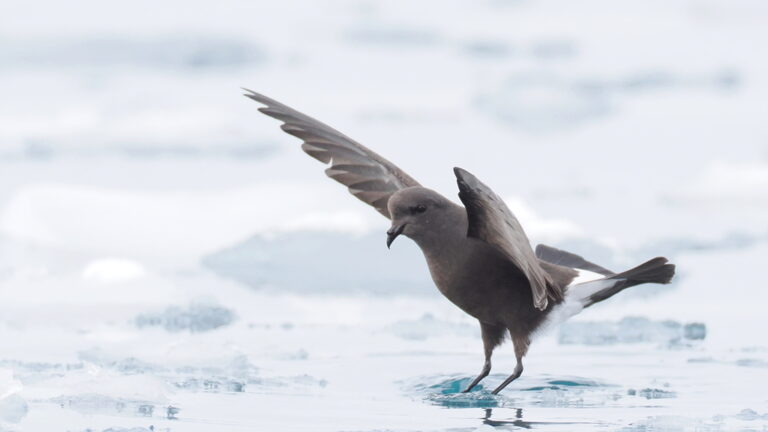
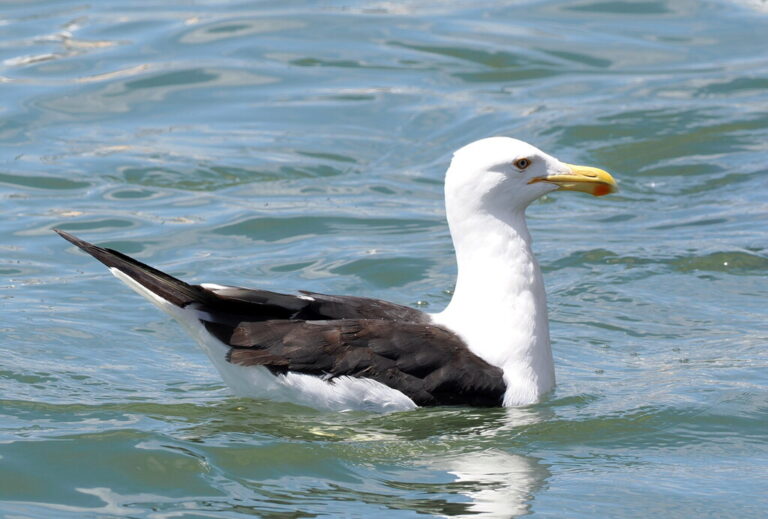
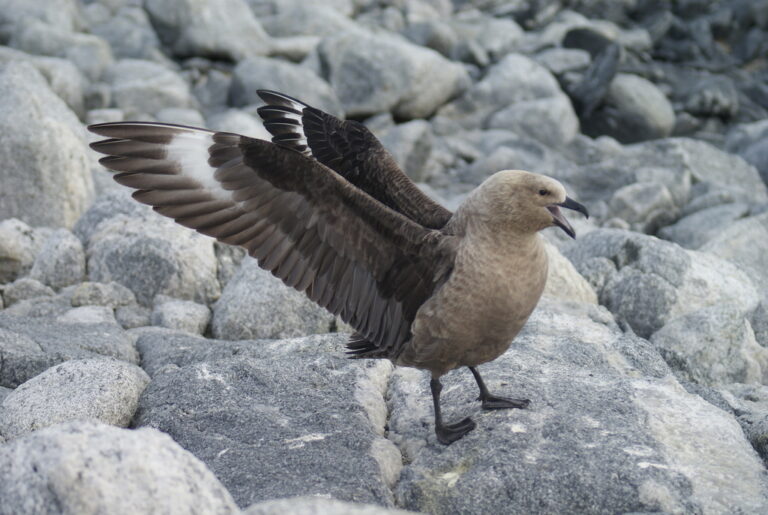
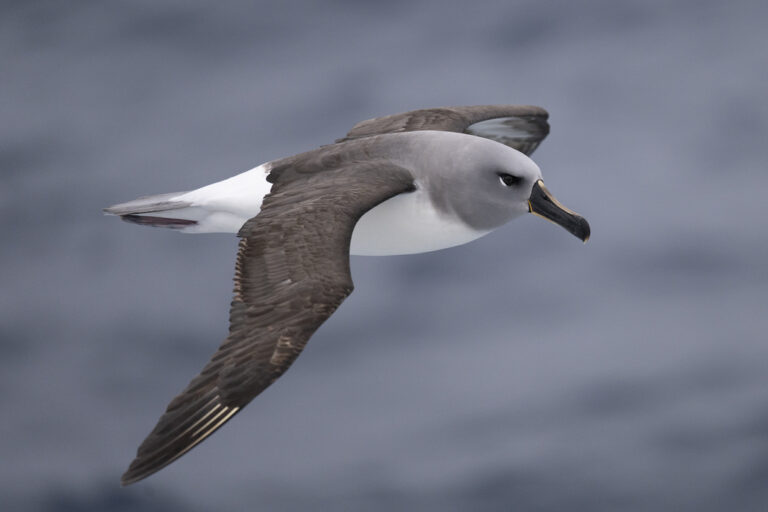
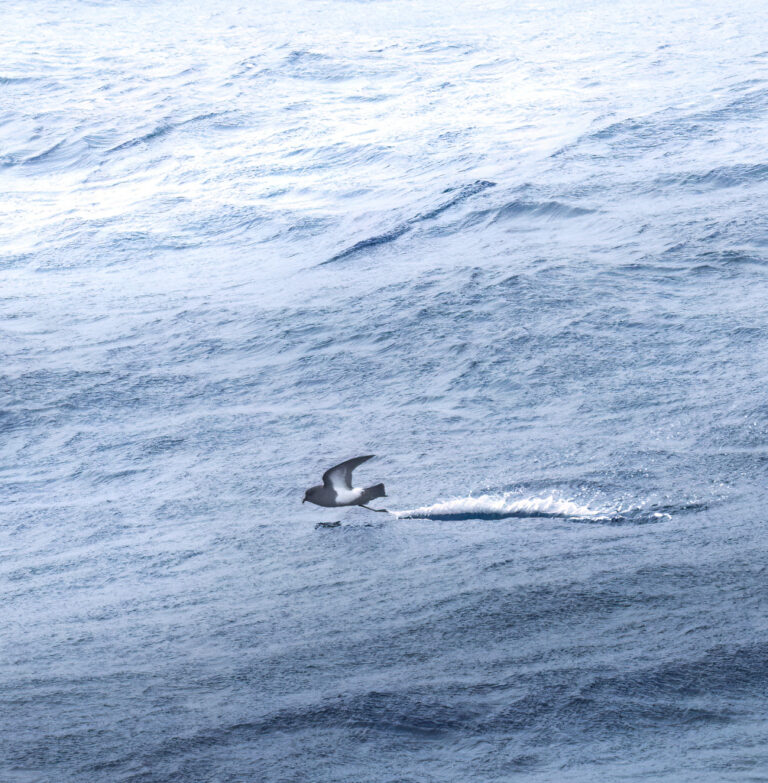
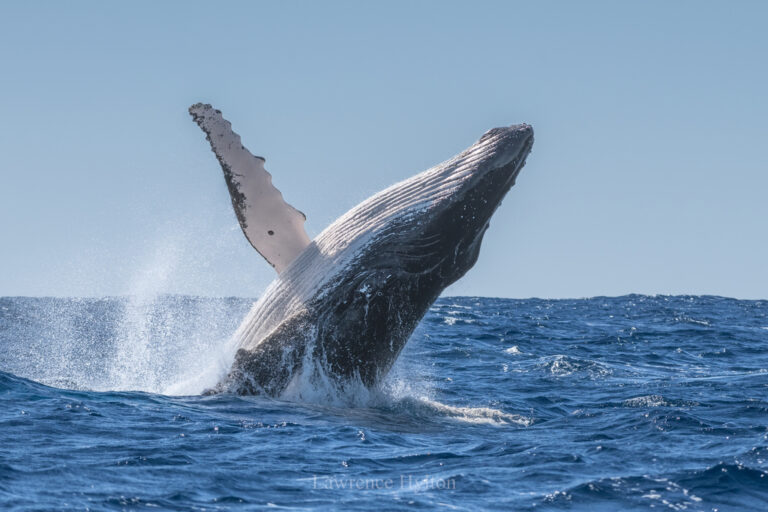
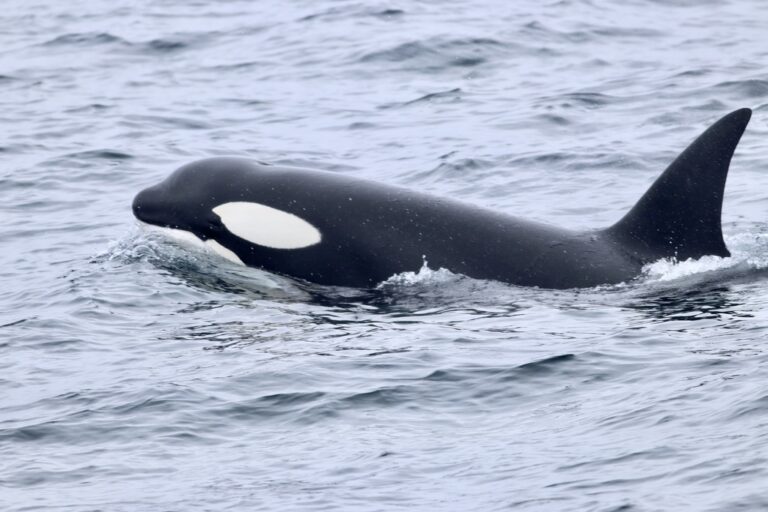
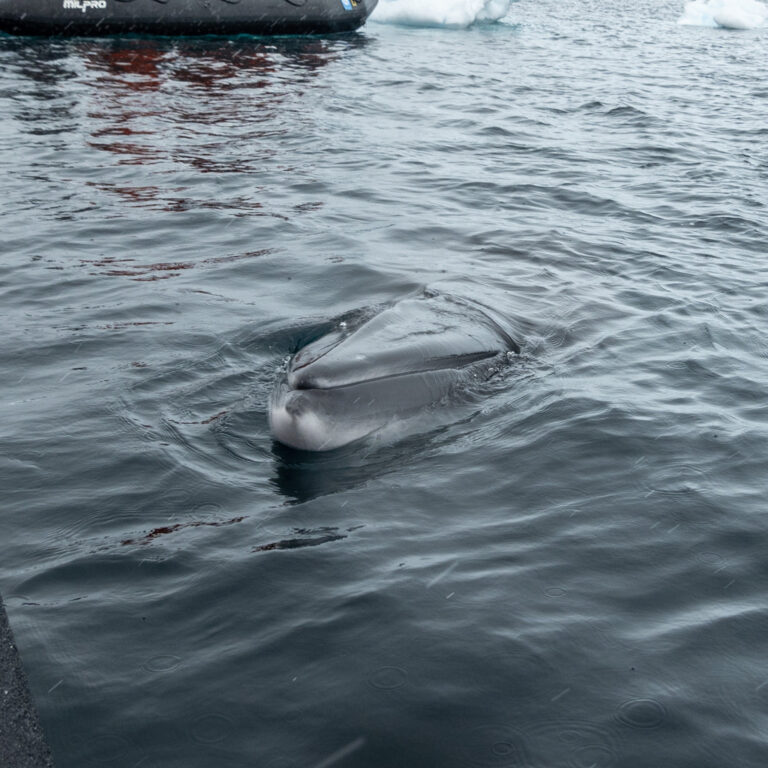
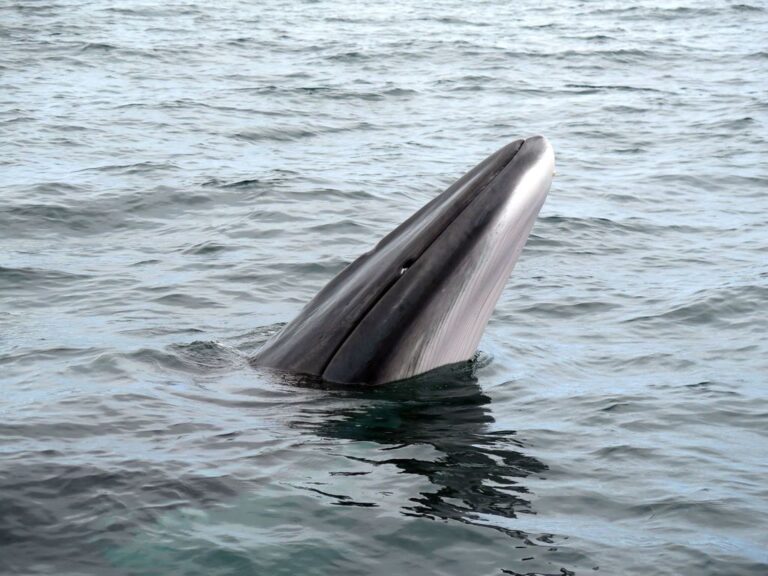
For wildlife observers, Paradise Bay offers an unfiltered encounter with Antarctic fauna in one of the continent's most accessible yet genuinely wild settings. The season—December through February—transforms the bay into a theater of polar life: breeding colonies of seabirds concentrated on headlands and islands, marine predators patrolling channels where fish and krill concentrate, and the ever-present possibility of encountering megafauna in their natural habitat. The protective regulations ensure that access to Brown Station itself is carefully managed, preserving the sanctuary value that makes the bay so rewarding for patient naturalists. Low, raking light in the austral summer creates graphic landscapes ideal for photography, while the complexity of the coastal ecosystem—ice dynamics, current patterns, and seasonal abundance shifts—rewards visitors who spend days rather than hours observing. This is not a destination for passive tourism; it demands engagement with genuine remoteness and the weather systems that govern life at the bottom of the world.
No community observations yet — be the first to log a sighting here.
Paradise Bay
Very cold conditions shape most of the year.
A year of temperatures
Monthly means, with the coldest and warmest highlighted
Terrain and elevation
135 m · LowlandAverage terrain elevation estimate across the hotspot; the figure does not represent its highest summits.
Lowland