Cuverville Island
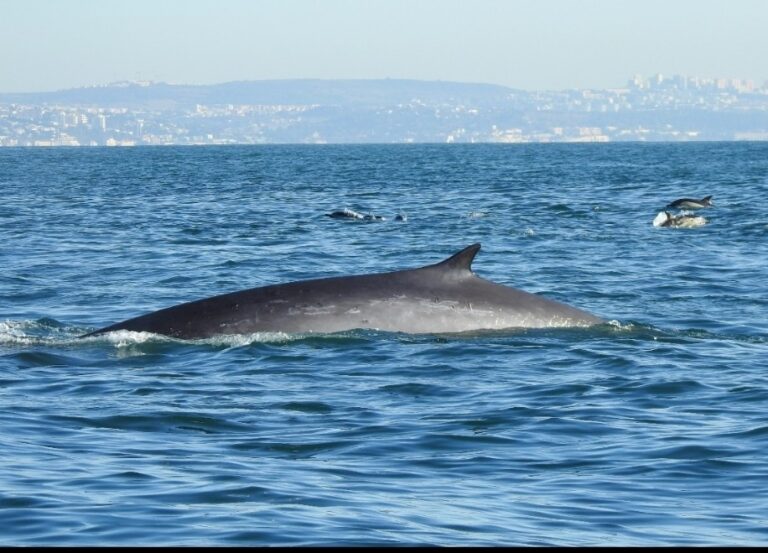
Photo © Pi3.124
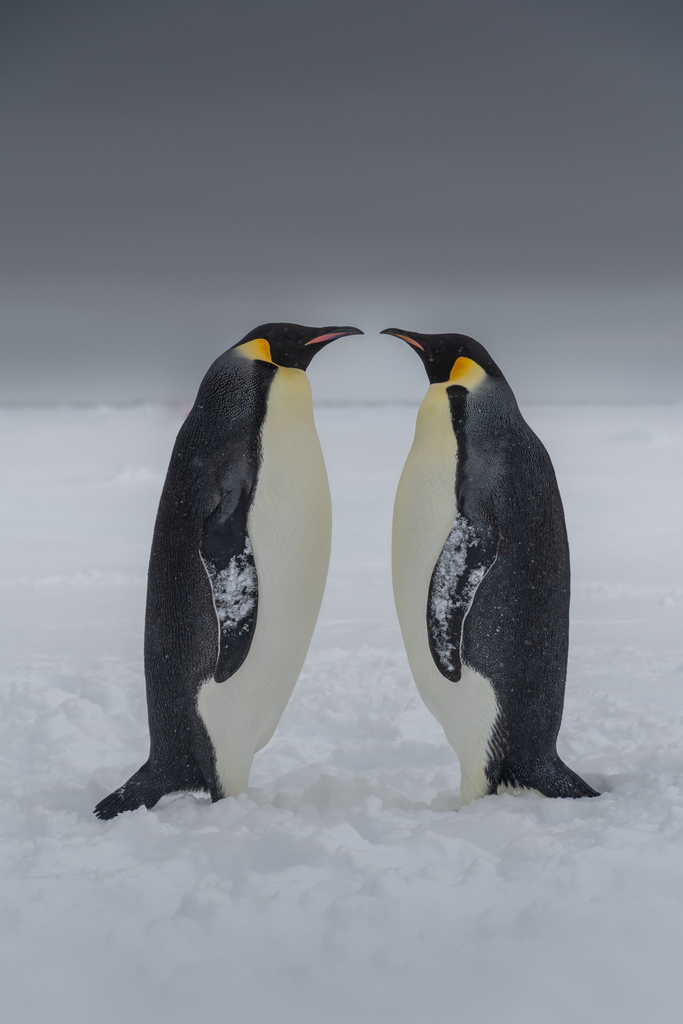
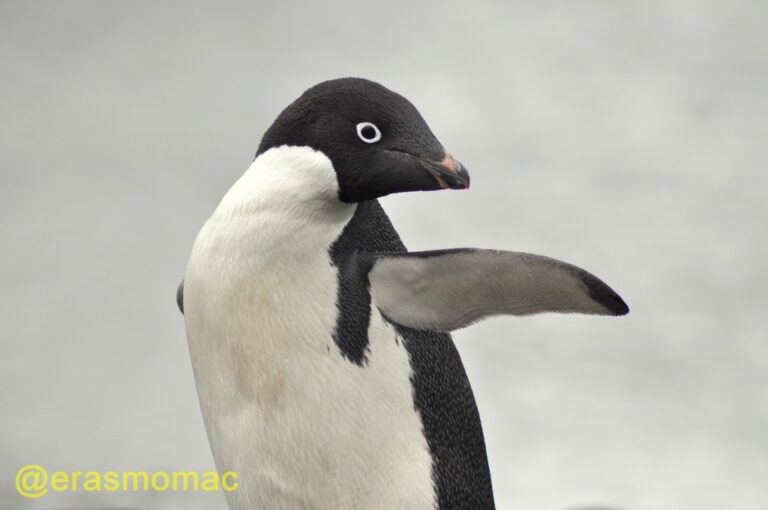
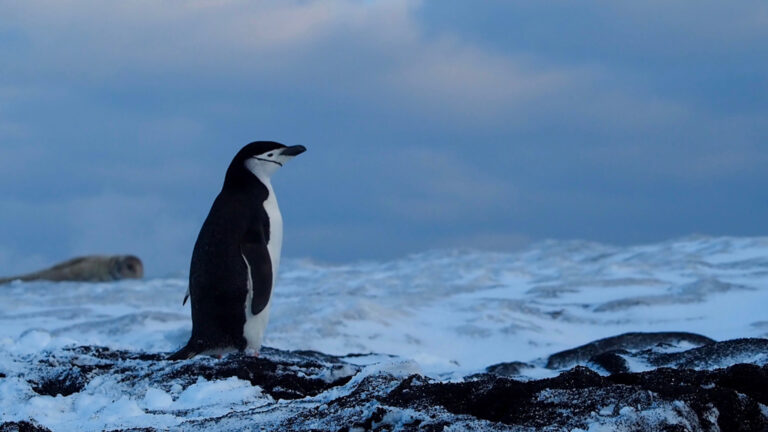
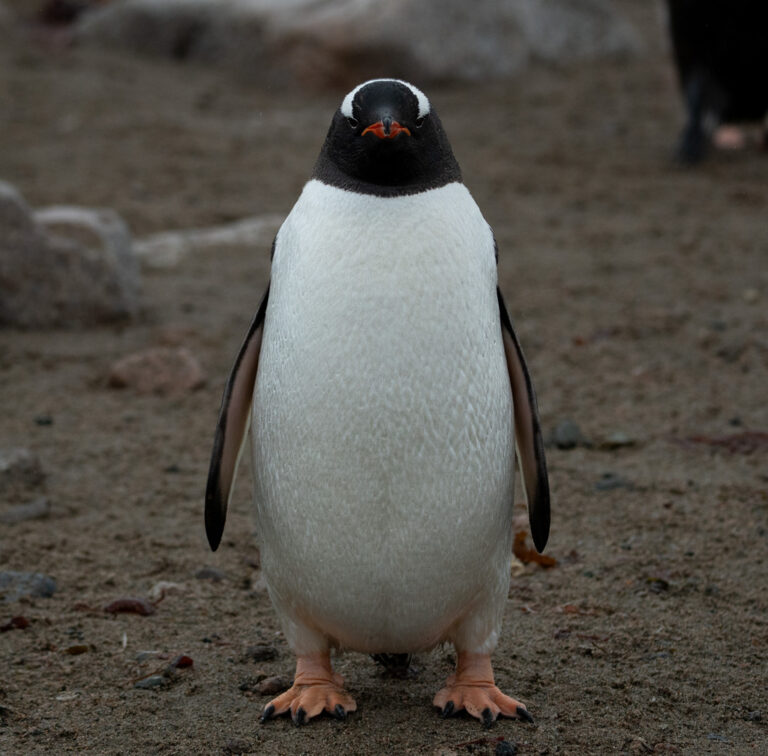
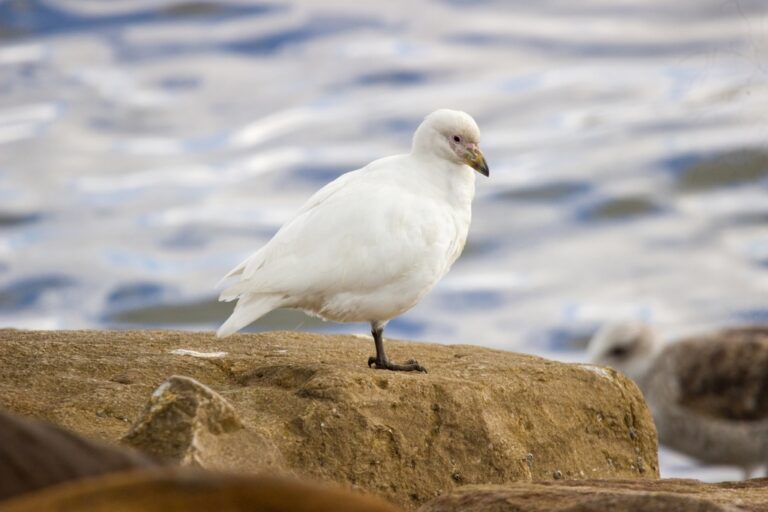
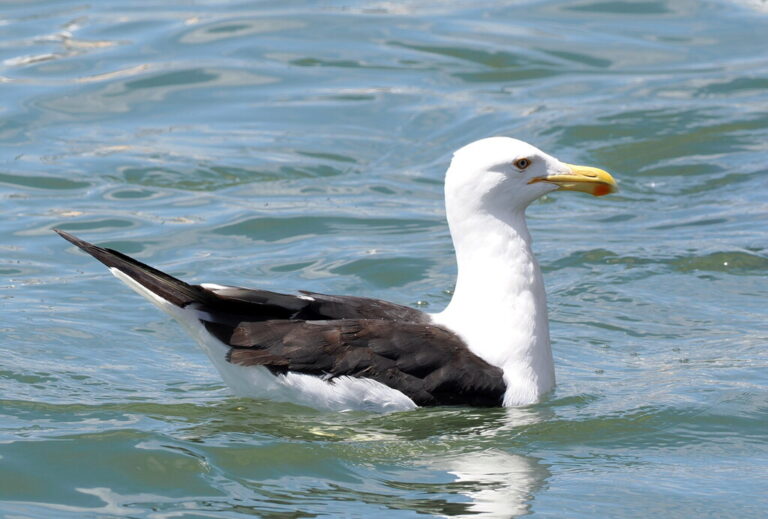
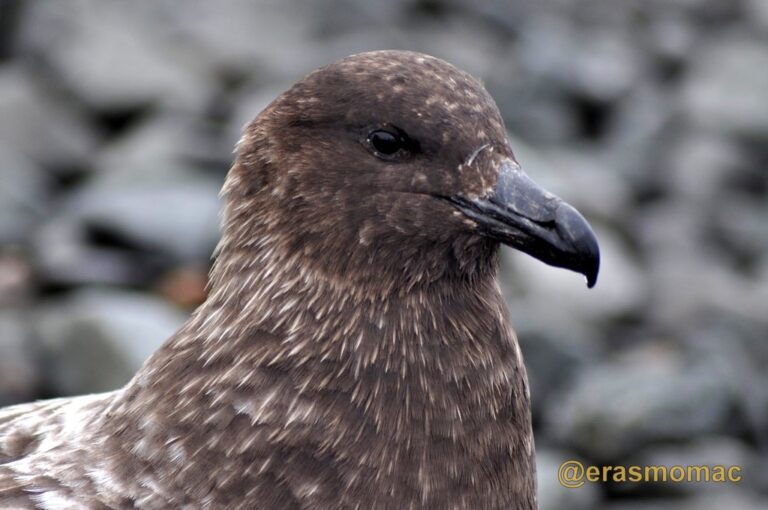
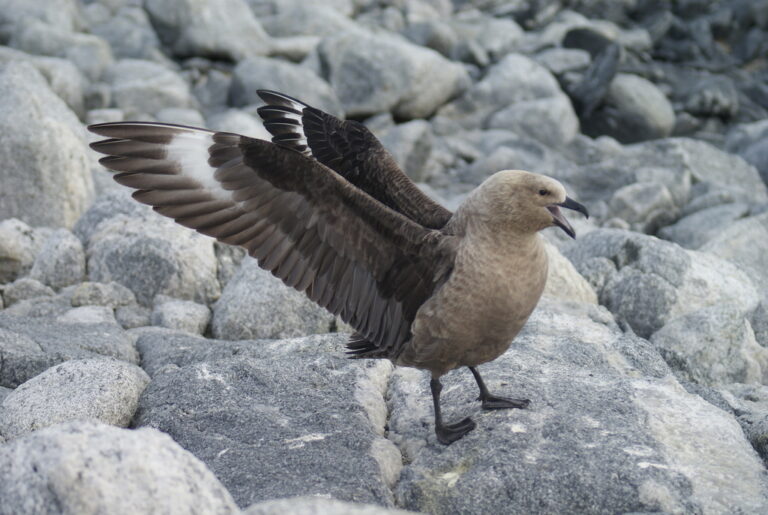
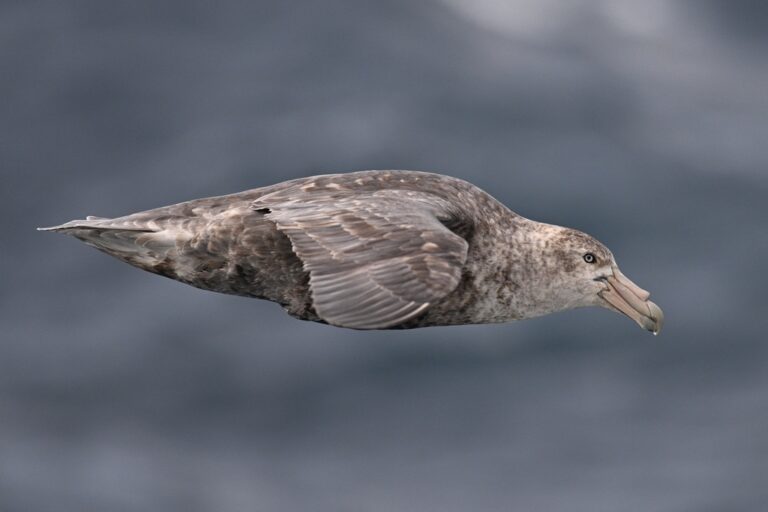
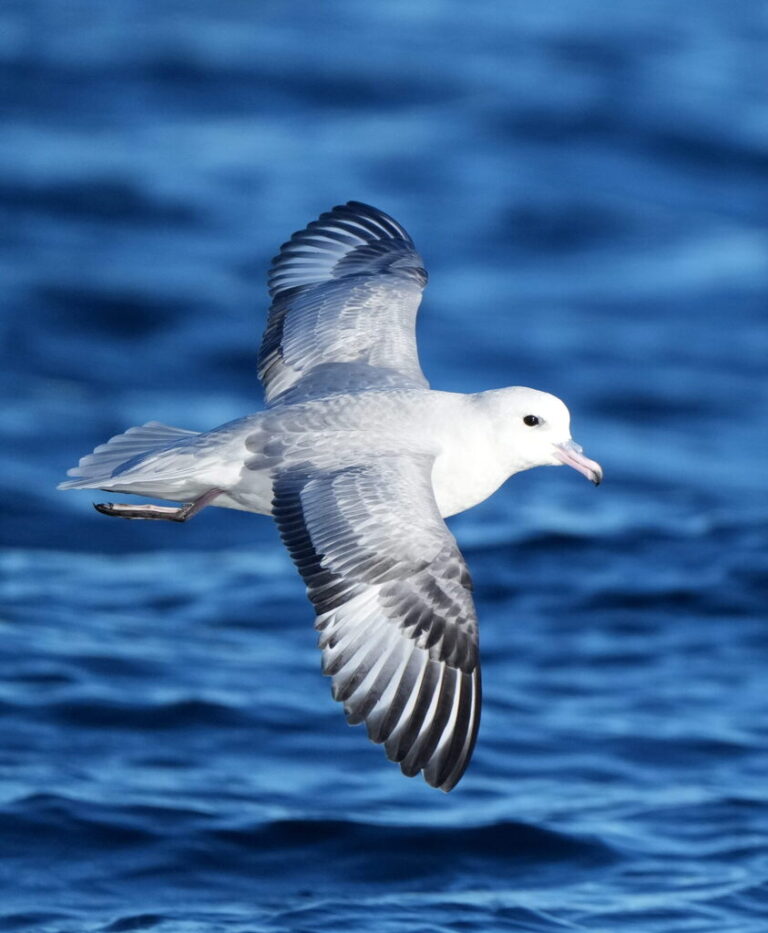
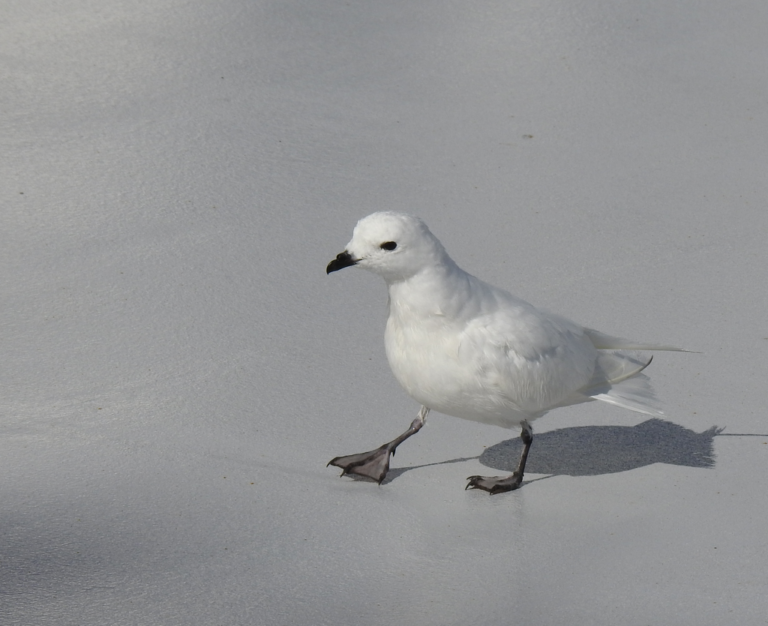
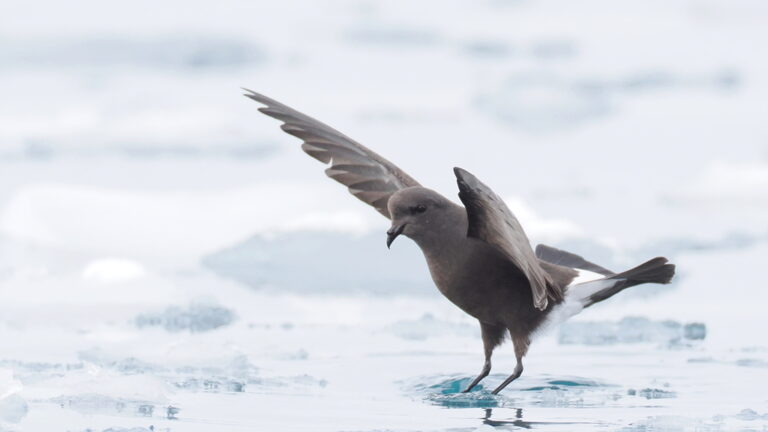
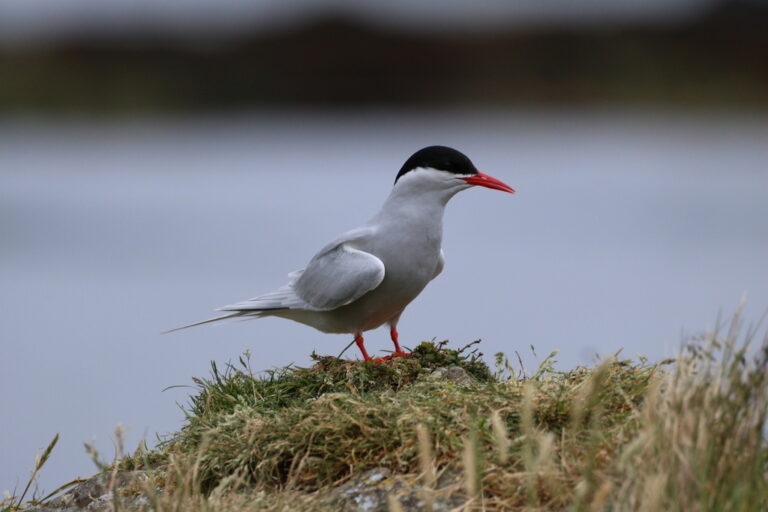
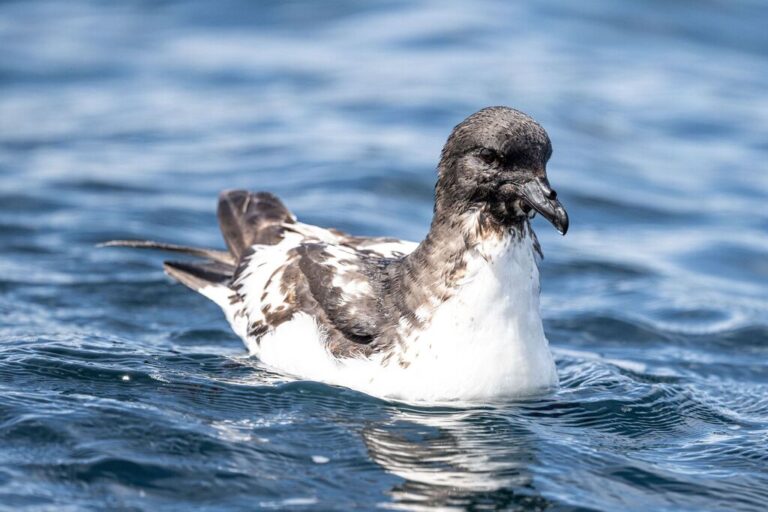
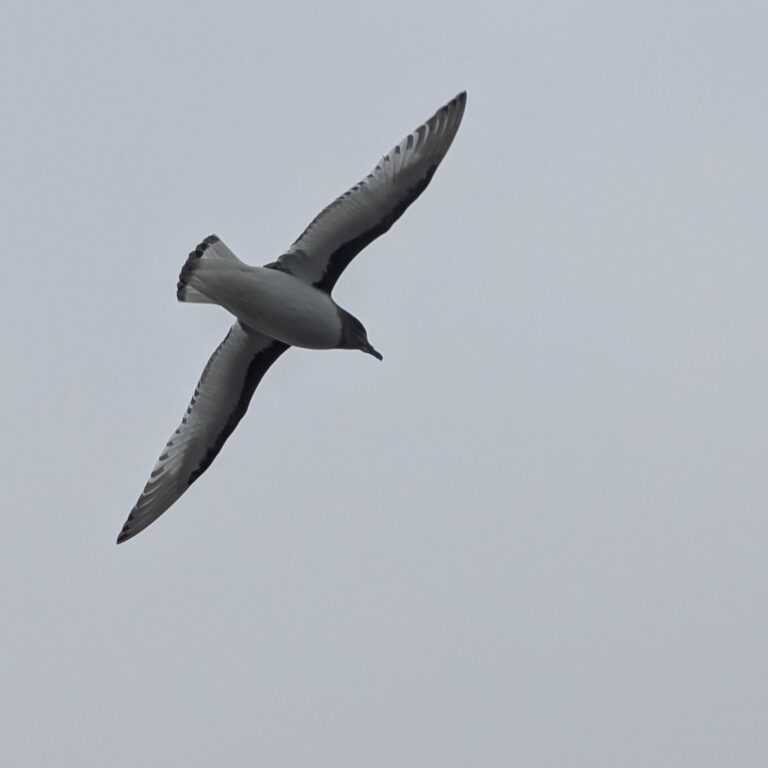
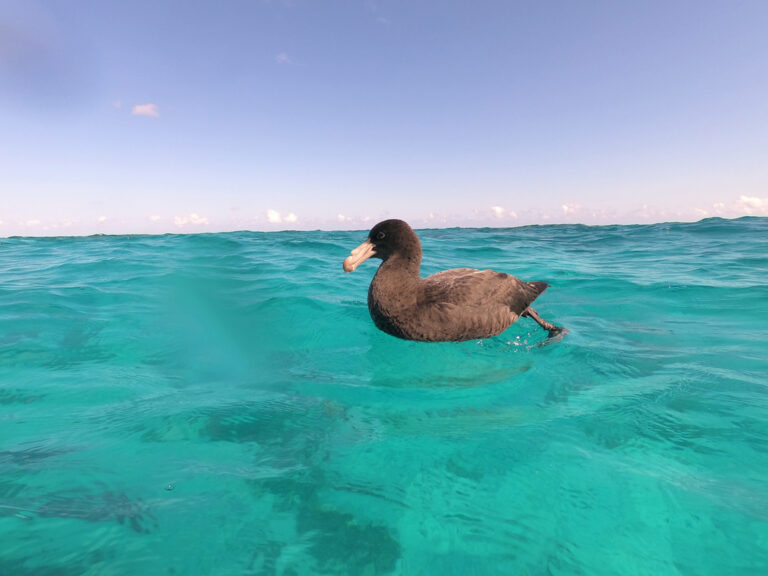
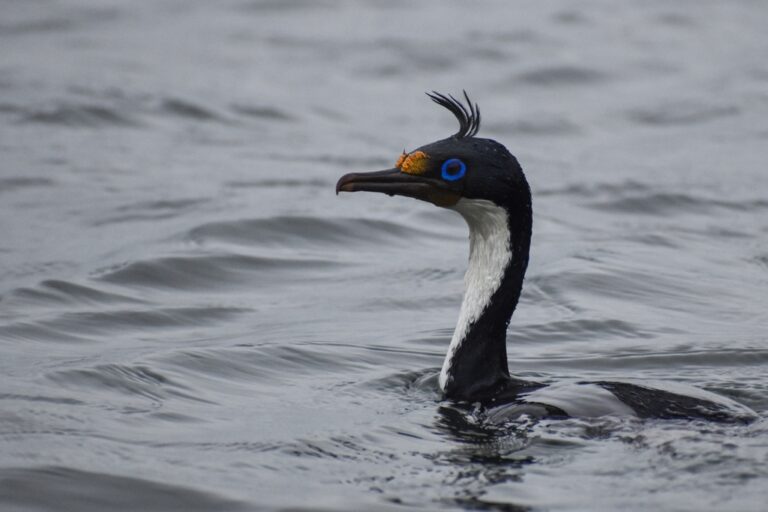
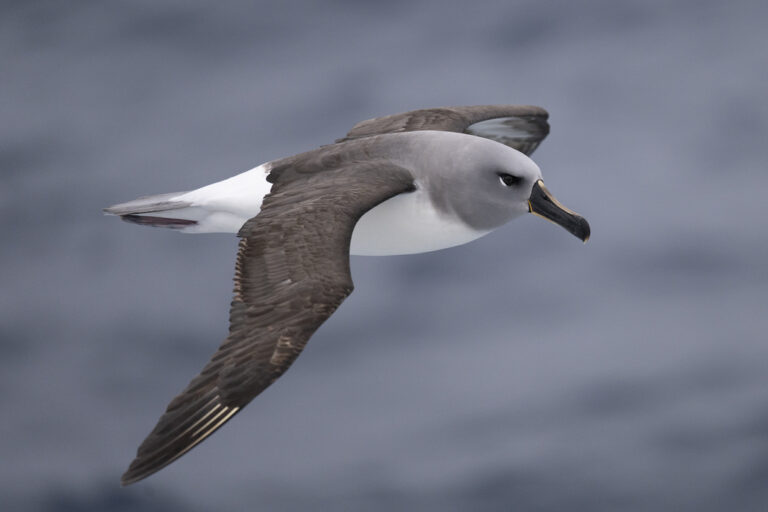
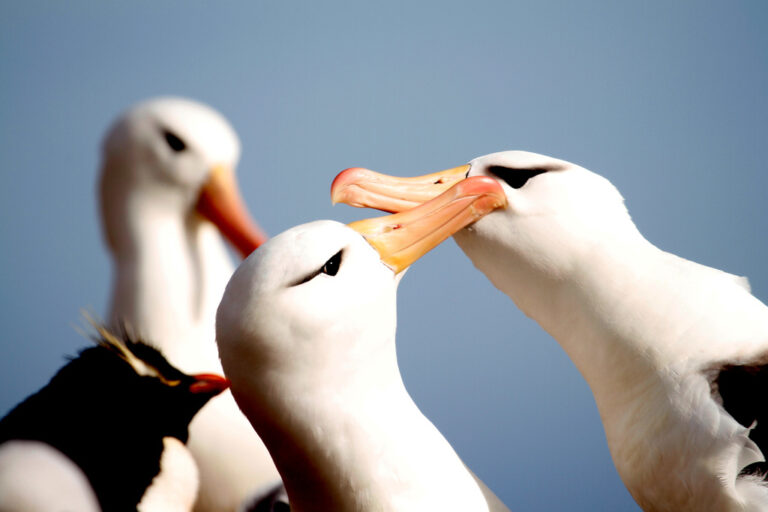
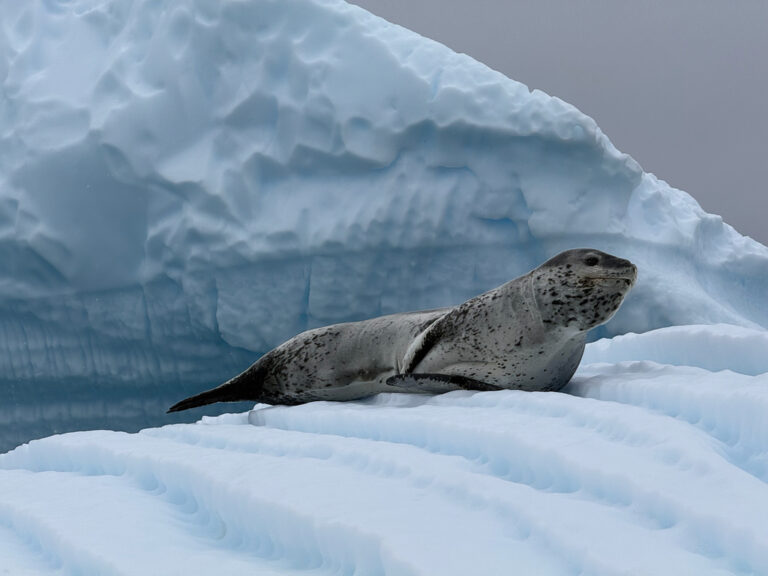
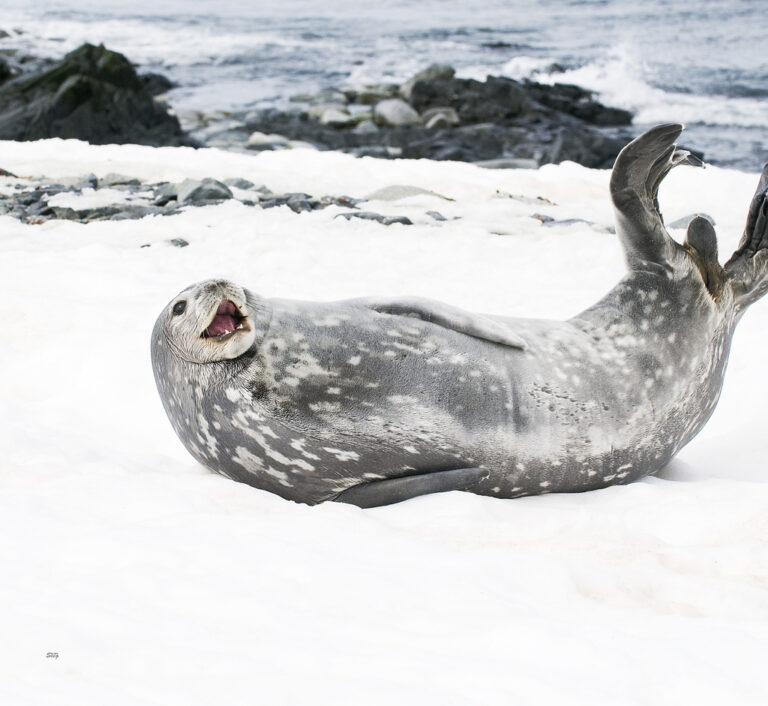
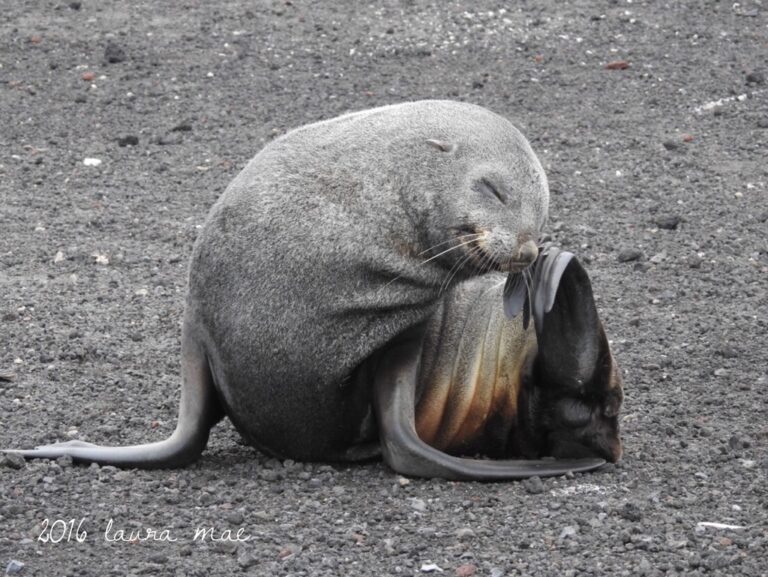
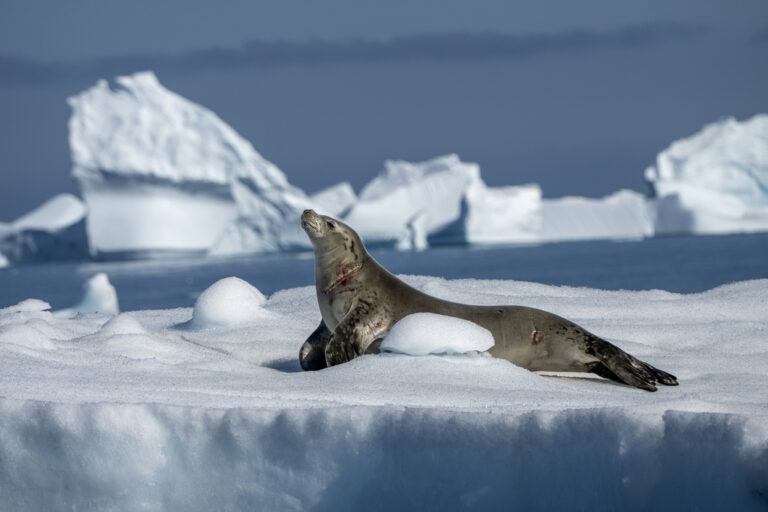
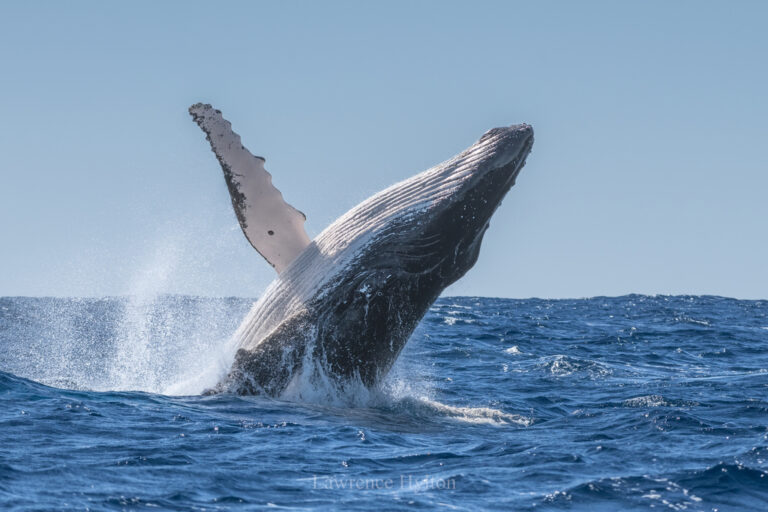
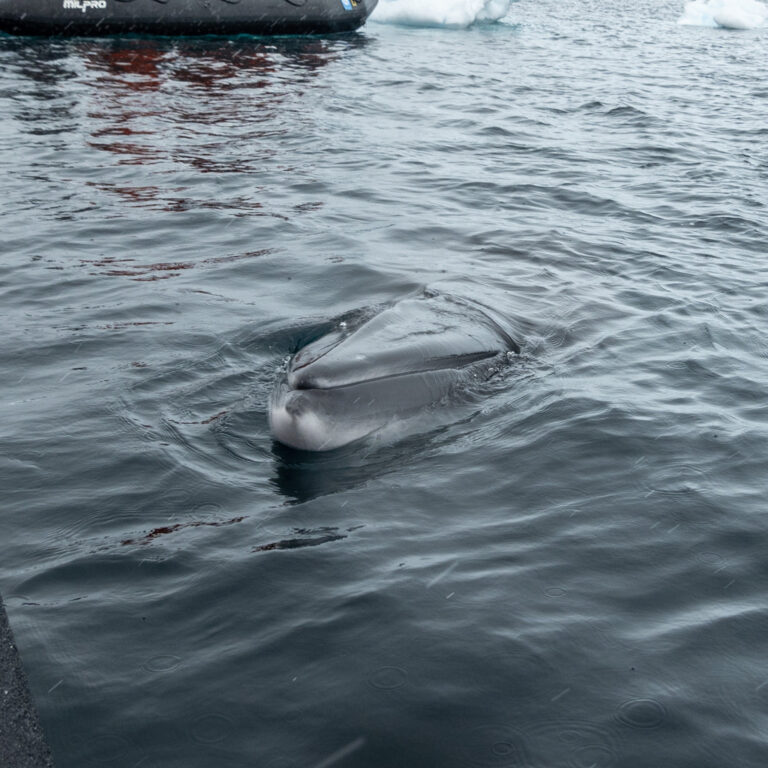
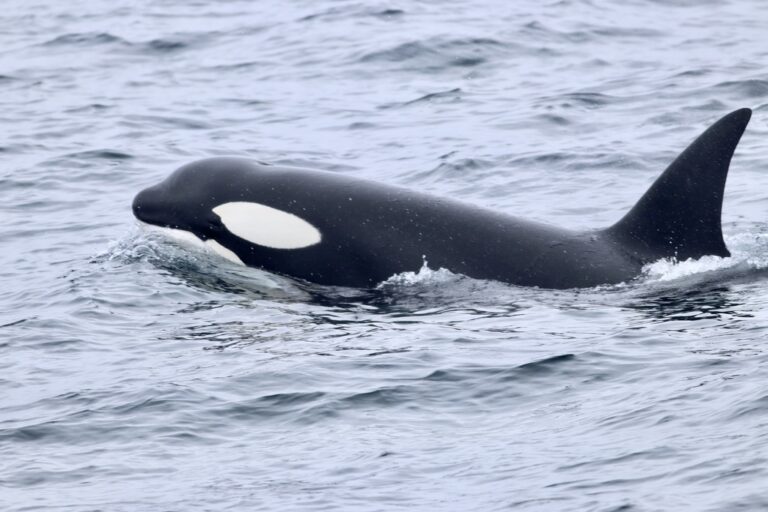
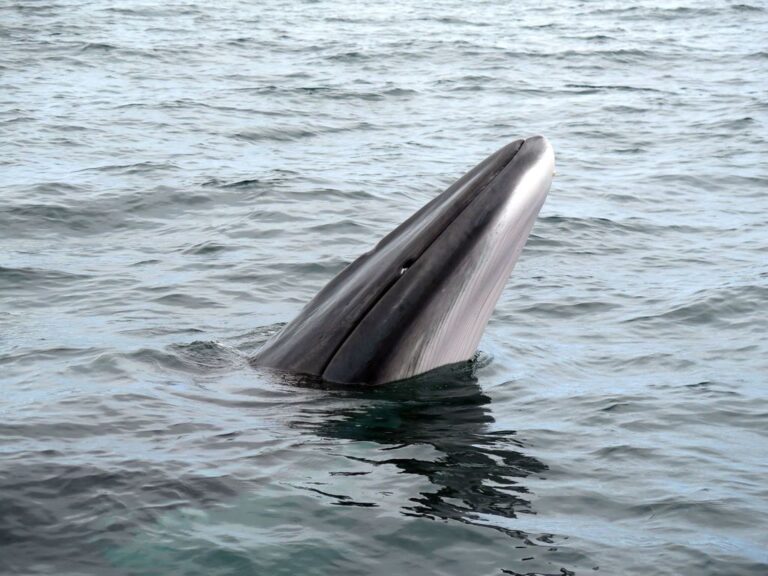
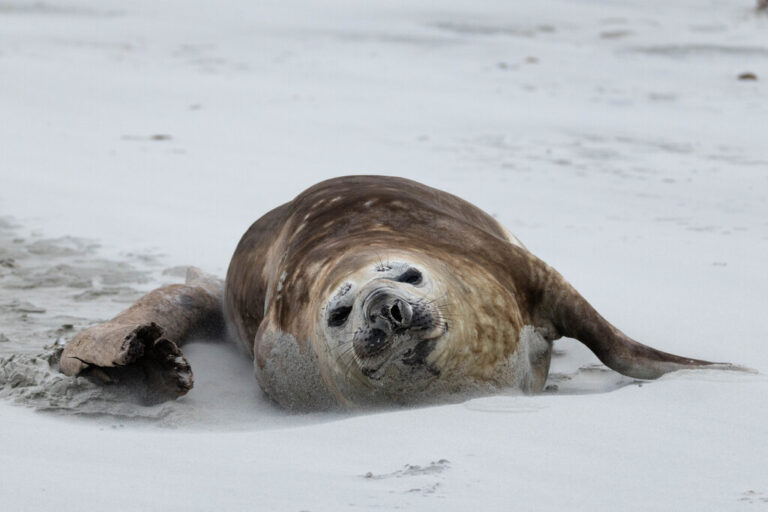
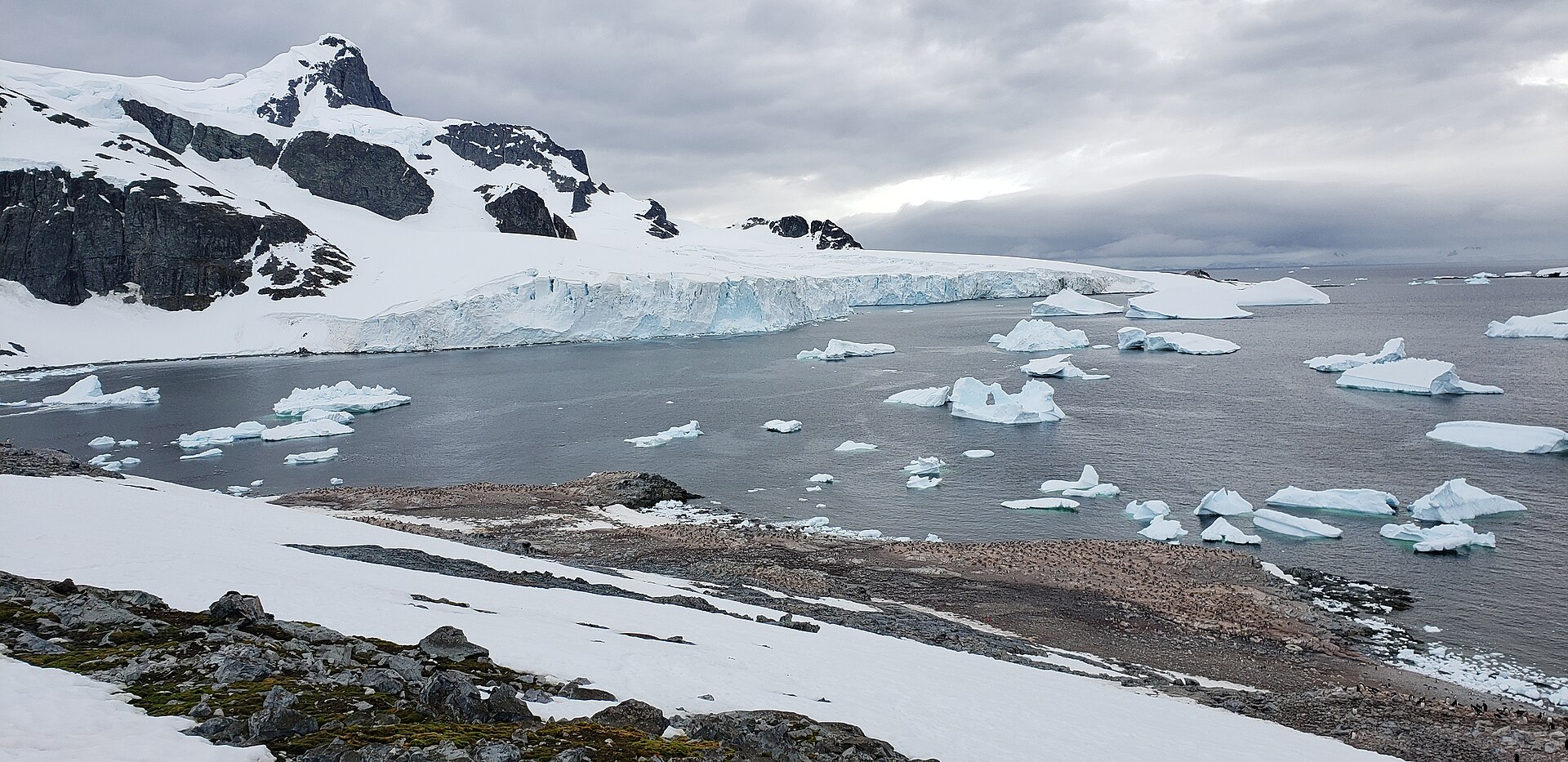
Photo © Pi3.124 — CC BY-SA 4.0 — Source: Wikimedia CommonsGranite peaks and sculpted ice define this windswept archipelago off the Antarctic Peninsula, where steep rocky shores plunge into waters thick with drifting brash ice. Cuverville Island itself rises as a compact, ice-capped outcrop surrounded by towering glacier walls and the open Southern Ocean—a landscape sculpted by Pleistocene ice and now shaped daily by wind, tide, and the retreat of continental ice. The terrain supports sparse but resilient vegetation adapted to extreme cold: hardy lichens, mosses, and grasses cling to exposed rock faces where snow has melted, creating crucial nesting habitat and feeding grounds. The island's true richness lies in its wildlife communities: seabirds and diving birds nest in colonies along the shores and cliffsides, marine mammals patrol the surrounding waters in search of small fish and krill, and seals haul out on ice floes throughout the season. The cold Southern Ocean ecosystem fuels everything—a system of currents and upwelling that drives productivity in these latitudes, sustaining the entire food web from microscopic organisms to apex predators.
For wildlife photographers and naturalists, Cuverville Island delivers drama in raw form. The season—typically November through January—brings peak nesting activity, when colonies swell with activity and light extends nearly around the clock, offering photographers extended golden hours even at midnight. Access is carefully regulated, with visitors approaching by zodiac or expedition vessel, often threading between icebergs and alongside marine mammals in their natural realm. The combination of accessible colonies, dramatic ice scenery, and the reliable presence of circumpolar seabirds and marine fauna makes this one of the Peninsula's most rewarding stops for those seeking intimate encounters with Antarctic wildlife. Weather here is severe and changeable; even summer visits demand respect for conditions and patience—but reward that patience with sights few terrestrial ecosystems can match: the roar of colonies, the crack of calving ice, and the sudden emergence of a marine mammal breaking the surface.
No community observations yet — be the first to log a sighting here.
Cuverville Island
A marine setting shaped by the ocean rather than land elevation.
A year of temperatures
Monthly means, with the coldest and warmest highlighted
Ocean setting
This hotspot is predominantly marine. Land elevation is deliberately omitted.