Togiak National Wildlife Refuge
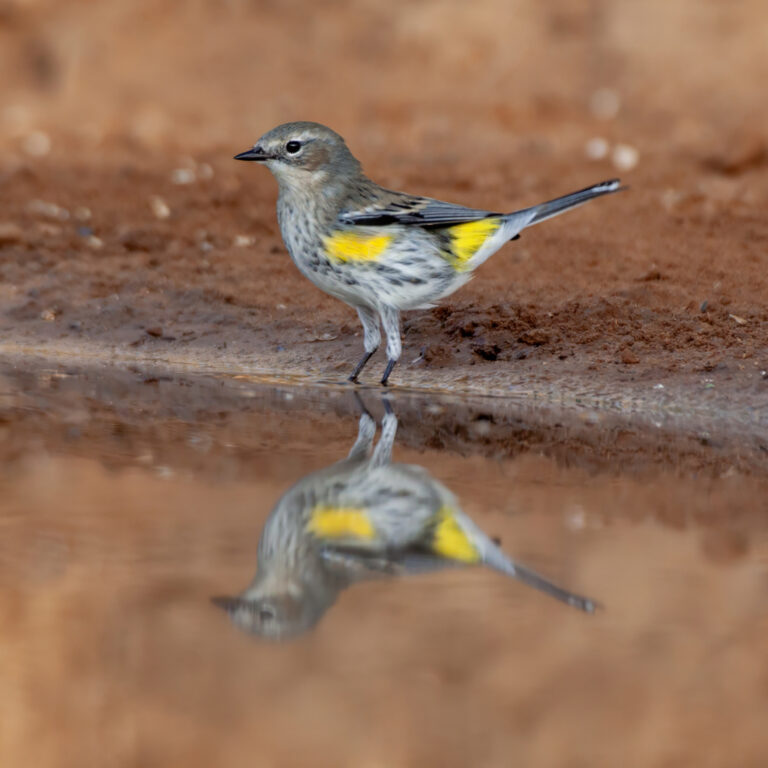
Photo © USFWSAlaska
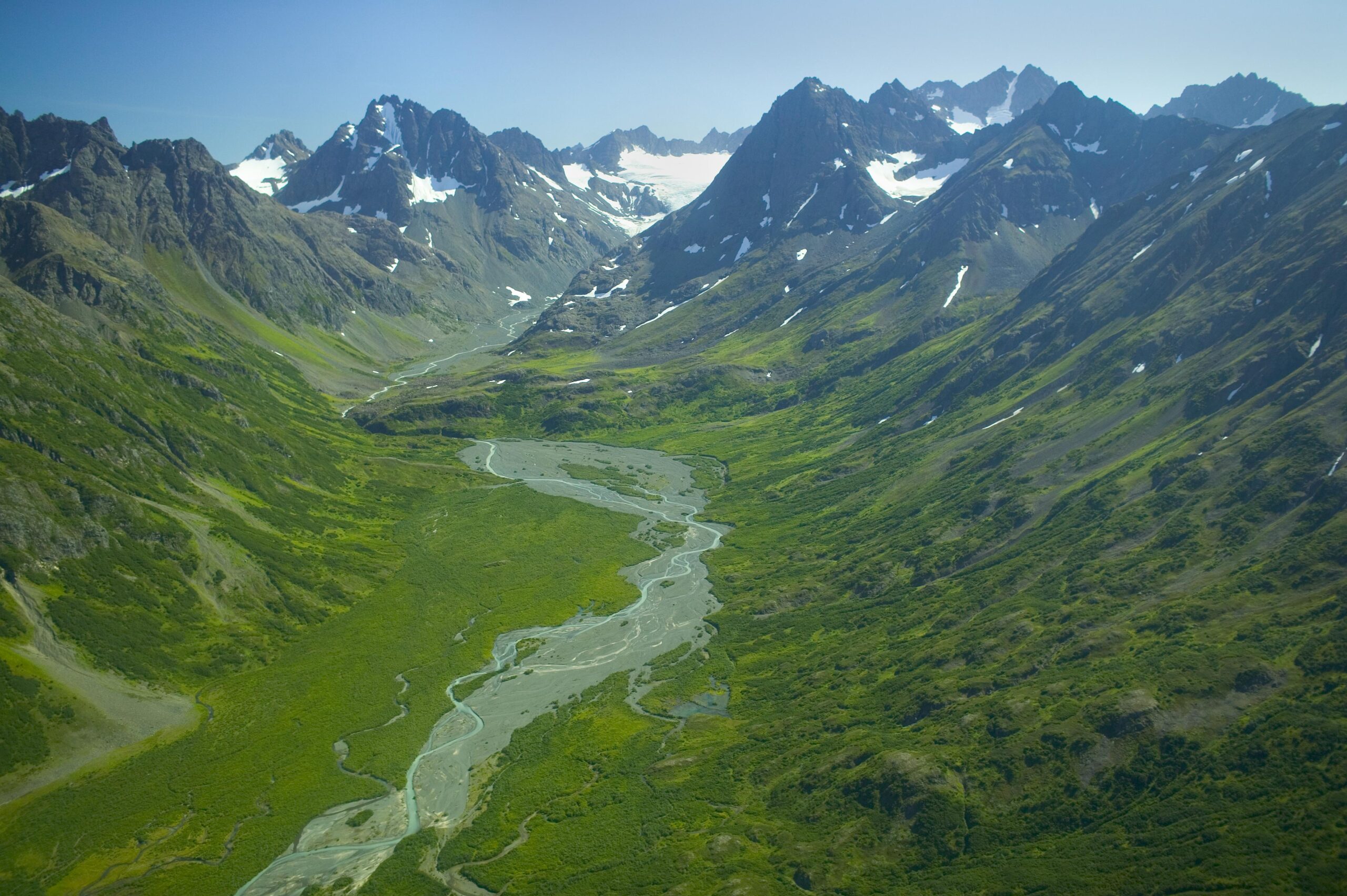
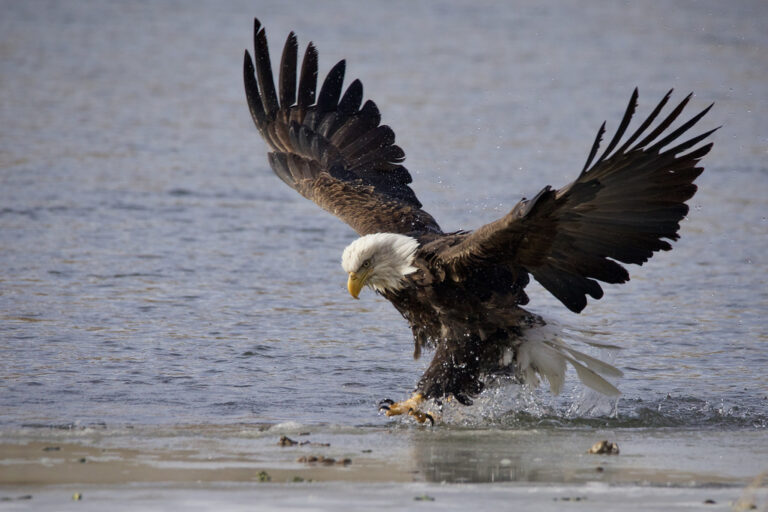
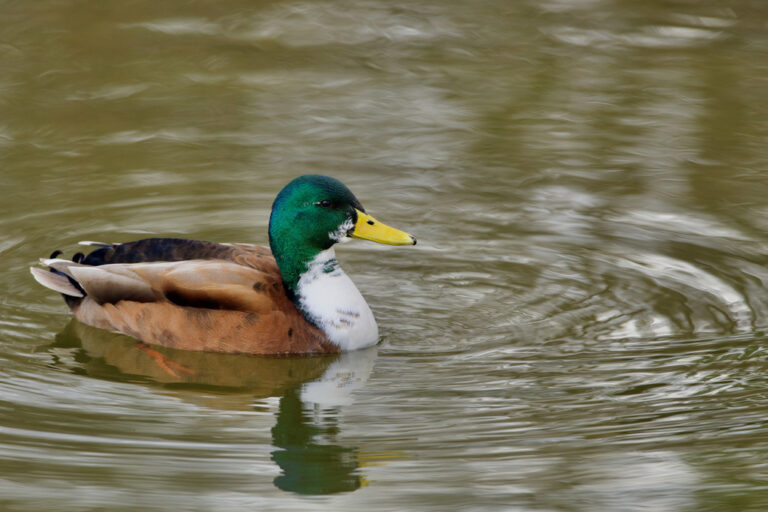
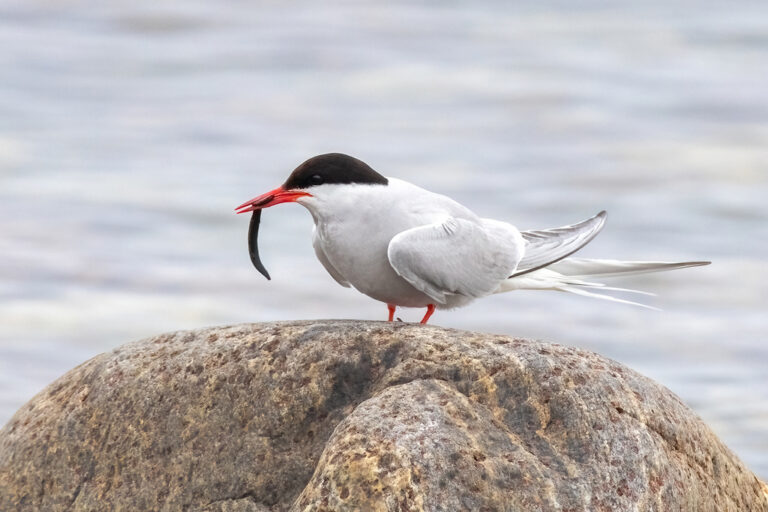
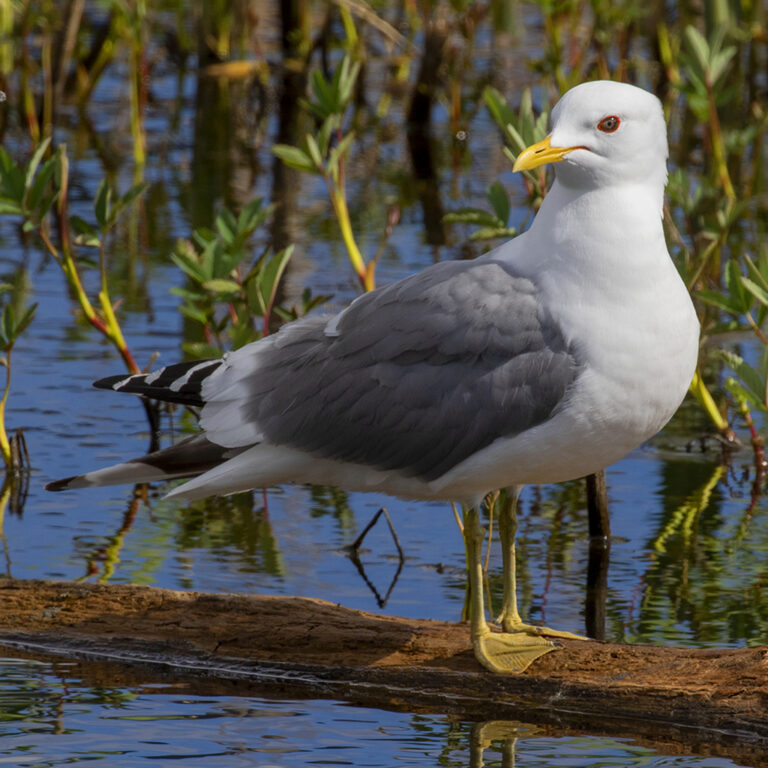
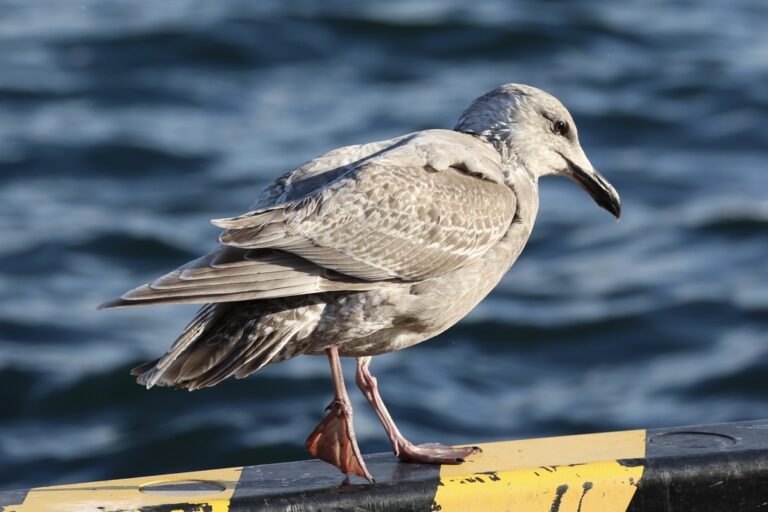
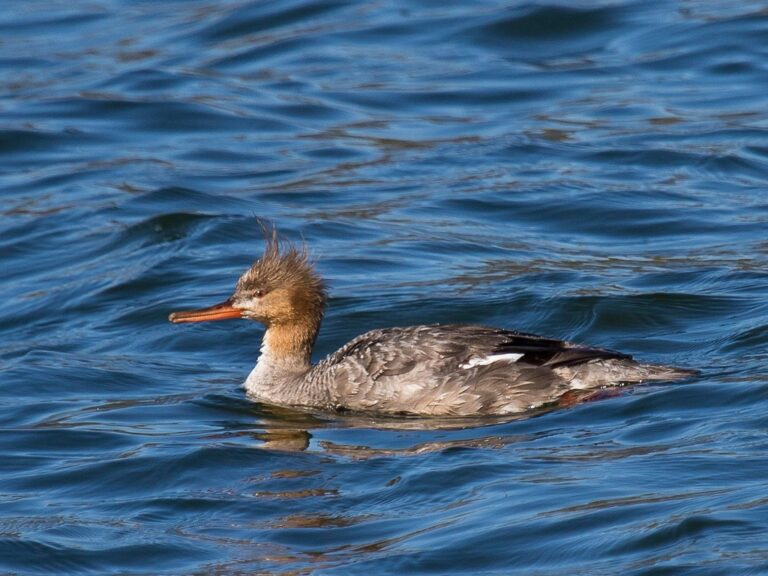
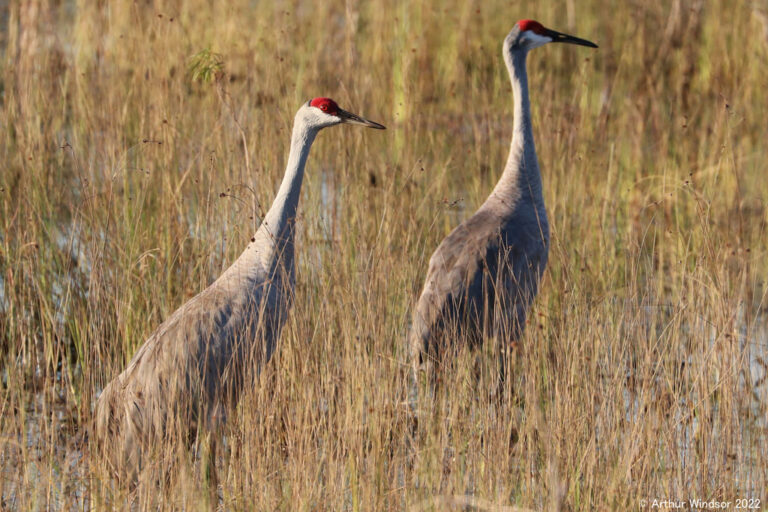
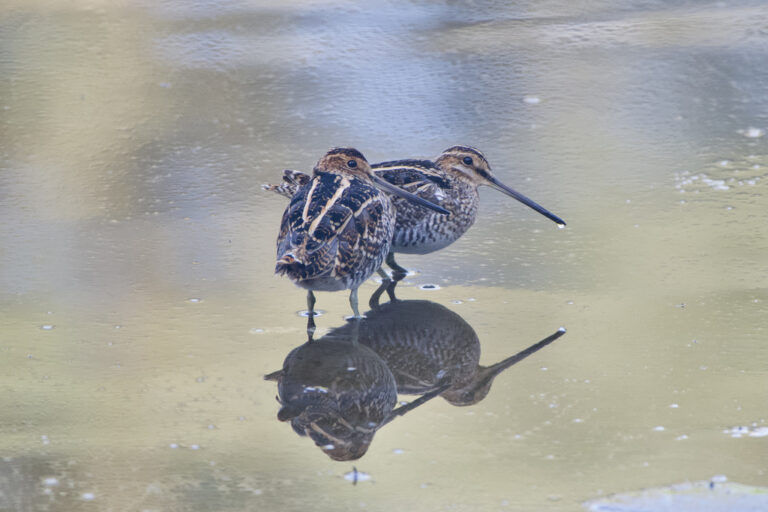
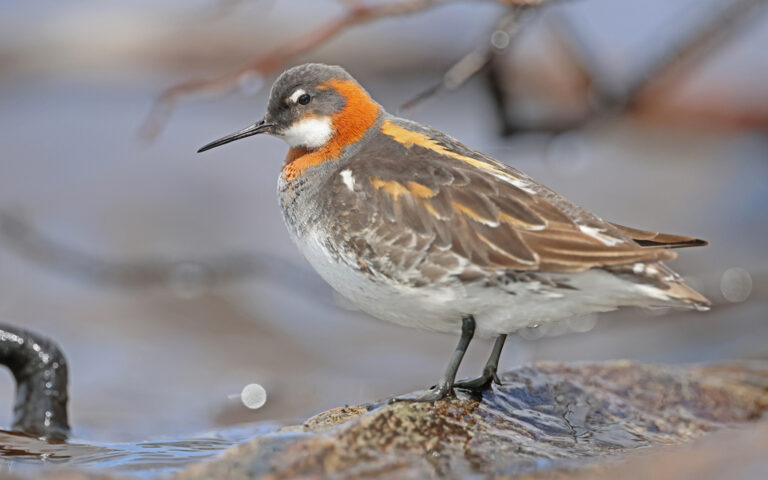
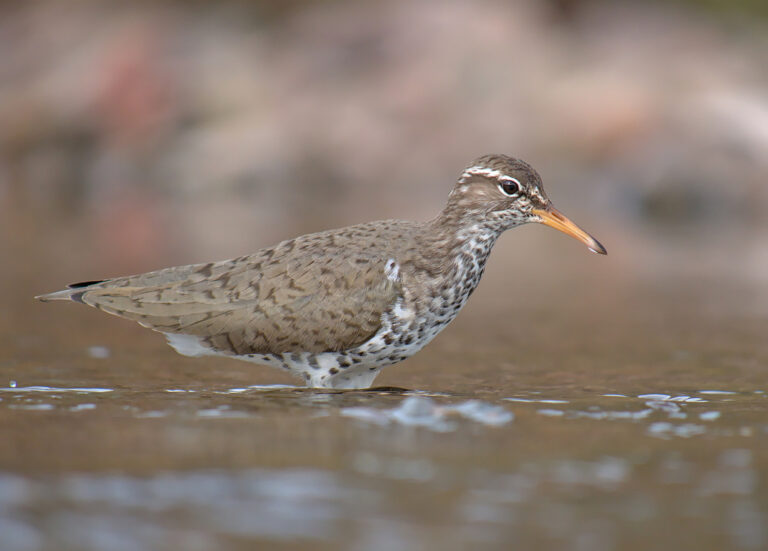
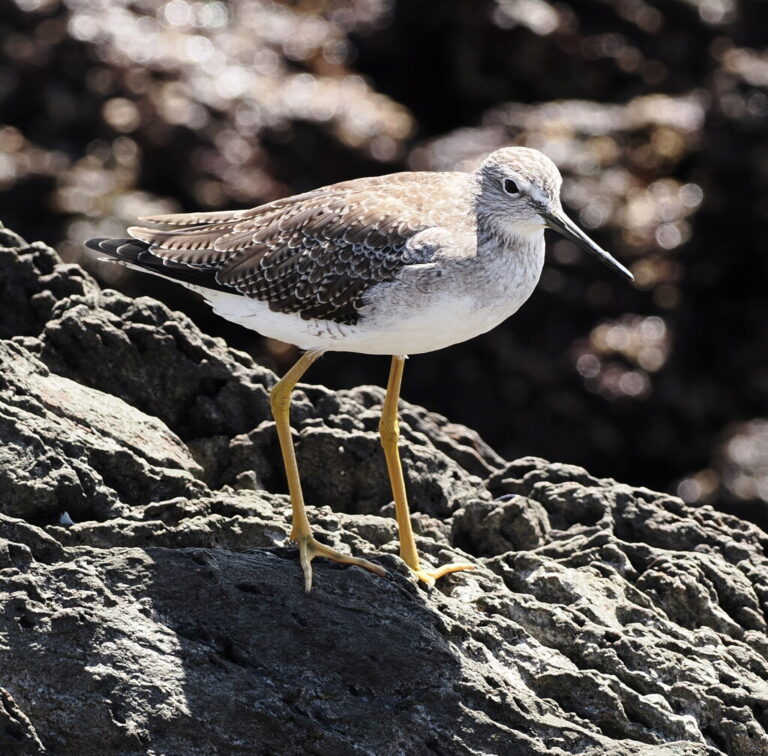
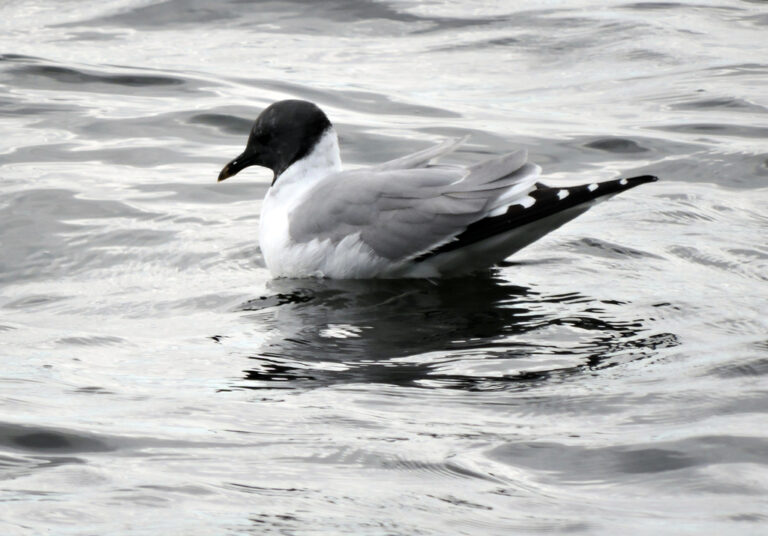
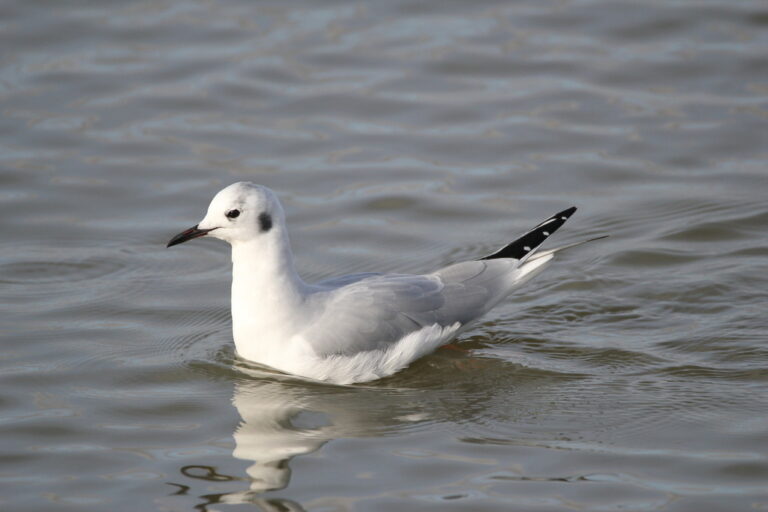
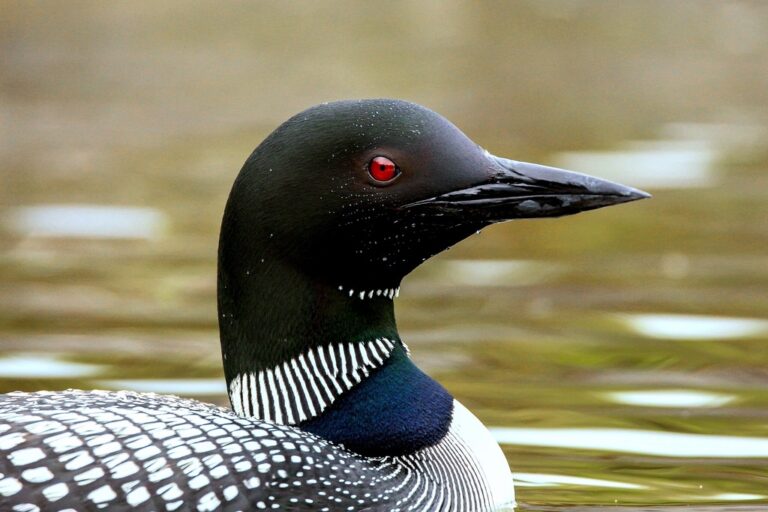
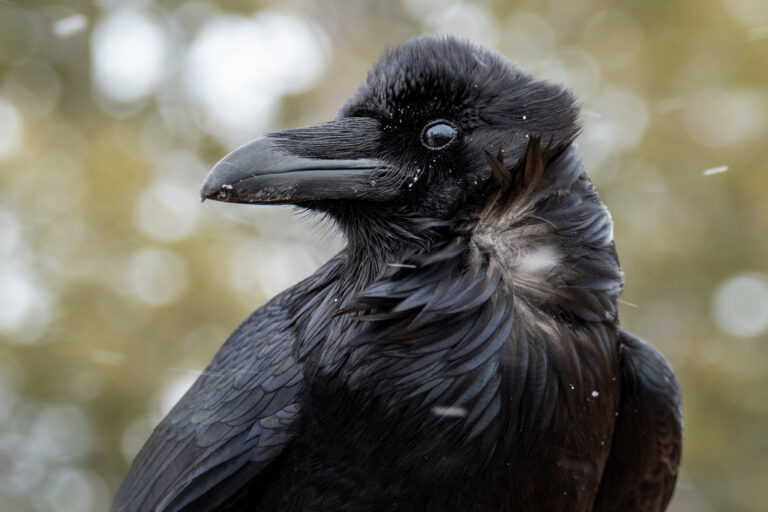
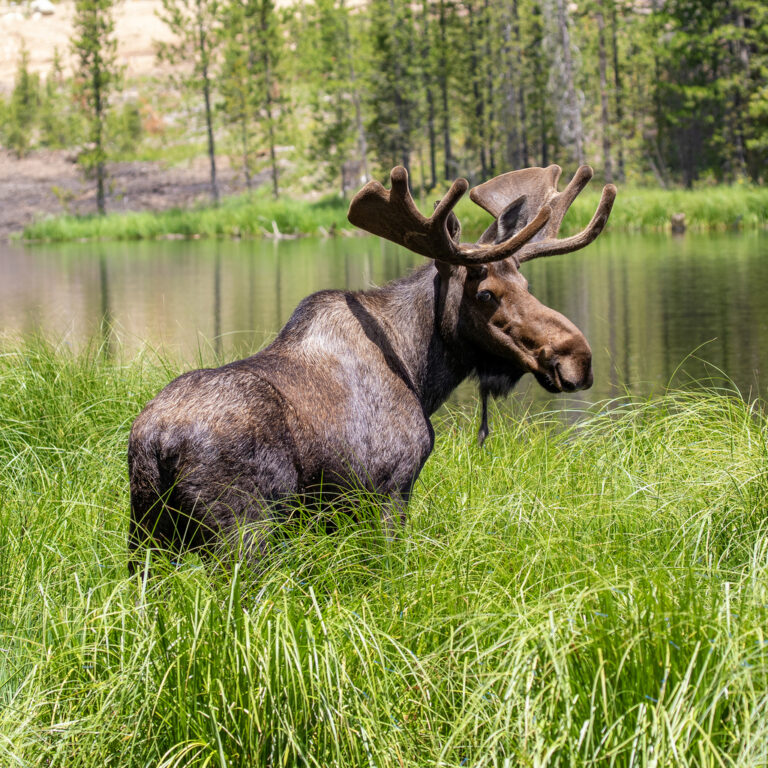
Photo © USFWSAlaska — CC0 1.0 — Source: Wikimedia CommonsWhere subarctic tundra and coastal wetlands converge along the Bering Sea, Togiak National Wildlife Sanctuary protects one of southwestern Alaska's most ecologically vital landscapes. Rolling tundra dotted with low shrubs, sedge meadows, and thaw lakes spreads across this vast refuge, shaped by a Dfc climate of short summers and long, severe winters with minimal seasonal drought. The landscape transitions from upland terrain to extensive wetland complexes and river deltas that funnel migratory species through critical bottlenecks each spring and autumn. Waterfowl, shorebirds, and seabirds congregate here by the hundreds of thousands, while predatory birds hunt across the open terrain. Marine mammals haul out on coastal margins, and terrestrial carnivores roam the tundra seeking seasonal prey. The refuge's mosaic of habitats—from freshwater marshes to brackish estuaries to open water—sustains populations that travel between Arctic breeding grounds and distant wintering sites, making it a keystone site for understanding circumpolar migration.
The refuge demands serious commitment from visiting naturalists: access is primarily by floatplane or boat from the small communities of Togiak and Dillingham, and visitor infrastructure is minimal by design. Yet for those equipped to navigate its remoteness, the rewards are profound. Spring and early summer bring explosive pulses of migratory birds returning to nest on the tundra, with long daylight hours—nearly 24 hours at the summer solstice—offering extended observation windows and exceptional light for wildlife photography. Autumn staging concentrations of waterfowl and shorebirds likewise attract serious birders seeking glimpses of high-Arctic breeding populations before their southbound journeys. The subarctic climate means weather is unpredictable and conditions can shift rapidly; successful visits require flexibility, proper cold-weather gear, and realistic expectations about what the tundra will reveal. This is not a destination for casual drive-by tourism, but rather for dedicated wildlife observers willing to embrace the refuge's austere beauty and logistical challenges in exchange for encounters with some of the Northern Hemisphere's most remarkable migratory phenomena.
No community observations yet — be the first to log a sighting here.
Togiak National Wildlife Refuge
Strong seasonal contrast, with cold winters and warmer summers.
A year of temperatures
Monthly means, with the coldest and warmest highlighted
Terrain and elevation
82 m · LowlandAverage terrain elevation estimate across the hotspot; the figure does not represent its highest summits.
Lowland