South Island National Park
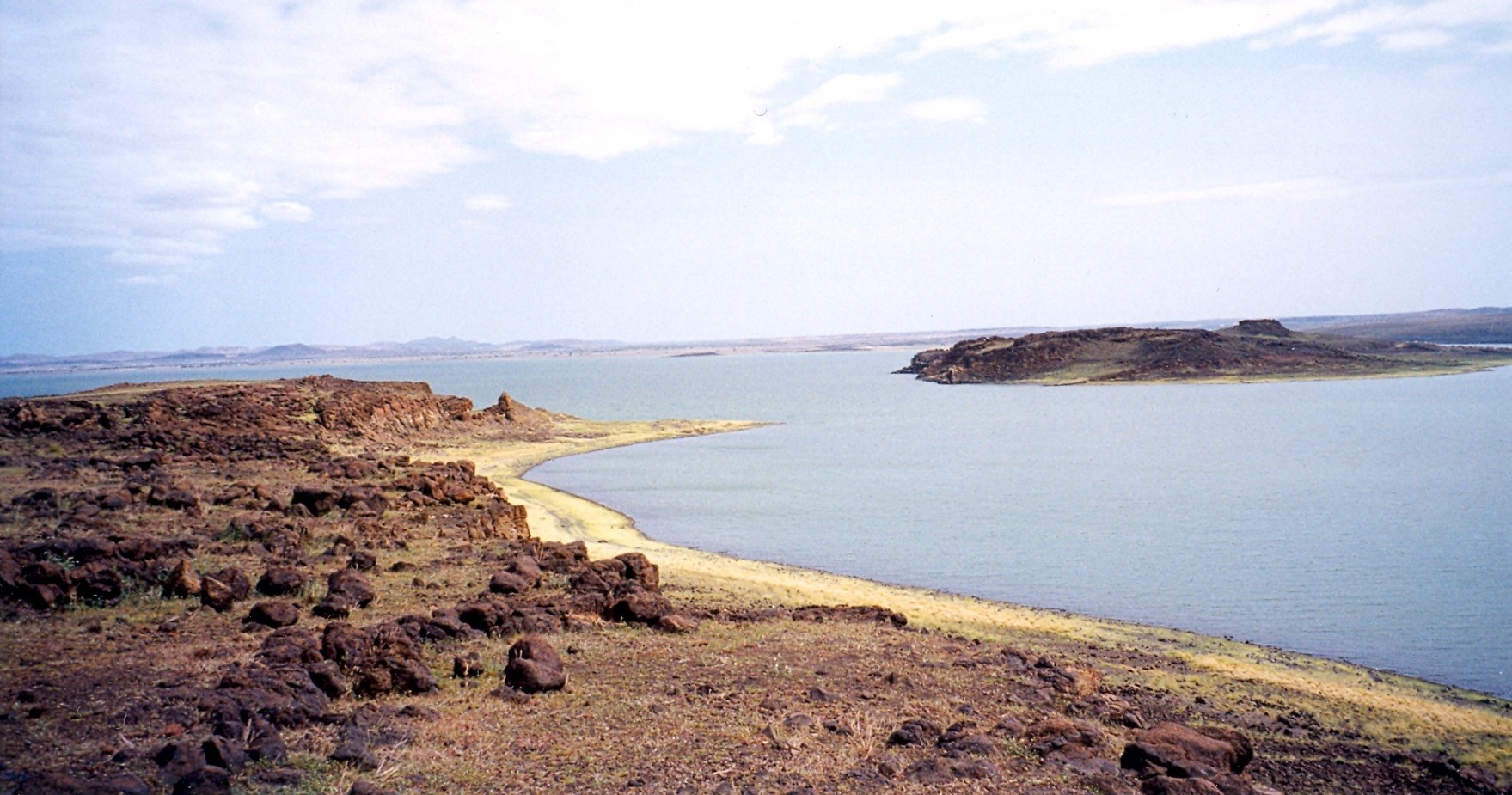
Photo © User:Doron
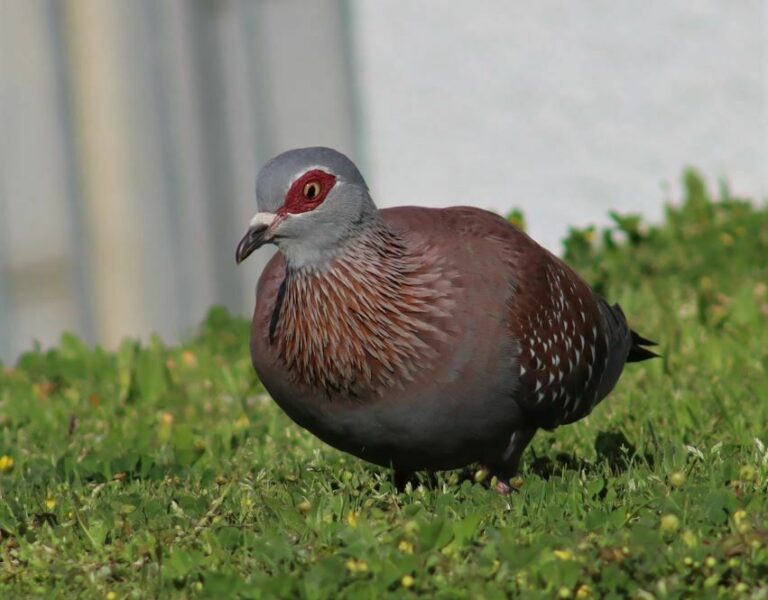
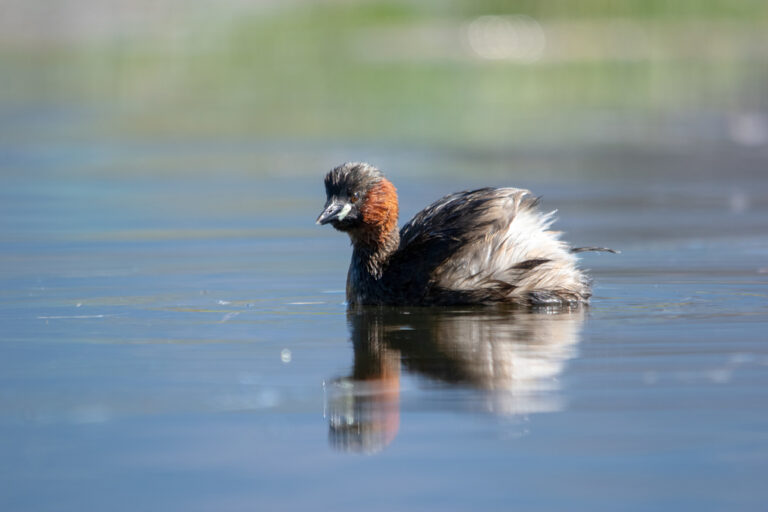
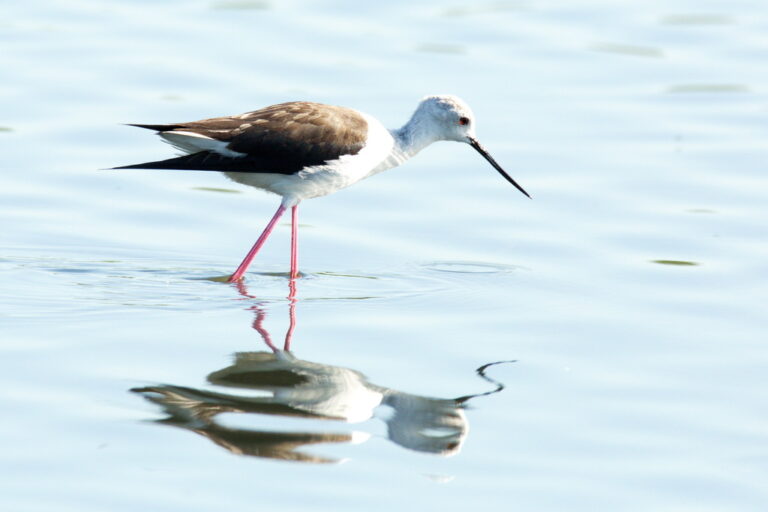
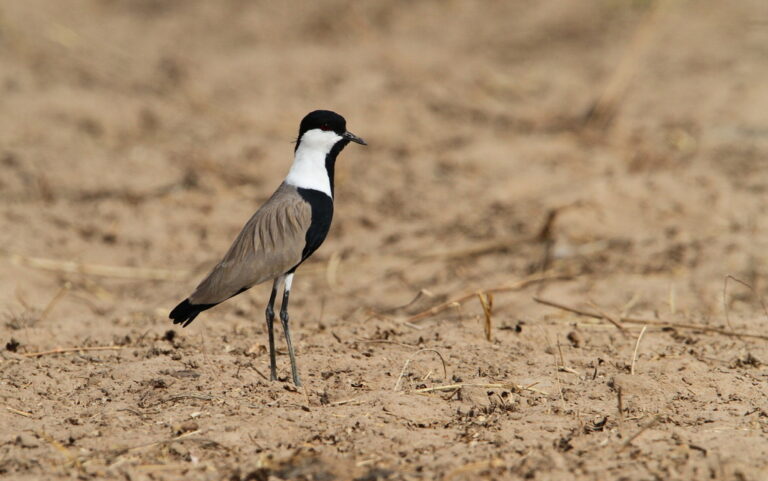
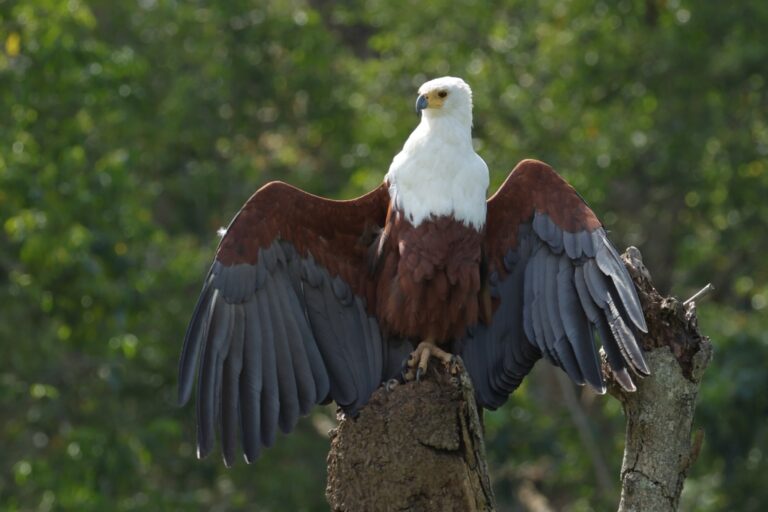
Photo © User:Doron — CC BY-SA 4.0 — Source: Wikimedia CommonsAcross the volcanic plateaus and acacia-dotted plains of northern Kenya's semi-arid interior, South Island National Park rises as a stark and compelling wilderness. The park's dramatic landscape—characterized by sparse, drought-resistant vegetation adapted to the hot, dry BSh climate—creates a raw canvas where survival itself shapes the rhythm of life. Volcanic formations punctuate the terrain, while scattered shrublands and grasslands support a surprisingly resilient community of wildlife. Here, birds of prey circle overhead on thermals, hunting across open ground where small mammals and reptiles navigate the demanding seasons. Large herbivores move through the landscape in patterns dictated by water availability and seasonal rains, their presence a testament to the park's capacity to sustain life even in conditions of genuine scarcity. The ecosystem functions as a living model of semi-arid adaptation, where every organism has evolved strategies to thrive in heat and aridity.
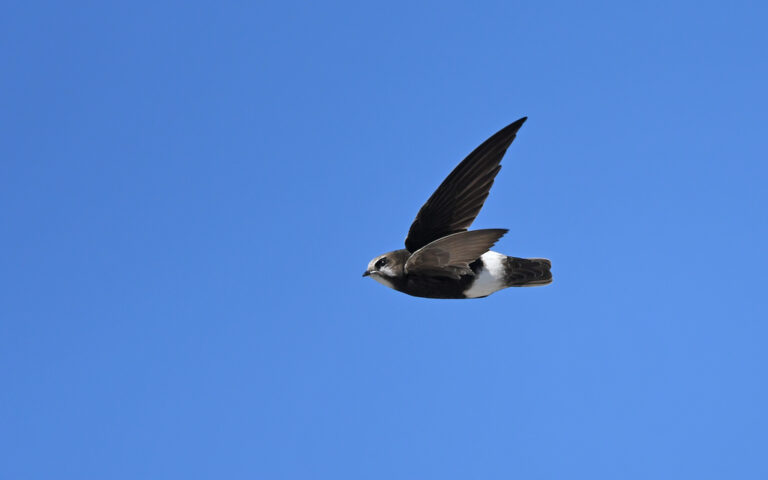
For wildlife photographers and field naturalists, South Island National Park demands serious intent and patience—virtues rewarded with encounters impossible elsewhere. The dry season concentrates wildlife around remaining water sources, creating dramatic compositional opportunities for those equipped to endure the harsh conditions. Birds of prey reach their greatest visibility during clear skies and strong thermals, when the sparse vegetation offers little concealment. The quality of light across open terrain is exceptional, particularly in early morning and late afternoon when shadows deepen the contours of volcanic stone and illuminate distant game trails. Access requires proper preparation and local knowledge, but adventurous travelers who undertake the journey gain intimate perspective on how ecosystems function under genuine environmental constraint. This is not a park for casual visitors; it is a destination for committed naturalists who understand that some of Africa's most instructive wildlife encounters occur not in abundance, but in the austere beauty of survival.
No community observations yet — be the first to log a sighting here.
South Island National Park
Dry conditions dominate, with strong contrasts between day and night.
A year of temperatures
Monthly means, with the coldest and warmest highlighted
Terrain and elevation
398 m · LowlandAverage terrain elevation estimate across the hotspot; the figure does not represent its highest summits.
Lowland