Theodore Roosevelt National Park
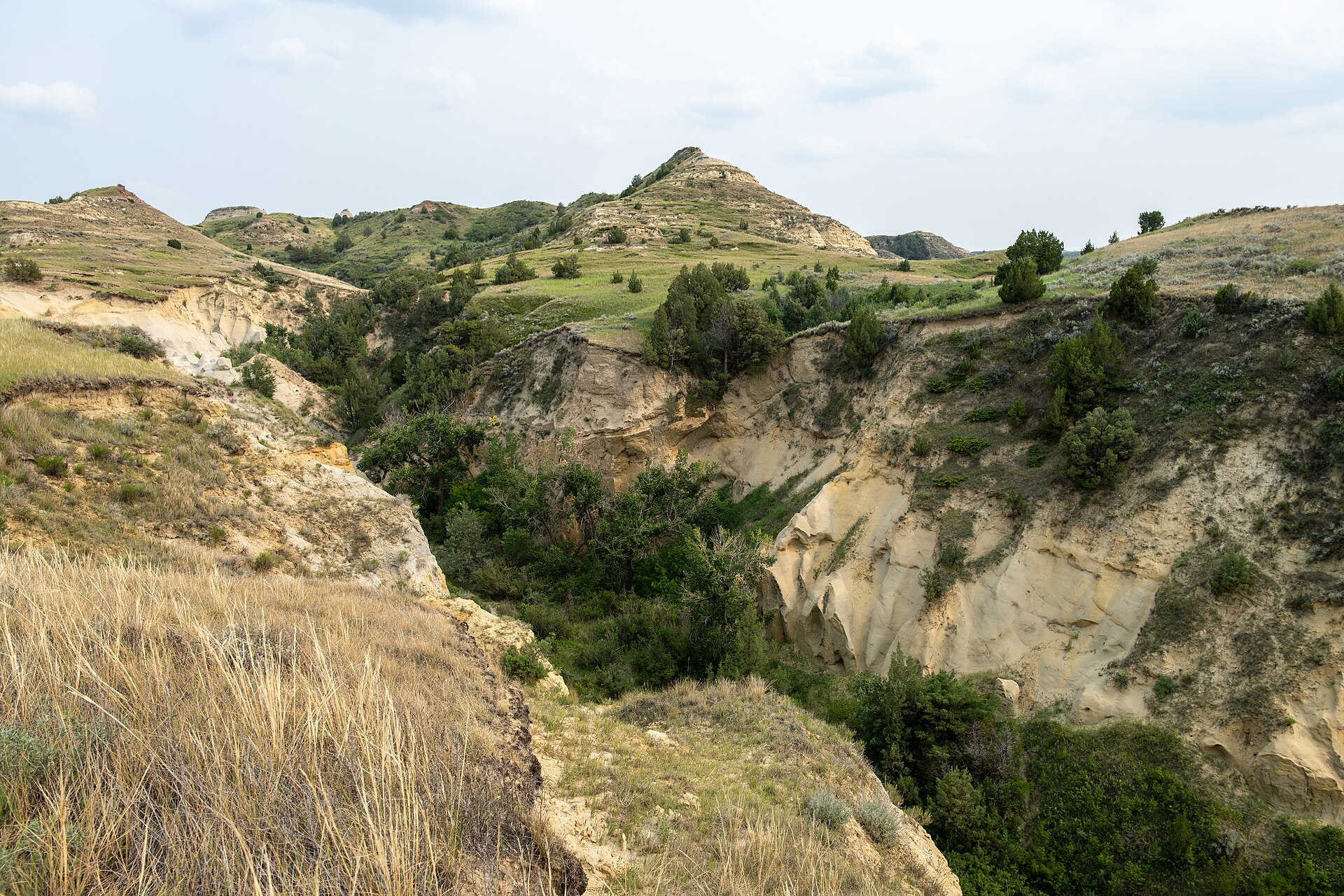
Where the Little Missouri River carves through the North Dakota badlands, a landscape of rust-colored buttes, golden grasslands, and deep ravines unfolds across roughly 2,400 square kilometers. This is a place where fire-sculpted canyons meet prairie, where cottonwood groves shelter hidden watercourses, and where semi-arid grassland transitions seamlessly into badland formations of extraordinary geological drama. The park's patchwork of habitats—from riparian corridors to shortgrass prairie—creates an ecosystem that harbors both Great Plains fauna and creatures typically associated with more rugged western terrain.
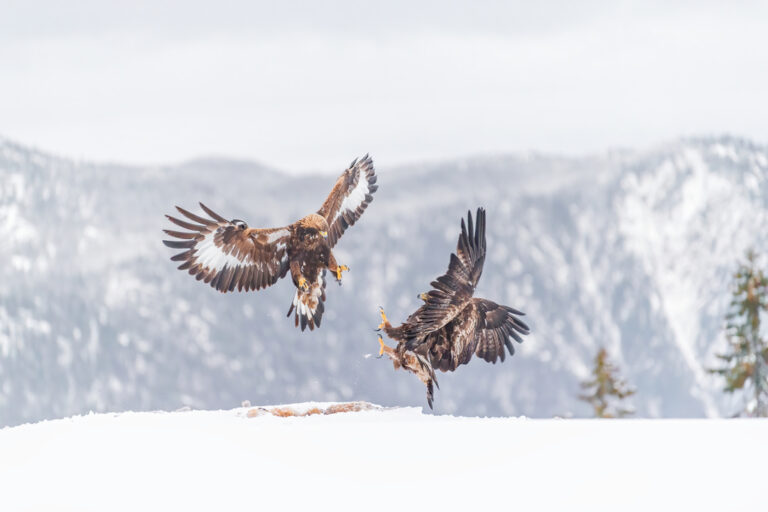
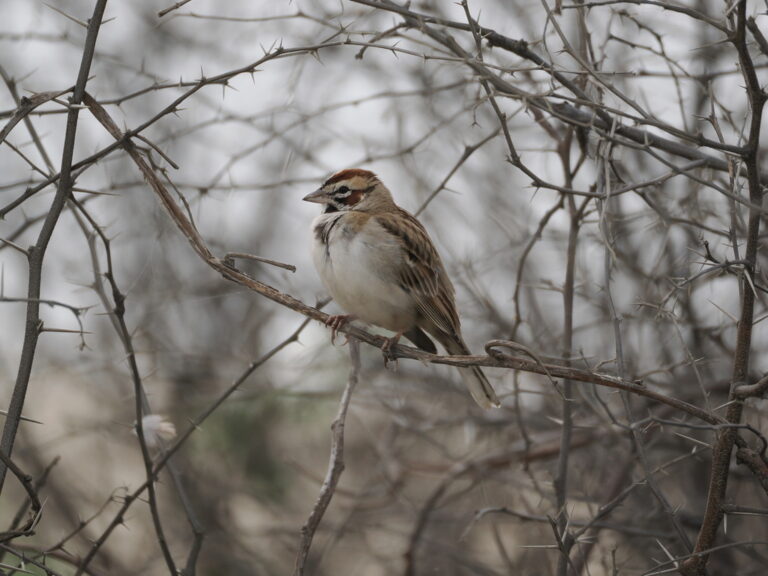
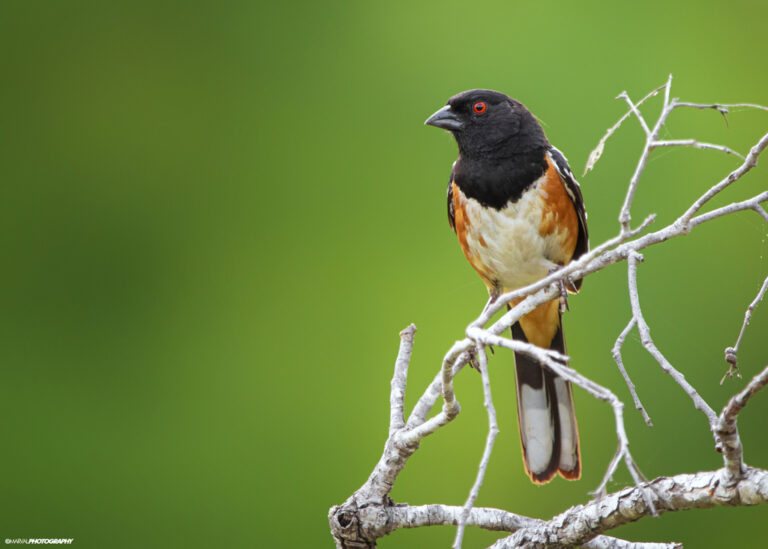
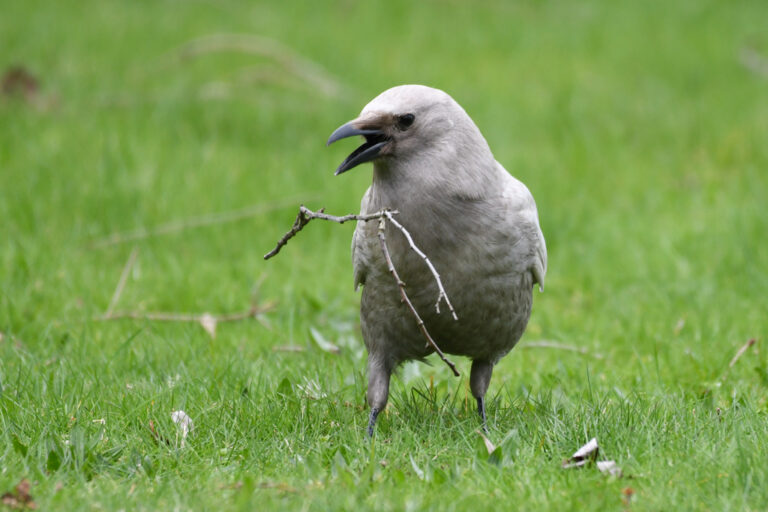
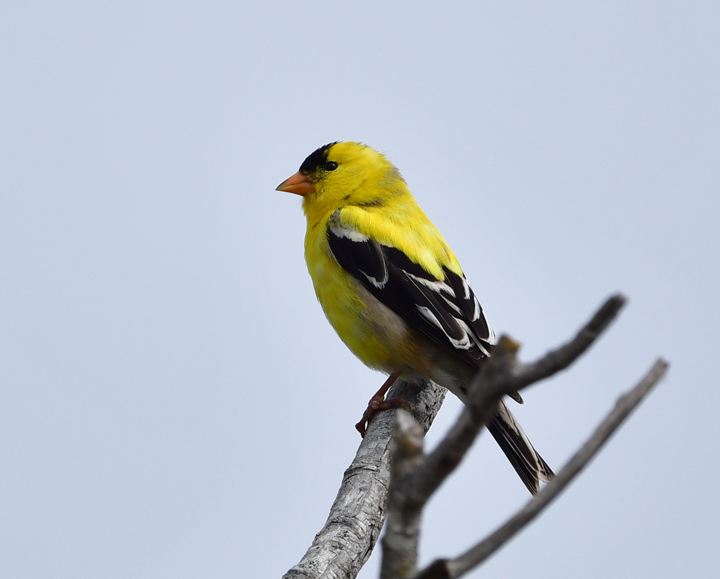
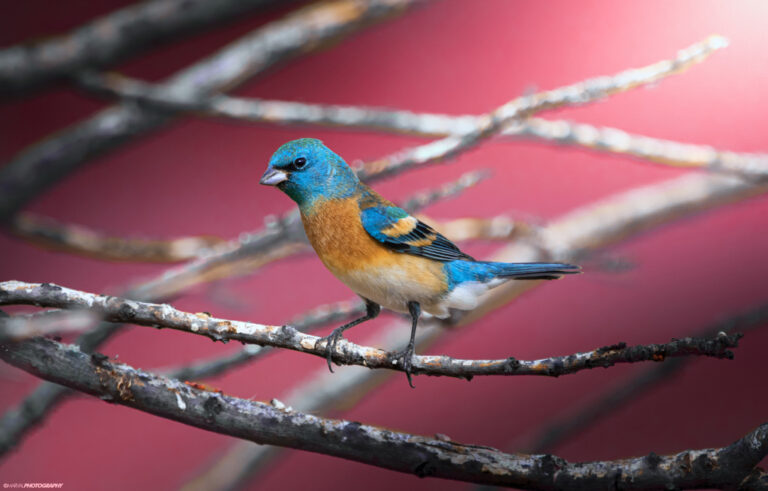
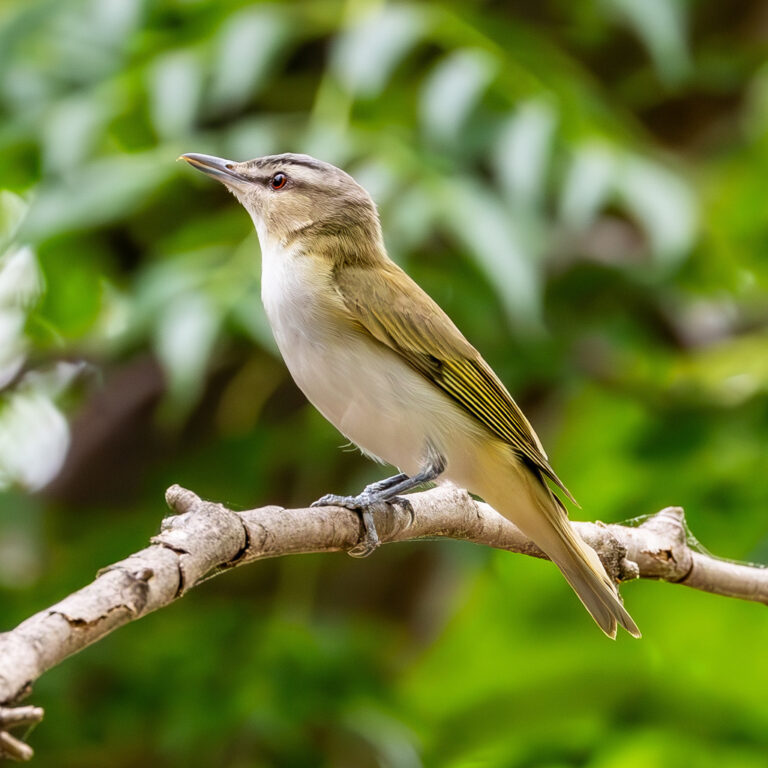
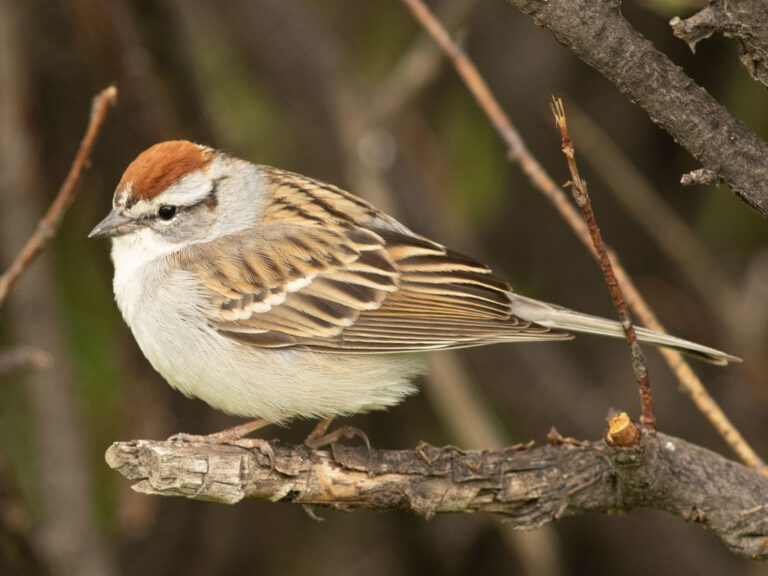
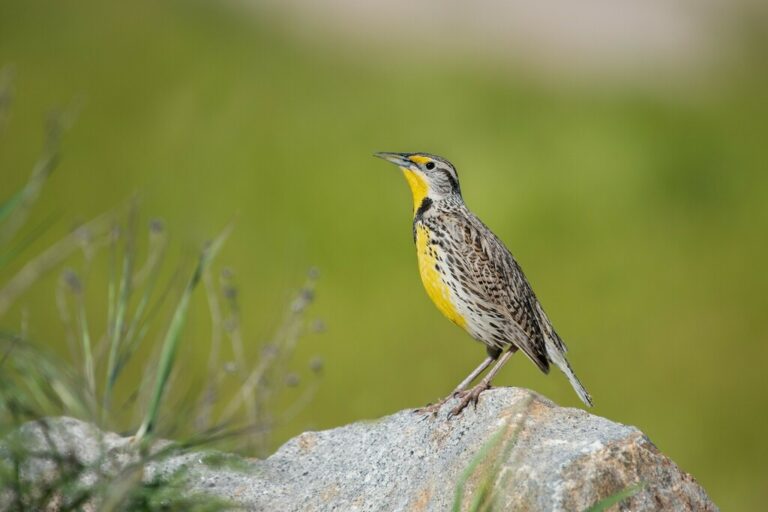
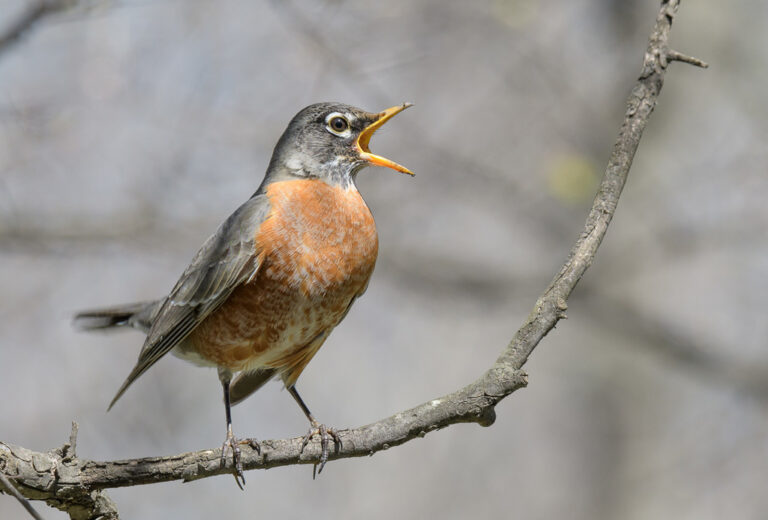
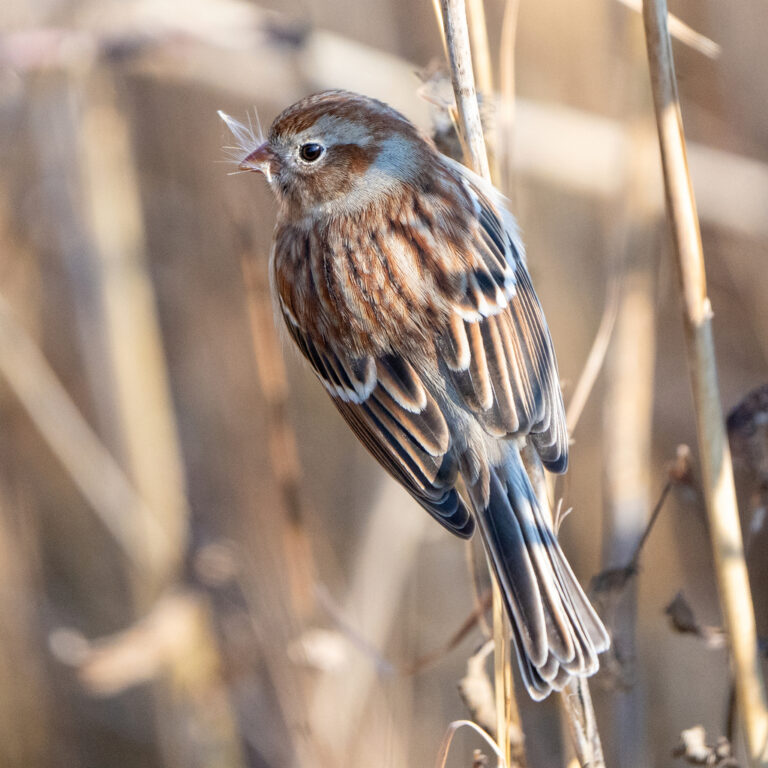
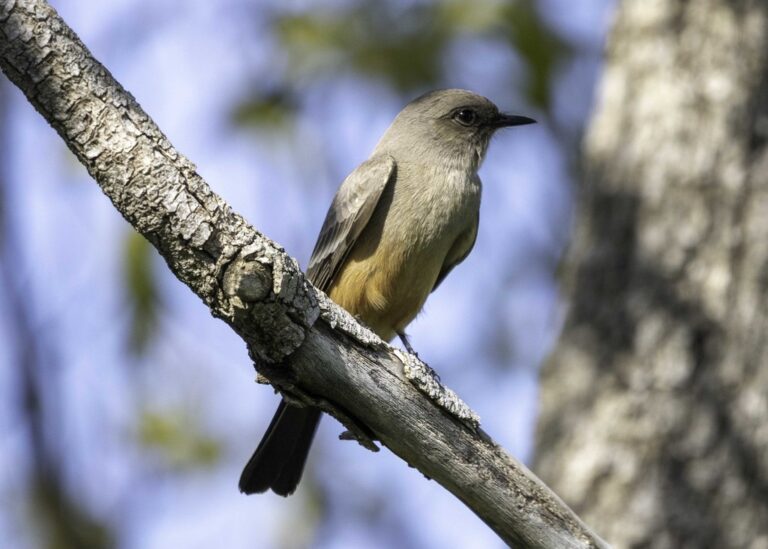
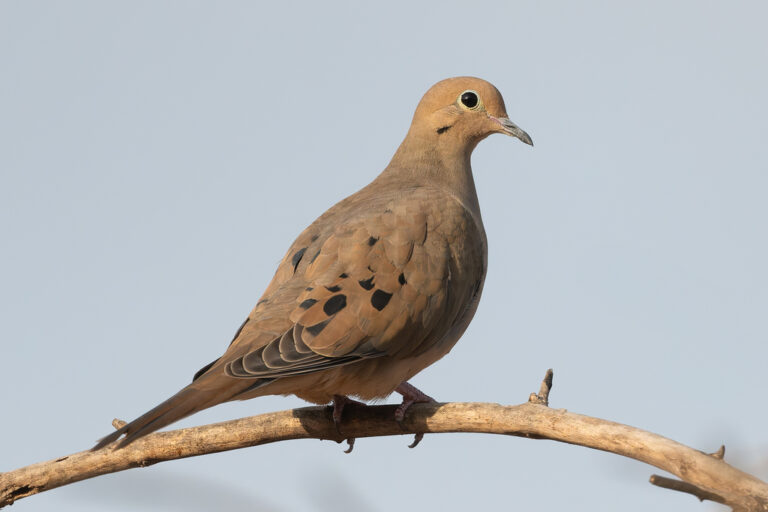
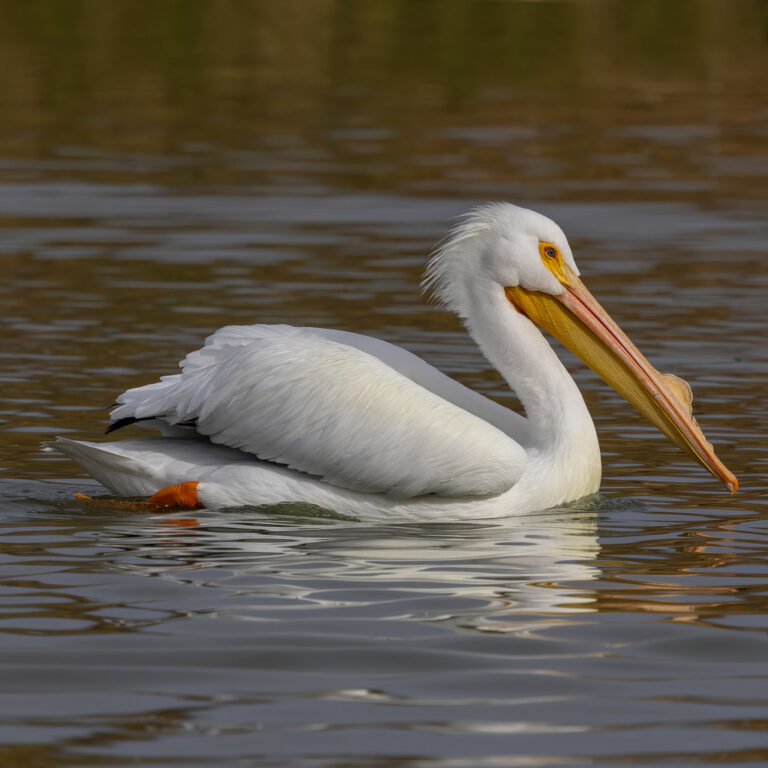
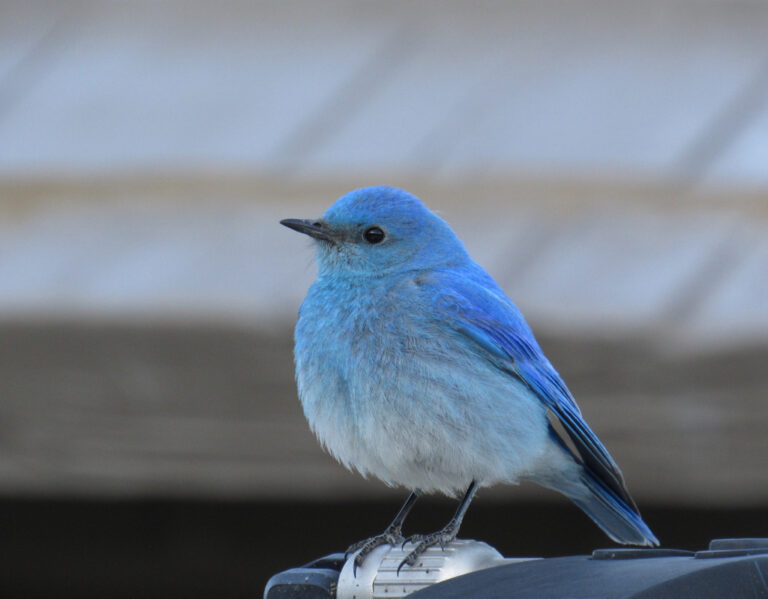
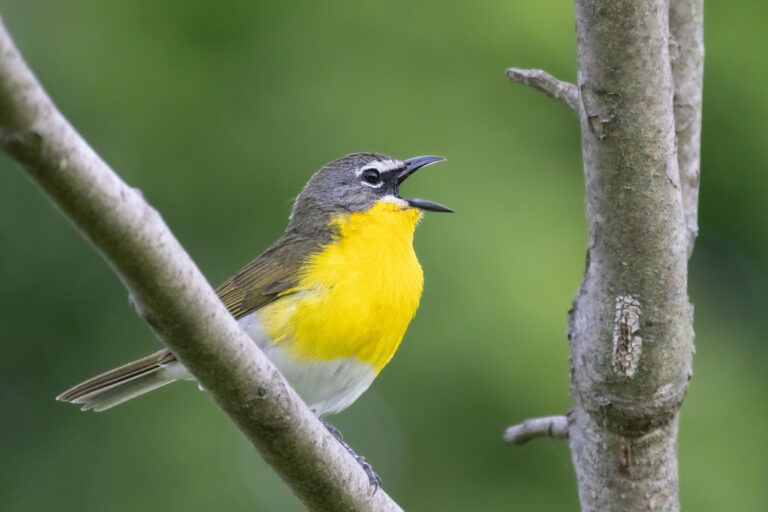
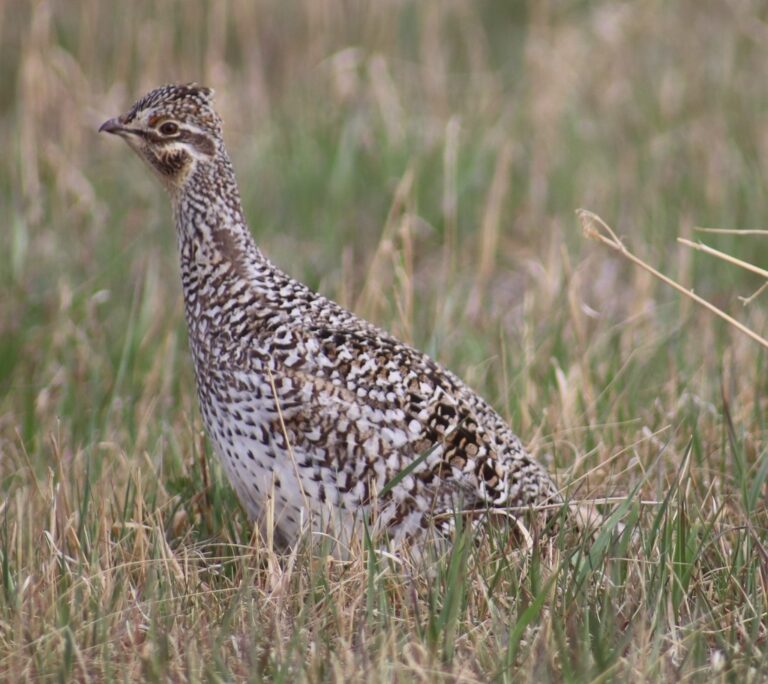
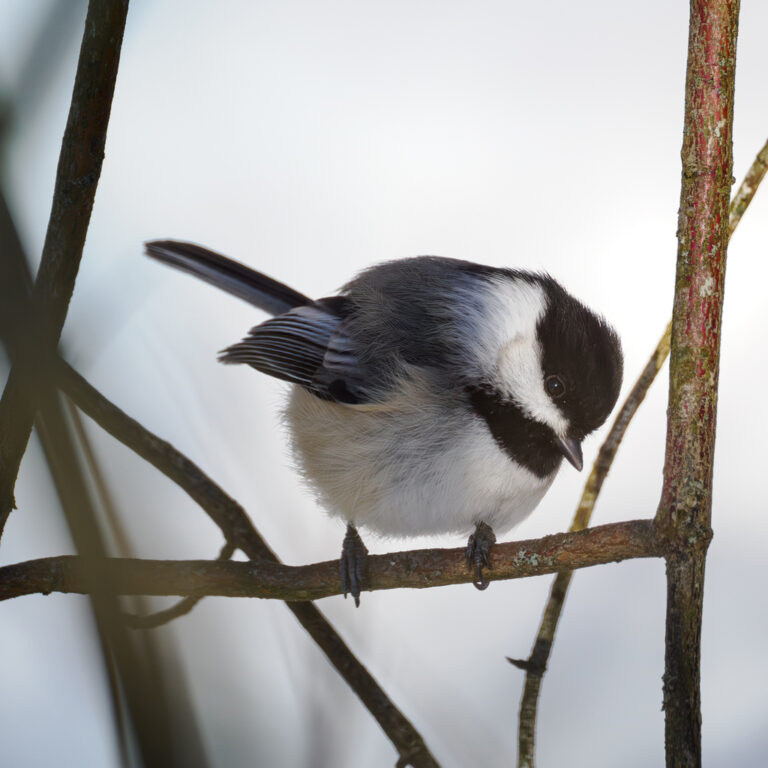
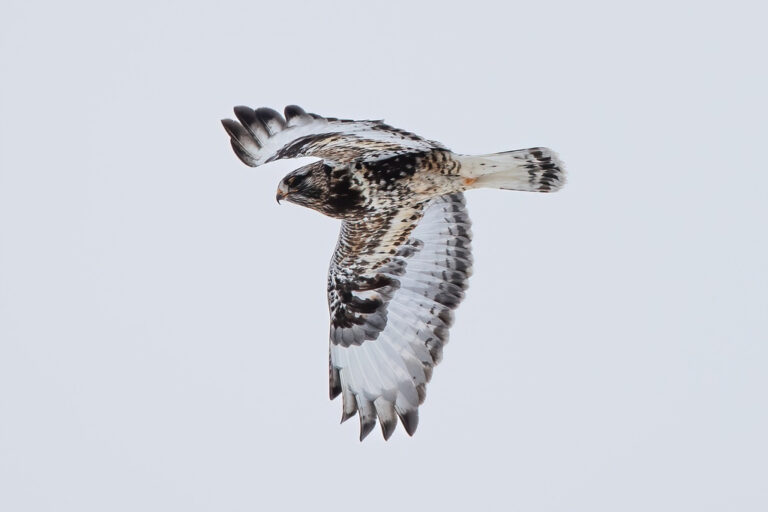
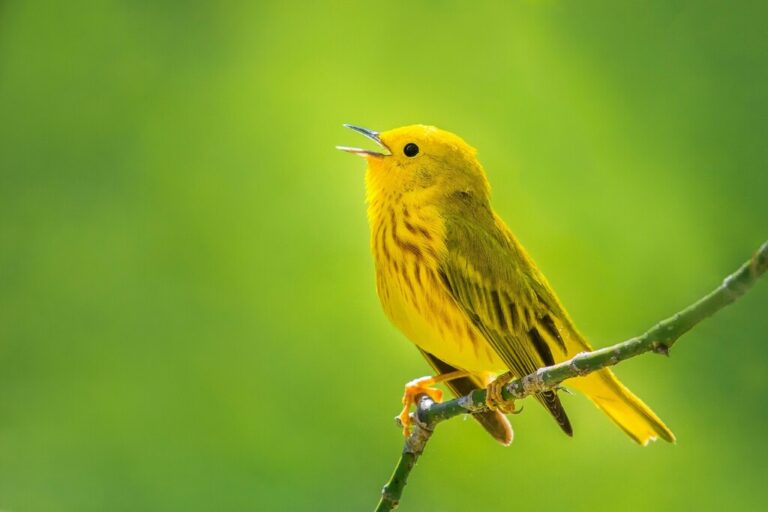
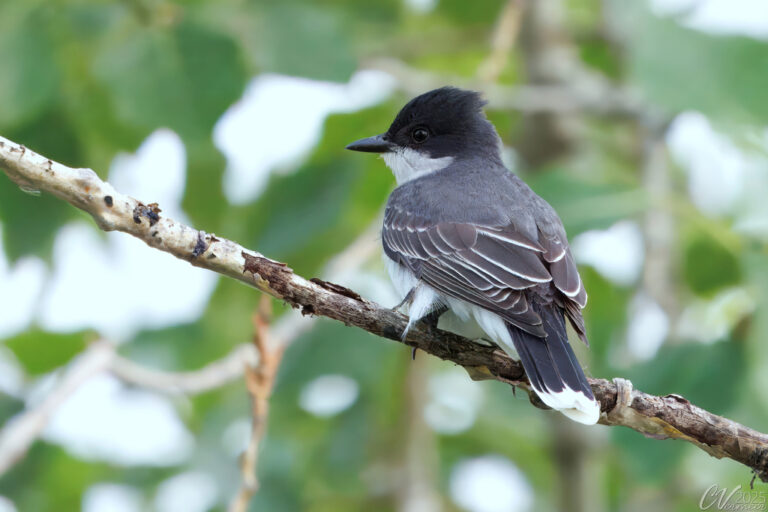
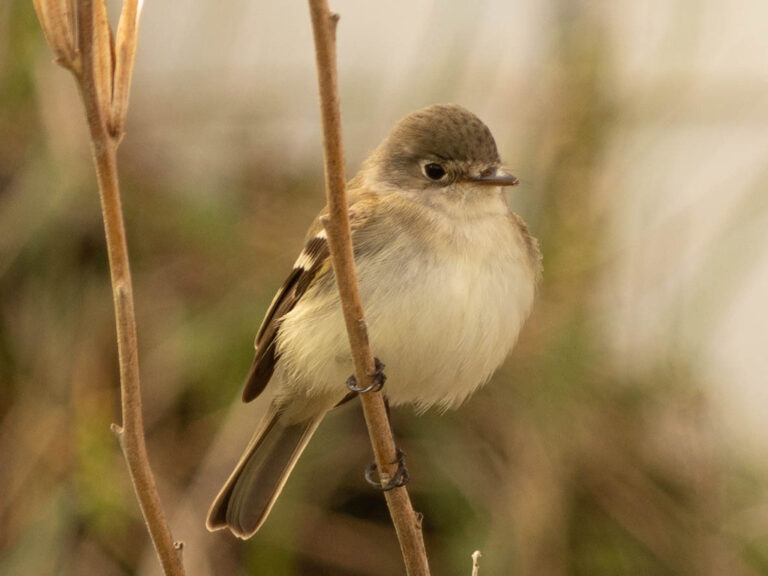
For wildlife photographers and serious birders, the park delivers in both quantity and quality. Bison herds move across the meadows like living history, while mule deer, pronghorn, and occasionally bighorn sheep reward patient observers. Over 180 bird species have been recorded here, including golden eagles and prairie falcons that hunt the thermals above the badlands. The dramatic interplay of morning and late-afternoon light transforms the buttes into a photographer's masterpiece, while spring migration and early autumn provide peak opportunities for sightings. Access via well-maintained scenic drives makes this North Dakota treasure accessible without sacrificing genuine wilderness character.
No community observations yet — be the first to log a sighting here.